“Know then thyself, presume not God to scan; / The proper study of mankind is man.” (An Essay on Man) Alexander Pope – – Understand your own mind first instead of trying to judge the heavens. Good advice for students…more of A P later.
The Architectural Vision & “Gloomth”
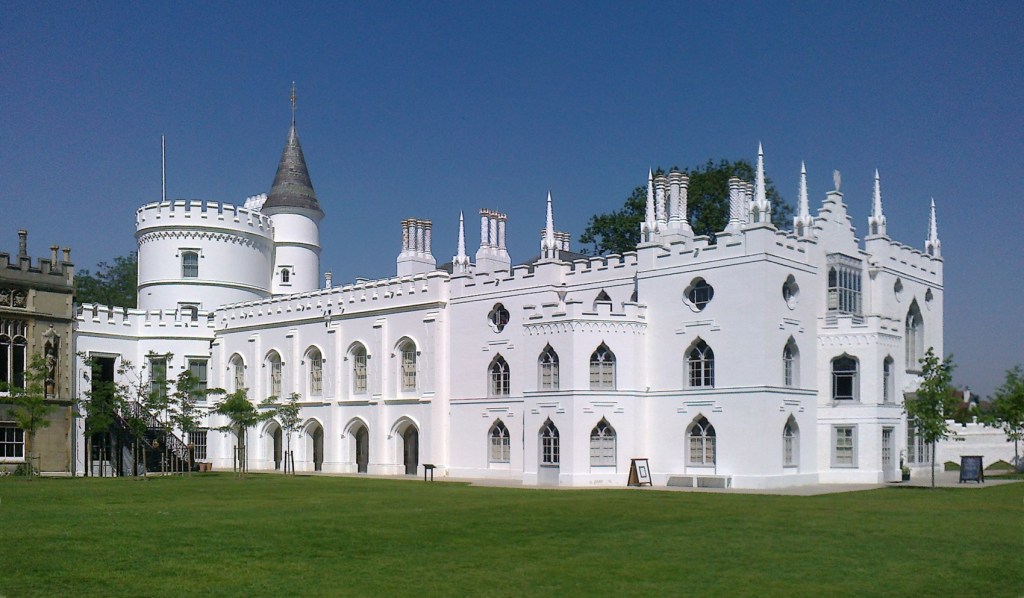
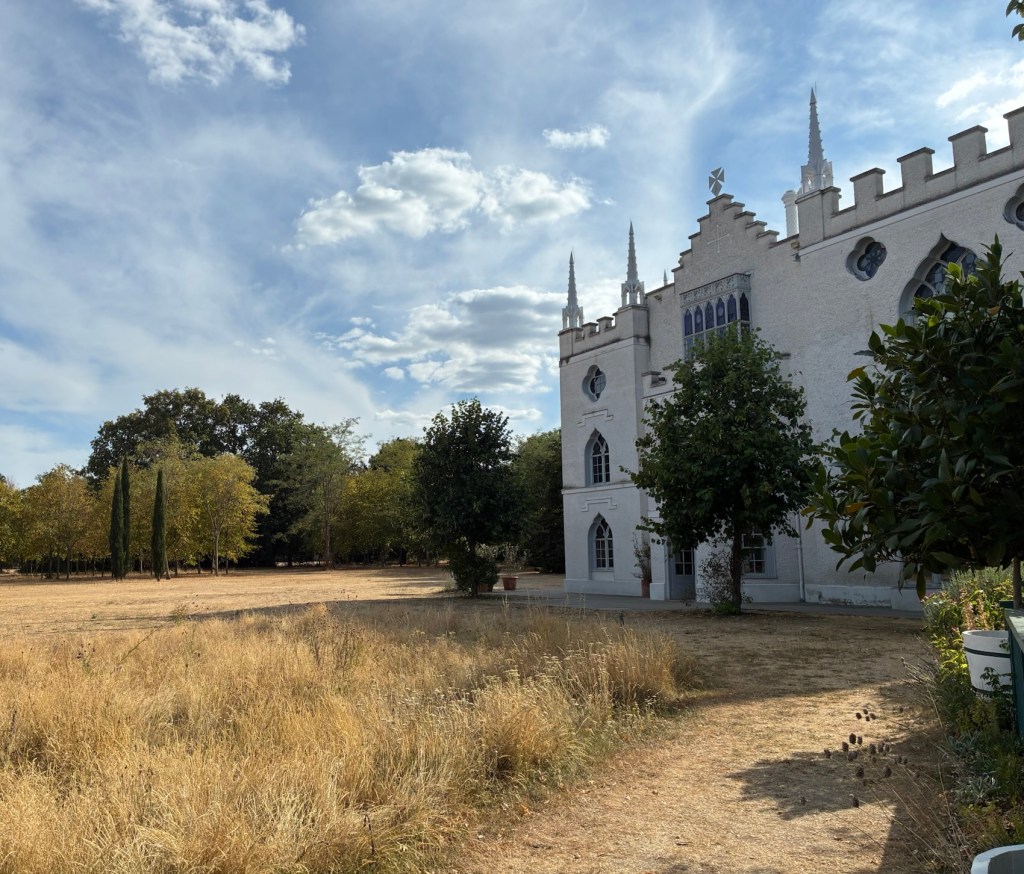
Walpole transformed a pair of modest cottages (originally known as Chopp’d Straw Hall) into his personal “little Gothic castle” with the help of a group of friends known as the “Committee of Taste”.
Exterior: Walpole added whimsical pinnacles, battlements, and a prominent round tower to break traditional classical symmetry.
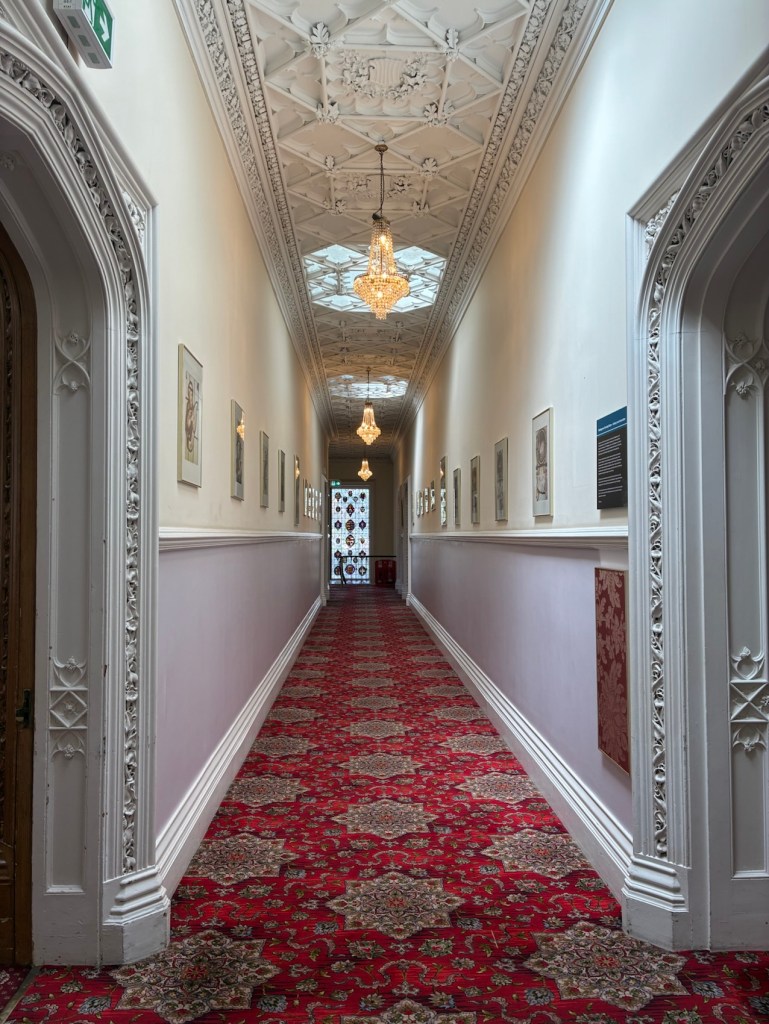
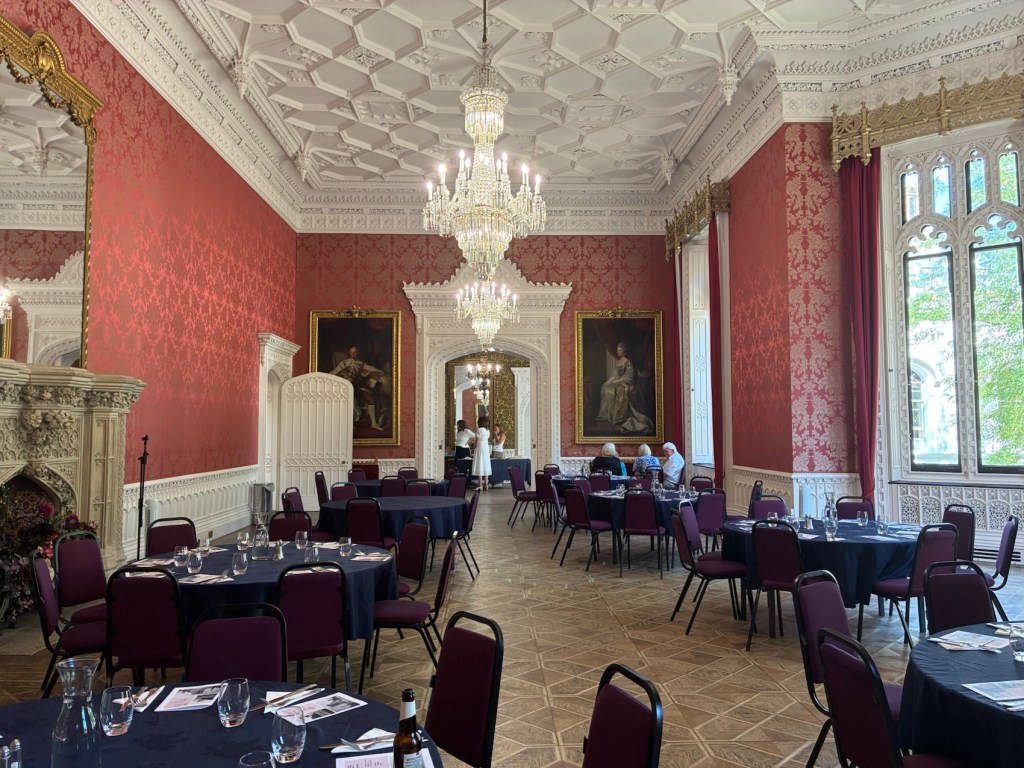
Interior: He deliberately structured the layout to take visitors on a theatrical journey, alternating between dark, narrow spaces and magnificent, gilded rooms. He famously coined the term “gloomth” (a hybrid of gloom and warmth) to describe the unique, atmospheric ambiance designed to showcase his massive collection of antiquities, paintings, and curiosities.
The First Gothic Novel: The eerie, medieval atmosphere of the house directly inspired Walpole to write The Castle of Otranto (1764), which is universally recognised as the world’s very first Gothic novel.
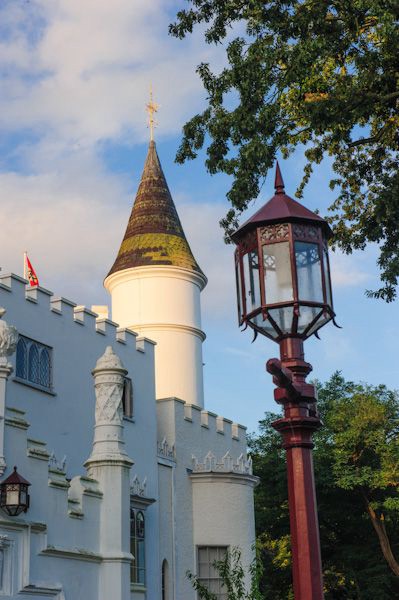
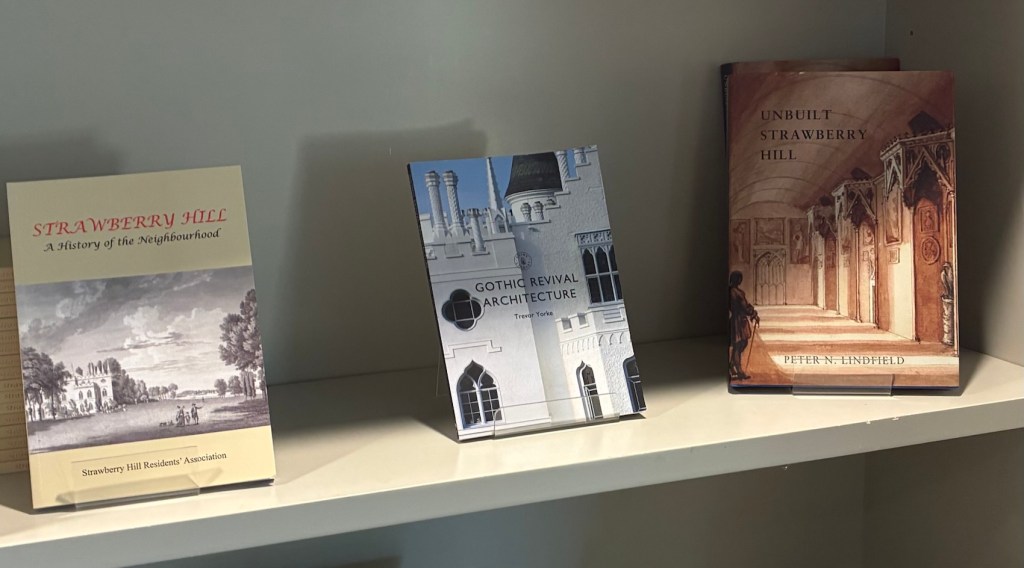
Strawberry Hill House is an extraordinary 18th-century Gothic Revival villa located in Twickenham, London, created by the writer, collector, and politician Horace Walpole. Built in progressive stages starting in 1749, it stands as Britain’s finest prototypical example of Georgian Gothic Revival architecture—a style specifically coined as “Strawberry Hill Gothic
The villa underwent a meticulous £9-million restoration and is fully open to the public via the Strawberry Hill House Trust.
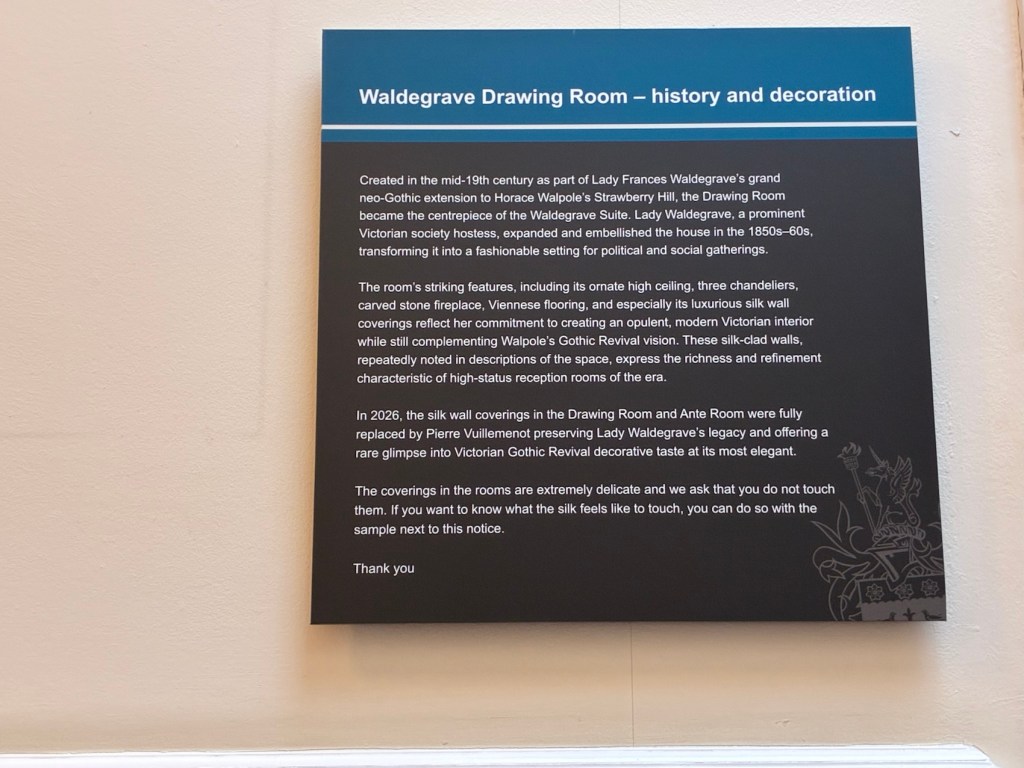
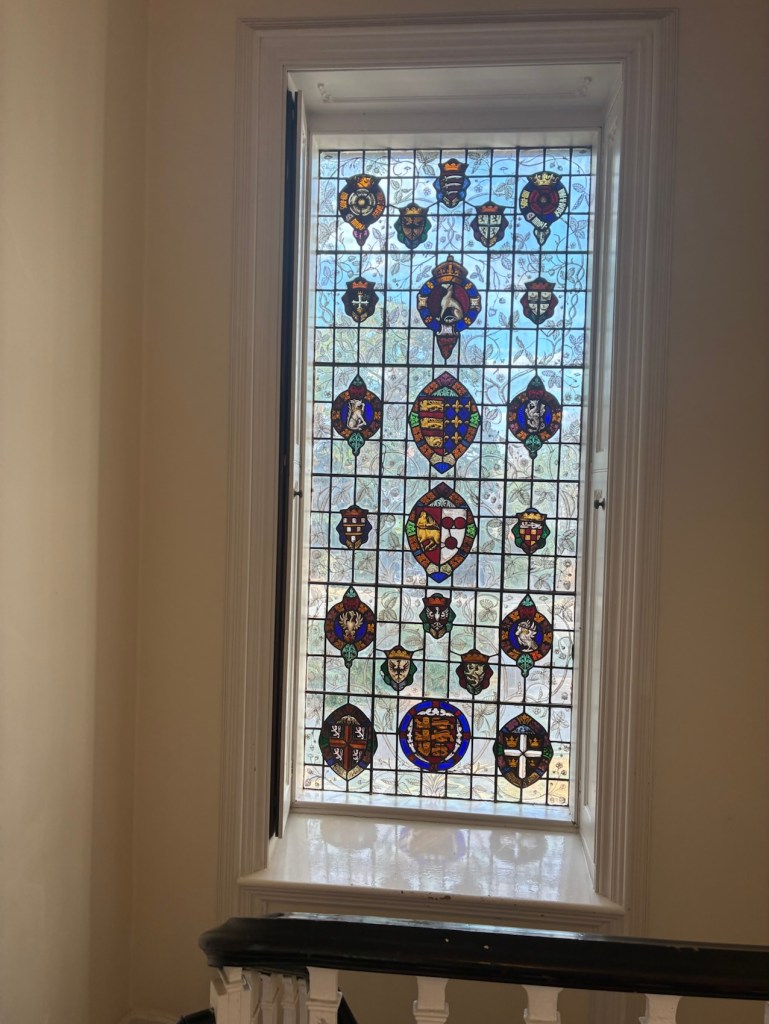
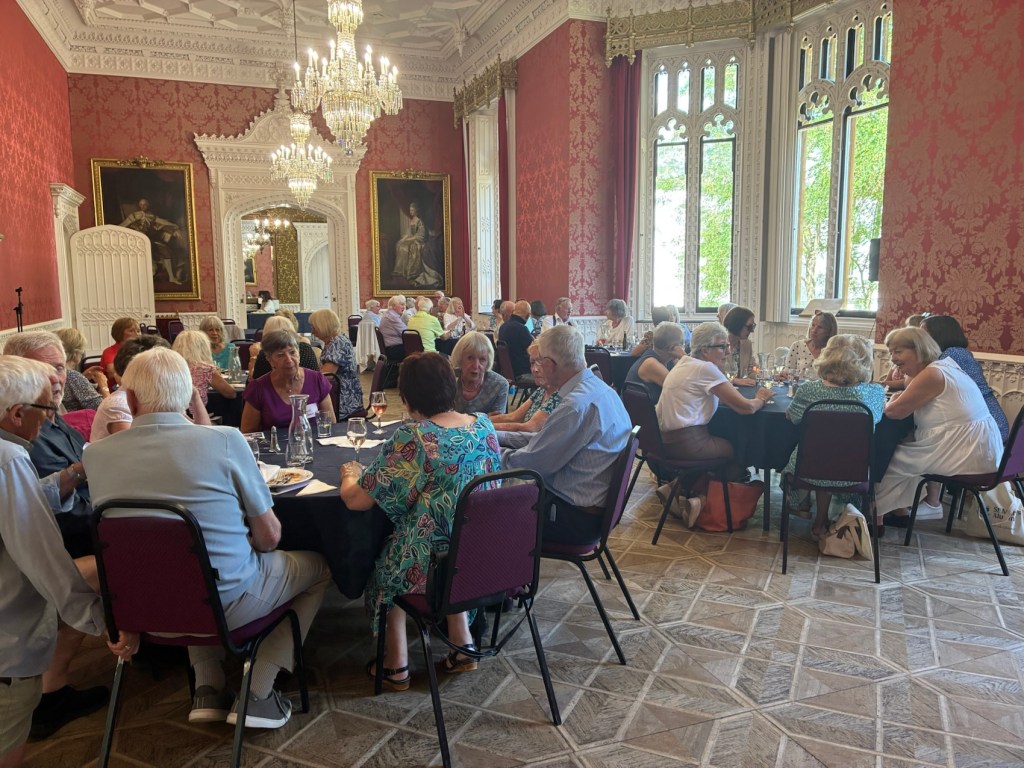
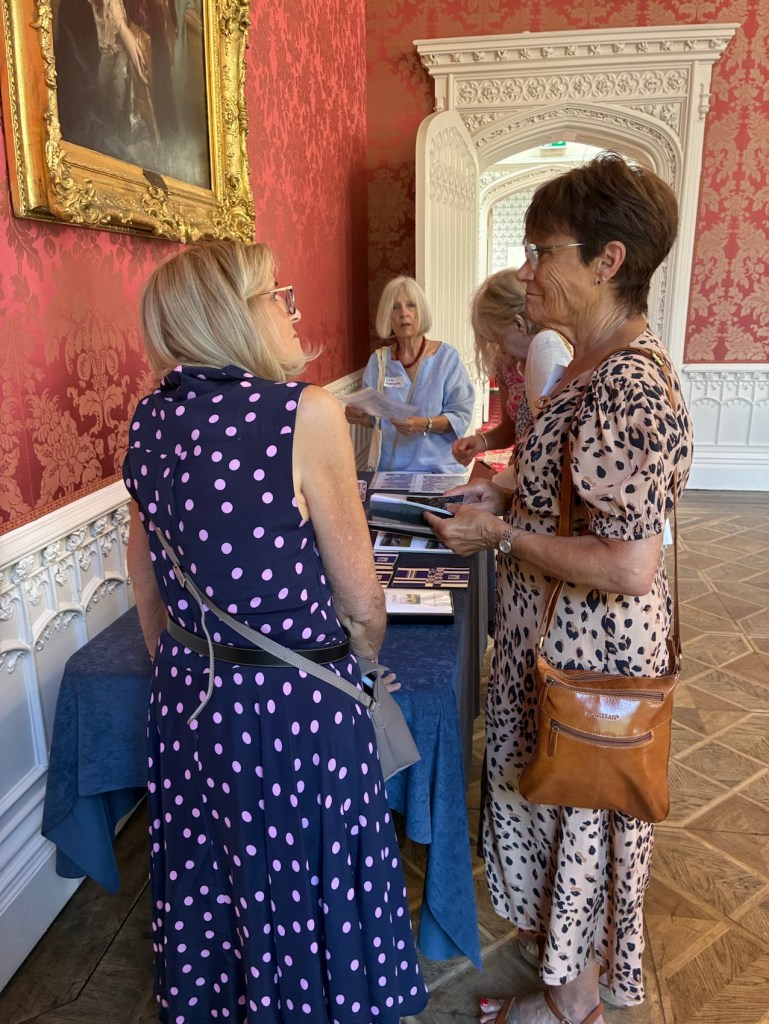

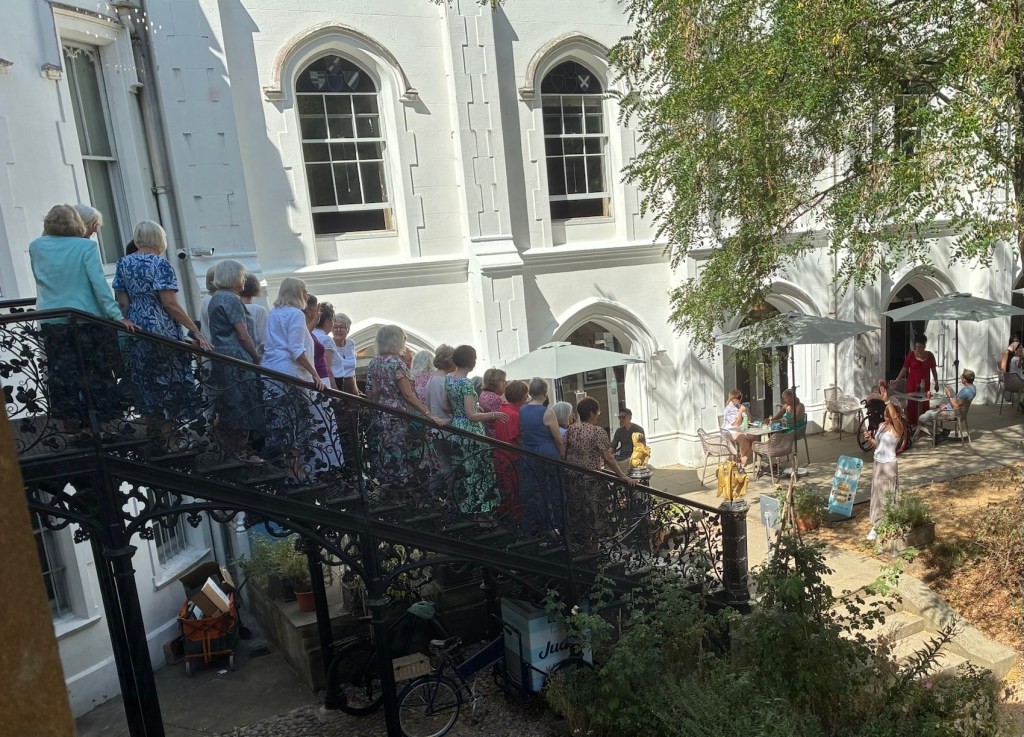
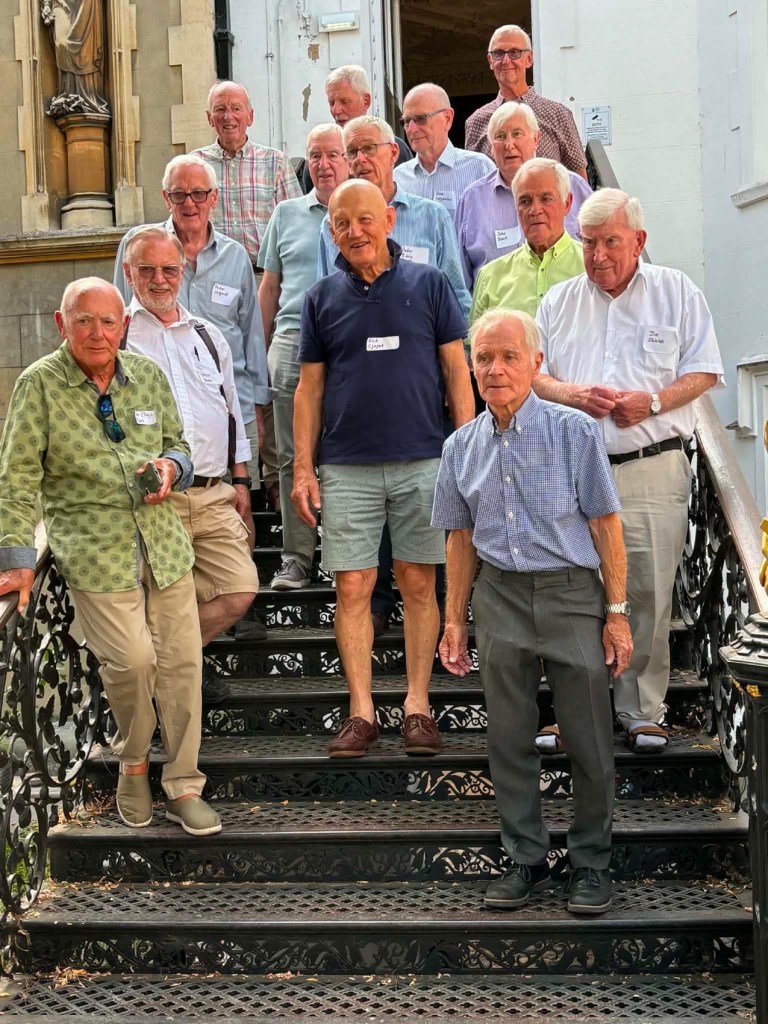
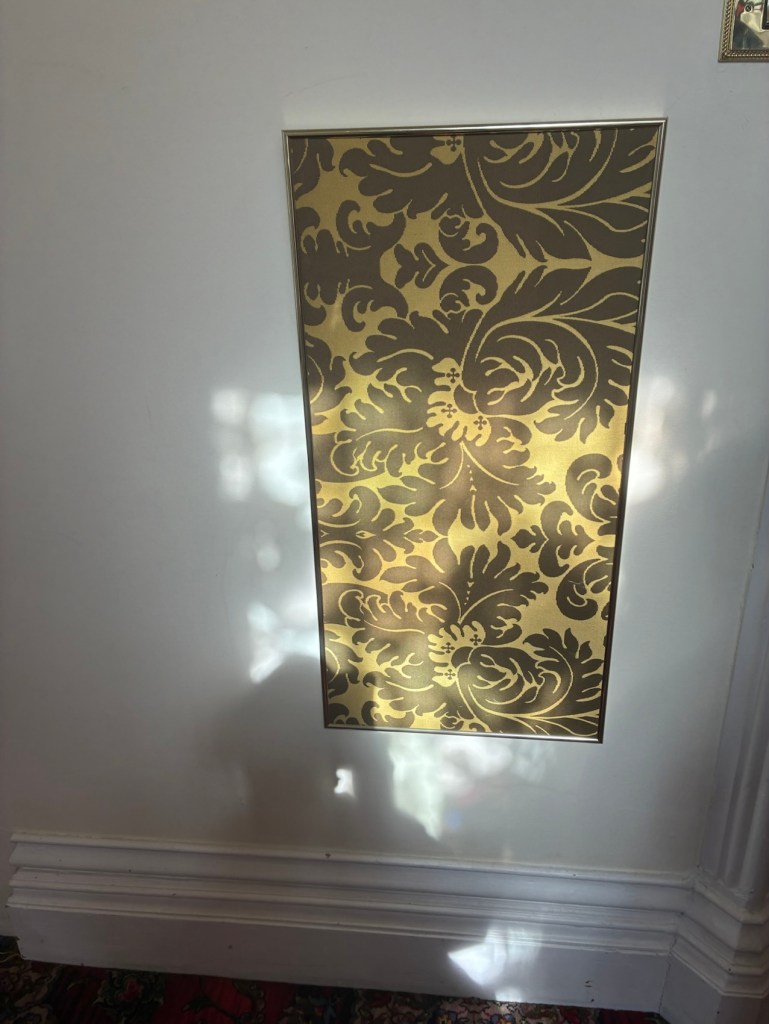
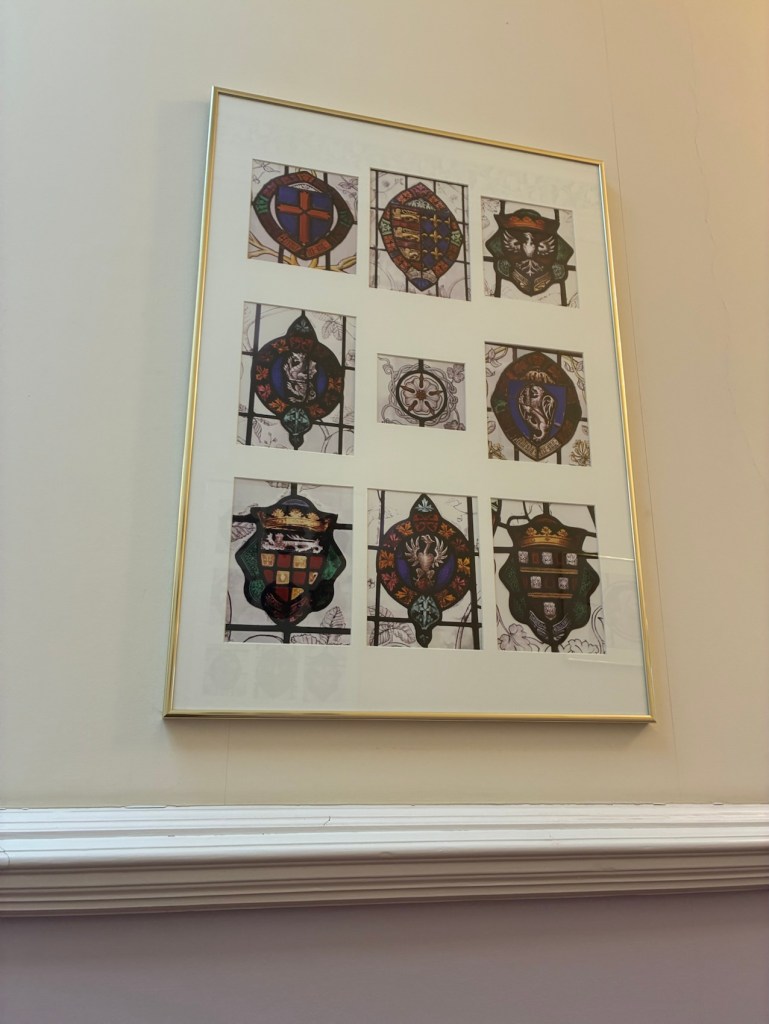
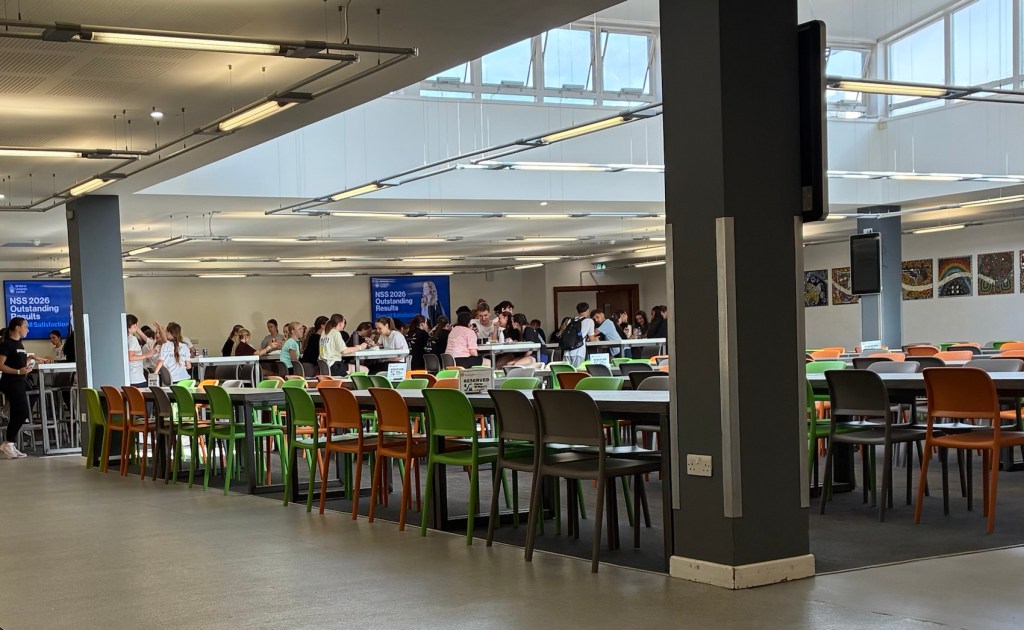
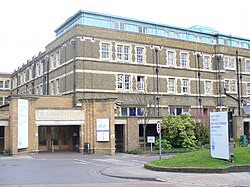
The university is rightly well regarded .

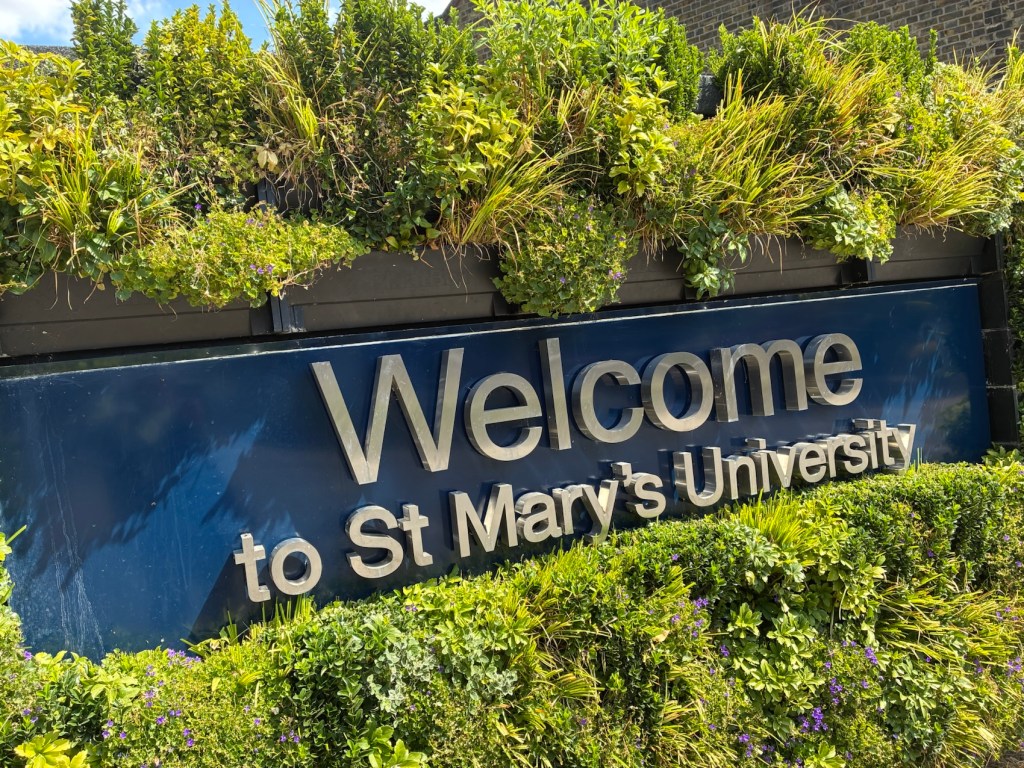
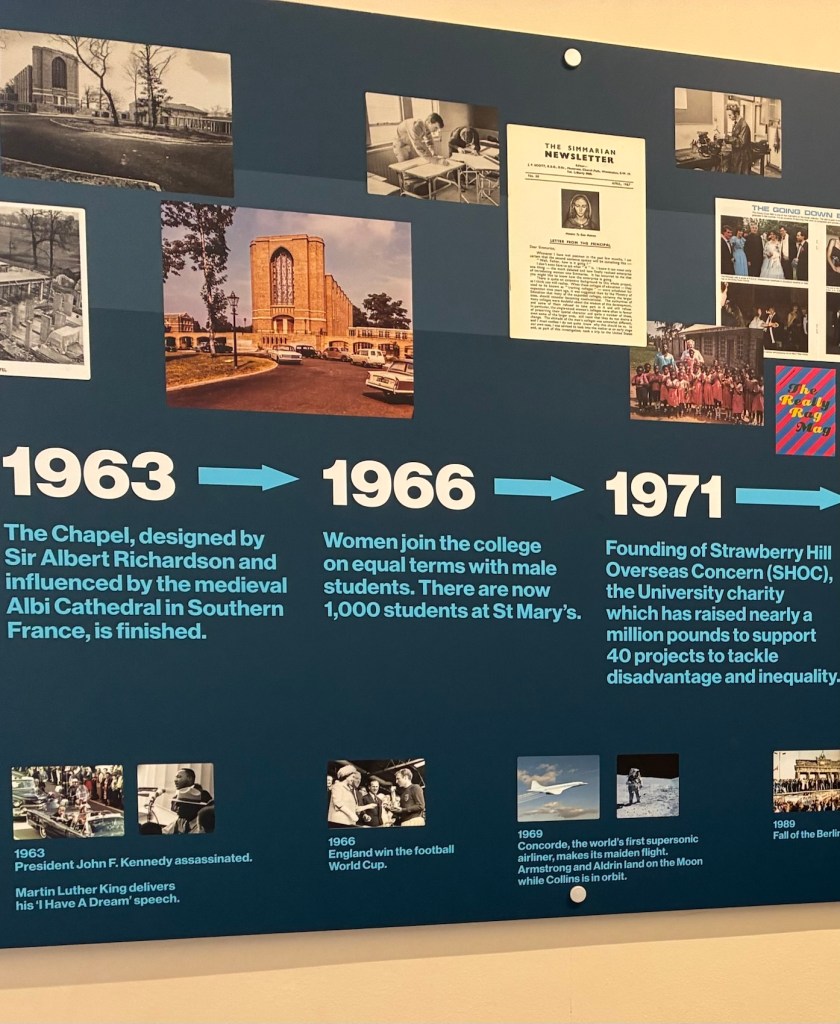
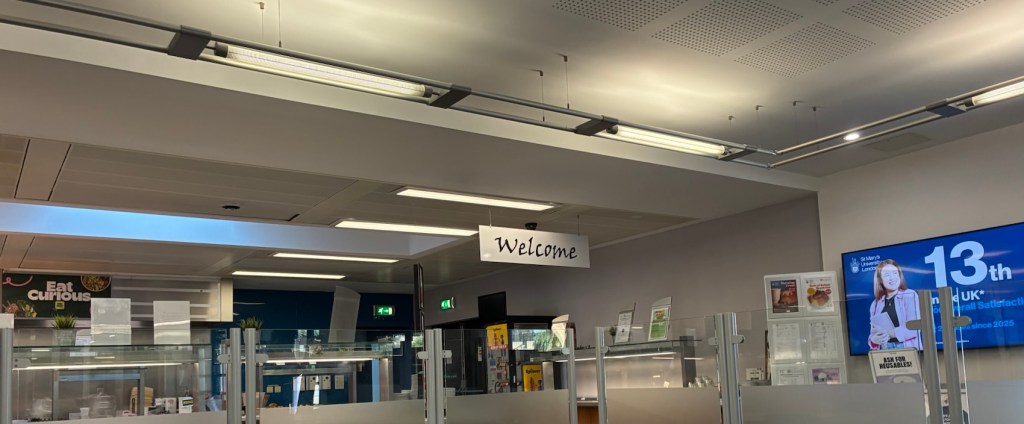
St Mary’s University, Twickenham is a public, campus-based university located in the London Borough of Richmond upon Thames. Established in 1850, it is the oldest Catholic university in the United Kingdom. The institution has approximately 5,000 students across various degree paths and is widely known for its tight-knit community, exceptional sports programs, and high student satisfaction?
Sports Facilities: The university boasts an £8.5m Sports Centre. It frequently serves as a training camp hub for world-class elite athletes, including Usain Bolt and Mo Farah.


SUNDAY 2nd AUGUST.
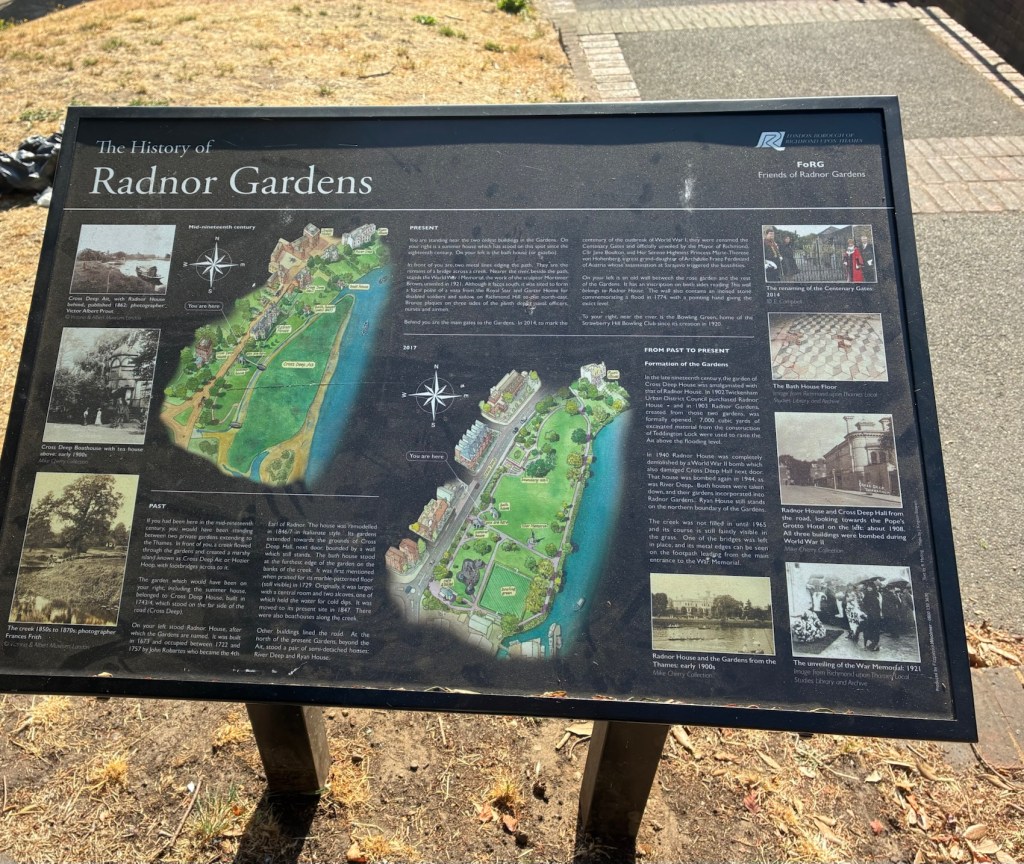

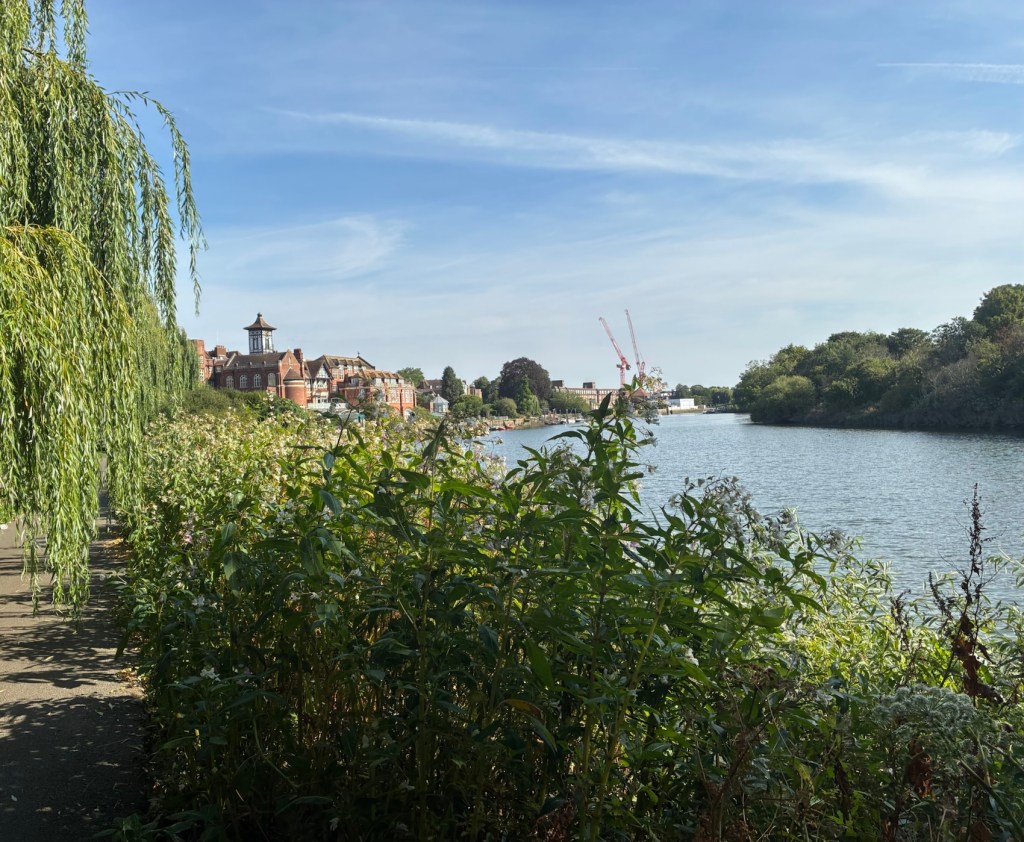
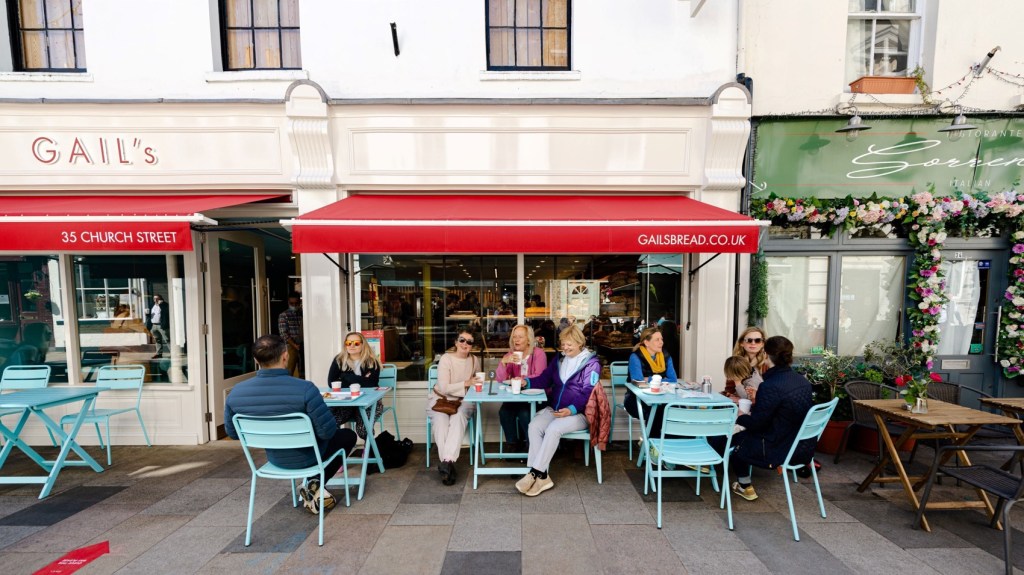
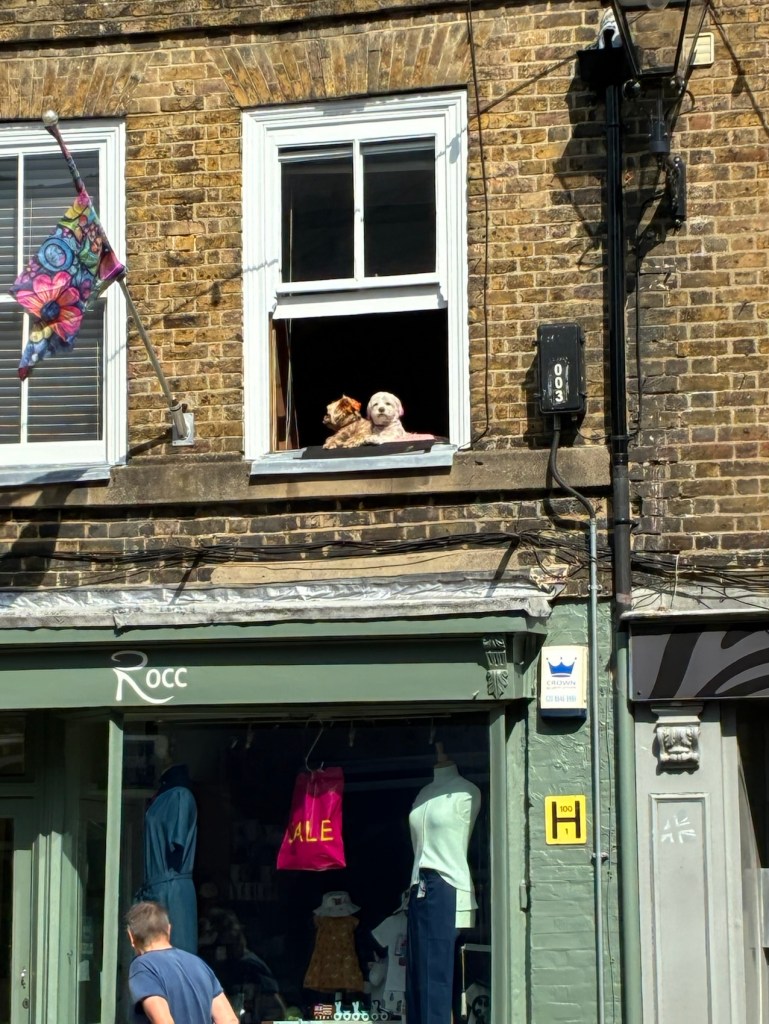
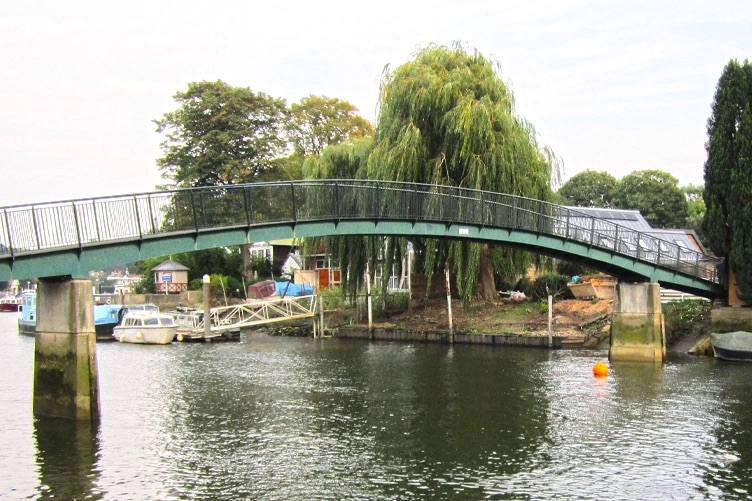
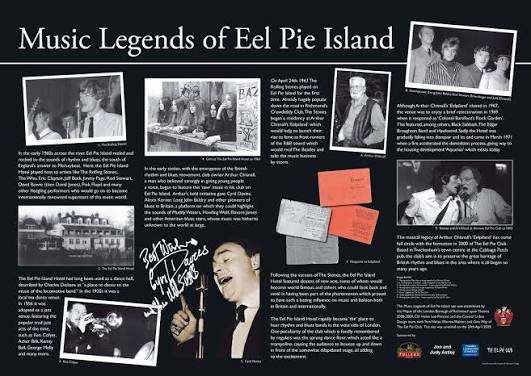
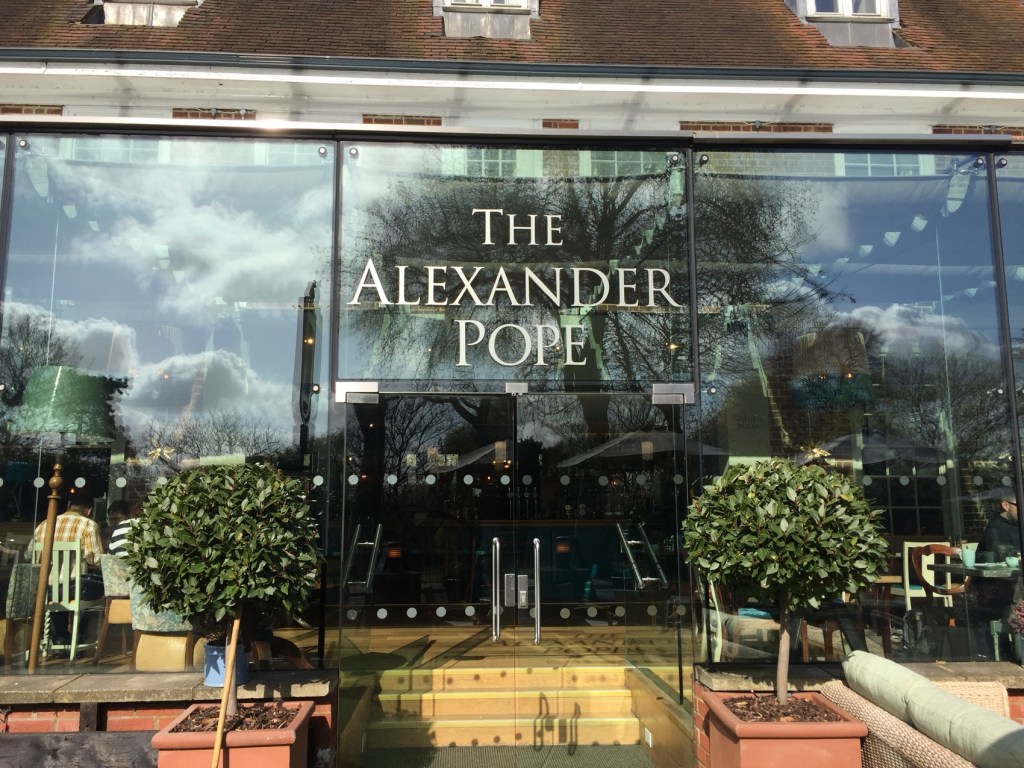
Carrying on,we eventually turned left on to River Deep – a musical Highway ? The road from Teddington to Twickenham,on which the The Alexander Pope Hotel is situated
The original Tina Turner recording of “ River Deep,Mountain High” – Guess when? 1966 !
https://music.youtube.com/watch?v=e9Lehkou2Do&si=e_ws_SZTZ3CJuVIg
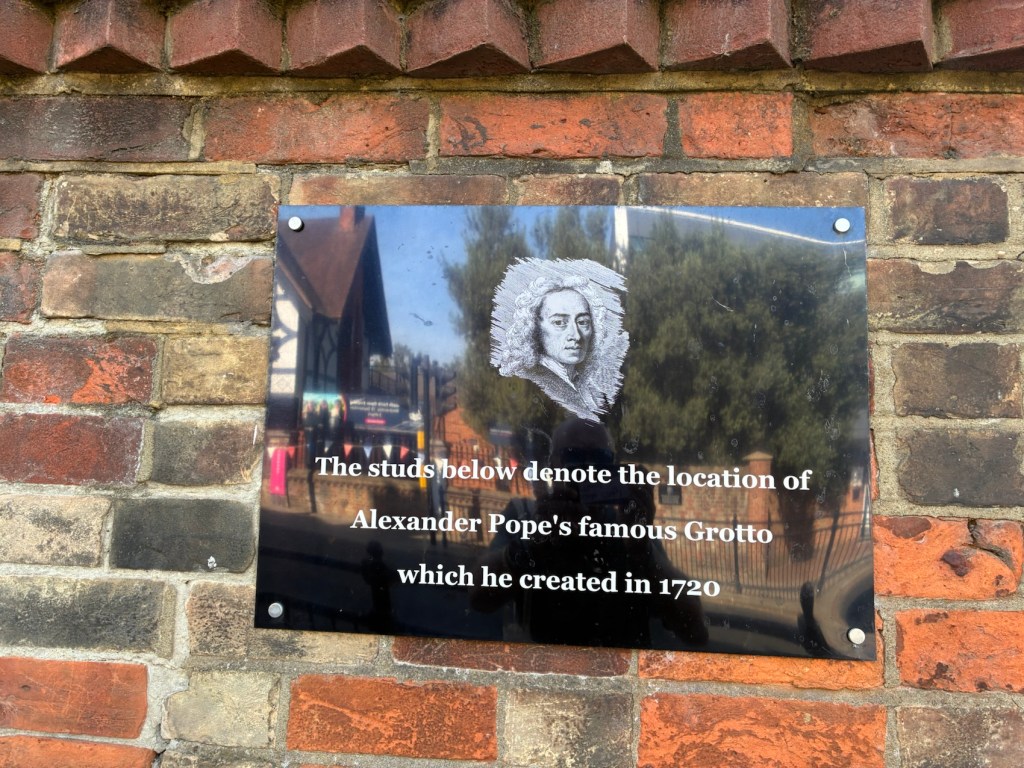
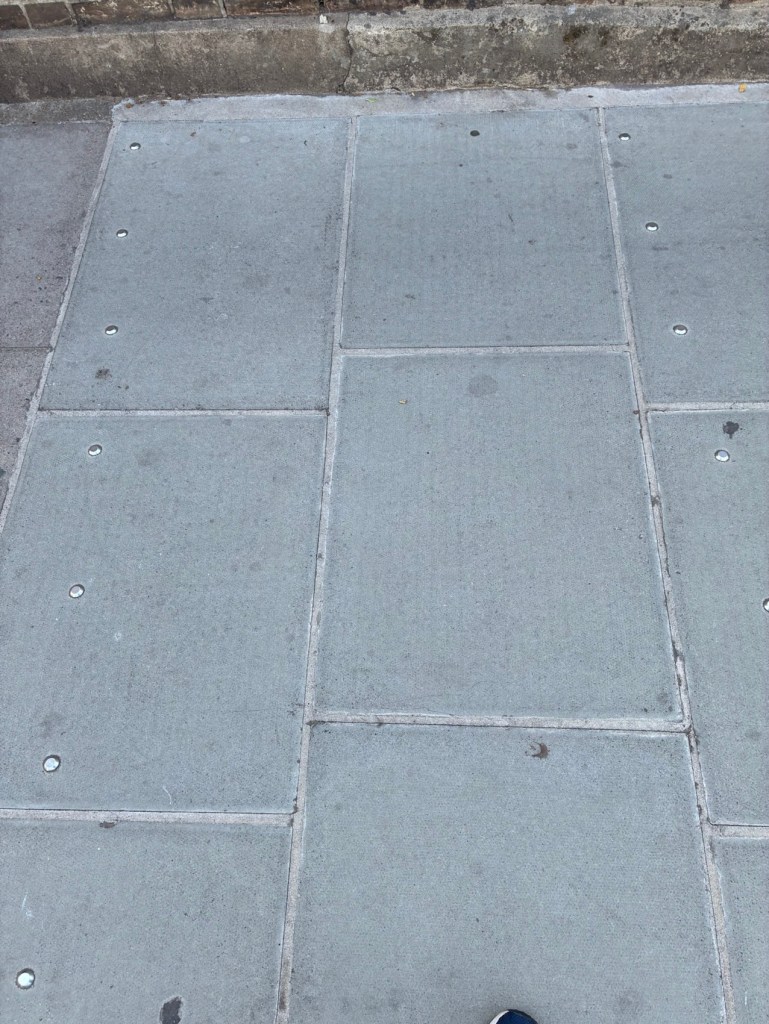
Pope’s Grotto in Twickenham is the sole surviving relic of the 18th-century villa and garden created by the celebrated English poet Alexander Pope.
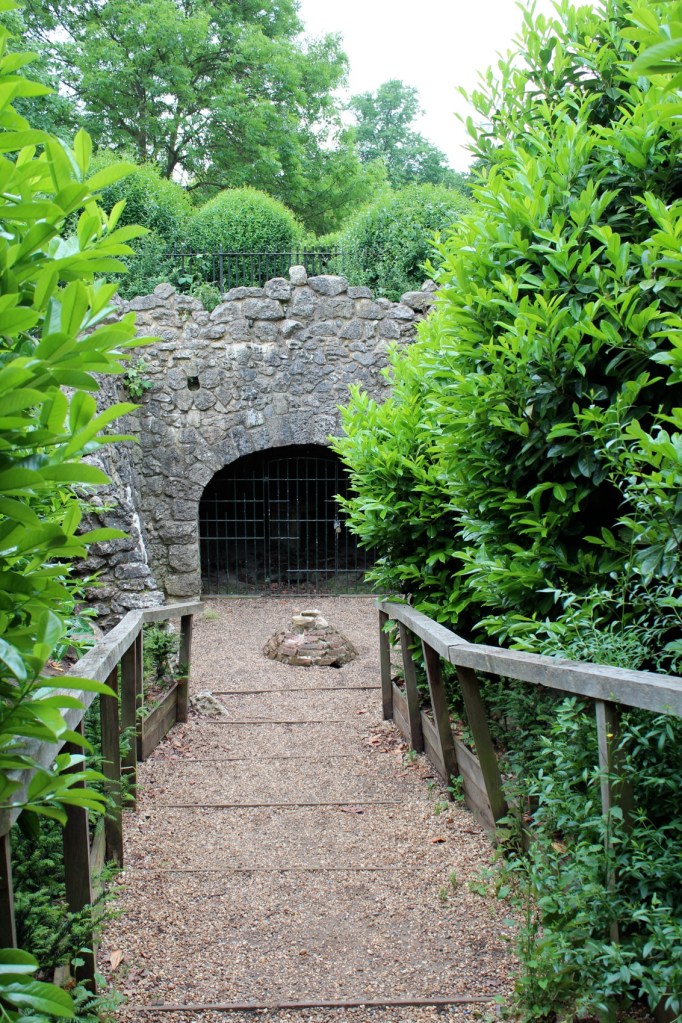
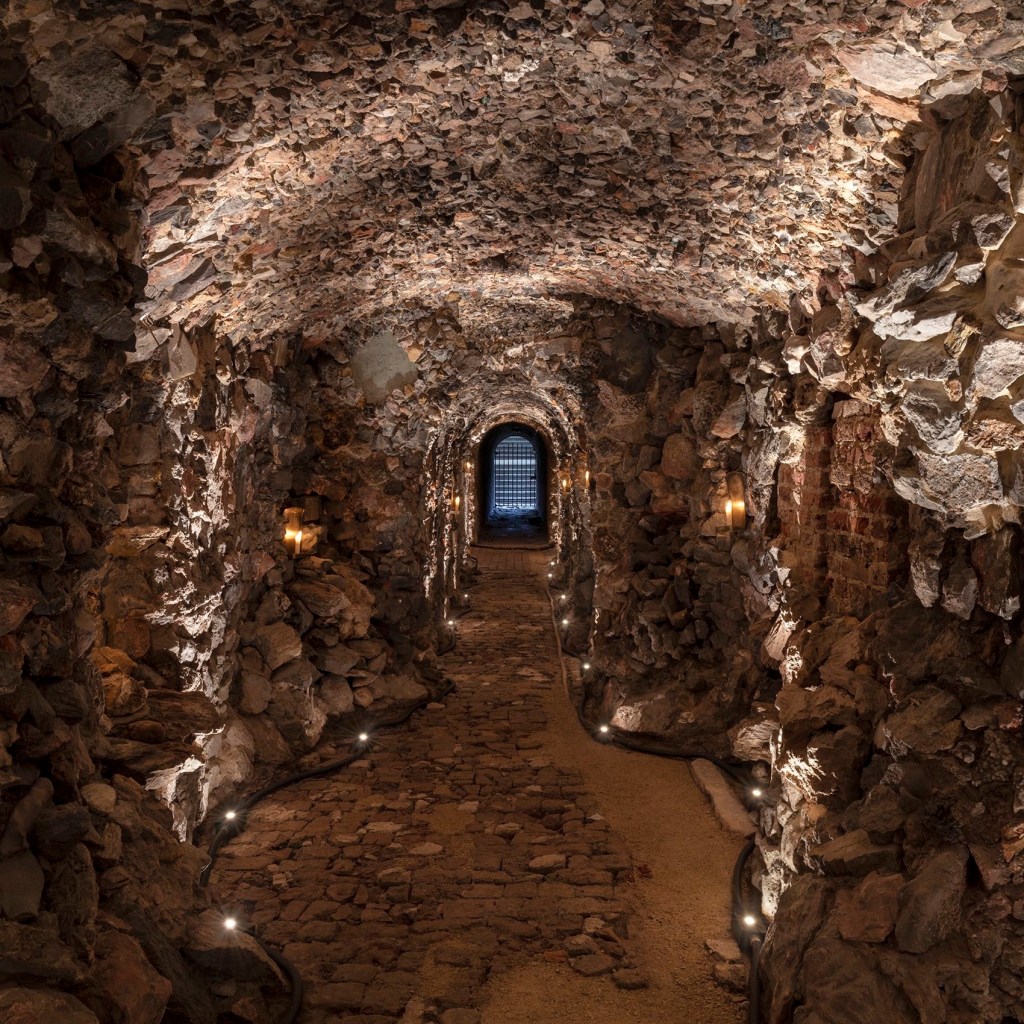
History of Pope’s Grotto
Construction (1719–1725): Alexander Pope leased the riverside land in Twickenham in 1719 and built a tunnel under the public road (Cross Deep) to connect his villa to his five-acre garden.
Design & Mineral Museum (1739–1744): Initially decorated with shells and mirrors to act as a camera obscura, Pope later restyled it into a mineralogy museum using rocks, spars, and ores sent by friends from around the world, including pieces from the Giant’s Causeway.
Demolition and Survival: Pope died in 1744. His villa was demolished in 1808, but the underground grotto survived beneath later structures and is managed today via the Pope’s Grotto Preservation Trust.
Alexander Pope’s writings contain a lot of memorable advice.
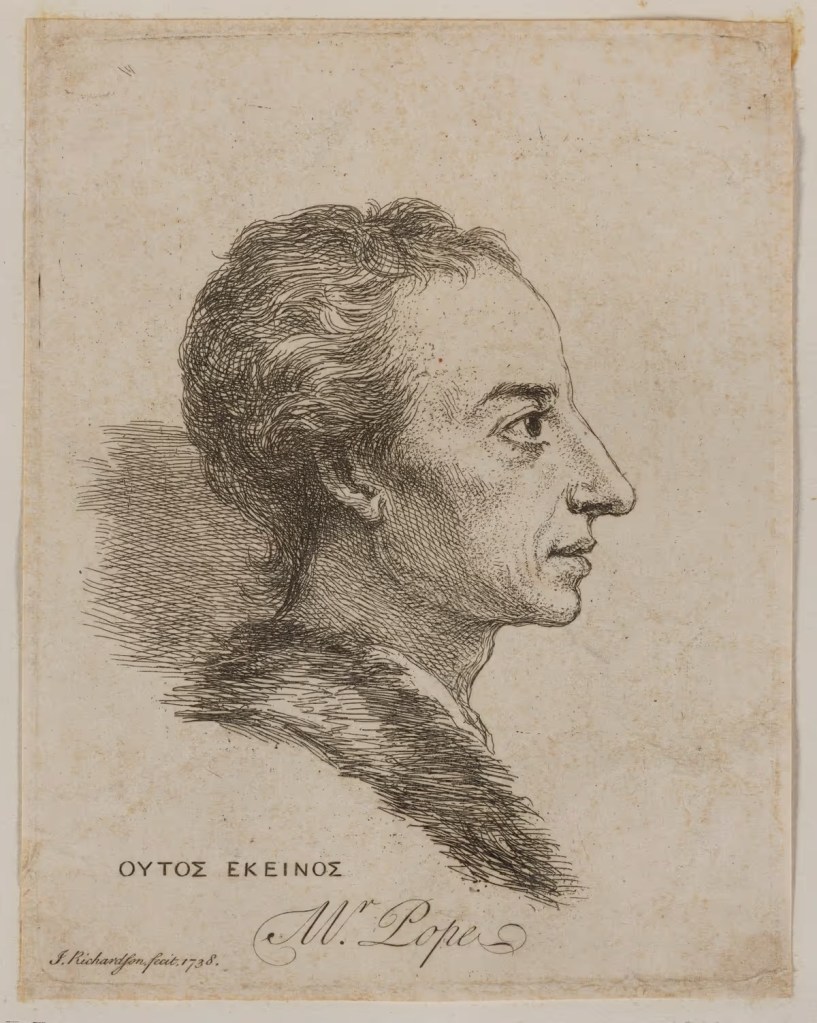
Alexander Pope’s most memorable quotes include “To err is human, to forgive, divine”, “Fools rush in where angels fear to tread”, and “Hope springs eternal in the human breast”.
Human Nature and Wisdom“To err is human, to forgive, divine.” (An Essay on Criticism) – Making mistakes belongs to people, but truly letting go of wrongs is holy.
A little learning is a dangerous thing; / drink deep, or taste not the Pierian spring.” (An Essay on Criticism) – Knowing just a tiny bit can trick you into thinking you know a lot.
“Fools rush in where angels fear to tread.” (An Essay on Criticism) – Silly people act fast in hard situations where wise beings are very careful.
“ Fools Rush in Where Angels fear to tread “ Ricky Nelson
https://music.youtube.com/watch?v=BeJOh-N-TEA&si=HUkS60XCP3Rg6g34
 ensuitepilgrim's Blog
Thanks John! This is a great trip down memory lane! Cheers, Derm