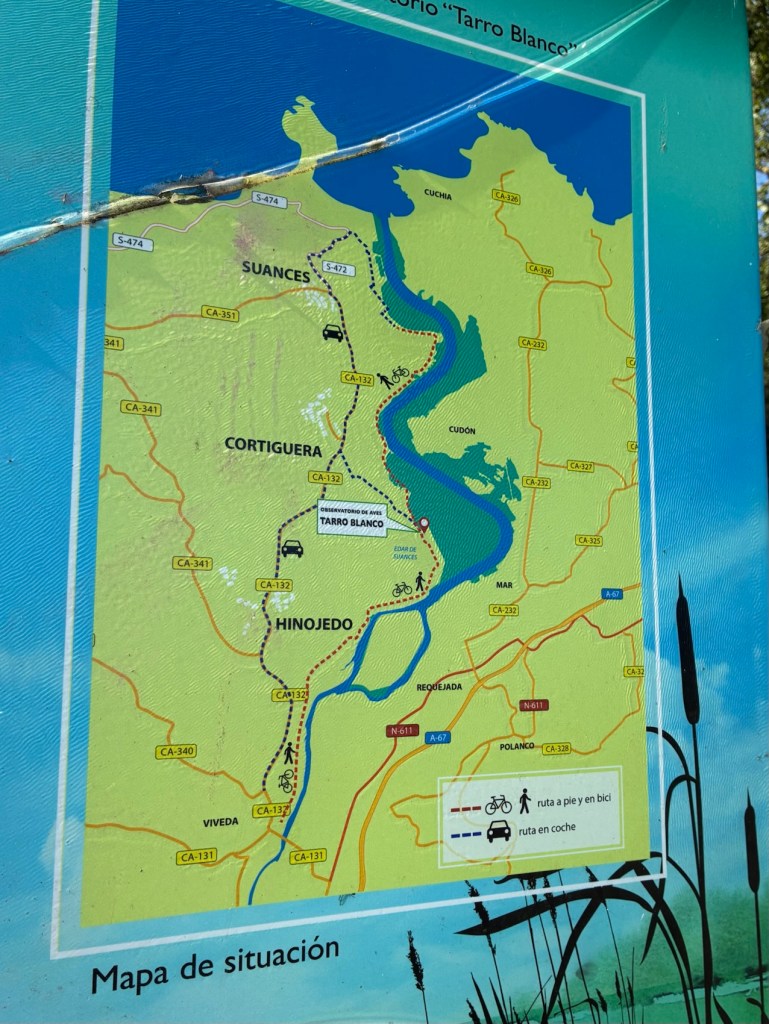
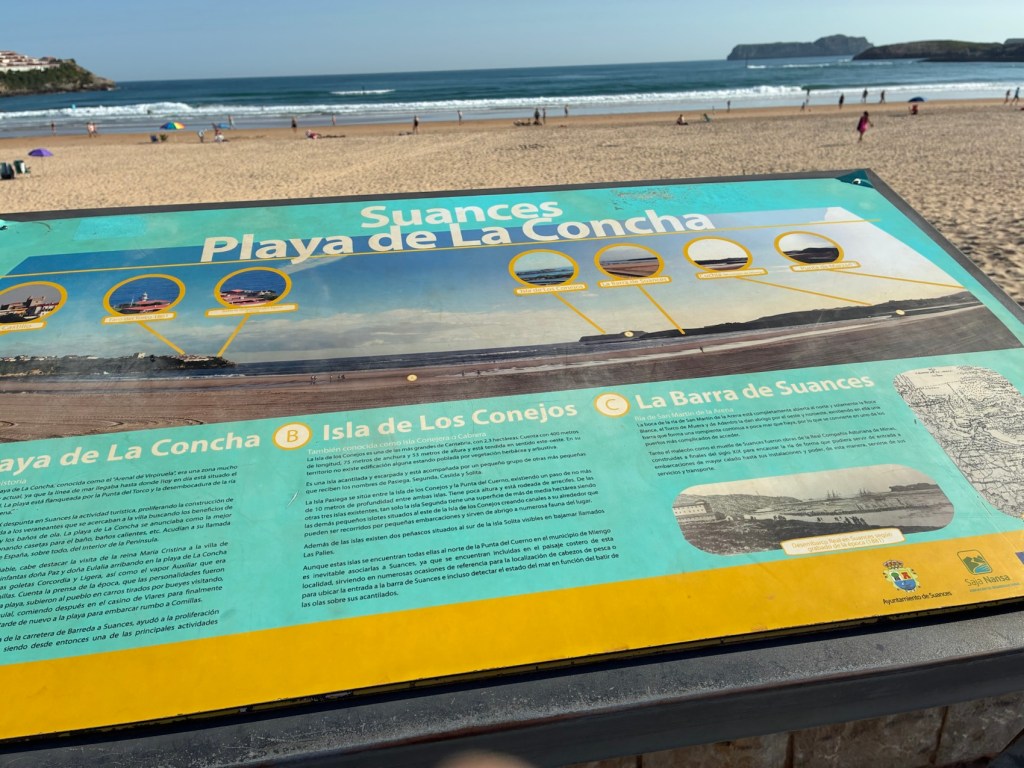
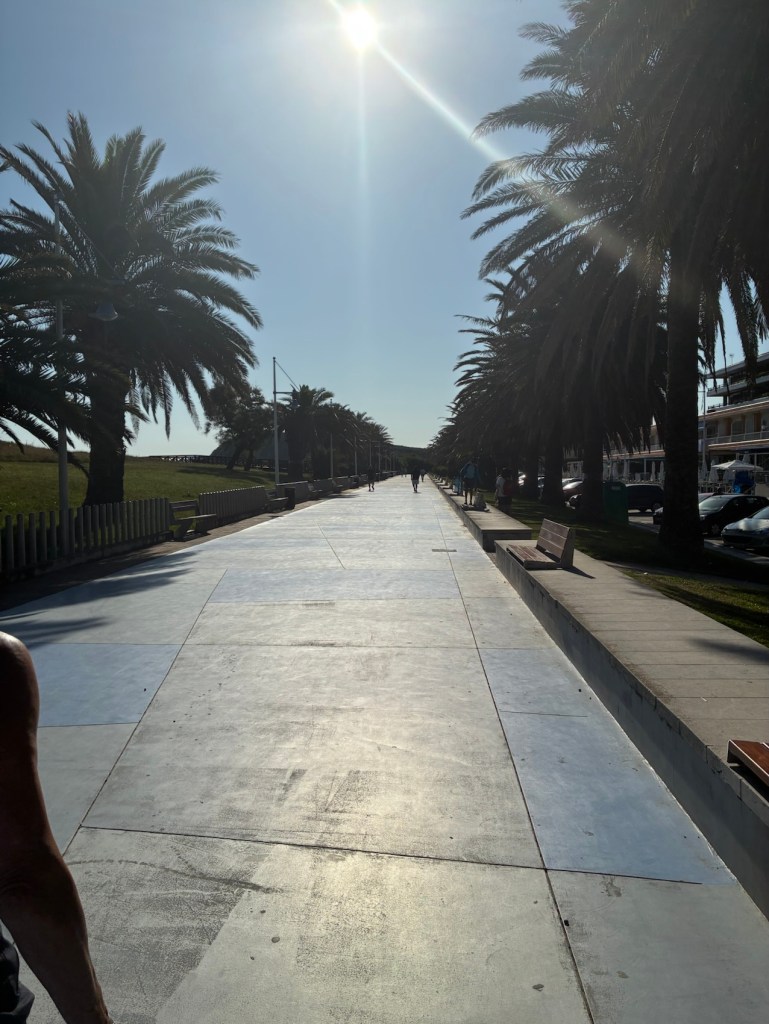
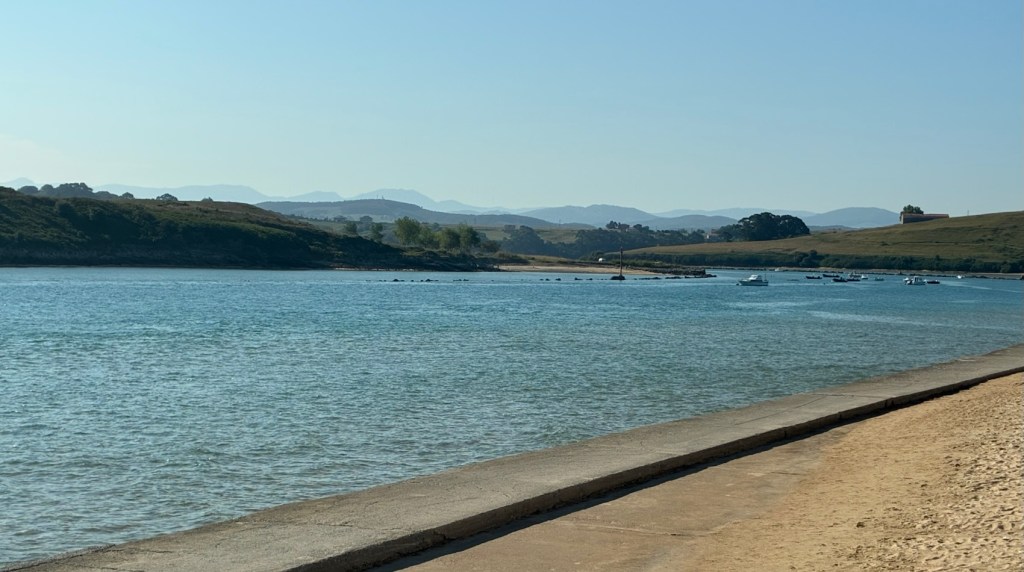
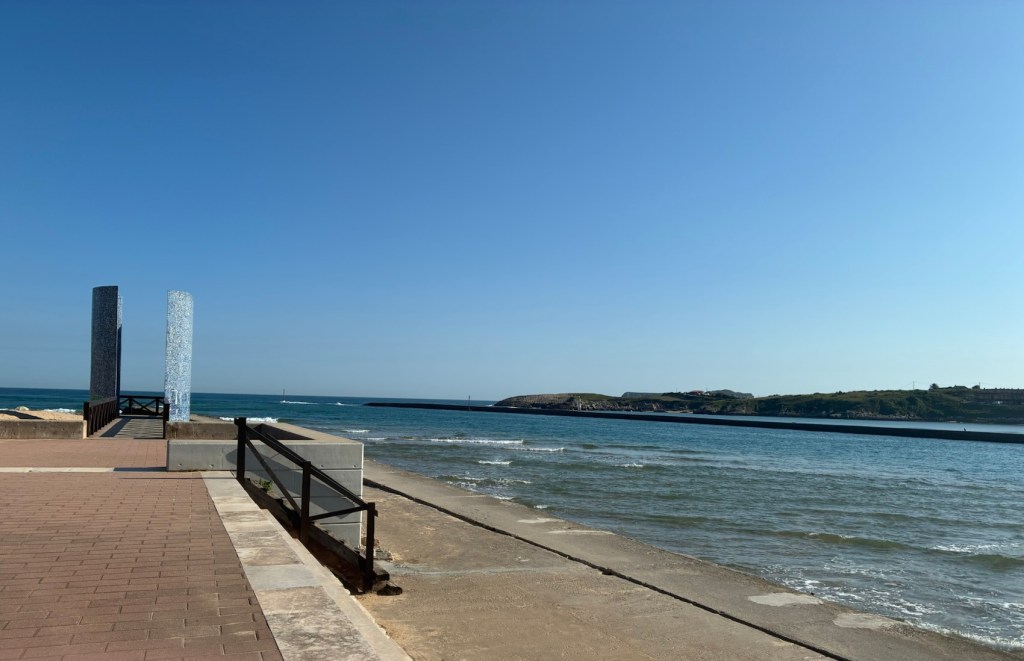
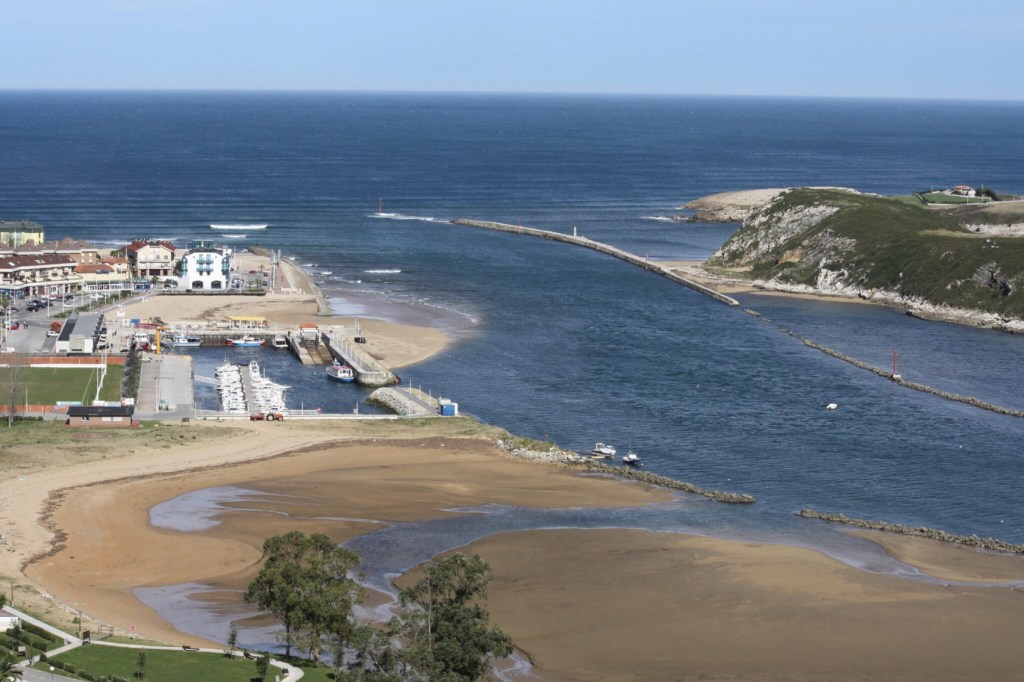
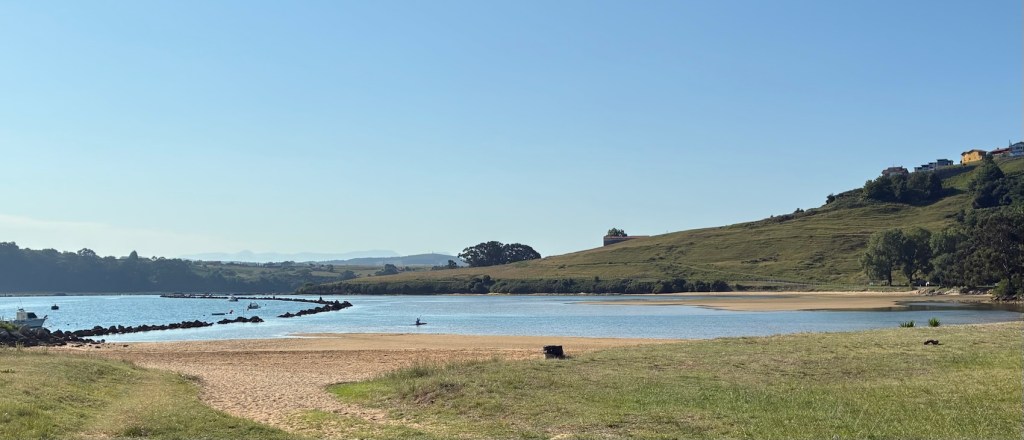
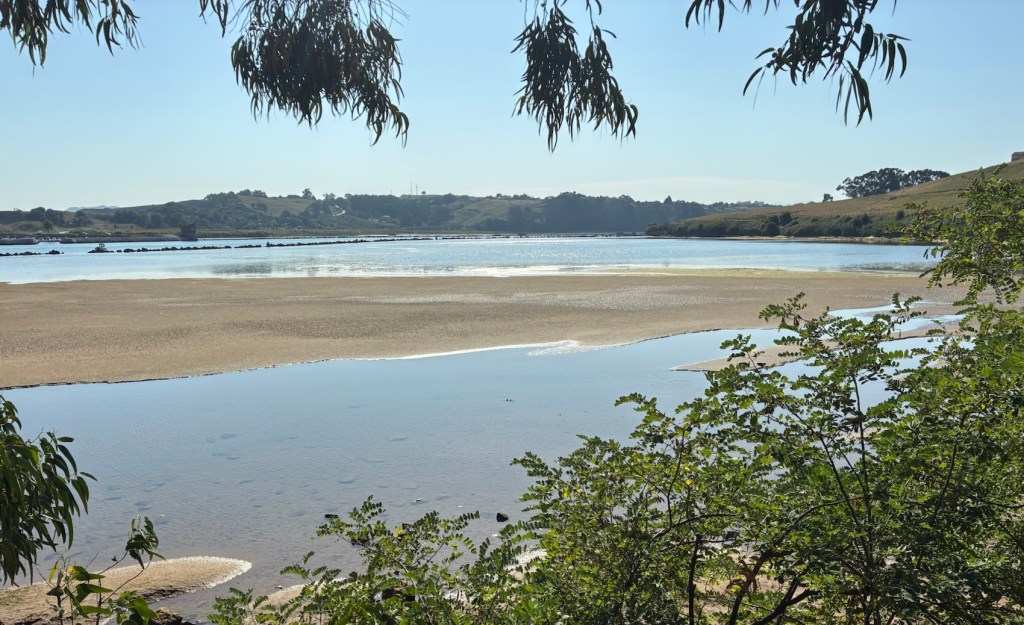
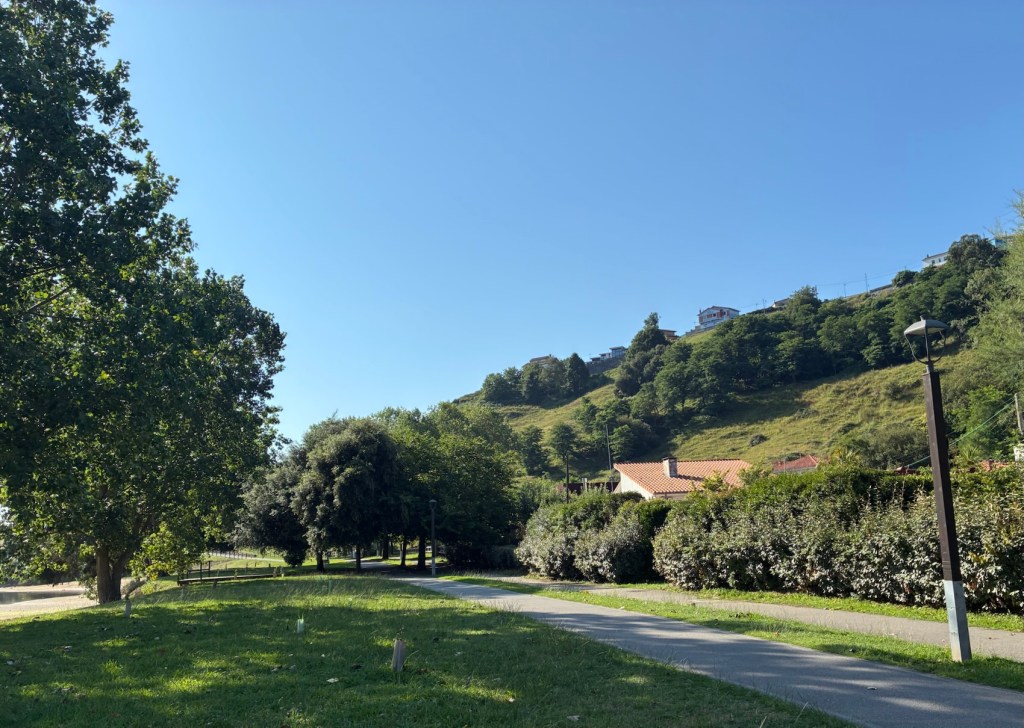
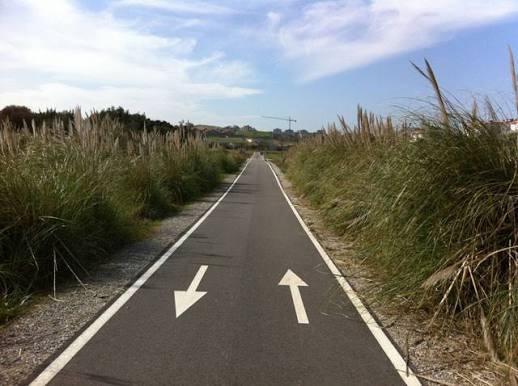
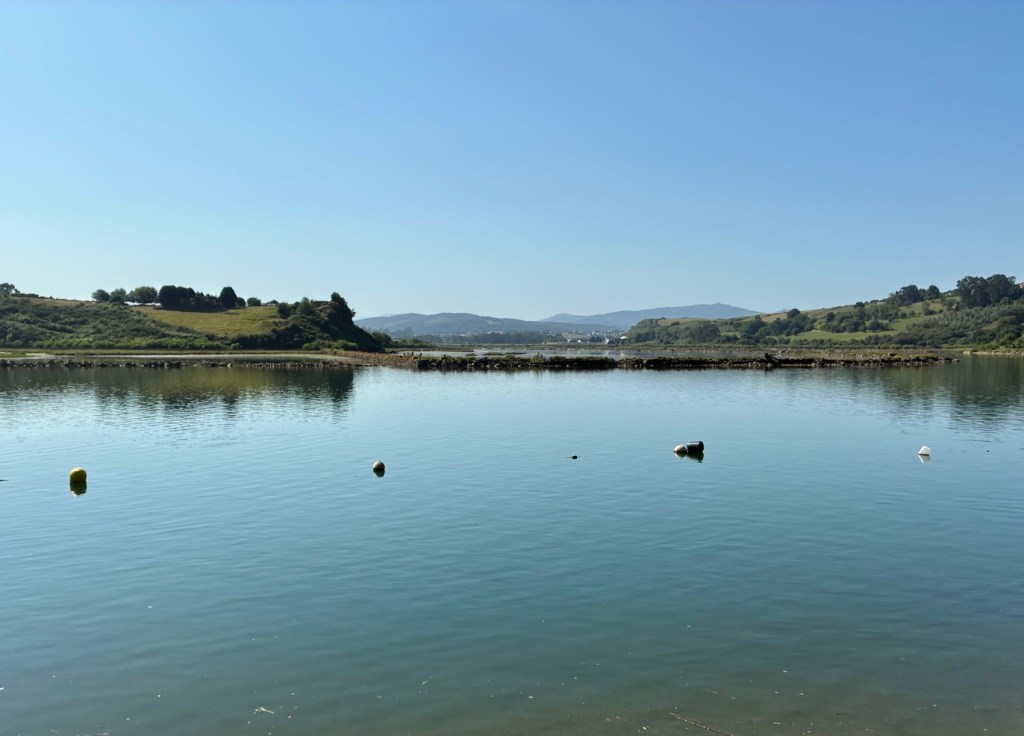
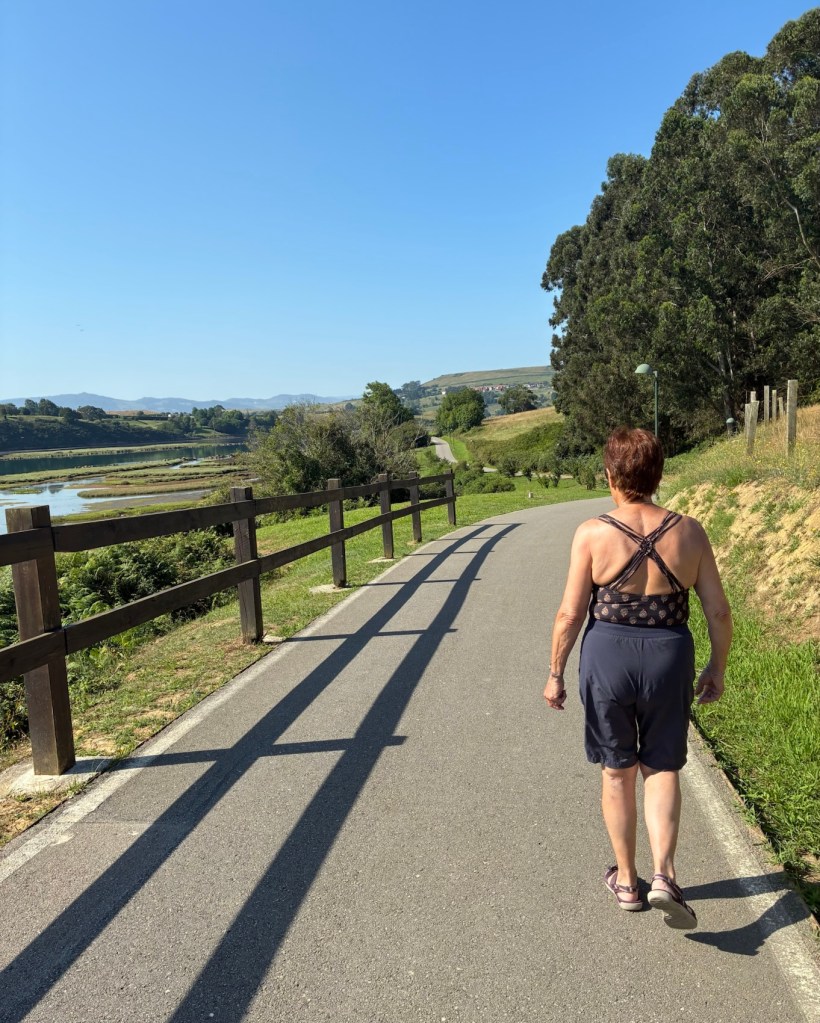
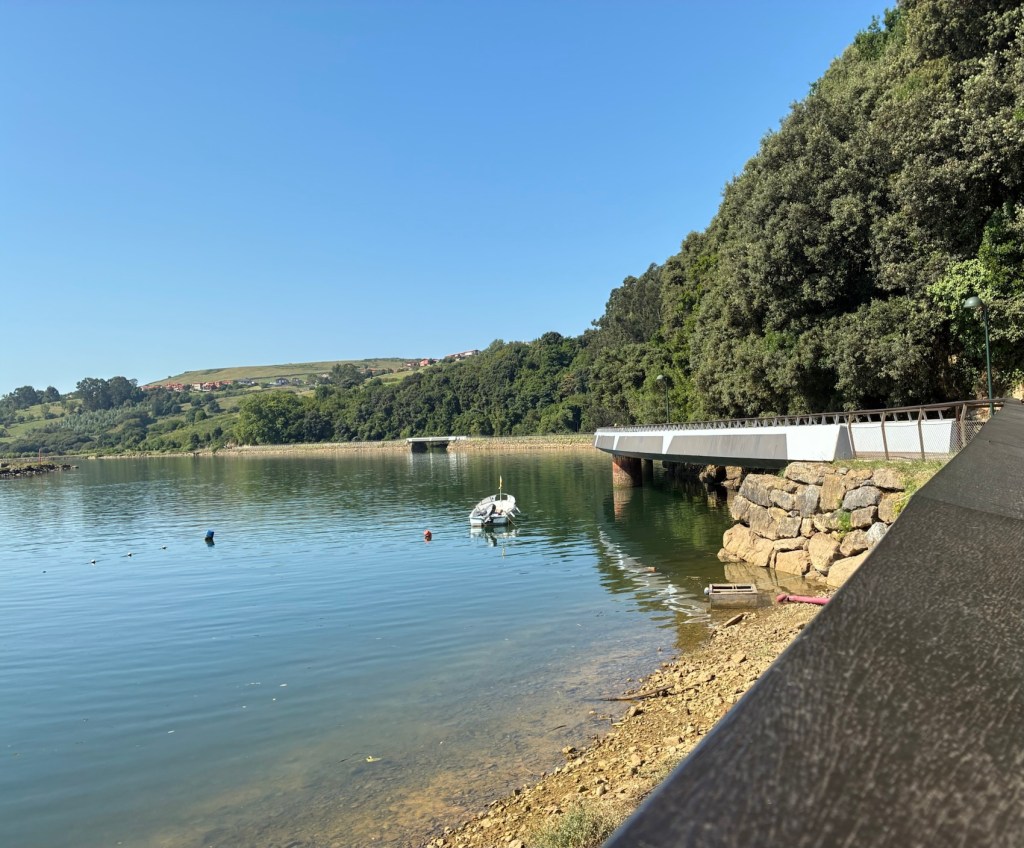
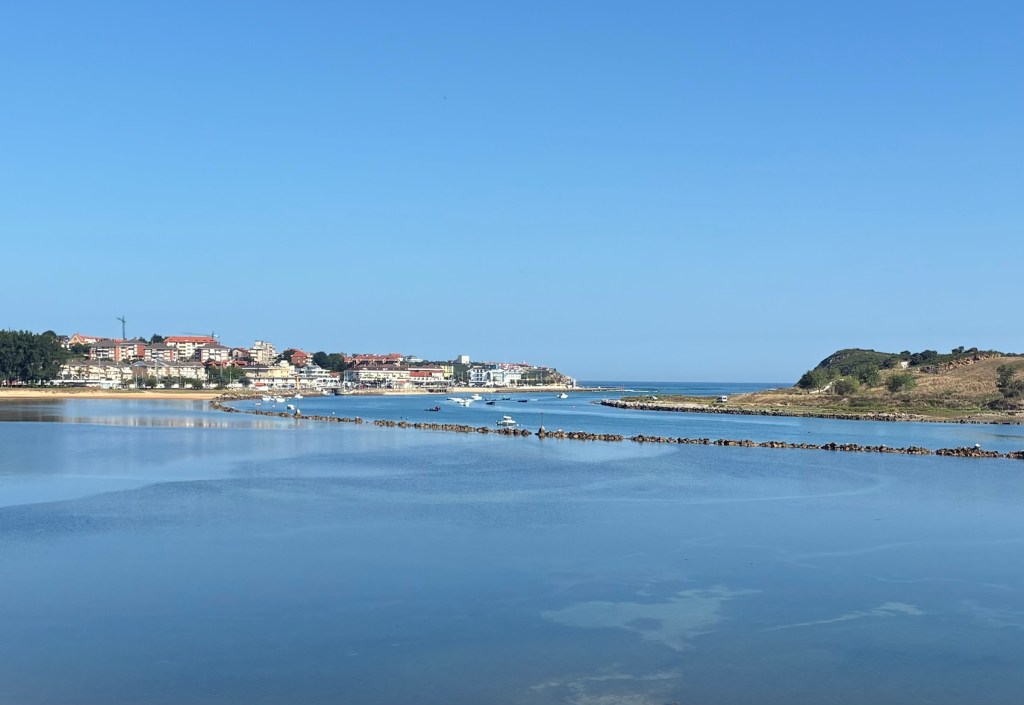
Wednesday 22nd July began with a morning’s walk alongside the Ria de Suances on a purpose-made pedestrian/cyclable path.The walk began at the beach.Walking along the Paseo towards the river Saja estuary.Looking inland.Looking towards the sea. The Saja river – The Saja River is an important watercourse of the Cantabrian slope, located entirely in the autonomous community of Cantabria. It originates in the Ports of Sejos at an altitude of 1,700 metres and travels 67 km before flowing into the Cantabrian Sea, forming the San Martín de la Arena estuary, between Suances and Miengo. The Suances Estuary , also known as the San Martín de la Arena Estuary, is a natural estuary formed by the mouth of the Saja River in CantabriaLocated between the municipalities of Suances, Miengo and Polanco, it is famous for its sandy beaches, its great scenic value and its fishing and tourist tradition.
Key points of the Suances Estuary History and Location: Many historians place the ancient Roman port Portus Blendium here , a strategic point on the Cantabrian coast.
Natural environment: The estuary covers almost 389 hectares and boasts a rich ecosystem. Its natural mouth is protected by Punta del Torco and Punta del Dichoso (where the lighthouse and Suances Castle are located).
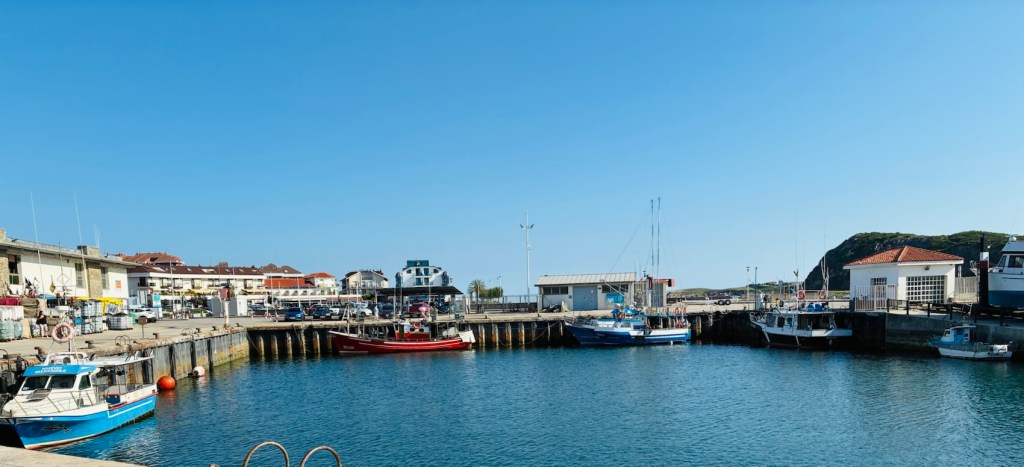
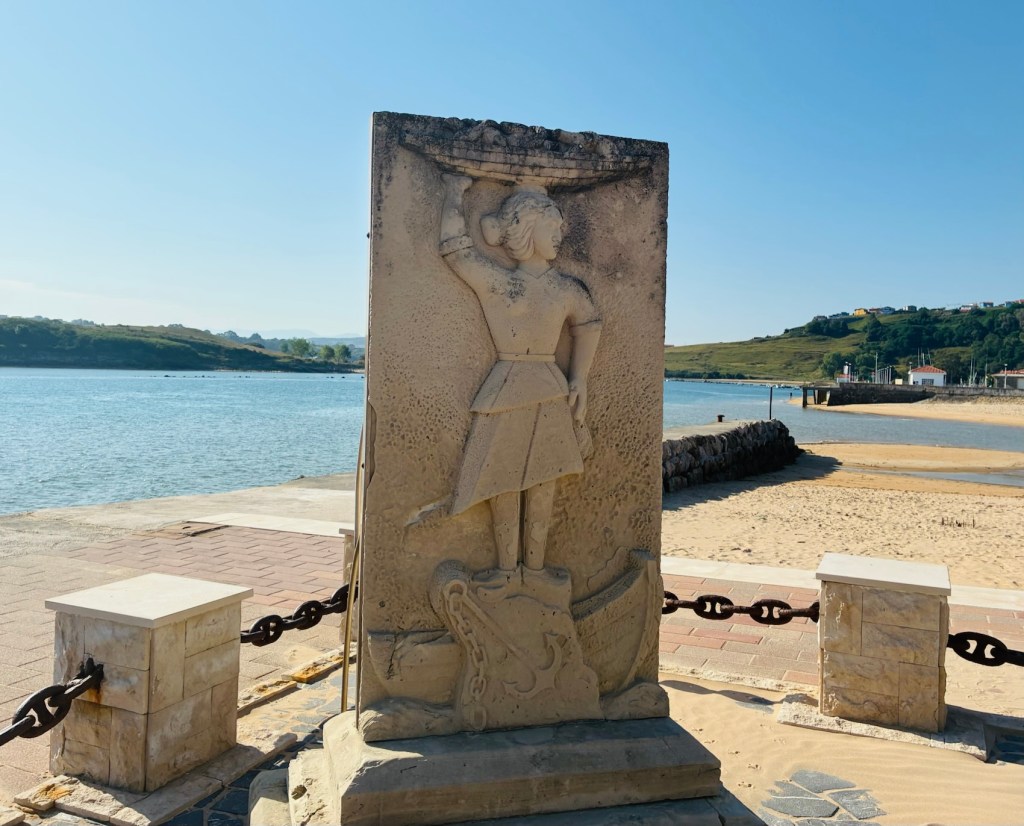
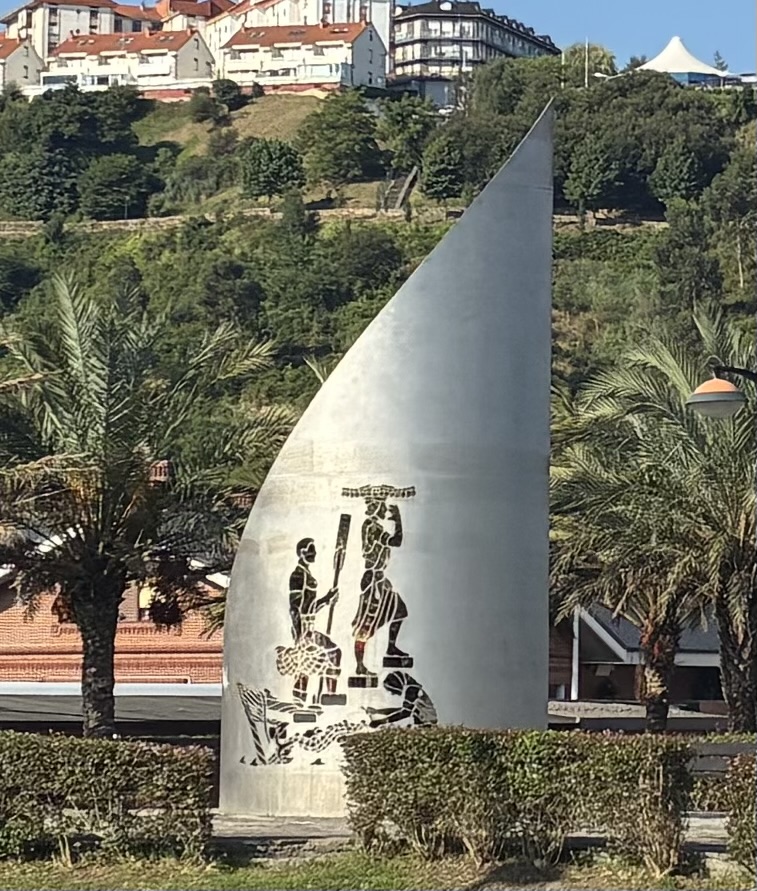
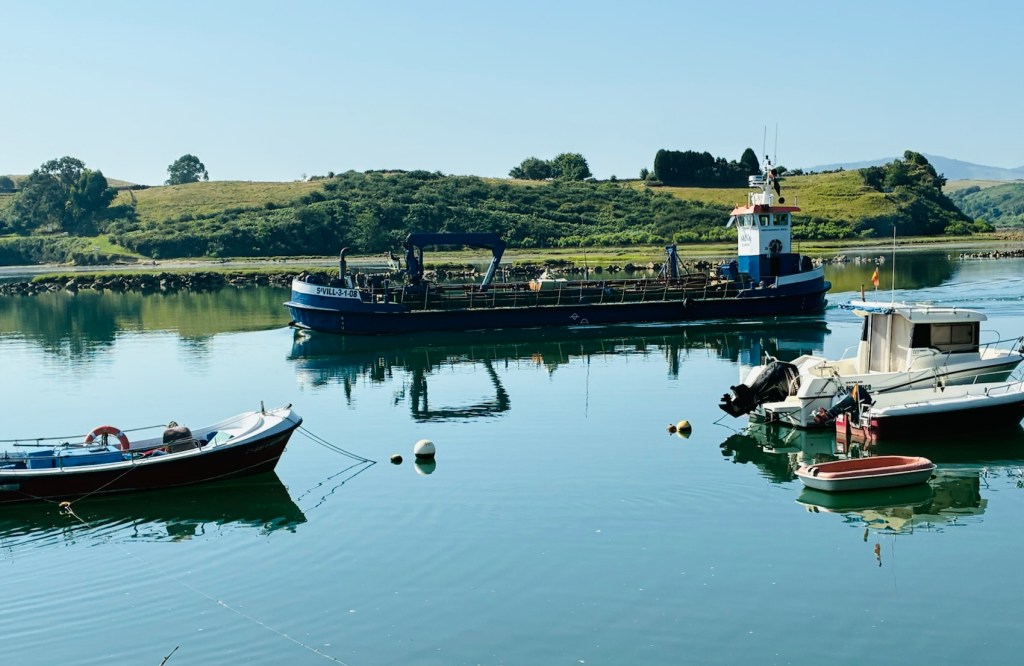
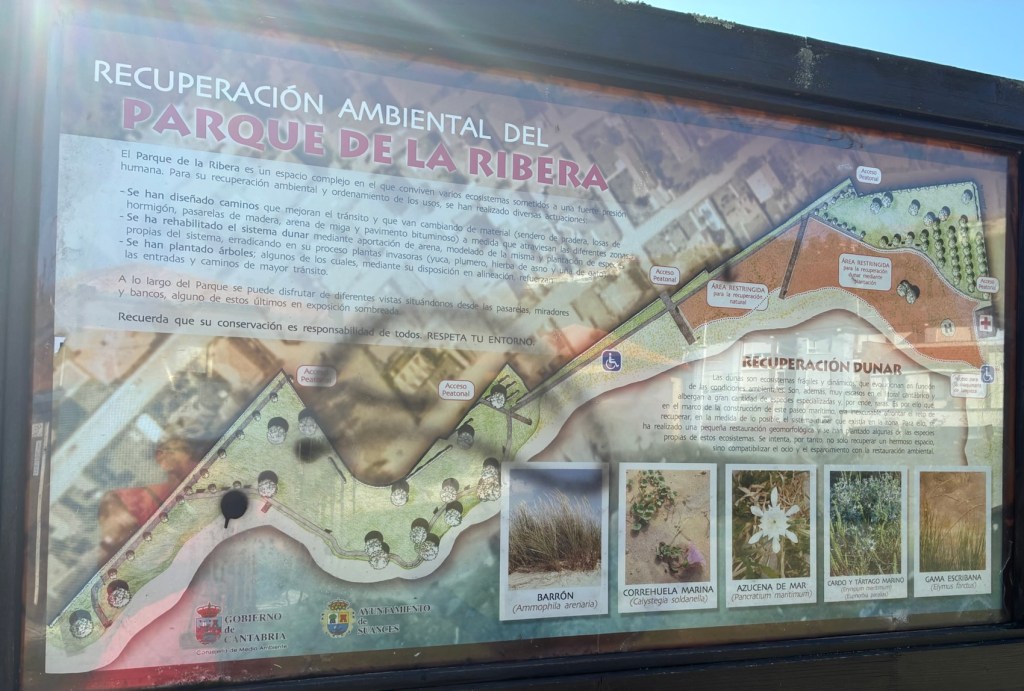
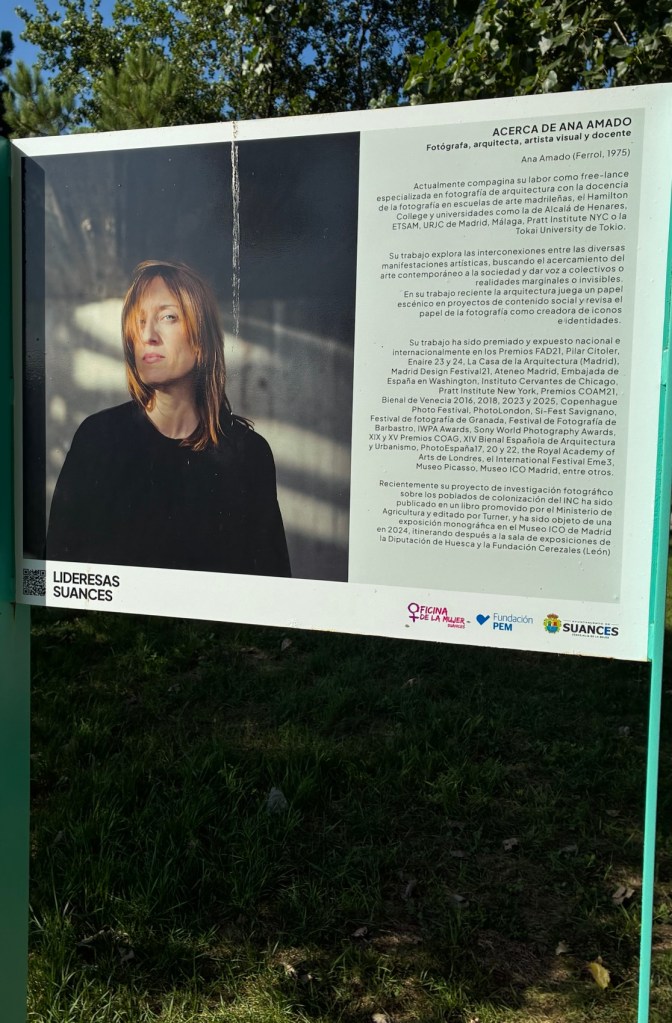
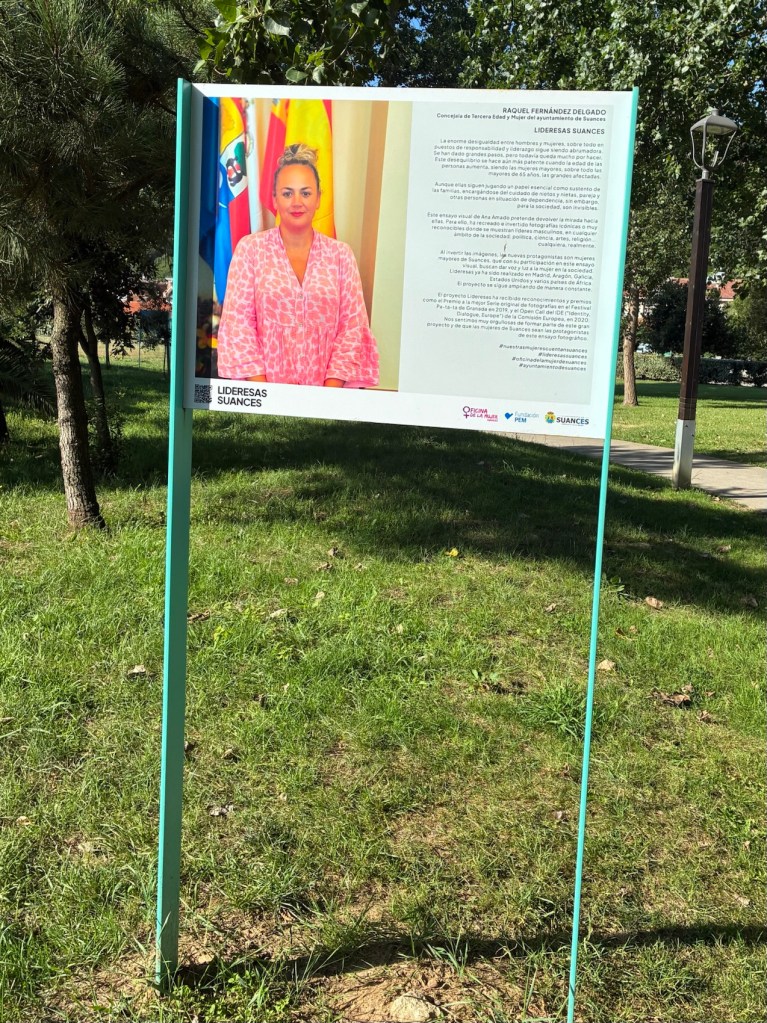
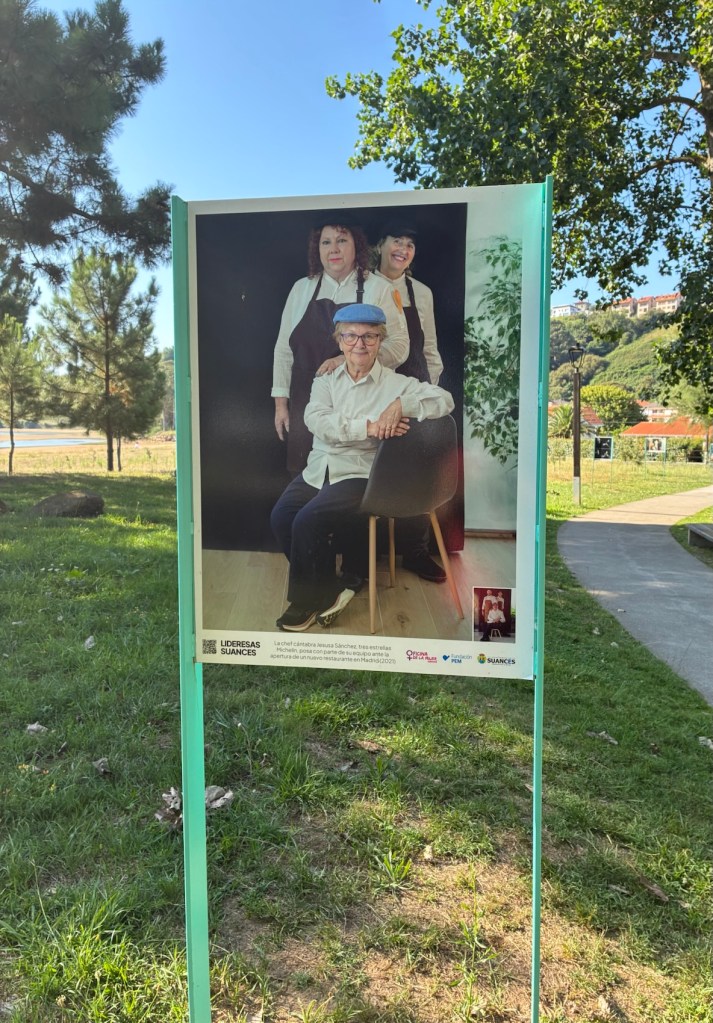
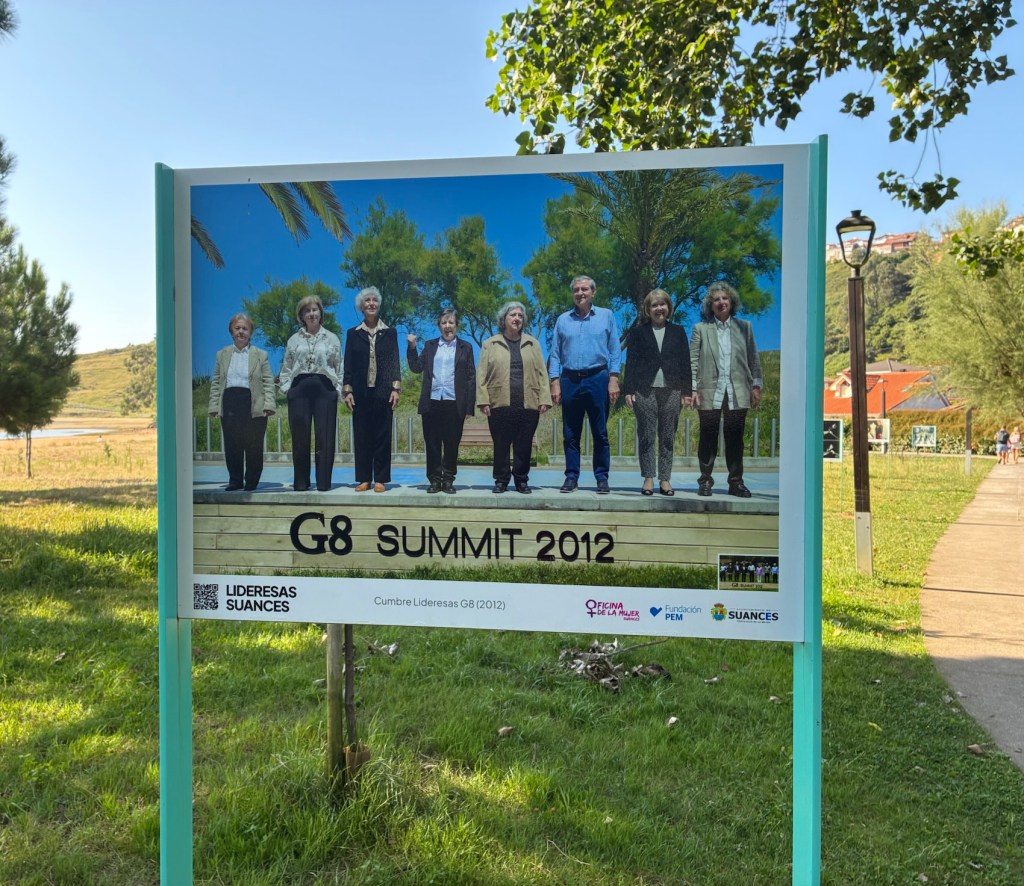
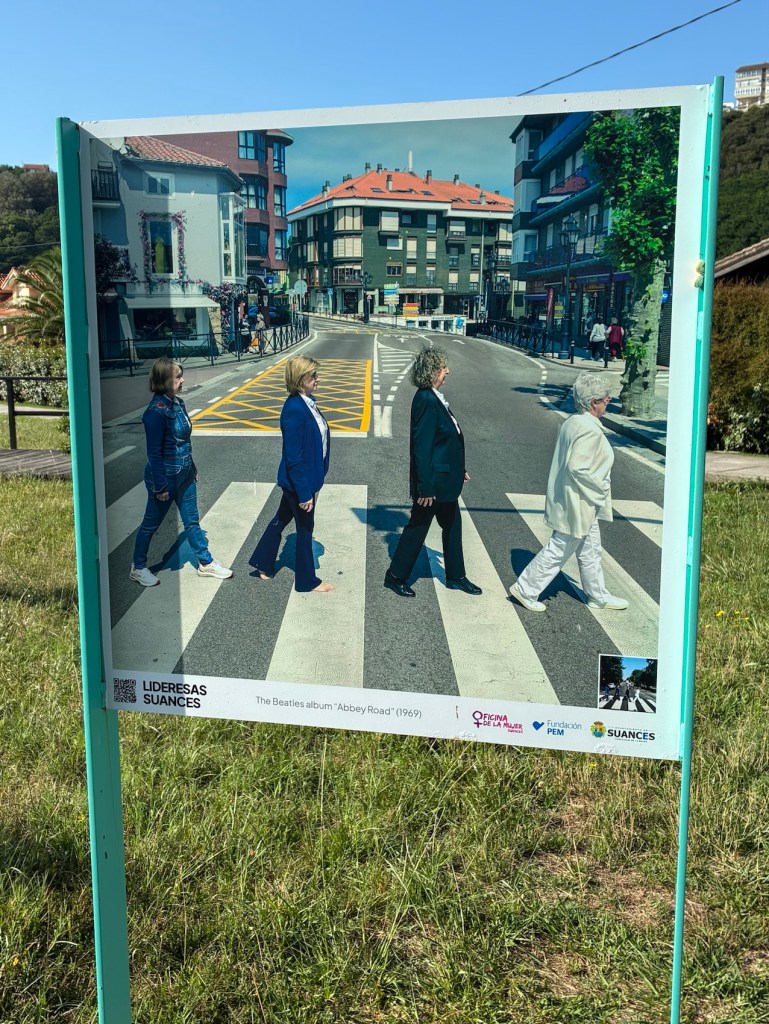
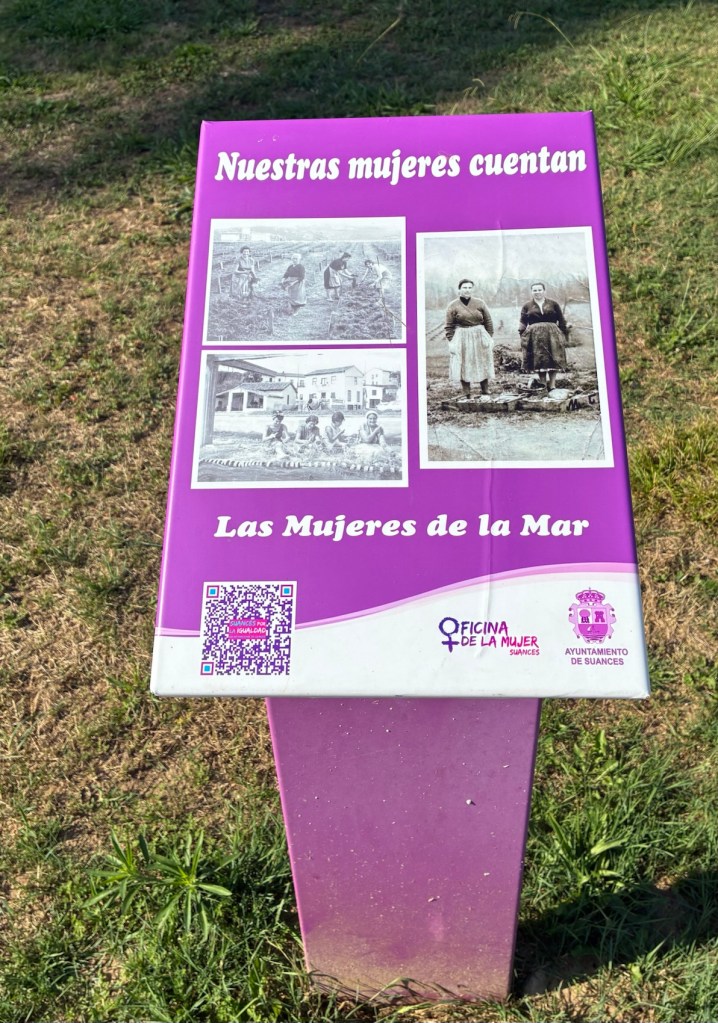
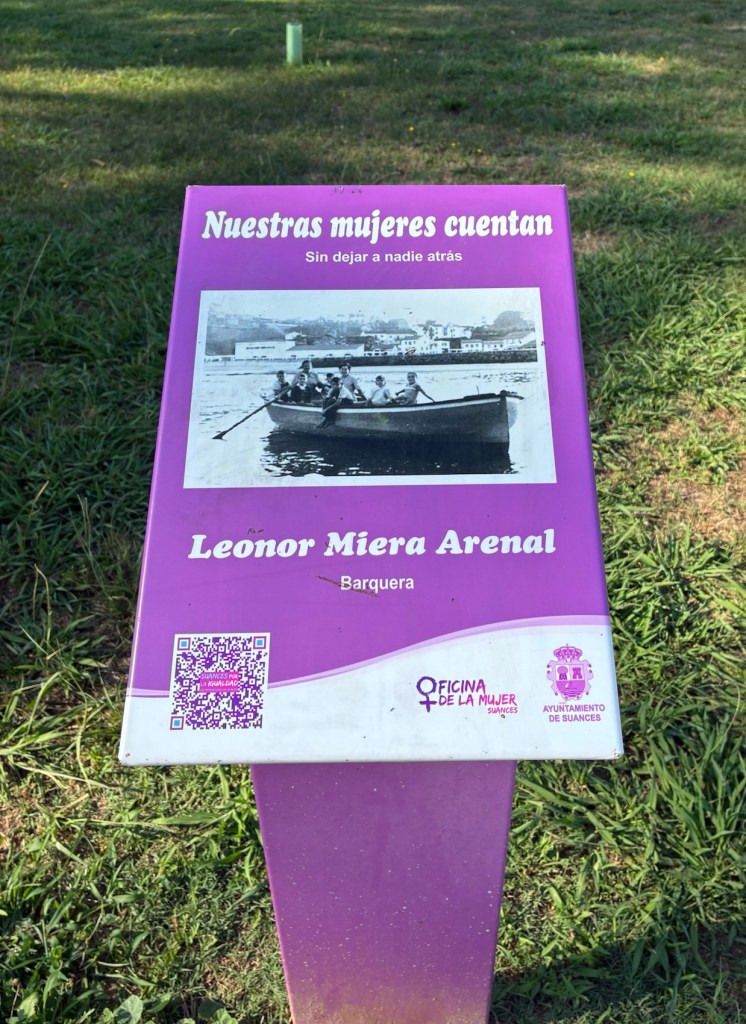
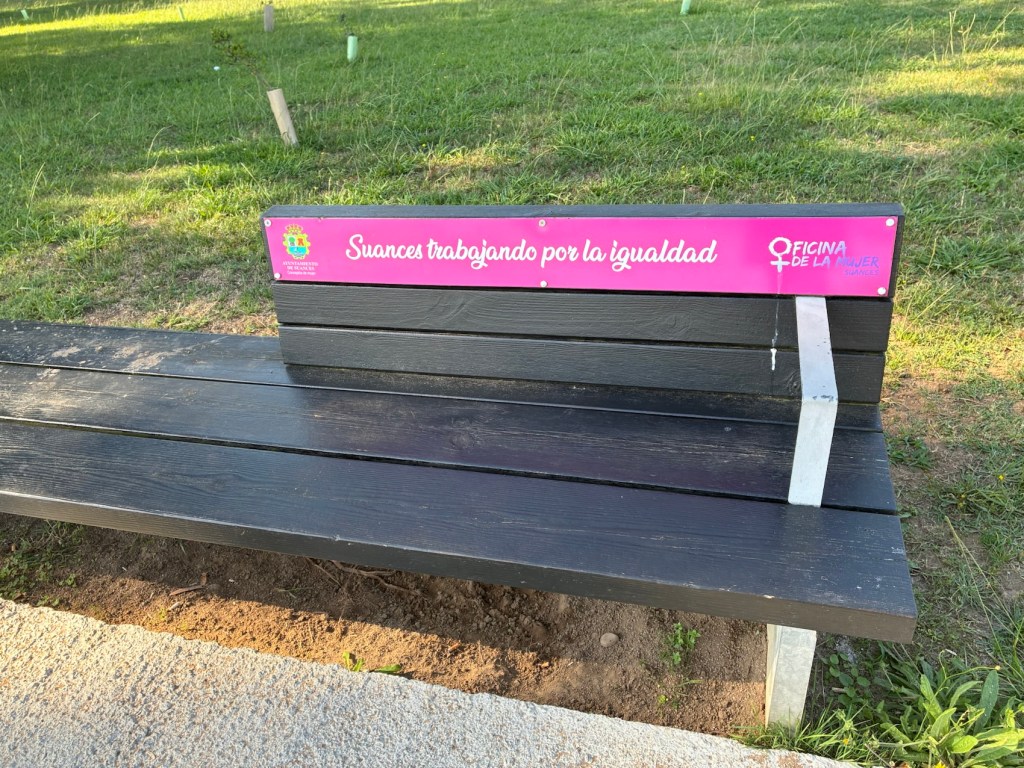
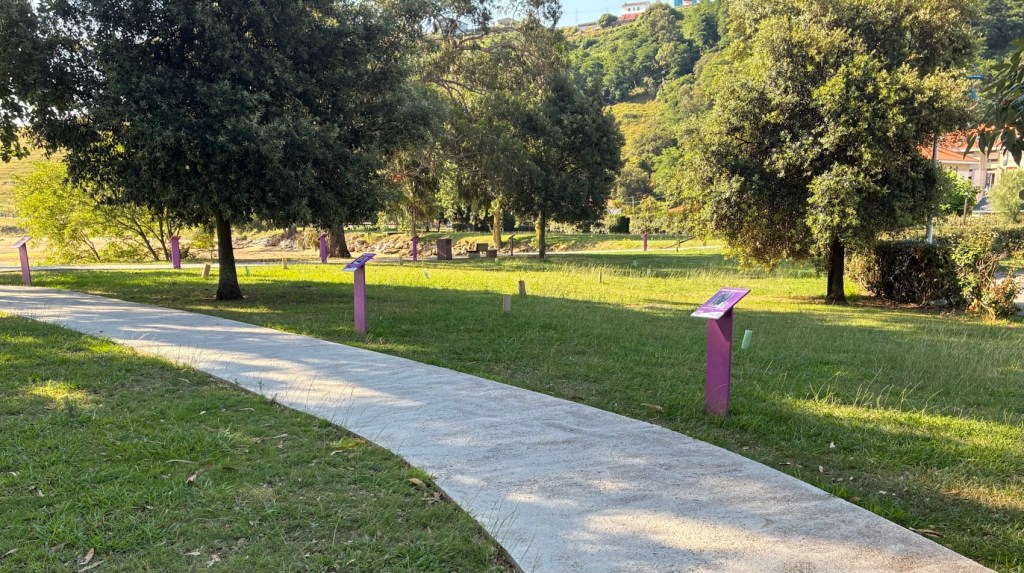
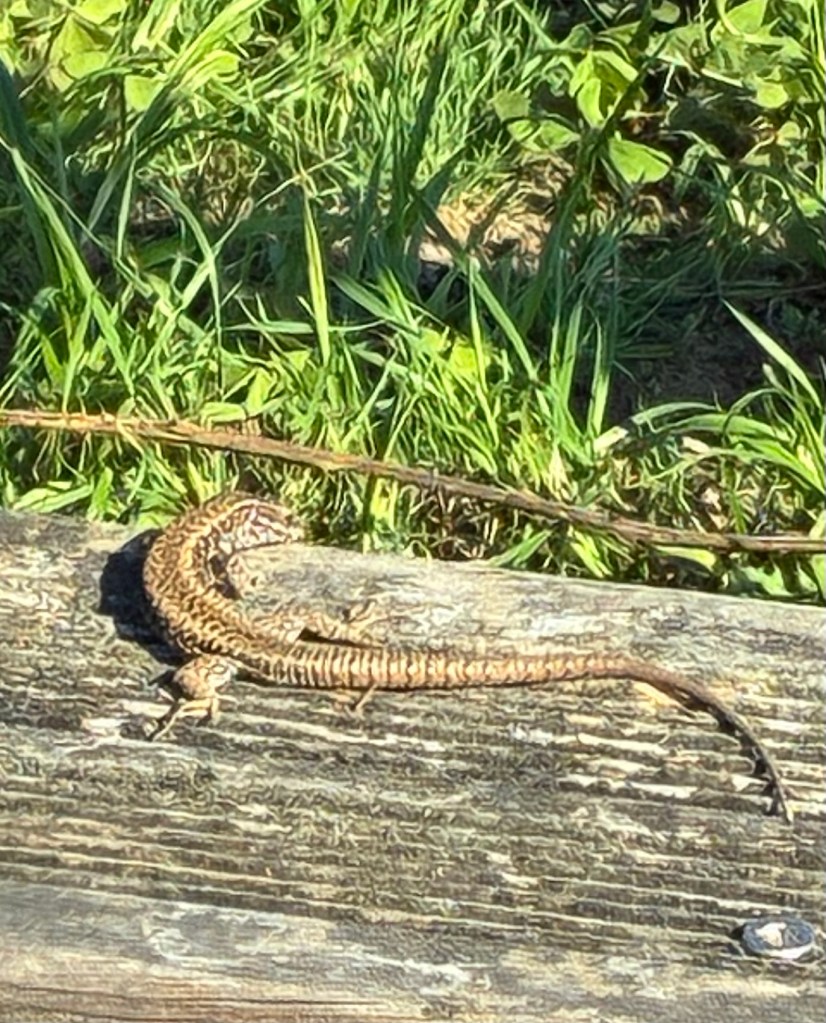
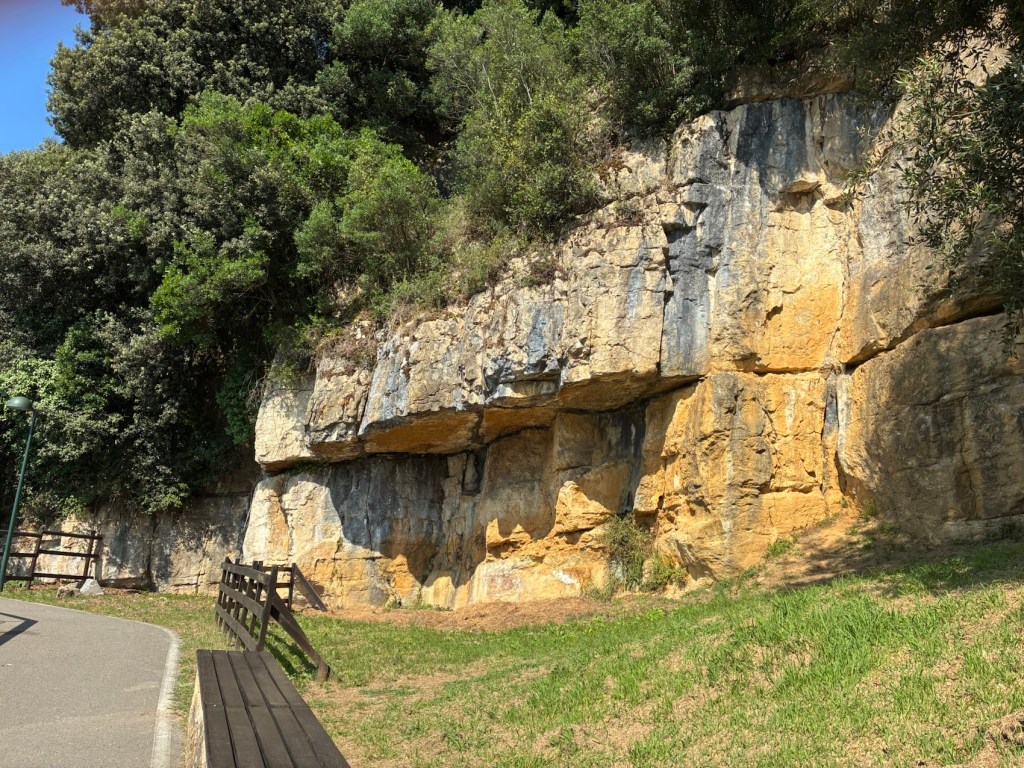
Beaches: In the immediate vicinity of the estuary there are important sandy areas, notably La Riberuca beach (ideal for fishing and rowing sports in the most sheltered area), as well as the iconic La Concha beachFishing boatsThe sculptures were to be indicative of a well decorated walkway.The lines of rocks are to indicate boatways of sufficient depth.The only “ moving” boat that morning.The Ribera beach and park were lined with informative and artistically enlarged photographs These are just a few of the posters on the route – locals and mainly females of “ distinction”.CIVIC AND LOCAL PRIDE – A UNIQUE PLACE“ nuestras mujeres cuentan” translates as OUR WOMEN TELLIt translates as WORKING FOR EQUALITY The path through the park And then back alongside the Ria for more great viewsOne of the very few dwellings after the park is left behind but there are benches and picnic areas mainly on decking along the way.A lizard spotted during our water break.Mountains in the distanceIt was at this point that we decided to make our way back to Suances. It had been a great walk and quite different to any we had made before. Pristine and flat, uncrowded and well made. This “ greenway” continues for a further 15 KM from this point – Oh for the time and possibly the energy!Heading back towards Suances. Time taken? About three hours.Thursday 23rd and a drive to Comillas . A meandering, two lane local road with splendid views at times. Two extraordinary sites on the way – one a church and the other an abbey.
.
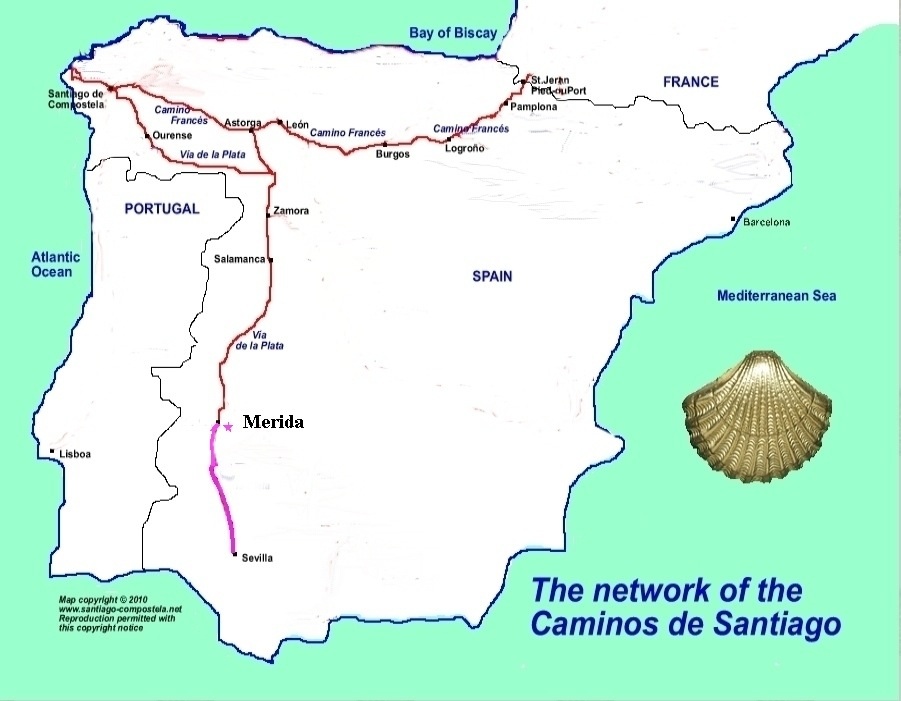
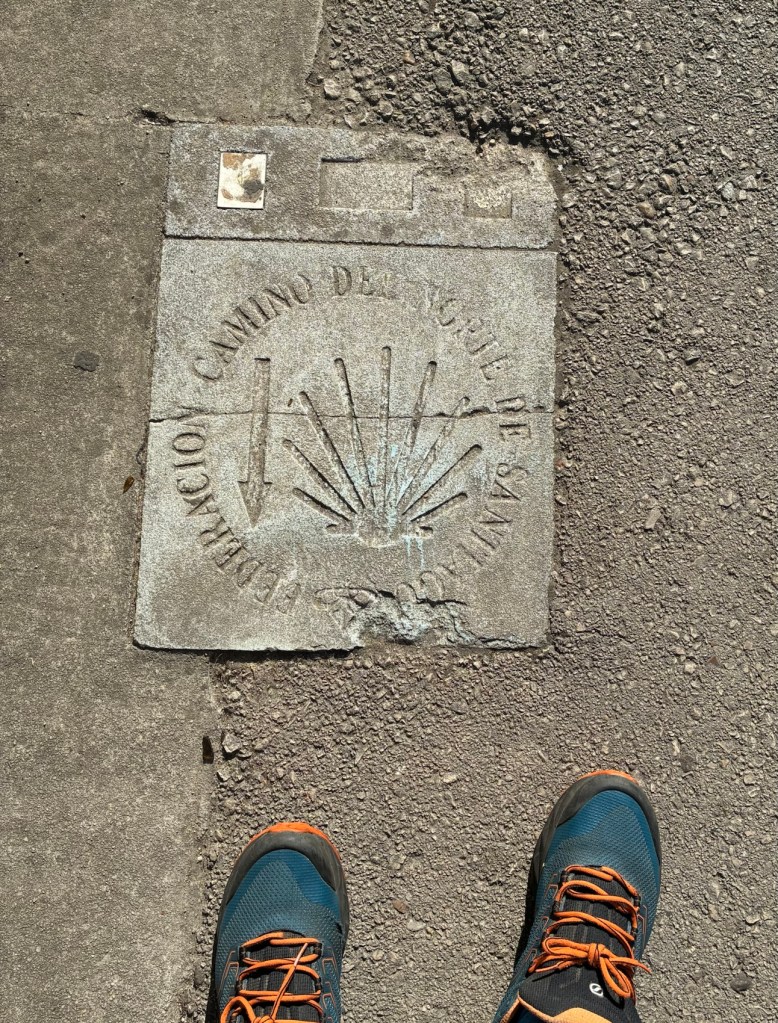
Overview – as ever, Comillas is on the Camino del Norte.
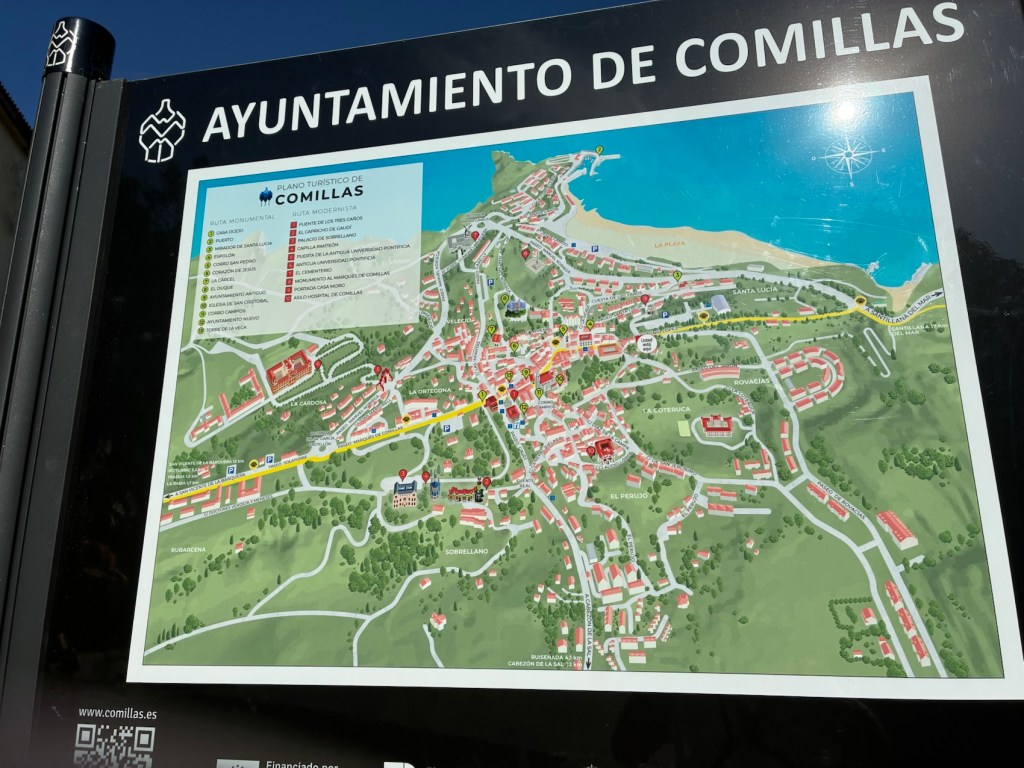
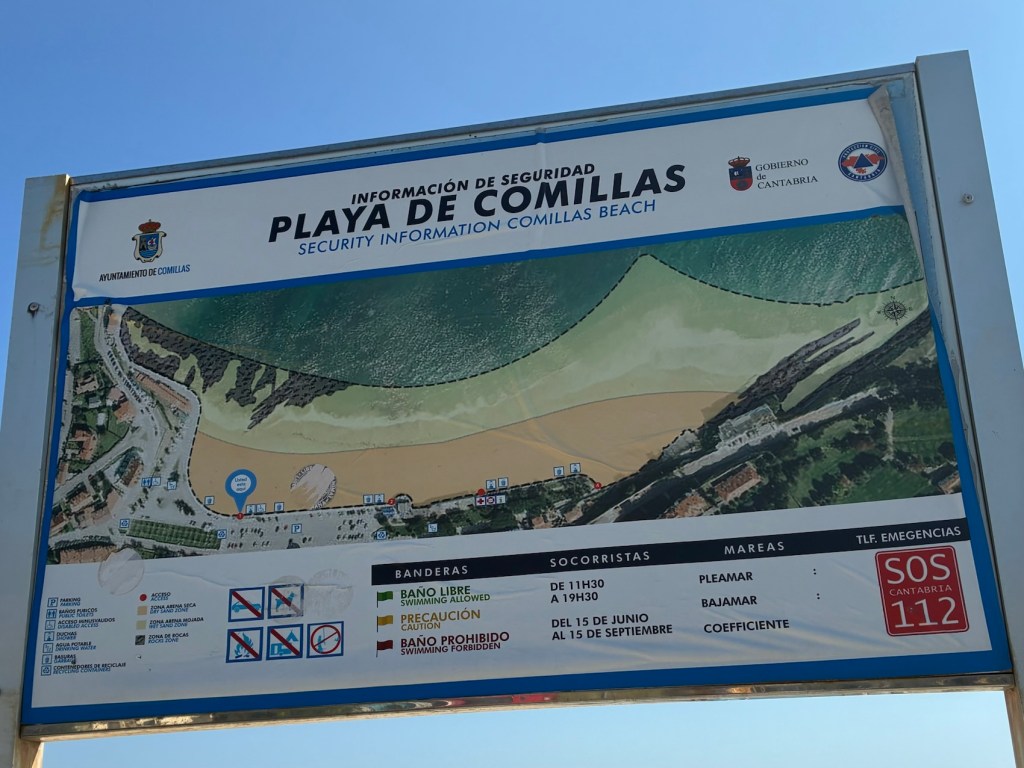
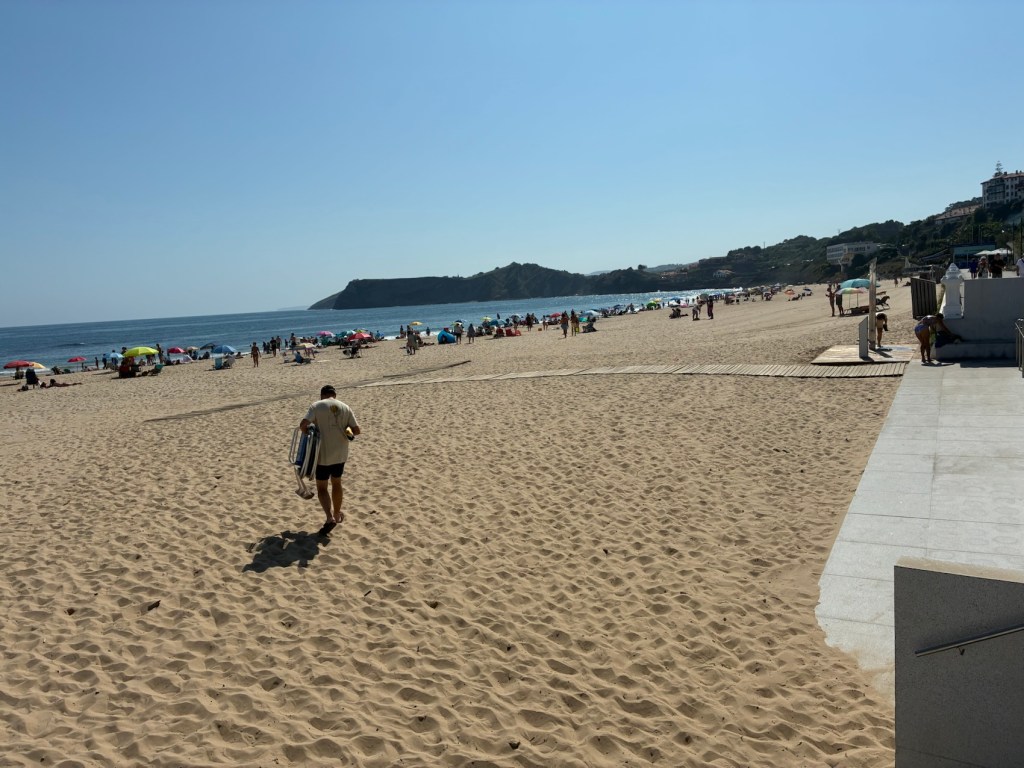
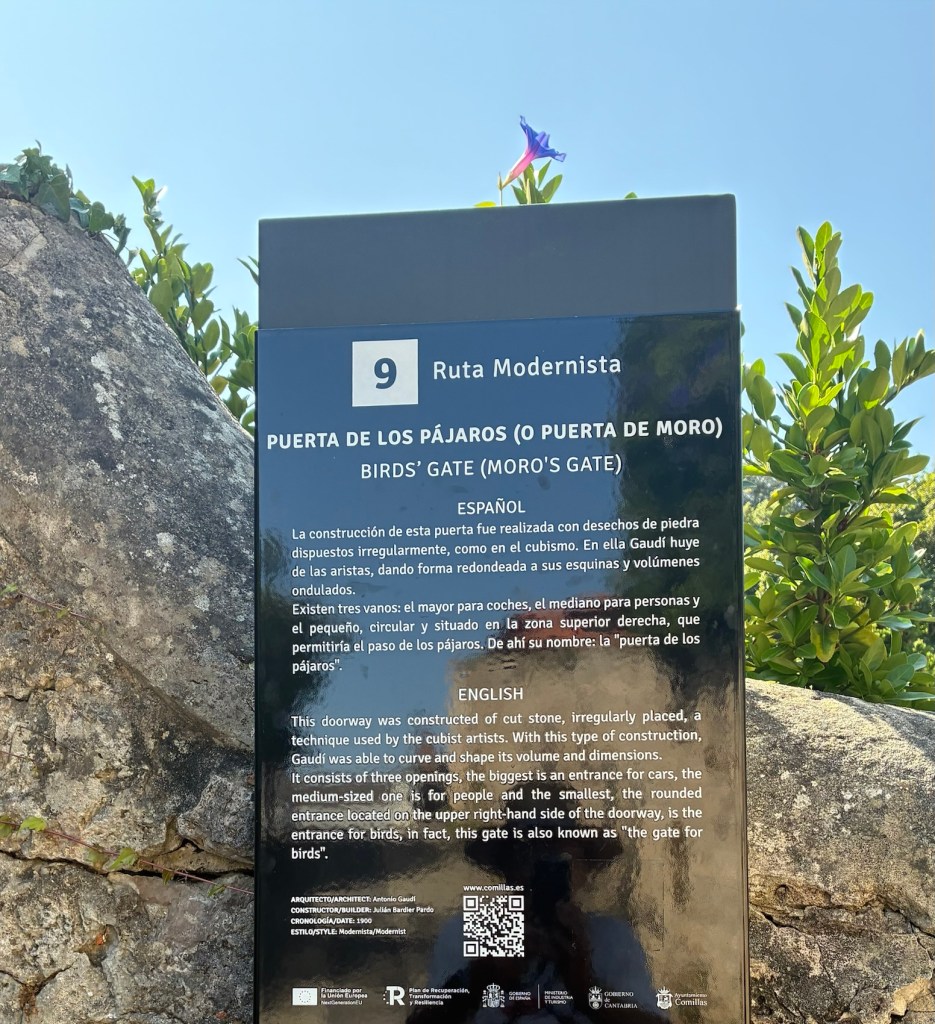
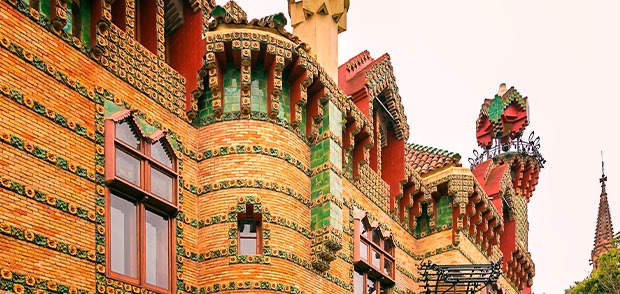
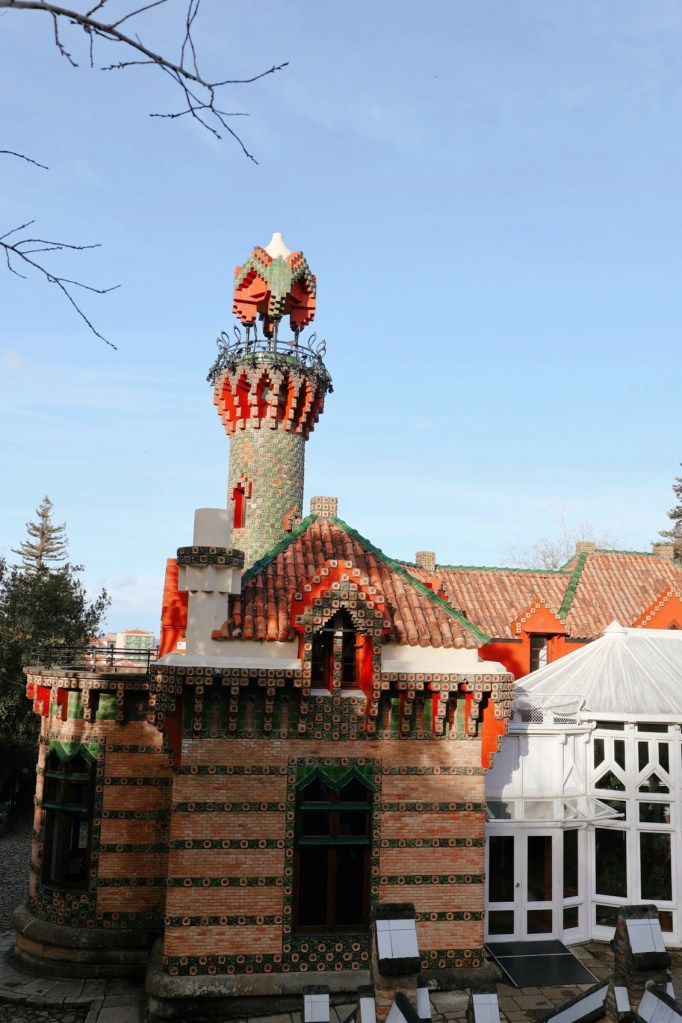
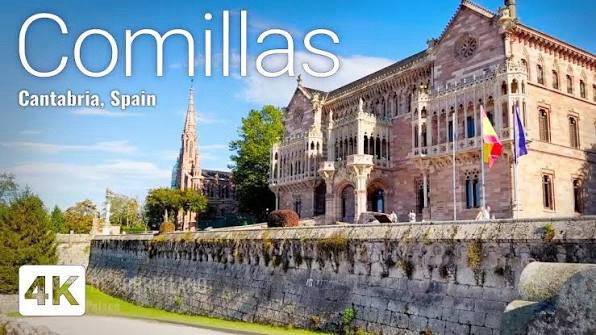
Comillas is a town in Cantabria, northern Spain. Its Modernista architecture includes 19th-century El Capricho, a Gaudí-designed chalet. Nearby, elaborate, Neo-Gothic Sobrellano Palace has Gaudí furniture. In the old town center, Plaza Corro Campios is full of restaurants and bars. Comillas Beach is popular for its fine sand and water sports. To the west, Oyambre Natural Park has dunes, marshland and varied birdlife.
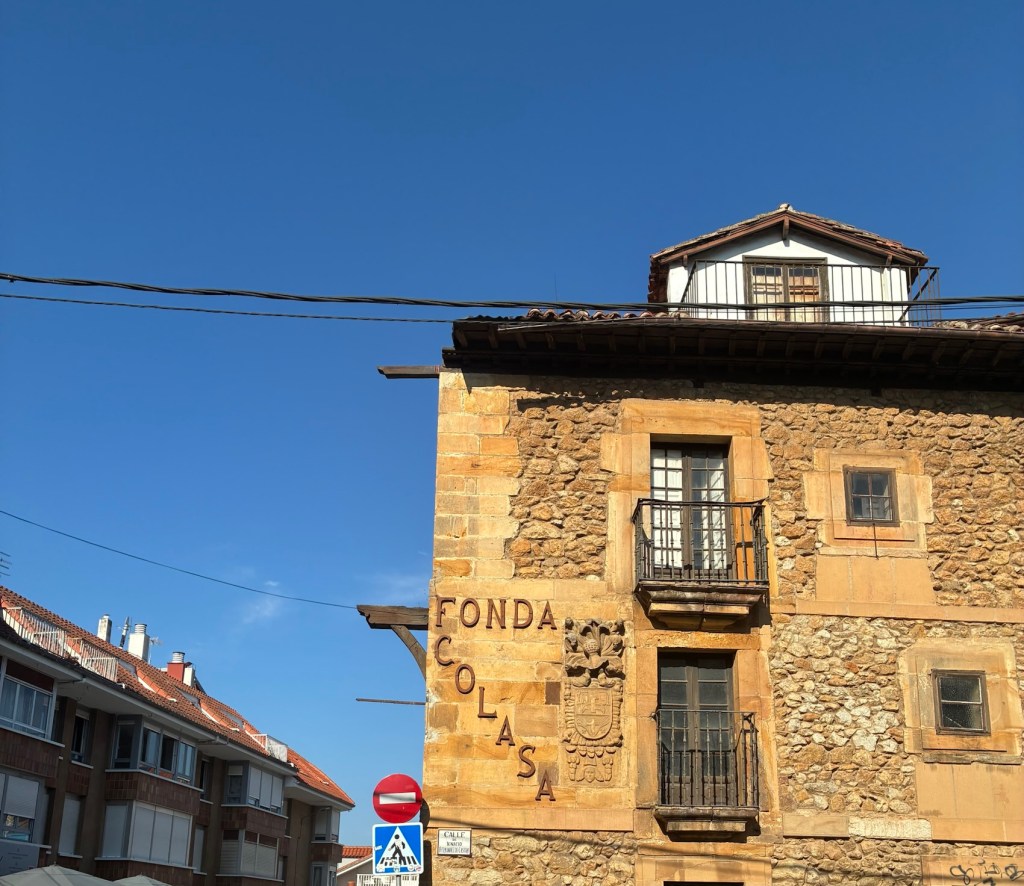
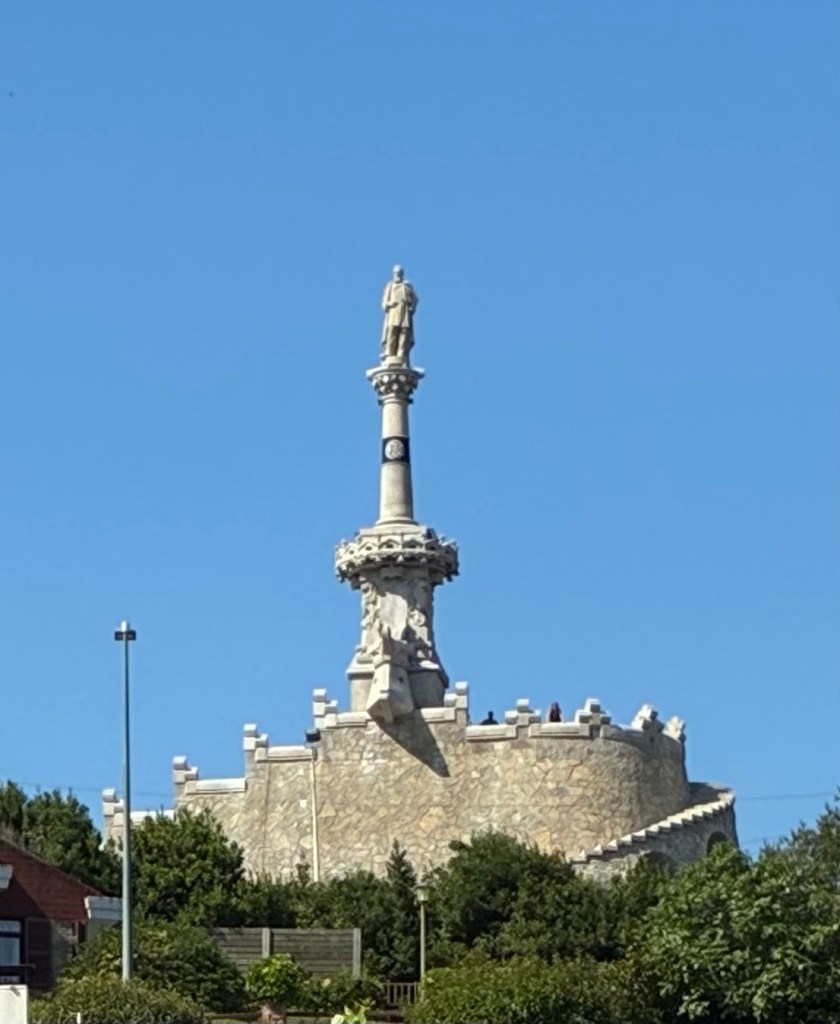
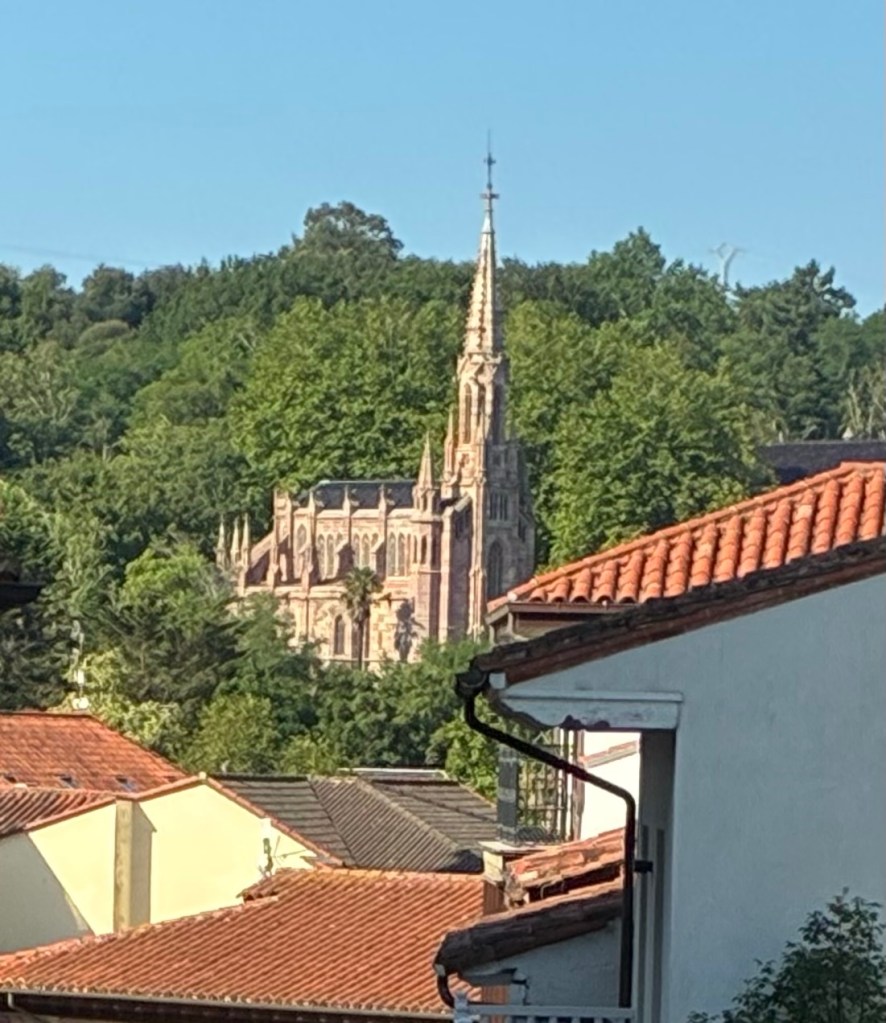
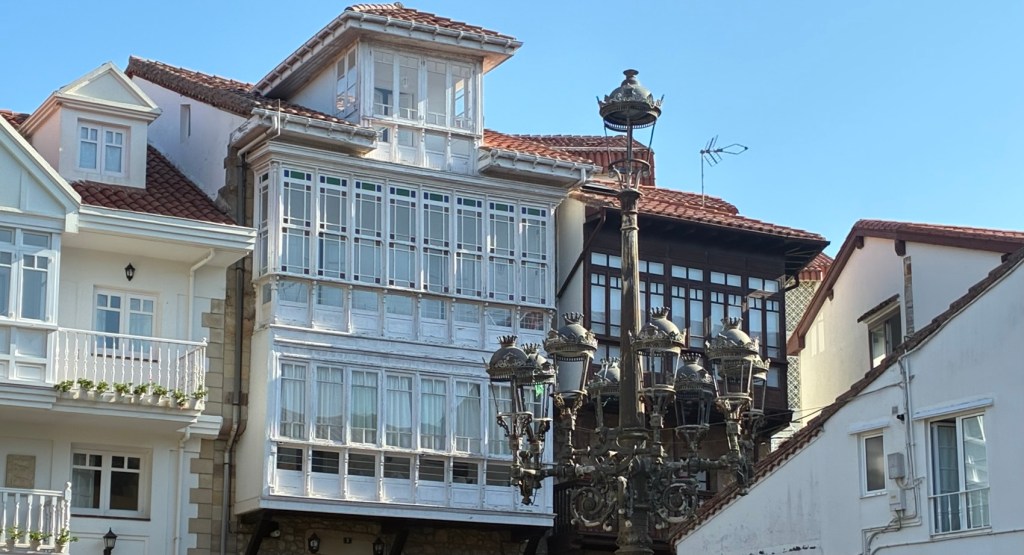
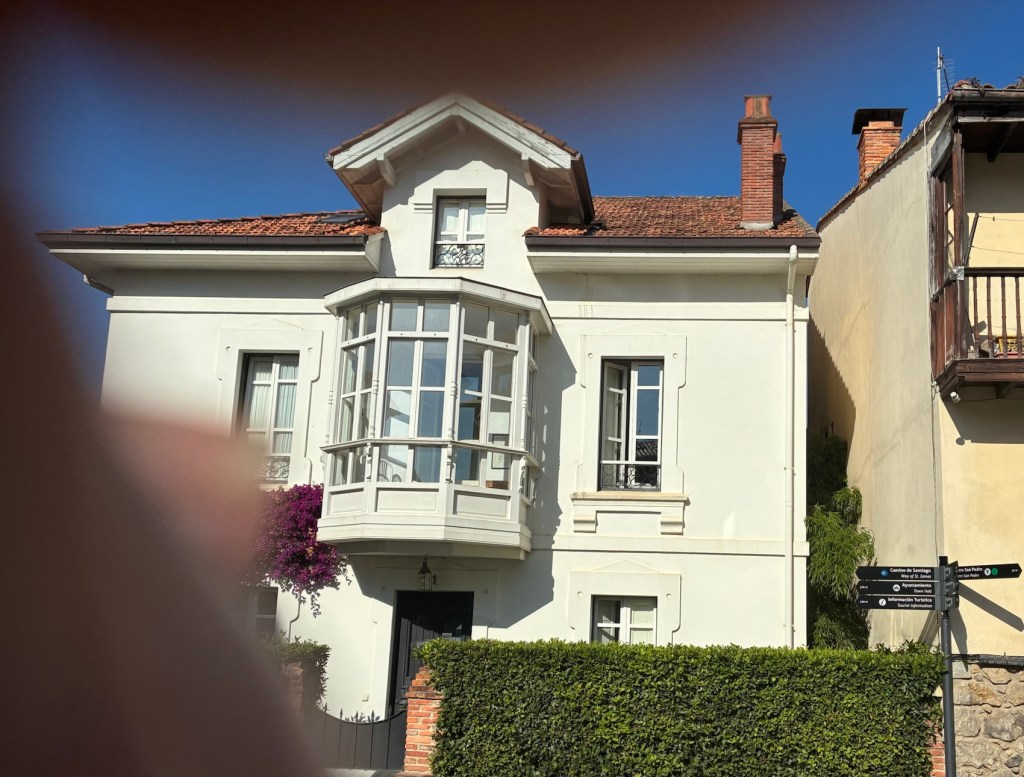
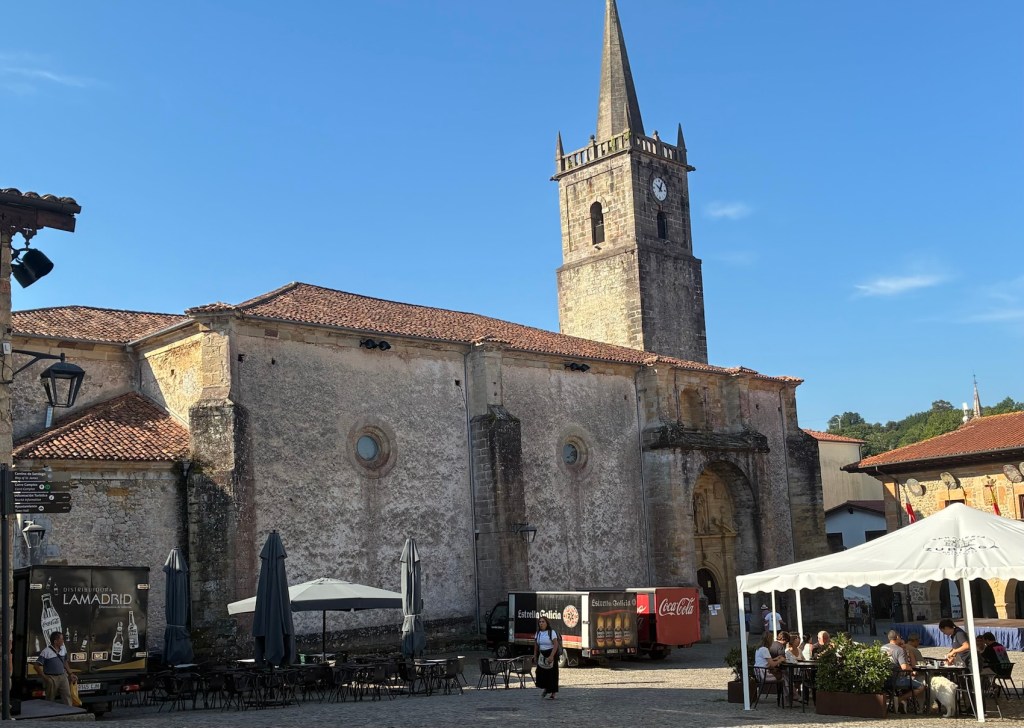
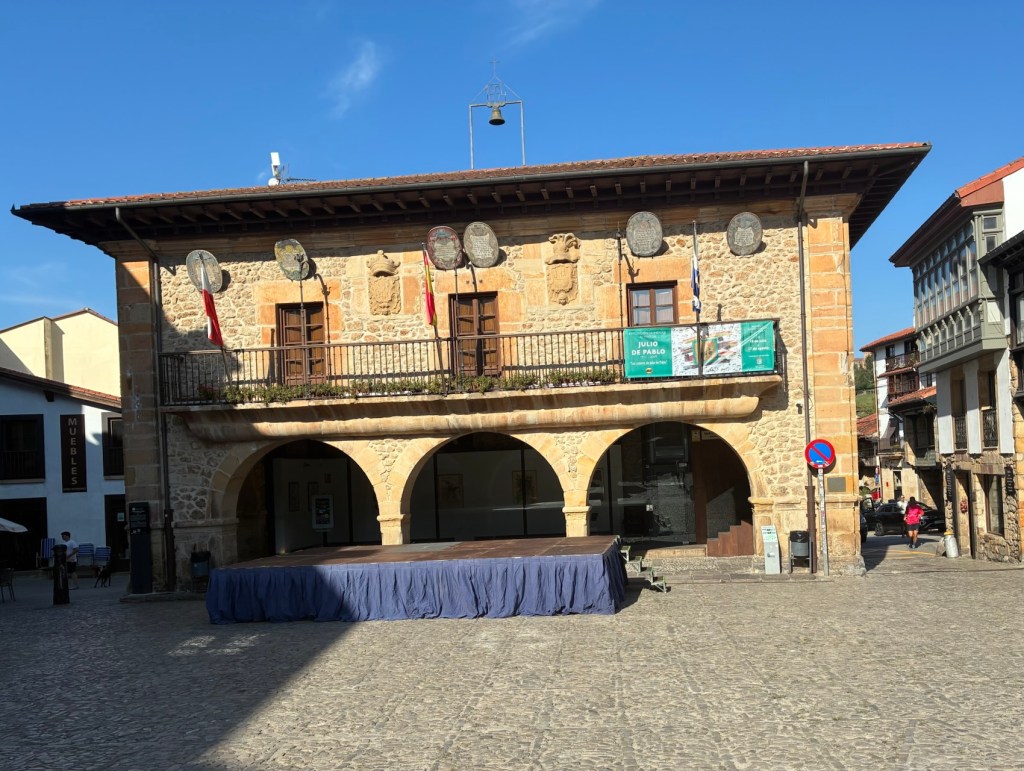
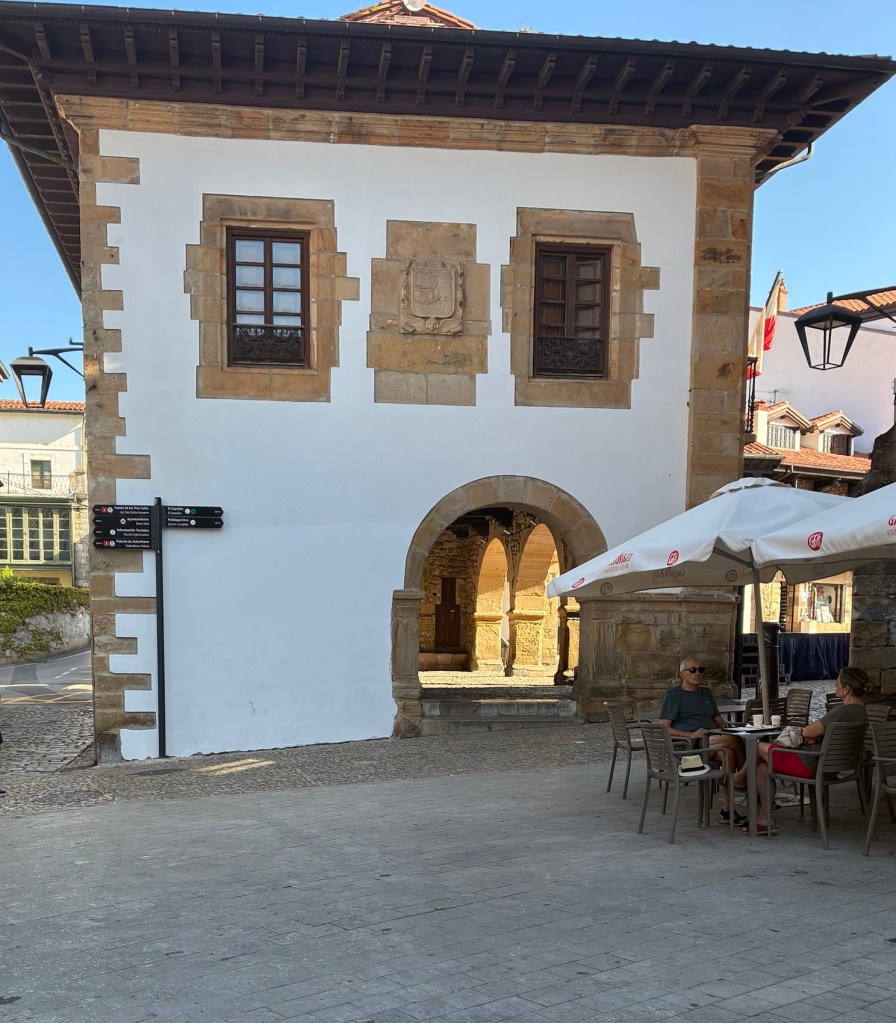
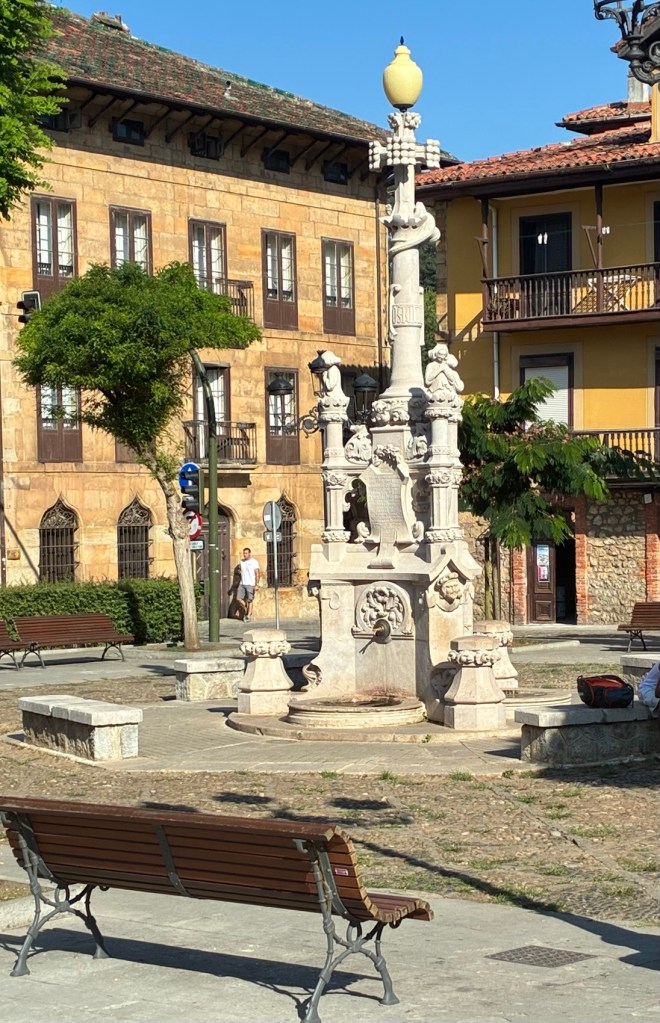
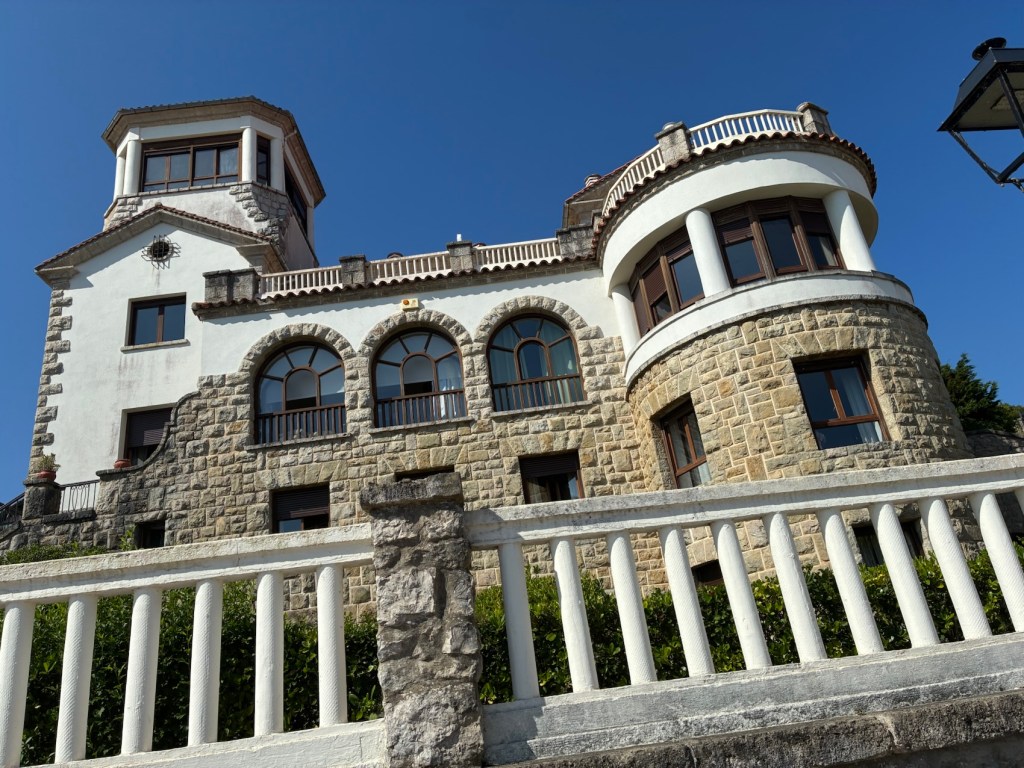
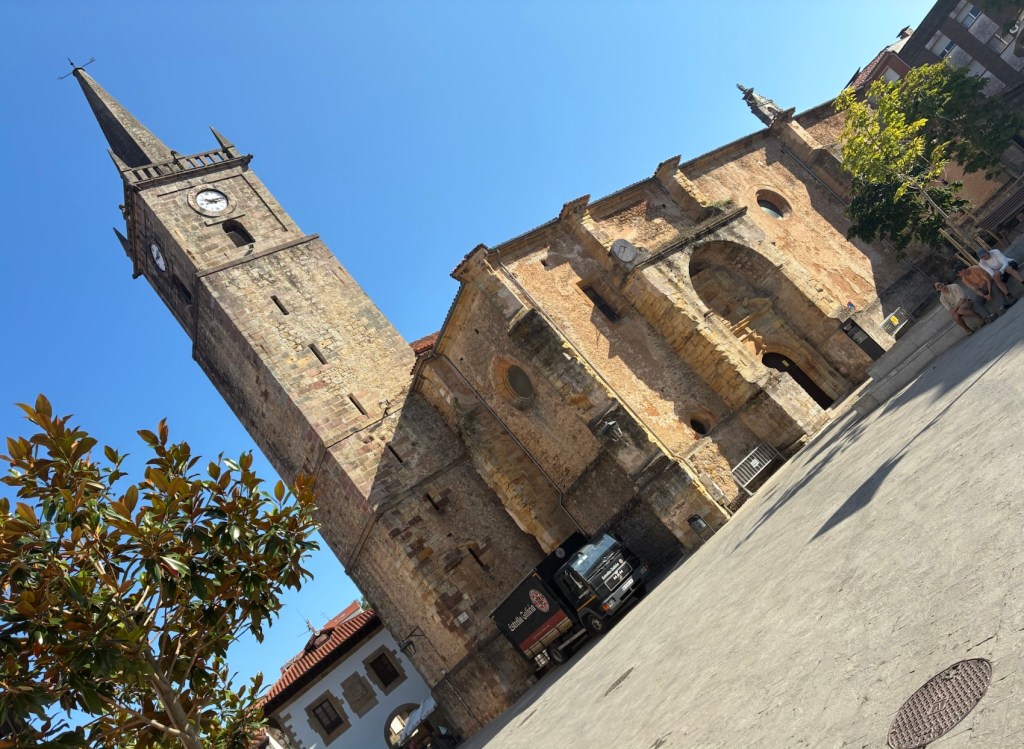
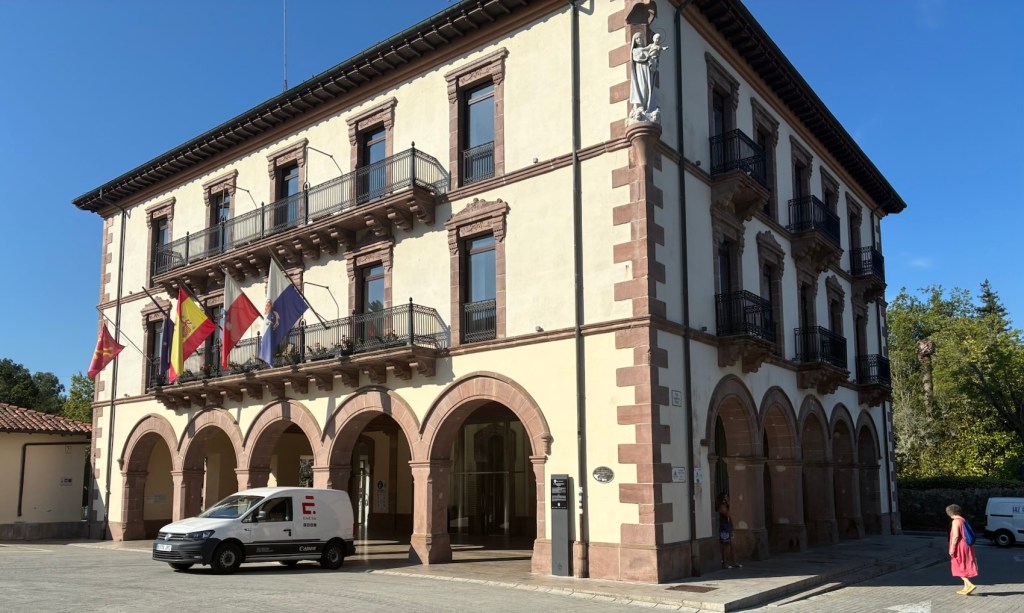
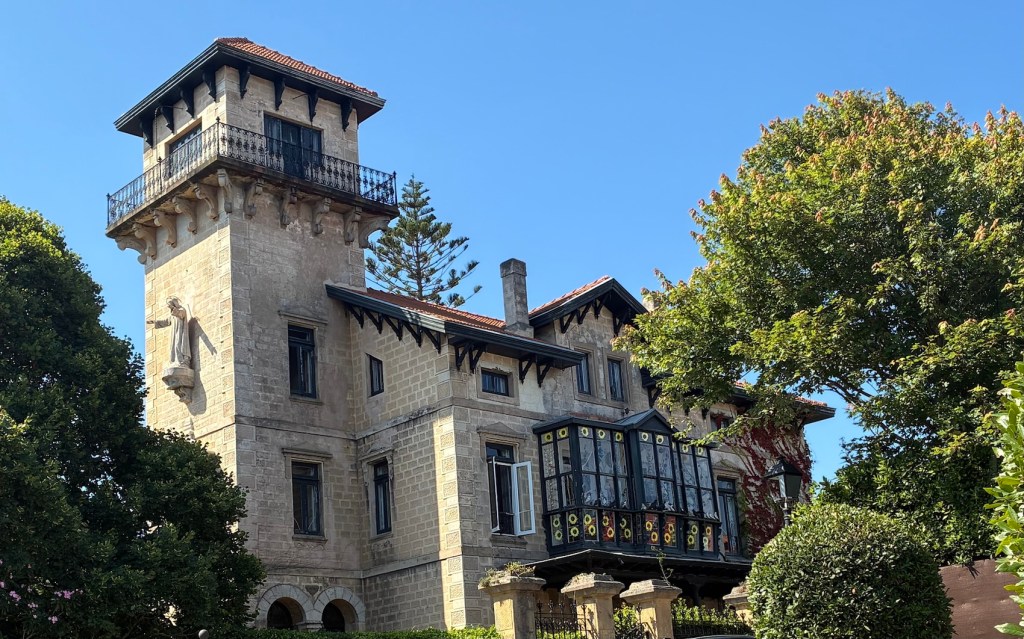
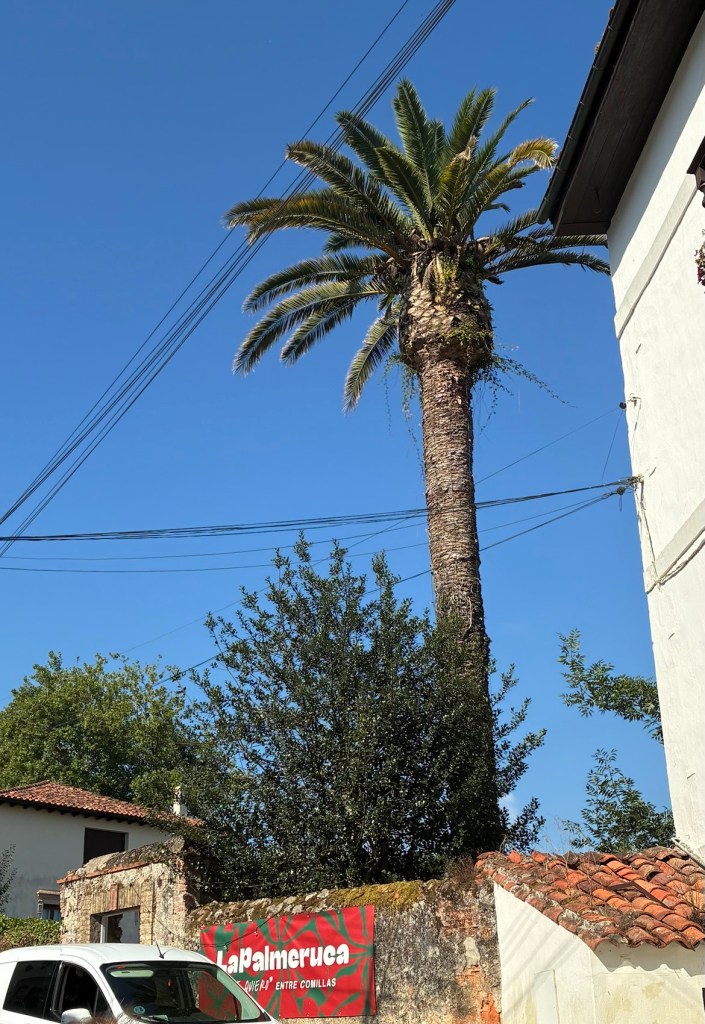
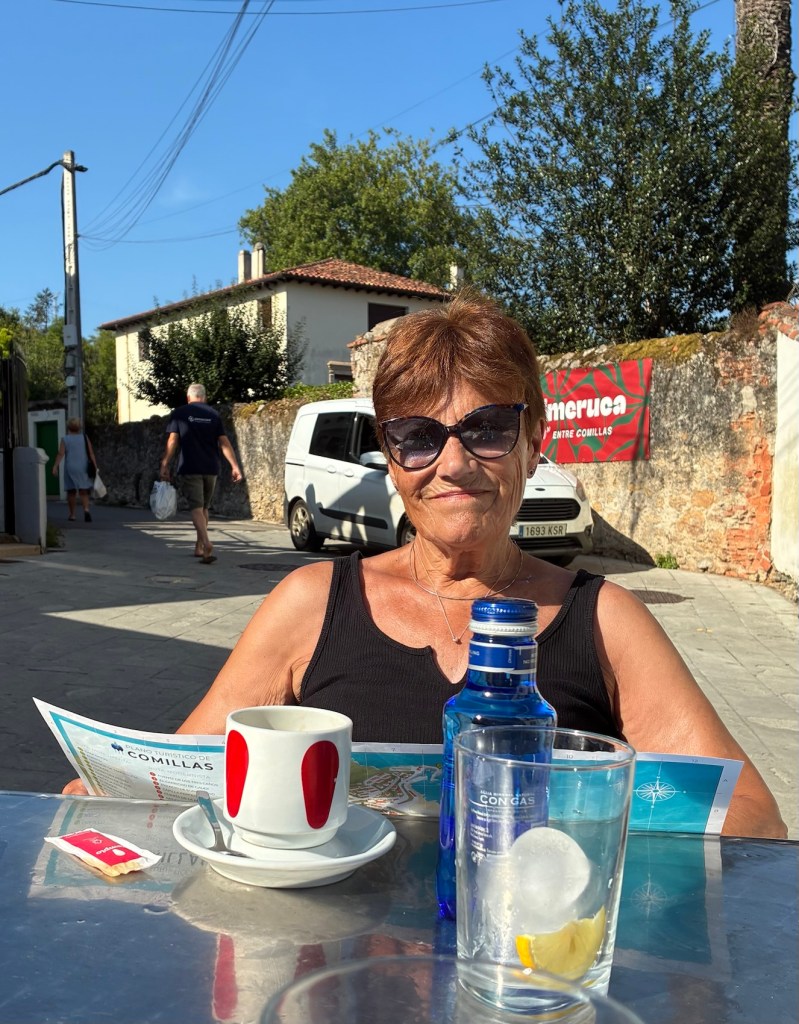
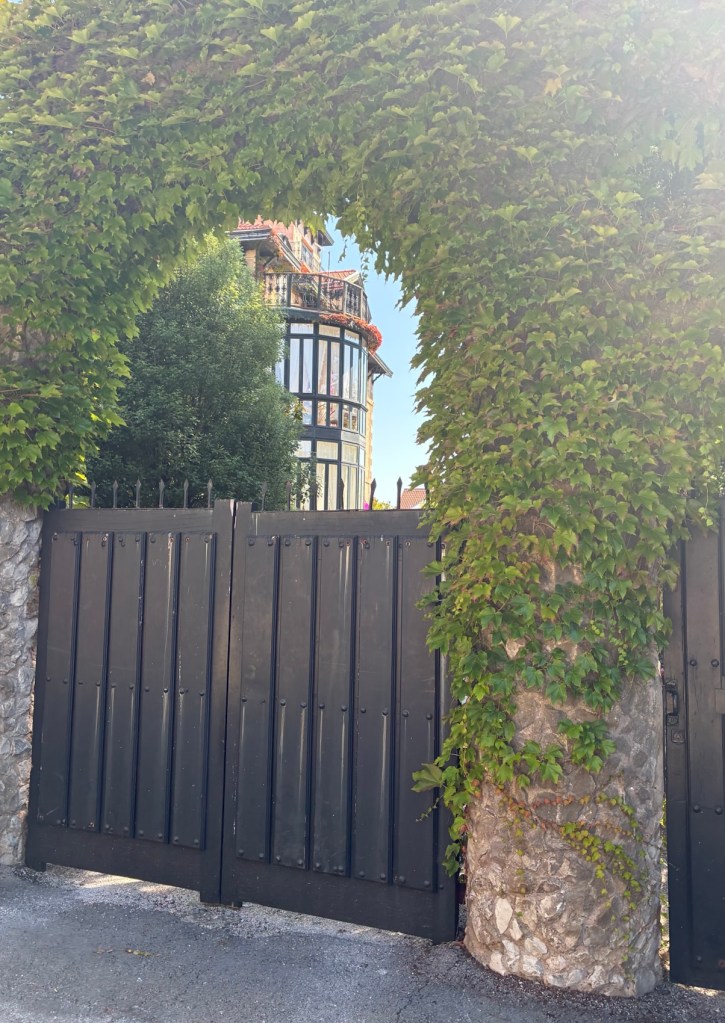
First view of the town.This is a statue of one of the local Counts overlooking the sea. He probably thought he owned it like much else hereabouts.Church in the hills.Balconies Impressive villas reflecting prosperous times.Parish church. As it was quite early by Spanish holiday time, the “ Centro Historico” was quiet and it is an interesting place.The Turismo Wonderfully situated Villa View from our coffee stop.Quintessential Holiday snap of Barbara.The GAUDI place
“Comillas cento historic is captivating and it has a fine beach. Much to enjoy.


Leave a comment