To avoid ATM fees,use bank-operated machines branded with the Multibanco logo (a blue and green logo), which covers most local banks, including Santander, Millennium BCP, Caixa Geral de Depósitos, and Novobanco. Avoid Euronet ATMs and other privately operated machines (often located in tourist areas) to avoid excessive fees.
CAMINO LINGO: Same advice applies both Portugal & Spain – The Reality on the Camino After a few days, you discover a beautiful truth: The Camino has its own language. It’s a magical mix of Portuguese/Spanish & English, hand gestures, smiles, and pure goodwill. Most people you meet — in albergues, cafés, bars, shops — are used to pilgrims from everywhere. They’ve heard every accent, every attempt at their language and every creative pronunciation of bocadillo.EG in Spain…. Conversations usually go like this: “Una cama?”, “Peregrino menu?”, “Café con leche?” And somehow… it works. Plus, many pilgrims speak English. Sometimes you end up at a table with a mini United Nations: Germans, Koreans, Italians, Canadians — everyone speaking their own version of English, Portuguese,Spanish, or enthusiastic mime. And everyone understands each other perfectly. The Real Language of the Camino You’ll learn a few words instantly: Hola — hello, Gracias — thank you Bom Camino/ Buen Camino — the sacred greeting that solves everything Everything else is surprisingly intuitive. If you don’t understand something, someone nearby or our group will help. If no one understands anything, you’ll all laugh and figure it out anyway.
Well, we have come to the end of the road for destination previews on our Camino and with a month or so to go preparations will be uppermost in our minds.
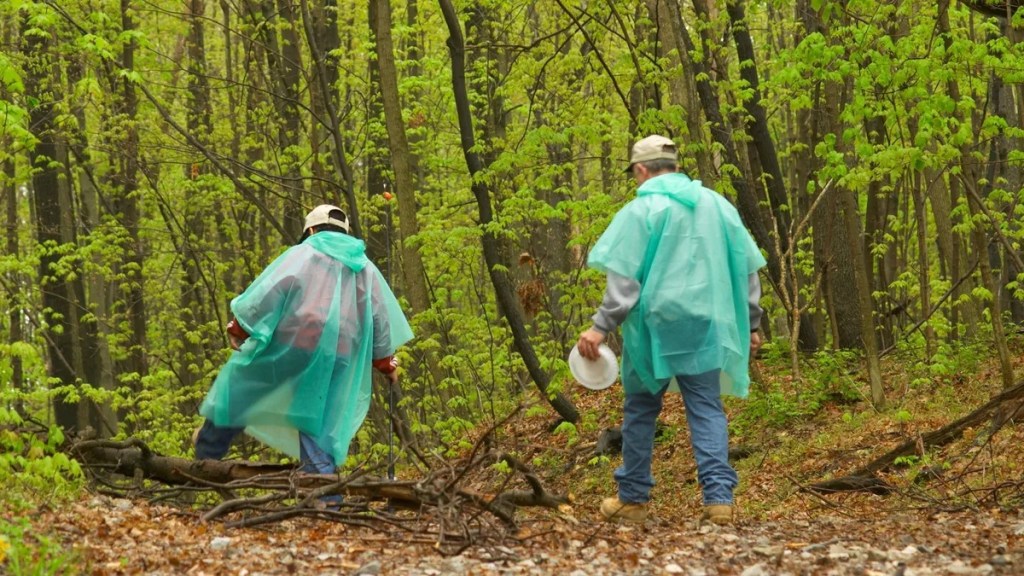
That’s not quite what I had in mind, although “ feet first” if you have to rank preparations in order. Chatting to Sharon recently, there was a dilemma – trail shoes or boots? Our Camino is in two halves . The coastal section – flat with plenty of welcome boardwalks across the dunes. The Spanish section,through Galicia will be varied with some reasonable inclines and bearing in mind the vagaries of the weather, rain is always a possibility. I shall be using trail shoes mainly with a pair of lightweight boots to hand on occasion.On the subject of rain..Poncho or rain jacket?
Poncho – Weight and packability – No zips or pockets means they’re ultra lightweight and packable. Wet weather protection and coverage – Pretty watertight and lots of cover. Very breathable, air flow keeps you cooler. Fit & Style – Loose and flappy, not the most stylish and a little impractical in the wind. Versatility and storage – Can double as a picnic blanket or tarp, usually no storage. Durability – No zips to break but overall less durable, plus flapping and snagging may degrade it faster.
Unisex I hope!
Rain jacket– Weight and packability – Lightweight and packable, but zips and pockets make them bulkier than ponchos. Wet weather protection and coverage – Not as much coverage plus zips can let moisture in, but drawcords and fastenings tamp down the hood, hem and sleeves nicely. Warmth and breathability – Less breathable, snugger fit blocks wind better and keeps you warmer. Fit and style – Can be stylish enough for urban adventures, no annoying flapping. Versatility and storage – Only one function, lots of pockets. Durability – Durable with good treatment, less opportunity to snag on branches.
I shall have enough space to pack both.
FOOD ON THE GO
Some suggested foods to carry on the camino for lunches and snacks:
Trail mix with nuts, seeds, and dried fruit
Fresh fruit (apples carry well, bananas are good for muscle cramps with their potassium), grapes.
Fresh vegetables (cucumbers and tomatoes travel well)
Bread: fresh baguettes are delicious and inexpensive.
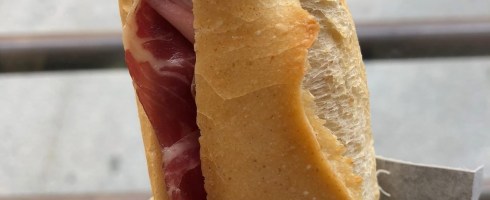
Ham: so many delicious varieties
Tins of sardines – worth packing a fork!
Bags of crisps
Cheese: also many varieties are available. Ask for a small quantity from a deli (50-100 grams) to avoid waste.
Hydration en route – plenty of cafes etc normally, but I always dilute 2 x OCR tablets each morning in my own water bottles .
There are other flavours – Very light too.
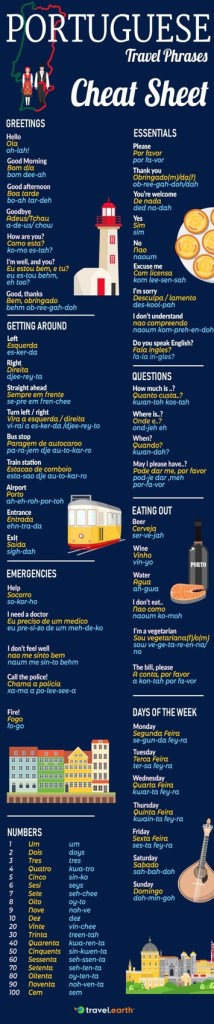
Camino Lingo – in Portugal,even a few years back, I never needed much Portuguese vocab. Just a few, basic terms suffice.
Greetings & Politeness Olá / Bom dia / Boa tarde / Boa noite: Hello / Good morning / Good afternoon / Good evening. Por favor: Please. Obrigado (m) / Obrigada (f): Thank you. De nada: You’re welcome. Com licença: Excuse me (to get past/attention). Desculpe: Sorry/Excuse me (to apologize). Navigation & Finding Things Onde fica a casa de banho? Where is the bathroom?. Onde fica a estação? Where is the station?. Pode ajudar-me? Can you help me?. Direita / Esquerda / Direto: Right / Left / Straight. Essentials & Emergencies Sim / Não: Yes / No. Fala Inglês? Do you speak English?. Não falo português: I don’t speak Portuguese. Ajuda: Help. Emergência: Emergency. Dining & Shopping Queria… / Eu queria…: I would like…. A conta, por favor: The bill, please. Um café: A coffee. Quanto custa? How much does it cost?. Key Differences Goodbye:Tchau (casual) or Adeus (formal). Water:Água. Breakfast/Lunch/Dinner:Pequeno-almoço / Almoço / Jantar.
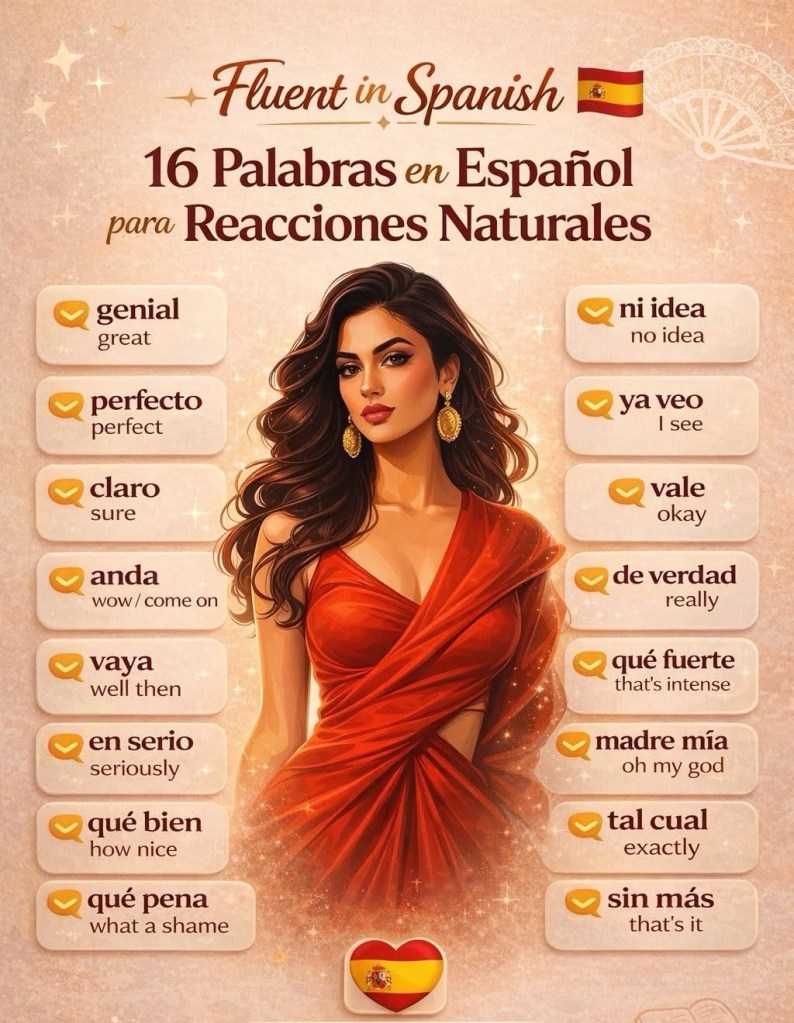
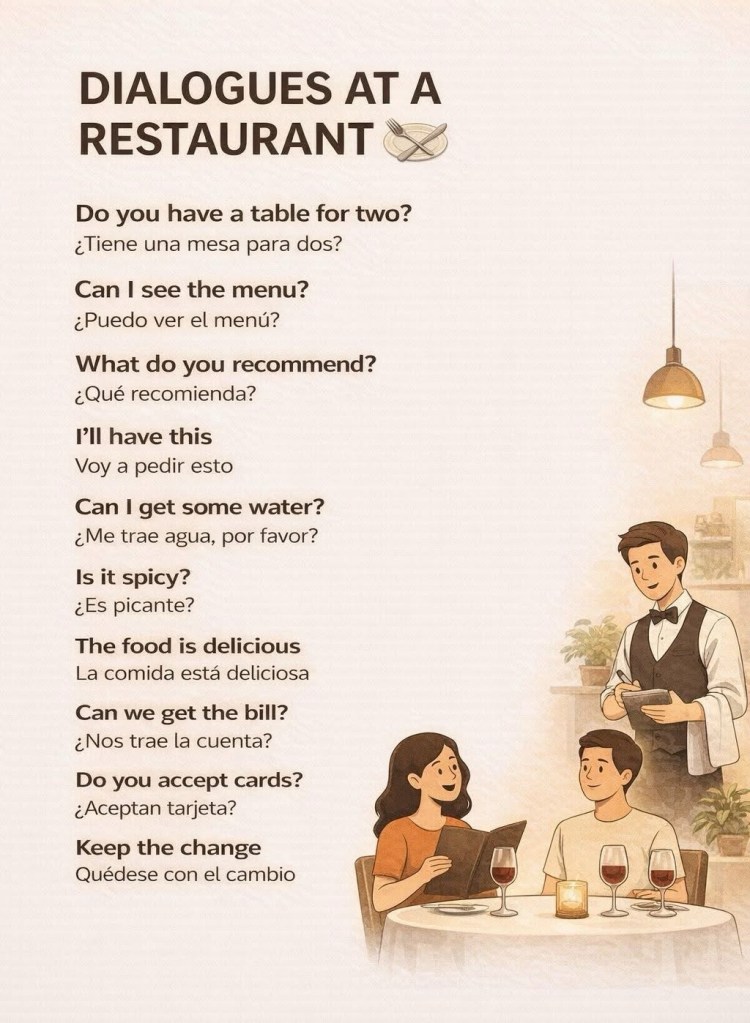
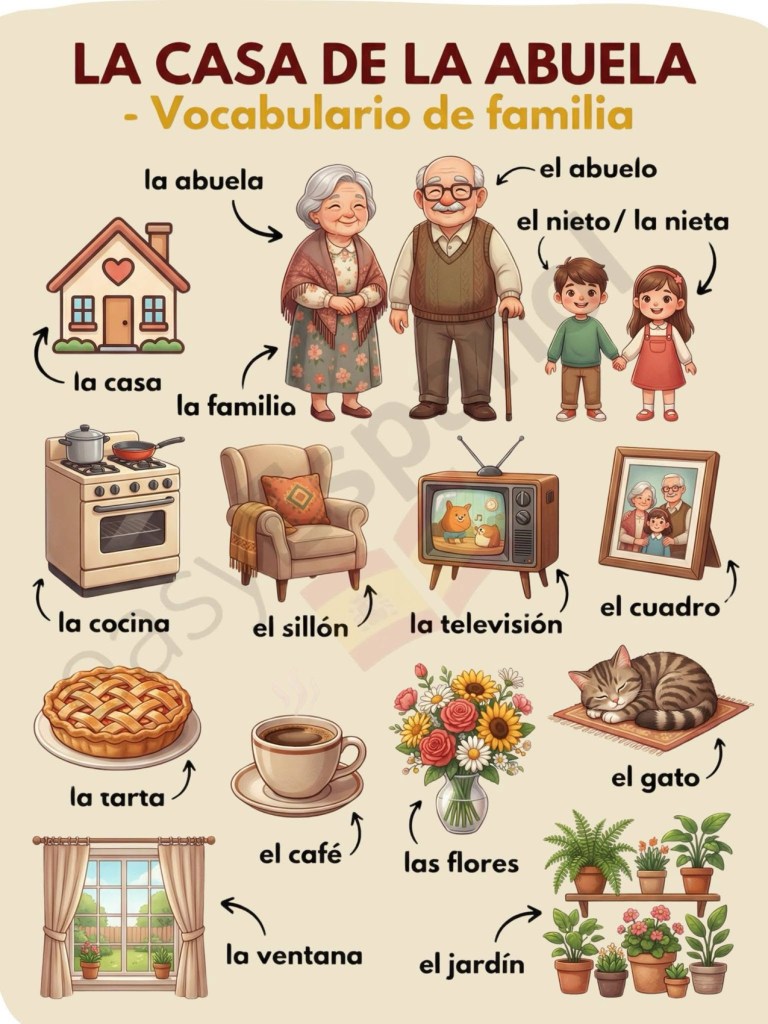
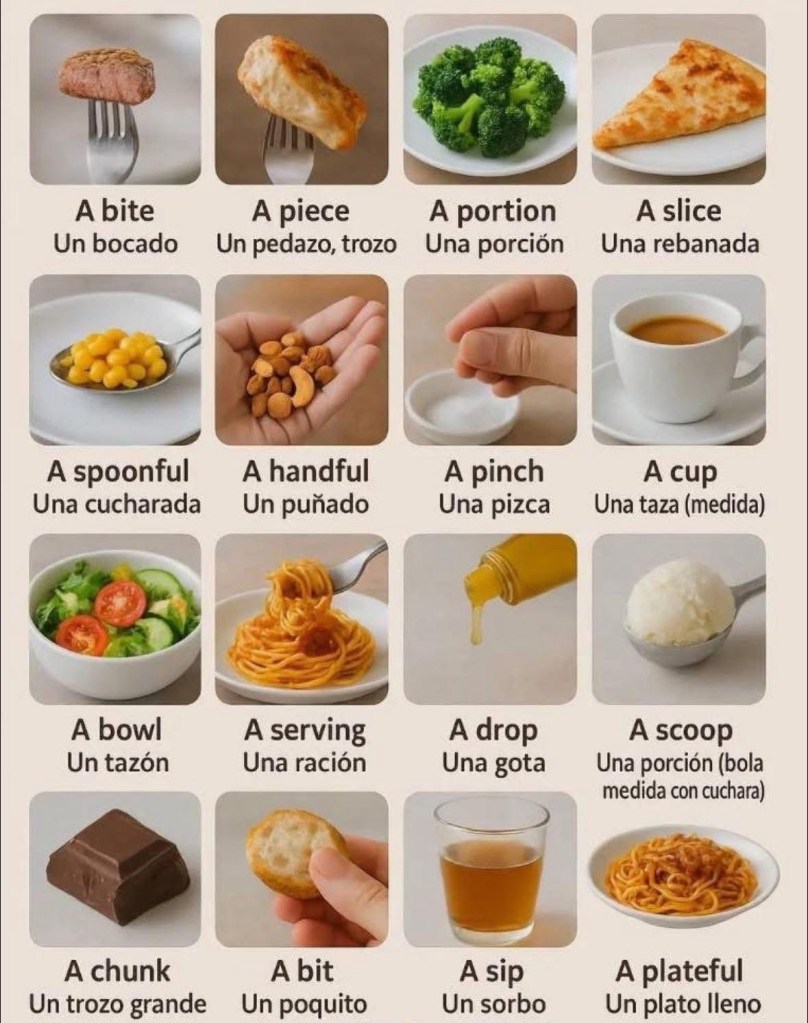
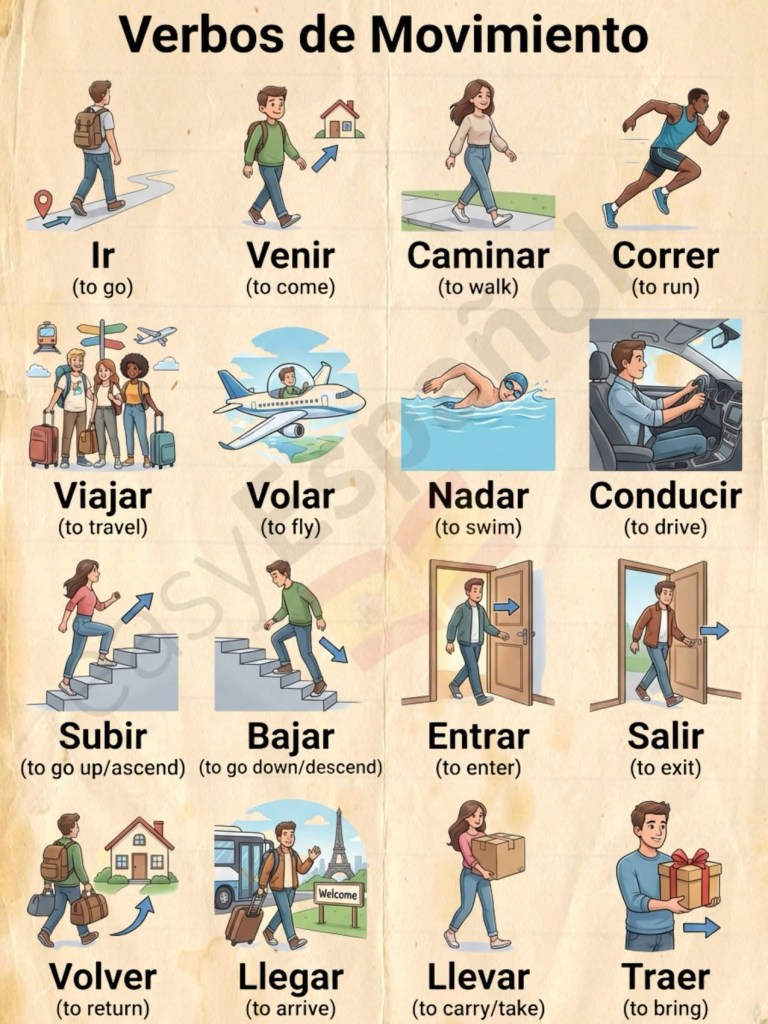
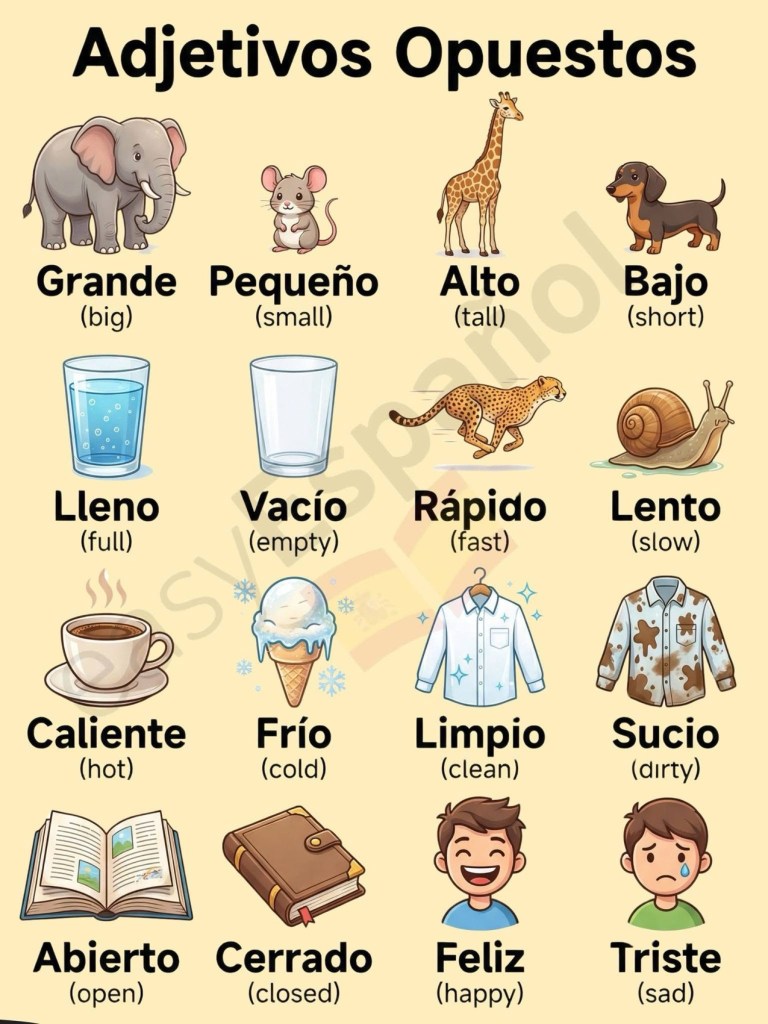
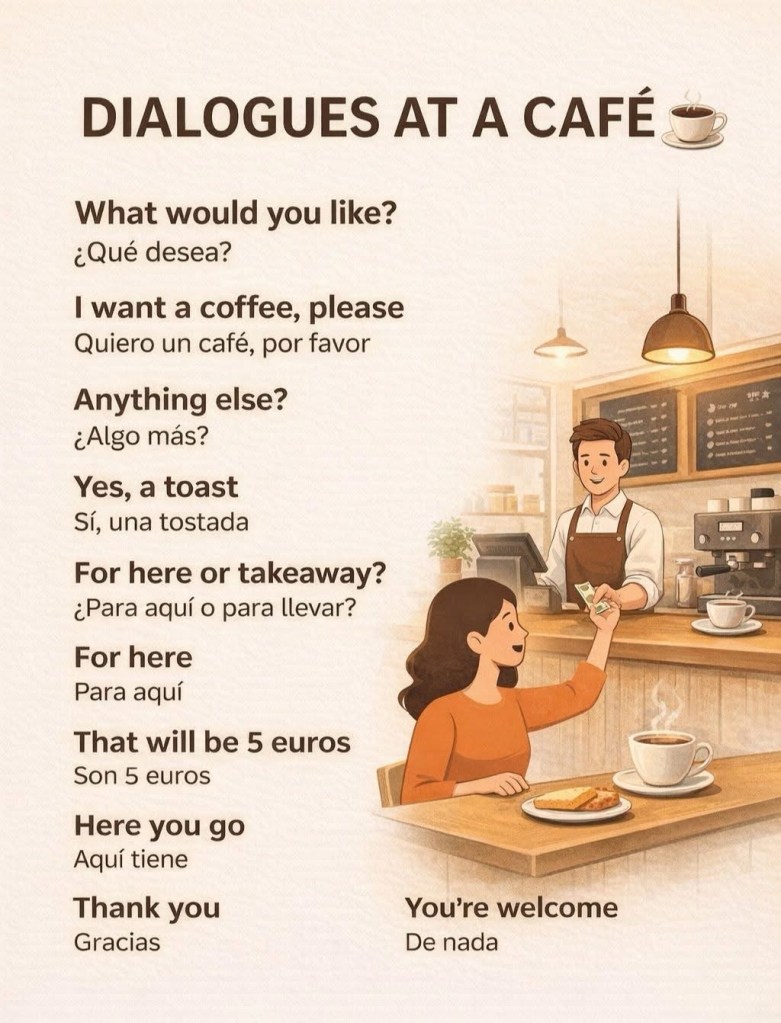
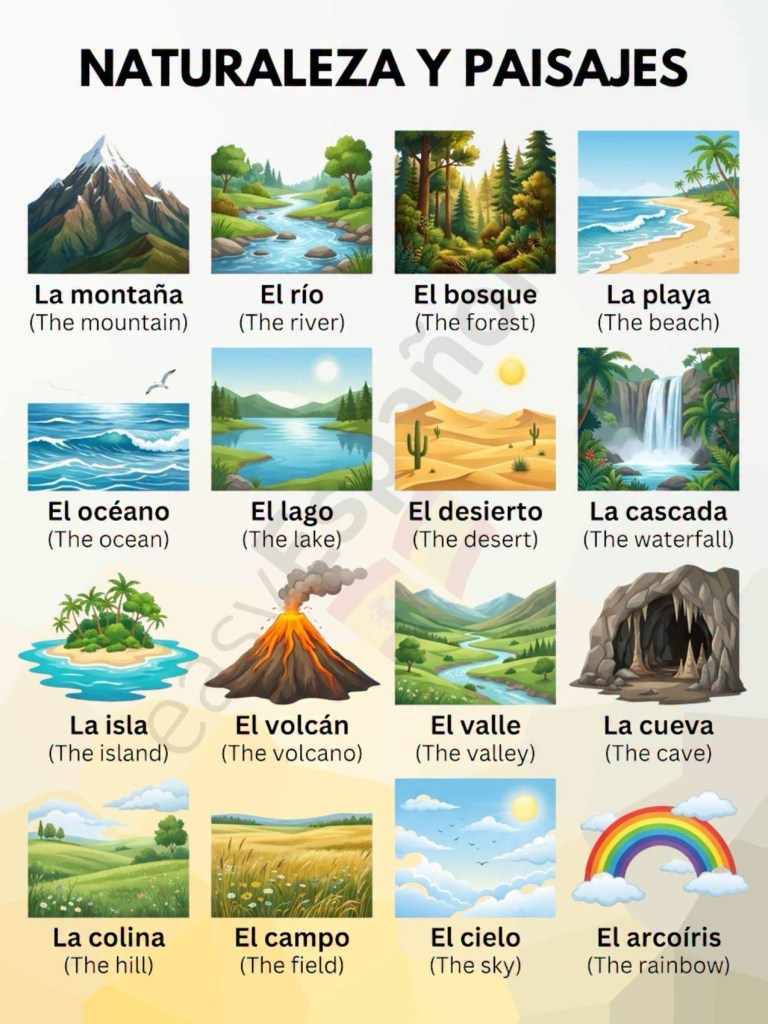
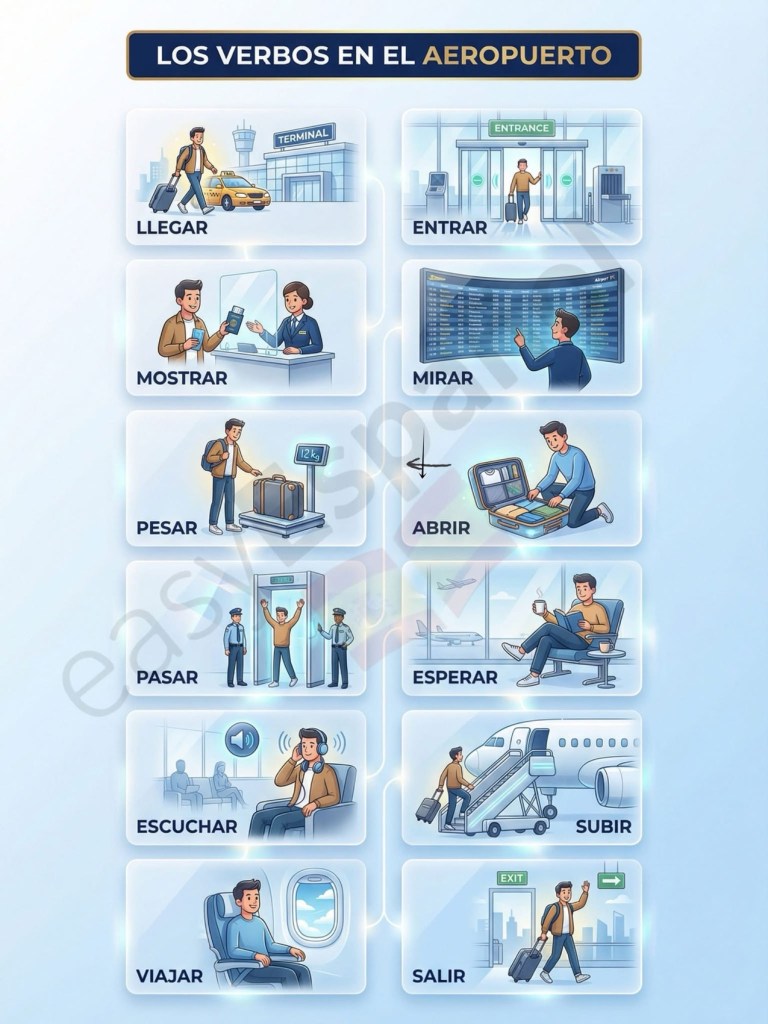
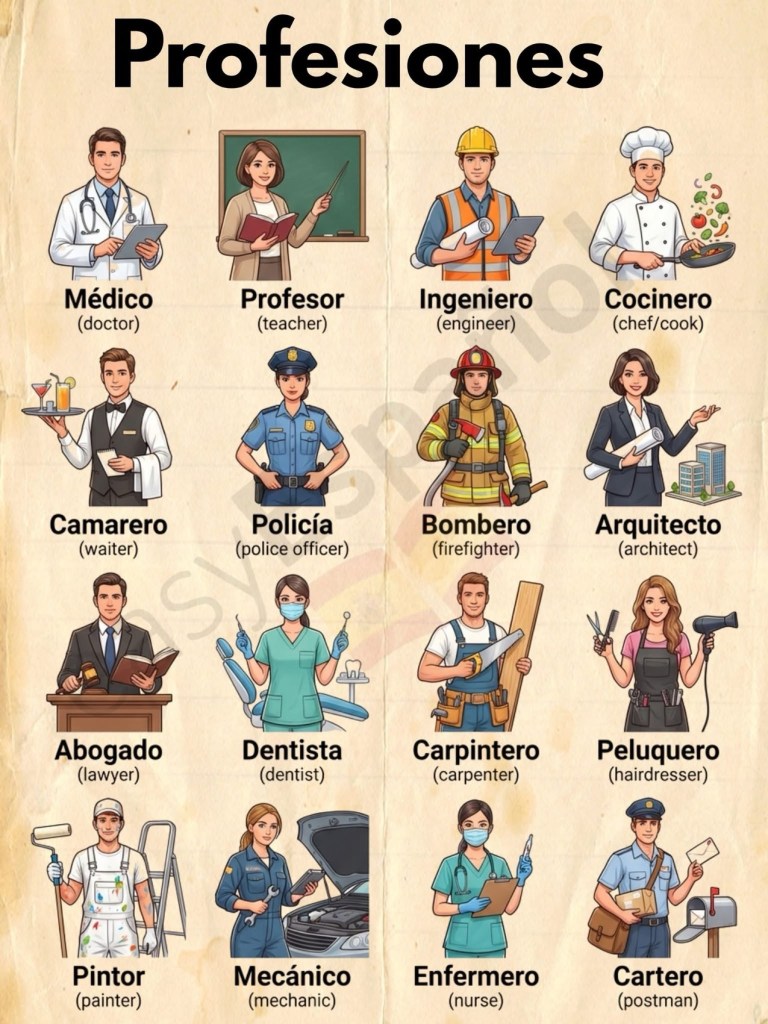
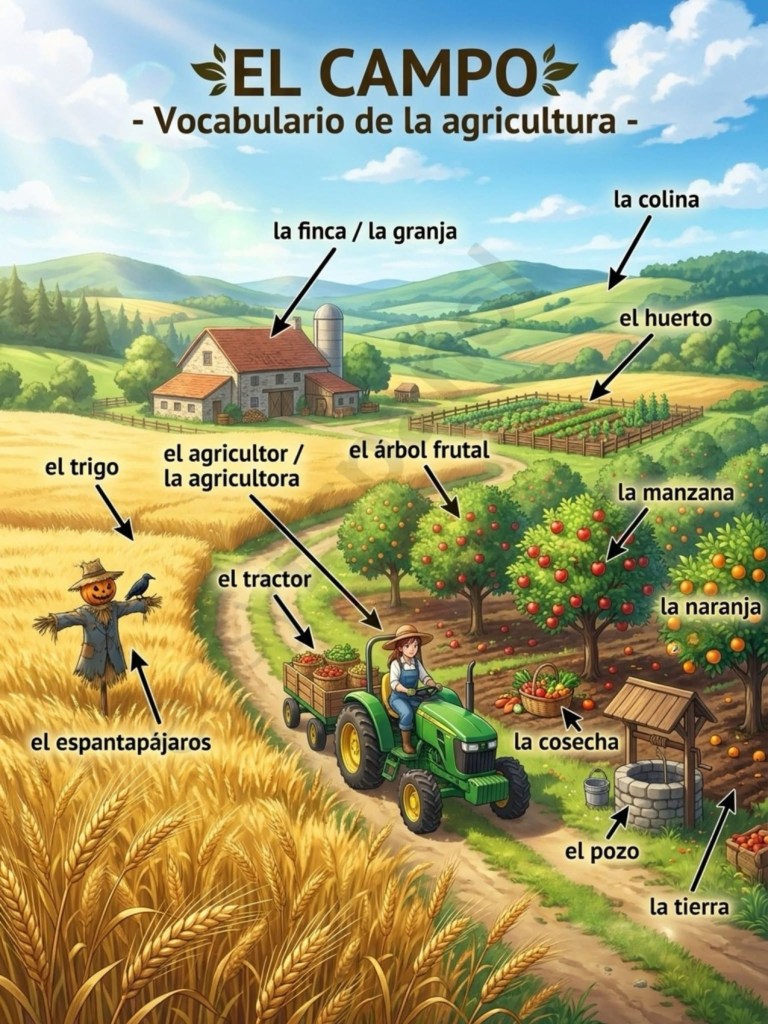
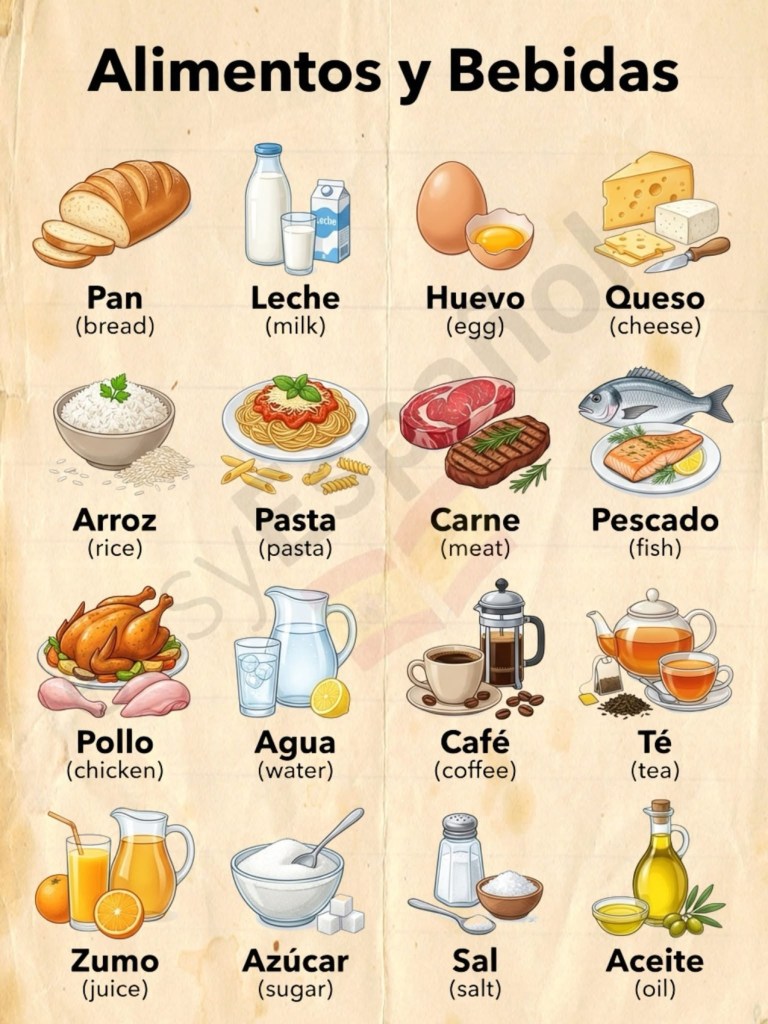
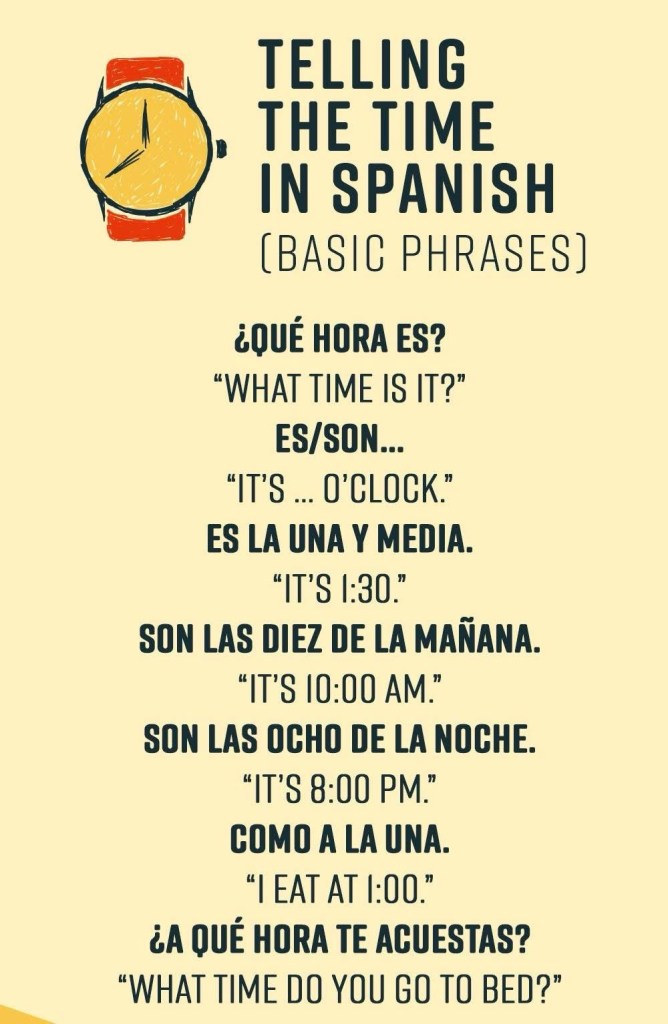
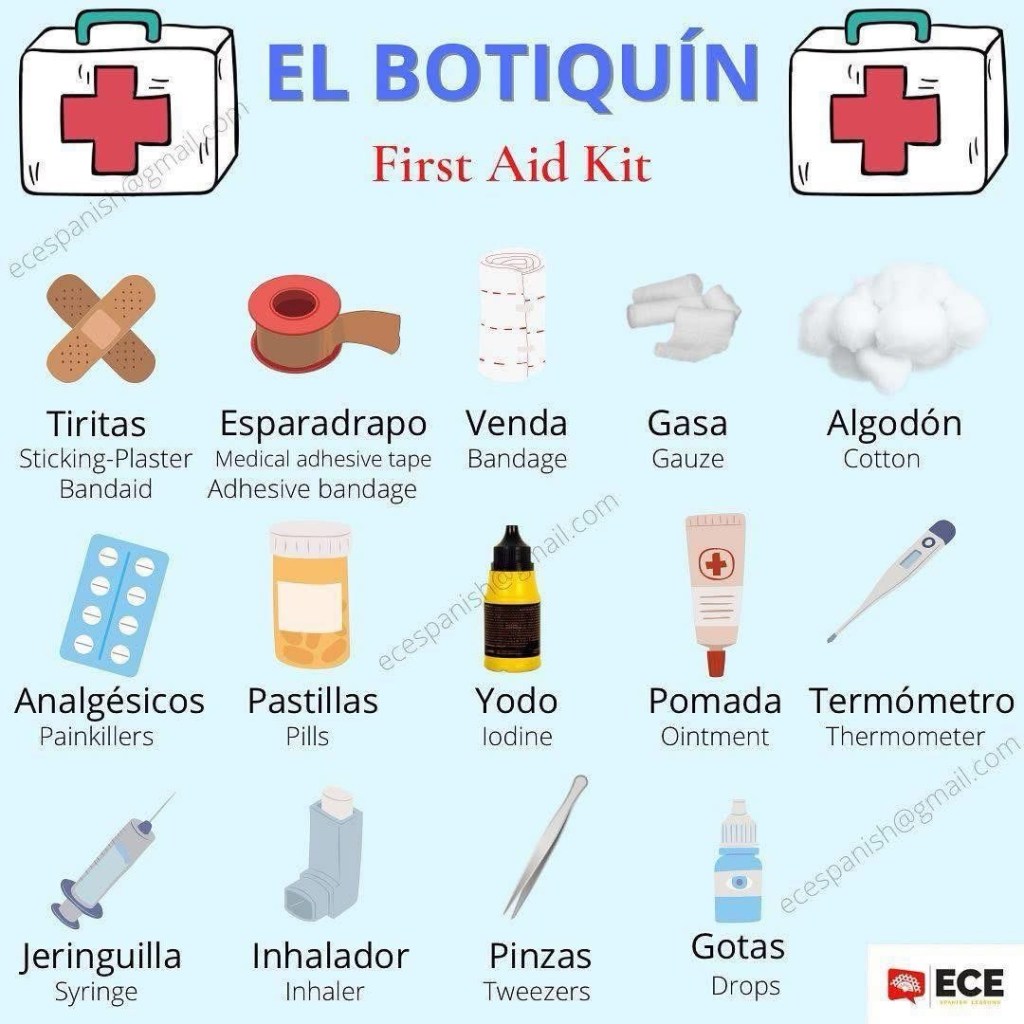
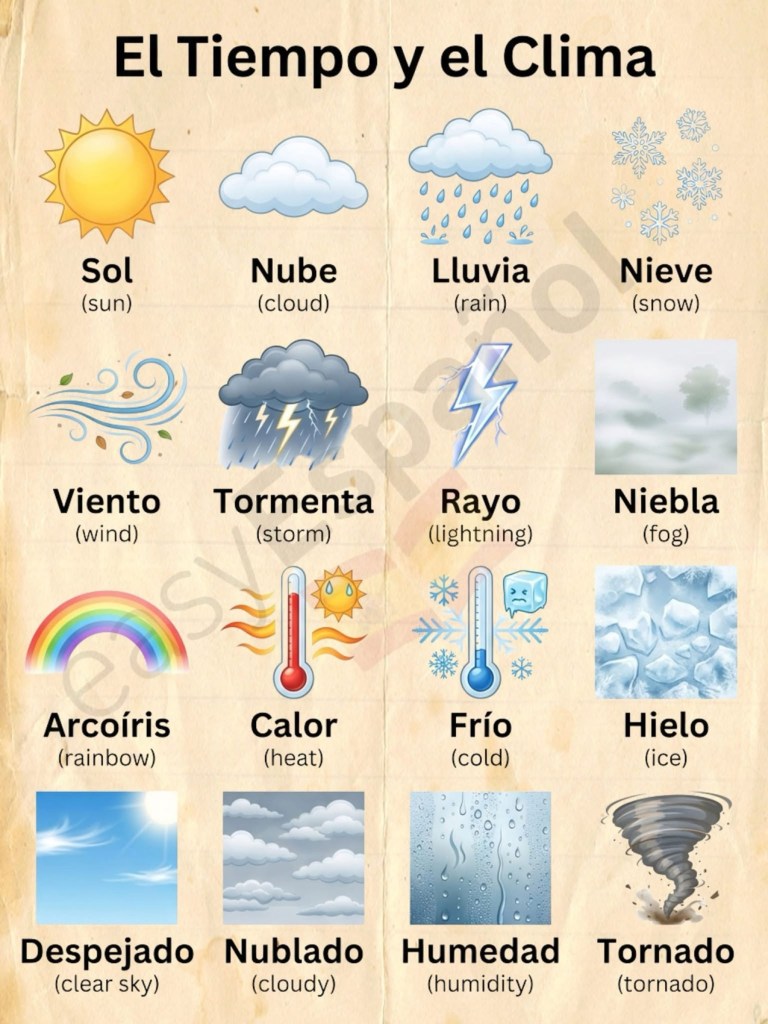
In the next Blog,I shall be focusing on Spanish vocabulary- picture style – Here are a few,non pictorial phrases for starters..
USEFUL SPANISH PHRASES
Demasiado – it’s too much eg at mealtimes or the cost of something.
Puedo reservoir…..? Can I book….
Tengo ganas de …..I’ m looking forward to…
Cuesta Mucha …..It’s hard work
Es el major….. It’s one of the best
Hay un / una / unos / …..por aqui ? Is or are there……near here?
Puedo tener …….Can I have ?
Quercia …..I want…dos billetes para Melide , da Ida today
Tengo …I have ….Tengo que ? Do I have to ?
Come se puedo if a …how can one get to ?
Tambien….also
A question hora …at what time
Sale Es proximal autobus …when is the next bus
Sale..leaves. Llega …arrives
Quisiera una habitacione para estanoche – I want a room for the night
Podemos..can we. …..Puedo…can I?
Quisiera reserva una habitacione para dos pelegrinos. Can I book a room for two pilgrims?
Pagan con tarjeta? Pay by card?
Dejar la Mochila aqui? …leave the rucksack here?
Tengo una habitacione reservarda a nombre de …para esta noche. I have rooms booked for a number of..for tonight
Una habitacione double con dos camas – a double room with two single beds
Tienen habitacione libres ? Any rooms free?
Comoros s’escribe? How do you spell it?
Cerca Del…near to …lejos..far
Puedo repetir? Can you repeat that?
Cuanta costa?….How much para un taxi el estacion d’autobus, Santiago?
Barsto..cheap….Caro….dear
Lo siento..I’m sorry
Aqui tiene…here you are …..agora ….now
Tiene sellos – have you stamps?
Me da…can you give me?…Tome…take….siga…follow
Perdone,donde esta el Camino?….Por donde se va a ?…How do you get to?
Estomos perditos…we are lost
Donde Puedo tomar un taxi?…where can I get a taxi?
Hacia el…towards…pasado el,…past the….antes de…before the..busque el…watch for..
Esta aqui…it’s here…esta alli…it’s there….
Estoy..I am…como Es?…what’s it like? Siga..Carry on..
Vale..OK…hasta Luego…see you later….unos…some
Si queremos unas Tapas para compartir…we’d like to share some Tapas
Que Rico….this is delicious….esta buenissimo…it’s very good
Que esta pasando? What’s going in?
Quiero informacion sober …I’d like info. About ..
Hay otro…is there another?
Yo hablo…I speak…. Tambien necessitamos..we also need…
Si tengo..no tengo…yes I have, no I have…si me gusta…yes I like….
Cuanto curl?….how long?
La comida….lunch…la cena….dinner…..voy a tomar – I’m going to have..
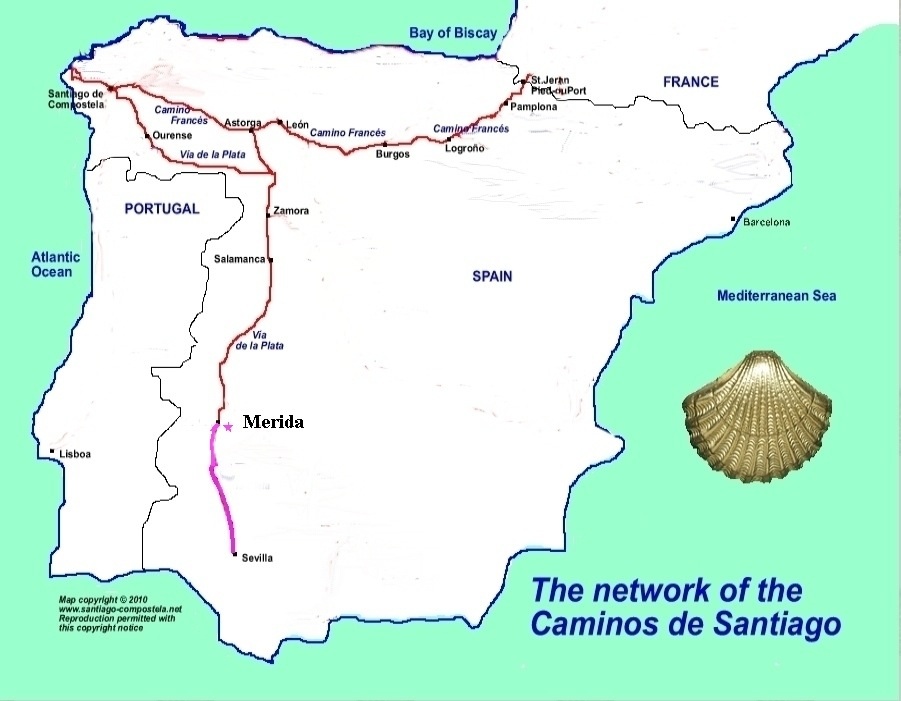
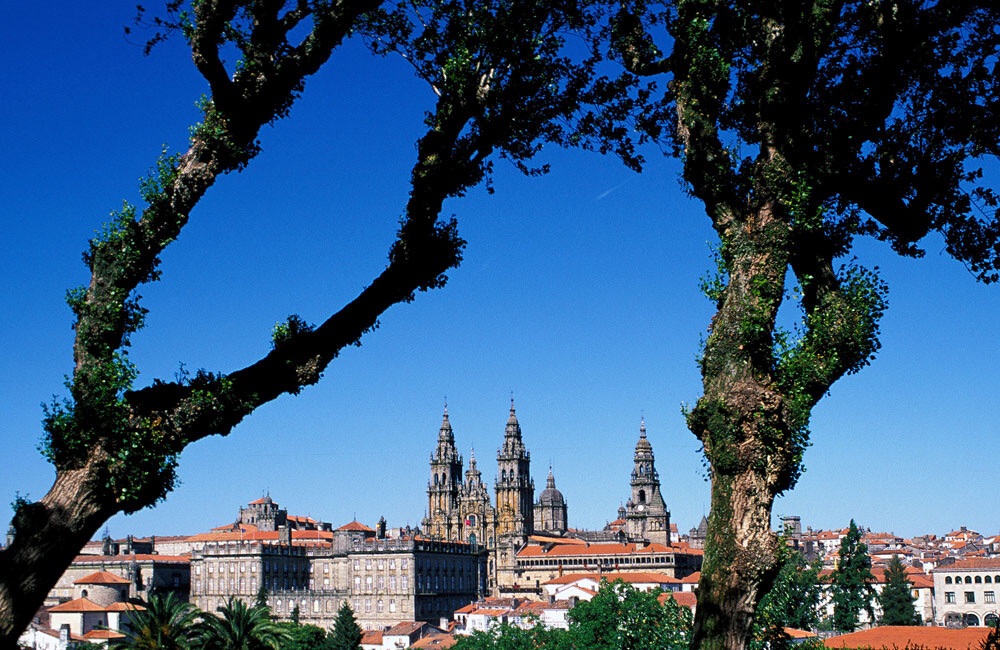
Santiago de Compostela (Old Town) is located in Galicia, situated in the far north-west of Spain.
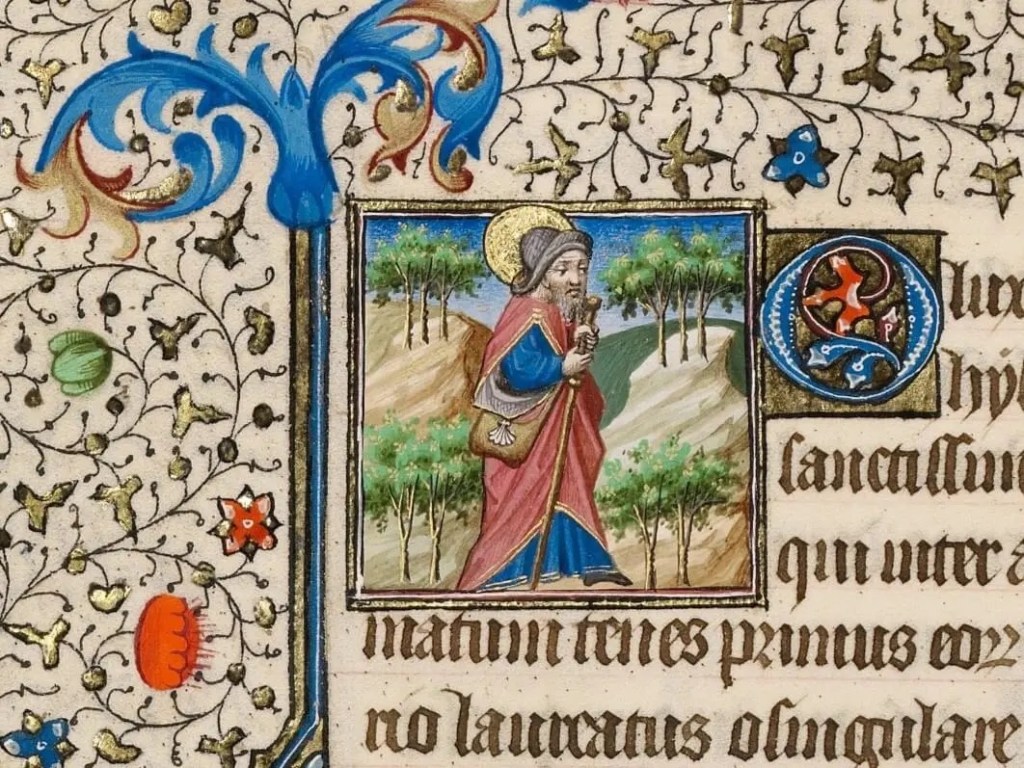
In the beginning of the 9th century, a hermit called Pelagius saw a mysterious light shining over a Roman tomb forgotten in the middle of a forest. Very soon, the incredible news spread all over the Christian world: the tomb of St. James the Greater, the beloved apostle of Jesus Christ, had been discovered in a far site near the finis terrae, the end of the known Earth, in the northwest of Iberian Peninsula. A few years later, this site became a famous pilgrimage town, one of the most important of Christianity. Pilgrims came from all over Europe following the Camino de Santiago to reach the city born around the Holy Tomb, exercising a great influence on the surrounding area. This is evidenced in the small towns, churches, hospitals, and monasteries that were built near the Camino to attend to the thousands of pilgrims who came to visit the tomb. This influence in the local architecture and art was especially strong and long-lasting in the north-west of Spain, but the fame and the reputation of the sanctuary of Santiago de Compostela went well beyond; Galicia was even known in the Nordic sagas as Jakobsland.
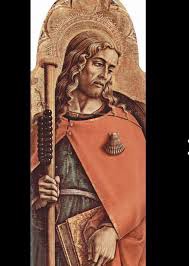
Saint James as a Pilgrim with a Purse and a Staff, 1440
This famous pilgrimage site also became a symbol in the Spanish Christians’ struggle against Islam. Destroyed by the Muslims at the end of the 10th century, it was completely rebuilt in the following century.
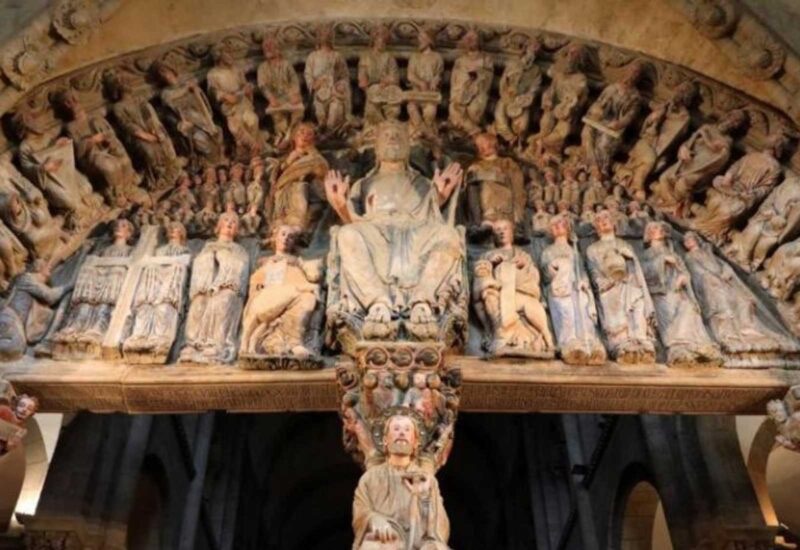
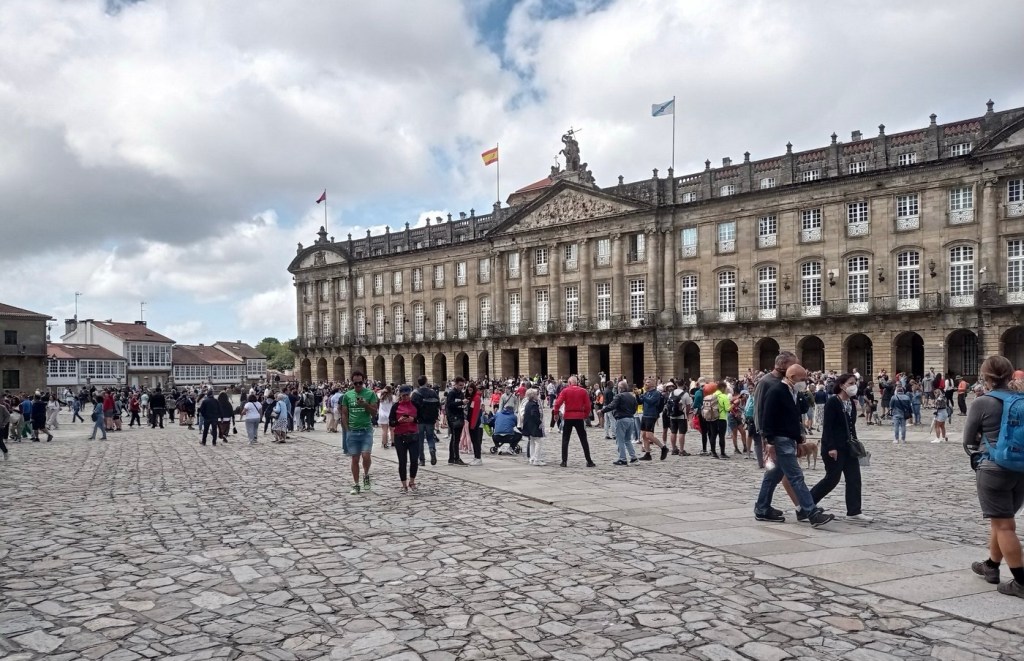
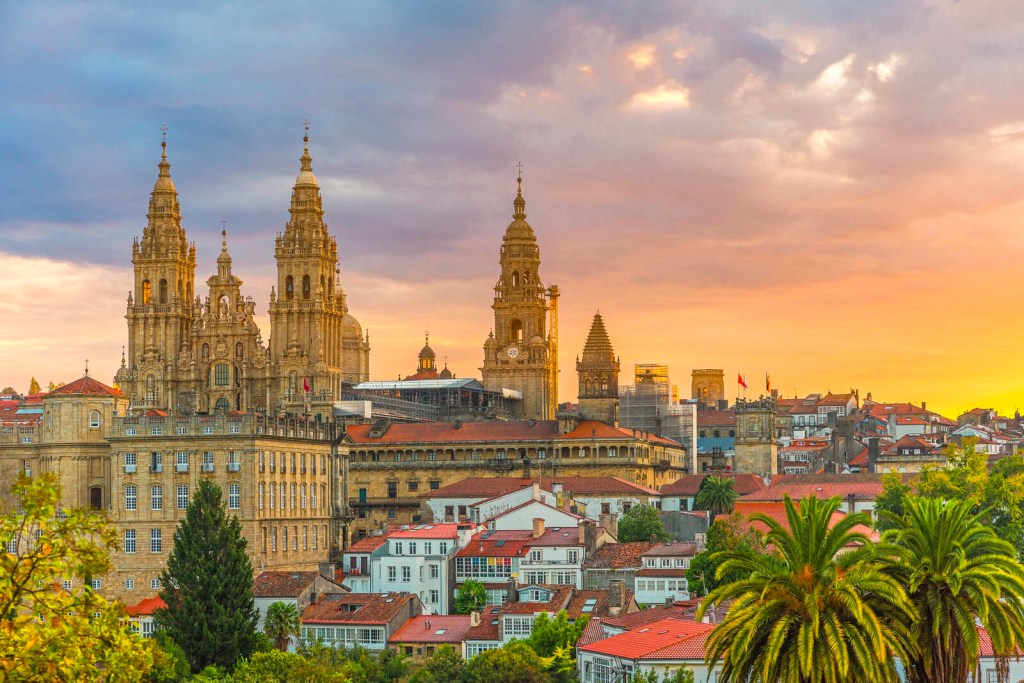
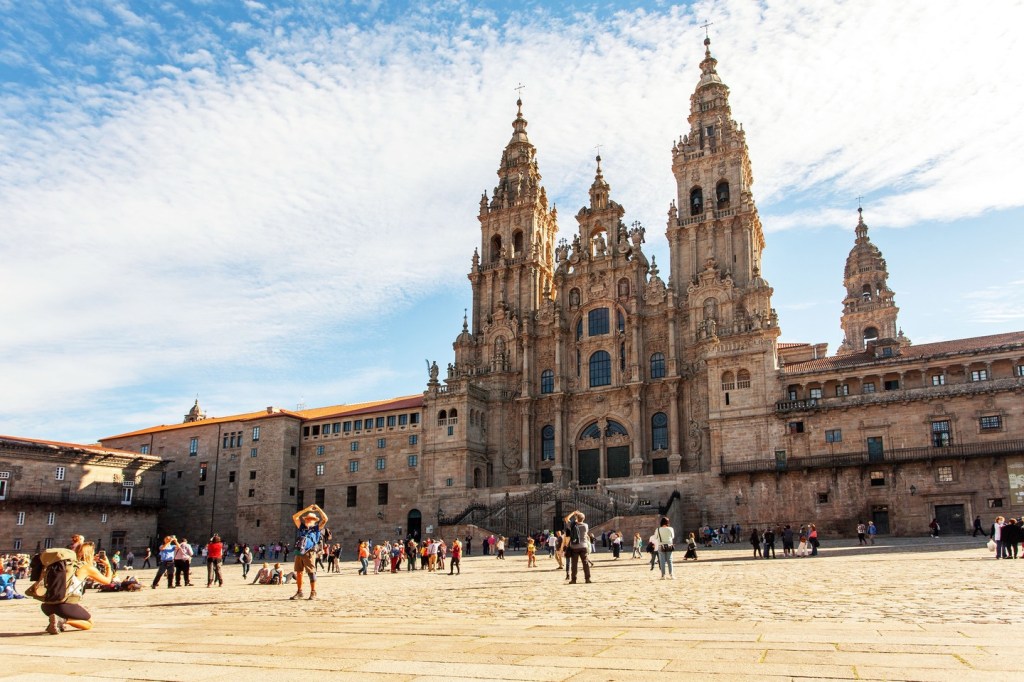
The Old Town of Santiago de Compostela, together with the outlying Santa Maria de Conxo Monastery, constitutes an extraordinary ensemble of distinguished monuments. The squares and narrow streets of the Old Town contain Romanesque, Gothic, Renaissance, Baroque, and Neoclassicist buildings. This town is not only a harmonious and very well preserved historical city, but also a place deeply imbued with faith. The cathedral, considered as a masterpiece of Romanesque architecture, keeps the remarkable Pórtico de la Gloria, a jewel of the medieval sculpture. However, the authentic symbol of the city is the Baroque western façade of the cathedral, which forms one of the sides of the square of Obradoiro, one of the world´s most beautiful urban areas.
Tympanum and entrance of the Pórtico de la Gloria
The phenomenon of pilgrimage is not only a relevant historical fact, but also a continuous movement thanks to the celebration of the Holy Years.
Criterion (i): Around its cathedral, which is a world renowned masterpiece of Romanesque art, Santiago de Compostela conserves a valuable historic centre, known as one of Christianity´s greatest holy cities. All European cultural and artistic currents, from the Middle Ages to the present day, left extraordinary works of art in Santiago de Compostela.
Criterion (ii): During both the Romanesque and Baroque periods, the sanctuary of Santiago de Compostela exerted a decisive influence on the development of architecture and art, not only in Galicia, but also in the north of the Iberian Peninsula.
Criterion (vi): Santiago de Compostela is associated with one of the major themes of medieval history. From the shores of the North and Baltic Seas, thousands of pilgrims carrying the symbol of the scallop and the pilgrim’s staff walked, for centuries, to the Galician sanctuary along the paths of Santiago de Compostela, veritable roads of the Faith.
Integrity
The property encompasses 108 ha, with a 217 ha buffer zone. Santiago de Compostela shows a remarkable state of conservation, largely due to conservation policies that have preserved the integrity of monuments and buildings that form the civil and religious architectural ensemble. Elements from the Middle Ages are integrated with those from the Renaissance, as well as the constructions from the 17th and 18th centuries into a high-quality urban fabric. The Old Town is a liveable and lively place where inhabitants and business coexist with tourism. The urban development has respected natural spaces where the green Galician fields join the historical city. In this respect, the property integrates the urban ensemble, historical oakwoods and open green spaces.
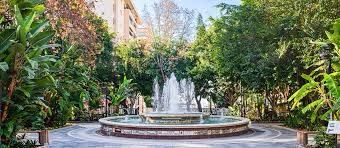
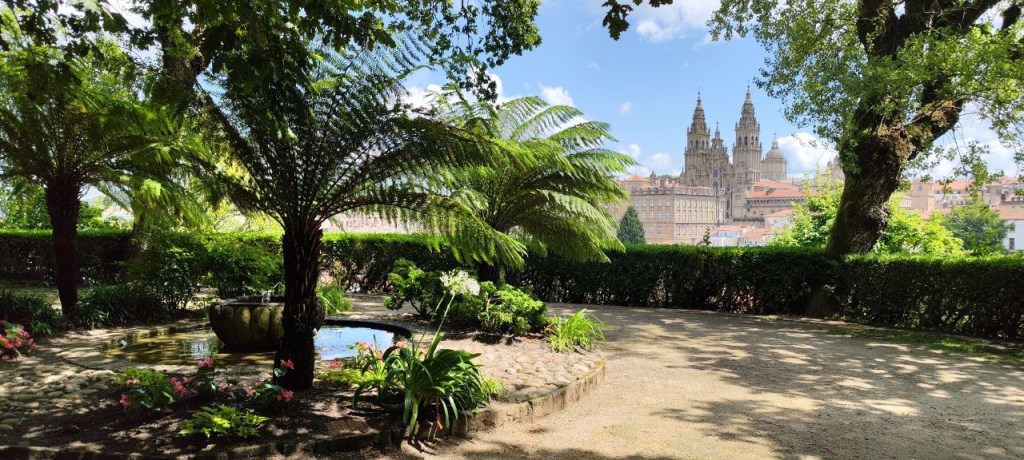
The Alameda Park
Authenticity
Throughout its history, Santiago de Compostela has received different influences, and the Old Town has integrated these different styles and currents with local traditions. The result of this mixture is a city where the original Galician architecture, with its typical wooden galleries and traditional materials, like stone, wood, or iron, combines with great monuments that constitute a splendid tour across the history of European and universal art.
Protection and management requirements
The conservation of Santiago de Compostela is the responsibility of the Consortium of Santiago de Compostela, created in 1991 and integrated by the national, regional, and local public administrations, as well as the archbishopric and the University. From its creation, the Consortium has carried out important works of restoration of monuments and public spaces, and has subsidized and implemented rehabilitation projects, both for housing and business premises in order to preserve the traditional activities of the historical centre. It also supports conservation actions carried out by the Town Hall of the city and the autonomous government of Galicia.
The regulatory framework that allows for conservation and management action is prescribed in the Special Plan for the Protection and Rehabilitation of the City of Santiago de Compostela.
In terms of management challenges, Santiago de Compostela is facing the pressures of mass tourism, which produces overcrowding around the cathedral and provokes changes in traditional commercial activities. Actions have been undertaken towards diversifying the touristic offer and diverting visitor flows to the suburbs of the city, such as with the construction of the City of the Culture of Galicia, a modern complex constructed by the Regional Government on Mount Gaias, in the proximity of the historical centre of Santiago de Compostela. In the future, adaptive changes will need to be foreseen in the Special Plan for the Protection and Rehabilitation of the City of Santiago de Compostela to preserve the traditional commercial activities in the Old Town, and to support the policies of conservation of buildings and monuments, as well as the recovery of degraded spaces.
A PERSONAL VIEW
Having been fortunate enough to spend time in the city at the completion of many Caminos, I still look forward to my time there,however short. For me, the highlights are obviously the Cathedral, but equally rewarding is to sit the Plaza Obradoiro and enjoy the reactions of Pelegrinos as they arrive; many for the first time and many who have walked, for example,from the Pyrenees continuously over several weeks.
On foot,by bike and by wheelchair – solo or in groups.
My recommendations are as follows and not in any hierarchical order.
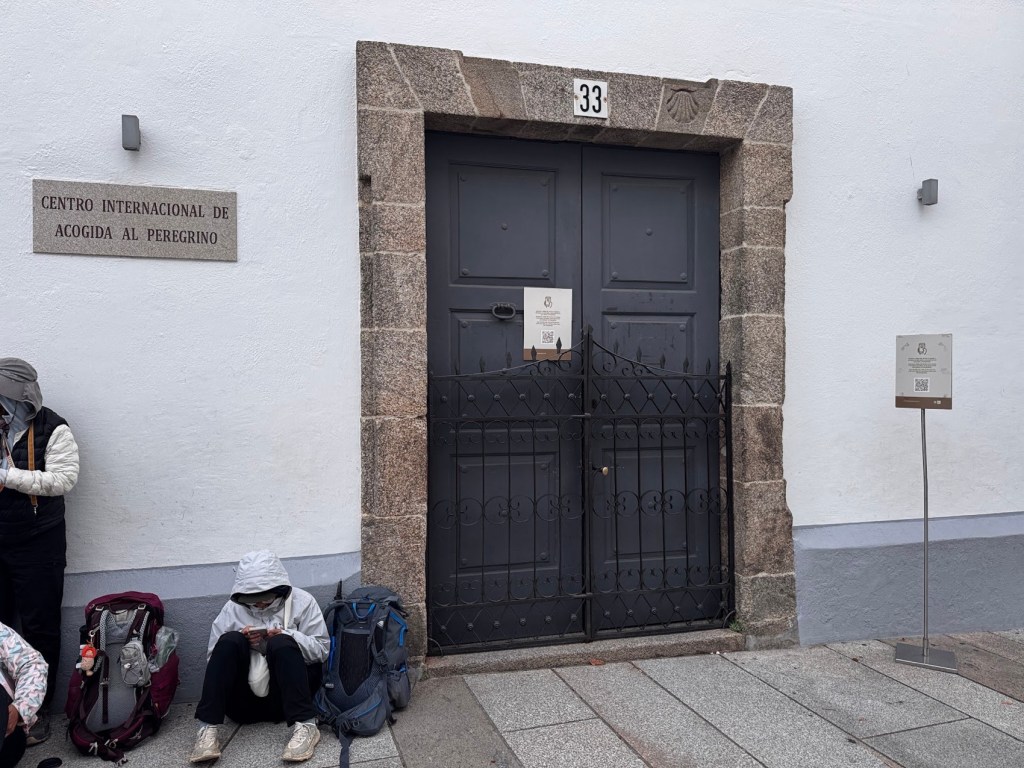
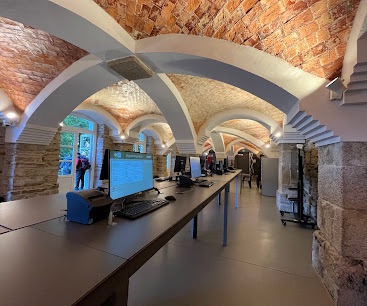
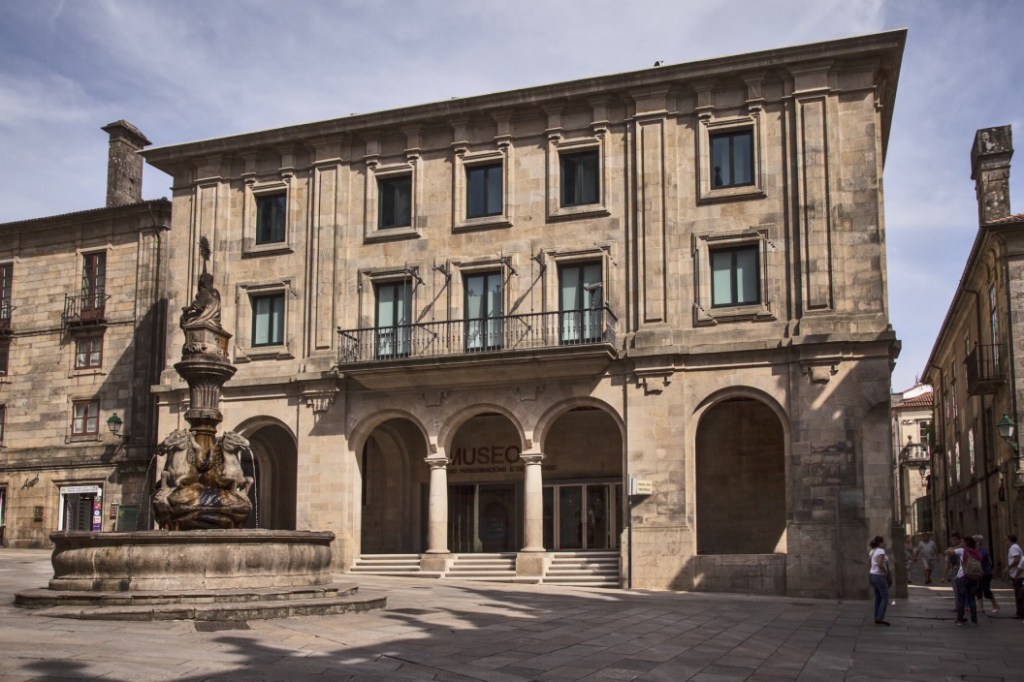
The Pilgrims Office – Get there before 09.00 – to get your Compostela Rúa das Carretas, 33, 15705 Santiago de Compostela.Take your pilgrim Passport – make sure you have dated all the SellosManned by volunteers with a varied knowledge of Latin!It is a well organised process- you only pay for your tube to keep the Compostela safe on the flight home.Museo das Peregrinacions e de Santiago The museum is divided into three floors and pays tribute to Saint James and the pilgrims who come to visit.
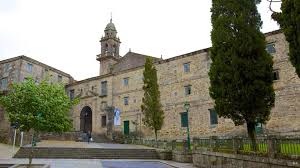
It is a monographic museum that highlights the importance of the cult of Saint James and the pilgrimage routes to his tomb since the High Middle Ages, especially in Europe. Images, objects and documents are exhibited on several floors, in which visitors can learn about the origin of the cult of Saint James, the beginning and development of pilgrimage, the gradual configuration of the various routes and of Santiago de Compostela and the influence of the pilgrimage on the artistic development of the city’s craft guilds. Free entry on production of your Pilgrim Passport.https://museodopobo.gal/en The museum was opened in 1976 and is located in the former convent of Santo Domingo de Bonaval.
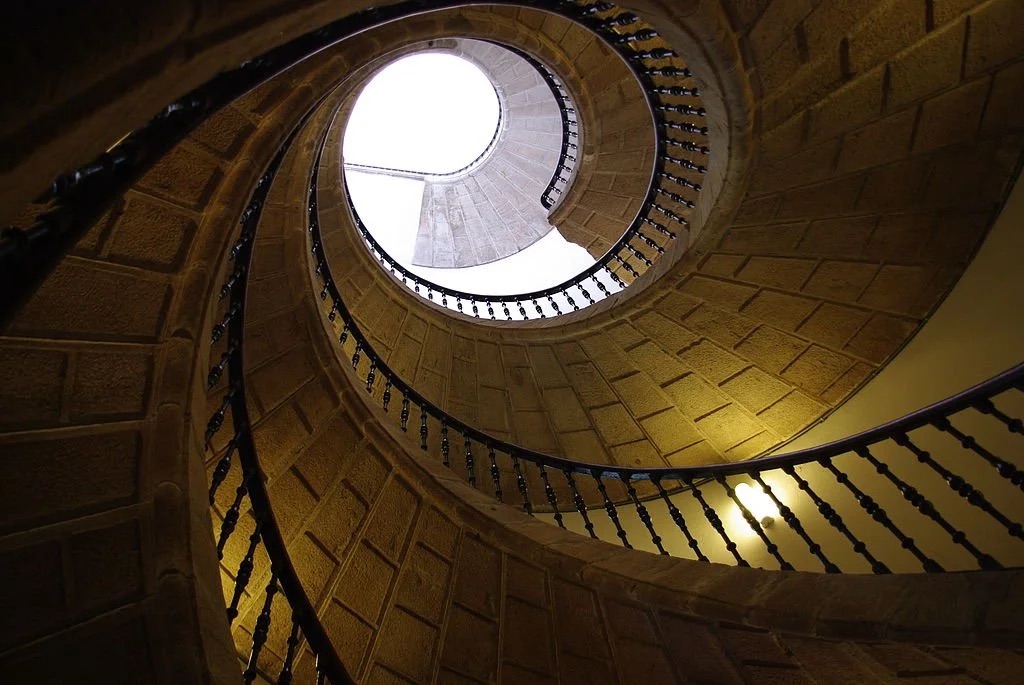
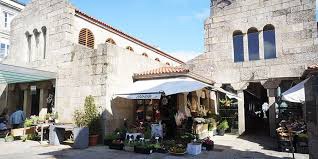
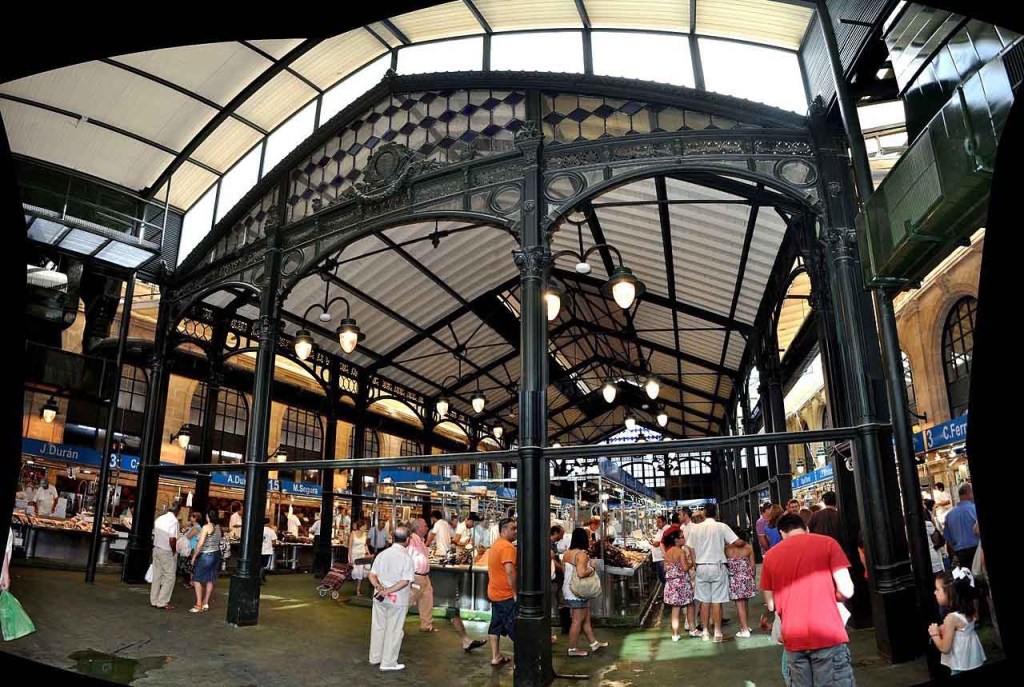
The pieces on display help to understand the different aspects that define Galician culture. It has different rooms dedicated to aspects such as the sea, trades, the countryside, built space, traditional Galician society and daily life, as well as sections on clothing and music. And a wonderful stairway. Admission €5.00Mercardo de Abastos – 2nd most popular spot. Surpassed only by the Cathedral. Located in the heart of the Old Town, it has served as the city’s primary fresh food hub since 1873. The current granite structure, built in 1941, features eight parallel halls filled with approximately 80 stalls selling everything from Atlantic seafood and Galician meats to local cheeses and wine.
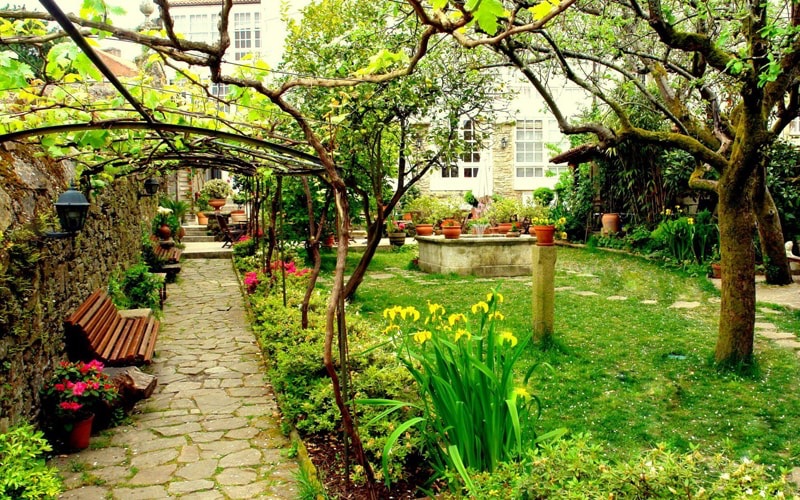
Flagging? My favourite place for refreshments…and there are many cafes to choose from…is in a hotel garden.
Hotel Costa Vella. The first hotel of its kind for Santiago when it opened in 1999, the Costa Vella inhabits a beautiful listed house carefully refurbished to preserve its original Galician character. The hotel is tucked into the northern edge of Santiago‘s dazzling Old Town and there’s always a buzzy local atmosphere, with compostelanos popping in and out of the café. Pretty stone streets lead to grand Praza do Obradoiro – home to Santiago’s magnificent Cathedral and 16th-century Hostal dos Reis Católicos – in under 10 minutes. The lively Mercado de Abastos, with its exceptional food offerings, is a 10-minute stroll away.
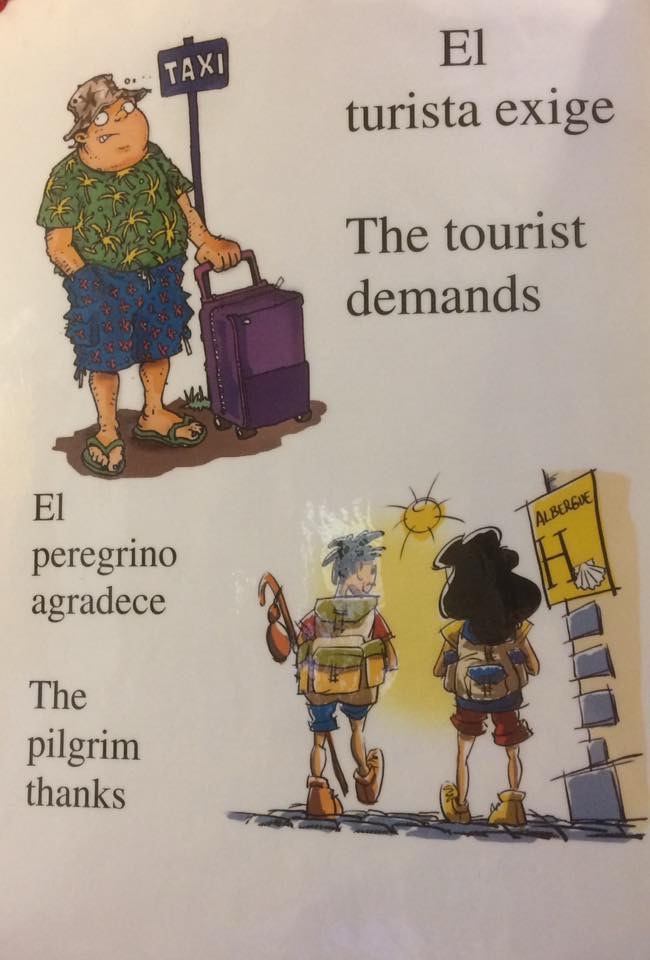
I never leave S de C without buying souvenirs. Go on be a Turigrino 🤭….
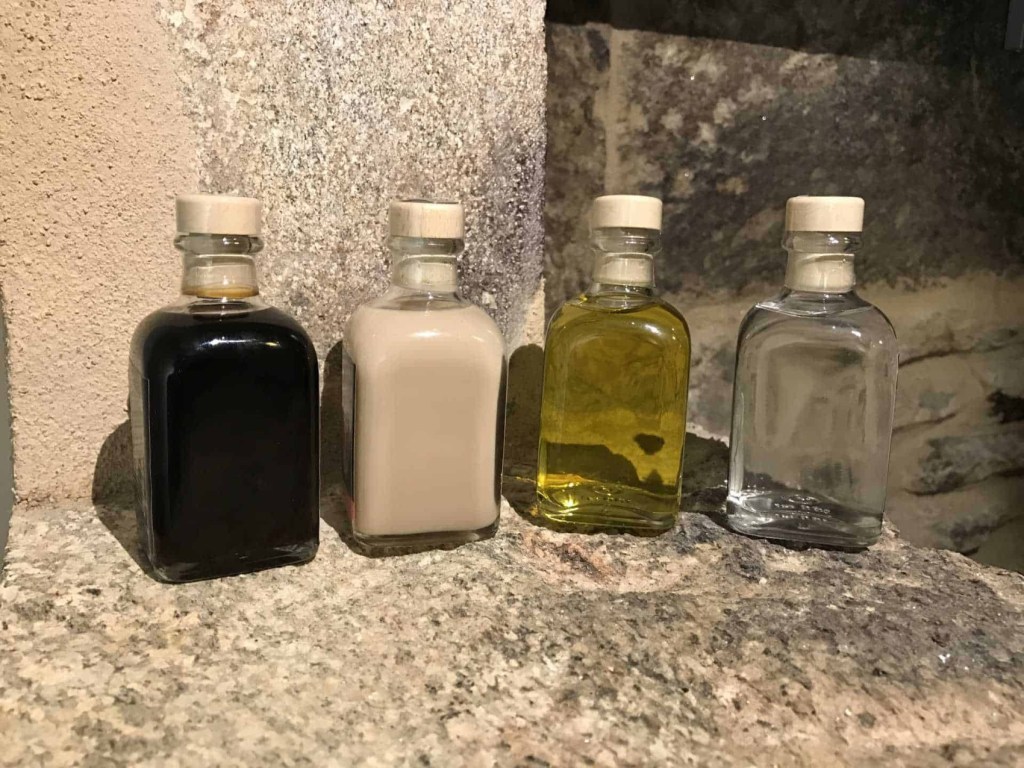
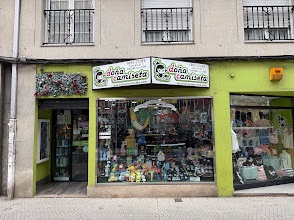
In Santiago de Compostela, Orujo is a traditional Galician pomace brandy made from the remains of grapes after wine production. Often called “firewater” (aguardiente), it is typically served as a digestif after meals. Orujo Blanco: The pure, transparent spirit, typically over 40% alcohol. Licor de Hierbas: An herbal version made by macerating various plants (like rosemary or thyme) in the spirit. Licor Café: A local favorite made with roasted coffee beans, often paired with Tarta de Santiago. Crema de Orujo: A smooth, creamy liqueur similar to Irish cream, often from famous local brands like Ruavieja, which is based in Santiago. Doña Camiseta – one of many souvenir shops
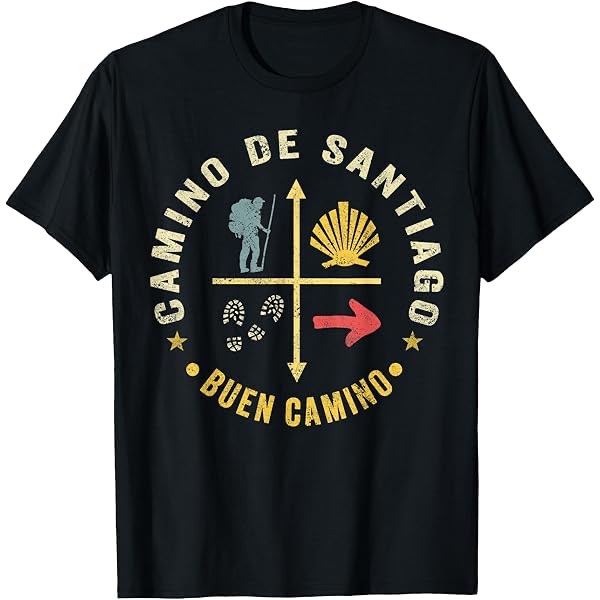
I never leave Santiago without one!
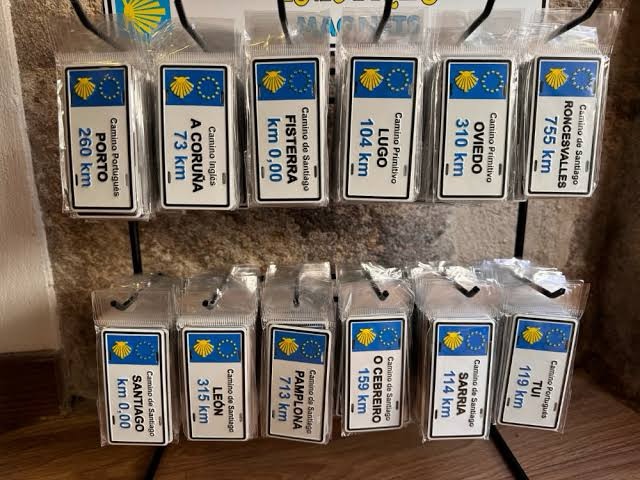
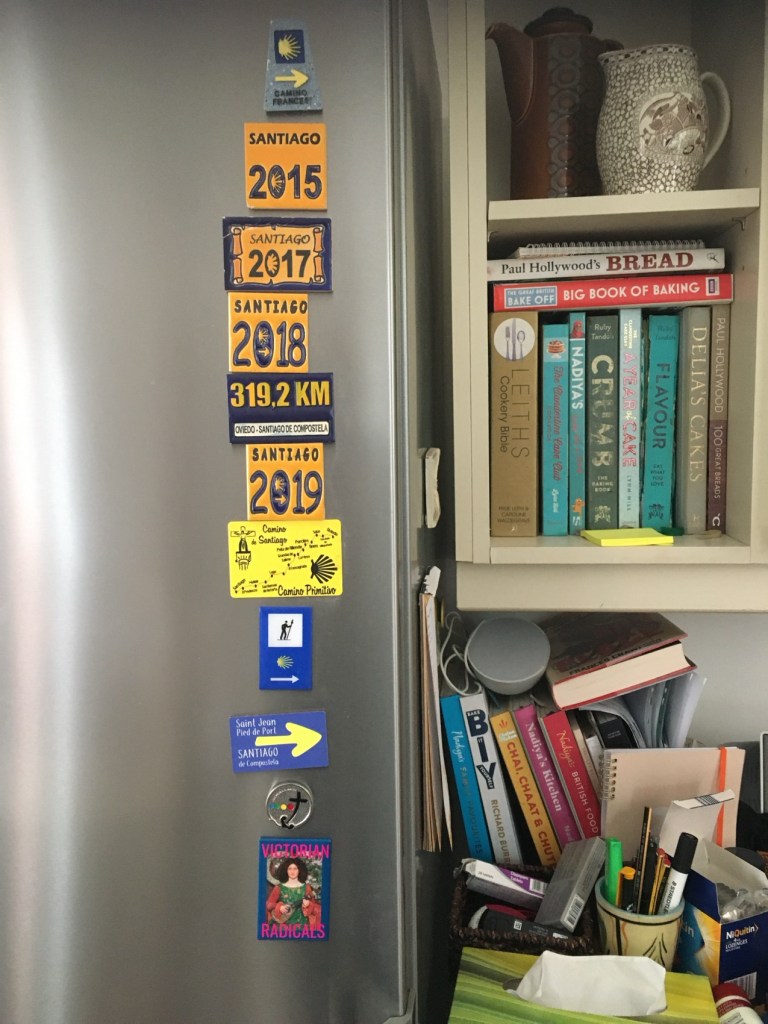
And a distance magnet for the fridge in the kitchen – I like to get one with the year included.I’d like one of those for the rucksack,too.
TWO BASIC AND MORE ORTHODOX GUIDES TO Santiago de Compostela:
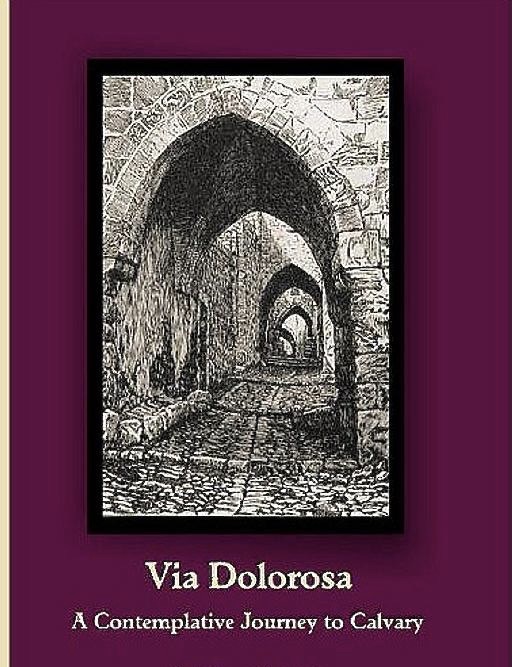
It is purely coincidental that I find myself putting together a preview of the final stage of our Camino Portuguese on Good Friday,2026.Pelegrinos often have mixed feelings about the final day on their Camino – mixture of highs and lows – a sense of the accomplishment of a goal and a sadness that it is all over. It was whilst thinking of this ambivalence that I was led to remembering the significance of another pilgrimage in another land – the Via Dolorosa – in another holy city,Jerusalem.
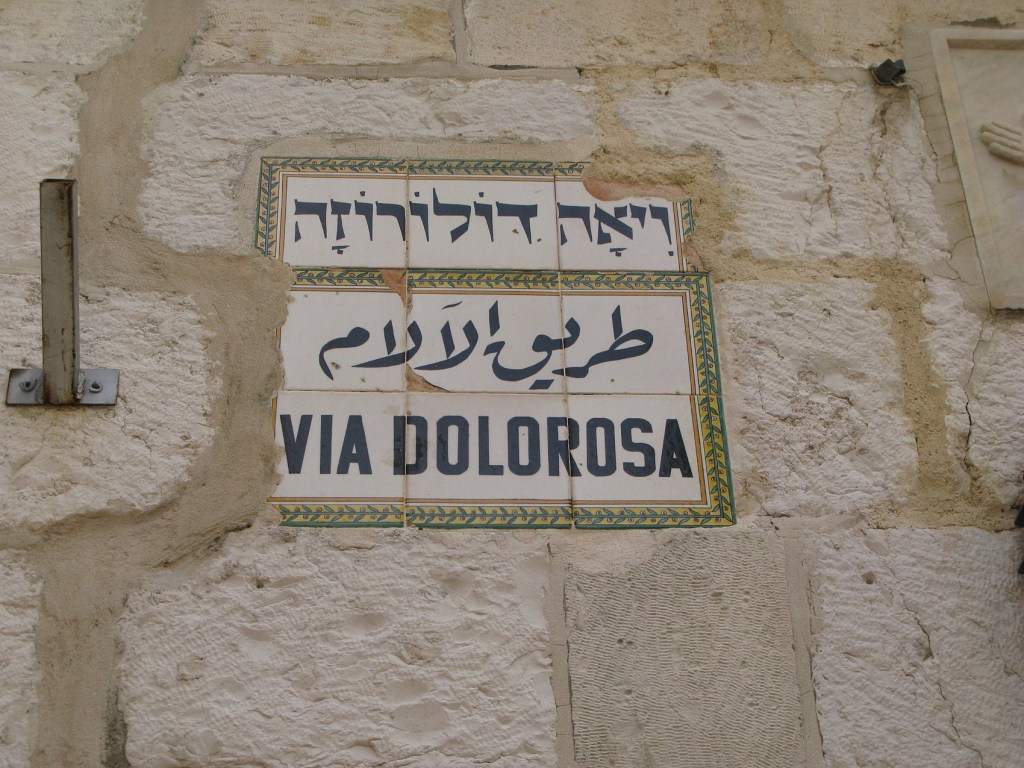
Not a pilgrimage I shall be able to undertake in all conscience,now. The Via Dolorosa (Latin for “Way of Suffering” or “Sorrowful Way”) is a processional route in the Old City of Jerusalem believed to be the path Jesus walked to his crucifixion. It spans about 600 metres from the Antonia Fortress to the Church of the Holy Sepulchre, marked by 14 Stations of the Cross – a sorrowful day remembered on “ Good Friday”- another juxtaposition.
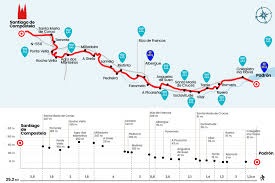
VERSE ONEBack to our final Etape on the Camino Portuguese. Leaving Padrón for Santiago de Compostela is the final, emotional stage of the Portuguese Camino (approx. 24–26 km), characterized by a steady climb through rural hamlets, eucalyptus forests, and eventually, the urban outskirts of Santiago. The route passes through Iria Flavia, A Escravitude, and O Milladoiro before reaching the cathedral.
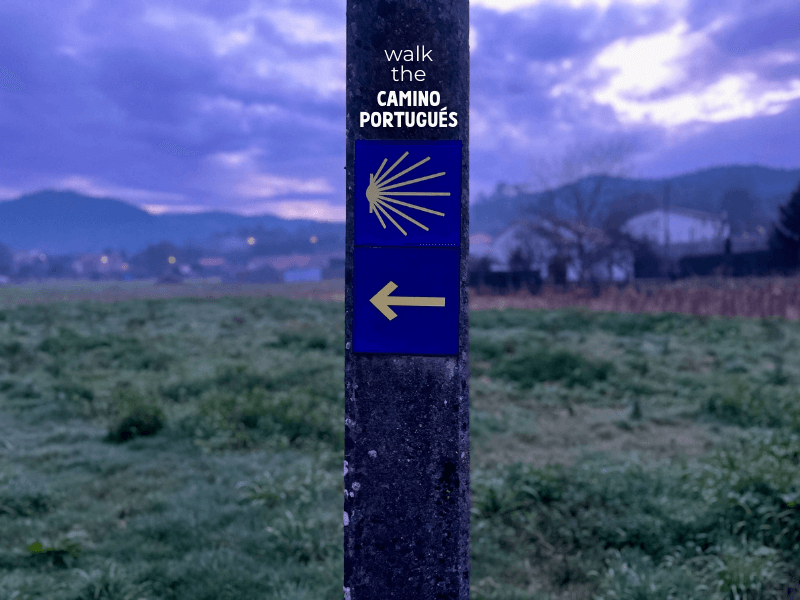
We follow the arrows along the tree-lined Rúa Castelao, making your way out of town. With the river on our left, we then pass the bus station , with regular services to S de C. Next, we cross a tributary of the Sar and the inevitable N550, to be met again, don’t doubt it! Along the rail line we soon enter an ancient place.
ria Flavia is an ancient settlement in the municipality of Padrón, Galicia, Spain, most famous for its historic church, Santa María a Maior de Iria Flavia. A major centre of Marian devotion in its time,with a long history .
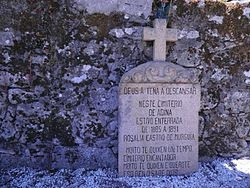
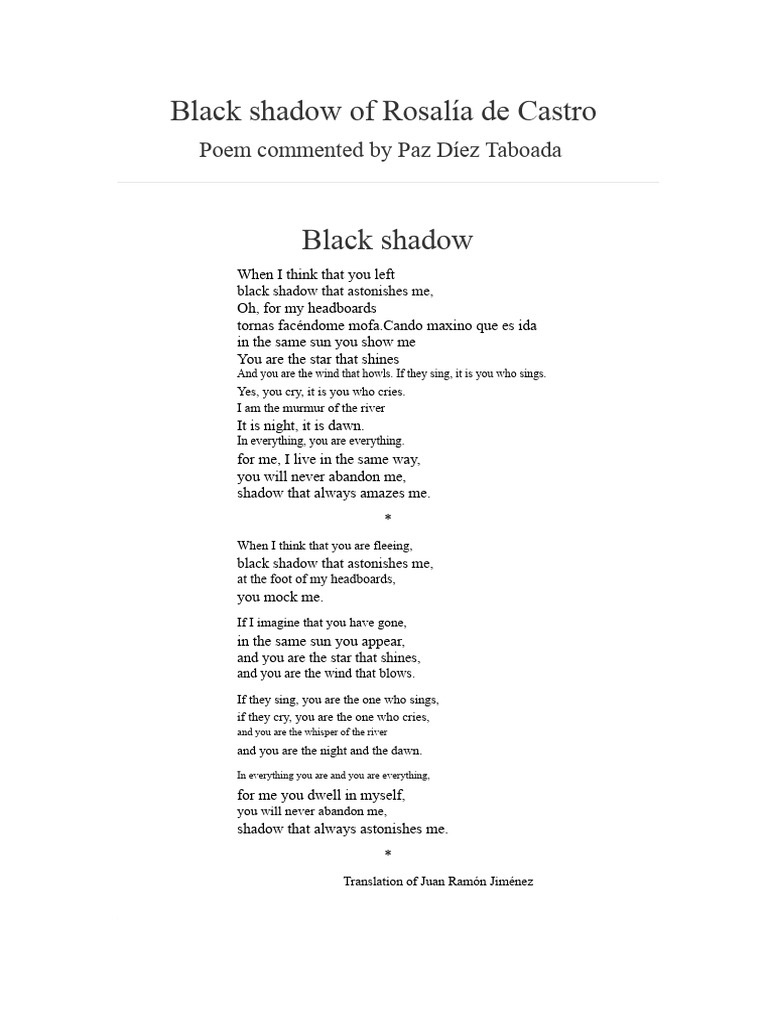
A literary place, the cradle of illustrious authors. The Nobel Prize-winner for Literature Camilo José Cela was born here, more specifically in the former House of the Canons (18th c.), where his Foundation is located. Nearby is the Rosalía de Castro House Museum, the poetess’ last residence and the place where she died.
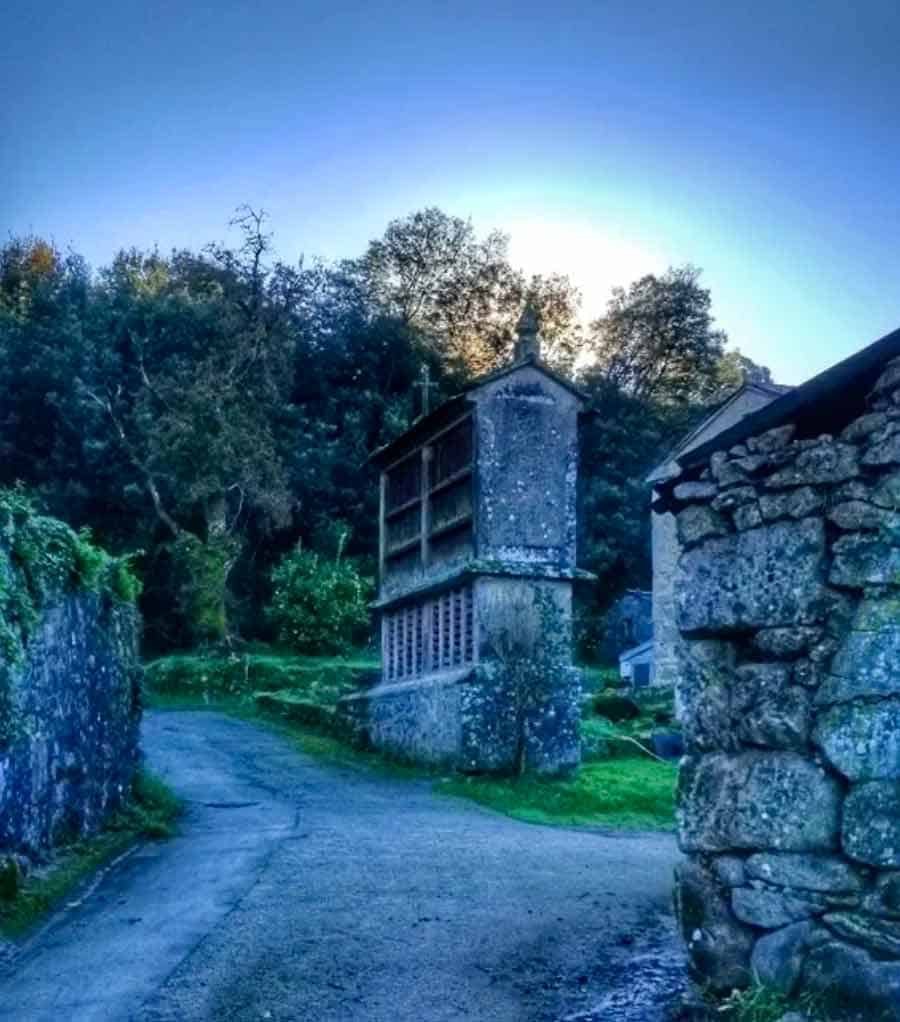
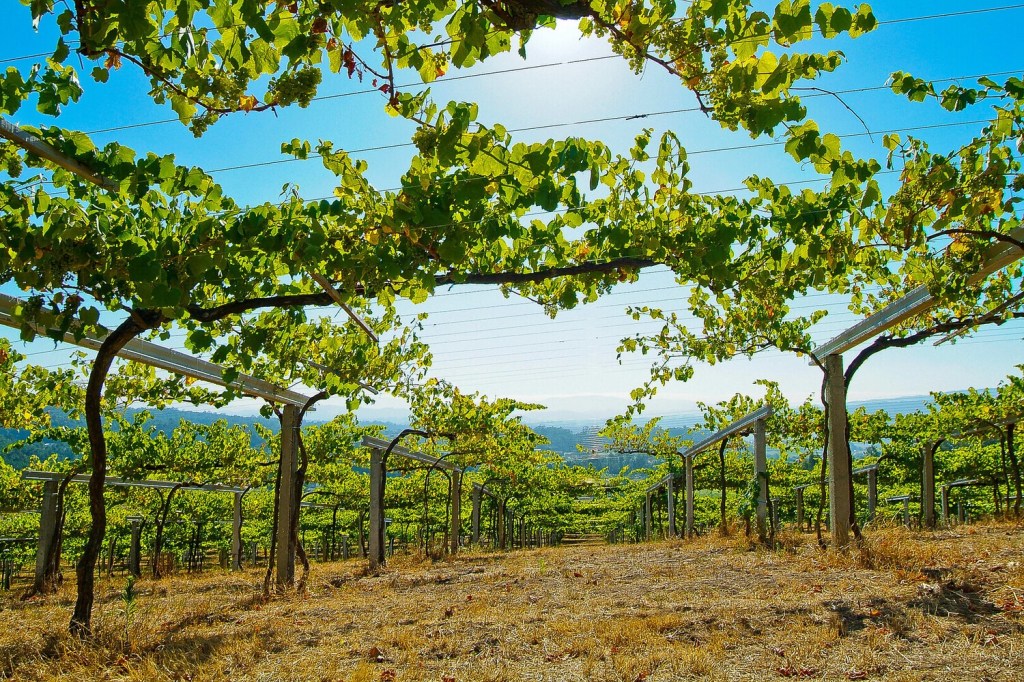
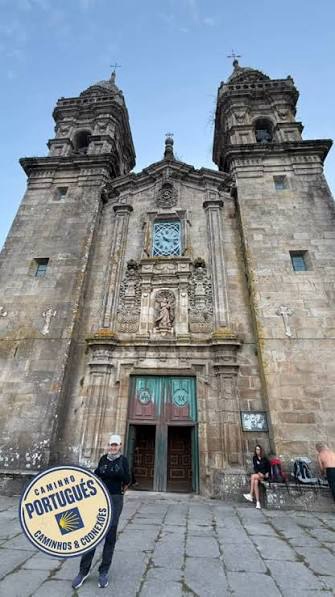
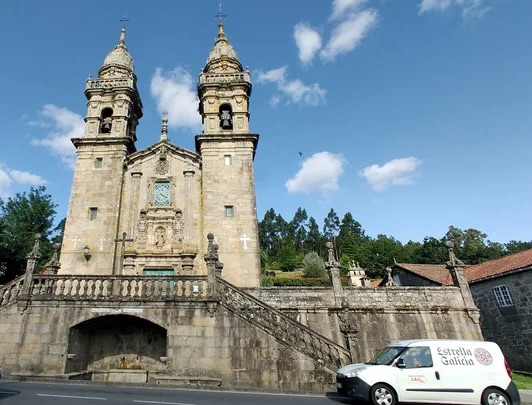
There was a diversion here to prevent you crossing the railway line – supposedly safer that the N550 – I walked along the railway way back on my solo Camino – but we should cross under the railway and recross the main road where on the next rotunda is located the Cafe O Camino Portugues- worth a stop for the Sello. At a garage, Talleres Casal, we turn left to walk through a series of small hamlets.Horreos and vineyards en route through Meixida.E ESCRAVITUDE Famous for its stunning baroque sanctuary, the Santuario da Nosa Señora da Escravitude. It is a key landmark for pilgrims walking the Camino de Santiago (Portuguese Way), located approximately 5 km from Padrón’s historic centre.
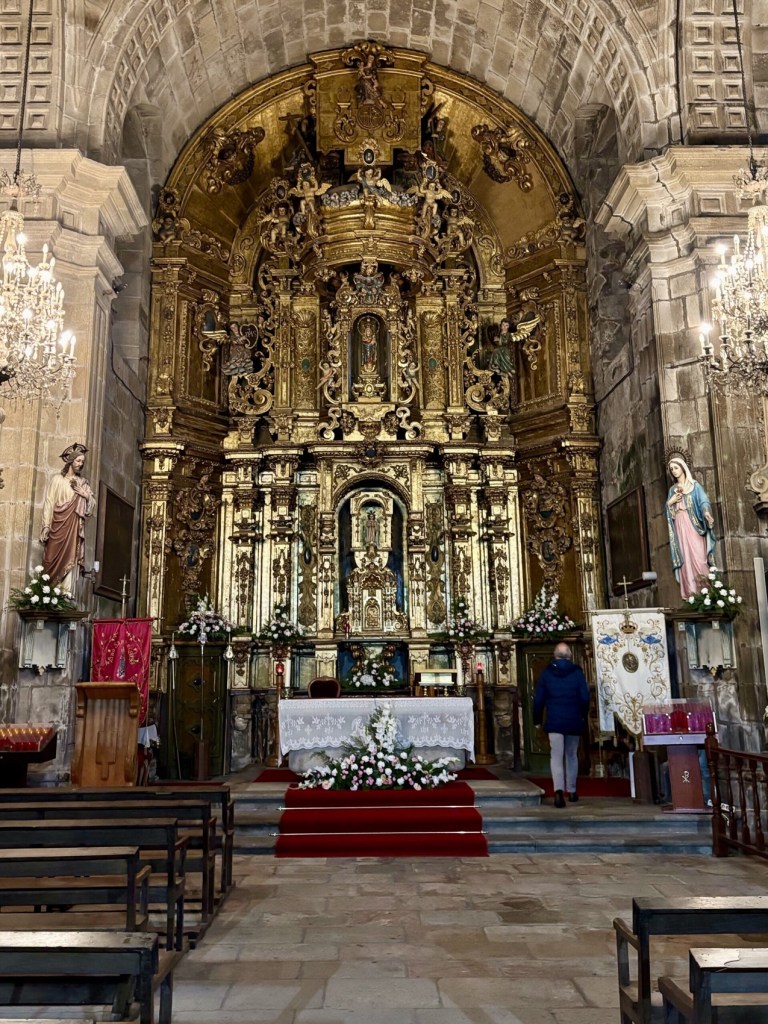
It is worth highlighting the fountain that is under its impressive stairway, which tells an interesting and miraculous story. It is about an ill man that was travelling along the Way of St. James in the hope of being healed of his dropsy. He stopped at the fountain to have a drink and was miraculously cured without seeing a doctor 72 hours later. He then said, “Thank you, Our Lady, for taking away the ailment”. This then became the story that gave origin to this sanctuary, and which ultimately began the construction of this structure thanks to an xx cart that the pilgrim donated for his gratitude. The project was completed in 1886.Impressive interior Please note that Cerveza Estrella Galicia does not claim to have such a miraculous effect.
We leave by a small park at the side of the sanctuary along a steep lane,passing Sta.Maria de Cruces and a picnic descanso,then going left through pine woods,keeping a careful watch for signage as we pass a sign for the incongruous Hong Kong B&B, arriving at Picarana, where there is a choice of cafes,etc albeit opposite an industrial estate.
Then to the village of Faramello.
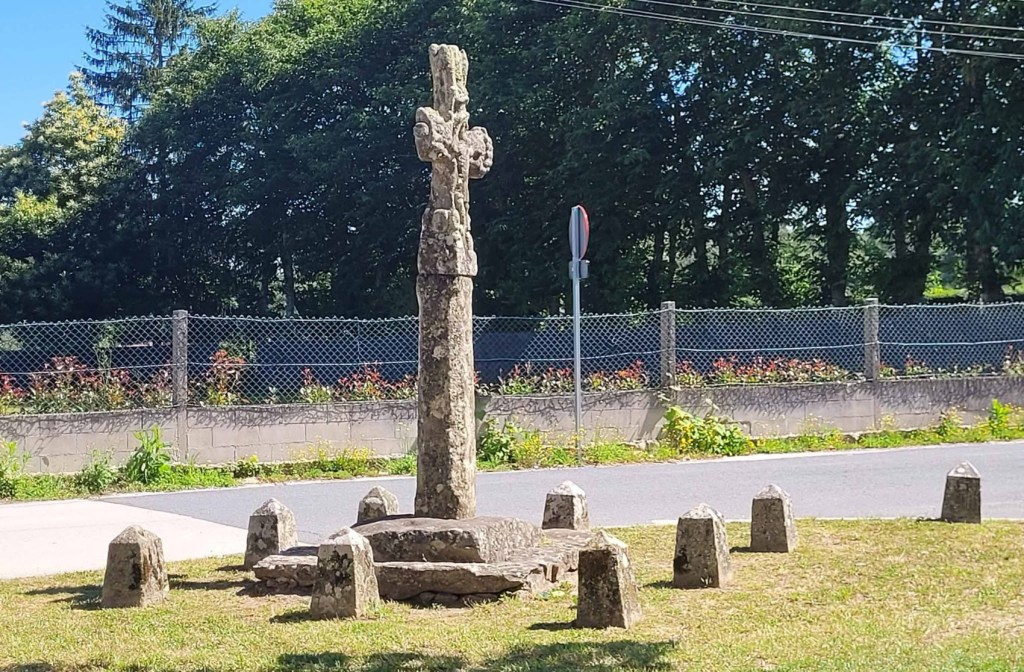
THE CRUCEIRO OF RÚA DE FRANCOS In the town of Rúa de Francos (teo municipality), on Camiño Portugués, we will find a Gothic cross, considered one of the oldest in Galicia, next to the carballeira de San Martiño and its famous cabalar fairs. A cross stands on a rock that emerges from the surface and on which several bowls were engraved. It lacks a base and capital, and its shaft is reminiscent of the small columns of popular construction.
The way begins a gradual climb as we make our way towards Milladoiro, which is a rather exclusive, relatively new residential suburb of Santiago and where there is a choice of the traditional and a complementary way .We should ignore the detour to Castro Lupario.
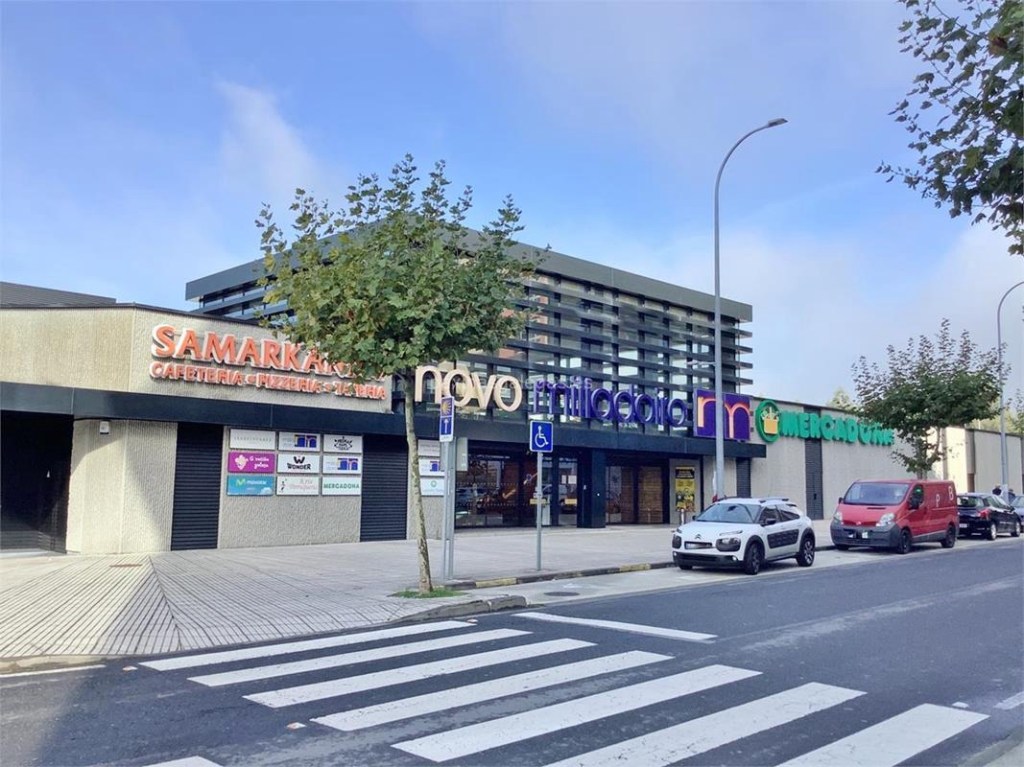
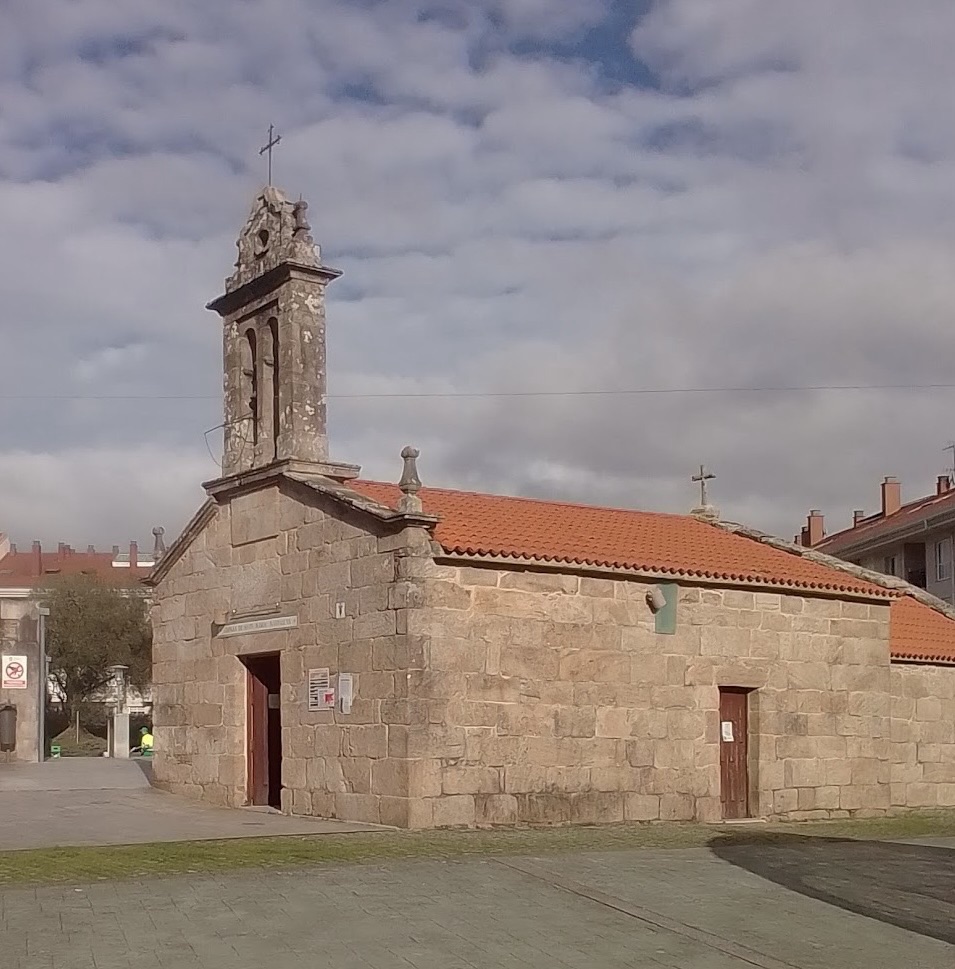
The Milladoiro Mercadona – when taking SC Ramblers on this Camino a few years back, a misheard phone call, I made to a group member who was a little way behind, led to an amusing spot of confusion about directions.More another time. A Magdalena chapel. There is not much to see in O Milladoiro, apart from this chapel. A few years ago, O Milladoiro was just a small aldea (village). But high housing prices in Santiago pushed many (young people, mainly) out, looking for more affordable options. O Milladoiro is quite close and well connected through the N-550 road, so it has experienced tremendous growth. If anyone is feeling tired or whatever, there is an opportunity to take a bus or taxi into S de C. The stage between O Milladoiro and Santiago de Compostela is the shortest and for some the most emotional day of the entire Coastal Camino Portugués. At just 6 kilometres, we can take our time and savour every step that brings us closer to the goal.
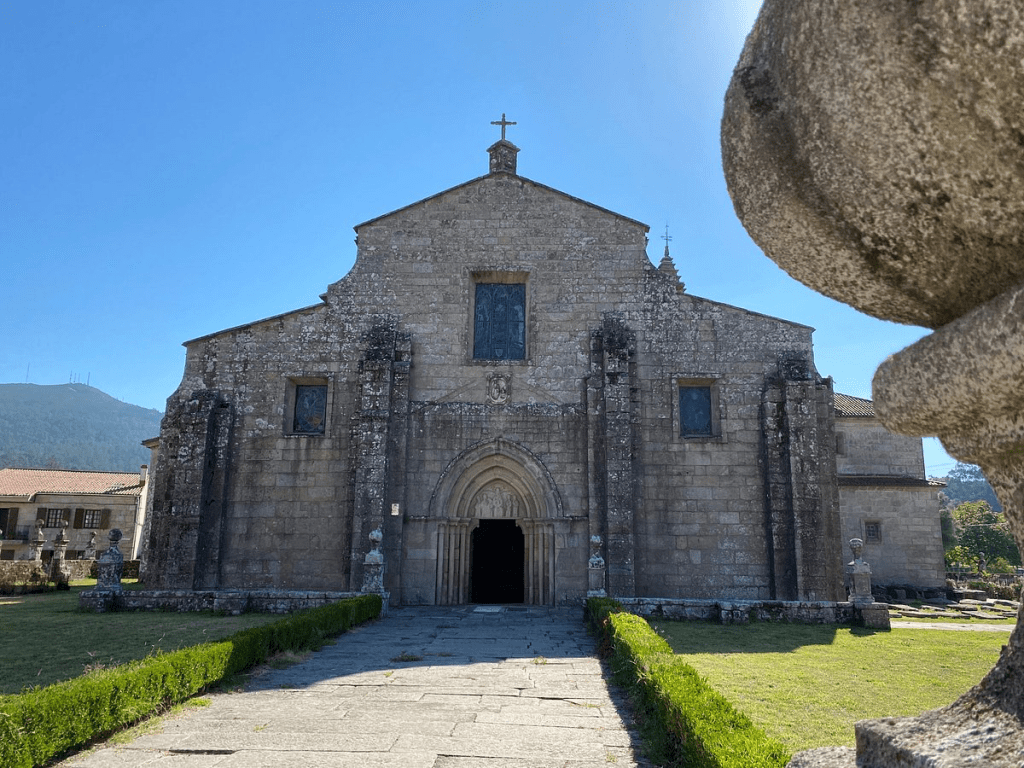
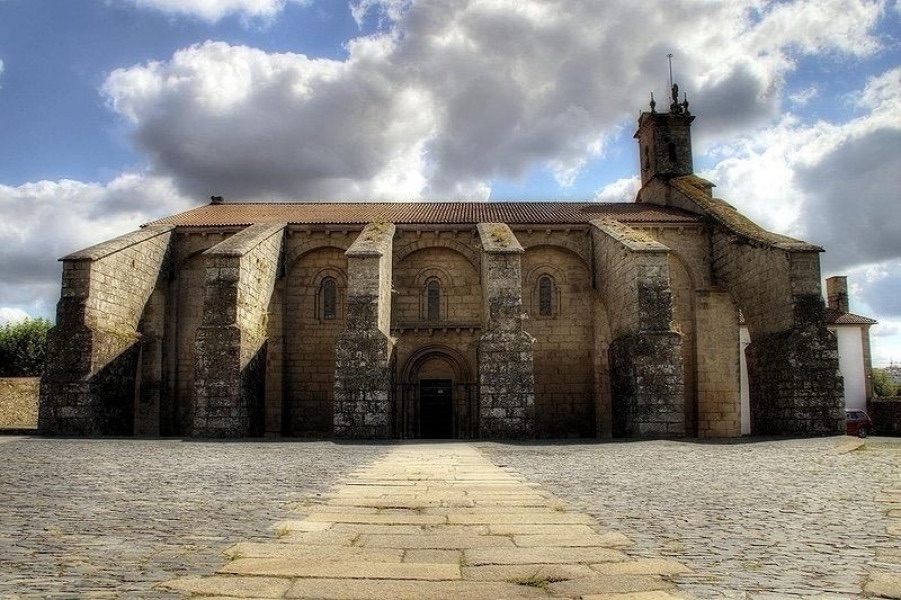
The path leaves O Milladoiro and descends gently through a landscape alternating between residential areas and small parks and green spaces. As it approaches Santiago, the atmosphere becomes more urban but also more exciting: yellow arrows and scallop shells mark the way with increasing frequency. It was built in the 12th century on the outskirts of the city. Colegiata de Santa María a Real do Sar(Collegiate Church of Saint Mary of Sar) is a renowned 12th-century Romanesque church located in Santiago de Compostela, Spain, known for its unique, leaning architecture and historic cloister. Santiago is entered through the Sar neighbourhood, where the beautiful Collegiate Church of Santa María del Sar stands, with its characteristic leaning buttresses, a Romanesque gem deserving a brief stop. From here, the path enters the city streets, passing through parks and tree-lined avenues.
The climactic moment arrives when the pilgrim enters the monumental zone. The cobbled streets of the historic centre, declared a UNESCO World Heritage Site, lead inevitably towards the Plaza del Obradoiro. The first sight of the Cathedral’s baroque facade is a moment of profound emotion that justifies every effort of the journey.
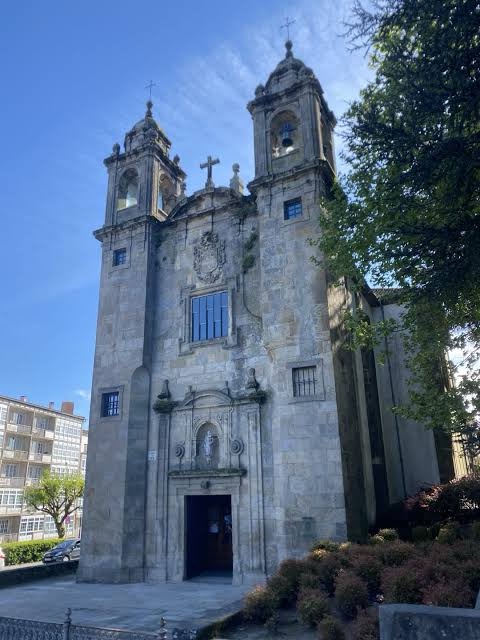
The Chapel of Our Lady of the Pillar in Santiago de Compostela is a prominent Baroque church (17th-18th centuries) located in the Alameda Park, near the Paseo da Ferradura. With a Latin cross floor plan, it is known for its granite architecture and serene setting, and is often visited by pilgrims before reaching the Cathedral.The Alameda Park The Praza do Obradoiro is the main square of Santiago de Compostela and the final destination for thousands of pilgrims completing the Way of Saint James (Camino de Santiago). Its name, which means “Square of the Workshop,” refers to the stonecutters’ workshops that occupied the space during the construction of the cathedral’s Baroque facade. It is always rewarding to have a group photo here and to take time to sit and watch the arrival of Pelegrinos from the whole variety of Caminos leading to here.THE CATHEDRAL. In his guidebook,John Brierley makes the following observations :- Take time to “arrive”. We each feel different emotions on arriving at our destination after …physical,emotional and spiritual challenges. Entering the Cathedral can bring tears of joy…or disappointment. Whatever our individual reaction it is absolutely valid in the moment so honour it. Gratitude for our safe arrival is a universally appropriate response…”
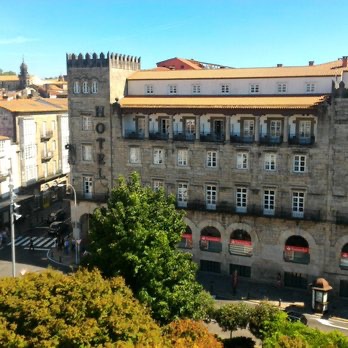
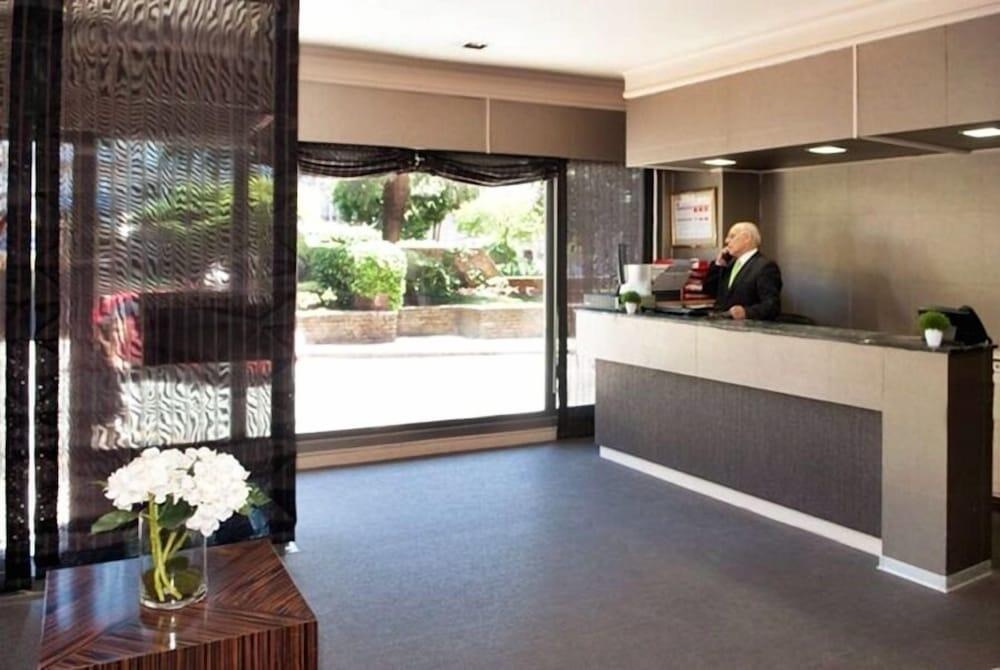
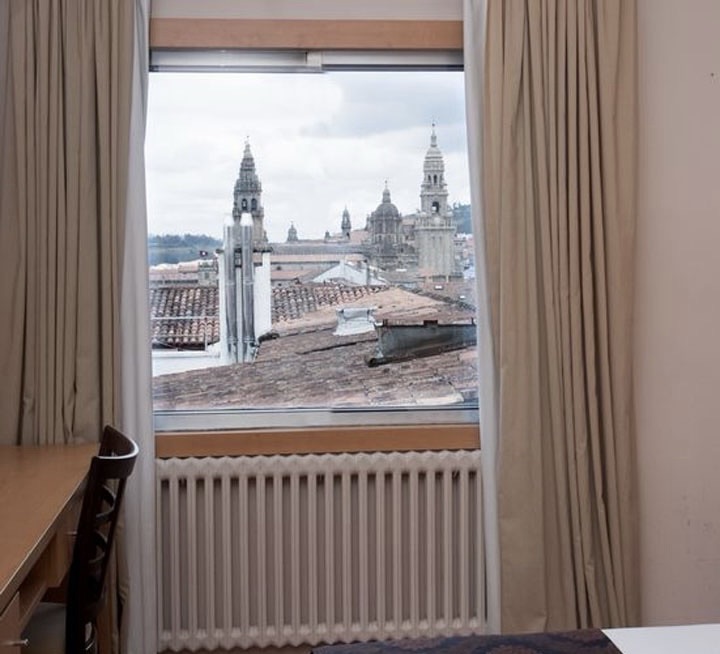
An eight minute walk to our accommodation at Hotel Universal, Praza de Galicia.I stayed here in 2004 after my first Camino – it’s had a facelift since then.Room with A View UNIVERSAL HOTEL STAY REVIEW “The hotel is perfectly located right in the city center. There’s a public parking lot directly in front of the hotel. The best thing about the hotel is the staff; they are all incredibly friendly and attentive, making sure you have everything you need during your stay. The breakfast is decent, with a good buffet.”