A Farmers’ Market and a Biodiversity Walk

27 Sep

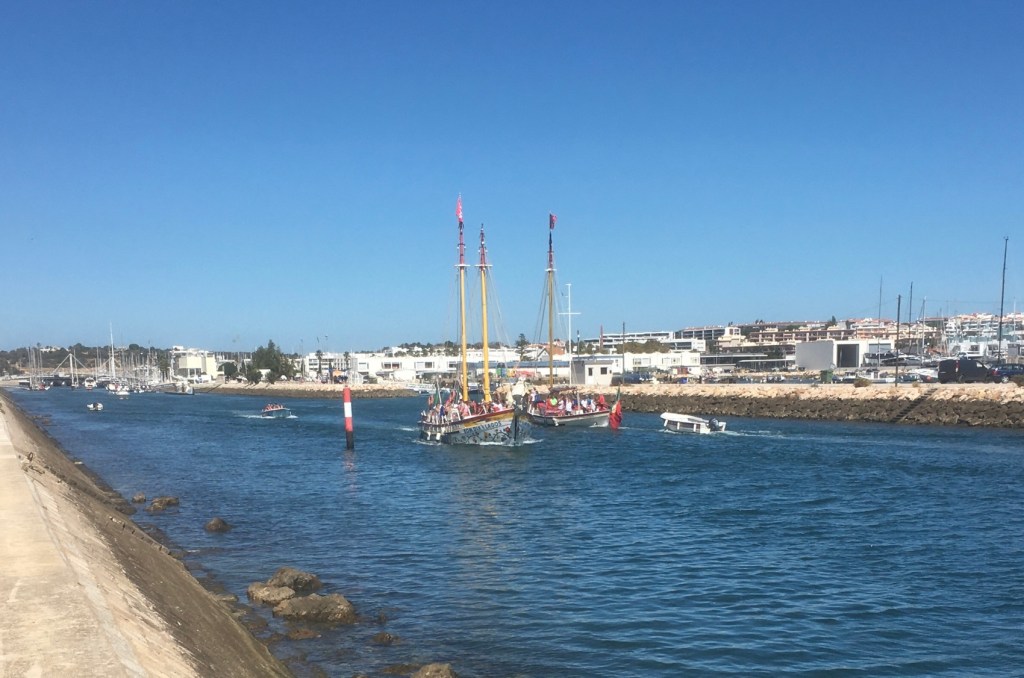
These two enjoyable experiences were in ALVOR and a short riverside walk out.

Portugal is famous for its tiles – these are public benches.

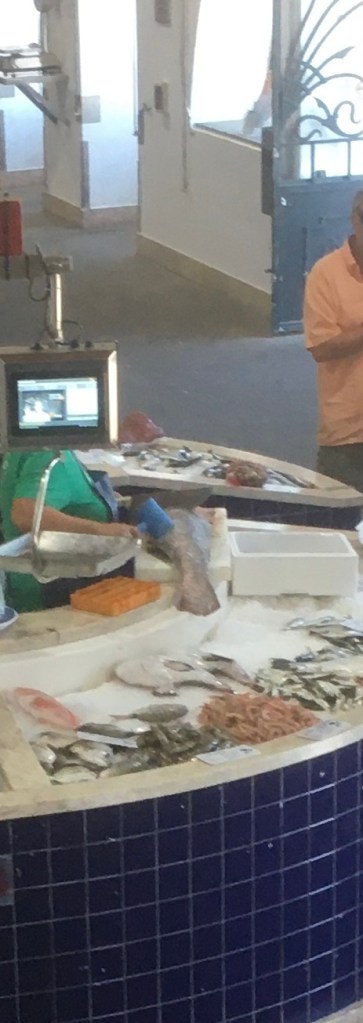
The market consisted of small stalls with varying amounts and types of produce – mainly smallholdings I would guess. A homely feel to them.

String ‘em up and hang ‘em high.
Don’t be put off by their appearance, I bought some and they were delicious both on the BBQ and in a salad. I must get some seeds!

Leaving this part of the waterfront we made our way through a small reconstruction of a shelter, along the Ria to the base of a small cliff.

There was some clambering to be done in places but well worth the effort for the views. Along the route were eight notice boards displaying photos and information about the flora and fauna, some of which are unique to this area.
Fortunately the tide was out revealing mud/ sandbanks where bird and people were looking for shell fish.
Being Autumn there was not vey much by way of greenery – the optimum time to walk here would be in Springtime, from February to May – an abundance of butterflies apparently, plus flowers and even small reptiles.
These proved to be the exception.
However,reading the information boards was informative and the solitude welcome,plus the views.
An unexpected sight was this small dam which marks the end of the walk.
Old Saltpans.

We met an English couple who have a timeshare in ALVOR and they told us that once they did the walk on a Bank Holiday and were startled by gunfire – apparently on those days random hunting is allowed – fortunately they were able to attract the gun holders and got through unscathed.

Another varied and enjoyable morning.

PORTIMAO – A MUSEUM ABOUT SARDINES?

25 Sep

Saturday and after waiting in vain for the number 13 bus – unluckily for us – no buses on Saturdays nor Sundays, we called a taxi and within three minutes we were on Portimao’s riverside.

This is a really attractive walkway,replacing much of the long gone sardine canning infrastructure.

Following the signs for the Turismo, housed in a renovated Moorish building,further frustration as it was closed, yes you guessed it,at weekends when you would think they would be the days most likely to be busy with visitors. No buses,no Turismo,and later to discover no shops open after 1pm – I need to get my head round this Algarvian logic.

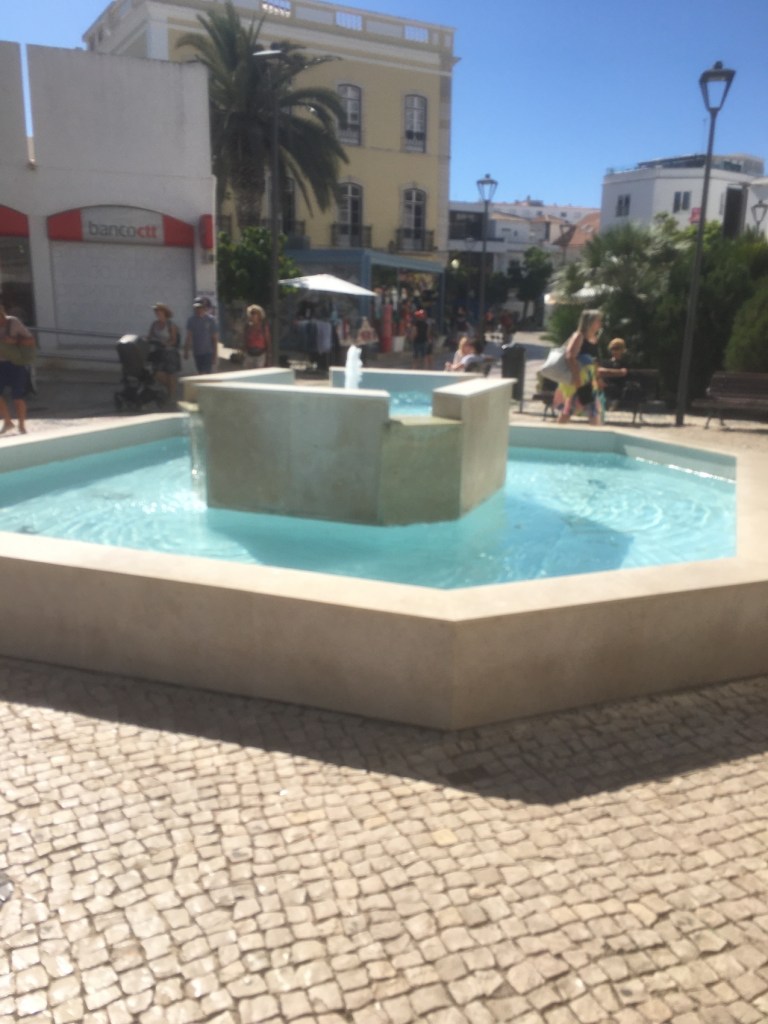
At this point the decision was coffee time in the park with a refreshing view of the fountain.
A look at Google Maps showed that we were not faraway from the Portimao Museum – hopefully it would not be closed for the weekend.

Walking alongside the River Arrade .

We stopped to examine this conveyor belt,just outside the museum.

All was to be revealed once inside the Museum…which was open and for this weekend,free admission!

Notice the Storks’ nest on top of the chimney. https://museudeportimao.pt/museu/noticias

It is housed in a renovated canning factory the Portimão Museum, invites you to discover the origins and evolution of its community, territory and the most striking aspects of its industrial and maritime history. In addition to the permanent exhibition “Portimão, Territorio e Identidade”, the museum presents a diversified cultural program in the temporary exhibition rooms and auditorium. More of that later.

If someone told you that you would be both well informed and fascinated by the sardine canning process,you might have been forgiven for a scornful riposte – well it was as much about the working lives of the mainly women here as it was about tins. The first thing to strike you was the amazing layout of the exhibits.

There was also an old “ newsreel” type of video running with English subtitles in a small auditorium – fascinating pictures of the women in what at first appeared to be nun-like habits hard at work. Picutes of their infants in the newly created crèche (1951), and of separate canteens for men and women. The other surprising elements were the various machines and processes the humble sardine went through before it got into the can – the lithography and decoration of which was very impressive.

The actual workplace was well reproduced,too.

There was also a section devoted to the 19 th century King Carlos and his seagoing adventures.

More than a passing resemblance to Oliver Hardy.

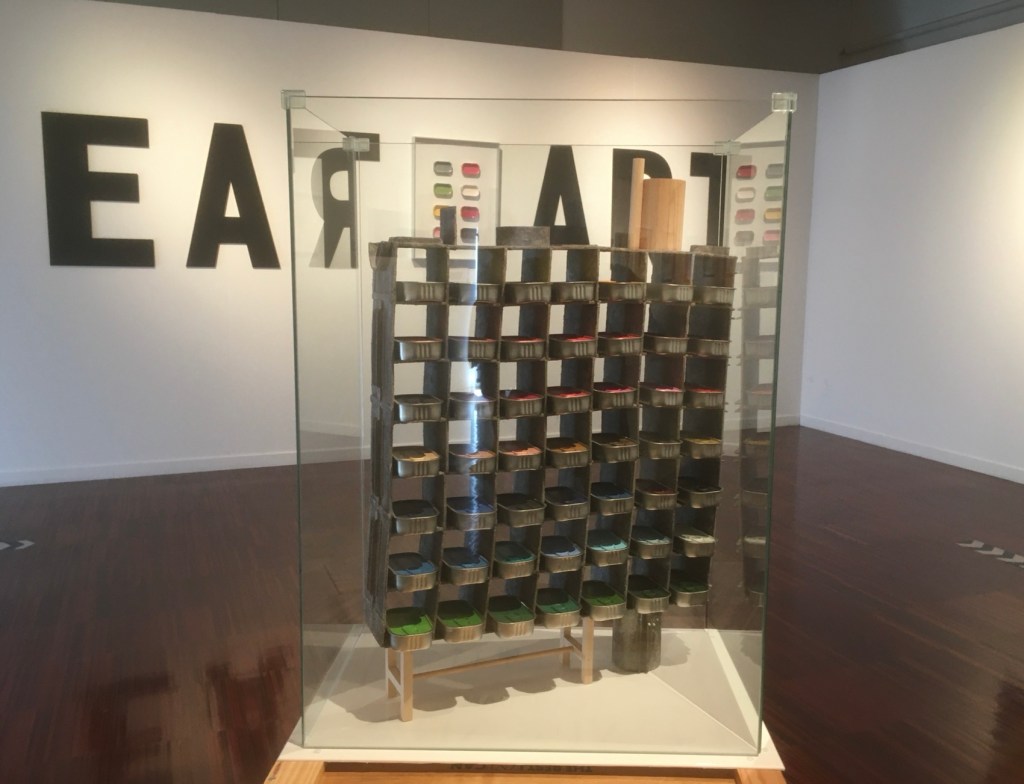
The temporary exhibition was about the relationship between food and art – it certainly gave us an appetite for lunch! Below are some of the images.

Anchovies as well as Sardines.

The canning factories had been heavily subsidised during Salazar’s dictatorship. When he died the subsidies mostly dried up,this,plus dwindling supplies of fish and competition from North Africa saw the canning industry die for the most part.

There followed a walkabout around a largely deserted town. Portimao as you might have gathered is not a “ tourist” town and its beaches are 3 Km away,including the famous Praia de Rocha and opposite in Ferrugudo,where we once camped in the mid seventies. But worth a day for the feel of a working Portuguese town.

Tiles are a feature of many Portuguese buildings.
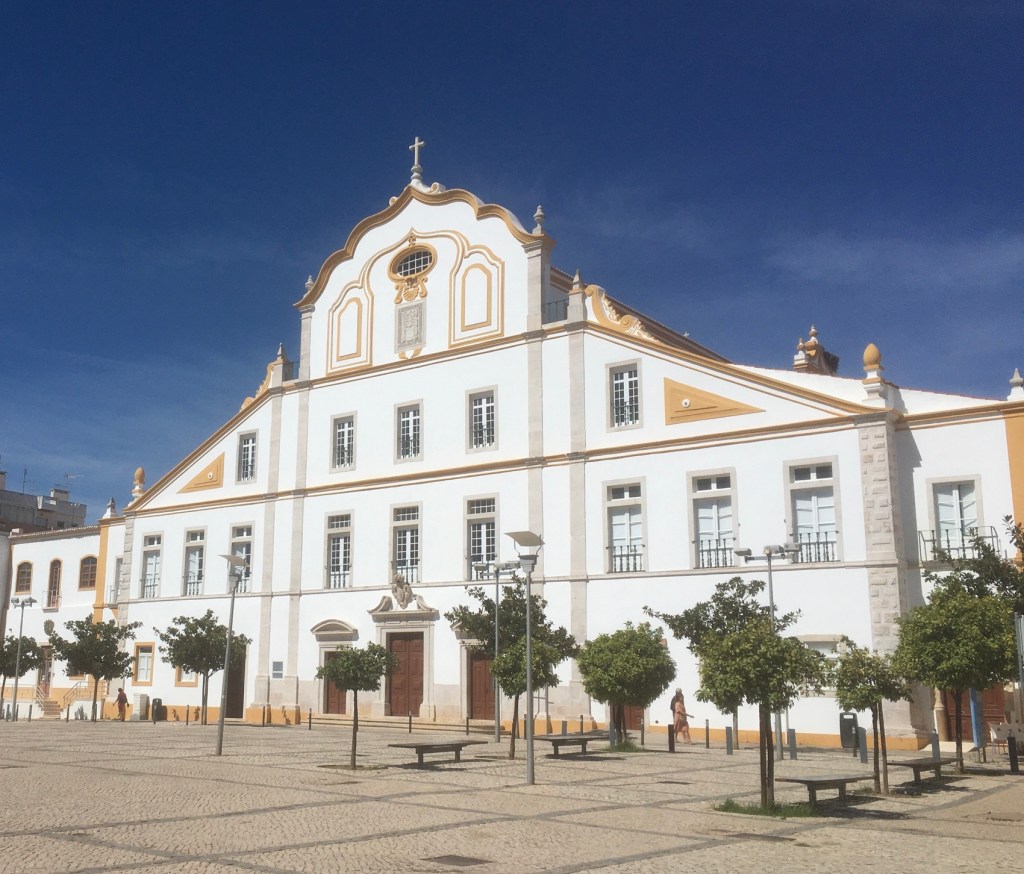
In an impressive square.
And Stork nests.

There are three bridges over the river.

This being the most recent.

There are various sculptures alongside the river.

Be grateful that I didn’t show you the backside!
And the restored bandstand .

Portimao was a worthwhile excursion. I wonder if we’ll have sardines for dinner?

“Sometimes, the most productive thing that you can do is to step outside and do nothing… relax and enjoy nature.”

23 Sep

Take a holiday so long, you forget all of your passwords!

Alvor was founded in 436 B.C. by the Carthaginian General Aníbal Barca as a commercial port, which he named Portus Hannibalis. The settlement grew around the sea, near the place called Vila Velha, where a Celtic castro dominated the river mouth during the Iron Age.

The history of Alvor is long, possibly dating back as far as the 4th century BC. During the Roman occupation of Iberia it was a prosperous port and later became the Moorish town of Al-bur. However, the village’s greatest claim to fame is as the place where King João II died in 1495. In more recent years still, it cemented its place in the history books as the venue for the negotiations which brought about the independence of the former Portuguese territory of Angola.

YOU CAN CERTAIN DO THAT IN ALVOR IN SEPTEMBER

Five days in to this little holiday and I have lost track of time. How? Why? It’s only when you come away from your regular routines and haunts that you realise the rut you’re in. I’ve not missed the morning paper, the garden or the allotment,nor the never ending televised sporting events I am usually guilty of having on,even if only half watching. I have not missed walking because I have done plenty of that since being here.I have not missed the tedium of “royal” events either.

There have been some interesting meanderings around ALVOR – not a place for historic settings as the “ castle” exemplifies – but attractive niches and corners.
The castle grounds are now a childrens’ play area.

The Mercardo was very quiet,too.

In the mornings, nothing much opened before 10 am – not a single punter down this popular alleyway.

It will be different tonight .

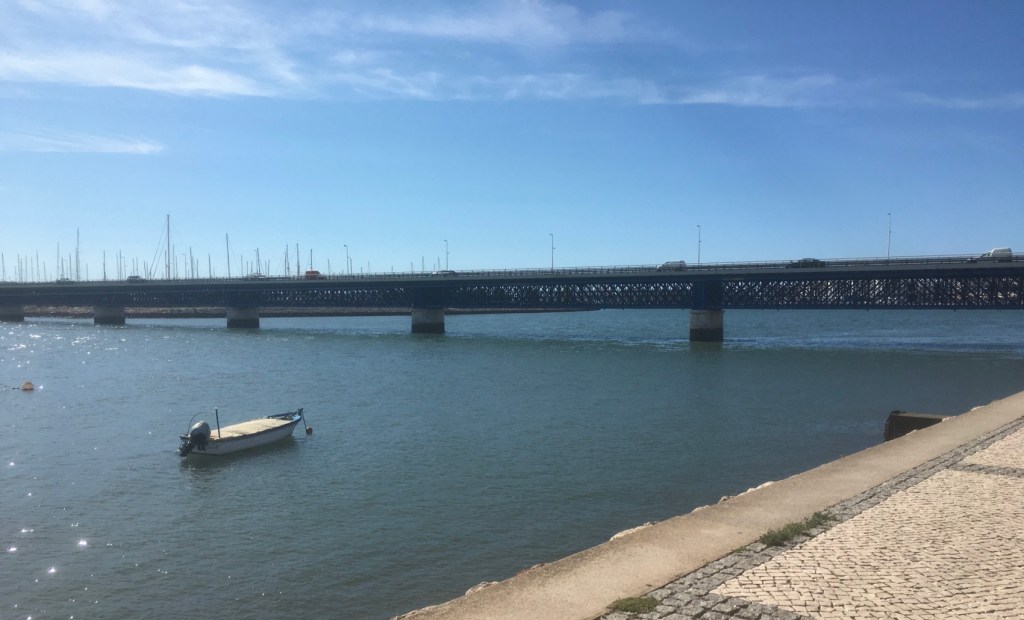
A walk back down towards the River ALVOR Estuary

Brummies will brag about their “ Floozie in the Jacuzzi”; here in Alvor they have their” Mermaid on the Esplanade”

A couple of other artistic eye catchers.
And from the other side..

It was time to take the Boardwalk trail.

A traditionally painted fishing boat.

It’s a wide network of boardwalks that connects Alvor Beach with the river banks. The total distance of the boardwalks is about 6 km. Following the boardwalk you can appreciate two different sides of Alvor; its wide sandy beach and the freshwater marshes that are home to dozens of species of birds.

Off we stroll with a pleasant breeze for accompaniment.

On either side you can see the estuary, the dunes,marshes and all manner of boats.

Based a mile and a half or so up from ALVOR Town and not wanting the hassle of a hire car – bus trips €0.70 and taxis very reasonable – mastering the bus timetables are important. You can obtain a prepaid card to show on the bus – the amount is dependent on how often you anticipate using a bus. Tomorrow we envisage using it to get to Portimao for the day.

The VAI E VEM bus service .

Every half an hour.

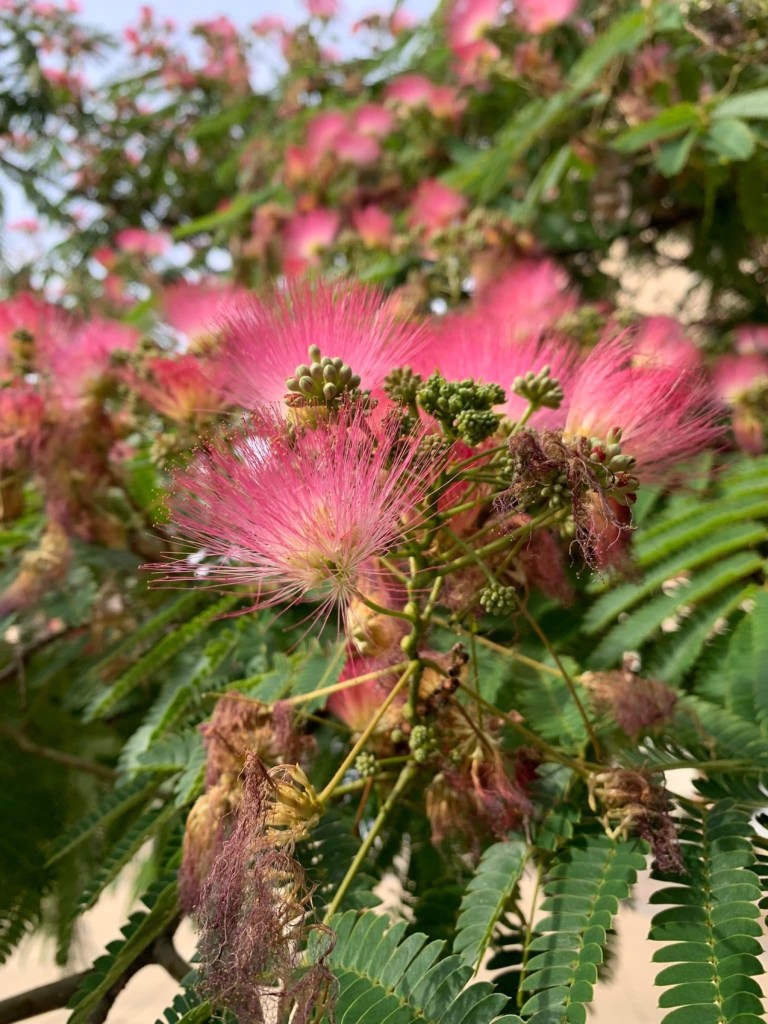
I shall finish this Blog with some photos of the local flora,many of which are found around the pool and grounds of the apartment.

A heavily pruned Fig tree.
Providing ambience and adding a feeling of well being.
I’m off – might even have a swim – but certainly a lie down.

A vacation is what you take when you can no longer take what you’ve been taking.

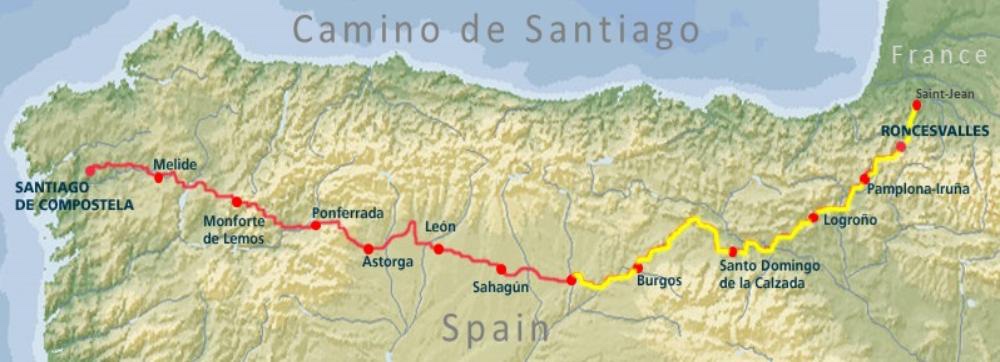
A COLLECTANEA OF CAMIGOS’ PHOTOS FROM THE CAMINO FRANCES,JUNE 2022.

4 Jul
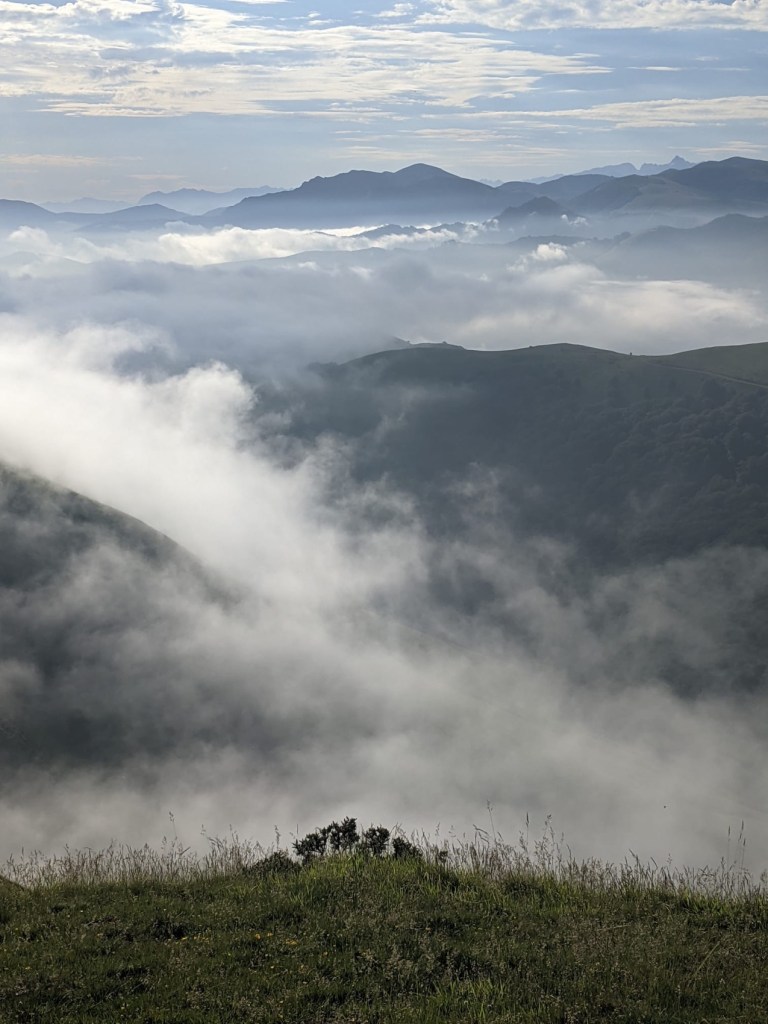
PYRENEES
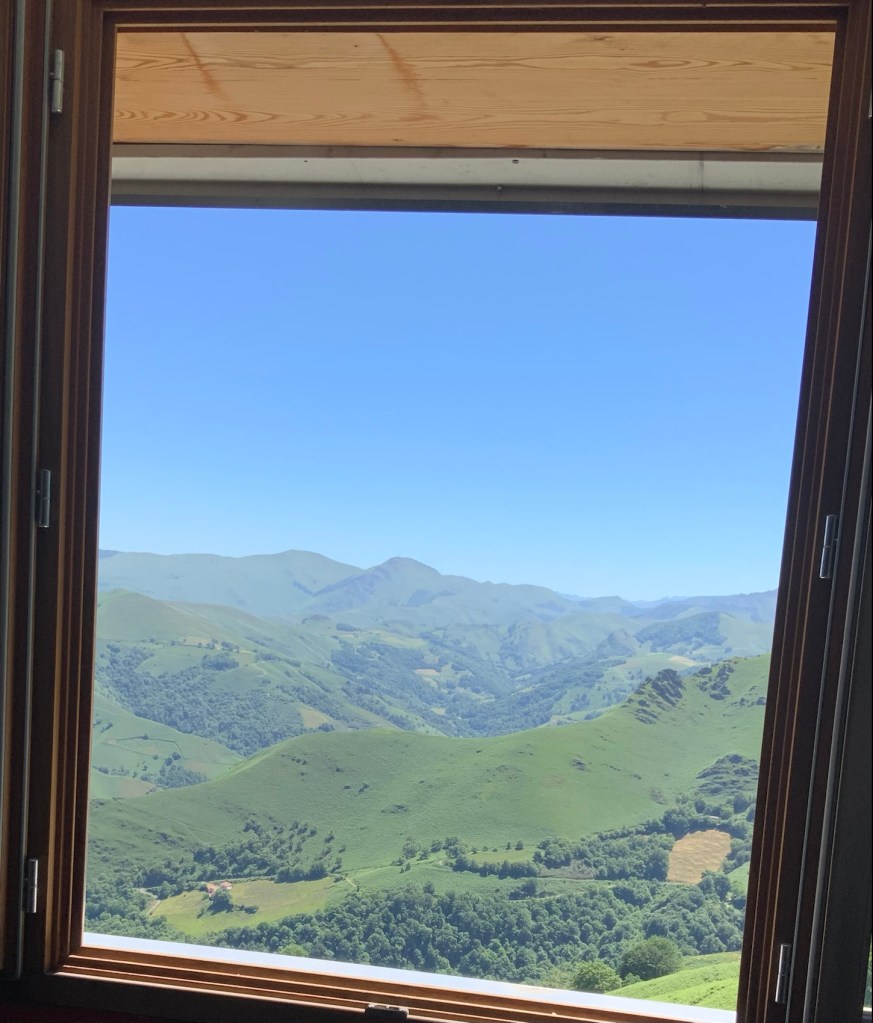
View from our bunkhouse at Orisson
SIGHTS ABD SIGNPOSTS – Pointing to the clamber over the Pyrenees
Welcome sight of Auberge Orisson
Alto del Perdon
San Domingo
FLORA
AND FAUNA
They all count!

FOOD AND DRINK ON THE CAMINO FRANCES

Not quite the start we expected – Stansted Services
First Continental Brew
Welcome sight of the Pop- Up van on the Route Napoleon- 2nd day
Happy Days
Pork Crackling Tapa – To die for? Possibly.
Rob taking rehydration seriously .
My classic Spanish salad topped with Elvers.
“Ramblers” must have a different connotation in Spanish.
Tortilla the Pelegrinos’ lunch choice.
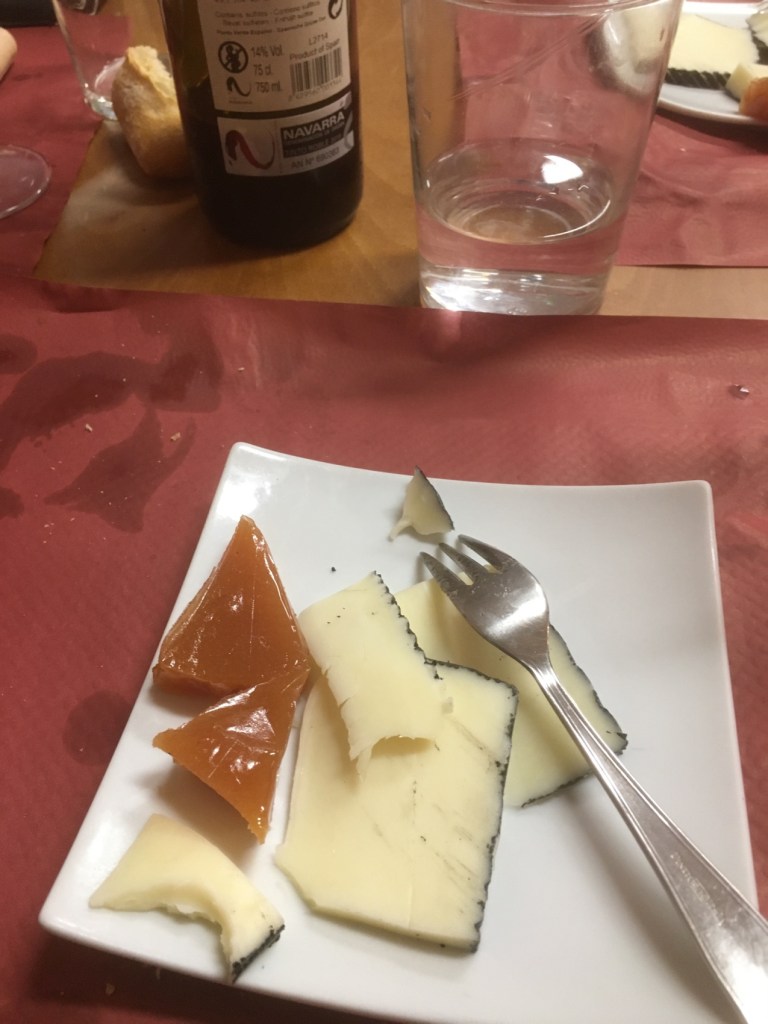
Cheese and Membrillo at the Jubilados’ Bar
Tapa time
Tinto Verano at 41* – nothing better.
You can make a song and dance about Estrella Galicia.
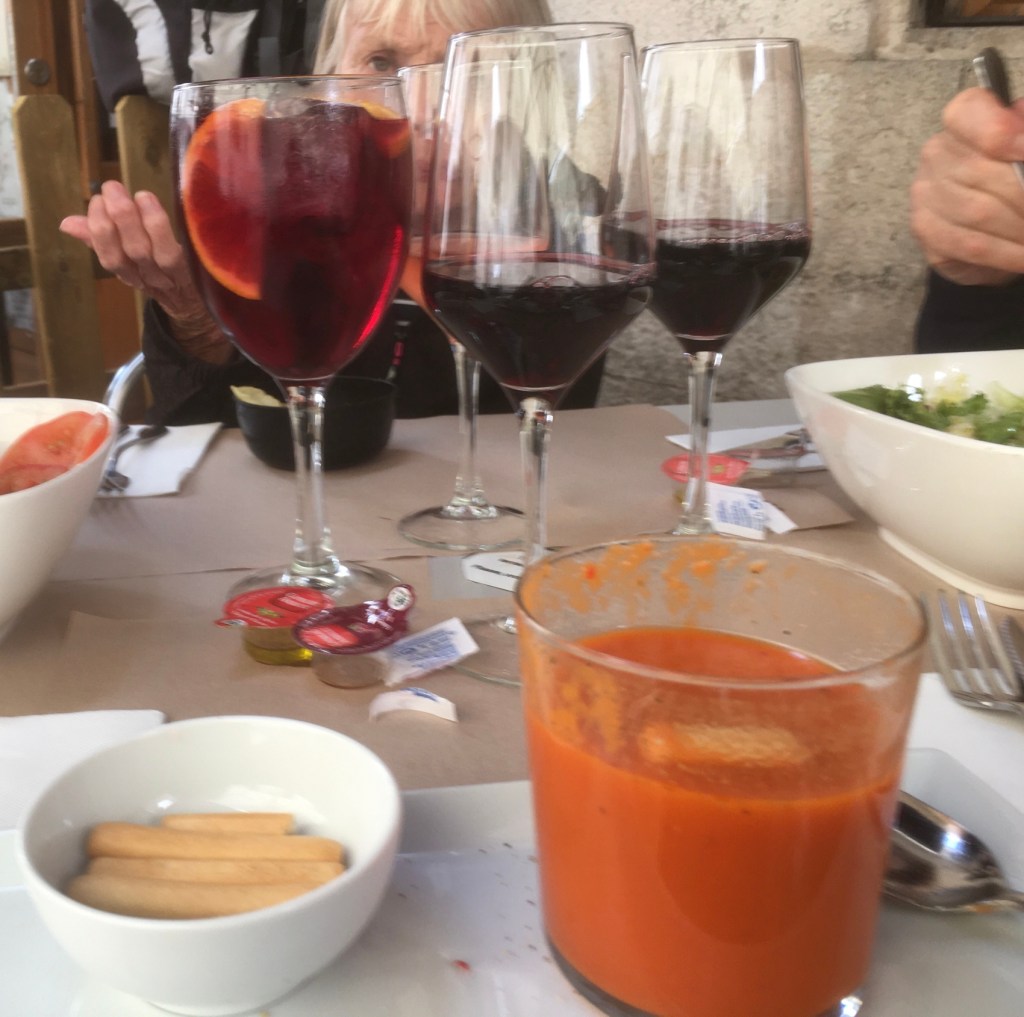
Cooling Gazpzcho – lunchtime starter in Burgos
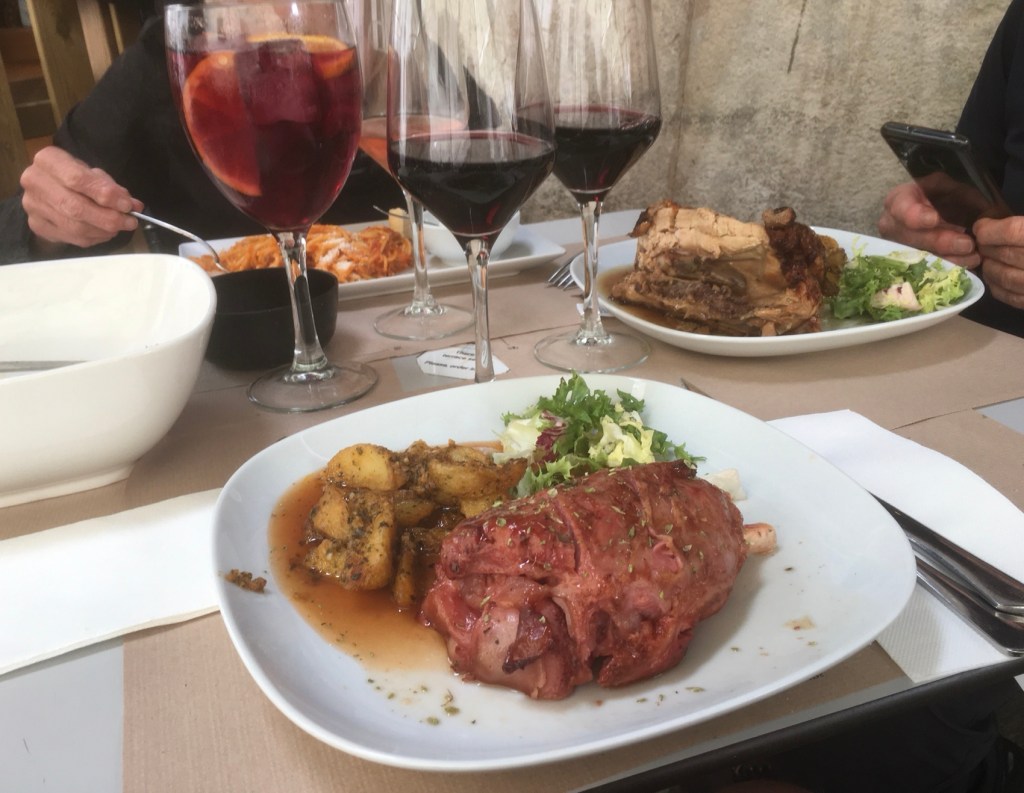
Slow roast Ham Hock – melts in your mouth.
A typical Continental breakfast
A typical breakfast menu!
Orujo- the perfect nightcap.

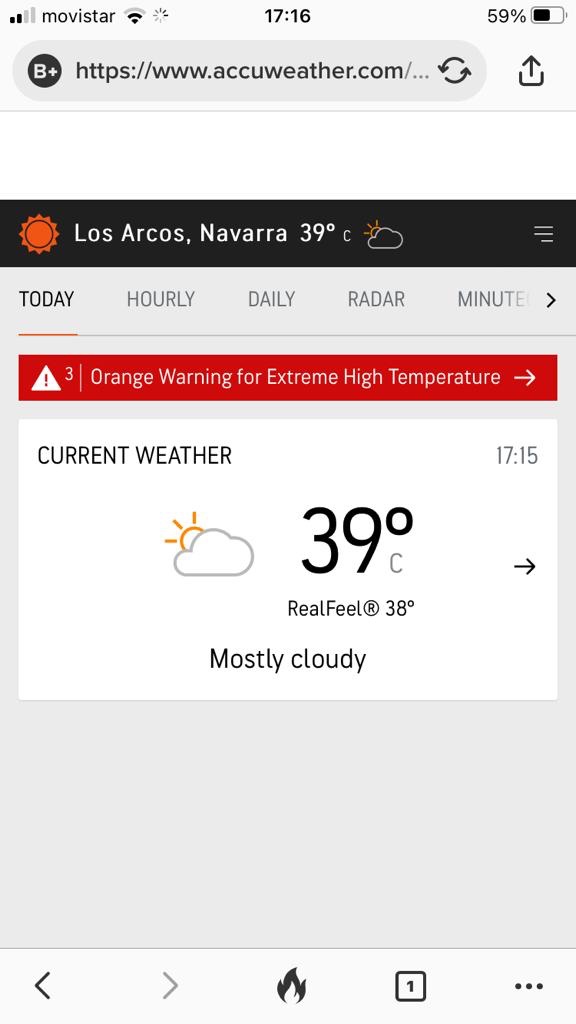
EVERYWHERE YOU GO ALWAYS TAKE THE WEATHER WITH YOU.

https://music.youtube.com/watch?v=pa8DunAJMHs&feature=share CROWDED HOUSE, Live.

The sun is always behind you when you are walking towards the West.
The rain in Spain falls mainly in…..
Hiding from the sunshine
A good hat – an essential.
Phew!
Cloudless skies became the norm.
Red Rioja Soil – Blazing sun
Why not?
Welcome shade on a rare forest track
A stretch of water – always a refreshing sight.

MOSTLY PAIRS

Dinner in the little plaza at San Domingo
Mary and Rob Arriving At Orisson
Girls on the Beer.
Hotel A Santiago- A great Pilgrims’ stopover .
Me and Sue with a hangover…Not.
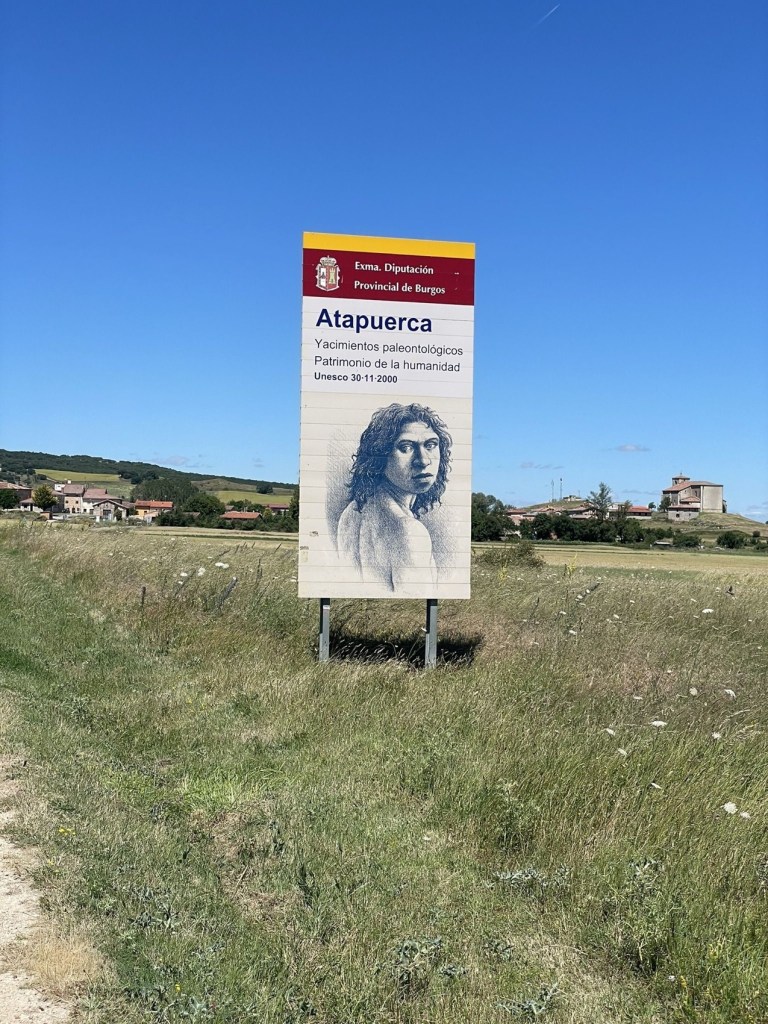
A STRIKING IMAGE AT ATAPUERCA
BURGOS WITH A COUPLE OF CHESTNUTS
“ There aren’t any more of these are there,John?” “ Dunno”
“Probably the best beer in the world”, say
Mary and Anita.
Tom is not superstitious….
“Mother Mary calls to me,saying words of wisdom, let it be”
Tom enjoying an early morning Clara! Salud.

BORDER BETWEEN FRANCE AND SPAIN – A PITY ALL BORDERS ARE NOT LIKE THIS.

ULTREIA ET SUSEIA – “ Let’s Go Forward, Hallelujah “Let’s Go Higher”. Who knows…?

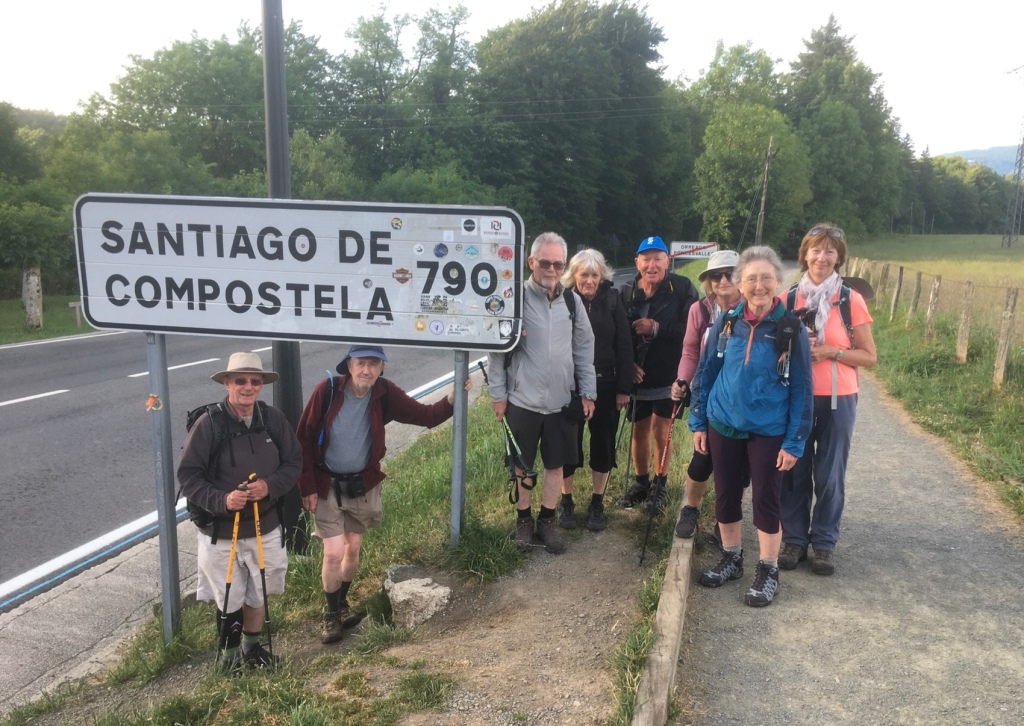
Thanks to the Camigos – Anita,Sue, Mary, June,Tom,Rob and Mike for their company, good humour and perseverance on the Camino Frances.

22nd JUNE. Quintanapalla to Burgos

3 Jul
Waiting for the lift back to Atapuerca from Boomerang Cottage.
Resumption point at Atapuerca.

Much cooler conditions as we began a climb.

Stony conditions underfoot up here.
The simple,wooden cross at the top of this Calvary. Alto de Matagrande,( 1078 metres)
We are now entering the Riopico Valley.
“since the pilgrim dominated the mountains of Navarra in Burguete and saw the vast fields of Spain. She has never seen a more beautiful dress like this”. Or something like that!

There followed a slight incline down to the village of Cardenuela Riopico.

Now on the outskirts of Burgos we stopped for refreshments and alighted a local bus bound for Burgos Centre,thereby avoiding a possibly uninspiring 6 KM walk through the suburbs into Burgos, KM 489.7. Our final Etape is done.

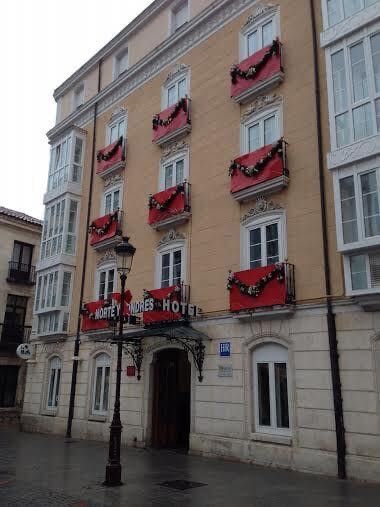
After checking in to Hotel Sercotel de Castilla, we had ample time to explore this beautiful and prosperous city

Useful map from the tourist office easily found after crossing the Arlanzon River.

The Arco de Santa Maria .

What follows are a medley of snaps from that afternoon’s saunter around Burgos.

Catedral de Santa Maria
A walk up to the Castillo
Looking down on the city with the Cathedral prominent.
Back on the ground.
A fountain is always a refreshing sight.
This epitomises the real Spirit of the Camino.
My favourite picture from inside the Cathedral – nonplussed whenever anyone asks me why I walk the Camino – and will there be another one that comes close to this and indeed will there be another one?
At least I took the time to smell the flowers…

An evening at Boomerang Cottage with our hosts Hazel & Rodrigo – returnees from Oz.

2 Jul
This house is allegedly 600 years old and is now a B&B in Quintanapalla.

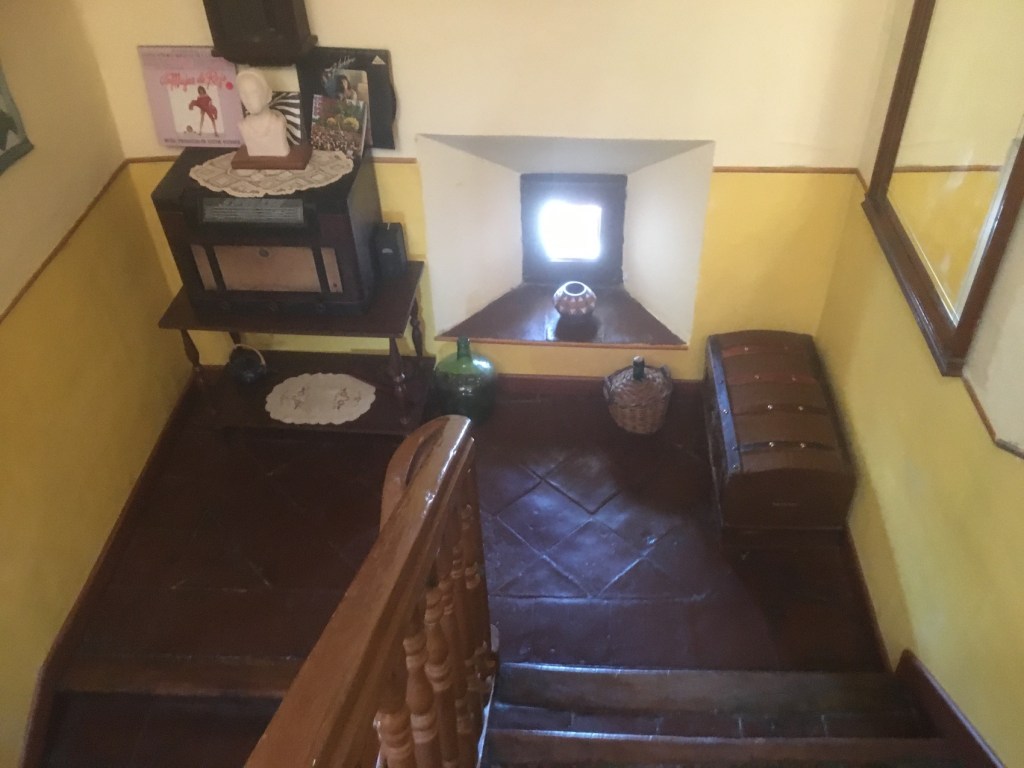
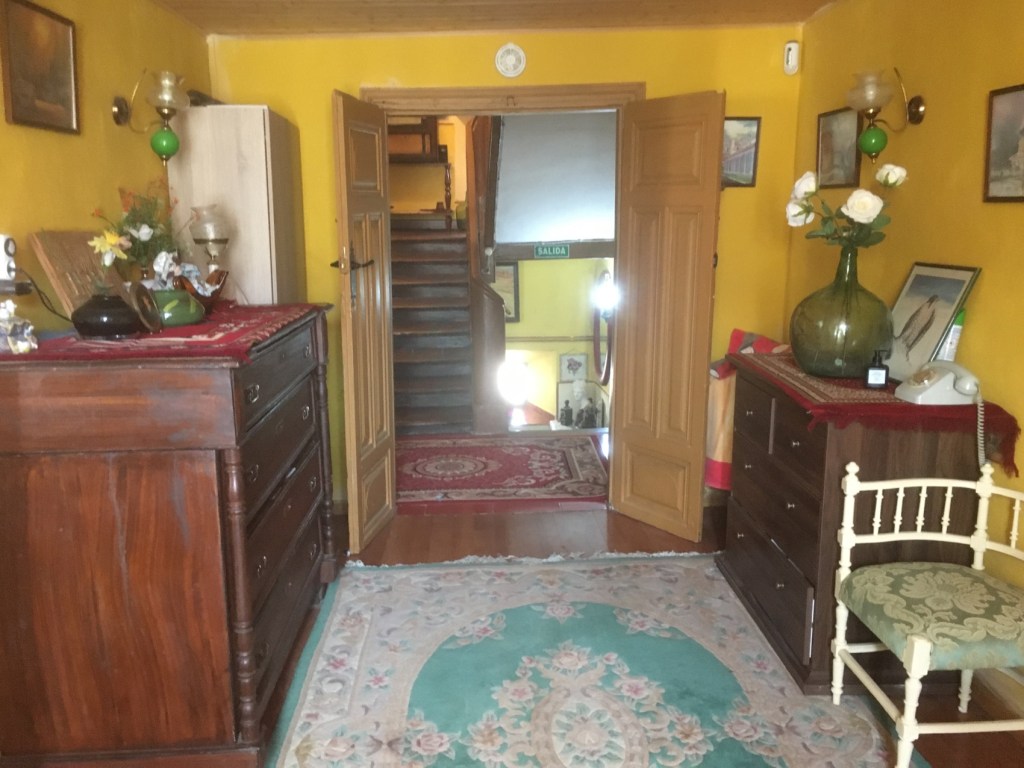
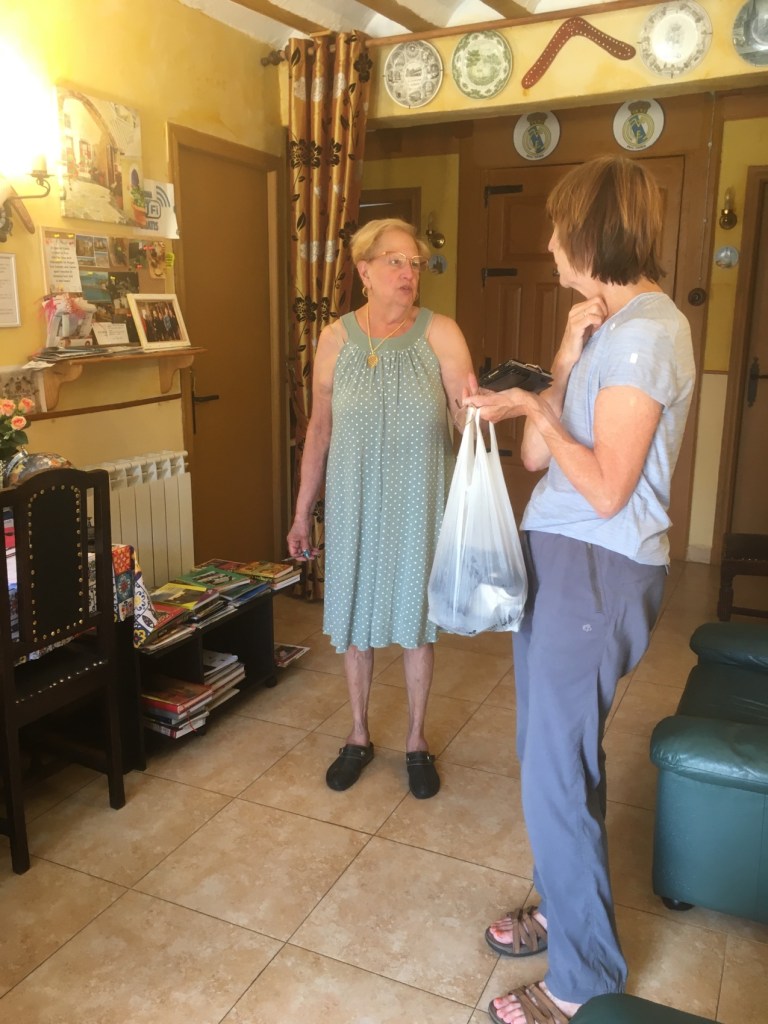
The house contains an eclectic mixture of artefacts,momentoes and photographs which cover walls, stairs and landings.

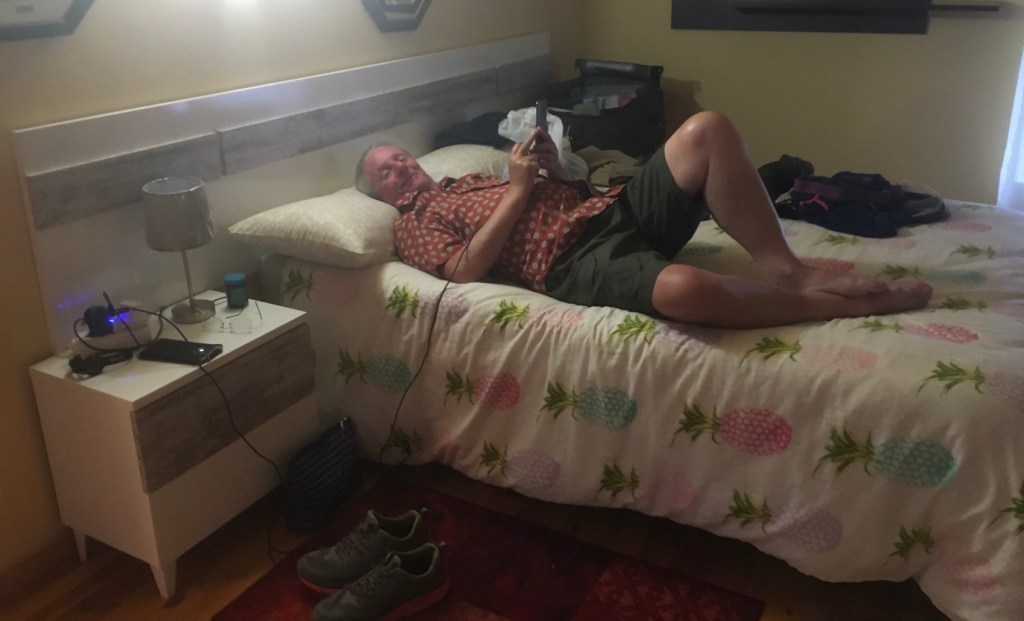
We had two rooms for four people off the same landing and they were found to be very comfortable.

Rob at his ease.
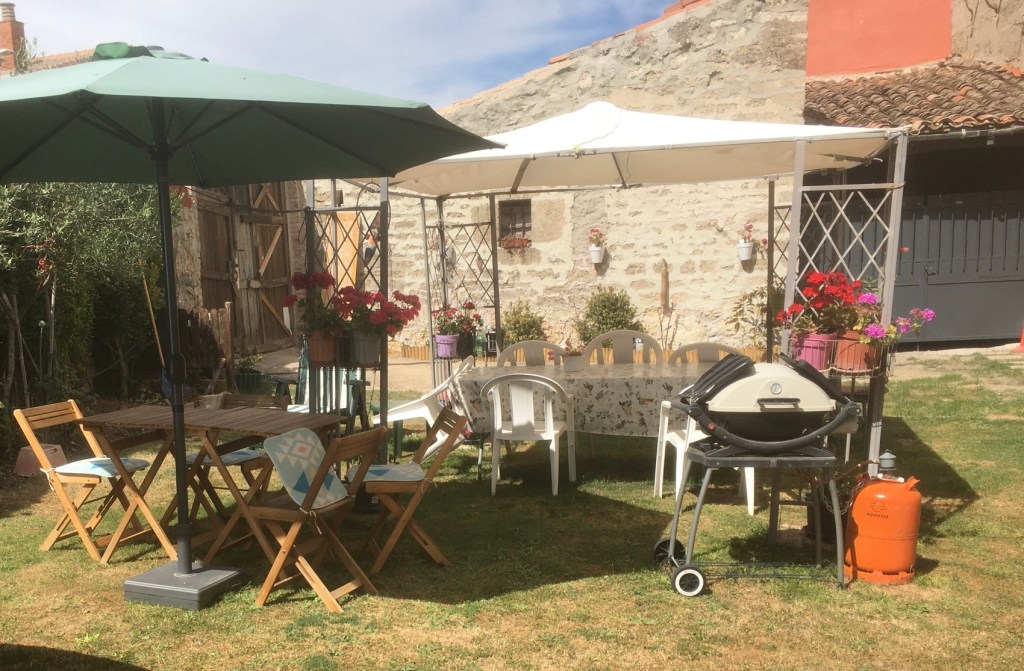
The gardens were a welcome retreat from the glare of the sun.
The wine was on the way.
Earlier,Mary was hoping that the directions for hanging out your washing would take less than a thousand words from Hazel, our friendly if somewhat garrulous co- host.
Rodrigo, chauffeur,cook and co- host who could add his threepennies worth too….usually at the expense of Hazel,if she was out of earshot. She, too, would mildly lambast Rodrigo.

It was like being on the set of a 70s sitcom-with fast moving exchanges in Australian inflected English,given a strong Spanish twist! Great fun. Our Steak,chips and salad, followed by an in house dessert were consumed with gusto and Rodrigo then generously served us different kinds of Orujo – a smoky digestif – a very convivial evening and one like no other, for the very best of reasons.

It certainly made for a good night’s sleep in the mens’ bed room at any rate.

Belorado to Quintanapalla,via Atapuerca,on 21st June – Penultimate Etape.

2 Jul
We set off quite early after a Continental breakfast and the waiter insisted on giving each one of us an ice cold bottle of water for the journey – sums up what a good place Hotel A Santiago is for Pelegrinos.

We passed the ruddy coloured remains of the castle lurking above us.

We then crossed the River Tiron via wooden footbridge and then off left towards Tosantos,some 3Km away.

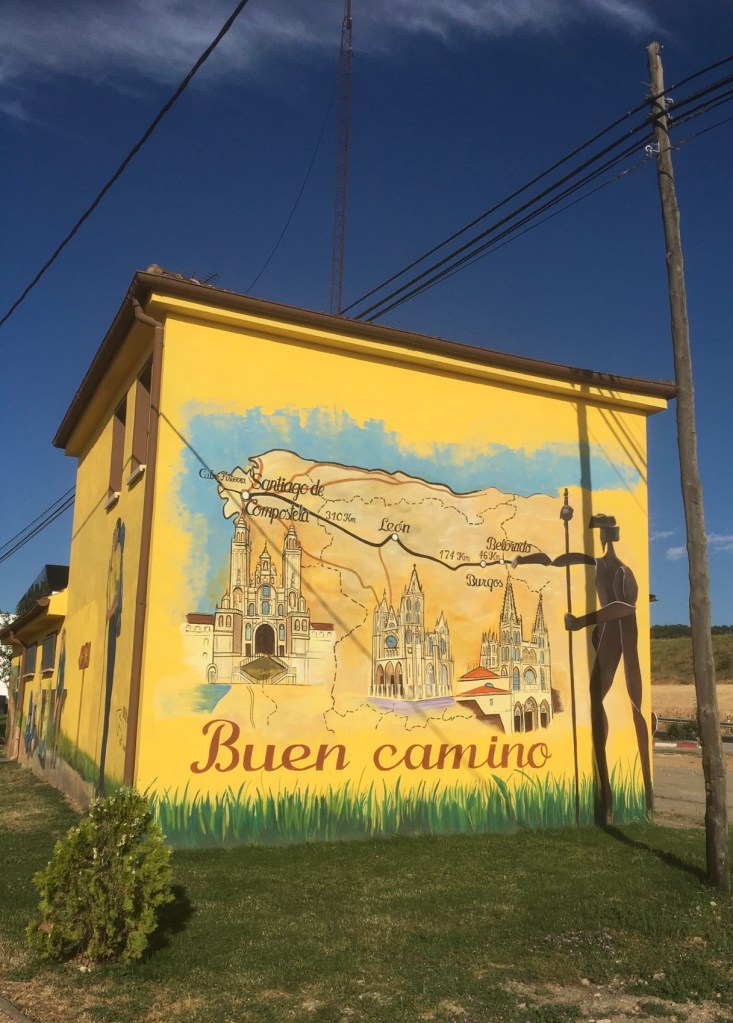
The outlying houses were adorned by colourful Camino related murals.

Then a slight climb to a plateau with views of rolling pastures

Through the tiny hamlet of Vilambistia.

And then a coffee/drinks break at a cafe you could not miss.

Not it’s not “ the hell of a Camino “ but the “ footprint!”
A netting protected Cherry tree overhanging the cafe terrace.
By road that is.
SAN JUAN DE LA ORTEGA – a student of San Domingo who joined him in his road,bridge and hospice building.

The saint that shares its name, the disciple of Saint Domingo de la Calzada, builder and protector of the ancient route, managed to erect a small church and an important refuge for pilgrims which gave them shelter after the difficult climb up the inhospitable Montes de Oca. Today this quiet place is revived with the presence of pilgrims.

Leaving hill views behind as we entered a pine forest.
And a very good path.
Welcome shade.
Arlanzon with the village of Ages in the distance.
A tiny hamlet of about 60 people with some keen garden designers amongst them.
And a handy craftworker .
Not to mention the mural painter!
Moving towards the world famous Sierra de Atapuerca and the oldest site of humanity in Europe. It has a Museum of Human Evolution and there are ongoing works in the archeological site.
Unmissable.
As was this advert for an Albergue on an abandoned double decker bus on the outskirts of the village.

From Atapuerca we were collected by our host from “ Boomerang Cottage” in Quintanapalla – we would be dropped off the following morning for our last Etape .

20 th June. Santo Domingo de la Calzada to Belorado and a very civil meeting with the Guardia Civil.

1 Jul
Another facet of the Guardia Civil’s new image – we had noticed them occasionally patrolling the Camino – the 21st Century version of the Knights Templar?

Leaving Santo Domingo by way of the Santo Domingo y Ermita bridge.

After crossing the bridge, we noticed a block on what appeared to be a simple country road and it was being patrolled by the Guardia Civil. Any trepidation we may have felt was soon dispelled as a smiling officer approached, wishing us good morning and asking how we were! Then he and his colleague indicated the Way which was now off the road – “ Buen Camino”.
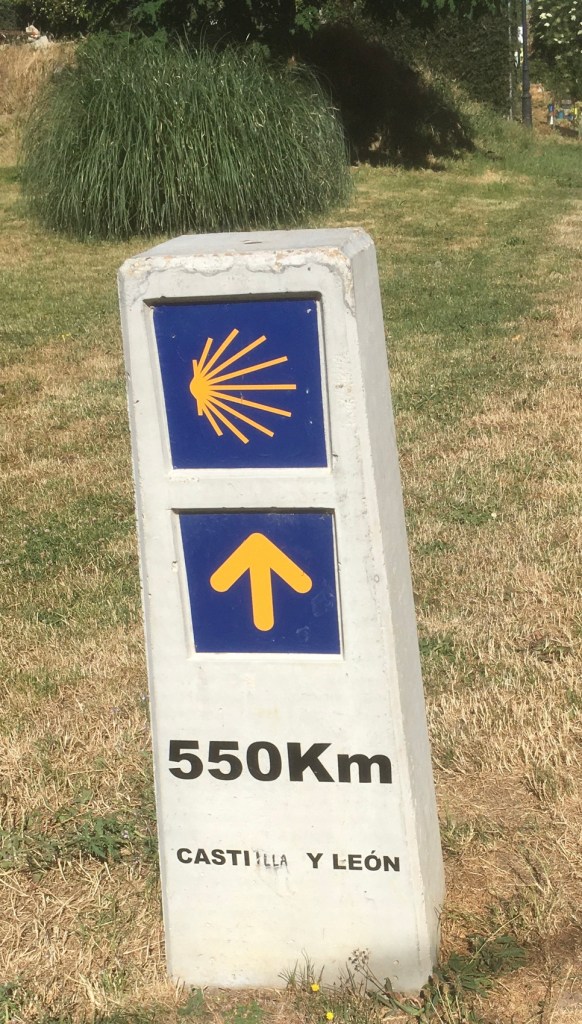
One of the original Camino waymarks with scallop shell intact.

After six KM or thereabouts we reached Granon and another memorable coffee stop. The first sights to arrest the attention – Camino murals – which drew us up to an imaginatively and conveniently situated cafe.

A population of about 250 persons but inhabited since Celtiberian times – remains from 2000 years ago have been discovered here. We discovered this permanently placed van doubling up as a well stocked cafe.
Granon struck us as a friendly,peaceful place set as it is amongst rolling hills and arable land.
The only “high” point for miles…
An ingenious way to transfer your Mochilla.
Inside the Iglesia de San Juan Batista there was a florally decorated tableau to mark the feast of Corpus Christi.
Panoramica
Entering the Province of Burgos and a reminder that our camino’s end was approaching.
What moronic impulses drove some dork to deface a signboard?
We entered the small hamlet of Viloria de Rioja,birthplace of Santo Domingo de la Calzada in 1019.
The Iglesia de Nuestra Senora de la Asuncion – much and randomly rebuilt- originally a Romanesque church.Inside is the allegedly, original Baptismal font used to baptise Santo Domingo. The village tradition is to return here,no matter where a person is living,to baptise one’s children from the same font as Santo Domingo’s. Sadly the church was closed.
Leaving Viloria de Rioja.
“ How much further!? “ Asks June. Not far now.
Slightly further on and an advertisement for our accommodation. Cocina Communitaria sounds promising.
And what welcoming venue it was.
This way to Reception.
Mary took the plunge.
A shady terrace
We dived into these!

HOTEL A SANTIAGO – probably one of the best stops on the Camino. And the community evening meal was as good as advertised.

19th JUNE. To Santo Domingo de la Calzada

30 Jun
18.3 KM

An early start as sections of this stage have little in the way of shade

Walking towards Azofra
Taken by Tom.
Enjoyed by Tom – welcome break on Azofra’s Main Street. Just over 200 inhabitants but Bar Sevilla was welcoming to Pelegrinos.
Another sign of delapidation on an otherwise well kept calle.
A more cheerful sight outside a work yard.

There are ten kilometres to walk before the next chance of refreshments in Ciruena – plenty of water needed.

The scenery was as distracting as ever – fields of grain,with mountain ranges in the background
At Alesanco this “ post” for want of a more concise description stood on the edge of the fields – a whipping post perhaps? Only guessing.
Speaking of water this is an irrigation “canal” for the vineyards
Downhill sections welcome in this heat.
A refreshing cascade adjacent to the Autovia.
On the approach to Ciruena, another walk through opportunity.

Ciruena is a village of two halves. As we approached, we walk past a golf course which felt incongruous given the size of the place,but beyond it was a kind of “ new town” developing.

But there is still a welcome for Pelegrinos as sited on this nearby roundabout.
Less than three miles to go…
It’s a long road that has no Estrella Galicia🍺
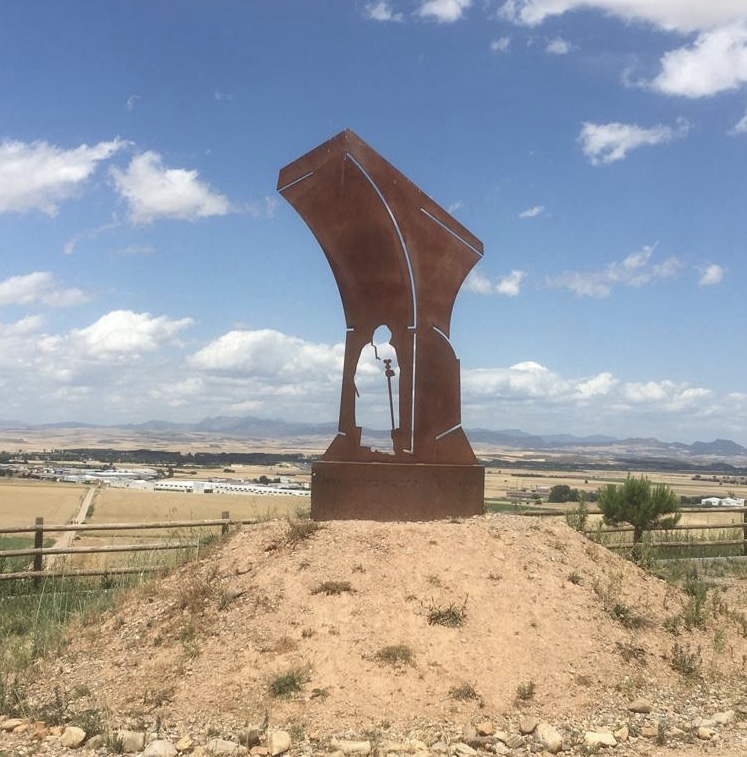
Then, in an “ area de descanso “ there was this beautifully placed sculpture dedicated to Santo Domingo, who built roads,bridges,hospices in the 11th century and the town over which this memorial looks.

Accomodation – surprisingly for a small town, Santo Domingo housed two Paradors,both with a similar name. As a treat, we were booked into Parador de San Domingo Bernardo de Fresneda. Paradors are usually situated in old,venerable / historic buildings and our Parador was no exception as the following photos show.

Anita relaxing in one of the lounges.

“The hotel occupies a former 12th-century hospital near the cathedral, erected by St. Dominic to take in pilgrims traveling on the Way of St. James. It has a regal, elegant style, with majestic function rooms and a lobby filled with Gothic arches and wood coffered ceilings. Fine materials and eye-catching colors—whites and blues—give way to comfortable guest rooms decorated with exquisite taste. You will find a warm, harmonious environment which is also highly suited to social events and meetings.” EXTRACT FROM THE PARADOR WEBSITE

Whites and blues rule in this bedroom.

Mike and I had a walkabout in what was now a relatively deserted town,however we found that much sought after refreshment – Estella Galicia” in a locals’ bar,where the menfolk were deeply engaged in the afternoon ritual of a game of cards…which baffled both of us.

Una Jarra

Then back through the still quiet streets of the Casa Antigua- designated as a historic place of interest – then so many of the places we have been fortunate enough to traverse have held our interest.

On to the Cathedral which has so much history and entertaining legend thst you can avail yourself of this website for more info.https://lariojaturismo.com/en/lugar-de-interes/catedral-de-santo-domingo-de-la-calzada/3c9a5769-d32d-412d-af5d-fdaa6ef4dbb2
It was still no weather for ducks and so we were looking for a restaurant where we could eat dinner outside.
It’s a locals” traditional eatery and I was reassured that we could eat in the tiny square adjacent.
€16.00 Menu del Dia – 3 courses, coffee,water and wine. Most popular dish was a main course of pigs’ trotters consumed with gusto…mainly by the men! As ever in Spain, the pig rules 🇪🇸.

To Najera from Logrono 18 th June

29 Jun
This is a questioning romantic poem we found along this Etape “ What hidden force draws you?” It asks. I still don’t have an answer !

Another very hot day is forecast and so taxis were taken out of the city towards Navarette, in time for breakfast.

This town is famous for its red clay pottery.
“Inspiration exists but it has to find you working” Pablo Picasso
08.00 and getting warm as we climbed towards the Iglesia de Nuestra de la Asuncion.
Downhill and out into the countryside
I knew we were on the right path !
Vineyards all the way
Entrance to the cemetery- this gate was rescued recycled from the Romanesque-Gothic facade of the 12 th century Hospital de San Juan de Acre.A close look revealed St George spearing a dragon.
Rolling hills and a tree whose fruit we could not identify.
We came upon an inviting detour to Ventosa which was on the original Camino.
Another of those “ if only we had the time” scenarios – I have not walked a Camino with so many inviting distractions.
Ventosa “ a place in time”.
One of several Bodegas en route.
Is that our destination in the distant haze?
A stone house typical of shepherds and farmers in Rioja.
Here in Aleson are two boards with a Camino tale.
An updated version of David and Goliath
On the outskirts of Najera – my favourite” English Cottage Garden” flower.
Then this heartfelt poem written by a local priest in the 1980s.

The translation is as follows:

Dust , mud, sun and rain

It is Camino de Santiago. 

thousands of pilgrims 

and more than a thousand years. 

Pilgrim Who calls you? 

What hidden force draws you?

– Not even the field of stars 

nor the great cathedrals.

It is not the bravery Navarra,

nor the wine of the Rioja

nor the Galician shellfish,

nor the Castilian fields.

Pilgrim Who calls you?

What hidden force draws you? 

– Neither the people of the Way 

nor rural customs.

It is not history and culture,

nor the rooster of the Calzada

nor Gaudí’s palace, 

nor the Ponferrada castle.

I see everything as I pass,

and it’s a joy to see it all,

 but the voice that calls me

I feel it much deeper.

The force that pushes me 

the force that attracts me,

I don’t even know how to explain it.

Only He above knows!

This romance-poem won the second prize in the literary contest organized by the cultural recreational society “PEÑA EL SALERO”, from Santo Domingo de la Calzada, on September 19, 1987.

Entering Najera is not the most memorable of ways but the possibility of a cold drink overcame our disinterest.
This was a warm welcome.
No, coffee was not what was required
But some shade was…
Gaseosa and Claras were downed gratefully. It was only a ten minute walk to Hostel Hispano, our digs for tonight and sited just across from the park and River Najerilla.
Wall in the Reception area of Hostal Hispano
Later, I took this Tinto Verano across from the Hispano Bar to their tables under the trees in the park- the heat was like entering the environs of a furnace.
I crossed the river Najerilla to explore the town
By way of a convenient pedestrian bridge.
The town is dominated by the red cliffs.
And the imposing Monasterio de Santa Maria Real.The origin of its foundation are misted in the legend which tells how the king was out hunting and chased his prey into a cave where he found a mysterious image of the Virgin and a jar of lilies, a bell and a lantern. He was hunting with his falcon when the bird flew off after a dove . When Garcia went to investigate he found a cave emitting light . Inside he found his falcon and the dove sitting peacefully, perched either side of an ancient wooden statue of Mary and the infant Jesus. Garcia then a chapel to be built which soon became a church and a monastery.

We have Tom to thank for the following photos of the Monasterio.

Here you can see how the building is set into the walls of the cliff.
A simple statue illuminated by candles and the warm glow of rust red rock.
Can you make out the stork’s nest ? Seeking sanctuary on the church tower?
A walk back to seek somewhere to have dinner.
This menu looked a good bet.
Najera is hidden gem.