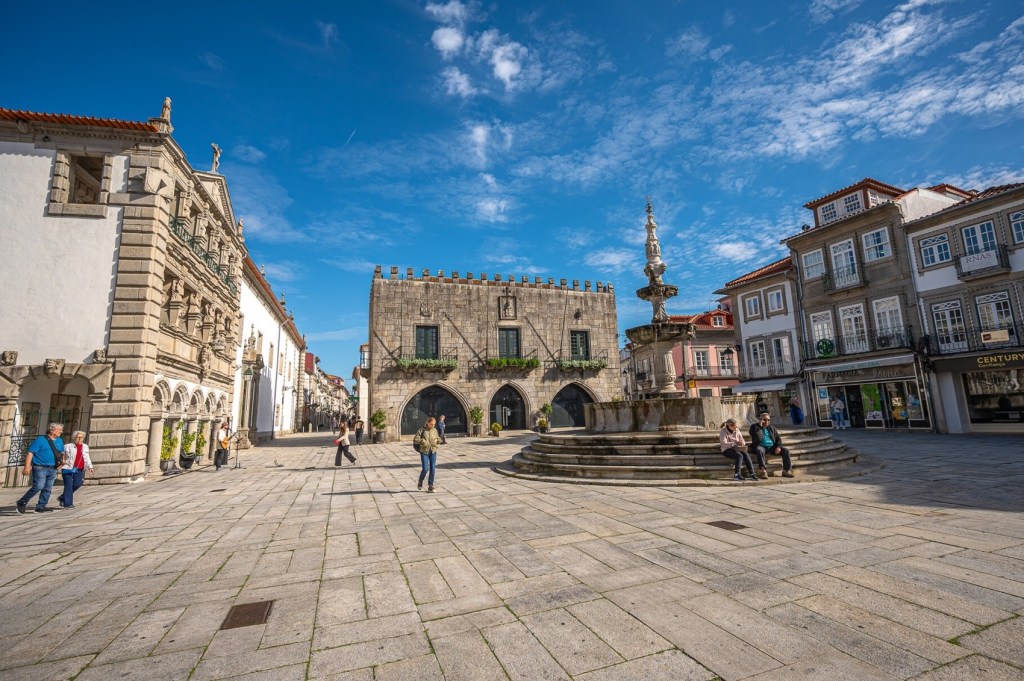
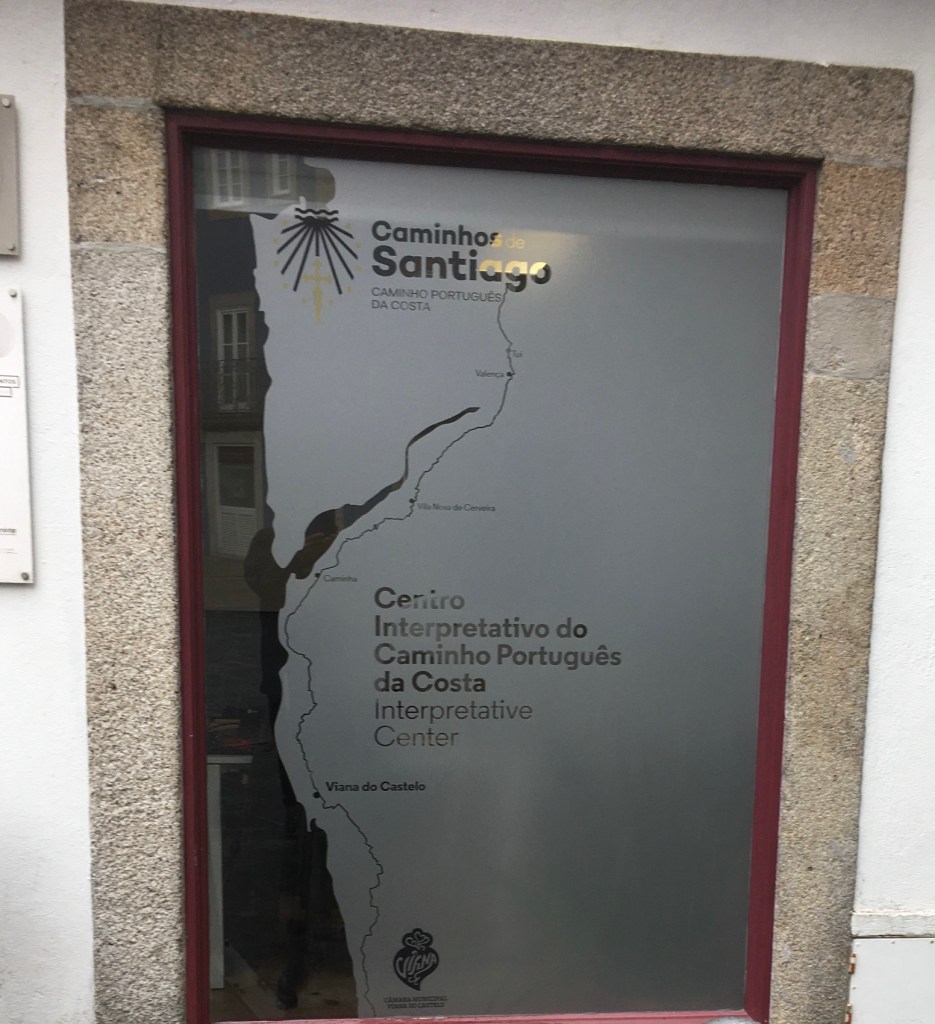
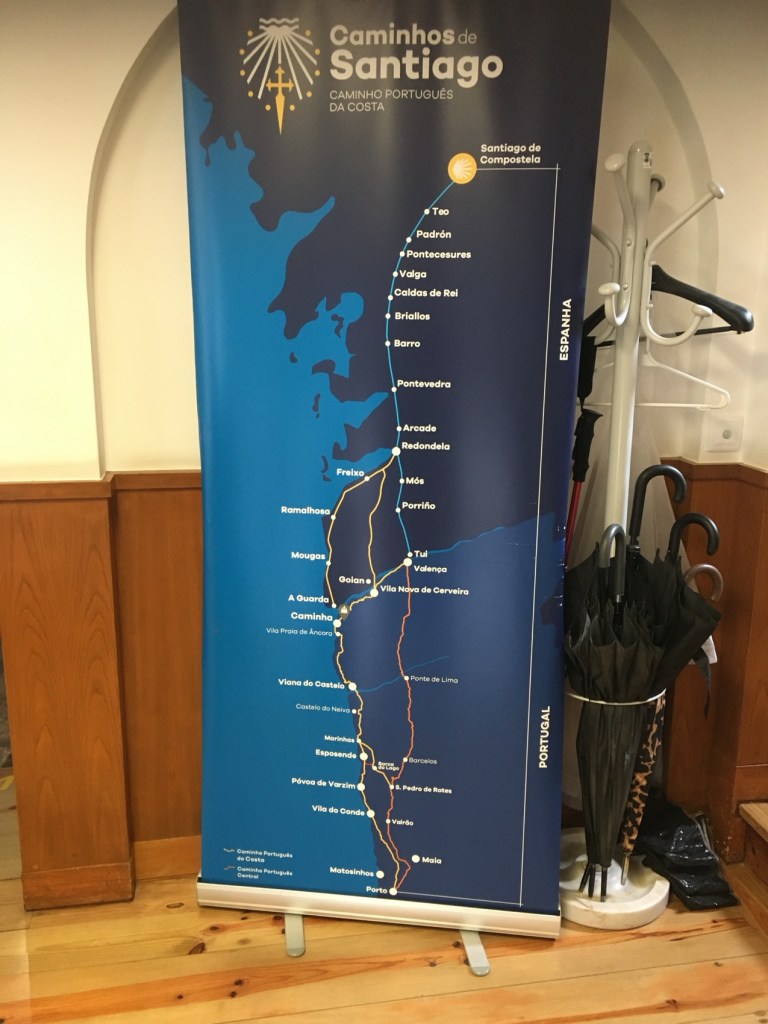
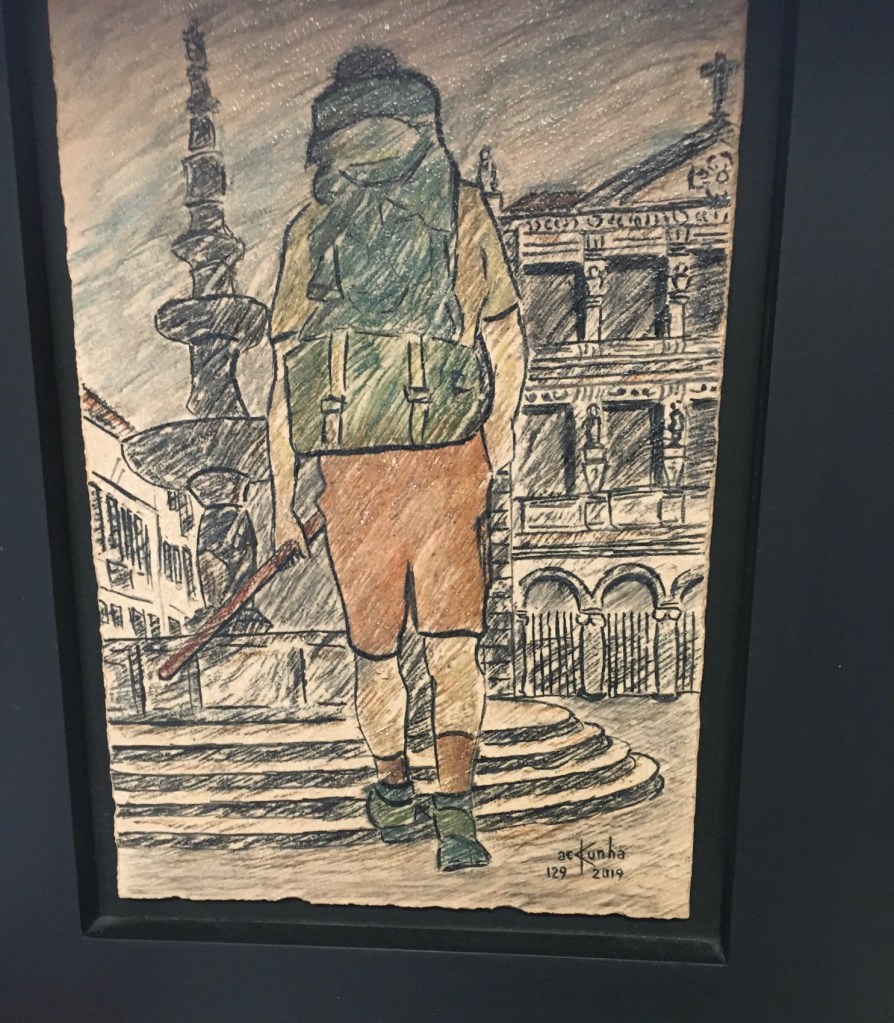
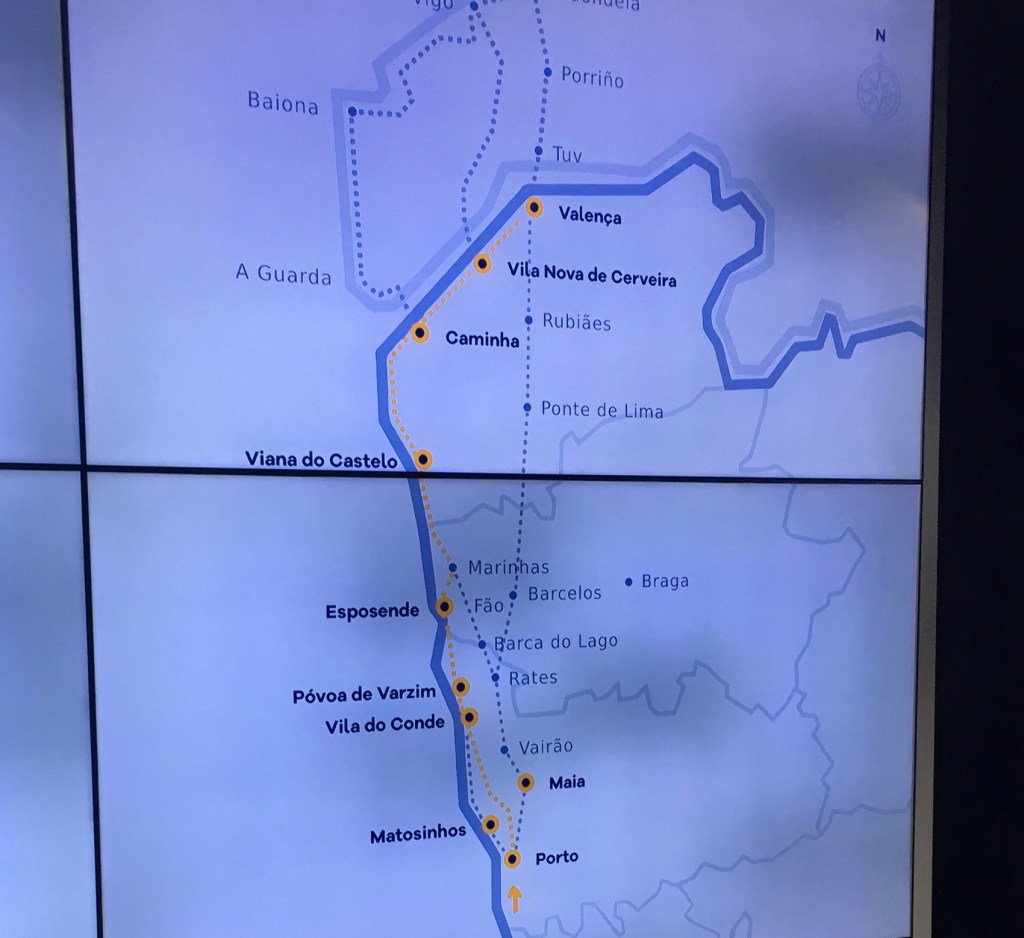
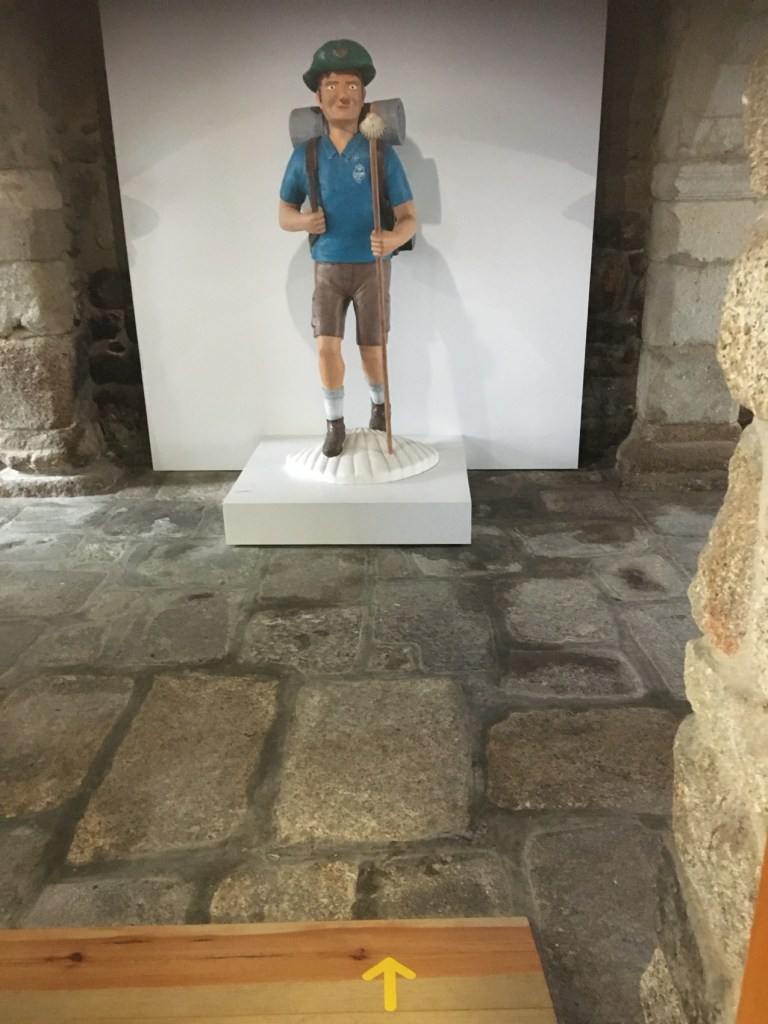
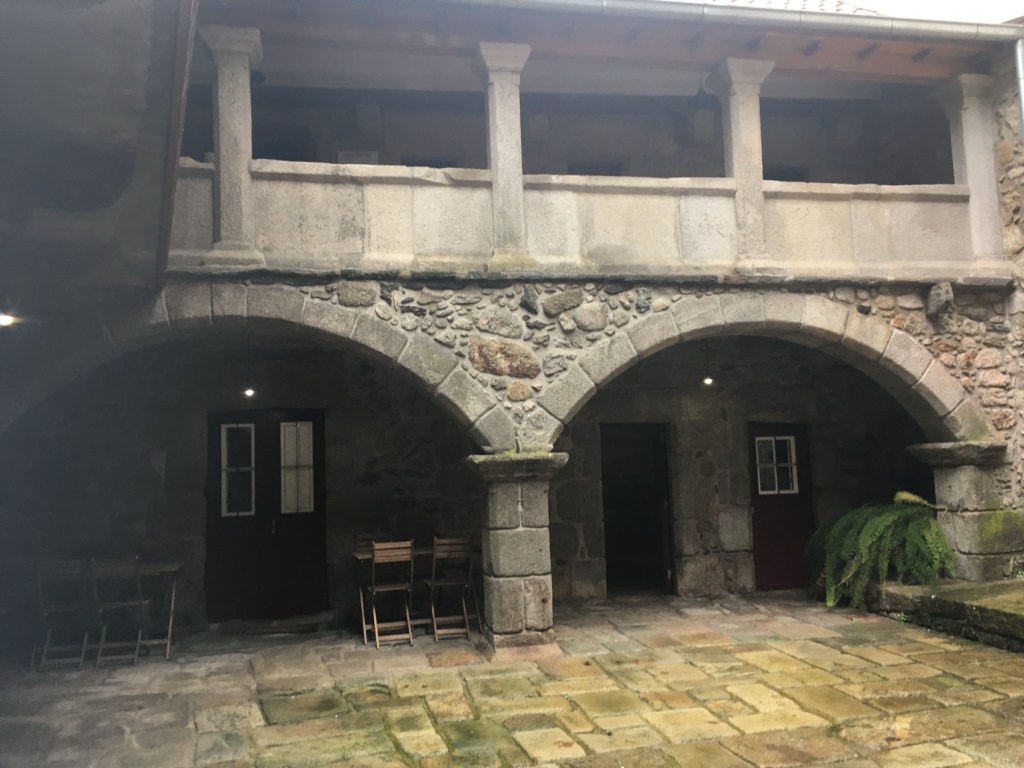
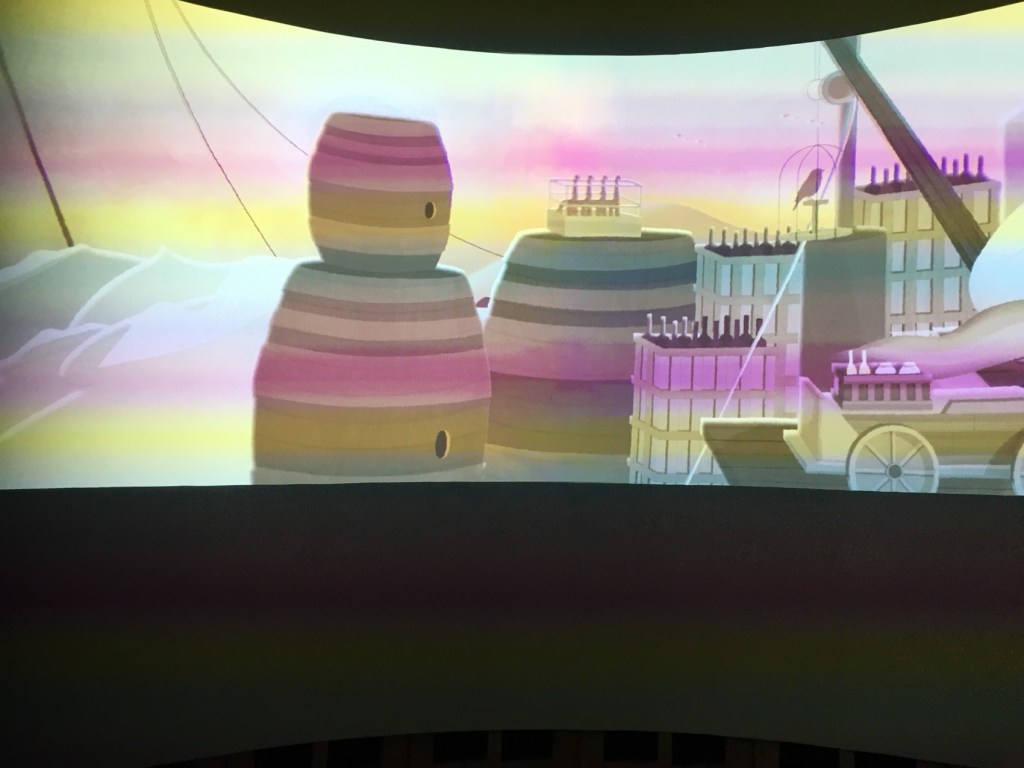
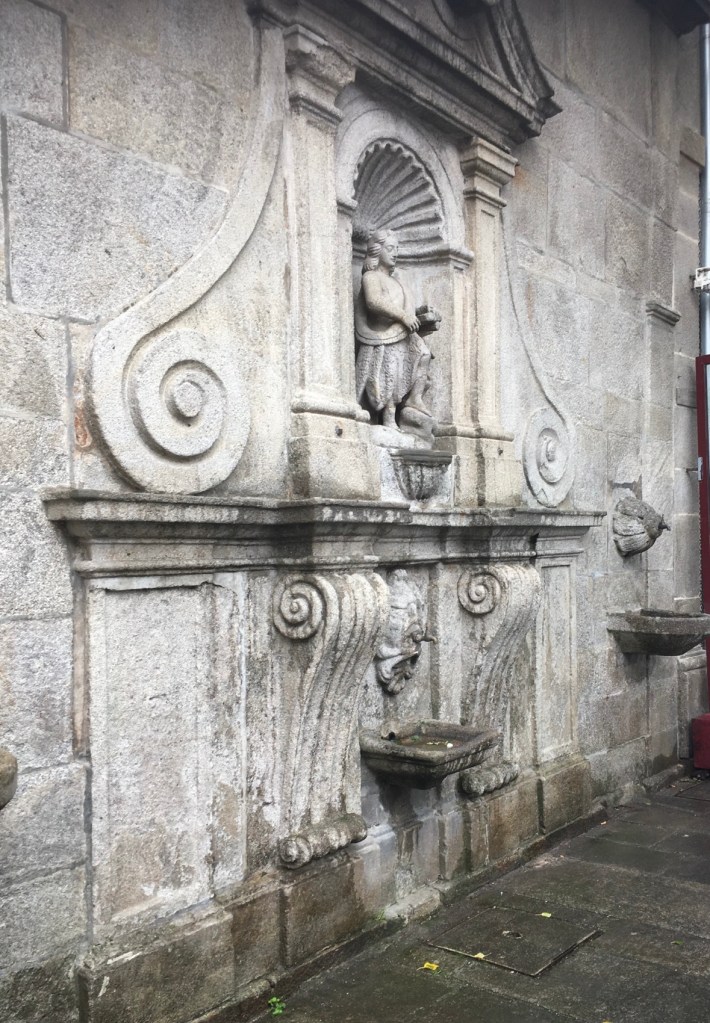
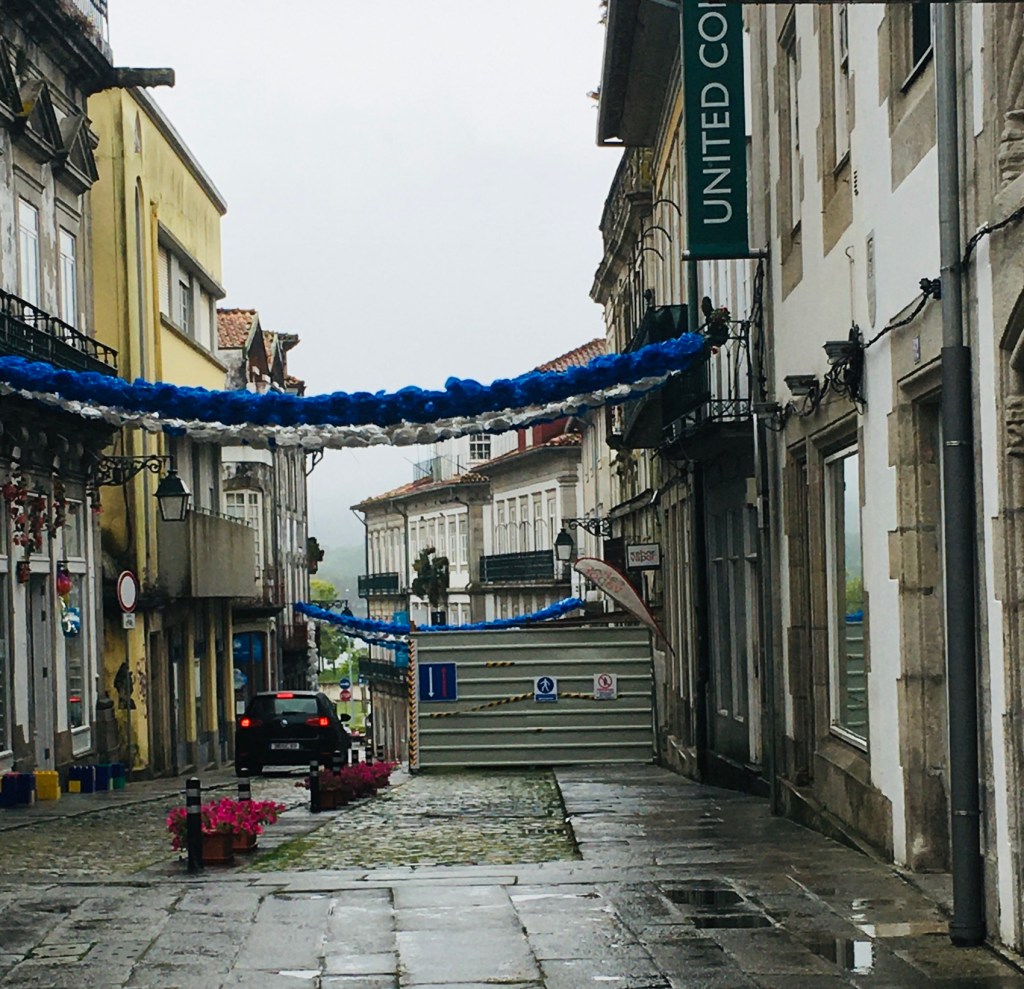
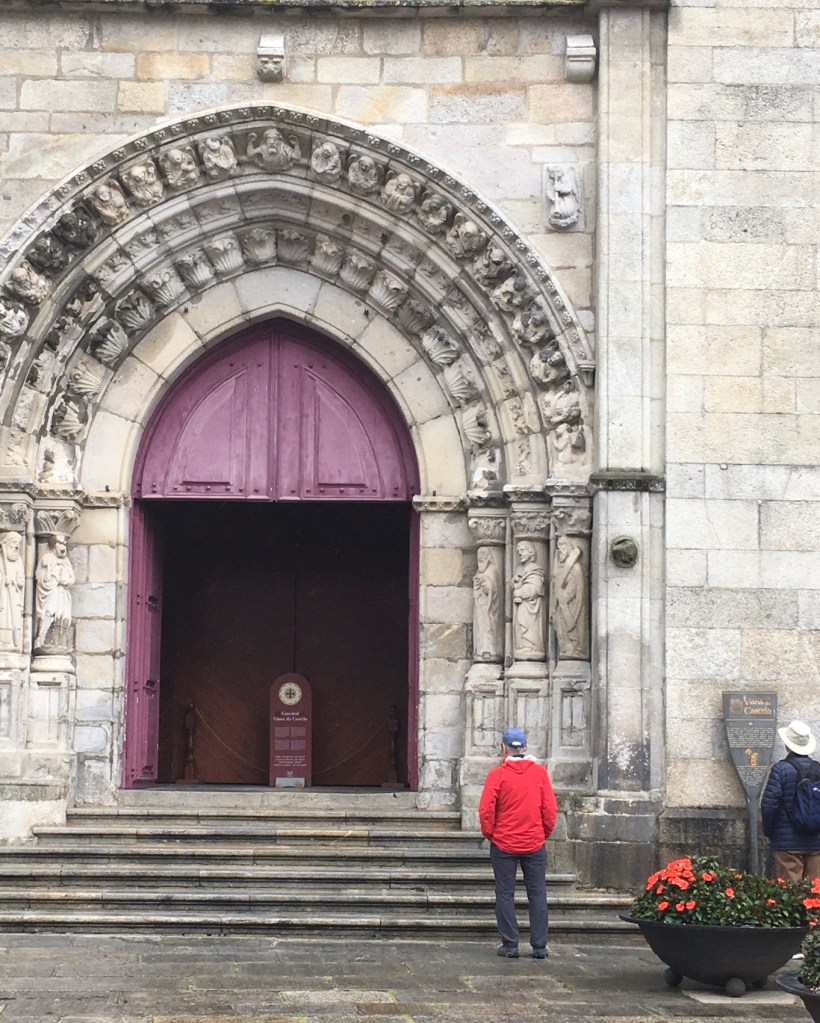
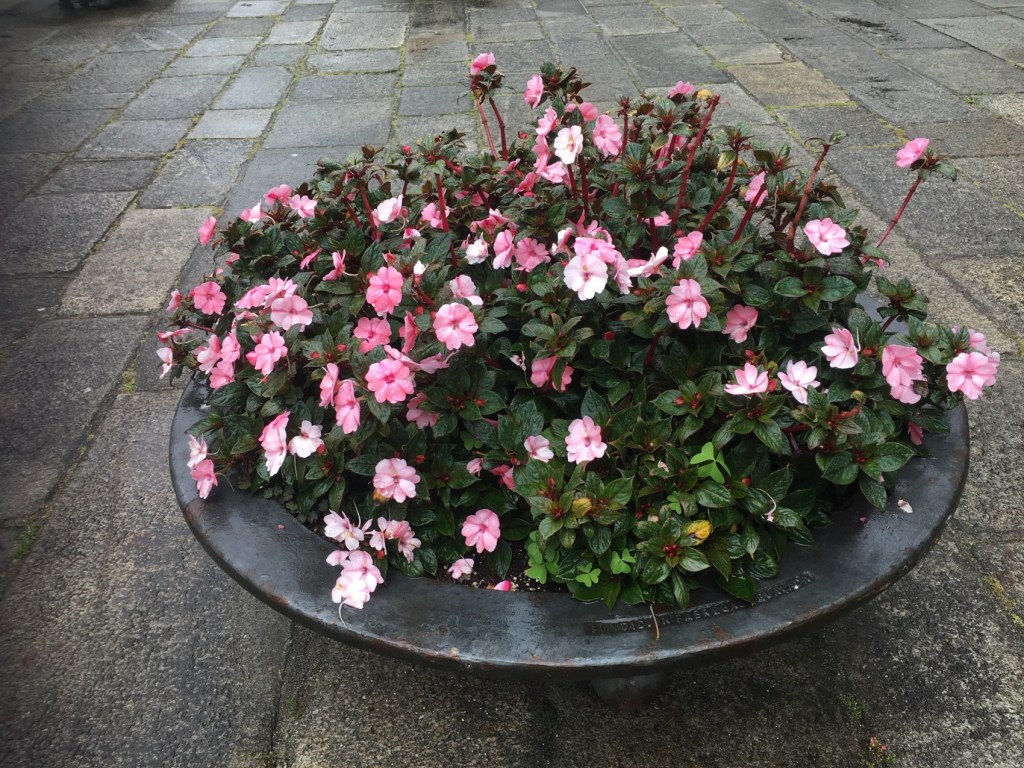
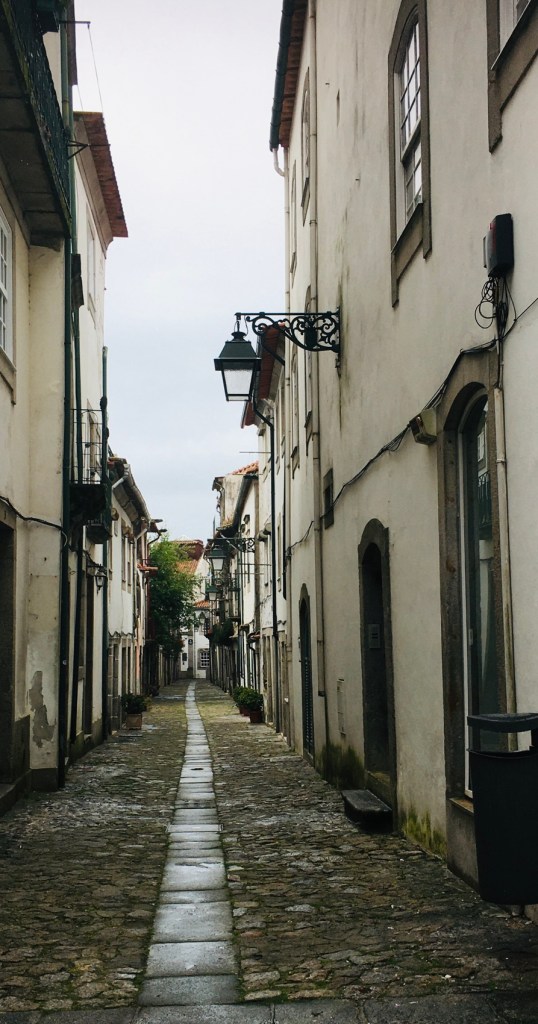
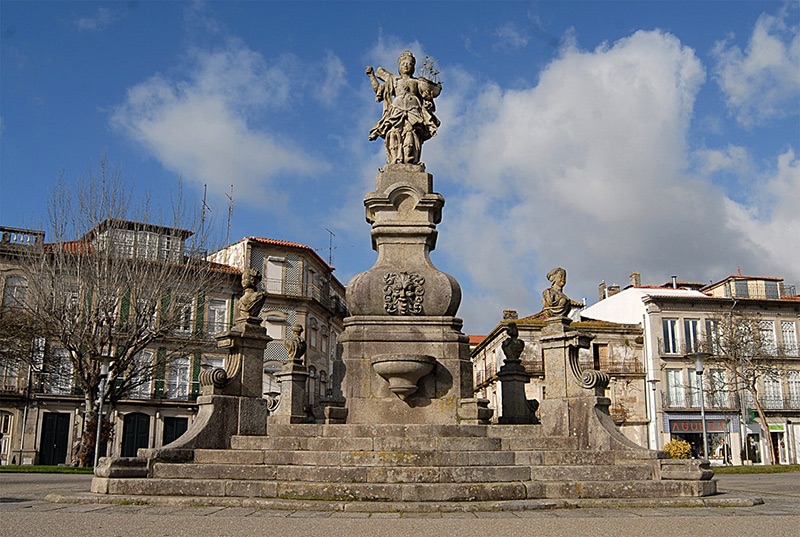
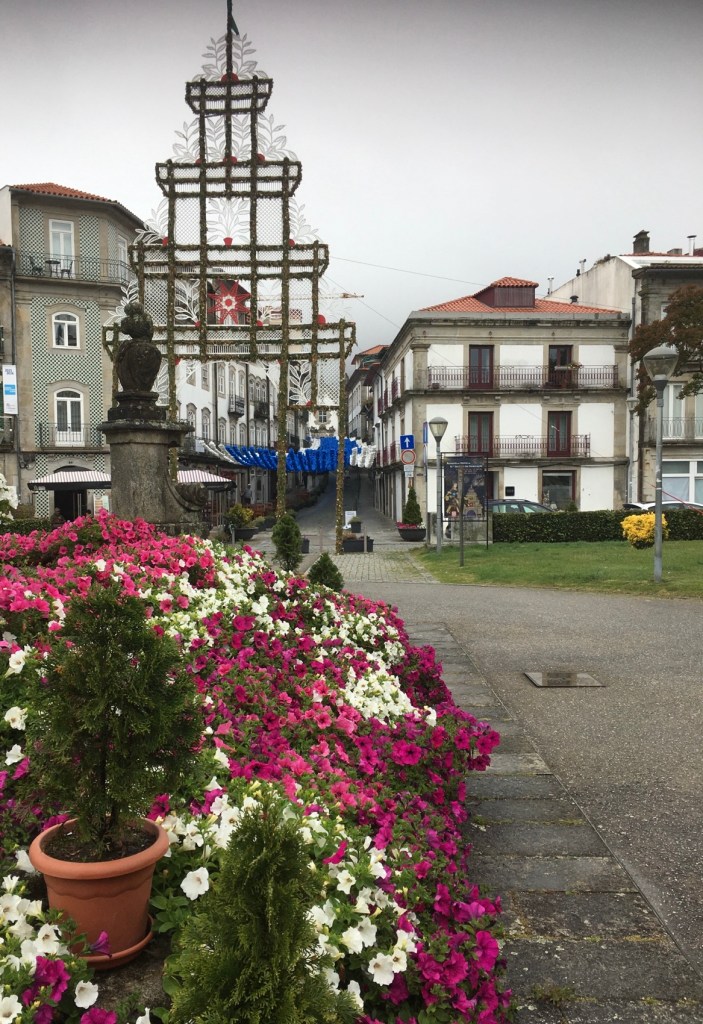
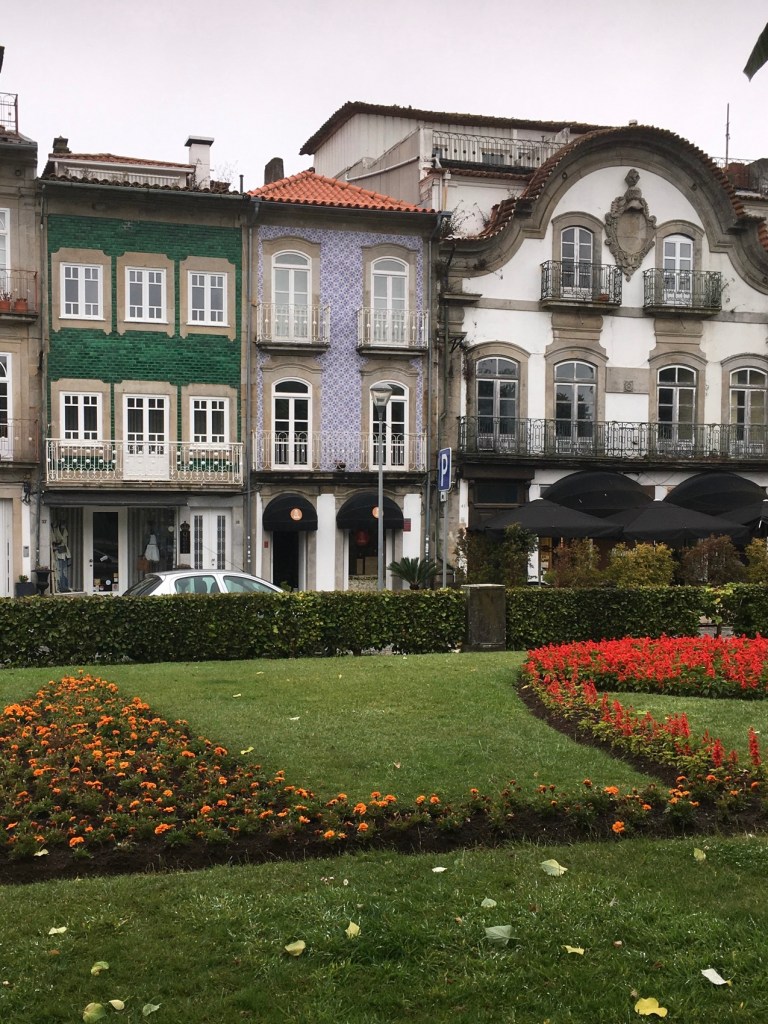
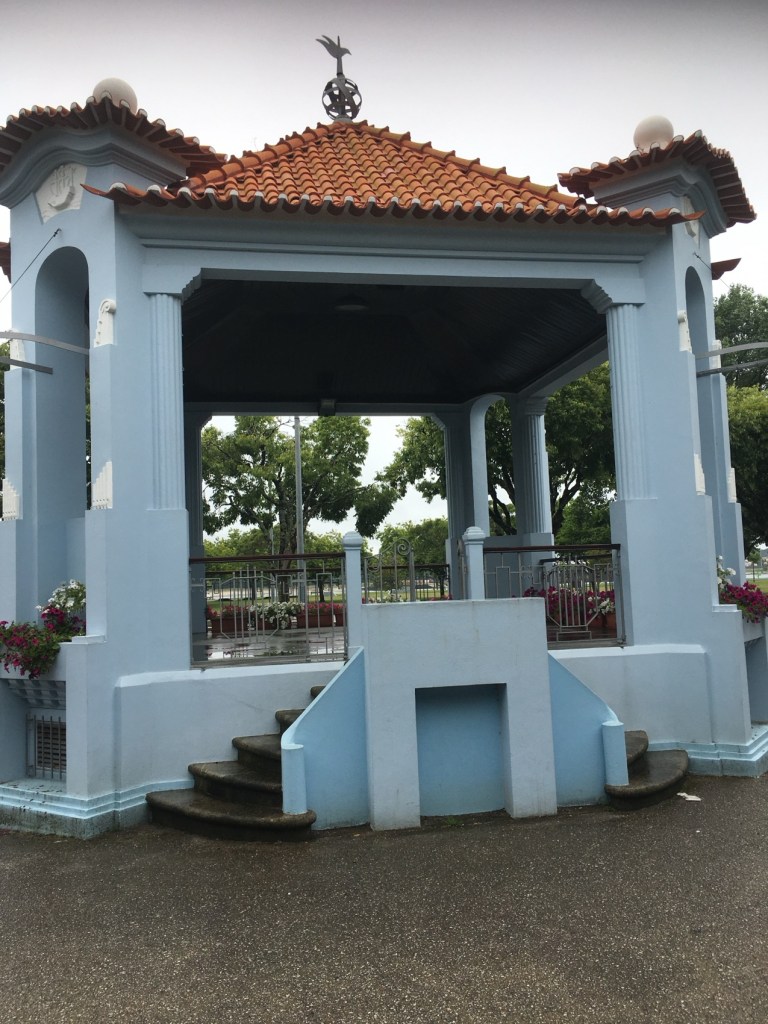
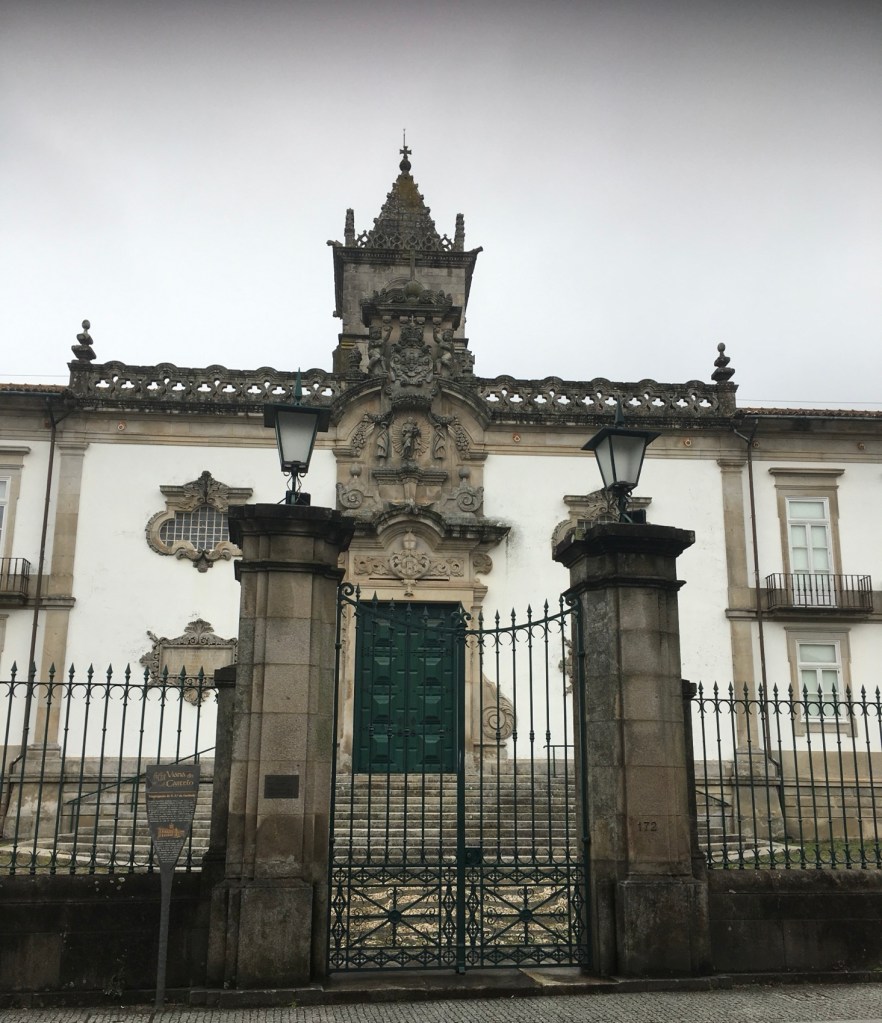
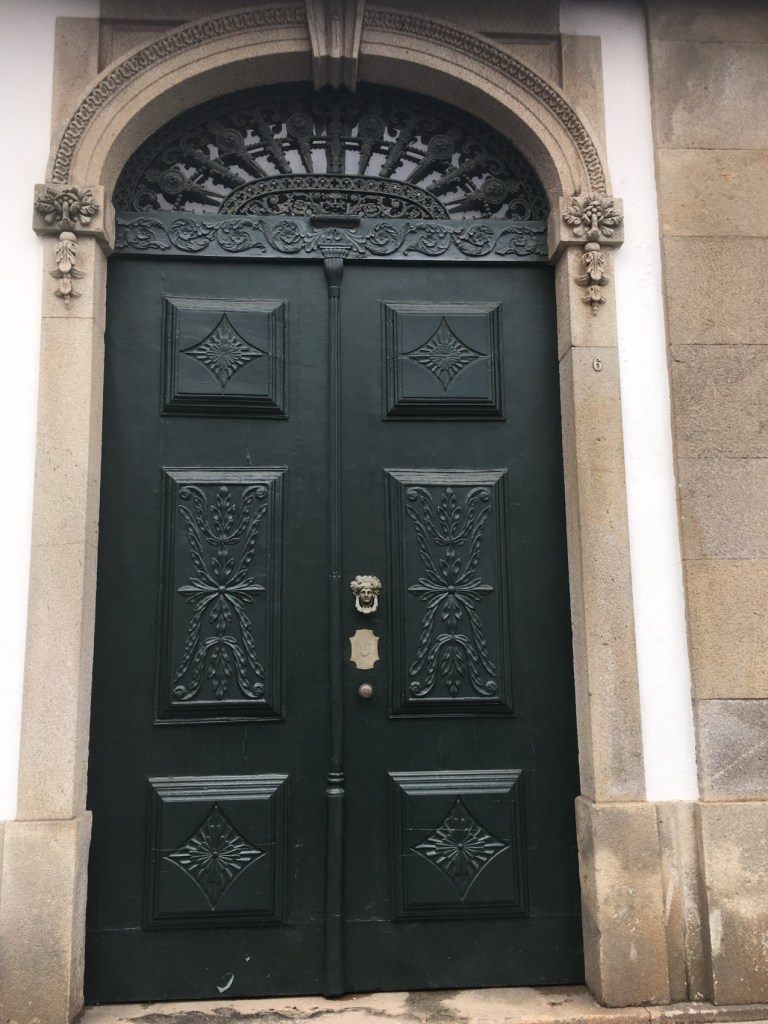
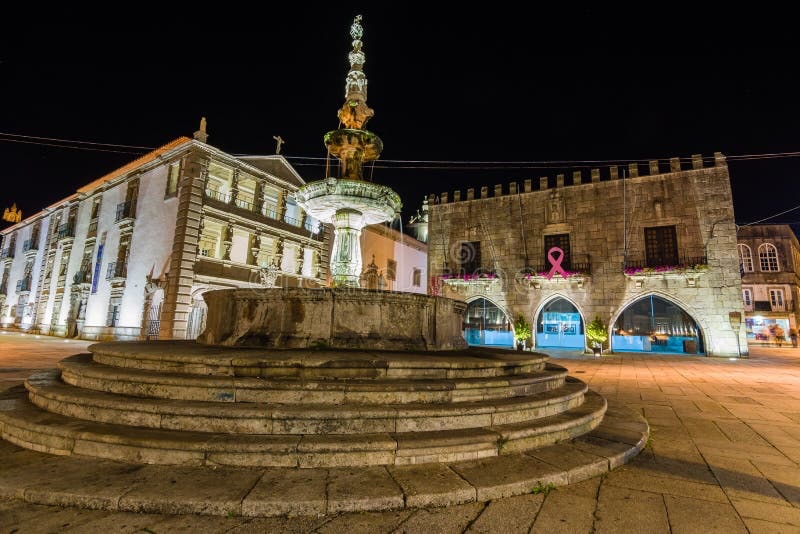
After breakfast and in the drizzle, our thinking was waterproofs, shortish walk to museums, and the like.Using the city map we went to the interpretative Centre for the Portuguese Camino .This is located in a 16 th century , former hospital.Our route on screen.Walk This WayCourtyard of the hospital A video presentation about the origins and development of Viana do Castelo.A fountain on the outside wall of the centre Still some mizzle as the say in the commentary box.The Cathedral An understated cathedral.Bowls of flowers outside the cathedral – everywhere in Viana we enjoyed floral displays ,like Esposende yesterday.A typical Rua The Statue of Viana is an 18th-century monument, commissioned in 1774 by José António Freire de Andrade, Governor of Arms of the province of Minho, 3rd Count of Bobadela. The Rococo-style statue depicts a female figure in flowing robes, holding a caravel, which dominates the entire ensemble, symbolizing Viana do Castelo and its maritime heritage. The four busts that crown the corners of the pedestal symbolize the European, Asian, African, and American continents, alluding to the “four corners of the world” and the seafaring and mercantile tradition of the people of Viana.The lengthy Jardim de MarginalAlways some tiles featuredThe Bandstand A grand gatewayAnother imposing entrance.Keep up next door!
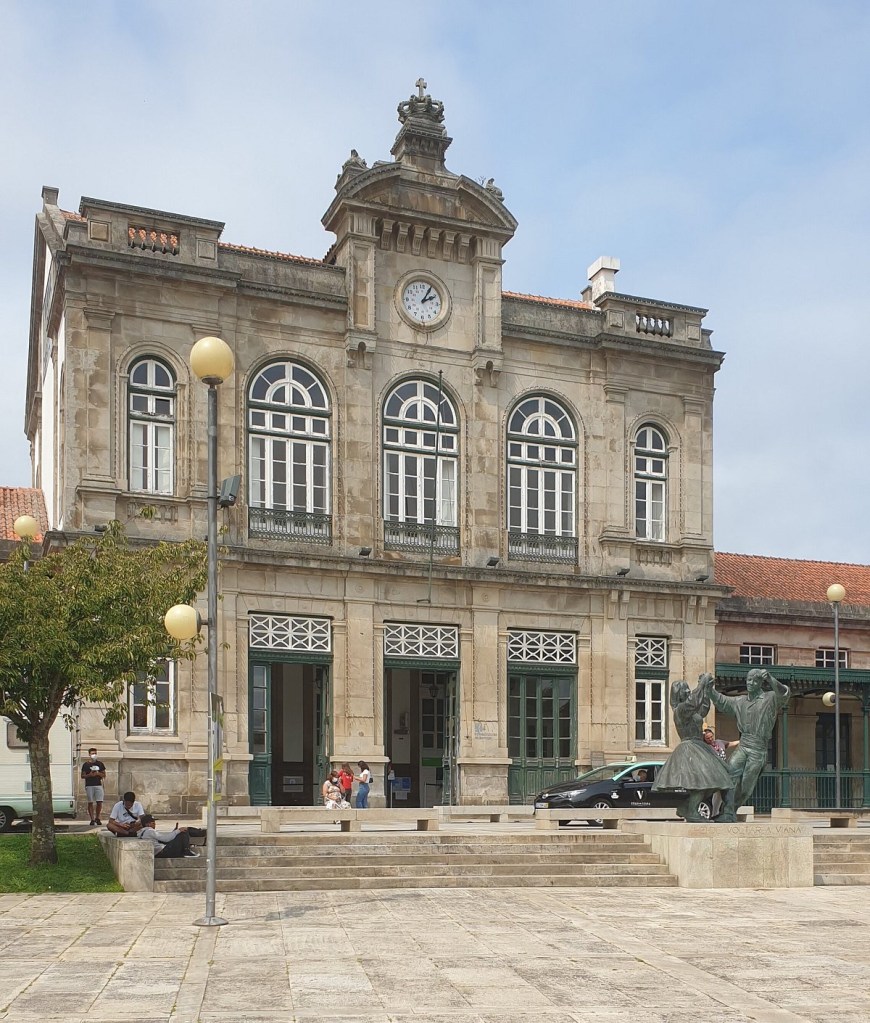
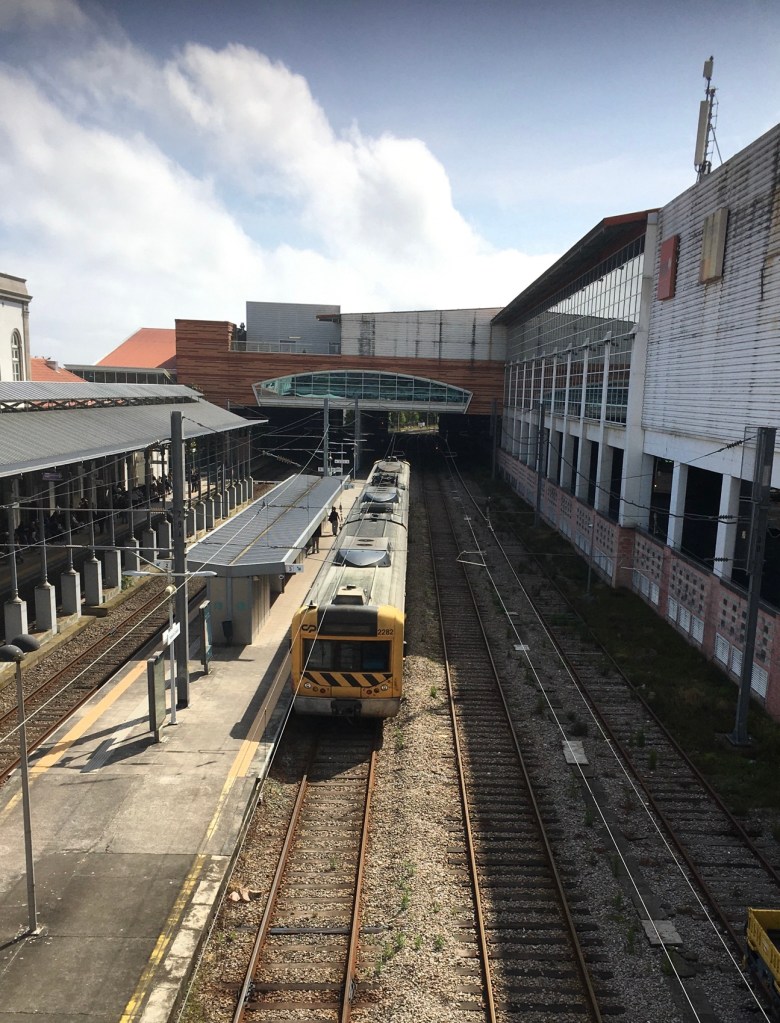
Viana do Castelo railway station
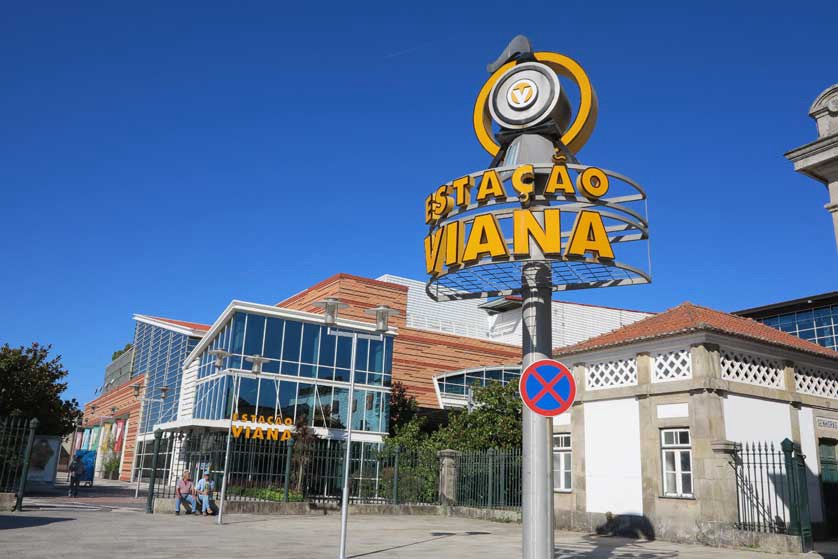
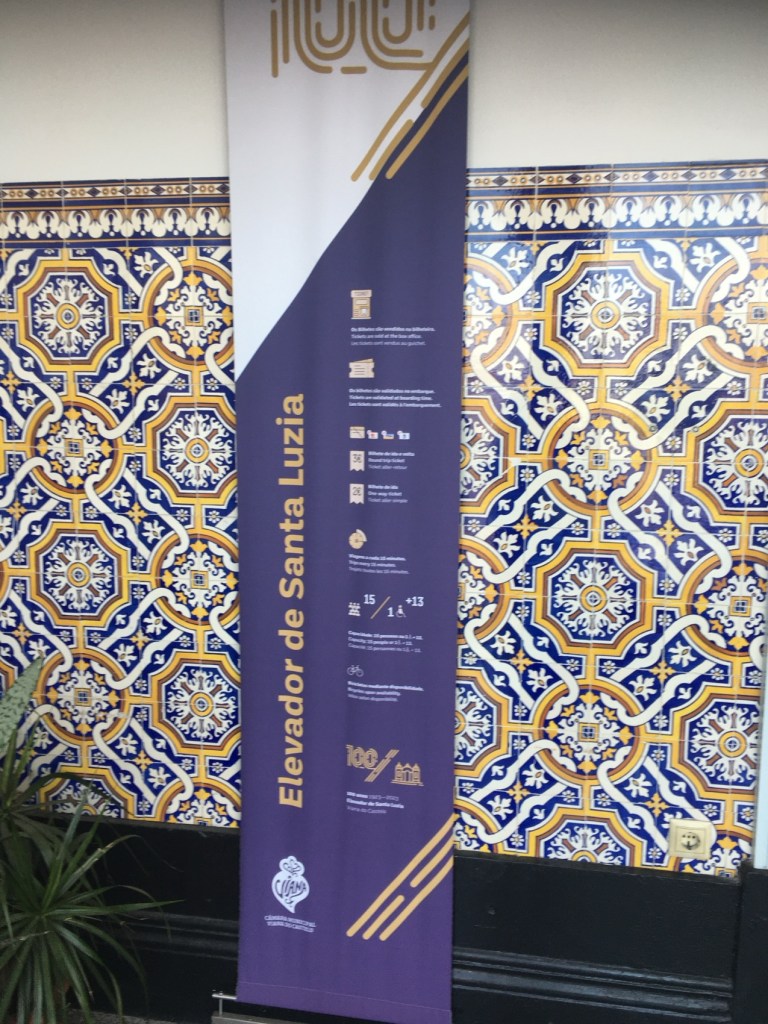
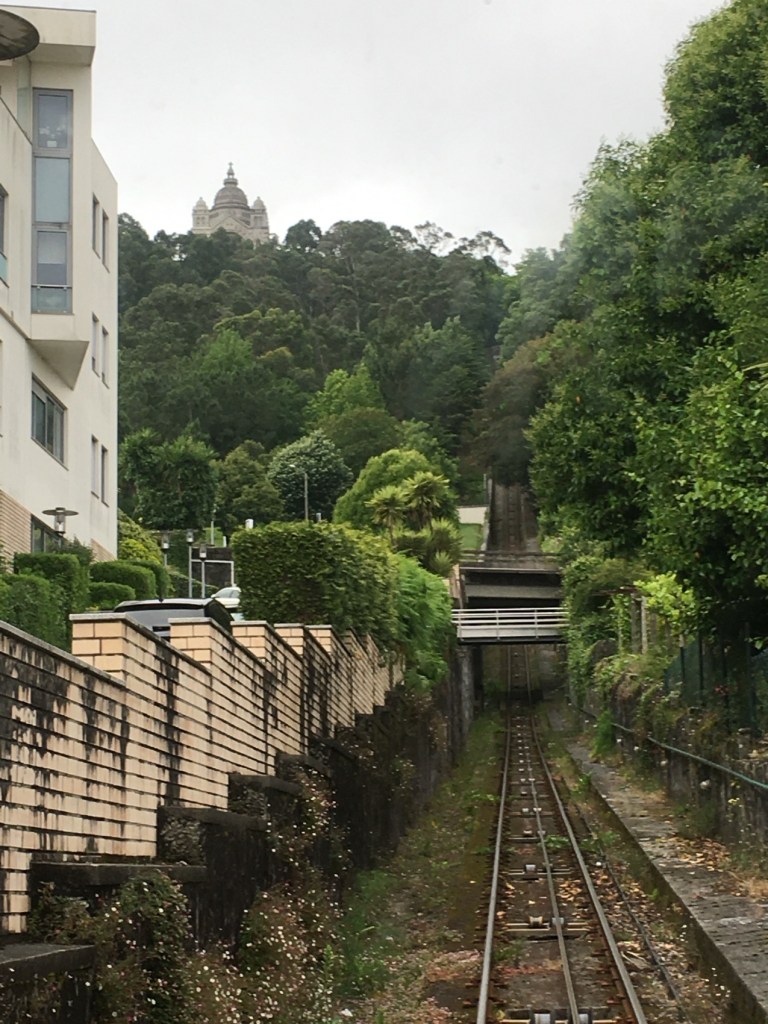
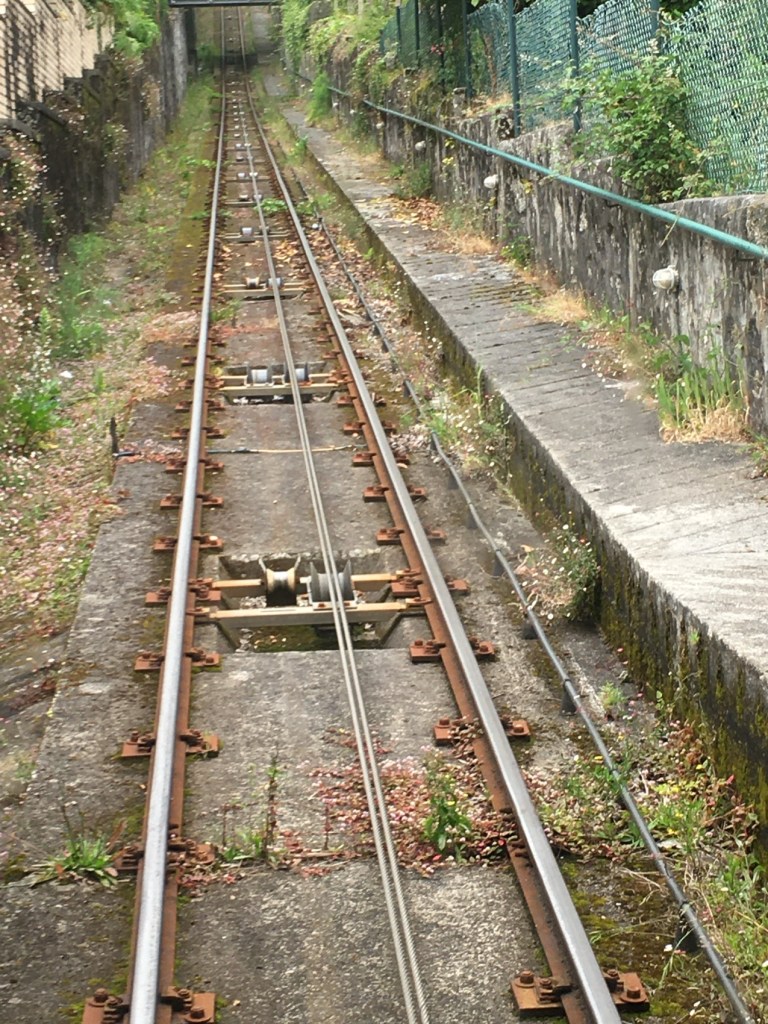
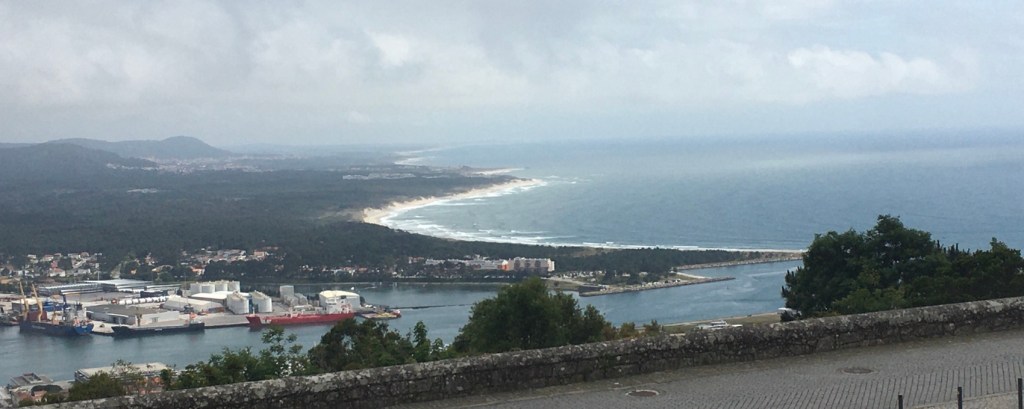
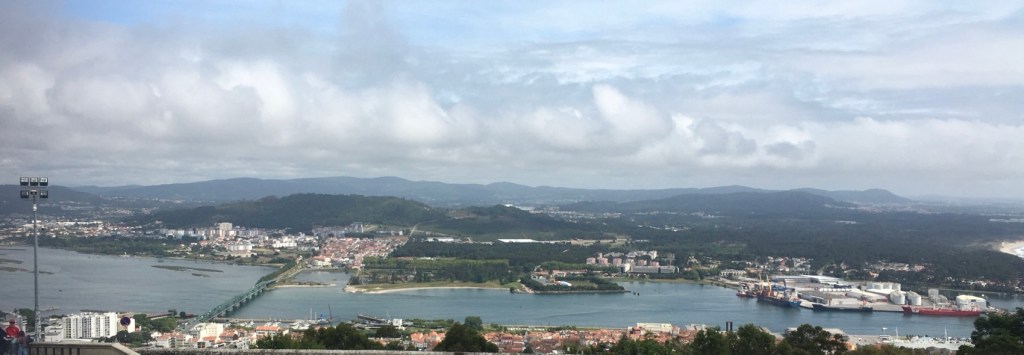
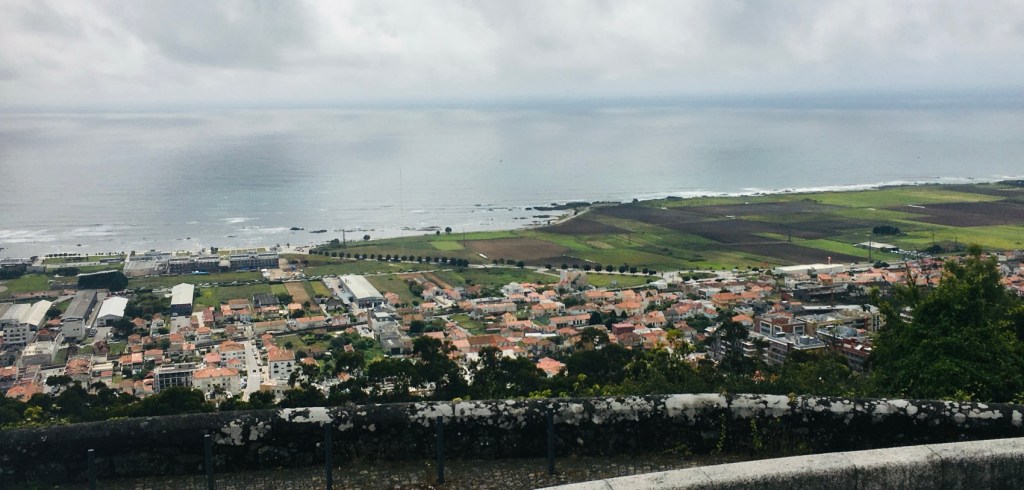
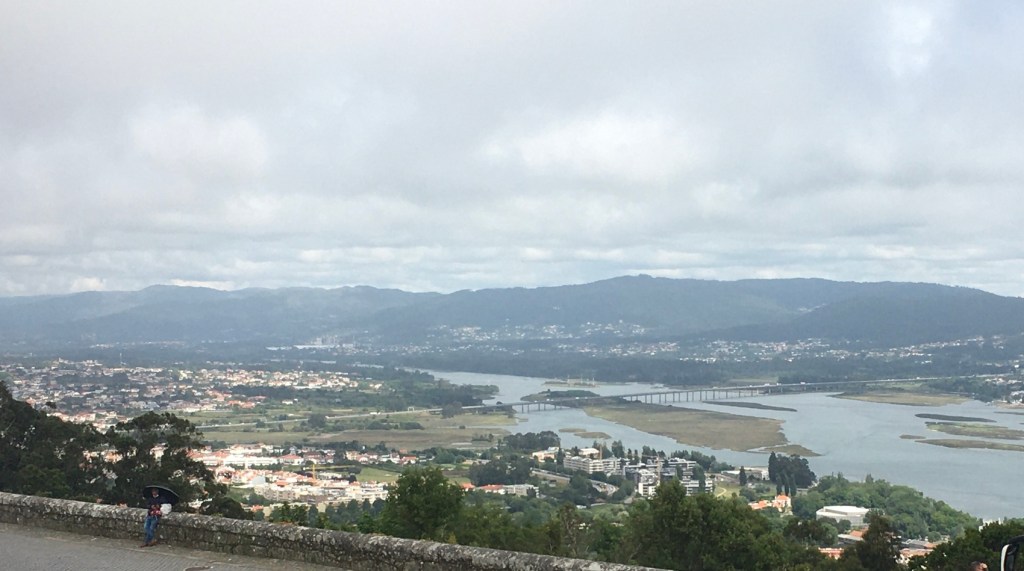
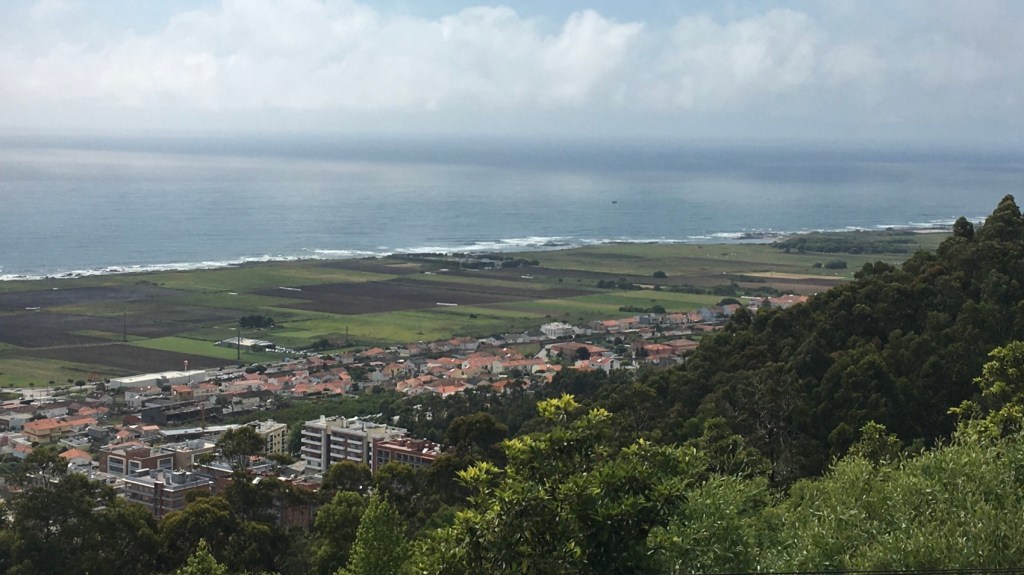
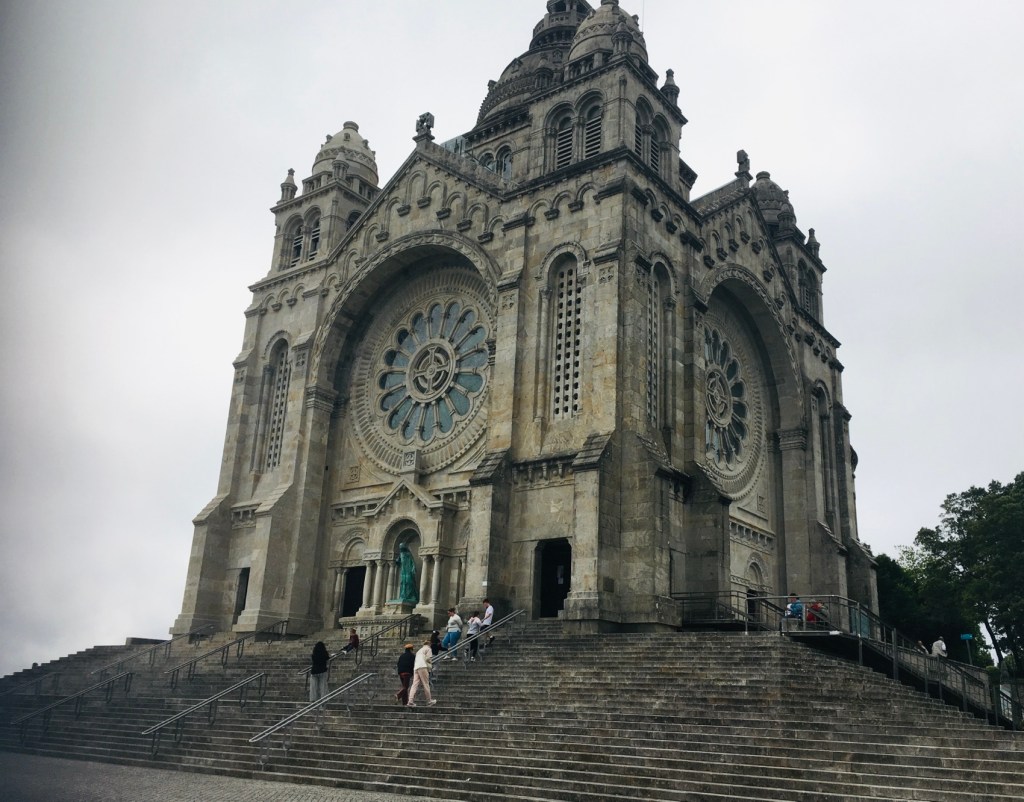
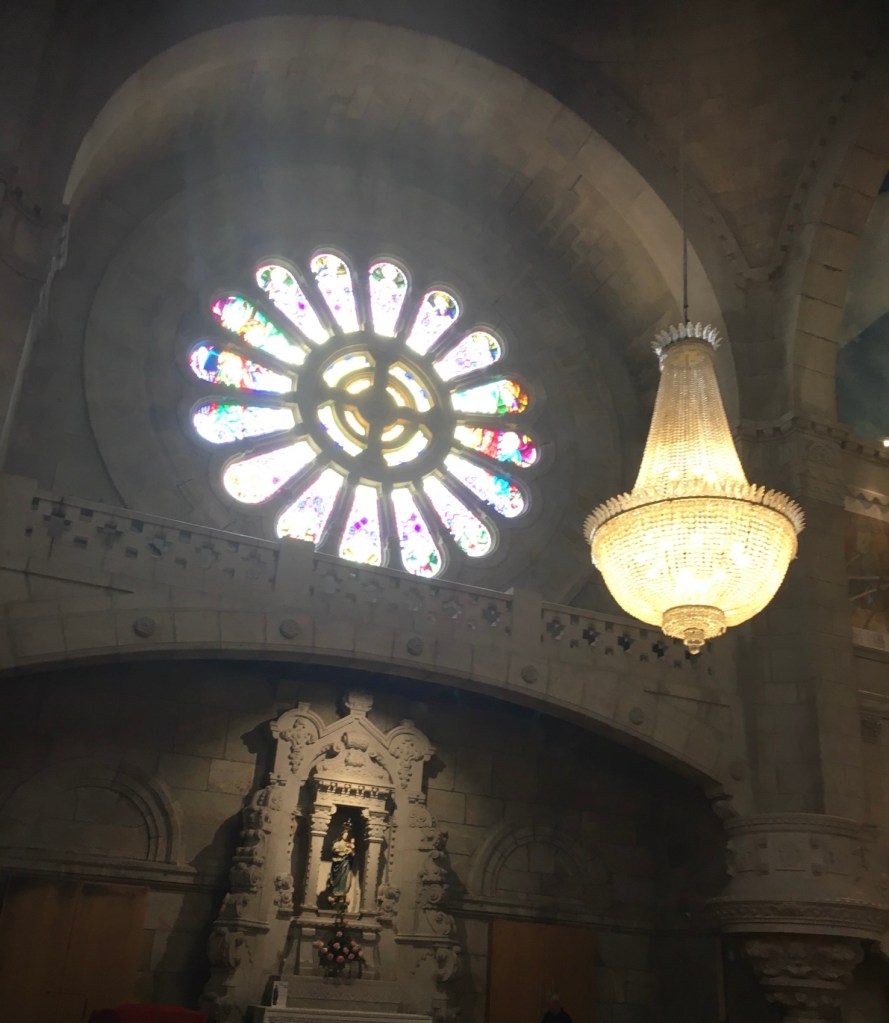
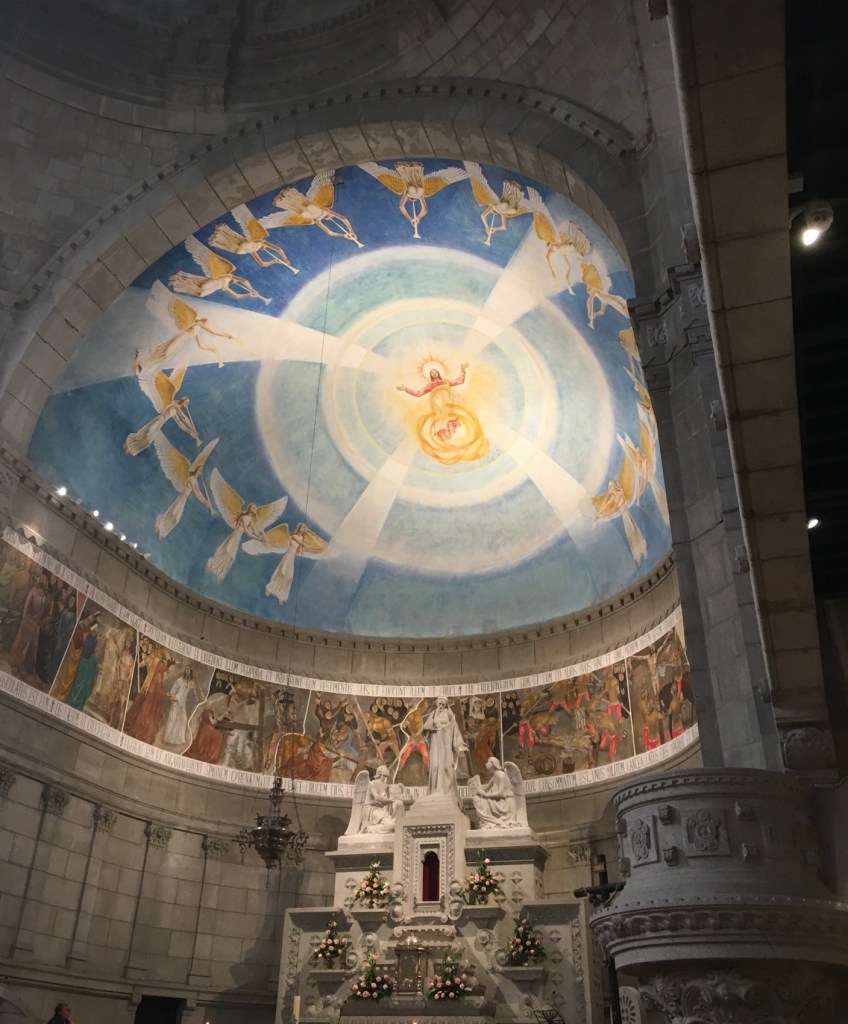
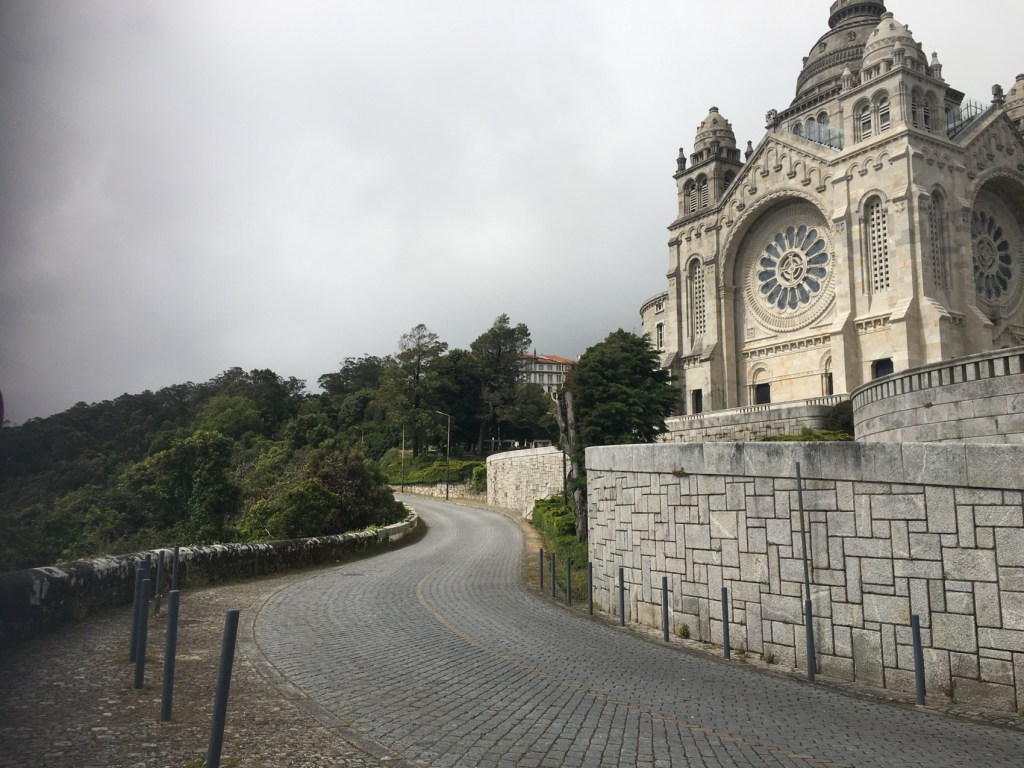
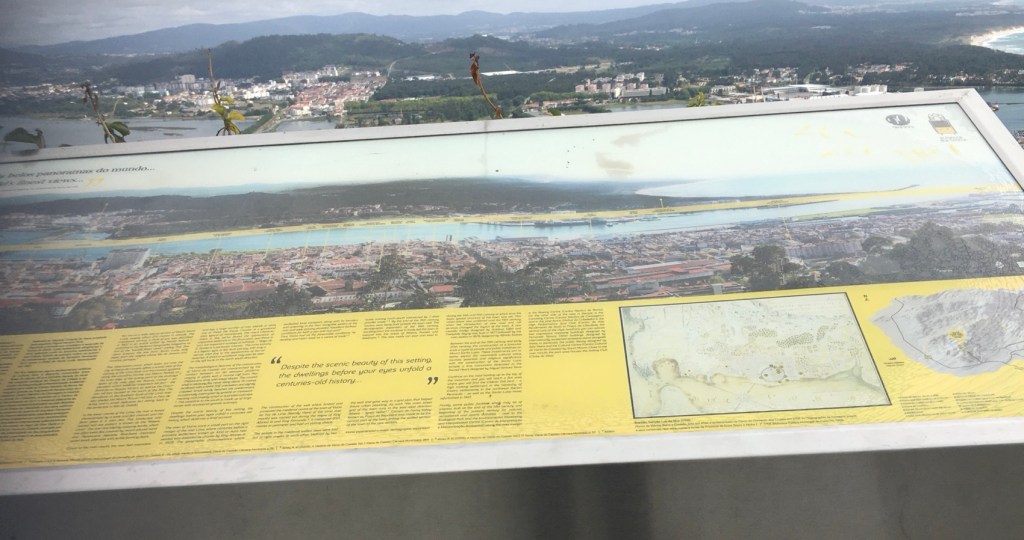
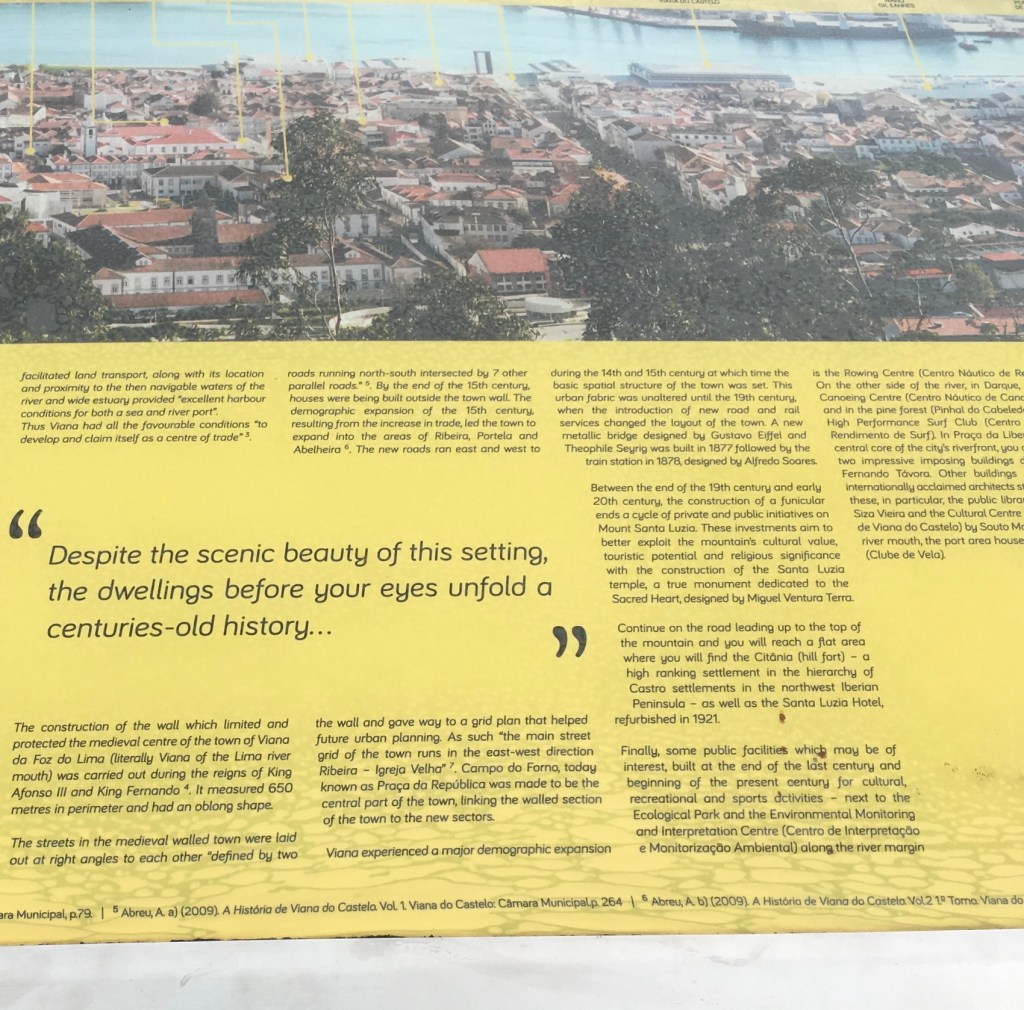
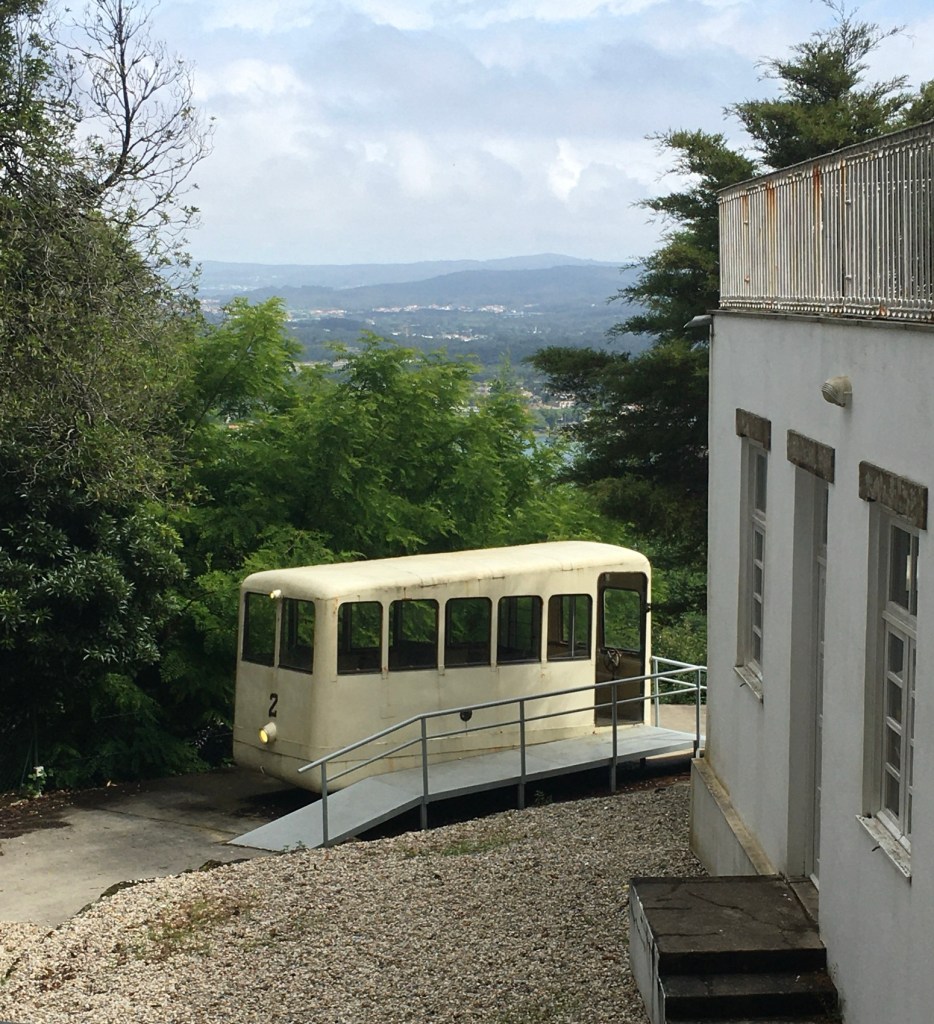
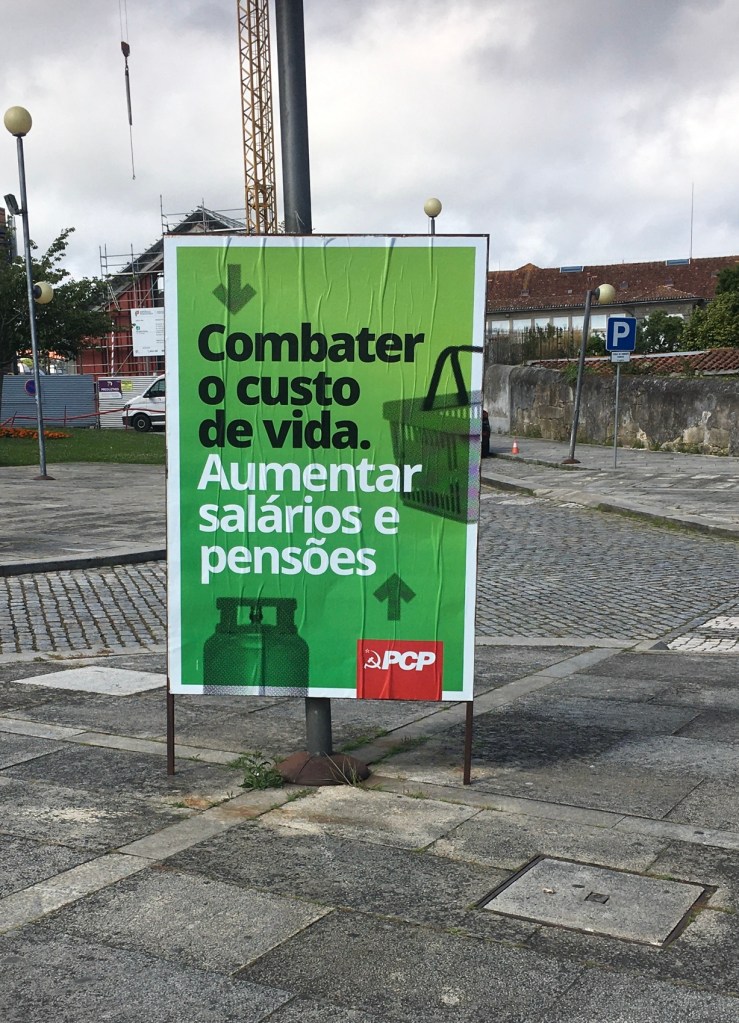
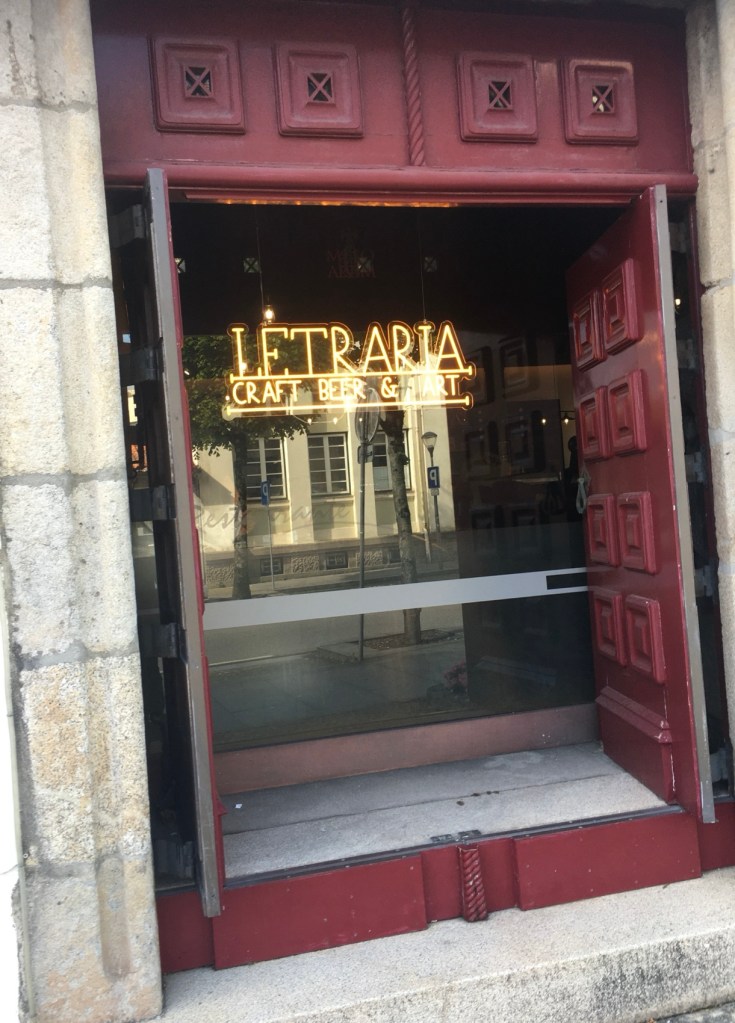
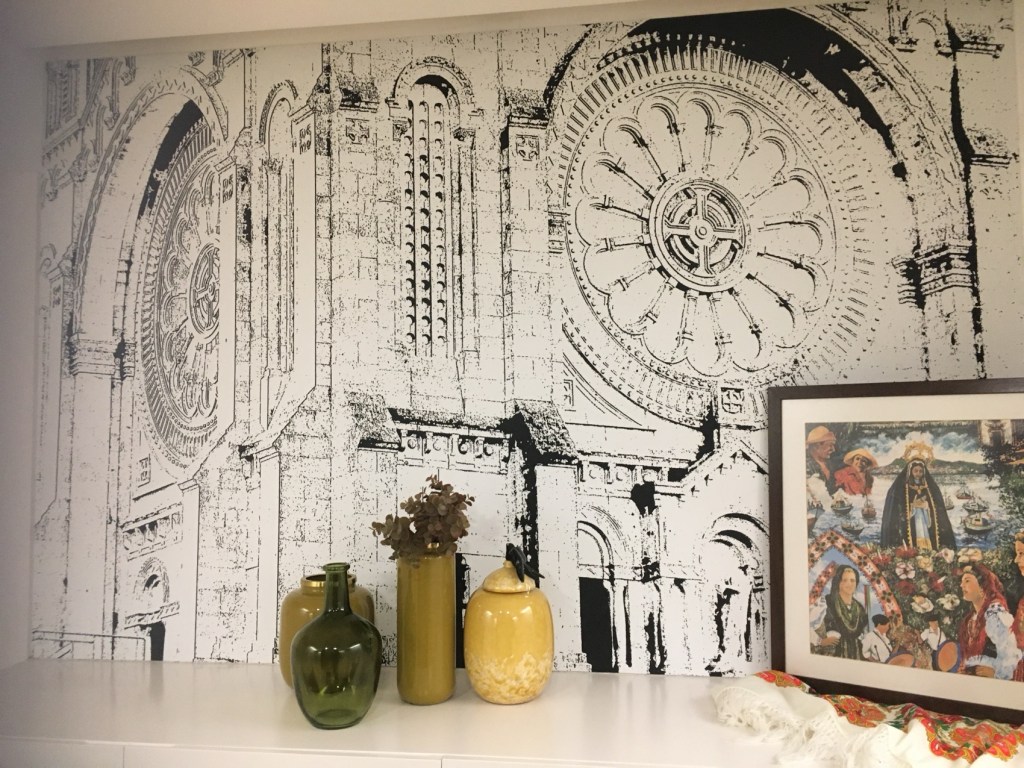
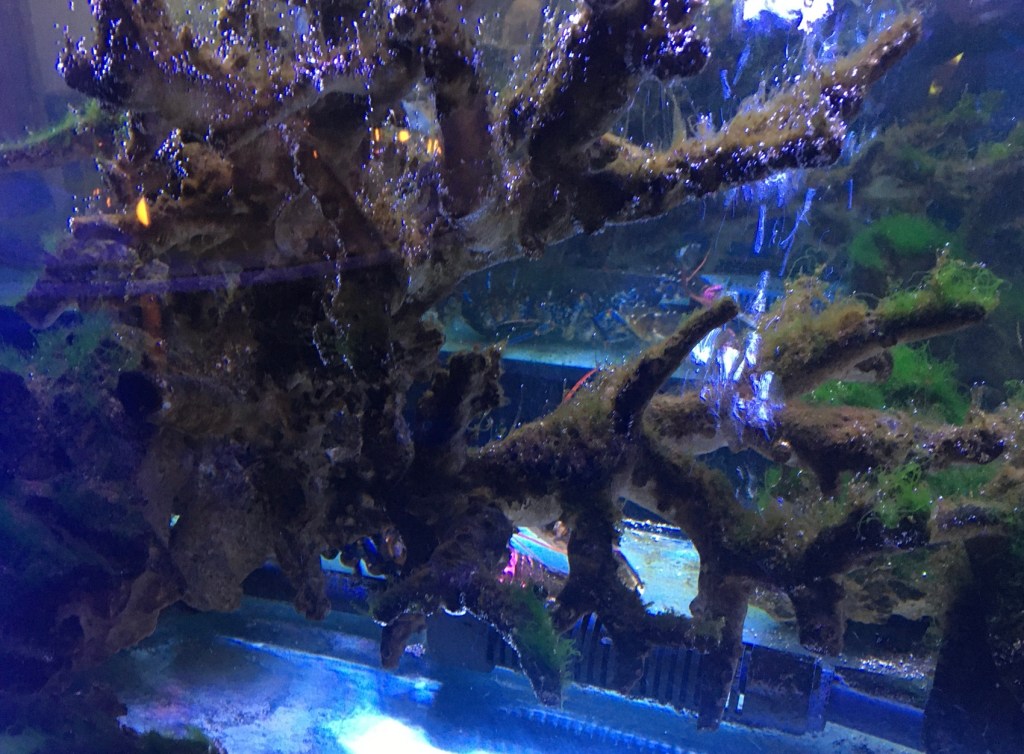
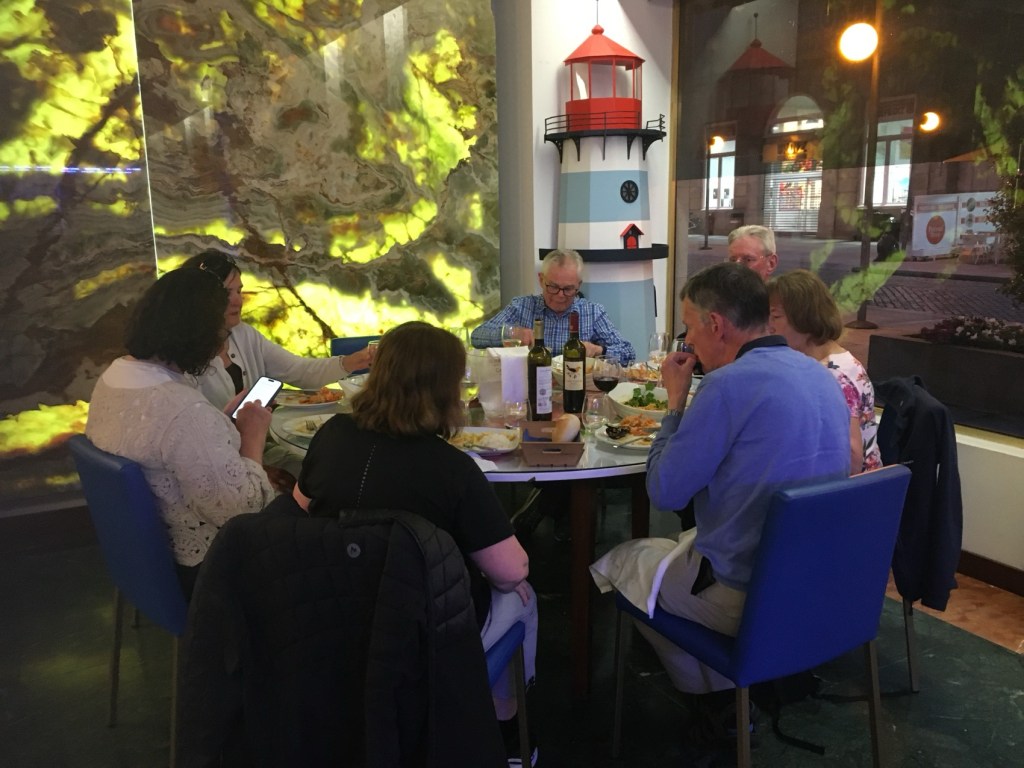
Next to a shopping mall that we passed en route to the funicular.To get us up the mountain sideWonderful views.St LuziaDedicated to the Sacred Heart of JesusInformation BoardThere has been a funicular here since 1923 – that’s an original.Crossing over the railway station on the way back .Local elections- same kind of promises.Called in for a quick refresher The wall decoration opposite our Lift entrance on the second floor, based on the St Luzia rose windows.The aquarium in our restaurant A classic seafood meal together.Night or day, rain or shine , Viana do Castelo always casts its spell.


These daily accounts are fascinating.
Thanks John 👍🏼