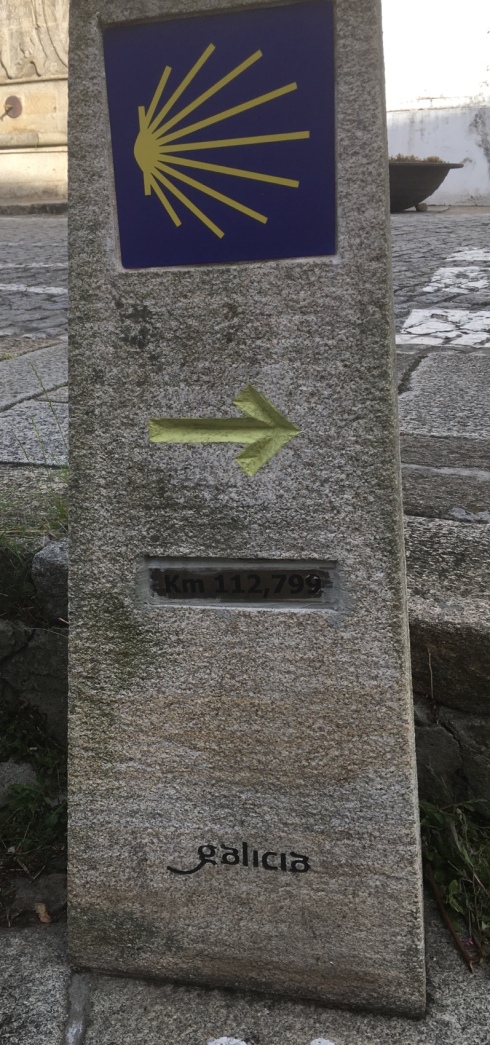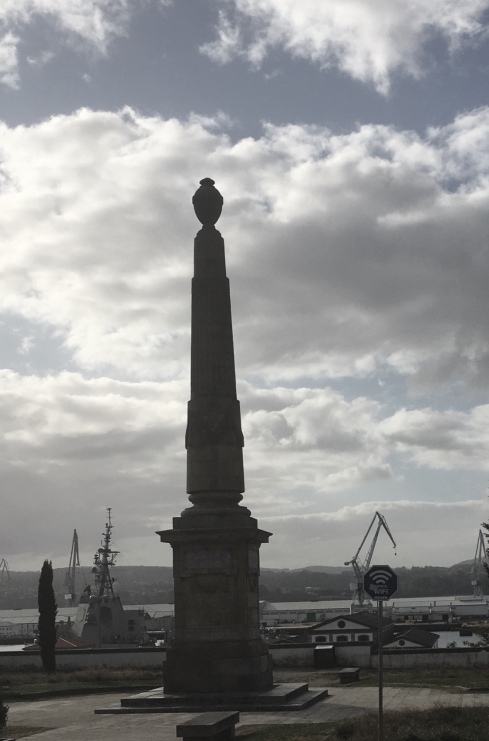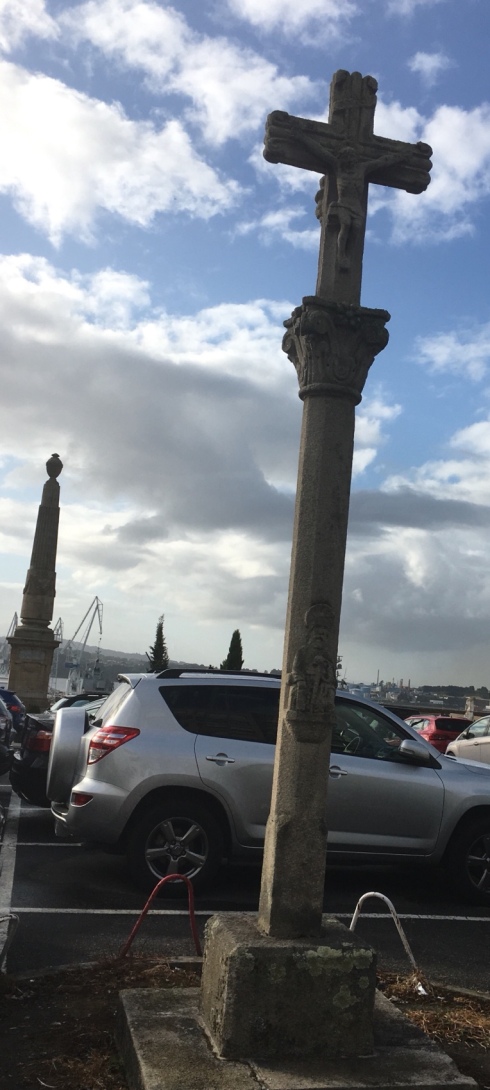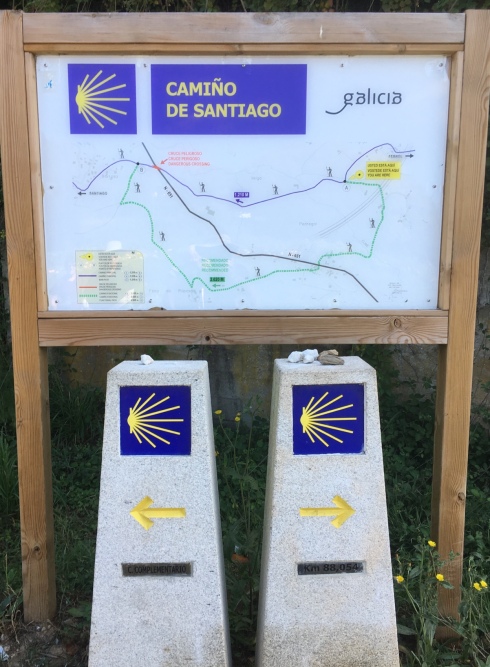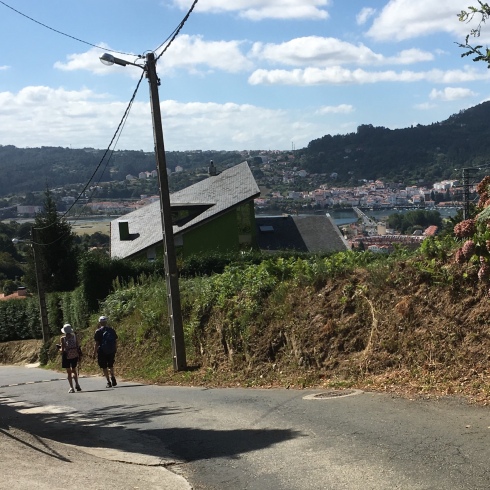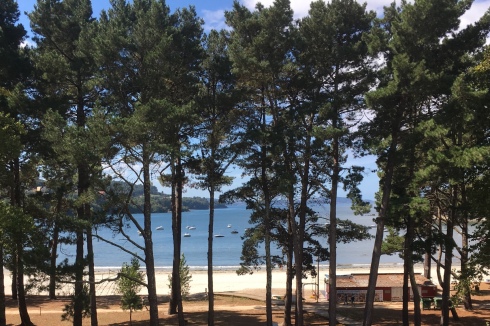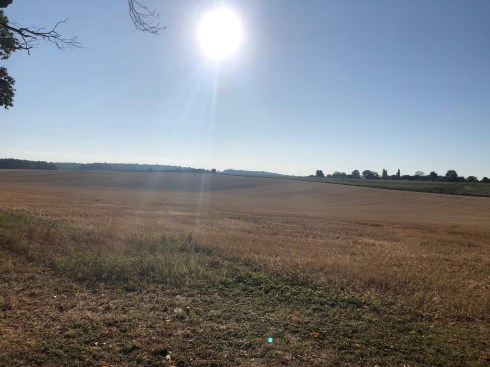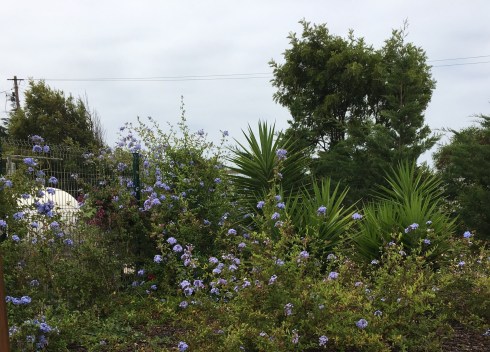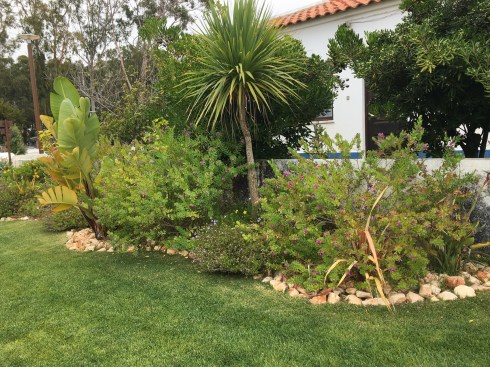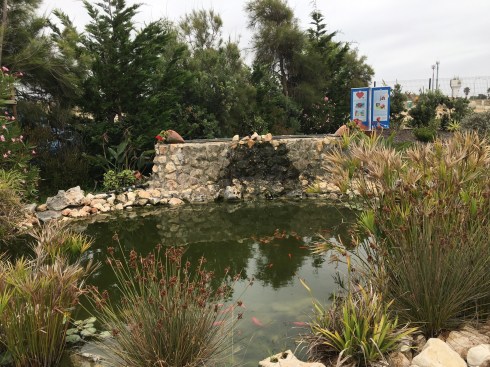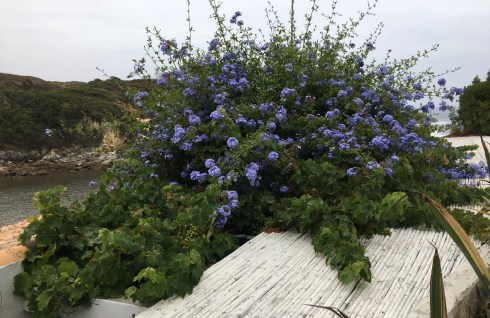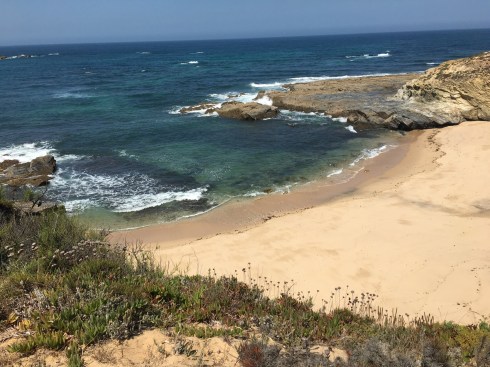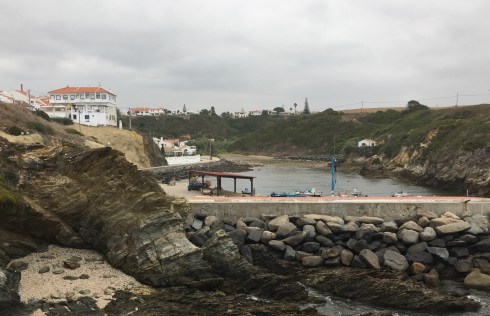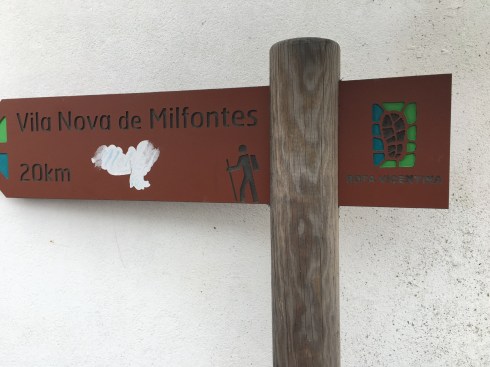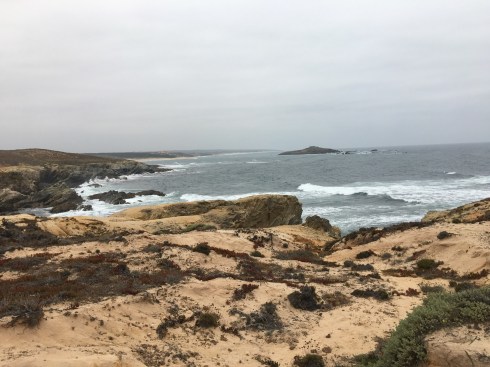
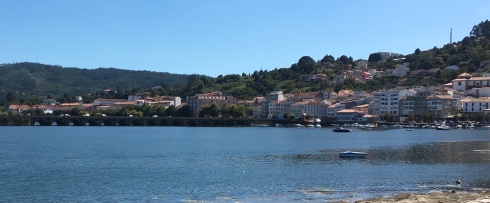
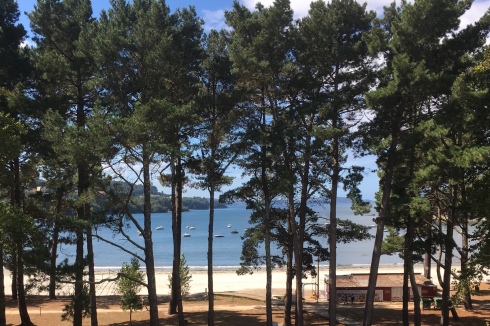
Sauntering along the coast at Cabanos into the hills with Sutton Rambleros.

16 Sep

It has been a busy few days on the Camino, to the extent that I got rather behind with the Blog! On arrival, time seems to be taken up with reconnoitering the restaurant for the evening meal, checking on the way out and chatting to Pelegrinos, often over a beer.

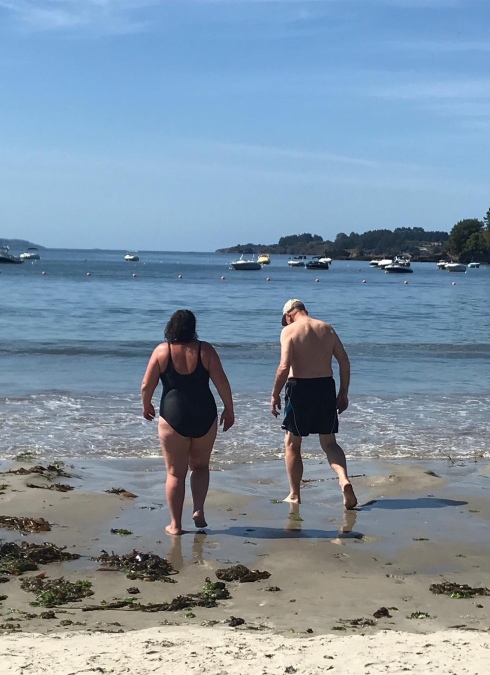
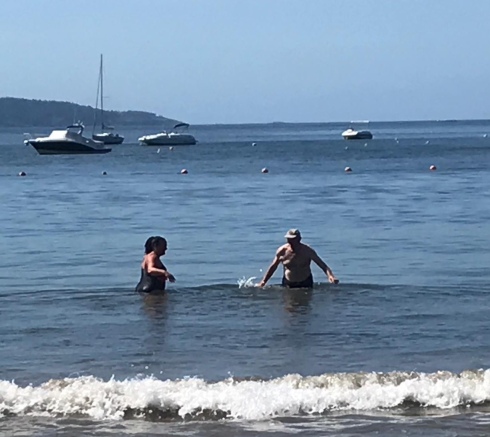
Admiring the adventurous take a dip!
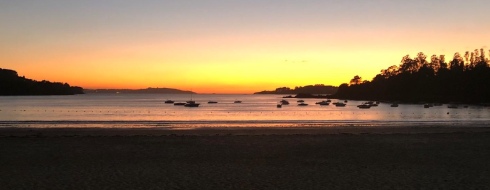
Enjoying the sunset.
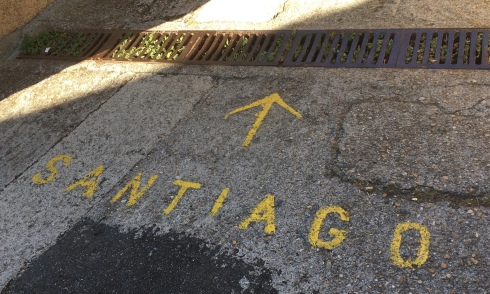
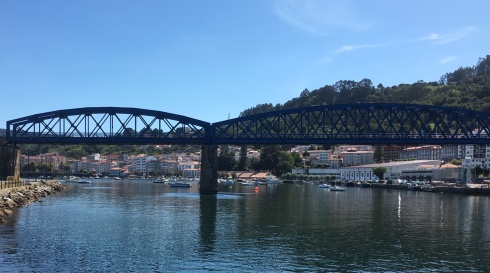
So, Onwards from Cabanos-Pontedeume, crossing the Eume on its famous bridge.
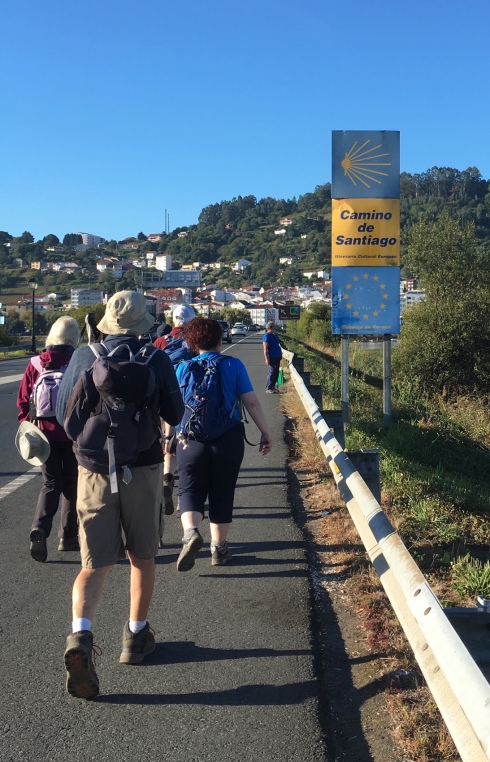
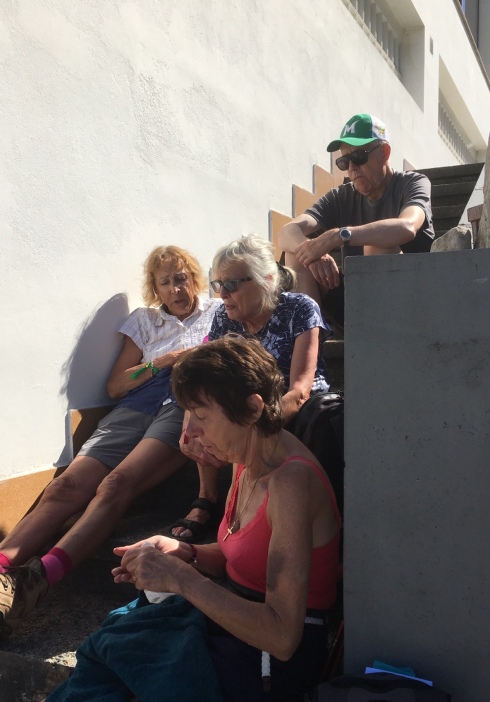
Then through the medieval part of the latter upwards – the first “ decent” hill. The sun was up and on reaching the summit, there were fine views and a “bag rest” to strip off layers and take on some water.
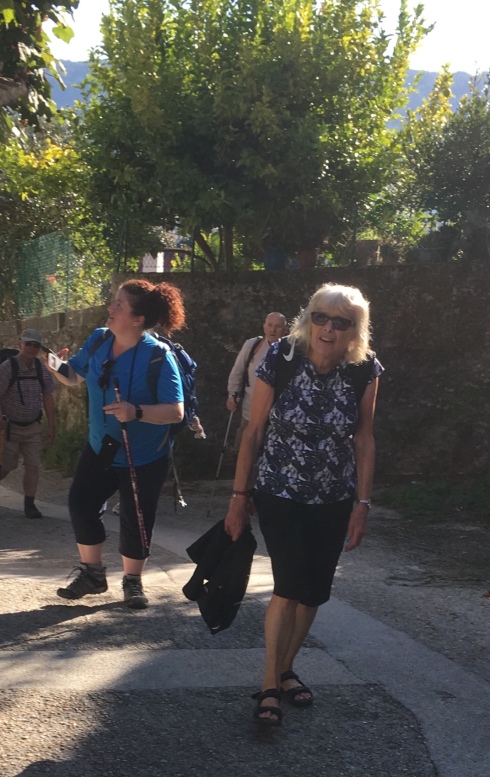
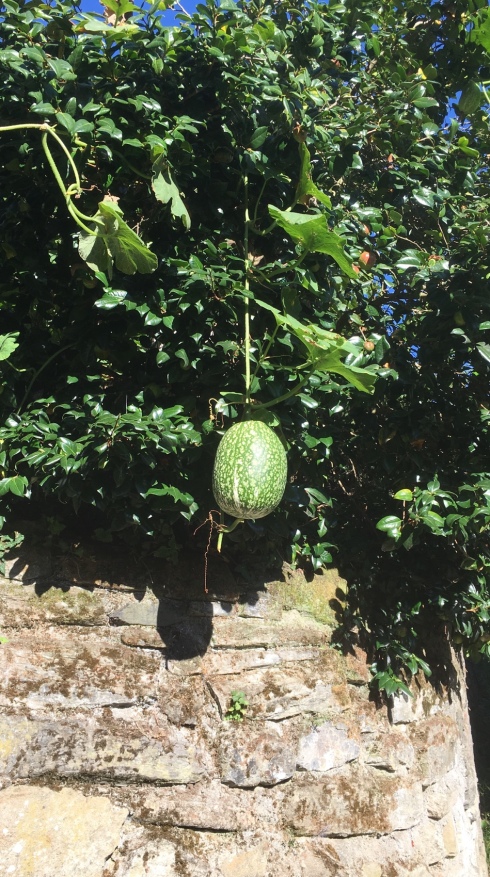
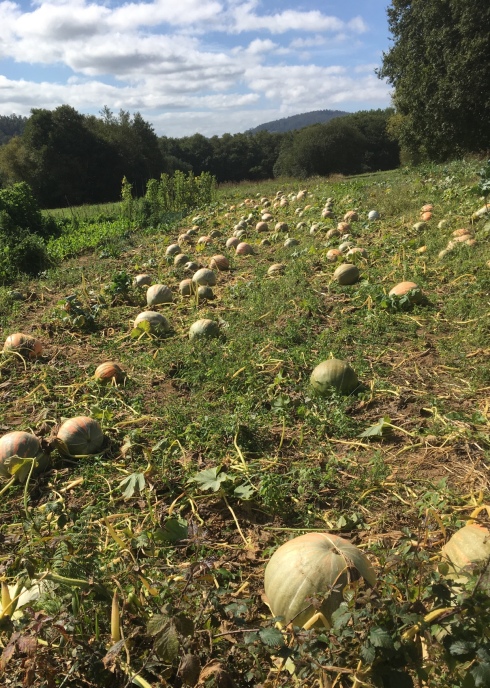
Fruits of the season, grapevines and a startling brightly coloured fungus.

An interesting addition to a STOP notice.
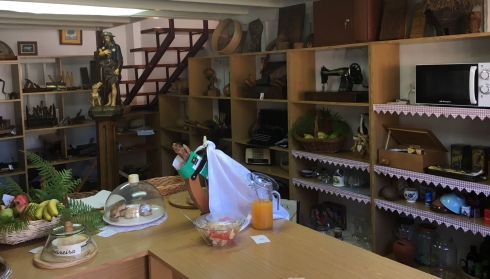
A welcome stop for coffee, not in the guidebooks, but housed in a furniture and antiques showroom.

Exclusively for Pelegrinos.

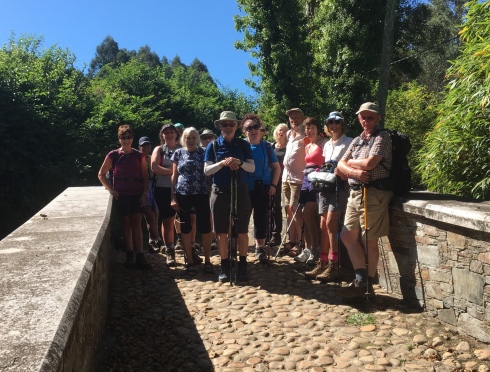
We walked on and came to an ancient bridge which I recalled from my Camino along here, four years ago – ideal setting for a group photo.

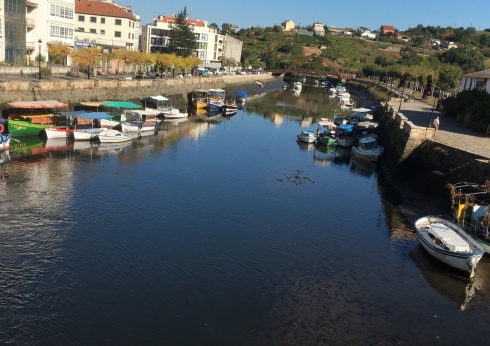
We reached Mino and Hotel Terraza. Some energetic souls sought out the beach, others shopped locally for an alfresco dinner on the hotel’s terrace.

The next day we were bound for Meson do Vento, via Betanzos. The longest etape of 31.5 Km, including a few hills,in hot sunshine.
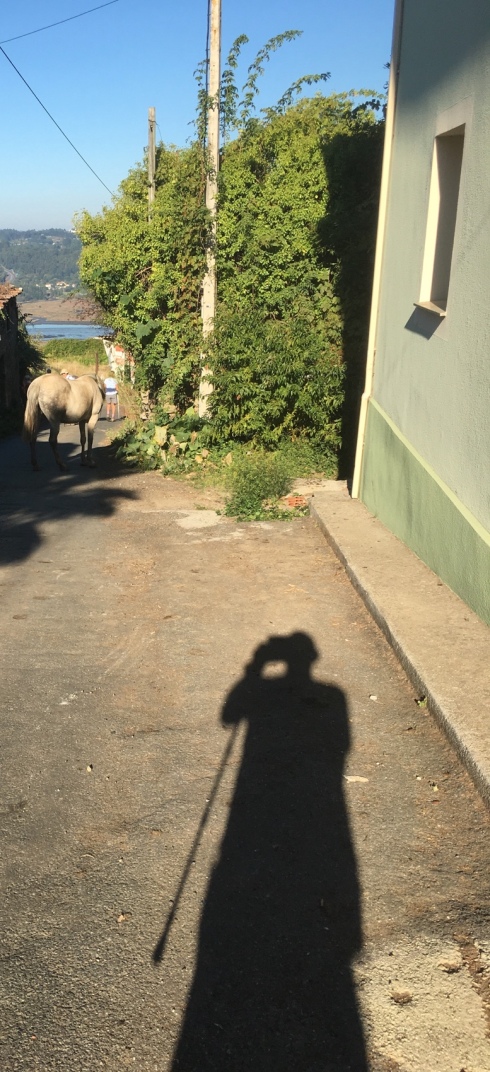
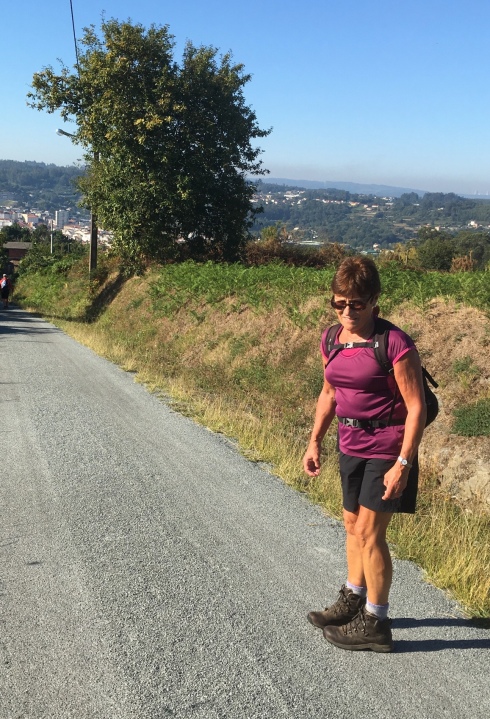
A horse munched on,unconcerned as we walked by. Barbara marched on.

We were glad of the frequent stretches of shade. We bade farewell to the Ria as we sauntered inland.
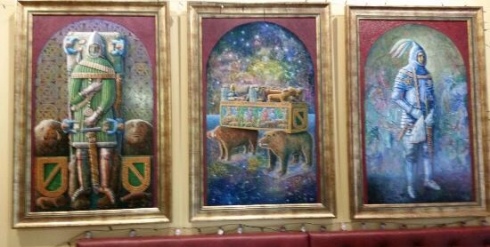
There was a stop at Meson Museo, with its murals and space – unfortunately the service there was frustratingly slow.
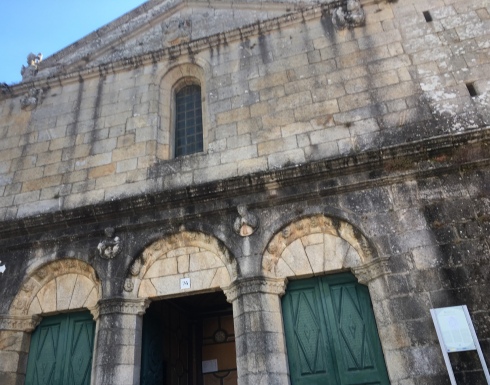
Compensations in the scenery – chapels, Horreos ( Stores On stone plinths – iconic structures in Galicia ).
The arrangement with our hotel in Meson do Vento was that they would collect us from

BarAvelina.

So equipped with phone number, groups arriving at different times were able to avail themselves of this lift. The hotel owner went out of his way to help here. Eventually, everyone arrived.

Thirteen of the group completed the entire 31.5 km – hot, tired maybe a little disoriented – but rightly proud of themselves; may had never walked such a distance in one day before.

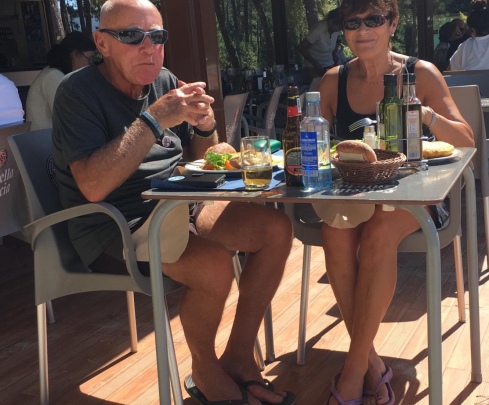
As always there was good food and drink to end the day.
And so the soothsayer said –

“Life begins at the end of your comfort zone.” – Neale Donald Walsch

Thanks to Han for some of the photos.

Sutton Coldfield Rambleros on the Camino Ingles,September 2019

12 Sep

This is the starting point of the Camino Ingles in Ferrol,Galicia. A party of 15 Rambleros enjoyed a seamless journey to Ferrol, via Attain Travel minibus and trailer to Stansted, Ryan air to Santiago de Compostela, then transfer by coach direct to our hotel.

We enjoyed a great meal at Candido and everyone was in great spirits.

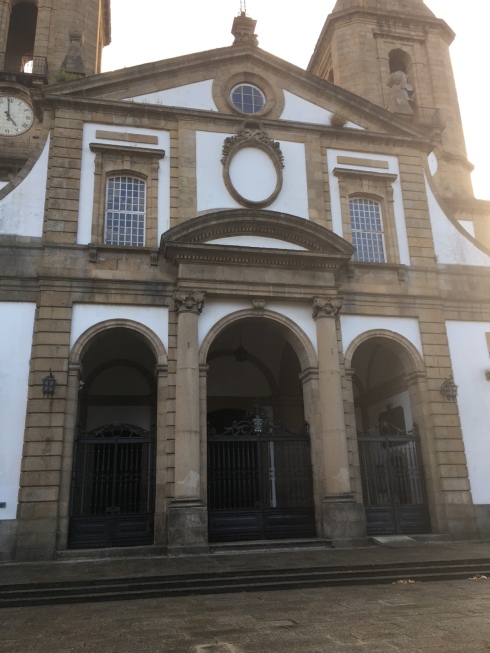
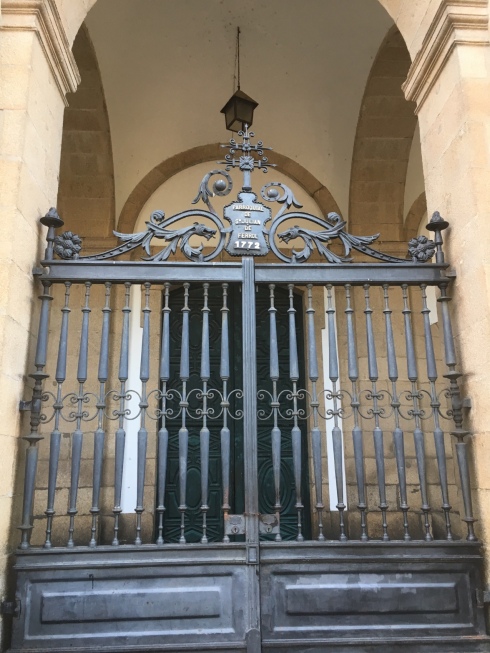
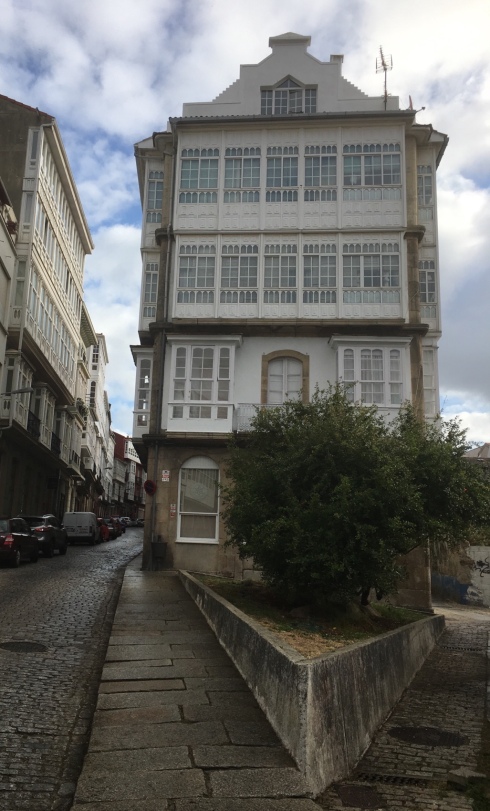
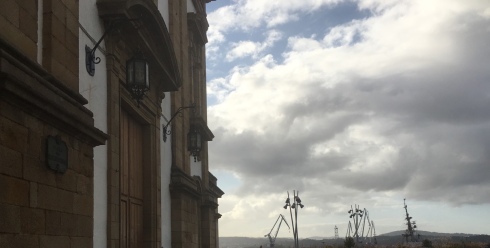
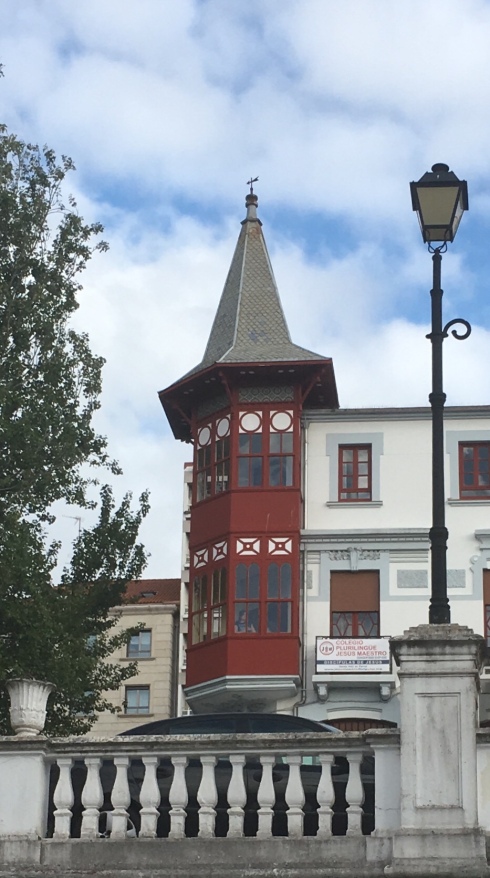
The next morning, Tuesday, we spent exploring Ferrol which has the undeserved reputation as the ” Black Sheep” of Galician cities – supposedly lacking in attractiveness and interest. Having spent time here four years ago I was pleasantly surprised by the upsurge in civic pride in the city evidenced by its cleanliness and rejuvenation. Galerias, Art Nouveau were characteristic of many buildings.And a Fine Cathedral

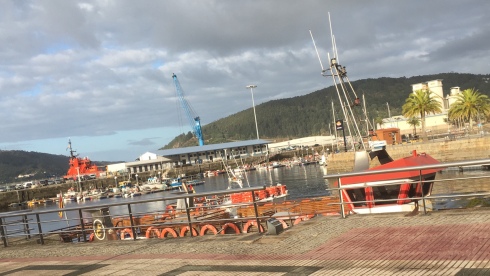
The shipyards, Arsenal and harbour front all added to the atmosphere.

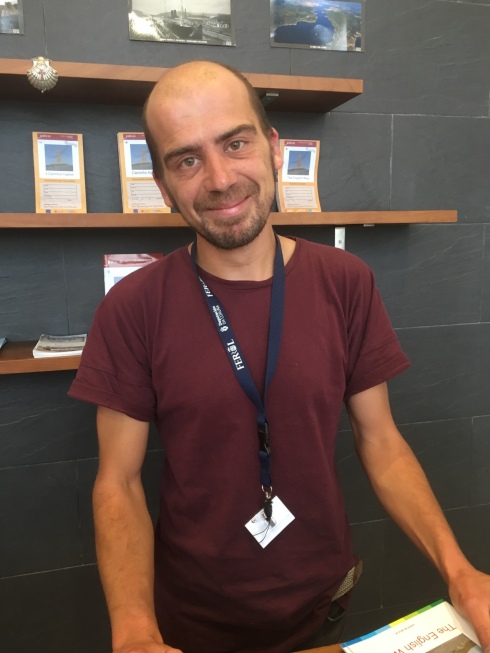
At midday we were given excellent guided by a very helpful tourist office man and we set off for our first stop, Naron and Hotel Kensington. Early showers had dispersed and we walked along the harbour and shipyard in increasingly sunny weather.

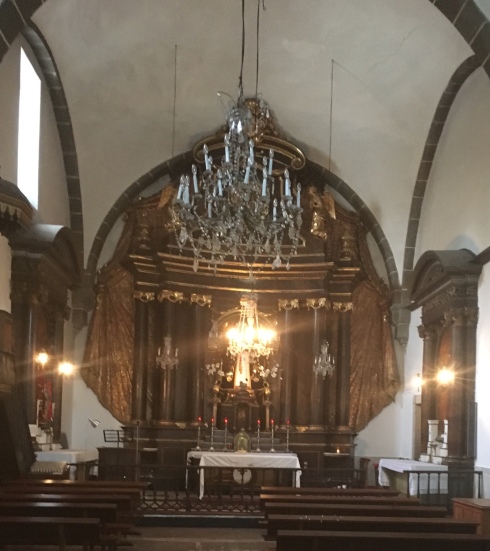
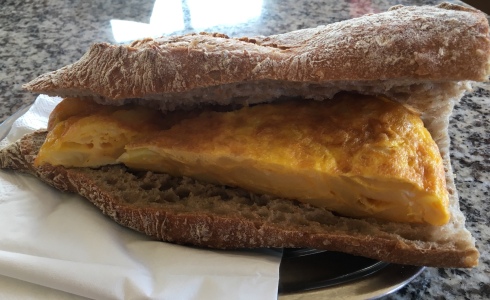
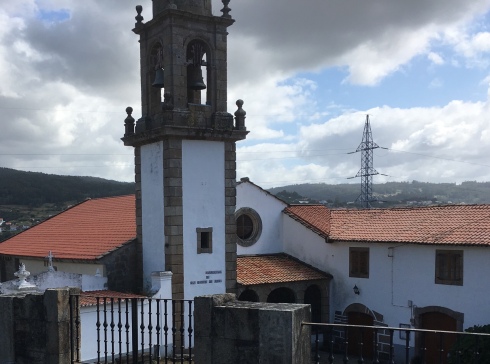
The food is good in Galicia and The Bocadillos are a great Pelegrinos favourite.Traditionally one finds churches and monasteries along the ” Way”.
We enjoyed a Pilgrim menu for dinner at Hotel Kensington.Wednesday found us en route for Cabanas on the Ria, immediately before Pontedeume and the river Eume.
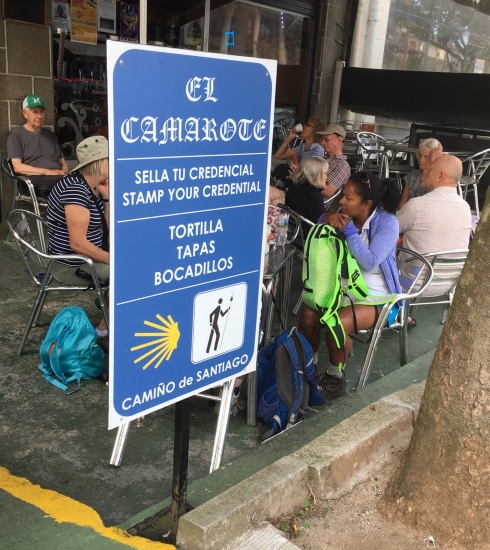
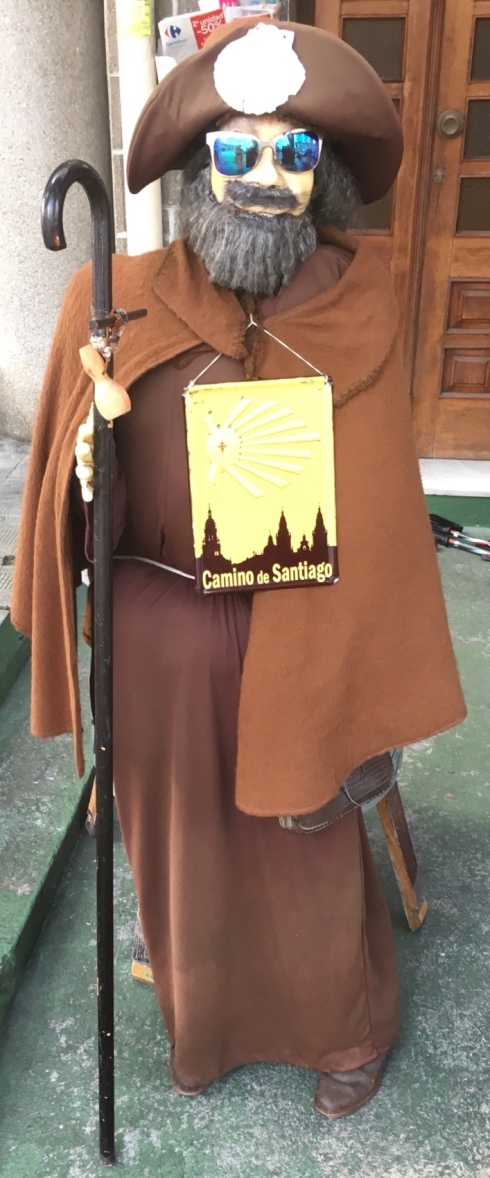
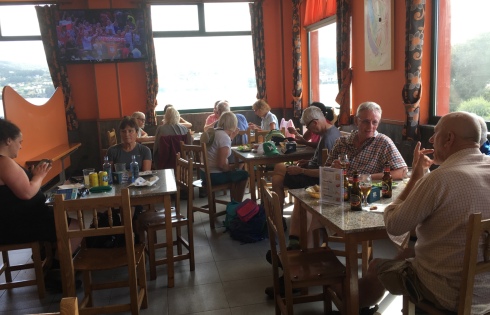
As always the coffee stop was most welcome and in Neda we found a pilgrim friendly bar.

The Rambleros were delighted with Hotel Iberia and the adjacent beach.oThat evening we ate at a beach side restaurant where a long table was provided with a backdrop of a slow, wonderful sunset. The Paella, Padron Peppers and seafood were a treat.

We had enjoyed a great walk and a memorable evening.

“Tha’s lush, that is” as they say in Cardiff,understandably. Three days in and around the Welsh Capital and its Bay.

16 Aug

Cardiff city campsite is handily situated near to Sophia Gardens, Glamorgan’s County Cricket ground – super stadium – and a ten minute walk along the Taff into the city centre.

I had visited Cardiff many years ago to watch England Wales and had only very hazy memories… Three years ago it was the destination for a Christmas vintage steam train trip from Birmingham and having spent three hours on a walkabout, vowed to return in the summertime.

The first destination was the Bay, by water bus which took us past the Principality stadium,down the Taff,past Brains’ brewery and views of all the recent development.

The Bay was busy with holidaymakers enjoying the ” beach”- a kind of funfair, the bars and restaurants.

Cardiff is a radical city and I had already been reminded of its greatest statesman,Aneurin Bevan,when I came upon a Statue dedicated to world peace.Leaving the harbour behind, a memorial to Captain Scott was well positioned, remembering that his final,fateful expedition left from these shores.

Just before the Cardiff Barrage a water activity enterprise was well populated with bathers,young and old.

Then it was about turn and an extended walk back to the campsite,along Lloyd George Avenue with its blocks of Mews apartments.

By the time the campsite was reached,it said 9 miles on the Fitbit – chill out and bbq brought an end to a great day.

The weather for Wednesday fans correctly forecast as ” rainy” – so after booking tickets online, we headed for Cardiff Castle. From Roman times , centuries of neglect, restoration under the Normans, more neglect then fanciful additions and alterations in more recent times, a wartime bomb shelter and now a national monument – a fascinating complex. It also houses the ” Firing Line” exhibition mainly exemplifying the roles played by Welsh regiments over three centuries.

It encompasses all the major wars, from Napoleonic times upto Afghanistan. It is brilliantly done if you don’t mind the narratives which though factually accurate- dates,places,times- are a bit ” gung ho” with no thought or question given as to the justification for some of the ” action”.

What was striking were the tunnels – Wartime Shelters. Few people realise that within the walls of the Castle are tunnels – tunnels which came into their own as air-raid shelters during the Second World War. It was estimated that more than 1800 people took shelter there. Left very much as it was, with dozens of warning posters and Blitz sound effects,it is an authentic experience.

The Bute family made many alterations ,additions to the castle as well as important restorations and a tour of their house and adjoining tower were greatly appreciated.Many of their ideas were formed both on Grand Tours and a fascination with medieval history – Victorian,Gothic revival !

A wonderful place and setting .

That night was spent in the company of a college friend and his wife, who lives in nearby Port Talbot – they recommended a great Italian Restaurant – Giovanni’s – Ottimo Pasto !The next day dawned fine and although 18 miles had been walked over the last two days,it was decided that a walk across the Barrage to Penarth and some of the Coastal Path, was the order of the day. The Barrage was a controversial development built to protect the harbour and city from flooding. Freshwater from the river on one side and the Channel on the other. It was quite thrilling to be able to literally walk across it and get a view of the workings in action.And so it was on to Penarth, a sizeable place composed mainly of Victorian Edwardian residences, with a fine seafront and pier – gained after a stiff uphill climb.

The Esplanade and Pier were in excellent condition and the latter was prime location for lunch – A Panini on Penarth Pier.

The path climbs upwards out of the town,passing parkland and some bijou development. Returning gave a good view of the cliffs.

Twelve miles achieved !

Three days was not enough to enjoy everything in and around Cardiff,but my abiding memories were both its conscience.And the friendliness we encountered, whether it was the campsite warden, the museum guides, the pub staff or the bus driver…and the lovely gentleman who, noticing us looking at our town plan, asked if he could be of any assistance…and he was.

Byddwn yn ol.

The Last Couple of Days – upwards via The Loire & Pas de Calais – longish drives in good conditions.

31 Jul

It’s difficult to shrug off that end of holiday feeling when you are driving home.

You resign yourselves to the long drives in the certainty of arriving at a good campsite for the night and, hopefully, a swim, drinks and a bbq in the evening sunshine.

Also,having driven all over Europe for fifty years now, you are assured of quality driving conditions, sometimes on Toll roads, but at least you are assured that the tolls are put back into the motorways’ maintenance and development. A lot of the driving on these last two days were toll free on the RN 10 and the RN154 – good dual carriageways, no hold ups, no queues.

That’s why driving in France,Spain and Portugal in particular is such a pleasurable experience, unlike the stressful road conditions in the UK.

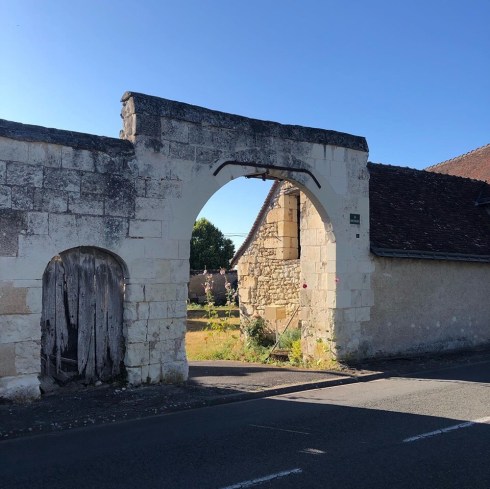
The penultimate day was spent in the Touraine,not far from Chinon, at chateau Allendres. This site in the grounds of a beautiful Chateau, has all the amenities in a rustic setting.On the second day we took a recommended ” randonee ” via the village of Trogues alongside the River Vienne. Over 11 KM through fields and tiny hamlets, pausing for a coffee in another campsite Les Allais.A last lengthy drive through Tours, crossing the Loire and eventually Camping St Louis,19 Miles inland from the car ferry at Calais. I booked the ferry the day beforehand and enjoyed a great Flemish meal at the campsite restaurant – even had a game of table tennis Pre- drinks! I am writing this on the P & O Ferry, quite a choppy crossing which we nearly didn’t make due to the incompetence of the UK Border Force at Calais. Only four lanes open out of twelve in the peak season.It took 90 minutes in total and only got on board our 09.50 crossing because it was late due to the weather .

Only 200 miles up the M20,M25 and M40 to look forward to!

Adieu, Adios Europe – it has been another great holiday.

Tordedillas,Valladolid, Spain and Eymet in South Western France,en route home.

29 Jul

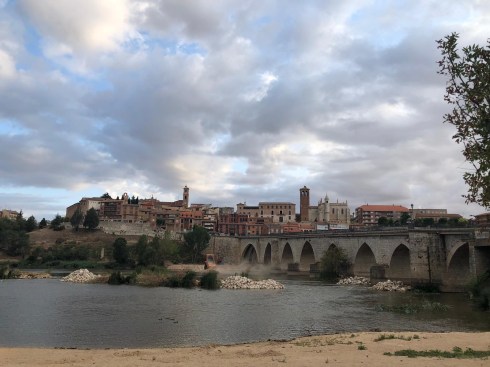
Tordesillas has been a stopping place over a good few years. Stays ranging from a week to a day – this time two days. Every time, the campsite seems to improve,though it’s best features, like the garden by the bar, remain the same. Not a big site and situated near the banks of the River Duero – Douro when it flows into Portugal – it has a good swimming pool, shop,restaurant and bar – that’s all you need for a good campsite,plus the weather of course.

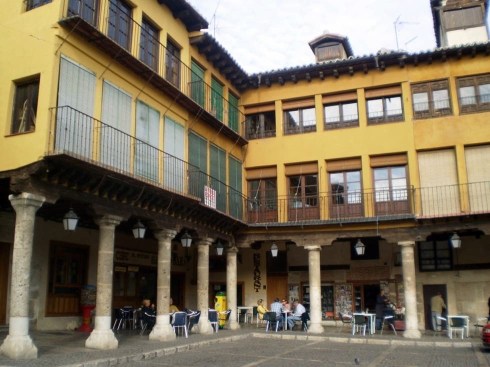
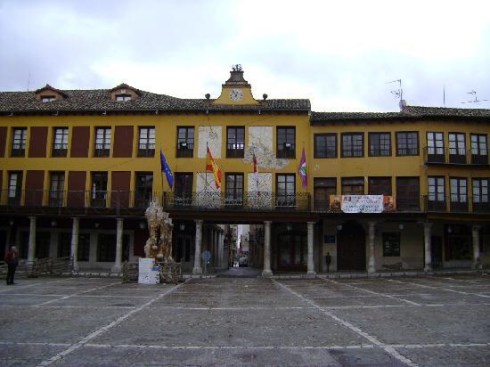
The town is compact and the central part is of most interest,with its colonnades and bars.

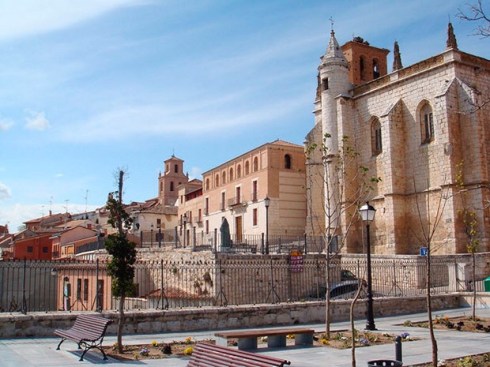
It has a long history and a tragic tale or two.

The Treaty of Tordesillas signed at Tordesillas in Spain on June 7, 1494, and authenticated at Setúbal, Portugal, divided the newly discovered lands outside Europe between the Portuguese Empire and the Spanish  …

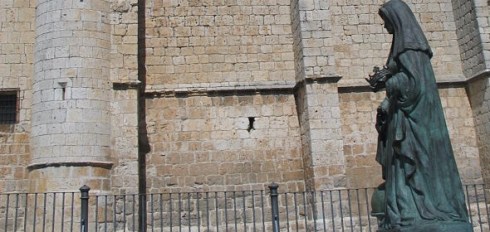
It was also the place where Queen Jane – Juana la Loca – who spent 46 years in a windowless cell here in the Monasterio. She had ruled Castile jointly with her husband,Felipe I,From 1504-06 But was devastated by his early death and for three years toured the monasteries of Spain,keeping the coffin permanently by her side,stopping from time to time to inspect the corpse. In 1509, she reached The Convent Santa Clara In Tordesillas, where first her father,Fernando and later her son,Carlos V declared her insane,imprisoning her for half a century and assuming the throne of Castile for themselves.

I’m sure we have experienced the time when we have revisited a place with good memories only to find it has changed – for any number of reasons – and felt disappointment and/or disillusionment. Hopefully that may never be the case with Tordesillas.

From there it was 700 km drive on semi deserted roads and Autovias across Spain and through the Landes region of South Western France, ending up in the South of the Dordogne,in one of the Bastide towns – fortified villages from the Middle Ages.

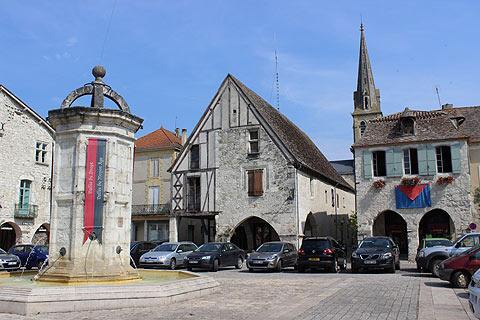
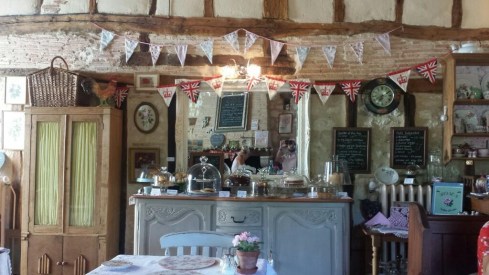
This particular town was Eymet, a chocolate box of a place, with its typical square,distinctive buildings and narrow streets. The only thing that ruined it was the loud,self assured English voices rasping out from every bar and restaurant – a third of the population are Ex-pats – such a shock after almost being totally without for nearly three weeks. Too pristine and too Anglicanism for my taste – a vintage,English tea room said it all.And so the next day,Sunday it was onwards and upwards towards Touraine in the Loire Valley.

CACERES – CIUDAD MONUMENTAL – Ciudad Patrimonio de la Humanidad,

26 Jul

Cáceres in western Spain’s Extremadura region. Founded by the ancient Romans, it retains widespread evidence of subsequent occupation by many different cultures. Its old town, Ciudad Monumental, has a mix of Gothic and Renaissance architecture, with cobbled medieval streets, fortified houses and palaces. Encircled by 12th-century Moorish walls, it also has around 30 towers, some occupied by nesting storks.

There are also reputedly,1300 coats of arms decorating the palaces and houses both inside and out of the city walls.

The main square, with its distinctive slope,remains my favourite in all of Spain.

For a small fee you can walk along a section of the walls and visit the Museo.

There are gardens and attractive corners,plus a town house I particularly liked.

Four years or so ago,I stopped off here whilst walking the Camino Via de la Plata – there is a church dedicated to St James on the Camino,just off the main square.

Caceres campsite is another totally different attraction – a short bus ride out of the city. It’s the second time we have stayed here – it’s unique in that each pitch has its own shower/toilet block and there is a fabulous pool and bar area directly accessible on site.

Onwards then,up the Autovia Ruta de la Plata, to Tordesillas, for a two day stopover before. Making for France.

Two Days in Evora…And “Them Bones,Them Bones,Them Dry Bones”. “We, the bones that are here await yours.”

23 Jul

I thought I had visited Evora in the Seventies,but I was mistaken- I was either confusing it with Beja or Avila.

This museum-city, whose roots go back to Roman times, reached its golden age in the 15th century, when it became the residence of the Portuguese kings. Its unique quality stems from the whitewashed houses decorated with azulejos and wrought-iron balconies dating from the 16th to the 18th century. Its monuments had a profound influence on Portuguese architecture in Brazil.

There is a lot to see in Evora, as the compact city has the second largest number of national monuments of Portugal, being second only to Lisbon.

The Praça Do Giraldo is the centrepiece of the city, with its fountain,apparently where the still standing aqueduct used to bring water into the city.

Having toured the city and marvelled at its many fascinating churches,squares,courtyards and panoramas, it is not a city you forget. Just a short bus ride from the lovely Orbitur campsite,directly into the main square. Checked in to the Turismo for a helpful city map and decided to go with the trail in the guidebook.

Starting with the” See “- Portuguese term for Cathedral – and a rooftop tour to enjoy a panorama of the city – views across the Alentejo to the far horizon.

Guide books describe the mismatched,twin towers as creating a forbidding setting; wasn’t my impression.

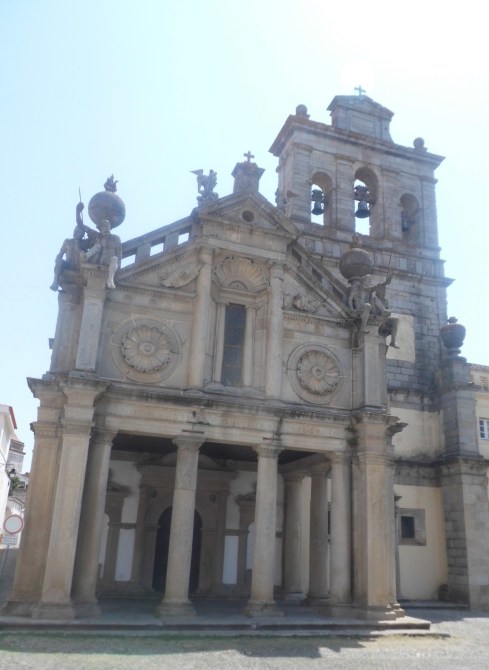
This city has a good many churches,enticing alleyways, public gardens and monuments.

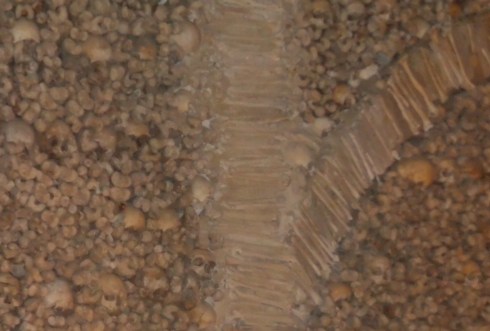
The church of San Francisco houses a chapel mainly constructed from the bones of Franciscan monks, whose remains had been disinterred from their graveyards. They were running out of graveyard space!

It is a fascinating if gruesome place – with spines,fibulas,skulls aligned geometrically – estimated at 5000! Unforgettable, macabre Capela dos Ossos.

The restaurants are renown for their Alentejan cooking – pity it wasn’t dinner time as I don’t like big lunches, so it was a “meal deal” in the park – tasty sandwich and a drink.

Doorways, sculptures and views. Something of interest at every corner.

It’s most famous monument is from Roman times. Long known as ” Diana’s Temple”- it was probably Jupiter’s or the Emperor’s preferred deity.

Just a couple of photos to finish with, the aqueduct and five gypsies in a horse and trap, traversing the car pork at the Continente Hypermarket in Evora, this morning.

Now for another great city – Caceres and if I remember rightly a great campsite and pool.

Alentejo – Five Day Break in Porto Covo – & a Music Festival.

21 Jul

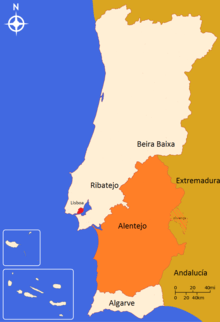
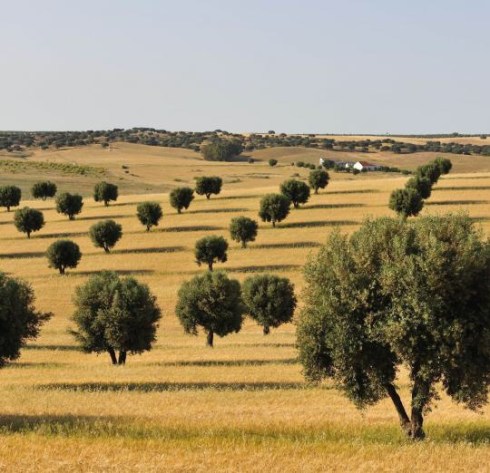
The Alentejo is the beautiful region of Portugal that lies between the Algarve and central Lisbon region. This vast and sparsely populated area – 10% of the population of Portugal – covers over 30% of Portugal and is characterised by its gentle rolling hills, historic fortified towns and intense summer heat,which is tempered by the Atlantic breeze on the coast,only.

The North is quite flat,vast fields of wheat, a legacy from the Roman occupation and there are also great forests of Cork Oak. The coastline,however, is a dramatic succession of cliffs, wild seascapes and isolated beaches.

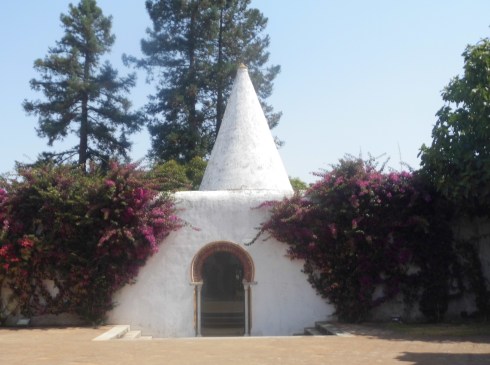
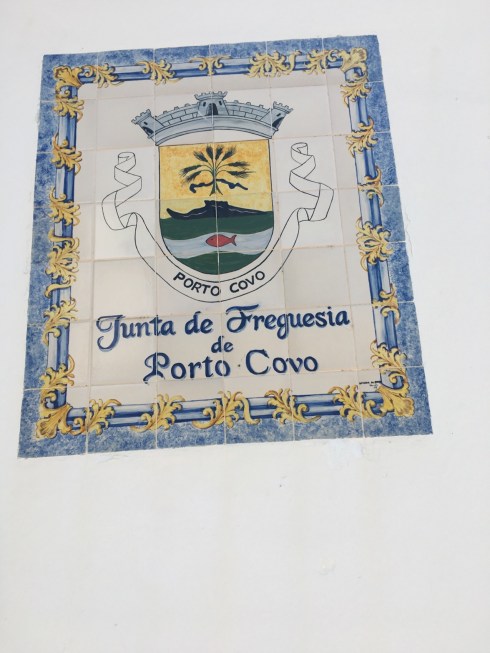
Porto Covo is the base chosen – and its reputedly best campsite – Costra Do Vizir. And it has proven to be a good choice with excellent facilities and spacious pitches for Motorhomes. The landscaping is thoughtfully done. And, for sunbathers there is the choice between a good sized pool or a 6 minute walk to the beaches.

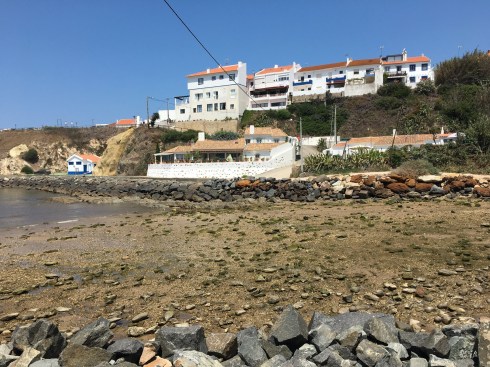
From Porto Covo it is possible to walk along the cliff tops,via its quaint little fishing port.

A choice of routes,but we followed part of a recently established “ Fishermans’ Trail”/“The Vincentena,” which can walked completely in four days,or so – I shall investigate that as a possibility for next year .

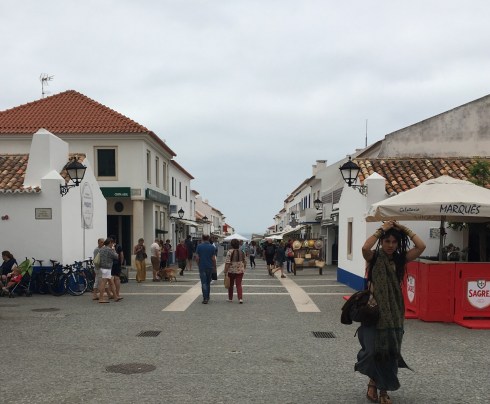
Porto Covo is surrounded by holiday villas, with more being developed, but that does not spoil the old part of the village, with its square and Main Street,pedestrianised and given over to shops and fish restaurants.

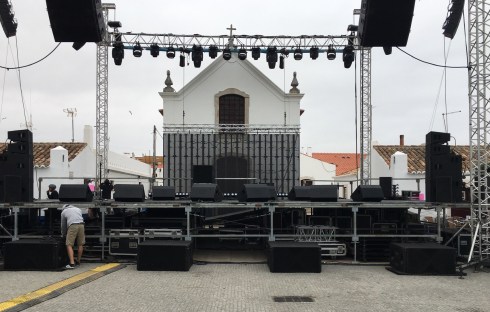
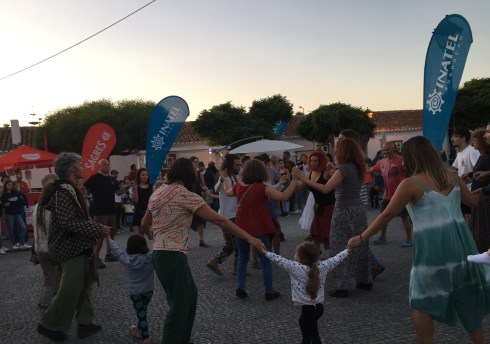
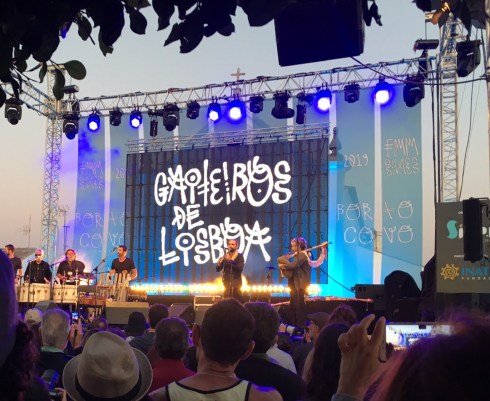
A weekend Music Festival is taking place ,sponsored by a local radio station and a brewery – the stage is set in front of the little parish church – I wonder if the musicians get to use the Vestry to get changed? The stage looks “state of the art” with lights and a huge range of speakers.

Craft stalls and portable food outlets have taken over adjacent streets – it all looks well organised. It has added to the variety of visitors over the last two days- younger people, with dreadlocks still very fashionable and some eye catching fashions.

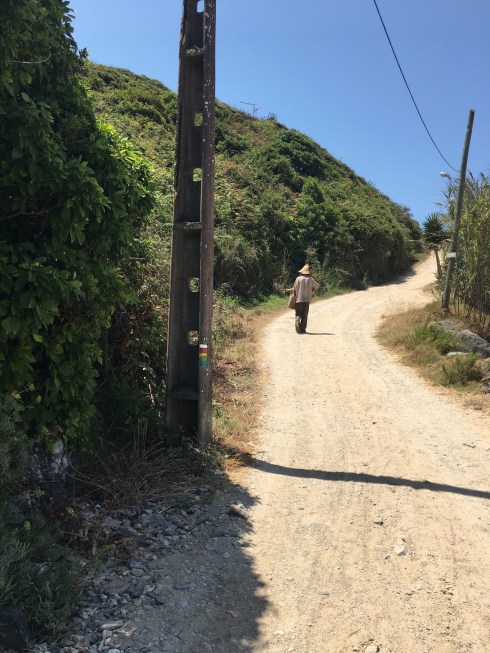
The other day, descending to the cove, we passed an eccentric looking soul – a troubadour ? – picking early blackberries and strumming his guitar as he walked on.

Looking forward to the music – I hope we get some Portuguese folk music – though I hope it’s not Fado,so mournful in my experience.

As has been the case during all of this trip, mercifully few Brits, Portuguese families tend to dominate and that is both welcome and understandable. Hannah in particular has become very fond of Porto Covo and it has been an enjoyable stay – some walking, averaging 6-7 miles day, swimming, reading, BBQs and relaxing.

Sunday 21st, heading Northwards then East 120 miles to Evora, UNESCO Designated Heritage Site,for a couple of days – temperatures of 37-38* predicted, so it will be an early start for touring the city, first visited in the mid 70s. Local bus outside the Campsite which is a bonus.

Mosteiro de Alcobaca – From the late 12 th Century- in 1223 it was the largest church in Portugal – and a gruesome story.

17 Jul

The Mosteiro de Alcobaça is an imposing and grand monastery complex, and is one of the finest examples of early Gothic architecture in Portugal. The mighty church was commissioned by King Afonso Henriques in 1153 to demonstrate the power of the new ruling dynasty, after the Christian Crusades drove the Moors from central Portugal.

The monastery was constructed soon after the church, and date from an era when to be a monk was a harsh and difficult calling, and the monastery reflects this austere and severe life. The only true flashes of artistic beauty are the tombs of King Pedro and his wife Inês, a fateful story. As the monastery grew in importance and wealth, the lives of the monks improved greatly – their girths became so round that the door to the refectory was a fitness test – if the monk could not pass through,he had to fast.

The Monastery is positioned on the confluence of two rivers, the Rio Alcoa and the Rio Baça (hence the name of the town Alcobaça). 

King Afonso Henriques commanded Saint Bernard to construct the church after the victory at Santarém in 1147, against the Moors. Saint Bernard was the founder of the Order of Cistercians, and the construction of the monastery for the Cistercians brought favour for the fledging Portuguese dynasty from the pope. Bernard was a French abbot (Bernard of Clairvaux), and the Mosteiro de Alcobaça has many similarities to other French Gothic monasteries.

When king Pedro was coronated (1357), he had his murdered wife (Inês) exhumed, placed on the queen’s throne and forced all of his courtiers to kiss her hand. The tomb of Inês de Castro is supported by four gremlin statues, which represent her assassins. The tombs of King Pedro and Inês where badly damaged by French soldiers 1810, who were hoping find jewels and treasures within.

At its peak there were over 900 monks housed in the monastery and the fertile lands owned by the monastery ensured it prospered. The Mosteiro de Alcobaça was originally harsh and silent but by the 18th century had a reputation of overindulgences (especially with food). This is exemplified by the colossal chimney in the kitchen, which was designed to accommodate a whole ox over the fire pit.

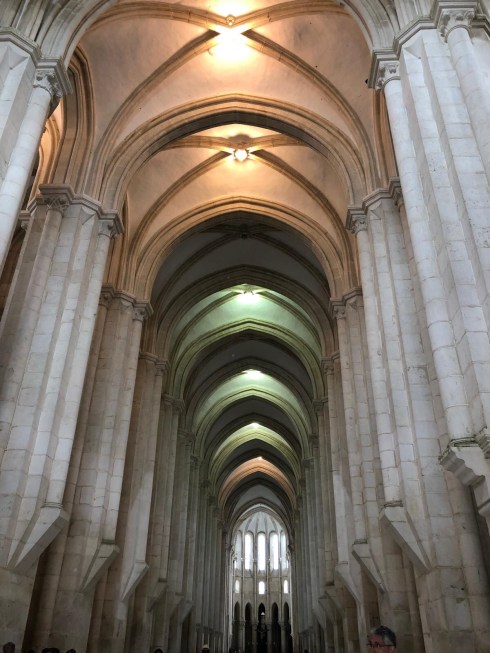
The Nave is starkly simple, austere but imposing.

One of the cloisters looked as though it needed the monks to return, or at least the lay brethren who did all the manual work

It is a World Heritage Site and was worth worth our little detour to Alcacem do Sal to visit .

Just a little (h)armless fun to finish with.

Costa Nova and Aveiro – Atlantic Ocean ,Rias,Lagoons & Canals – Houses to love,houses for TLC,but all unspoilt.

16 Jul

Costa Nova campsite is an unpretentious place – camping fields behind the sand dunes to our left and immediately outside the camp gates – the Aveiro Lagoon. Two good days here.

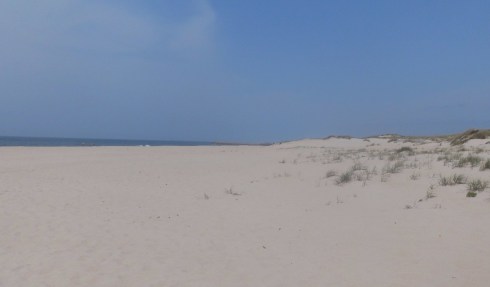
The beach was vast and deserted. Glorious sand.

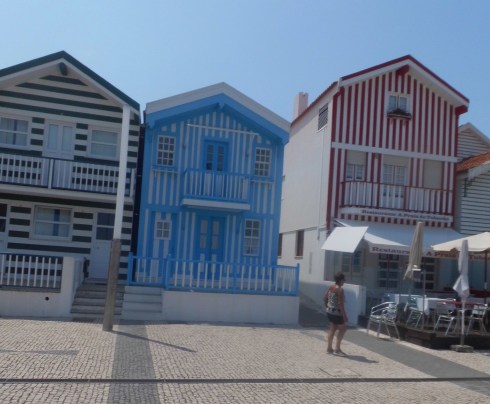
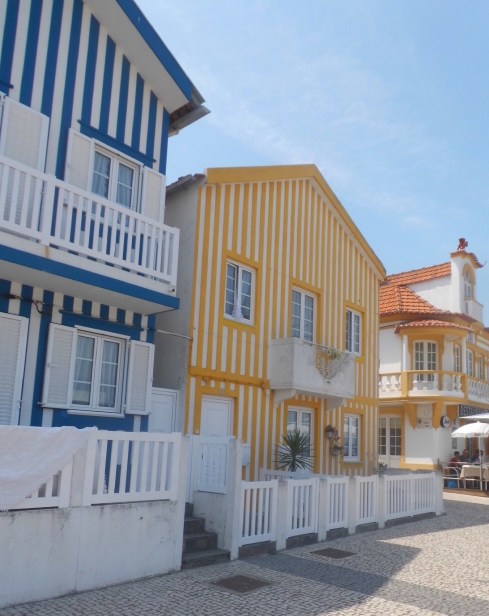
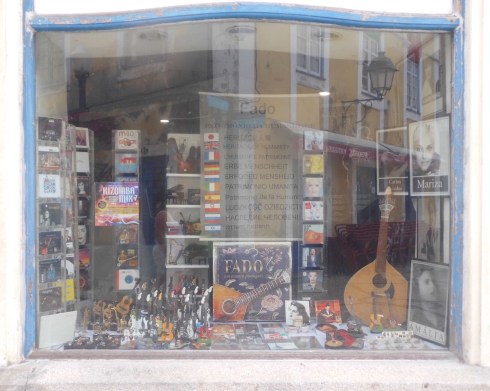
First day, exploring Costa Nova with its unique repertoire of stripe-painted houses in different vivid colours and the second day a local bus trip to amazing Aveiro, where there were also some des res. Costa Nova is a favourite excursion destination – pleasant sea front and of course,the houses.A couple of interesting shops featuring such disparate items as the Portuguese love of Fado music and sardine can collecting!
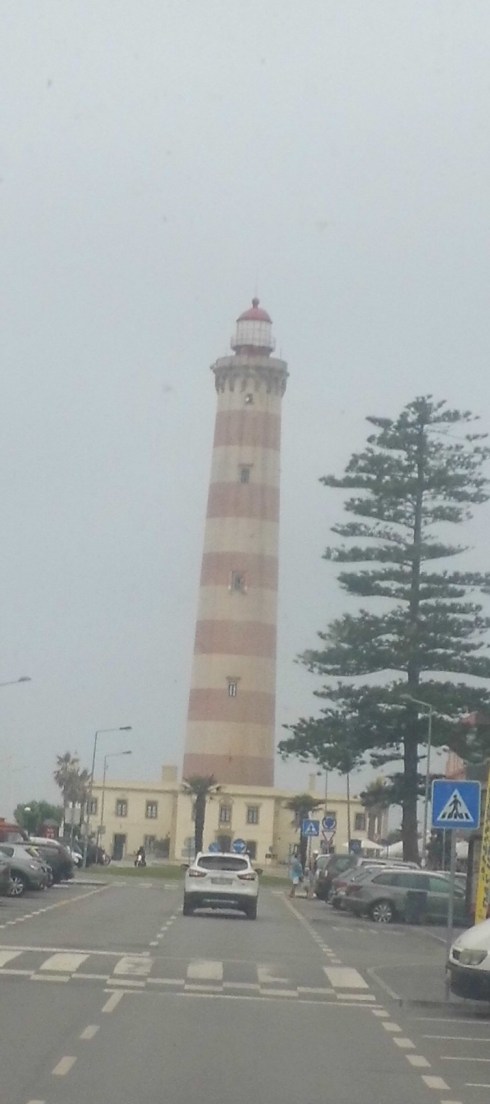
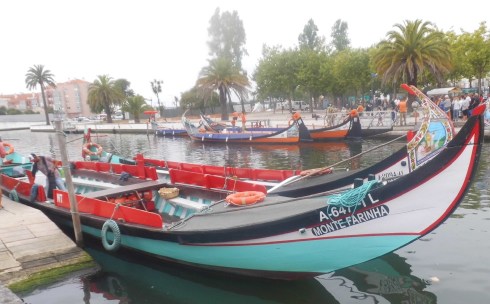
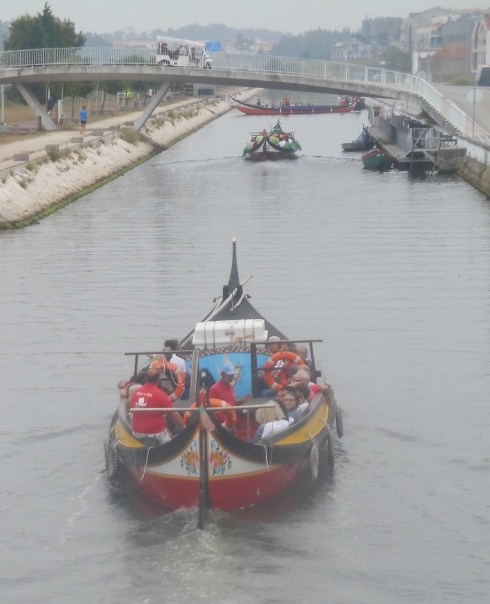
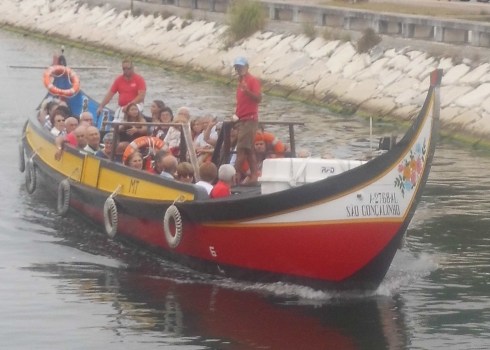
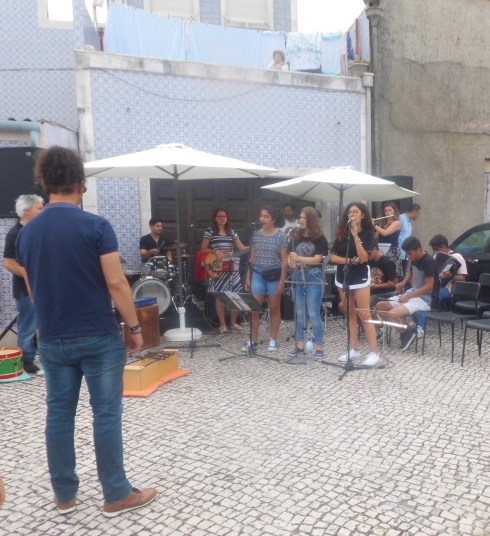
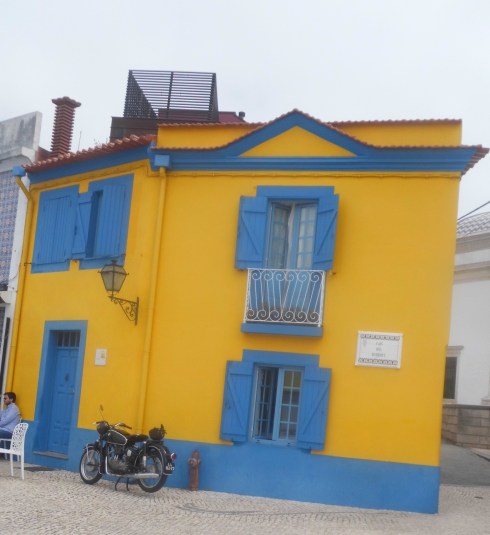
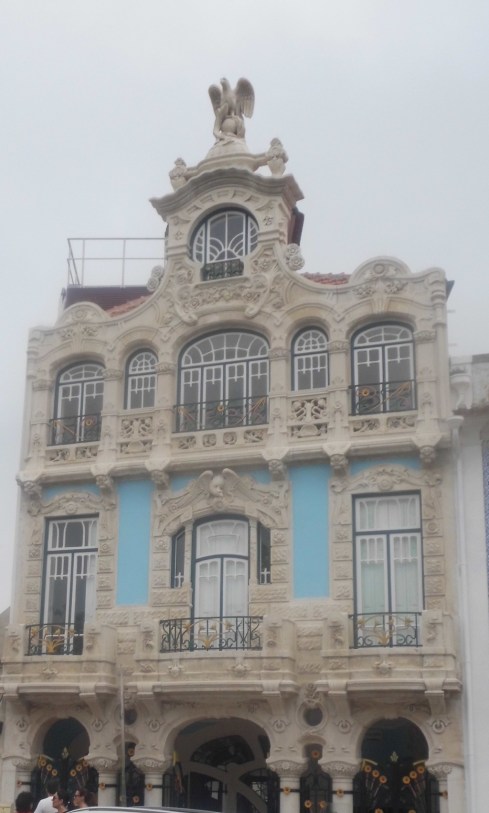
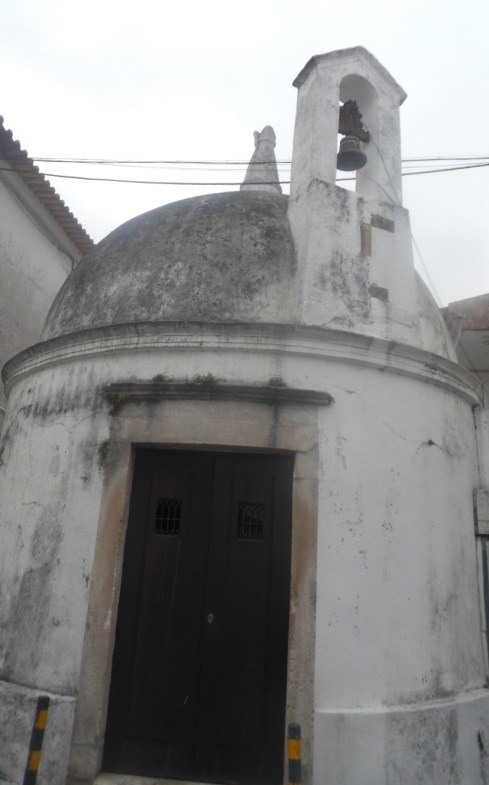
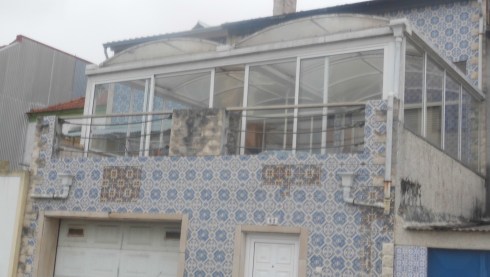
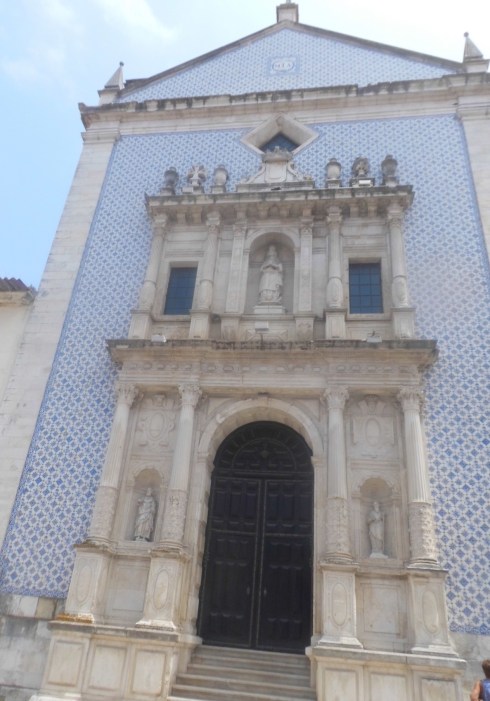
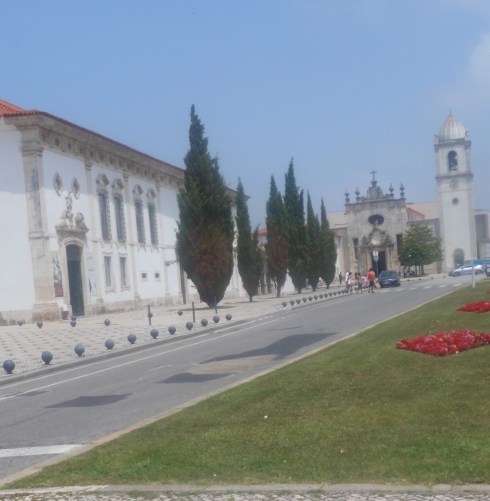
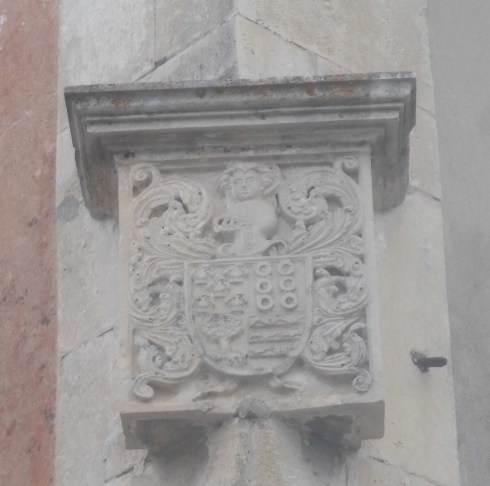
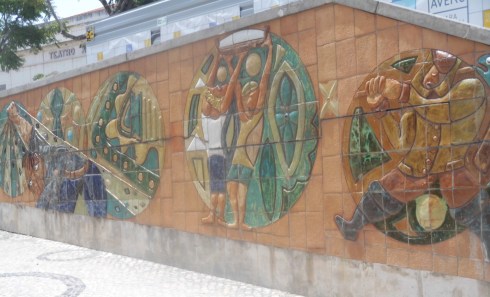
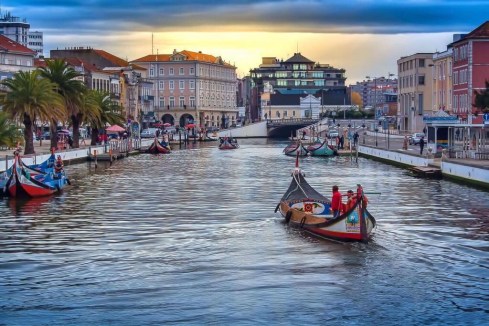
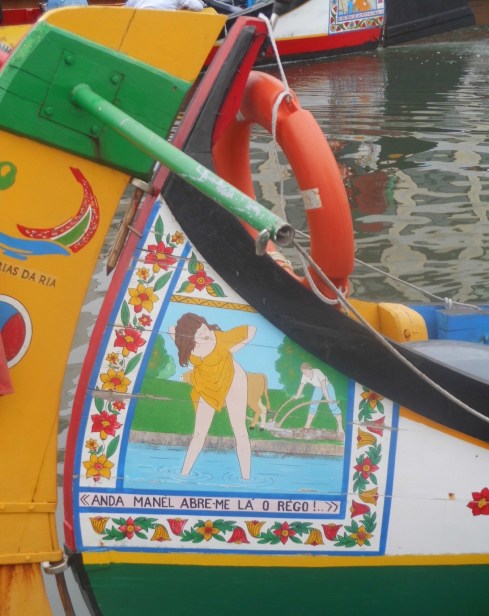
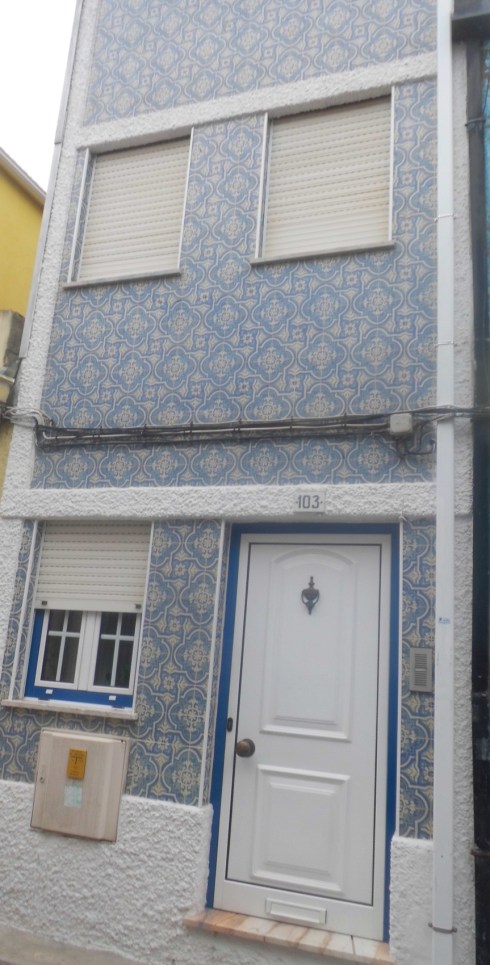
The bus trip to Aveiro on Sunday was a bargain as it included nearby Barra and its famous lighthouse, the docks and eventually Aveiro.The immediate impression of Aveiro is the canal network and the brightly painted boats,initially used for collecting seaweed to be made into fertiliser, but now working loads of trippers around the canal network.But you would not find such a saucy painting on an English narrowboat…As we walked alongside the canal we came across a concert by the Aveiro School of Music.Aveiro’s Old quarter has some eye catching residences, one or two to die for and one or two that looked as though they had given up the ghost.There are some fine civic buildings and venerable churches.Theworks of long forgotten stone masons and a more recent mural.I was completely taken by Aveiro – unpretentious, friendly and fascinating.
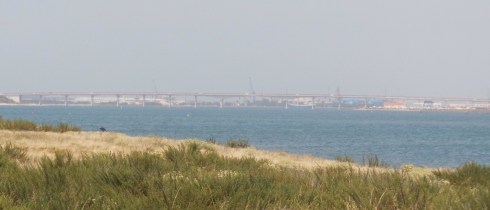
To finish – a bridge over untroubled waters.It’s down the Alentejo region next via a stopover at Alcacer Do Sal.