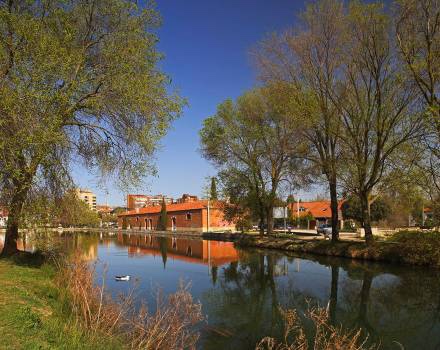
7 Km does not present a challenge and that is no bad thing; it does provide opportunities, however – some respite after a hectic three days, or a chance to revisit Castrojeriz , maybe take a walk to ESCLUSA,a peaceful vantage point on the Castilla Channel with its 200 year old engineering works and four locks.
There is also the possibility of a boat trip from hereabouts.
“I am curious – what is the rush to get through the meseta? Perhaps another way to approach it is to choose some of the ‘recommended places on the meseta and plan your walk to reach those each day. For example…
“I prefer Hontanas over Hornillos, and Hospital San Nicholas over Castrojeriz. Albergue En el Camino in Boadilla is a great stop, for the garden and the warm hospitality,” QUOTE FROM “ Six Reasons Not to Skip the Camino” .
“ The first five kilometres of this stage are easily the most beautiful in terms of landscape…..you soon come to a man made feature which will make the rest of your walk to Fromista pleasant and interesting: The Canal de Castilla” . From SR.
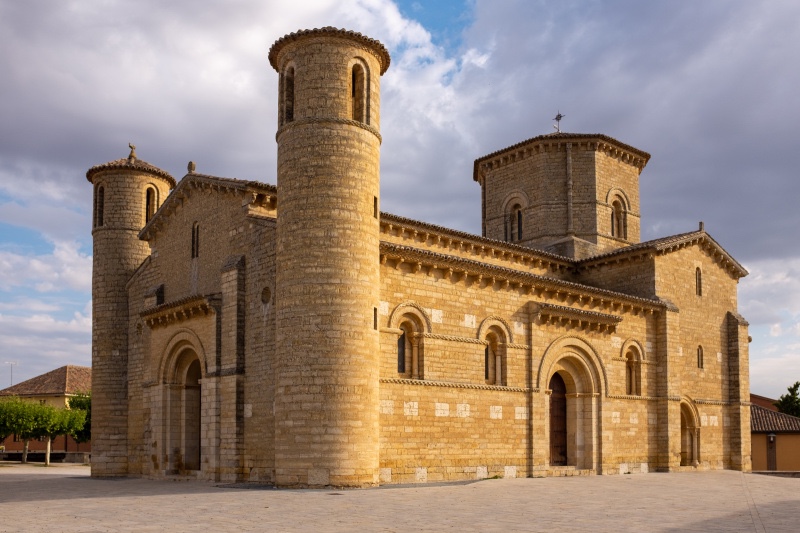
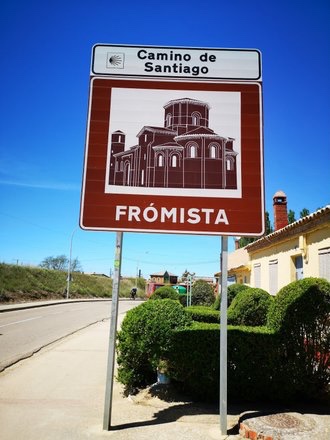
“ The walk along the towpath,beside Elms,observing the birds in the reeds and hearing the slow movement of the water goes all the way to Fromista.Just like Brindley Place.“Frómista is the southernmost city along the Camino Francés and the epicenter of wheat growing in Spain. Its rises and falls over the centuries were finally steadied with the arrival of the canals in the late 18th century; they brought proper irrigation and an abundant source of power for mills. In the center of town sits the Iglesia de San Martín, which underwent a rather unfortunate renovation in the 19th century. In the process, many of the more artistic elements were removed for reasons of decency. Quite a few decorated capitals make for an interesting, if not amusing, visit. Two other churches, San Pedro and Santa María del Castillo, are generally open to the public.” WP
“The town of Fromista is one of the most attractive sights to be found along the Way ….“SR
“ The importance of Fromista to the Camino is evident in the fact that there were several pilgrim hospitals here in medieval times…Fromista is derived from the Latin word for cereal frumentum this area having provided copious supplies of wheat to the burgeoning Roman Empire.JB
Fromista, population circa 800, comes at the end of the sixth stage in Picaud’s original pilgrims’s guide. It is believed the town was first inhabited by the Celts, then Romans, to be completely destroyed by the Moors during the 8th century.
It was repopulated during the 10th century; aided in part by Donna Mayor, wife of Sancho III, who founded a Benedictine monastery.
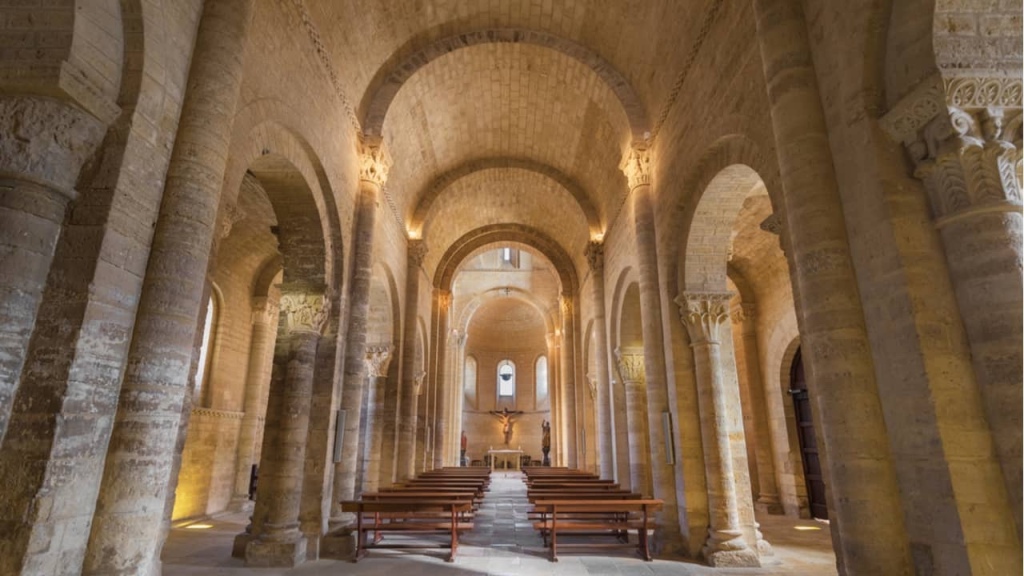
Today the only surviving part of the monastery is the Church of San Martin. A statue of San Telmo, (St Elmo), the patron saint of sailors, presides over the village square; he was born here in 1190 and his remain are interred in the cathedral in Tuy, Pontevedra, on the Camino Portugues.
San Telmo
The Romanesque Church of San Martin is an imposing building dominating the center of the plaza where it is located.
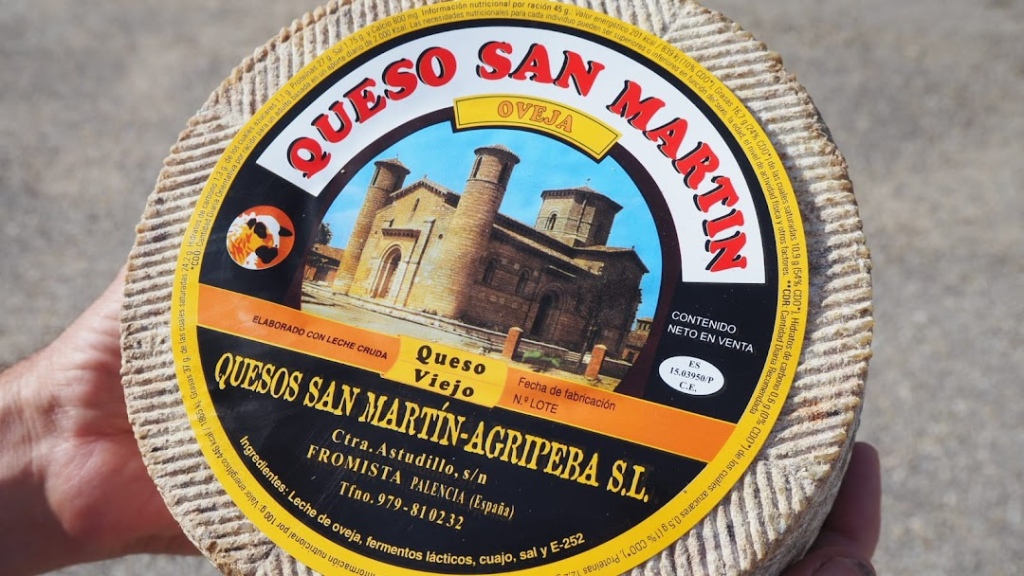
As a complete but appetising contrast you could visit Quesos San Martín Frómista,famed for locally made cheese.
Would be good on a bocadillo.
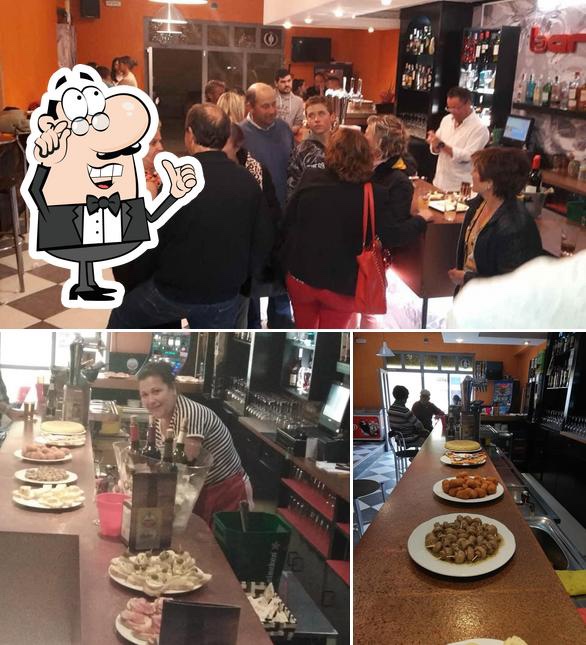
For a more substantial lunch,Bar Vulcan’s tapas are highly recommended.
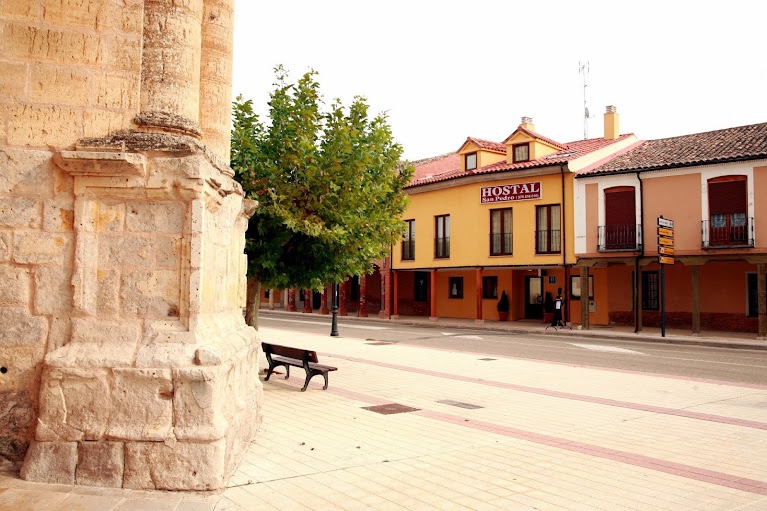
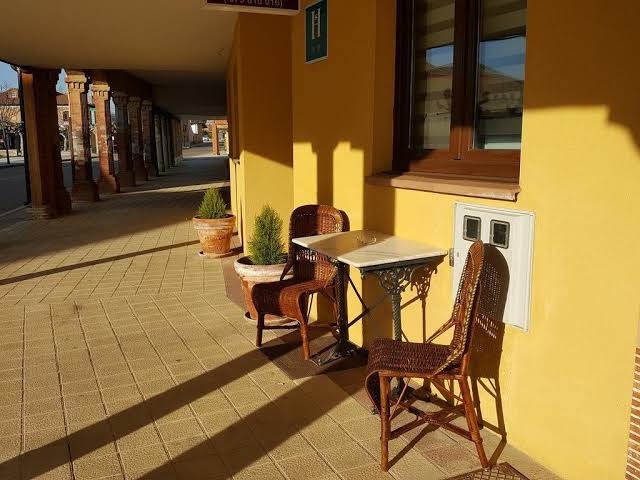
Accomodation for the evening is in HOTEL RURAL San Pedro.
“· A beautiful hotel with a lovely smell of potpourri when entering. Sweets in bowls dotted around various places .a nice touch I thought” . Recent review.
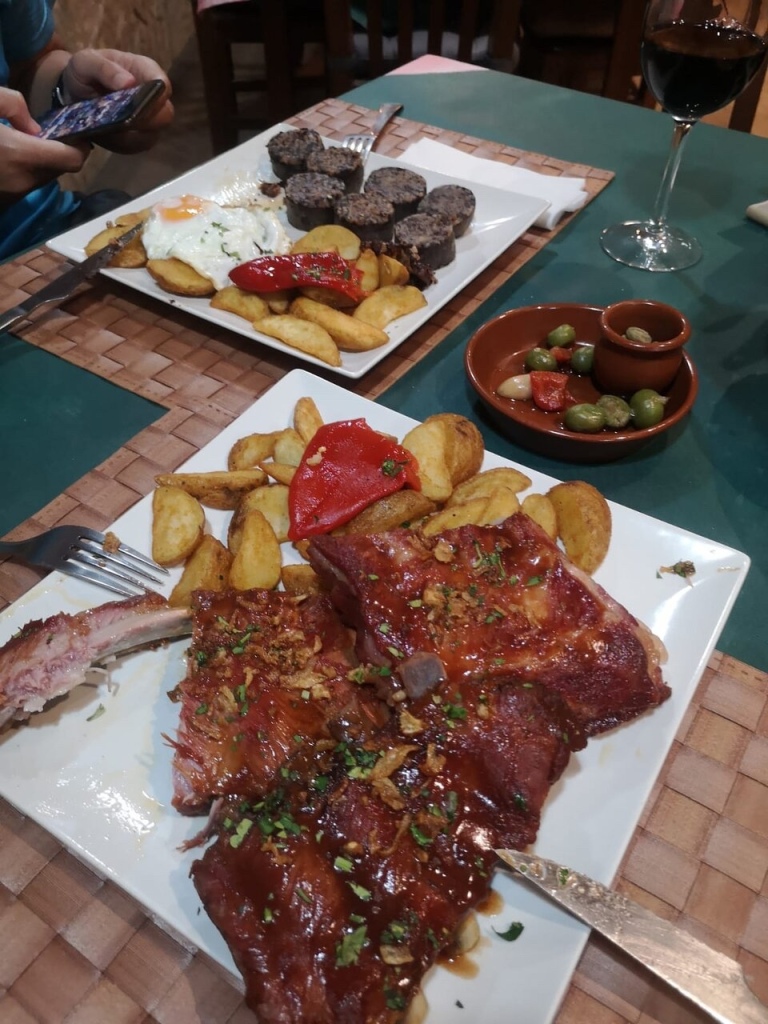
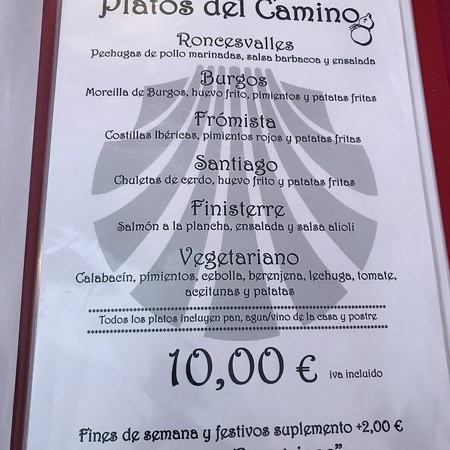
And for dinner,El Chiringuito Del Camino has these hearty dishes.
There are vegetarian options,too. PELEGRINOS MENU – Prices may have risen slightly by May 2023!
And every day you wonder why you are doing this, and every day you give thanks that you can.”
Yes, the gratitude I feel at being able to do this in such a beautiful place, is everything.
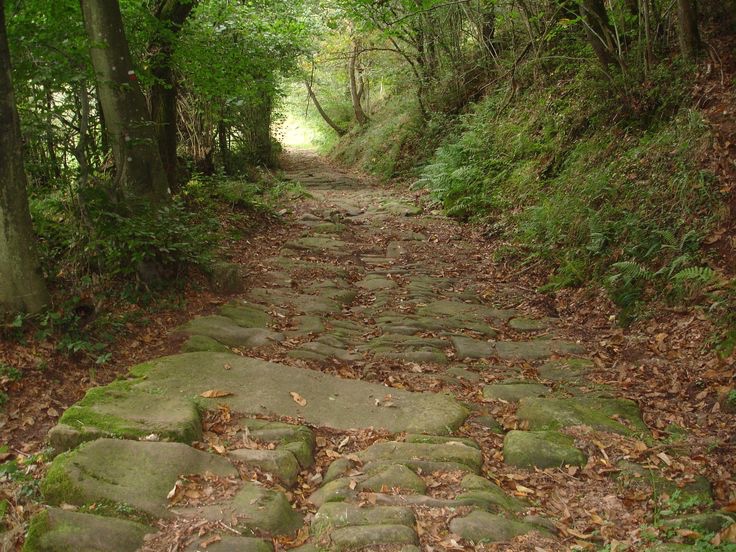
Leaving Sahagun,“ Four kilometres after leaving Sahagún, you have a choice: Stay on the Medieval route known as the Camino Real,or detour to the Via Romana
– also known as the Calzada Romana …which follows the old Roman road…adding a little over 1 kilometre to the whole trek . You won’t see much of the Roman road;it is largely under dirt and gravel. BB
Apparently the advantage of this detour is to take you away from the highway ( A-231) that the Camino Real parallels in places. JB says “ stay on this ( left) side of the bridge and continue along the gravel Senda alongside a quiet country road with shade,parallel to the autopista. Either way we will be moving on through the cereal and grain-covered plateaux of Leon.
Pleasant park-like stretch
It will be advisable to stock up on water and snacks as there is a distance of some 12 KM with little in the way of support services.
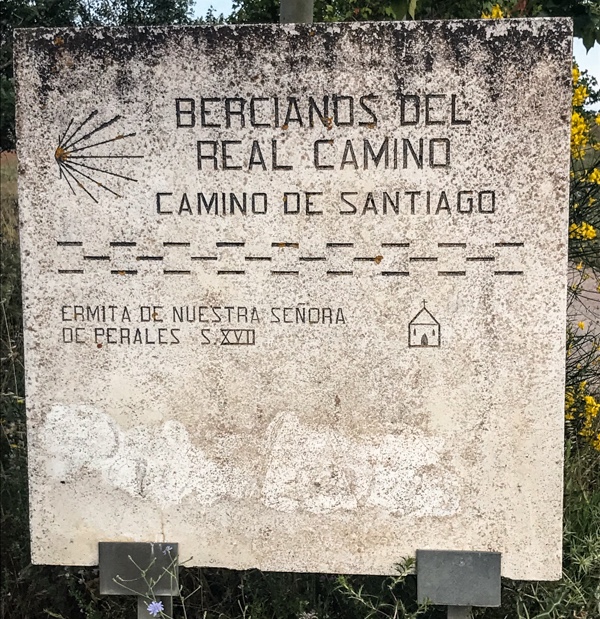
Another reason for staying on the Real “ is to see the 17 th century hermitage ,Ermita de Nuestra Senora de Perales…Both a rest area and sacred site for the people of Bercianos.” BB
Looks inviting.
The next Puebla of any consequence is Bercianos del Real Camino.
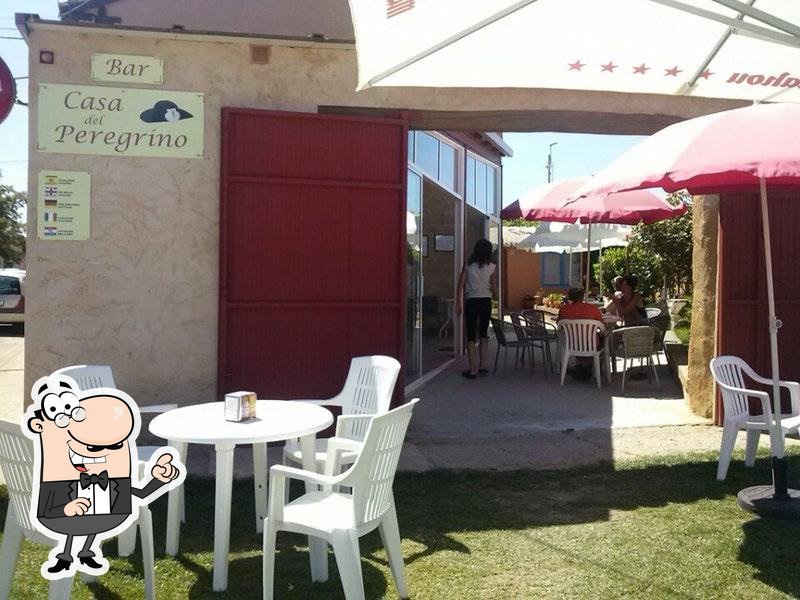
According to JB there is a Bar Casa PeregrinoThis looks hospitable.
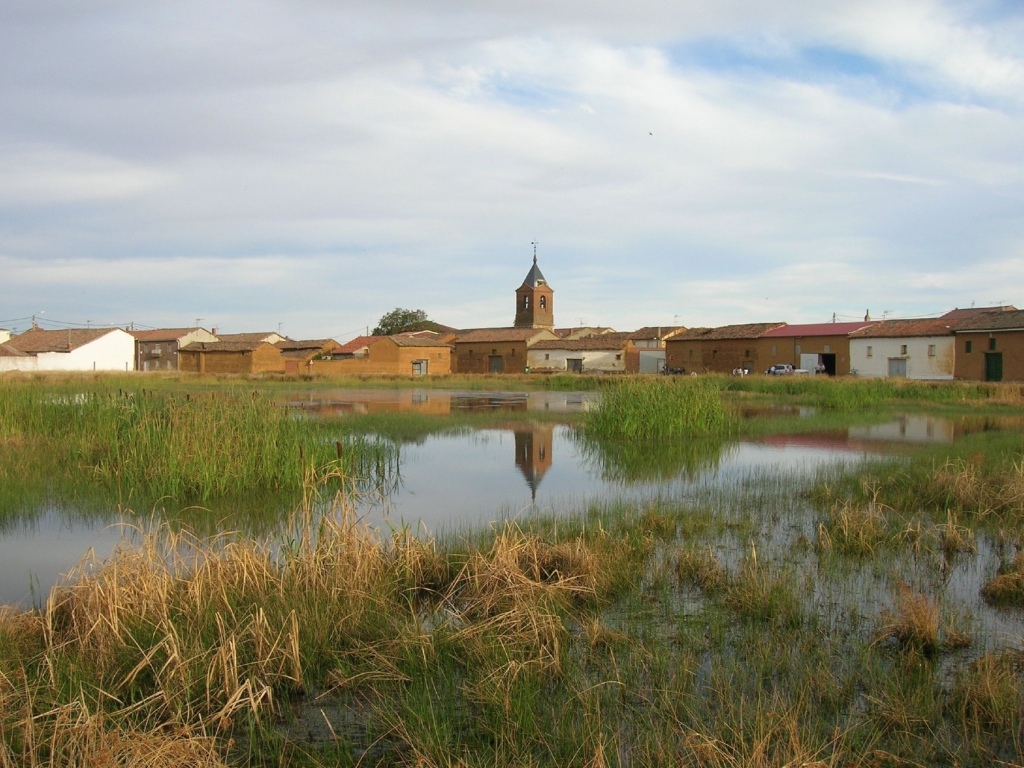
We shall pick up the route “on the Western edge of the village passing wetland reserve Laguna Olmo and then onwards under the autopista to continue on to El Burgo Raneros.” J.B
The Laguna at sunrise – A bird hide on the left .
“ After a walk of almost two hours on the plain,you come to the pleasantly surprising town of El Burgo Ranero…(it) might at first glance look like a typical small town where you can rest and remove your boots…However, you need only to take a short walk and have a careful look around to see that this is a town that offers a great deal”. SR
The village church. “ If you are passing through at the right time of year ( late May ) take a close look at the stork nests on the tower. If you are lucky you may catch a glimpse of the babies waiting for lunch” WP
“ Some say El Burgo Ranero gets its name from el burg granero,a grain or granary town,and others from el burgo ranero, a place abundant with frogs ( ranas), a part of the town legacy thanks to the nearby pond. Take your pick; they’ve got plenty of both” BB
“ The frogs add a nice touch ,ribbiting along the small lagoon on the northeast side of the town…” BB
“ El Burgo Ranero owes its existence to both wheat and wool. “ WP “ the wheat and wool business that once sustained it has been displaced by mechanisation “ WP
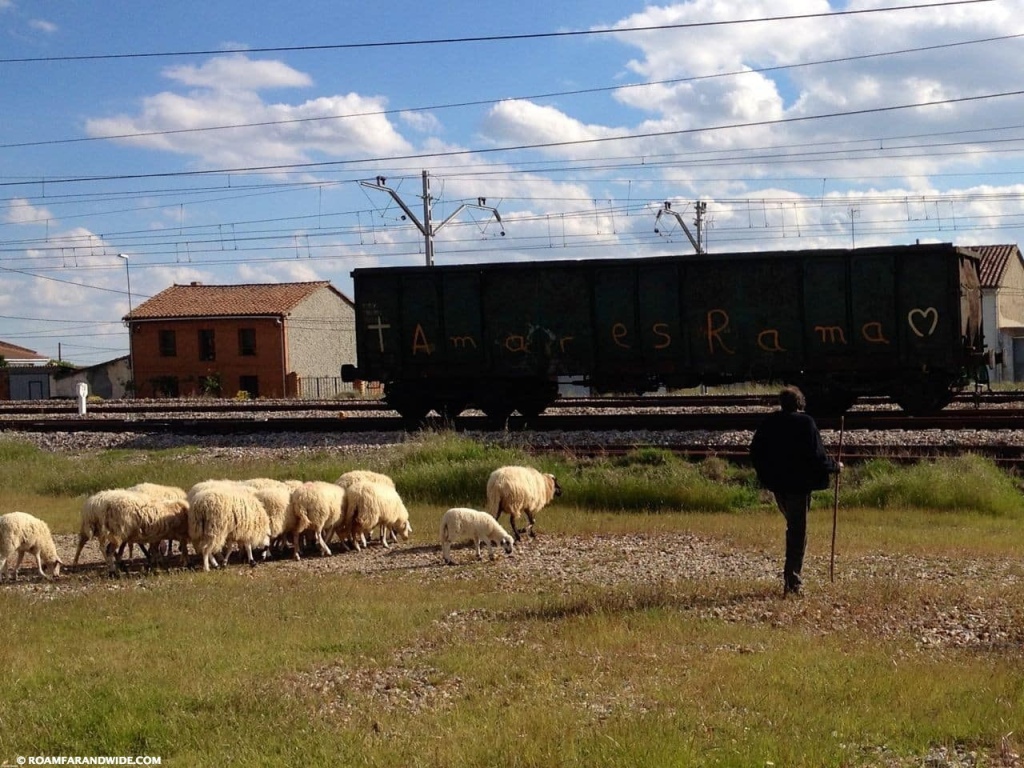
“ The village probably came in to bringing the early 12 th century , but is set on a much more ancient pathway where sheep had been moved from pasture to pasture over millenia. ( Shepherding and transhumance – a word we get from Spanish,the practice of moving sheep from summer to winter pastures and back again – have been practised here ever since farmers and herders inhabited Iberia” BB
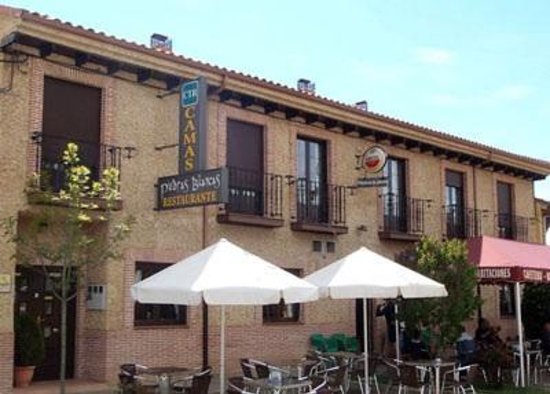
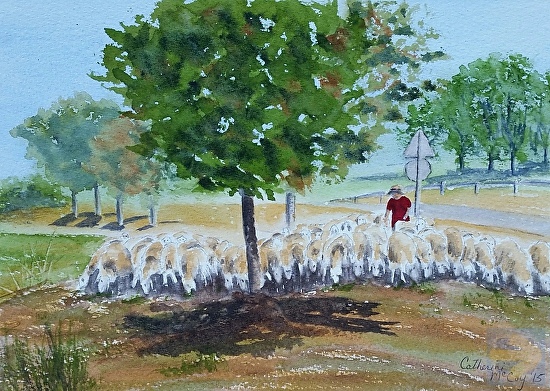
Shepherding.Our accommodation H. Rural Piedras Blancas. It is family run with a lively bar frequented by locals and Pelegrinos alike. Recommended for its traditional, family style meals.Local water colour.
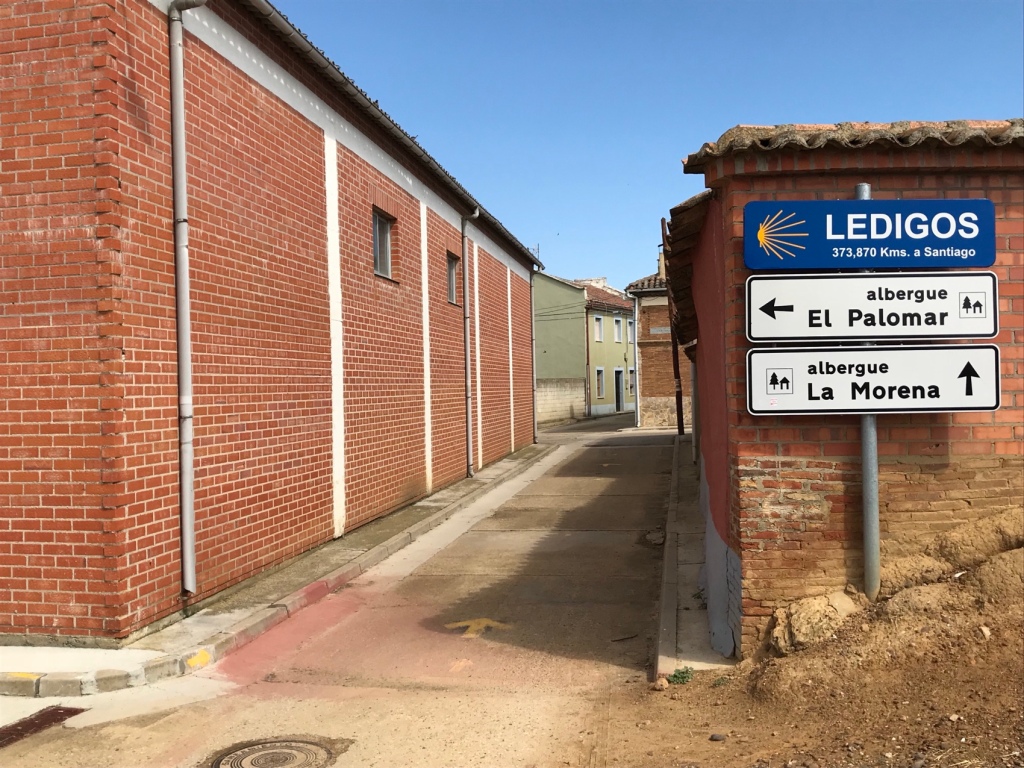
“To come to the knowledge which you have not, You must go by the way which you know not.” “Ledigos wins the award for the most confusing Camino signs. Fear not,both directions will take you to Terradillos de Los Templarios.” WP
It’s a short walk to Terradillos.” After the relative luxury of Carrion we know experience rural simplicity,thankfully bypassed by the N-120. Formerly a stronghold of the Knights Templar nothing,on a physical level remains of this noble Order but it’s spirit lives on in the place name..” JB
“ The Albergue Jaqueline de Molay is named after the last grand master of the Templars ( who was tortured and burned at the stake in 1314 )…………………….The Templar name is a reference to the legend of the Templars’ hidden golden hen or goose,possibly still buried here in Terradillos.
“ The true gold is the hospitality,along with the daily meditations written on chalkboard in the garden. A recent one “ Sometimes you have to lose yourself to find yourself”. The village has a general store and a bar” .BB
Not too further on is “ a seemingly sleepy little village,Moratinos.” BB
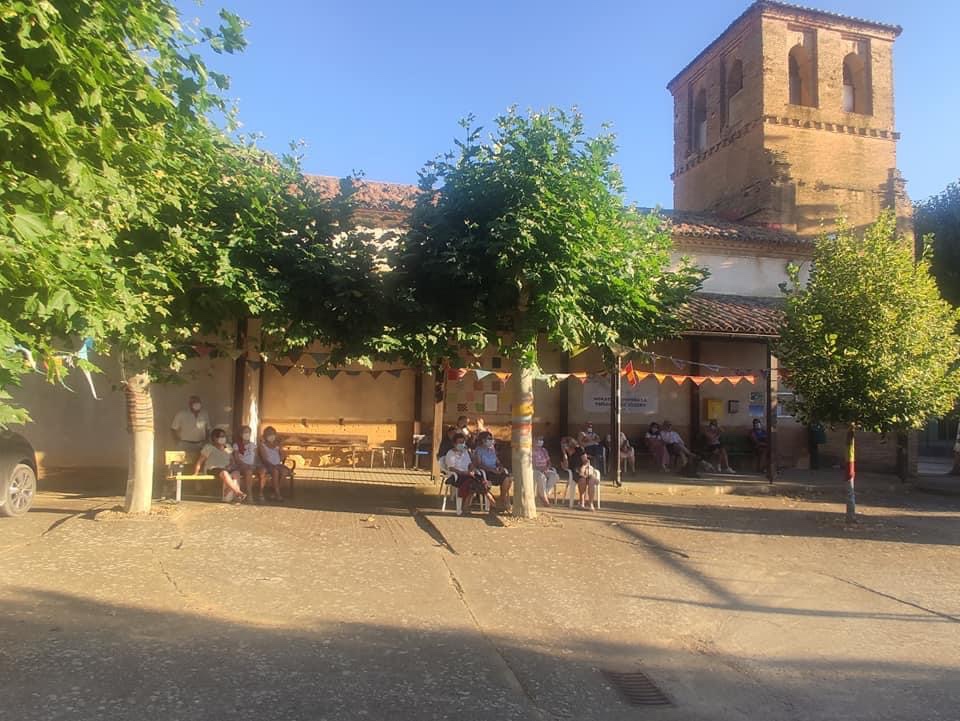
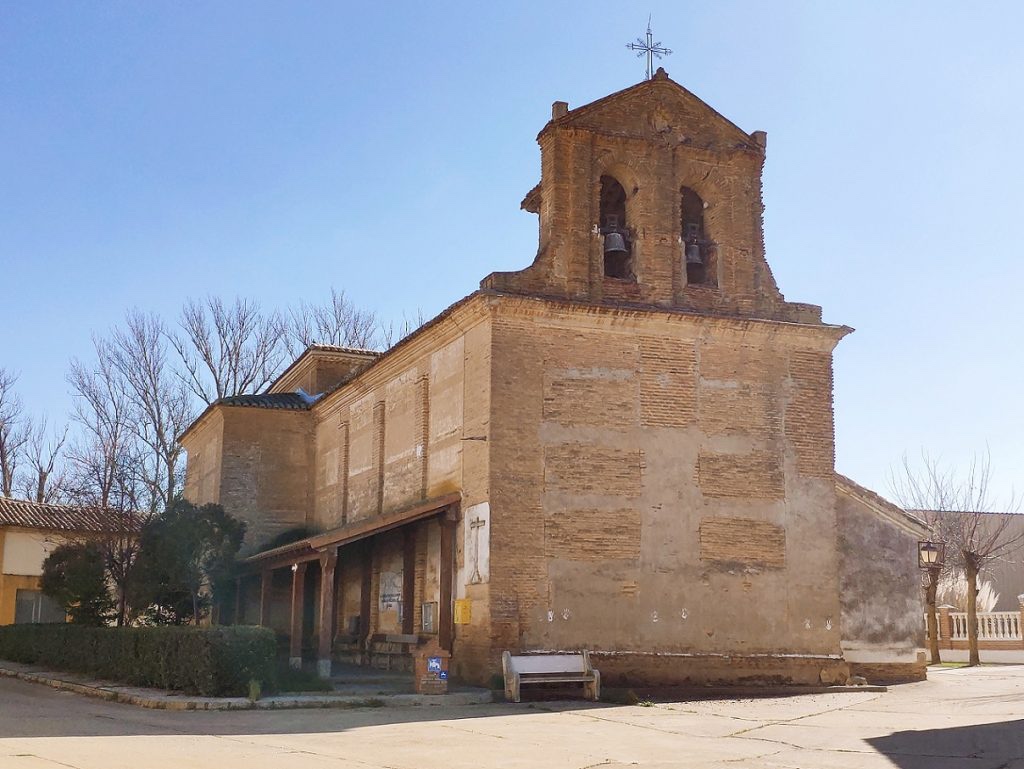
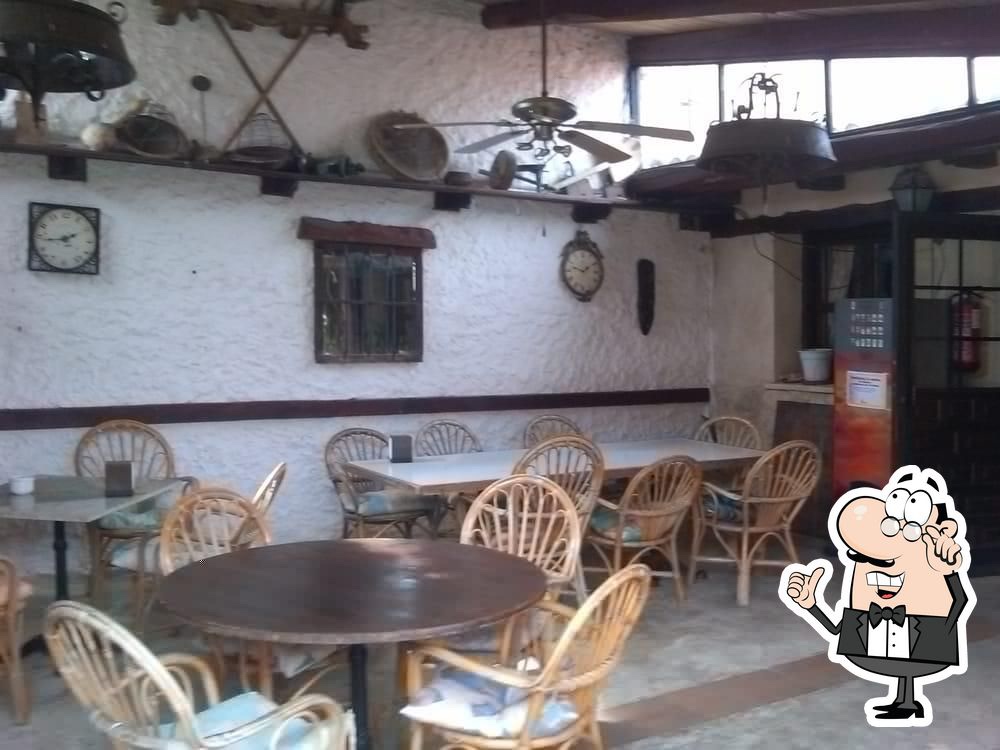
Iglesia de Santo Tomas,Moratinos.“ decked out in colourful Knit yarn creations that are strung across the chuch plaza and wrapped around the trees. These “ yarn trees” are the project also of the Asociacion Cultural de Moratinos,who wanted to add colour to their village.Not bad for a population of 58 ! “We will then continue onto a pleasant gravel track ( away from the N-120 ) all the way into San Nicolas del Real Camino” JB There is a bar and restaurant in the village square along with parish church.Iglesia de San Nicolas Obispo ( it’s humble exterior also serving as a pelota court ! ) JB On the edge of the village is Casa Barrunta, a ranch-and-tavern like restaurant. “ This is some of the best food on the Meseta,served with the biggest heart and professional flair.”Lunch anyone?
PROVINCIA DE LEON,“part of the autonomous region of Castille y Leon and offering the most varied terrain on the Camino. We start off with a continuation of the now familiar Tierra de Campos with its flat and well irrigated agricultural land.” JB
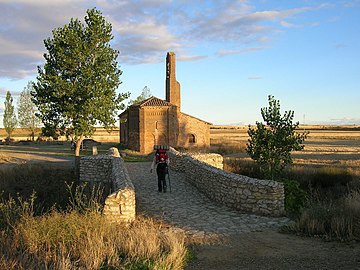
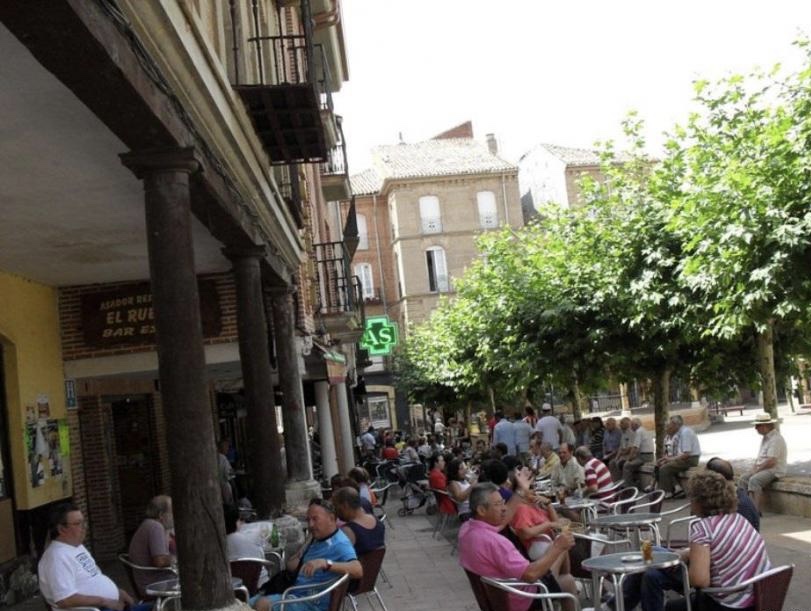
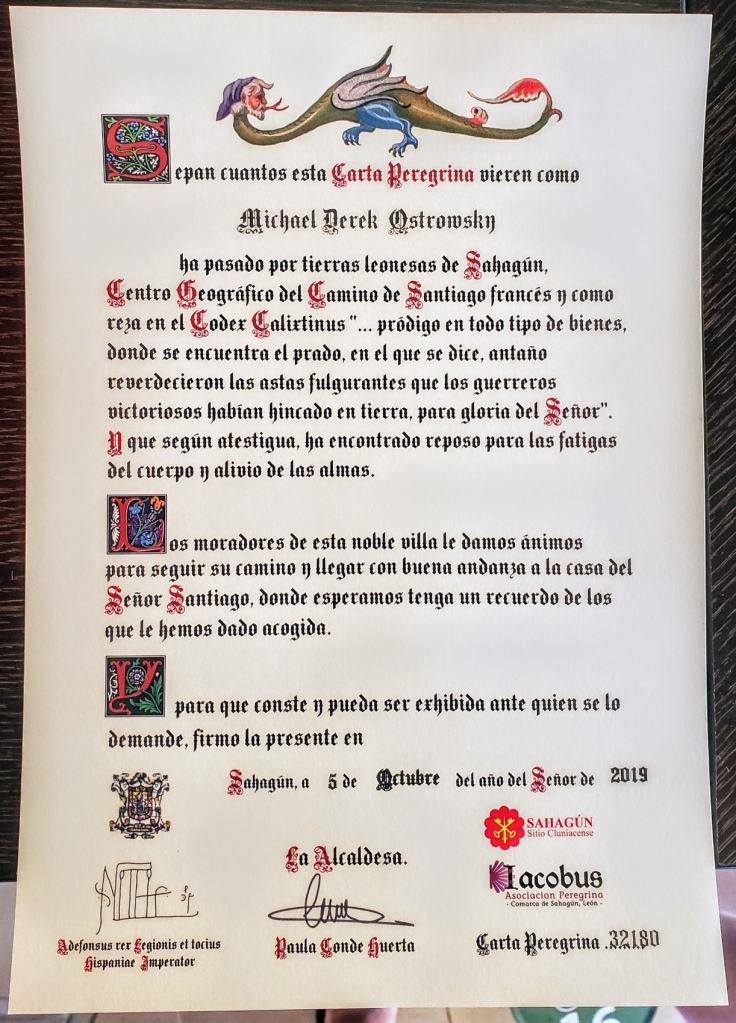
Then we reach the evening’s rest place,Sahagun, in Hostal San Juan, after crossing the Medieaval bridge at Ermita de la Virgen del Puente.Although an established Alojamiento in Sahagun,the Hostal did not feature on the CORREOS drop down list of accommodations when I was just recently booking our luggage stops. It was only after an E-Mail to the Correos,together with proof of the Hostal having someone on duty between the hors of 08.00 – 14.30, that a polite agreement was reached! To give the CORREOS credit,they were quick to respond and set up my stage on their website.“SAHAGUN is one of the towns that prospered greatly under the powerful order of Cluny which at one time controlled as many as 300 monasteries and churches along the way” SR. “ It seems to combine all the joys of close-to-the-land village life with ease and amenities of city life.” JB“If you join the locals for a drink on the Plaza Mayor, you’ll begin to feel a harmony here” JB There’s a strong possibility that we will!The Santuario de la Peregrina. As we began our Camino in Saint Jean Pied de Port,we will have passed the halfway point to Santiago. “ This warrants a celebration- you’ve gone almost 400 kilometres ( 250 miles )! You can mark the moment…in the Santuario de Pelegrina to receive your halfway certificate…in pretty cursive script.THE HALFWAY CERTIFICATE
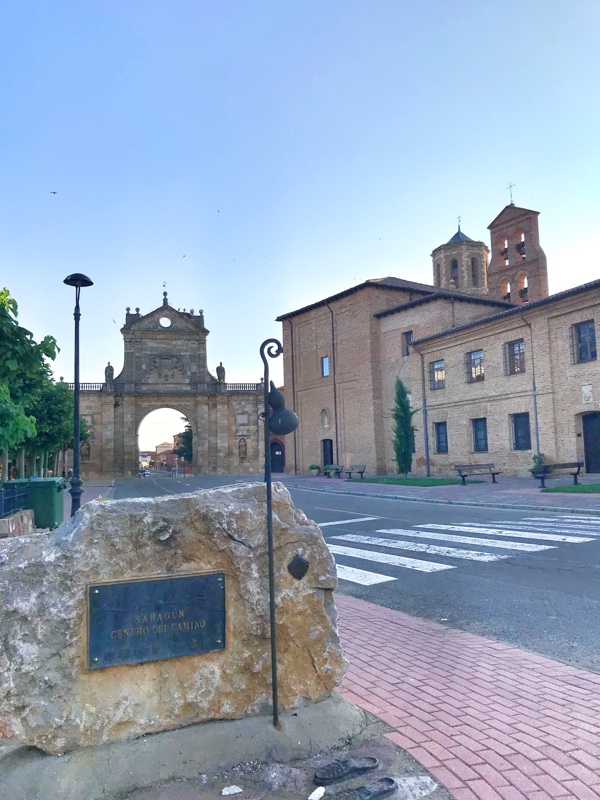
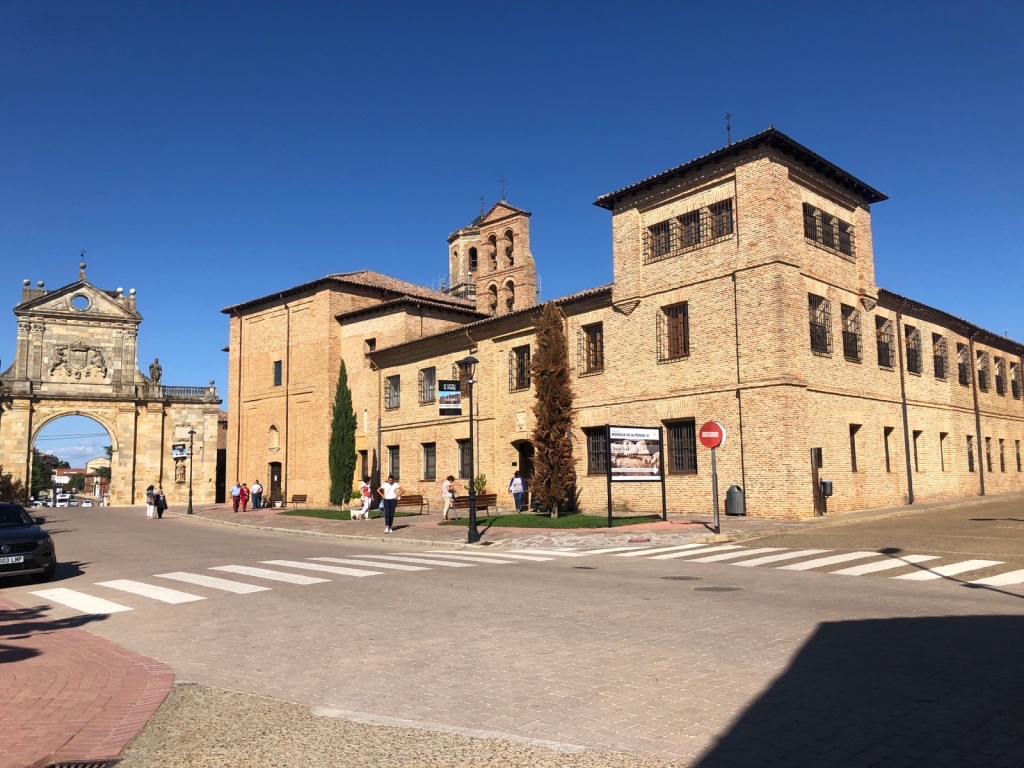
Sixty-seven kilometres to the south-east of Leon we find Sahagún, a historic city that stretches on top of a smooth mound, whose nerve centre is the main square, or Plaza Mayor, which still has its original porches.
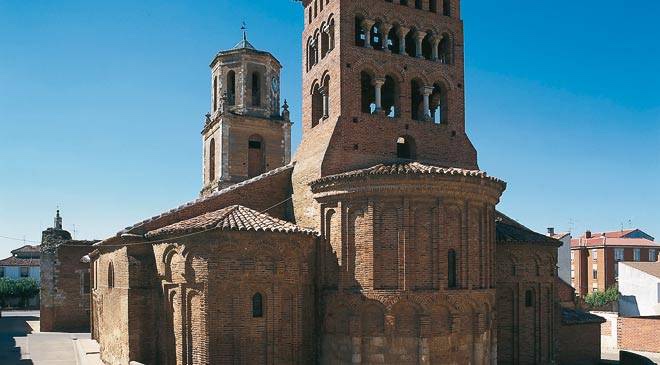
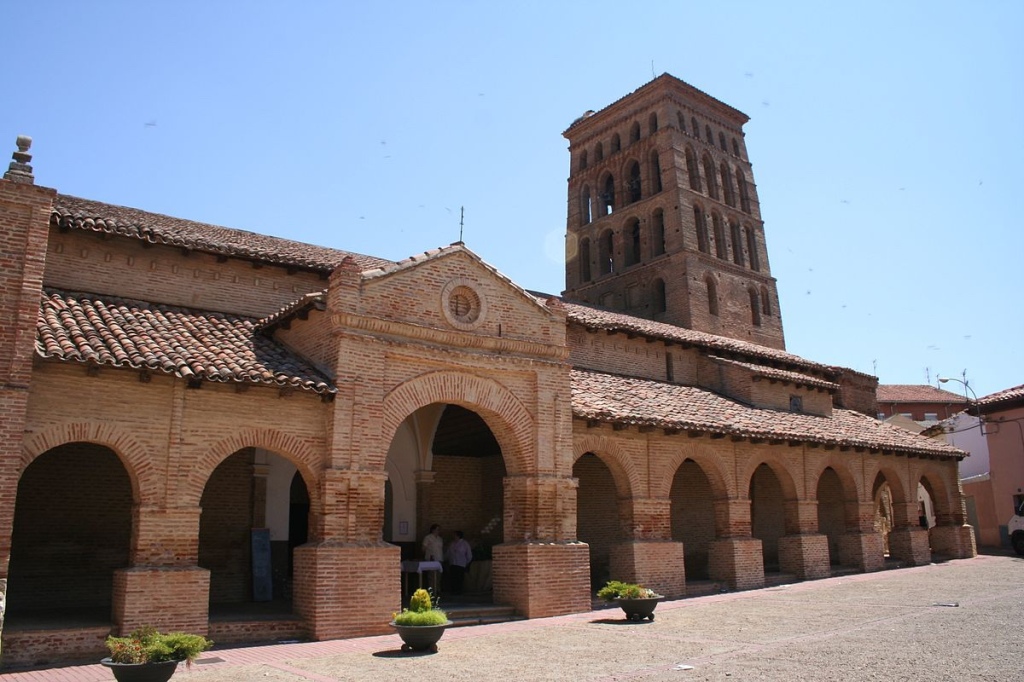
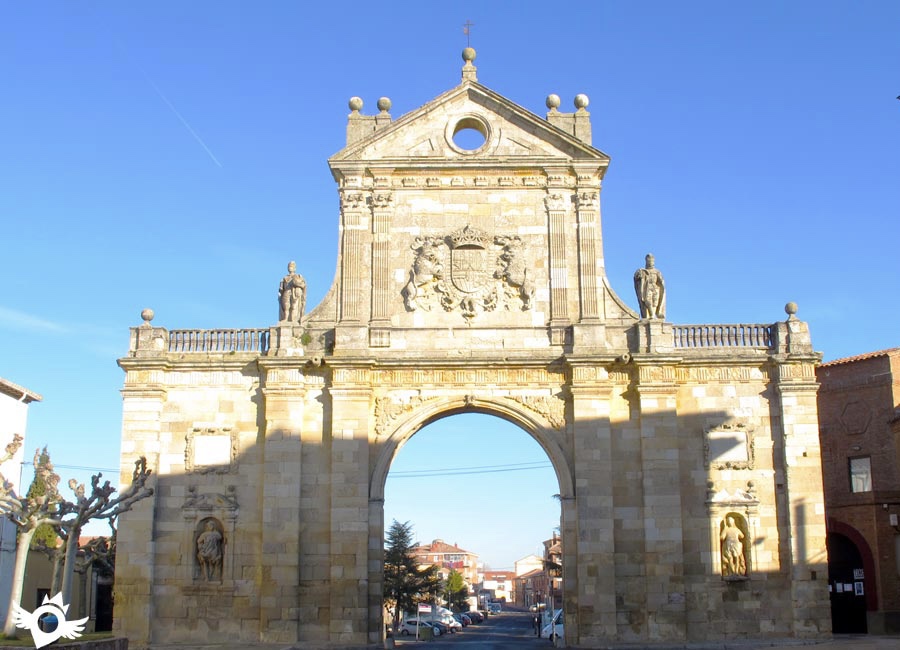
In the streets we can see some houses with brick and wooden structures, and some others that were built with clay and straw. The local artistic heritage, the legacy of a booming past, includes remarkable buildings such as the monastery of San Benito el Real, from which only a Neoclassical arch still stands; the Mudejar churches of San Tirso and San Lorenzo, from the 12th and 13th centuries, respectively; the convent of the Benedictines, presently the site of the Sahagún Museum; and the sanctuary of Peregrina, in the outskirts as described above.
San Tirso San Lorenzo – A mix of Romanesque,Mudejar and Gothic from the early 13 th century.Quite a place! Photo from JB’s Guide.
Awoke to another sunny morning . All ready for today’s saunter.
Patio number 3
Leaving Plaza de Merced,we began a steady uphill walk.
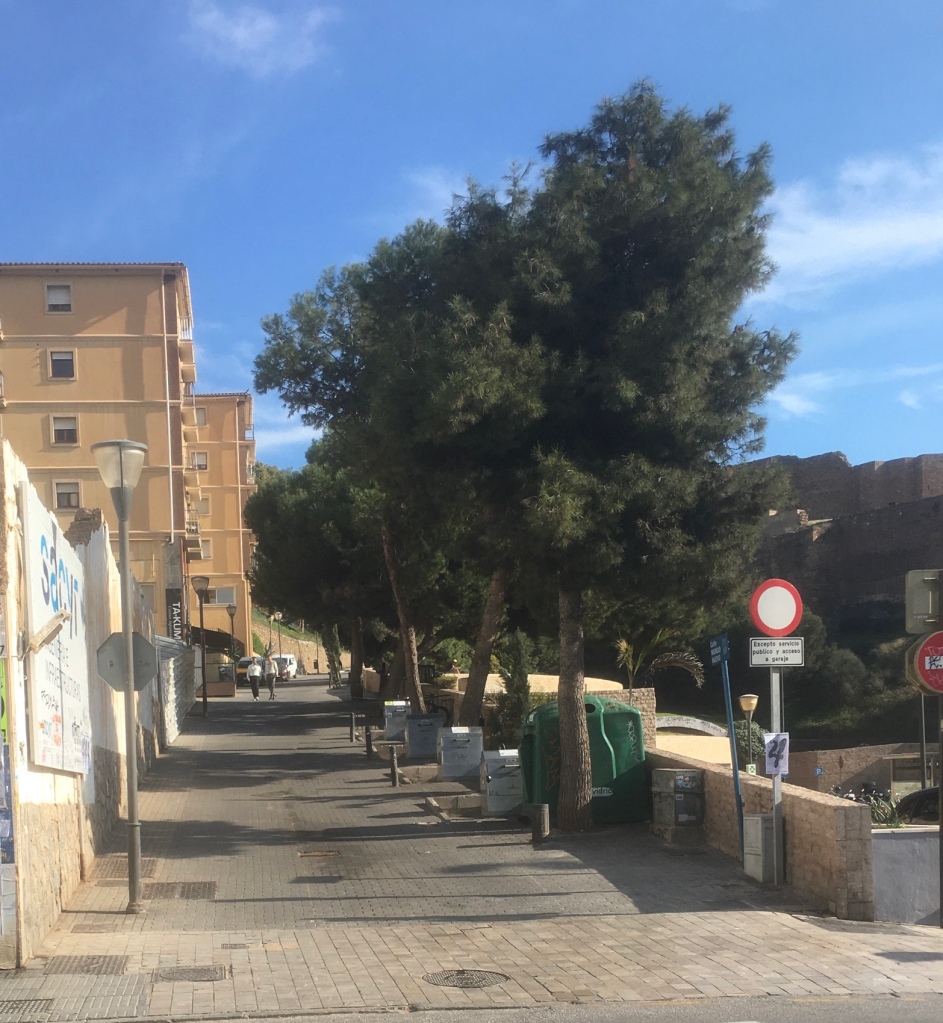
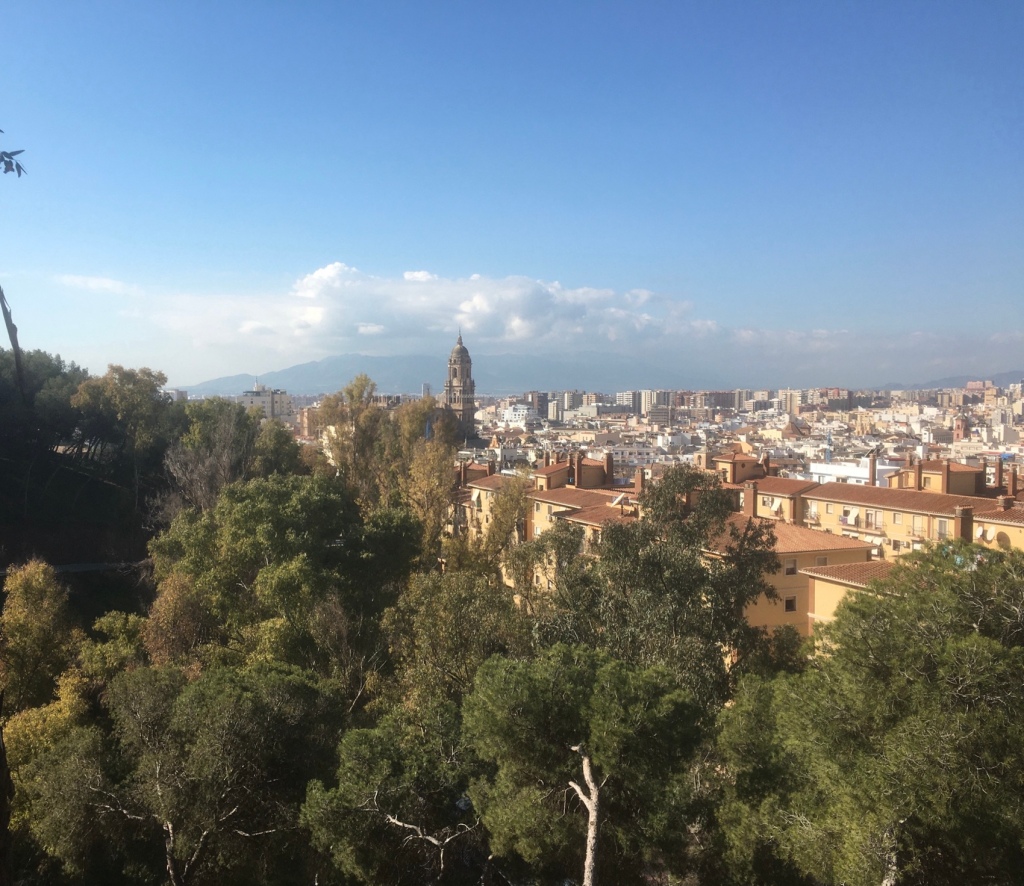
Traffic free all the way up to the top and along a tree lined boulevard .Cathedral in the distance
Nearing the top we were looking forward to coffee.
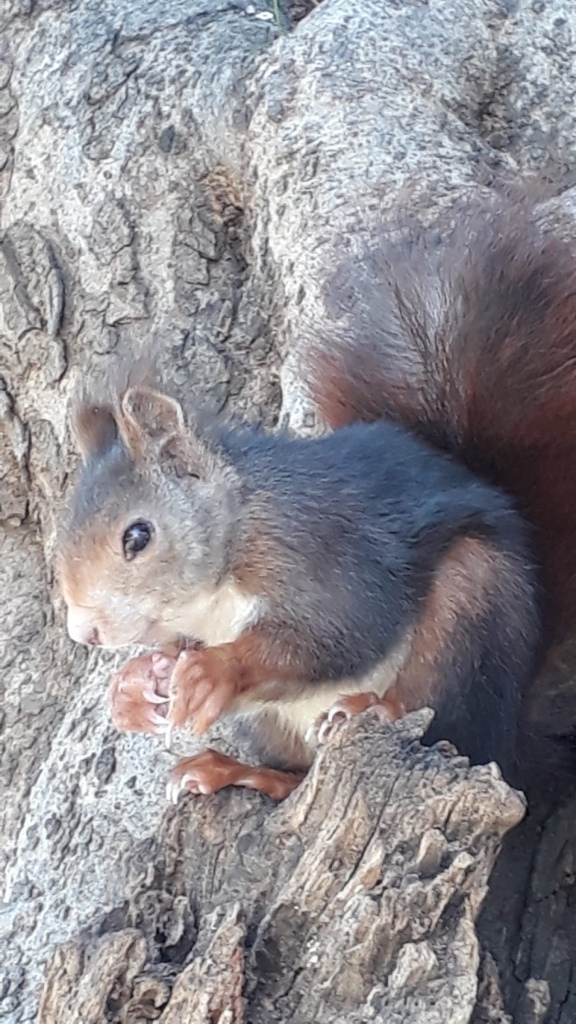
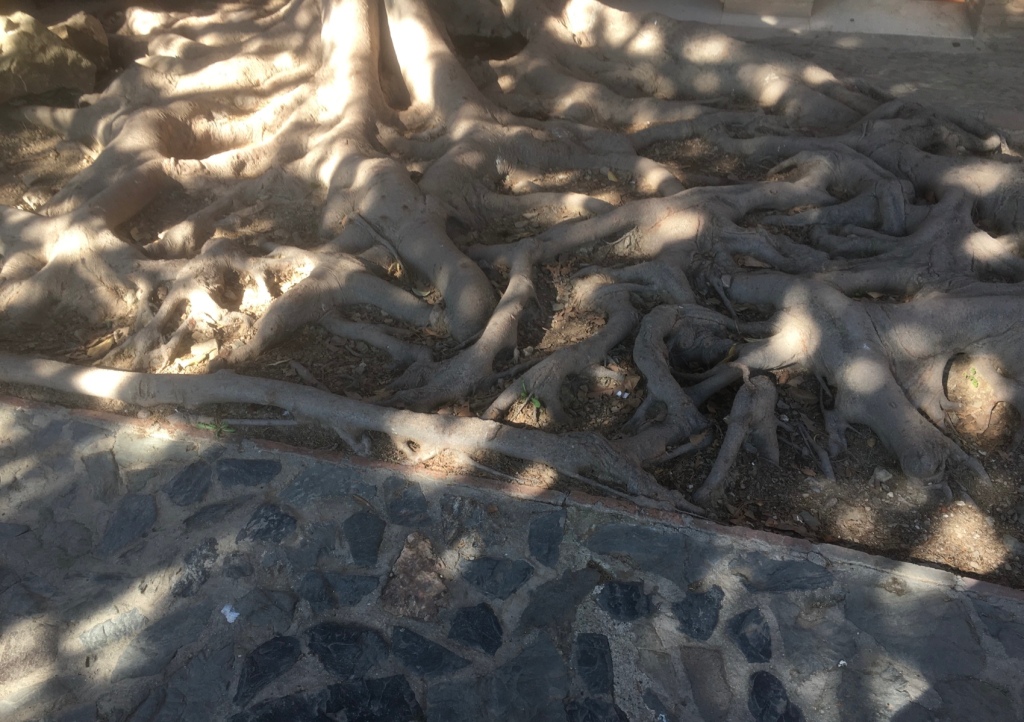
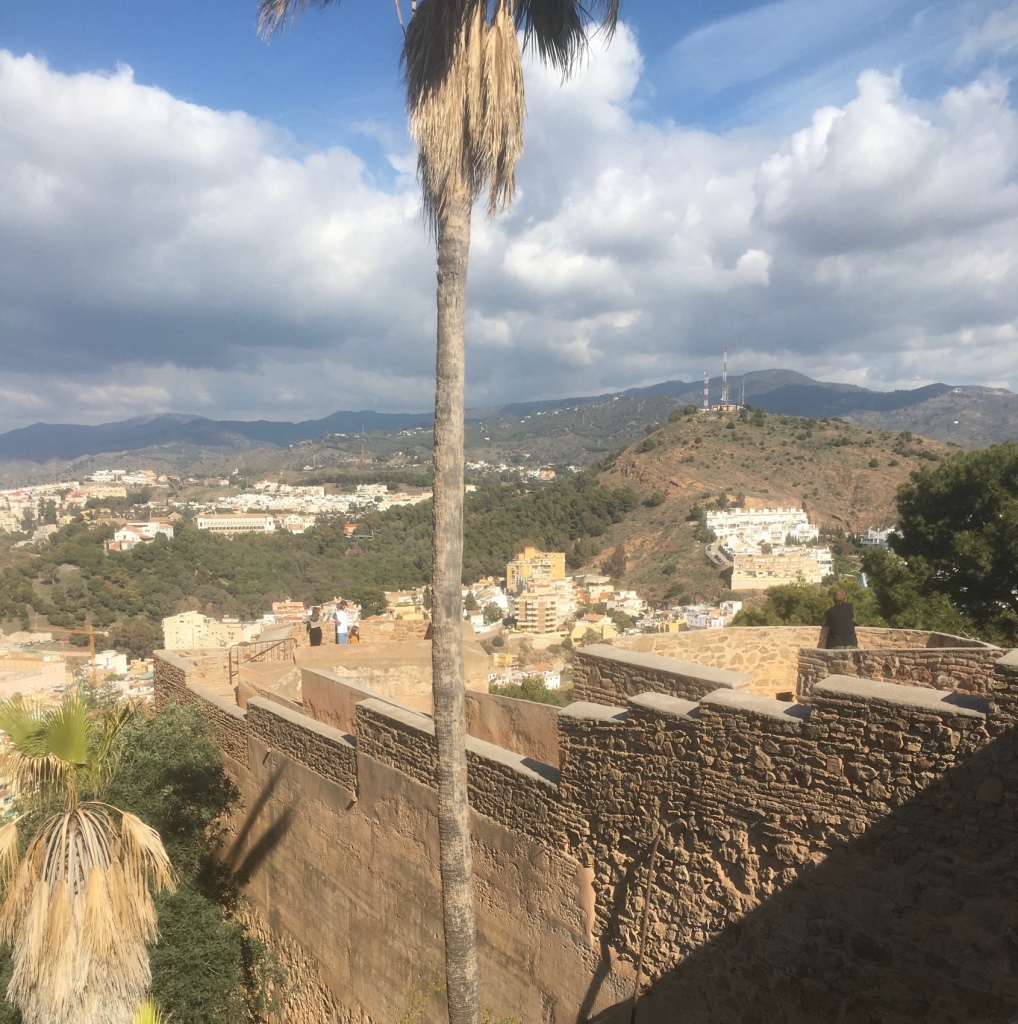
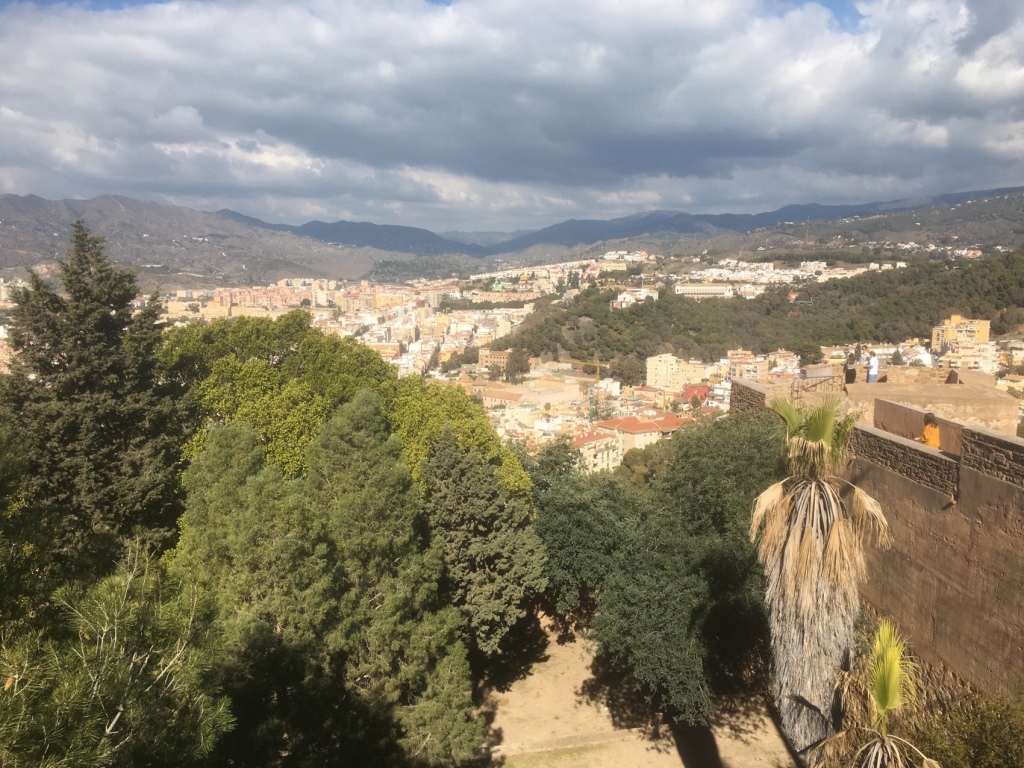
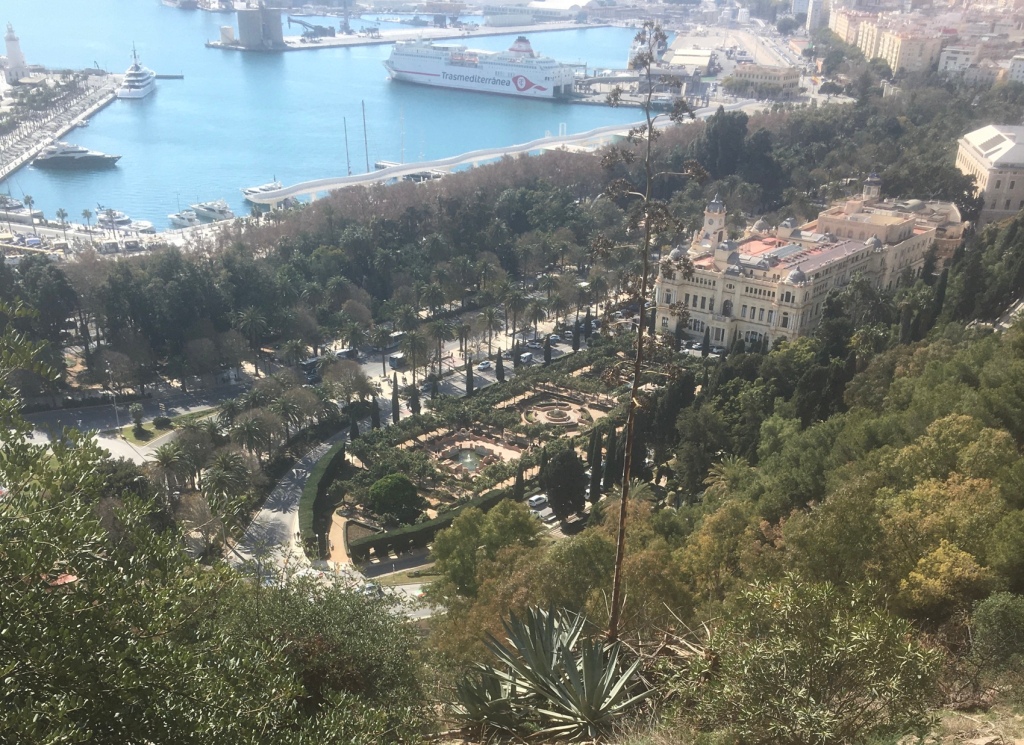
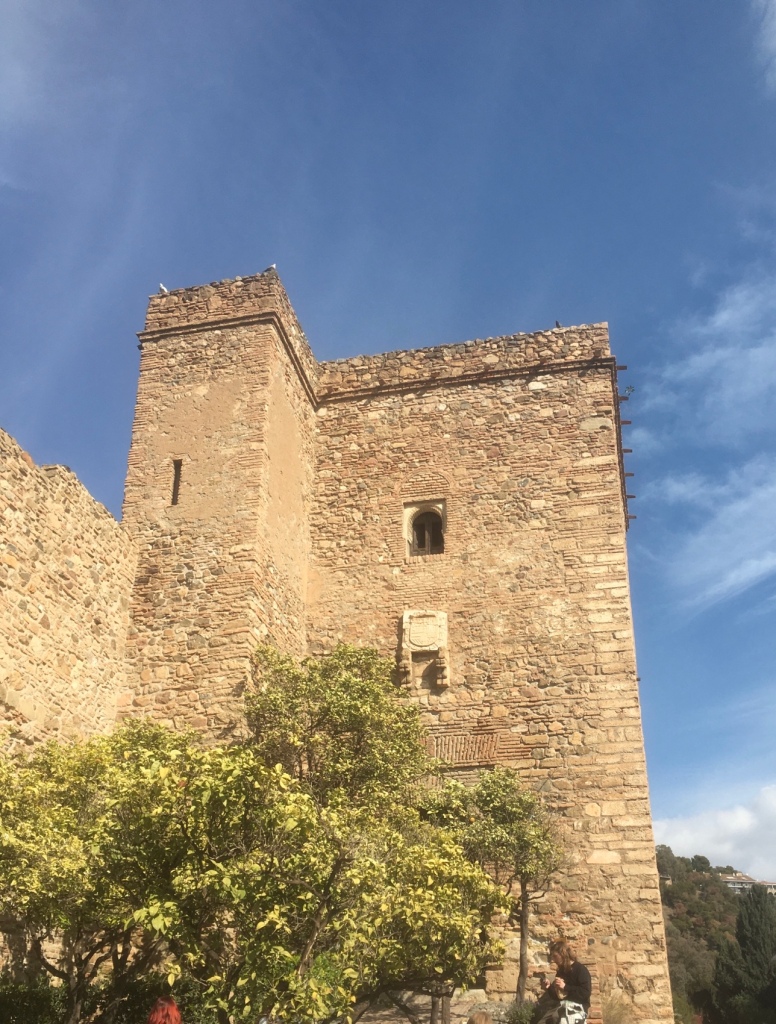
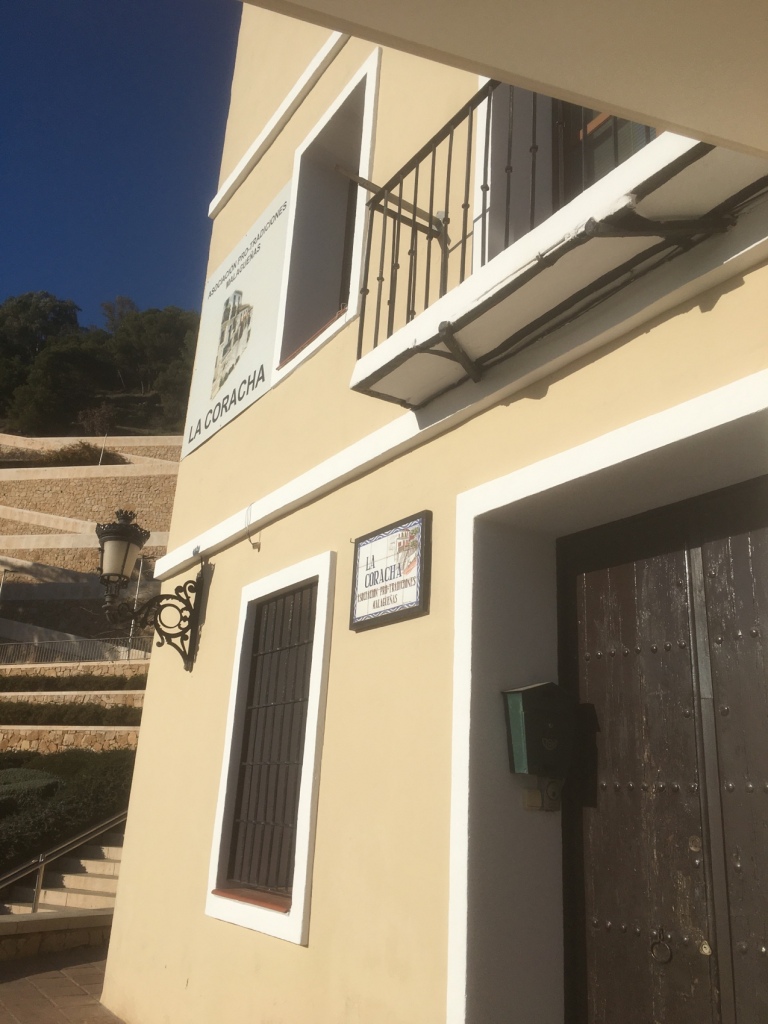
We were on the lookout for red squirrels.He’ s hiding behind the tree trunkOh what big claws you have!The roots of a rubber tree by the Castle cafe.We made our way afterwards into the Castillo The history of the Gibralfaro Castle dates back to the 14th century , when it was built. This served to protect the Alcazaba and the entire city of Malaga , since it extends over more than 21,000 square meters. Likewise, the natural enclave of this place is also impressive. HISTORY OF GIBRALFARO CASTLE It is a Muslim fortress built in the 14th century AD to house soldiers and to control access to the capital both by land and by sea, so its height, approximately 132m above sea level , was key. for said task. It arose as a defensive support for the citadel, with which it was once linked through the outer passage of the coracha that today is inaccessible. Its current nickname, “Gibralfaro” , derives from the Arabic word “Jabal-Faruk” (mount of the lighthouse), and it is that the Phoenicians, the first settlers of Malaga, also took this mountain as a settlement and established the lighthouse on its top. gets name
A fascinating remnant of Malaga’s Islamic past are the sheer walls of Gibralfaro Castle , spectacularly perched high on the hill overlooking the city. Built by Abd al-Rahman I, Cordovan emir from the 8th century and rebuilt later in the 14th century, when Málaga was the main port of the emirate of Granada . Gibralfaro Castle , also called Castillo de Málaga , is particularly notable for its twin centers: the castle garrison built on top of a rocky hill overlooking the city and the fortified Islamic Palace or Alcazaba, situated at the foot of the hill, both connected by a defensive back.
The Gibralfaro fortress dominates the entire city, and is located on the crest of a long hill located 132 m. above sea level, whose steep slopes descend towards the sea and towards the city. Since time immemorial, this fortress was the great watchtower not only to observe the population settled at the foot of its western slope, but also the accesses to it by land and sea.
Very few Arab remains are preserved inside the Castle due to its military use, and to the many interventions that occurred in Christian times, such as the disappearance of the mosque and dependencies. Later it was partly blown up by the French, together with the ammunition that they could not transport, when they left the city during the War of Independence. The powder magazine of the Castle is currently occupied by an Interpretation Center.
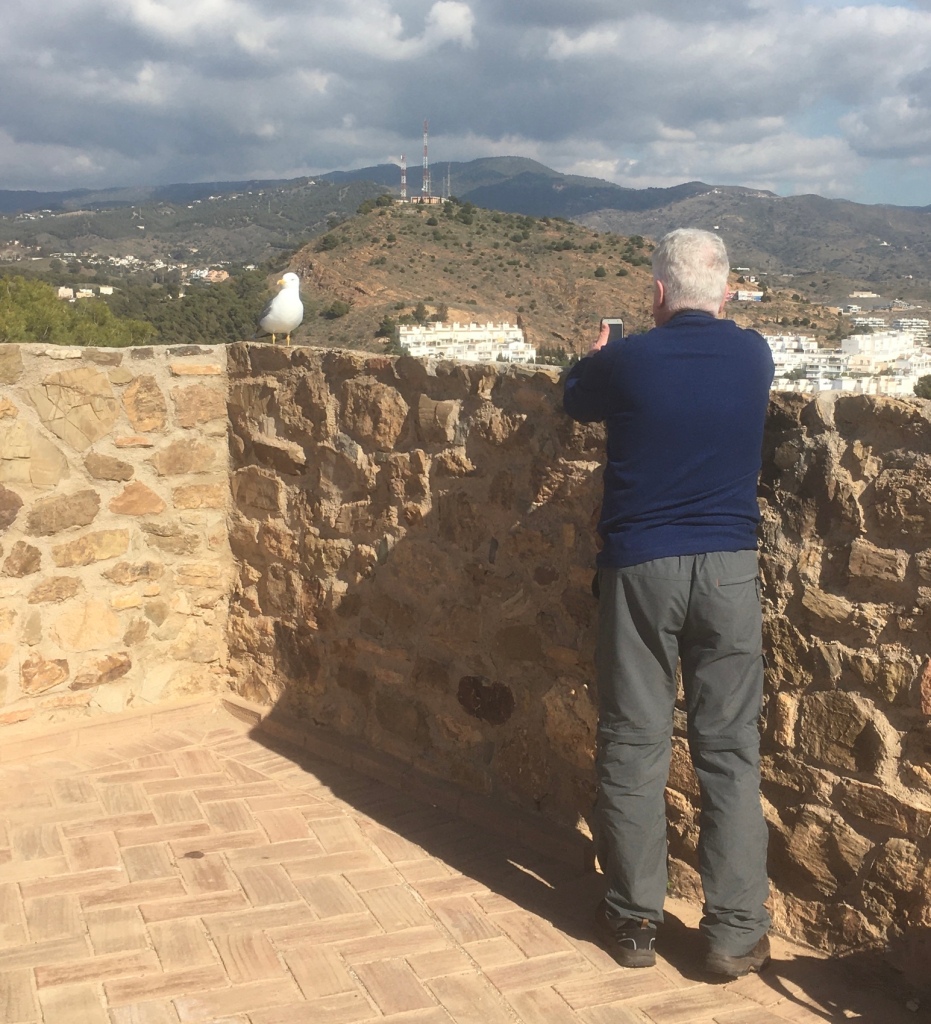
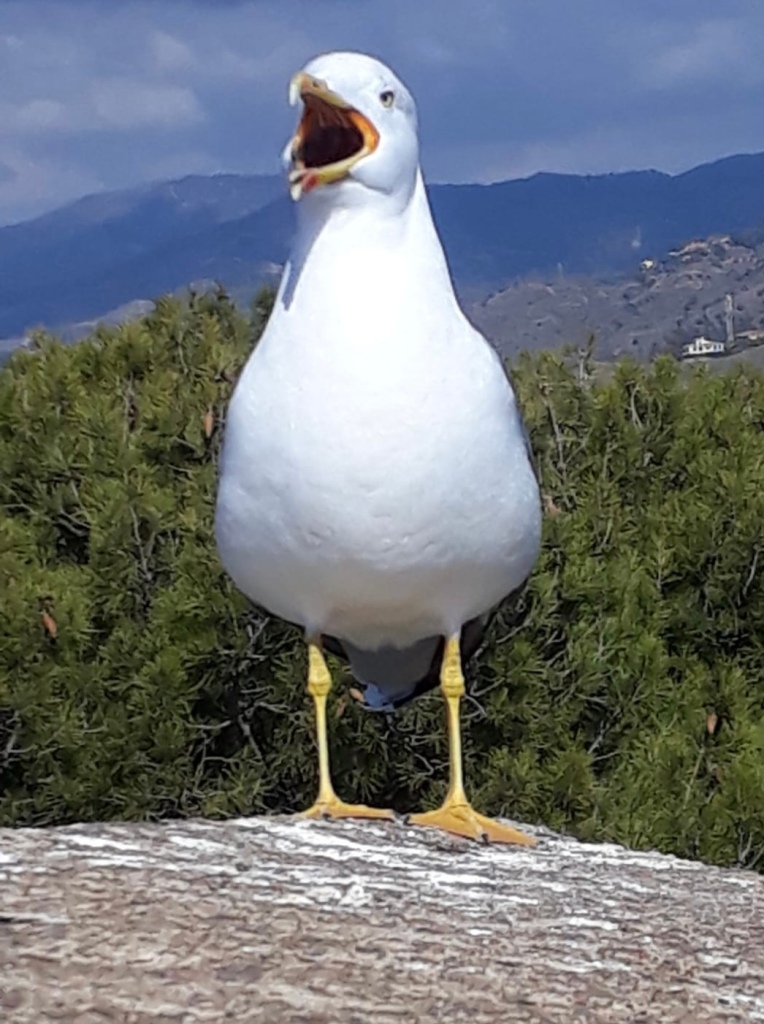
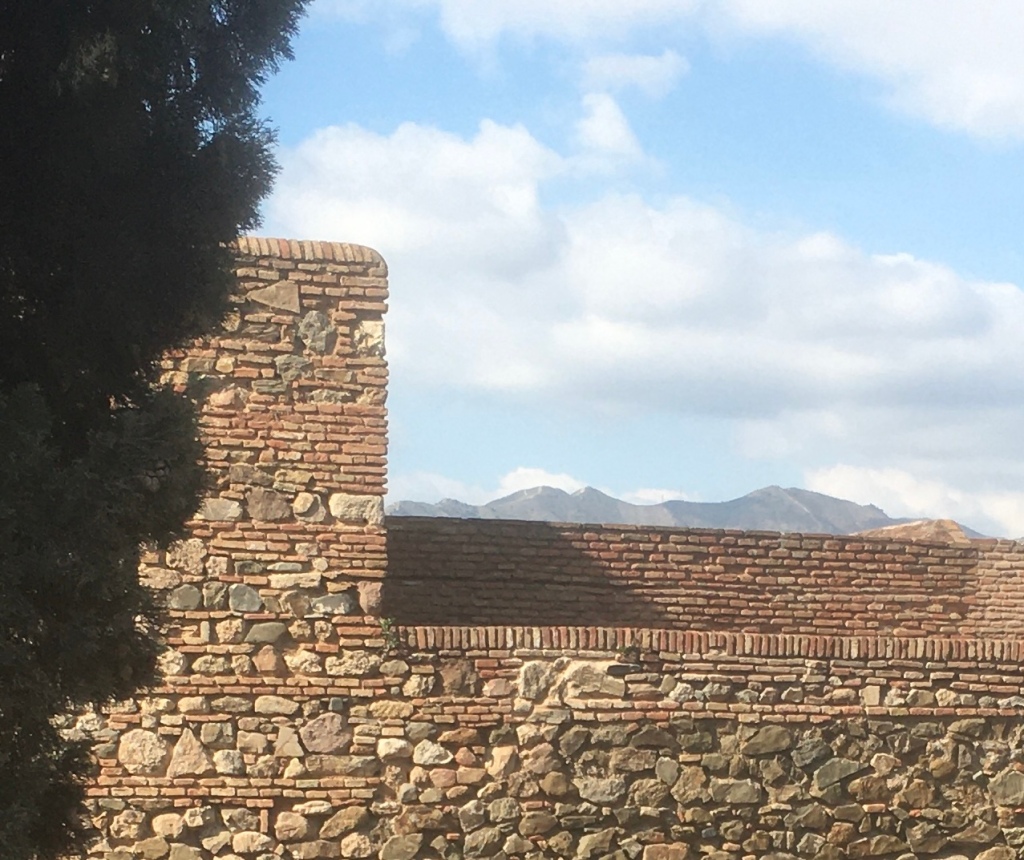
The castle is famous for the three-month siege in the summer of 1487 by the Catholic monarchs, Ferdinand and Isabella, after which Ferdinand occupied the site, while his queen took up residence in the town. For a time, it was considered the most impregnable fortress on the Iberian peninsula. It has two lines of walls and eight towers.Some more great viewsMatt getting a close up of a yellow legged GullWe made our way downwards towards the ALCAZABA Penny’s favourite spot – the park and a very exclusive hotelHistory of the Alcazaba
What’s the meaning of Alcazaba? The word Alcazaba comes from Arabic ‘AL-qasbah’ and refers to a fortification within a walled town.
The Alcazaba of Malaga is a fortress palace built between 1057 and 1063 by the Muslims and at the request of the king of Taifas Berber in Granada, which used elements of the ancient Roman theater that sits at the foot of the palace. Due to the Muslim origin of the Alcazaba, its name arises, which in Arabic takes the meaning of ‘citadel’
Built between 1057 and 1063 by the Moors, the Alcazaba of Malaga was, at its height, comparable to Granada’s Alhambra in terms of its splendour and the impressiveness of its fortifications. The Alcazaba is located at the foot of Mount Gibralfaro and overlooks the city of Malaga. A huge citadel, it spanned 15,000 square meters. Its fortifications, which included double walls and 110 towers, guarded the harbour and the city from attack.In the 13th century, a 2nd fortress was added. With the increased use of gunpowder in Europe, the Muslims knew that if the Christians conquered the mountain they could use cannons to fire down on the Alcazaba. So Gibralfaro Castle was built at the top of Mount Gibralfaro to protect the Alcazaba and the city (more on Gibralfaro Castle here). The two castles were connected by a ‘coracha’, a walled corridor allowing soldiers to move from one castle to the other. In addition to the impressiveness of its fortifications, the Alcazaba was also a palace. Within its walls were gardens, ponds, sumptuous halls, a deep well and a mosque.
The Alcazaba was put the to test in 1487 when the Catholic Monarchs tried to take Malaga. For four months the Muslim army, formed of 15,000 men (versus 80,000 Christians), resisted. Finally, having run out of provisions, they surrendered.
The Fortress was used by the Catholics after the takeover and was kept in good condition until the 17th century. At the time two events contributed to its deterioration: a severe earthquake in 1680 and the damage caused by an attack by French ships in 1693 (during the Nine Years’ War). After that, the fortress was used for various purposes including as a prison and a hospital.
In the 1930’s rehabilitation work began and the compound was declared Historical Heritage of Spain (now an Asset of Cultural Interest). The Alcazaba is today one of the most important Muslim works preserved in Spain.
I like the tops of the mountains in the distance.
The almost constant features in the Alcazaba are those of water and shade.
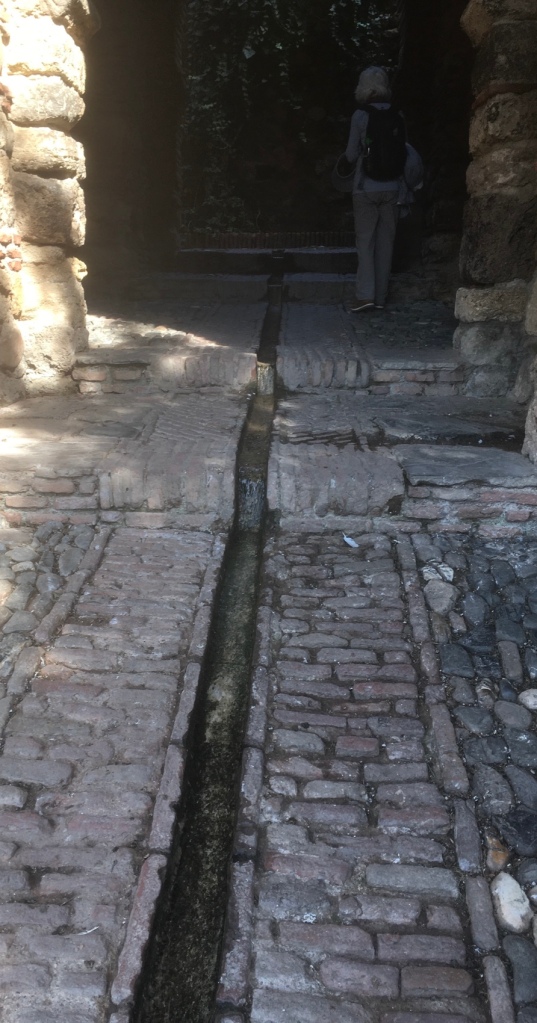
The rivulets that ran through and across rooms and corridors reminded me of the Alhambra in Granada. These are distinctly Moorish designs and obviously appropriate to what are for most of the year very hot temperatures.
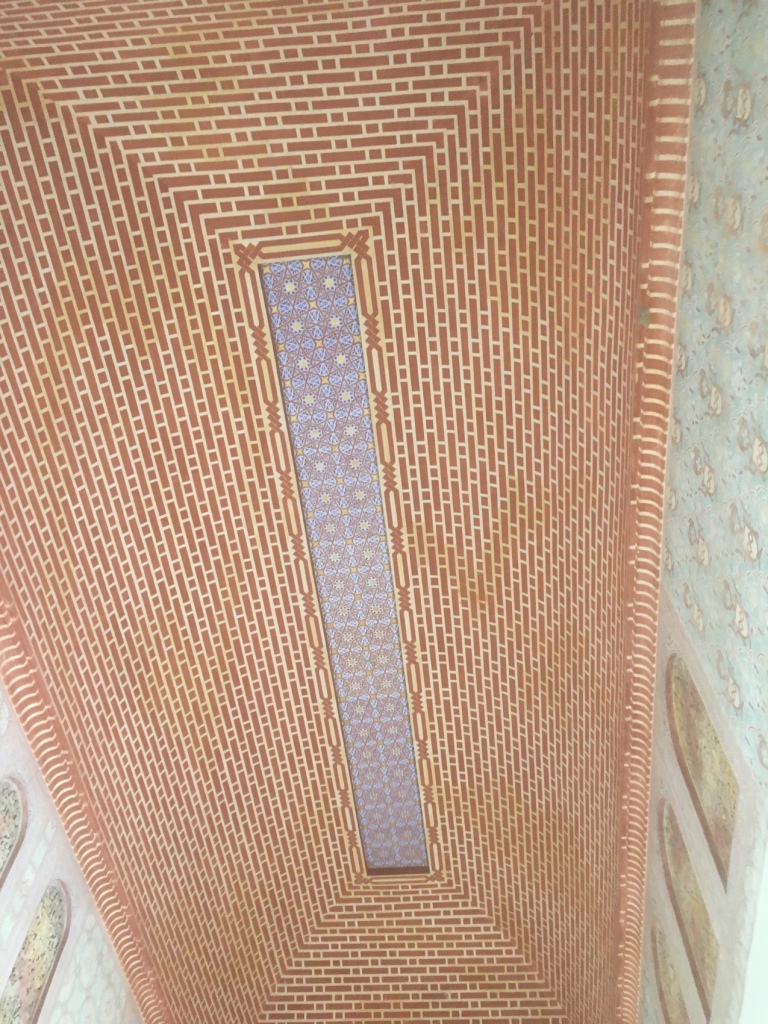
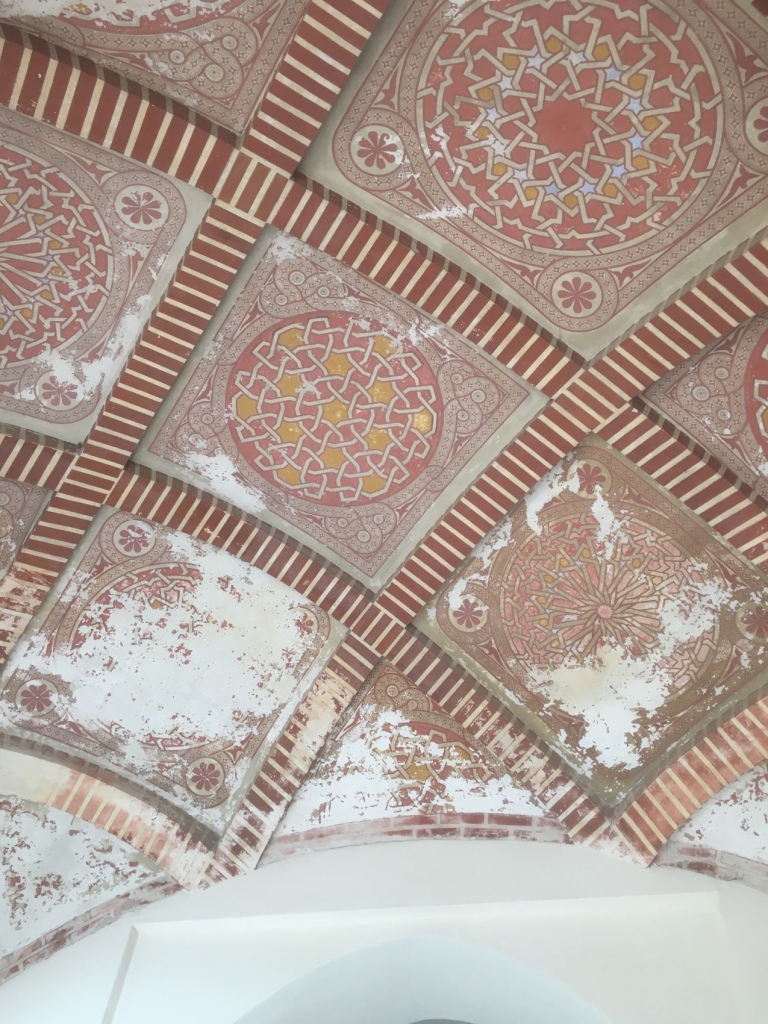
The other classic Moorish feature is that of design and artwork- none of it figurative; no statues nor pictures – but delicately patterned and repetitive.
The ceilings in particular are striking.
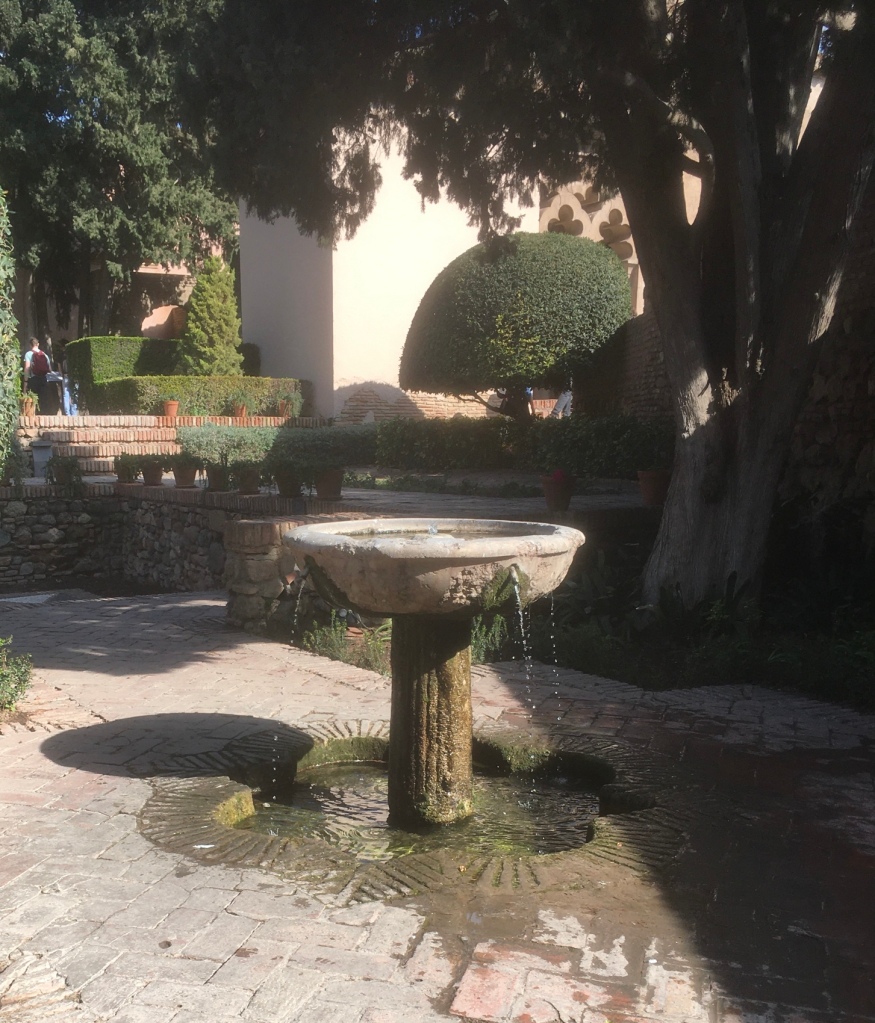
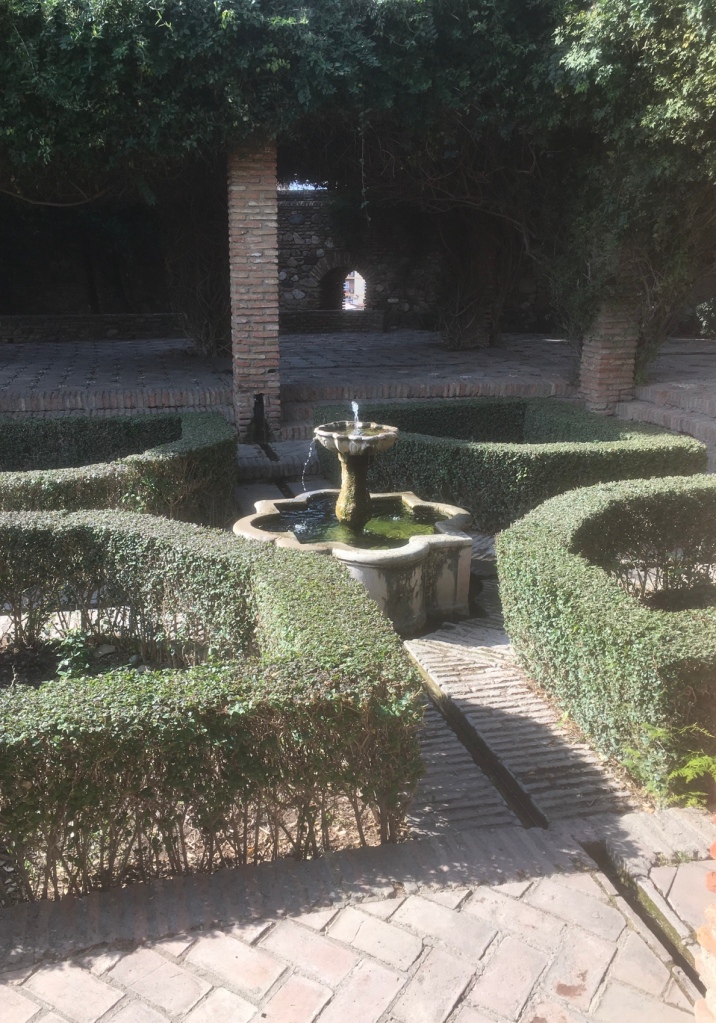
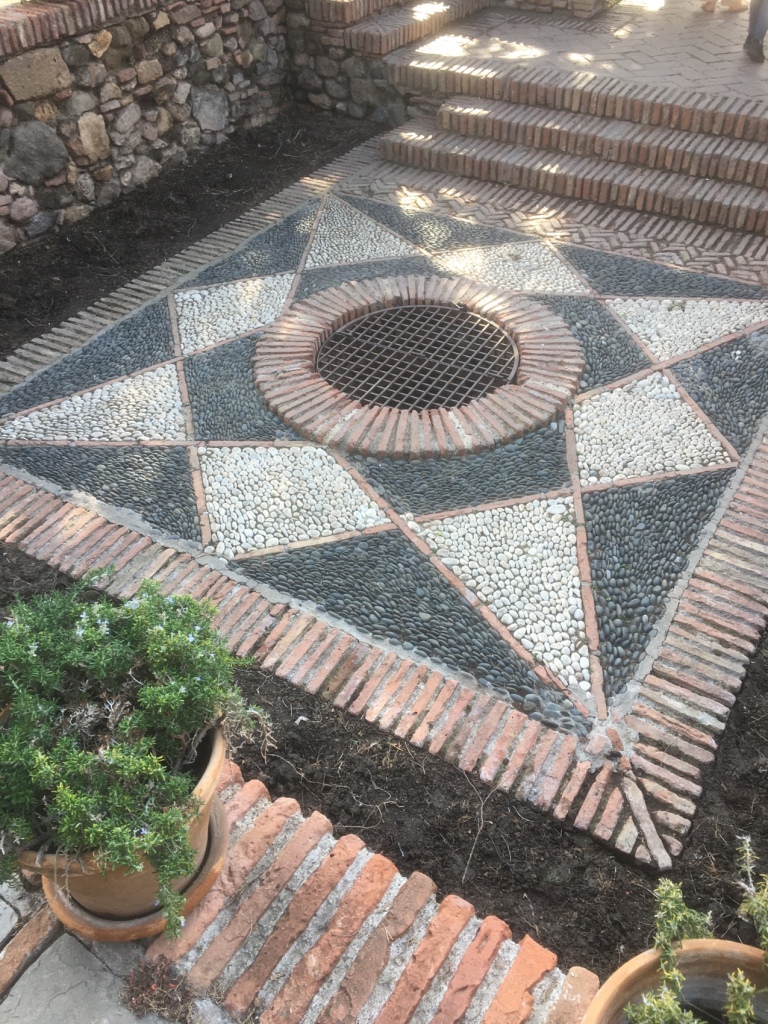
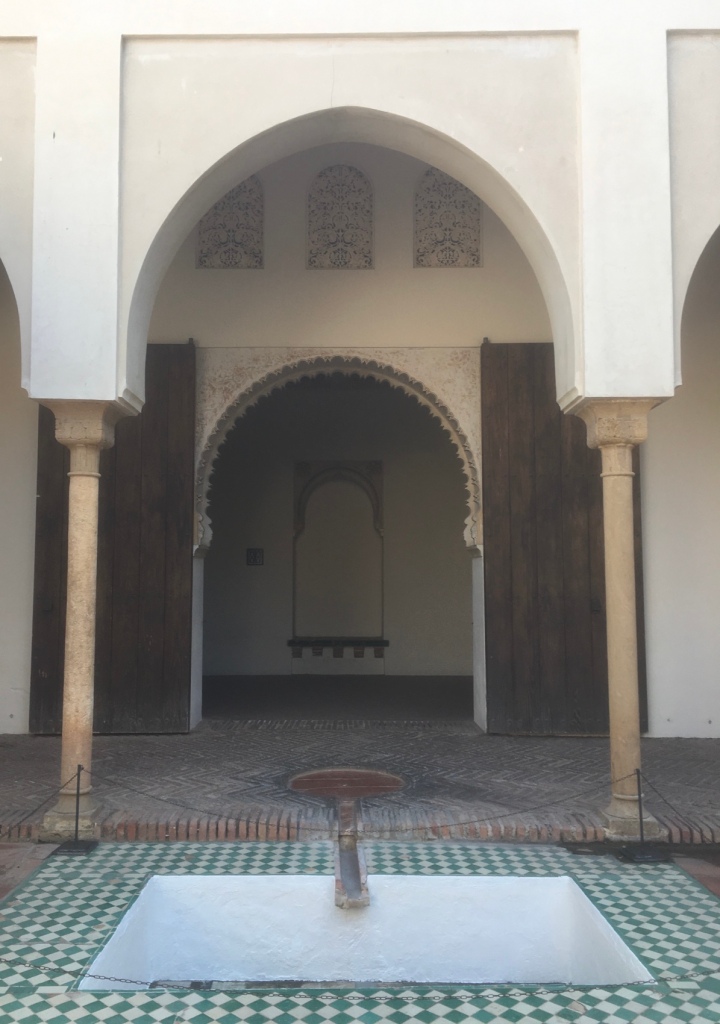
Some of the water features…
These feed into different rooms.This well is over 30 metres in depth.
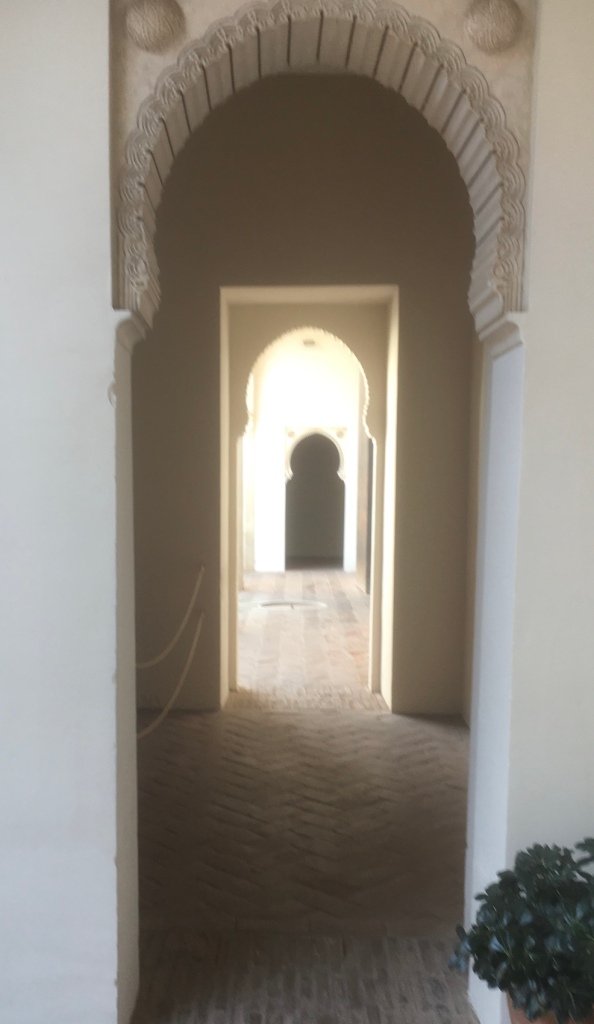
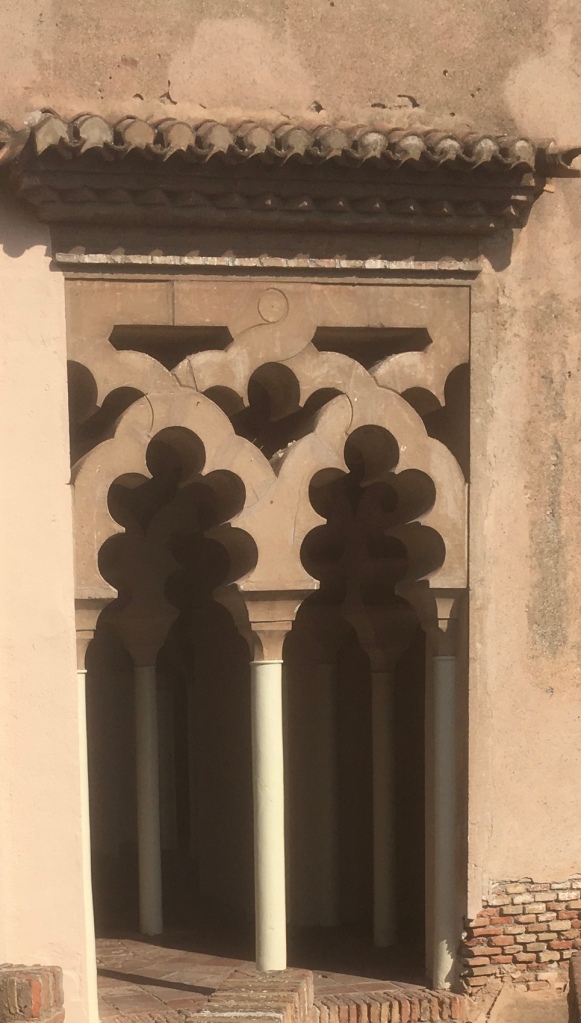
Archways and pattern work.
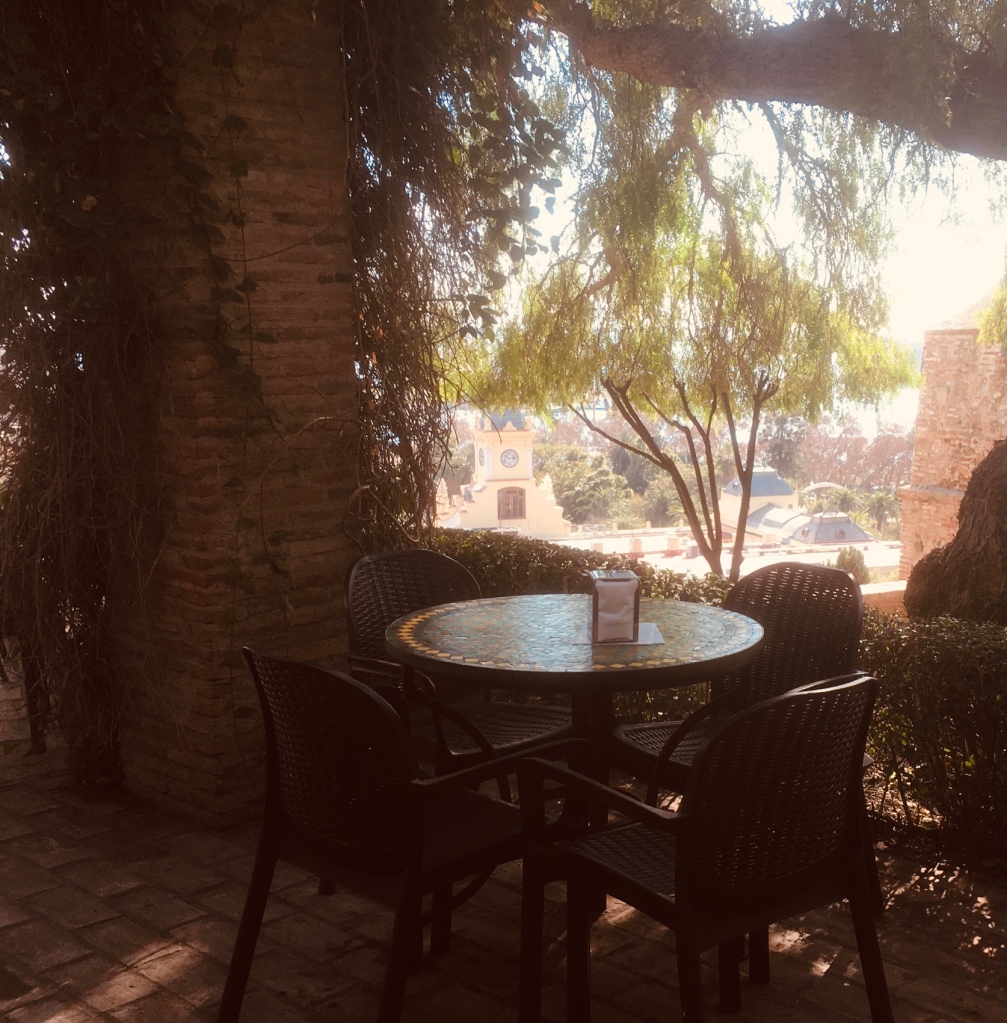
The Bar has good views and and is typically very shady – we enjoyed some excellent Bocadillos along with the cold drinks.
Home made frozen lemonade was Penny’s choice.
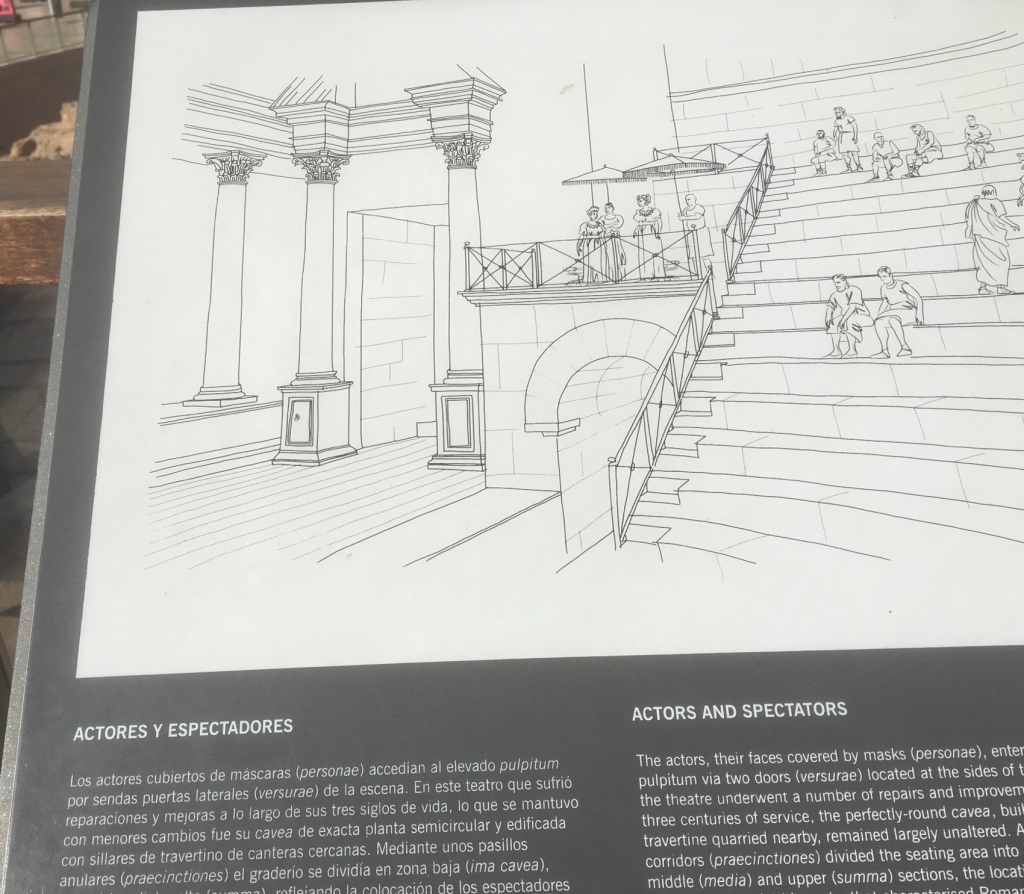
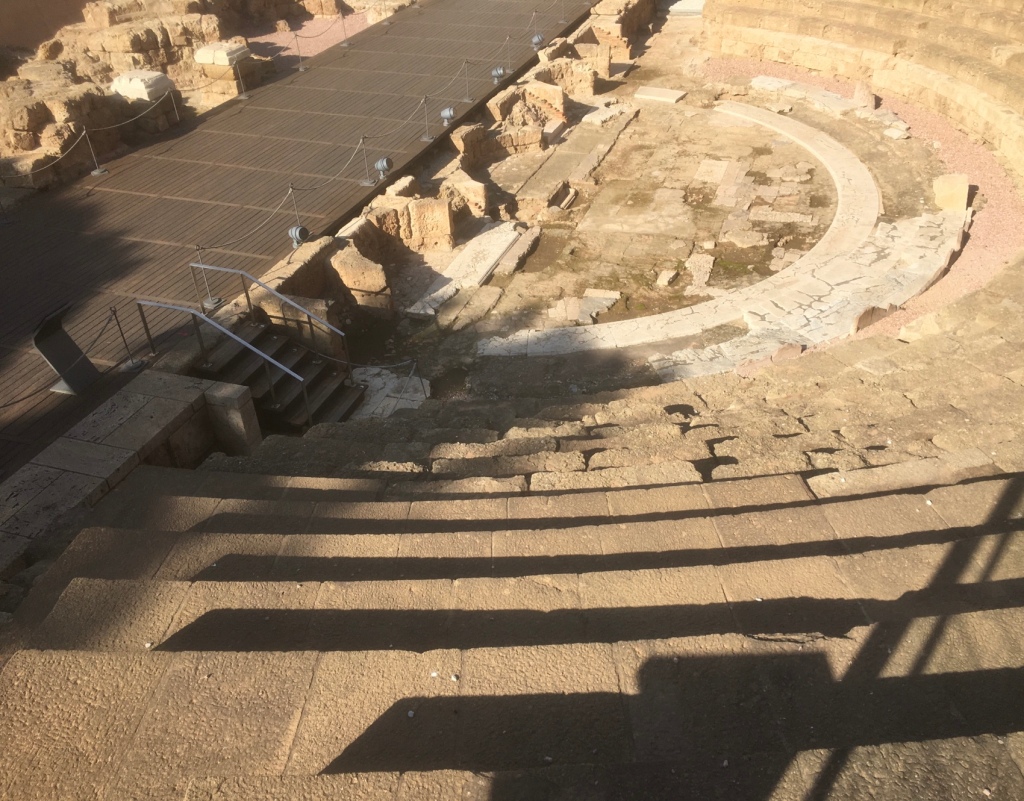
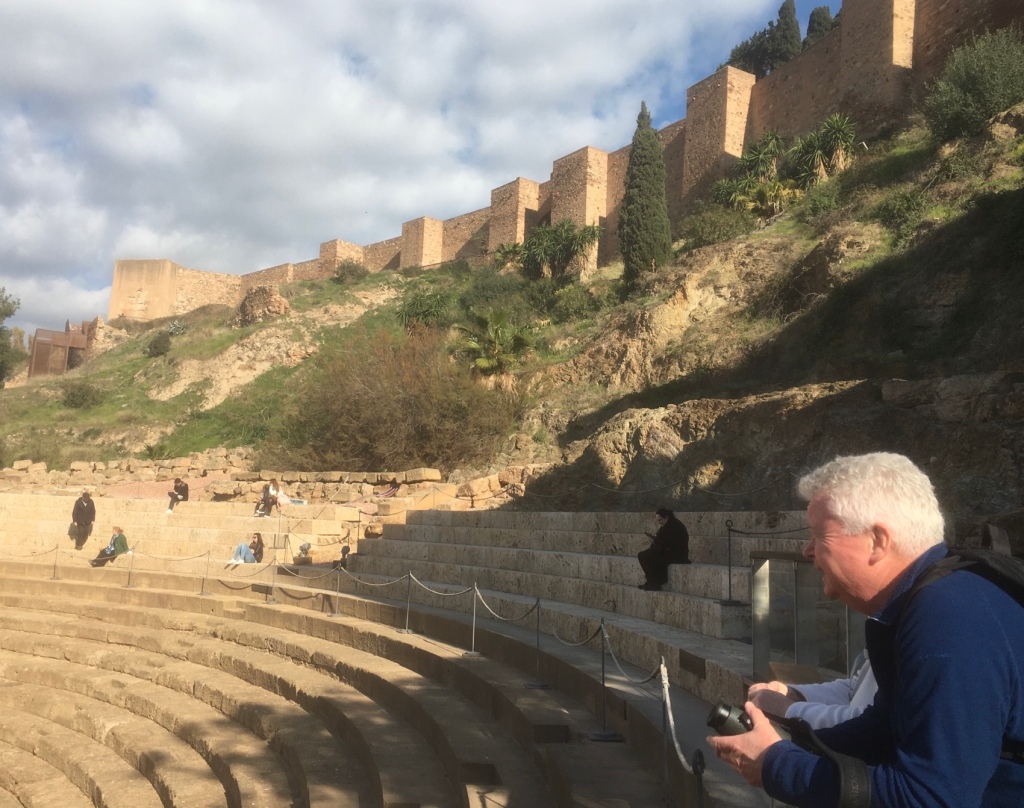
Finally, it was another short walk down to the Roman Theatre.
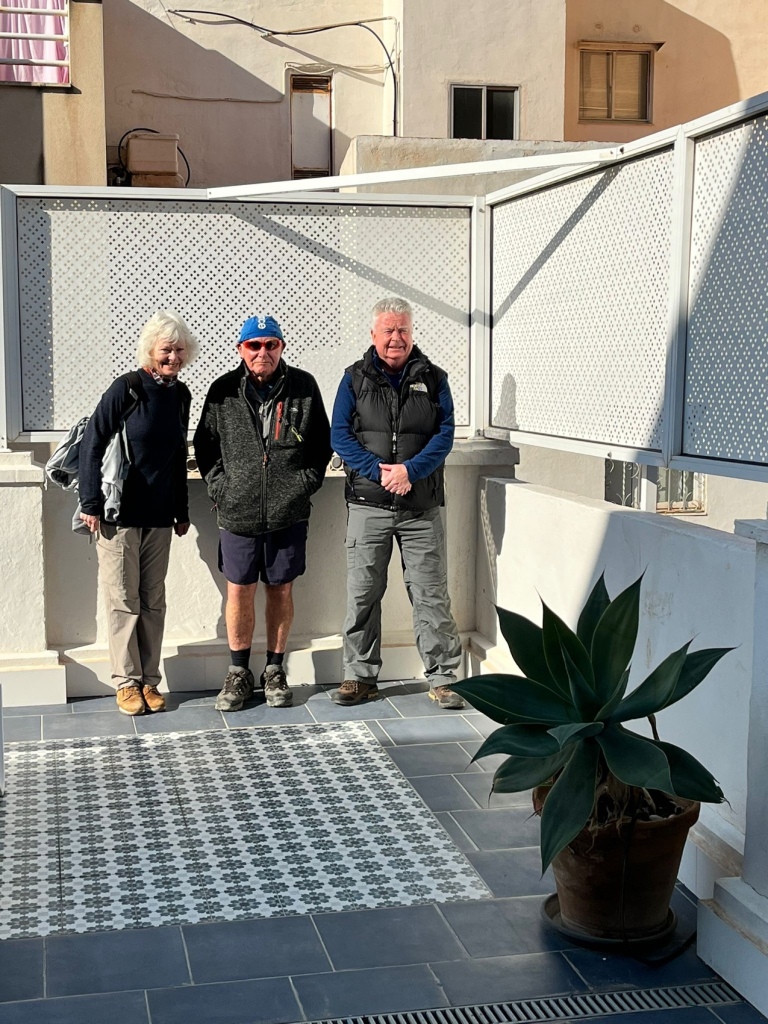
Then it was a walk back to the apartment and a sunny balcony. This was my last full day in Malaga. We finished the evening in a local Tapas bar, MESÓN EL BUCO. I was spoilt by Penny,Brid and Matt – they helped to make it a memorable stay – it was the first time I had “ wintered “ in Spain, hopefully not the last. MUCHAS GRACIAS
We booked an excursion for the walk,including transport by coach,breakfast en route,admission and the services of a guide – there was a courier on board to advise about the route,times,etc. It’s a forty mile drive up into the mountains, initially through Citrus groves,then becoming more serpentine like as the expertly driven coach made its way along narrow roads upwards – almost as exciting as the walk. By the end of the day we were glad to have done so – not having a guide we would have missed out on lots of background information – you can’t get lost! Unless you fall off….
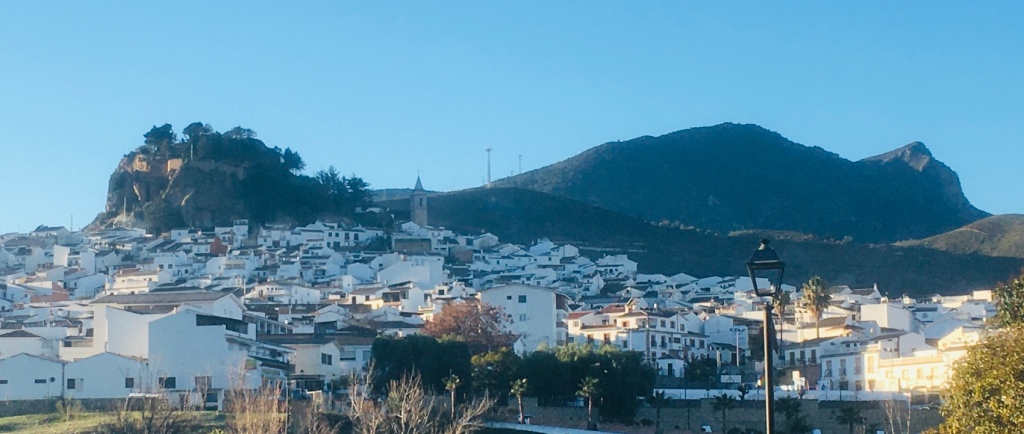
A frosty view of the village, Ardales,where we had a traditional Andalusian breakfast .
The numbers allowed on the Caminito are restricted,although some individual tickets are permitted
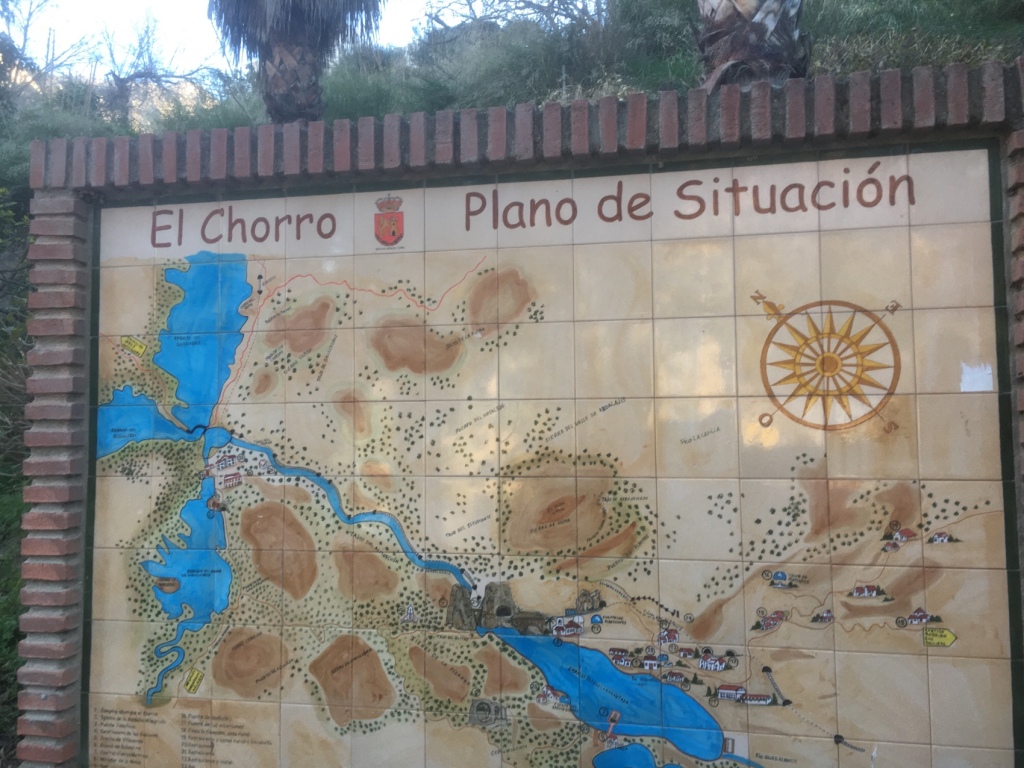
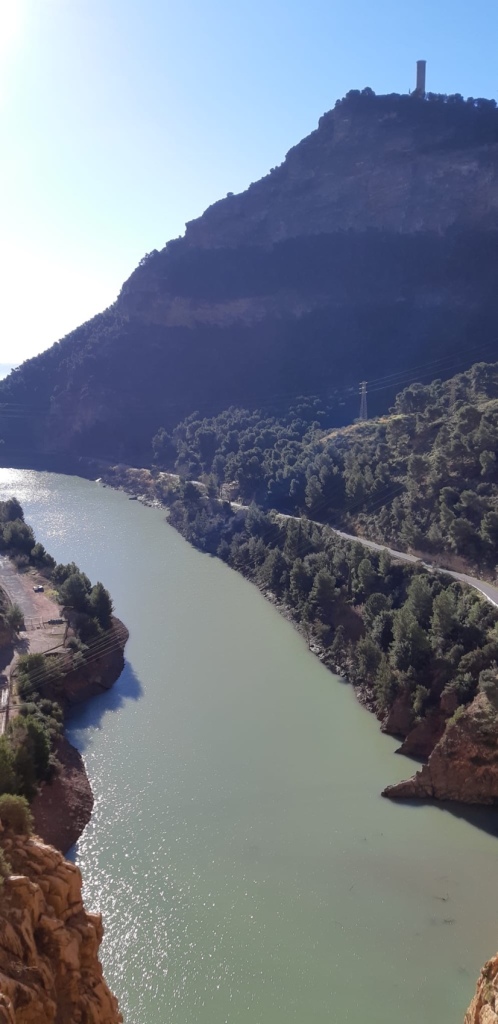
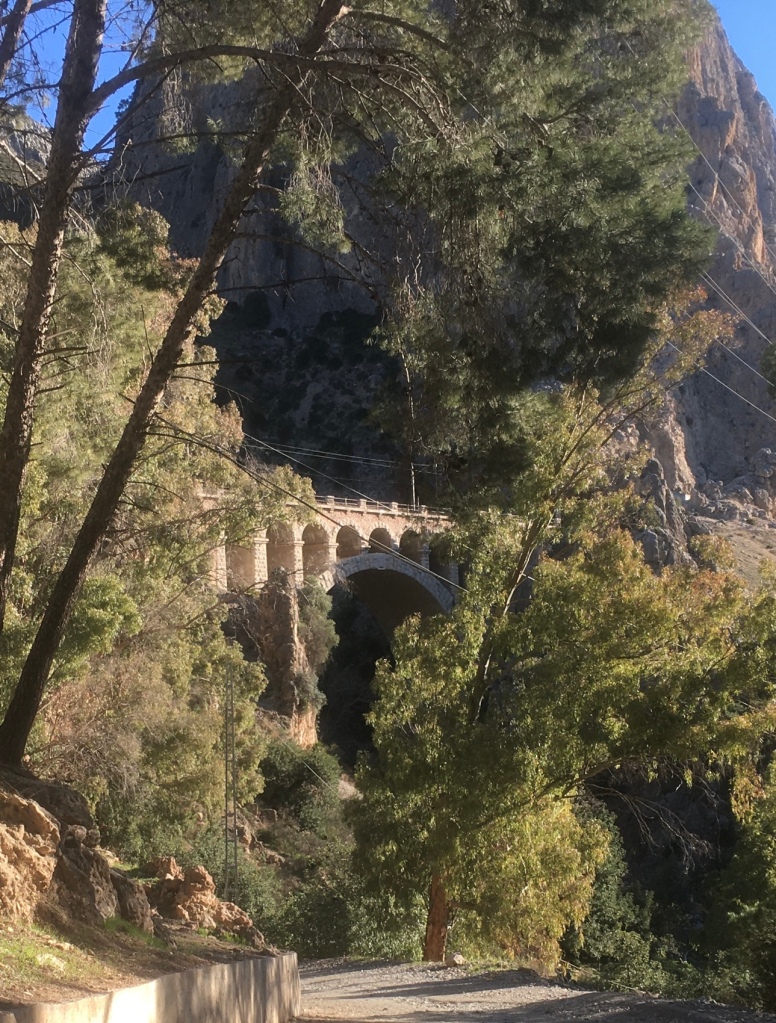
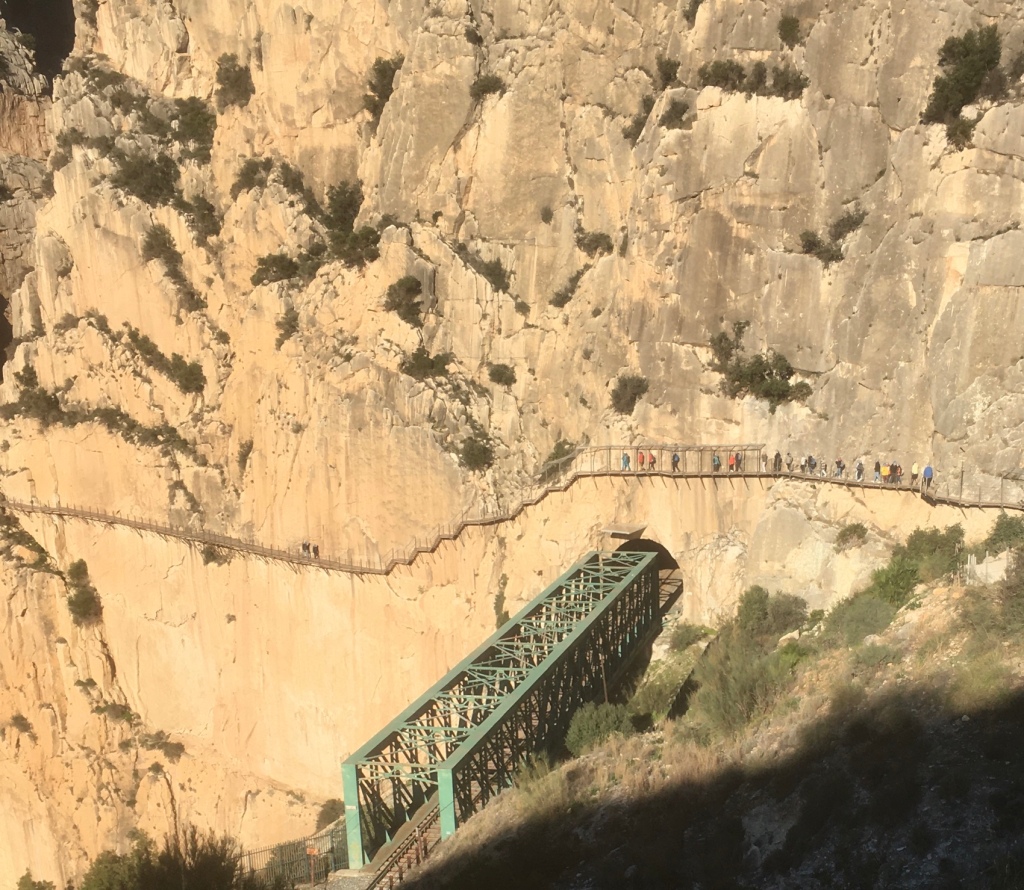
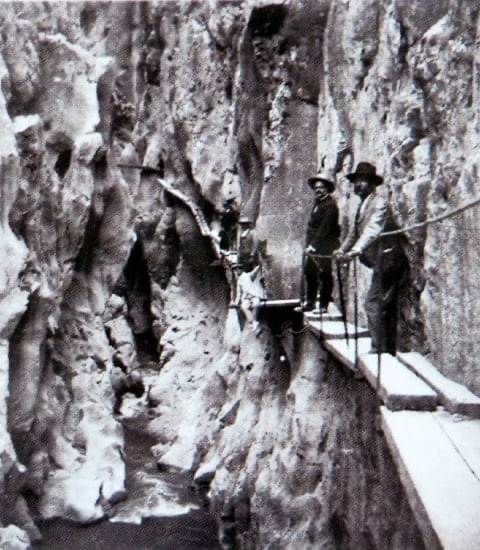
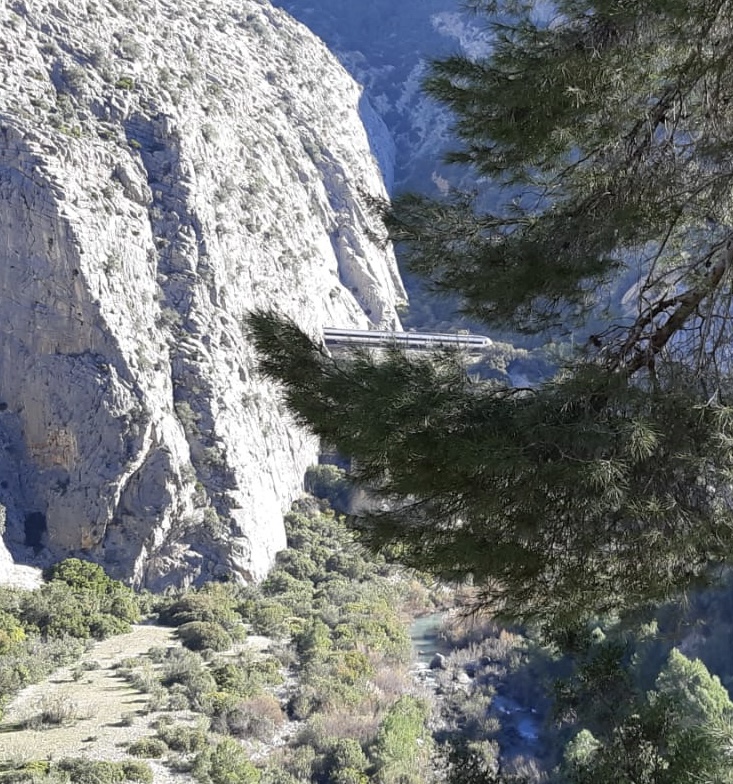
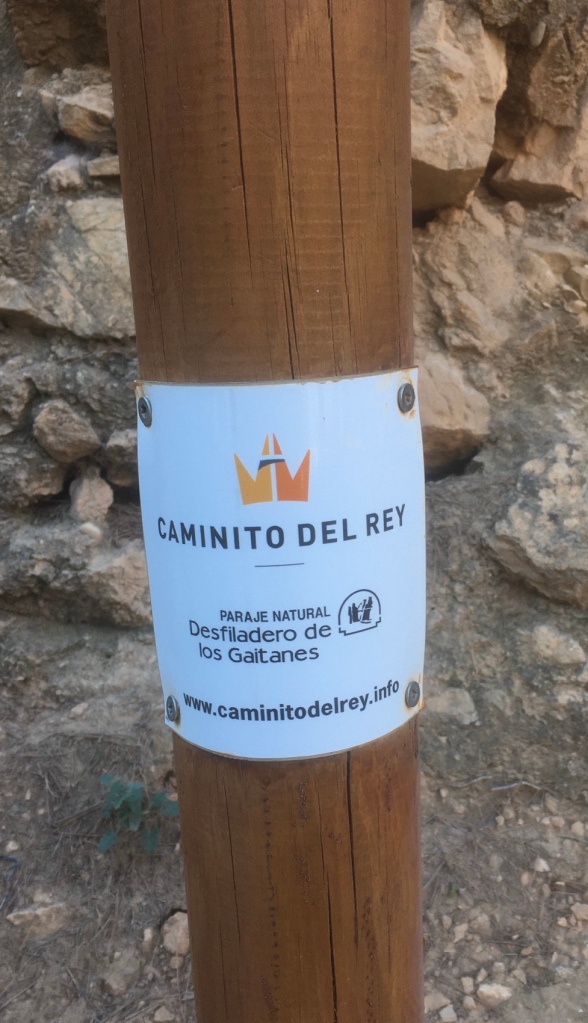
We walked above the dam to approach the starting point. It’s worth pointing out that “ Caminito” means little walk and is not related to the Caminos. Also,the walkway was not constructed with tourism in mind it was to facilitate movement of workers along and between strategic points of the dam.It was built between 1901 and 1905, to join together two waterfalls belonging to the company Sociedad Hidroeléctrica de El Chorro, the Salto de El Chorro and the Salto del Gaitanejo. The Camino began at the El Chorro Station, next to the train tracks, and allowed workers and materials to pass from one Salto to the other, facilitating the surveillance of the facilities.At the beginning of the walk you get your first glimpse of the Malaga – Cordoba railway- most of the original iron bridges were replaced by brickwork.Desfiladero de Los GaitanesAn original crossing the river and first sight of the Caminito.
The history of the Caminito’s construction is fascinating and frightening in equal measure.
Construction of the Caminito del Rey
The difficulties to build the road had to be many, and more at that time. The workers had to work suspended above the void, tied to ropes attached to the top of the cliff. In the popular imagination, such work had to be carried out by prisoners, even those sentenced to death, the only ones capable of risking their lives, according to what they say, in exchange for redemption in the sentences they were serving.
However, the only thing we know for sure is that sailors from Malaga worked on this and other works in the reservoir, skilled at hanging from the ropes of their boats.
Like all places capable of captivating the imagination,the Balconcillo also has its legend. Any local will be able to inform the stranger about the tragic death of a young English woman, with flowing blond hair, who fell from there mounted on a white horse when life for her became unbearable. The truth is that, although everyone knows the story, no one has witnessed it or can date it. It is one more legend to decorate a place that certainly does not need decorations. Our guide did relate a tragically true story that earlier this century before the walkway was rebuilt,a16 year old girl and her father were washed away and drowned when a flash flood swept away their tent in the middle of the night.
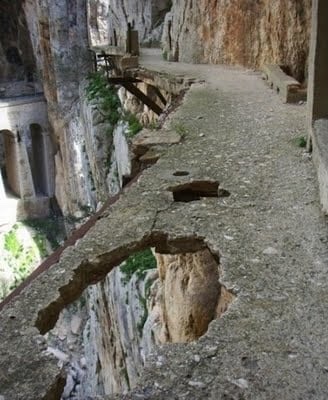
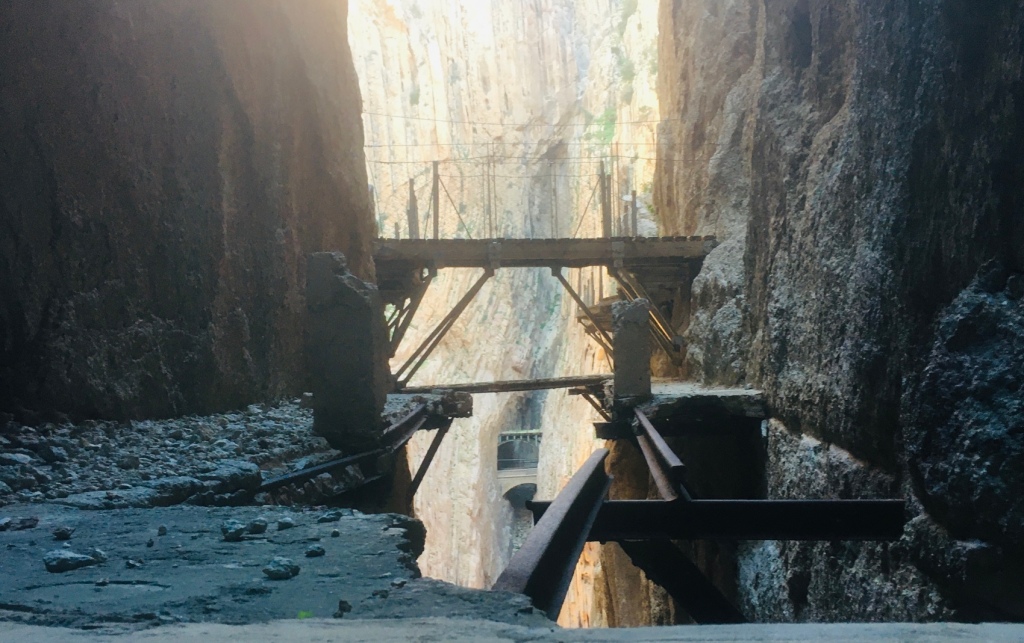
The original structure still exists in many sections of the walk and the decaying remains in places made the hairs on my neck rise.
Having said that, the Caminito is perfectly safe now.
The Walkway was not originally called Caminito del Rey – The little walk of the king – it came about unintentionally. King Alfonso XIII covered this entire service path on May 21, 1921, on the occasion of his inaugural visit to the recently completed El Chorro reservoir dam, which would later be called the Conde de Guadalhorce dam. Since then, the road has taken its current name: the Caminito del Rey.
The description of the occasion is as follows : –
In the book “ El Chorro, one hundred years of history ”, by Sebastián Lara Centella, the royal visit to the Caminito del Rey is described as follows:
“The day dawned cloudy, and a series of intermittent downpours marred the inauguration festivities and made the visit more painful, which already required a journey with stages by train and road. However, the king was cordial and in good humor and was pleased to listen to all the explanations that Benjumea gave him about the facilities, which he wanted to know in detail. A lunch was served for more than two hundred diners, to which personalities, authorities, engineers and journalists were invited. After dessert, the Minister of Public Works gave a speech in which he highlighted the importance of public works and the example that the El Chorro Reservoir represented for the nation, due to its success in harmonizing industrial and agricultural use. After lunch, in torrential rain, the King went to lay the last stone. For the King to sign the inauguration act, a table and an armchair carved in the same stone used in the construction of the reservoir had been provided. The act signed by Alfonso XIII reads as follows: During the reign of the Catholic Majesty of Alfonso XIII, on May 21, 1921, the works of the El Chorro Reservoir were completed, and the last stone was laid by the august hand of the Spanish monarch, by whose important life was vowed by all those who are honored by stamping their signature after that of His Majesty. After the ceremony, the King and his companions visited the Gaitanejo dam, and crossed the Balcón de los Gaitanes, which had been adorned with a garland held by four stuffed eagles, in which you could read: “To the King”.
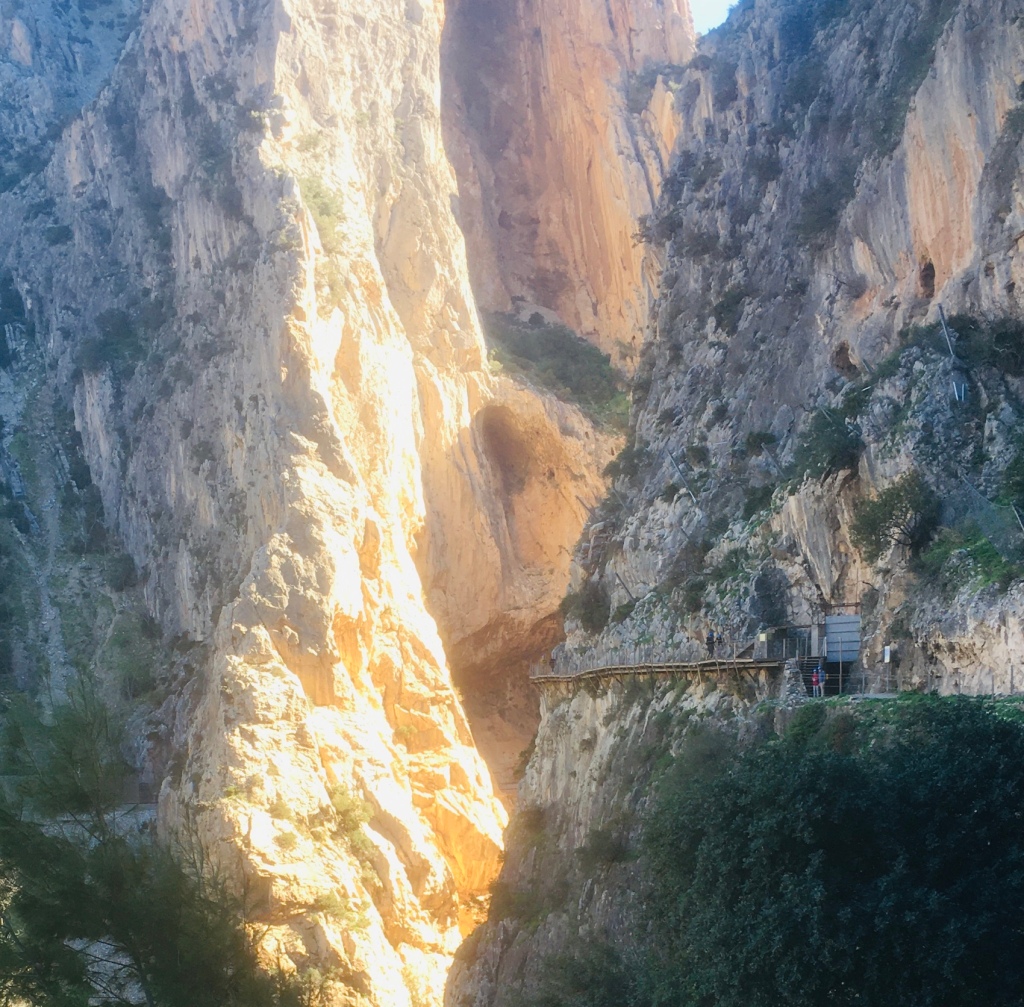
The Caminito is a breathtaking walk.
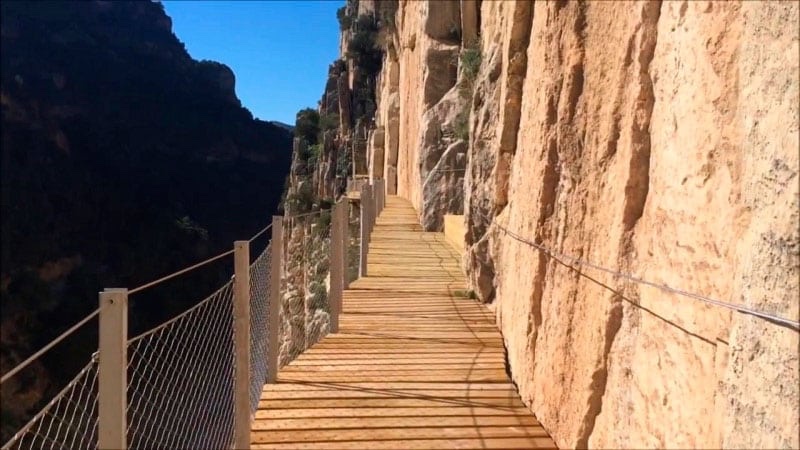
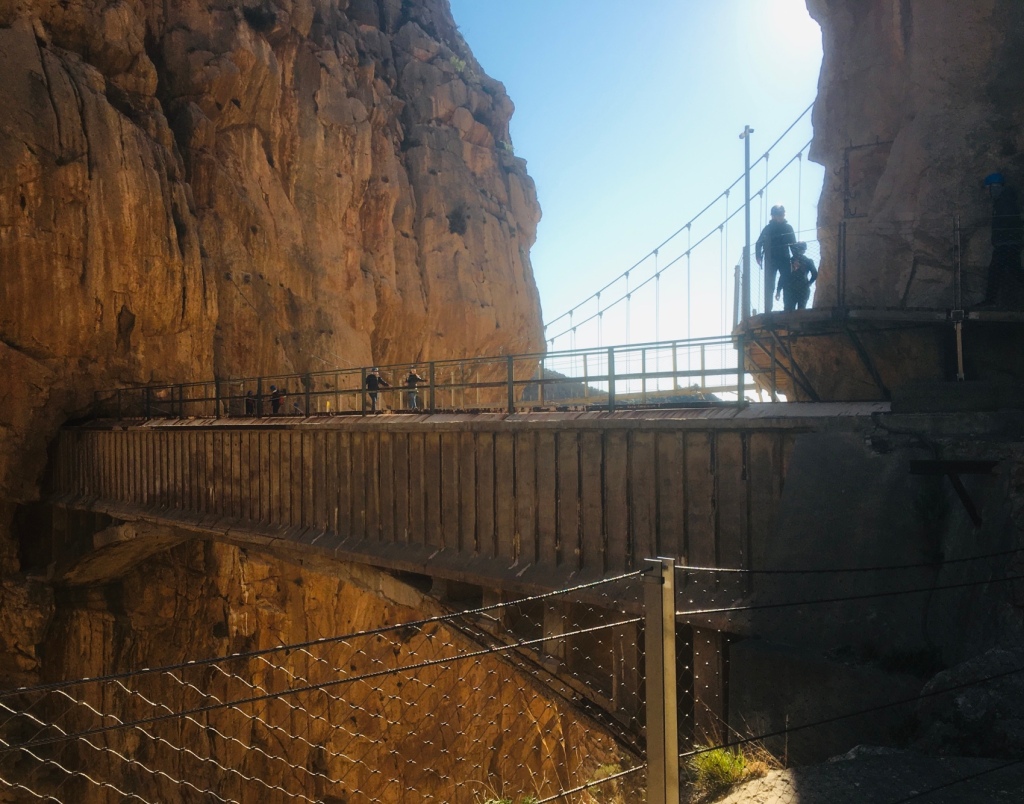
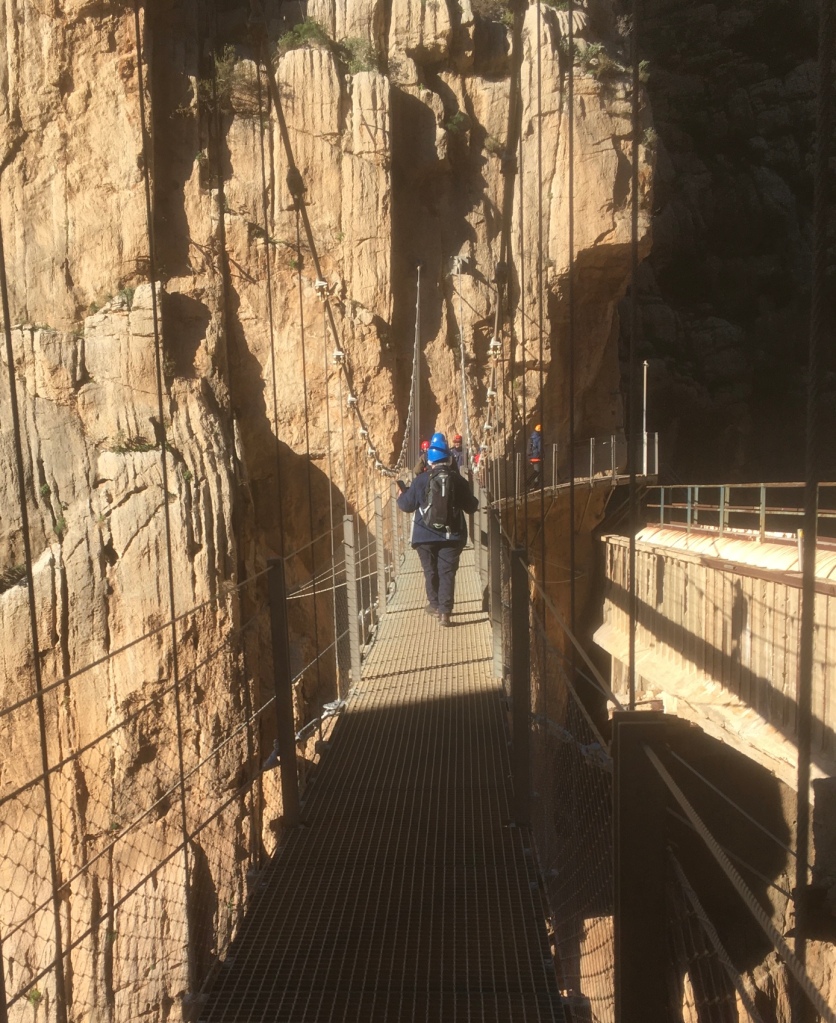
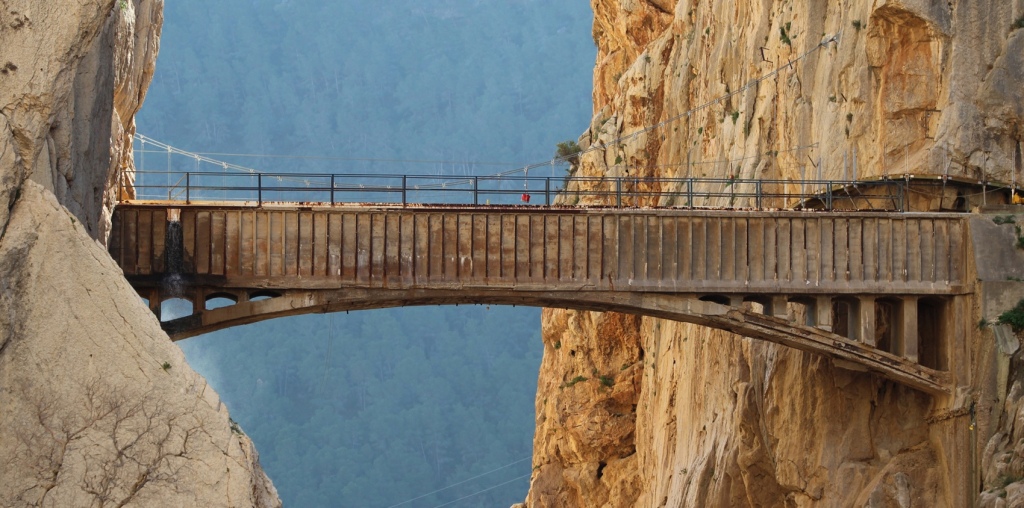
The passing of the years and the lack of maintenance meant that, in recent years, the Caminito del Rey was not passable . In several areas the floor had disappeared, leaving only the beam that supported it. The holes in the pavement, the collapsed railings and, in general, the lack of security of the entire path, attracted many hikers who saw in danger one more incentive to walk the path. Several fatal accidents that occurred in the years 1999 and 2000 caused the Junta de Andalucía to close the accesses and demolish the initial section to prevent hikers from passing through the Caminito del Rey.. The picture is of the newly rebuilt walkway.
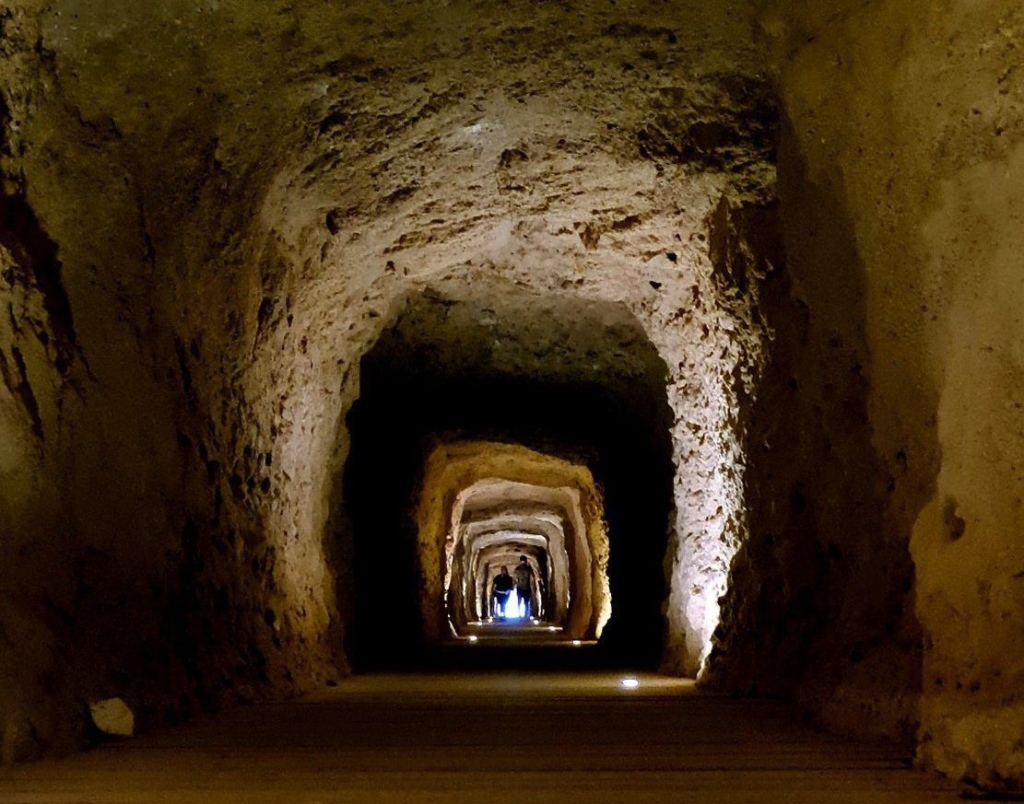
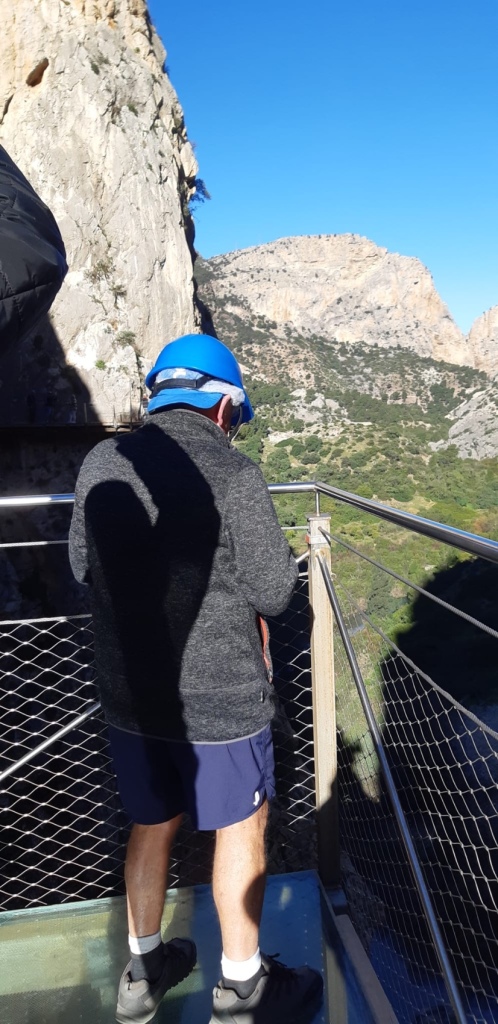
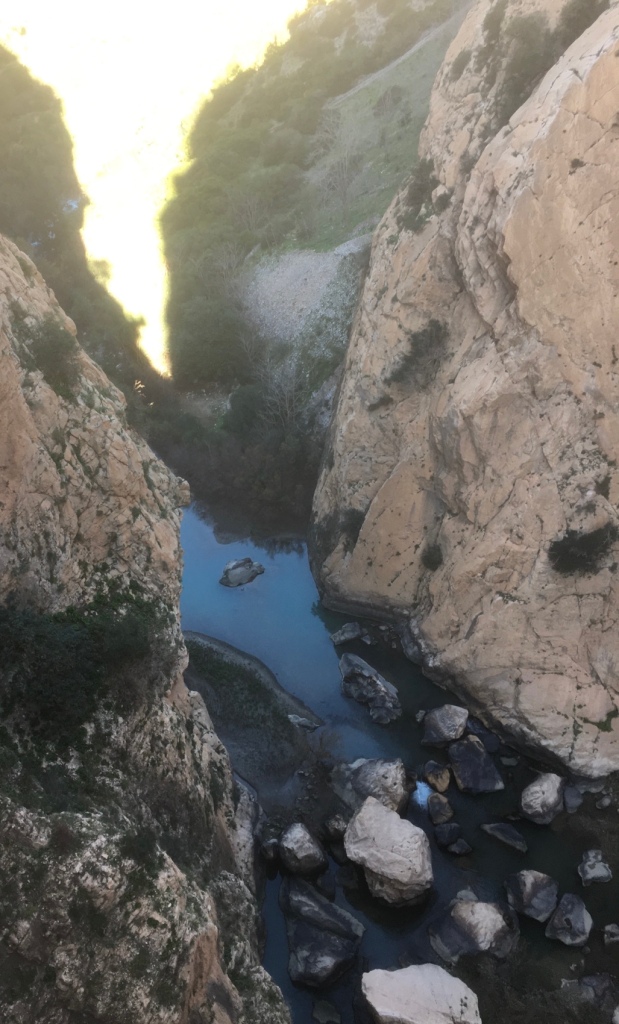
Hopefully the following snaps will evoke the atmosphere and the views to be enjoyed as you walk along this marvellous balcony.
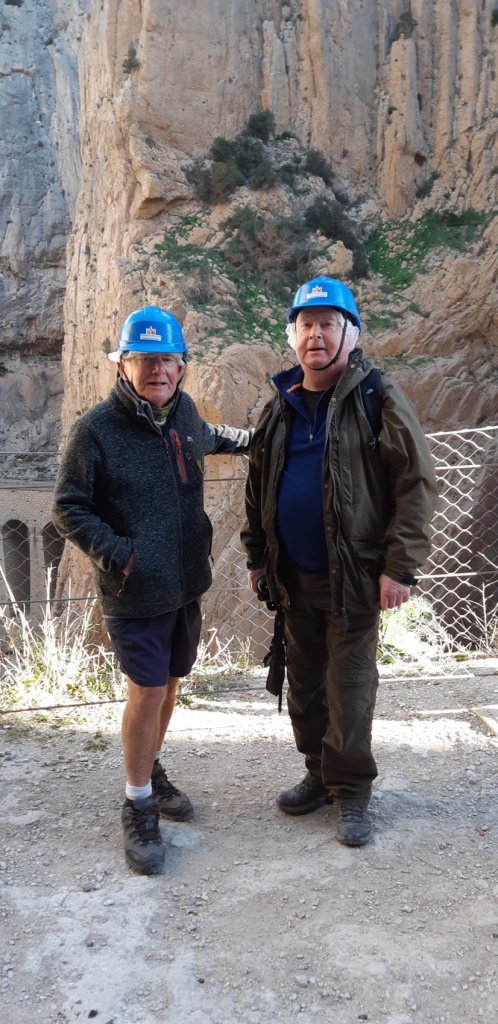
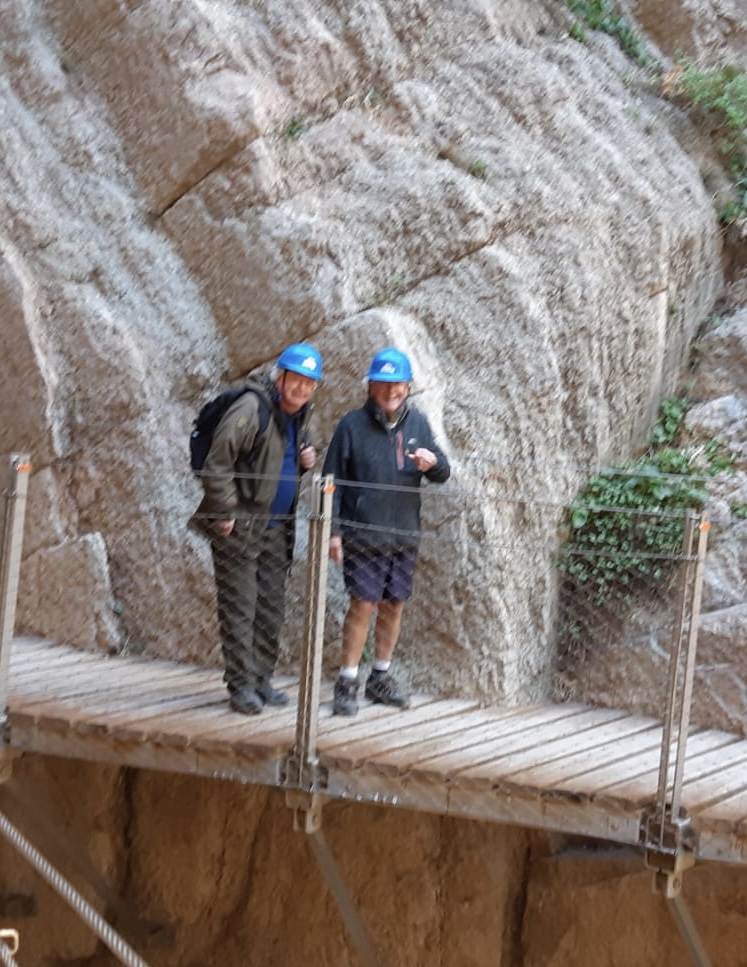
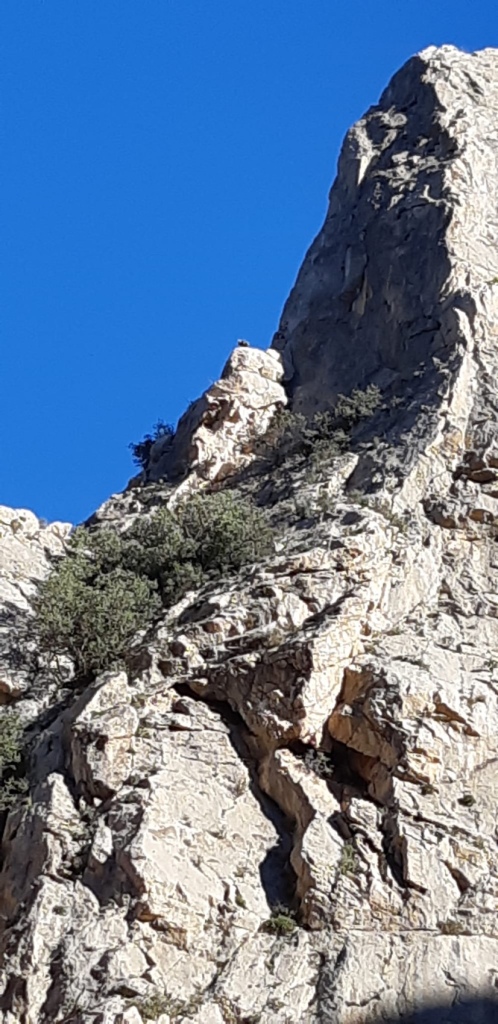
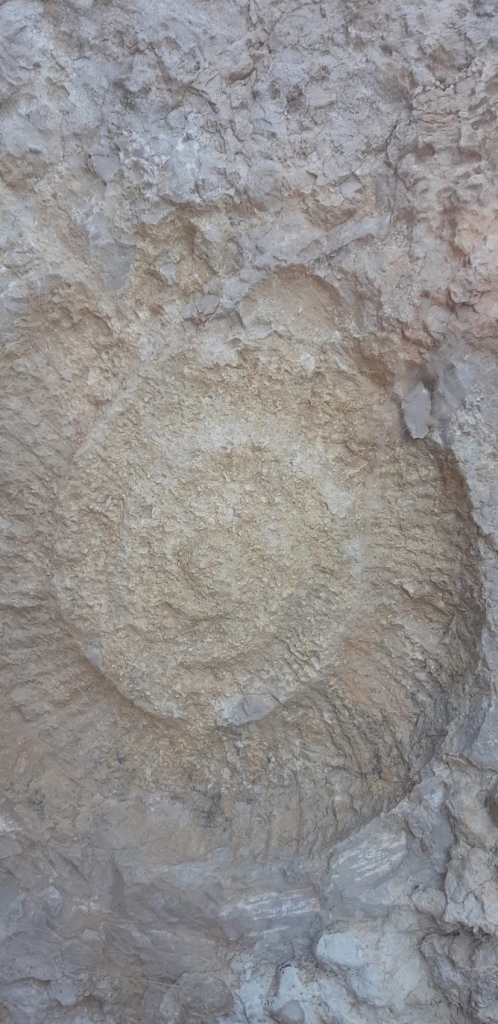
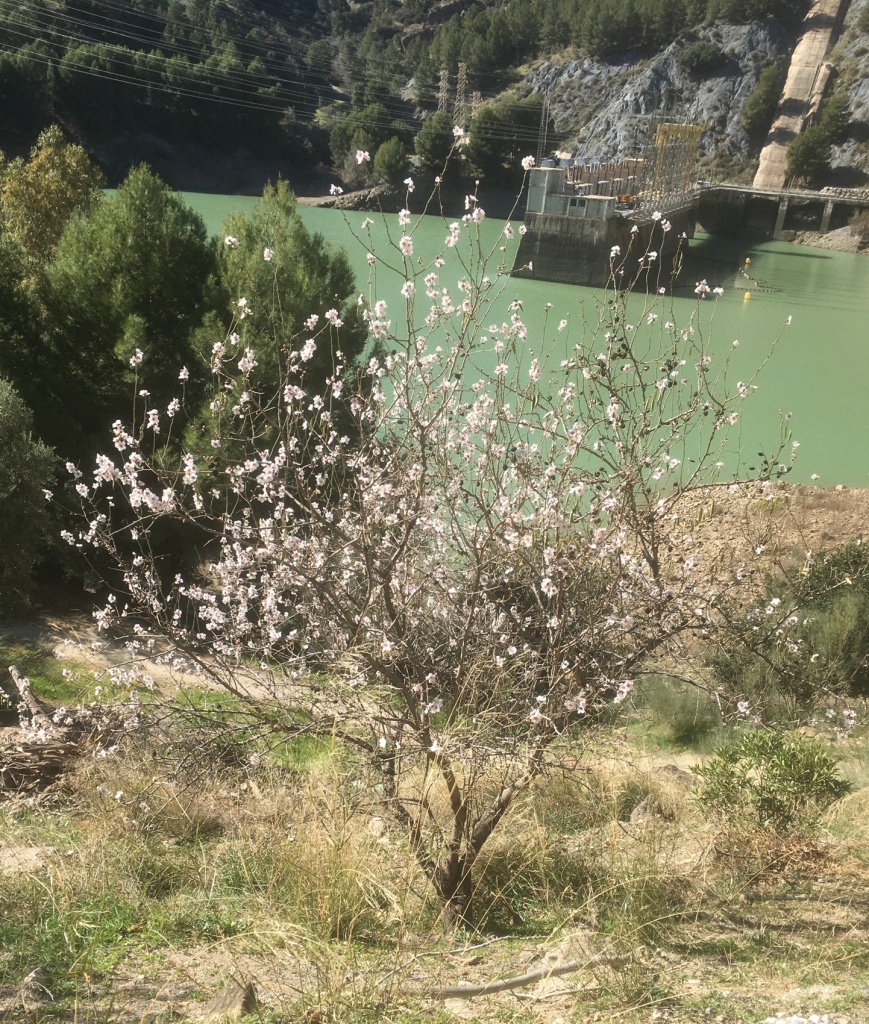
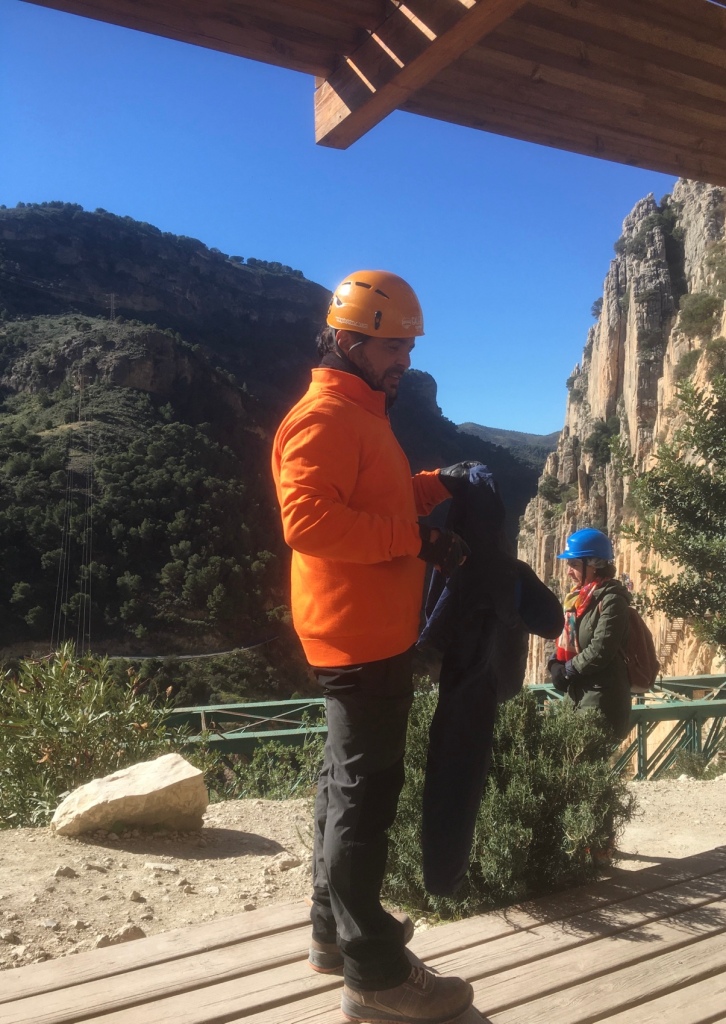
Matt and I.Train emerging from one of many tunnels.There are occasional small stairways.The way is wide enough for walkers to pass in both directions now.There is an official on duty at the bridge to ensure no more than ten walkers cross at a time.On the right is an original water pipe . We walked along a section which is now a tunnel.Footlights help…A small balcony many metres above the water affording another viewpoint.Matt and Brid were able to pick out the tracks of Otters with help of their binoculars.This Ammonite is preserved from millions of years ago when all of this area was part of an ocean.Almond Blossom Carlo,our guide.What a Walk it Was.More information can be obtained on the link above. If you are ever in the area go for it!
We had a longish walk to our bus stop on the banks of the Guadelmina, the river that used to flow through the city – very little flow now, the reasons for which we were to discover later.
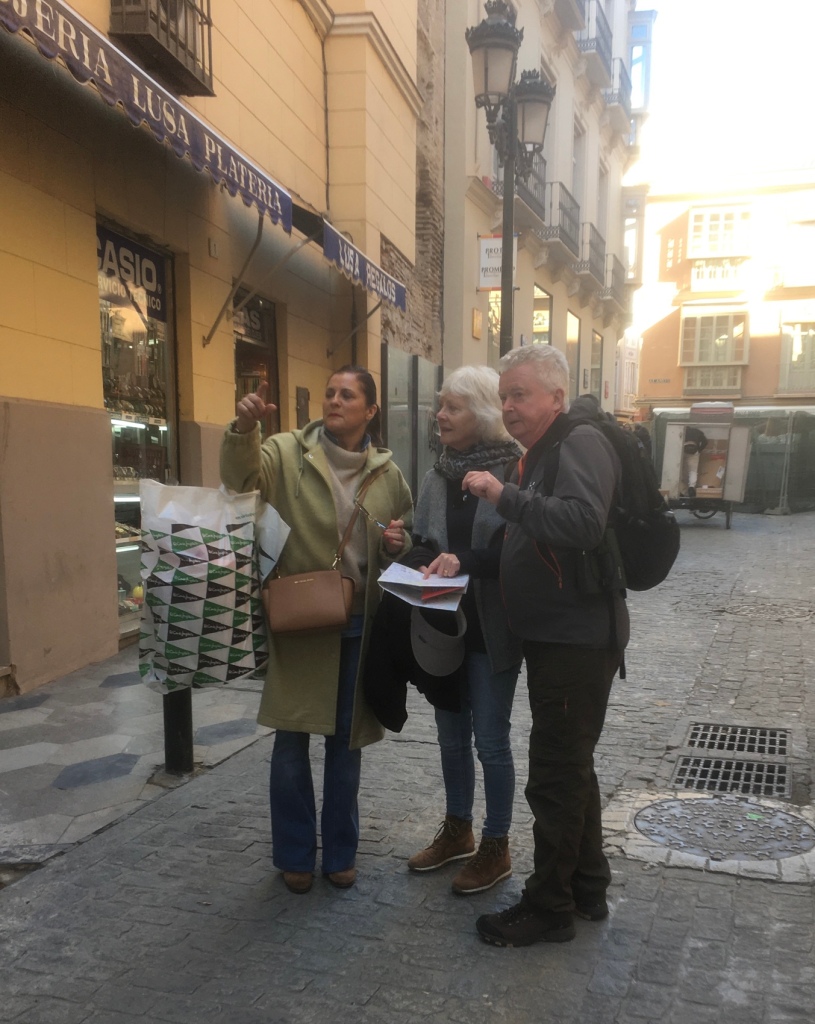
En route we needed a little local assistance.
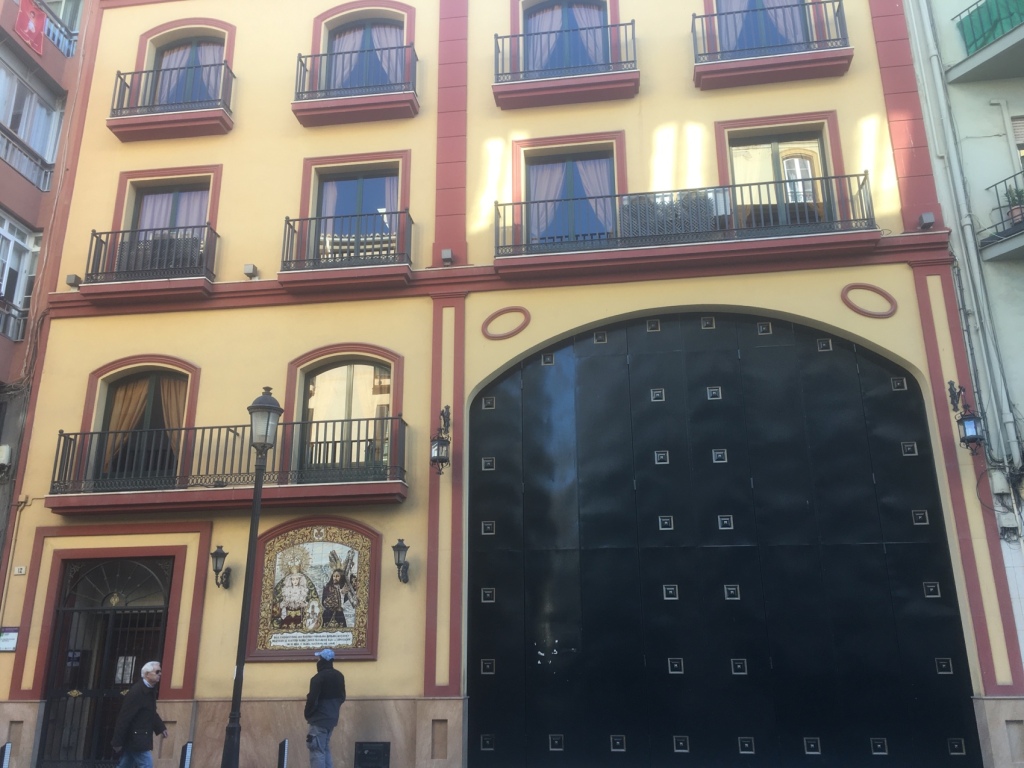
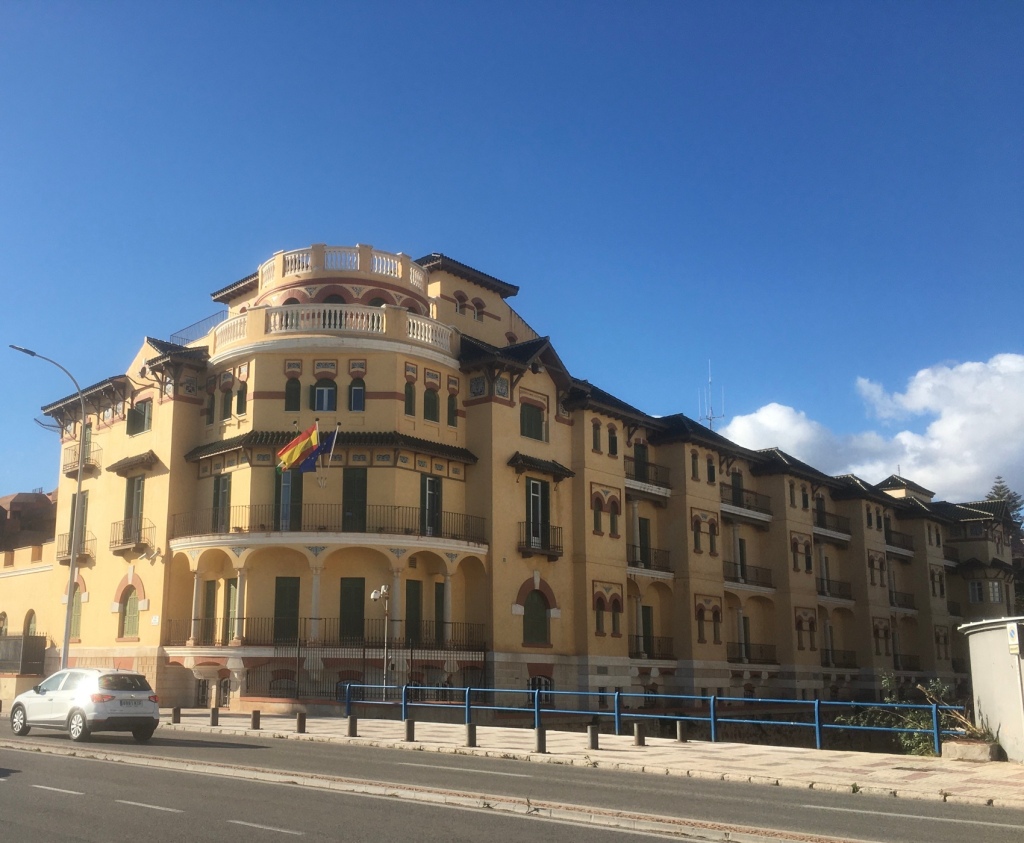
An interesting building en route.
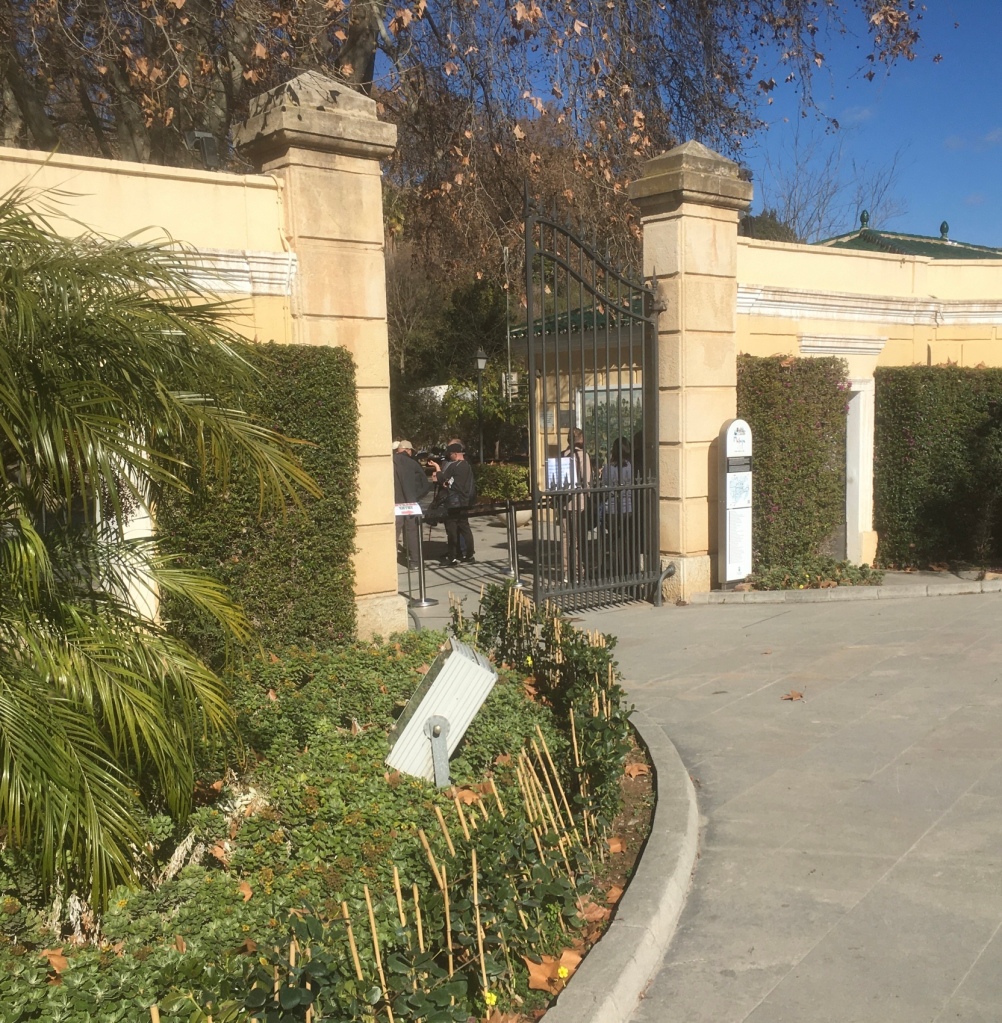
Then it was a KM walk to the gardens which took you above the Autovia.
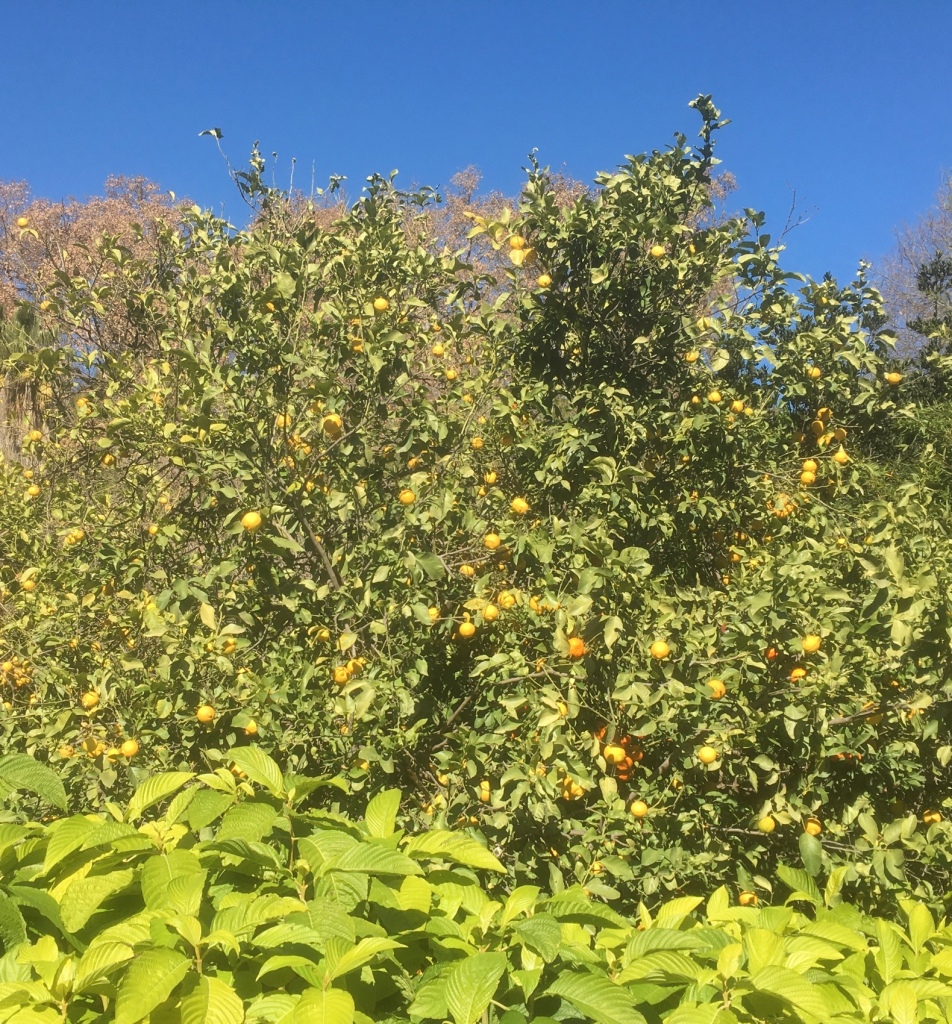
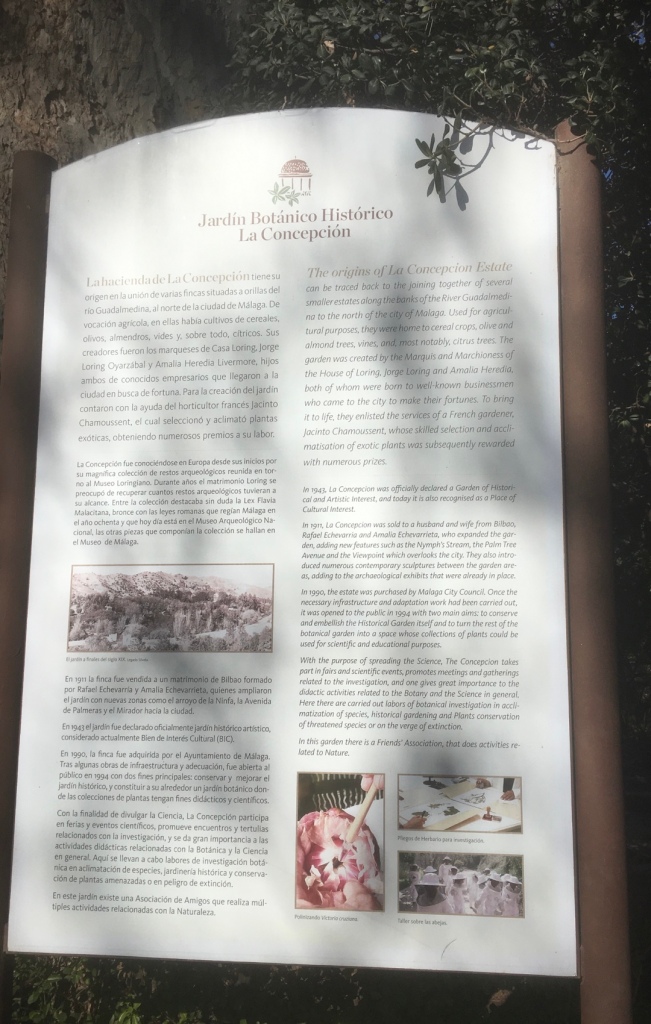
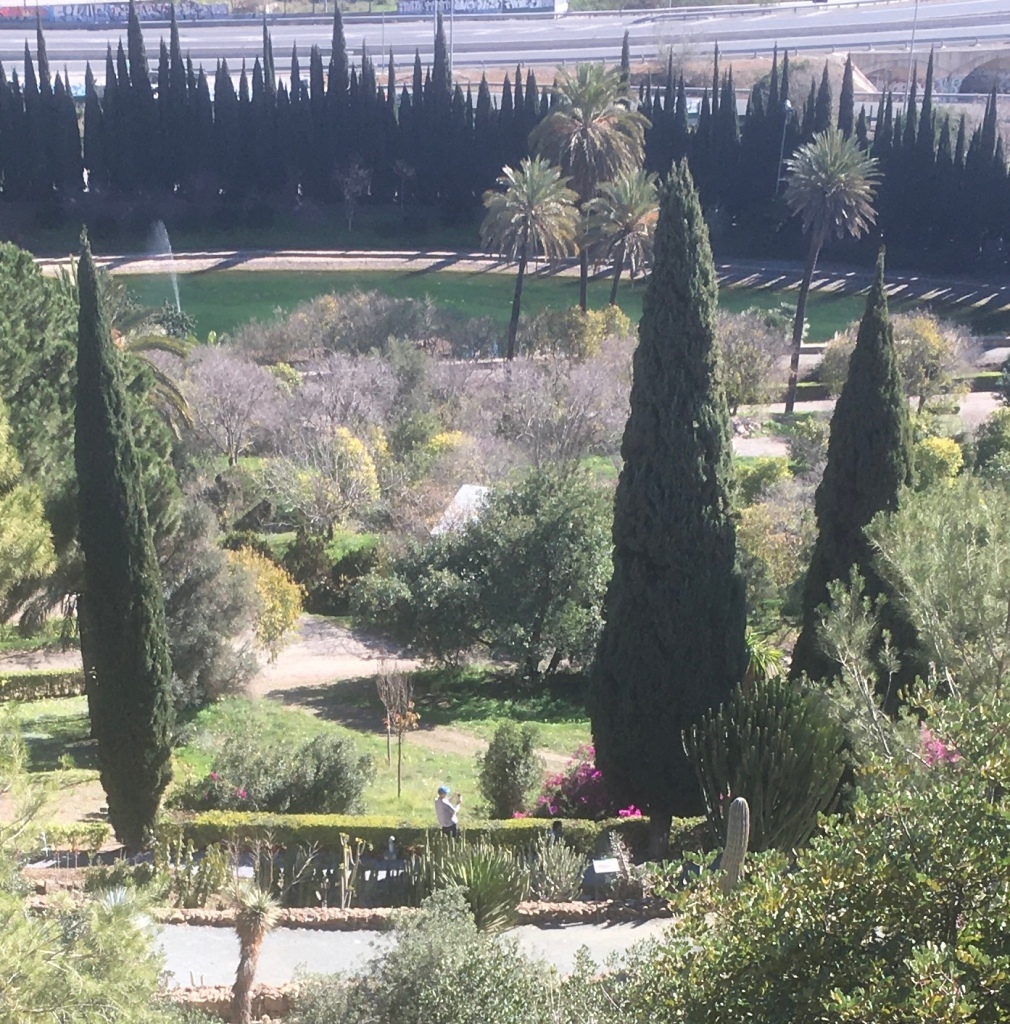
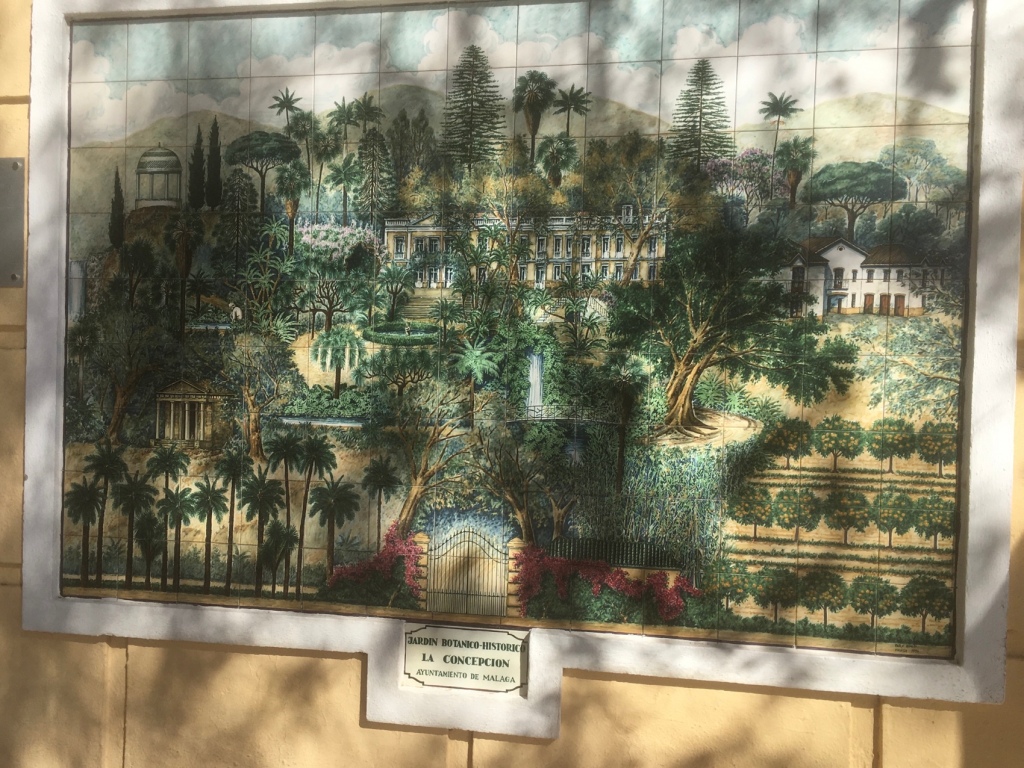
The origins of La Concepcion Estate can be traced back to the joining together of several smaller estates along the banks of the River Guadalmedina to the north of the city of Malaga. Used for agricultural purposes, they were home to cereal crops, olive and almond trees, vines, and, most notably, citrus trees. The garden was created by the Marquis and Marchioness of the House of Loring, Jorge Loring Oyarzabal and Amalia Heredia Livermore, both of whom were born to well-known businessmen who came to the city to make their fortunes. According to the jurist Rodriguez de Berlanga, the idea for the garden originally came to them after they had visited a series of palaces, villas, parks, estates, and botanical gardens during their honeymoon in Europe seven years earlier. To bring it to life, they enlisted the services of a French gardener, Jacinto Chamoussent, whose skilled selection and acclimatisation of exotic plants was subsequently rewarded with numerous prizes.
La Concepcion quickly became known throughout Europe.
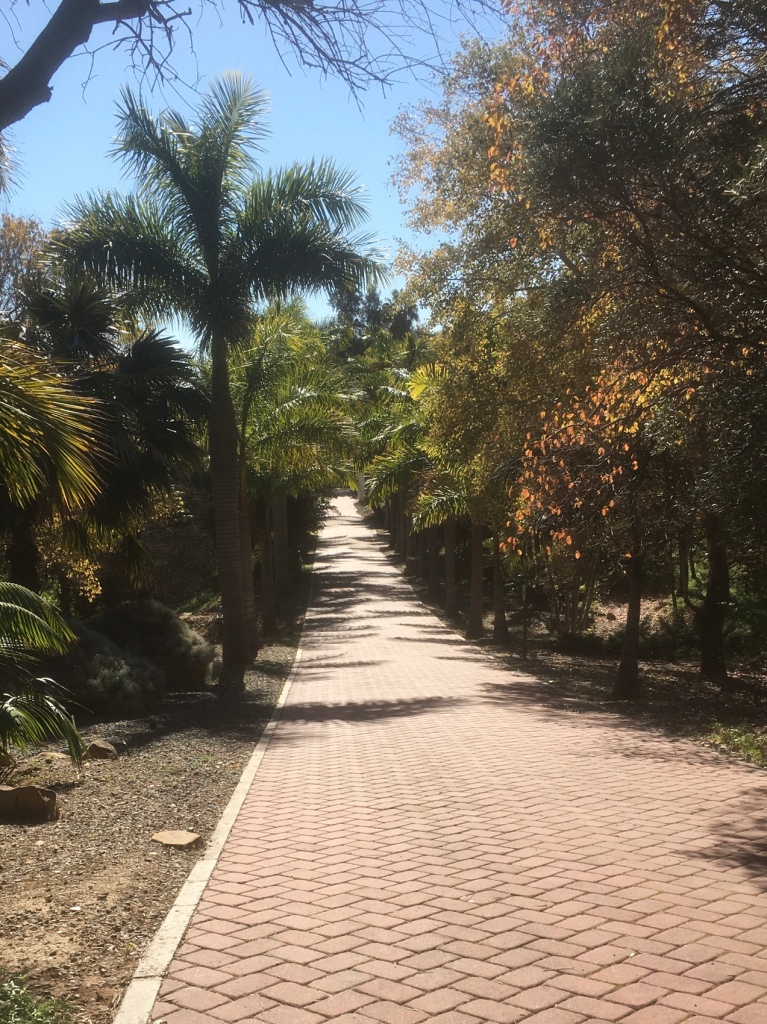
In 1911, La Concepcion was sold to a husband and wife from Bilbao, Rafael Echevarria and Amalia Echevarrieta, who expanded the garden, adding new features such as the Nymph’s Stream, the Palm Tree Avenue and the Viewpoint which overlooks the city.
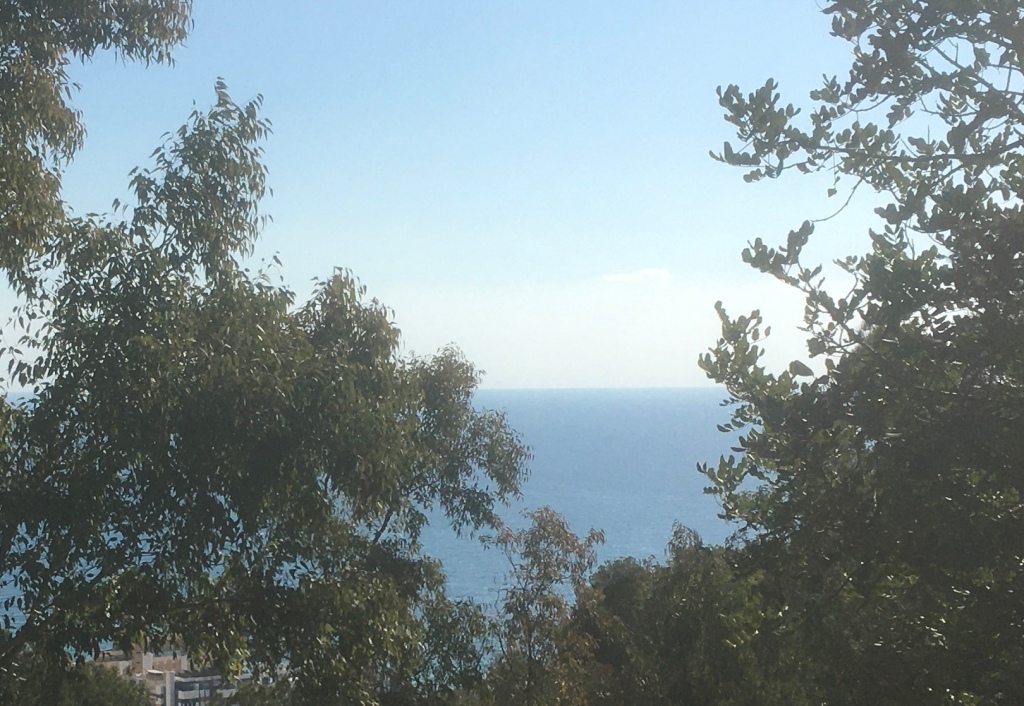
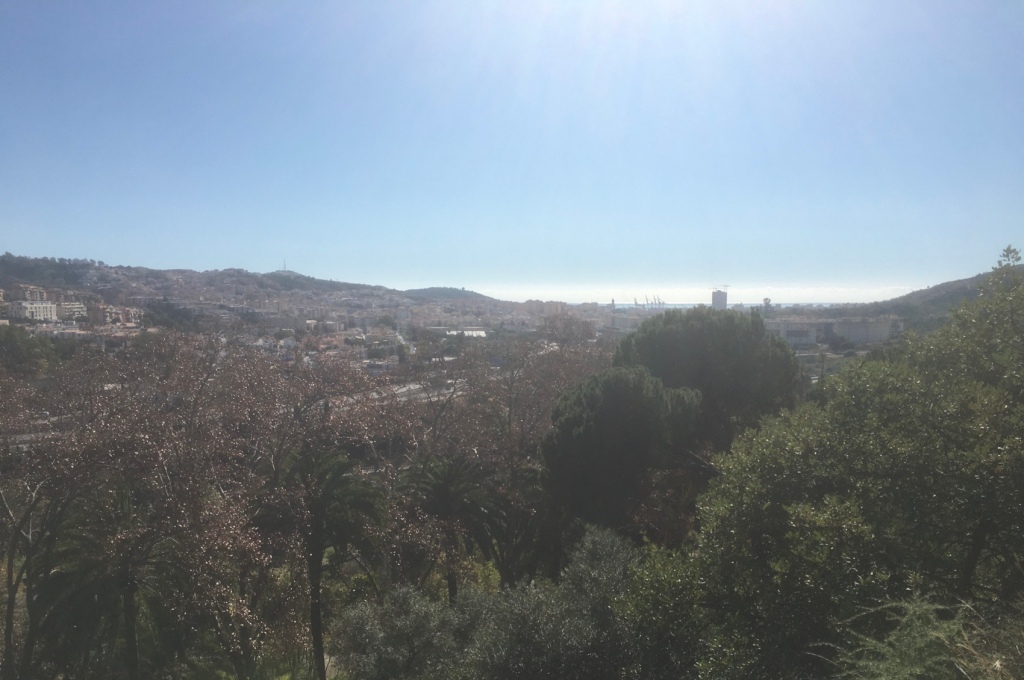
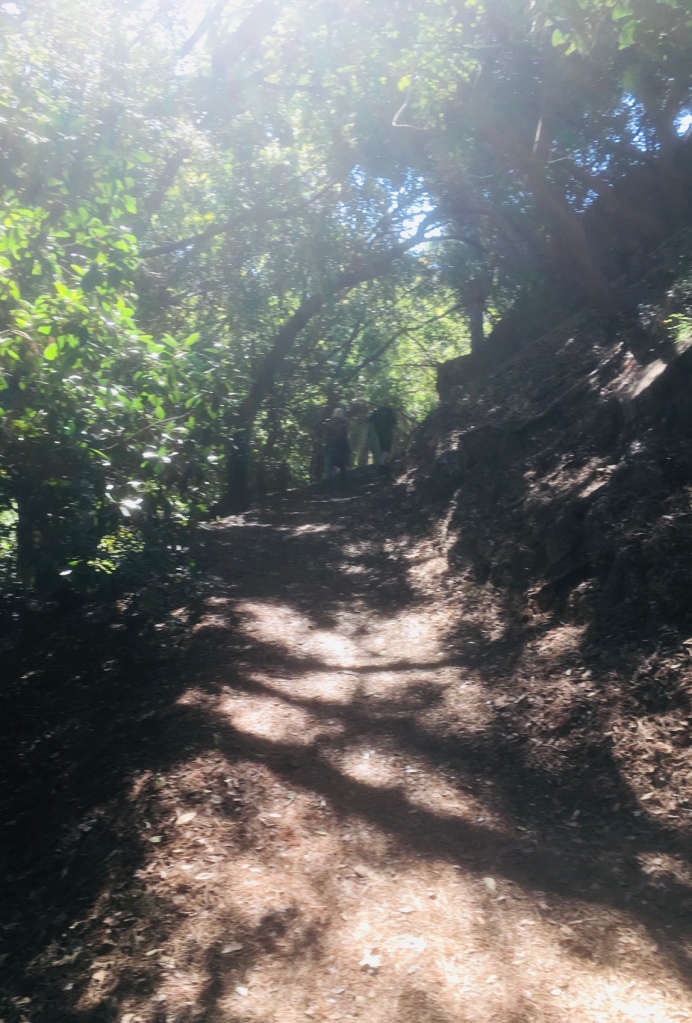
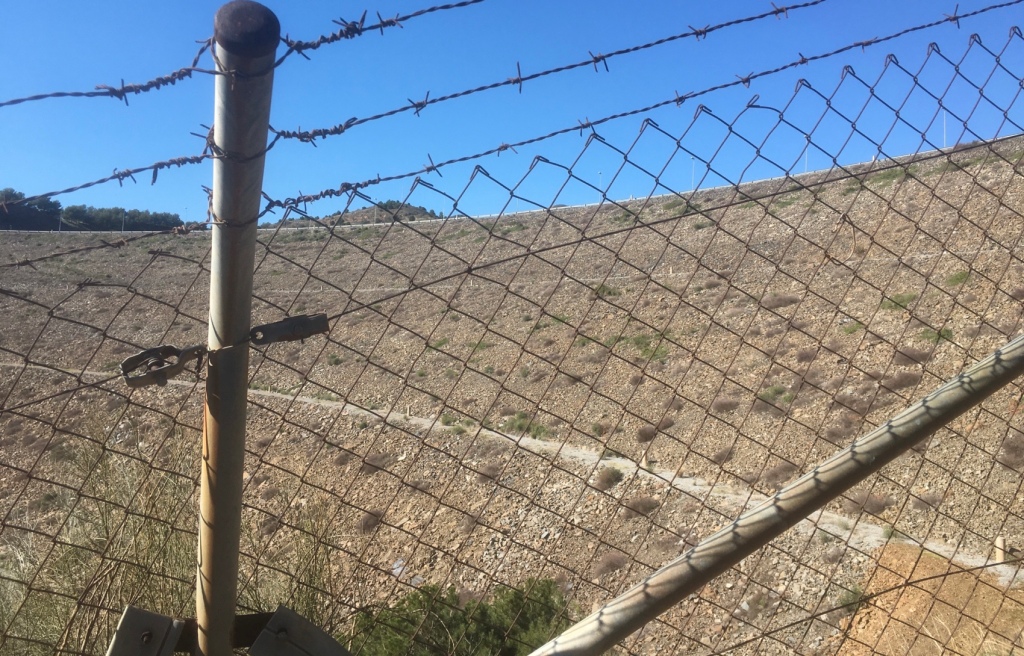
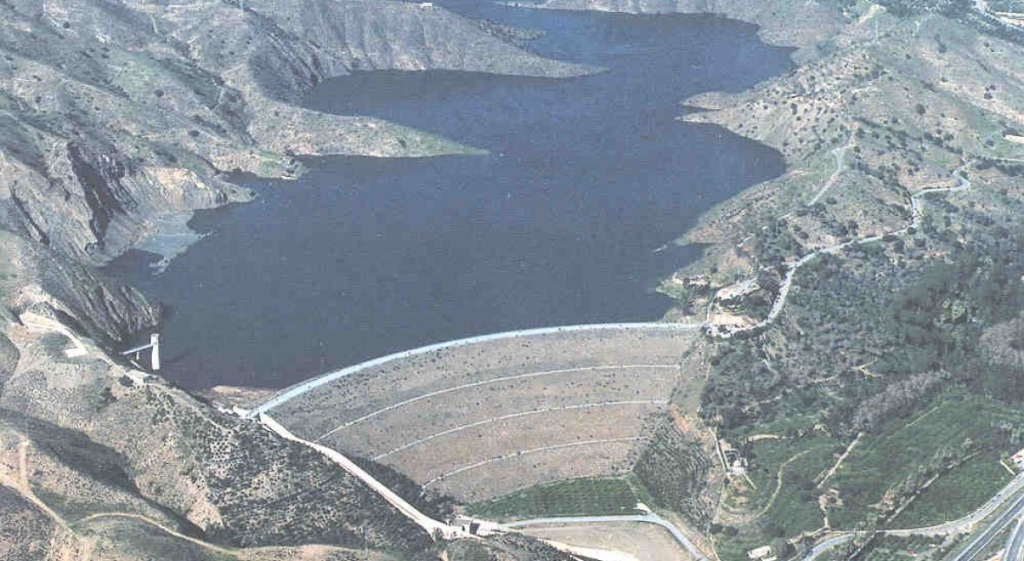
The Mediterranean in the far distance.In 1943, La Concepcion was officially declared a Garden of Historical and Artistic Interest, and today it is also recognised as a Place of Cultural Interest.It is a tranquil place despite the ever present hum of traffic from the Autovia.After the death of the Basque couple, La Concepcion was taken over by Amalia’s brother, Horacio Echevarrieta, who kept the estate in perfect condition until he died in 1963. This signalled the start of a period of decline for the estate, whose buildings and gardens were abandoned by the new heirs. In 1990, the estate was purchased by Malaga City Council for 600 million pesetas (€3,606,073). Once the necessary infrastructure and adaptation work had been carried out, it was opened to the public in 1994 with two main aims: to conserve and embellish the Historical Garden itself and to turn the rest of the botanical garden into a space whose collections of plants could be used for scientific and educational purposes.We made our way along the forest route. Then we came upon this enormous dam wall.The Embalse del Limonera
clay core Height 95m Long. coronation 414m coronation height 121m foundation height 26m riverbed height 52m prey volume 3,390,000 m³ Water body Surface 105 ha annual contribution 15 hm³ Total capacity 25hm³ Location map Lemon Reservoir
Location in the province of Malaga [ edit data in Wikidata ] El Limonero has a capacity of 25 hm³ and an area of 105 ha . It affects a length of 5 km of the Guadalmedina river , on which it is located. The reservoir regulates the avenues of the Guadalmedina river and serves as a source of supply for the city of Malaga. It was finished and inaugurated in October 1983. It should be noted that its retaining wall is not made of concrete, but of rock. WIKIPEDIA
The garden has a great number of species and features, too many to do justice to,but here are some examples.
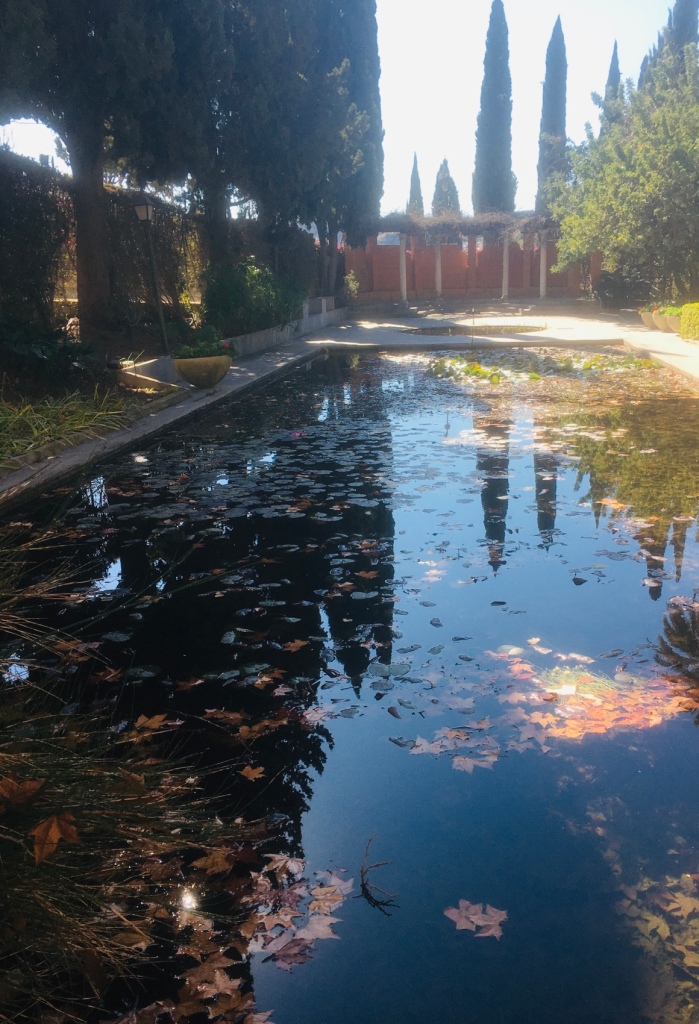
The lily pond
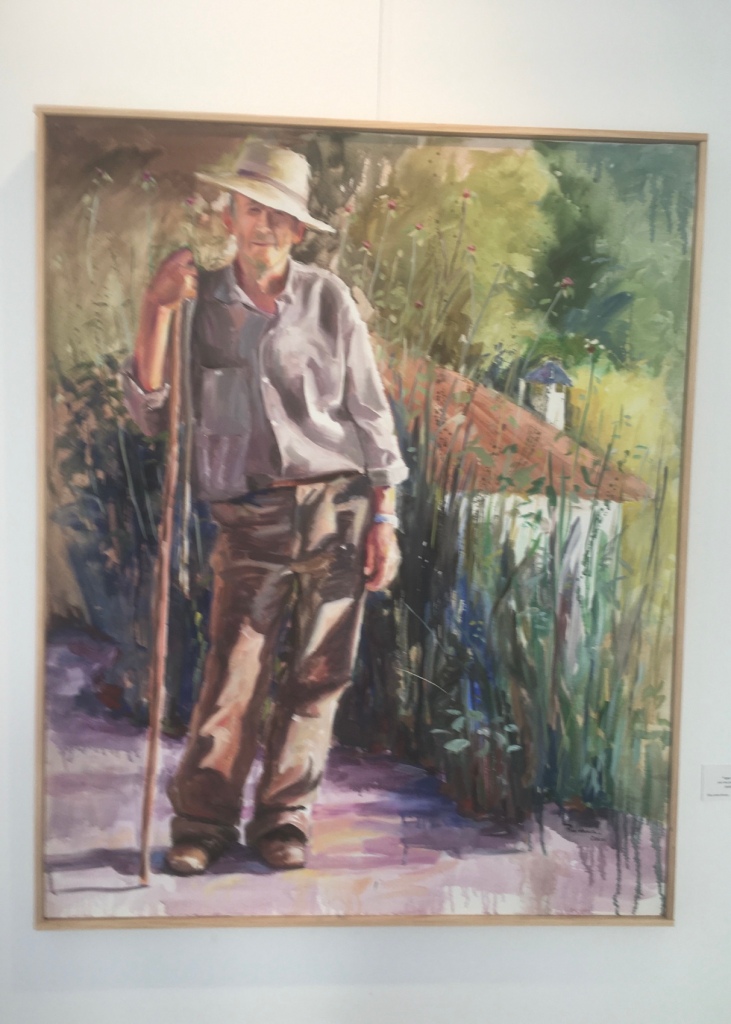
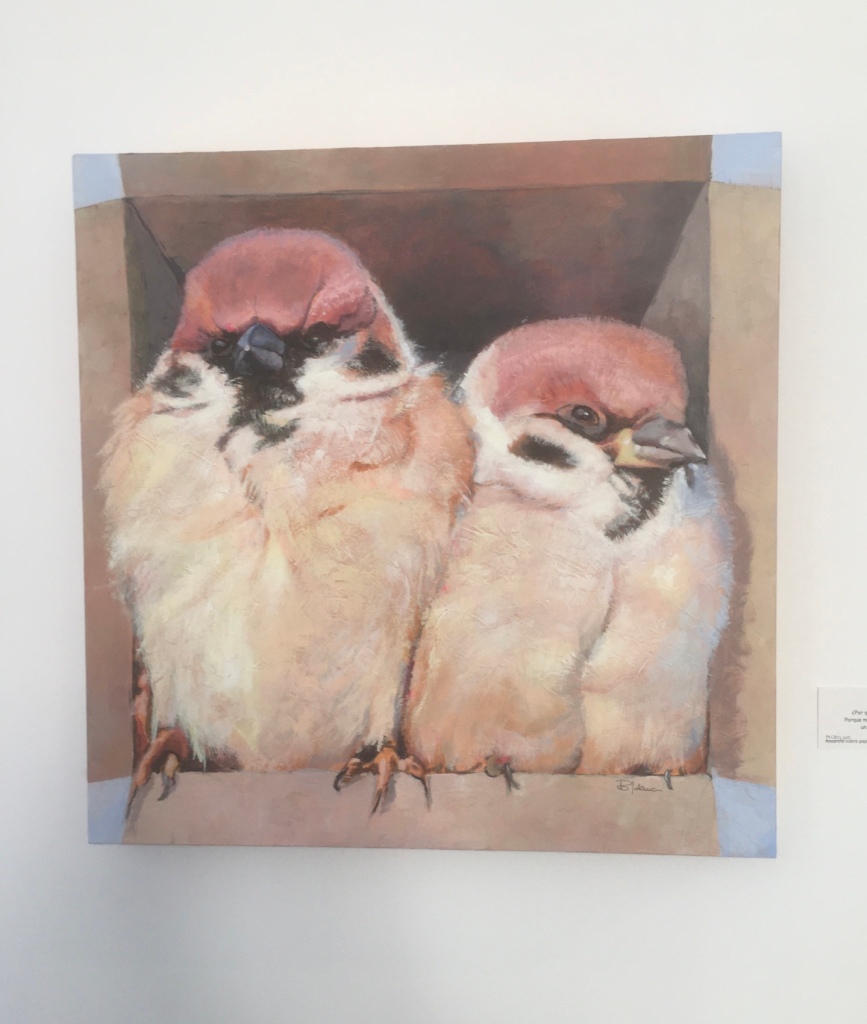
The administrator’s building housed many paintings of interest .
Here are some that caught our attention.We enjoyed warm weather for the end of January,I should imagine that in the summer months it would be welcome oasis of greenery. On a practical note,take refreshments as there was no cafeteria in operation .Another great Malaga excursion.
In the evening we met up with Camino aficionado and guidebook writer,Johnnie Walker for an often hilarious chat – I gather he over winters from Santiago’s rainy season here and plays the organ at a local,Jesuit Church-Salud John,it was great to meet up again .
A particularly interesting book,especially if you are considering a Camino.
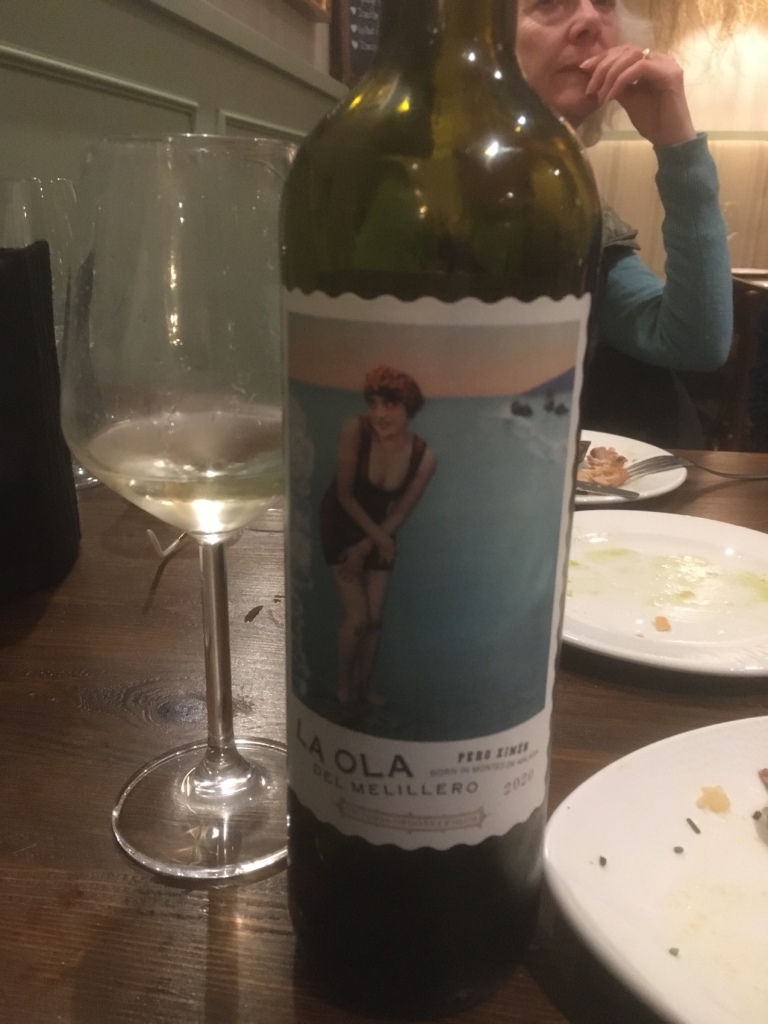
We ended our day with a memorable meal at this restaurant.
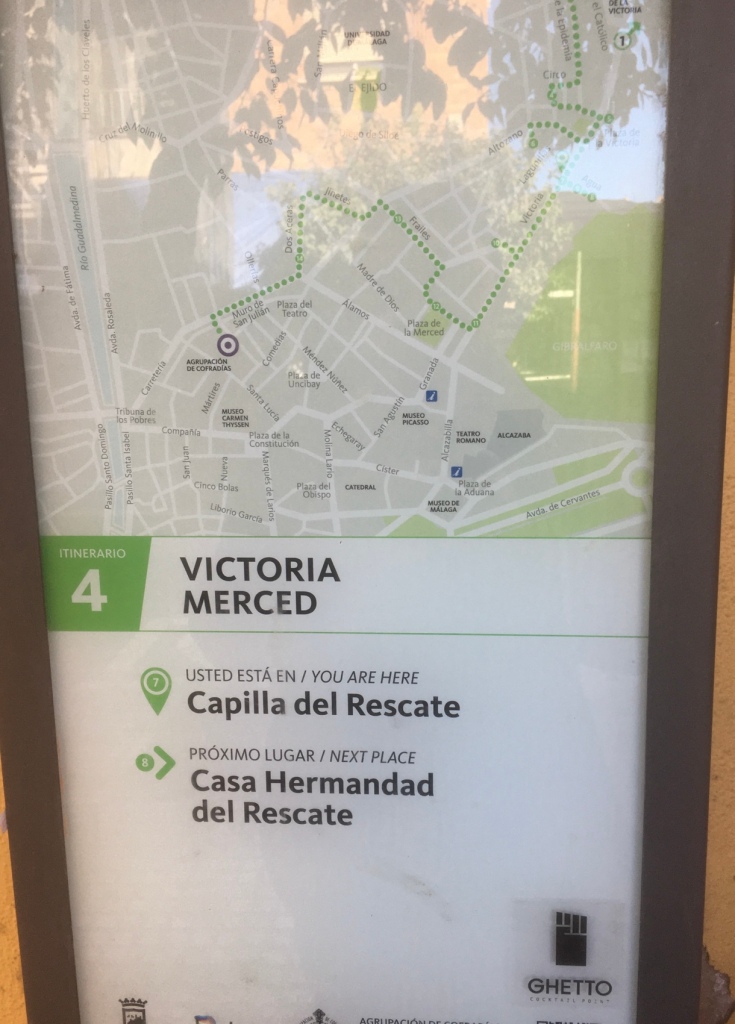
It’s a mile or so from the apartment to get to the beach and plenty to remark at on the way.
Cristo de la Epidemia and a little further on a tiny chapel of less grand proportions The first time the chapel has been open.
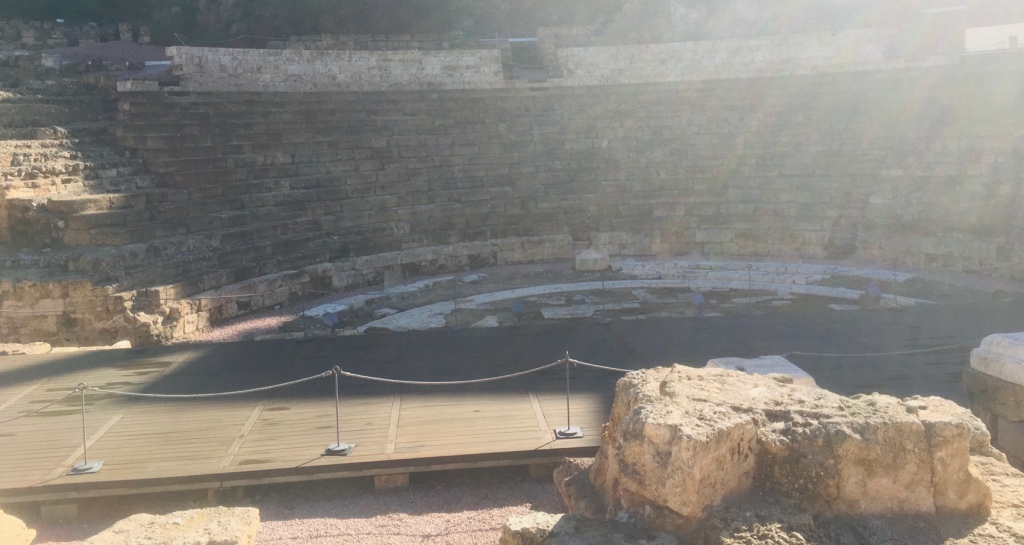
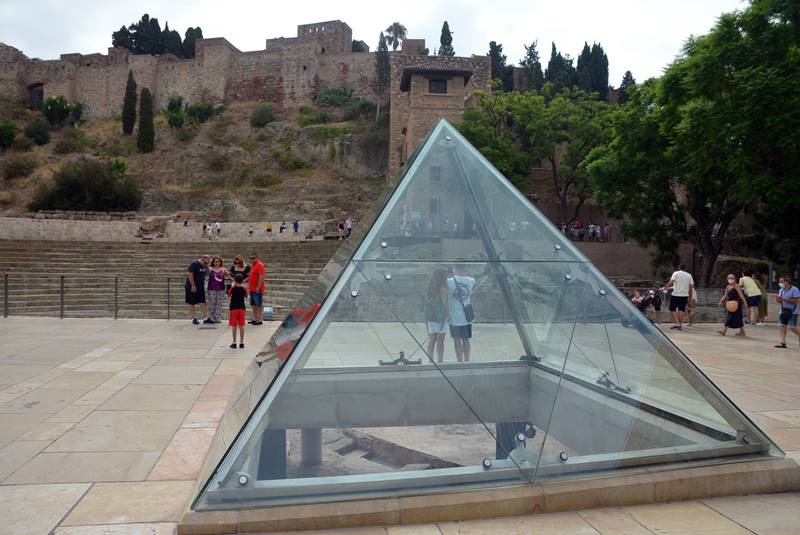
After passing Plaza de la Merced, we came to the Roman theatre
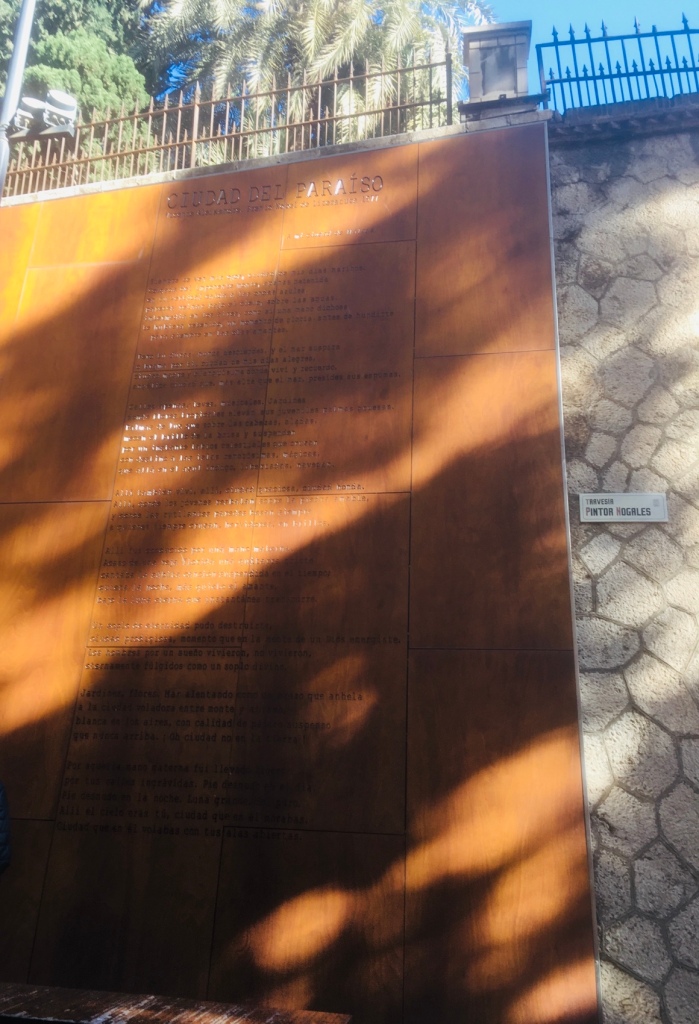
Nearby, below ground ,were the Roman remains of a salting fish workshop.Where you put your sunglasses when taking a photo- taken by accident I hasten to add !Poem ‘City of Paradise’, by Vicente Aleixandre, the first few lines translated are :”To my city of Malaga My eyes always see you, city of my marine days. Hanging from the imposing mount, hardly stopped in your vertical fall to the blue waves, You seem to reign under the sky, over the waters, intermediate in the air, as if a happy handI would have held you, a moment of glory…”
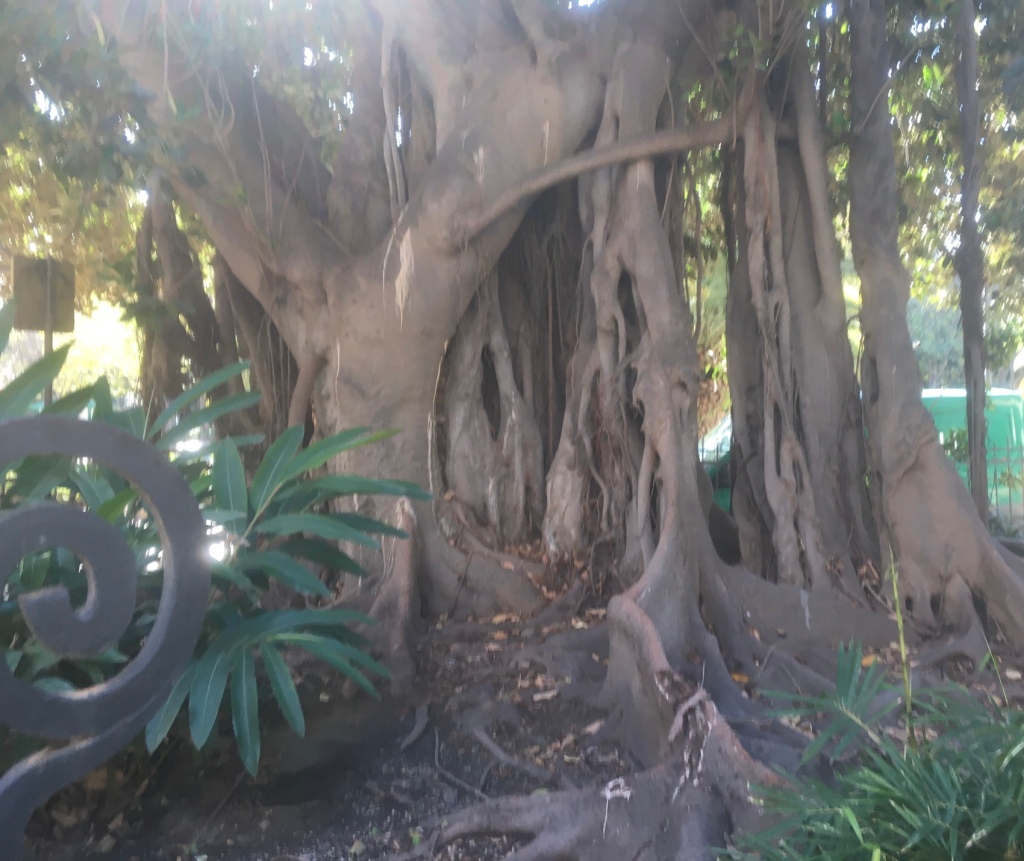
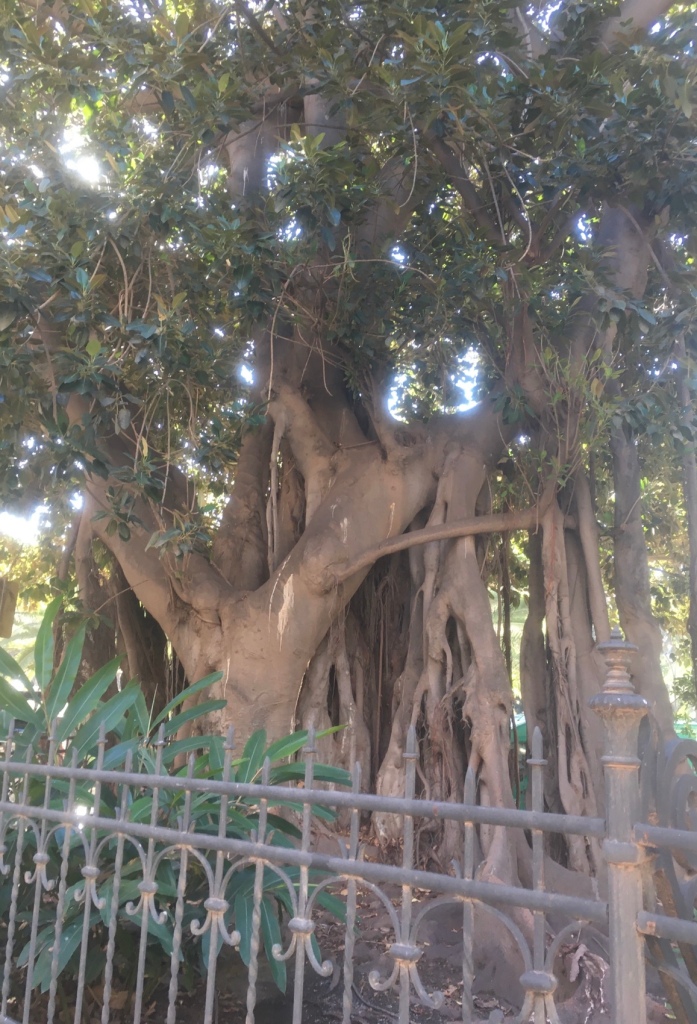
We were then stopped in our tracks as we came across this enormous tree trunk.
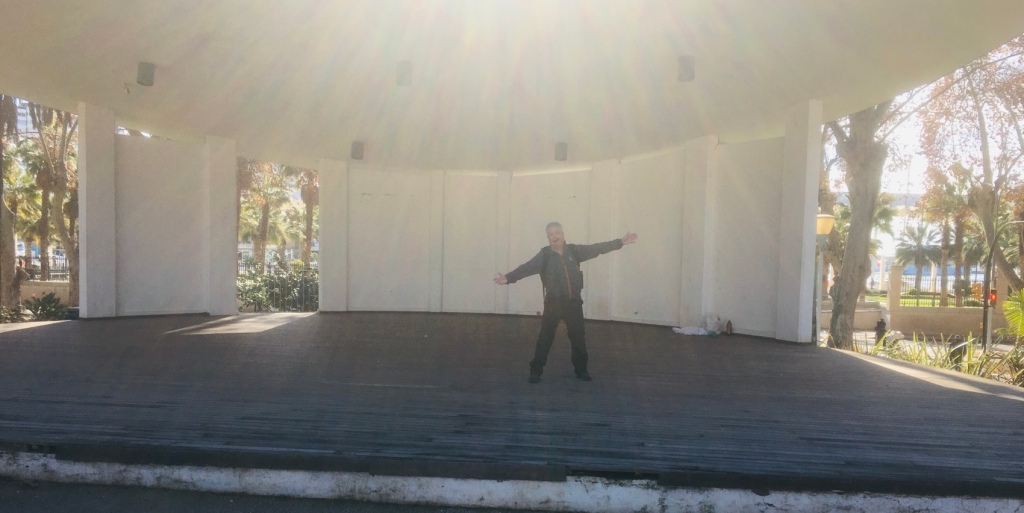
It is railed off for purposes of protection .We then walked by a more recent Ampitheatre Matt decided to test out the acoustics.
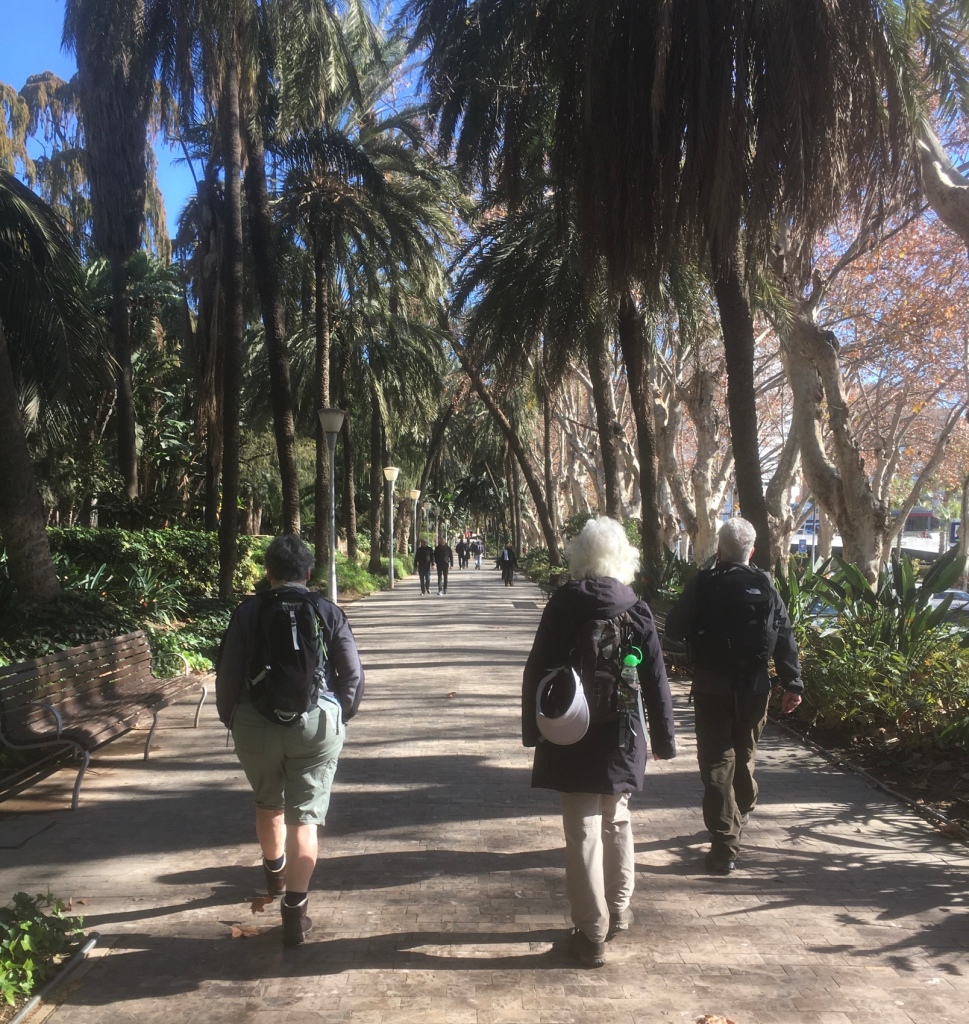
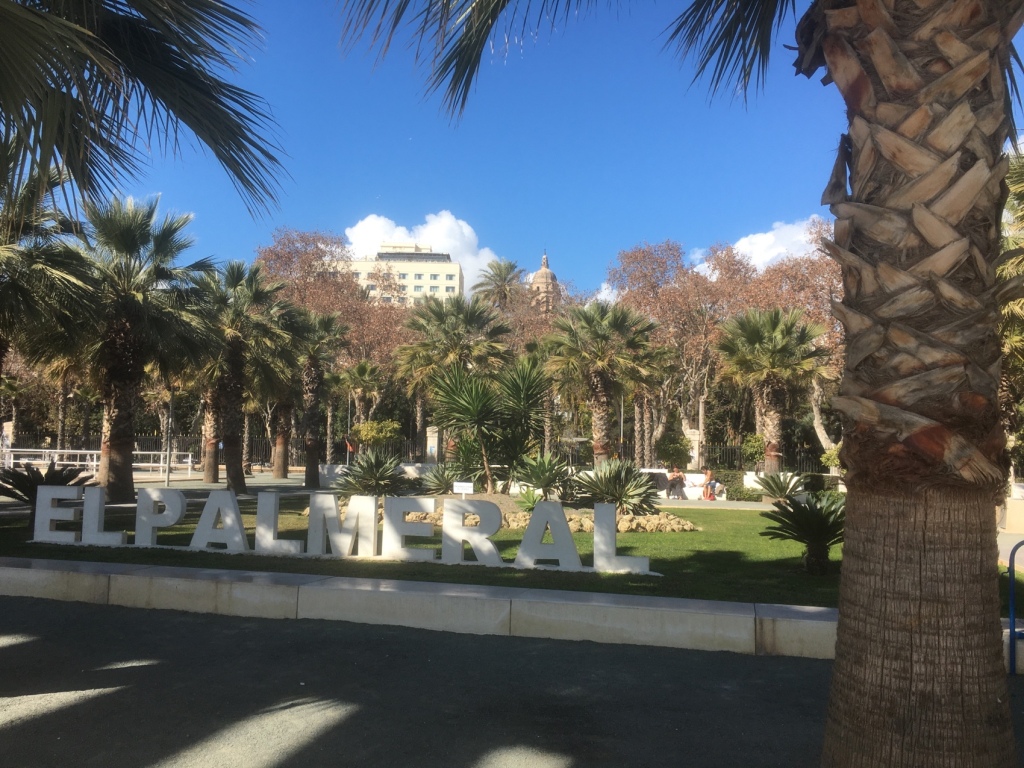
We continued along the Paseo del Parque,a delightful stroll.
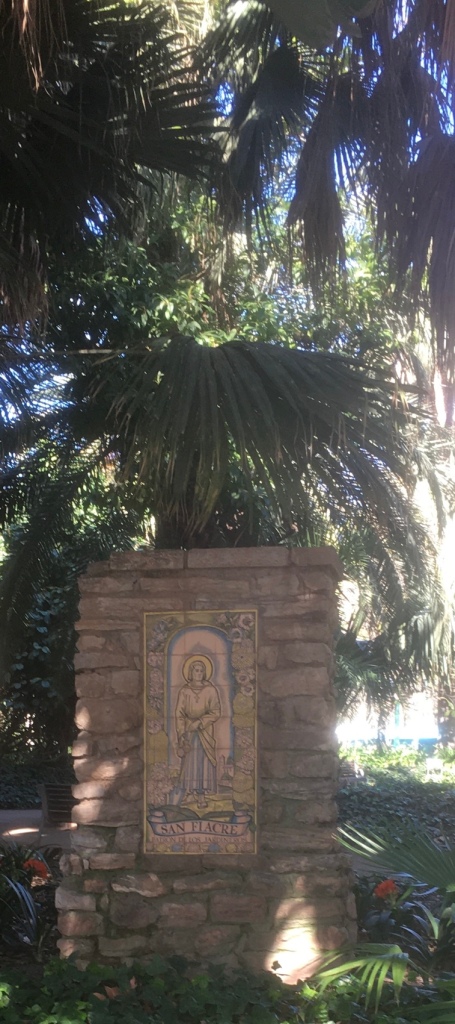
A refreshing water feature and then Brid spotted a tiny mosaic of San Fiacre.
Saint Fiacre, was born in Ireland, in the early years of the 7th century, and is considered the patron saint of gardeners, which is why we can find this mosaic in his memory in the Gardens of the Malaga Park, in the area that overlooks the beautiful Paseo de the priests and in front of the port gates. The mosaic is attached to natural stones and surrounded by several of the oldest and most exotic species in the Park. No wonder Brid knew all about him.
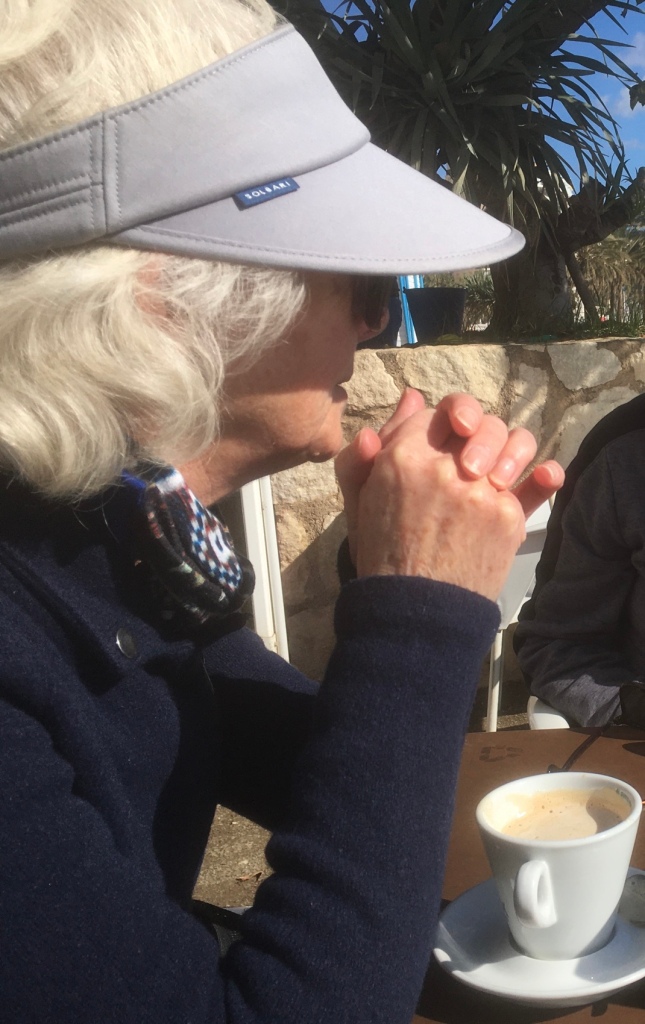
We stopped for coffee at the Chiringuito Mami Beach
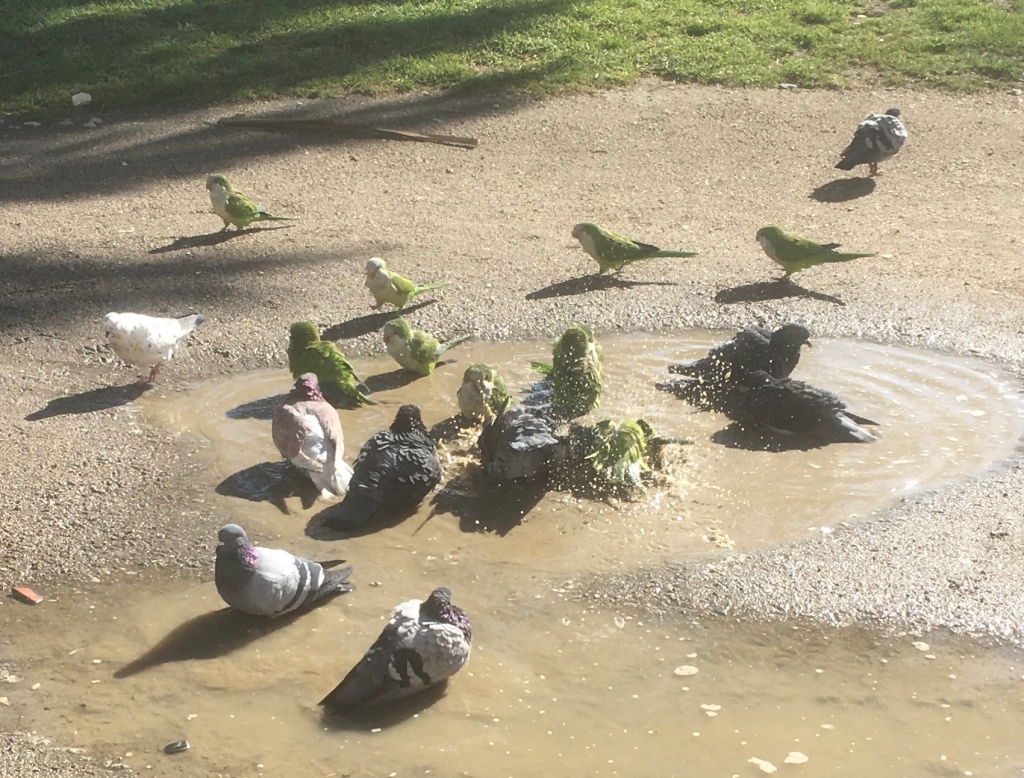
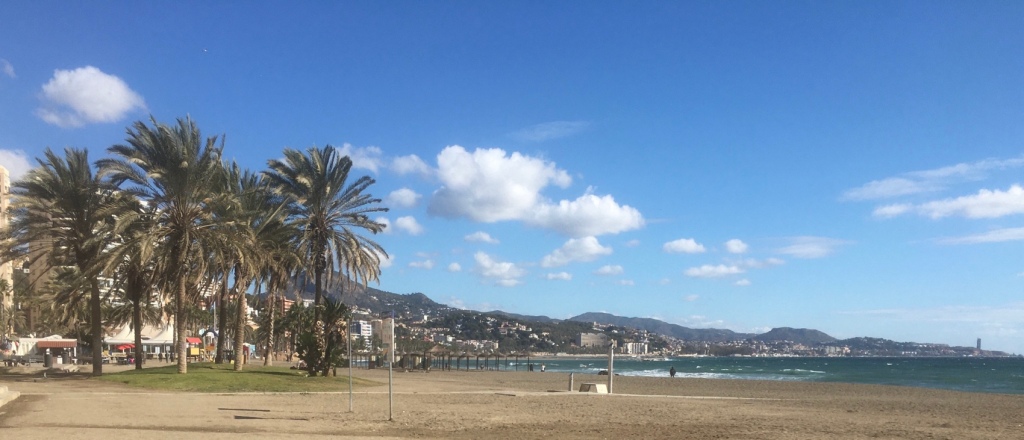
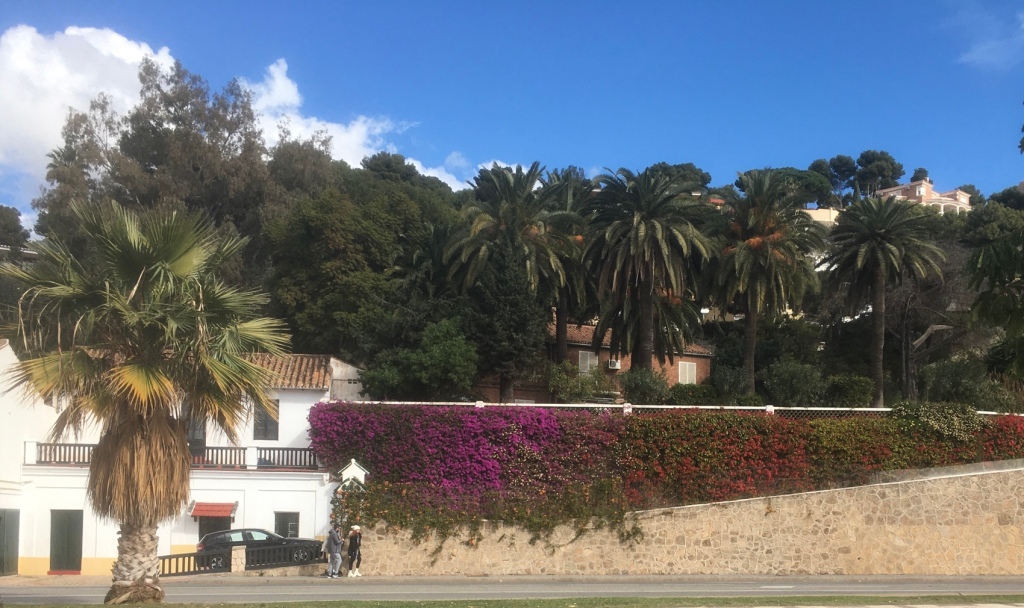
Overhead in the palm trees the constant chattering of Parakeets could not be mistaken for anything else and then for our entertainment as it were, a number of them joined some pigeons in an impromptu bird Bath, making use of a puddle created by the overnight rain.Making a splash.Looking down the Malagueta and our finishing point is an edifice at the far end.After passing a number of forgettable high rise developments we noticed this nicely festooned wall as buildings took on a more original character. There was then a stretch of rocks between the beaches but we were happy to continue along the promenade.We were hoping for a lunch stop by now and we were pleased to find Chiringuito Merlo la Revuelo.I had to try the sardines which were being bbqued on the beach nearby . I sampled an Espeto- The classic espeto or sardine skewer is very simple and comes from a technique invented in the late nineteenth century in the neighborhood of El Palo in Malaga, a tradition that has hardly changed ever since. It is made just with a few sardines that are grilled on a cane skewer over the heat of an open wood fire. Just like that.
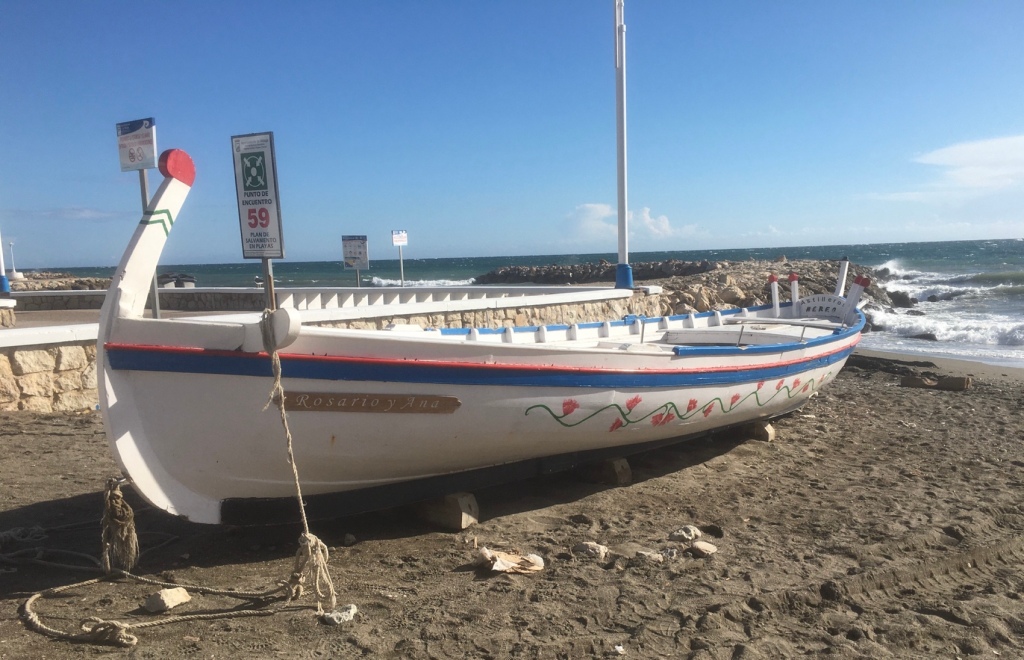
Walking back through Pedragalejo I noticed this traditional fishing boat which looked as if it had been recently renovated
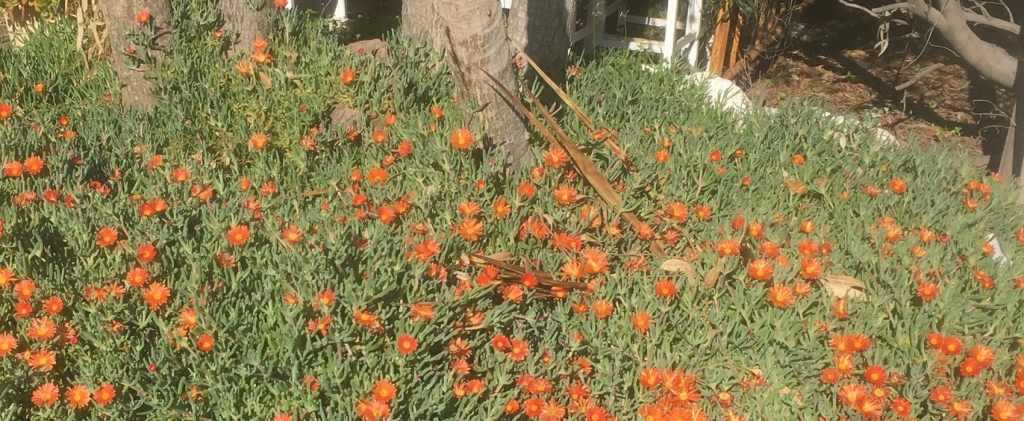
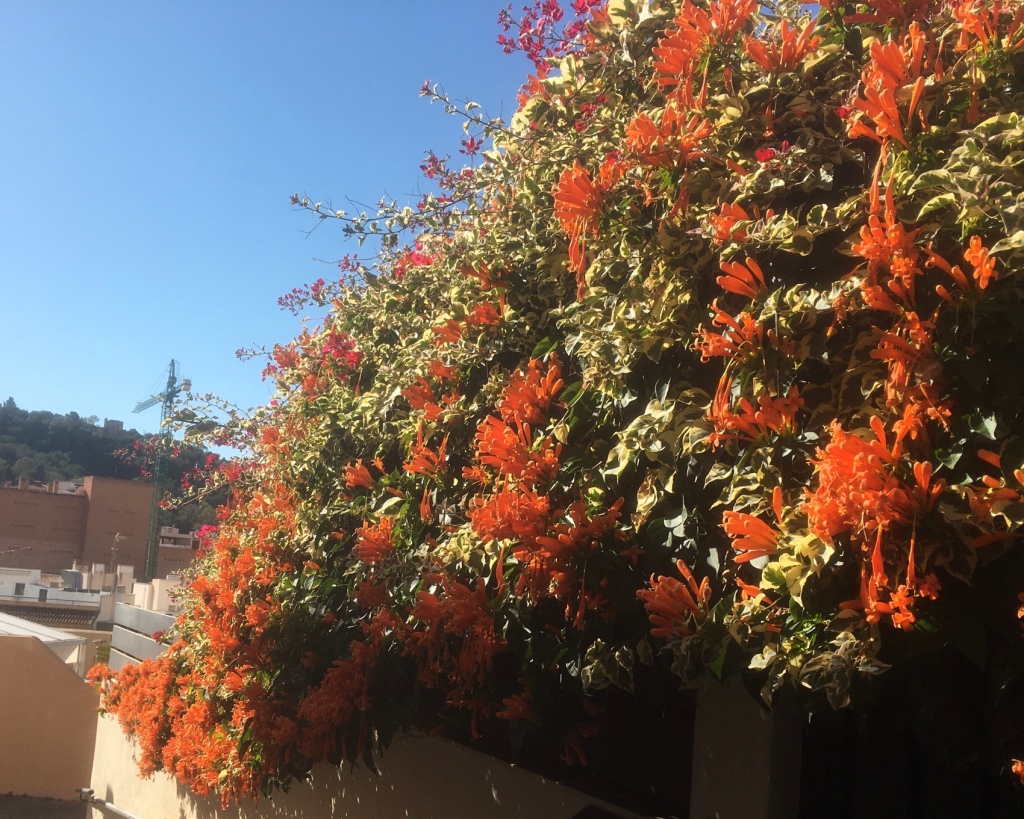
Views of Malaga in the distanceSome way to go yet.An abundance of Orange flowersYou can see the giant cranes over the port of Malaga and just make out some kite surfers.I liked the position of this building constructed by the side of a river running under the road into the sea.
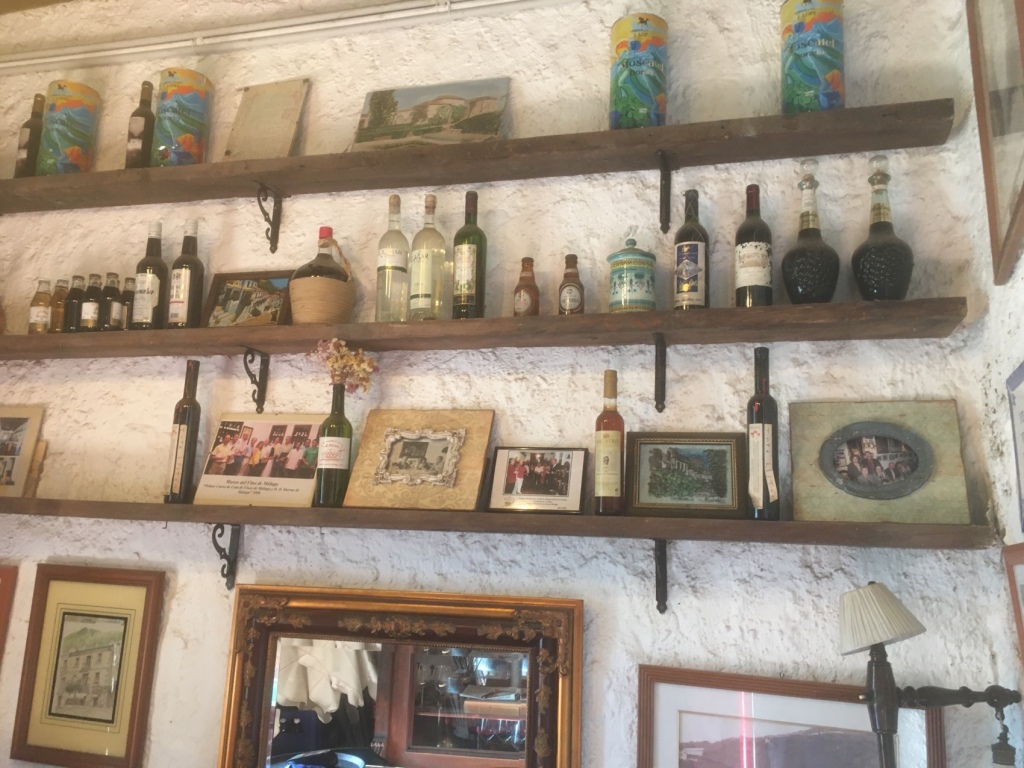
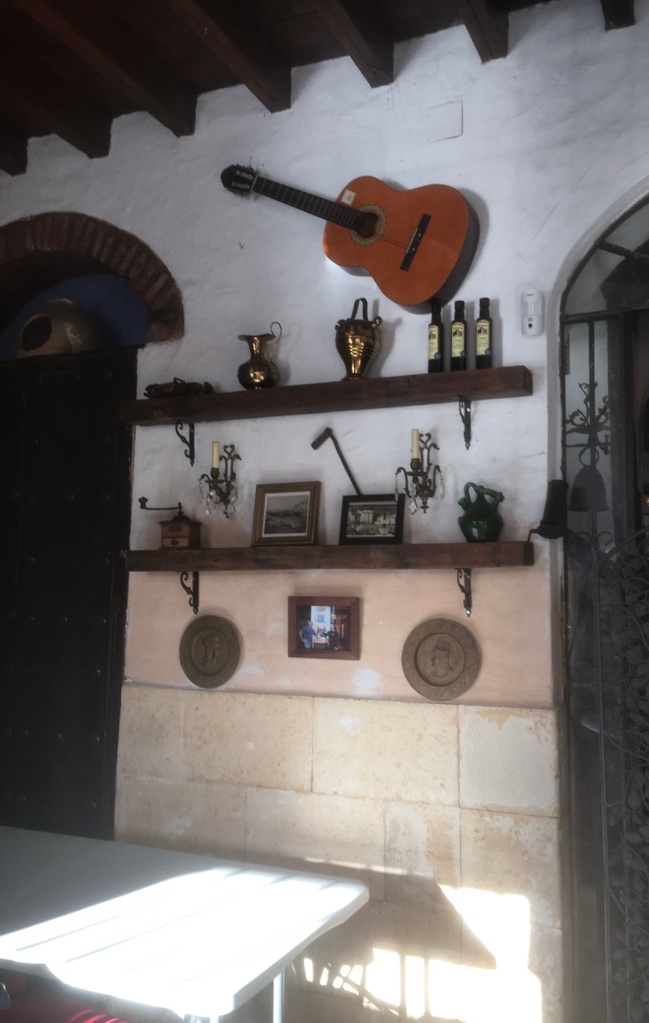
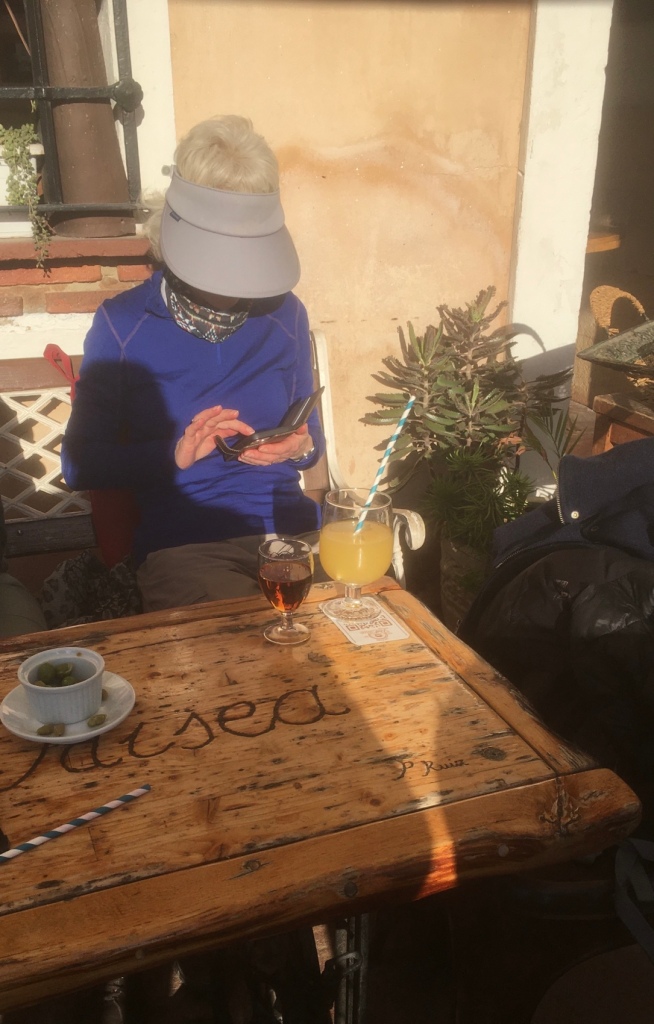
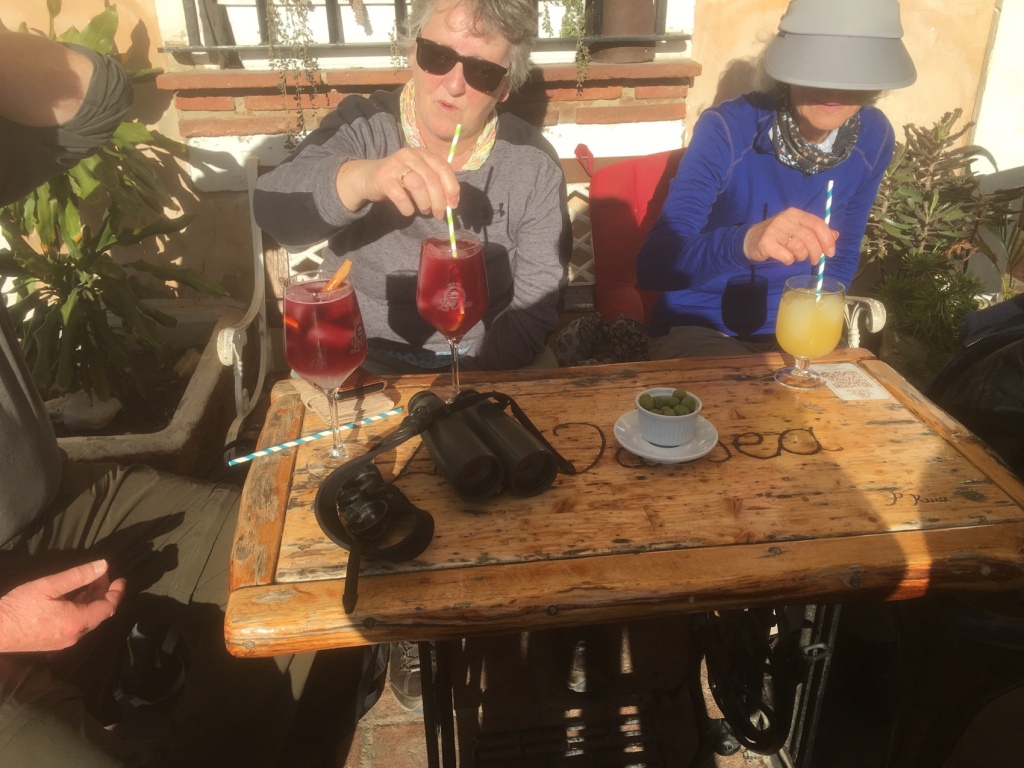
Walking in the breezy sunshine is a thirst making process and so we climbed the steps up to a bar – La Odisea – ( need I translate ? ) The house glass gives a clue.
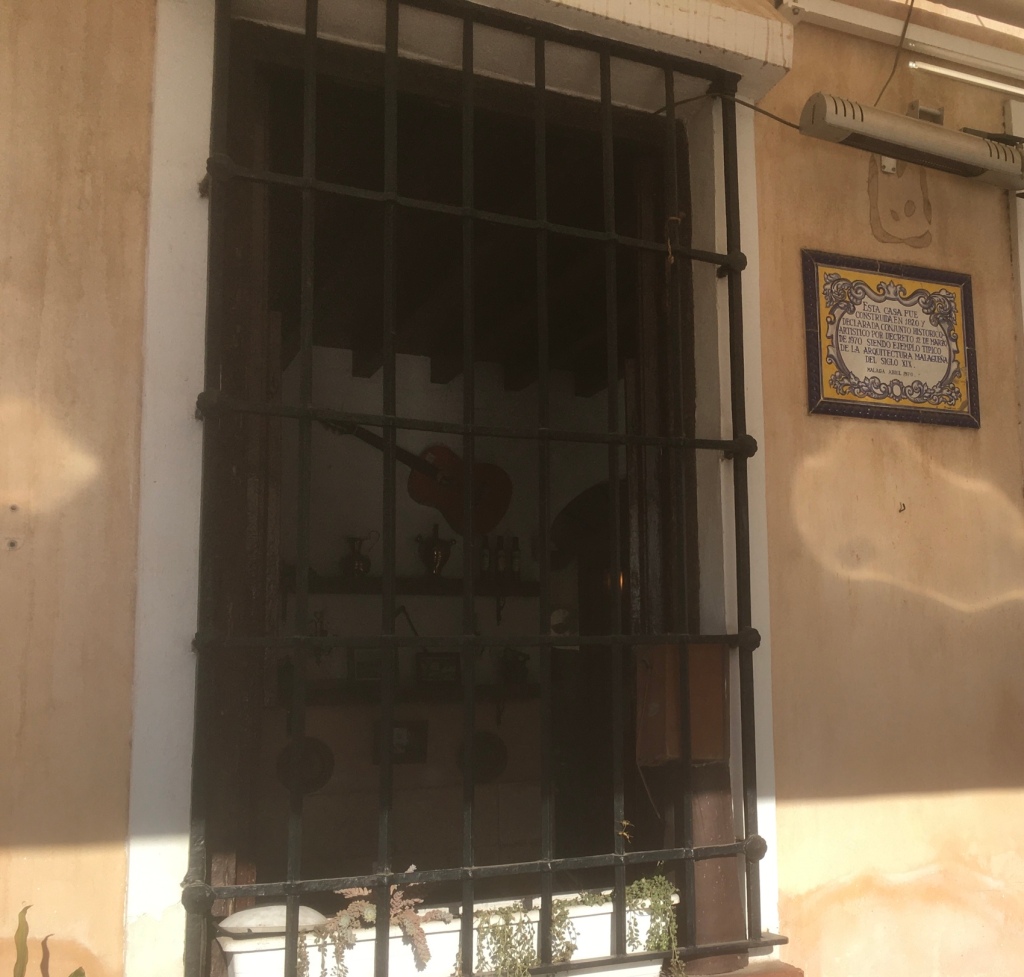
This bar was once a traditional Malaguenan house and is 220 years old.The plaque was put in place in 1970.The interior is quaintly simpleThe adjacent long room has a more obvious use.Penny decided to pep up her pineapple juice with a brandy from the barrel – for its restorative properties you understand.Brid and Matt ( just out of picture ) enjoying their Tinto Verano . So after a walk up to the local Carrefour it was back to base, after a good day’s stroll.
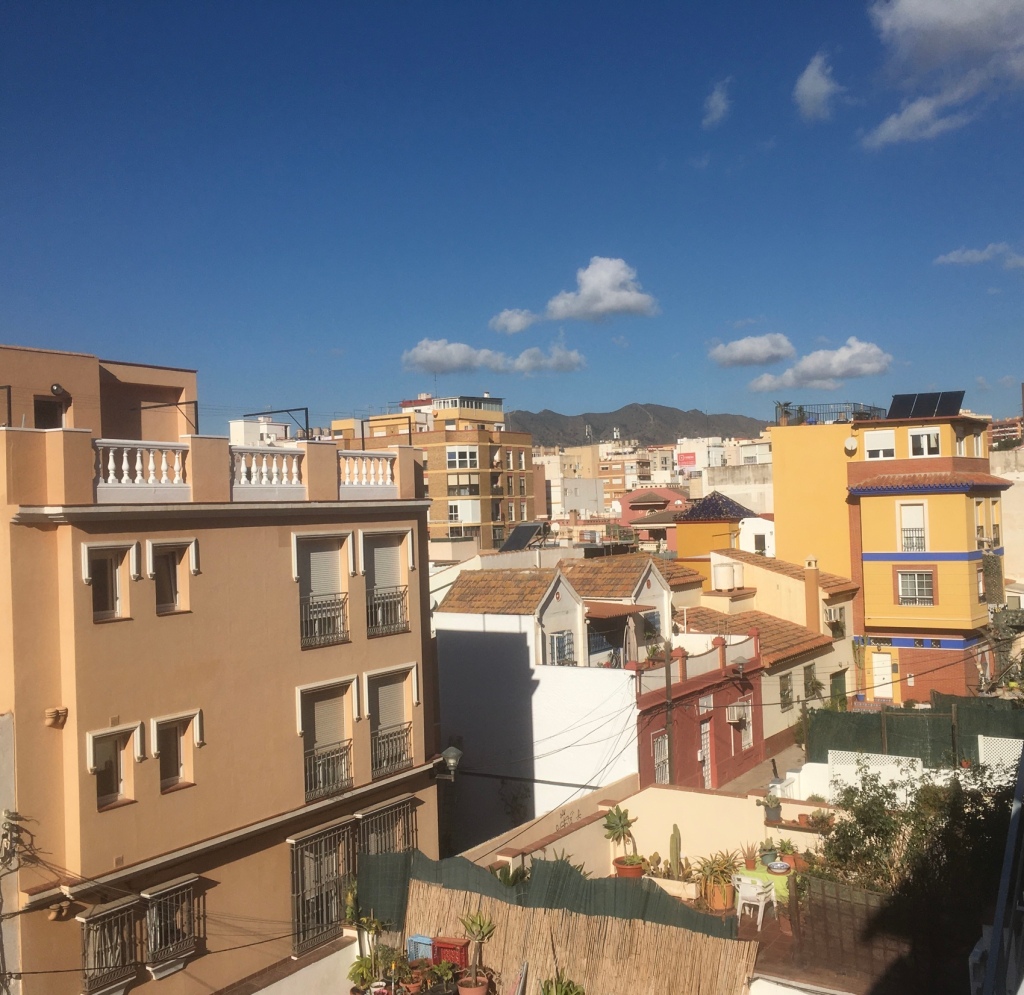
The prospect from the apartment this morning.Penny emerging complete with sun visor.
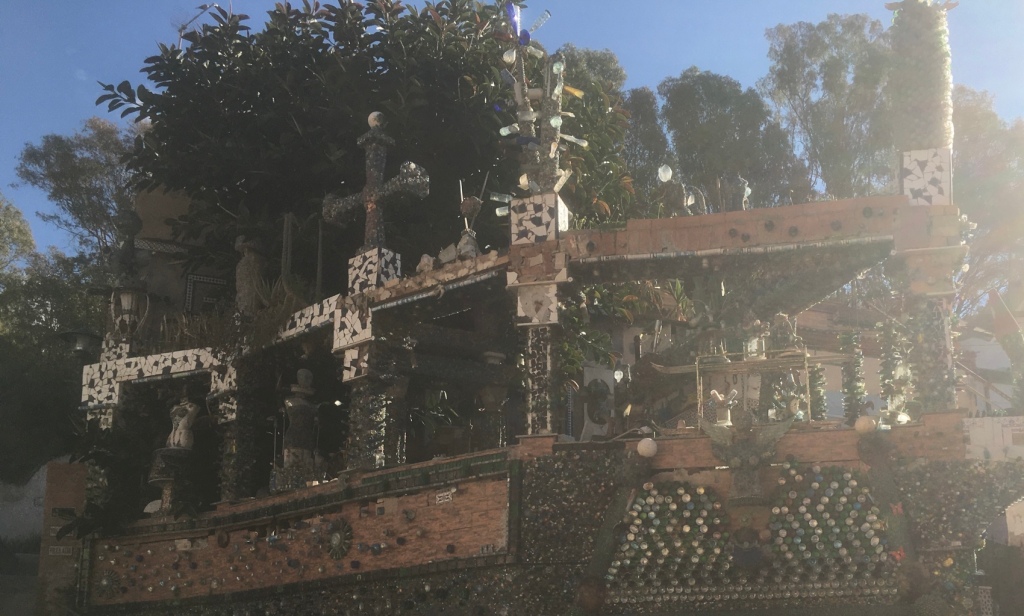
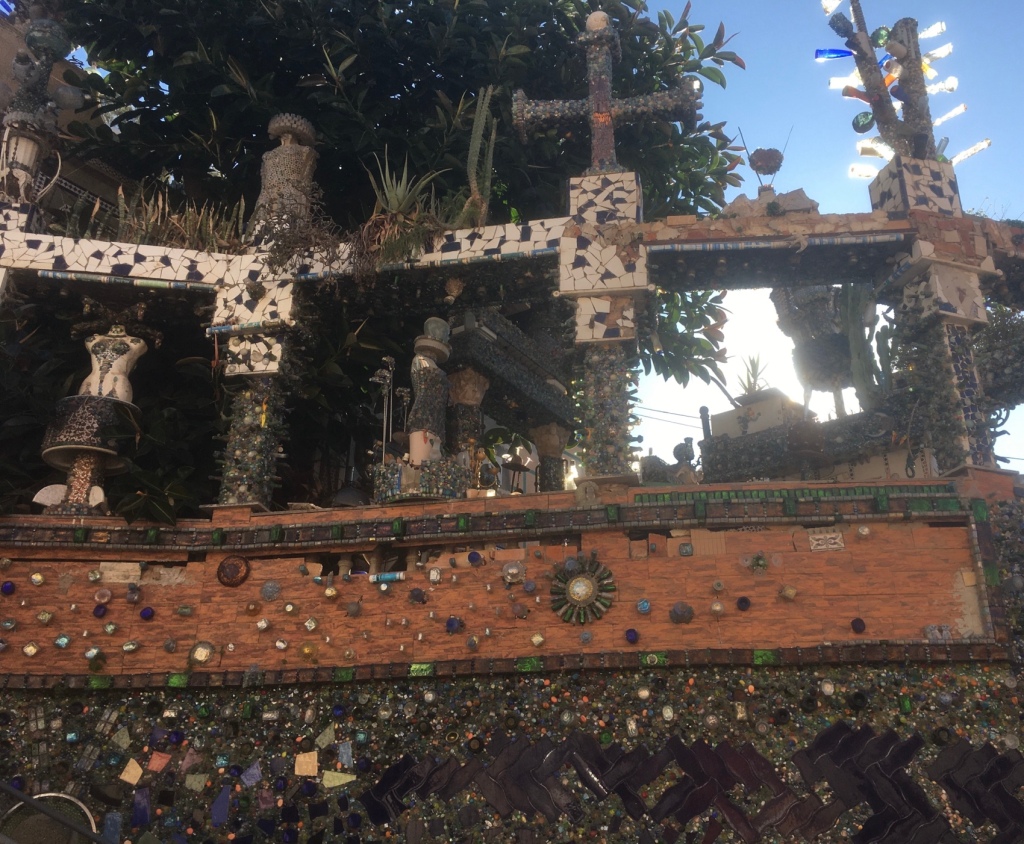
Walking up towards the start of the climb we passed an eye stopping house decorated by someone with a lot of bottle.
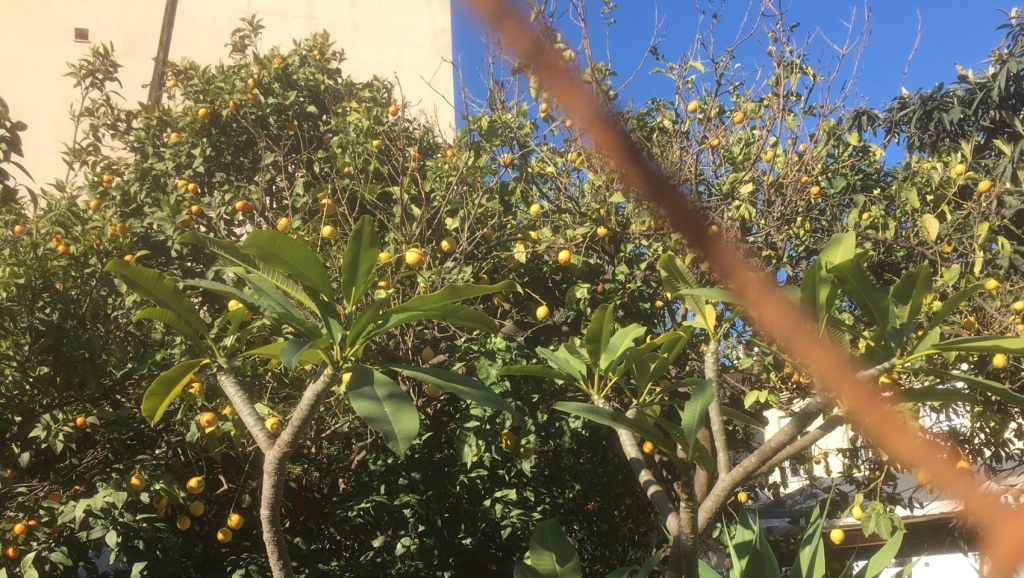
It was already warmer than forecast as we moved towards the Olletas district and signs of Spring.
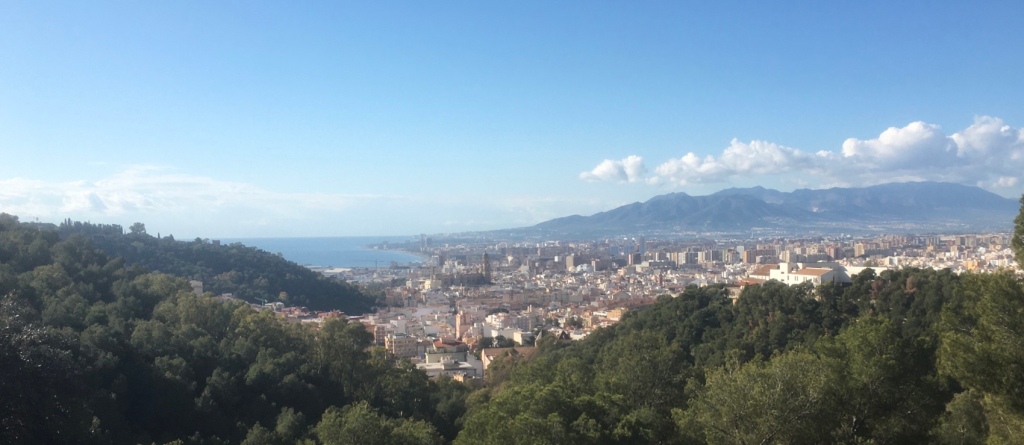
A view of Malaga from ( nearly )the top. Penny could make out a plane landing with the help of her Bins.Oxalis emerging.
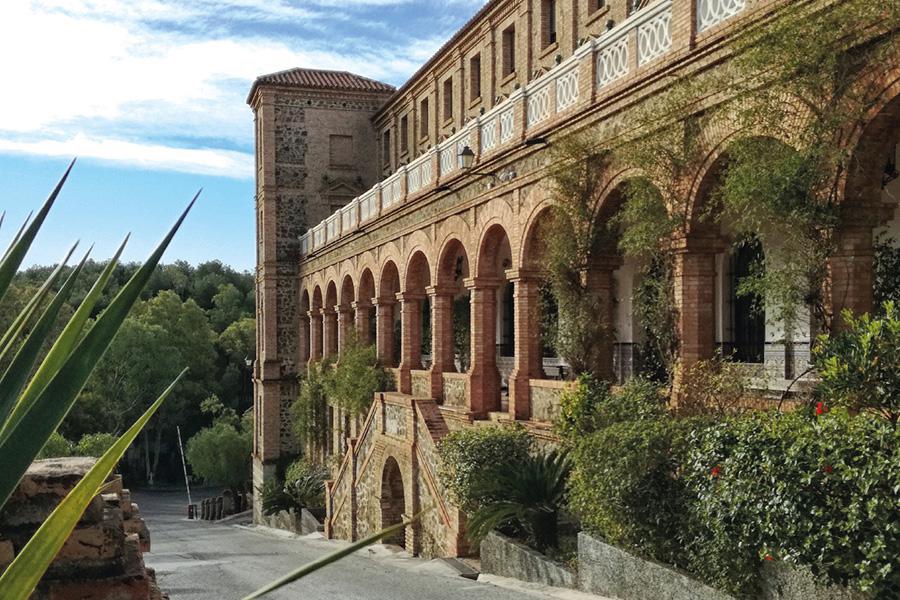
A lot of this area is walled off and behind which is the Diocesan Seminary
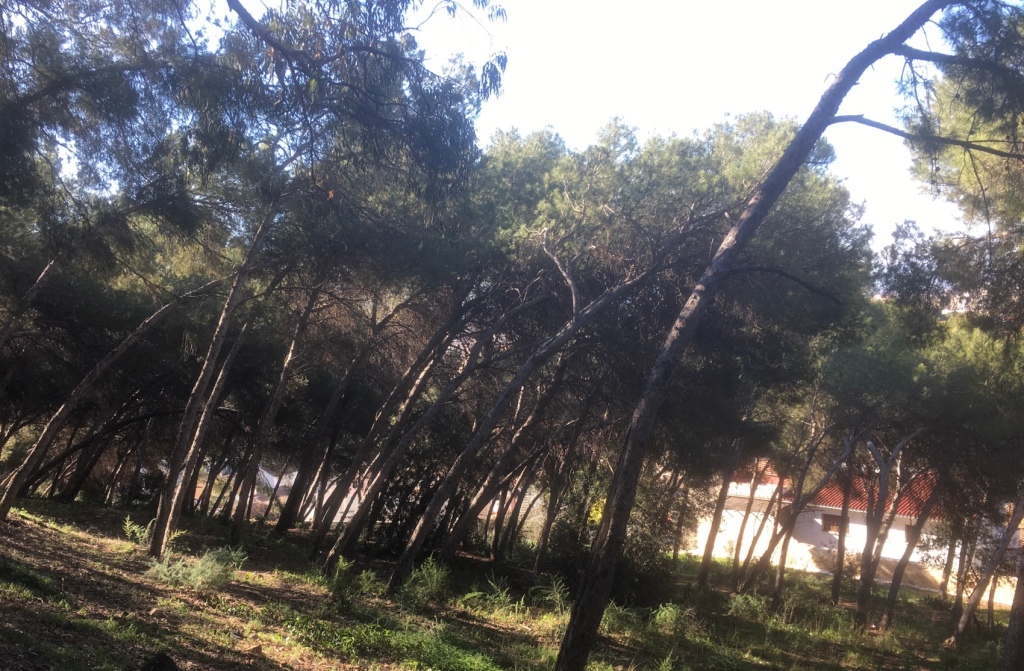
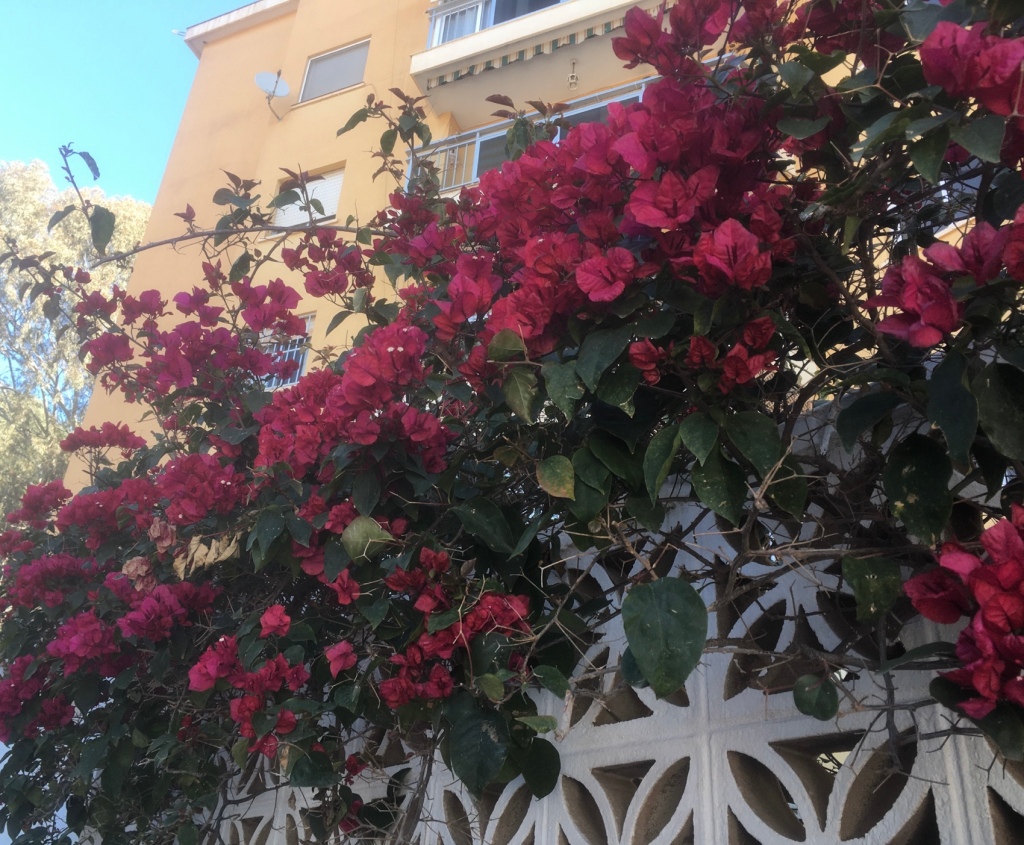
Unfortunately we were not able to get this close but as we clambered upwards we could hear the strains of a band practice from within the compound.Manuel Gonzalez Garcia González Wikipedia gives a lengthy and impressive account hi ministry,including details of his appointments,including the Bishopric of Malaga and his founding of the Seminary in 1919.Originally the northern area of the mount was covered by an oak grove (of which there are still remains in the upper part) while the rest was occupied by Mediterranean scrub . Its slopes were used for cultivation, mainly vines and olive groves , but after being abandoned, in times of rain the neighboring neighborhoods became quagmire, which is why during the 1940s the mountain was repopulated with Aleppo pines ( Pinus halepensis ) by the town halltogether with other neighboring mountains. There are still some holm oaks in the upper part of the northwest face. WIKIPEDIAWindswept Aleppo Pines on the lower slopesFinger post pointing towards where we began the descent.Vibrant shrub and more colourful flowers.
The final part of the descent is along a paved pathway.
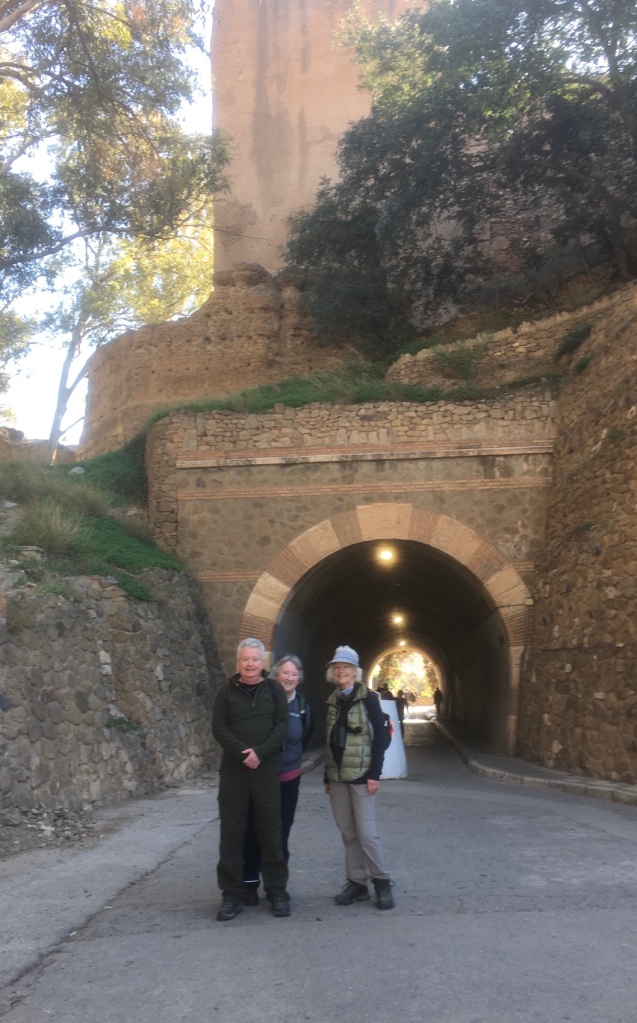
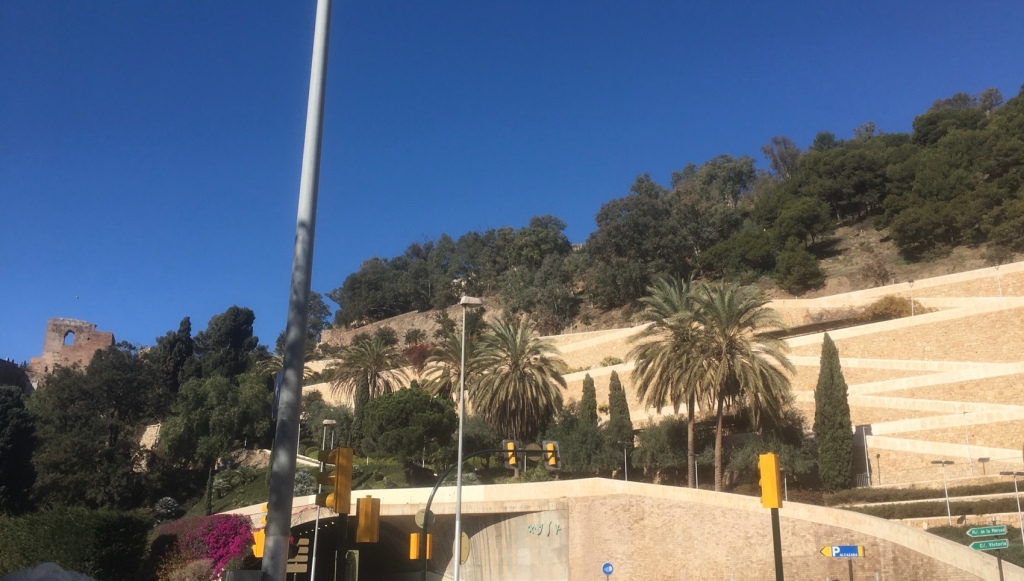
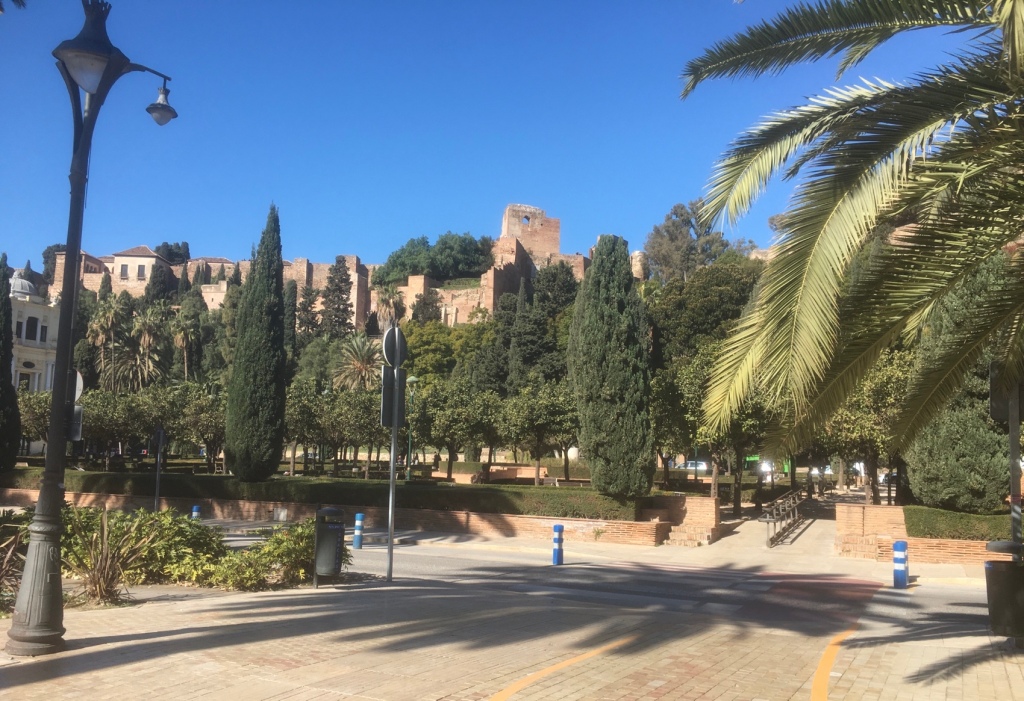
And within minutes we were on terra firma heading towards the New port.Penny,Brid and Matt in front of the pedestrian tunnel under the castle A water feature.
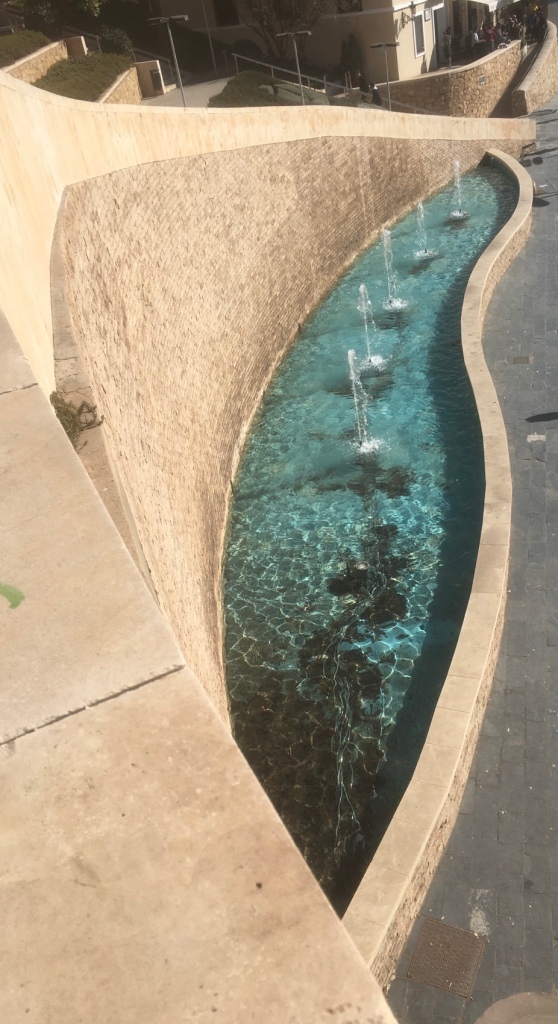
Jardines de la Puerta Oscura – this is a lovely area – thoughtful conservation and radical modern design.
Pleasingly tranquil,most of the Malaguenos were walking along the harbour front The Centre Pompidou Time for coffee,water and olivesWith excellent viewsThe ferry to Melilla Morocco Mandatory yacht complete with helipad – Flag displayed Georgetown
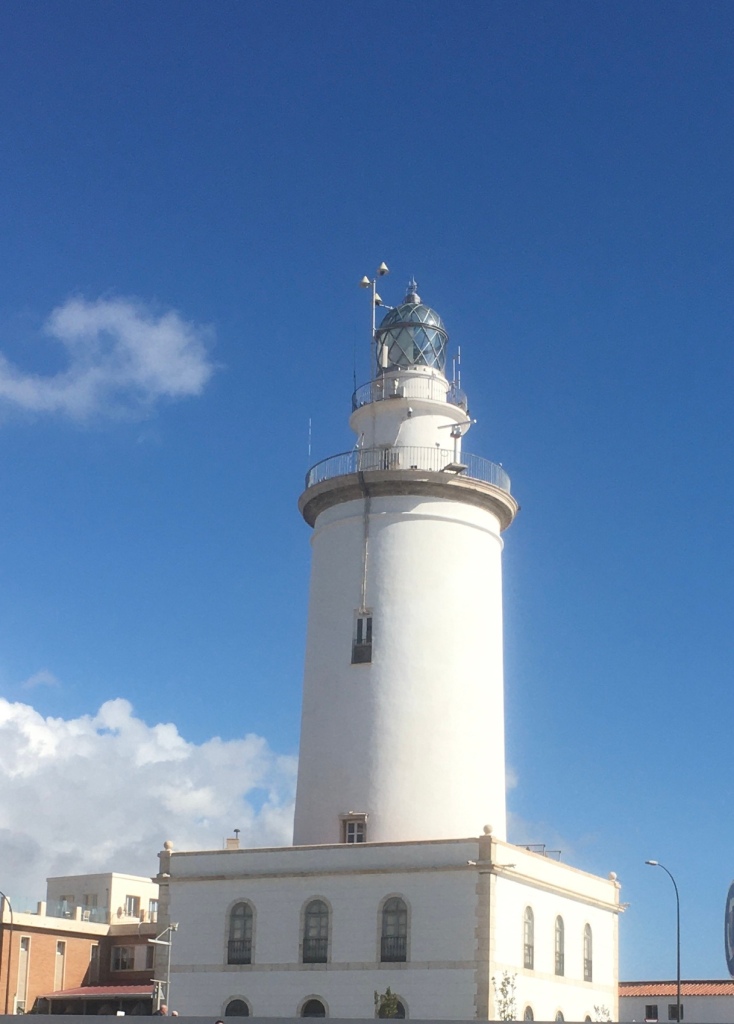
We then walked towards the lighthouse
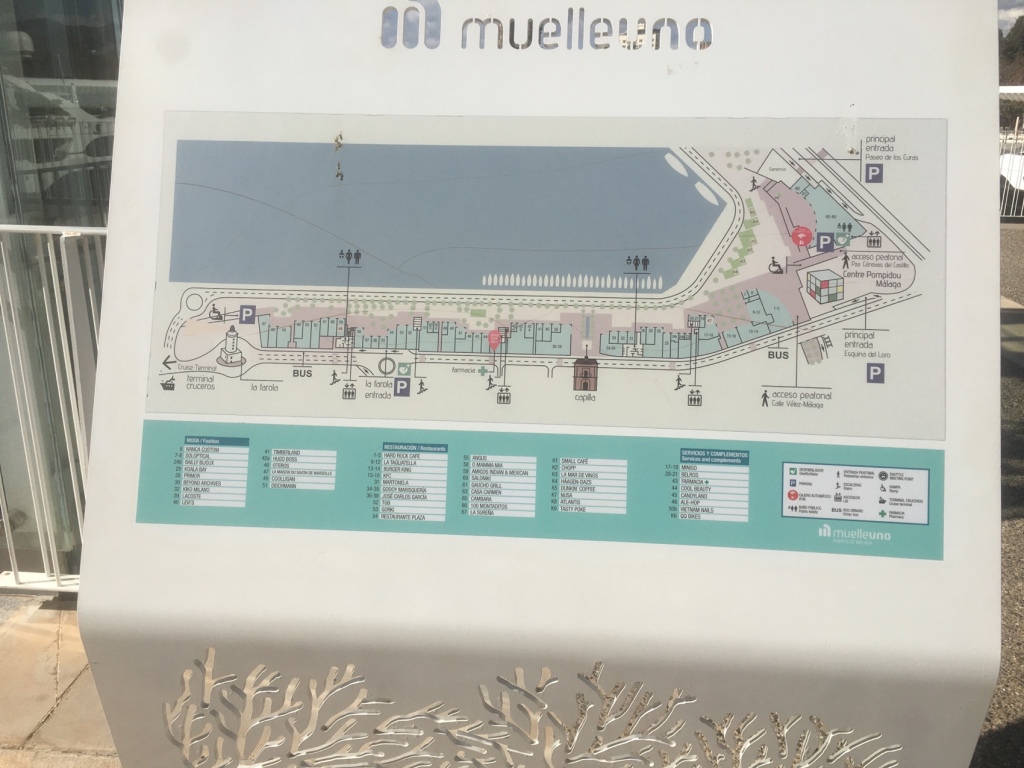
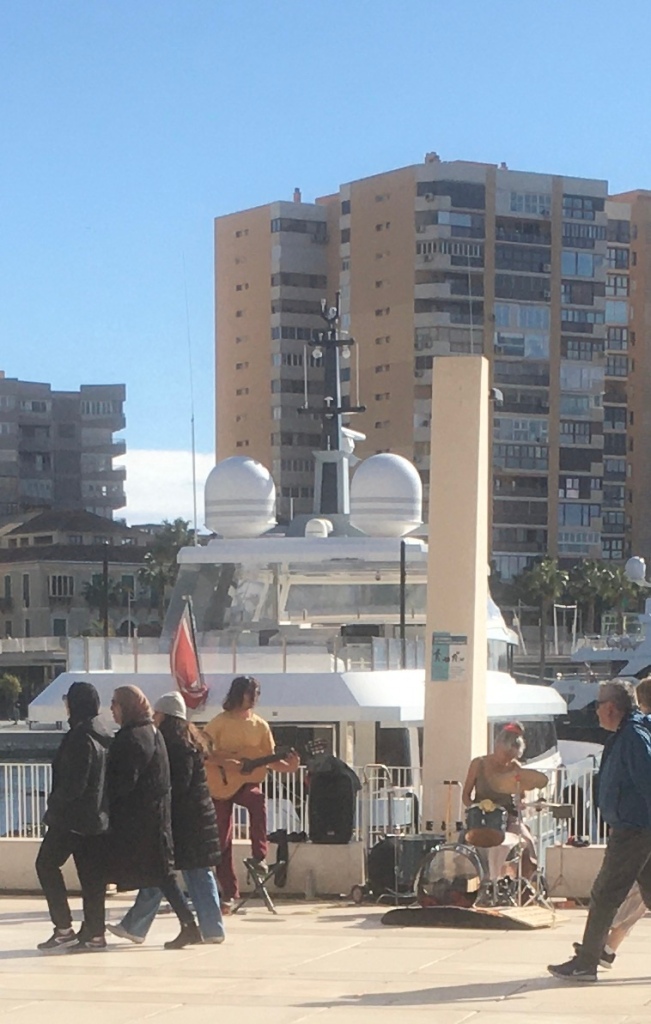
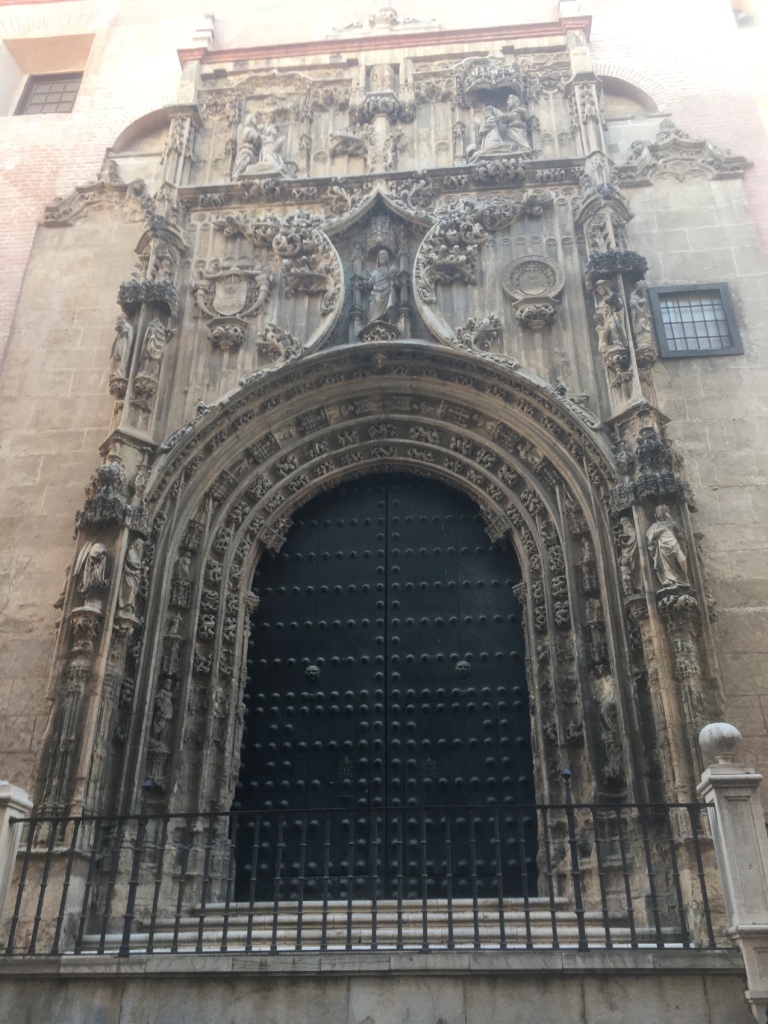
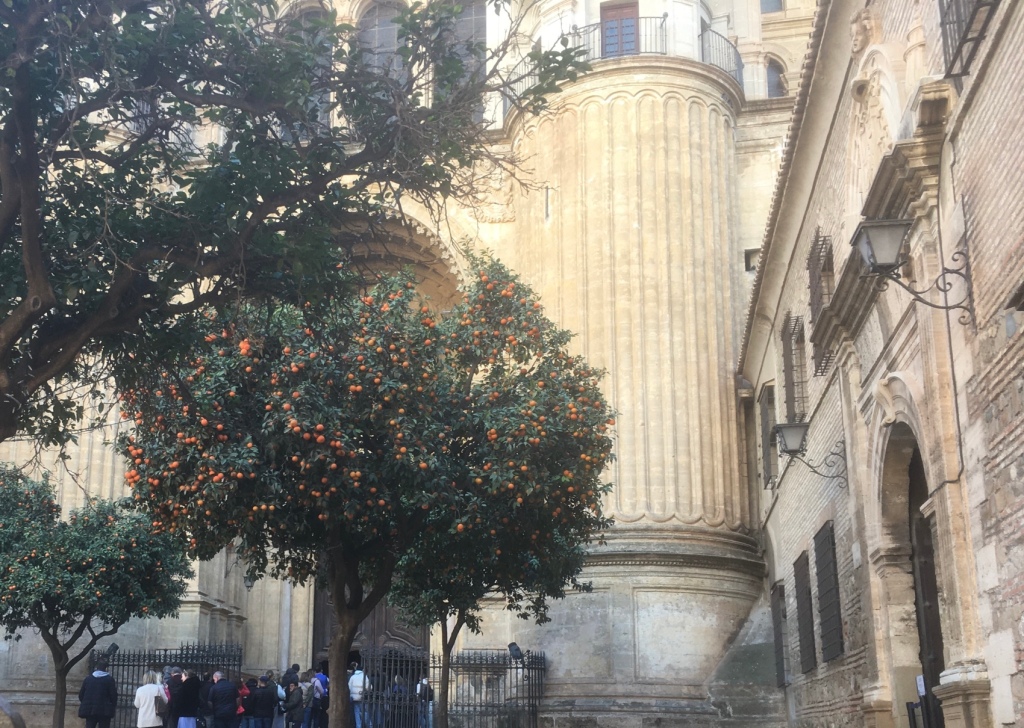
A plan of the Muellena. We walked back along the “ Palm grove of Surprises” with plenty of buskers for musical accompaniment The aforementioned Pine treesPassing by the side of the Cathedral Orange trees to admire for those queuing to enter the Cathedral – we hope to visit later in the weekBack home after our seven mile saunter it was time for respite Matt catching the rays . What a great Sunday stroll.
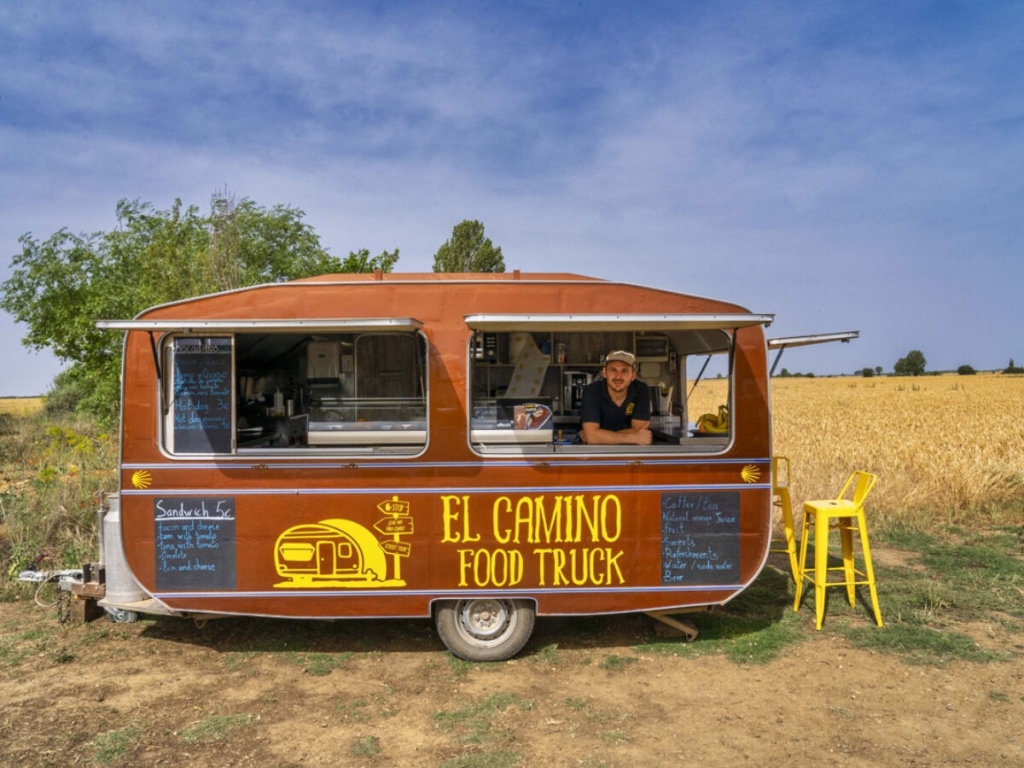
CAUTION – When leaving Carrión de los Condes it is extremely important to stock up on water. 17km separate it from Calzadilla de la Cueza, with little protection from the sun or wind. In recent years, a roadside kiosk ( 10.1 KM has sprung up at the halfway point, but there are no guarantees that it will be open. WP.
“Life’s a road full of ups and downs, but it’s the journey that makes the difference.” Every step we take, every decision we make, every challenge we face, all shapes us and makes us who we are. Life is an adventure and it takes courage to embark on it and keep going even when it gets tough. Life is precious and deserves to be lived with passion and determination. “
by Hape Kerkeling in “I’ll be gone”. Are you dreaming of the next Camino?
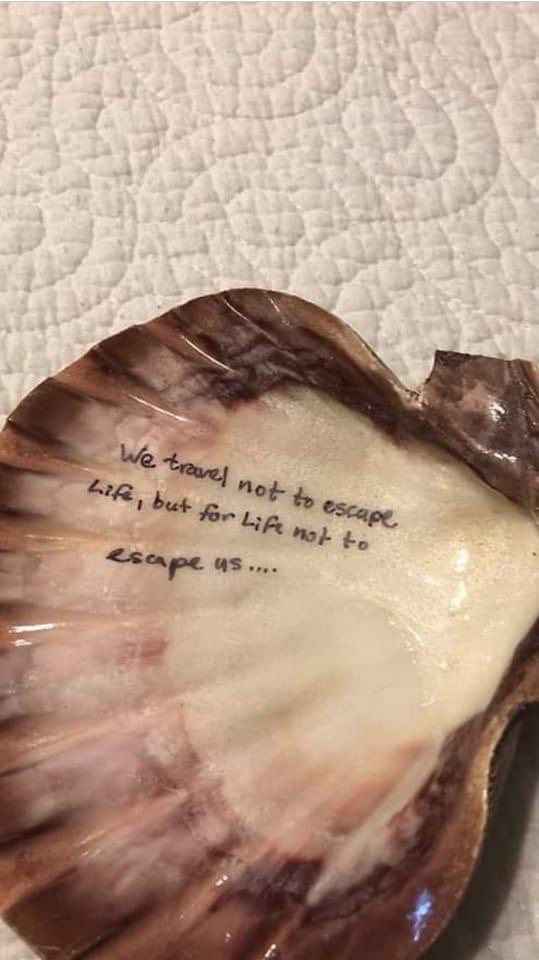
Can you recall the full quotation at the bottom of the quilt?
On the Camino as it passes through Carrión are shops,pharmacies, a Dia supermarket and a reputedly excellent outdoor store if you need to buy or replace anything. Cafe bar Espana on the main road opens for breakfast from 07.00. ( From a recently discovered online guide – “CaminoGuide.net”)
If the weather promises to be warm it might be advisable to get an early start as JB States : “ We pass through a flat..landscape with little or no shade. 70% is on gravel paths, most of which overlay the old paved Roman road,Via Aquitana that connected with Astorga. Anticipate no facilities between Carrión and Calzadilla (17.2 KM )….ensure your water flasks are full and have breakfast before you leave or bring something to eat with you.”
After a KM or so we are advised to ignore the alternative route,Antiguo Camino Frances along the N-120. We should head s/o along a quiet country road,passing the ruins of the once illustrious Franciscan Abbey, Abadia Santa Maria de Benvivere, known for its “good living” bene Vivere. JB
Still intact after 2000 years – save for a new gravel covering.Apparently 100 000 tons of rock were needed just for the substrata to raise the surface above the winter flood levels,all transported from elsewhere.
We come next to Fuente del Hospitalejo “ the Fuente no longer offers hospitality but this is provided shortly afterwards at Area des Descanso- rest area.
Operates Summer time only .
MIRAGES – “ the straight stretch of 17 Km running from Carrión de Los Condes to Calzadilla de la Cueza sometimes holds a surprise in store. Because of the heat and the refraction of light rays,objects ahead may seem to be floating on a liquid surface. This is an optical phenomenon which lasts only a few seconds.” SR
It’ll be interesting to swap our mirages at the end of the day!
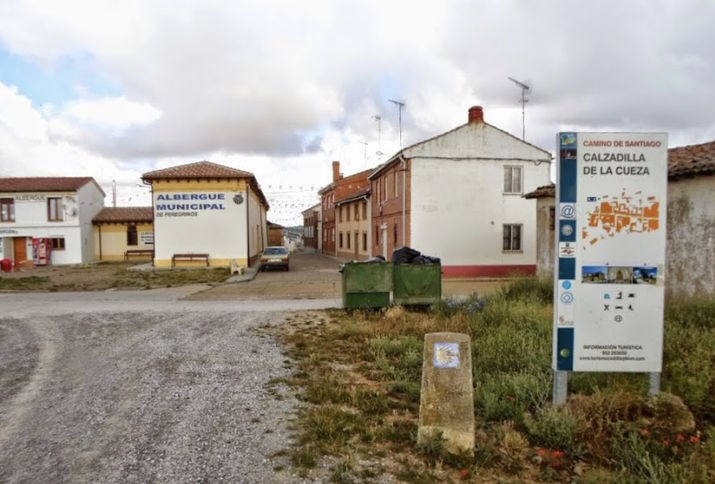
Calzadilla de la Cueza BB Recommends refuelling at the village bar – I don’t think we’ll need telling – it’s behind the albergue. A very popular bar and restaurant
A population of 60 souls,apparently.
On leaving Calzadilla we have again two choices for the last steps to Ledigos. Alongside the N.120 or turning left for a quiet woodland path. Note, there are not many waymarks, but JB gives a good description, P.160. After an ascent we descend into Ledigos our base and Albergue la Morena. “ A woman nicknamed La Morena ( the brunette) founded this private albergue; today her granddaughter and family carry on her work ethic…exceptional for its hospitality. They serve a great home cooked menu del Peregrino in the restaurant and bar.” BB
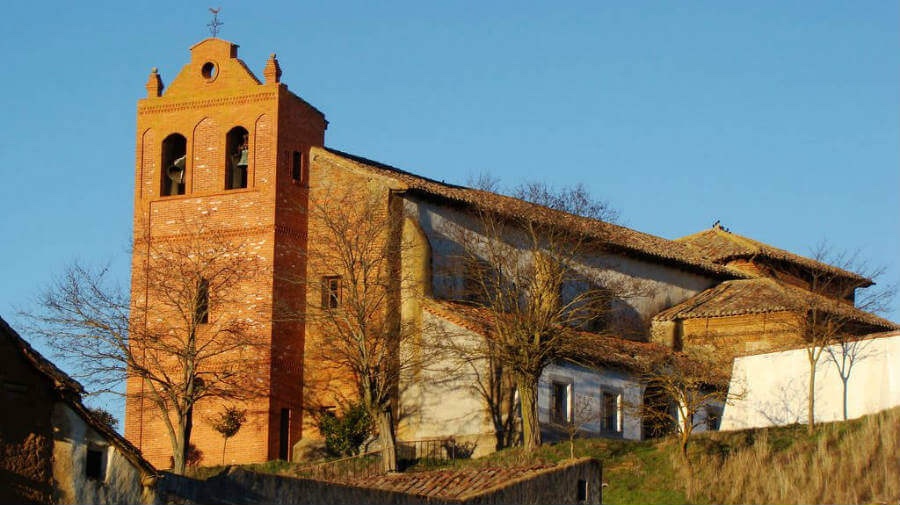
This Albergue is highly recommended. Other than the church, we should find some restful distraction here.The church contains images of St James…if open. DISTRACTIONS….tu muy buena Salud!
JUST A REMINDER ABOUT THE USEFUL REFERENCES IN THE BLOGWP – A Wise Pilgrim Guide to the Camino de Santiago from St Jean Pie SR – Sergi Ramis – Camino de Santiago ,The Ancient Way of Saint James…. BB – Moon – CAMINO DE SANTIAGO by Beebe Bahrami. JB – A PILGRIM’s GUIDE TO THE Camino de Santiago – John Brierley.
“To walk the Camino do I have to be: Catholic, Christian, holy, a believer in God?”
Before previewing this stage I should like to insert this message from JOHNNIE Walker, a friend of mine and Camino guide to thousands. As we are just beginning a new year I thought it was a really “ fresh” view.
“I’m often asked these and similar questions. Here is my answer:
The Camino is church
The Camino is the church where you just walk right in. Everyone is welcome, no questions asked.
The Camino is the church where it doesn’t matter whether you have faith, whether you are searching for answers or simply want to enjoy the experience.
The Camino is the church where apart from walking to Santiago, respecting the way, nothing else is compulsory.
The Camino is the church where everyone is equal. There are no bosses.
The Camino is the church where you can pray, think or meditate when you want. Or not!
The Camino is the church where every meal is a communion which includes everyone around the table.
The Camino is the church where the arrows will guide you, not tell you what to do.
The Camino is the church where to lighten the load you can forgive your own sins and those who have sinned against you.
The Camino is the church where the choir is the dawn chorus of birds in the trees and sheep bleating in the meadow.
The Camino is the church filled with people just like you where you can make life long friends.
The Camino is the church where the only peals are peals of laughter from pilgrims.”
Johnnie Walker
So, on to the main intersection in Fromista and take a gravel path.
THE ROAD
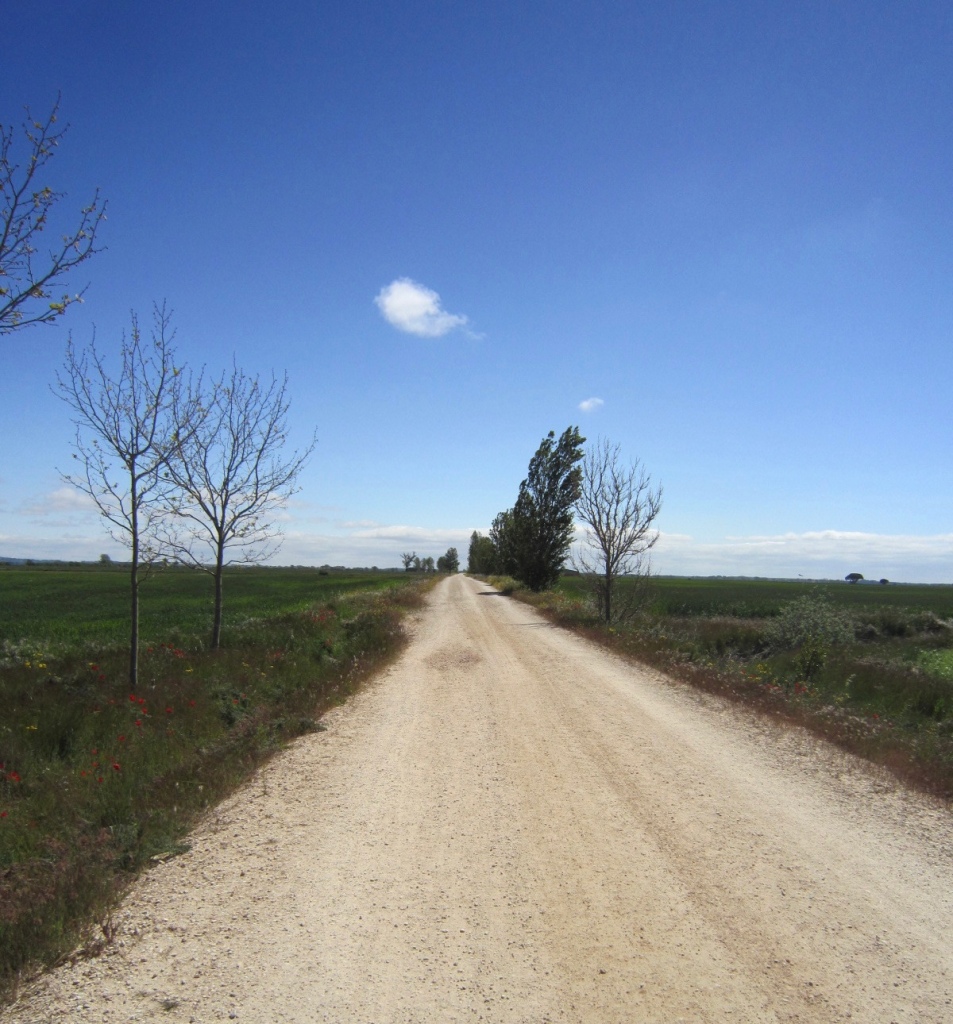
Leaving Frómista is accomplished by retracing a few steps to the main intersection, do not blindly make your way through town and if you plan to leave before the sun rises do yourself the favor of scouting for arrows in advance. The trail here follows a gravel path punctuated by frequent “twin hitos” that are placed to discourage off-road vehicles from taking over the path. WP
JB recommends an alternative and quieter route from Poblacion ( nice bar ) via Villovieco following a tree lined riverside path “offering both shade and silence“. According to BB “ The river path is more appealing…where you’ll see stands of Poplar trees and rich bird life,including European robins,,canary-like serine’s,green woodpeckers,owls,hawks and falcons”.
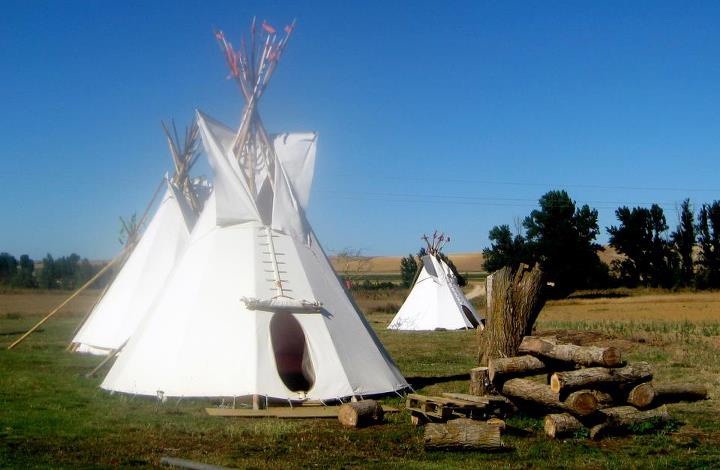
The next village is Villarmentero de Campos which is connected to the river by a few hundred metre long country road .“We need to look for the distinctive white teepees in a field that identify the village” BB which are part of the accommodation offered by Albergue Almanacer.Different !
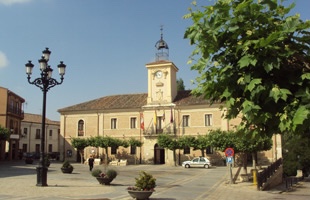
“Carrión de los Condes has a rich and prosperous, to say nothing of colorful, history. Located at the intersection of the Pilgrimage road and the río Carrión it attracted merchants and a sizable population. Charlemagne is reported to have used the fields along the river as an encampment on his quest to control the pilgrimage route. Over a dozen pilgrim hospices once called Carrión home, and to this day you will find that many of the albergues are under the care of one religious order or another, the nuns of Santa María are known to sing to pilgrims.” WP
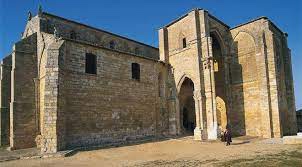
We continue on the riverside path towards Villalcazar de Sirga. It is “ well known for its hospitality having welcomed pilgrims since the XIIth century when it became a commandery of the Knights Templar. There is a popular Cafe- Bar opposite the church” JB
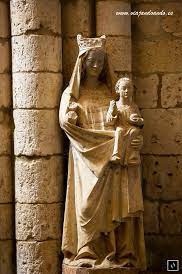
“The magnificent Templar church Santa Maria la Virgen Blanca XIIIthC housing the tombs of nobles and royalty and now declared a national monument” JB King Alfonso X claimed that the White Virgin here had cured pilgrims, she is still there if you are in need of a miracle. WP
HISTORY
Carrión de los Condes has a rich and prosperous, to say nothing of colorful, history. Located at the intersection of the Pilgrimage road and the río Carrión it attracted merchants and a sizable population. Charlemagne is reported to have used the fields along the river as an encampment on his quest to control the pilgrimage route. Over a dozen pilgrim hospices once called Carrión home, and to this day you will find that many of the albergues are under the care of one religious order or another, the nuns of Santa María are known to sing to pilgrims. WP
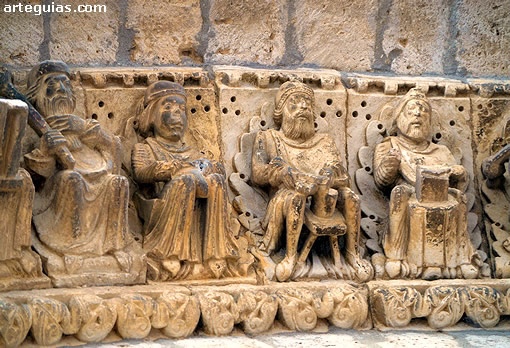
At the height of its influence it had a population of 10 000 now reduced to 2200 ( and declining ). “ This interesting town retains a medieval atmosphere within its meandering side streets and was home to no less than 14 pilgrim hospitals” JB . It has a bloody past. “ It was the capital of much of the Tierra de campos area ruled by the Leonese Beni-Gomez family,the Counts of Carrion,several of whom met their deaths at the hands of the equally pugnacious El CID,after they reputedly,and very unwisely, mistreated his daughters. Mistreatment here was endemic further attested by the frieze in Iglesia de Santa Maria del Camino which depicts the frightful annual ” tribute” of 100 maidens demanded by the conquering Moors. A small example is shown below.There is more information in JB about more contemporary intrigues and disputes – wait till you see Plaque in the main square bearing the name of Generalissimo Franco a name generally erased because of its Fascist pastJBWho said the Meseta was boring?
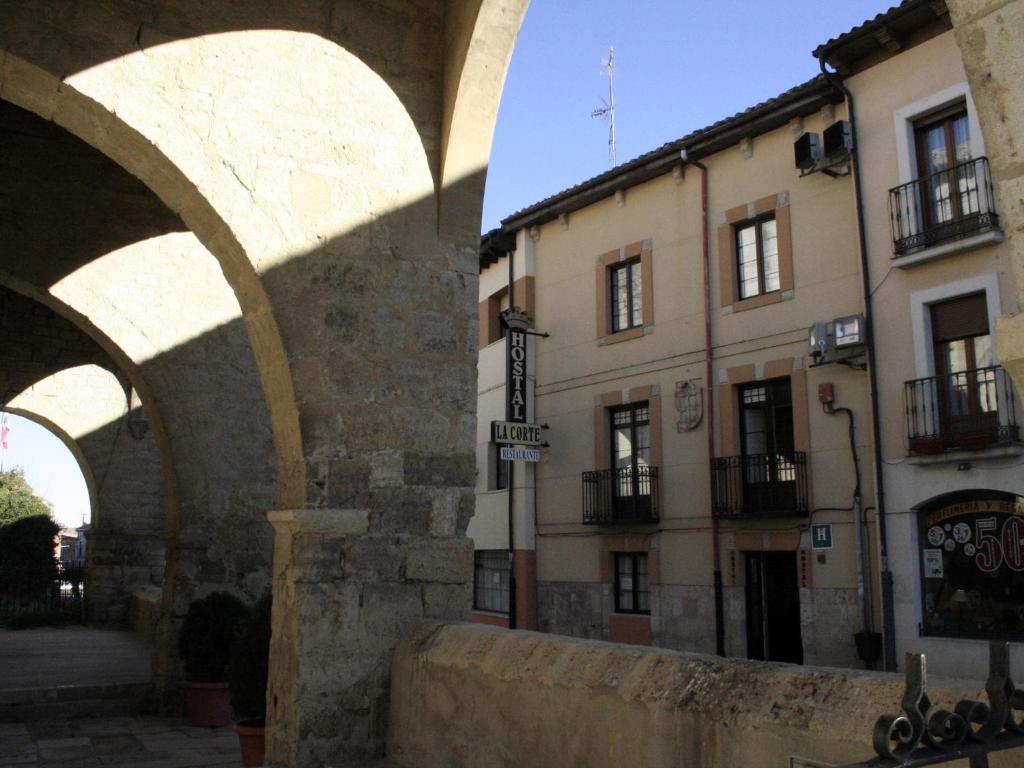
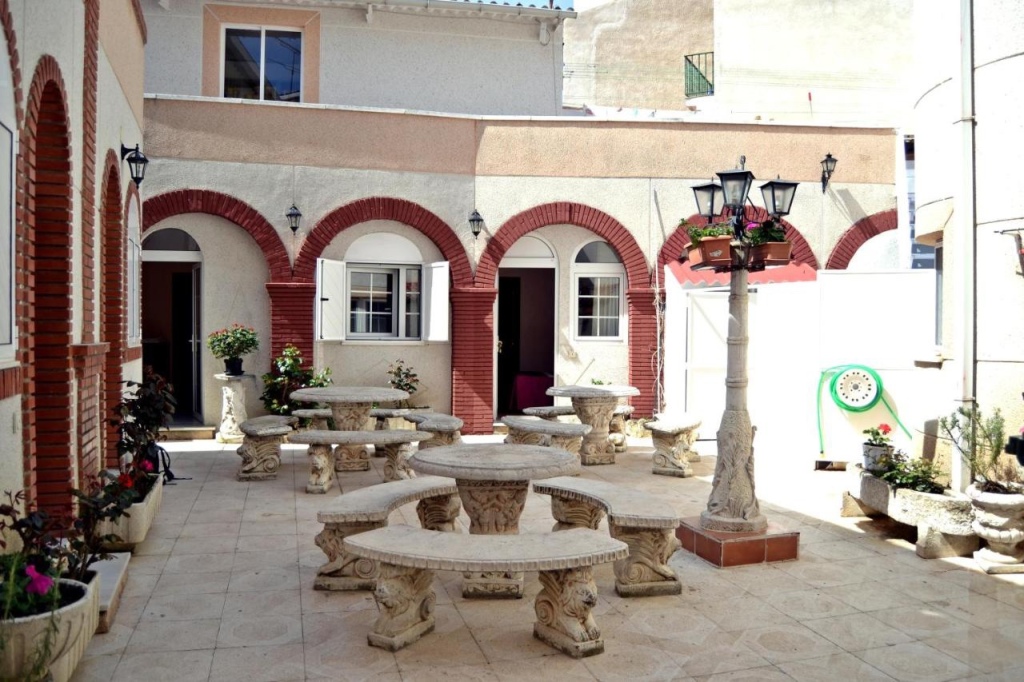
Accomodation is at Hostal La Corte. “My husband and I stayed here on the 4th May while doing the Camino De Santiago The hotel was very well situated for the Camino. We were in the courtyard, which was lovely. The food at the restaurant was really good. We had the set menu of the day (vegetarian) for dinner. Breakfast was good. We had a nice stay.” INDEPENDENT REVIEW
The food looks good,too.“This place is unique and it is the best restaurant in this town. Even if you don’t spend the night in the hostel, you have to visit the restaurant. As far as I’m concerned, this is the best restaurant on the Camino from Saint Jean Pied de Port, and the staff is very friendly and professional. Many thanks for service!” ANOTHER REVIEW.




































































 ensuitepilgrim's Blog