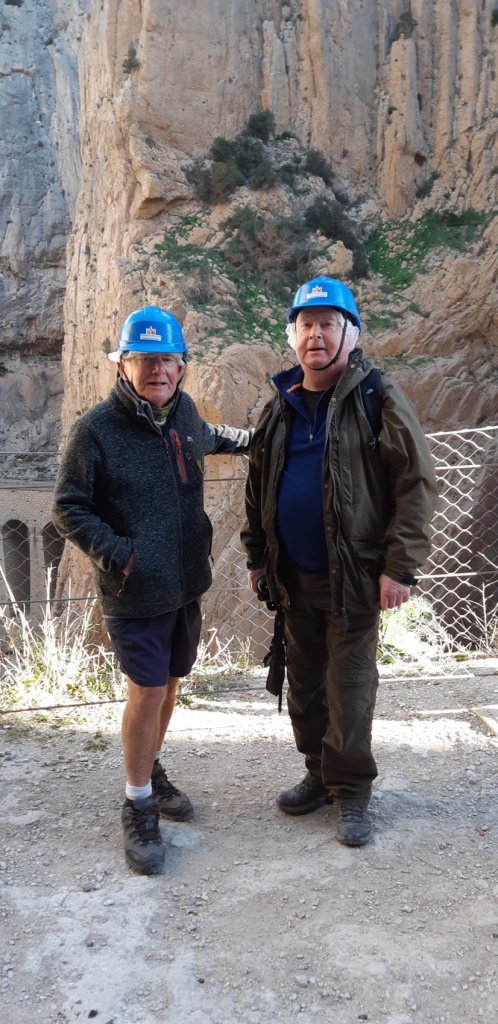
We booked an excursion for the walk,including transport by coach,breakfast en route,admission and the services of a guide – there was a courier on board to advise about the route,times,etc. It’s a forty mile drive up into the mountains, initially through Citrus groves,then becoming more serpentine like as the expertly driven coach made its way along narrow roads upwards – almost as exciting as the walk. By the end of the day we were glad to have done so – not having a guide we would have missed out on lots of background information – you can’t get lost! Unless you fall off….
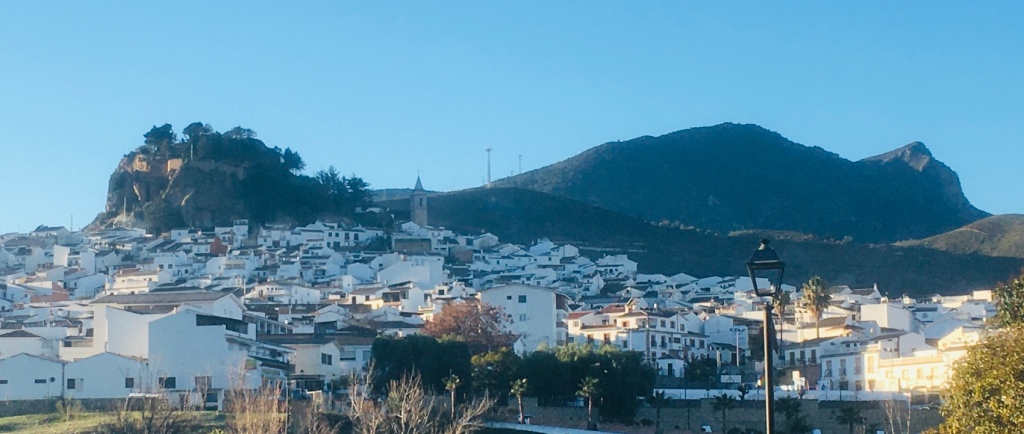
The numbers allowed on the Caminito are restricted,although some individual tickets are permitted
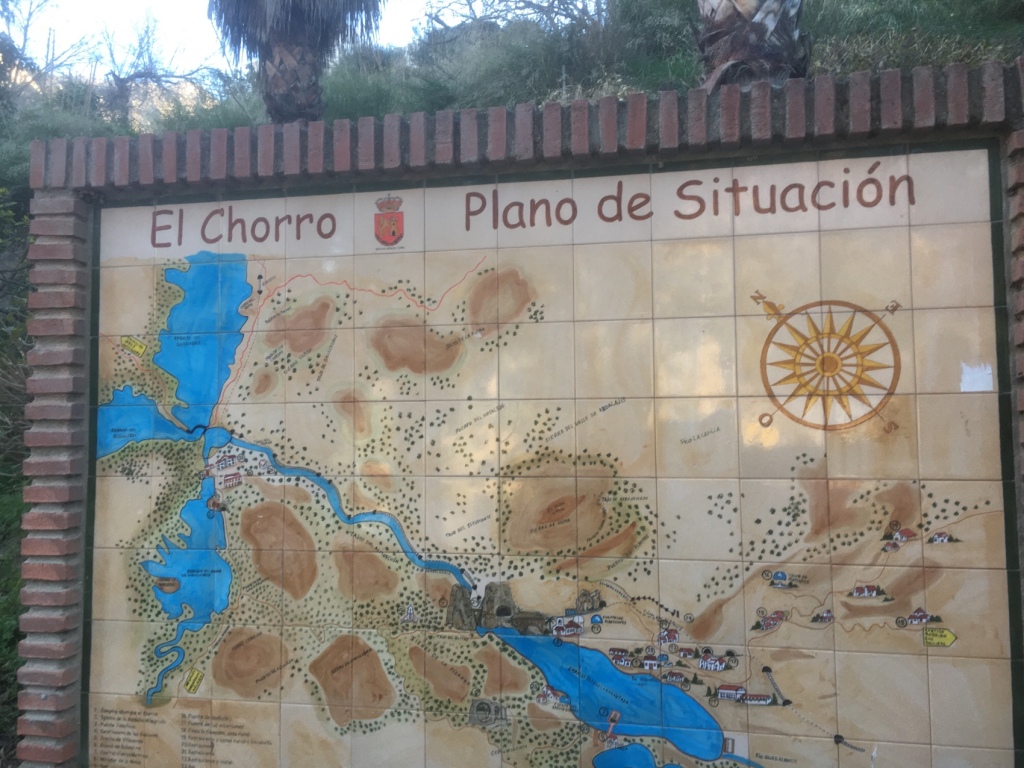

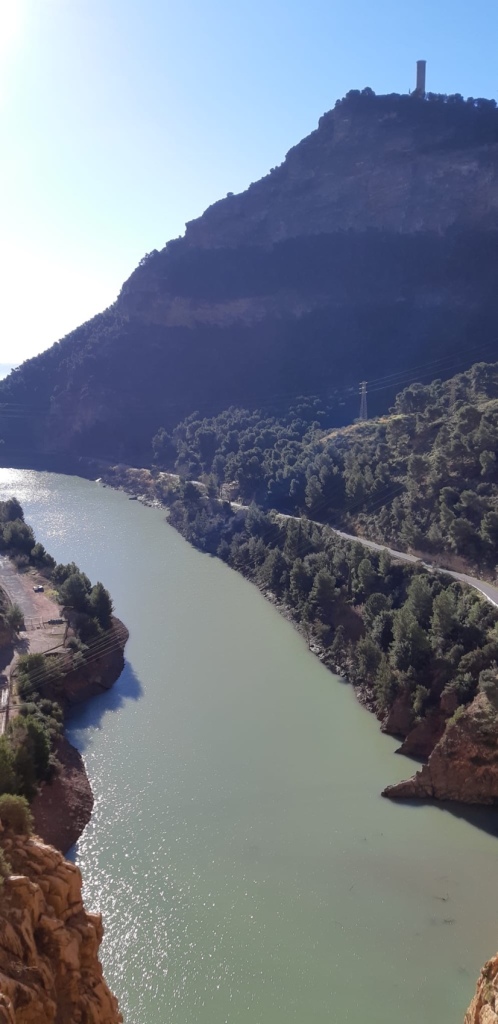
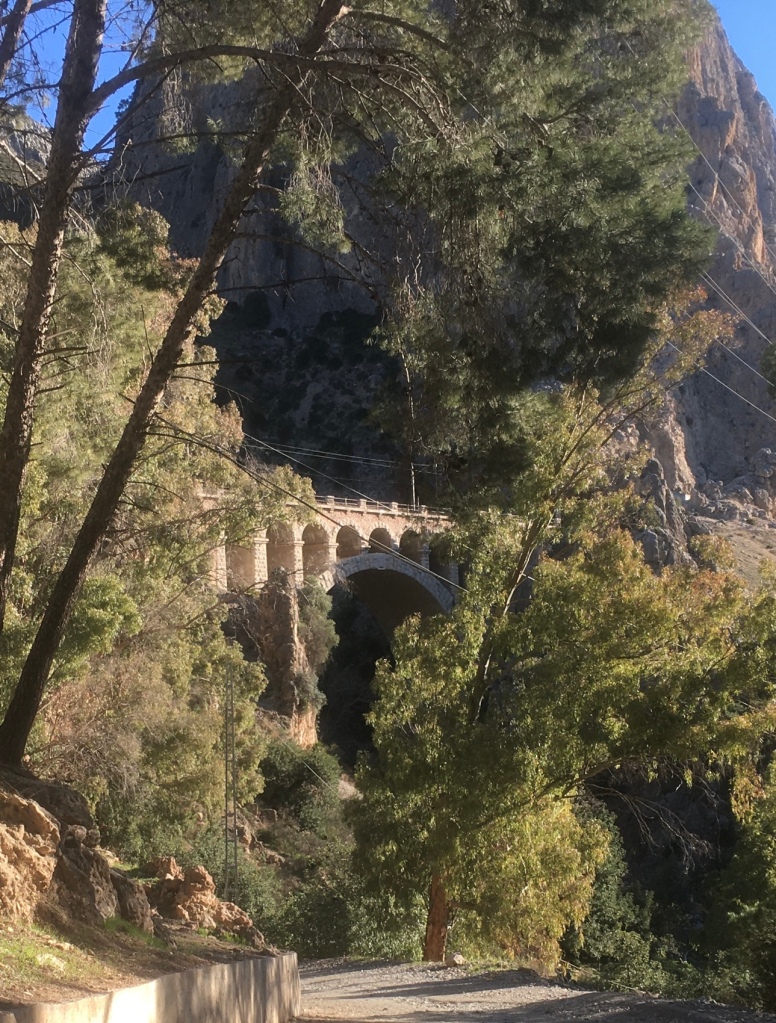
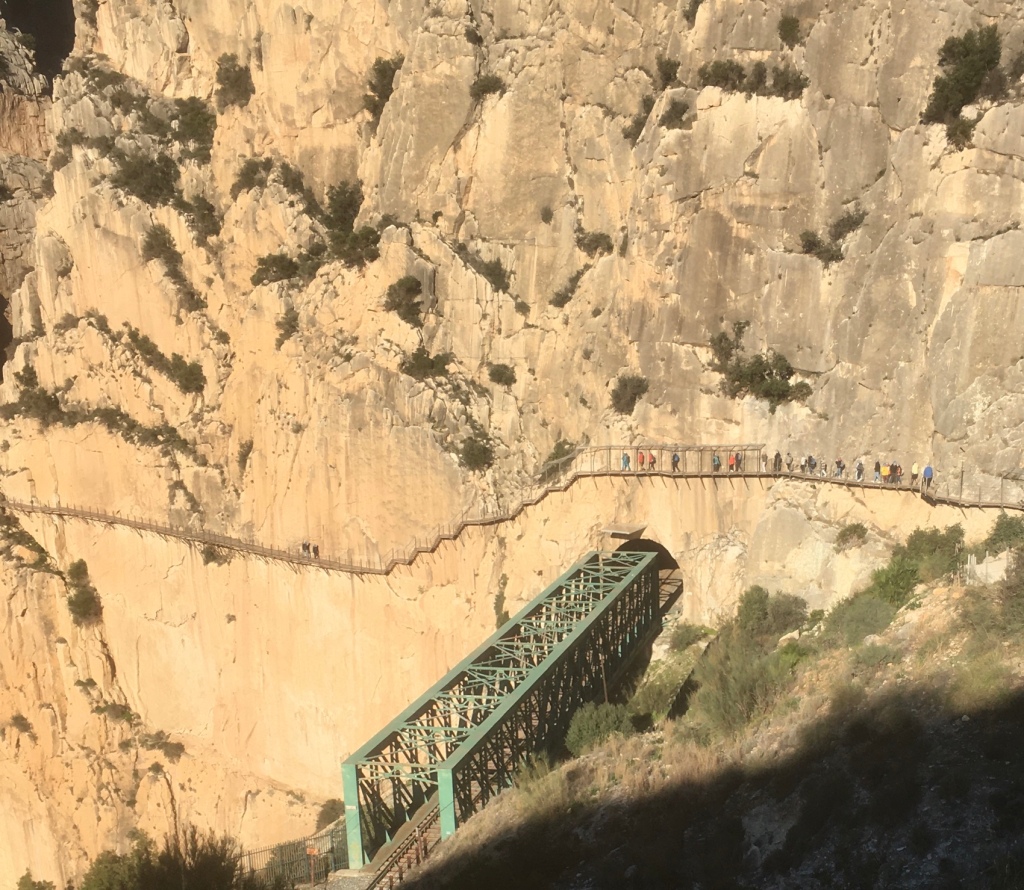
The history of the Caminito’s construction is fascinating and frightening in equal measure.
Construction of the Caminito del Rey
The difficulties to build the road had to be many, and more at that time. The workers had to work suspended above the void, tied to ropes attached to the top of the cliff. In the popular imagination, such work had to be carried out by prisoners, even those sentenced to death, the only ones capable of risking their lives, according to what they say, in exchange for redemption in the sentences they were serving.
However, the only thing we know for sure is that sailors from Malaga worked on this and other works in the reservoir, skilled at hanging from the ropes of their boats.
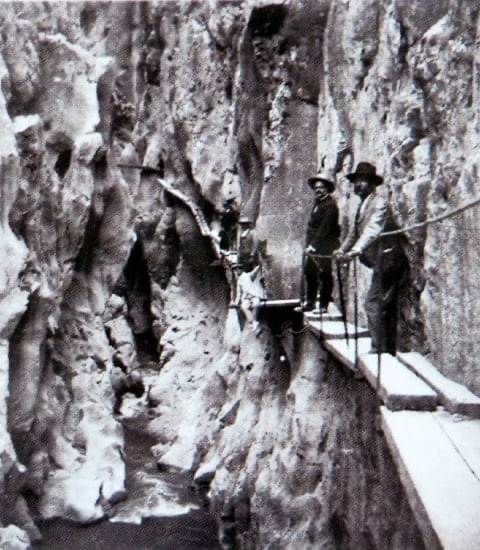

It is one more legend to decorate a place that certainly does not need decorations. Our guide did relate a tragically true story that earlier this century before the walkway was rebuilt,a16 year old girl and her father were washed away and drowned when a flash flood swept away their tent in the middle of the night.
The original structure still exists in many sections of the walk and the decaying remains in places made the hairs on my neck rise.
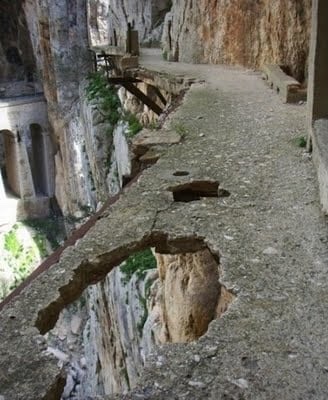
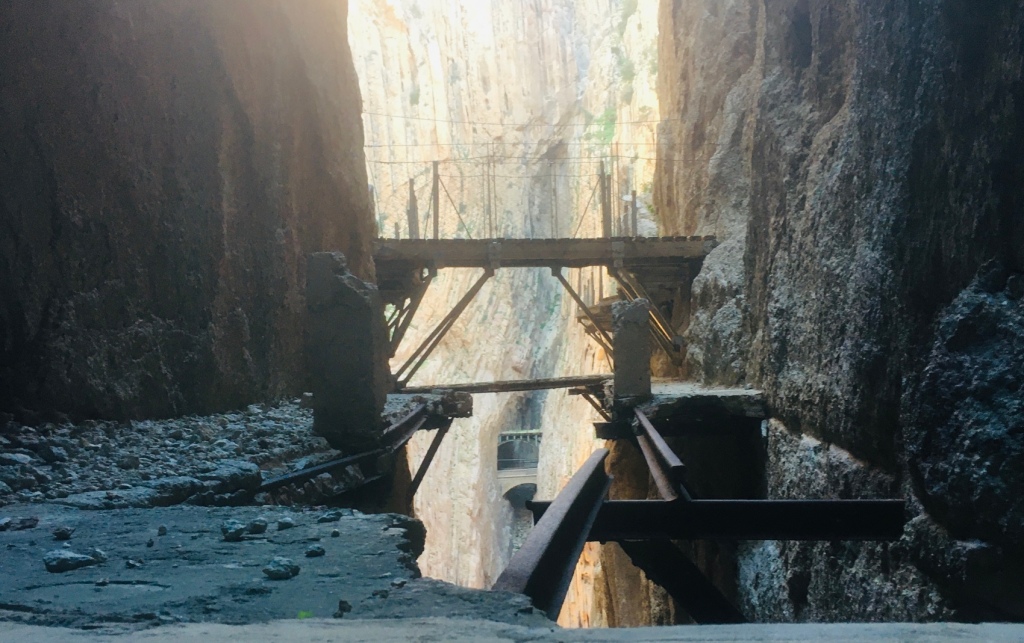

The Walkway was not originally called Caminito del Rey – The little walk of the king – it came about unintentionally. King Alfonso XIII covered this entire service path on May 21, 1921, on the occasion of his inaugural visit to the recently completed El Chorro reservoir dam, which would later be called the Conde de Guadalhorce dam. Since then, the road has taken its current name: the Caminito del Rey.
The description of the occasion is as follows : –
In the book “ El Chorro, one hundred years of history ”, by Sebastián Lara Centella, the royal visit to the Caminito del Rey is described as follows:
“The day dawned cloudy, and a series of intermittent downpours marred the inauguration festivities and made the visit more painful, which already required a journey with stages by train and road. However, the king was cordial and in good humor and was pleased to listen to all the explanations that Benjumea gave him about the facilities, which he wanted to know in detail. A lunch was served for more than two hundred diners, to which personalities, authorities, engineers and journalists were invited. After dessert, the Minister of Public Works gave a speech in which he highlighted the importance of public works and the example that the El Chorro Reservoir represented for the nation, due to its success in harmonizing industrial and agricultural use. After lunch, in torrential rain, the King went to lay the last stone. For the King to sign the inauguration act, a table and an armchair carved in the same stone used in the construction of the reservoir had been provided. The act signed by Alfonso XIII reads as follows: During the reign of the Catholic Majesty of Alfonso XIII, on May 21, 1921, the works of the El Chorro Reservoir were completed, and the last stone was laid by the august hand of the Spanish monarch, by whose important life was vowed by all those who are honored by stamping their signature after that of His Majesty. After the ceremony, the King and his companions visited the Gaitanejo dam, and crossed the Balcón de los Gaitanes, which had been adorned with a garland held by four stuffed eagles, in which you could read: “To the King”.
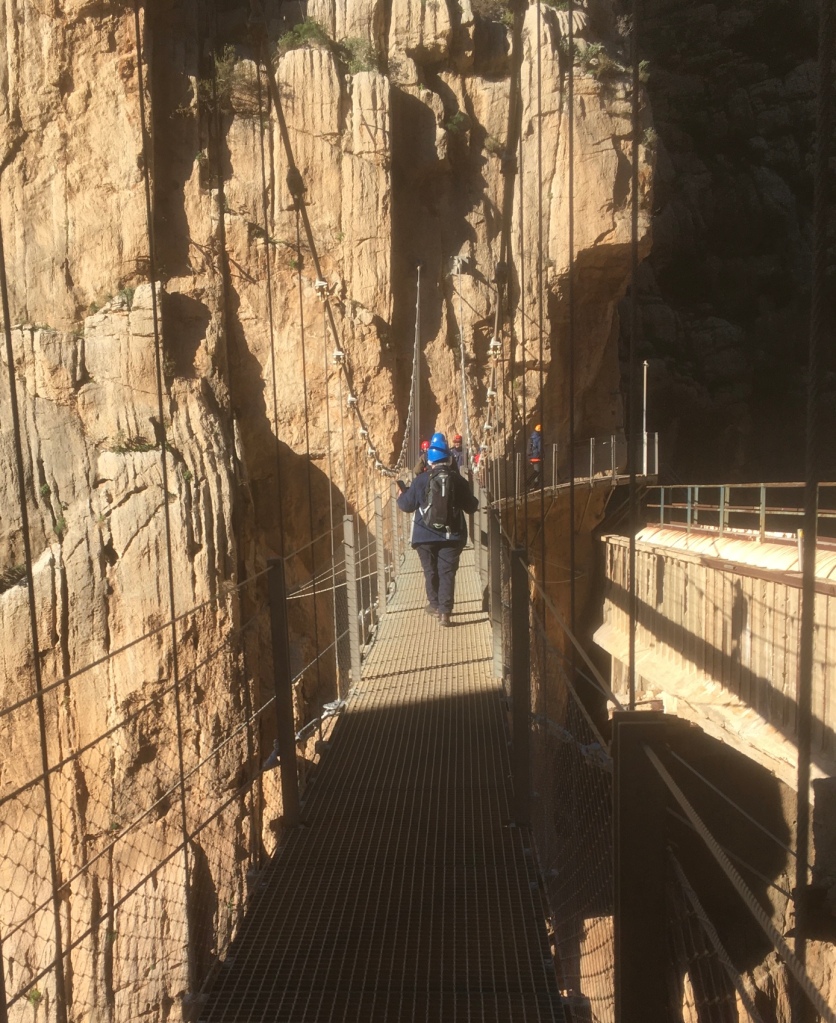
The Caminito is a breathtaking walk.
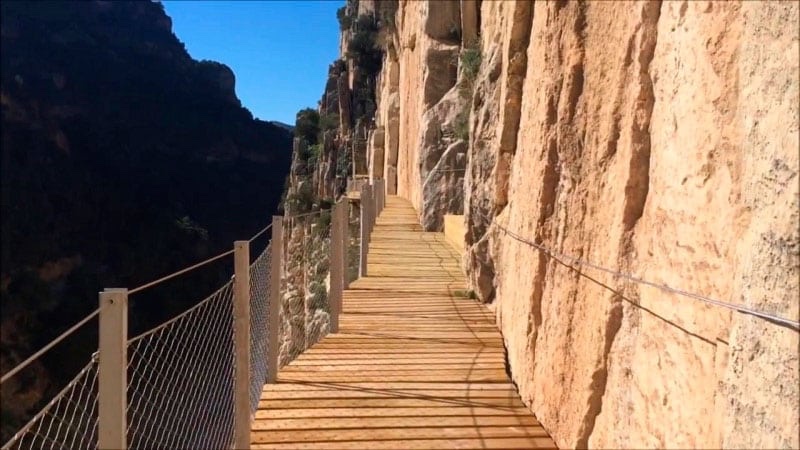
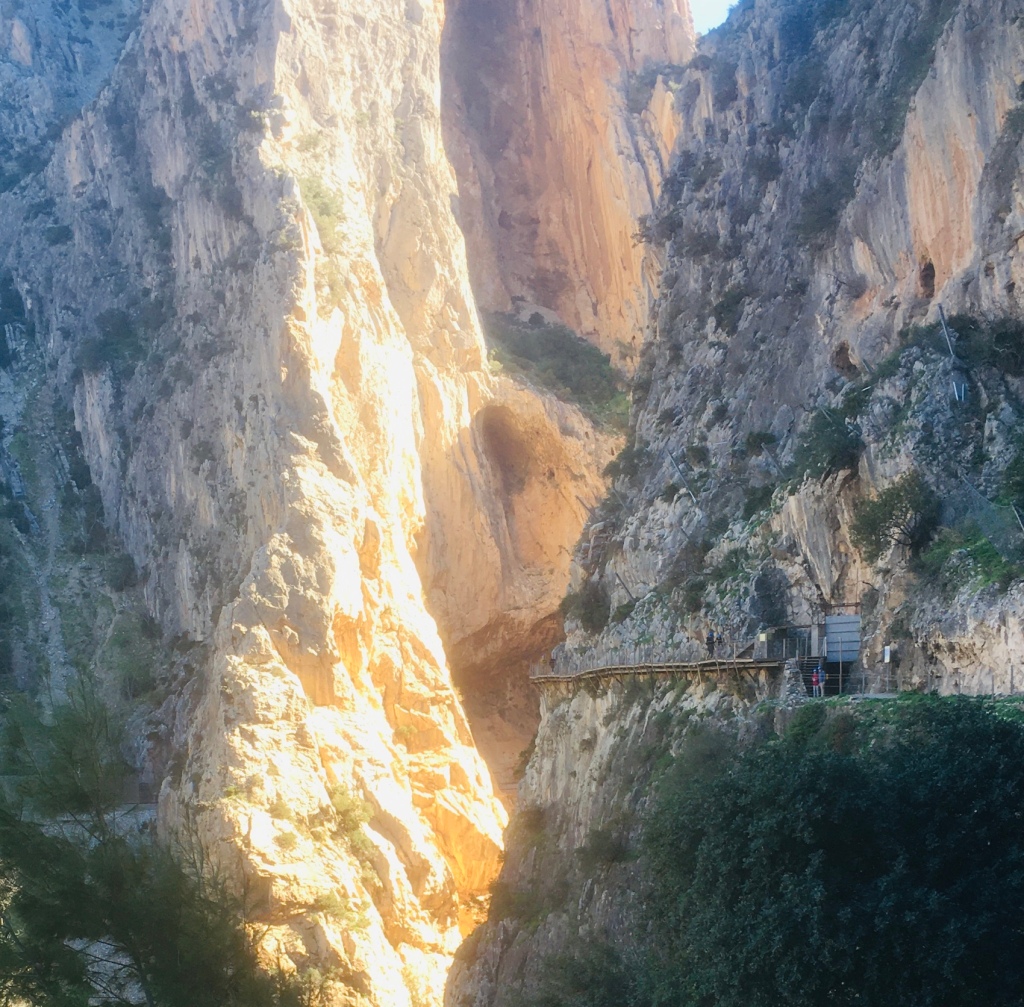
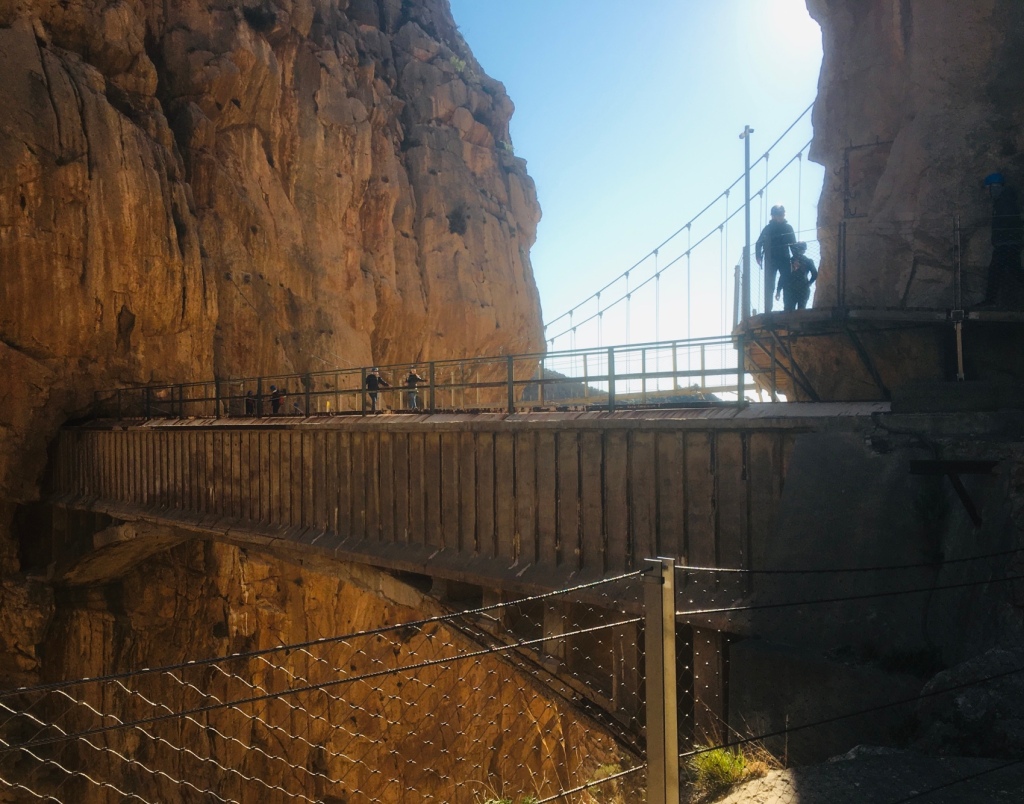
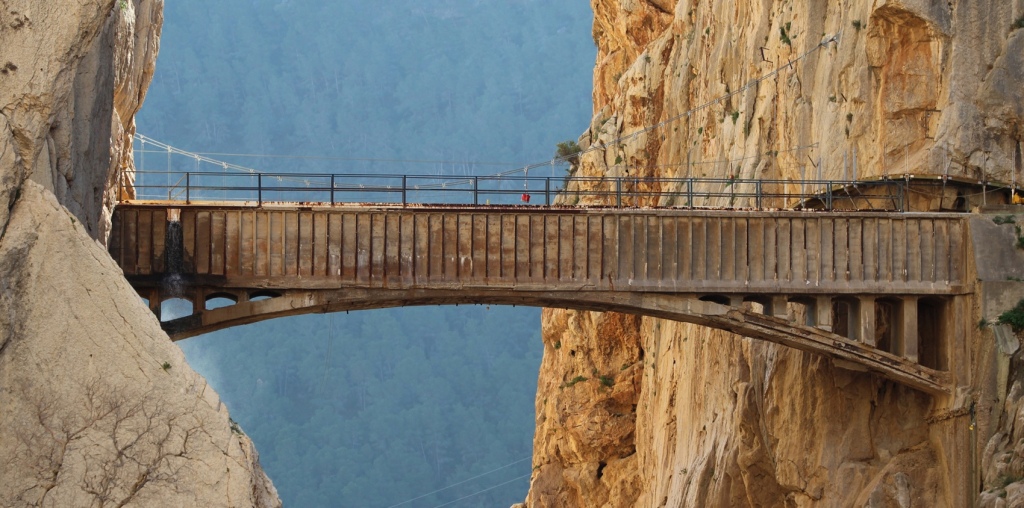
Several fatal accidents that occurred in the years 1999 and 2000 caused the Junta de Andalucía to close the accesses and demolish the initial section to prevent hikers from passing through the Caminito del Rey.. The picture is of the newly rebuilt walkway.
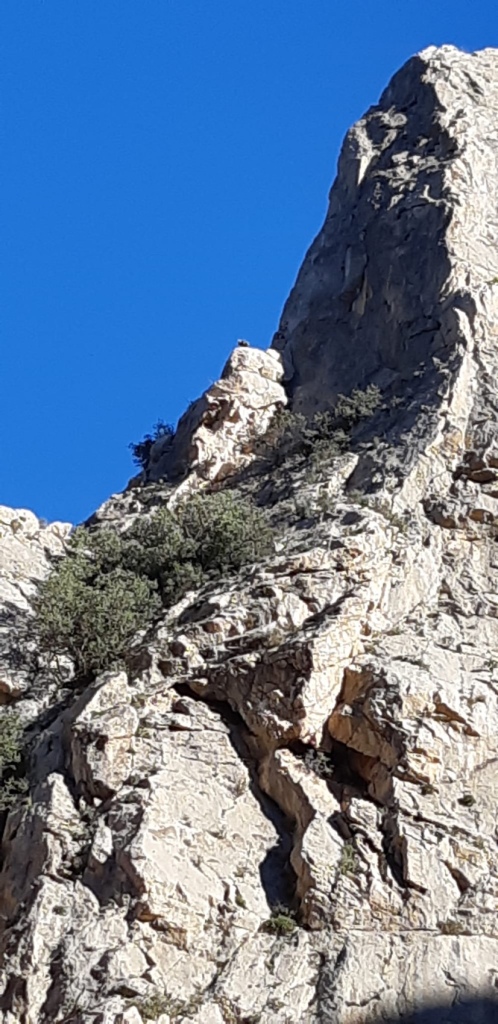
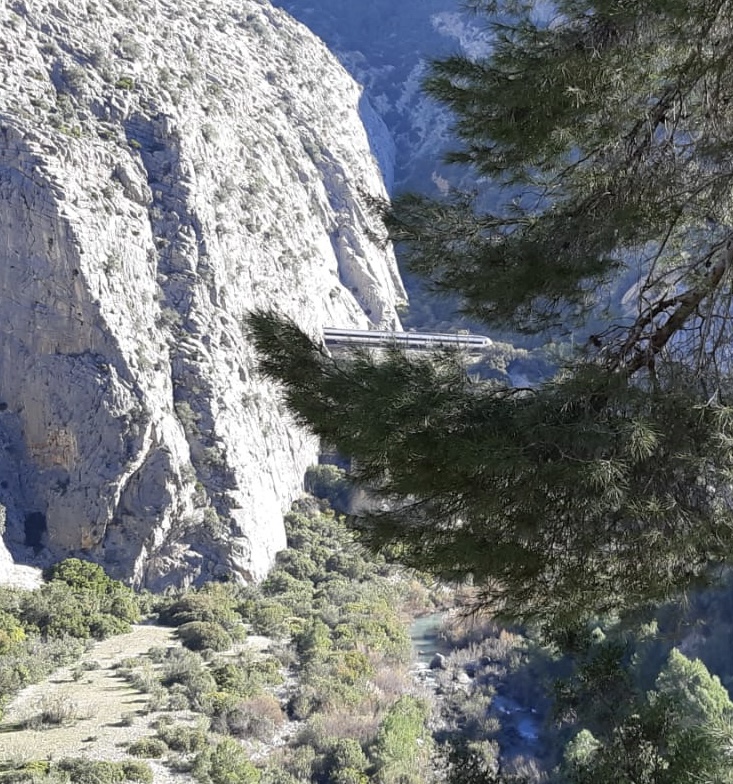
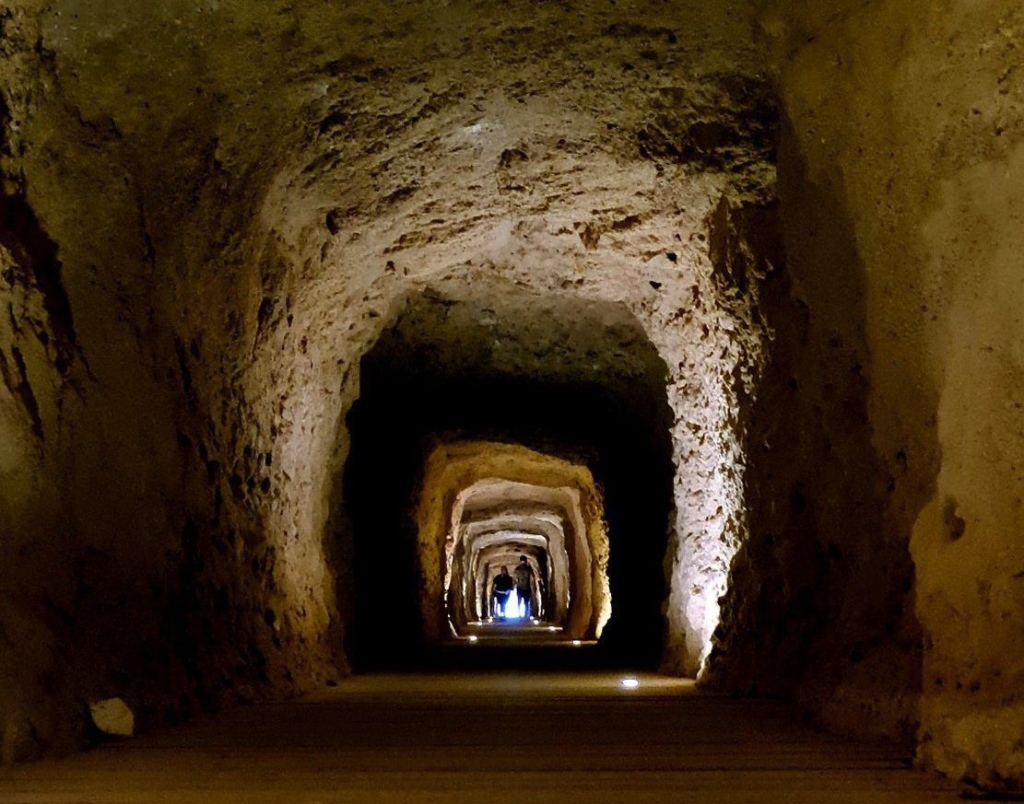
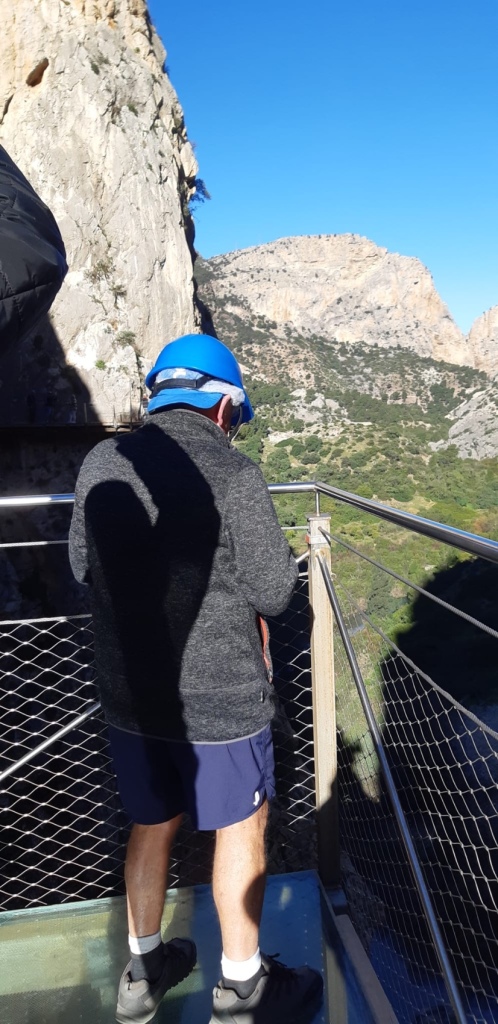
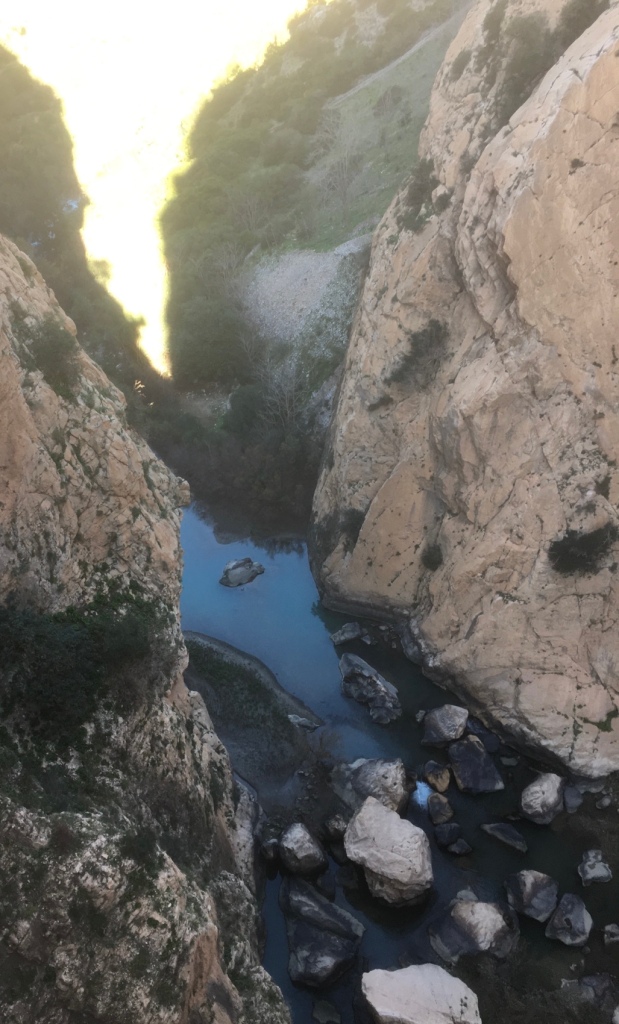
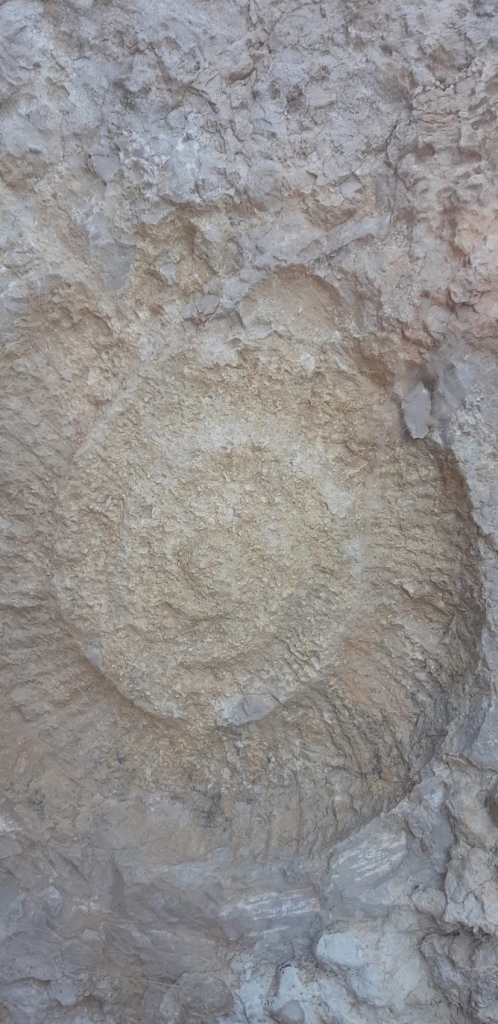
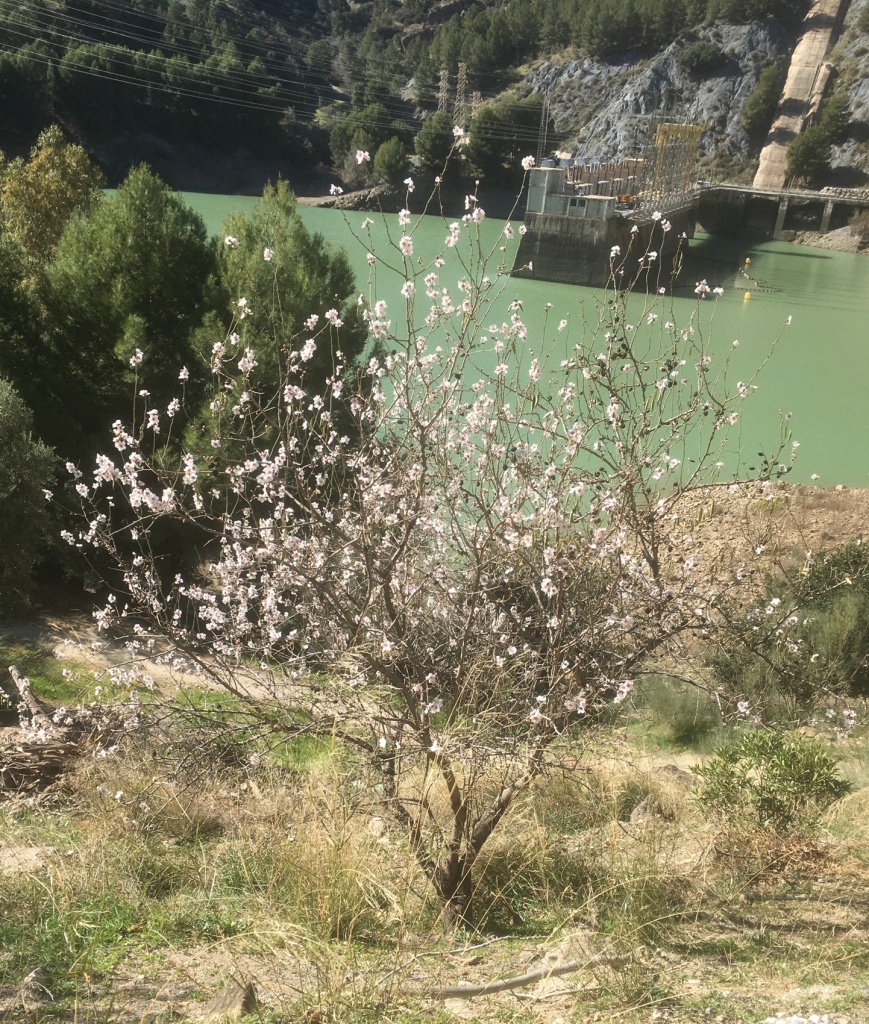
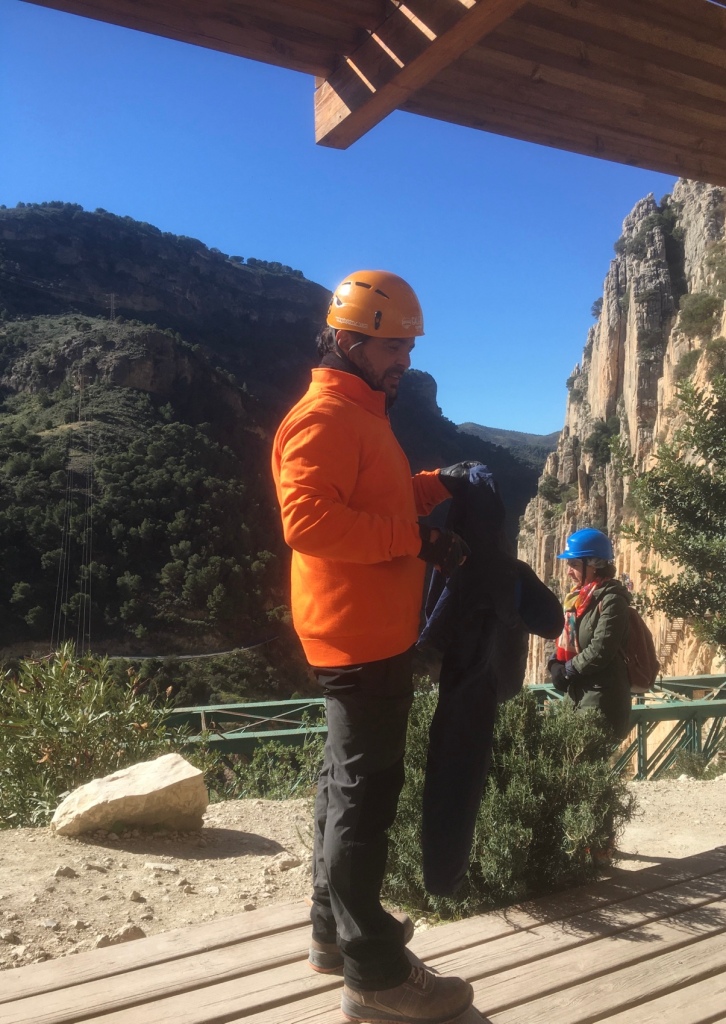
Hopefully the following snaps will evoke the atmosphere and the views to be enjoyed as you walk along this marvellous balcony.
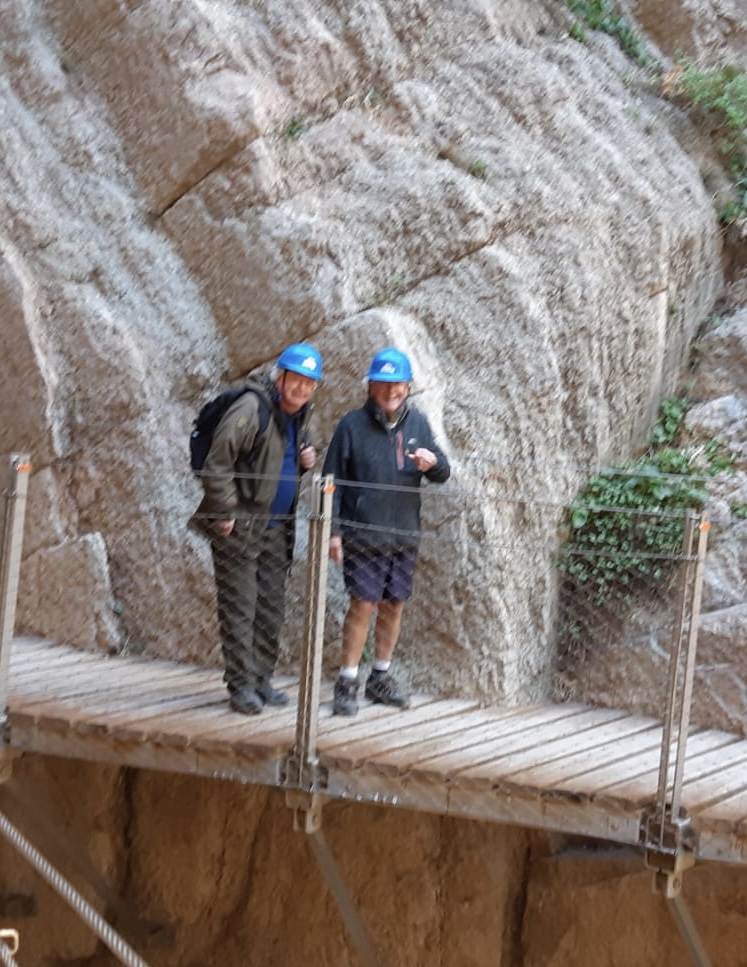

https://www.google.com/maps/@36.9162325,-4.7706384,0a,82.2y,233.17h,72.25t/data=!3m4!1e1!3m2!1sbsRvitme3IAsd_prHjLUDA!2e0?source=apiv3 Another way of enjoying the Caminito del Rey.


Some walk that, beautiful scenery with a few scary bits to raise the heart-rate!
You’re a braver man than me Gunga Din!
I wouldn’t walk El Caminito del Rey!