
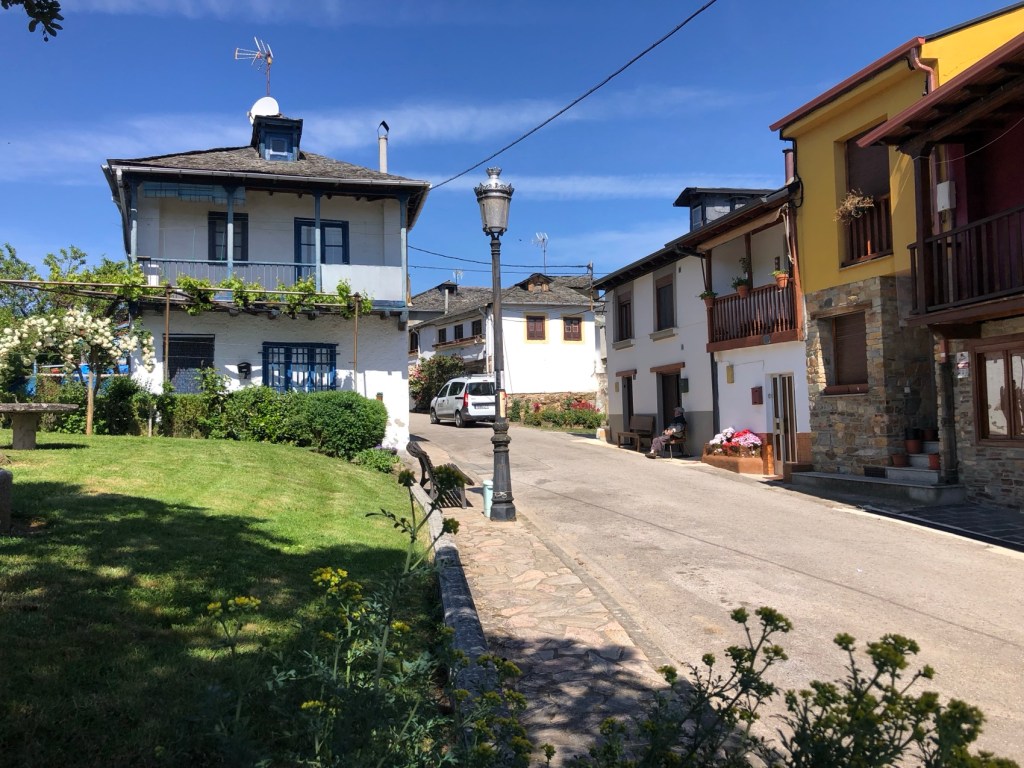
The Camino leaves the town over the River Cua and past the church and the albergue. It continues alongside the N 120 on a gravel path, passing a simple wooden cross and soon enter the hamlet of 36 persons,Pieros which contains the remains of the ancient castro Ventosa.

And a church, Iglesia de San Martin de Tours,with a triangular facade, built in 1086.

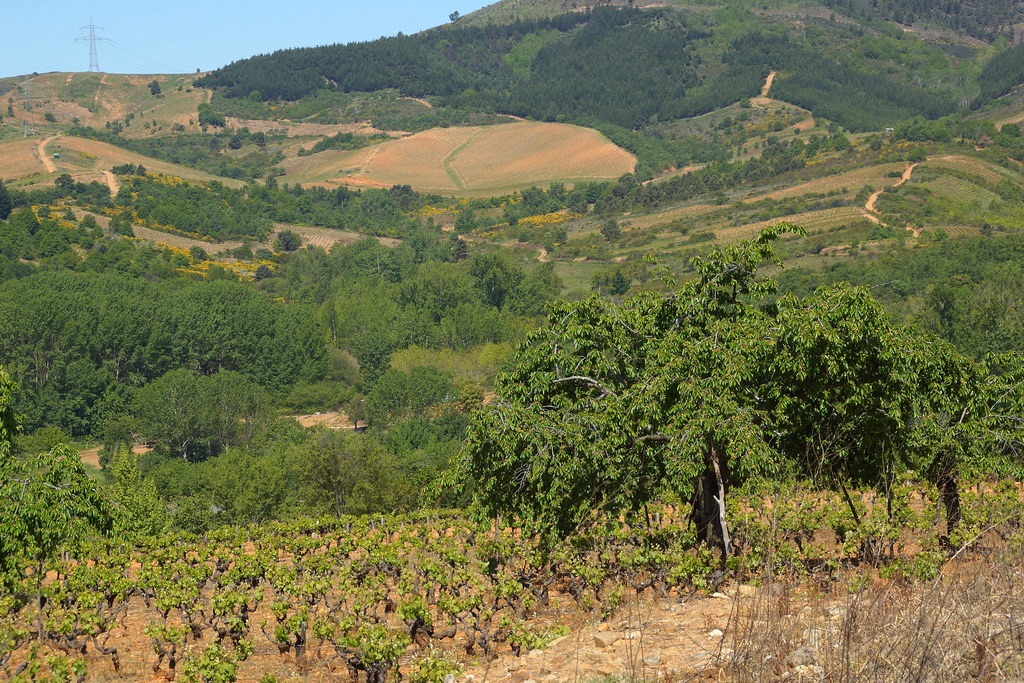
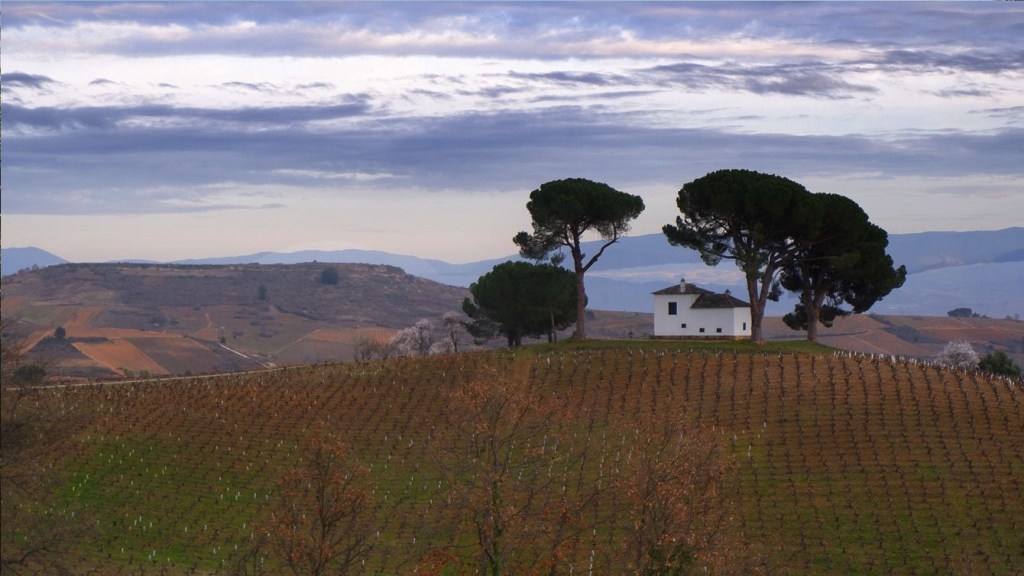
The Camino forges a footpath through the vineyards and rolling hills for the next 6.3 Km , passing through Valtuille de Arriba.

If you ignore the large metal posts and electric wires running overhead you can still appreciate a beautiful landscape.
This section of the route to Villafranca is called el camino de la Virgen and is a deeply spiritual landscape for locals – Mary is seen as a protector of the land,fruit and wine. The locals still hold a deep respect for pilgrims despite the ever increasing numbers passing their doors.
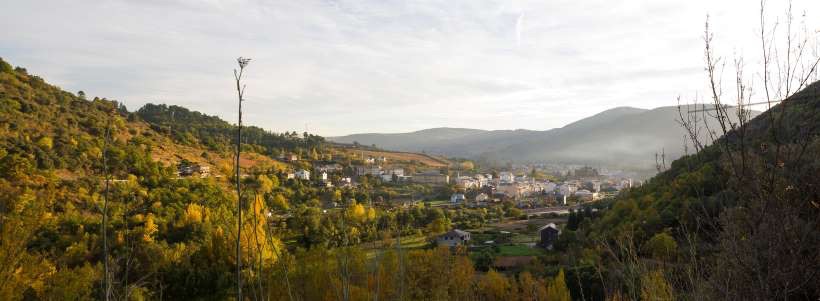
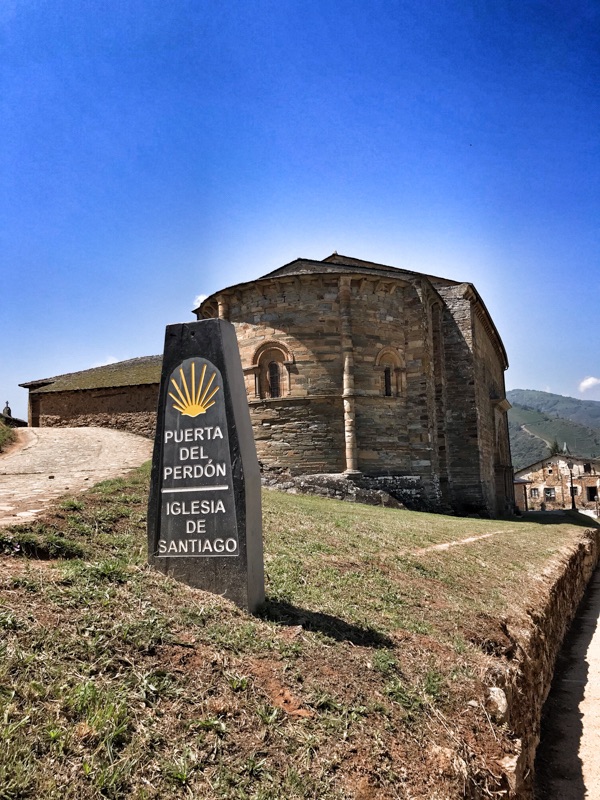
After climbing the last hill and dale we pass an iconic sight, the Iglesia de Santiago and its Puerta de Perdon ( door of pardon ).
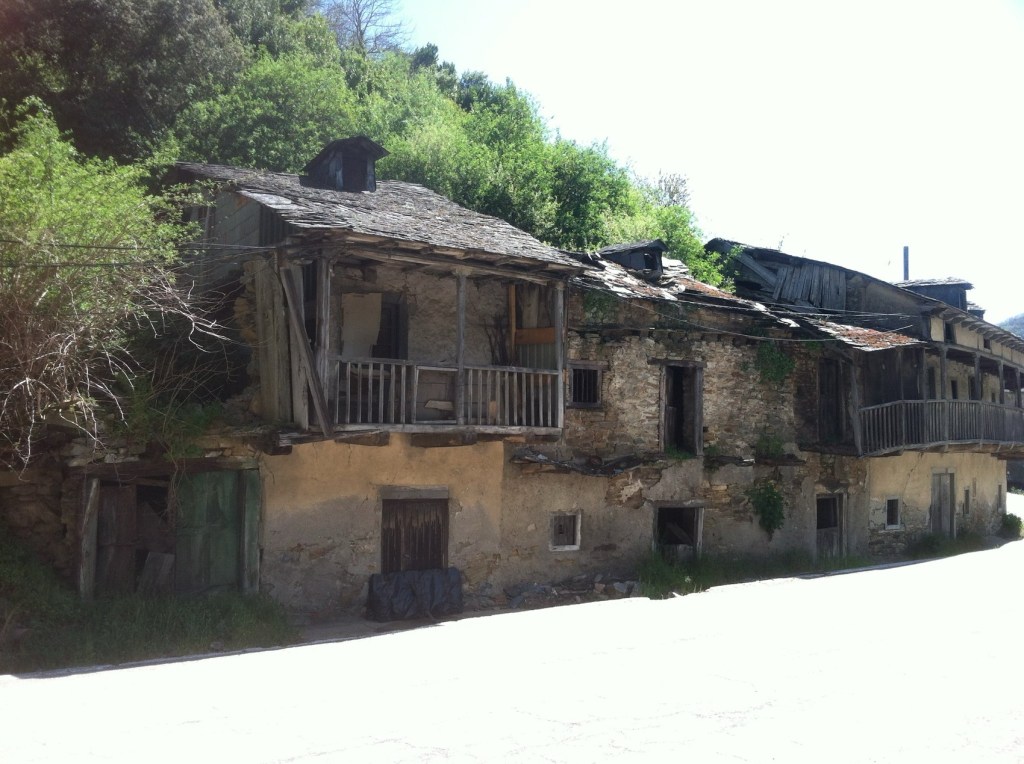
Huddled between two fast-flowing rivers and the verdant hills of the Galician mountains, Villafranca de Bierzo is one of the most beautiful towns in Northern Spain.A particular feature are the glass enclosed balconies stone and stucco homes.
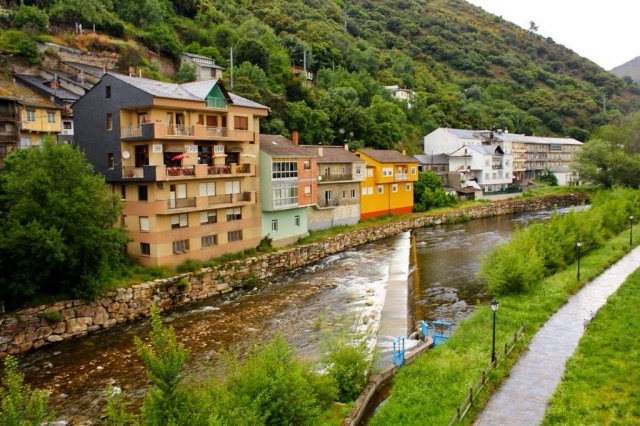
It is the last important town in Leon that is crossed by the Pilgrim’s Road to Santiago de Compostela. Its rich monumental heritage, and the influence of the St. James pilgrims, have made it an important tourist centre. Its old town has been declared Property of Cultural Interest.

https://internationalliving.com/countries/spain/villafranca-spain/
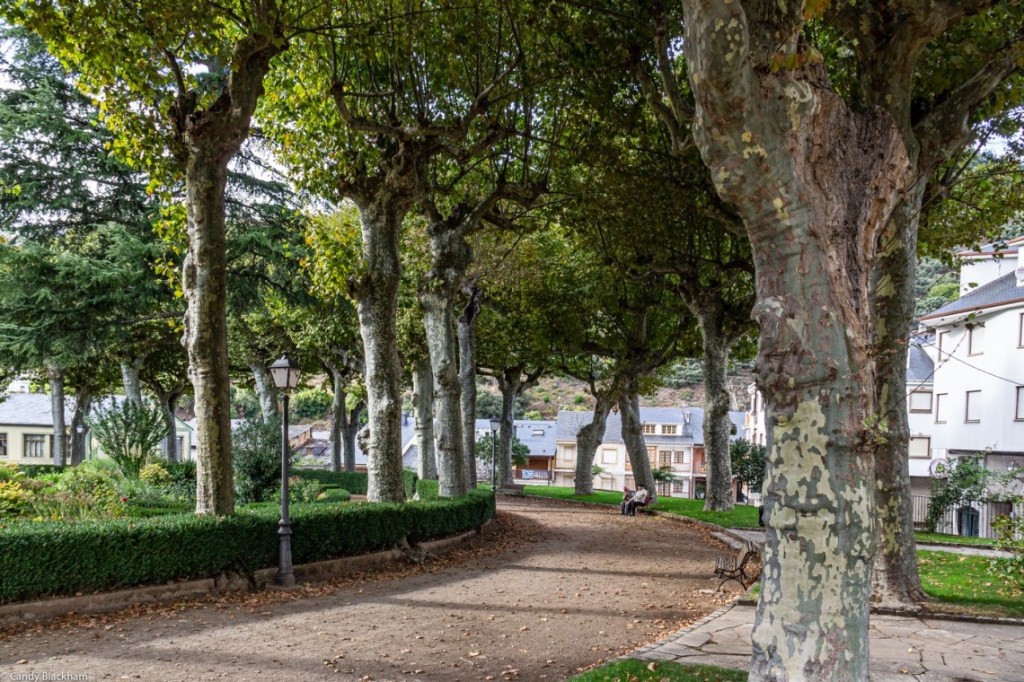

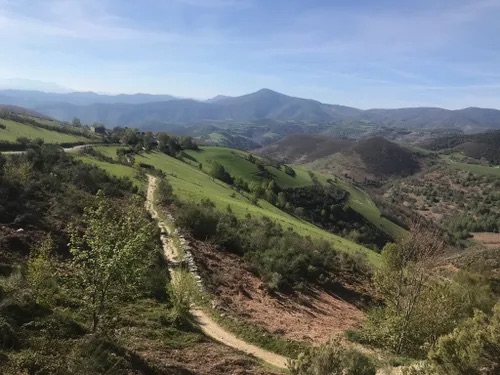
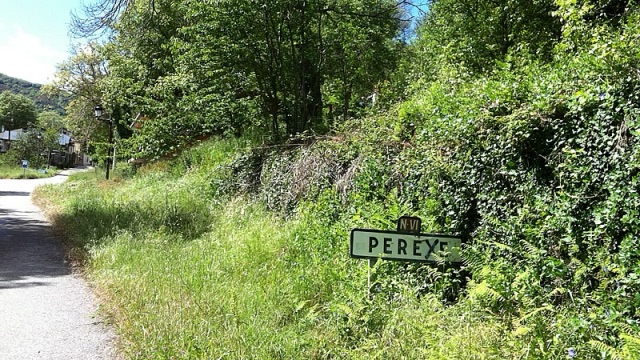
Leaving Villafranca, we follow the arrows and scallop shells over the Burbia river on a more strenuous stretch than of late as we walk up above the Valcarce valley to be rewarded with fine views.

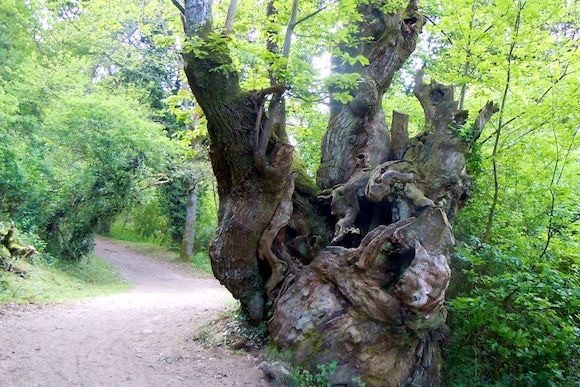
Just before entering Trabadelo, the Camino passes through ancient Chestnut trees. For centuries locals have gathered the chestnuts which have been called “ the bread of the poor” because they single-handedly saved whole communities from starvation in bad winters.
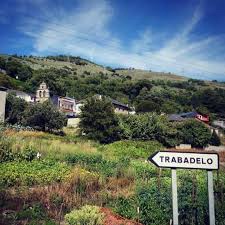
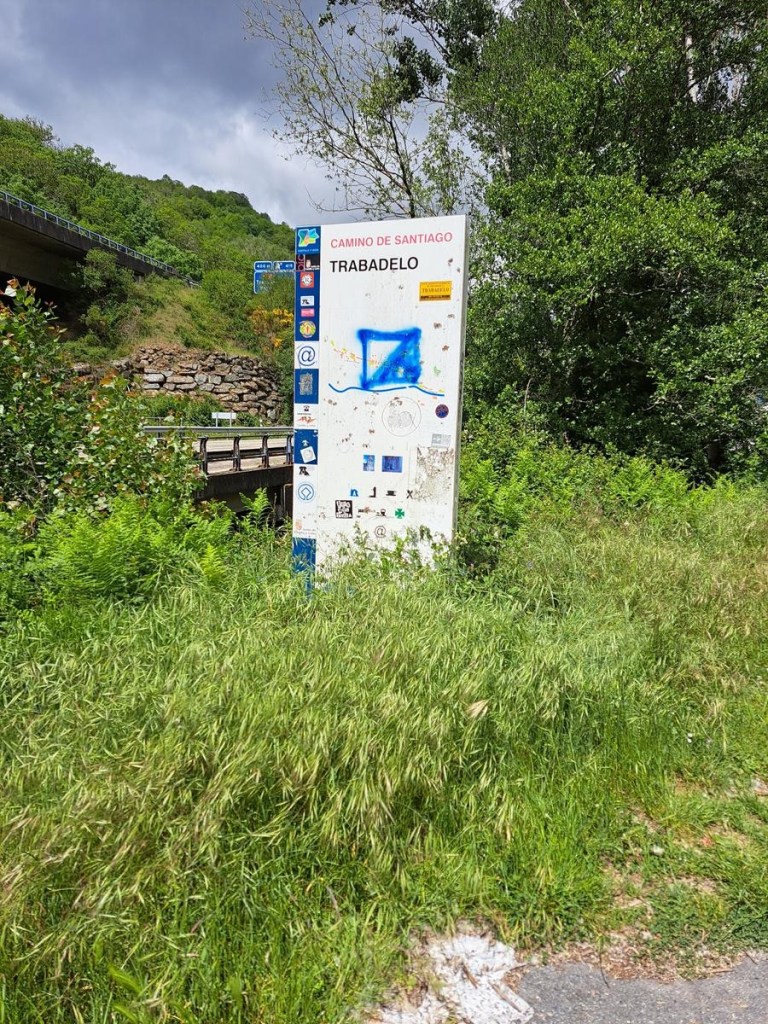
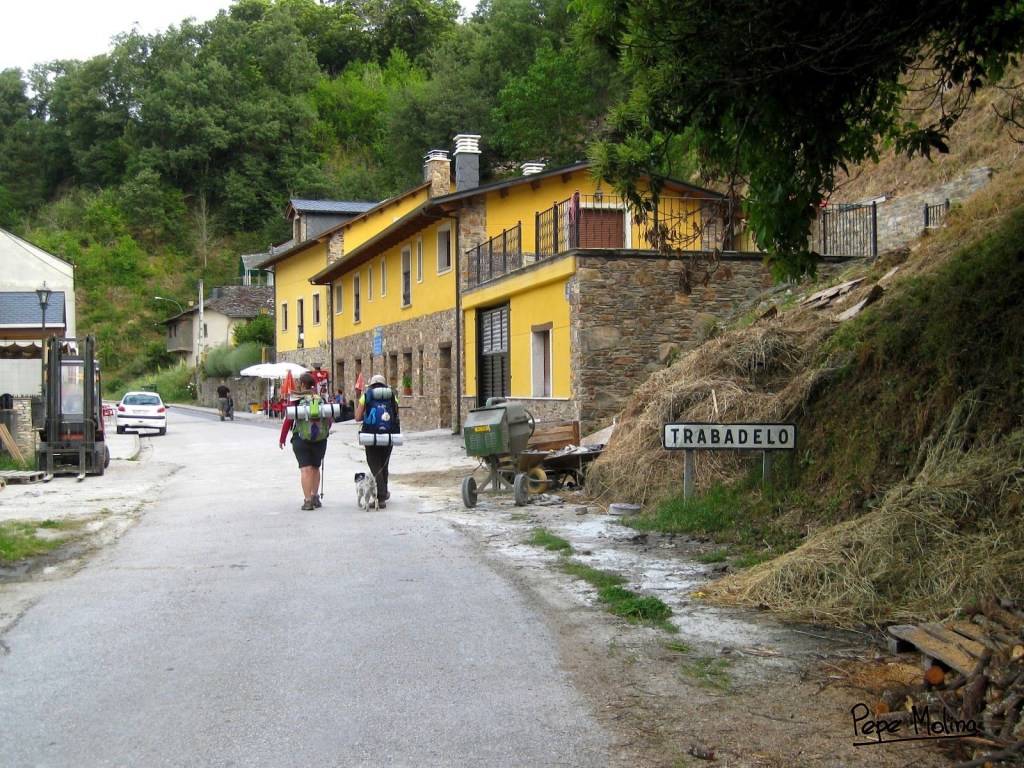

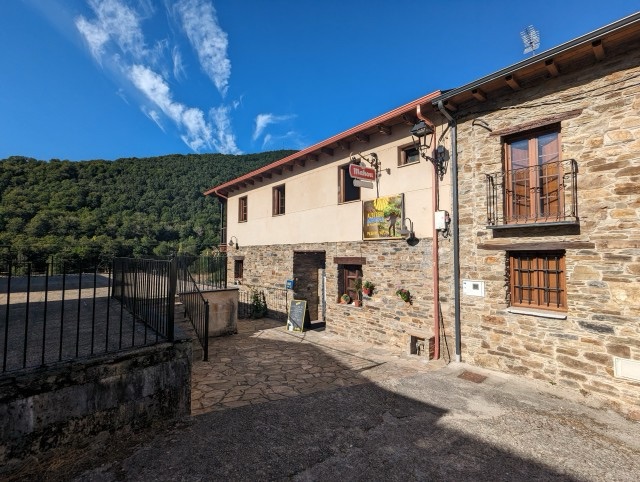
Leaving Trabadelo the camino is as well marked as ever and in just under 4 km we should reach Hotel Valcarce, our accommodation for this evening.




 ensuitepilgrim's Blog
Thanks for Camino news John. I enjoyed the music too! The tall stacks of lumber in one photo don’t look very safe!