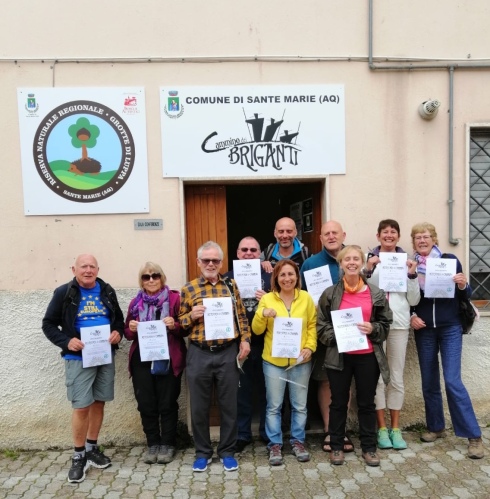
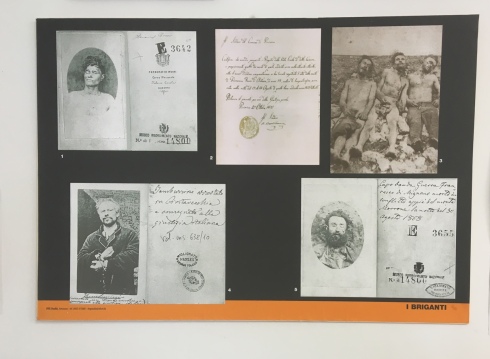
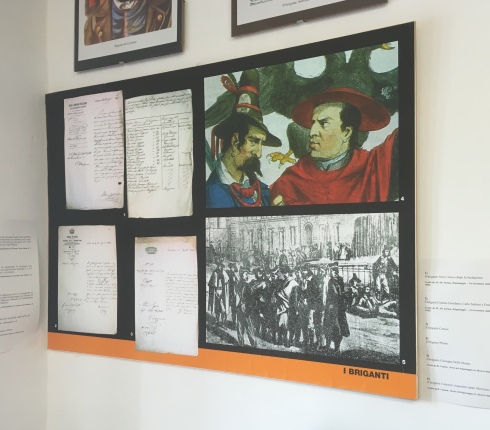
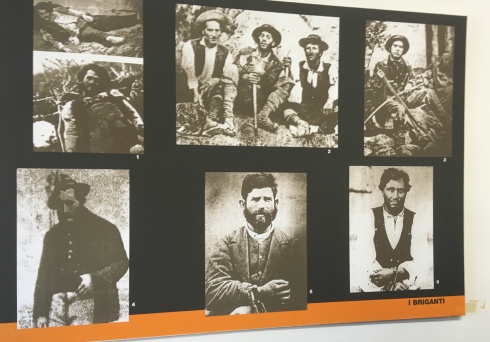
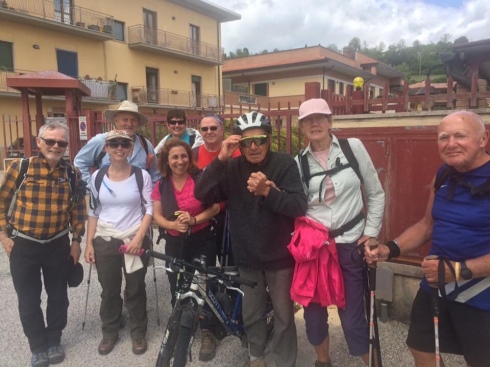
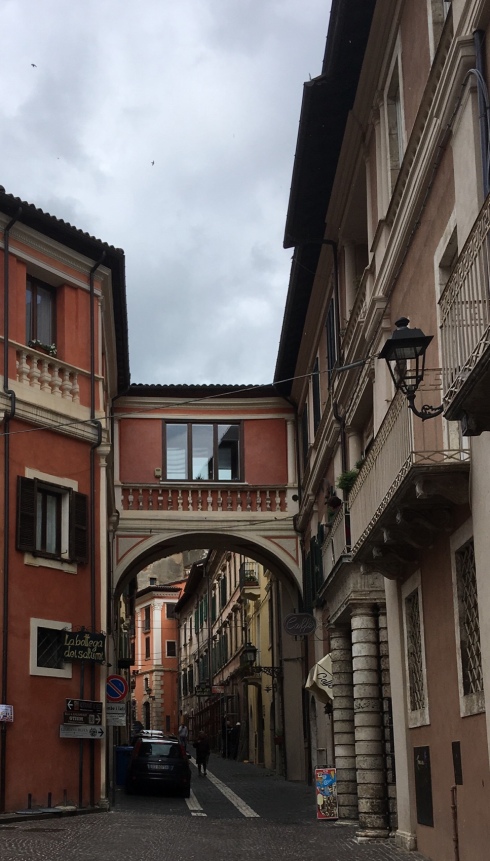
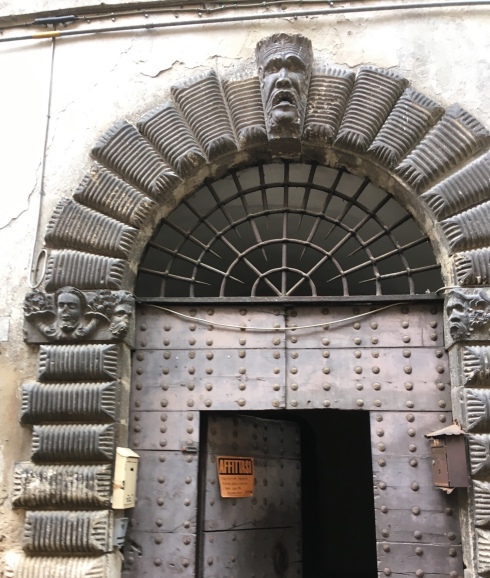
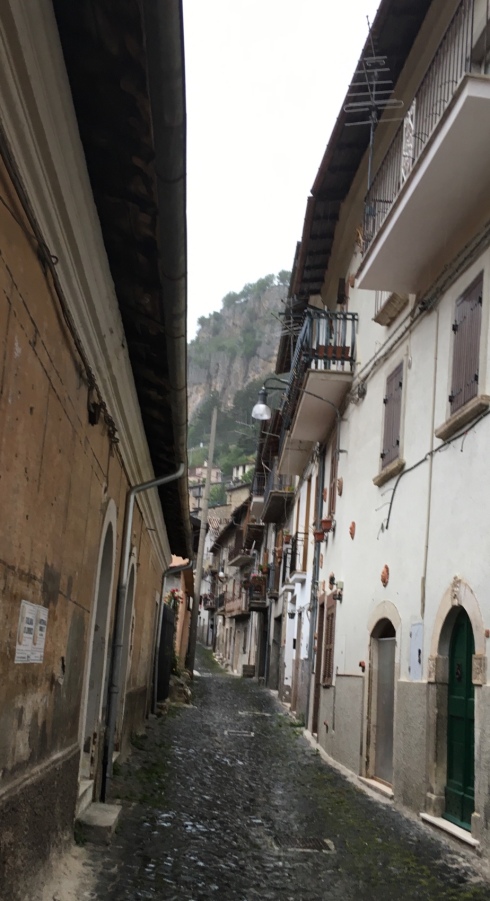
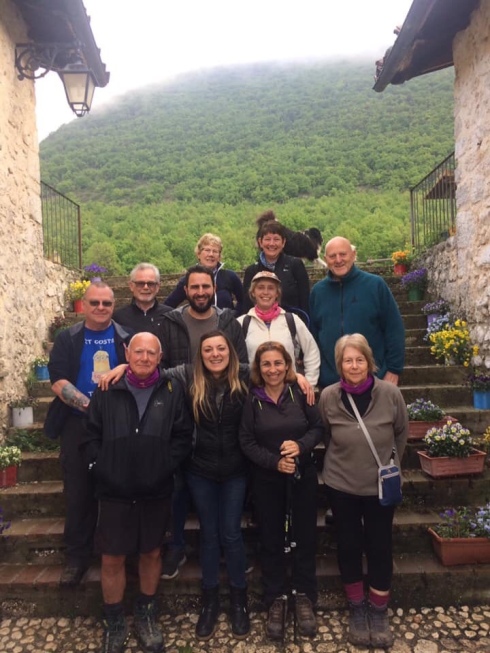
Days 2 and 3 on the Camina Briganti…snakes,animal prints a gorge walk and a “gorgeous meal. Corvaro and the local brewery.

27 May

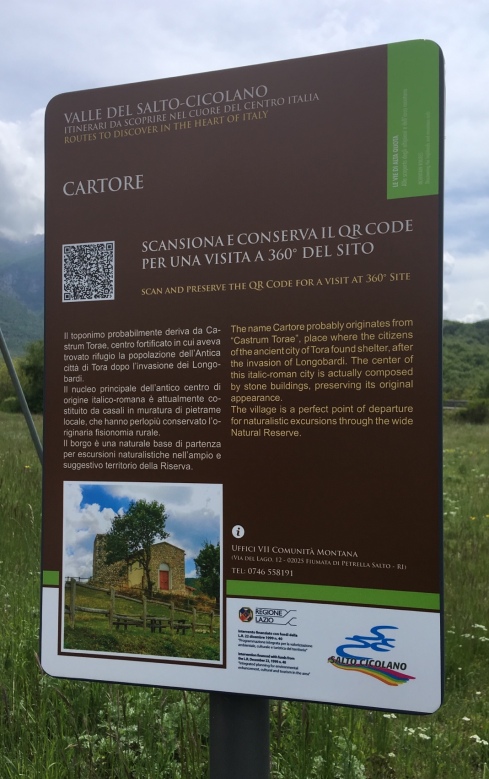
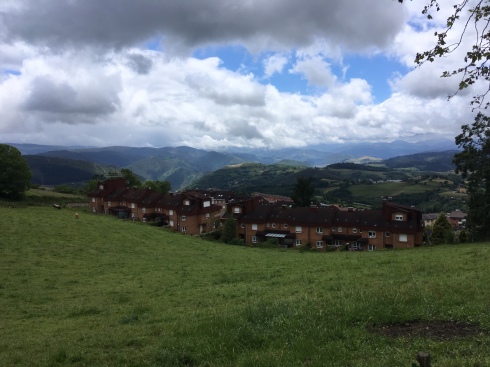
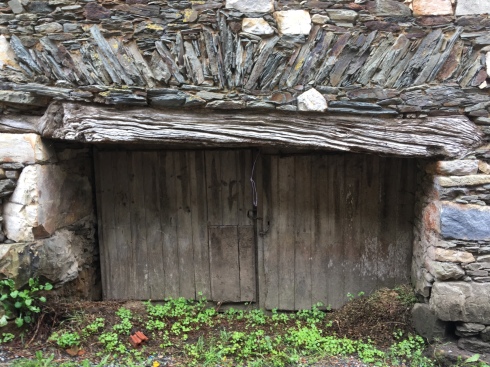
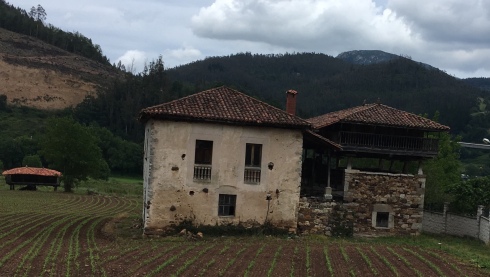
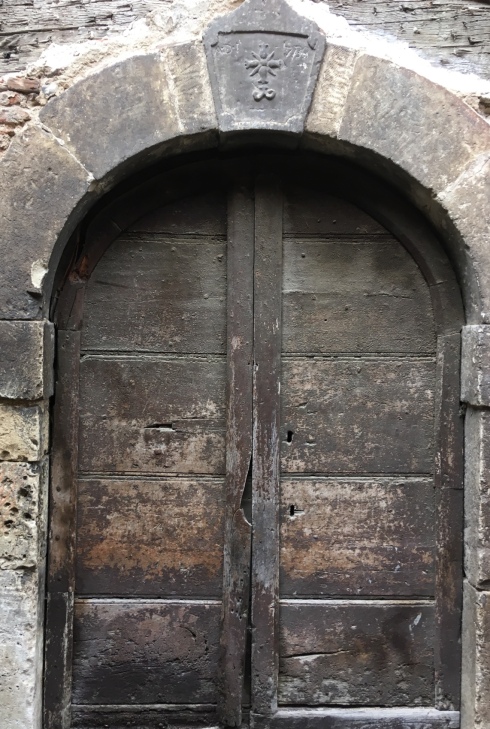
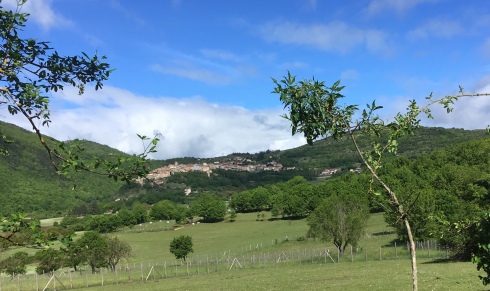
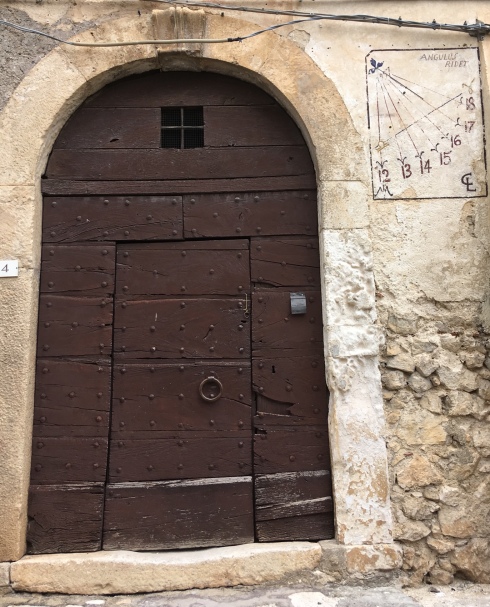
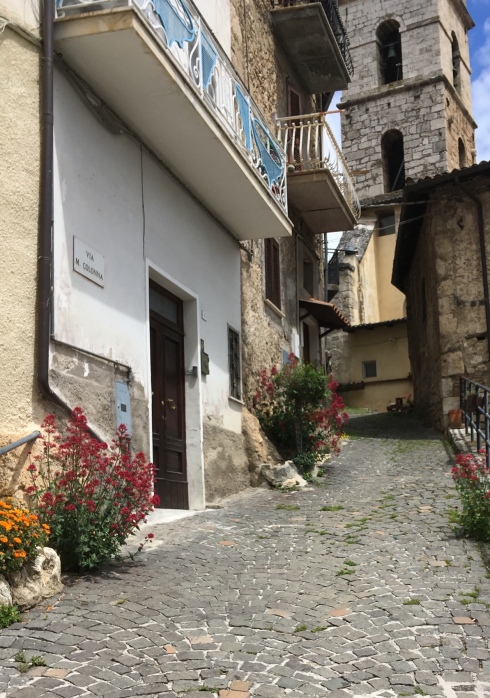
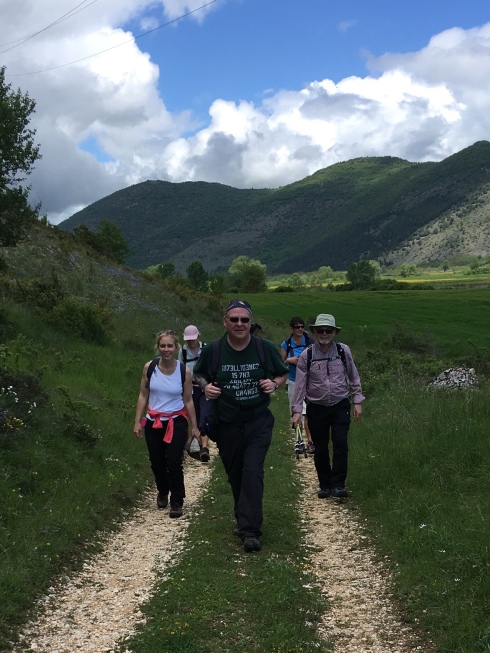
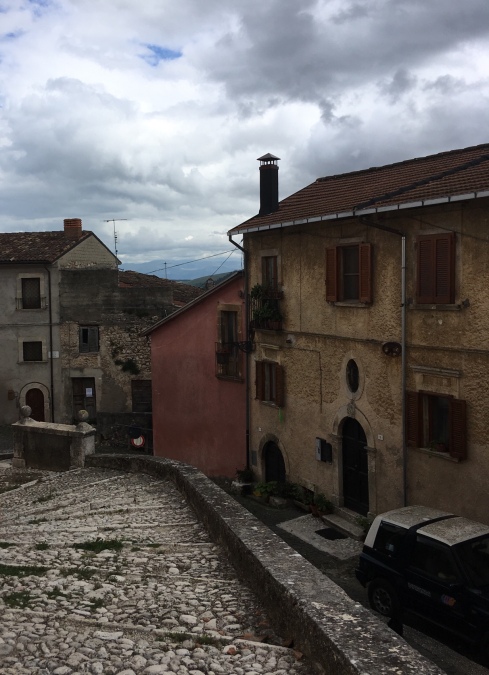
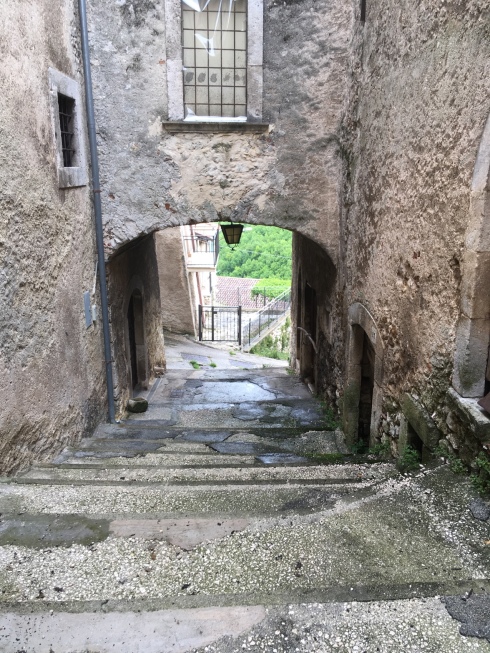
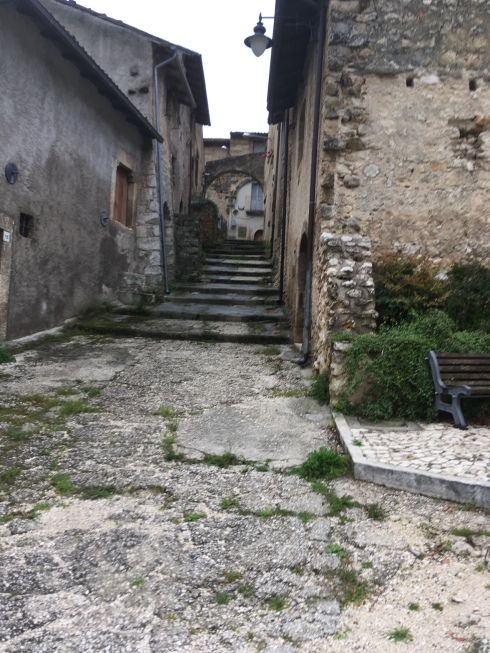
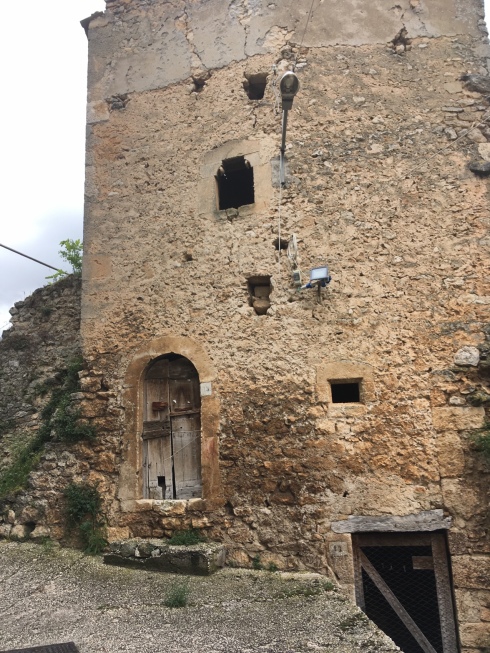
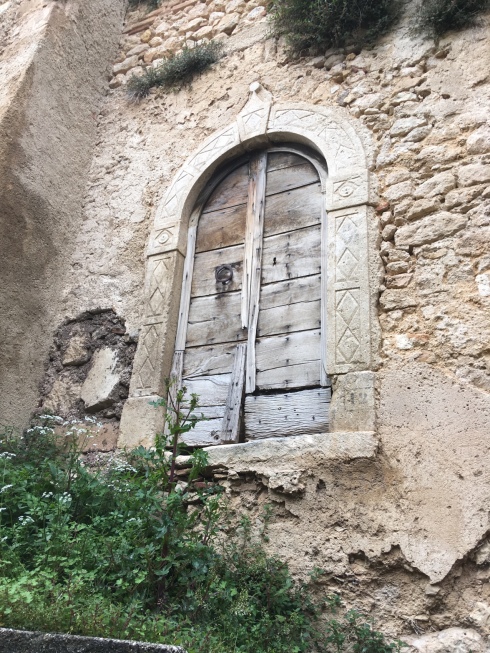
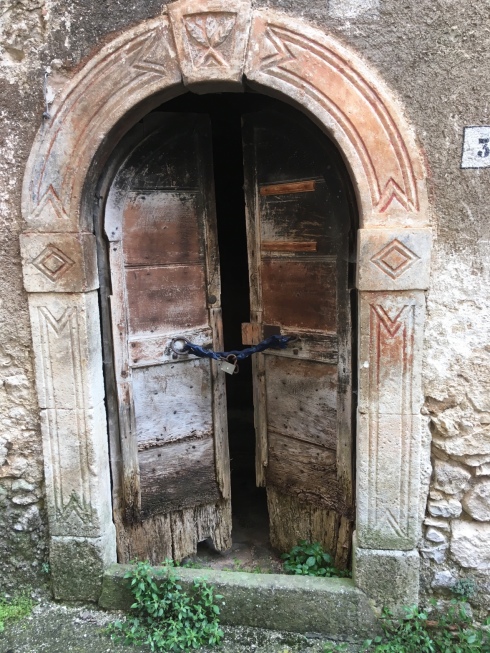
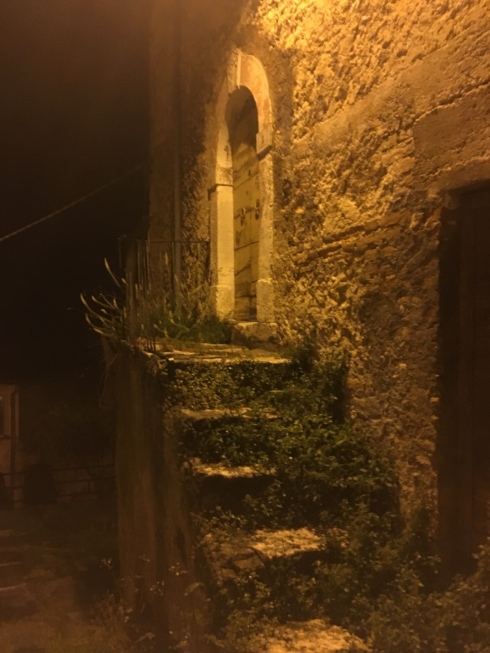
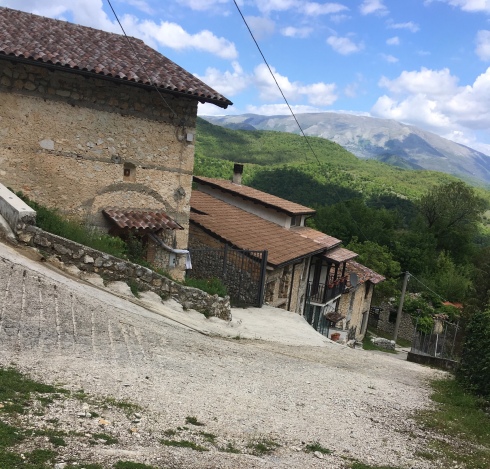
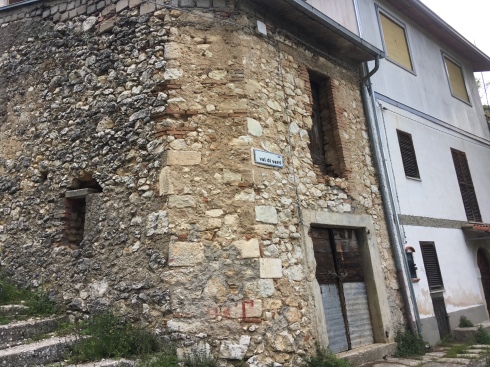
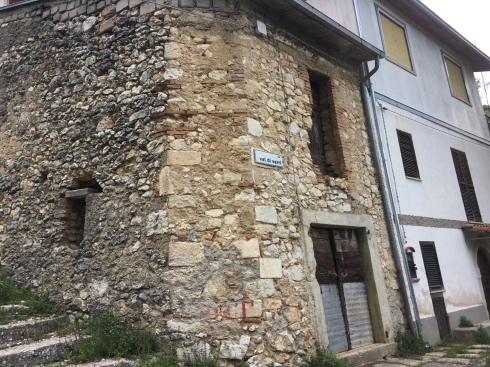
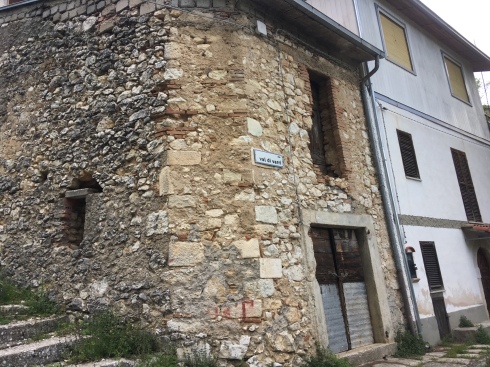
“Left The hospitable Casa Bella Hostel, shortly after fine breakfast. After Paulo, our guide had briefed us on the local banditry, we set off on what was promised to be a shorter, but no less beautiful walk to Cartore Casore. Like many of the remoter villages, there were a number of boarded up dwellings and some almost falling down – a good investment we were advised as you pay no tax if there is no roof.
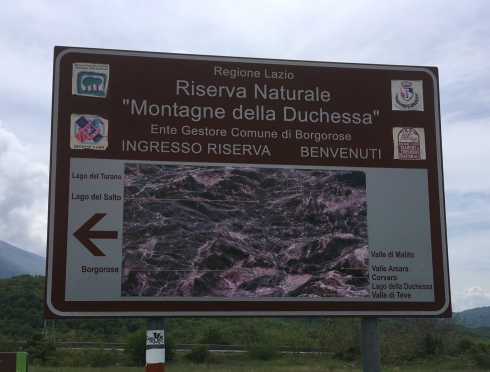
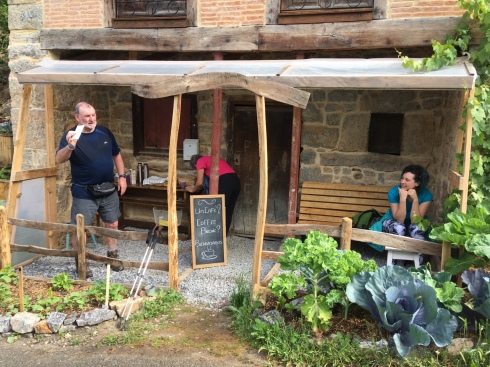
We soon reached the Riserva Naturale Regionale Montagne Della Duchessa – one of the largest in Italy. We were anticipating Coffee at Spedino but the cafe was closed – the owner had gone shopping,apparently.

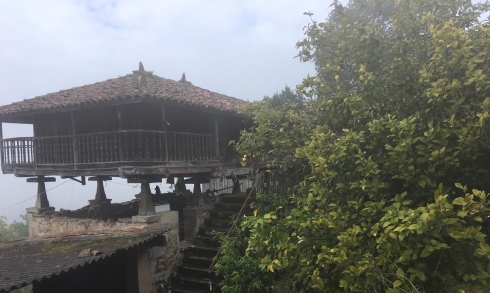
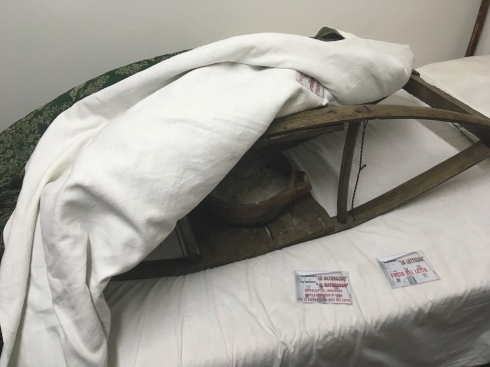
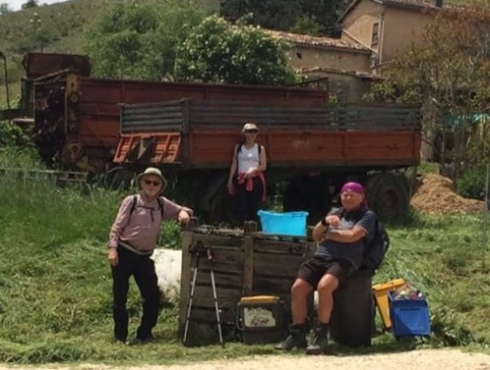
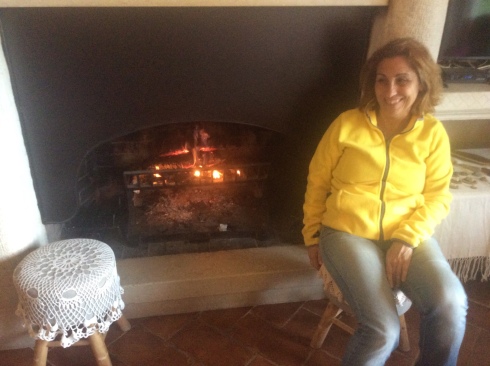
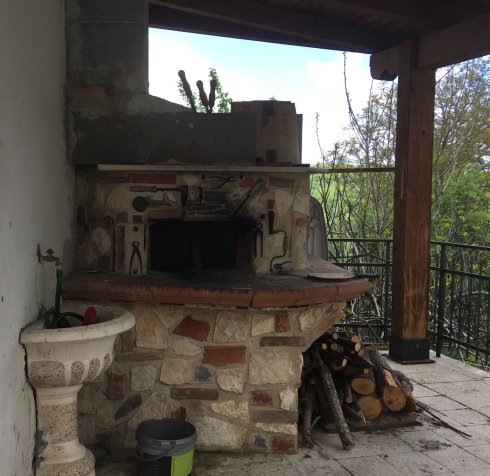
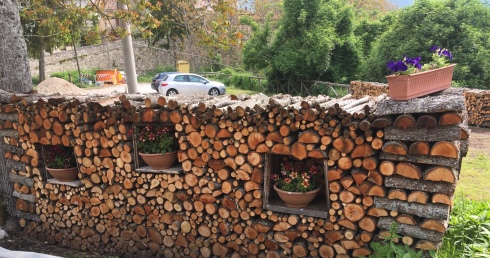
There are a lot of forests in the Abruzzo and Lazio regions and wood burning stoves and fires are the norm,however, I had never seen such pride taken in its storage, before.
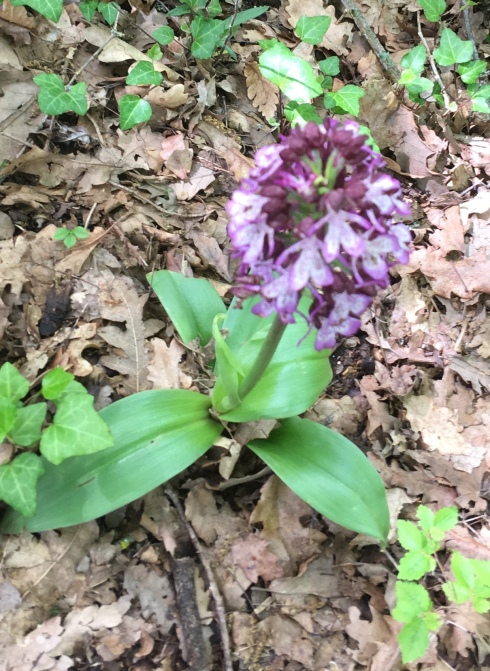
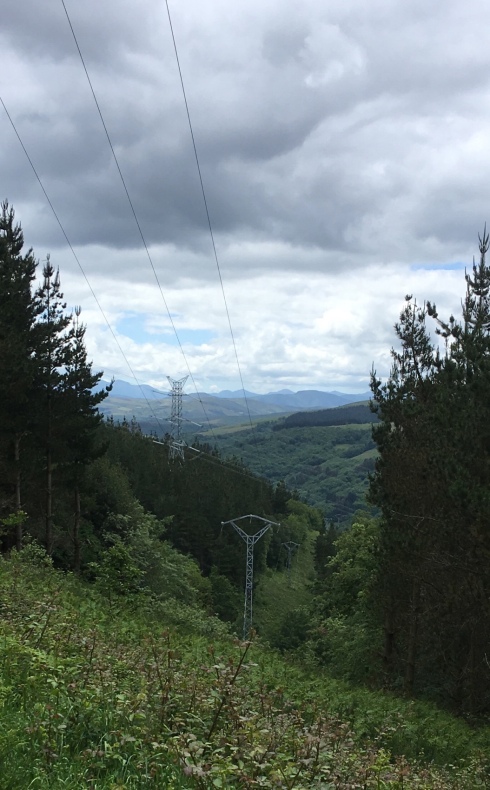
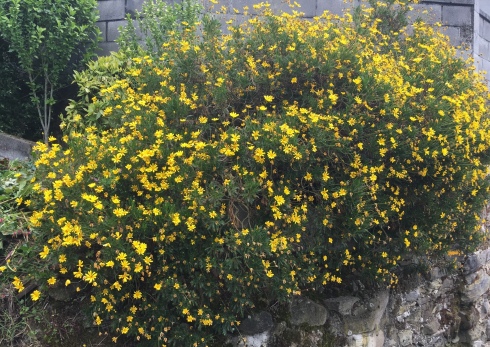
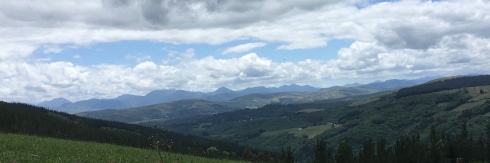
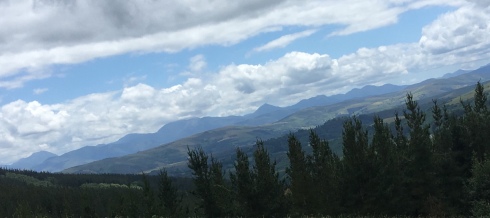
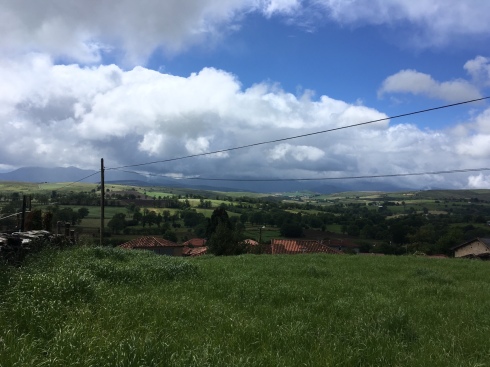
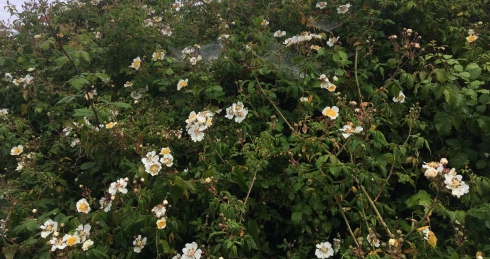
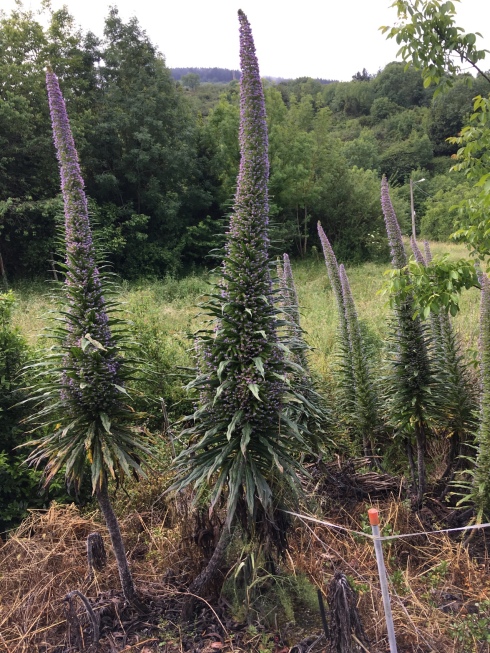
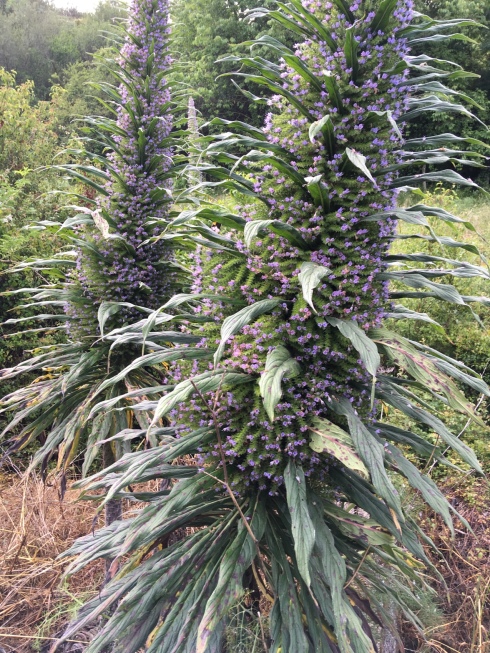
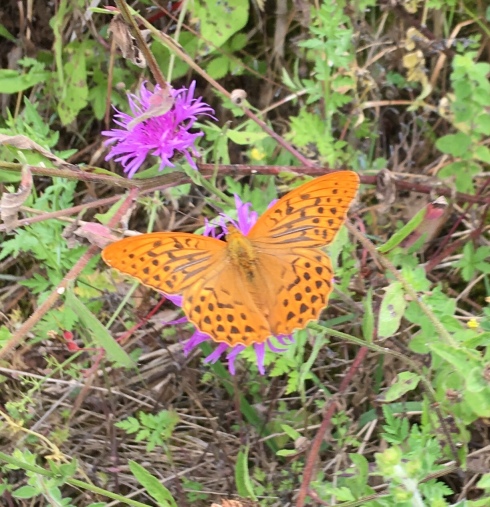
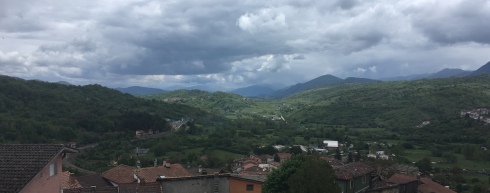
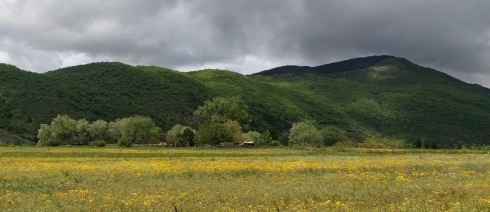
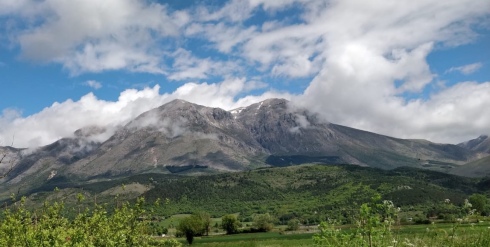
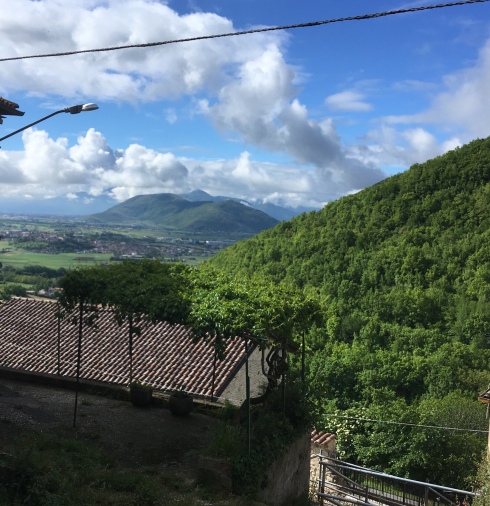
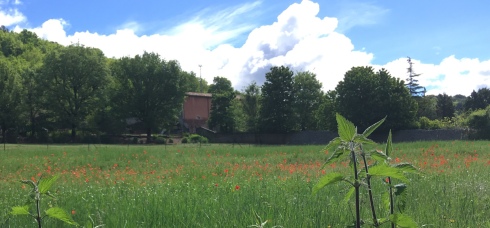
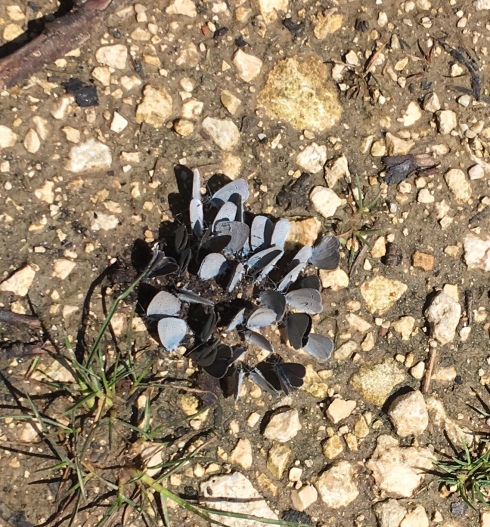
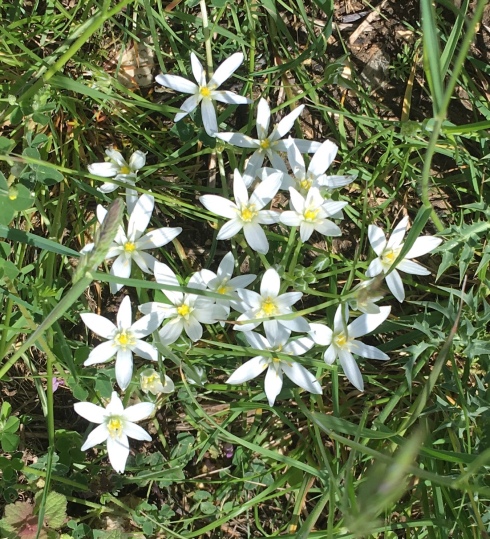
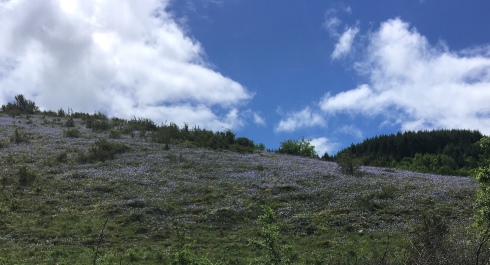
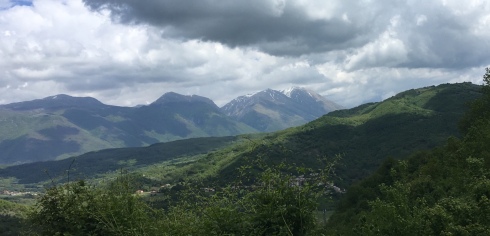
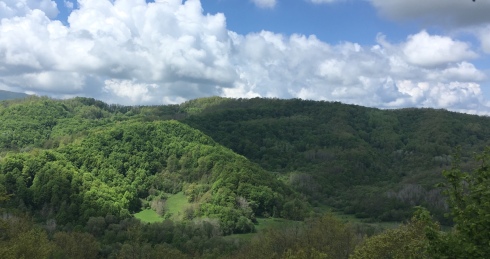
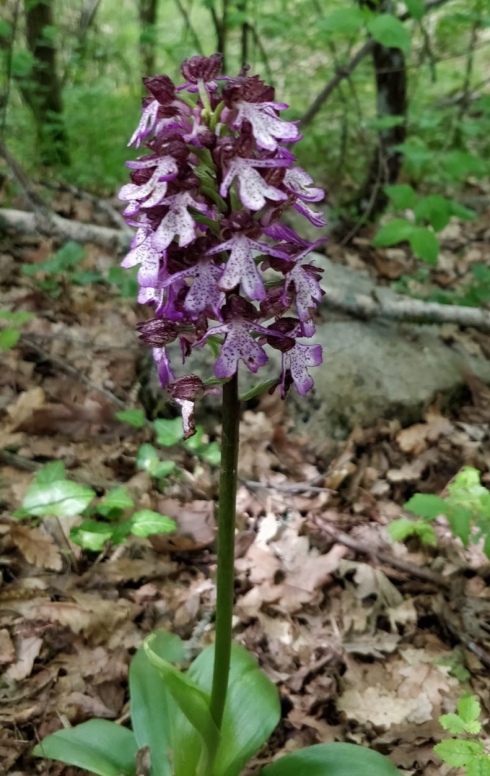
The views were dramatic and after pausing to look at the difference between Roe Deer and Wild Boar prints, expertly explained by our guide,Paulo, our attention was frequently taken by rare Orchids unique to this Riserva Naturale. Thanks to Maggie one of our party for some of the photos.

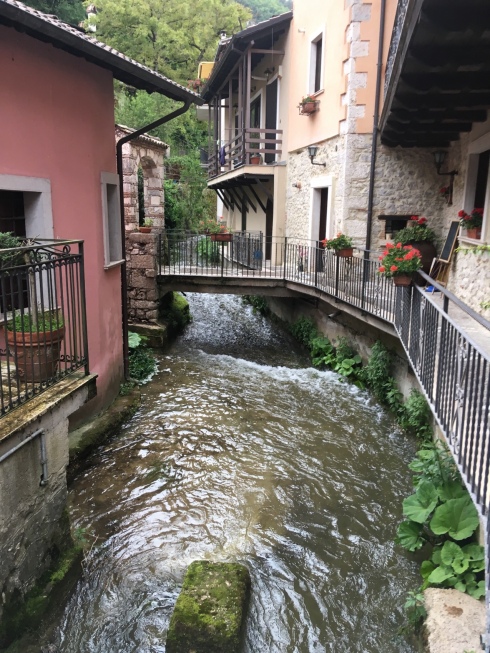
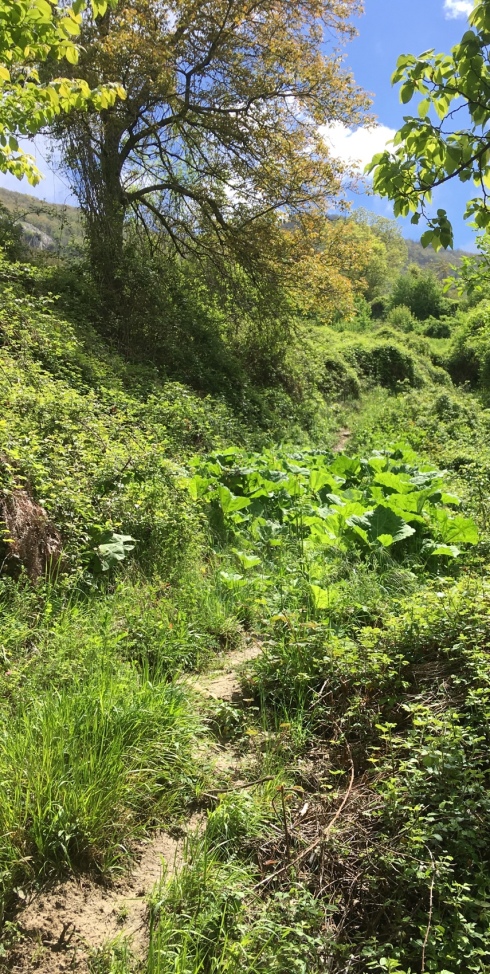
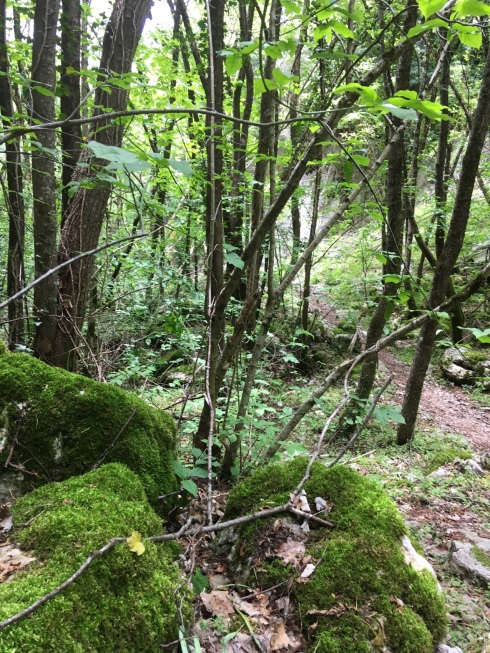
Some of us then took an optional climb up through a nearby gorge, pausing to take in the mosses and trees that thrived there.

it was quite a strenuous little excursion and we enjoyed a local beer in our hostel Casalidicartore, served by our welcoming host.
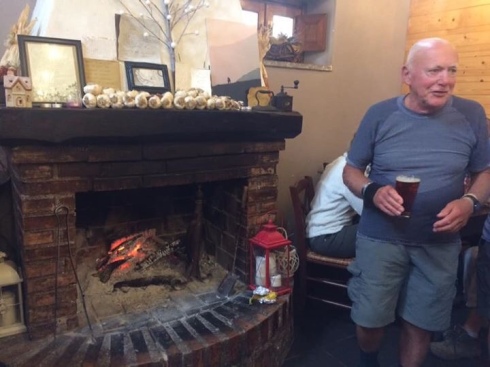
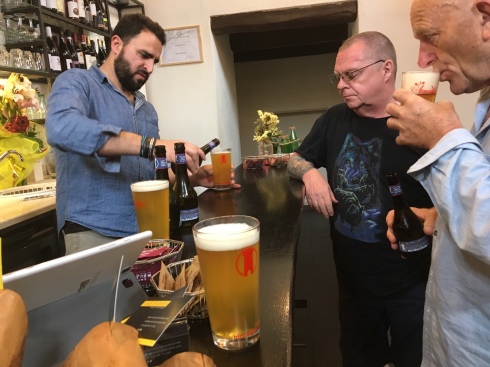
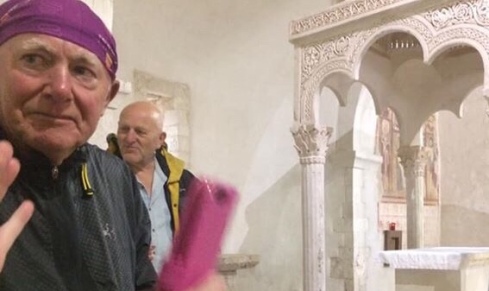
Paolo and Maggie, one of our Brigantes, photo taken from the mezzanine floor.
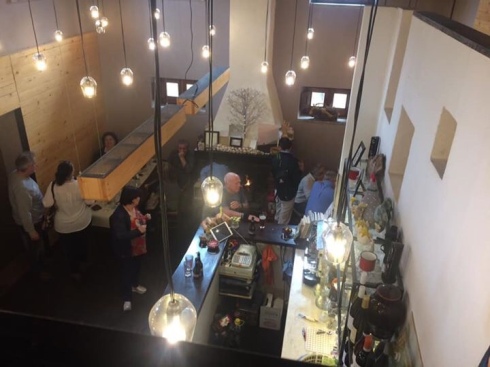
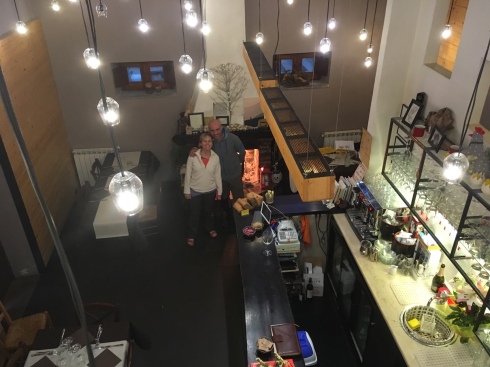
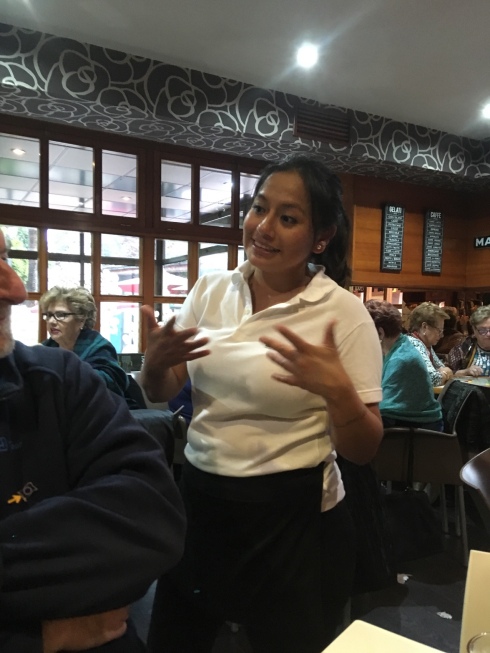
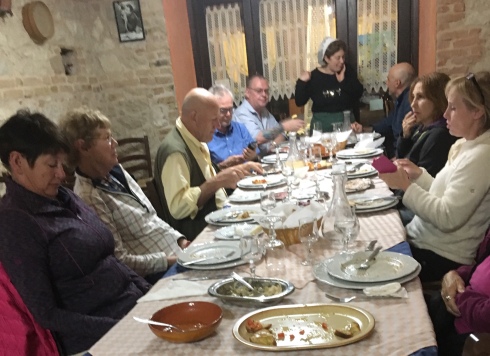
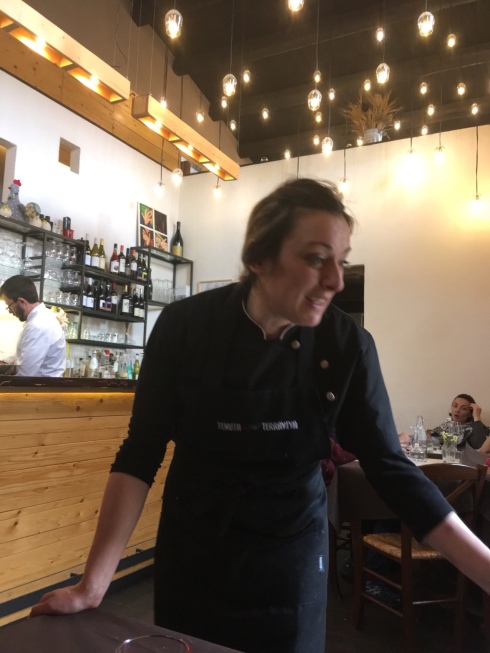
Later we enjoyed dinner on the mezzanine floor of the restaurant, supervised by,Anna.
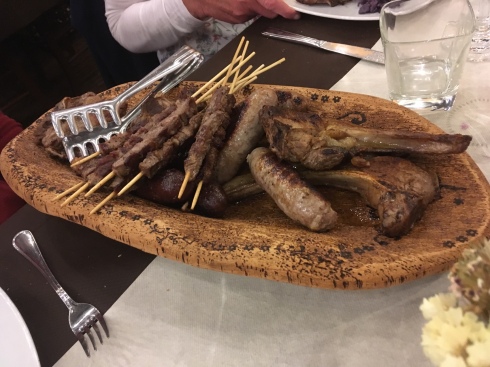
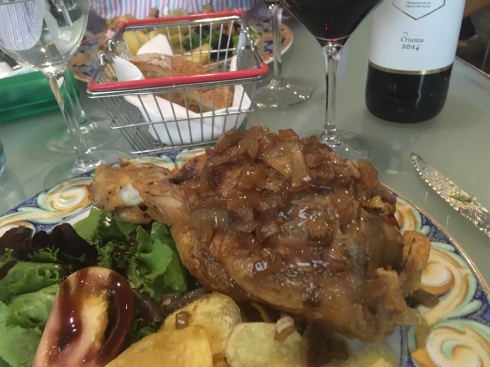
Assortments of grilled meat and local vegetables are a specialty.

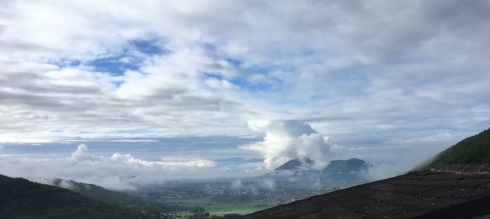
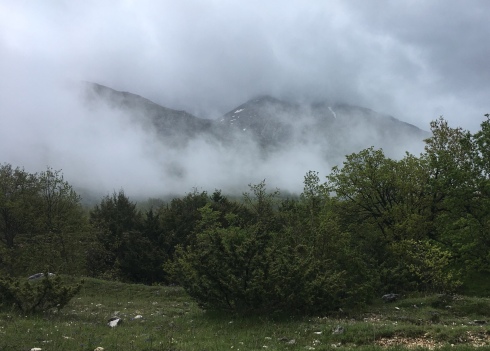
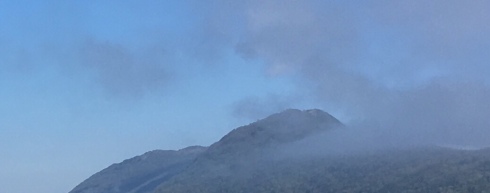
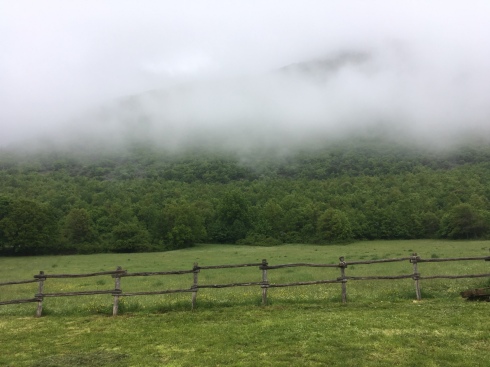
Sunday dawned misty over the mountains with a threat of rain and overcast which meant a change of plan for the day. Paolo explained that it would be pointless to climb up to a lake as intended because the cloud levels were so low there would be no views to enjoy and also Limestone becomes a treacherous surface when wet.
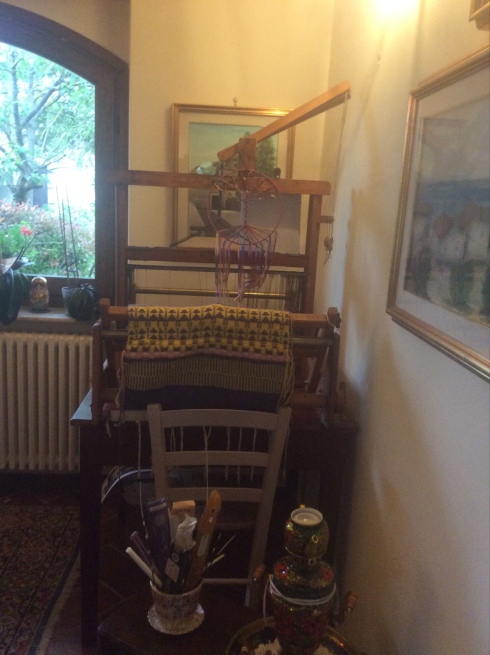
Our breakfast was notable for the quality of the homemade jam and cakes made by our talented and cheerful hostess.
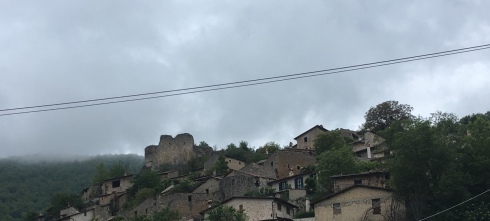
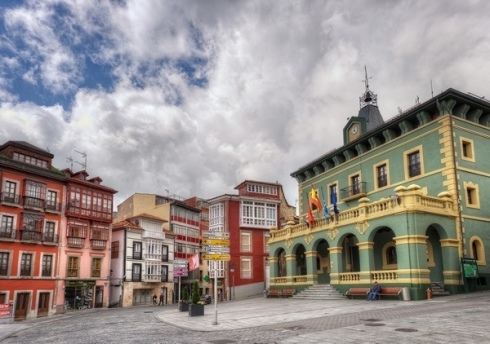
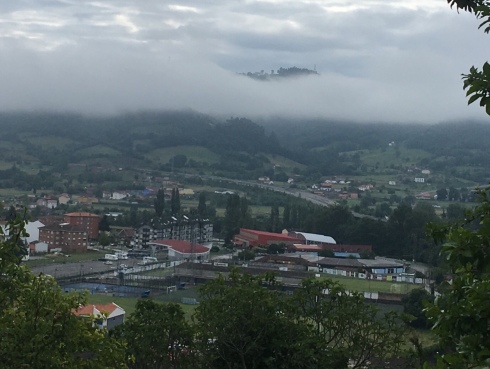
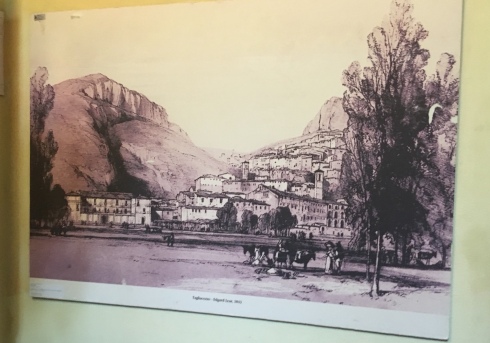
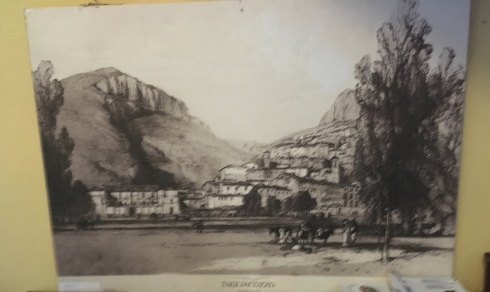
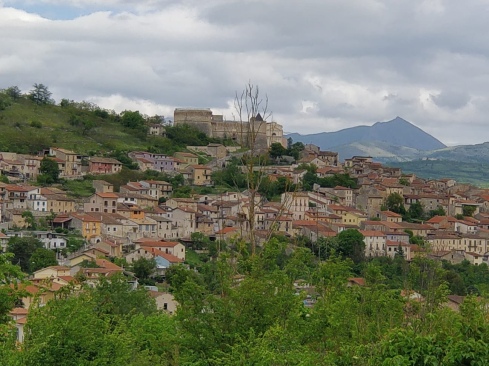
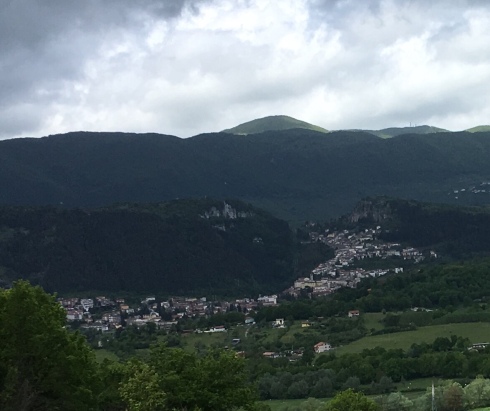
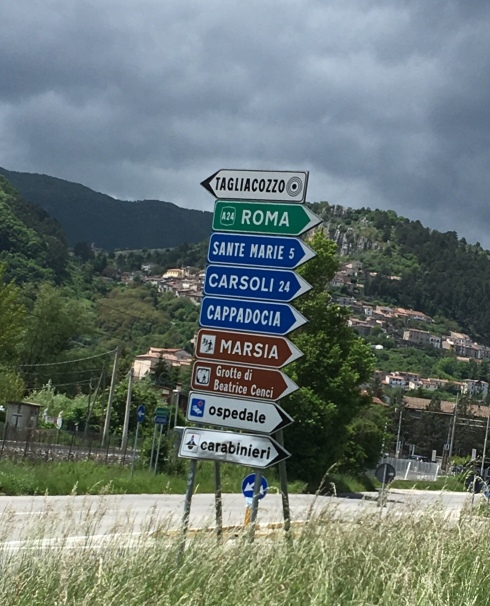
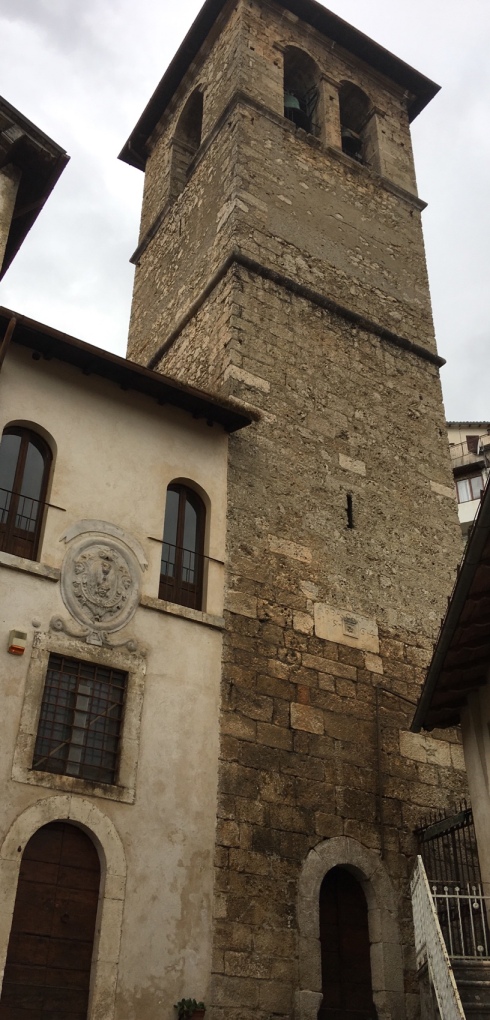
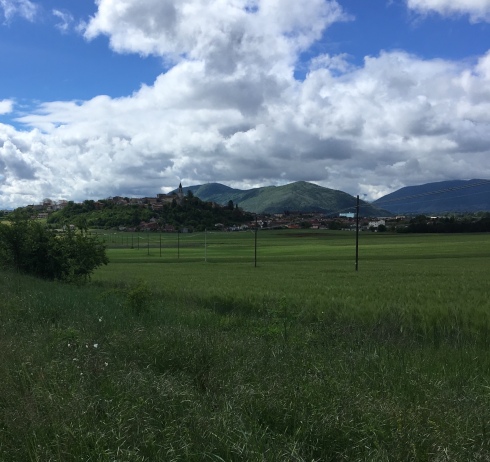
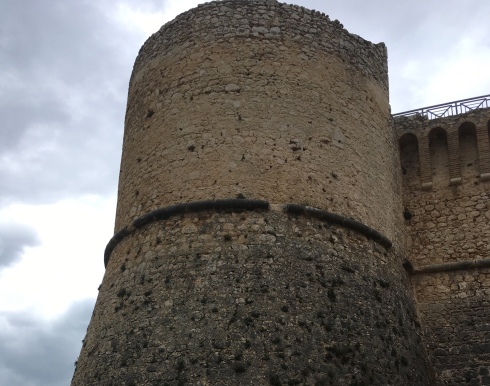
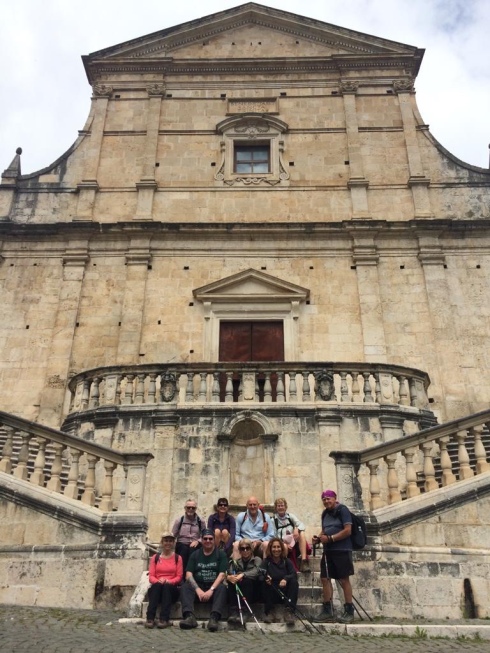
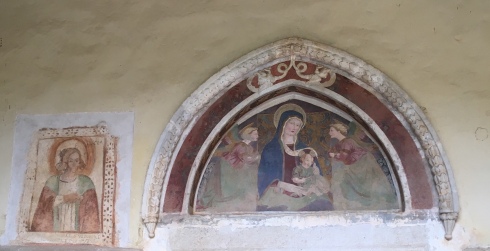
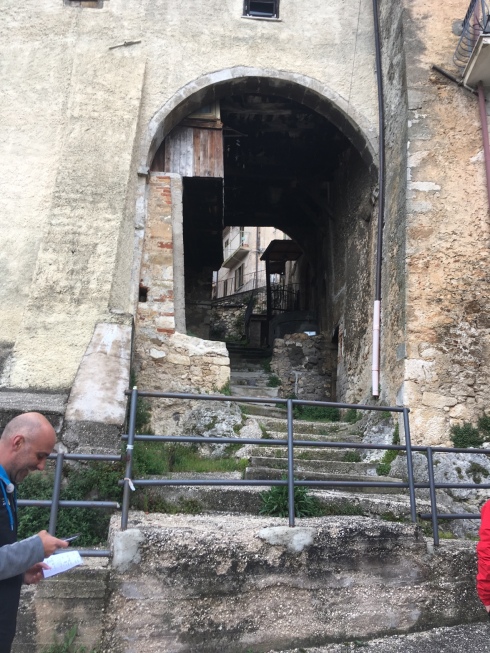
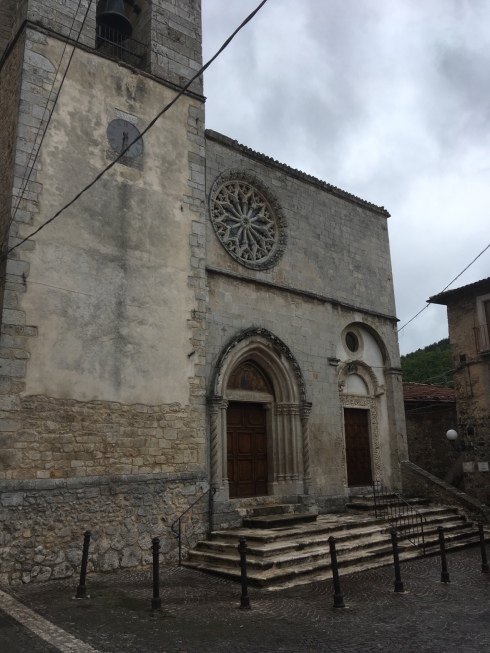
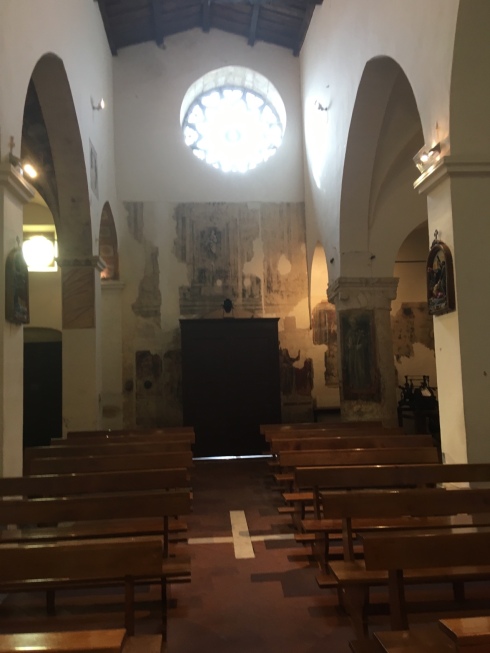
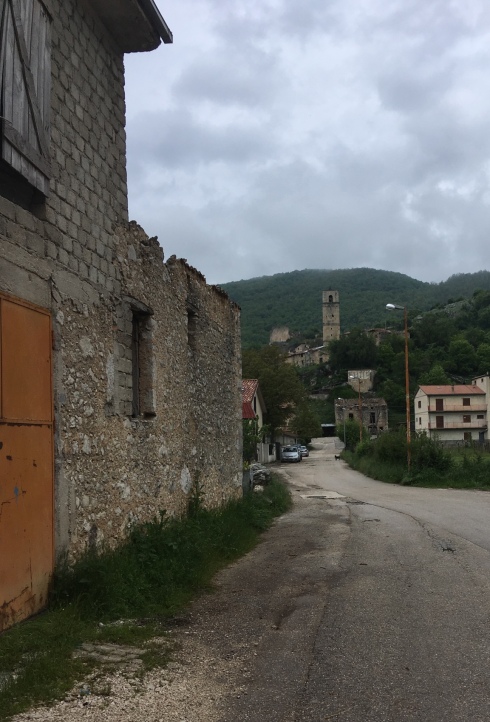
So we set off alongside fields to biggest village in the area Corvaro di Borgorose and after three miles or so we could see the church tower and behind it the ancient hilltop village, now largely deserted.
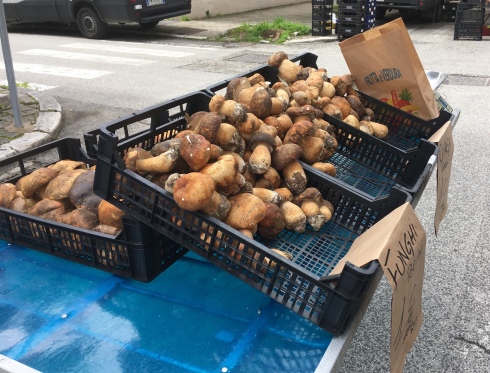
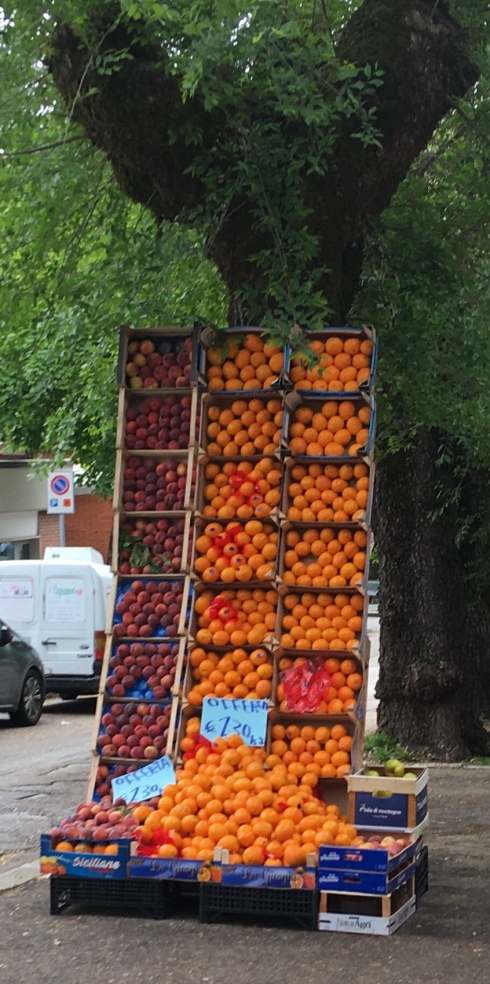
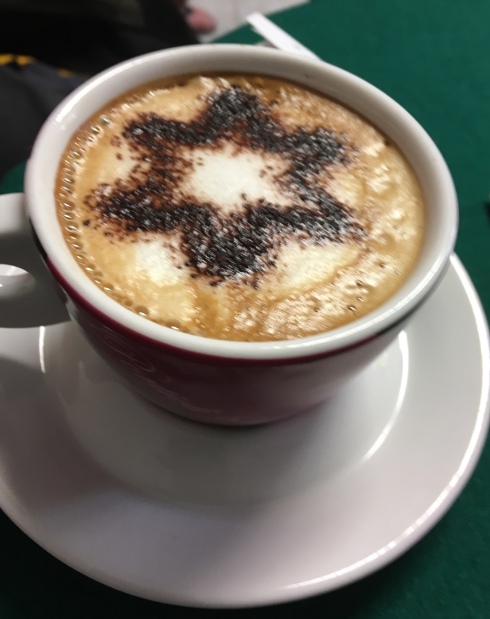
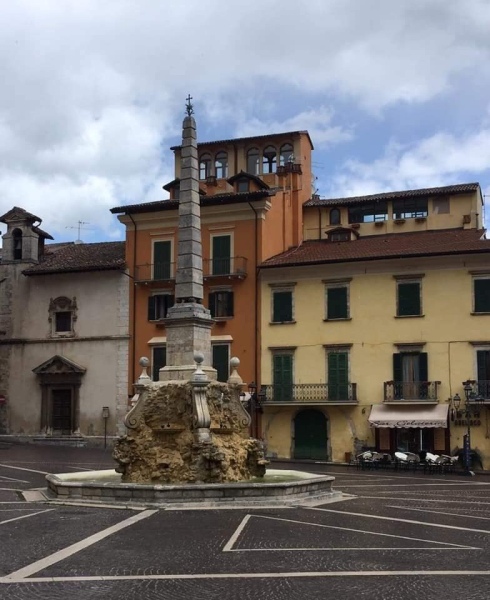
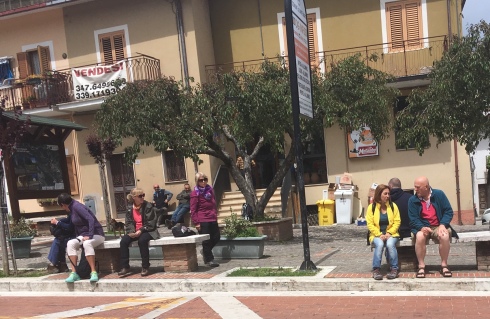
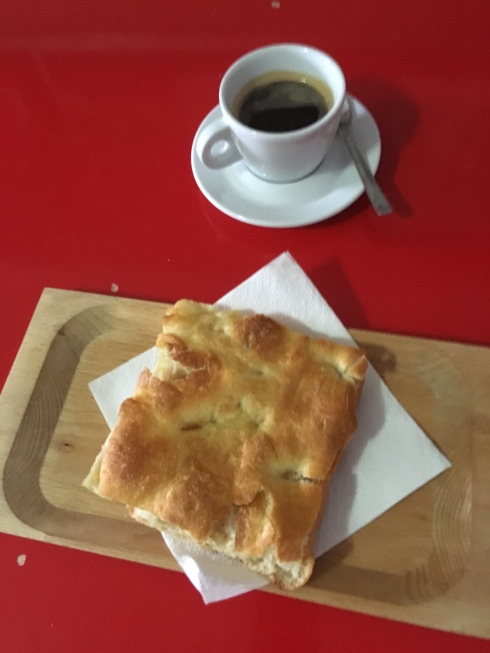
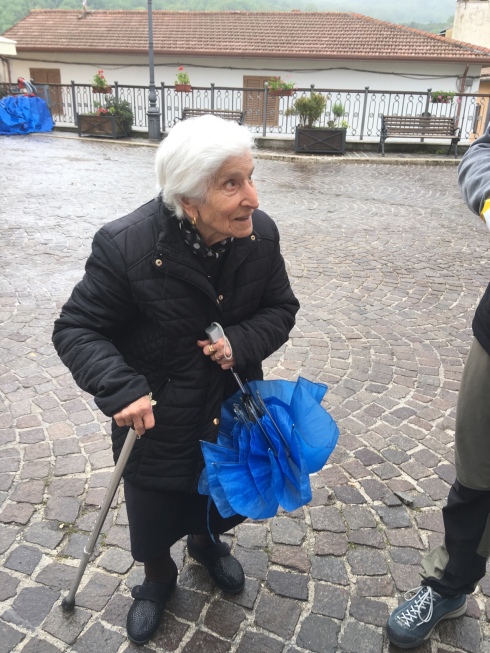
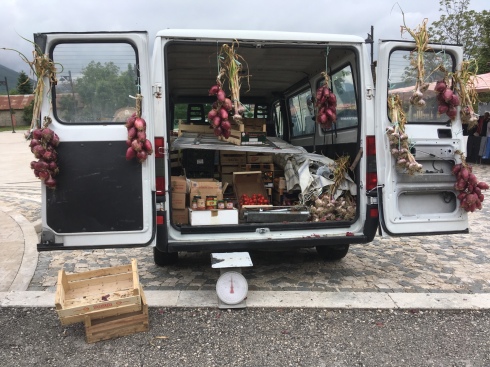
The bells rang summoning the faithful to 11 o clock mass. Adjacent to the church was the town square in which stood two market stalls and a van sporting local fruit and vegetables – Helen, one of our group bought some fresh apricots, which she shared out as we enjoyed a coffee opposite.
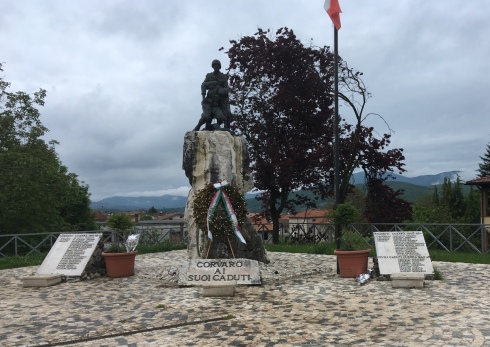
There was a very imposing war memorial dominating the square.
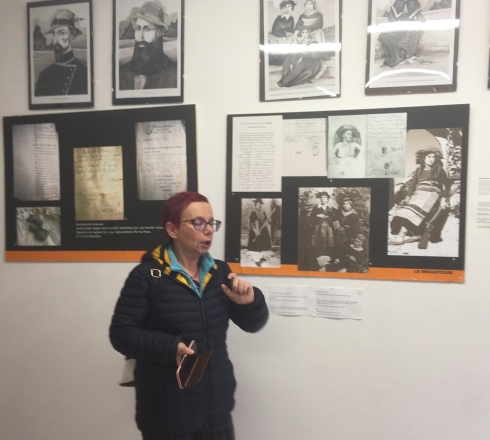
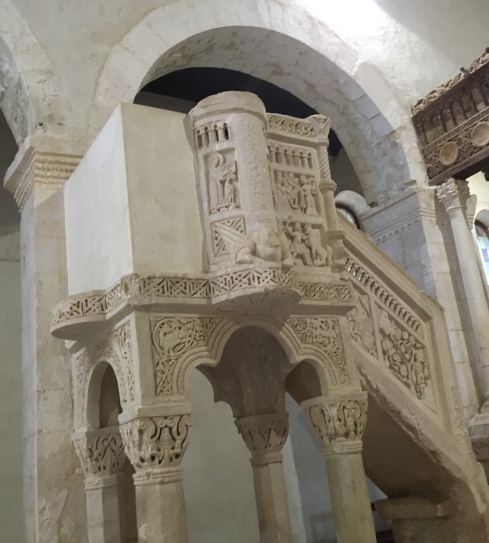
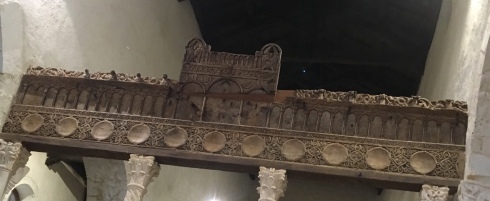
We then made a short walk to the Museo Archeologico Cicolano, where we enjoyed the services of a guide.

This is a well designed museum and fortunately for us, all explanations were written in English as well as Italian. Some of the most interesting displays were from nearby Necropolis that had been built 2500 years BC and used in other epochs, sometimes with centuries between.

Some of the finds were startlingly beautiful, a necklace, bronze discs and statuary in particular.

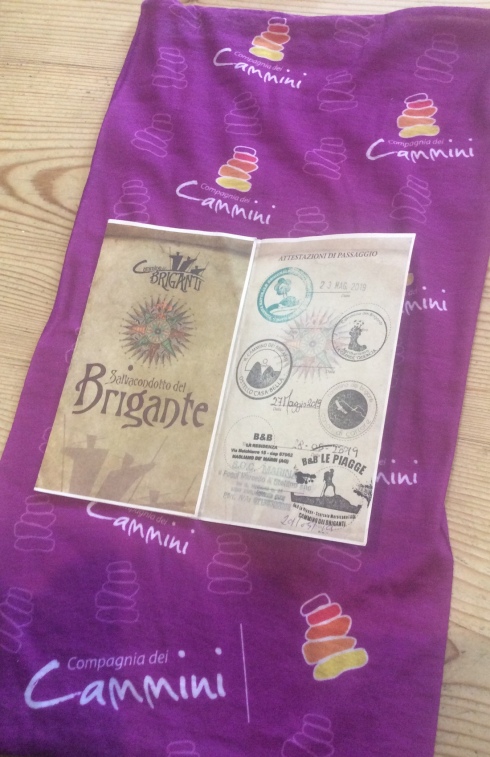
After thanking our museum guide we were shuttled in Paolo’s car to the local brewery Birra Del Borgo,which looked quite unprepossessing from the outside…the interior was something quite different. State of the Art! Over a dozen drafts available and numerous bottled brews, including BRIGANTE .

I chose Water Melon Weiss simply because I was intrigued to taste a beer infused by Water melon, which although very refreshing is not a particularly flavoursome fruit. The beer was very good with a sour edge to it which was a perfect accompaniment to my Foccacia like sandwich of local salad and cheese.

Yet another guide for our tour and he explained how the business began fourteen years previously and soon moved to these much larger premises. Their driving force was to be experimentation and innovation whilst openly acknowledging the influences of more traditional beer brewing countries like the UK,Belgium and Germany, using hops and barley from various countries.The whole brewery system and pipeworks ( 42 km total length ) was custom designed mainly by their own workforce. They now export all over the world. Maggie’s photos at the Brewery.

On our return to the bar area we were given three very different beers to sample – strengths ranging from 4.6 ABV to 10.2. The latter being a hybrid of beer and local wine for sipping not supping!

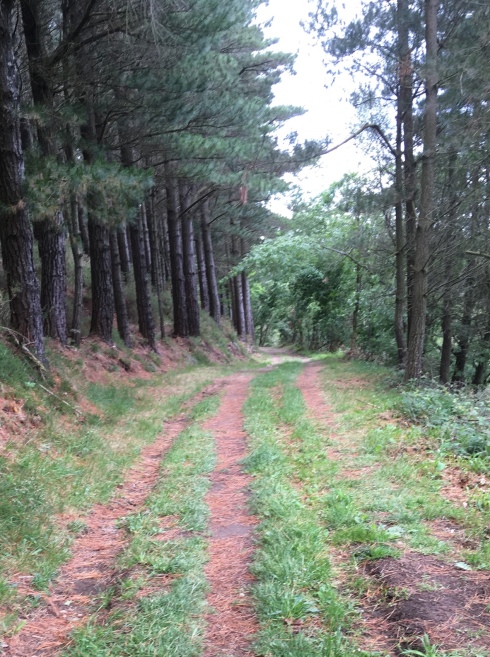
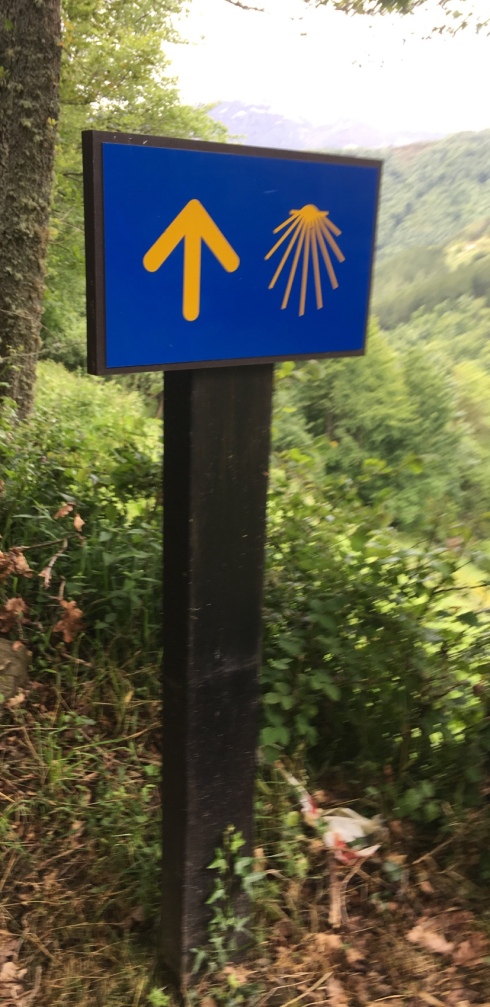
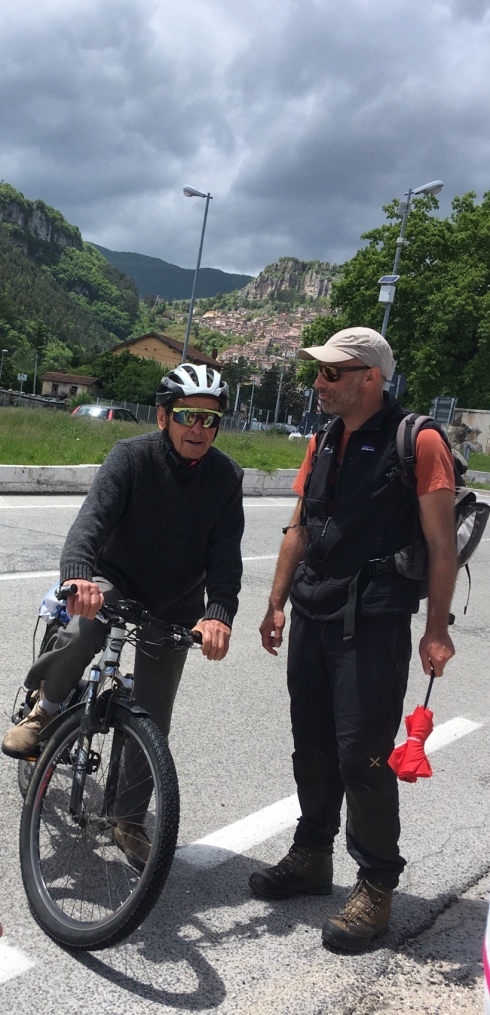
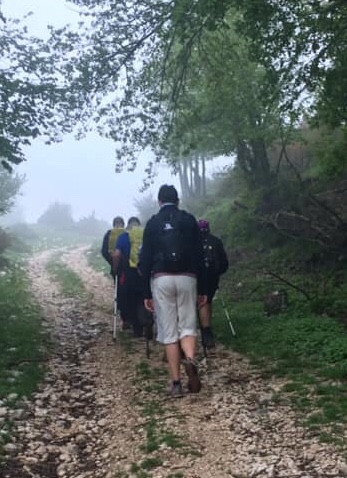
We walked off these heady brews along the Camino Brigante, thankfully rain free. A number of Brigands were in need of some siesta time by then.

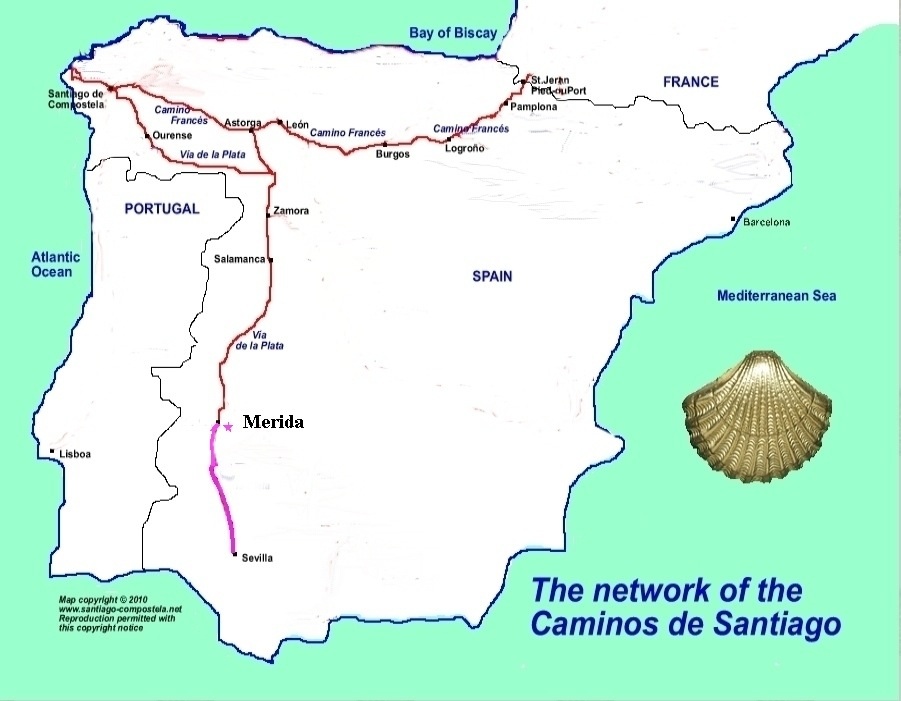
Camino de Briganti – A Saunter I the Bandits’ Countryside- Abruzzo.

24 May

Flight from East Mids was fine and although it was late in the evening we were well driven to our first stopover, in a Mercedes Minibus.

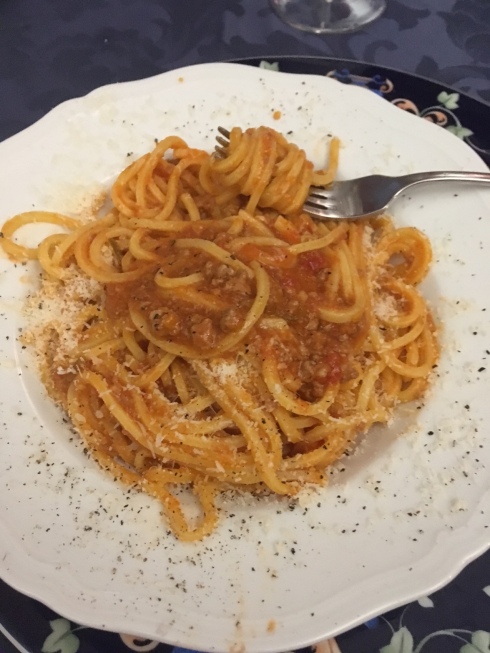
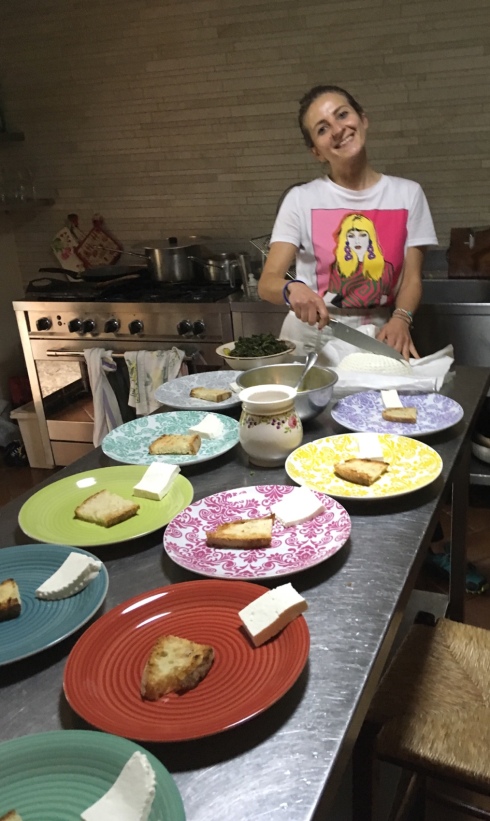
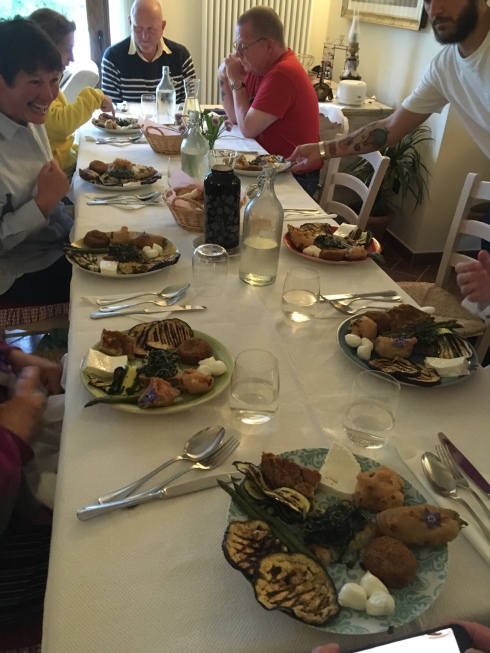
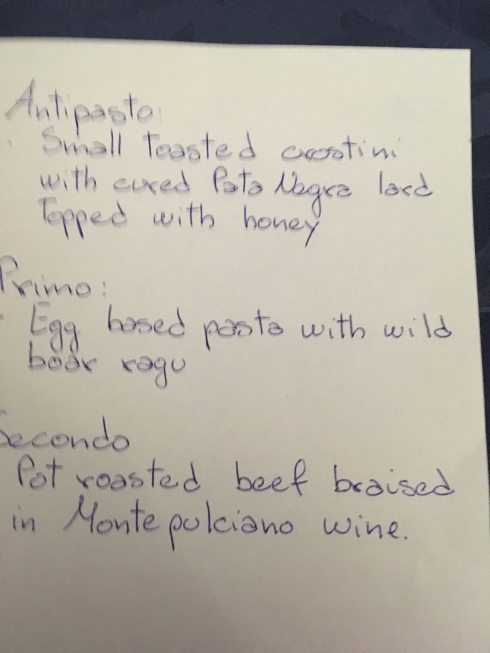
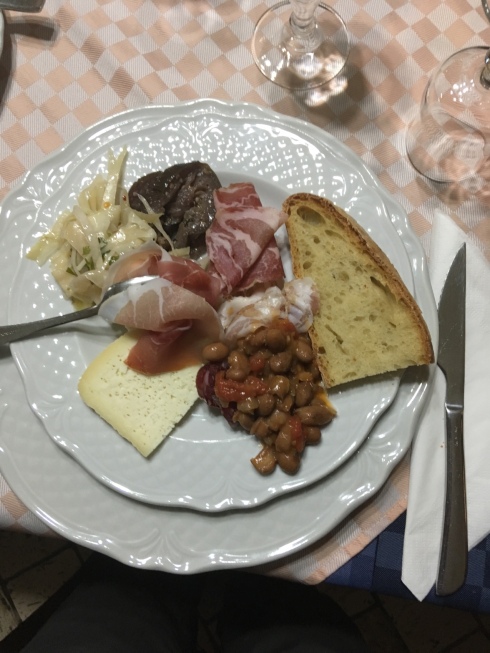
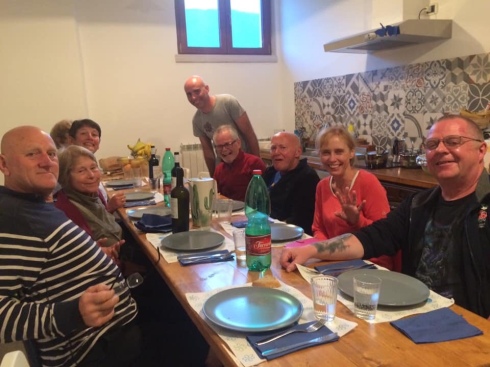
Remote it was, but the evening meal was stupendous – This was just the first course.

After that was Homemade Pasta and then plates of grilled meat 🥩! Help…..

We met Paulo on the transfer from Rome and he was to be our guide for the whole trip.

Great guy. And very knowledgeable about our Camino.

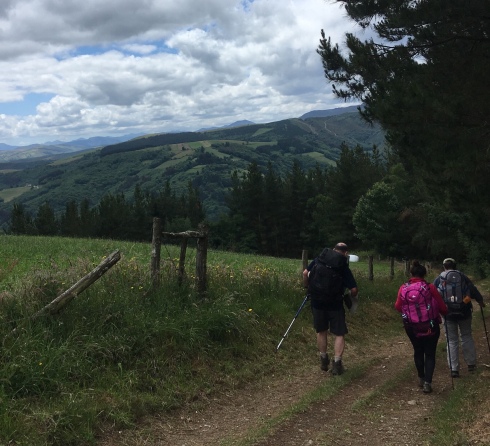
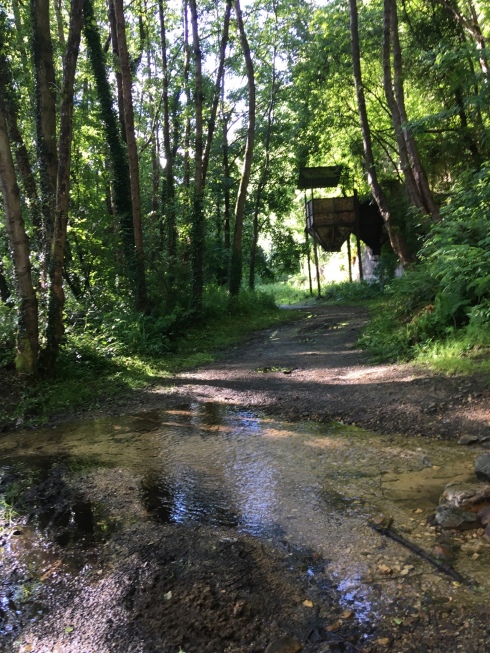
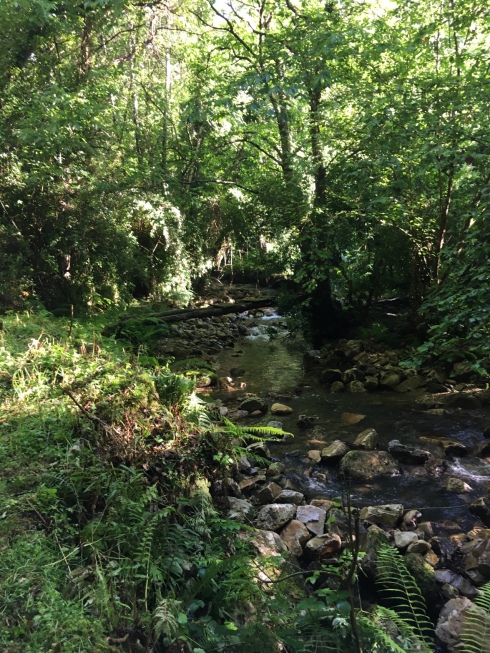
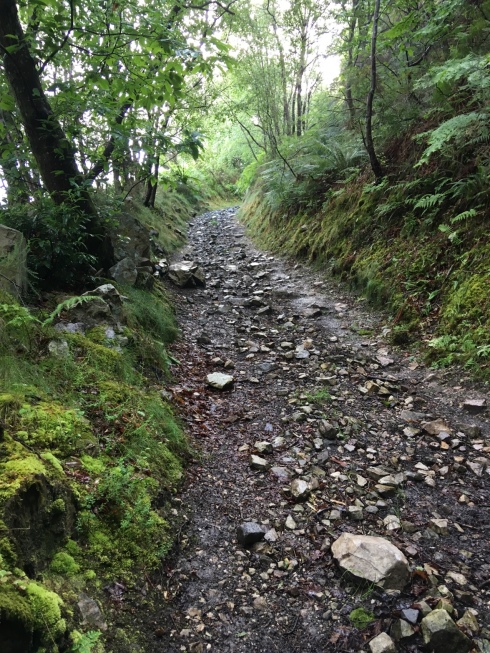
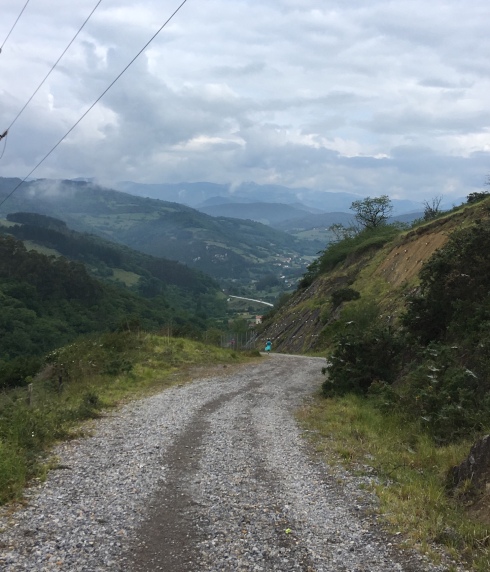
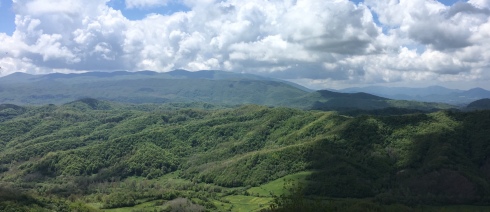
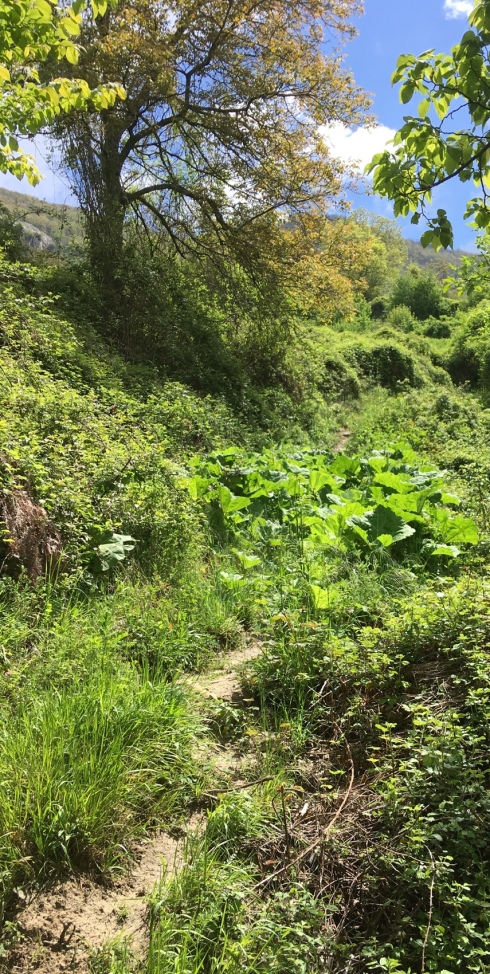
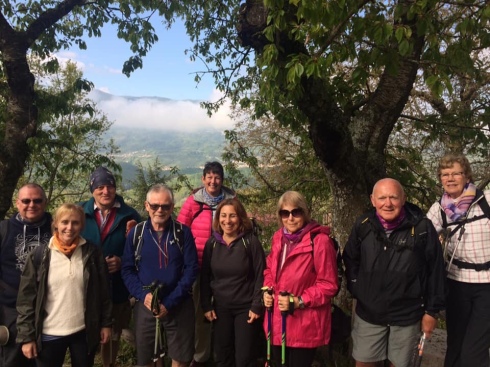
The first day’s walk was a quite challenging in places – flooded paths, some mud and a feature all the way – loose stones. All of this was irrelevant. The views were great.

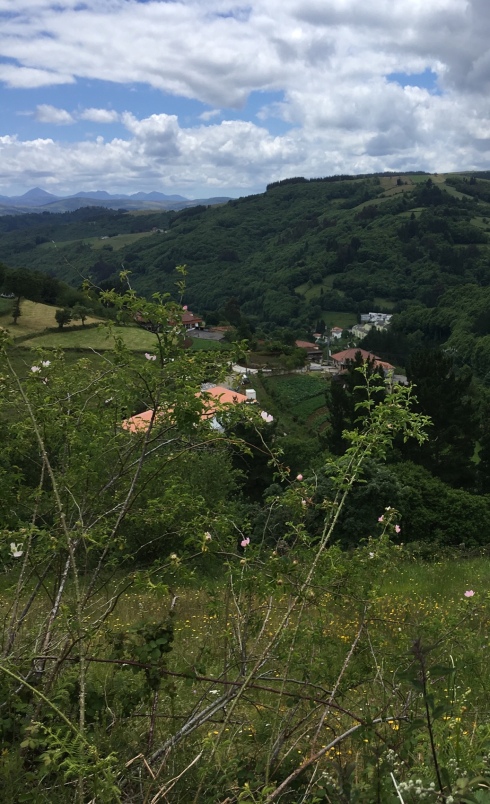
They speak for themselves- this is such an undiscovered region.

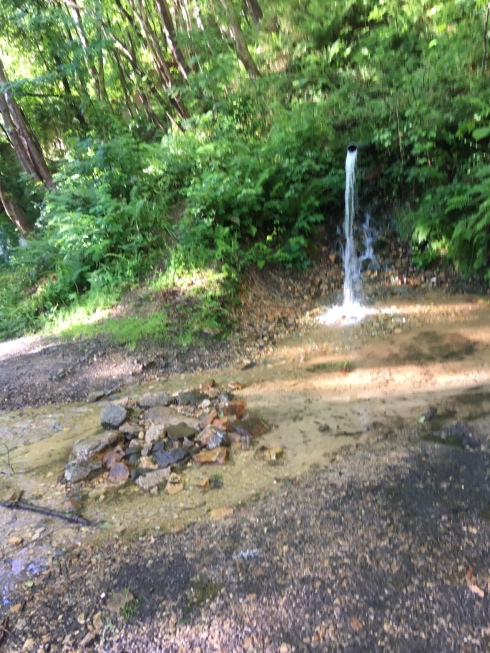
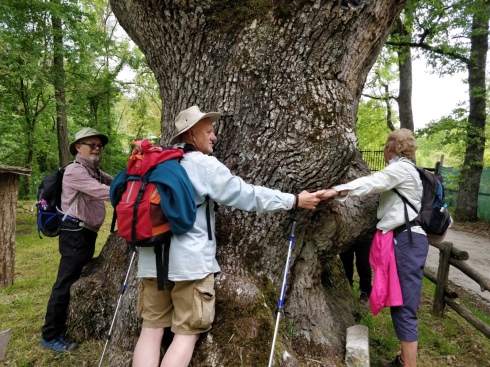
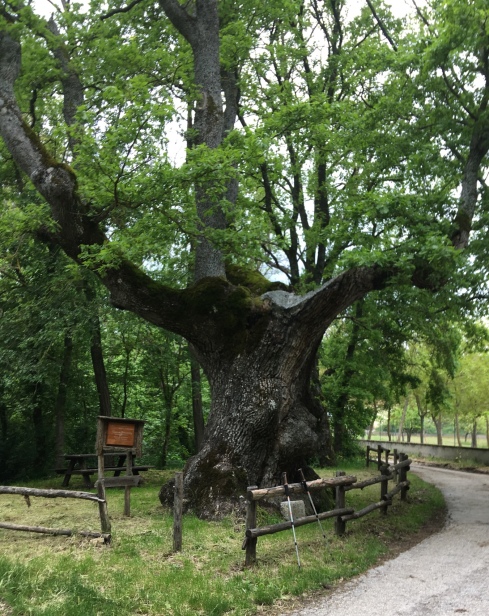
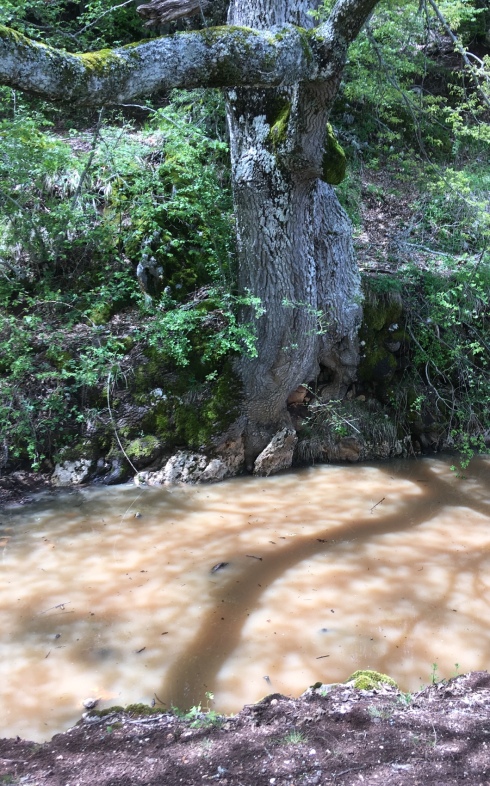
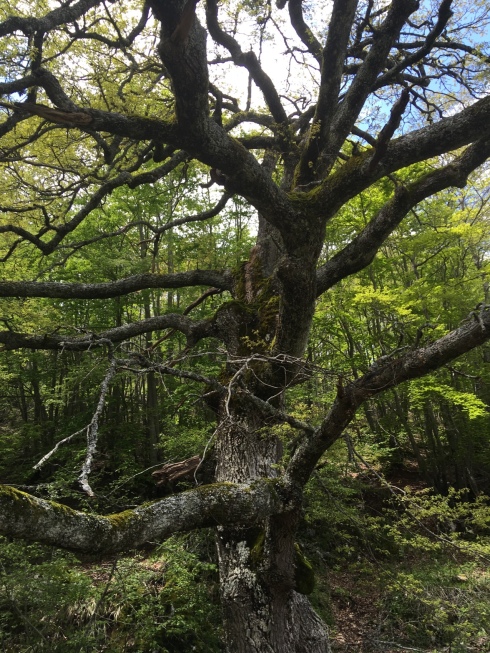
The water photo is a place where wild boars indulge in rolling about in the mud when the water level drops. It is also the site of an ancient Oak Tree.

Sadly, But inevitably younger people have deserted the villages we went through to find employment and fulfilment elsewhere.

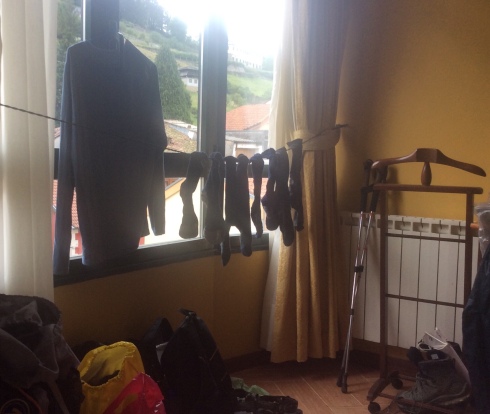
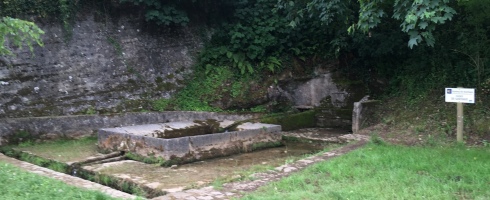
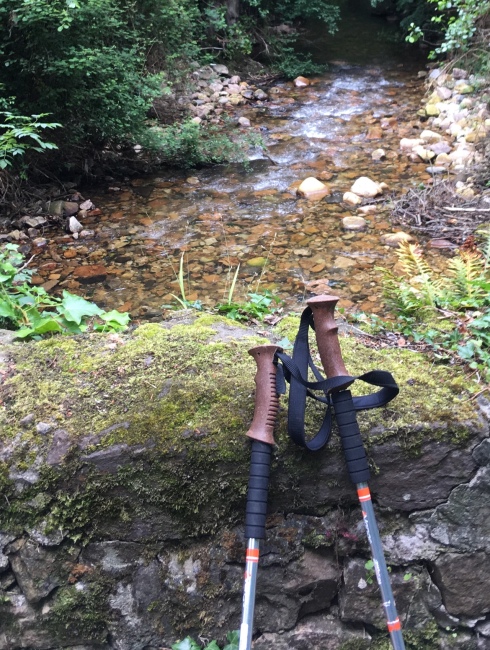
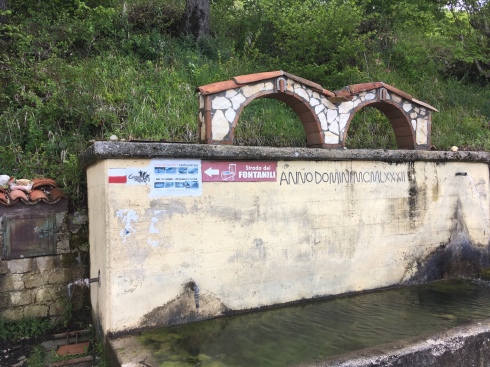
A tough walk at times, today – walking poles so essential – lots of water fountains.

Old

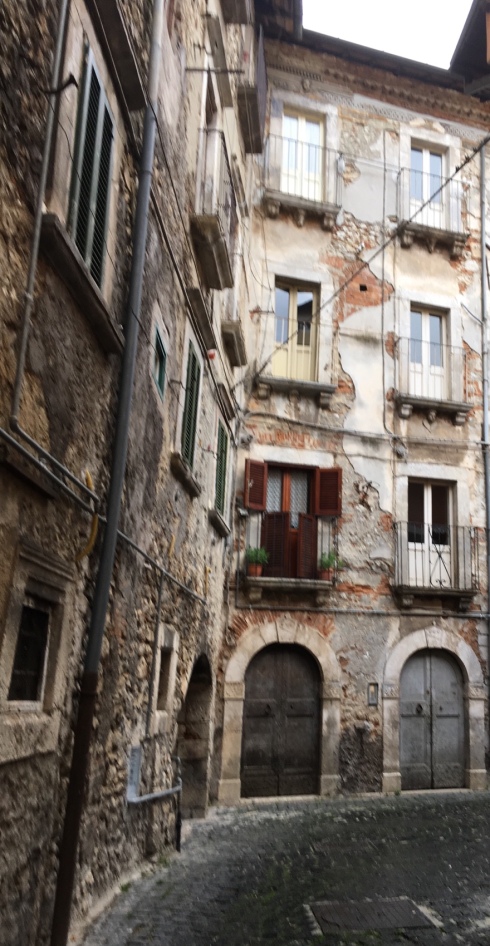
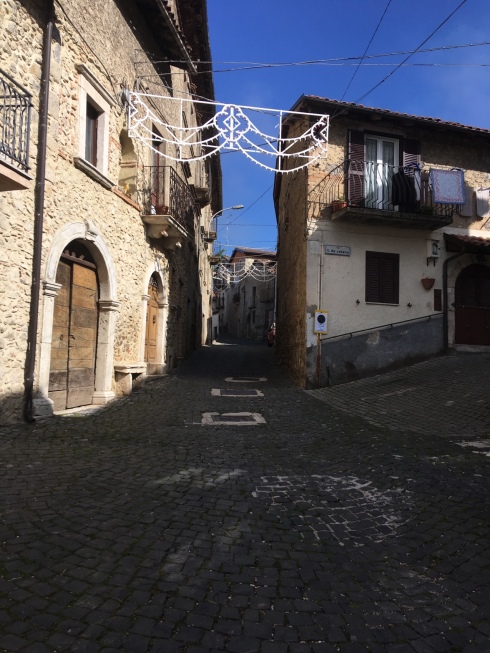
Old, quaint streets .And an authentic Pizza Oven.
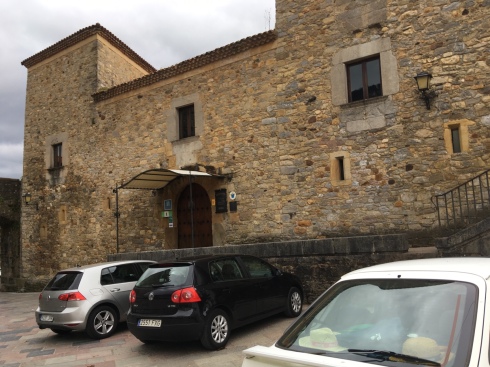
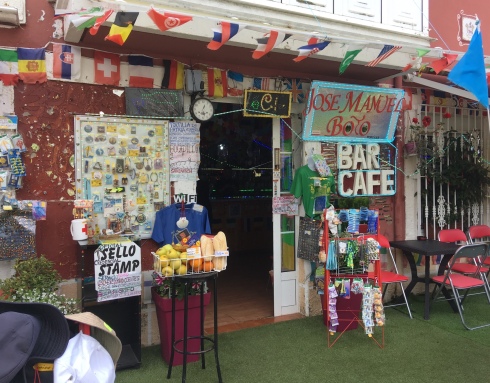
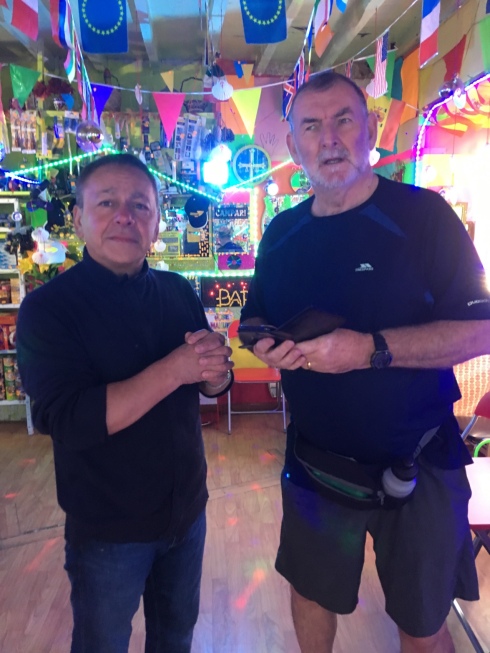
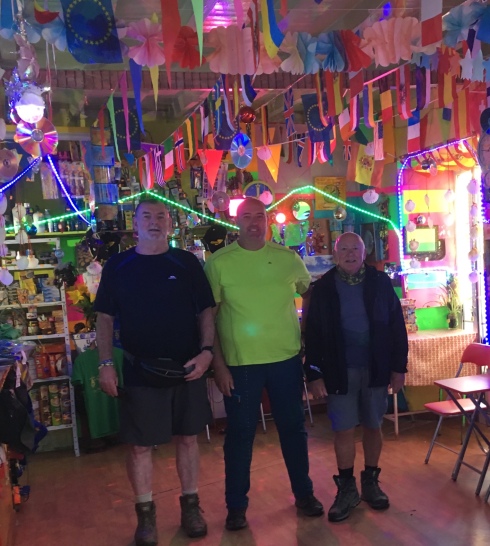
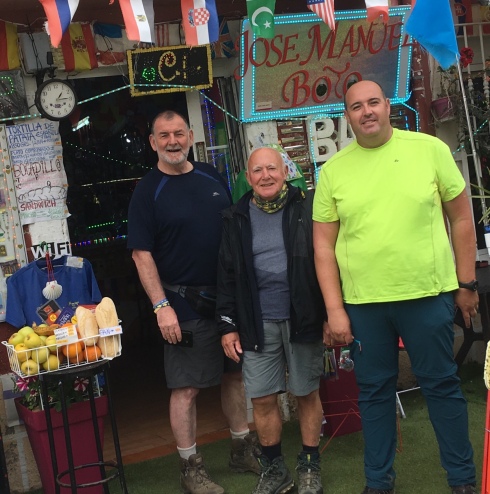
We walked and met good wishes from everybody we met – mainly locals – From our base we walked to a great bar an enjoyed a variety of locally sourced ales.

Then,back to base for Aperitifs and a sumptuous evening meal. Va Bene

WThe Abruzzo is already proving to be both challenging and beautiful – everything is arresting and memorable.

CAMBRIDGE AND ELY – A Three Day Break at Cherry Hinton.
27 Apr

Cambridge has been on the ” must visit” list for some time and it proved to be an awesome place. I can now quite understand why the author Zadie Smith said :
” Cambridge was a joy. Tediously. People reading books in a posh place. It was my fantasy. I loved it. I miss it still.”

Certainly, the grounds of the colleges were beautifully kept and one could not help but be a little envious of those who had the opportunity to study in such surroundings.

Occupied by the Romans for strategic reasons,developed as a trading post by the Vikings and most importantly in 1209, a group of rebel scholars, forced out of Oxford arrived and the rest, as they say,is history. A star-studded cast of scientists, authors and entertainers prospered here and the university has produced more Nobel Peace Prize winners than any other.

Following a recommended “trail” from the tourist office seemed like good idea, so many jaw dropping settings – the only problem was avoiding being run over by one of the thousands of cyclists that roam the city.

Although the Medieval buildings are so atmospheric, the place names resonant of a deeply Christian heritage, its museums are also in the heart of the city and freely available.

The river Cam, of course, adds to its attractiveness and punters were busy ferrying tourists, perilously – it seemed to me – perched on the back of the boats as they effortlessly manoeuvred their way .

A special mention has to be made of the college chapels and I was particularly taken by a simple crucifix commemorating the deaths of migrants at sea.

If you wish to visit all of the colleges, be prepared to pay for the privilege in some of them – though a good number welcome you freely.

Christ’s is the highlight and it’s setting alone is inspiring.

It was an exhausting but exhilarating day – walked over nine miles – and in a day’s visit you can only fit in so much. But, Ely was on the wish list and so a bus journey back to Cherry Hinton campsite, shower, beer and a BBQ.

Tuesday and a short train journey to Ely and its wonderful cathedral .

What a contrast – an oasis of calm compared to a somewhat frenetic Cambridge – following the “Eel trail” was recommended.The Eel is celebrated with a procession every May, but the main focus was the Cathedral.Ethelreda,a Saxon princess, founded a double monastery for men and women here in 673, the site of her shrine, a place of Pilgrimage for centuries is in front of the high altar. Work on the present building began in the early 1080’s and it is now a massive church, a resplendent” offering to God”, in the words of the Dean of Ely.

Oliver Cromwell lived here for ten years and his cottage now houses the Tourist Office.

Ely – an understated but very rewarding place – again blessed by a River, the Great Ouse, another attractive feature.

Three days and a full programme – I don’t know East Anglia very well but will have to revisit and try to do it justice.

Will finish by mentioning Cherry Hinton – an interesting place, good campsite in an old chalk quarry. Nearby are other quarries, now sites of special scientific interest, quite moonlike!

Exmoor and Dartmoor are sacred, magical places. You find a truer side of yourself there. Dave Davies – Lead Guitar – The Kinks.

18 Mar

Did you know: Exmoor is the only national location for the lichens Biatoridium delitescens, Rinodina fimbriata and Rinodina flavosoralifera, the latter having been found only on one individual tree?

Well, you could be forgiven for that.

Certainly the trees in the Lynn Valley generally and in the grounds of Myrtleberry Lodge were evidence of this phenomena.

Walking up to Watersmeet and on to the waterfalls was a magical experience.

The tumult of the River Lynn, the sunshine and birdsong – great start to a days’ sauntering in the Exmoor valleys and coastal path .

After Watersmeet, a drive to the coast and a walk along the coastal path and a typical valley , where the pace of the stream, enforced by half a day’s rain was breathtaking.
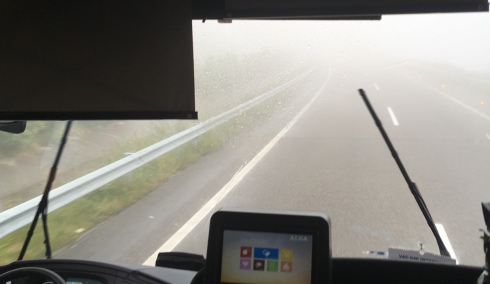
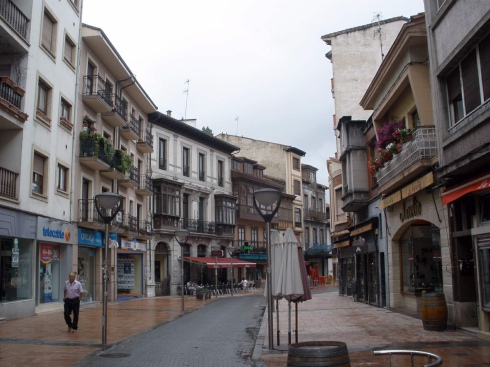
Heddon’s Mouth – then a long,uphill walk, including a half mile 1-4 gasper to the car psrk, near Martinhoe, an ancient hamlet

Everyone in good spirits, befitting St Patrick’s Day – we enjoyed our own parade.

Myrtleberry was a lovely retreat , in Exmoor, which ended too quickly – what an amazing place.
“All the beauty of the spring went for happy men to think of all the increase of the year was for other eyes to mark. Not a sign of any sunrise for me from my fount of life; not a breath to stir the dead leaves fallen on my heart’s Spring.” 
 R.D. Blackmore, Lorna Doone

Venturing in Minehead – Nostalgic revisit after half a lifetime – en route to the Myrtleberry cottage.

16 Mar

A welcome invitation from good friends to stay a couple of days over the Saint Patrick’s weekend in Myrtleberry was irresistible.

The destination is very near to Lynton and Lynmouth.

It occurred to me that the weekend could be extended by staying over in Minehead on Friday evening.

Why?

Well it is only a 45 minutes to The cottage from there, but the destination was born out of nostalgia.

In the 70s \ 80s, Butlins’ holiday camps advertised “ Venture Weeks” at some of their centres,taking place over a month around Easter.

Billy Butlin was not altruistic- this was an opportunity to warm up the camps, train staff ready for the main season – it was still quite visionary.

I had taken children’s’ groups to Venture Weeks in Minehead,Bognor Regis and Phwelli, over twenty years – Minehead always had the best qualified staff for the children’s’ activities which were wide ranging from abseiling to chouckball ( a kind of handball ). They came from St Luke’s Exeter and St Paul’s Cheltenham- PE specialist colleges.

It was a week of On- site activities and off- site excursions. This formula was the same in all venues and it worked well.

I shall always remember Minehead off site for the West Somerset Railway Trips and what was billed as “ The Big Walk” – Coaches dropped us off at Dunkerry Beacon on Exmoor and we walked 10 miles back to the camp…sorry holiday centre. Moans a plenty and that was only from the staff.

Inevitab,ly the children would later be asked to write about their Venture Week – often the Big Walk was what they remembered most!

Today,walking past the Minehead Butlins ( nominal, as Rank took it over years ago – might even be owned by someone else now ),I was struck by the enormous canopy and The Maisonette like accommodation.

The first years we went, it was still lines of single storey rooms with toilets interspersed!Not that it bothered us,or the children in the slightest.

With all the developments I thought that maybe the Boat Lake as it was called, would have been tarmacked over, but no, it was still there. And I recalled that the session on the lake was a highlight for the children, paddling around in canoes. It was also popular with ducks and though shallow, lined with Guano…!

My fondness for it was such that whilst accompanying the children on the lake in a double cayak, with another teacher, as we herded the children in at the end of our session, staff on the bank took the children back to their billets…only Glen and I managed to capsize our craft and fall in to the lake, whilst trying to disembark!

TG no Iphones in those days.

We waddled back to our primitive bunkers and ran hot baths…my abiding memory is of us, in separate baths, I should add, laughing our heads off.

I was fortunate enough to have enough willing staff prepared to give up a week of their Easter holiday to accompany the children on these many weeks. I think they all loved it – 24 hour wrap around care – I certainly did and am forever in their debt.

We were staying the night in The Quay, a free house on the Esplanade and a great pub it turned out to be – food and accommodation top value.

This the view from the bedroom.

Minehead was much bigger than I remembered, I was struck by its cleanliness and despite or because of the huge Butlins” campus, genteel in an old fashioned way. Opposite the West Somerset Railway Station, the council have recently erected some notice boards featuring aspects of the town’s history and development – some fascinating old photos.

After a further walkabout it was time for a drink in The Duke of Wellington and back to the Quay for dinner.

Nostalgia for a place can be disappointing but on this occasion pleasantly surprised.

A walkabout on one of the town trails leads you through parks and over bridges up North Hill, to the splendidly situated St Michael’s Church – peaceful and terrific views across the bay.

The trail led downward to the pretty, little harbour and coffee in the sun – that was the last we saw of it, though.

Then it was time to bid farewell to Minehead and face the challenge of Porlock Hill, a drive across the edge of Exmoor – really windblown and scenic – a decent in to Lynmouth and a narrow road to Myrtleberry Cottage.

Deceleration on the Camino de Santiago de Compostela

11 Dec

Over the last few months, I have become very interested in the idea of ” deceleration” in the context of the Camino.

This has been mainly as a result of reading the work of Katharine C. Husemann – Lecturer of Marketing and Giana M.Eckhardt,Royal Holloway University of London, in an article published by the Confraternity of St James, March 2018, No 141 and by attending a presentation they made on Saturday,8 th December 2018 at Southwark Cathedral, again organised by the Confraternity.

The presentation was a distillation of the article, notes from which I made some time ago and attach at the end of this blog.

The presenters were very engaging and quite rightly made us aware that they had walked sections of both the Portuguese and Frances Caminos, interviewing a range of people and making their own field notes – I suppose that’s what I had been doing all these years on the Camino, too! But not coming to any definitive conclusions.

My own notes from the presentation are what now follow:-

Feeling immersed by contemporary culture.

Need to escape.

Space ant time to self process

Camino not sole escape route – Slow Food, Travel movements and growing popularity of Yoga, health retreats.

Diminishing Time resources in era of Ever increasing demands on time

As life goes faster we increasingly feel “ Time poor”

A Camino can be an “ Oasis of deceleration “

How do people achieve this?

Christian devotion

Sin remission

Self fulfilling experiences

Transcendent spirituality

Tourism

Physical adventure

The Camino is mainly populated by well educated, middle class people,

from urban areas.

Pilgrims experienced a slowed down experience altering, adopting, eschewing forms of consumption.

Things happening in their own time – freedom from deadlines, tyranny but not that’ll rejection of technology

We get the when we get there – speed impt in daily life not essential.

EMBODIED DECELERATION

Travel per day – walking is the ultimate slow mode. Natural rhythm

Experience of physical discomfort / pain

Listening to what your body tells you

These inhibit…slows you down, more reflective more likely to engage face to face with others

TECHNOLOGICAL DECELERATION

Controlling technology not following it/ ruled by it.

Less Facebook , more face to face, even with people who a day ago were complete strangers.

Quality of conversation

EPISODIC DECELERATION

Decrease in number and variety of actions per day

Simplicity of experiences

Reduction of consumer choice Eg Menu Del Dia / Pelegrino Eg lunch is not Pret A Manger with 30 different sandwiches/ soups

Walk, Eat, Sleep

You have only to consider what time you start, where you are going to finish

What to have for breakfast

Where/when to have a break

Albergue or hotel

Dinner?

TRANSITION

Gradually you let go of the impulse to race/ rush

Walking becomes therapeutic

Adjusting to a rhythm

Questions for Pelegrinos

Did you experience Deceleration?

All three forms?

Was it difficult to slow down?

Was it a holiday?

Were you able to hold on to Slowness on re- entry into everyday life back home?

Religious or Spiritual experiences?

Were they Slowing down related?

A lively question and answer session ensued as you would imagine with an audience of experienced Pelegrinos.

ATTACHED NOW ARE SOME MORE EXPANSIVE NOTES FROM THE MARCH ARTICLE.

CAMINO PRESENTATION NOTES

SPIRITUAL QUEST CULTURE  – A generation of seekers is looking for encounters with something bigger than they are –forces at work here, the nature of contemporary modernity, social fragmentation, secularisation, individualism and asccelerati on. And people are finding it more and more difficult to create…

MEANINGFUL  BONDS – Little opportunity to stop, reflect and connect –  yearning to re-connect. Perhaps best understood as a quest for spirituality, endeavours to to explore and connect deeply with one’s inner self and to the known world and beyond. Since its inception the camino has been a place of …

INTERCONNECTIONS AND MEANINGFUL ENCOUNTERS – with God, the sacred, nature, fellow pilgrims and troubadours.In fact, Finisterre, located along the Spanish coastline was long thought to be the end of the world – no place you could be nearer to God than at the end of the world. Today the motives for walking are manifold as the pilgrims themselves. Christian devotion and sin remission are still relevant concepts for some pilgrims, but equally or more so , are self transformative endeavours, tourism, physical challenges or one of those 100 things to do before you die.

RESONANCE AND TOP UP – Despite the changes and extension of motives, pilgrims still talk about meaningful encounters – to a friend, to a stranger, to the beauty in nature, to the self, or to a greater power. What a writer, Hartmut Rosa calls the experience of “resonance” – it pulls pilgrims in, and quite often makes them come back – repeaters like me that need a “Top UP” on this experience after being back in the “real world”. Finding unity, wholeness and interconnectedness is seldom found in contemporary modernity.

But if found, people want to preserve it and hold on to it. The camino fosters meaningful encounters, what has been called …

SPIRITUAL MAGNETISM – with its rich religious history,impressive historical monuments, magical [ especially in Galicia { and to some extent inaccessible geographies – it reminds us of pre-modern times, radiating a sense of nostalgia.The caminom is situated in the midst of rurality as well as urbanity, sacredness and profanity, the ordinary and the extraordinary. But the WOW factor is its slowness, its relevance to today –

AN EXPERIENCE OF DECELERATION –its the slowness that provides pilgrims with the time and mindset to deeply connect. Allowing you to slow down in 3 ways – physically, technologically & episodically.

PHYSICALLY – walking, what used to be the norm but is not so nowadays.

TECHNOLOGICALLY – not so much about throwing away your I Phone, but rather a feeling of gaining control, eg checking for e-mails once a day at a time of your own choosing.

EPISODICALLY – only engaging in a few decisions each day eg when to stop for a beer, what time to go to bed. EAT, SLEEP WALK – REPEAT.

BONDING – the camaraderie, sharing of pain and stories, face to face, rather than online – core experiences. Pilgrims get attached to their equipment, the gear they use – Your boots and walking  poles epitomize the pilgrimage as no other objects do. PLUS walking for dasys, weeks even slowly, thru the countryside, via fields, forests, and wine growing regions: following rivers, climbing mountains, along busy roads, thru industrial areas, at the mercy of the elements such as wind, cold and sun – a strong bond with nature and surroundings in general. Lastly, pilgrims sometimes feel strongly connected to the…

SACRED – which can take different forms and shapes on the camino.

According to Myth the camino de Santiago is a place where the gap between heaven and earth is particularly thin.

Encounters can be religious services [ Vespers] or rituals, but a decelerated and …

NON – EXPECTING MIND – which can facilitate an experience of meaningful connections..

PHYSICAL AND MENTAL SPIRITUALITY- not necessarily sought after,  EG some of my SC Rambleros were looking forward to a nice hike in nature connected with themselves, others materially, nature or the sacred in ways they had not anticipated.

The challenge of the camino comes after its completion – to try and remain mentally on the camino when one gets back to daily life.

Apologies for the small font!

I hope what I have included goes some way to doing justice to the concepts shared by the two lecturers – I just felt that the ideas were very interesting and deserving of as wide an audience as possible.

The suggested need to ” top up” has a special resonance for me as I think back to the times on the way when I have said to myself ” what the hell am I doing this for?”

Or, ” that’s it, that’s the last one!”

Only to find myself on Ryanair’s website a weeks after returning home, planning another one!

A West Dorset Foray in to the Forest and the Jurassic Coast.

2 Nov

Once again Dorchester beckoned after accepting another invitation from my sister Penny.

As if by magic, my brother Matt appeared just after our arrival, fresh from a flight to Southampton from Holland. A terrific surprise- another one of those spontaneous decisions for which he is becoming infamous! We made a quick trip across the road to the Wednesday Market and then after lunch a visit to the Shire Hall Court of Justice – rather a misnomer considering all the heinous and unjust sentences that were decided there.

There are many other interesting buildings that you pass en route Shire Hall.

The courthouse museum has a very impressive facade and after ascending a few steps you are instantly made aware of its, at times, nefarious history.

The museum aims to share stories of people who experienced the justice system in Dorset from days gone by. With lots of history and stories to tell visitors are treated to an insight into what the criminal justice and injustice system meant to people through the ages. It’s probably one of the only chances people can see what prison cells from the 18th. century looked like and experience what it feels like to walk into a courtroom!

You can choose from a selection of its famous cases on the audio guide and I had no hesitation in choosing the Tolpuddle Martyrs. All the exhibits, cells and courthouse are pretty much as they were and it makes for a gripping visit.

There was also a temporary exhibition by the TUC, which was more than fitting as the outcry caused by the sentencing of the Men from Tolpudddle caused such an outcry, it is often credited as the genus of the trade union movement.

The afternoon sunshine made a walk along the River Frome even more enjoyable and the heading on a noticeboard proved irresistible.

After all that history and walking it was good to return to a favourite pub of Penny and Matt’s – The Convivial Rabbit, tucked down an alley – a micropub with a warm welcome.

The next day saw the five of us off on the walk to Thomas Hardy’s cottage, though by a different way this time, passing a beautiful mansion on the way.

And crossing the River again, we couldn’t help but draw a comparison between the notice on the bridge and the merciless sentencing we witnessed the day before – a real predilection for deporting people for relatively minor offences.

Whilst some visited Hardy’s cottage, Penny, Matt and I had an all too brief walk in ThornCombe Woods and Puddletown Forest; two places that were great favourites and inspirational for Hardy as a youth. And you could see why…idyllic woodlands.

We made our way back via Stinsford Church and paused in the churchyard to look at the headstone of another great poet.

The sun was in just the right place to snap the beautiful stain glass above the altar.

And Hannah insisted on taking a sibling snap.

The late afternoon found us on the Jurassic Coast,overlooking Ringstead Bay with views of Portland and Weymouth.

. A quaint church lies below and you can just make it out from this viewpoint.

Saint Catherine’s By the Sea. Resembling nothing more than a garden shed, the tiny timber built church on the slopes of White Nothe is in a spectacular setting. Built in 1926,it has recently been restored and services are held here now. The engraved glass window is by Simon Whistler, son of Lawrence and is in memory of a local farmer and Rachel Nickell, victim of a notorious murder on Wimbledon Common in 1992.

The aforementioned sun was setting splendidly over Chesil Besch as we made our way back to the car and then a 20 minute drive back to Dorchester.

A thoroughly enjoyable couple of days in great company and hospitality. Hopefully, we shall be back for further exploration of this wonderful county.

An all too brief stay in Dorchester with my sister and brother.

20 Sep

Penny and Matt preparing a great dinner in Penny’s apartment, Brewery Square,Dorchester. Matt was over from Holland for a few days. I had two, but we packed lots in.

Our first walk was to Maiden Castle, an ancient hill site – biggest of its kind in G B. The weather was very blustery up top, but not cold.

On returning, via the very impressive Queen’s Avenue, we called in at another ancient site,adjacent to the town – the Maumbury rings – it has a chequered history for such a compact, little site.

That evening we visited a couple of excellent pubs, including the Convivial Rabbit , where all the drought beers and cider are on tap.

Next day, began with a walk around the weekly Wednesday market – just across the road from us and what a feast for the eyes – for once not dominated by textiles, instead a variety of local produce and interesting brick a brac.

Then after coffee in the Shire Hall, seat of the old county court – a place I intend to visit with its history involving such famous events as the Tolpuddle Martyrs and the grim Judge Jefferson – we walked in to Hardy Country.

Dorchester has many links with Hardy, The Mayor of Casterbridge for one. We walked along the Mill stream, then crossing by the River Frome, we passed through the water meadows. After what seemed longer than 2 1/2 miles and much Blackberry foraging, we came to Thomas Harry’s Cottage, bequeathed by his sister to the National Trust.

I must confess to not having read any Hardy since my schooldays, but after this visit my interest has been rekindled. The setting of the cottage, with the surrounding woodlands is memorable and yet simple, like the lives his family led there and a habitat to which he returned time after time, despite fame and fortune.

The gardens are maintained, too, pretty much as he knew them. The size of the cottage belies how small the rooms are and all as was. I was very taken by his simple writing desk, a gift from his mother.

The bedroom was set for dressing and a recipe book in the kitchen reminded us of the Victorian era and its class expectations.

Apparently Harry’s eldest memory was when he was two years old, awakening in his cot to find a snake cosily asleep on his chest.

The plainness and practicality of every room was evident – the only ” modern” facilities being the dirt water closet and the well. We were encouraged to draw some water from the well, but nobody was keen on the closet.

Adjacent to the garden was a shed which housed the cider press, a drink as popular then as now.

The peacefulness of this place – no surfaced roads nearby – was enticing and we reluctantly left the garden to visit another place, literally, close to his heart.

A 10 minute walk across the fields brought us to where Thomas Hardy’s heart is buried in St. Michael’s churchyard, Stinsford. (Stinsford appears in his novels and poems under the fictional name of Mellstock.) … However, after his death, the authorities at Westminster Abbey suggested he be buried in ‘Poets’ Corner’.

An ancient site, the present building underwent considerable change over the centuries, but it remains as Hardy knew it.

Hardy’s approach to religion was ambivalent. He loved the Bible and knew many passages by heart and also fondly remembered the choirs. But he loved the setting and the place this church had in his family’s life. He was christened there, too.

In 1930, a stained glass window was placed as a memorial to him, with his favourite quotation from 1 Kings 19 enscribed within it.

The call of the pulpit was irresistible and I had to give a brief sermon.

A memorable visit and it has enthused me to read some autobiography of him – his relationships were complex, as this extract shows.

And which novel to begin with? I think it has to be ” Under the Greenward Tree” as its characters and setting closely recall the two settings visited today.

“If we be doomed to marry, we marry; if we be doomed to remain single we do.” “To dwellers in a wood, almost every species of tree has its voice as well as its feature.” “There’s a friendly tie of some sort between music and eating.”

The villa in Canyelles

16 Aug

Canyelles is a town in the upper east of the Garraf comarca (area) in the south of Barcelona territory, Catalonia, Spain.

I have to confess that I had never heard of the place until Tom booked the villa,last year. There is an old town and a 15 th century castle nearby.

Its chief attractions are its location, in the hills , its calmness , good services,especially the Eurostar supermarket,where we would go nightly to select from a great choice of fresh fish,meat and vegetables- not to mention the wine.

Tom arrived in the afternoon,we had already met the local agent and set up a few necessities, including coking a meal for when Dan was to arrive,which wasn’t until quite late -very slow at The Barcelona car hire booth. Great excitement when the children got to explore and saw the pool. Very amused when Martha asked:

” Grandma,is this your new house?” – we wish!

So on Sunday morning there began a series of days at the beach ( 15 minutes drive to Vilanova y Geltrú ) in the morning,lunch,quiet time then the remaining hours in the pool. The children were indefatigable in their delight.

The adults were pretty fond of it,too. Tom was the inspiration behind most of the cooking,mainly on the state of the art BBQ -we enjoyed a feast every night.

Monday,6 th August was the great day and the main reason why we were sharing this super place together. Barbara’s 70th Birthday. Beautiful fine,silver bracelet from the children,lots of cards and a table decoration made by Rosie Power, one of our Rambleros.

So, after a short morning at the beach it was back to the ranch,shower and off for a celebration lunch in Canyelles.

The routine of beach and pool continued for the next two days – it was very warm,33* but bearable,given that we were never far away from water as you can see.

Thursday was overcast and showery as forecast, so some of us drove down to Vilanova for a walkabout and a visit to the Catalonia Railway Museum. Lonely Planet was quite dismissive of Vilanova, whoever wrote that section could not have visited the extremely helpful thirst office,where we obtained a town plan and suggested walks. The town has some Belle Époque villas, built in the 19 th century by citizens returning from South America, having made their fortunes in a variety of enterprises.

I really enjoyed the railway museum,lifelong love of the steam era. Very informative notice boards in English about every exhibit and I got real sense of the impact the railways had, both on the social dimension and the industrial scene.

Friday saw us all back st the beach for the last time. Vilanova’s esplanade and beaches are wonderful and so child friendly. Tom got into naval mode and soon everyone had the chance to go to sea.

Ice creams were called for – Martha in raptures over hers and Florence was curious about them all – well,Florence is curious about everything! Jake and Martha had great times together.

It was another great day and we were unanimous in our enjoyment of the whole week – a momentous time had by all.

We went our separate ways on Saturday. Tom and Vickee off to the Dordogne for a week on a campsite. Nelly and Dan back to Berkhamsted,via Barcelona.

We had to be back by Tuesday, giving us the best part of four days for the return journey to Brum via Calais.

We set off at midday, after tidying everything up, heading for the Midi-Pyrenees region via the Cadi Tunnel, thus avoiding any serpentine like twists and turns over the mountains.

Our destination was Montech, a pretty town on the Entre Deux Mers Canal, which runs from the Med. to the Atlantic. It is also known for its Puente de L’eau, a stretch of waterway ingeniously designed to move barges,bypassing a series of adjacent locks.

The Sunday market was a feast of fare,brought in by local farmers , dealers and an enjoyable coffee was taken at La Place, overlooking the square.

Having spent two days in Montech there was a long drive upto any destination within a hundred miles or sos striking distance of Calais. We reached Pont de L’Arche, on the River Eure,chosen because we had stayed there before and it is a small, peaceful site, within handy walking distance of the town, where we experienced a traditional Moroccan meal.

Calais was reached in just over two hours on Tuesday morning,having booked the 12.35 crossing with P & O, the night before,giving time for some shopping and wine buying.

It was Calais au Soleil, a rarity – and the crossing, though late in departing was very smooth.

So, 30 days and over 2000 miles later we reached home; even the Dartford Crossing and the M25 were bearable.

The driving in France and Spain had been a pleasure – great infrastructure- not a single hold up. Unlike the unlovely M 20, with its scruffy weed covered centre barriers and three sets of roadworks in 30 minutes – welcome back to Little Britain.

I don’t suppose there will be a holiday quite like that again and we all had a great time.

A week at Cambrils and a visit to a more salubrious Salou.

7 Aug

An easy journey of an hour or so to Cambrils to a very well situated site – Camping Platja Cambrils – large pool and beaches a five minute walk away.

One day, Hannah and I walked along the passeig, past numerous villas and apartments to Salou. The last time we went through Salou it left a very unfavourable impression, but what a pleasant surprise – no tackiness although busy and slightly less classy than Cambrils. It is generally associated with the nearby Portaventura theme park, but now boasts green spaces and a school of music.

Took the local bus back as the temperature eased past 36*

Cambrils old town merges with The Passeig Miramar, just by its little Port.

There are some interesting sculptures here, almost acting as sentries on the border between the two.

Sometimes, all this walking and shopping can get just too much.

Much of the time was spent at the beach or pool.

Evenings brought the inevitable delights of cold drinks and bbqs.

Cambrils retains its charm – the old streets are a pleasure to wander along

and the locals, very friendly.

Simple things – all locally sourced.

Hope you like the new hat 🎩. Must get a haircut before meeting up with the family, at the Villa in Canyelles.