1242 miles on the road ( and English Channel ), From Brum to Puebla de Sanabria . I am writing this up on what is technically the third day of this trip. We are now on the Isla de Puebla campsite,in the Zamora Province, not far from the Portuguese border.A thunderstorm, expected everywhere in the North of Spain, is passing overhead, small slices of ice are pinging on the roof of the motorhome, thankfully for only a short period. The temperature here @15.30 was 27* – it is now 14*. The weather will get back to normal overnight, according to forecasts and then tomorrow we make for 🇵🇹 Portugal.
But I’m getting ahead of myself. The journey began last Friday morning when Hannah and I drove down to Berkhamsted to my son Daniel’s house. Great to catch up with the three grandchildren, Nelly and Dan.
Super bbq as well. We left Dan’s place just before 1 am,giving ourselves plenty of time, we thought, to arrive at Dover for the 4.10 am ferry to Dunkirk.Not so – warning signs on the M25 warned of a closure on the M20, between junctions 9 – 11. Well, not to worry we said, there will be diversion signs. Leaving the motorway at Junction 8 as directed, we looked in vain for Diversion signs – not a chance. A lorry,registered Czech Republic, was just in front of us, so I reasoned he would be making his way to the port of Dover. Thankfully I was correct in my assumption as after 30 minutes on Kent country lanes, we reemerged on the M 20 South of the closure. Saved by a European driver – again long live the EU and borderless trade between our countries.
Instead of the usual hour’s dawdling on the quayside,we were directed straight on to the ferry and enjoyed a calm, restful crossing. The unlovely aspect of the port of Dunkirk.
Dawn had long broken over the Pas de Calais and in developing sunlight we cruised Southwards towards our planned breakfast stop – a superb Aire , Baie De Somme – Built to fit, ecologically in with the Somme Valley.
Traditionally, I avoid toll roads, seeeking to use France’s excellent Route Nationales, but experience has taught that an expedient use of the Peage network can be very time saving. In the past, like most drivers, you pull up at the toll booths, wait your turn and extract a ticket, then on leaving the motorway, queue again then insert your ticket and credit card to make payment . My attention had been jealously drawn to drivers who entered and exited via lanes reserved exclusively for “ telepeage”.
Thanks to a fellow rambler and friend of mine, Rob, I was given a link to a website,”emovis -tag.co.uk”from where you could obtain tags – two separate tags – one for France and one for Spain \ Portugal.
These you attach to your windscreen on the mottled shaded area behind the rear view mirror.The instructions said that as you approach the barrier, a device by the barrier will read your tag, securely extract your unique reference number and the automatically open the barrier.
It was with baited breath that we approached “liber-t” lane on our first Peage of the trip. What if it didn’t work? Would we be stuck and have to endure the impatient beeping of horns by those waiting behind us?….The tag beeped and the barrier lifted to great cheering and flag waving in the rear of the bus! As it has on every occasion since in both France and Spain. Not only is time saved – no queuing – but it saves the fellow passenger the great inconvenience of half emerging from the cab door to extract a ticket and/ or make payment at every toll. The bad news is that you get billed at the end of the month.
The first campsite was Bois de Chèvre at Bonnaval – a site with good memories of previous stopovers. Mon Dieu what a change – it looked unkept, piles of leaves,and an aura of almost desolation – the jolly lady we remembered was no longer there and it looked to be one chap in charge. It had been a long drive and so it would do for one night.
Even the bar/restaurant was closed and aperitifs had to be purchased from the one man band in Reception.  Most unusual for France and I would imagine any reports on Camping/Caravanning websites would be quite damning, not withstanding the facts the that the shower- toilet block was spotless – though very 70s and tired looking.A great pity.
Sunday,7 th July en route for Spain. Taking the direct route. 75 miles or so to and around Tours. Went passably enough on the Route Nationale.
Needed to get around Bordeaux on its infamous “ rocade”. Driving wasn’t too hectic considering a lot of Parisians were en route South West. A good number eventually turned west to La Rochelle and Isles de Re. And as it turned out,Going around Bordeaux was no problem at all and it was not a problem to carry on towards the Spanish border.
The Pyrenees came into view passing by Bayonne.
Love the EU even more when you don’t realise you have crossed the “ frontier” between France and Spain – seamless. Bless.🇫🇲
Plan was to stay overnight at Camping Olividen just over the border, in the Basque Country…which we managed to find after a couple of reversals around roundabouts – Good job it was Sunday…Quirky little site, situated between a hyper market and a main road, but you were oblivious to them as everywhere was masked by trees.

We were ensconced and enjoying the space when a French lad opposite approached and asked if we had any “ jump leads”? He was with his wife and a little girl – an ancient Citroen Clio plus a tiny, neat caravan. D’ accord, long story cut short but eventually we got the car going by which time we had innumerable offers of help from fellow campers, including Dutch,French,Spanish and us. We drank to fellowship and the UK in the EU.
Treated ourselves to a meal in the camp restaurant- muy bien.
The weather forecast was for heavy cloud and some inevitable storms across the North.
Leaving San Sebastián was tricky but we made it out on to the autovia,many tunnels and occasional viaducts on the motorway-good driving conditions despite occasional “ Spits in The wind”. Great drive, so relaxing compared to the UK. Numerous places to relax, get fuel,etc. And diesel was so much cheaper than France – looking at €15 cheaper to fill up on a full tank.
Decision made to go on to Puebla de Sanabria, in Spain, which was the original route – storms would affect us whether in Spain or Nothern Portugal – got there in time for Han to have a swim before the aforesaid thunderstorm kicked in – just an average thunderstorm.
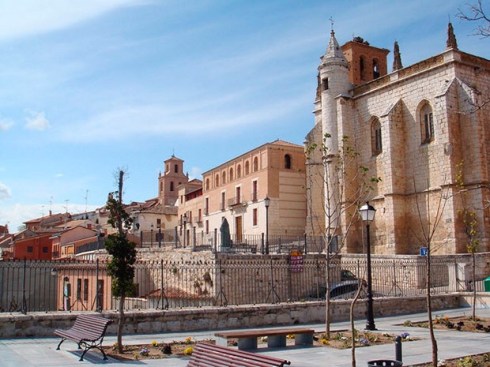
Shelved plan to walk in to this superb village – “The Rough Guide to Spain” hasn’t even included it – visit in the morning by which time the weather should have normalised.🌤
The campsite is on the river,just to the right,but masked by trees.
We had the village to ourselves and in bright sunshine enjoyed the tour – shops included.


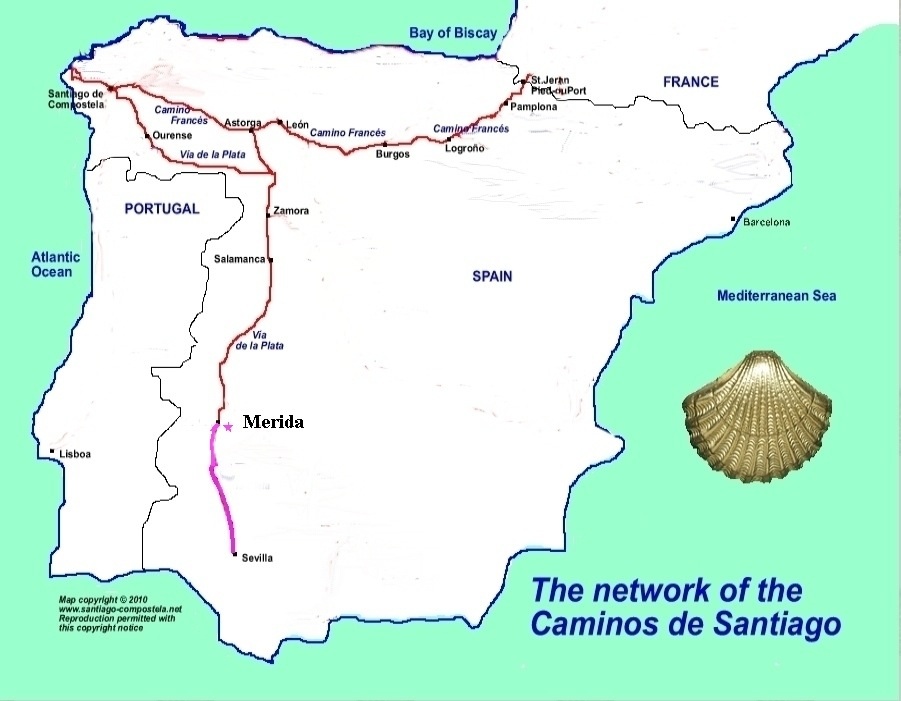
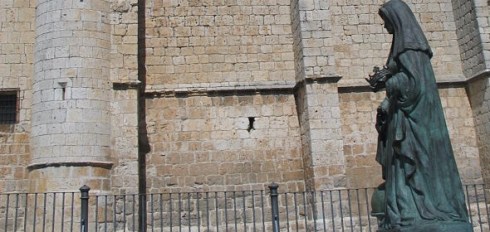
 I have a photo with e next to the sentry, taken when passing through here on the Via de la Plata,four years or so ago.
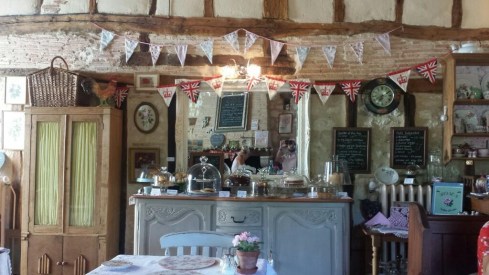
 Shops and then a ” Camino style” breakfast of Tostada with tomato and olive oil.


What a contrast in the weather and even more so now as I am catching up withis Blog on the terrace of the campsite in Caminha,Portugal – 30* – and a glass of Vino Verde.




 And so the next day,Sunday it was onwards and upwards towards Touraine in the Loire Valley.


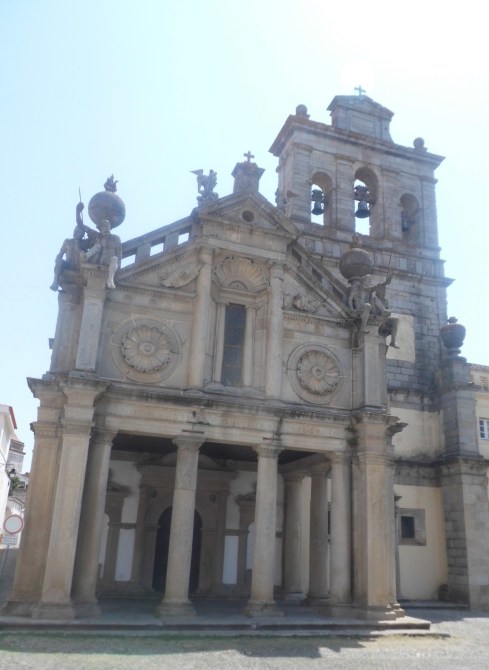






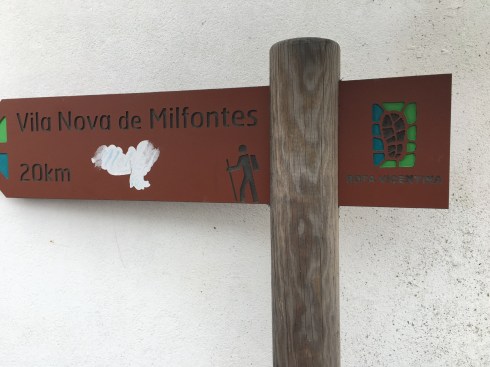
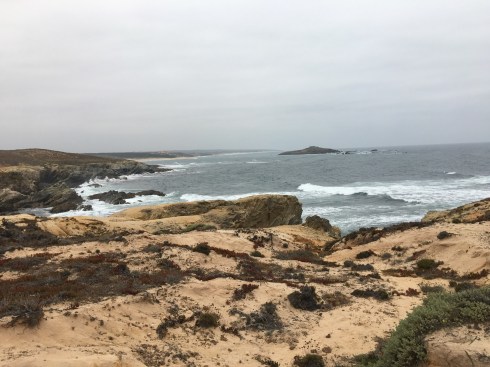
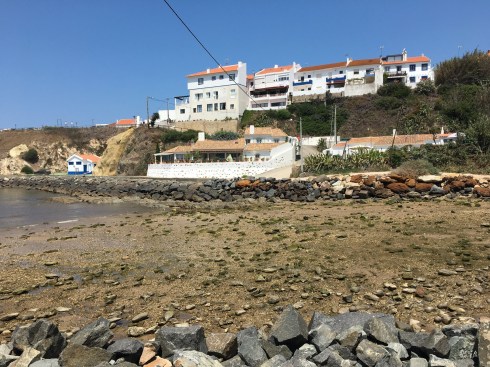
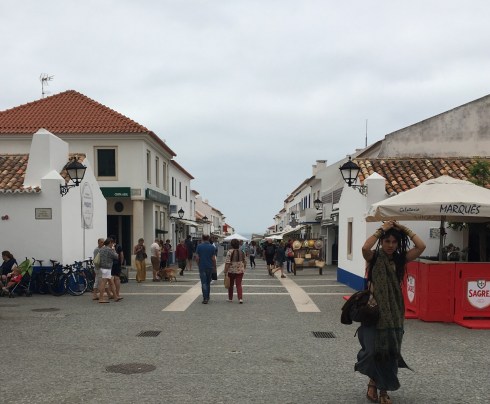
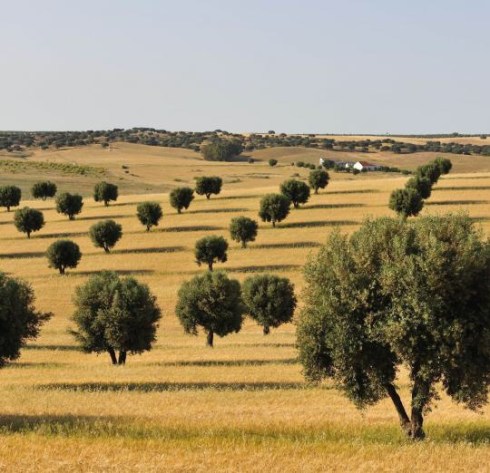 The coastline,however, is a dramatic succession of cliffs, wild seascapes and isolated beaches.

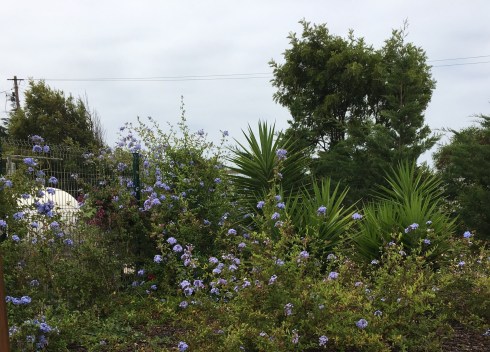
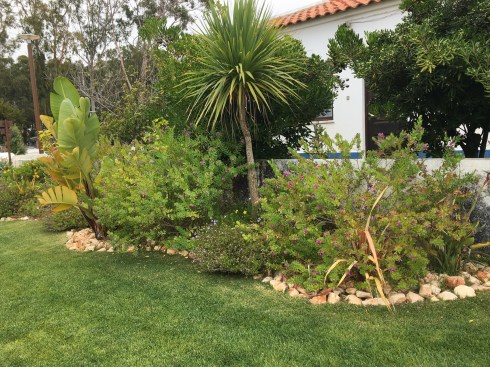
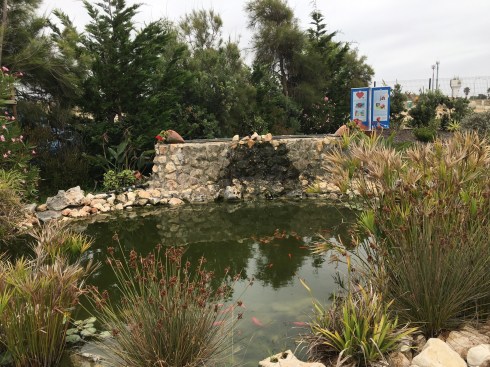
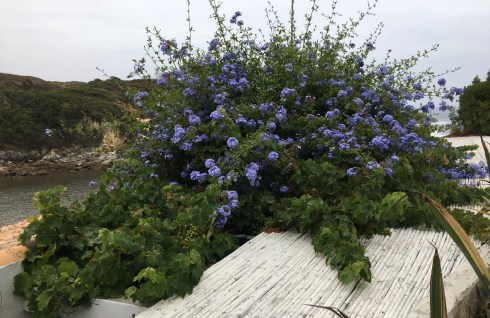 And, for sunbathers there is the choice between a good sized pool or a 6 minute walk to the beaches.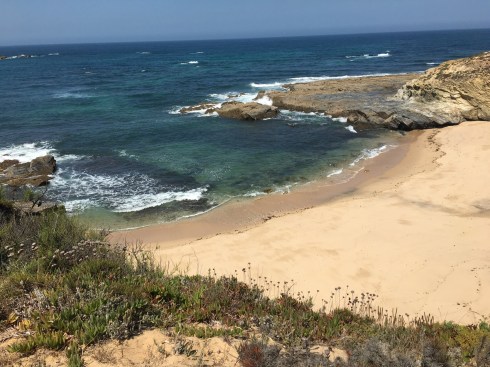
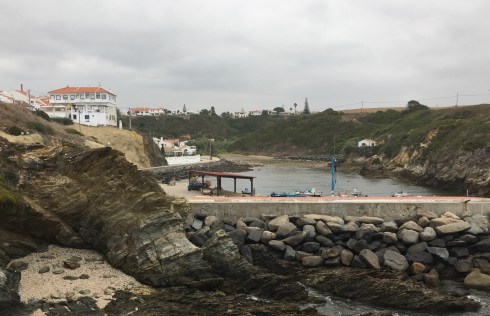




 .
.



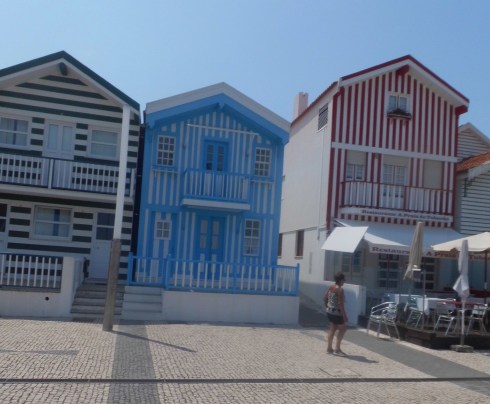
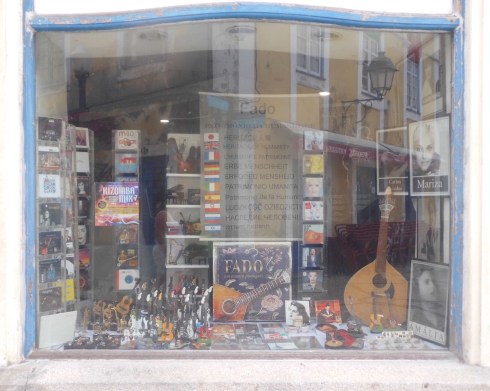
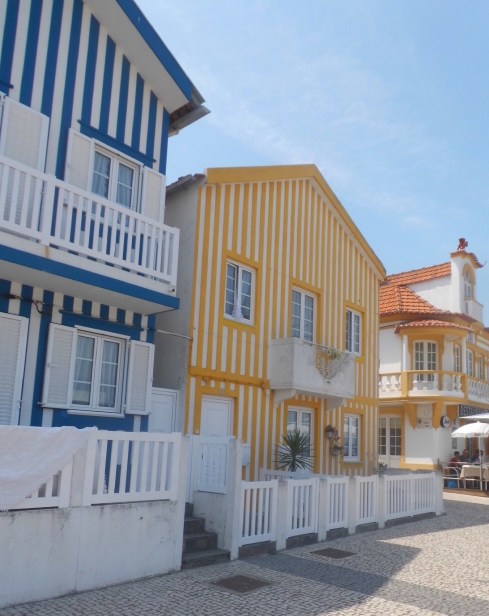 A couple of interesting shops featuring such disparate items as the Portuguese love of Fado music and sardine can collecting!

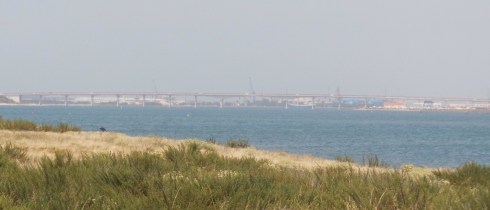
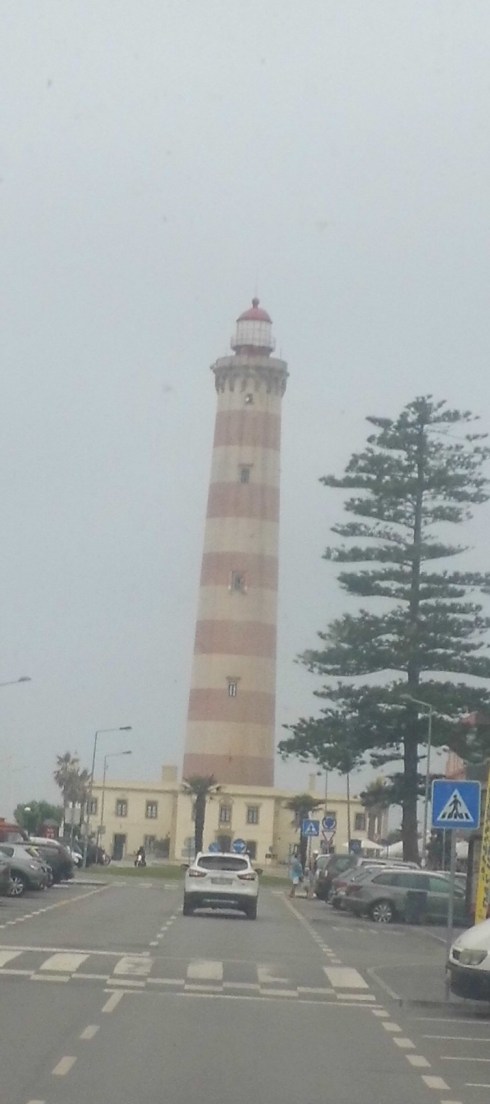 The immediate impression of Aveiro is the canal network and the brightly painted boats,initially used for collecting seaweed to be made into fertiliser, but now working loads of trippers around the canal network.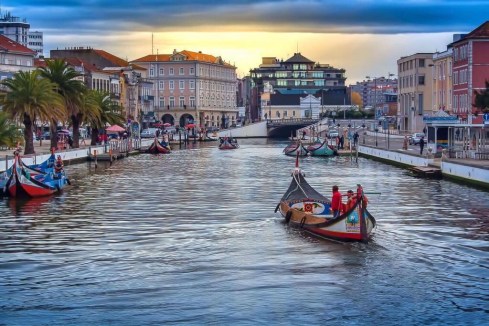
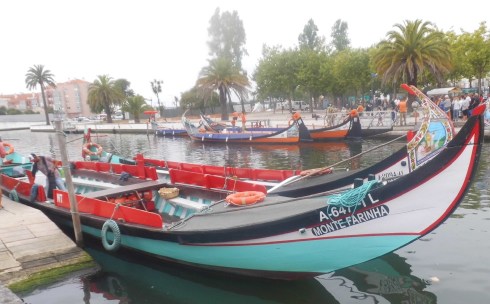
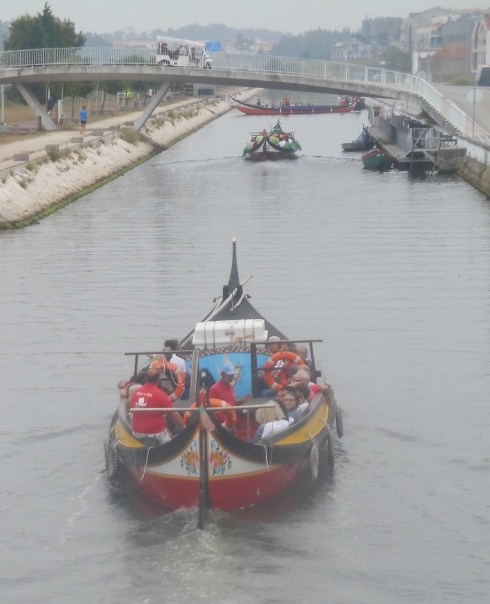
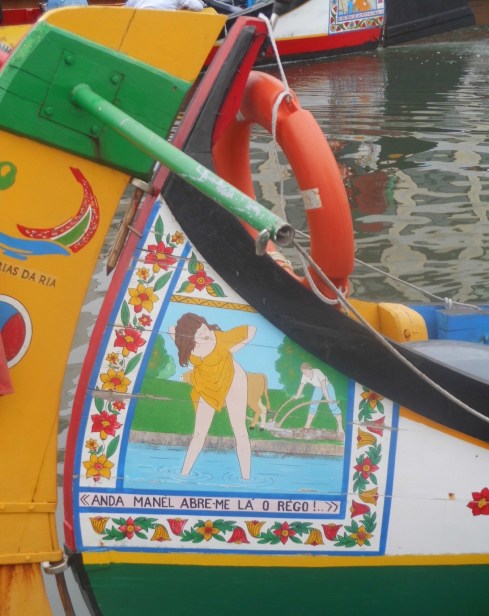
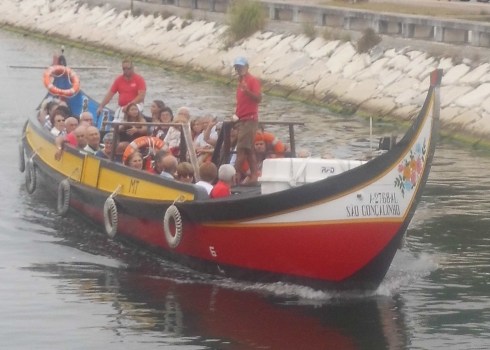 But you would not find such a saucy painting on an English narrowboat…
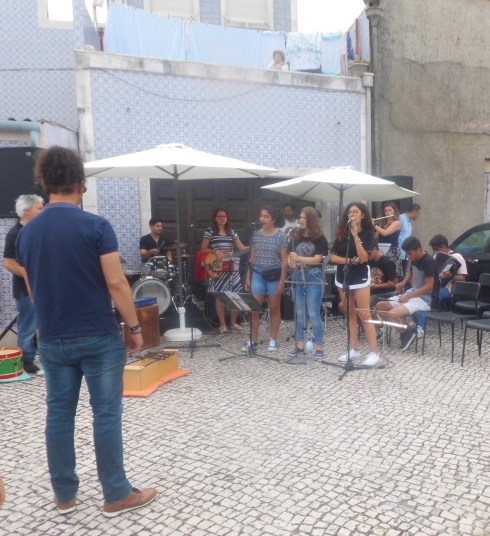
 As we walked alongside the canal we came across a concert by the Aveiro School of Music.
 Aveiro’s Old quarter has some eye catching residences, one or two to die for and one or two that looked as though they had given up the ghost.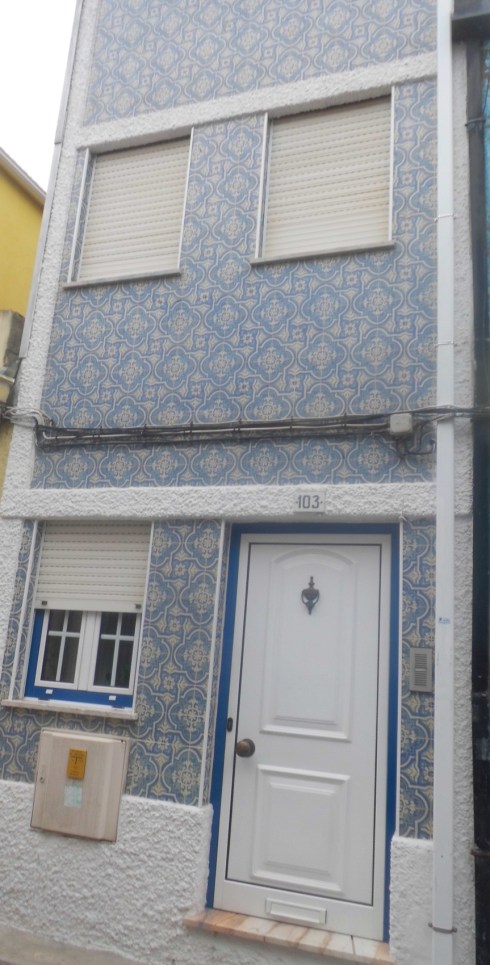
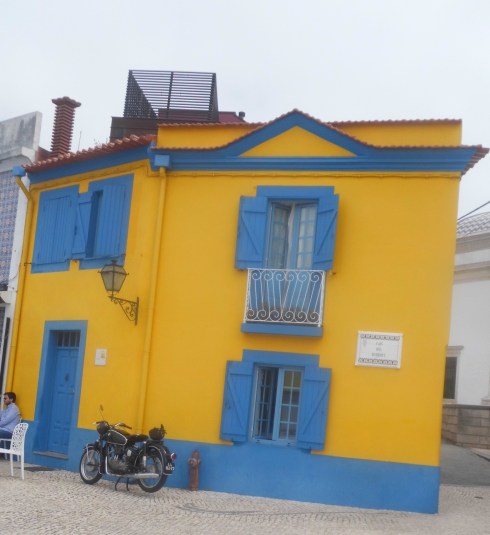


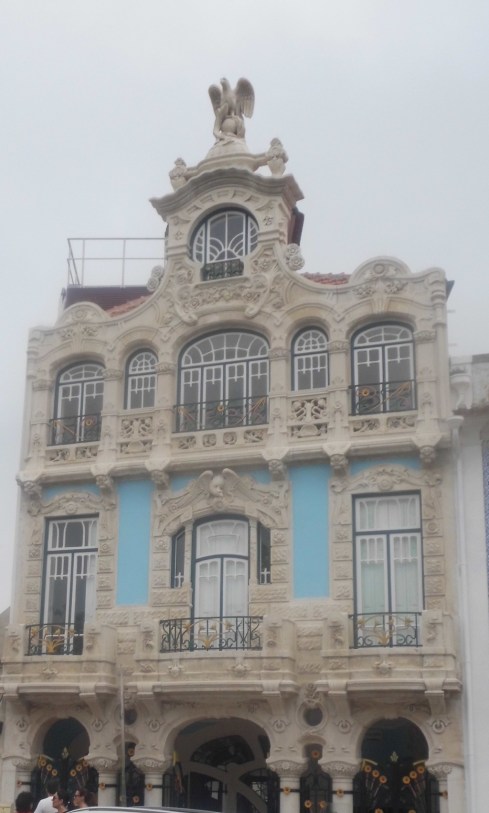
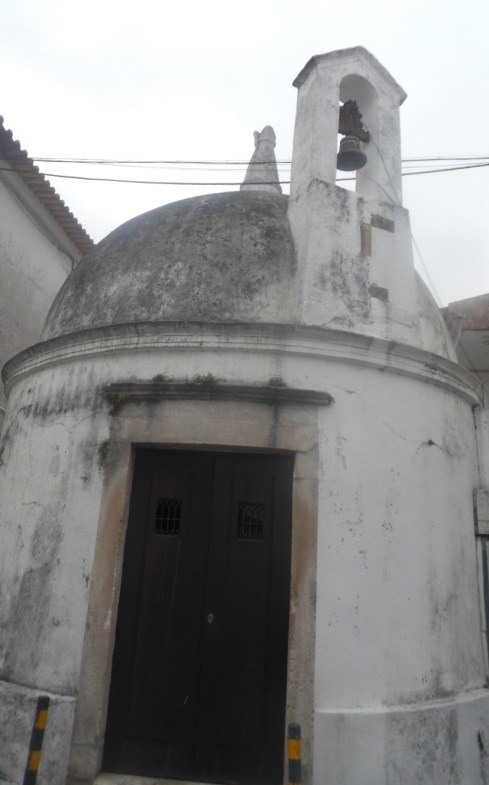
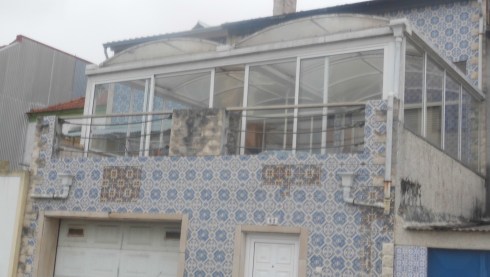 There are some fine civic buildings and venerable churches.
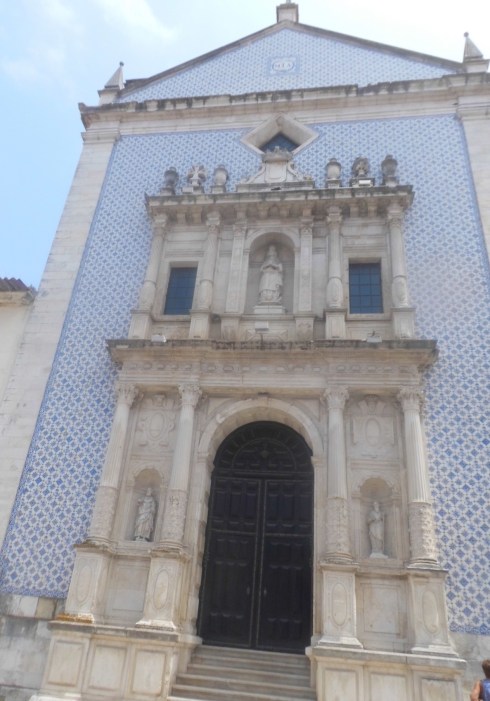

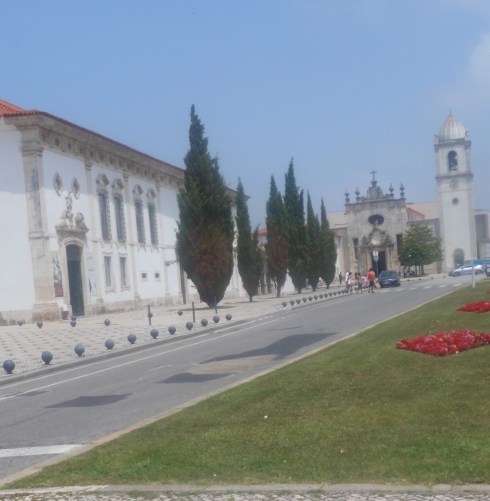 Theworks of long forgotten stone masons and a more recent mural.
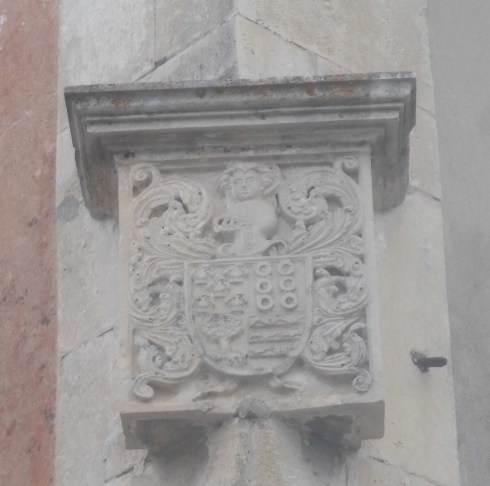

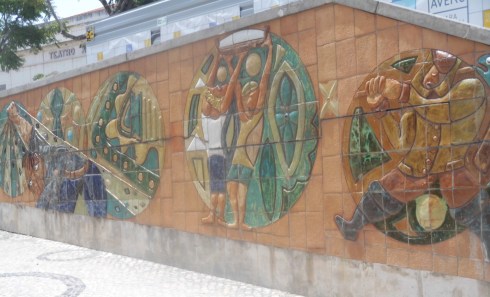 I was completely taken by Aveiro – unpretentious, friendly and fascinating.
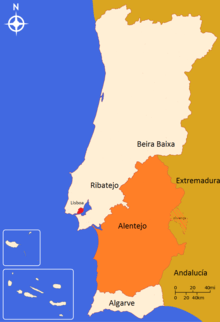
 It’s down the Alentejo region next via a stopover at Alcacer Do Sal.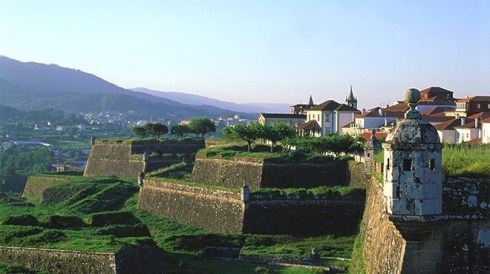

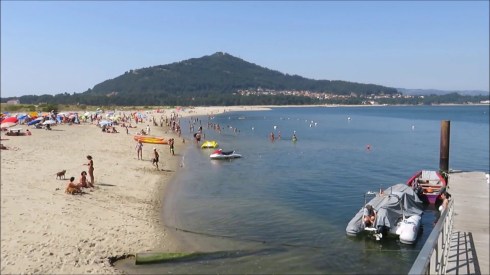 The campsite has good reviews and though small, has all the amenities.Hannah celebrated her birthday on the cafe terrace with breakfast, cards and presents brought from home and a lollipop presented to her by the waiter.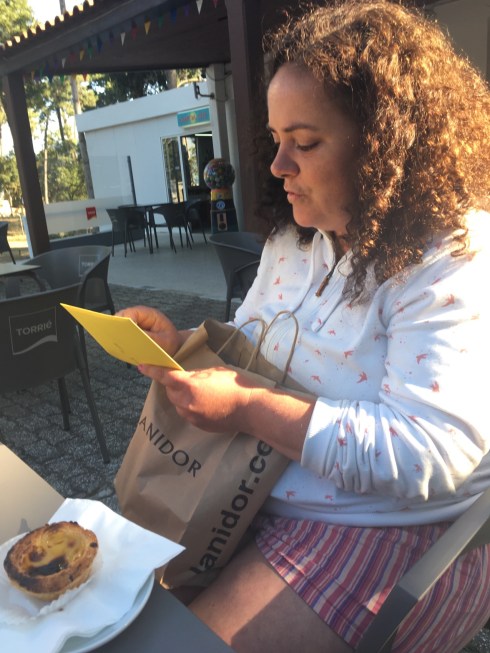
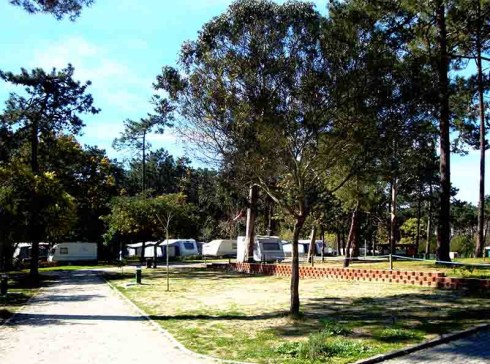
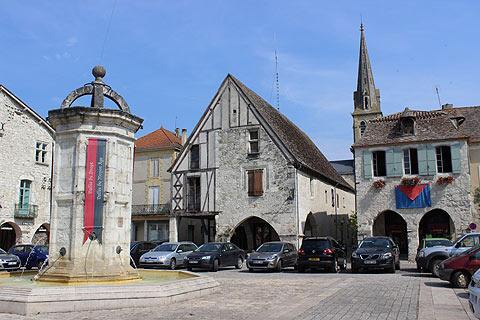
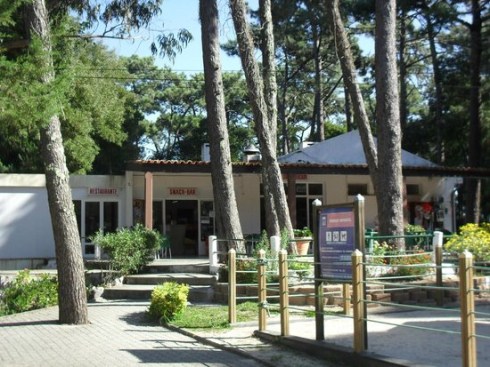 The hot sunshine for the four days here was tempered by breezes and made for a really relaxing time, exploring the town and for a walk through the adjacent pine forest. The town was once thriving fishing port, but most of its trade was overtaken by nearby Viano de Castelo, yet it remains a tranquil place with some fine architecture, especially around the main square.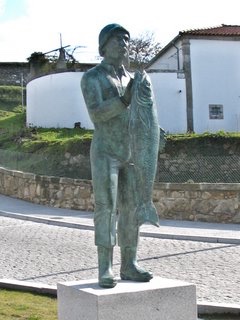
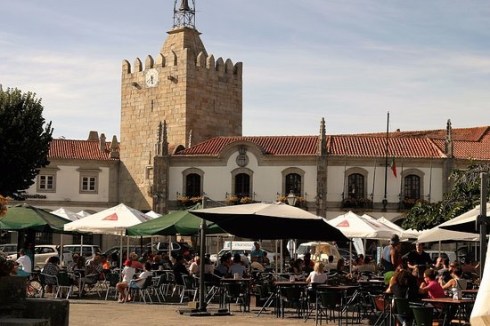


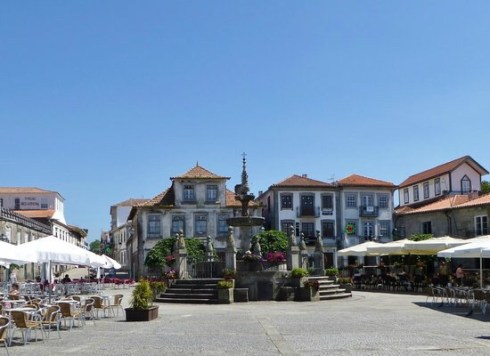
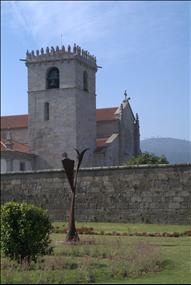
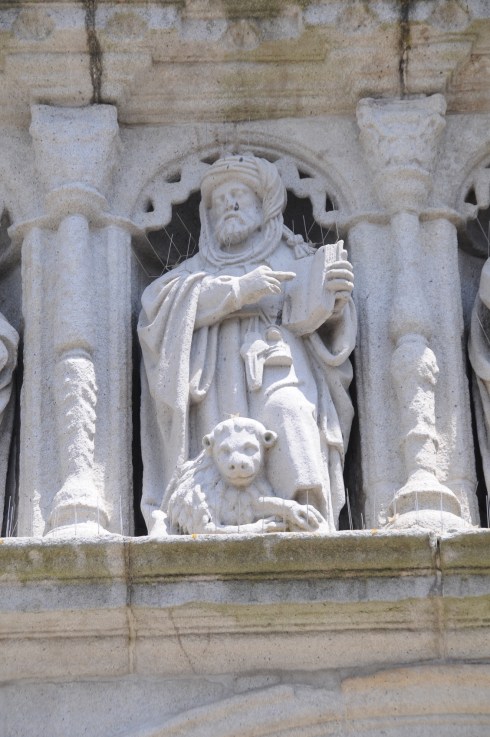
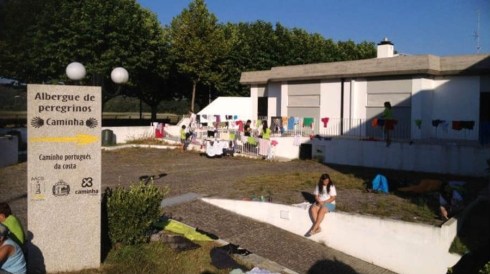 It’ a very pleasant walk along the Mino into town along boardwalks for part of the way.
 And after some sight seeing or shopping, the main square is a must for a beer or coffee.

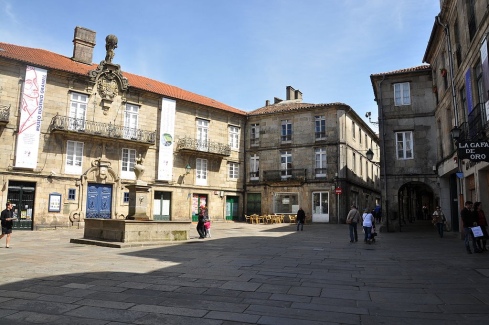
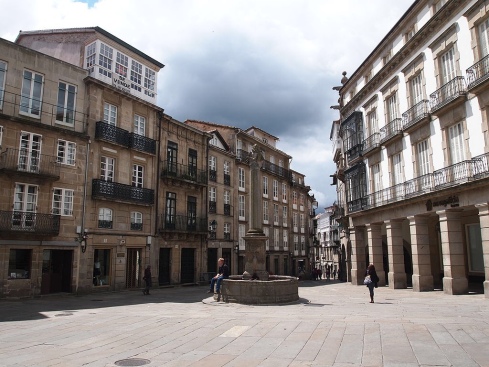
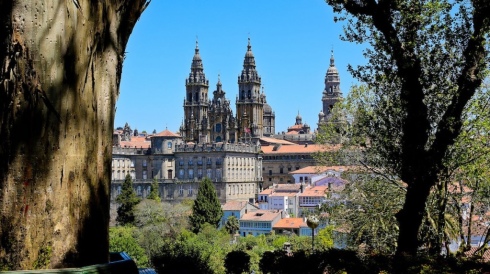
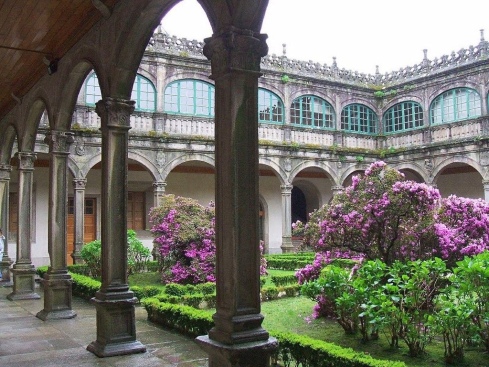
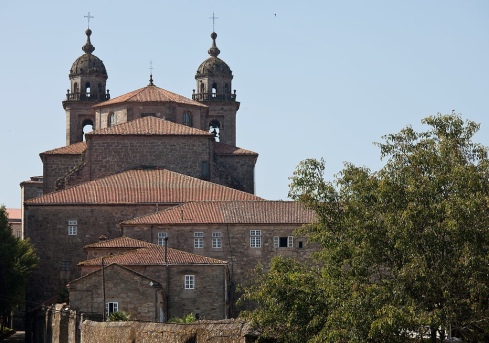
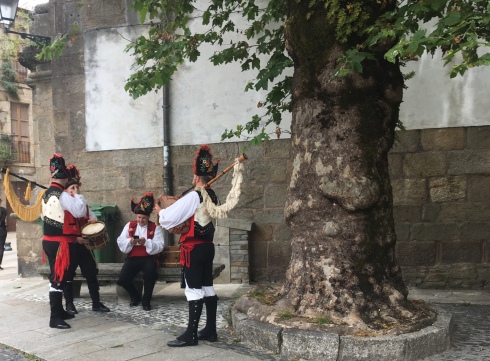 We remembered this gateway well as it was through there we entered the city after completing the last leg of the Via de la Plata two years ago – the Silver Route – recalled some of the fine wine,too!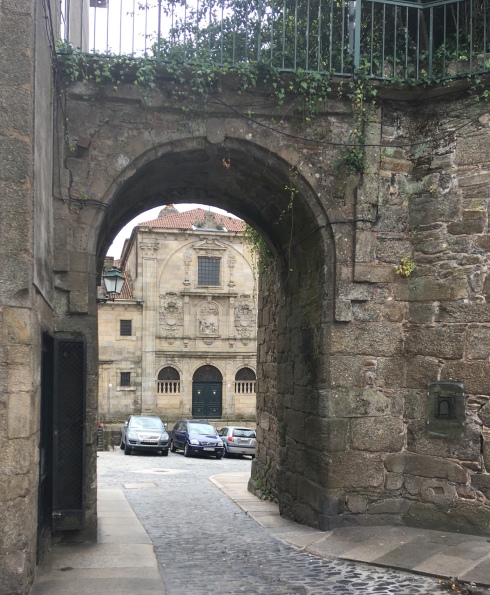
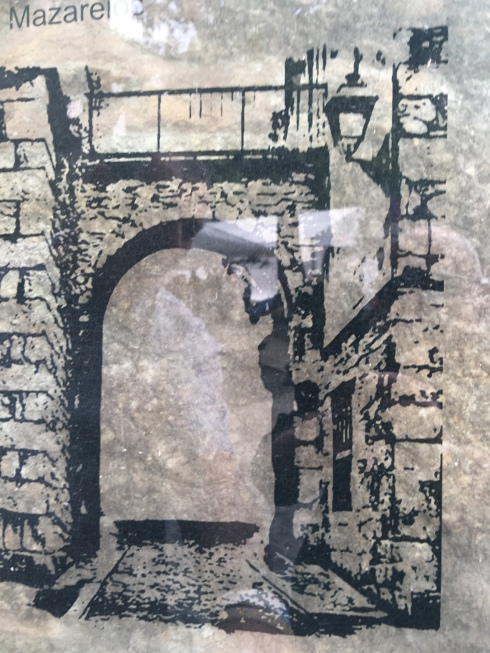
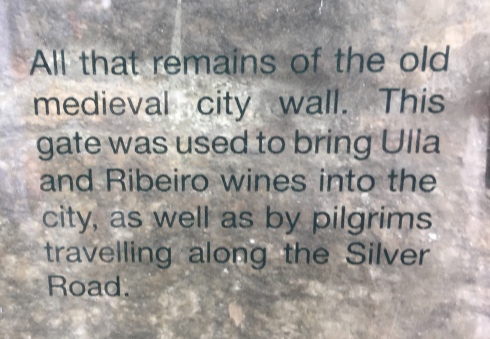 There was a bbq heating up nearby but it was a little early for a blow-out so we settled for a beer and free tapas.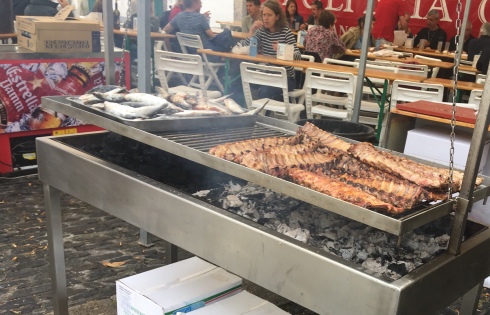


 ensuitepilgrim's Blog