Agreed, the journey seems to take so long and go by so fast!
Rambleros Camino Ingles November Update
“A pilgrim is a wanderer with a purpose
Peace Pilgrim”

We have 16 Rambleros – all flights booked.
Barbara Twort
Hannah Twort
John Twort
Rob Halley
Mike Fowler
Tom Halstead
Roger Gallier
Phil Gambles
Trish Gambles
Anita Wilkins
June Wright
Chris Vann
Sonia Taylor
Denise Sturch
Merlin Rangel
Gillian Fitzpatrick
Thanks for persevering with the Ryanair website, which struggles with the million plus hits it gets each day. I see Ryanair have shut it down for a couple of days in order to give it some TLC.
Transfer from S de C airport by coach to our hotel in Ferrol.
Accommodation has been booked using a mixture of Booking.com and direct contact. Final booking was made,Tuesday 6 th November.
DESTINATIONS,DISTANCES AND ELEVATIONS
I have rounded off Kms.
As you will see, we have a gentle couple of days to begin with.
There are no hills of any significance until the third day.
Breakfast prices, where available, are based on current prices.
Mon 9 th September Transfer to Hotel Almendra ( breakfast €3.50 )
Accommodation in singles and twins.
Tue 10 th 12.5 km to Hotel Kensington (Breakfast & Dinner booked )
Accommodation is in two singles seven singles.
No inclines of any significance until after the Mino/Betanzos stage.
Wed 11 th 13 km to Hotel Iberia, Cabanas/Pontedeume ( buffet breakfast,price tbc )
Accommodation in single, double and quadruple rooms opp. the beach
Thu 12 th 11 km to Hotel La Terraza ,Mino ( breakfast €4.oo )
Accommodation in twin rooms and one double.
Fri 13 th ( hope you are not superstitious)
30 km to Hotel Canaima, Meson do Vento ( breakfast/dinner )
We can break this section down and avoid a hill,by using taxis,if required.
Accommodation in twins,triples and 1 quadruple.
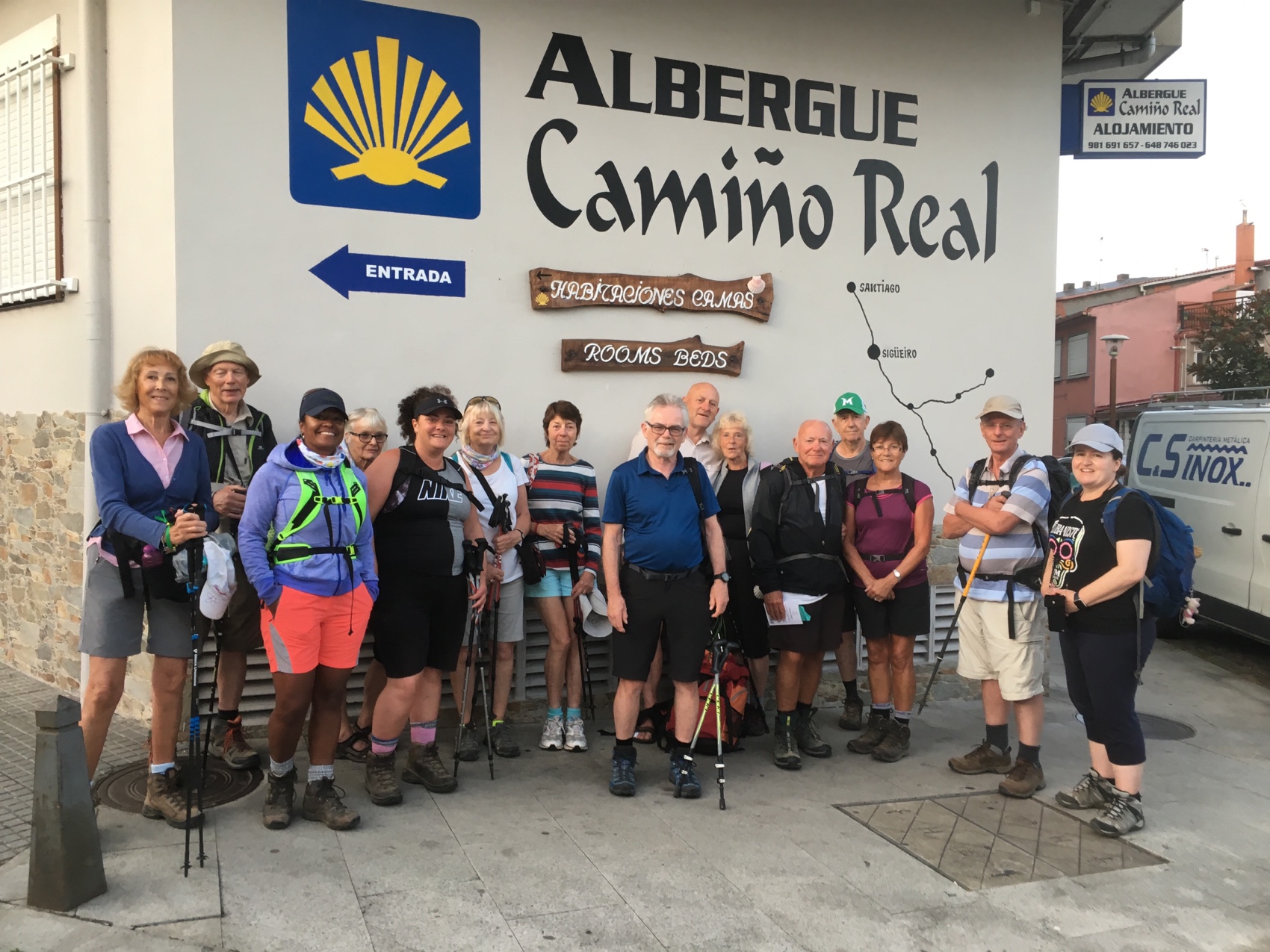
Sat 14 th 24 km to Albergue Camino Real,Sigueiro.
Accommodation in 2 dormitories and mixture of rooms.
Breakfast available.
This refurbished Albergue has the highest ratings of all the places we are staying and very reasonable rates.
Sun 15th 16 km to Hotel Avenida, Santiago de Compostela
Breakfast included.
Accommodation in singles and mainly twins.
Where dinner is not reserved, there will be the option of the hotel, or somewhere in the locality.
More info. nearer the time.
LUGGAGE TRANSFER AND TRAIN TICKETS
We shall be using the Correos for luggage transfer, as last time.
Train tickets,to and from Stansted,can be booked in advance on The Trainline website, from June next year.
As ever, get in touch if you have a query.
Hope to see you out rambling soon.
Regards and best,

Please acknowledge receipt of this message by sending me your
Mobile number.
Rambleros Camino Ingles – December Update
Just as a painter paints,
and a ponderer ponders,
a writer writes,
and a wanderer wanders
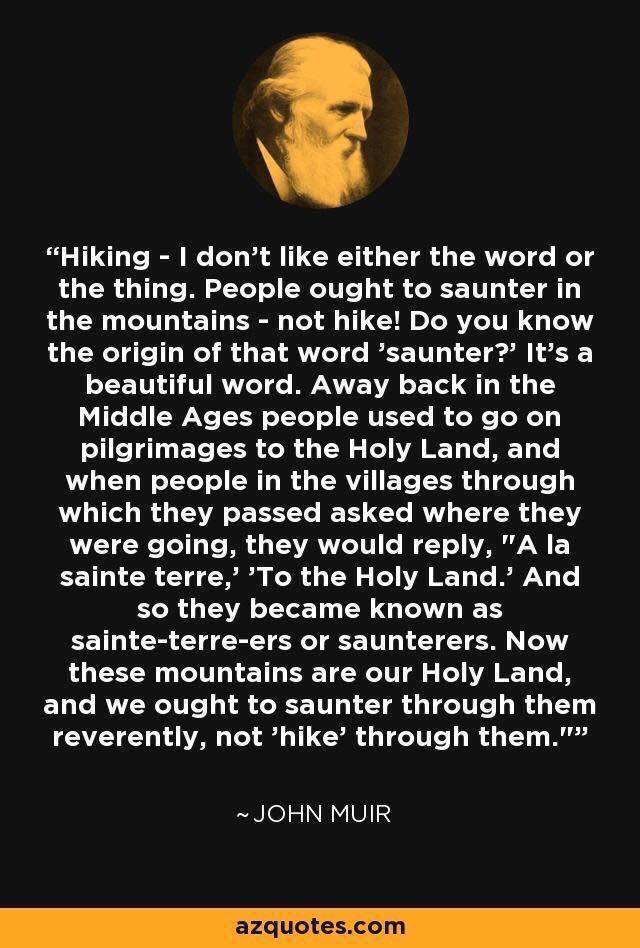
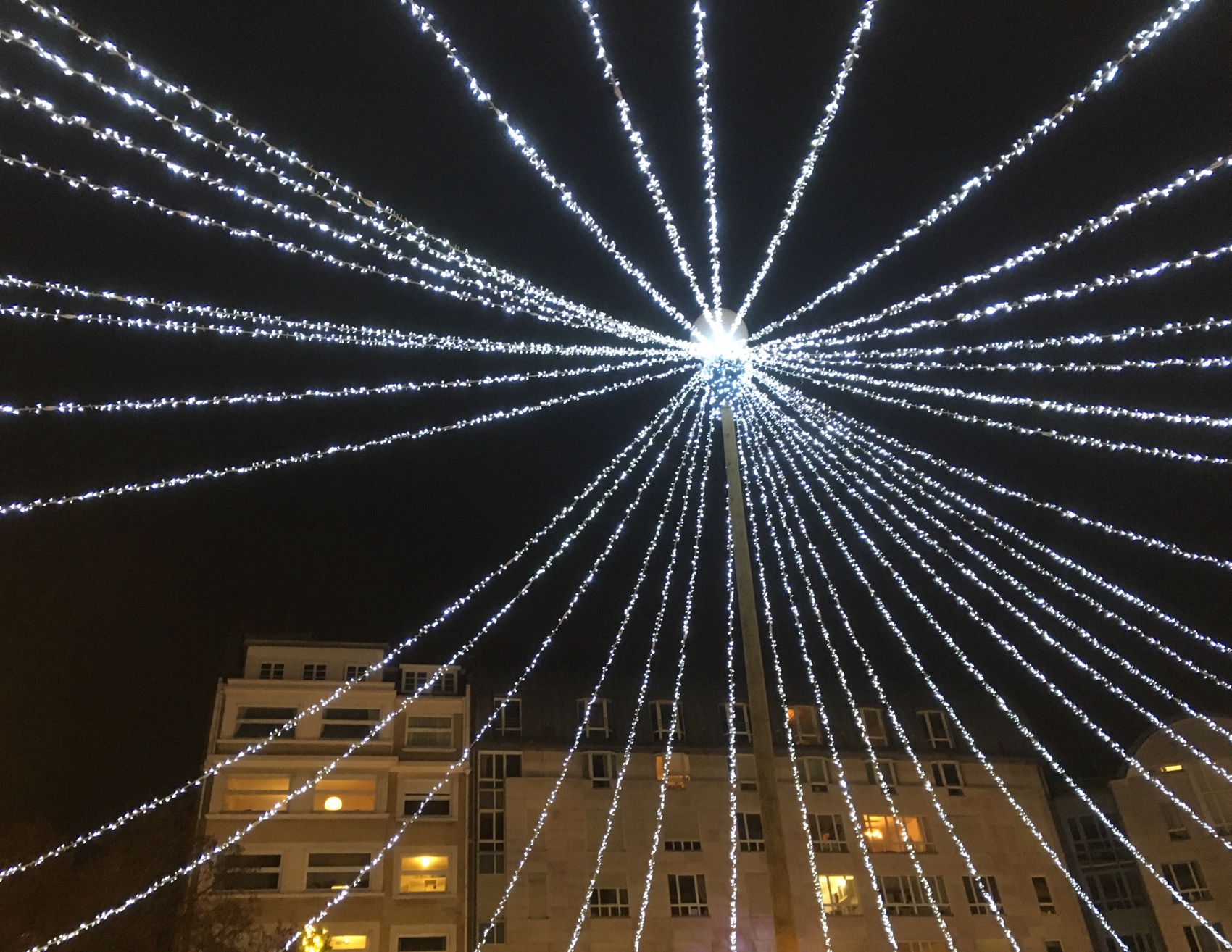
CATHEDRAL SQUARE SANTIAGO AT CHRISTMAS
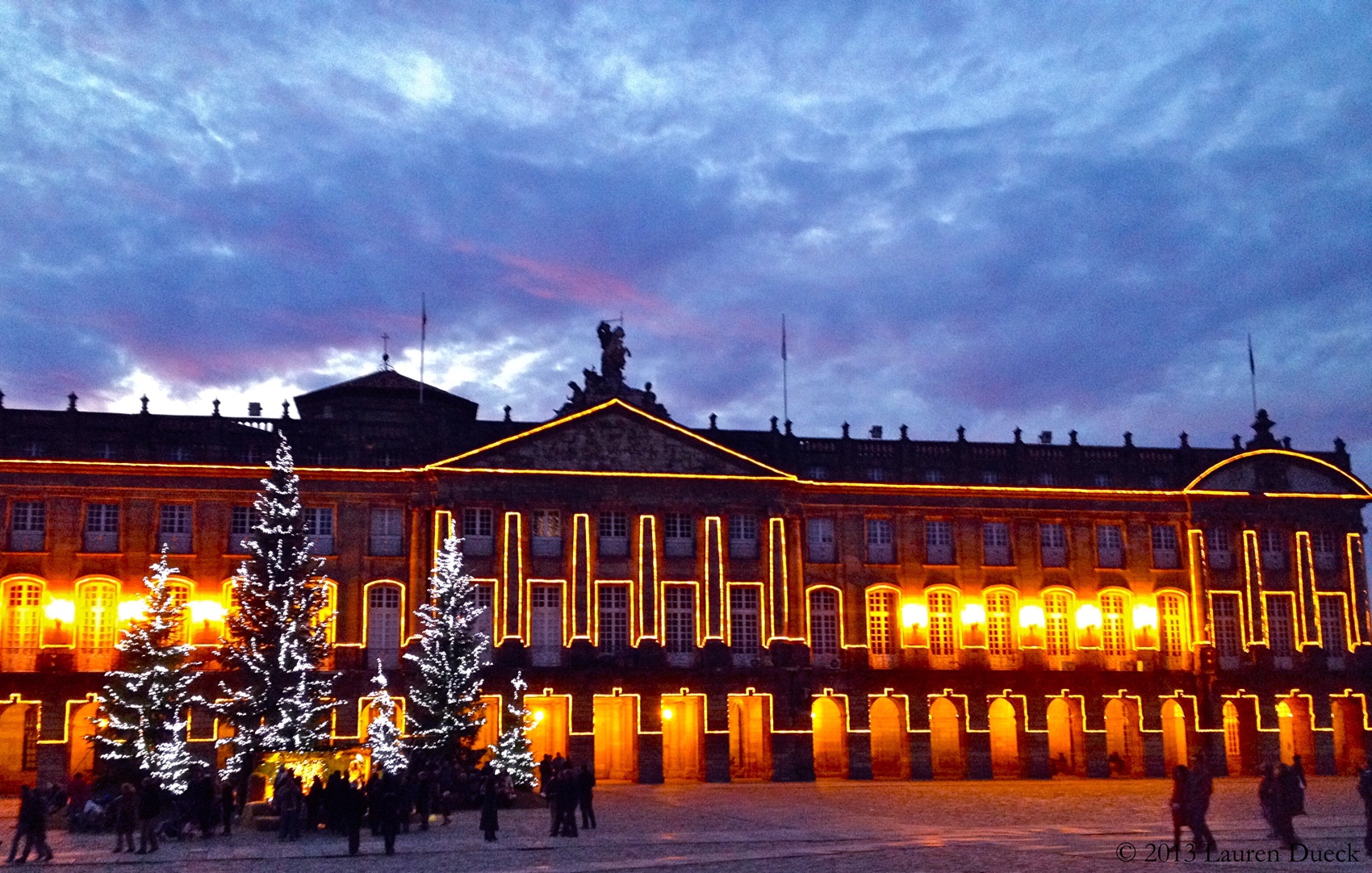
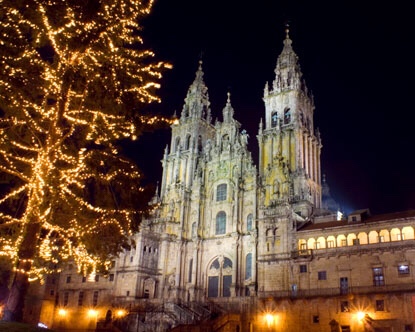
Feliz navidad y un año nuevo y tranquilo.
One wet morning recently I did a rough total of the walking and rambling I had enjoyed this year, including the June Camino and my solo walks.
It is approximate because I don’t count everyday walks,Eg down to Sutton or taking the grandchildren to the park!
Hannah has recently put the Fitbit App. on my phone – so I shall have an accurate daily total – it’s free and no hassle.

The total amounted to 1400 miles – rounded off.
But best to remember that….
“A journey is best measured in friends, rather than miles.”
2019 has Caterina’s Italian adventure booked – not sure of distances
and the Camino Primitivo in June – about 190 miles.
Then the Ingles in September.
I mention these figures simply to remind ourselves of just how much walking we are capable of without excessive training routines – though I have nothing but admiration for those who do follow such disciplines.

With the holidays approaching I thought it would be wise to share the story of a fellow pilgrim. Remember to stroll slowly 😉
Friends- Please Be Careful.
Yesterday I went to a Christmas party. I had a few beers, followed by a few cocktails, followed by a few shots….
I still had the sense to know that I was over the limit. That’s when I decided to do what I have never done before: I took a cab home.
Sure enough, there was a police road block on the way home, and since it was a cab, they waved it past. I arrived home safely without incident. This was both a great relief and a surprise because I had never driven a cab before. I don’t even know where I got it from and now that it is in my garage, I don’t know what to do with it. 🤷♂️😂
2019
There will be a request at some point for € 20.00 to pay for our coach transfer from S de C airport to Ferrol.
I shall order our Pilgrim Passports and add them on to the above.
Transfer by train to and from Stansted – I shall be in touch in plenty of time to tell you of the recommended times, in June.
I shall also book the Correos luggage transfers – anticipating € 20.00 .
I now have the latest Johnnie Walker guide to the Ingles, plus a couple of Apps. There have been a couple of diversions made since I last walked it.
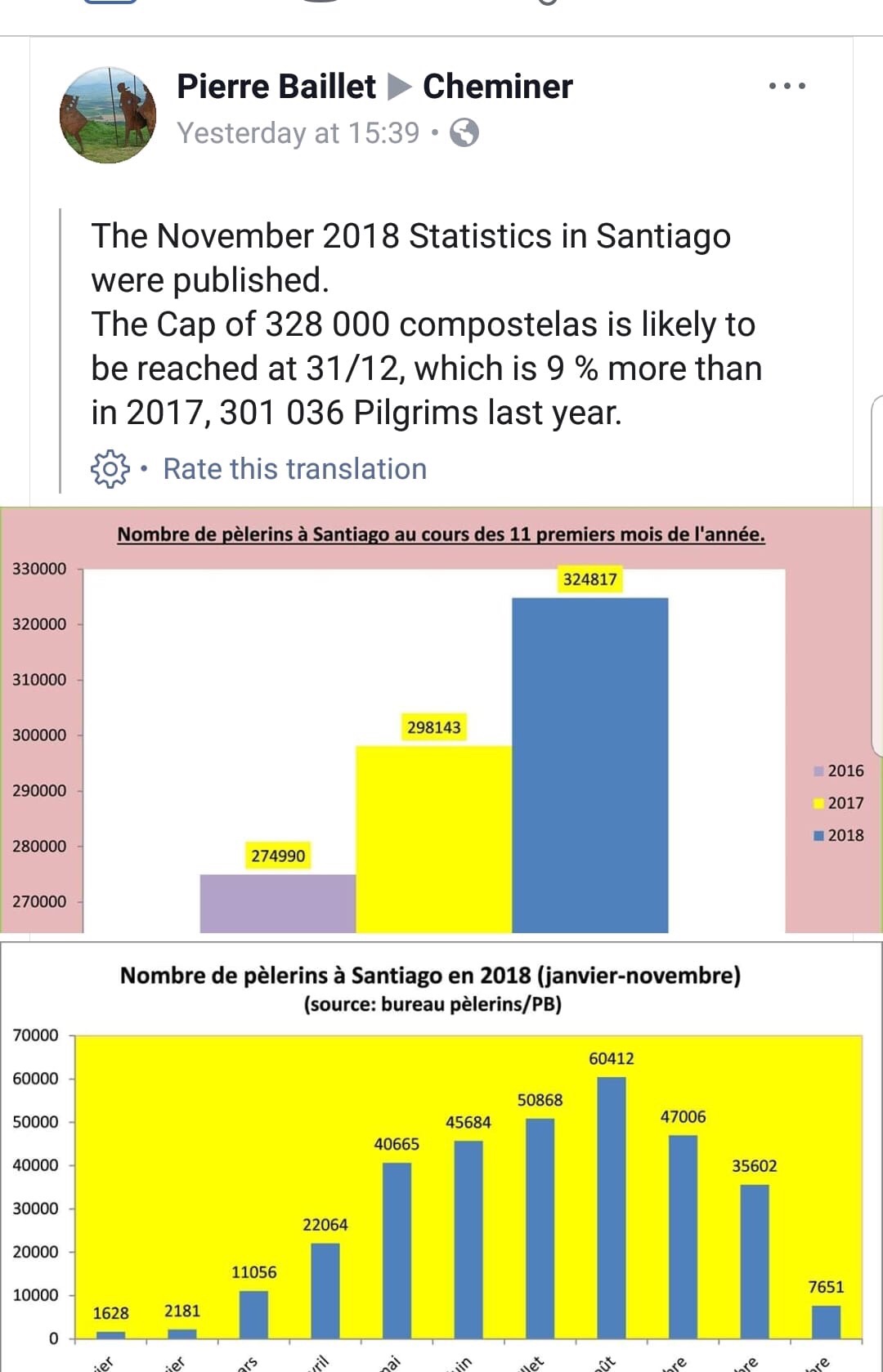
STATISTICS – PELEGRINOS NUMBERS THIS YEAR
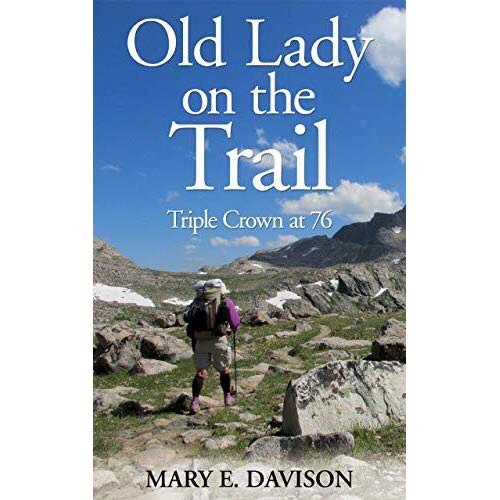
Below is a link to an inspiring book – a special Christmas present for ladies of a certain vintage, or elderly gentlemen!?
“ Old Lady On the Trail”; Triple Crown at 76 “.
https://www.amazon.com/dp/B07JGDMJF8/ref=as_li_ss_tl?fbclid=IwAR1dczfAhrz3v6fdl2TM5eebY5XqnSpztAEE46KtJZwEnlLCcpXB1aFuXoM&linkCode=sl1&tag=spanishforcam-20&linkId=209664f636ed5dc005454b0f659279c5
As always,please get in touch if you have any queries and I hope to see you all on lots of “ saunters” in 2019.
Regards and best,
John
January 2019 Rambleros Update
Un feliz año nuevo para todos ustedes.

TRANSFER TO STANSTED AIRPORT MONDAY, 9 th SEPTEMBER
Because some of the group are remaining for a longer stay in Santiago, it is not viable to book a return transfer.
So I am proposing to book us all for the journey to Stansted.
A sixteen seater, leaving Sutton at 6 am approximately £20.00 a head.
Please bear in mind that there is limited space,so please pack sparingly.
Nearer the time, I’ll get details of return journey by train from Stansted and inform you accordingly.
I shall order Pilgrim Passports from Santiago later in the year.
I shall also organise the luggage transfers with the Correos in due course.
TRANSFER SANTIAGO TO FERROL
Just to confirm that this transfer by coach, is booked.
Cost € 20.00 per person
TOTAL NUMBER OF PELEGRINOS ARRIVING IN SANTIAGO 2018
You might be interested in the number of recorded Pilgrim arrivals in Santiago de Compostela for 2018.
Data and links, below.
The pilgrim office website now gives the final pilgrim numbers for 2018. A detailed breakdown of the figures can be found by selecting 2018 and “TODOS” in the drop-down menu. This is the summary paragraph as given through Google Translate:
“During 2018, 327,342 pilgrims were received at the Pilgrimage Office; the previous Holy Year in 2010 were 272,417. Of these pilgrims, 164,817 (50.35%) are women and 162,525 (49.65%) men. On foot, 306,028 (93.49%) arrived, 20,787 (6,35%) on bicycle, 318 (0,10%) on horseback, 130 (0,04%) and 79 (0,02%) at Wheelchair.”
Estadísticas antiguas
By nationality, 44% of the total number of pilgrims were from Spain. Of the 183,237 foreign pilgrims, 15% were from Italy, 14% from Germany, 10% from the United States, 8% from Portugal, 5% from France, 4% from the UK and 4% from Ireland.
FRIDAY 13TH JUNE
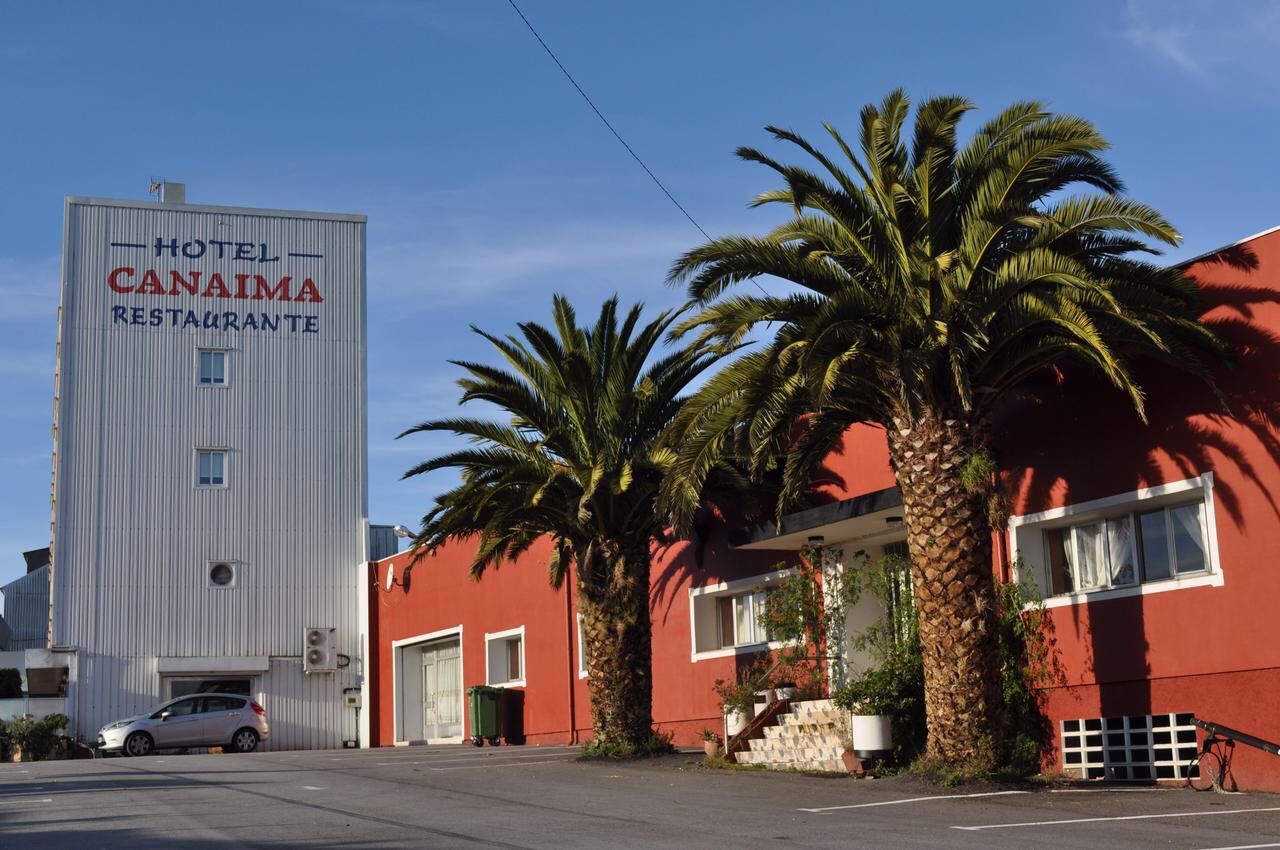
I reserved accommodation at Hotel Canaima,Meson do Vento last September. Or so I thought!
Then, last week I received an E mail from Ramon, the owner wishing to clarify the rooms booked and to make a contract for a deposit of 25%.
Nothing unusual about that as this is the only accommodation I have had to book directly- the rest have been booked quite straightforwardly with Booking.Com where we pay in full on arrival.
I vowed after last June, to steer clear of menus – a mine field ! However,
Ramon wanted full details, hence my e-mail to you earlier this week.
Thanks to everyone that replied.
Things get lost in translation with Gallego speakers, so now 28 E-mails later, we might be nearing the end of our correspondence.
But I think Ramon is only trying to get everything right for us – it’s an unpretentious place, in an area light on accommodation,but much used by pilgrims. Ramon will pick us up from Bar Avelino on the Camino.
Superstitious? Me?
PS I don’t need any payment for the above deposit.
We can settle the bill when we are there.
And just a thought…..
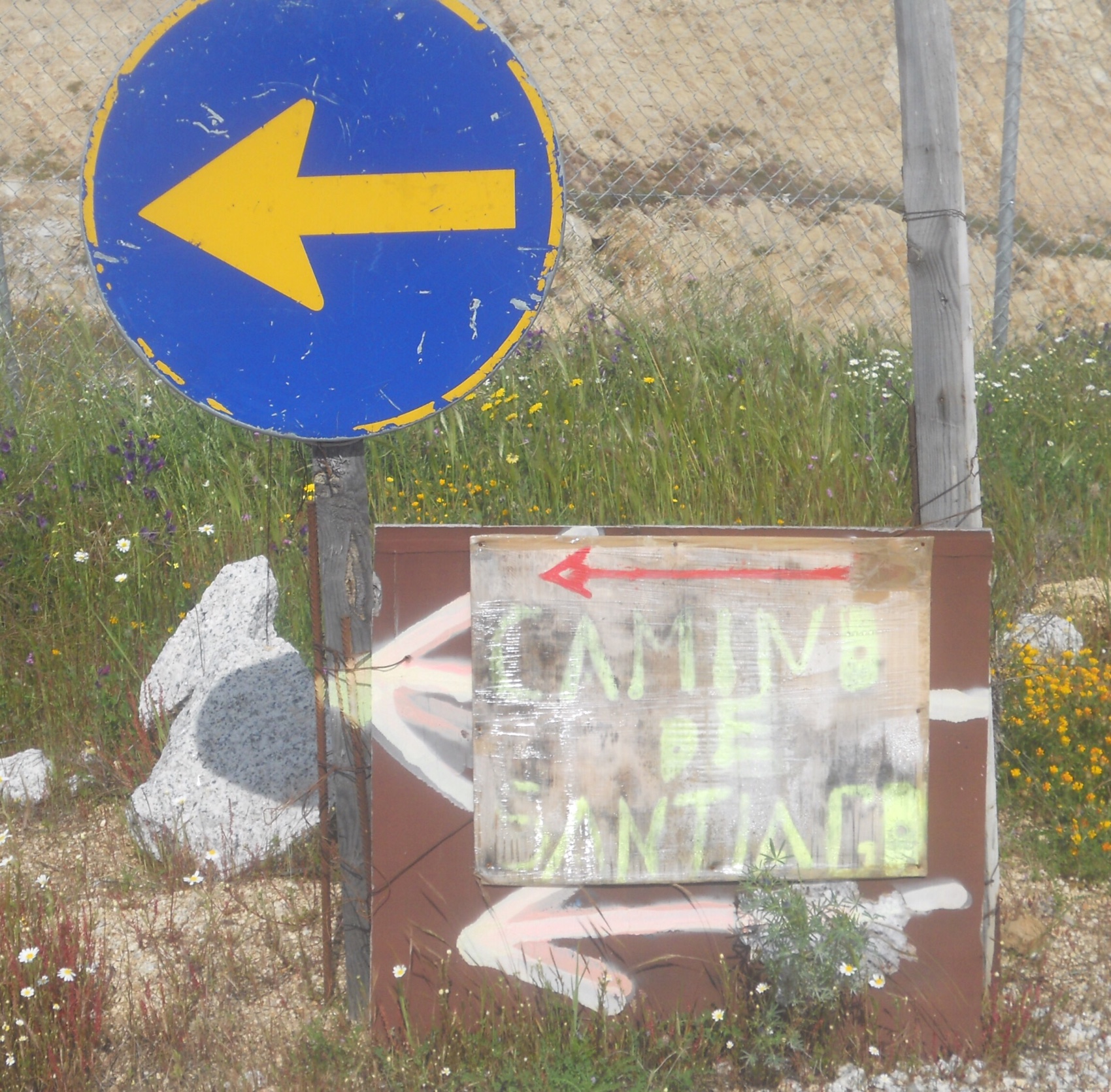
The arrows and the way
When you feel lost,
Find Your Arrow,
She awaits you always,
And when you find it,
Sigh, smile, go,
You’re already on the path,
A little arrow,
A Great Arrow,
Simple and cheerful,
Alone, now with you,
A true friend,
Left it for you,
Follow, enjoy, live,
Paint your path of light,
Remembering, your good way.
I shall leave you with a great Camino song.
Thea Gilmore singing The Lower Road.
https://youtu.be/ZaP2_fhBPF4
Regards and best,
John
RAMBLEROS UPDATE FEBRUARY 2019
Hola,
Hope everyone has been out sauntering in what has been unusually benign weather this year…so far.
I know that two of our group have recently bought new boots, with the Camino in mind and if you are considering the same, give yourself lots of time to break them in.

PAYMENTS
Occasionally I get asked by Rambleros “ Do I owe you any money?”
Simple answer “ No,not yet!”
But thanks for enquiring.
To date,I have put a deposit down on the transfer to Stansted and one hotel.
I think it will be more straightforward for everyone to wait until I have made some full payments.
These will include payment for the above transfer,the transfer to Ferrol from S de C, the Luggage transfer with the Correos and the Pilgrim passport.
HOTELS
These are all reserved and payment will be made at the accommodation.
I had to put a deposit on one reservation -we will sort that out at the hotel.
The list of our accommodations was sent in the November Update.
The significance of the shell
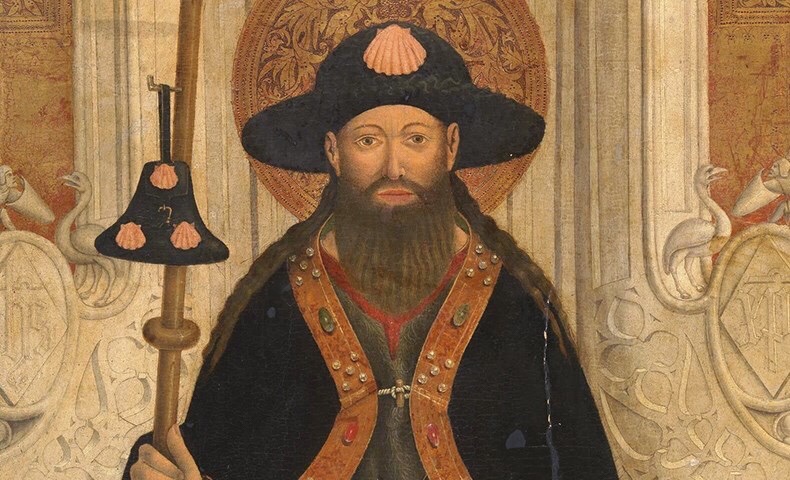
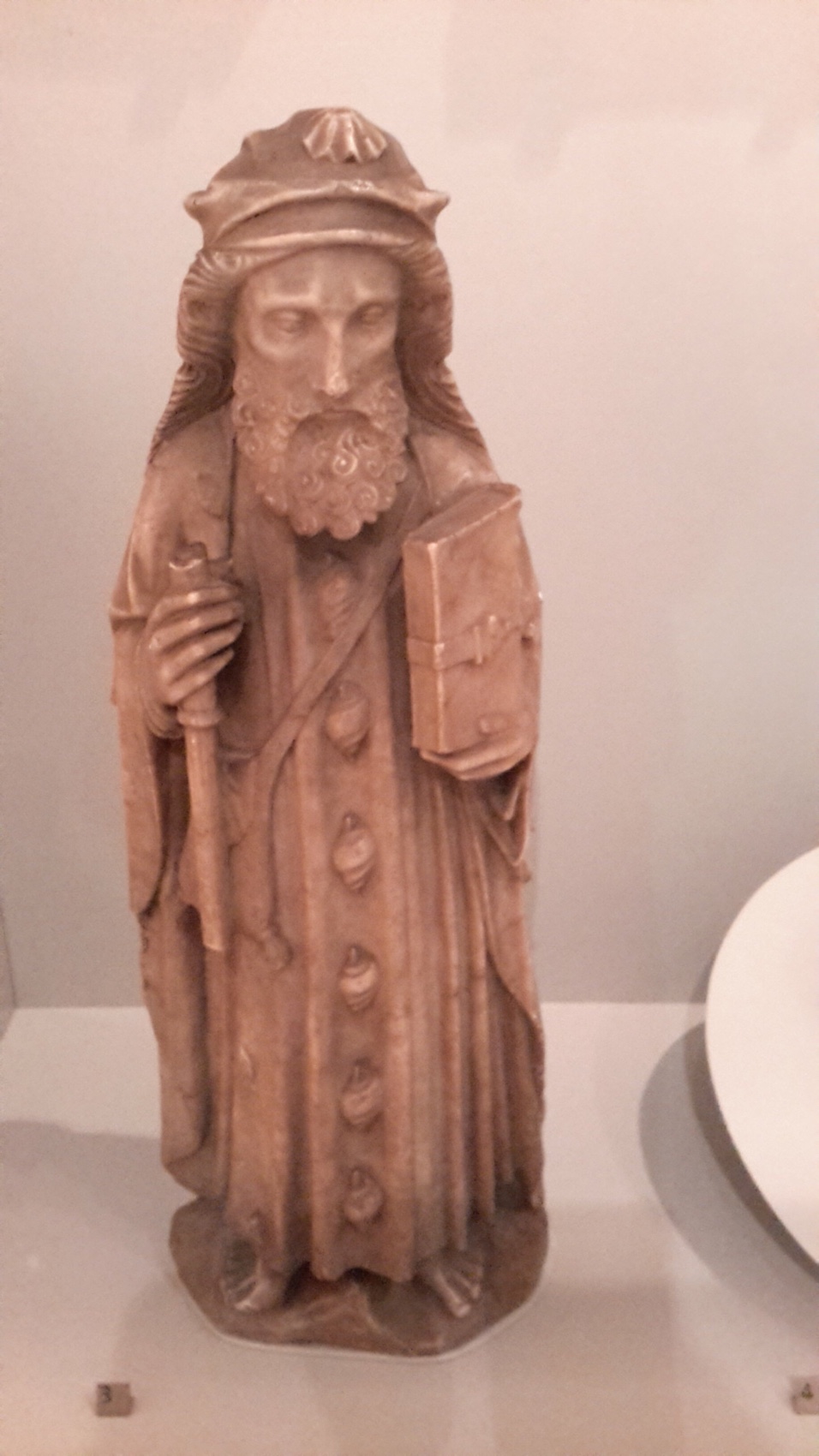
There are many myths and legends trying to explain the scallop shell of Saint James. This Apostol is represented in Christian art always wearing the scallop shell. Centuries ago, medieval pilgrims wore a shell attached to their clothes during their pilgrimage. This was used as bowl to gather water or food along the way. The shells come from the Costa da Morte, in the shores of Galicia, which is considered the “end of the world”: Muxia and Finisterre.Nowadays the shell together with a yellow arrow is used all along the Caminos the Santiago as sign pointing towards the direction you need to follow. The shell is not only a symbol but also a memento of the journey you take along the Camino.
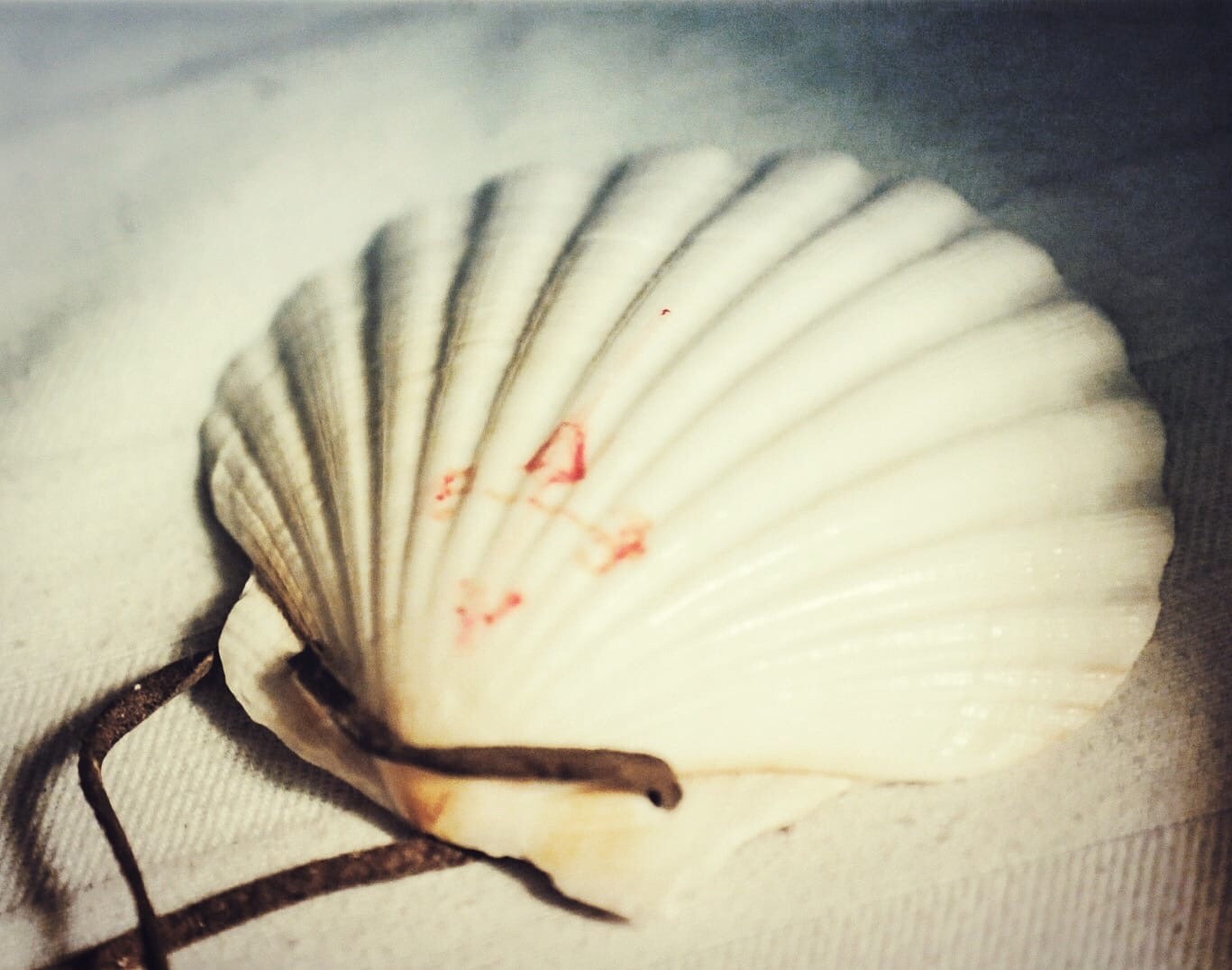
If you would like a shell, pop along to the fish market at the Bull Ring and enquire at one of the fish stalls.
If you want one with a motif, contact me and I can send you a reliable provider in Spain.
RENOVATION OF THE CATHEDRAL IN SANTIAGO
Please note that the Cathedral is closed for renovation for a year until next January. There will be no Pilgrim Masses there and no botafumeiro.
Pilgrim masses will be held in the nearby church of San Francisco.
Visitors can still visit the Tomb of the Apóstol and the Pórtico de la Gloria in the Cathedral.
http://catedraldesantiago.es/wp-content/uploads/2019/01/Cartel_cambios_misas_enero2019.pdf
Interesting tip for protecting your feet on the Camino.
“A chiropodist helping pilgrims feet in a small albergue near Pamplona was putting slim panty pads in our boots (with wings to go around the insoles). Surprisingly felt quite comfortable but more surprising was after a long days walk the following day my feet and socks were bone dry.
A few days latter I was in a small shop buying some wine and bread and saw a few men in front of me in the queue buying only panty pads. I knew where thay had stayed but the shop girl had a strange and worrying look on her face. 🙂”
https://www.facebook.com/266719113419641/posts/2103737716384429/ New kind of rainwear!
ORUJO A DISTINCTLY SPANISH LUBRICATION
On the June Camino,I recall Rambleros enjoying three different Orujos,one evening!
This little quotation has a funny ending.
“Californian friend and I walked the Primitivo on an orujo-tasting tour (with the few spare hours left after revering the relics of saints in churches along the way). We ended up buying some in a sandwich shop where it was dispensed from a large plastic pepsi-cola bottle. I keep it in the freezer. I find that, after a sip or two, I do not need to floss for several days.”

Just a couple of things to finish.
1. I still need mobile phone numbers from some members.
2. Could you please acknowledge receipt of this newsletter with a simple reply and if you have any suggestions for items to include in future updates, or an enquiry of any kind, please let me know.
I will finish with a story about the Cathedral which I think is fascinating.
See you on a Saunter,shortly,I hope.
Saludes cordiales,
John
Santiago bell ringer from Johnnie Walker.
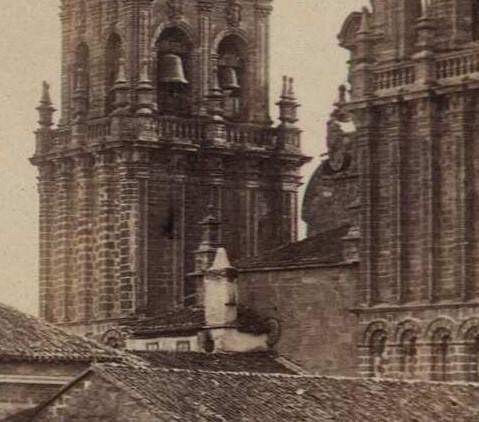
THE SUNDAY STORY – The bell ringer and his family who lived on the roof of the Cathedral.
Shortly after I moved to Santiago one of the staff of the Cathedral told me that there had once been a bell ringer who lived on the roof of the building. Whether he said it or not I assumed that the bell ringer had lived in one of the towers. That’s not that unusual because even nowadays some Cathedrals and major churches provide accommodation for both priests and staff. For example, many Cathedrals have “live in” caretakers and some Cathedral organists live in housing in the Cathedral precincts.
I thought no more about this until the other day I got a message from Løis Beirøå who lives two doors down. He is the son of an old Santiago family. His father, now wheelchair bound, was a famous champion gaitero, a bagpipe player. The message read, “ John, I’m attaching a curious photograph of the old house of the Cathedral’s bell ringer which was on the roof of the Cathedral. My family knew the last family who lived there. It is a pity it was demolished and not conserved.”
I was astonished at the sight of a little dwelling on the roof of the great medieval Cathedral and I did some research. Some facts emerged from an article published in the newspaper La Voz de Galicia in 2009 by Nacho Miras.
I’ve translated and expanded his article.
This is the story of Ricardo Fandiño, the last bell ringer, who lived in a house 40 meters up on the roof with his wife and children.
Ricardo wrote everything down. Therefore the 20 years he lived on the roof from 1942 to 1962 are well documented.
In Ricardo’s diaries there are drawings, sketches, handwritten notes and even a date stamp on the front of an envelope from the Bank of Bilbao. Although Fandiño died in 1988, thanks to these documents, and the testimony of his children, we can get an insight into what life was like for the last people who literally lived on the roof of the Cathedral.
Ricardo Fandiño was a young tailor from Sobrado dos Monxes. In 1940 when he was 28 years old he is recorded in the residency register of the City of Santiago. Then he got the job as bell ringer in the Cathedral.
On January 16 1942 he recorded in his diary: “I started as bell ringer being paid 180 pesetas a month. This was arranged between the Dean Don Antonio Villasante, my Godfather Don Salustiano Portela Pazos, and the treasurer Don Claudio Rodríguez. At that time all employees had the same salary, 180 pesetas a month.”
Increasingly mechanical means were being used to ring bells in the great churches of Europe. Perhaps the reason Ricardo kept notes is that he realised that he was the last of a trade which would soon become extinct.
As for living in the house on the roof. “The dampness was the worst”, says Jesús Fandiño, Ricardo’s son who, until he was well into his twenties, shared the small shack on the roof with his parents and his brothers Ricardo and Feli.
The small dwelling was located on the roof of the cathedral, next to the tower on the right as you face the facade from the Obradoiro. “The world was different up there, with views over the city that made you a kind of guardian of a watchtower of Christianity.”
The Fandiños lived their lives above the heads of the other Compostelanos; they were the citizens who were closest to heaven. That was very special. “The house would have been three or four hundred years old,” says Jesus, “with a large kitchen, a dining room and two rooms. We stayed there until they began to remodel the roofs and removed all the tiles and we moved to Entrerríos”.
The family was not alone living on the roof. There were also chickens and a rooster that crowed punctually every morning when the sun began to appear behind San Paio de Antealtares. The henhouse was installed in a side nave, flanked by walls which rise many meters above the cloister. The quiquiriquí (cock-a-doodle-doo) of Fandiño’s cock was famous in Compostela just like its owner. And there were no eggs more holy than those from the aerial chickens of the bell ringer.
Diary entry from 1943. Holy Year. “The manufacturer Villasante gave me five pesetas for each peal of the bell as the official pilgrimages entered the Cathedral, “The tailor picked up in his notes.””
“It is said that we kept and killed a pig up there” says Jesús Fandiño Vidal, “but that is an urban legend. Perhaps it was the previous bell ringer. But it is a good story. What we did have were many pigeons to shoot and eat”.
Ricardo was employed first, as a bell ringer when his predecessor, José María González, retired. But the salary of 180 pesetas was hardly enough to feed his family and so he began to take orders as a tailor. At first he worked in a room in the bell tower, next to the house, and from 1961 in a room on a floor below. “With the same skill and skill that handles the bells, turning them with amazing agility, cut a gentleman’s dress of impeccable line”, said a report published by the Diario de Barcelona in 1968.
When the official tailor of the Cathedral, Emilio Quinteiro , died, Fandiño then started to be the tailor to the clergy. The downside, he wrote, is that the priests used to pay him for the work with words and not money, “God will reward you, Fandiño “, words which were useless to buy potatoes in the shops of Santiago. That’s why he always said that he preferred to tailor clothes for men and not for God.
Ricardo Fandiño has been compared to Quasimodo the character in Víctor Hugo’s novel the Hunchback of Notre Dame. However the difference between the two is that Ricardo Fandiño, bell ringer and tailor, actually existed.
S C RAMBLEROS – Easter Update
I’m sorry to inform the group that Gillian has withdrawn from the Camino – she will be missed.
Pat Williams,who has been on the reserve list, is able to take up that place.
Those that know her from our Portuguese Camino, will be pleased to know that Penny has been able to join the group – she made her own arrangements and will be staying in mostly the same accommodation.
I have ordered our Pilgrim passports from Spain and they will cost you €3.00 -We will distribute them on our departure day – correct change please!
Luggage Transfer – Paq Mochilas with Correos – Ferrol to S de C
Expect to pay € 20-25 – not booked it yet.
_____________________________________________________________________
Link below to a photo of a traditional Camino marker stone in place outside the European Parliament – apparently there is one in Glasgow,too.
https://www.cope.es/emisoras/galicia/a-coruna-provincia/santiago/noticias/camino-santiago-corazon-europa-con-hito-junto-trozo-del-muro-berlin-20190403_386692

A short and to the point article – pros/cons of walking poles.
https://sectionhiker.com/trekking-poles-pros-and-cons/
The History of the Pilgrimage
Jerusalem fell to the armies of Islam in 636 A.D., and less than a century later, in 711, Spain was also invaded and conquered. The Moors rapidly reached northern Spain, and sent raiding parties into France. In northwest Spain, however, a small Christian kingdom, including Asturias and present-day Galicia, emerged in the 8th century, and it was in the reign of Alfonso II (r 792-842) that the Apostle’s tomb was discovered near Finisterre.
Relics of the saints were believed to possess great power, and those of the Apostles were especially venerated: Peter and Paul were known to be buried in Rome, and John at Ephesus, although the Virgin was early believed to have been carried bodily into heaven. In ca 800, James was the most senior member of the intercessionary hierarchy whose relics remained undiscovered. He was already believed to have been the evangelist of Spain. Though a few pilgrims to Santiago are recorded in the 10th century, and many more in the 11th, it was in the early 12th century – and particularly under the energetic promotion of Archbishop Diego Gelmírez (1100-1140) – that Santiago came to rank with Rome and Jerusalem as one of the great destinations of medieval pilgrimage. The first cathedral was built over the site of the tomb, and Benedictine houses were established, for instance by monks from Cluny in Burgundy and from Aurillac in Cantal, along the developing pilgrimage route.
Simultaneously with the growth of crusading fervour – Jerusalem fell to the armies of the first crusade in 1099 – the idea of a Reconquest of Spain by Christians took root. It is loudly proclaimed in the so-called Codex Calixtinus, allegedly written by Pope Calixtus II (1119-24) but in fact a compilation by various authors of the middle decades of the 12th century and closely associated with Santiago. It includes the Pilgrim’s Guide, now thought by most scholars to be a school text produced, probably in the 1130s, by a French master, possibly a Poitevin named Aimery, with close links to the Cathedral of Santiago. The two earliest MSS, both 12th century, seem to have been produced in Santiago.
How fast does the Grim Reaper walk? Receiver operating characteristics curve analysis in healthy men aged 70 and over
The difference between water and beer – YouTube,below.
https://youtu.be/q-dkzn45Zo8
IT’S FAR FROM BEING THE ULTIMATE GUIDE – OF SOME INTEREST

https://www.spanishforcamino.com/2018/12/21/your-words/
https://www.irishcatholic.com/bringing-the-camino-home/
A Catholic perspective,but insightful and born out of experience.
https://youtu.be/DS2HhncPCeA Johnnie Walker video
Wishing everyone a joyful Easter.

Please get in touch if you have any queries, or if you require information on any aspect of our Camino.
Regards and best,
John
https://www.facebook.com/439152476156092/posts/2579171832154135?sfns=mo
Sutton Coldfield Rambleros’ Verano Update
Greetings,
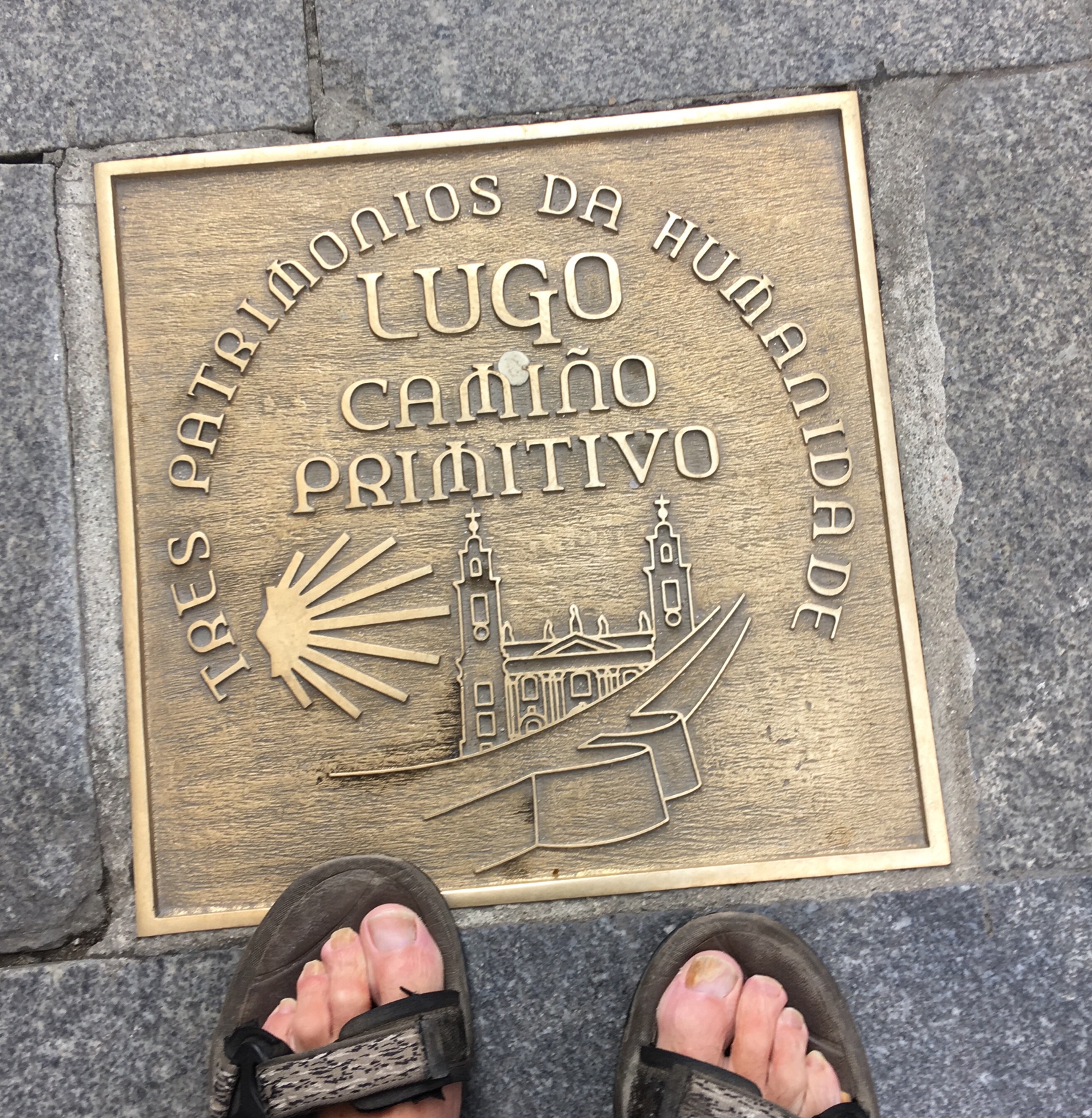
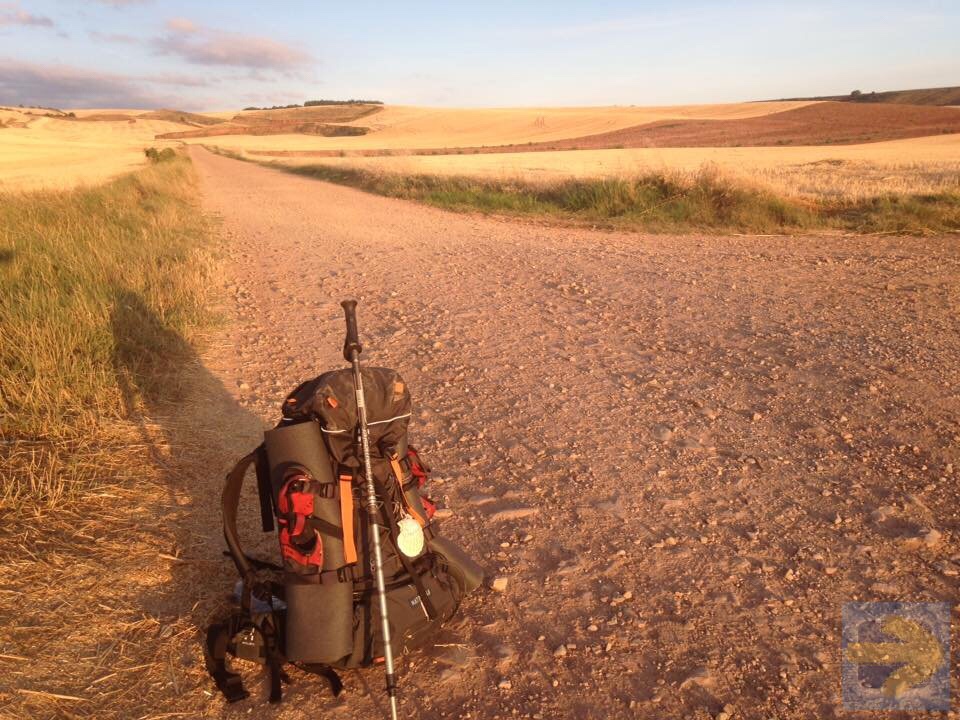
Have just returned from sauntering along the Camino Primitivo.
It was a great if at times challenging experience.
Met some great people on the Way, from all over the world.
You can read all about it on “ Ensuitepilgrimblog.wordpress.com”.
We are off to Portugal on 6th July and not back till 31st, so will not be rambling before August.
However, will still be contactable by e-mail, so don’t hesitate to get in touch, if needed.
Check in with Ryanair available from 11 July.
PAYMENT DETAILS PER PERSON
Transfer to Stansted Airport – £ 19.00
Transfer to Ferrol, Hotel Almendra from Santiago de Compostela Airport. – £ 17.00
Correos Luggage transfer. – £ 18.00 ** ( max weight 20 kilos )
Pilgrim Passport. – £ 2.00 ** ( PDF Label to follow )
TOTAL. £ 56.00
PAYMJourne from Hotel Avenida, S de C to airport – shared tax
RETURN FROM STANSTED
There are frequent trains to Bham New St From Stansted.
Advance tickets are now available from The trainline.
Our flight from S de C arrives at 11.45 am.
You have to allow time to clear Border Contol ( passports ) and collect luggage from the carousel.
Would suggest taking a train after 1 pm, but please make your own arrangements.
Times are as follows:
13.00
13.15
13.27
13.45
Most journeys require a change at Tottenham Hale ( About five stops by underground to Euston )
I have used this method and it’s quite straightforward
There are direct trains to New St, though fewer in number and more expensive.
Obviously prices will be cheaper the earlier you book.
Spotted just outside Ferrol,recently.

“Footprints Vanish Quickly,
Memories stay for the
Rest of your Life”
https://www.lasmorenasdeespana.com/blog/vegan-vegetarian-in-spain
Don’t worry, we don’t have any hills like this on the Ingles!

You cannot be serious…

https://www.fundacionjacobea.org/en/ways-of-santiago/the-english-way-a-little-history/
Paddling through
Cold green waters,
My arms get tired.
Walking a Camino path,
It’s the feet.
But the Way is the same,
Following the Songlines
Of the earth.
To be a pilgrim,
Anywhere
What a blessing.
https://www.fundacionjacobea.org/en/ways-of-santiago/the-english-way-ferrol/
Hope you all have some good walks in the months ahead.
Regards and best,
John
Greetings – Autumn Update
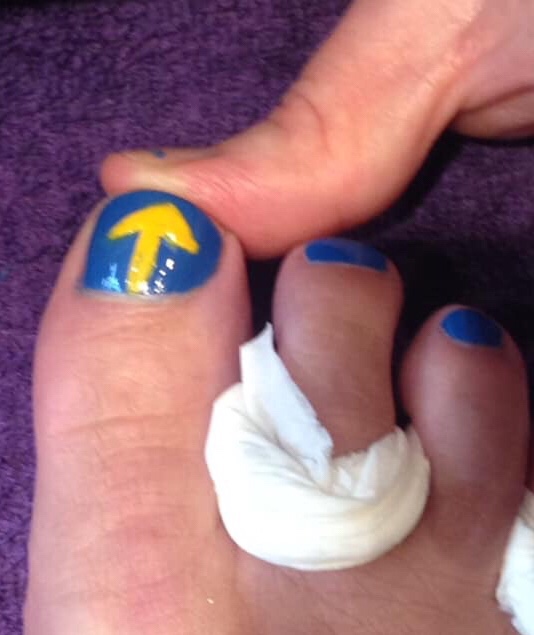
Hope everyone is fit,packed,toenails done and ready to go!
There is a lot of important information, below,please take your time.
Transfer to Stansted Airport
I am sorry to have to ask you for an additional £5.00 for the above transfer. This can be paid at the car park on the 9th.
The reason being I became uneasy about the company I originally booked – Castle Coaches – despite recommendation.
They failed to respond to my E mail request concerning acknowledgement of our time and pick up point,for example,and after more phone calls and E mails,received a response which still did not make sense. Hence I have cancelled the booking.
Our new arrangements are with Attain Travel. A little more expensive but local and reliable.
Pick up at South Parade car park 06.00,Monday,9 th September, as originally planned.
There is an attachment at the end of this Update.
The Spreadsheet of Hotel / flight details – Thanks to Hannah
Average room costs
I have been asked to include this. However,it is not as straightforward as it might seem because of the variations between quadruples,sharing,singles etc.
So, a rough guide would be € 27.00 sometimes including breakfast.
Train from Stansted to Birmingham.
Don’t forget your tickets .
Confirmation of receipt of this Update
Please e – mail me to confirm you have received this ASAP,as some Rambleros did not get the Verano update – Mea Culpa.
“My feet is my only carriage
So I’ve got to push on through”
Bob Marley
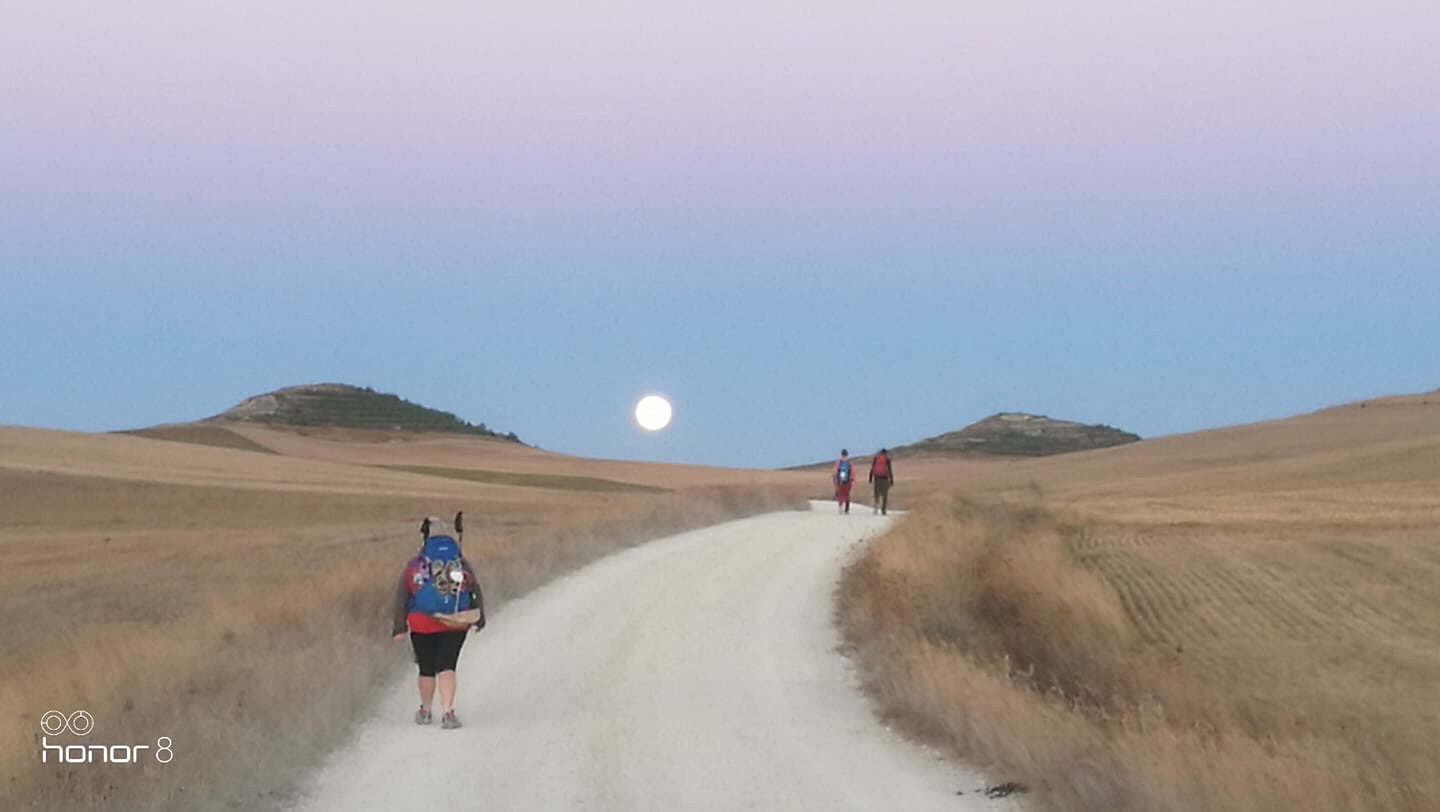
https://lifewaterwayeng.wordpress.com/. New drinking fountains on Camino Ingles.
ATMS Euronet
Apparently, it is best to avoid using any ATM with this company “Euronet”.
Two reasons, one they usually offer very high amounts to exchange and also the exchange rates can be upto 15% higher than the norm,plus a fee simply for using it.
There are plenty of other ATMs available.
Another general piece of advice is when making payments in shops,restaurants, wherever, you may be asked do you want to pay in your own currency or local currency?
The advice is “ local”.
This applies to all countries ,not just Spain.
Fascinating Figures – Numerical Ones !
138,790 pilgrims arrived into Santiago and received Compostelas from January to June 2019 compared to 123,279 for the same period in 2018, representing a growth of 12.6%.
In June, 49,066 pilgrims arrived into Santiago and collected Compostelas. This represents a 7.4% increase compared to June 2018.
An Analysis of the Pilgrims – June 2019
Of the pilgrims who walked in June, there were 22,942 (50.2%) women compared to 22,742 (49.78%) men. 41,857 (91.62%) walked the Camino, 3,789 (8.29%) cycled, 24 (0.05%) did it on horseback and 14 (0.03%) in a wheelchair.
In terms of nationality; 38% were Spanish and 62% were foreigners. Excluding Spain, the top 8 Countries with the highest number of pilgrims were:
1) U.S.A – 4,089 (14.47%)
2) Italy – 3,917 (13.86%)
3) Germany – 3,673 (12.99%)
4) Portugal – 1,807 (6.39%)
5) France – 1,524 (5.39%)
6) Ireland – 1,157 (4.09%)
7) UK – 1,149 (4.07%)
8) Brazil – 939 (3.32%)
Most Walked Camino Routes – June 2019
1) French Way – 27,346 (60%) The Frances
2) Portuguese Way – 8,523 (18.66%) Central Route
3) Northern Way – 2,631 (5.76%)Camino Del Norte
4) Primitive Way – 1,958 (4.3%) Camino Primitivo
5) Coastal Portuguese Way – 1,789 (3.9%) The one we did last June
6) English Way – 1,737 (3.8%) Camino Ingles
7) Silver Way – 1,363 (2.98%) The Via de la Plata
Source: Pilgrim Office, Santiago de Compostela
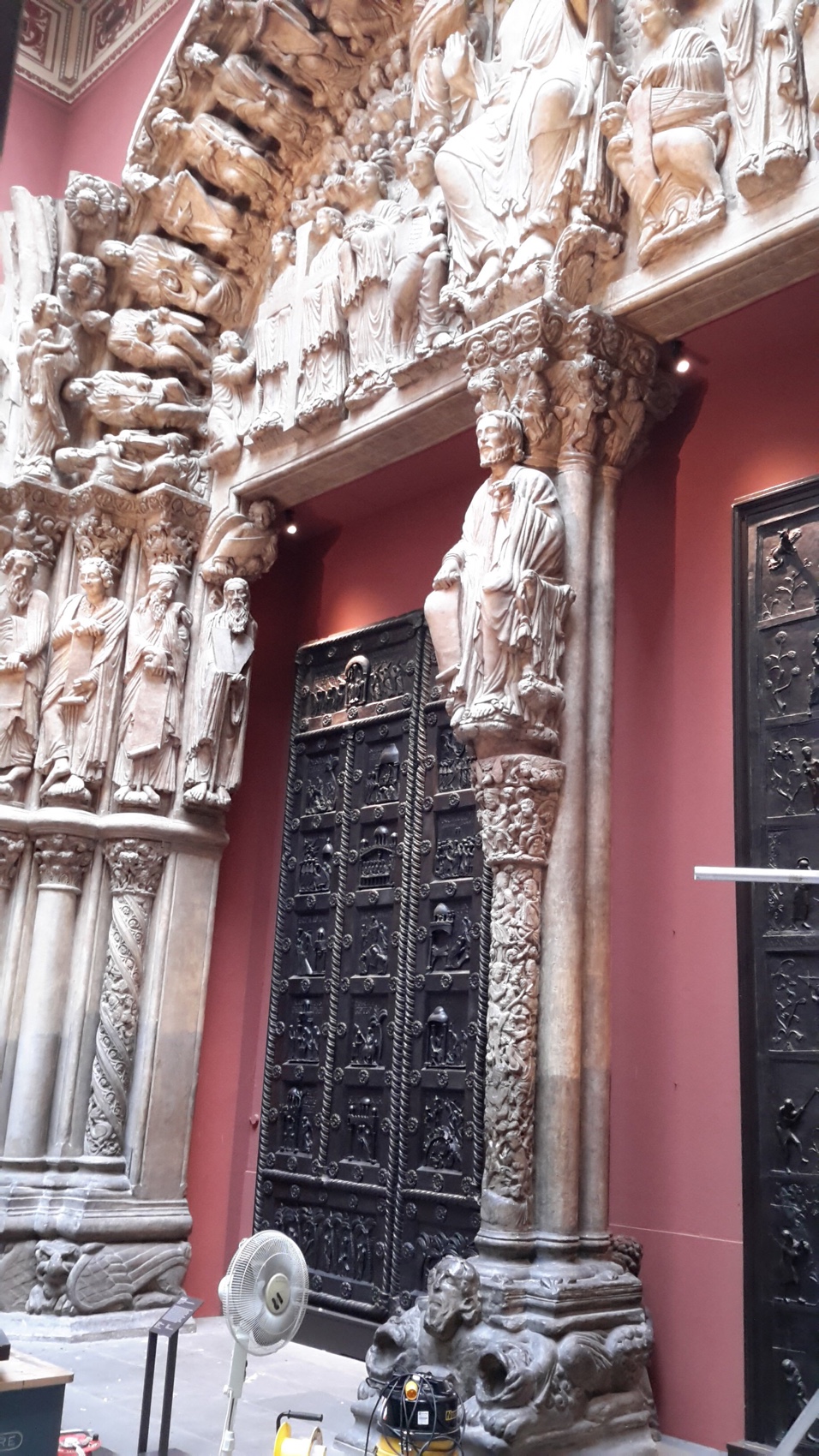
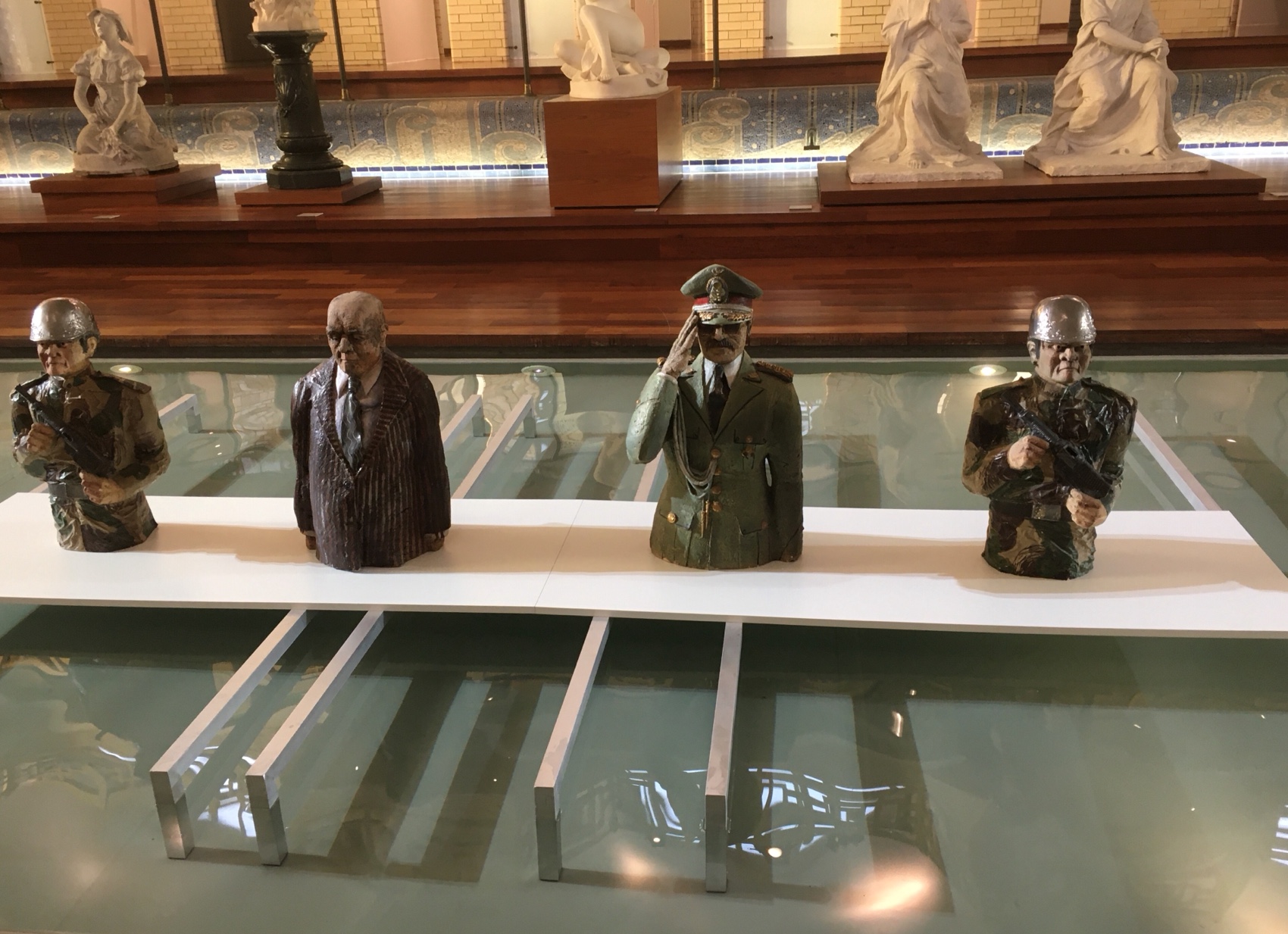
Currently on display in the Victoria and Albert Museum,London.
A replica of the Porta de Gloria and a statuette – probably a private commission.
Final Meal Together in Santiago de Compostela.
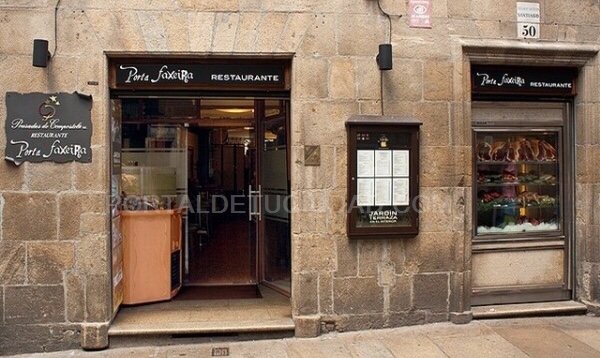
I have made a reservation for us all at Restaurante Porta Faxeira,which is reputedly Group/pilgrim friendly,Sunday 8 th September.
Menu is €26.oo
First and second courses,dessert,wine & coffee.
I have checked out the Vegetarian menu – it looks good – immediately below.
Entrante: Pimientos de Padrón y Surtido de Quesos – Padron peppers and assortment of cheeses
Primer Plato: Calabacín Gratinado al Horno – First course baked Zucchini ( courgette)
Segundo Plato: Arroz Caldoso con verduras – Second course Ruce with vegetables
Postre y Bebidas – Dessert and drinks
I shall need to know your choices – an exercise for the journey down to Stansted – The translations are mine!
APERITIVOS – Choose three from
aditos de empanada – small pies
casera Croquetas – homemade croquettes
caseras Crujiente de pollo con salsa ali-oli – homemade crispy chicken with ali- oil sauce
Pimientos de Padrón (en temporada) – In season , self explanatory
Queso gallego de tetilla – Galician Tetilla cheese
Champiñones al ajillo – Garlic mushrooms
PRIMO – First Course
Pimientos del piquillo rellenos de bacalao – Piquillo peppers stuffed with Cod
Fabes con pulpo Filloa rellena de marisco – Fabes / Octopus stuffed with seafood.
SECUNDO – Second Course
Merluza del pincho a la crema con patatitas al vapor – Skewers of Hake with cream and steamed potatoes
Costilla de cerdo gallego alimentado con castañas – Chestnut fed Galician pork rib
POSTRES – Desserts
Surtido de postres caseros – Assortment of homemade desserts
Cafés y licores de la casa – Coffees and Liqueurs of the house.
Vino Blanco D.O Ribeiro Vino Tinto Mencía D.O Valdeorras
Interesting Article
http://www.traveller.com.au/how-and-why-you-should-walk-the-camino-h1h389
I hope everyone is looking forward to the Camino.
Here are the approximate daily distances.
Walk Day 10/09 Ferrol to Naron – 10 Km
2 Naron to Cabanos – 20 Km
3 Cabanos to Mino – 10 Km
4 Mino to Meson do Vento 31 Km This section can be
shortened by 10 Km, using taxis.
5 Meson do Vento – Sigueiro 24 Km
6 Sigueiro to Santiago de C. 16 Km
Important Point – If at any time on the Camino you need a break,please let me know,you’ll probably find ten other Pelegrinos want one,t


Your Latest Update – 31/08/19
Includes:-
1. Recent article on “ not so able” pilgrims, from “ Slow Strollers on the Camino Pilgrim Forum.
2. Downloadable link on What To See/Do in Santiago – Correos.
3. Facebook link to a funny,comic act – Spanish Perceptions
4.Muy Imporante – Downloadable link for your Correos luggage label with example and instructions.
5. Downloadable PDF map of Ferrol
1. In 2013…led a group of not-so-able pilgrims for 17 days from Sarria to Santiago. We averaged 5km per day and spent at least 2 or 3 nights in the same place. One woman was planning on walking the Camino in 2012 but had to cancel when she was diagnosed with a large tumour on the brain. She had it removed, underwent radiation treatment and was allowed to join our group a year later, still a bit wobbly at times! One man was doing his10th Camino at age 89 after having a triple bypass. A mother and daughter (72 and 50) had a familial foot problem which made them feel as though they were walkingb on glass. A 74 year-old Irish lady had post-polio problems and needed to use a cross-country walker. When we arrived in Santiago, John Walker arranged for their Compostelas to be given downstairs from the pilgrim office and for us to have special seats in the cordoned off area of the Cathedral in front of the altar. We were all quite choked up when the priest announced the arrival of the ‘Caracoles’ group that day! With a bit of planning anyone can walk a Camino.
2.
https://www.elcaminoconcorreos.com/admin/files/contents/files/Enjoy%20Santiago%20in%201%2C2%20or%203%20days.pdf
Download for the complete guide.

3.
https://www.facebook.com/567275553397220/posts/1653728924751872?sfns=mo
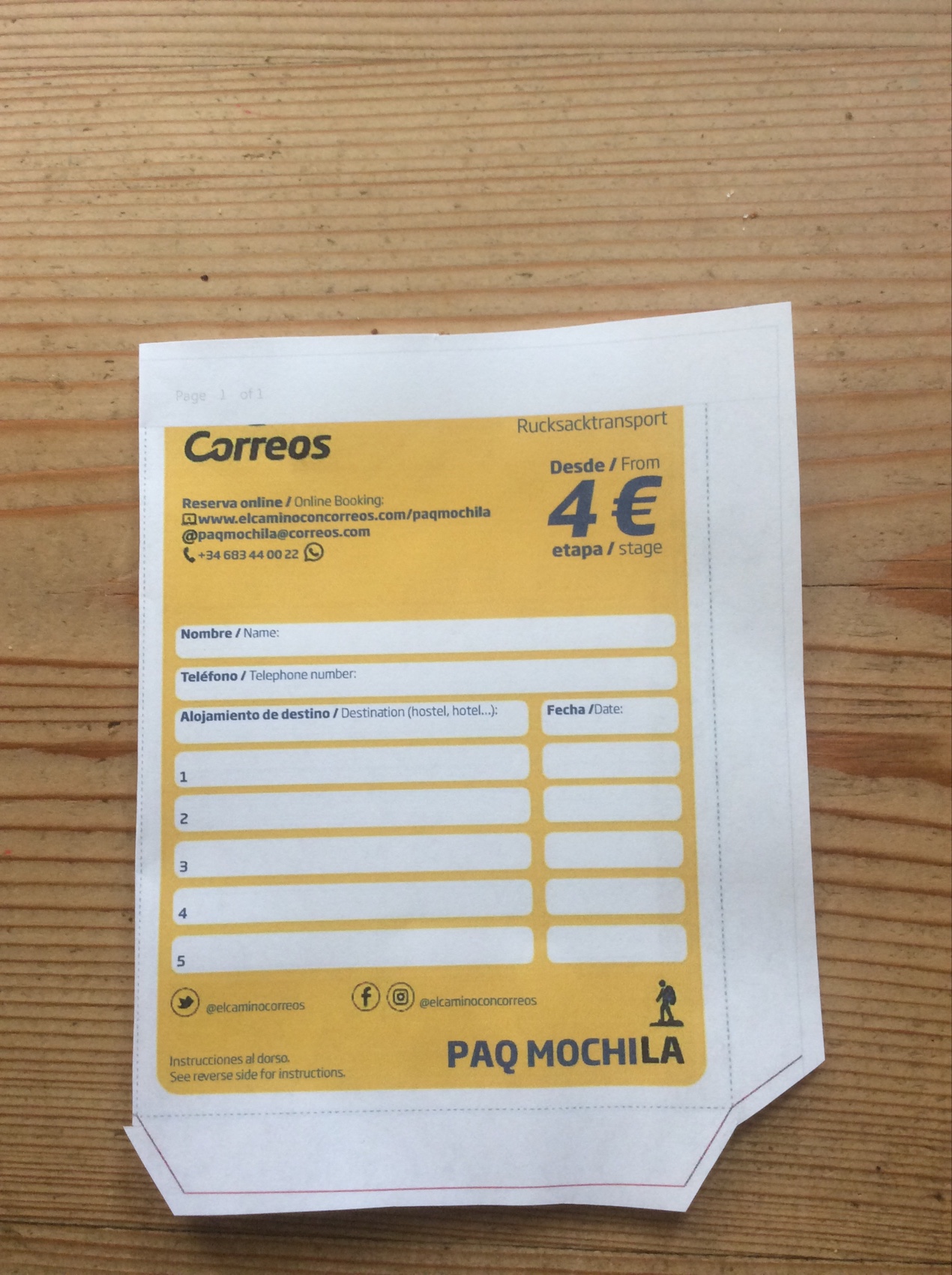
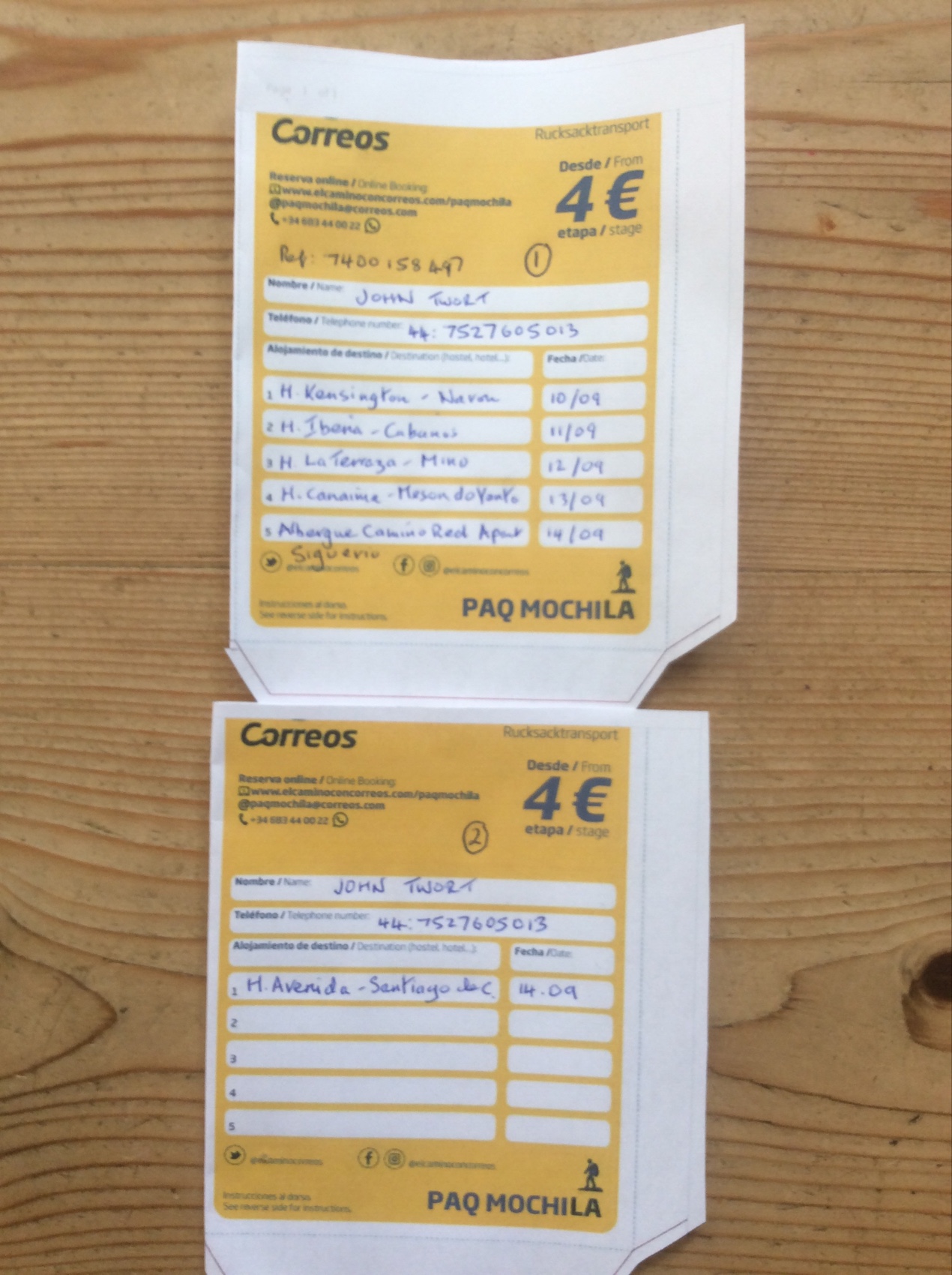
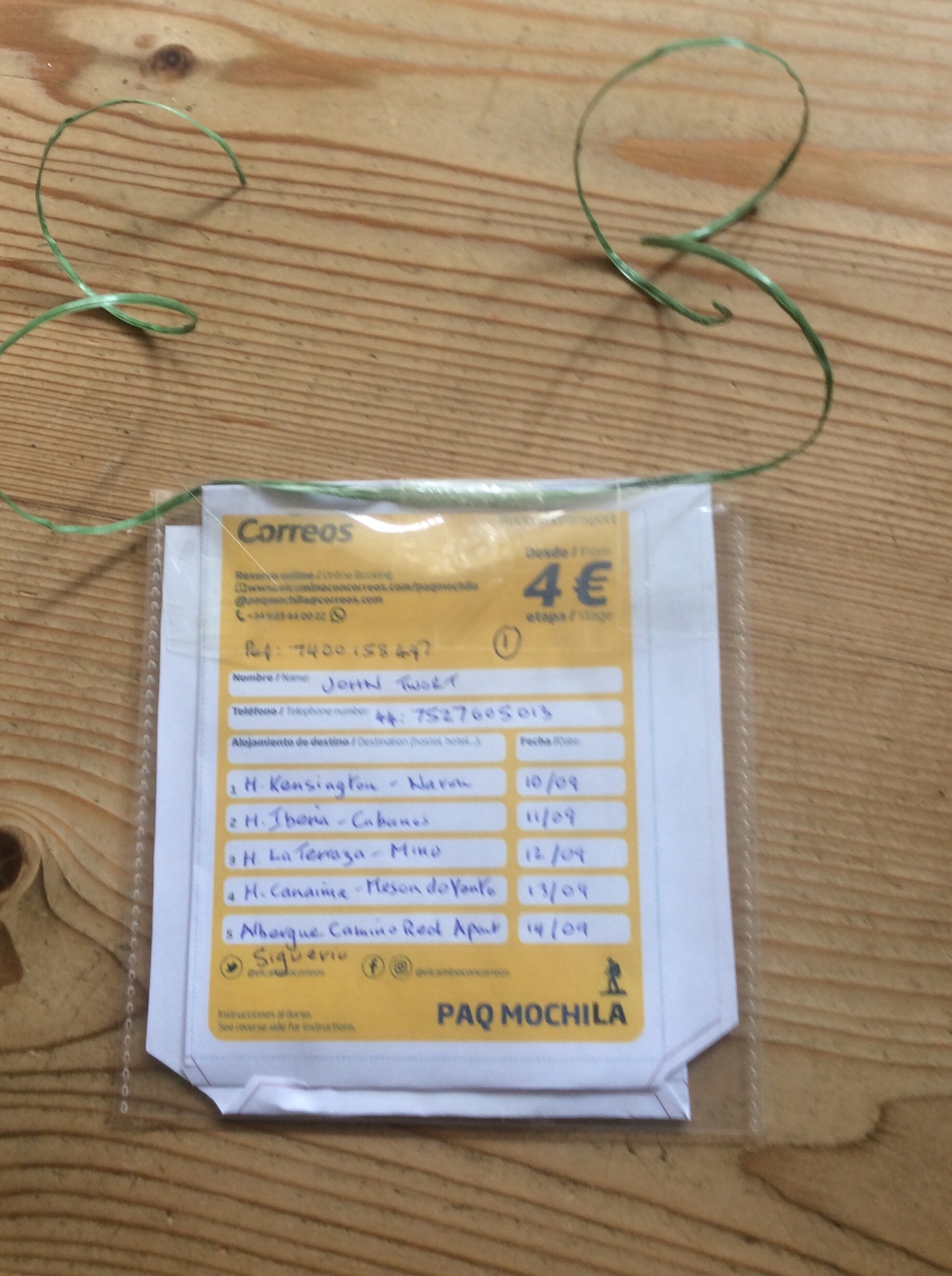
4. Photo of enlarged label with hotels and dates. It is important to include the booking reference on the top of the envelope. No money required! Ref.7400158497
https://www.elcaminoconcorreos.com/admin/files/contents/files/Paq-Mochila-Envelope-2018-2019.pdf
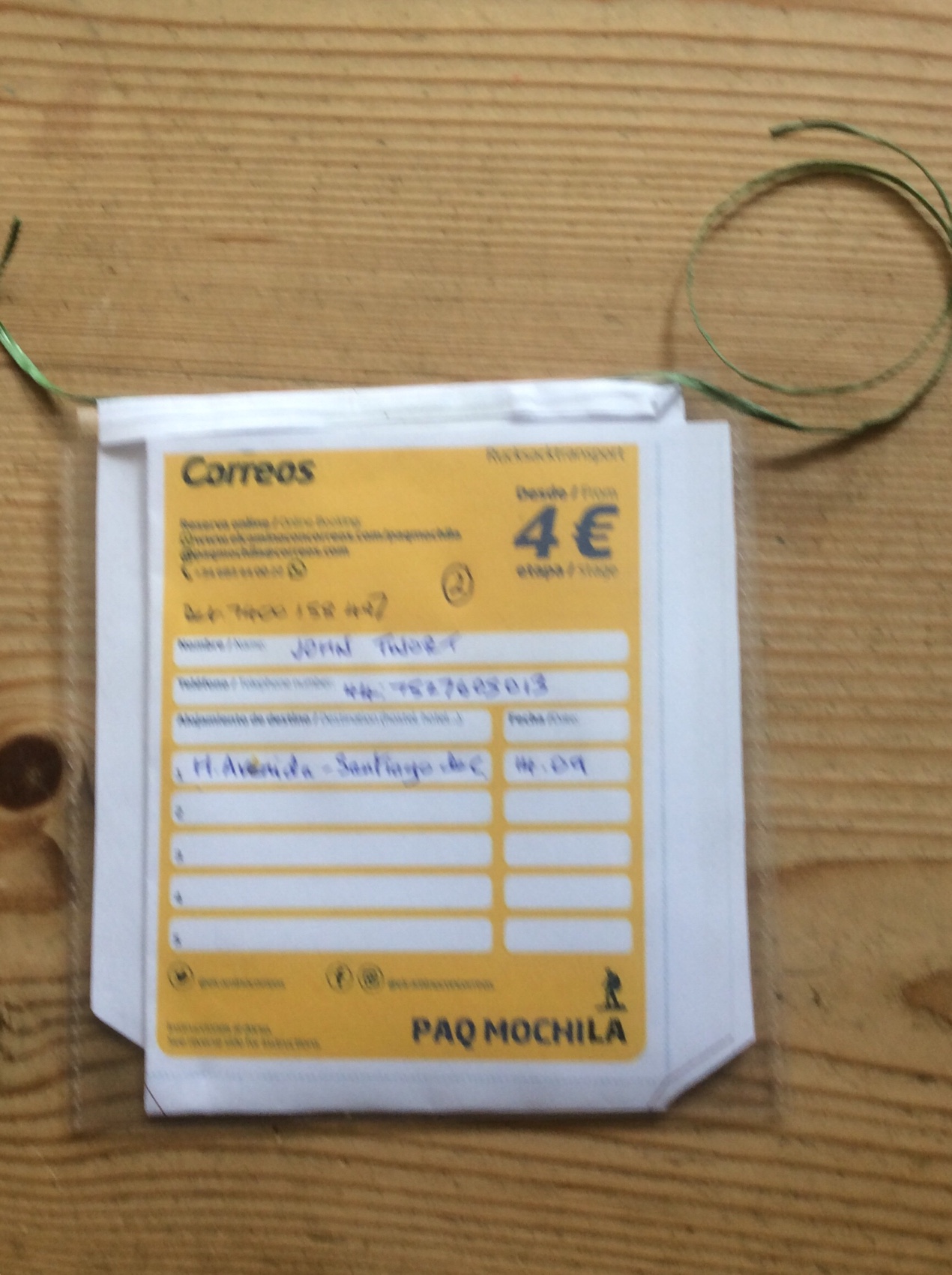
You will need to download two labels as shown in photos.
You can expand the download and then right click outside the image to print off the label.
I used a CD envelope to protect the label after inserting the two labels.
What fun!
5. Downloadable town plan of Ferrol https://www.turismo.gal/docs/mdaw/mdk4/~edisp/turga098261.pdf?langId=en_US. See you all on Monday 09/09 for a 6 am departure – regards & best, john.











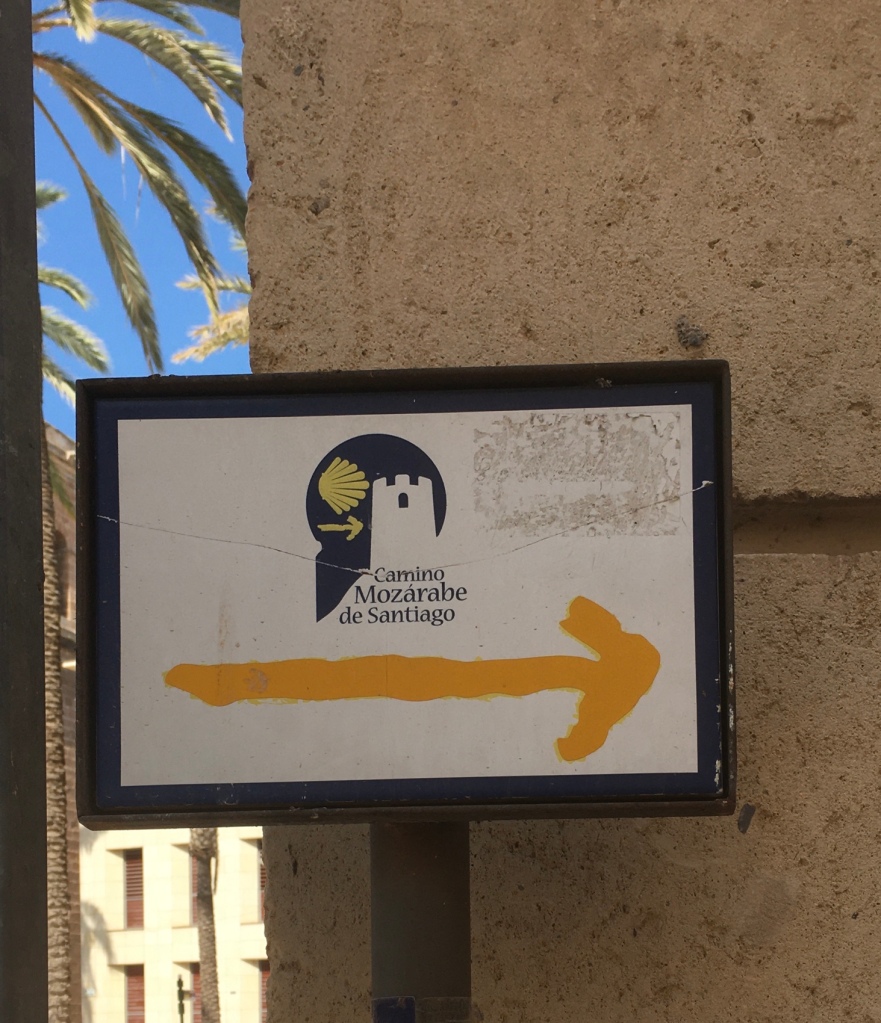

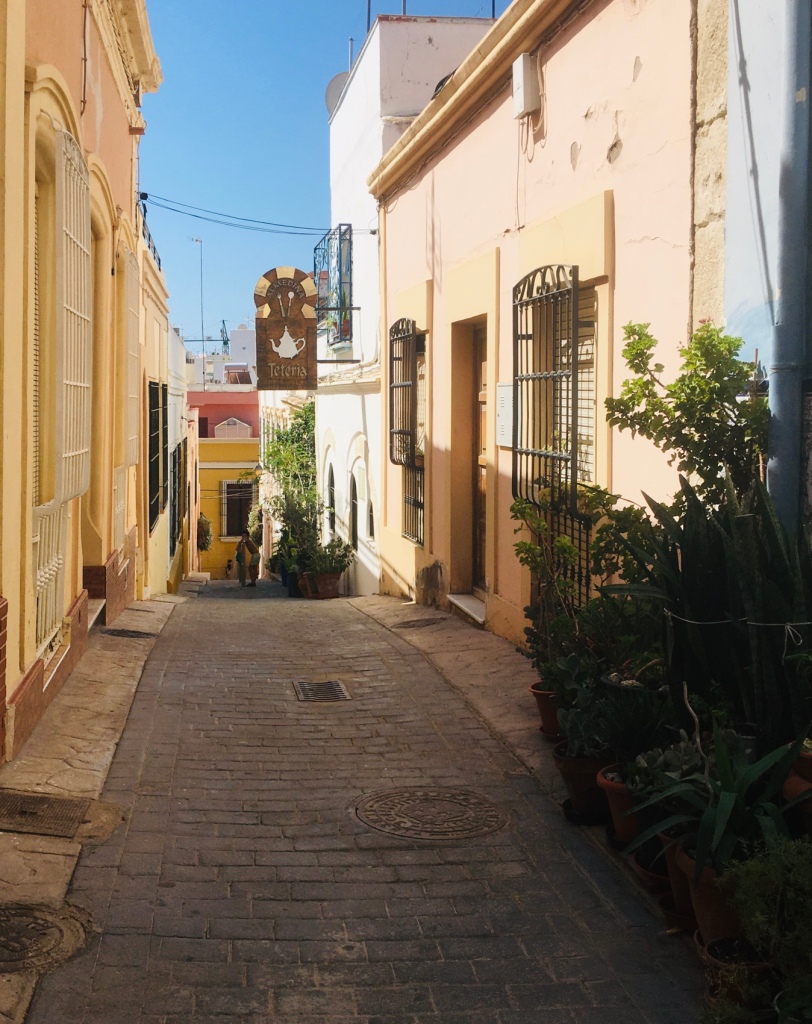
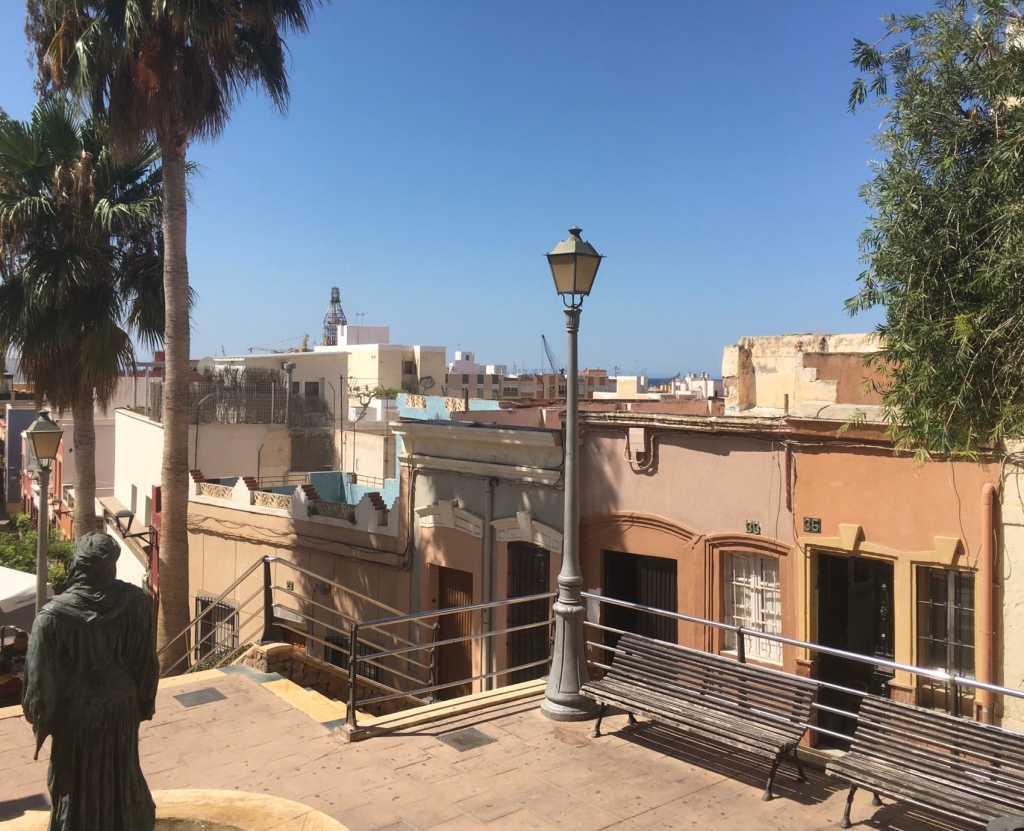


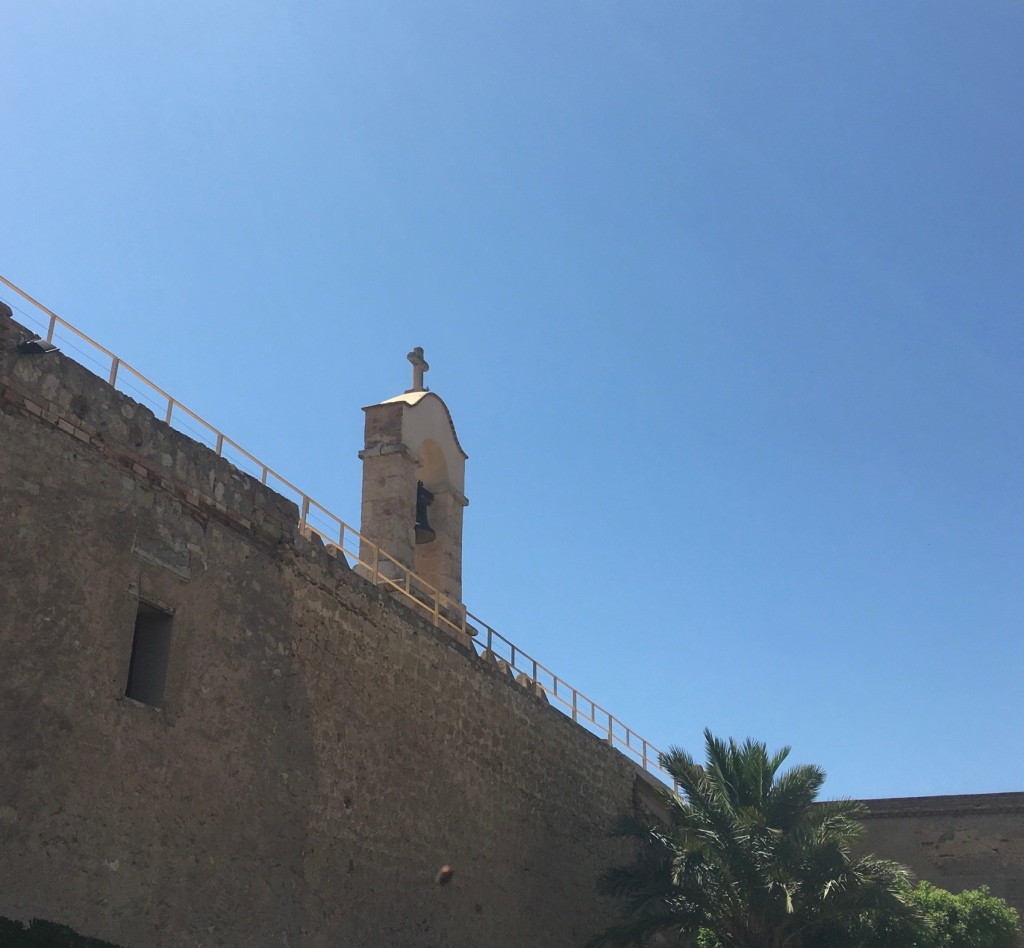











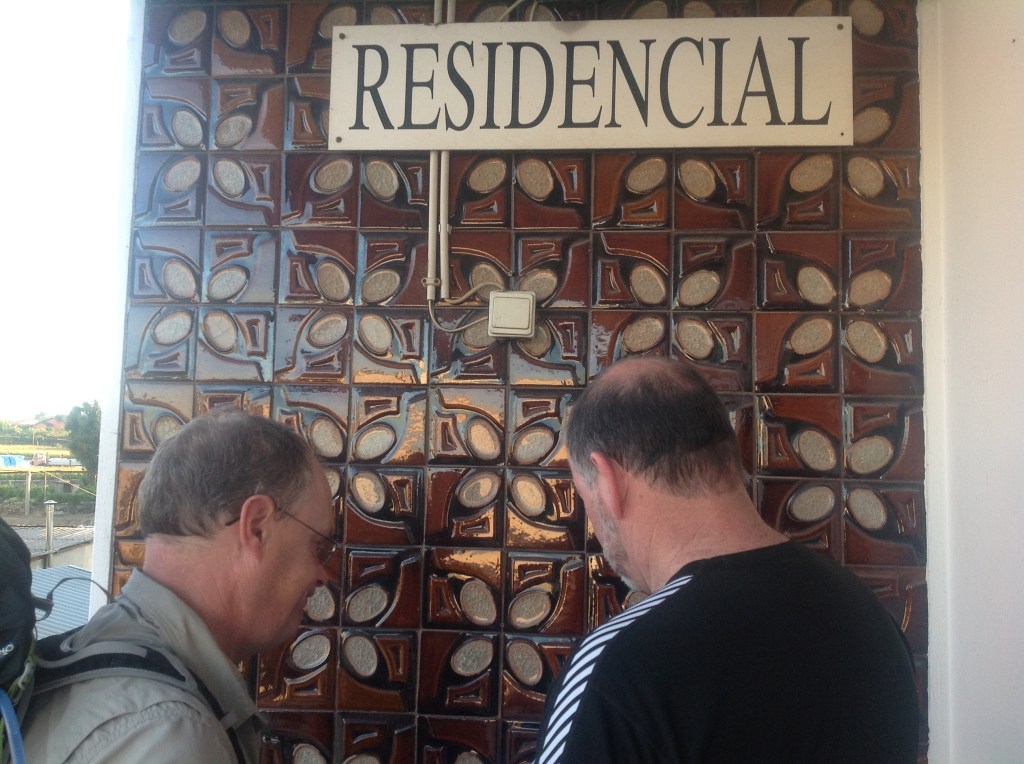














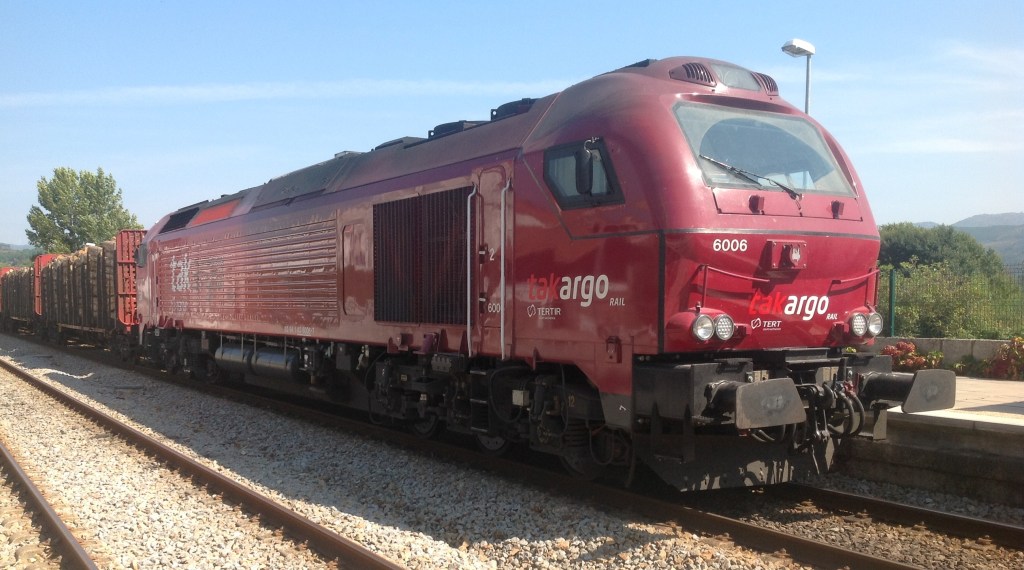


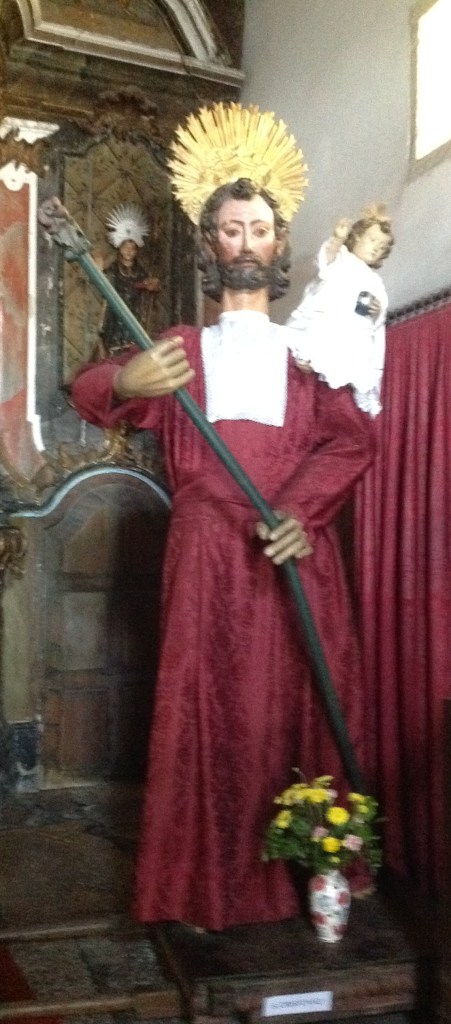


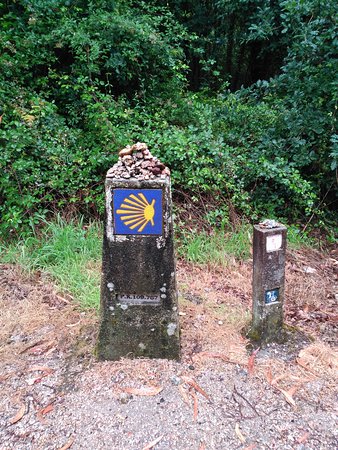










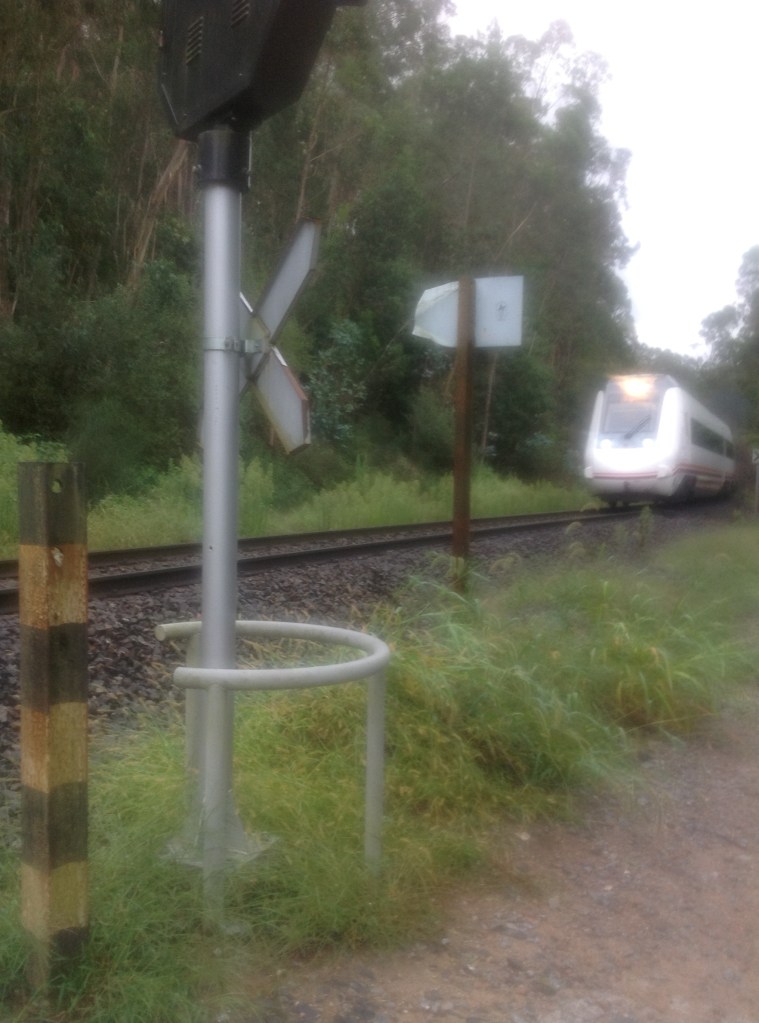

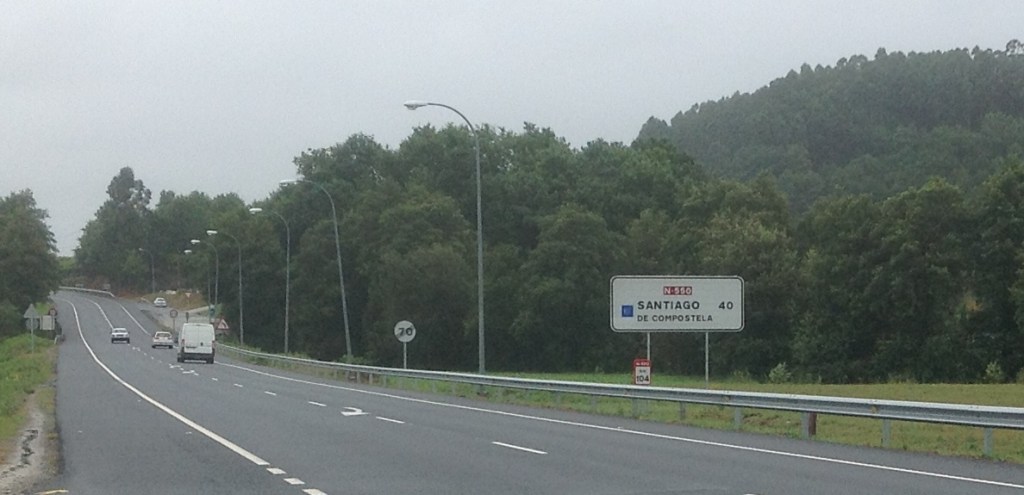


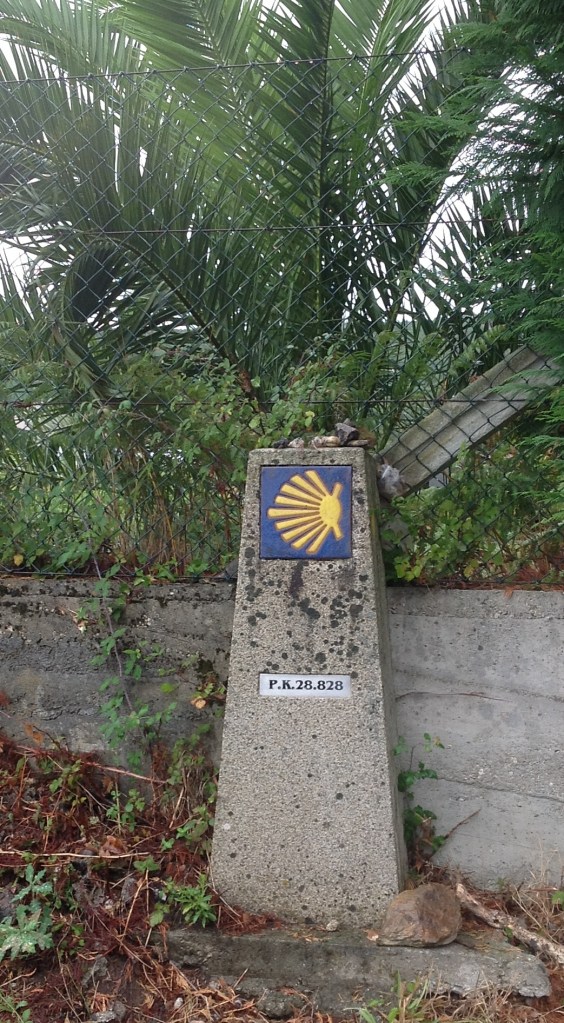


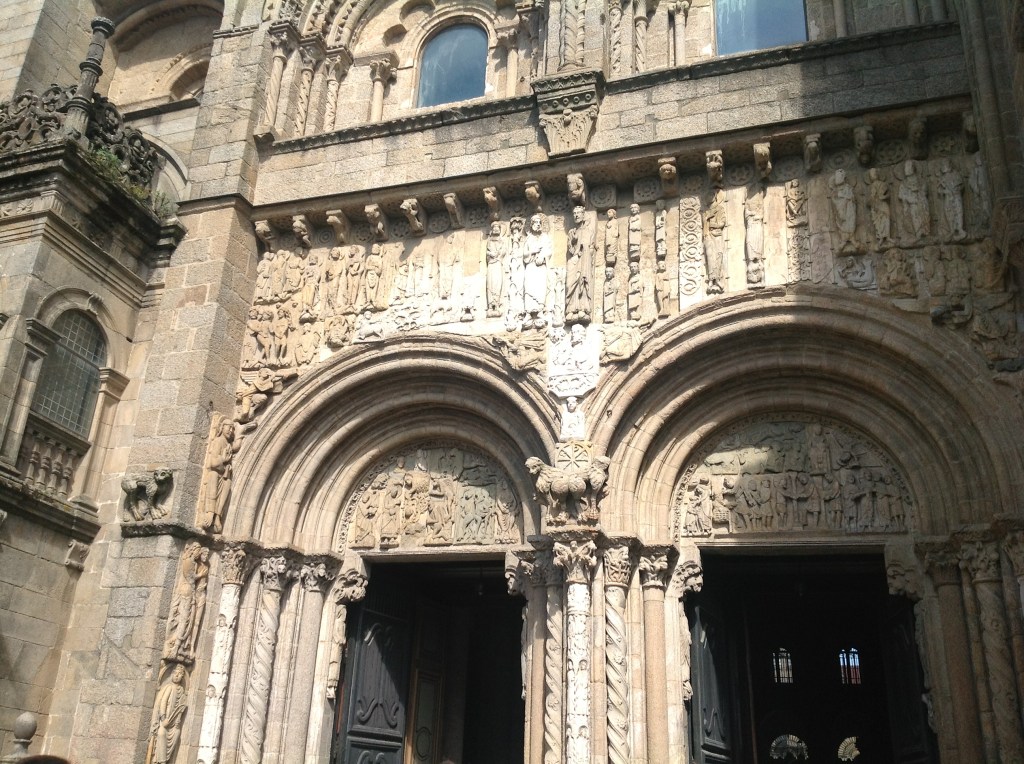

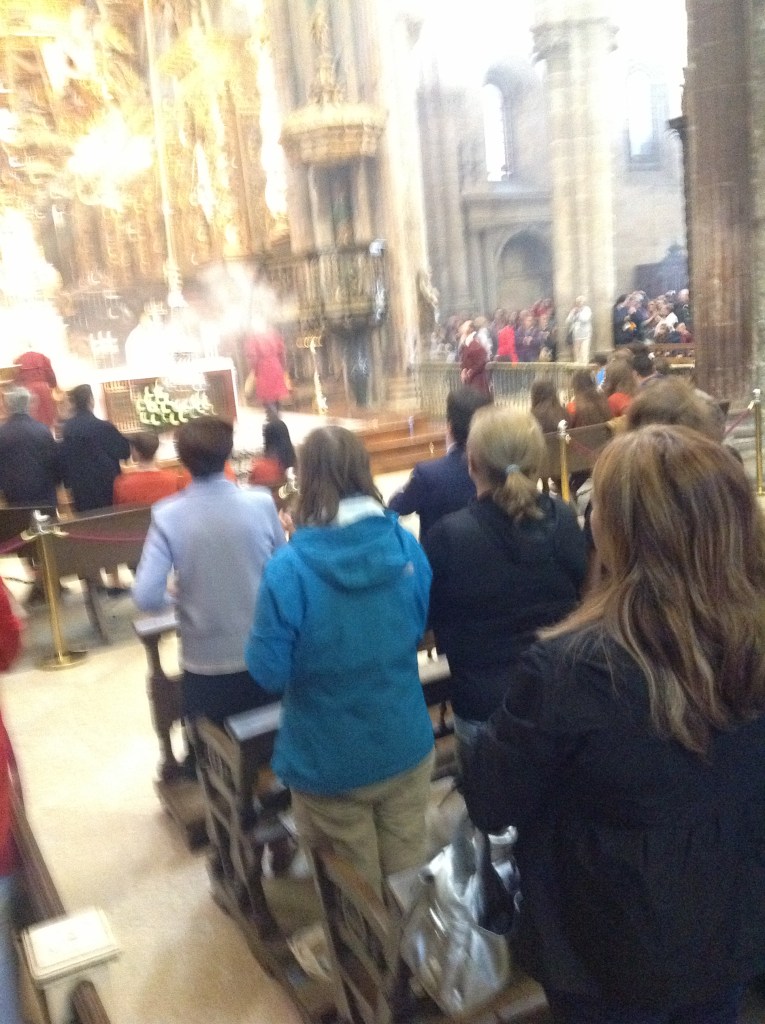


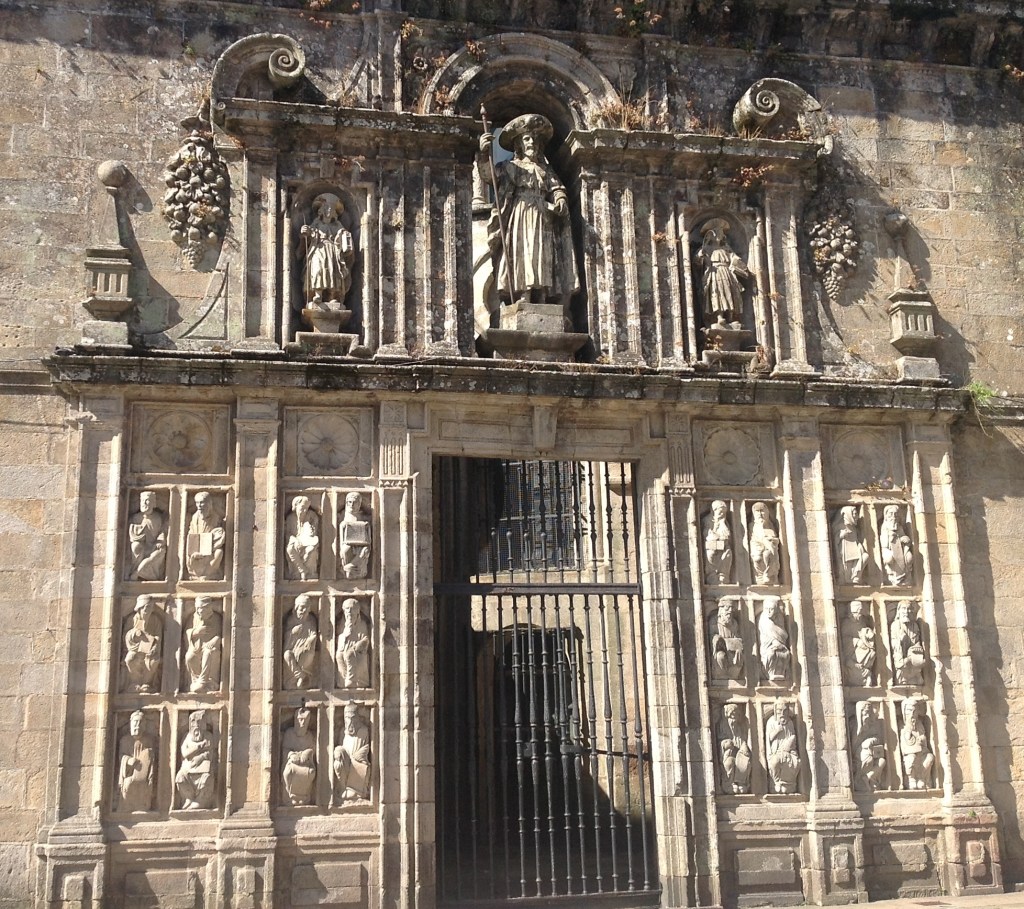
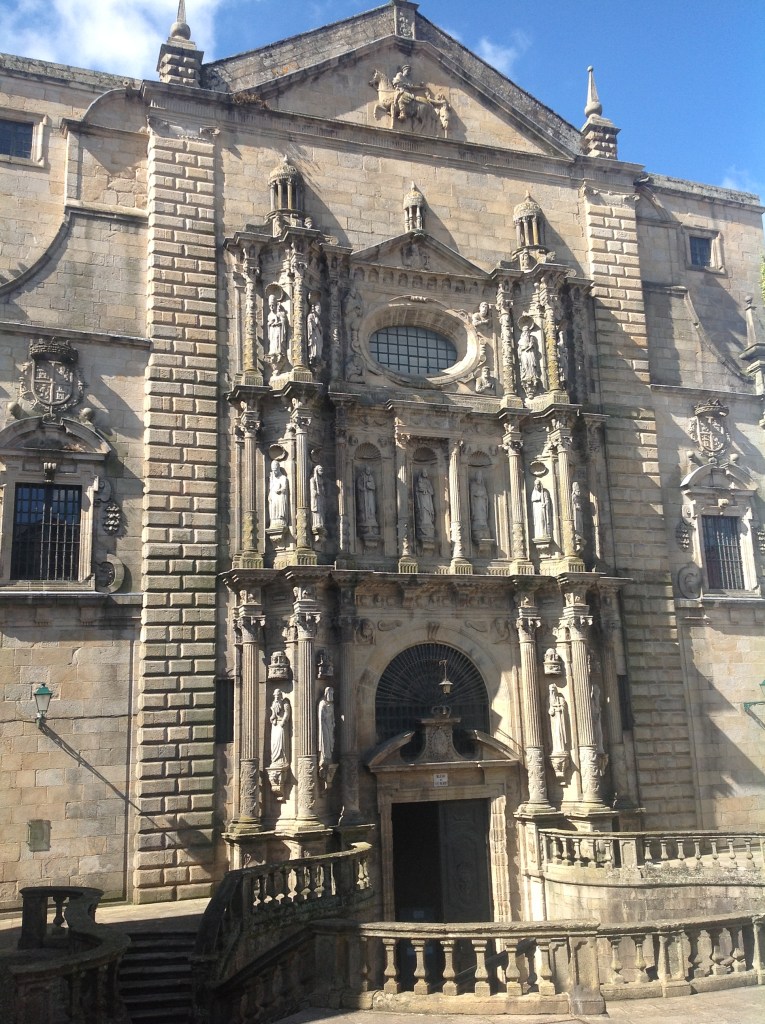


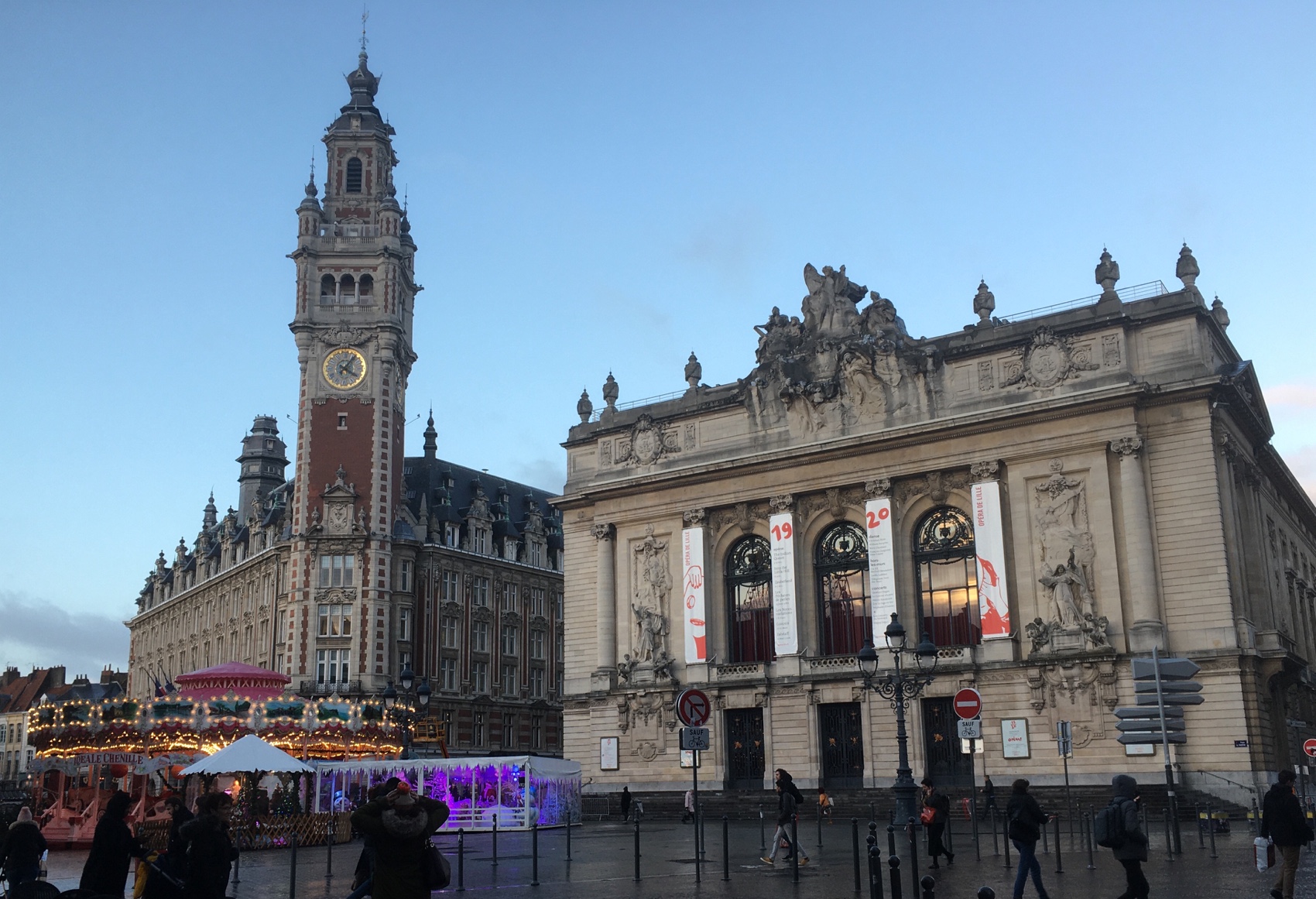
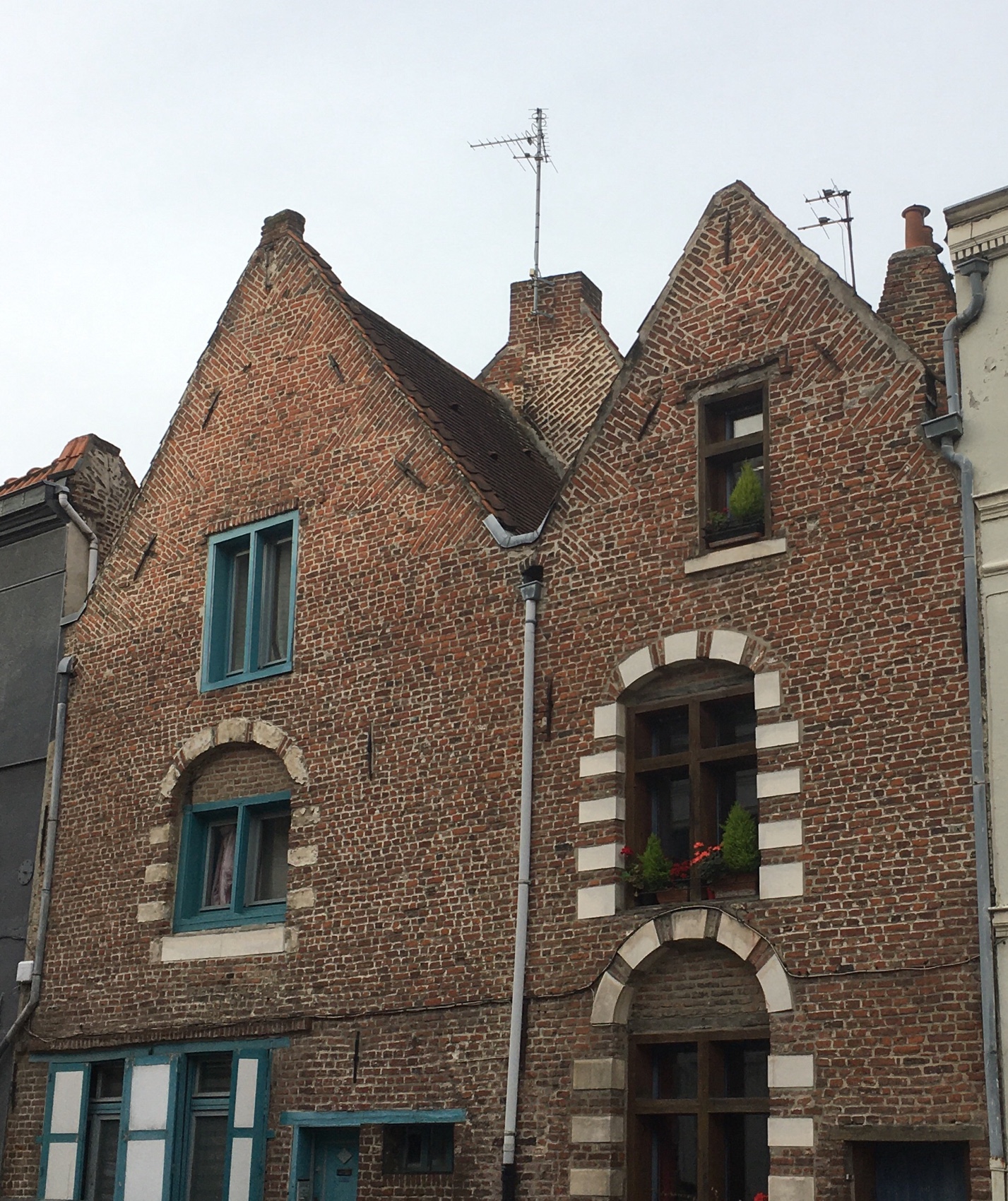
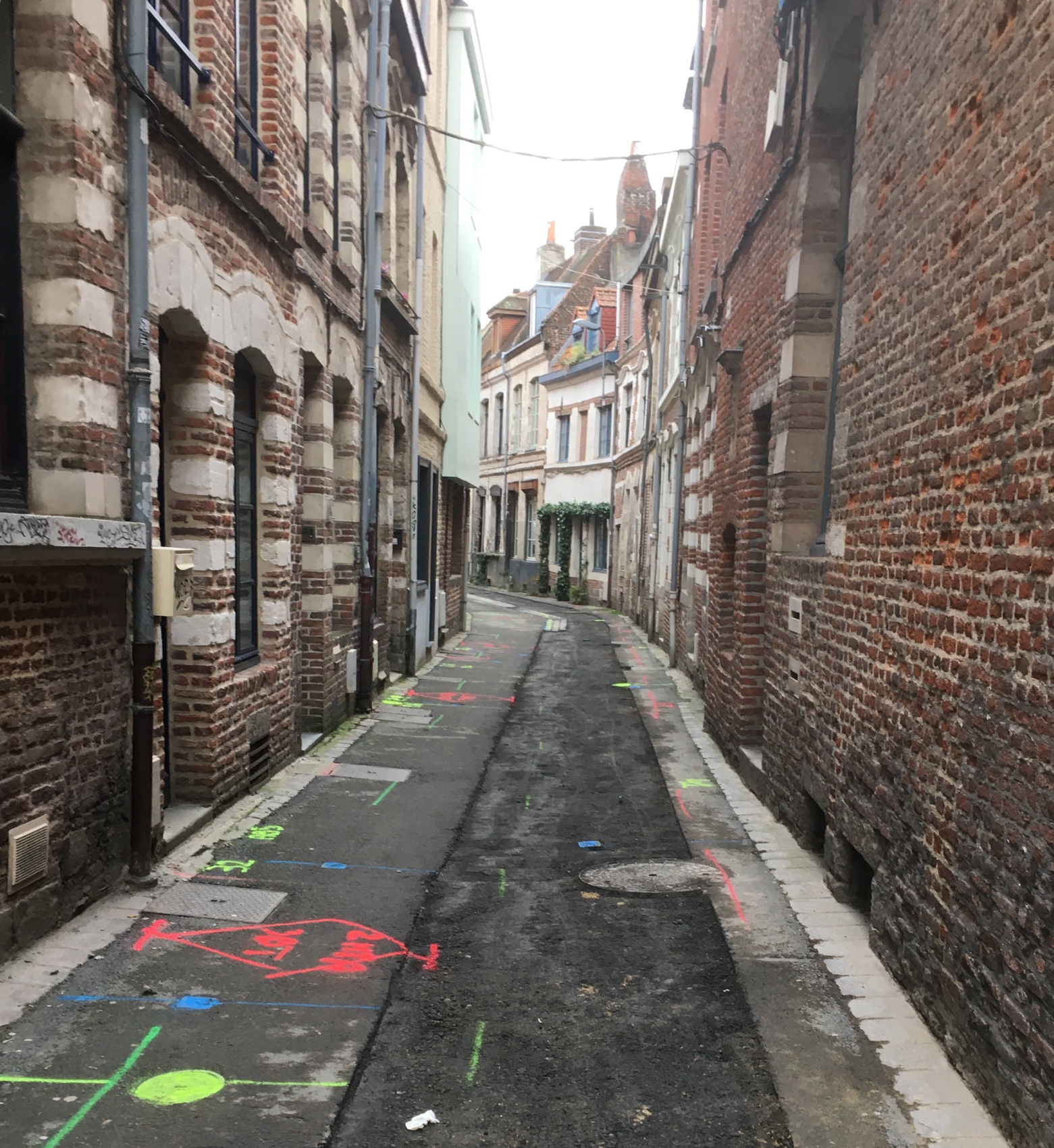
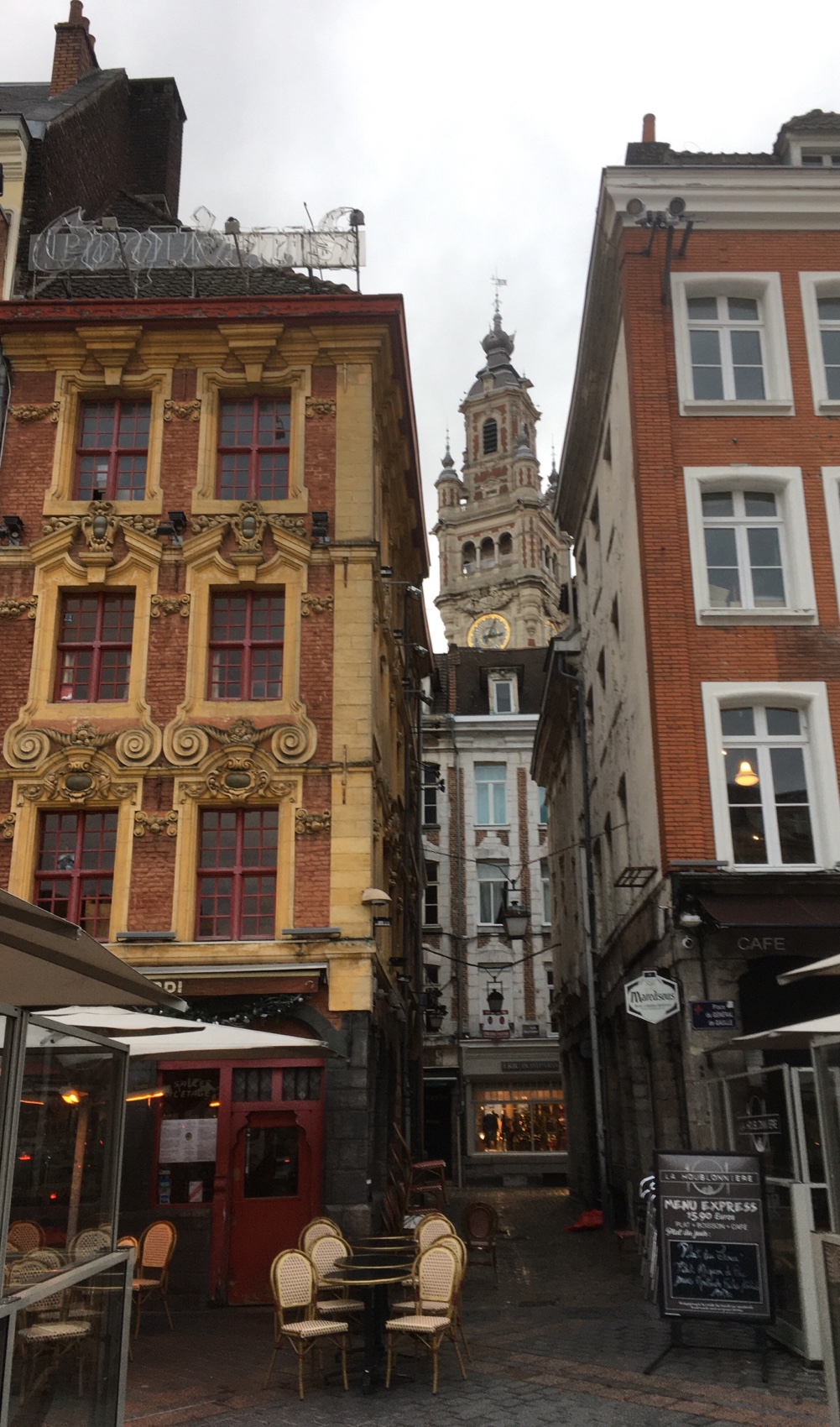
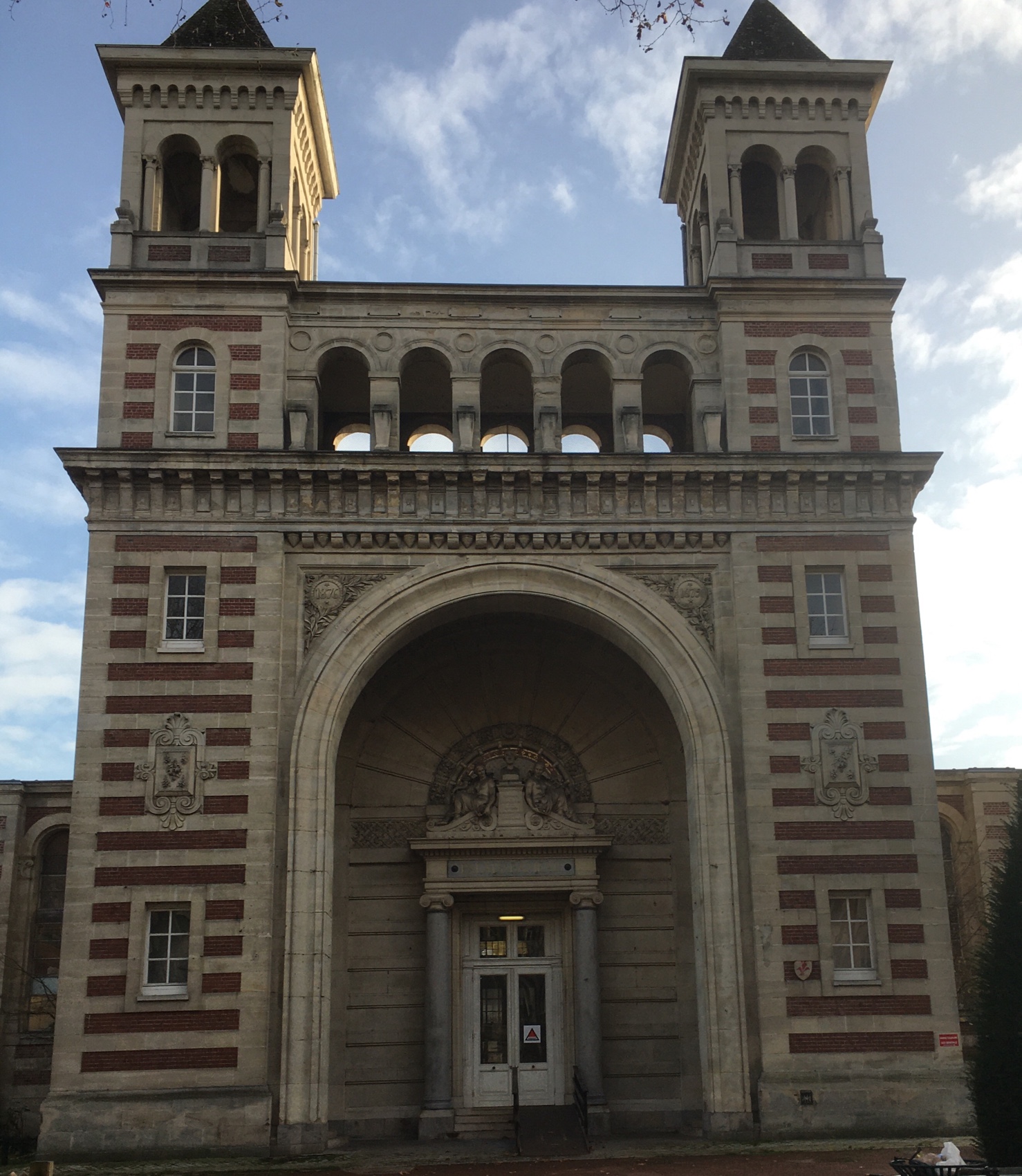
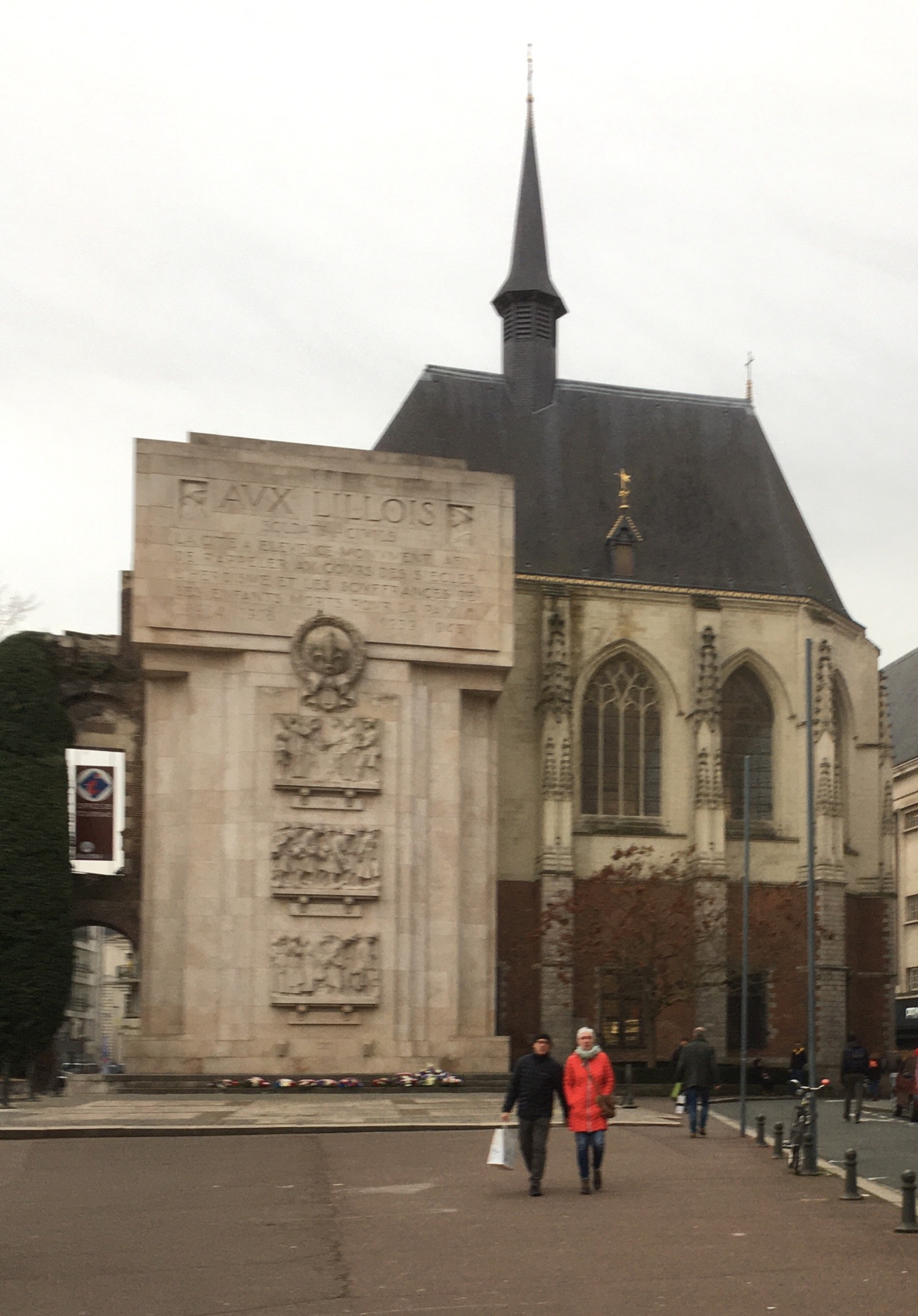
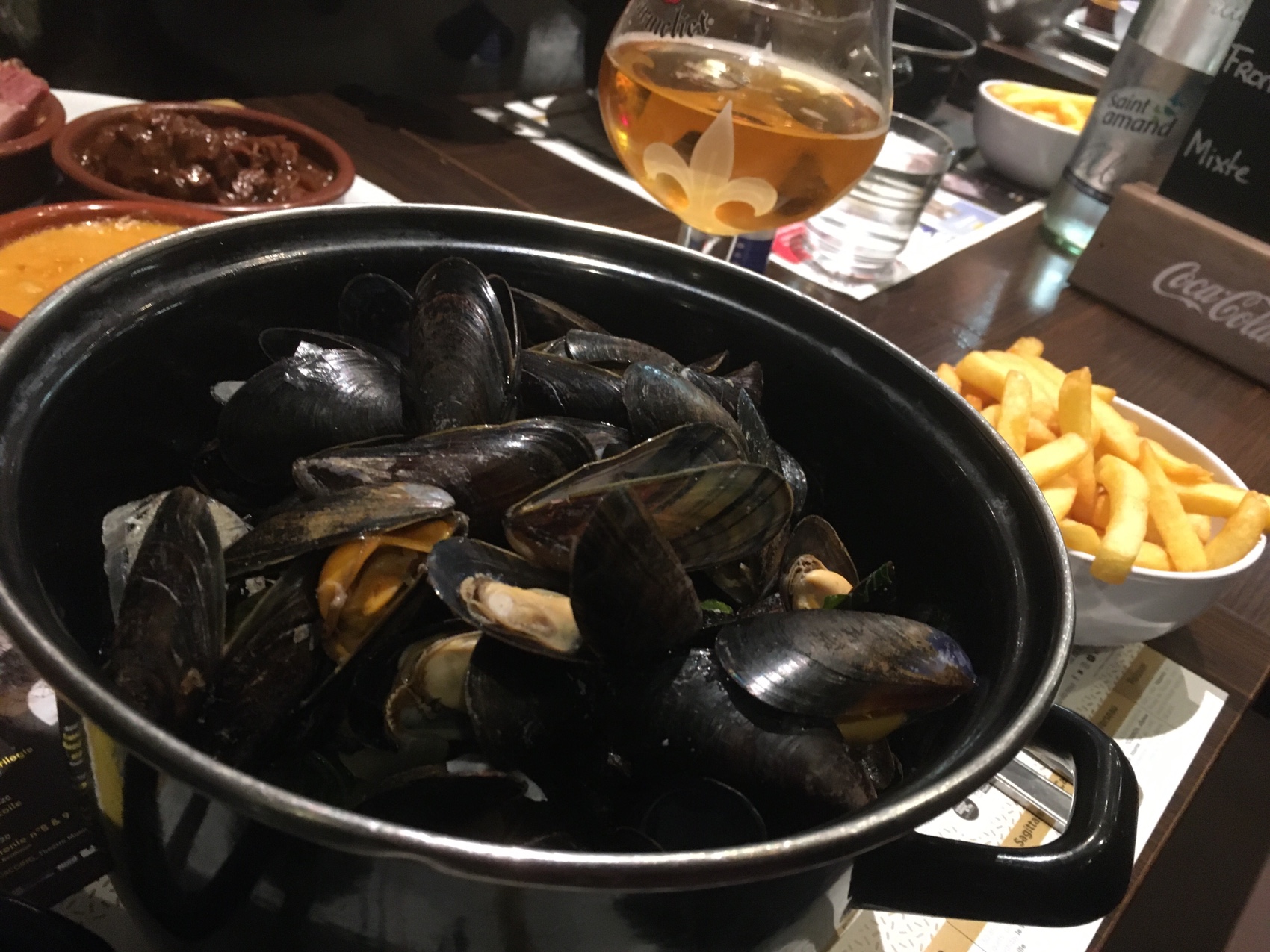
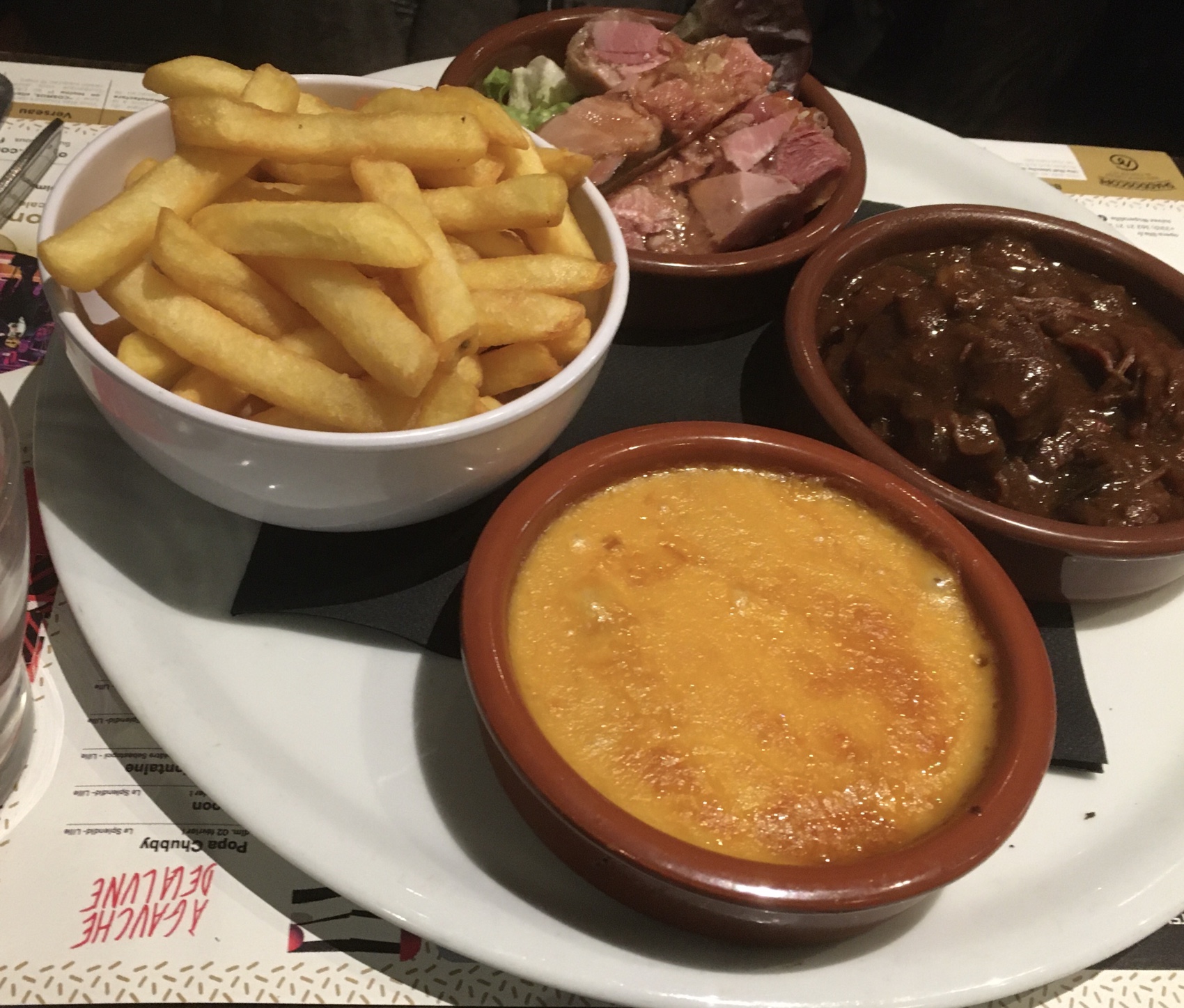
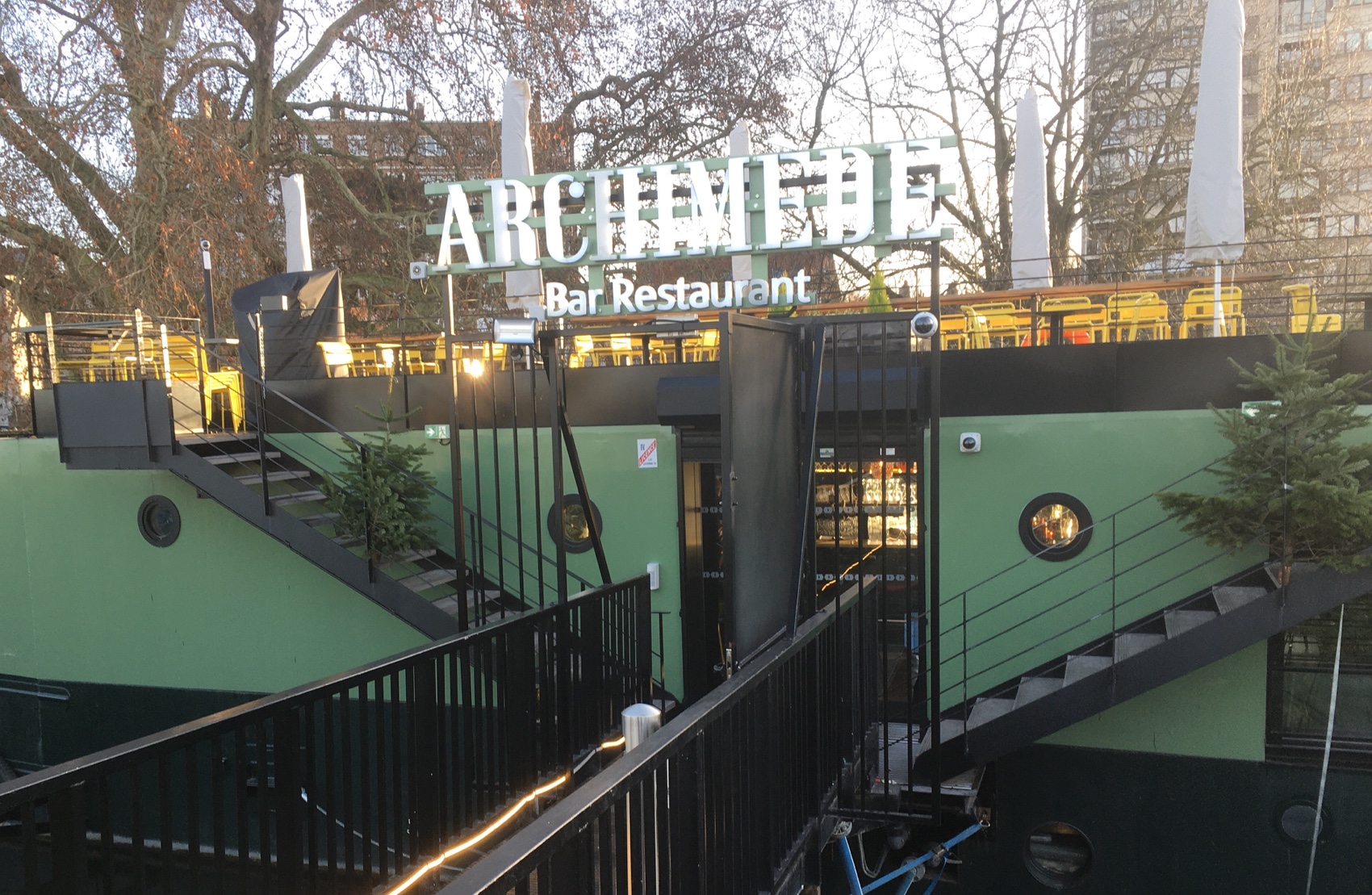
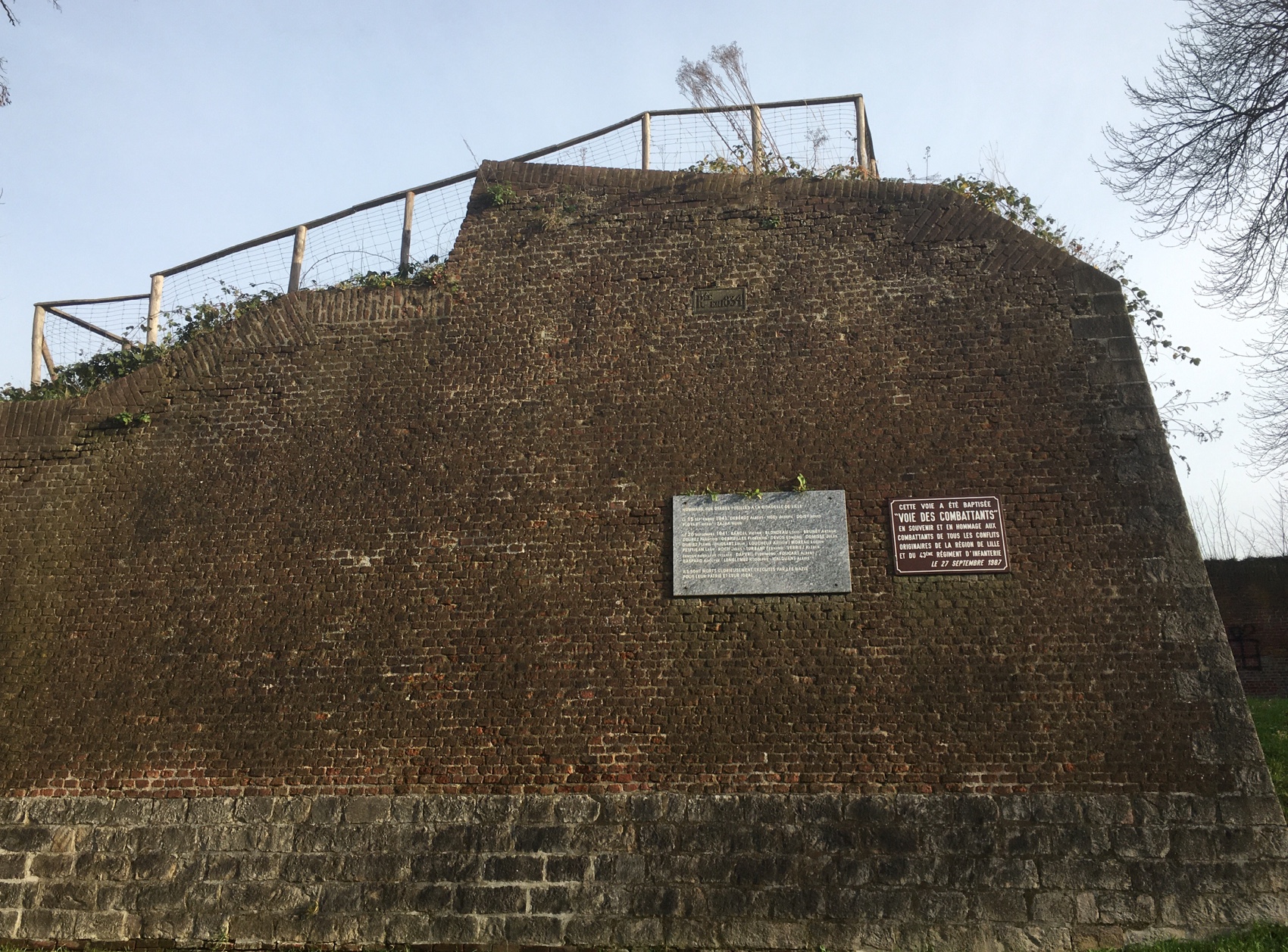
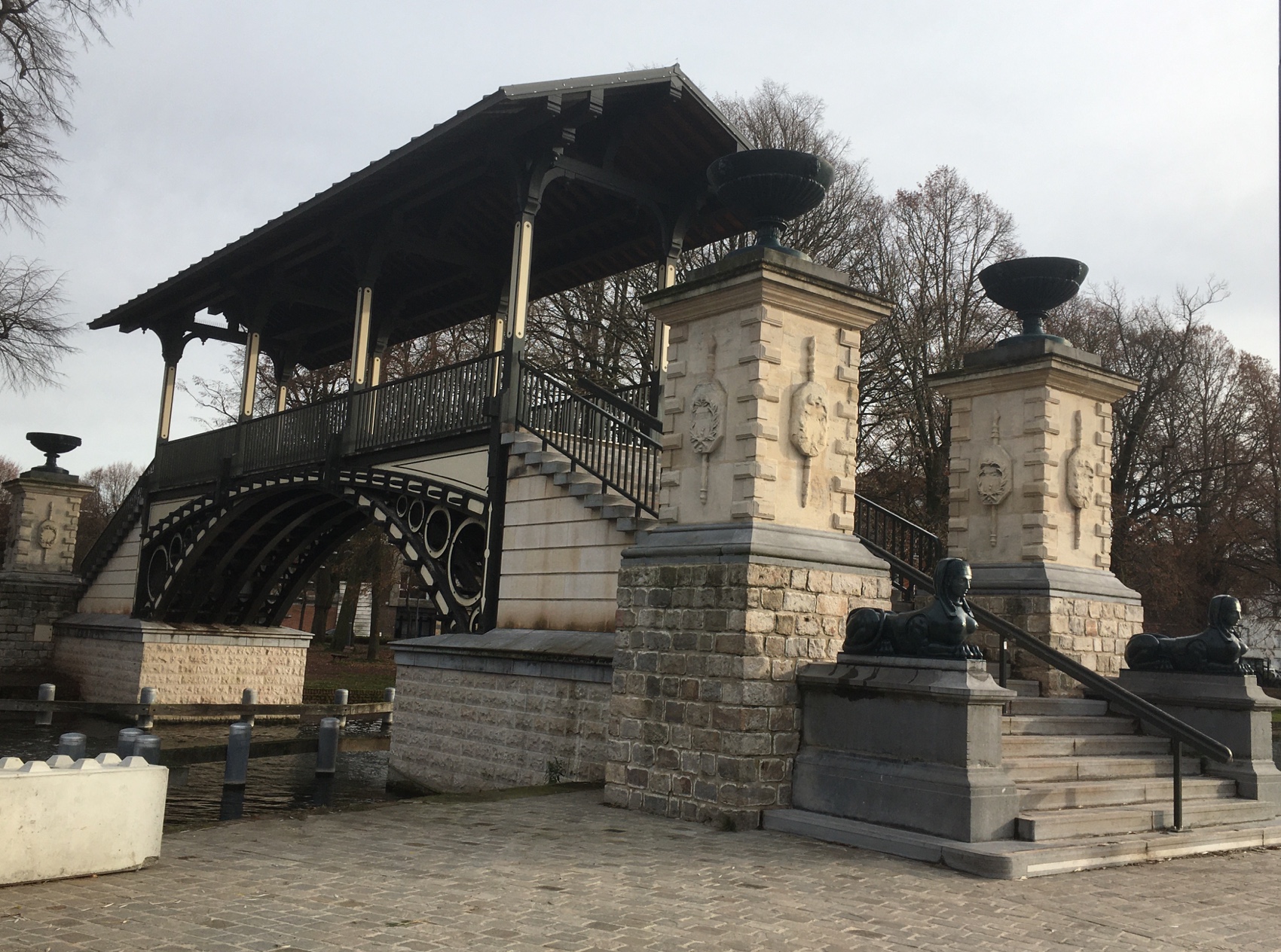
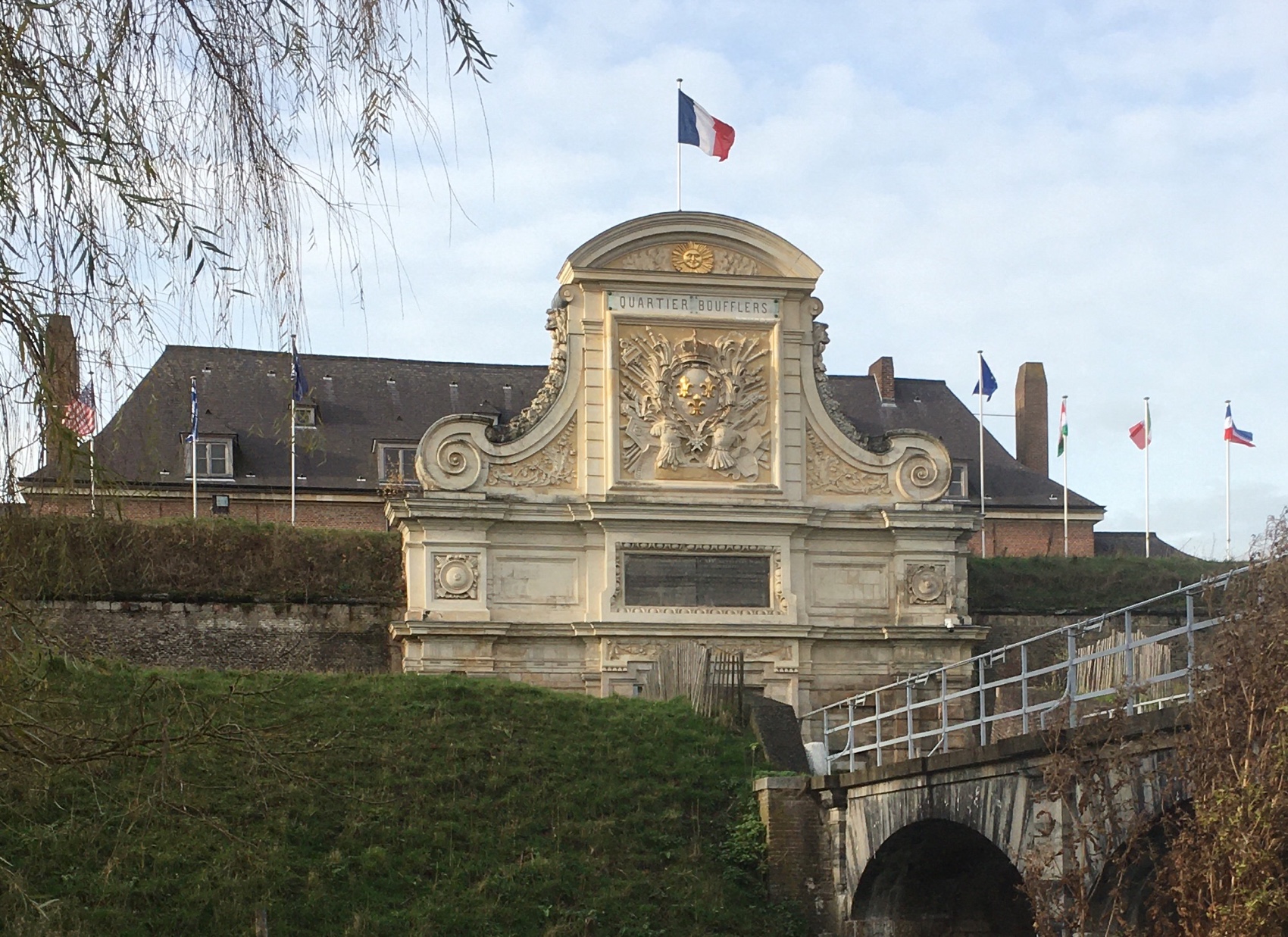


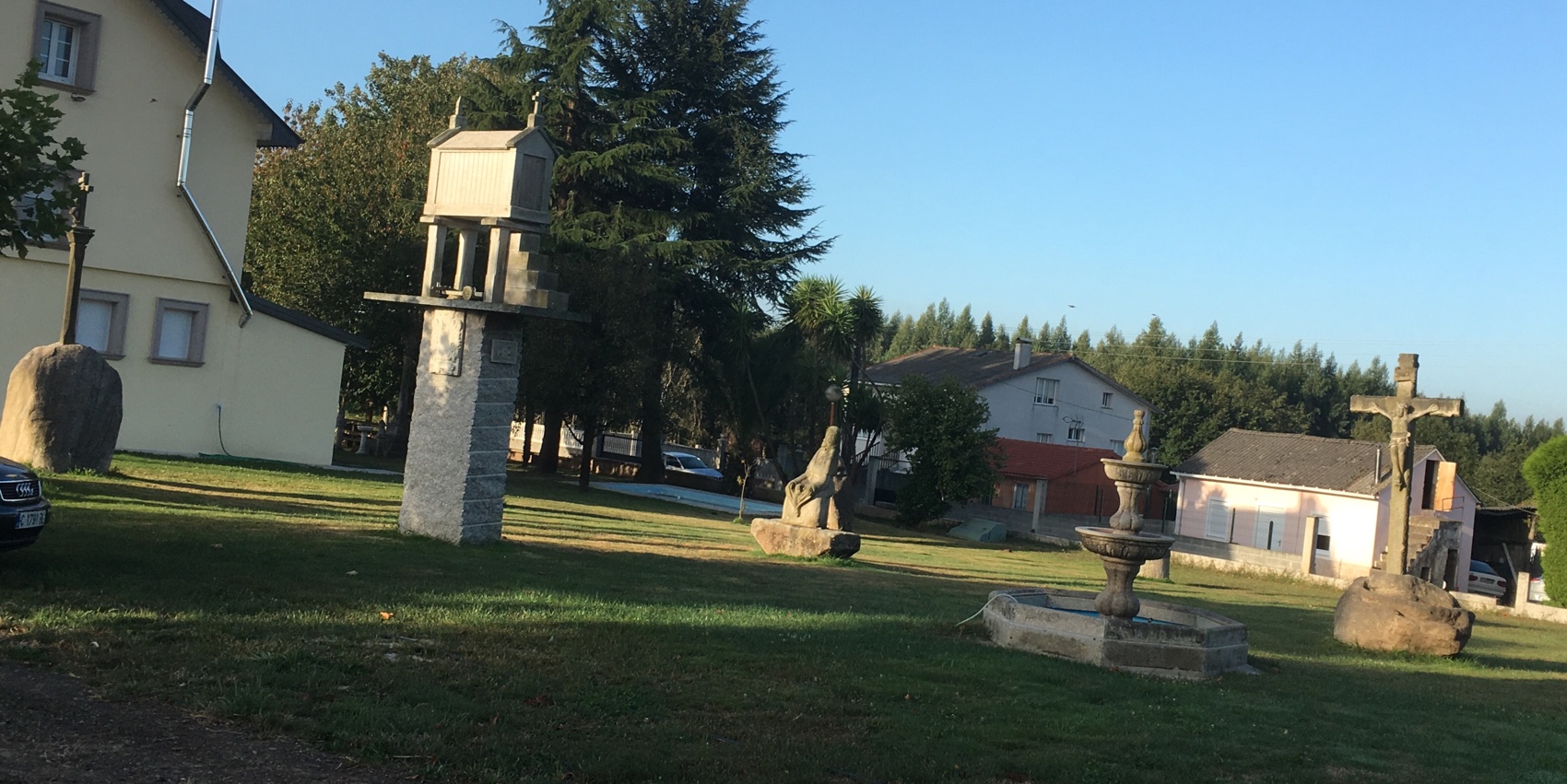
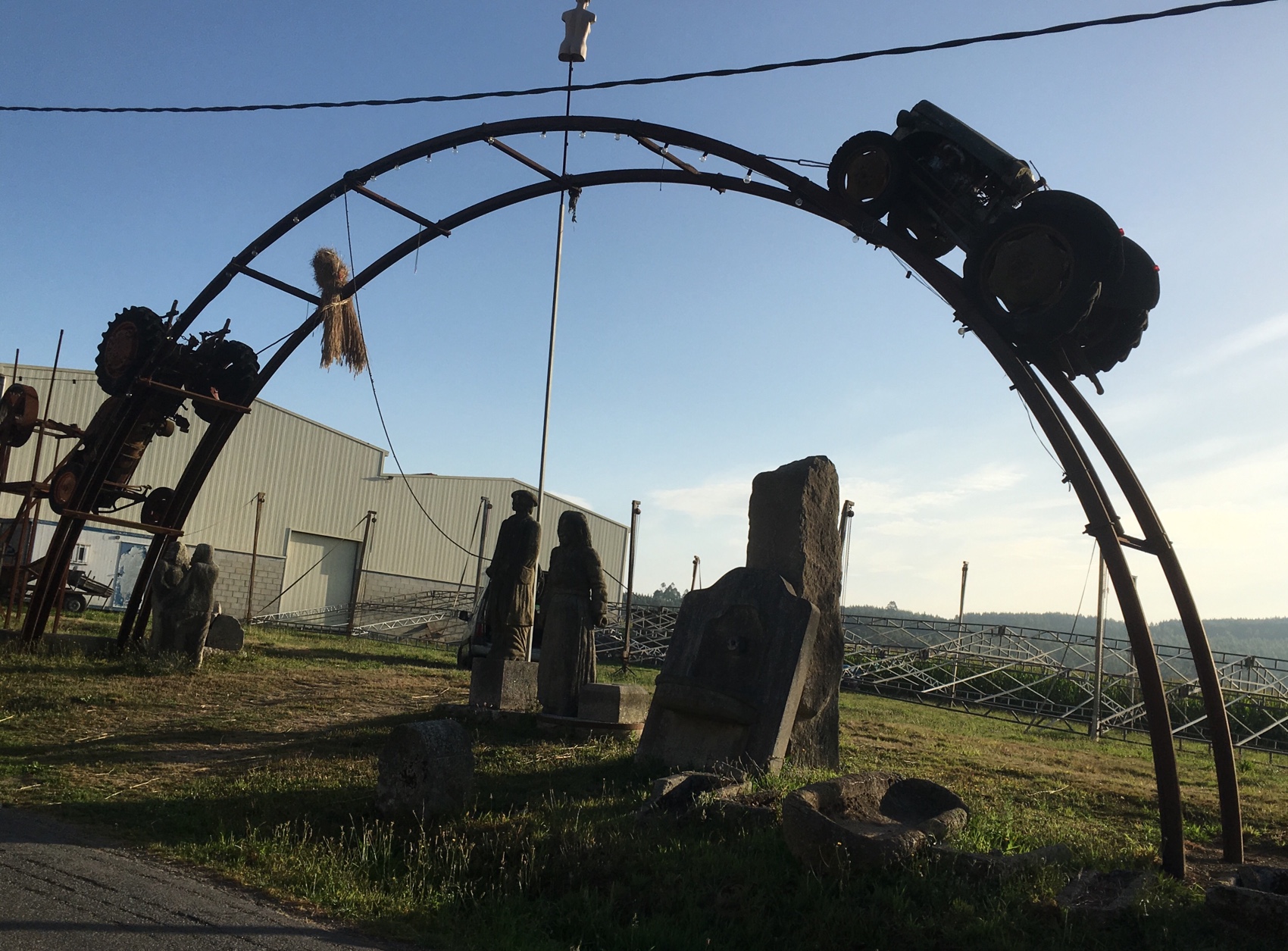
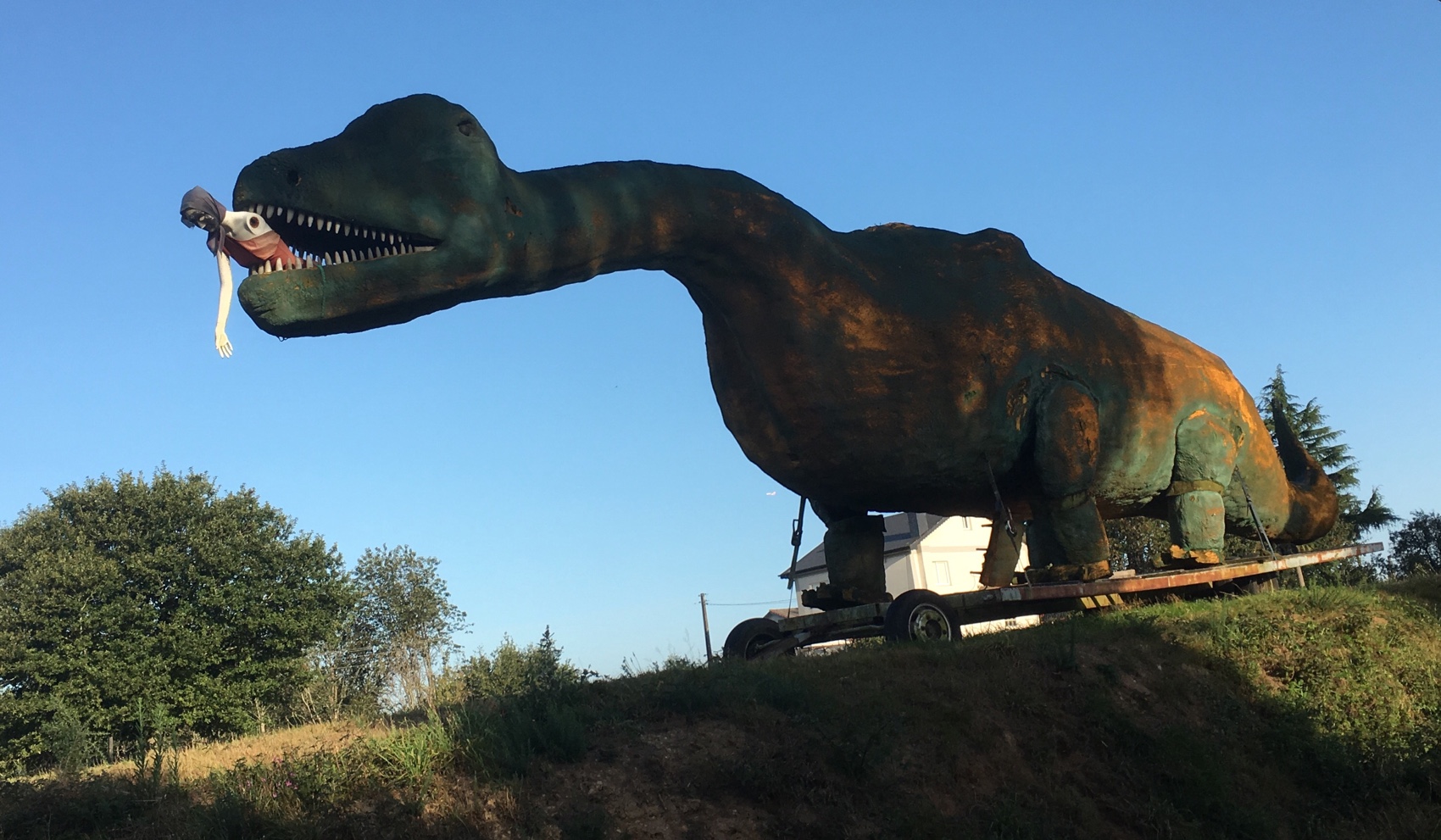
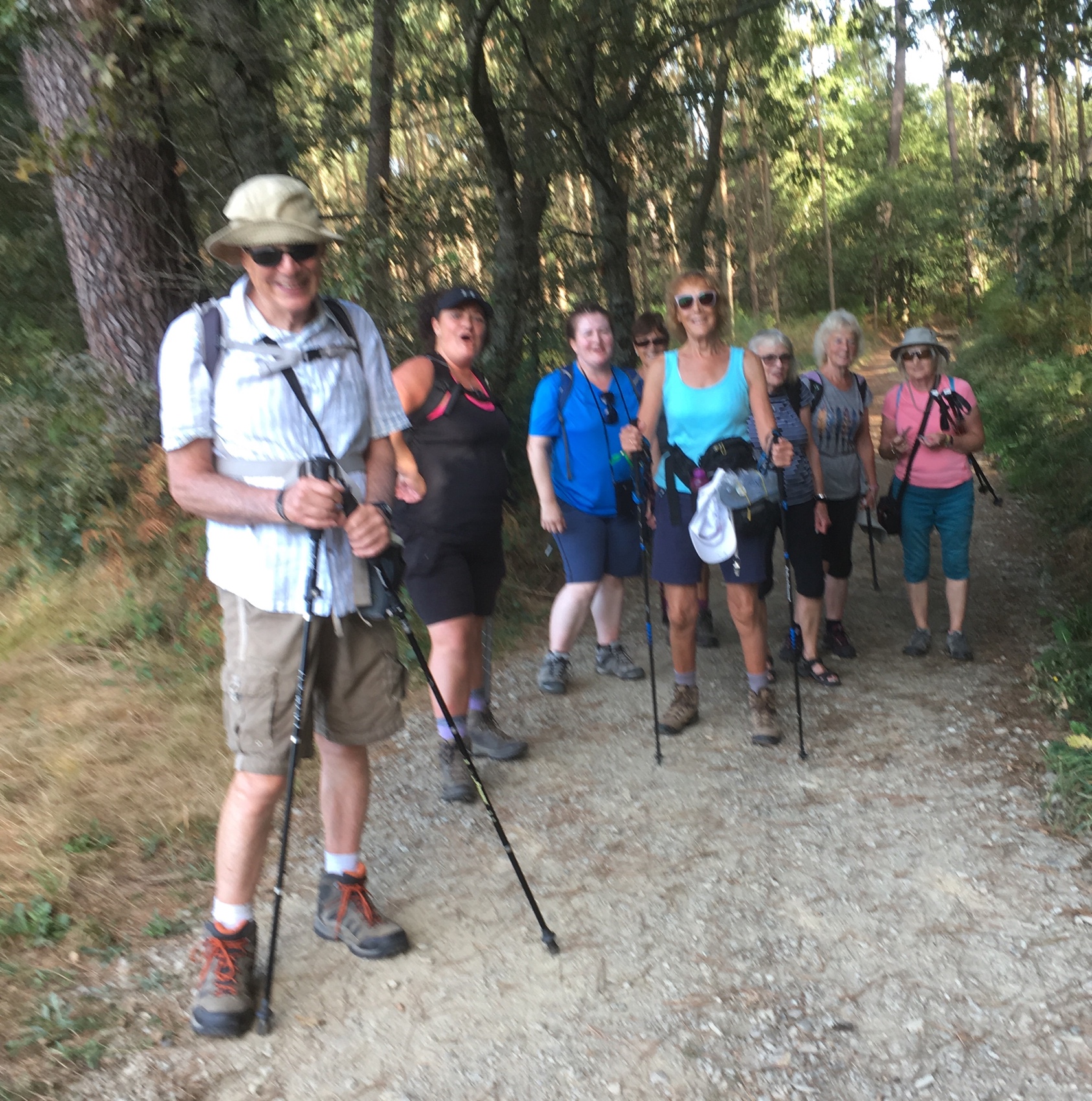
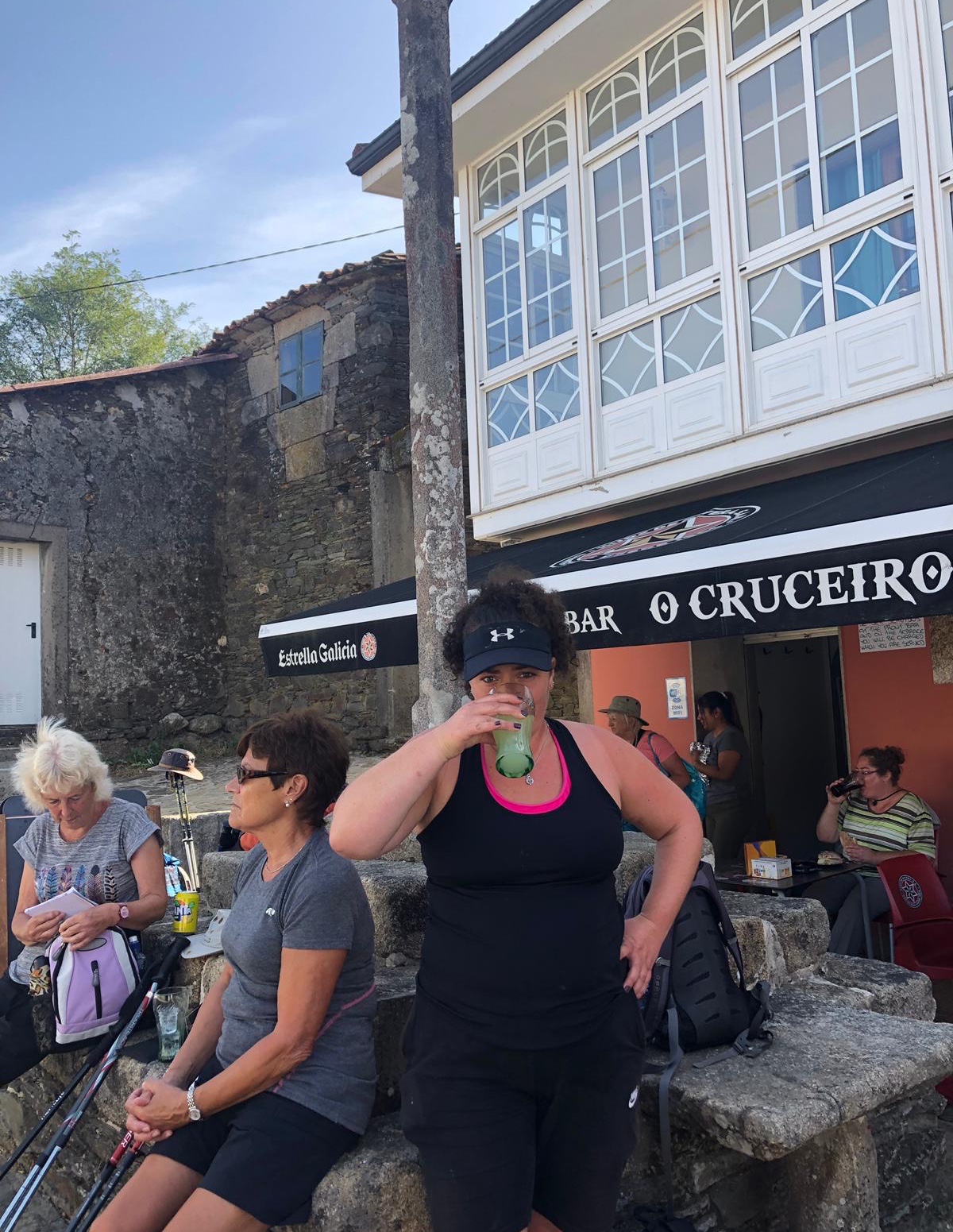
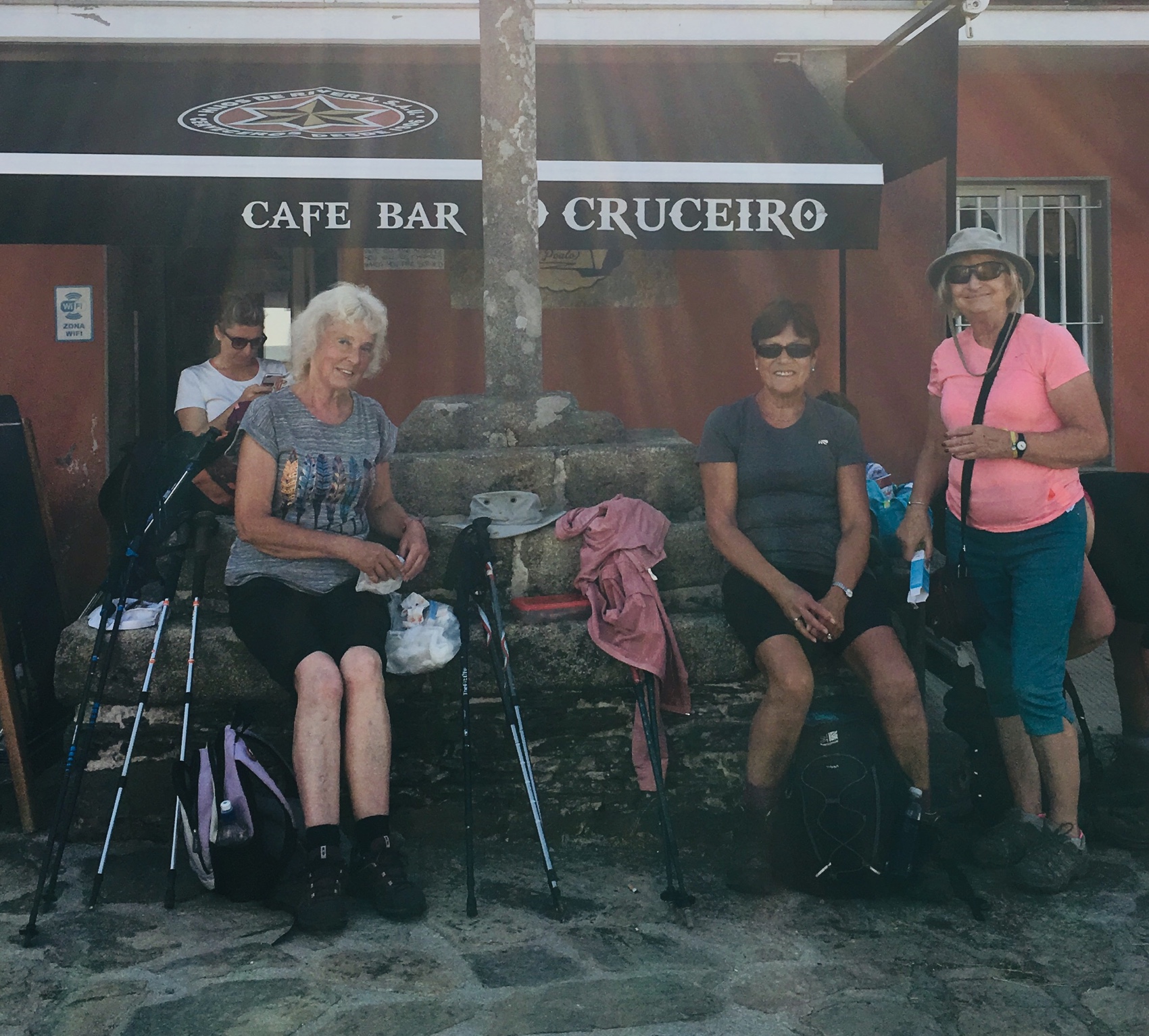
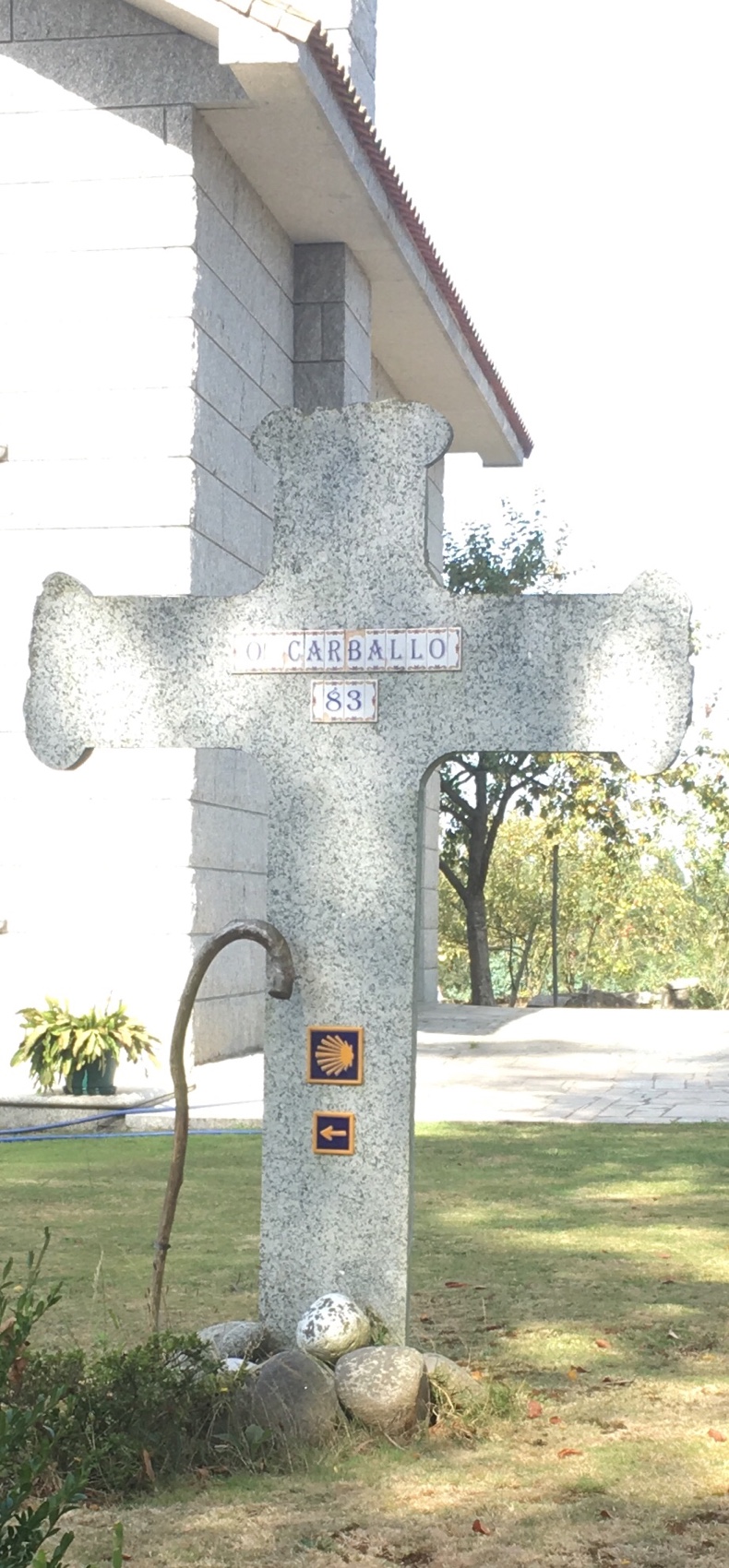
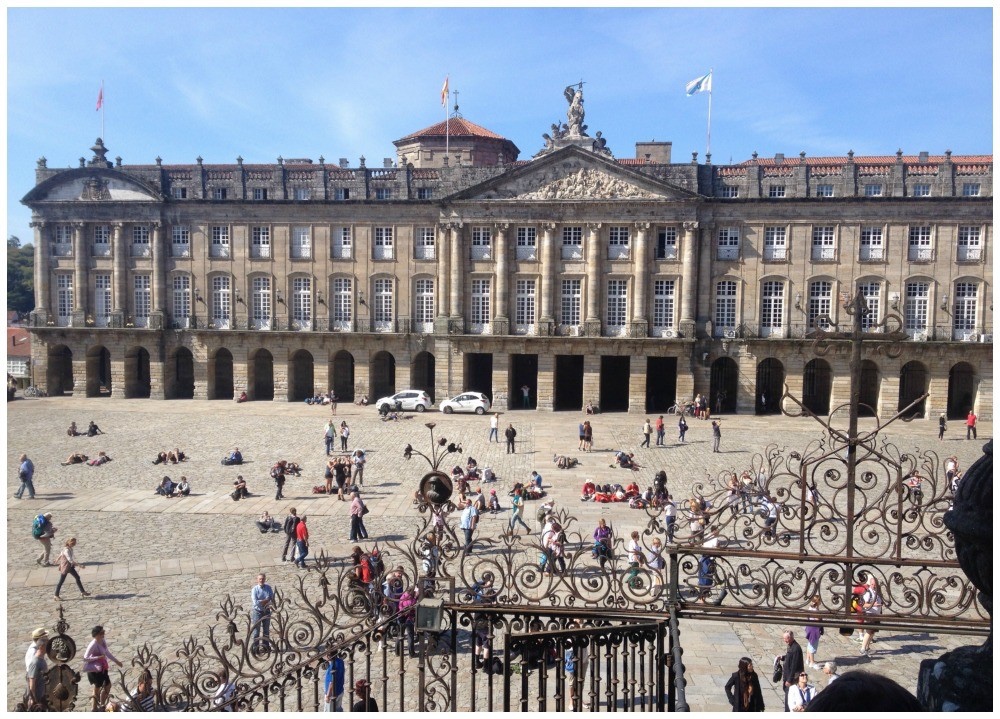
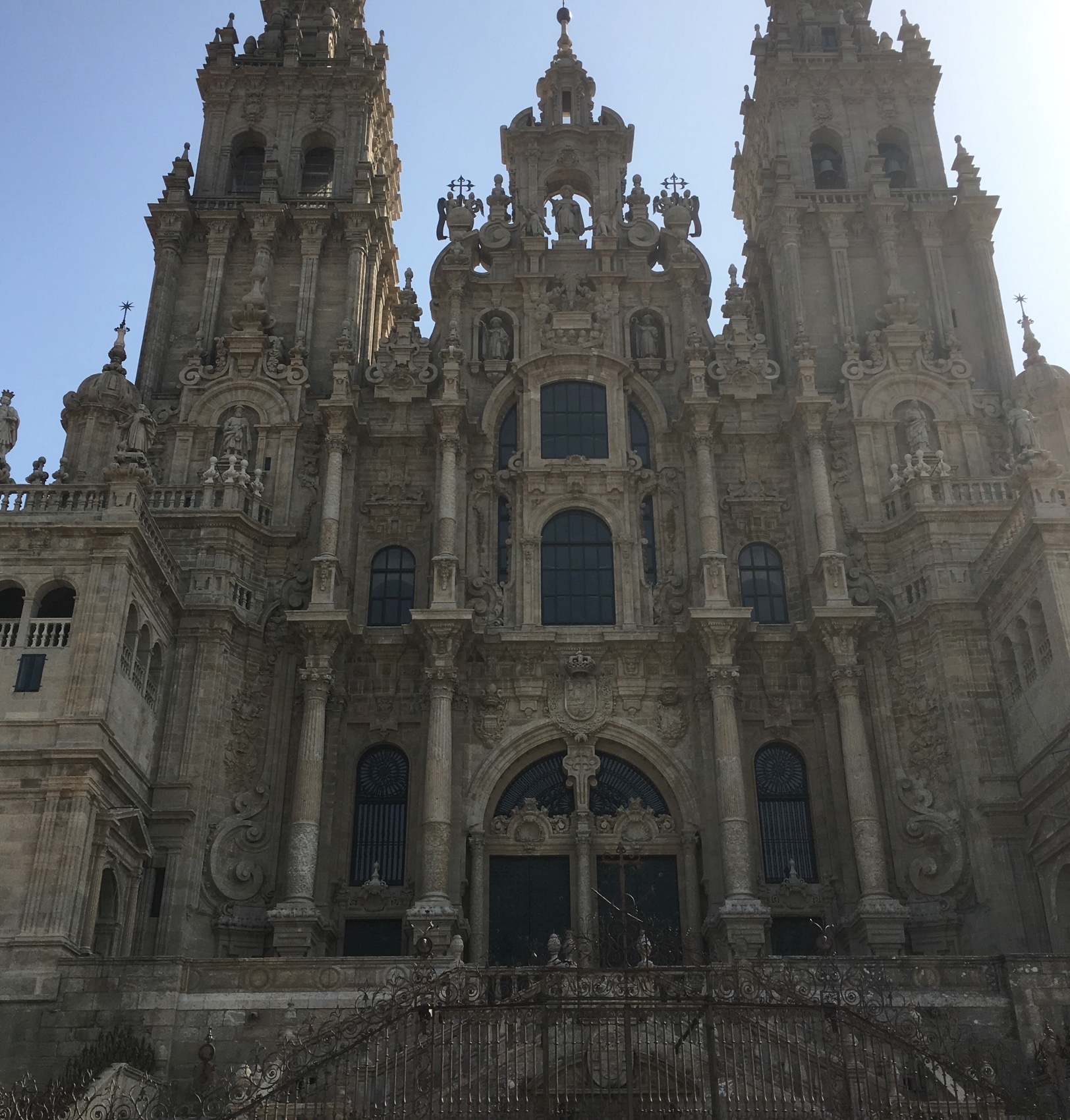
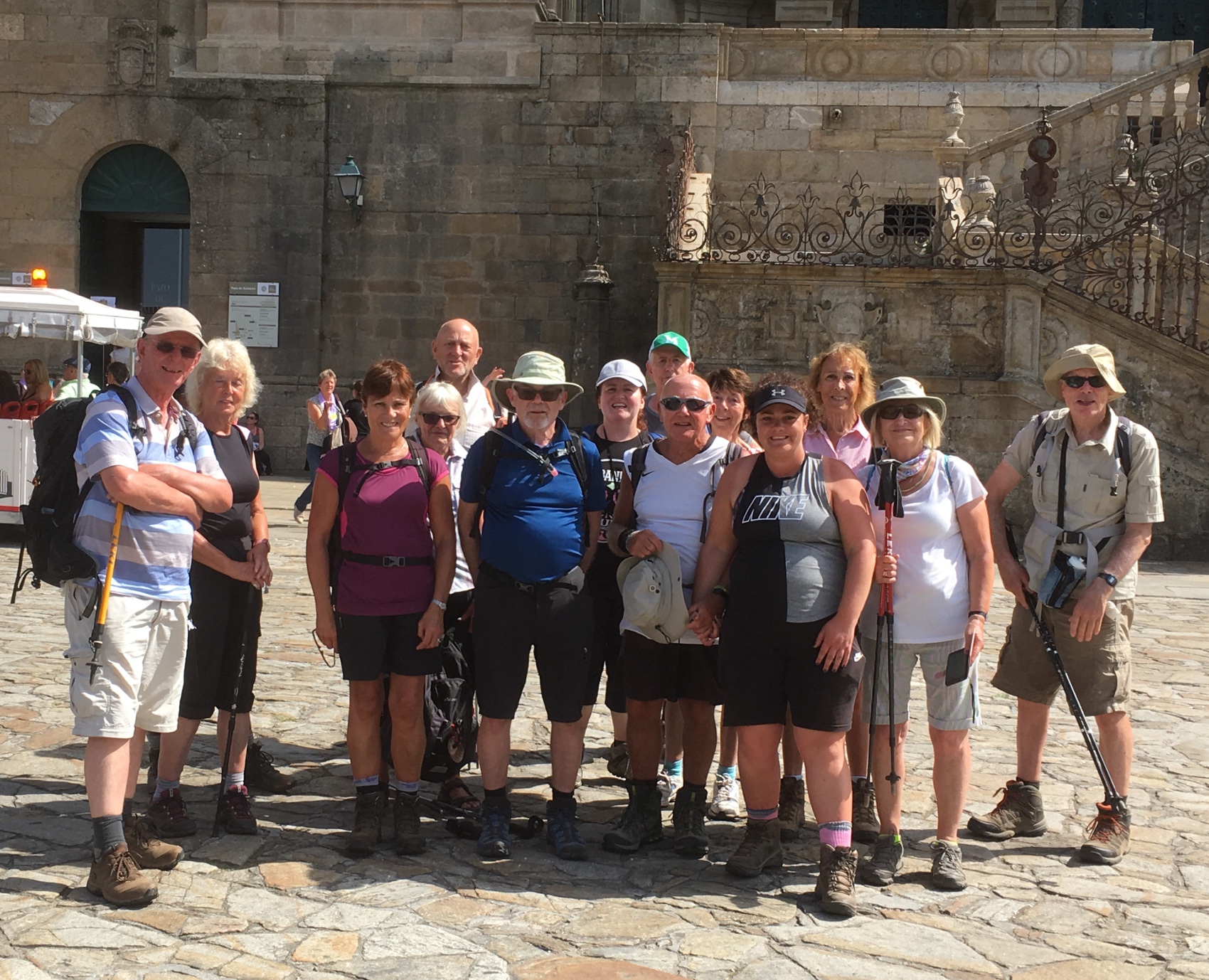
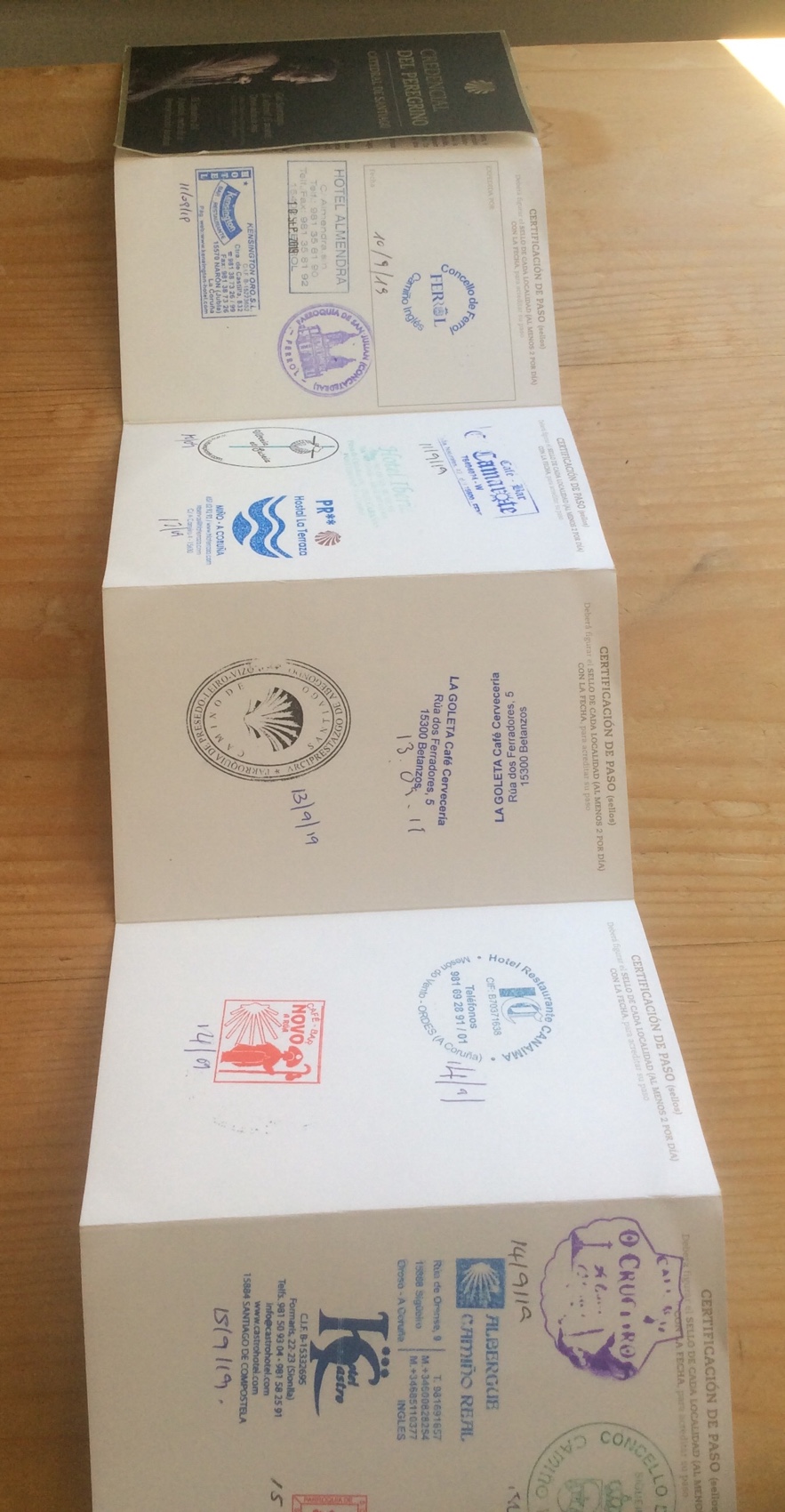
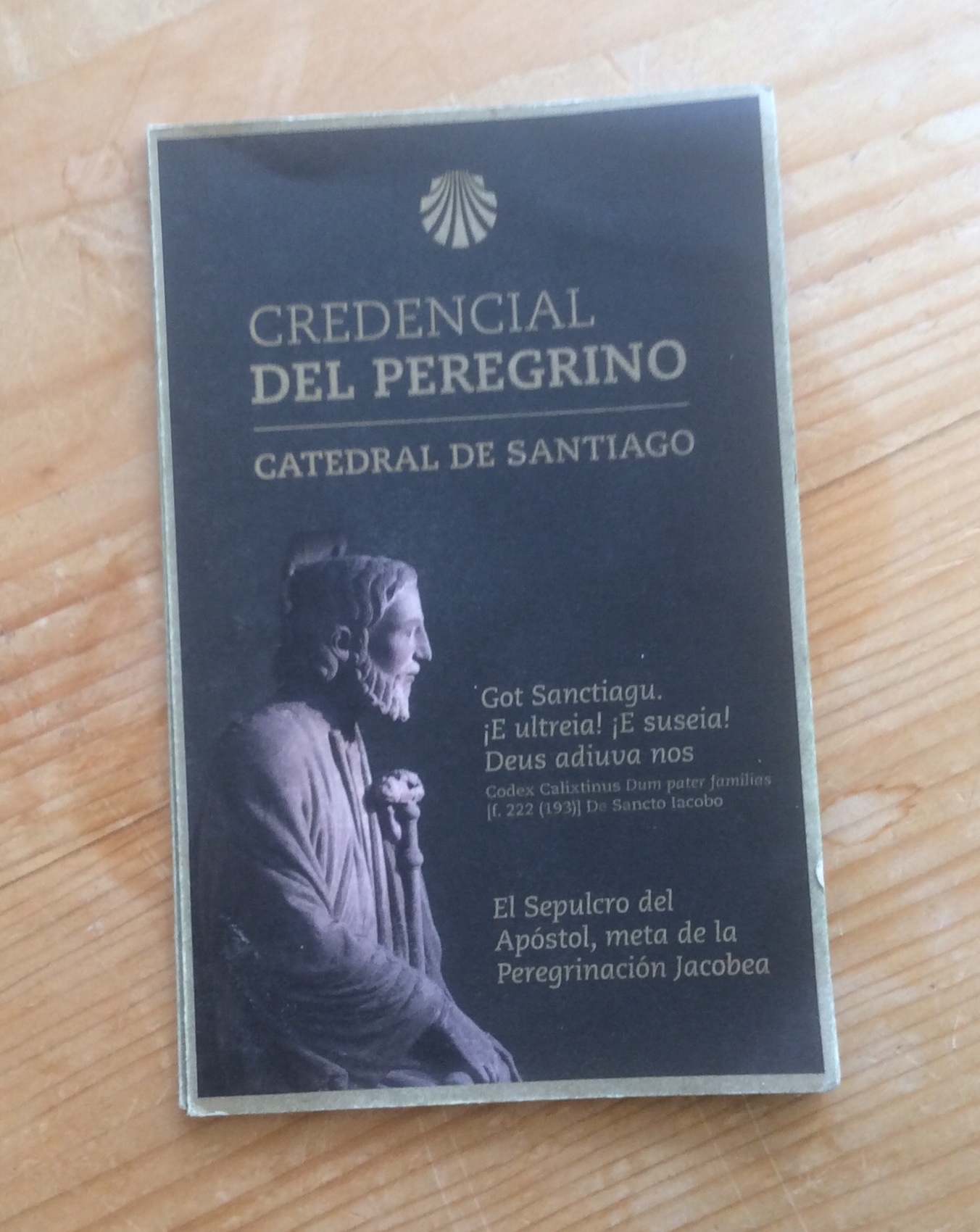
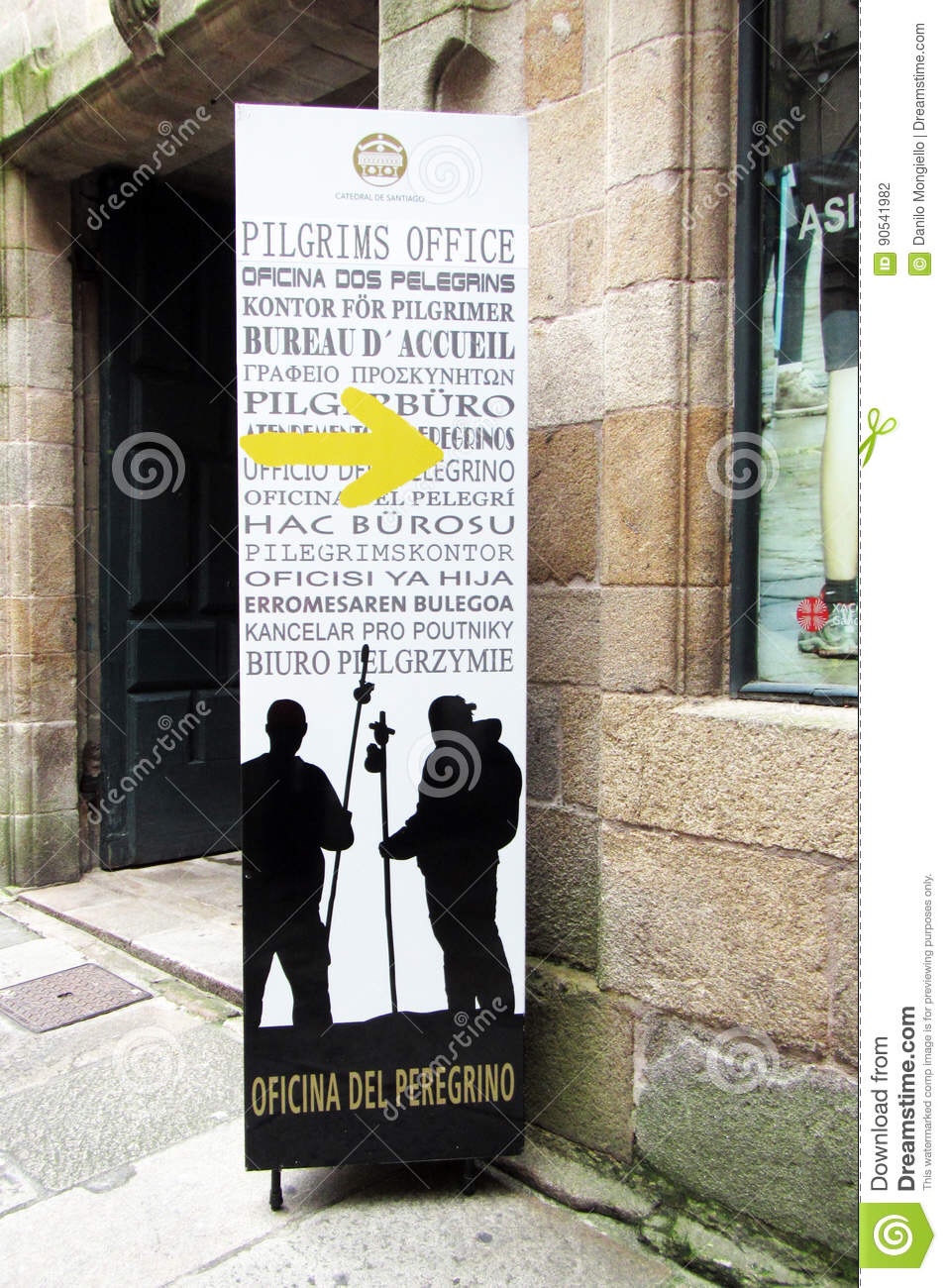
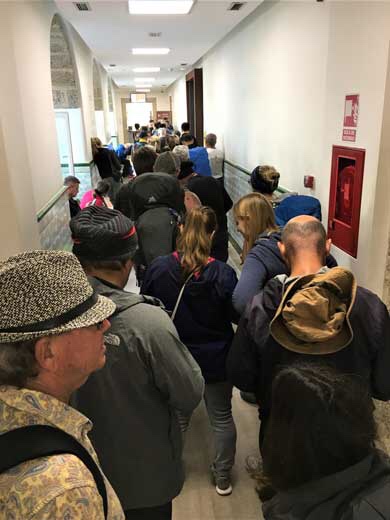
 it was on to the Pilgrims’ Office to collect the Compostelas.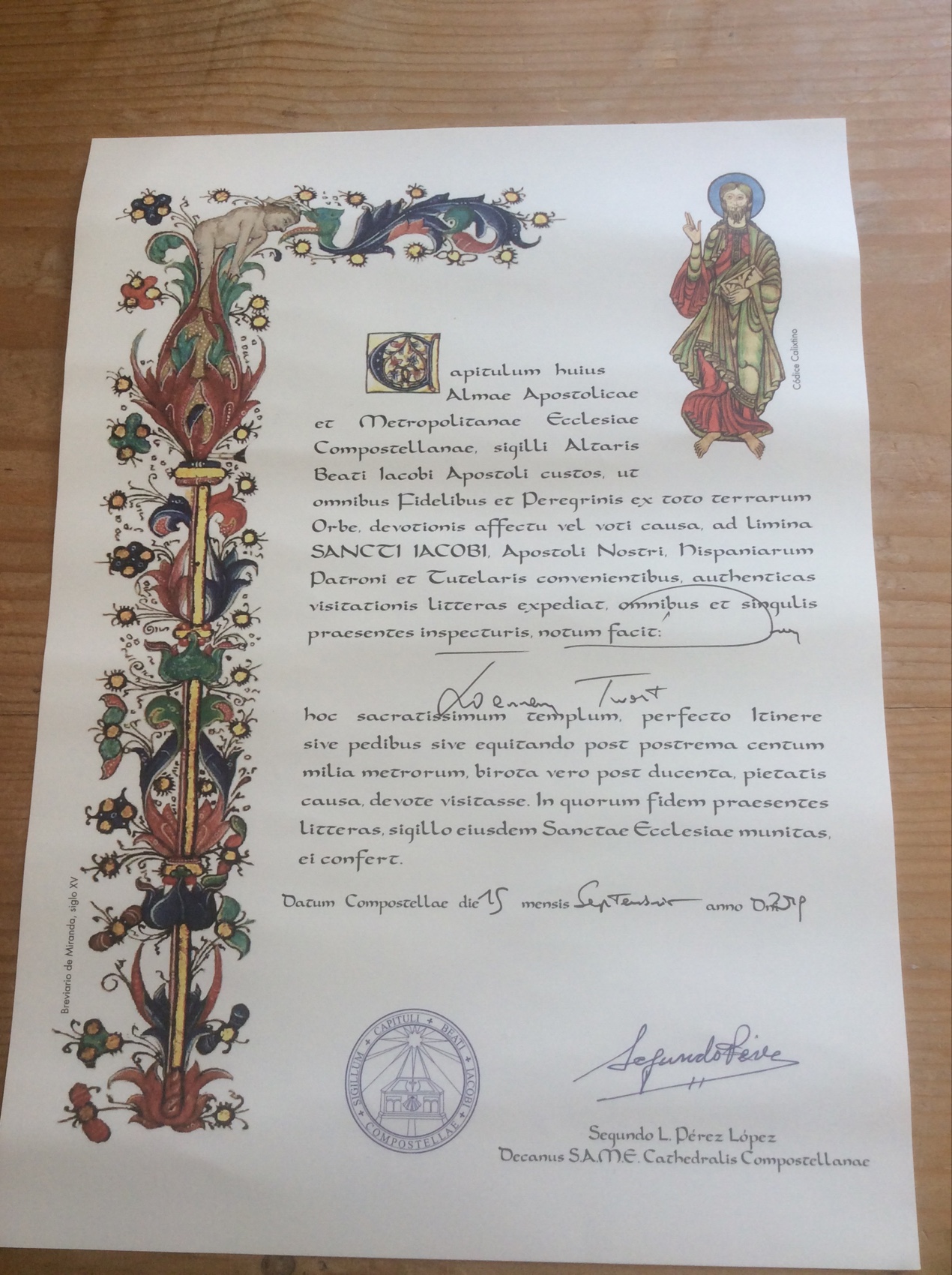
 ensuitepilgrim's Blog