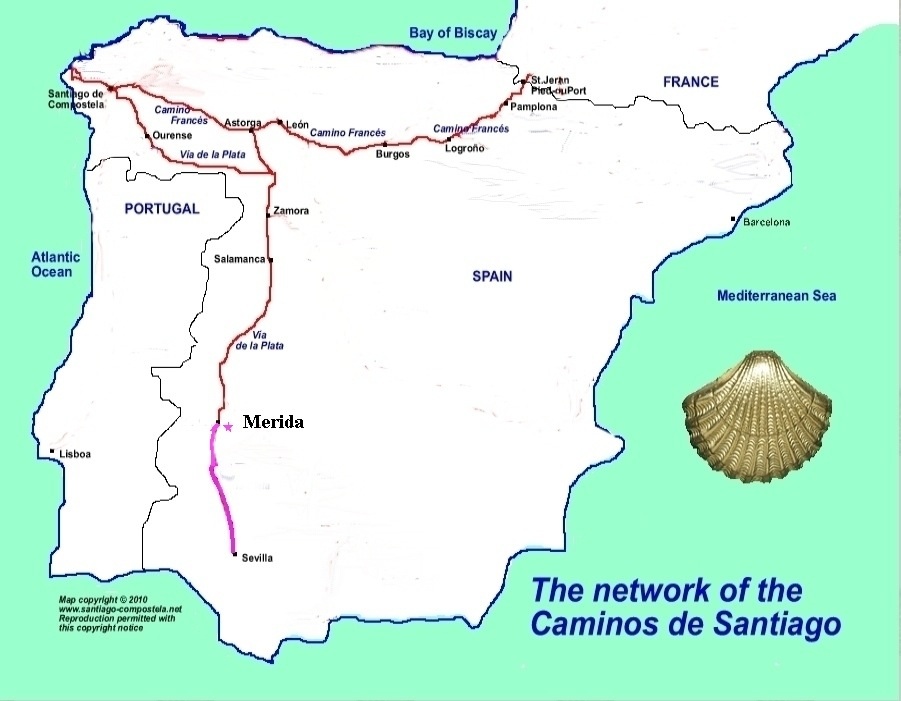
It is purely coincidental that I find myself putting together a preview of the final stage of our Camino Portuguese on Good Friday,2026.Pelegrinos often have mixed feelings about the final day on their Camino – mixture of highs and lows – a sense of the accomplishment of a goal and a sadness that it is all over. It was whilst thinking of this ambivalence that I was led to remembering the significance of another pilgrimage in another land – the Via Dolorosa – in another holy city,Jerusalem.
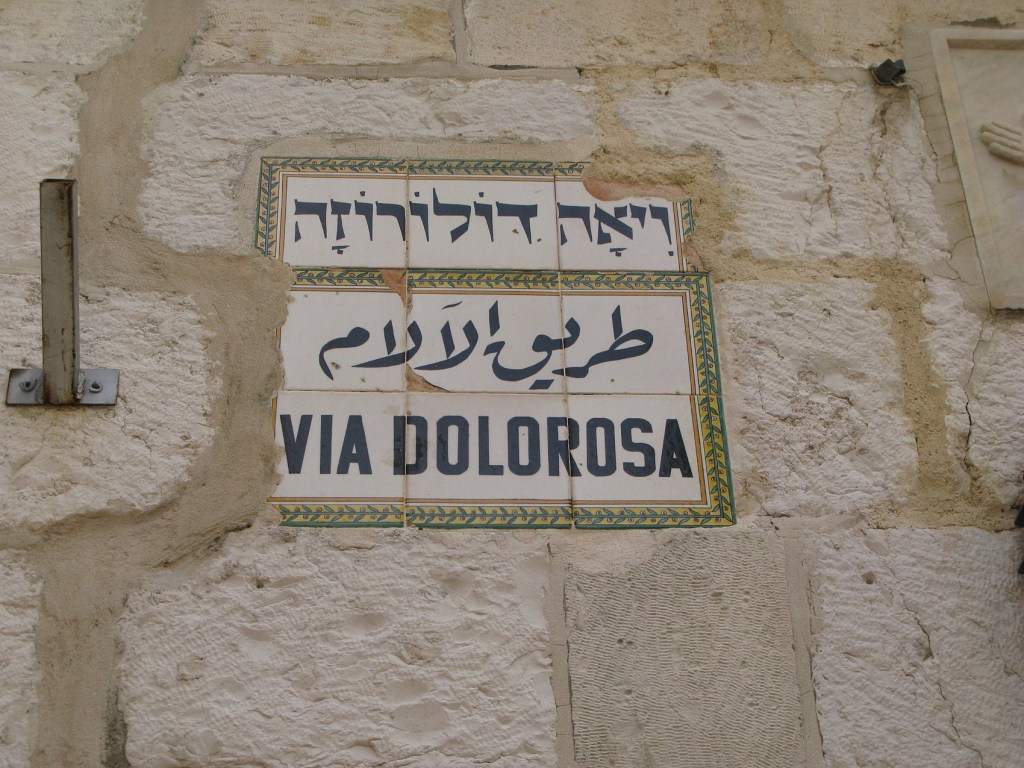
The Via Dolorosa (Latin for “Way of Suffering” or “Sorrowful Way”) is a processional route in the Old City of Jerusalem believed to be the path Jesus walked to his crucifixion. It spans about 600 metres from the Antonia Fortress to the Church of the Holy Sepulchre, marked by 14 Stations of the Cross – a sorrowful day remembered on “ Good Friday”- another juxtaposition.
https://music.youtube.com/watch?v=uph_1gDITUY&si=1VvvC55cpJWbw69U SORROW by Pink Floyd
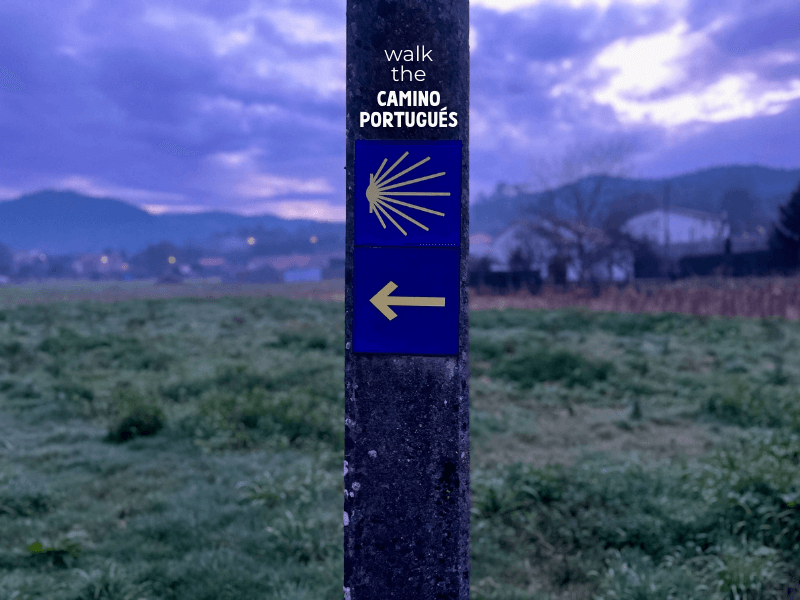
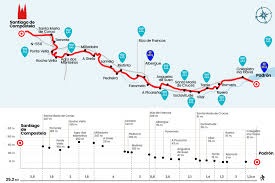
Leaving Padrón for Santiago de Compostela is the final, emotional stage of the Portuguese Camino (approx. 24–26 km), characterized by a steady climb through rural hamlets, eucalyptus forests, and eventually, the urban outskirts of Santiago. The route passes through Iria Flavia, A Escravitude, and O Milladoiro before reaching the cathedral.
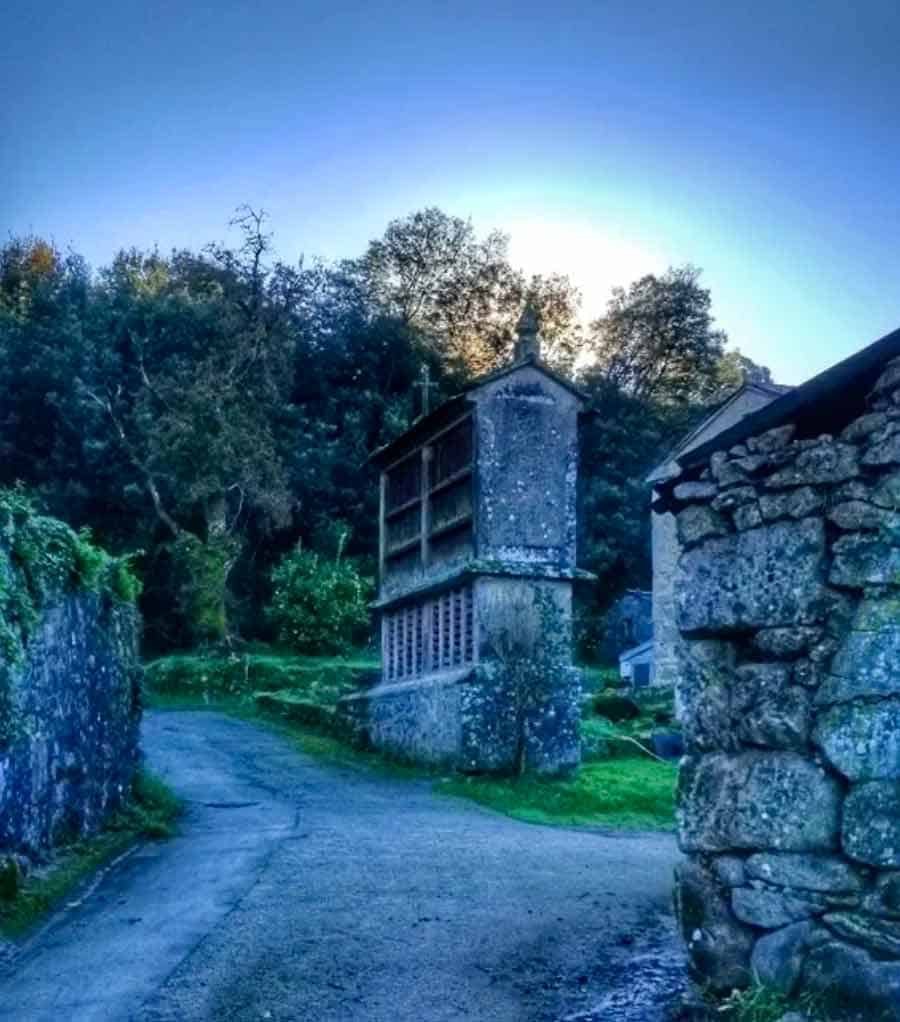
We follow the arrows along the tree-lined Rúa Castelao, making your way out of town. With the river on our left, we then pass the bus station , with regular services to S de C. Next, we cross a tributary of the Sar and the inevitable N550, to be met again, don’t doubt it! Along the rail line we soon enter an ancient place.
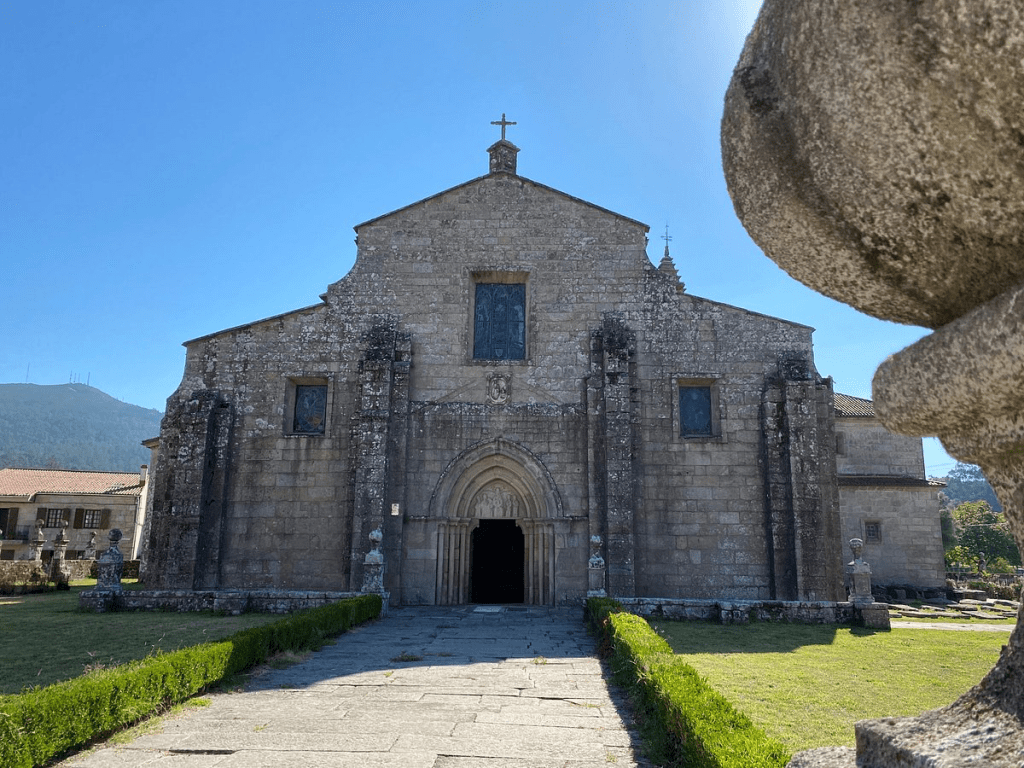
ria Flavia is an ancient settlement in the municipality of Padrón, Galicia, Spain, most famous for its historic church, Santa María a Maior de Iria Flavia. A major centre of Marian devotion in its time,with a long history .
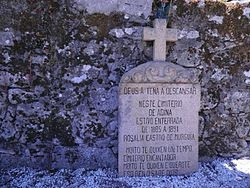
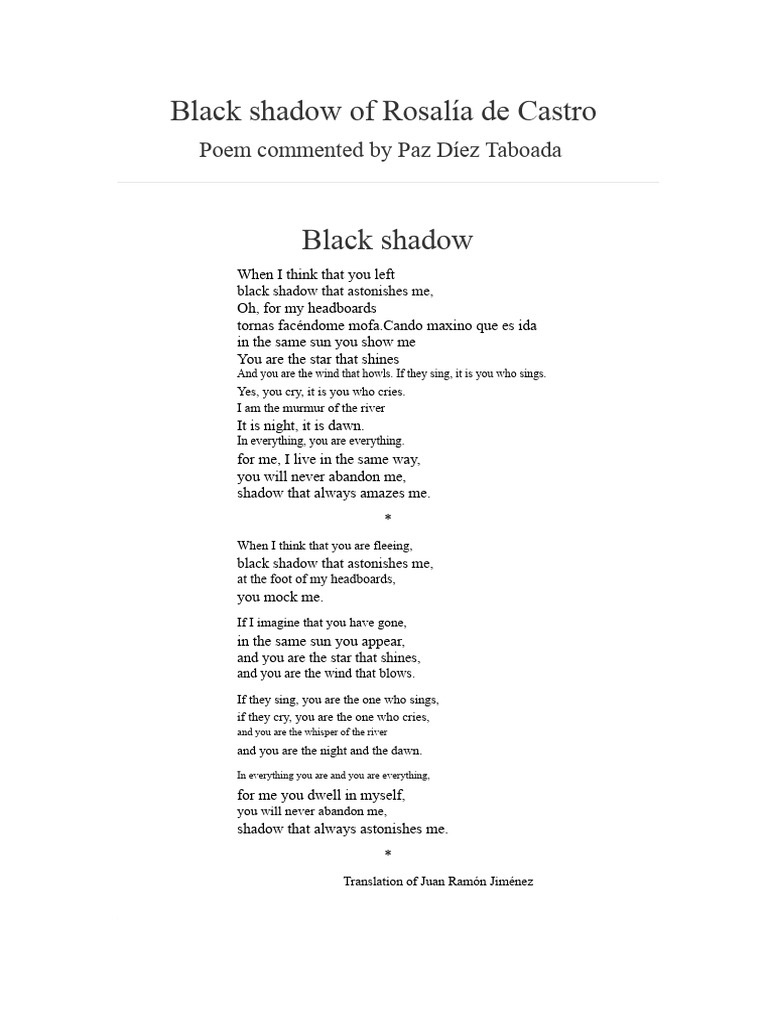
A literary place, the cradle of illustrious authors. The Nobel Prize-winner for Literature Camilo José Cela was born here, more specifically in the former House of the Canons (18th c.), where his Foundation is located. Nearby is the Rosalía de Castro House Museum, the poetess’ last residence and the place where she died.
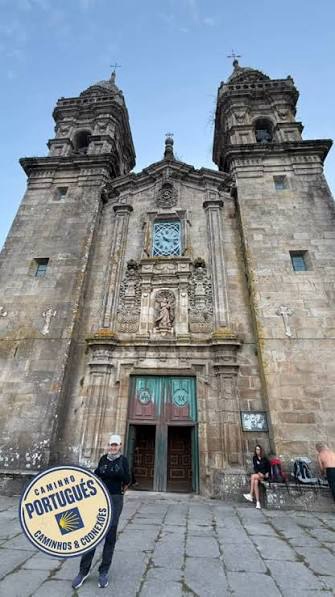
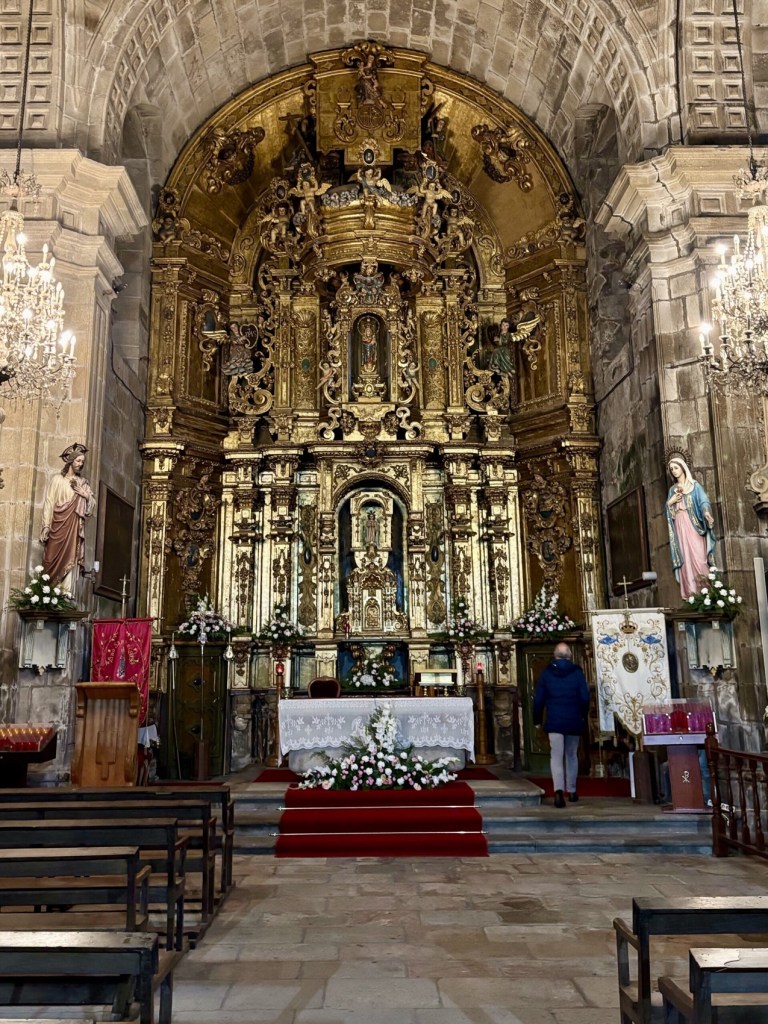
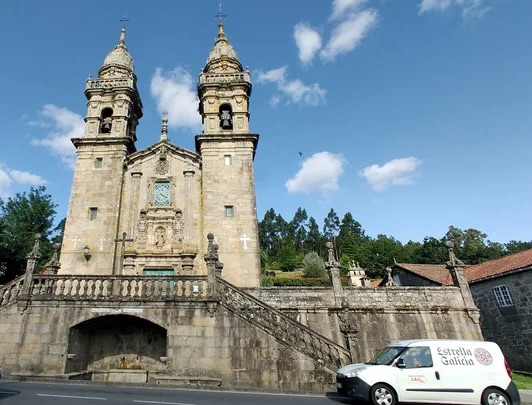
Famous for its stunning baroque sanctuary, the Santuario da Nosa Señora da Escravitude. It is a key landmark for pilgrims walking the Camino de Santiago (Portuguese Way), located approximately 5 km from Padrón’s historic centre.
It is worth highlighting the fountain that is under its impressive stairway, which tells an interesting and miraculous story.
It is about an ill man that was travelling along the Way of St. James in the hope of being healed of his dropsy. He stopped at the fountain to have a drink and was miraculously cured without seeing a doctor 72 hours later. He then said, “Thank you, Our Lady, for taking away the ailment”.
This then became the story that gave origin to this sanctuary, and which ultimately began the construction of this structure thanks to an xx cart that the pilgrim donated for his gratitude. The project was completed in 1886.
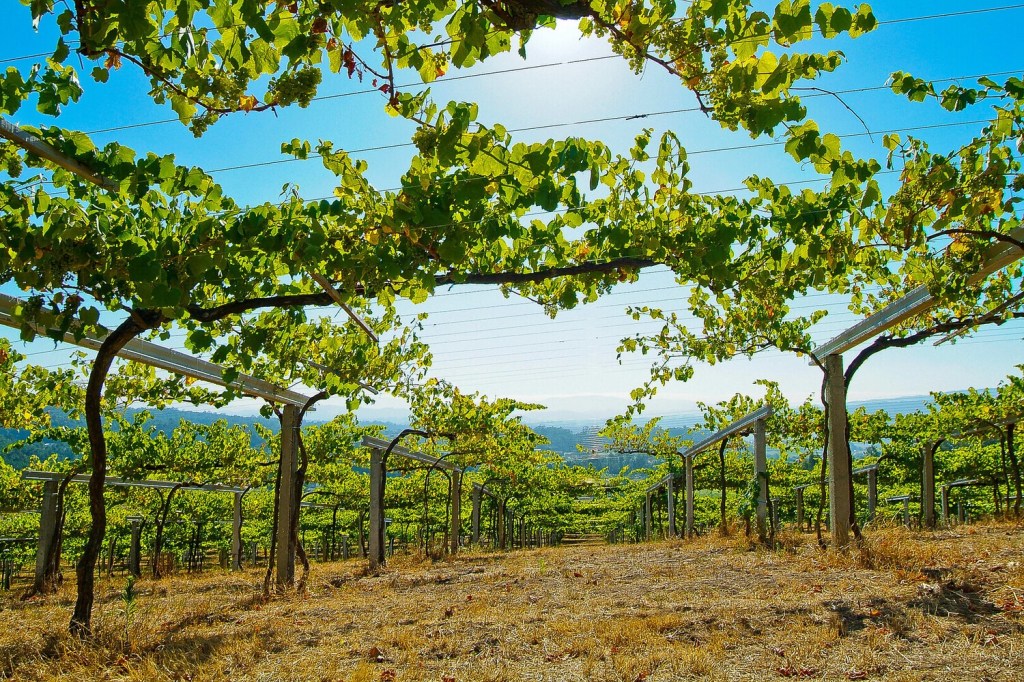
We leave by a small park at the side of the sanctuary along a steep lane,passing Sta.Maria de Cruces and a picnic descanso,then going left through pine woods,keeping a careful watch for signage as we pass a sign for the incongruous Hong Kong B&B, arriving at Picarana, where there is a choice of cafes,etc albeit opposite an industrial estate.
Then to the village of Faramello.
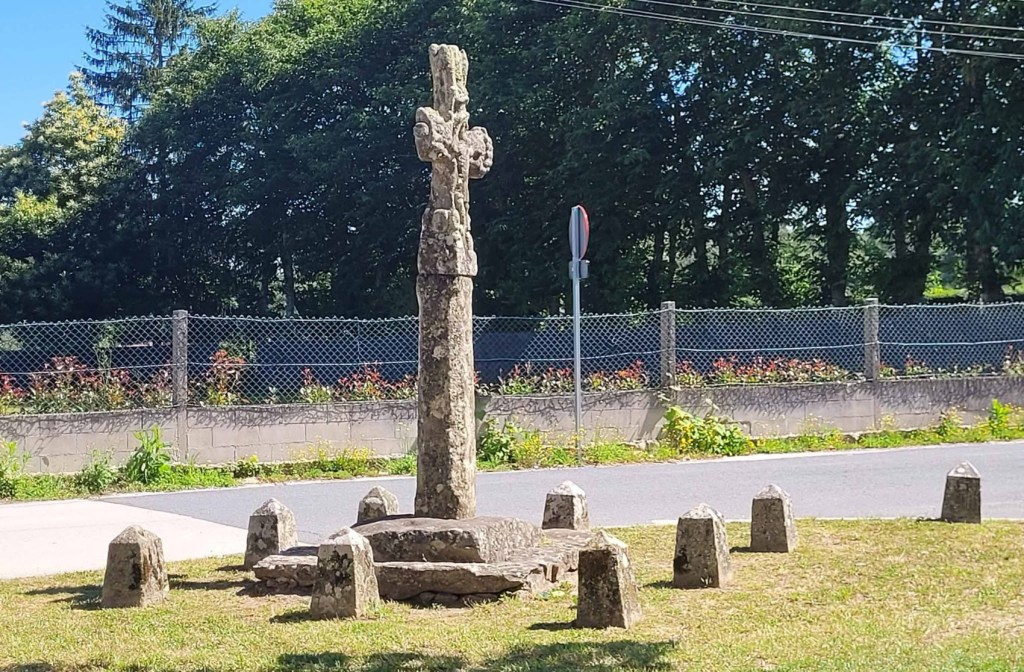
In the town of Rúa de Francos (teo municipality), on Camiño Portugués, we will find a Gothic cross, considered one of the oldest in Galicia, next to the carballeira de San Martiño and its famous cabalar fairs. A cross stands on a rock that emerges from the surface and on which several bowls were engraved. It lacks a base and capital, and its shaft is reminiscent of the small columns of popular construction.
The way begins a gradual climb as we make our way towards Milladoiro, which is a rather exclusive, relatively new residential suburb of Santiago and where there is a choice of the traditional and a complementary way .We should ignore the detour to Castro Lupario.
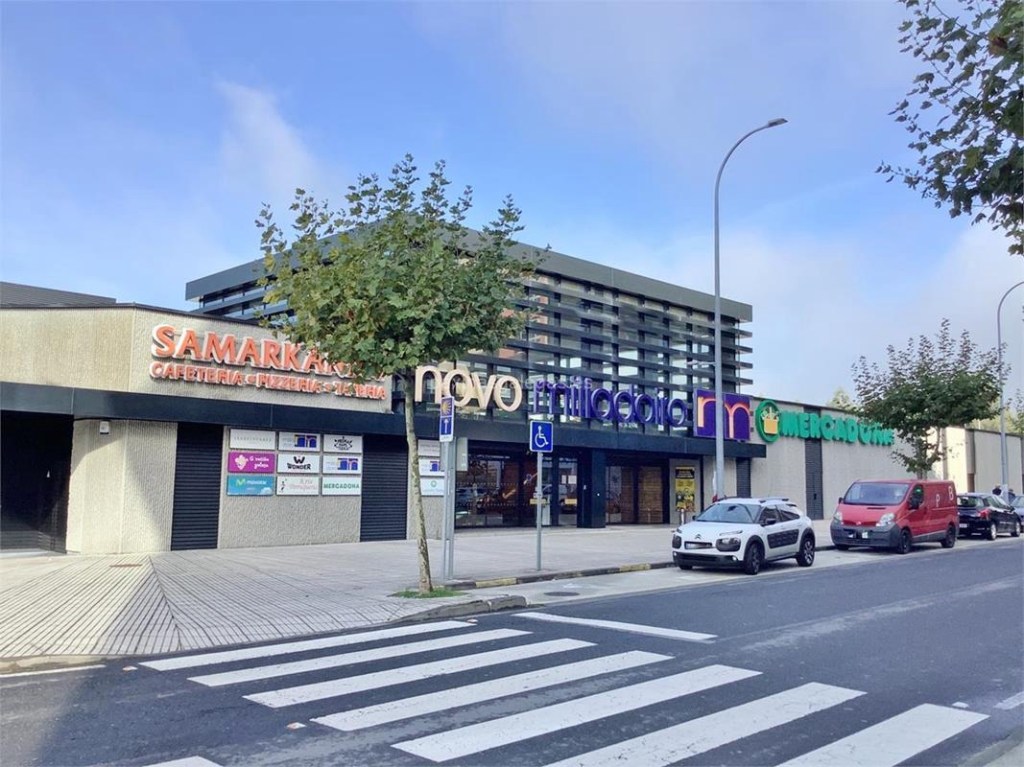
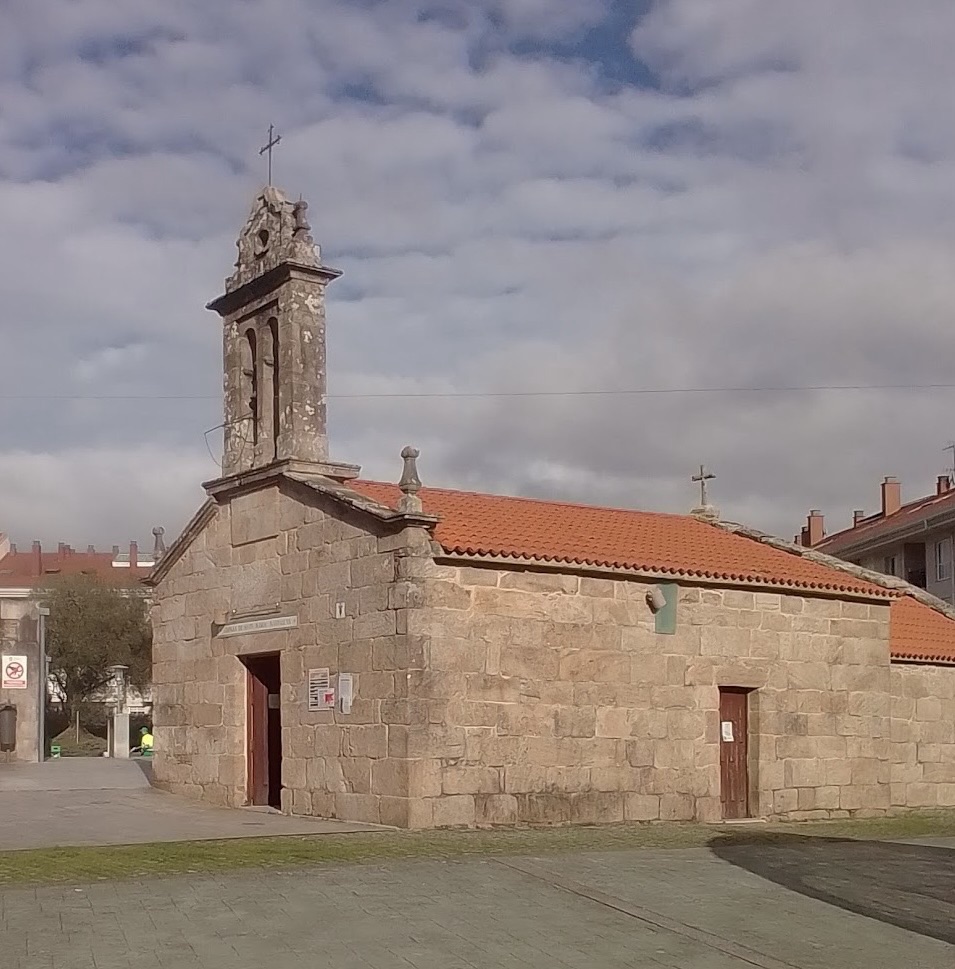
There is not much to see in O Milladoiro, apart from this chapel. A few years ago, O Milladoiro was just a small aldea (village). But high housing prices in Santiago pushed many (young people, mainly) out, looking for more affordable options. O Milladoiro is quite close and well connected through the N-550 road, so it has experienced tremendous growth. If anyone is feeling tired or whatever, there is an opportunity to take a bus or taxi into S de C.
The stage between O Milladoiro and Santiago de Compostela is the shortest and for some the most emotional day of the entire Coastal Camino Portugués. At just 6 kilometres, we can take our time and savour every step that brings us closer to the goal.
The path leaves O Milladoiro and descends gently through a landscape alternating between residential areas and small parks and green spaces. As it approaches Santiago, the atmosphere becomes more urban but also more exciting: yellow arrows and scallop shells mark the way with increasing frequency.
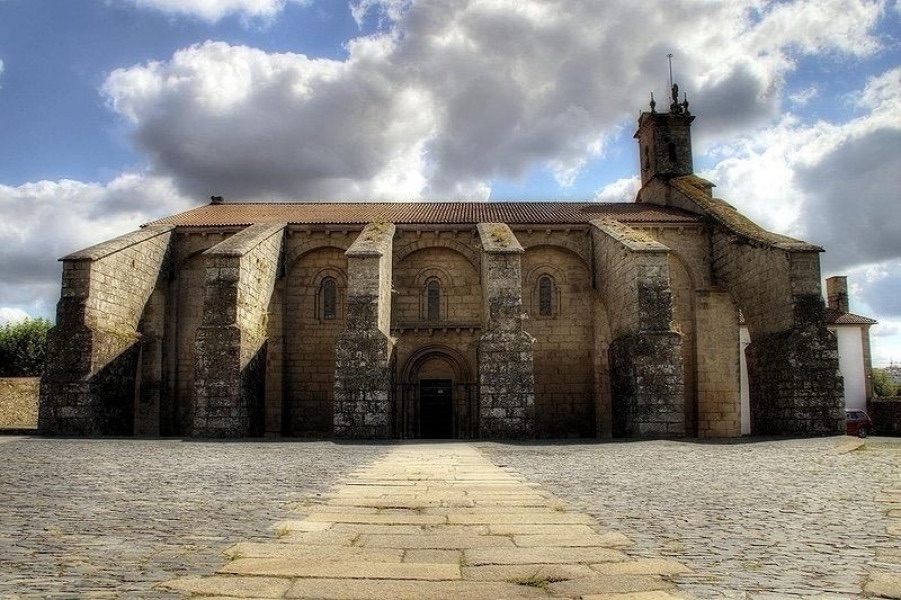
It was built in the 12th century on the outskirts of the city.
Colegiata de Santa María a Real do Sar(Collegiate Church of Saint Mary of Sar) is a renowned 12th-century Romanesque church located in Santiago de Compostela, Spain, known for its unique, leaning architecture and historic cloister.
Santiago is entered through the Sar neighbourhood, where the beautiful Collegiate Church of Santa María del Sar stands, with its characteristic leaning buttresses, a Romanesque gem deserving a brief stop. From here, the path enters the city streets, passing through parks and tree-lined avenues.
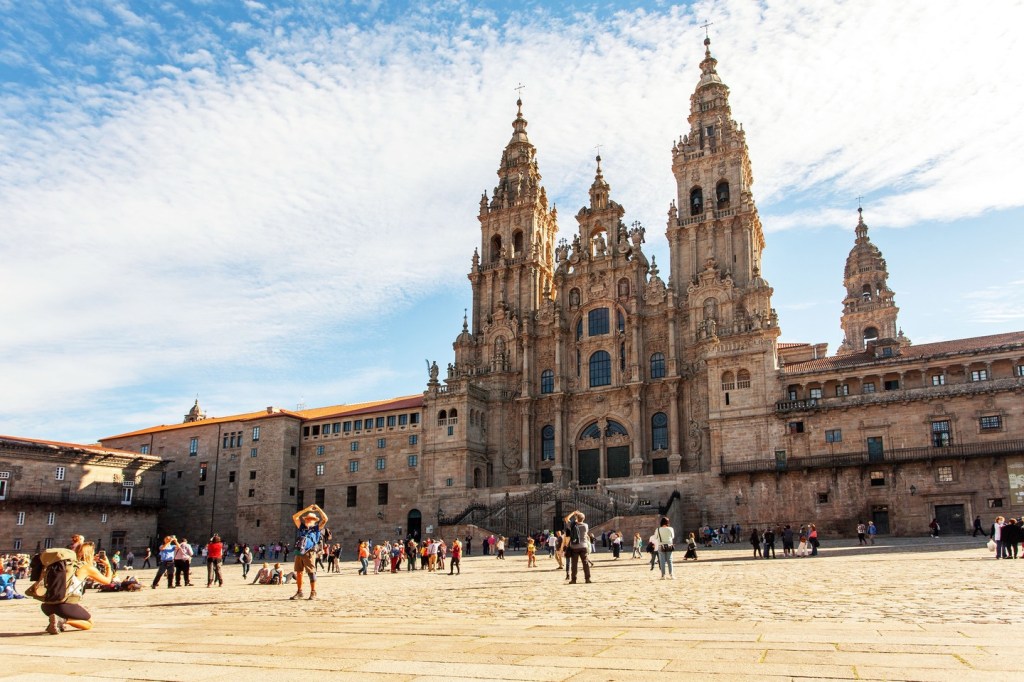
The climactic moment arrives when the pilgrim enters the monumental zone. The cobbled streets of the historic centre, declared a UNESCO World Heritage Site, lead inevitably towards the Plaza del Obradoiro. The first sight of the Cathedral’s baroque facade is a moment of profound emotion that justifies every effort of the journey.
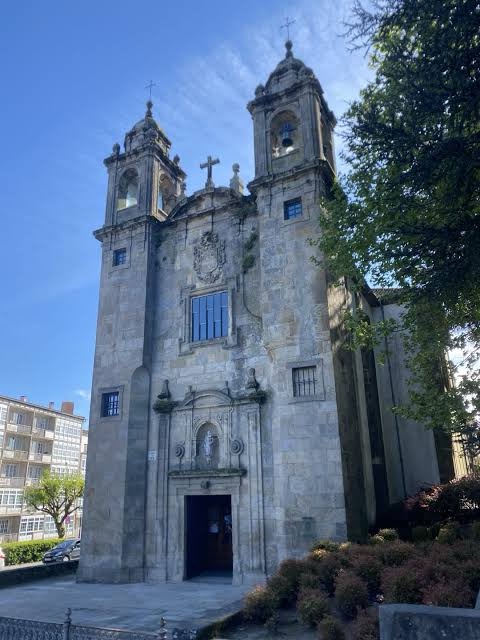
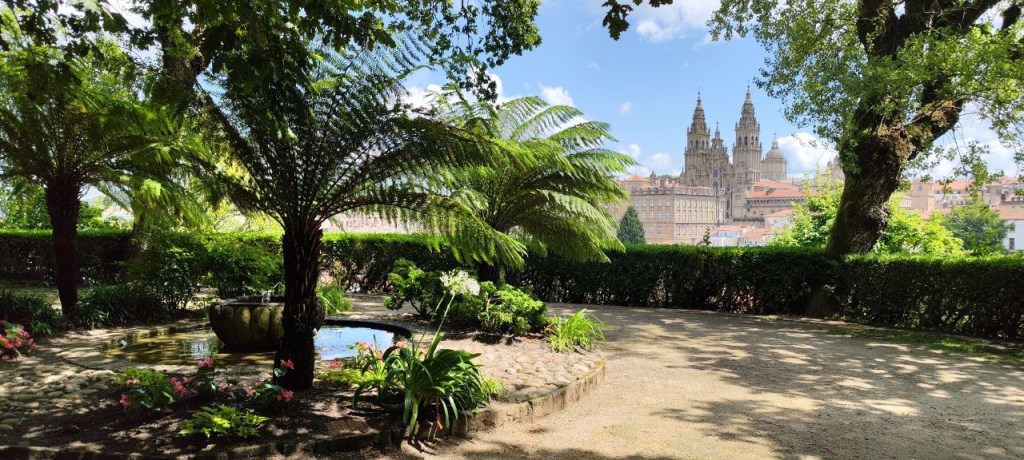
The
Praza do Obradoiro is the main square of Santiago de Compostela and the final destination for thousands of pilgrims completing the Way of Saint James (Camino de Santiago). Its name, which means “Square of the Workshop,” refers to the stonecutters’ workshops that occupied the space during the construction of the cathedral’s Baroque facade. It is always rewarding to have a group photo here and to take time to sit and watch the arrival of Pelegrinos from the whole variety of Caminos leading to here.
https://music.youtube.com/watch?v=fR4HjTH_fTM&si=zsMBZ7mpHa6H-wWF LONG AND WINDING ROAD – The Beatles
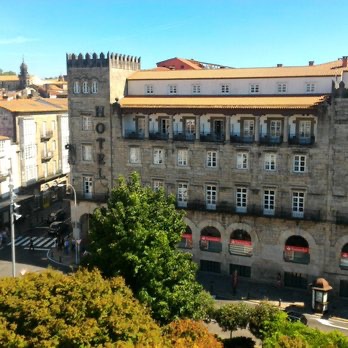

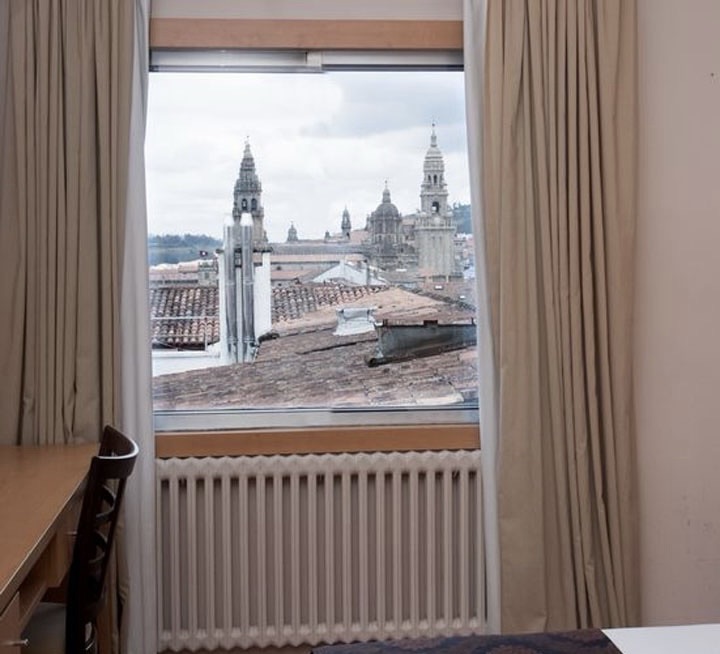
UNIVERSAL HOTEL STAY REVIEW
“The hotel is perfectly located right in the city center. There’s a public parking lot directly in front of the hotel. The best thing about the hotel is the staff; they are all incredibly friendly and attentive, making sure you have everything you need during your stay. The breakfast is decent, with a good buffet.”
Next up will be the City itself.
 ensuitepilgrim's Blog
Leave a comment