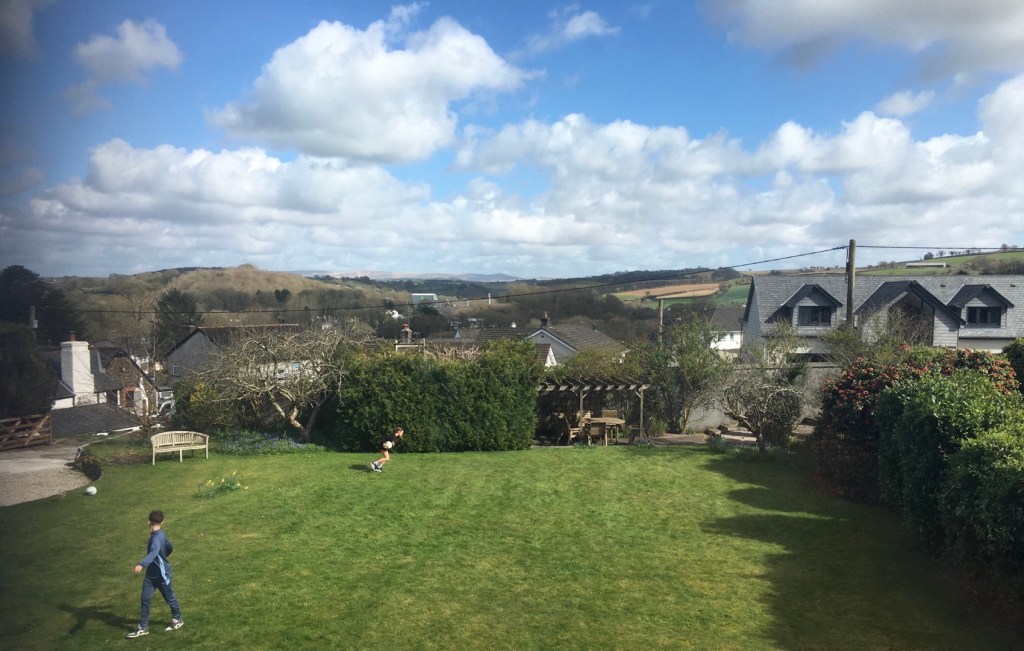
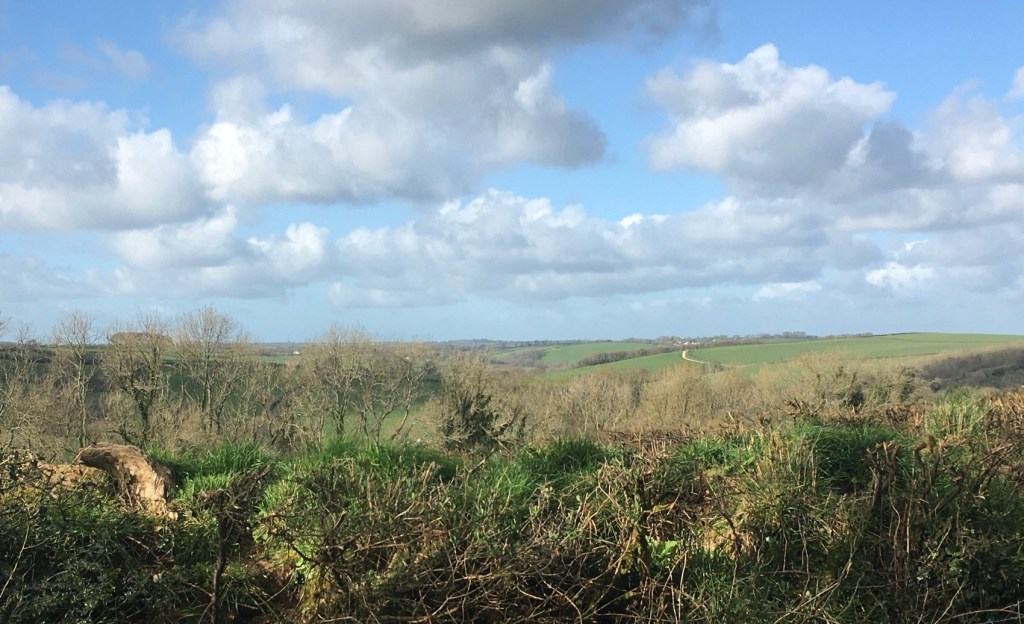
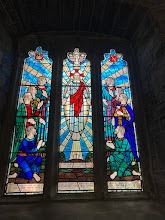
Sunny skies on arrival in Lifton. View from our bedroom window in The Old Manor House
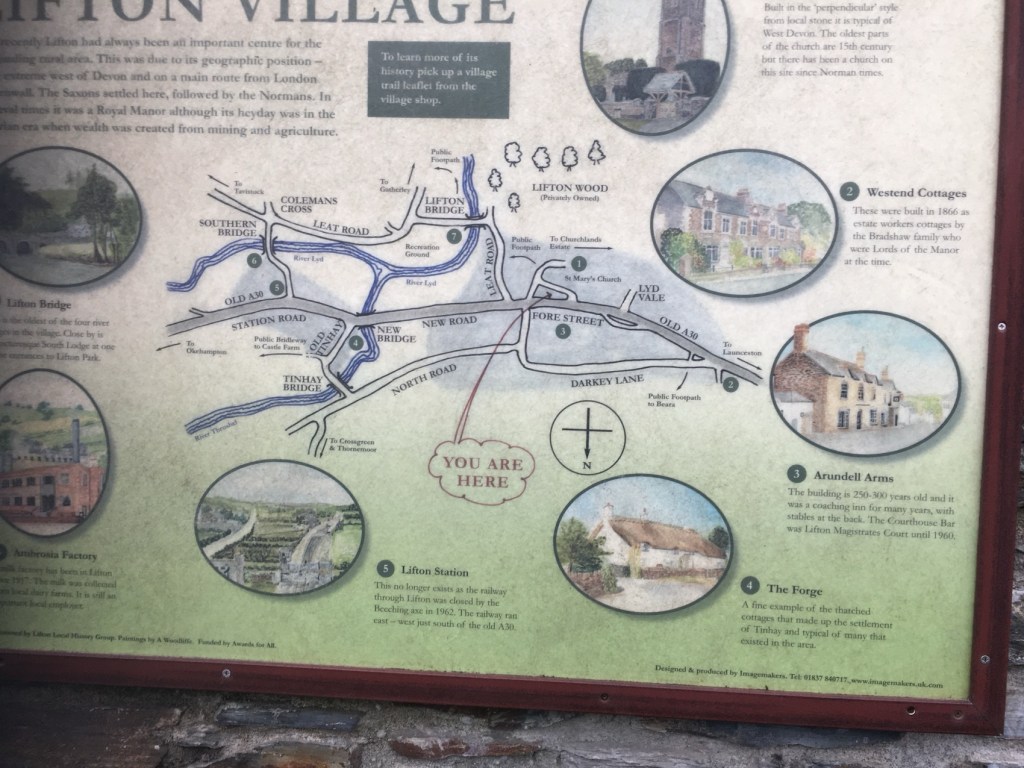
Saturday 28th March. We set off towards West Devon along the M5 and enjoyed a comfortable journey albeit being the weekend. Leaving the motorway we had a fast and pleasant stretch along the A30 to the village of Lifton. Lifton’s appeal lies in its unspoiled rural charm and connection to Devon’s agricultural roots. The village has a long history that dates back to Saxon times, and its peaceful streets are lined with thatched cottages and historic buildings. Surrounded by rolling hills, farmland, and rivers,
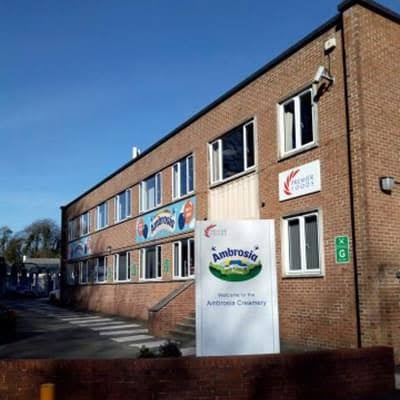
Lifton is also famous for being the home of the renowned Devon-based food producer Ambrosia, known for its custard and rice pudding. I have loved rice pudding since I was a child. I have never made it on this scale though!
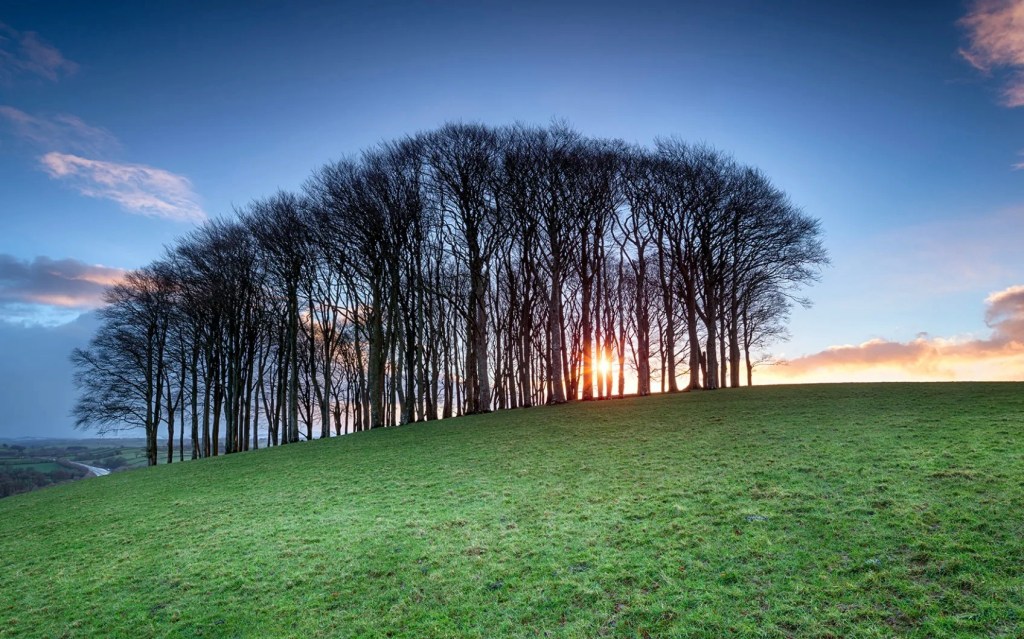
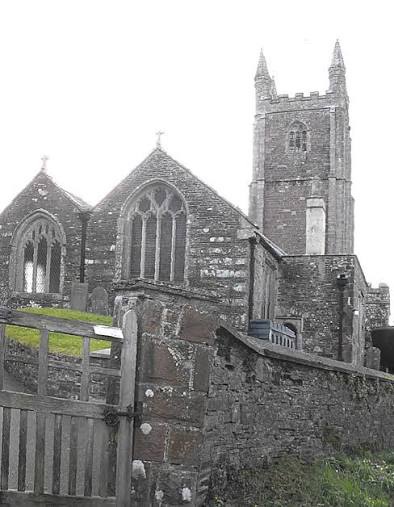
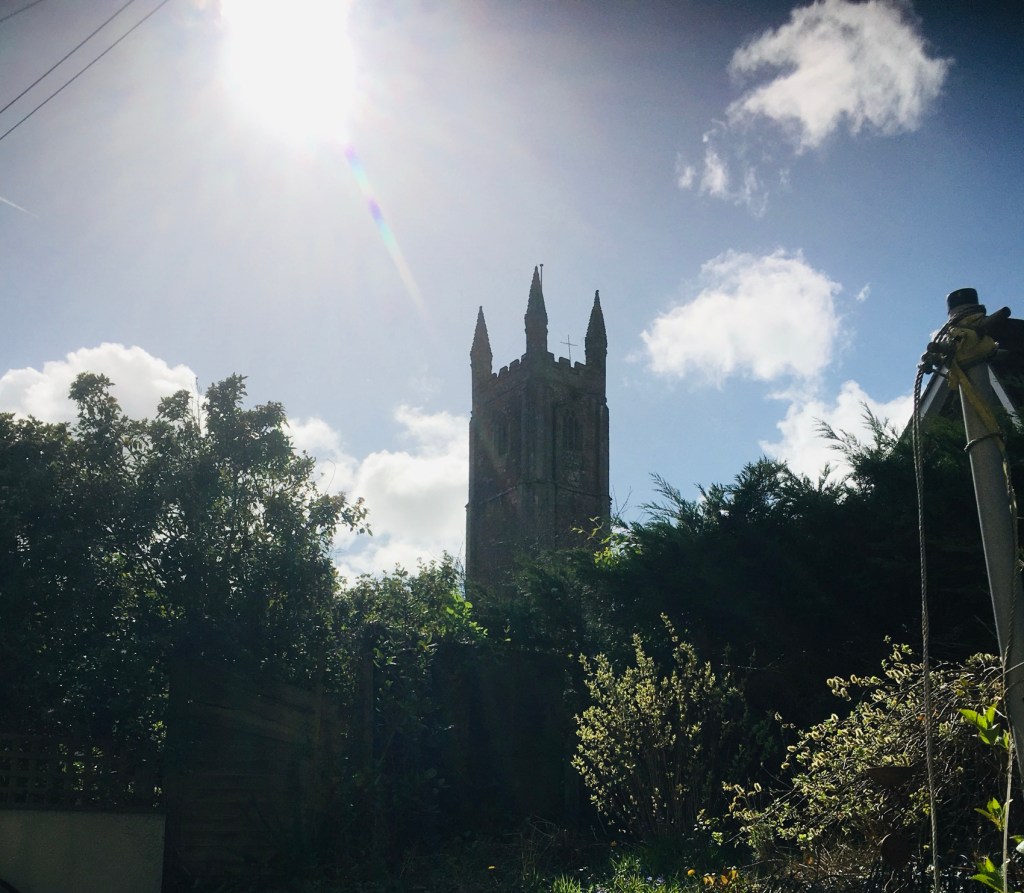
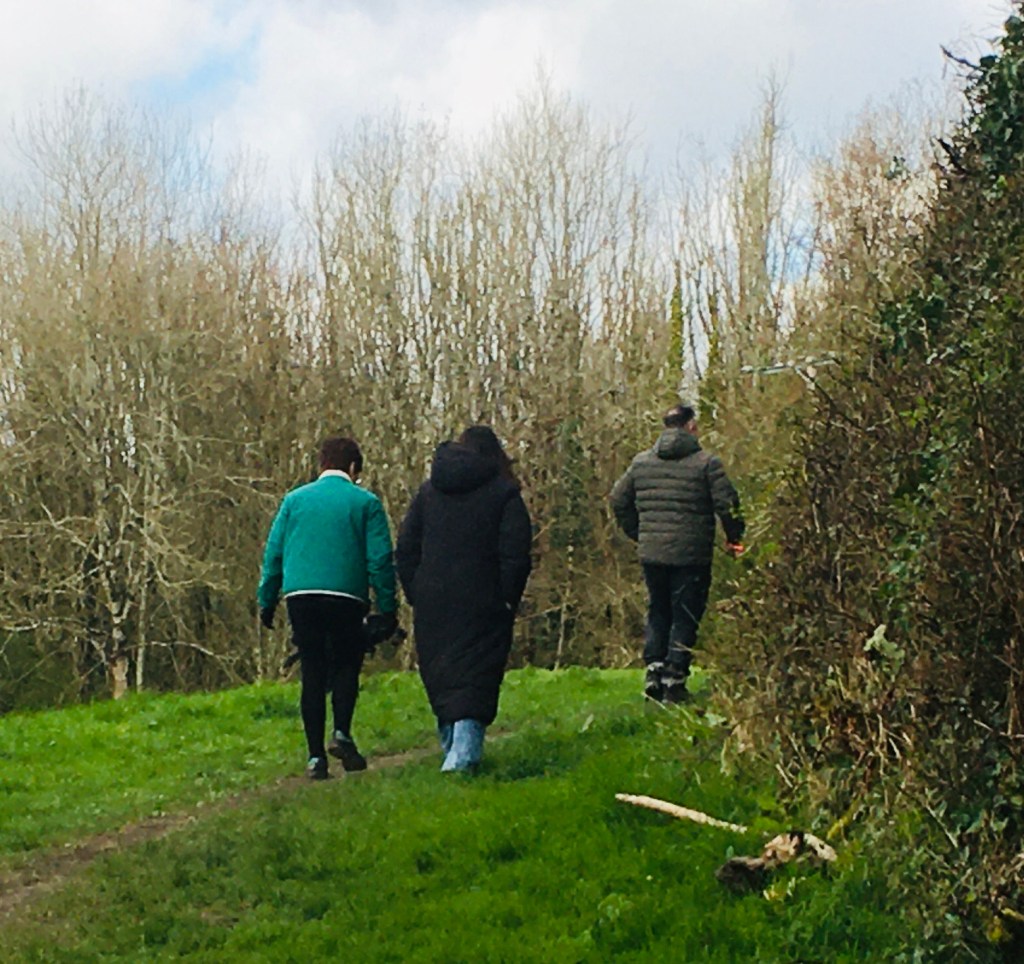
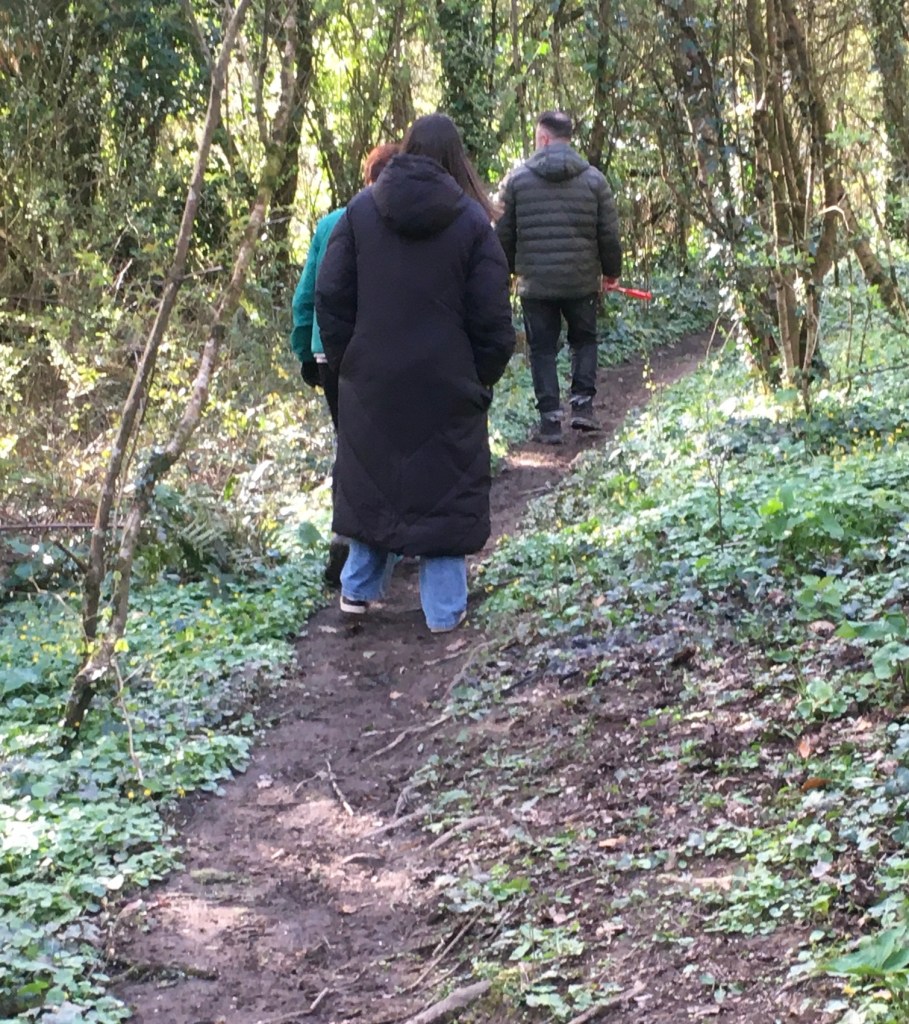
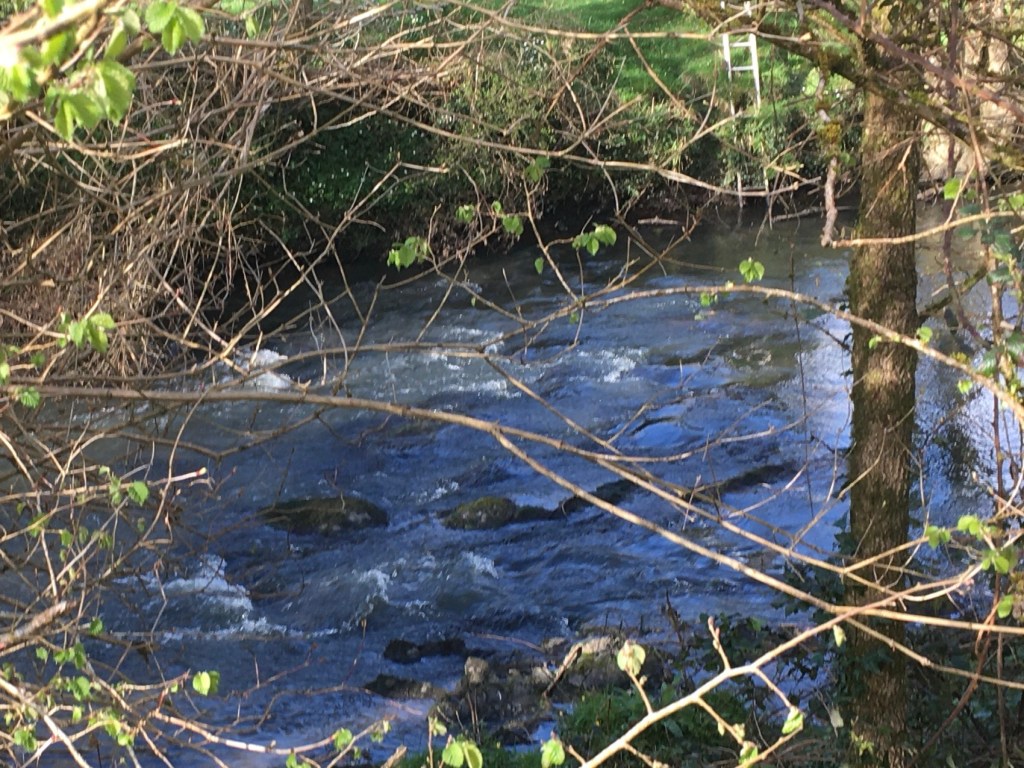
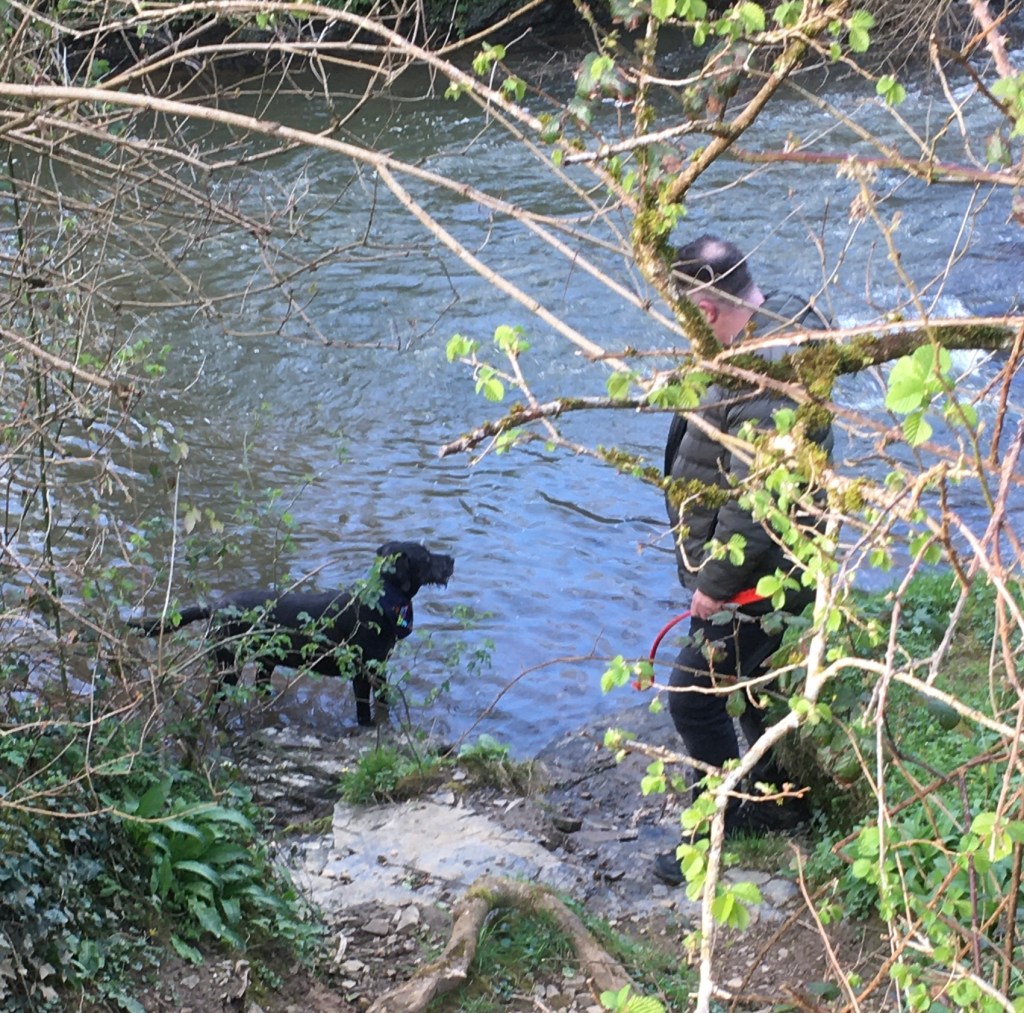
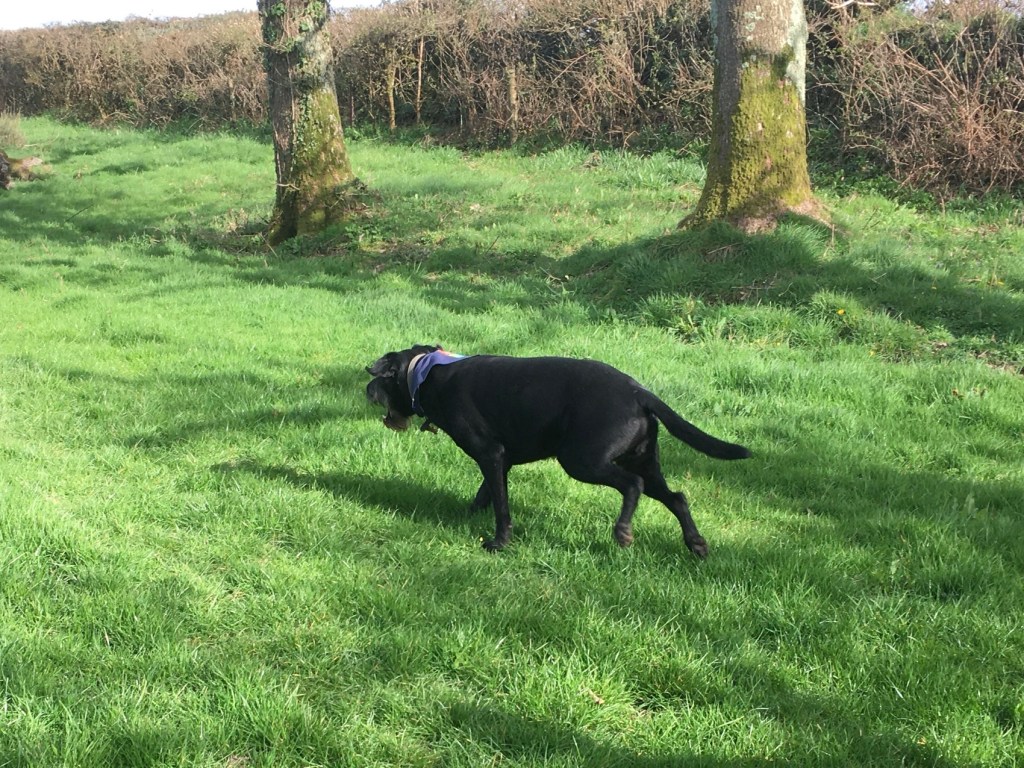
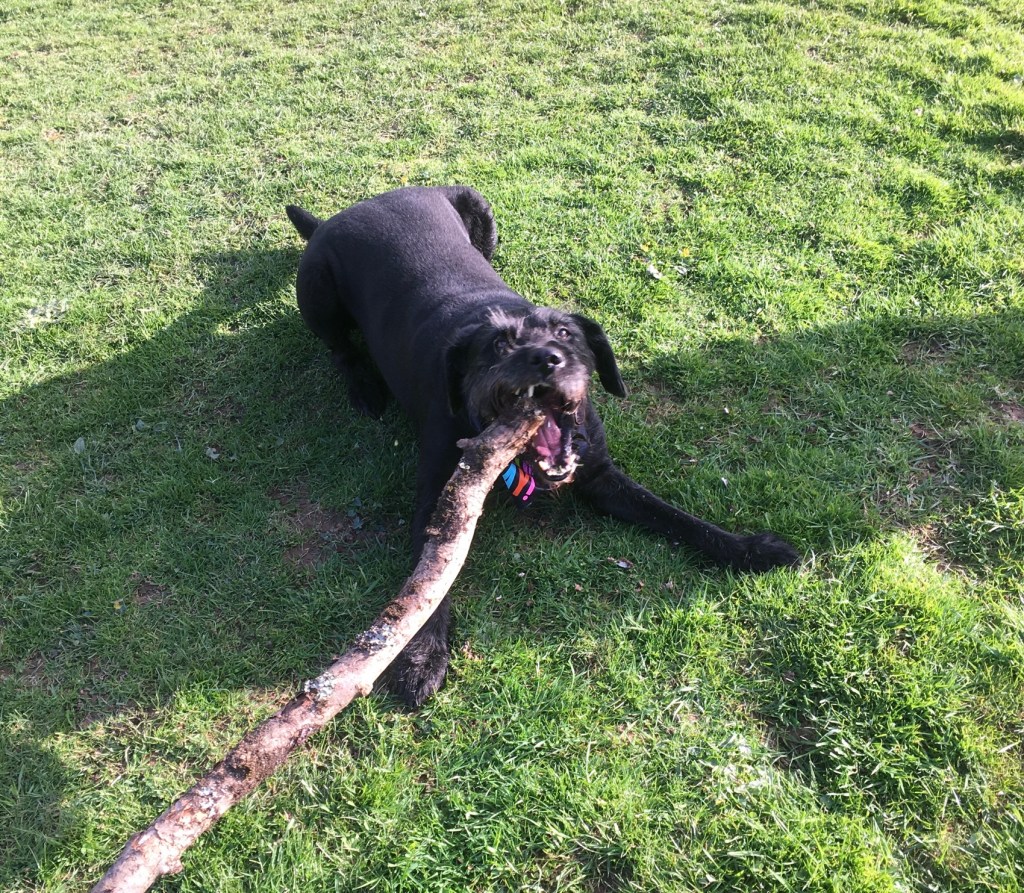
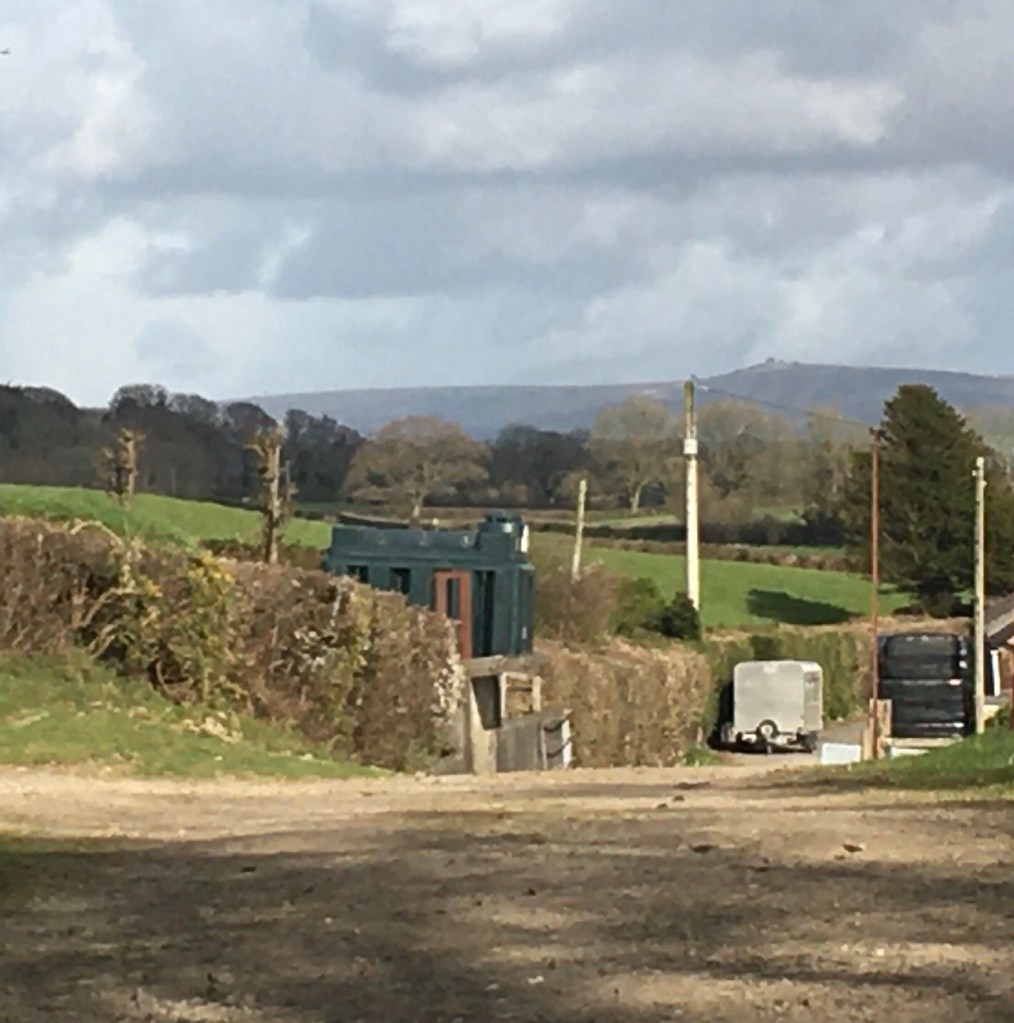
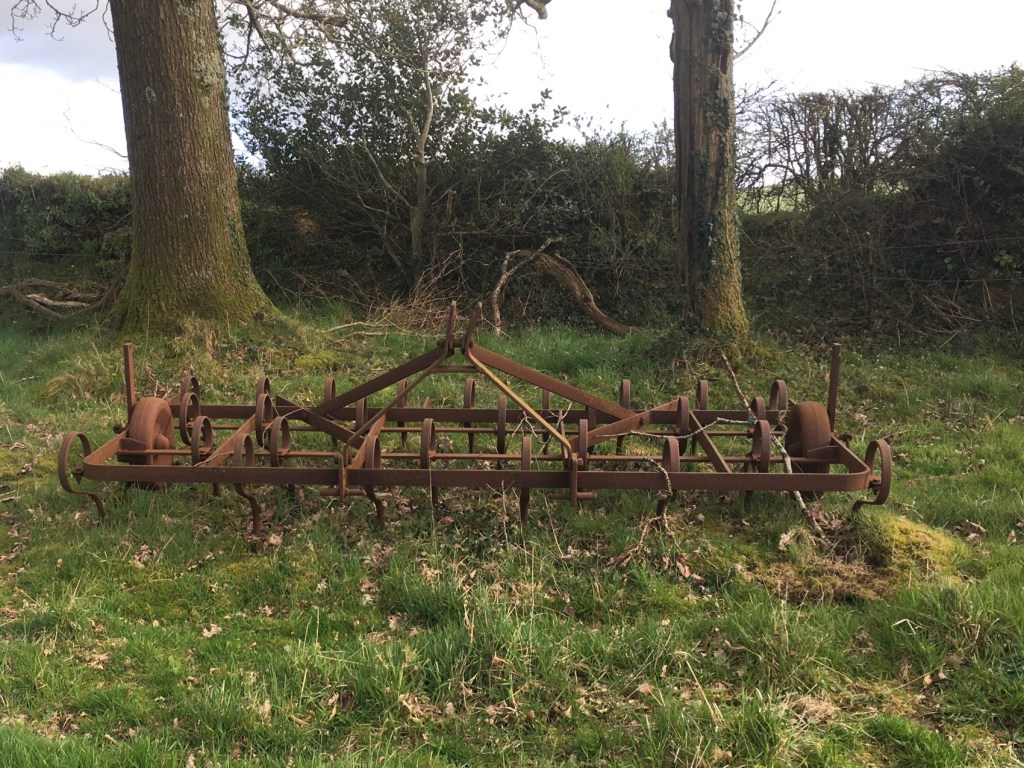
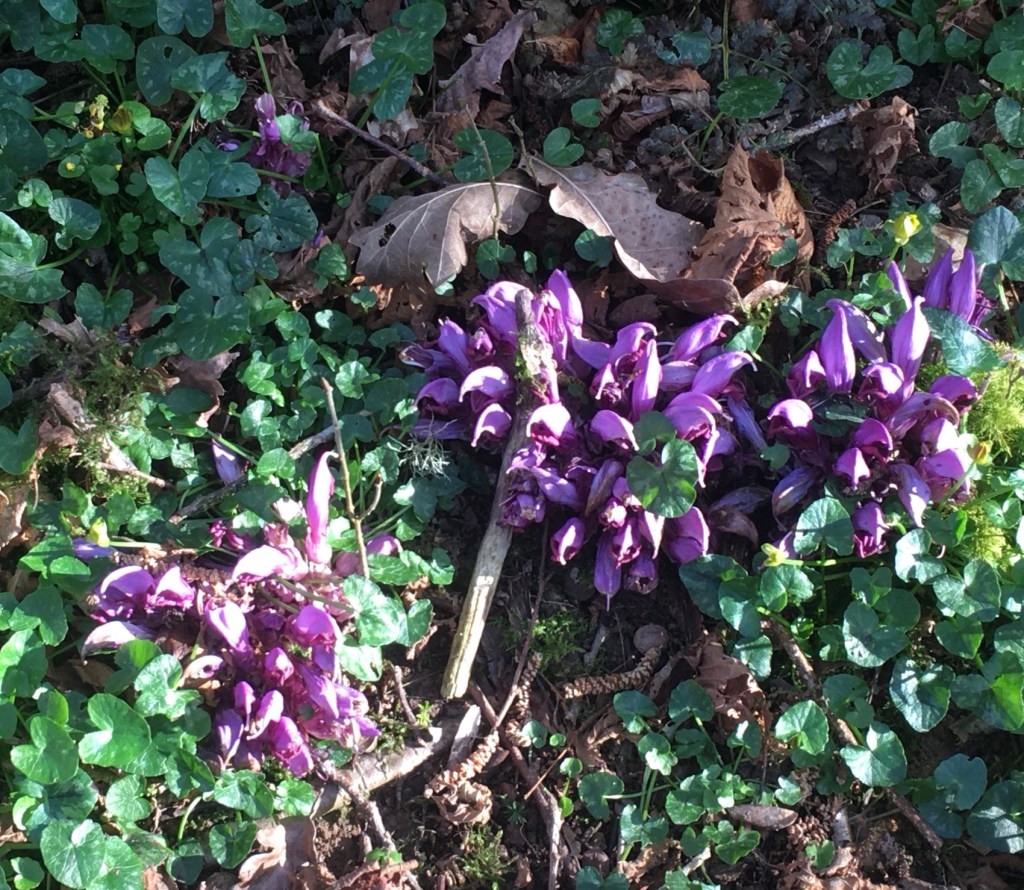
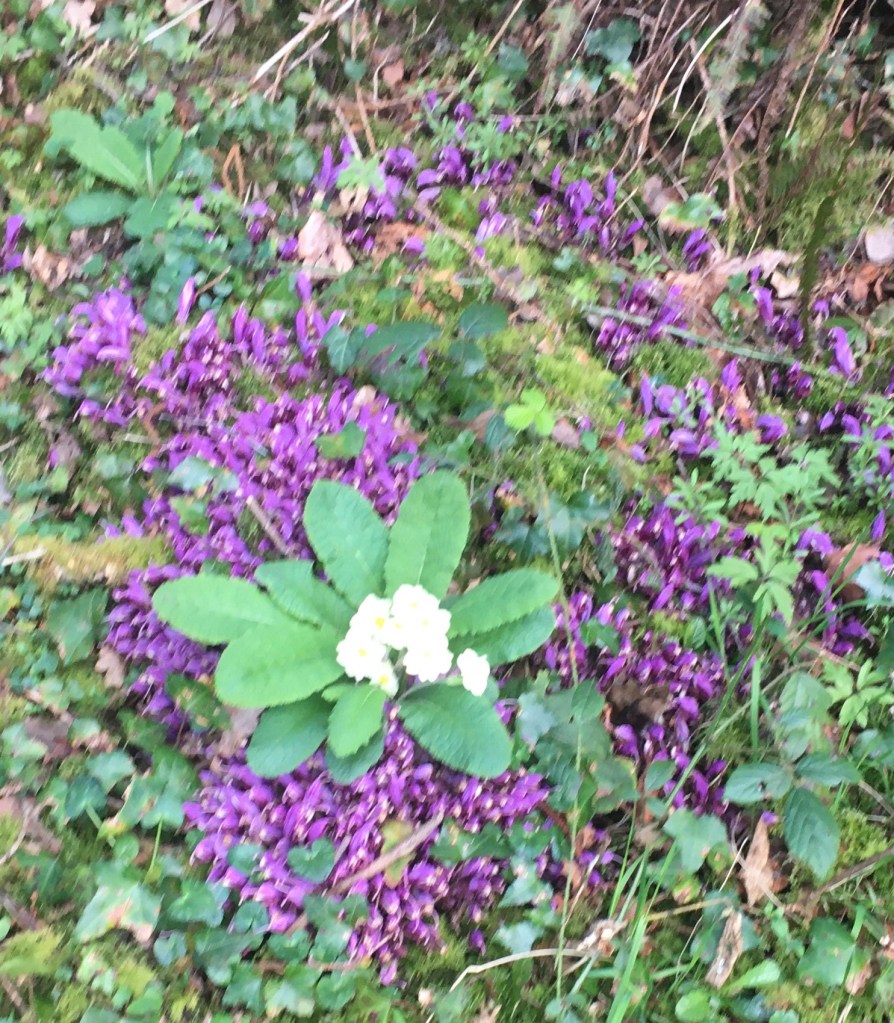
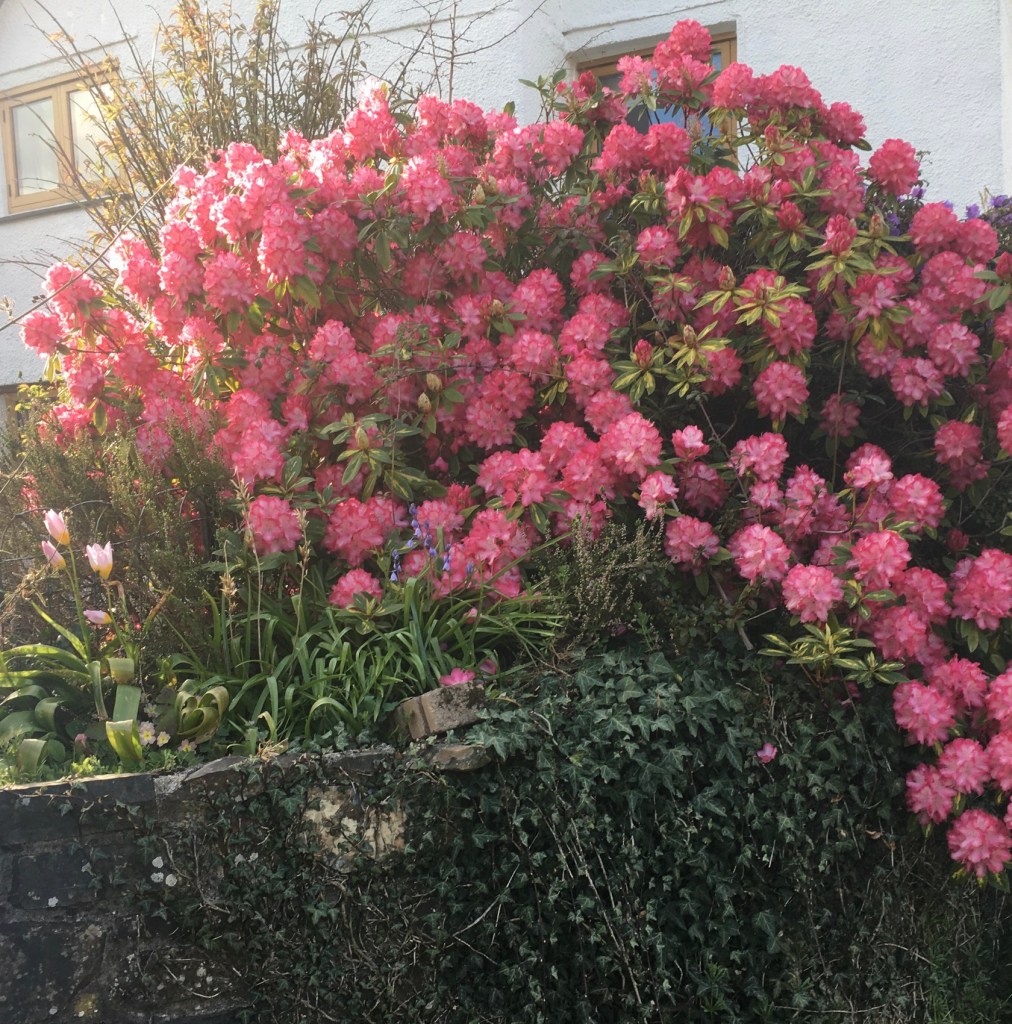
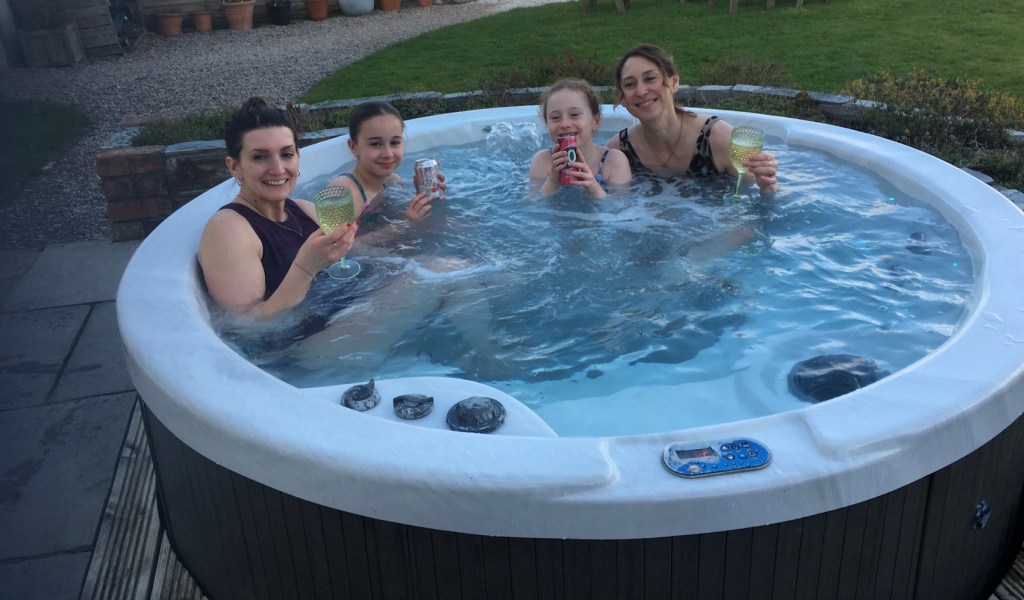
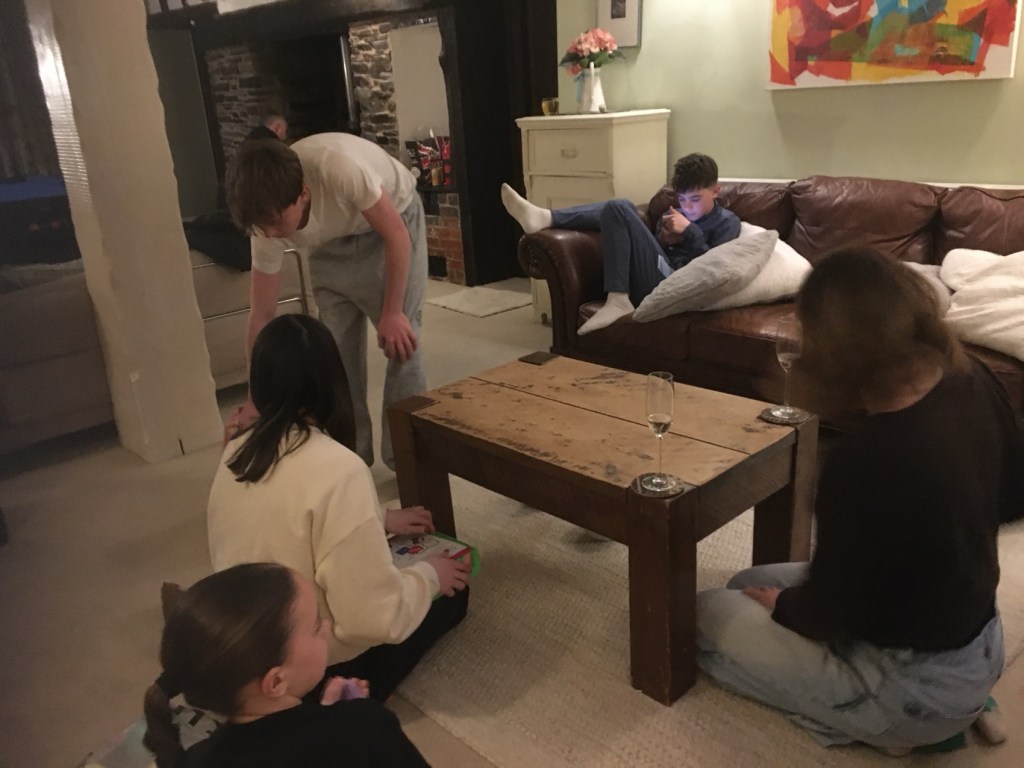
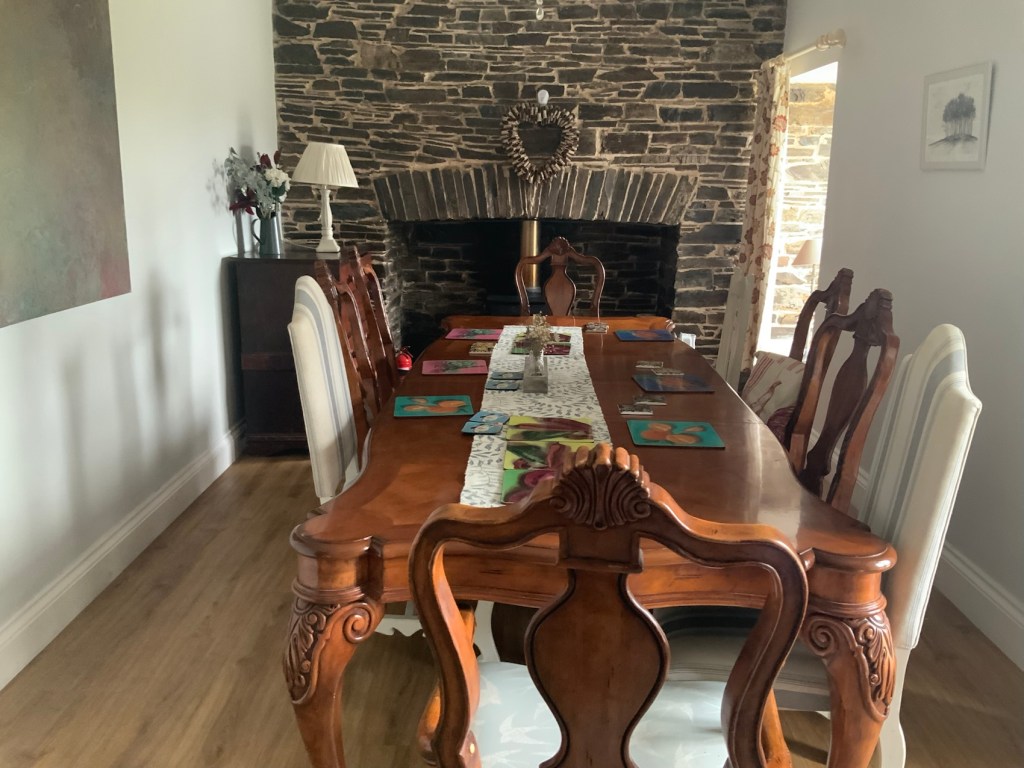
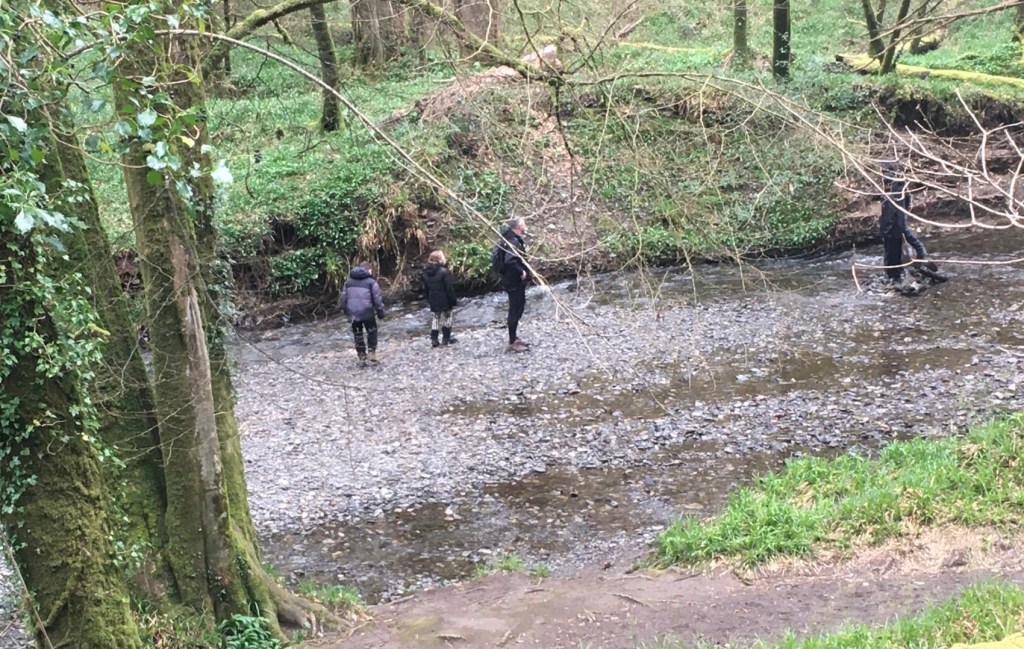
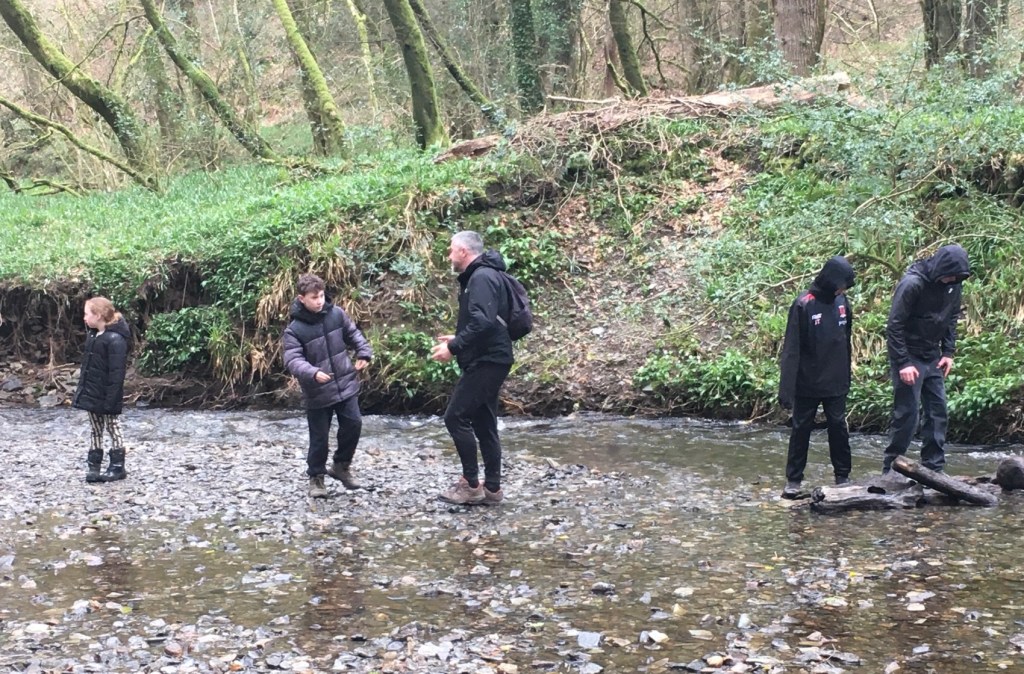
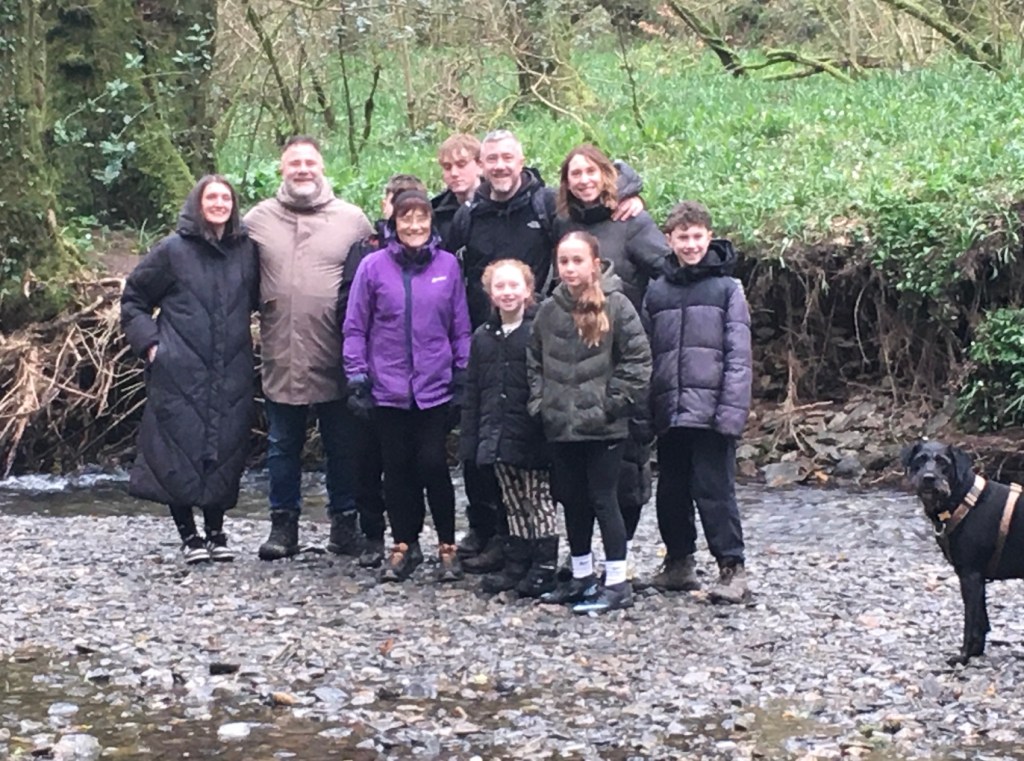
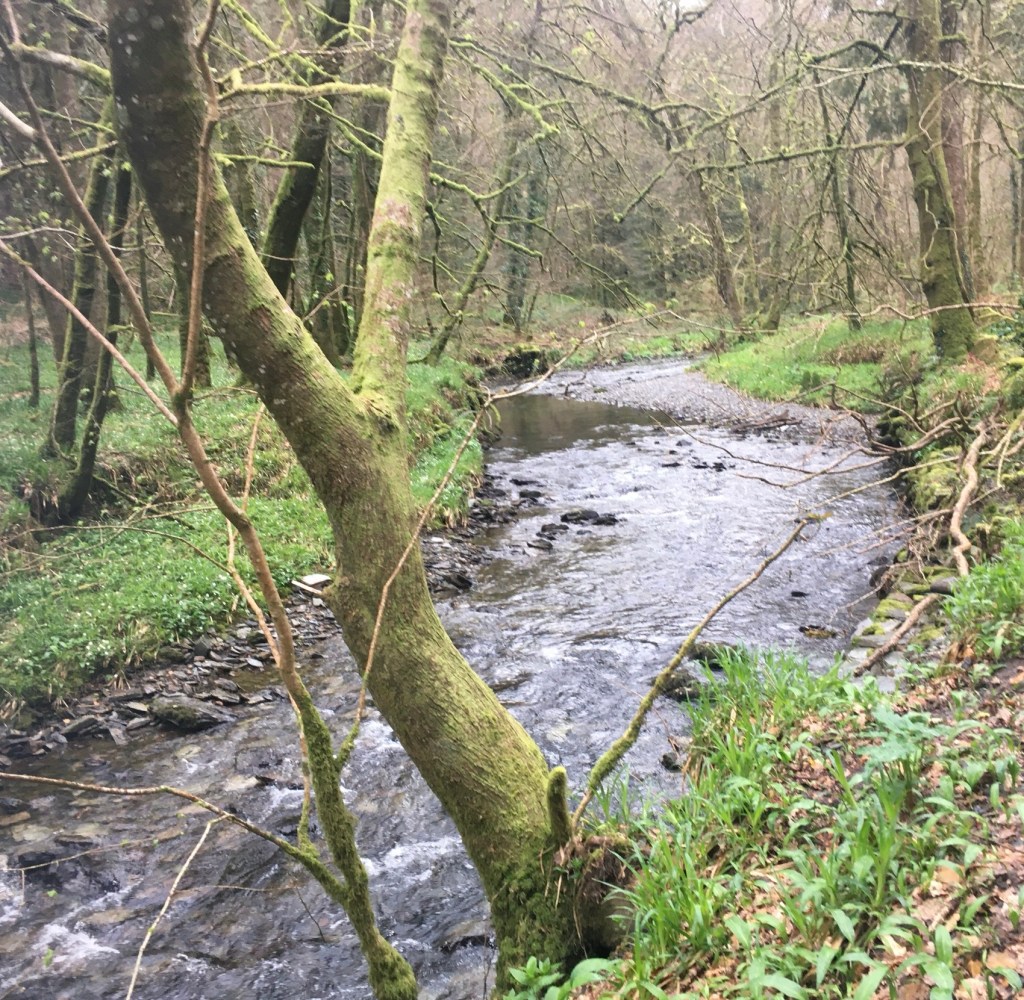
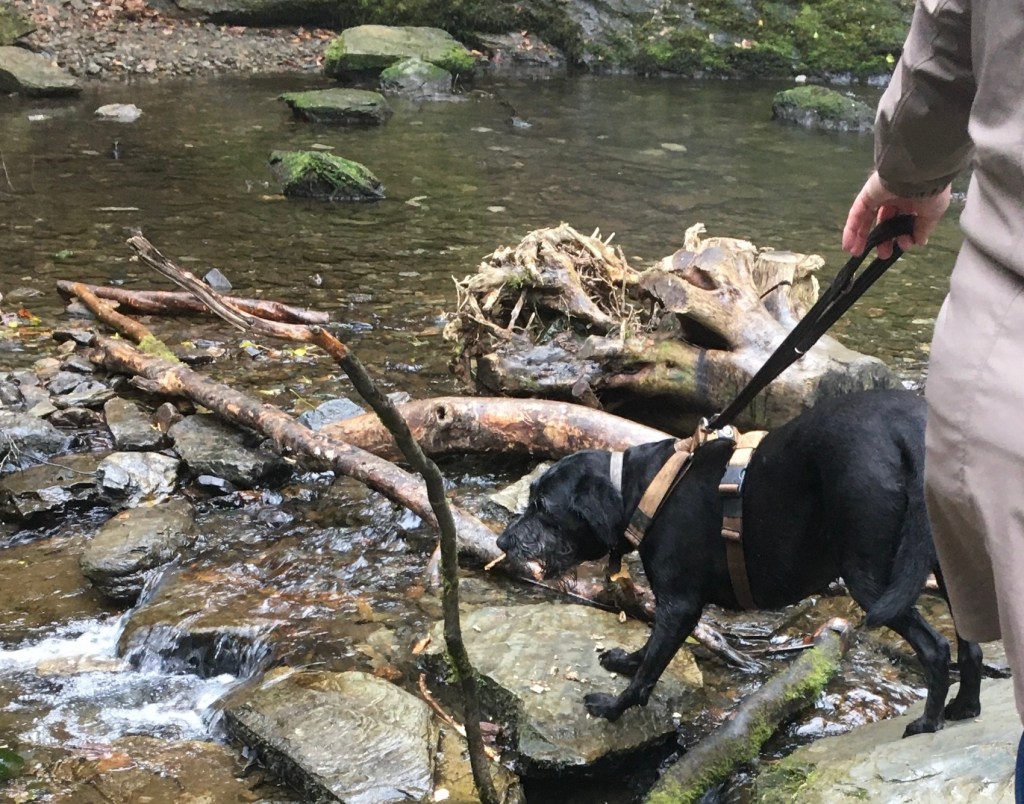
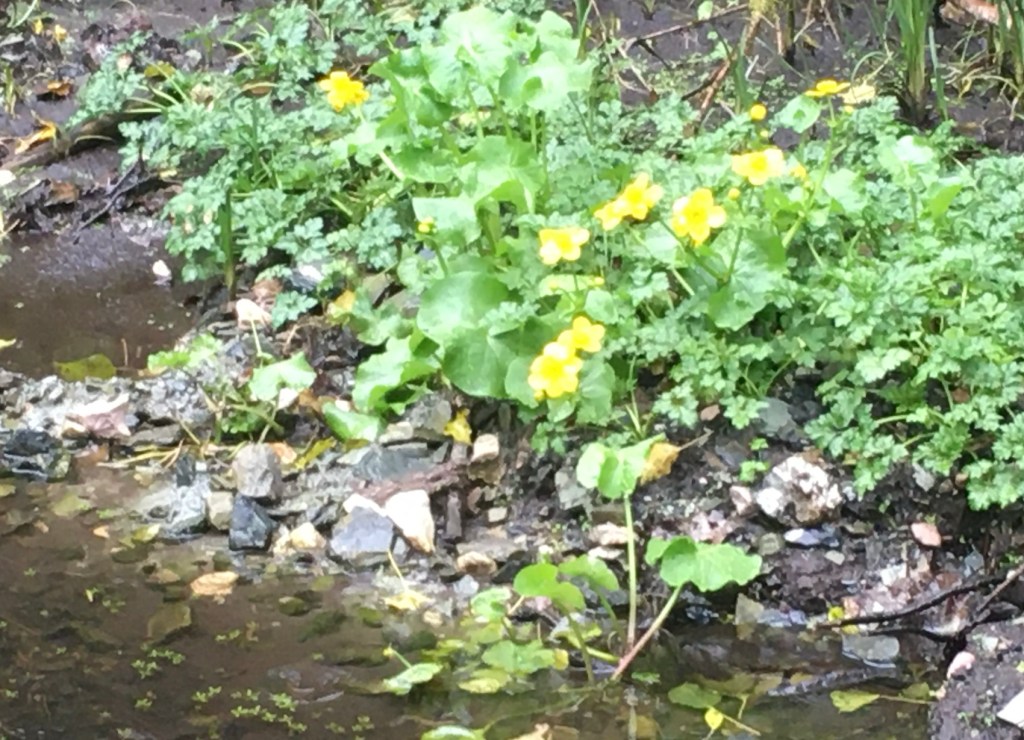
A famous coppice.Parish church – immediately behind the house.From the garden.With the grandchildren stretching their legs and happily playing football and cricket in the garden, Vickee,Tom,Barbara and I set off with Ted the dog to explore some of the locality.Uphill for a time – plentiful footpaths nearby .We were soon on the banks of one of the tributaries of the River Tamar.Ted enjoyed a couple of quick dips..Tom keeping watch.And chasing the ball.I think he got the wrong end of the stick at this point.Open farmlandAn abandoned farm machine.What a Beauty .Local floraThe girls relaxing in style in the hot tub.Pre dinner games and Nell looking the part.Time to set the table for dinner.
It had been a really enjoyable first day away together.
Sunday morning and a trip to the very handily situated village shop to get the paper.
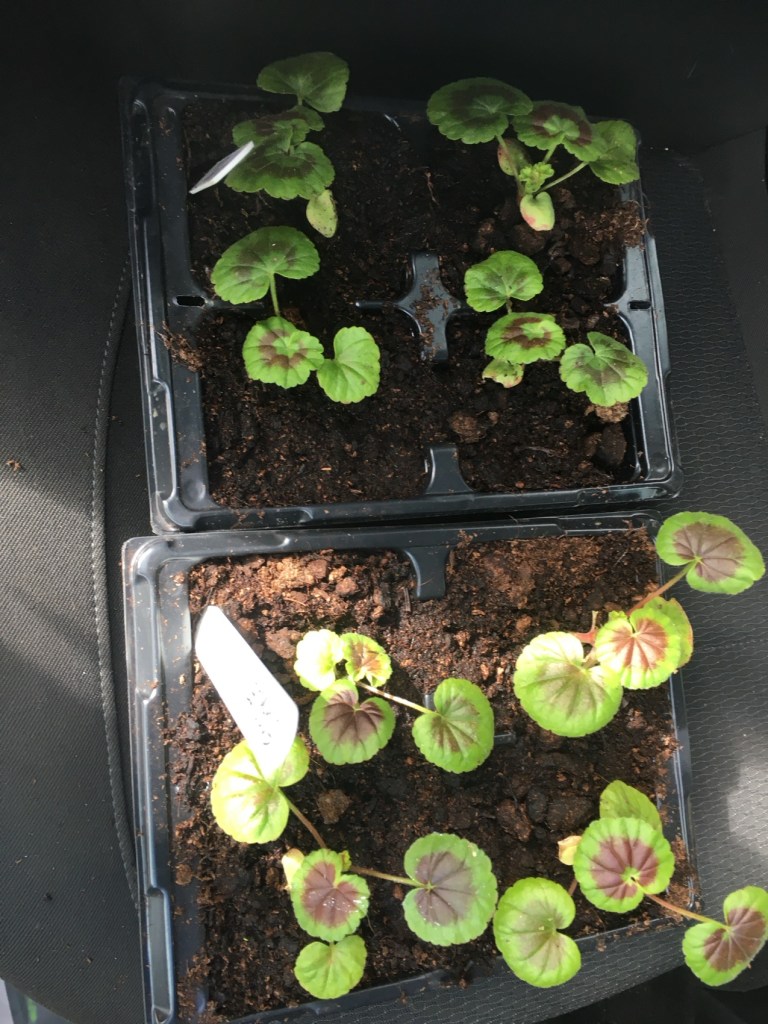
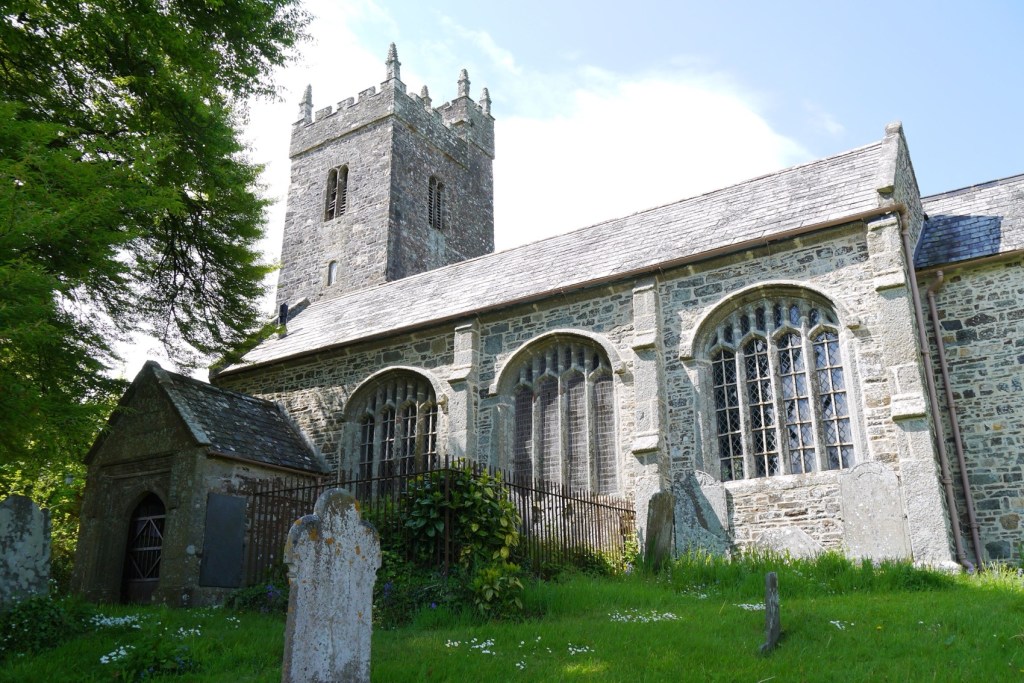
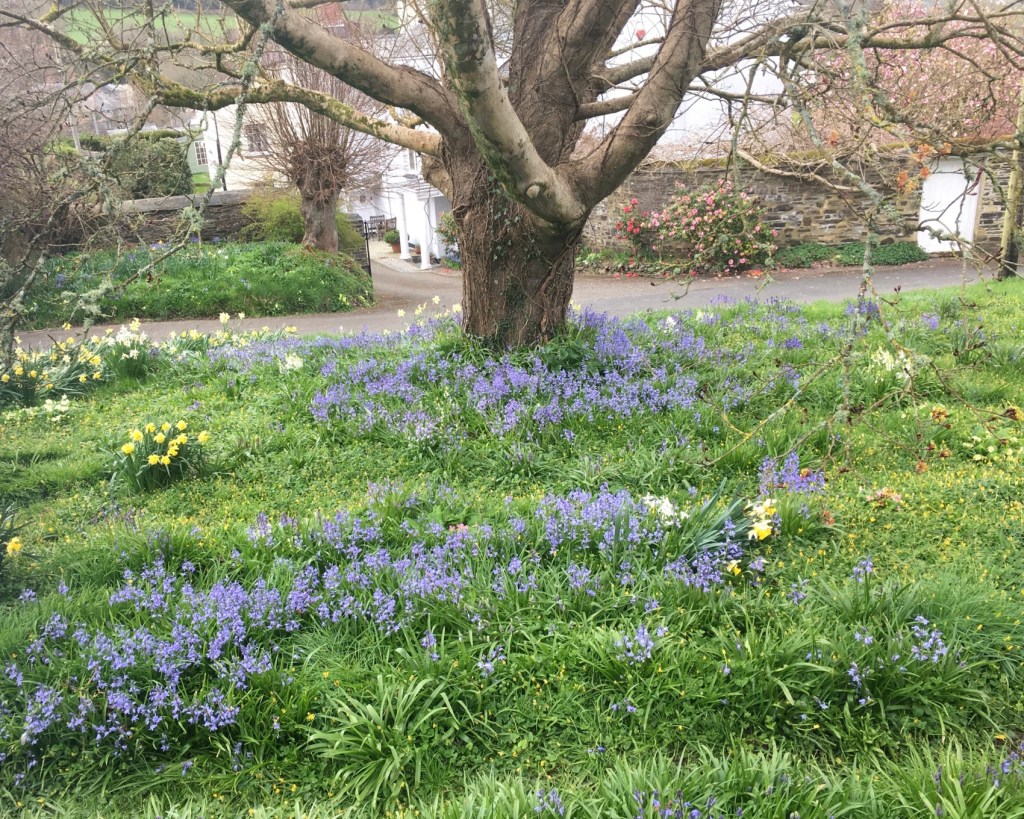
And two trays of very healthy Geranium plugs.We had a look inside St Mary’s, fortunately open on Sundays!A very well maintained building Bluebells in the church yard.
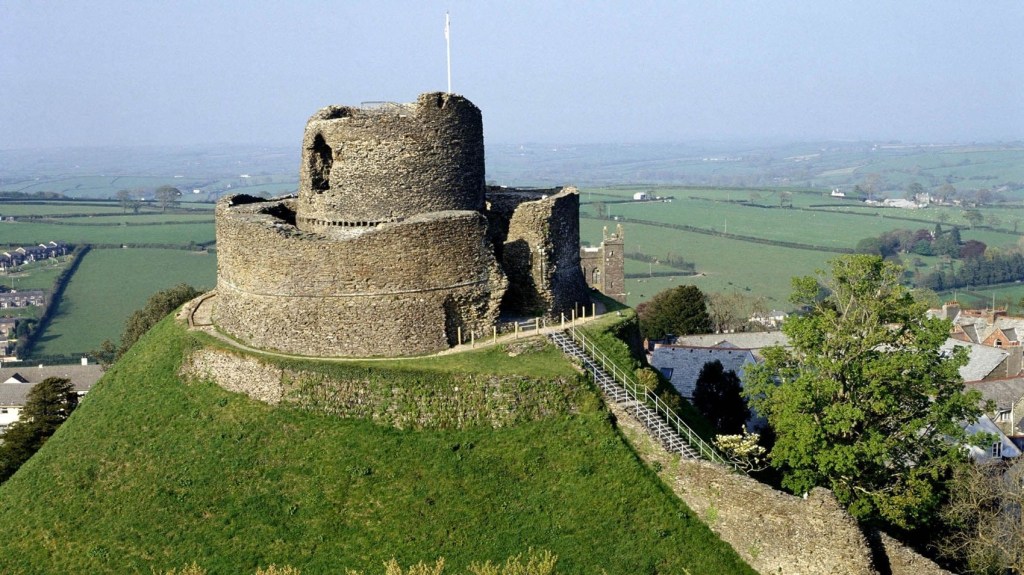
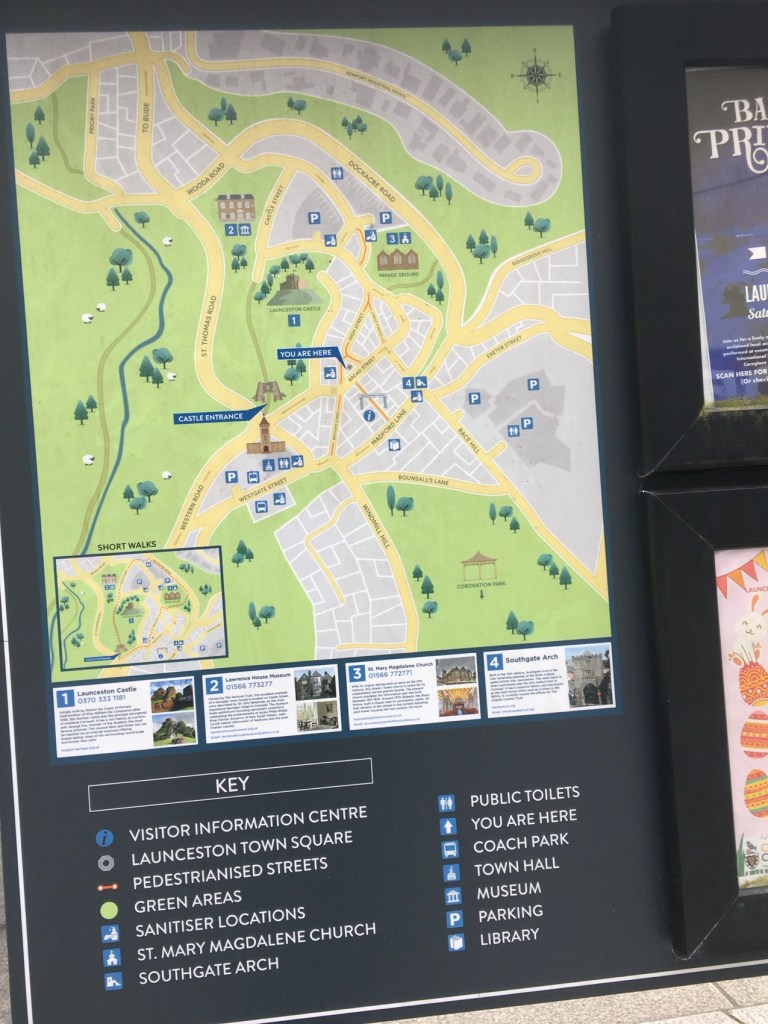
Barbara and I then set off then for nearby Launceston, the former county town of Cornwall.
The castle remains.
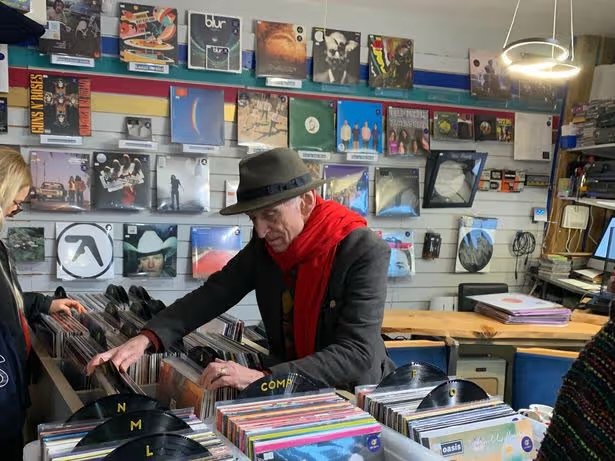
Launceston is an ancient market town that was once one of the most important in the southwest. It is known as the ‘gateway to Cornwall’, due to the A30 running very close by (the road used to go through the town itself). Being Sunday, there were few shops open – mainly charity shops – but we did find a great cafe with a difference.
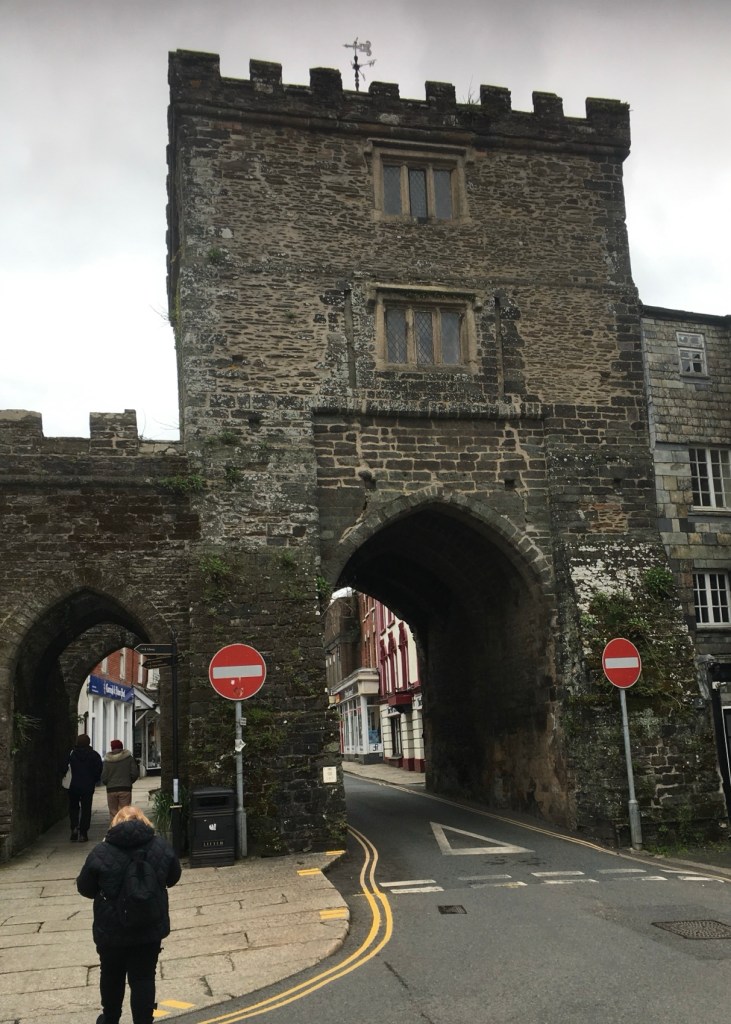
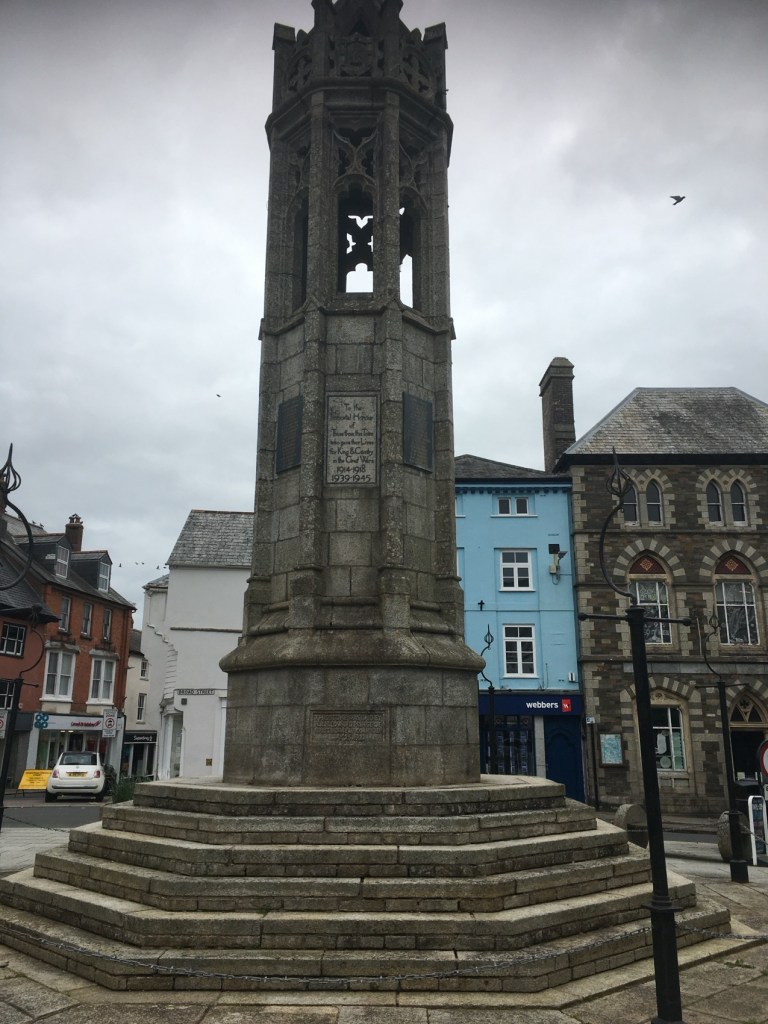
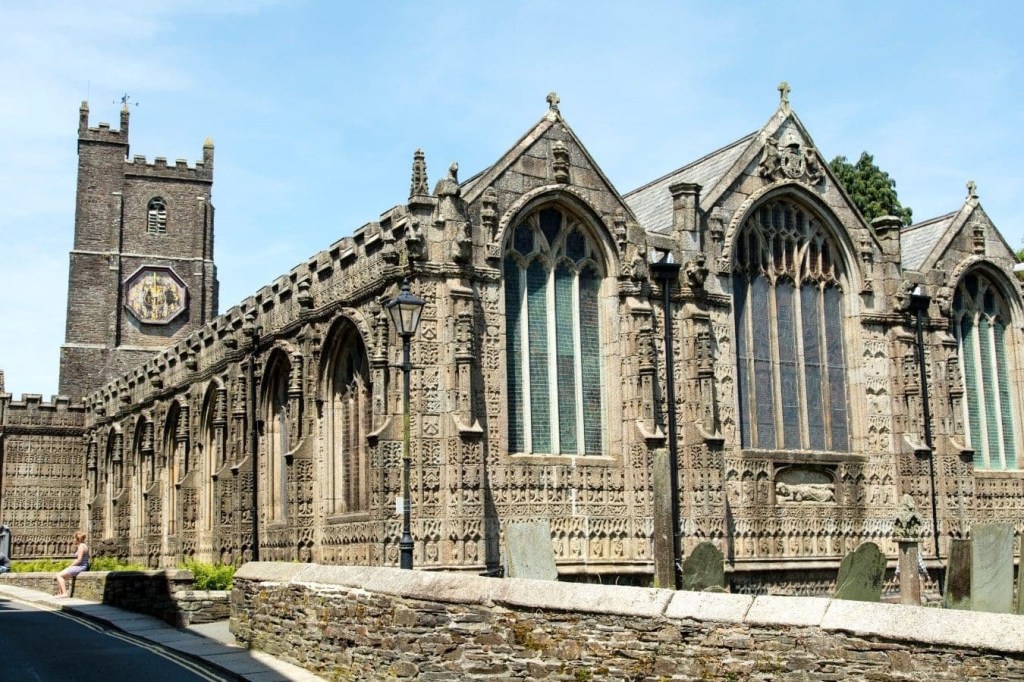
A dedicated “music cafe” and a classic record shop. Keep Audio Co – The Music Cafe: This is the town’s primary hybrid venue, described as a “music cafe” where you can browse and buy new and used vinyl and CDs while enjoying coffee and homemade cake.Includes a cosy concert room for live music events and a “Blues Jam” on certain Sundays. Casual and dog-friendly, with a “great, chilled vibe” and vintage hi-fi equipment for sale.Original Southgate ArchwayWar Memorial Main SquareThe strikingly impressive St Mary Magdalene church – sadly not open.
There were a couple of pedestrianised streets but nothing much to see. If you decide to visit Launceston…don’t go on a Sunday!
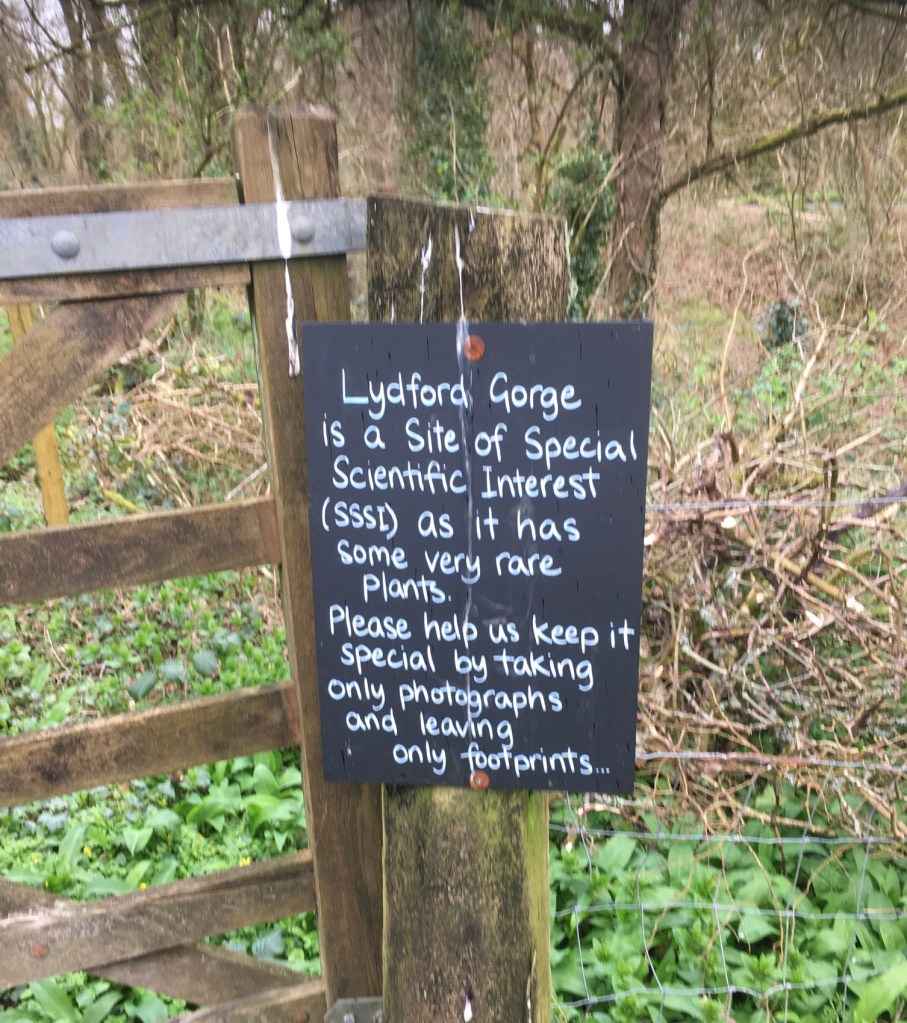
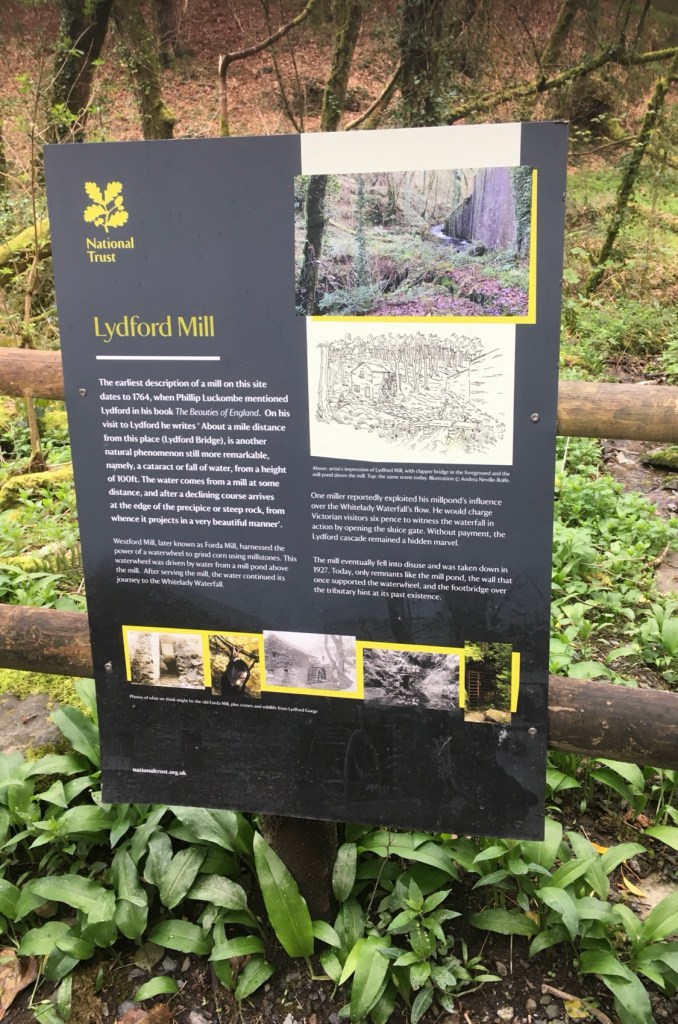
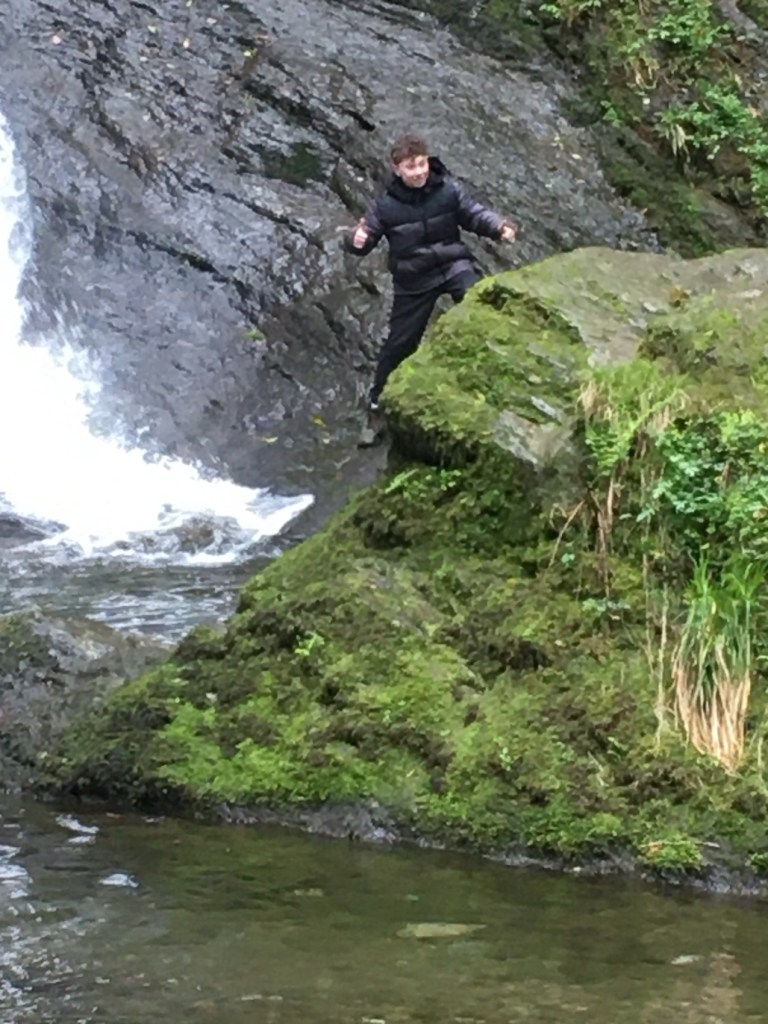
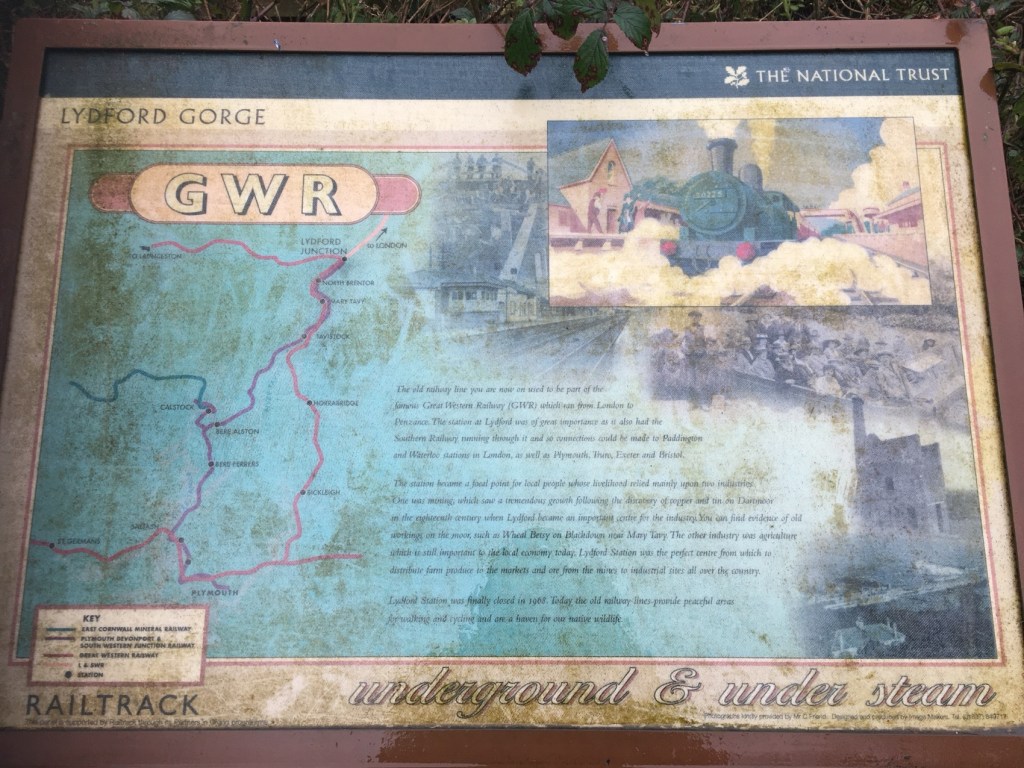
Sunday afternoon and we set off en famille to a local National Trust site of scientific and an historical interest.
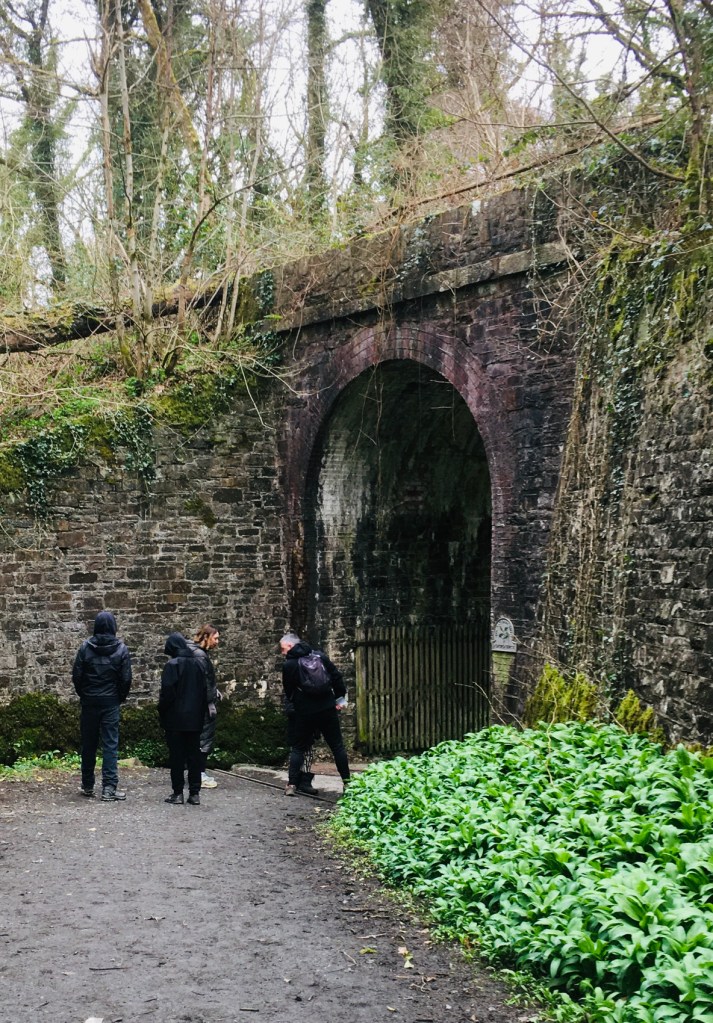
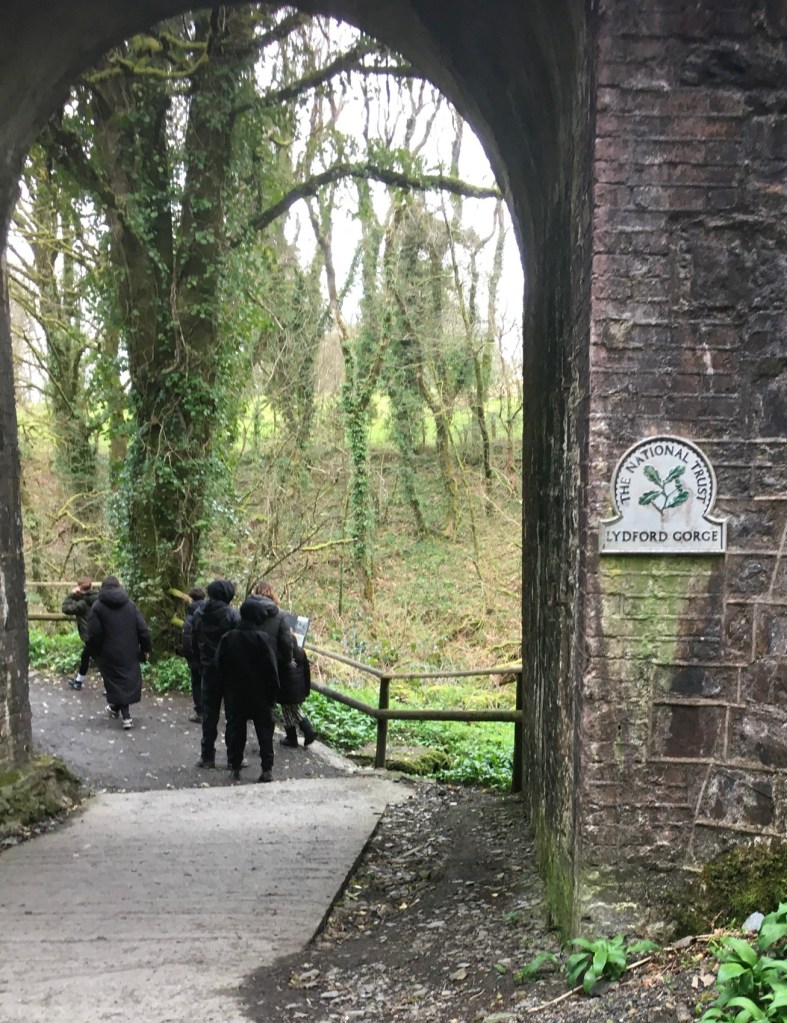
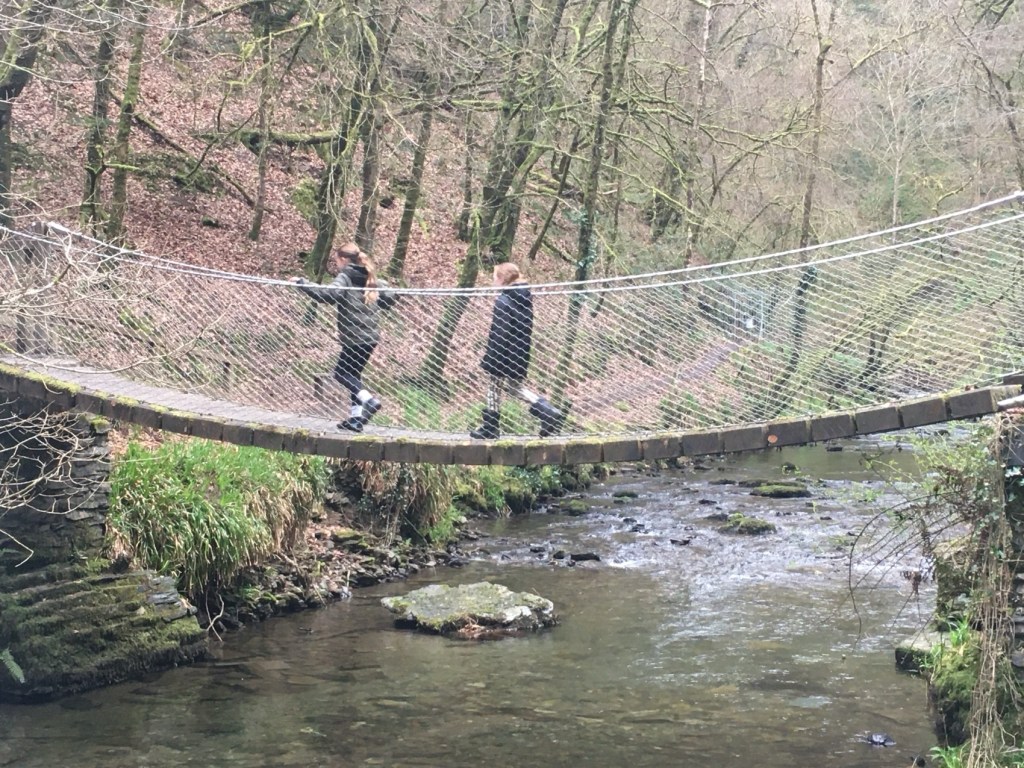
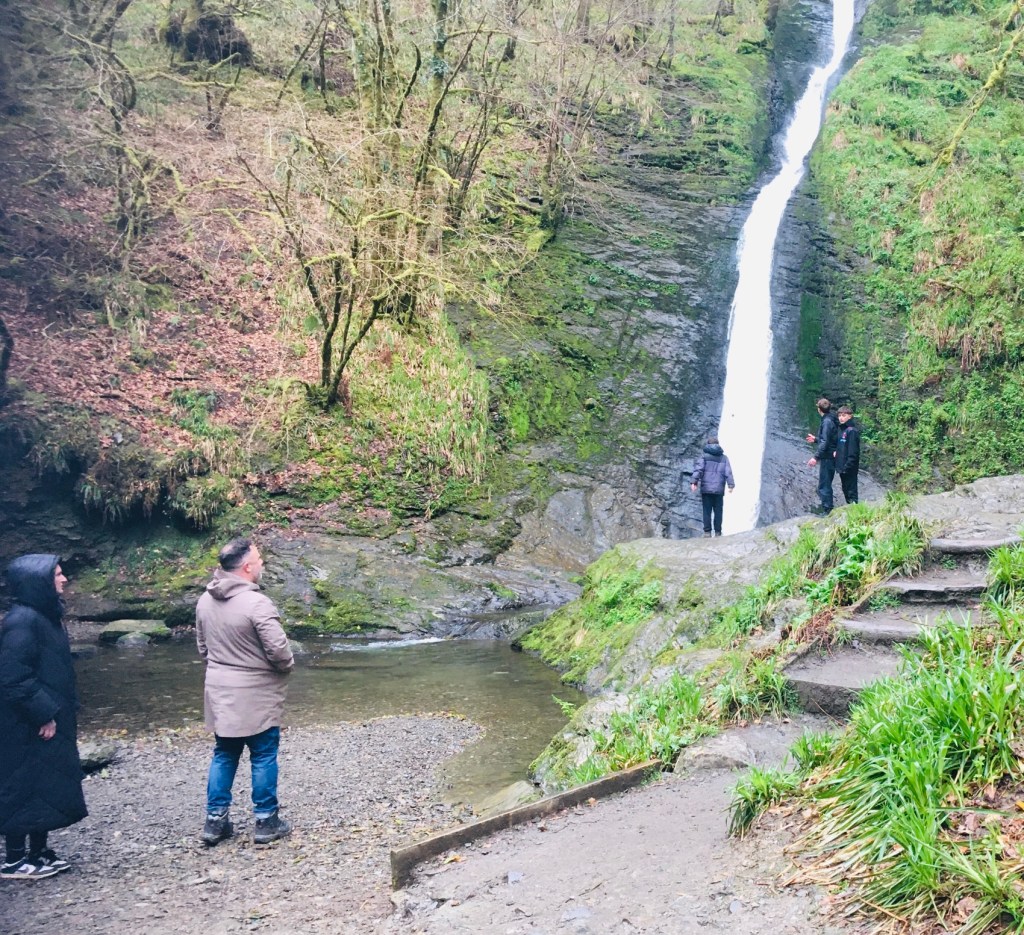
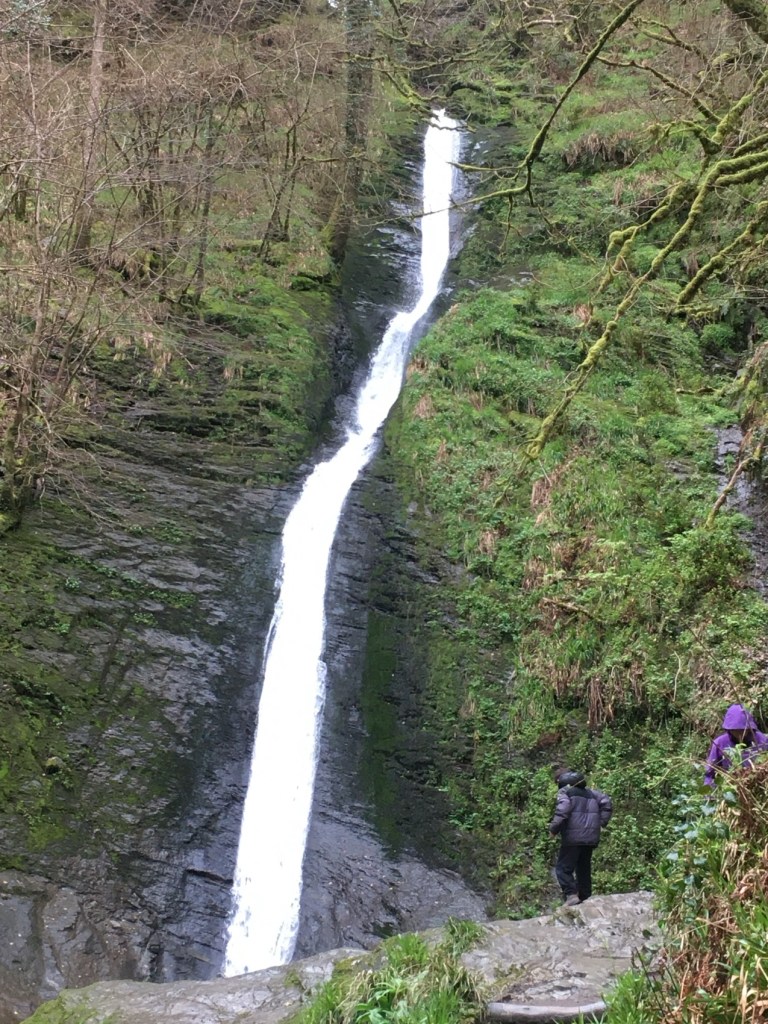
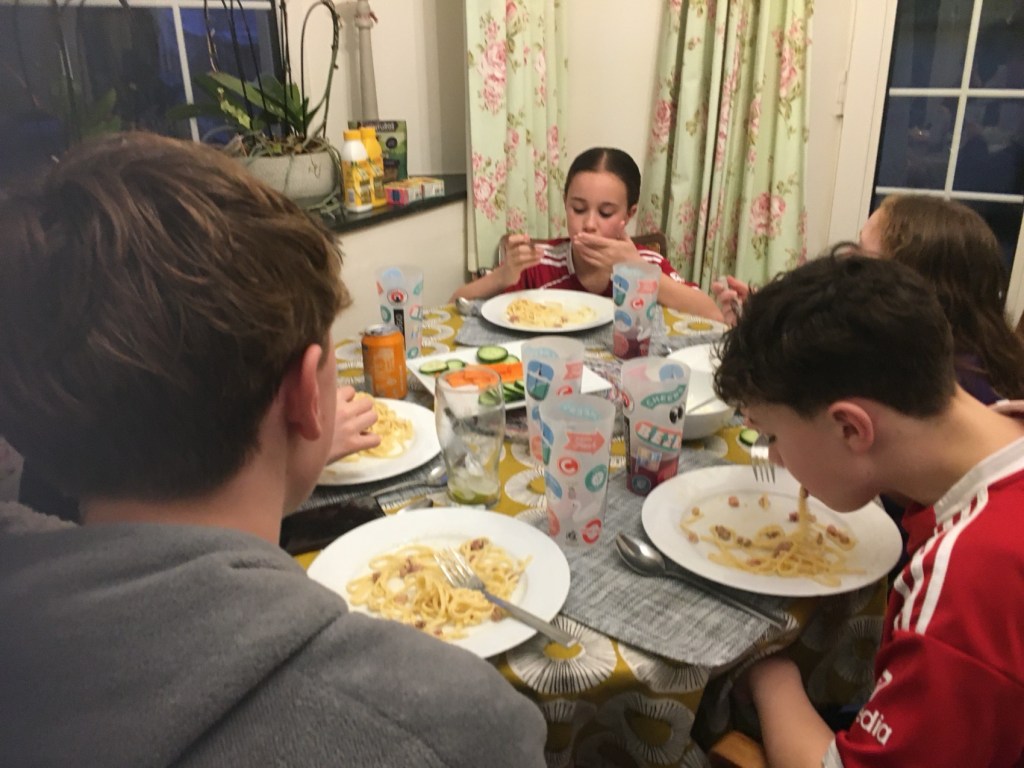
LYDFORD GORGEWe were all impressed with the setting.Not far from the waterfall.Ted got a look in with the family…of course.Flo managed to wedge a Penny in to this section.Irresistible footbridge.Wow FactorJake getting a close up.Nearly Whoops!Ted having a chew.Local flora Dan took us back to back along the now disused railway.Nelly’s Spaghetti Carbonara was greatly appreciated by the children as was Dan’s Pork En Croute by us adults a little later.
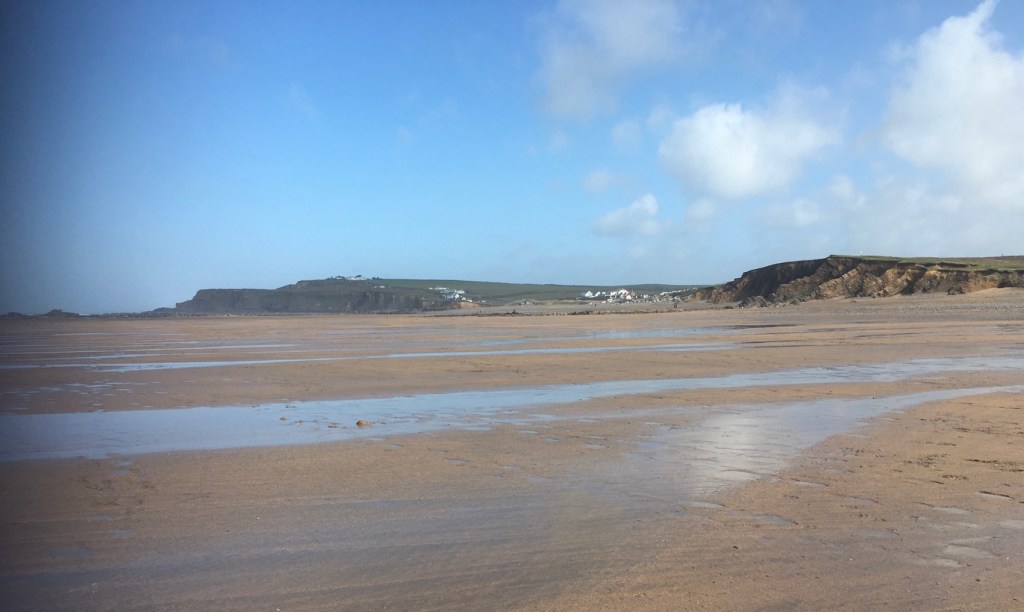
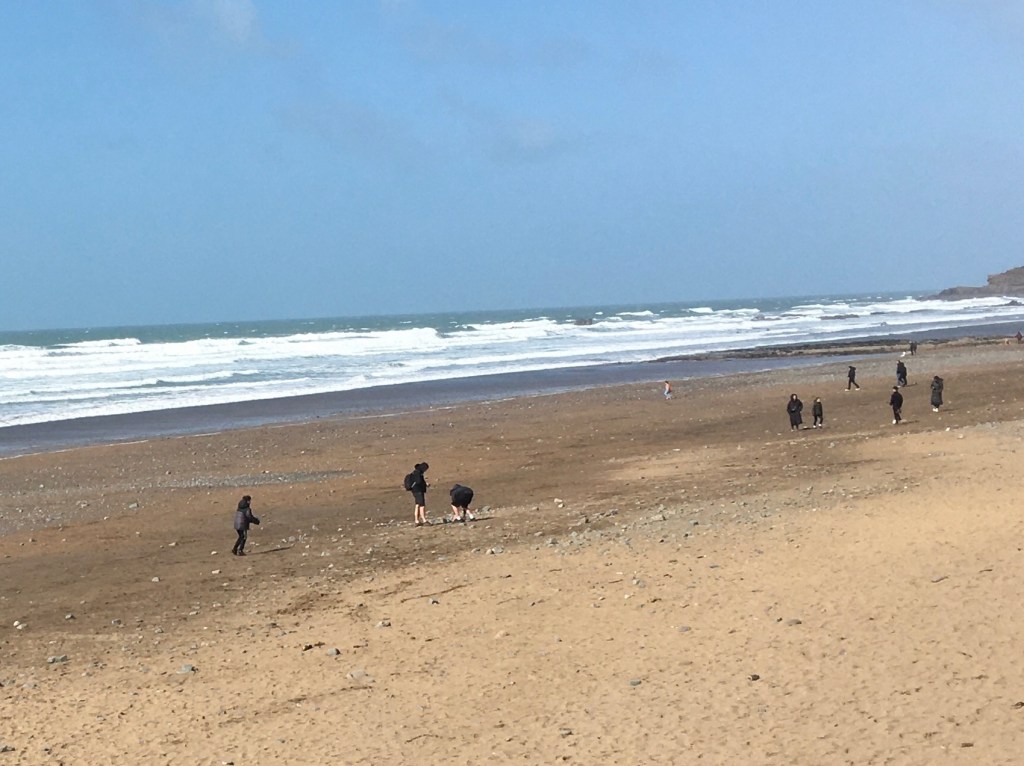
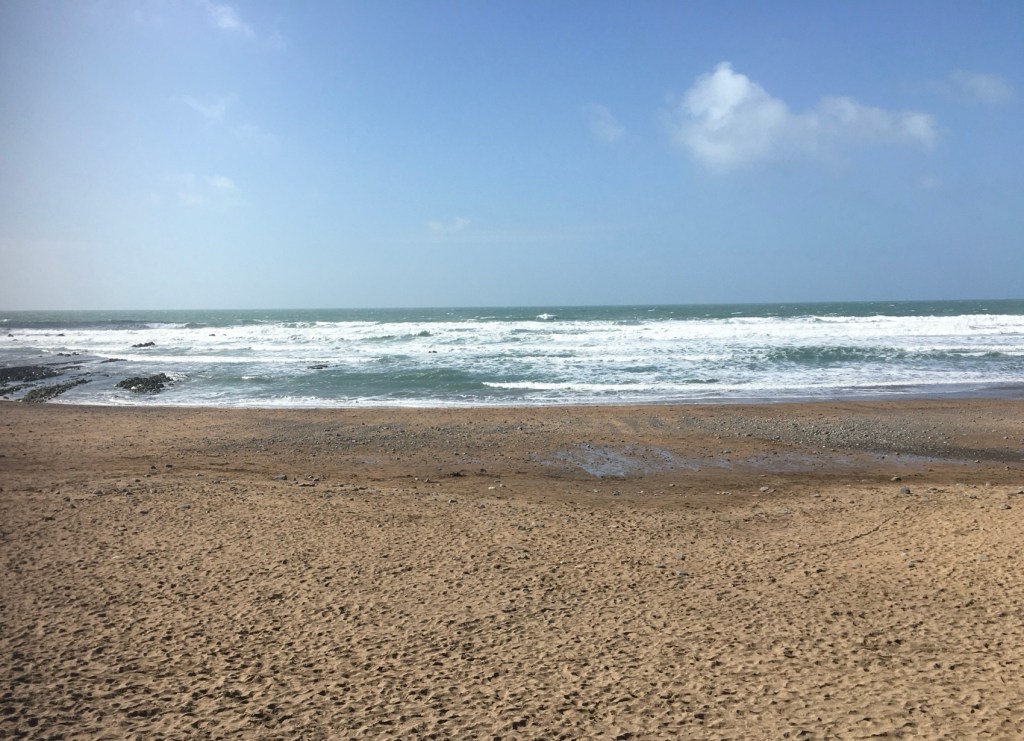
Monday morning dawned brightly and after a leisurely breakfast we all set off for a trip to the Atlantic Ocean.
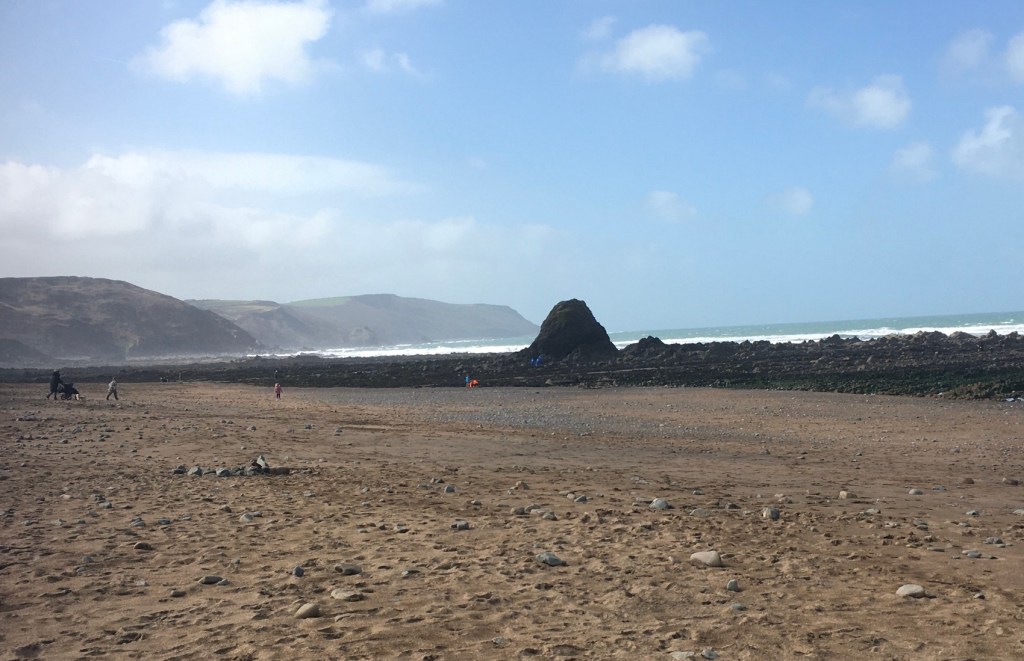
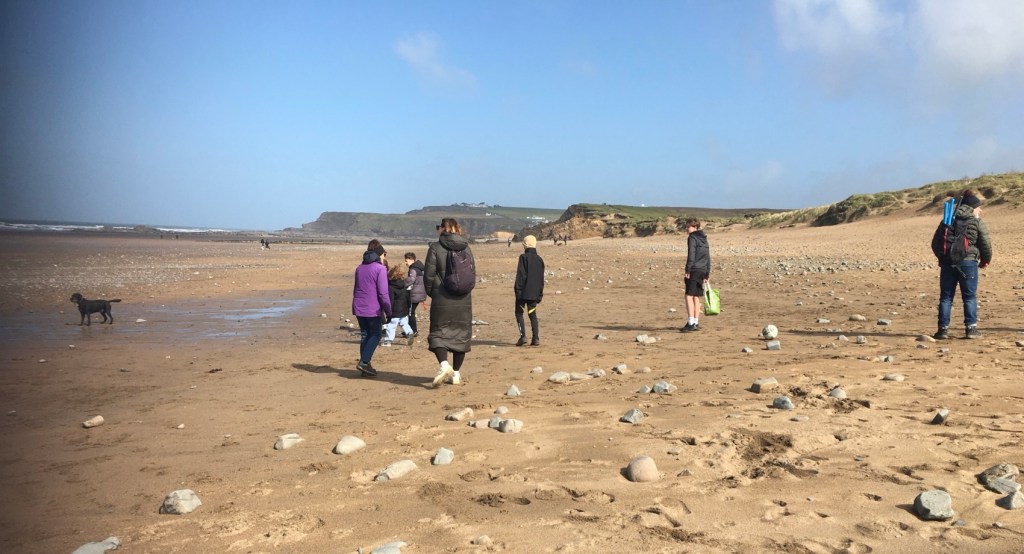
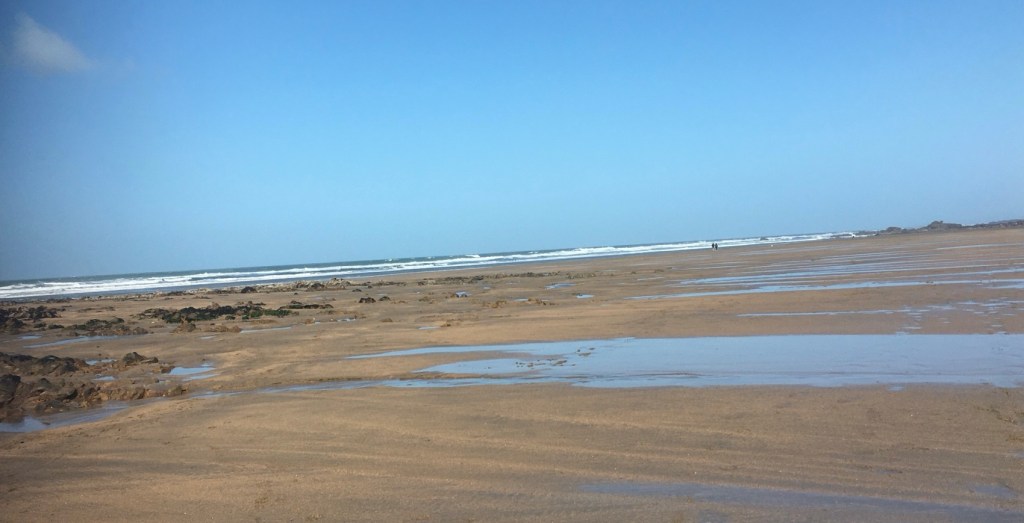
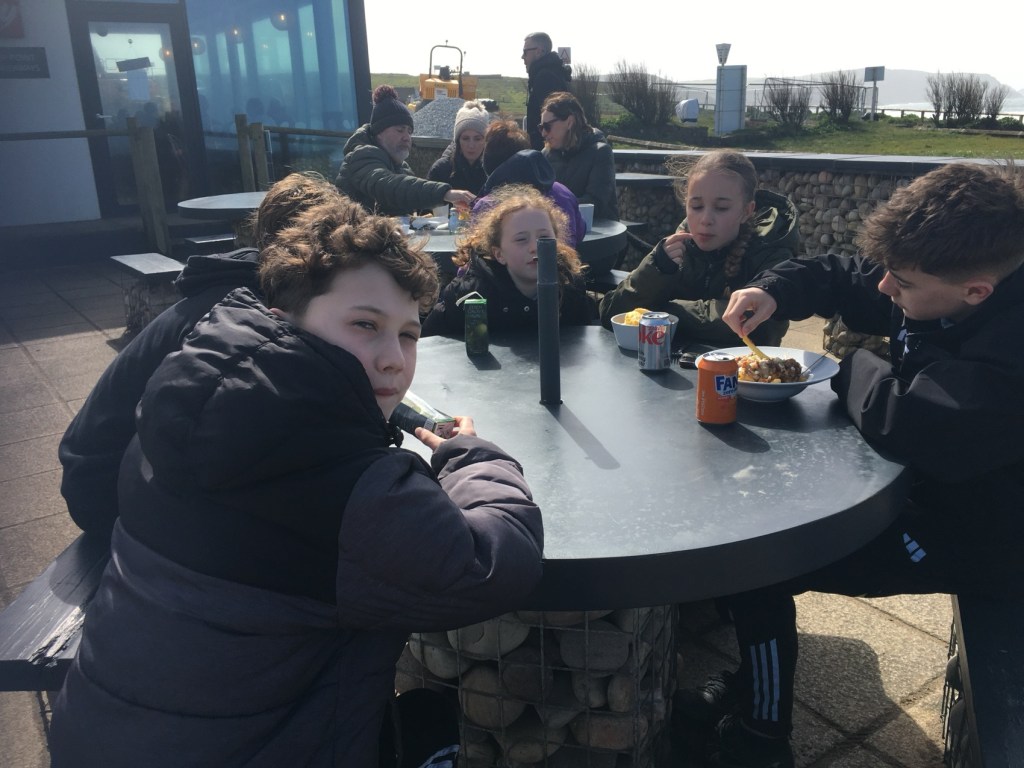
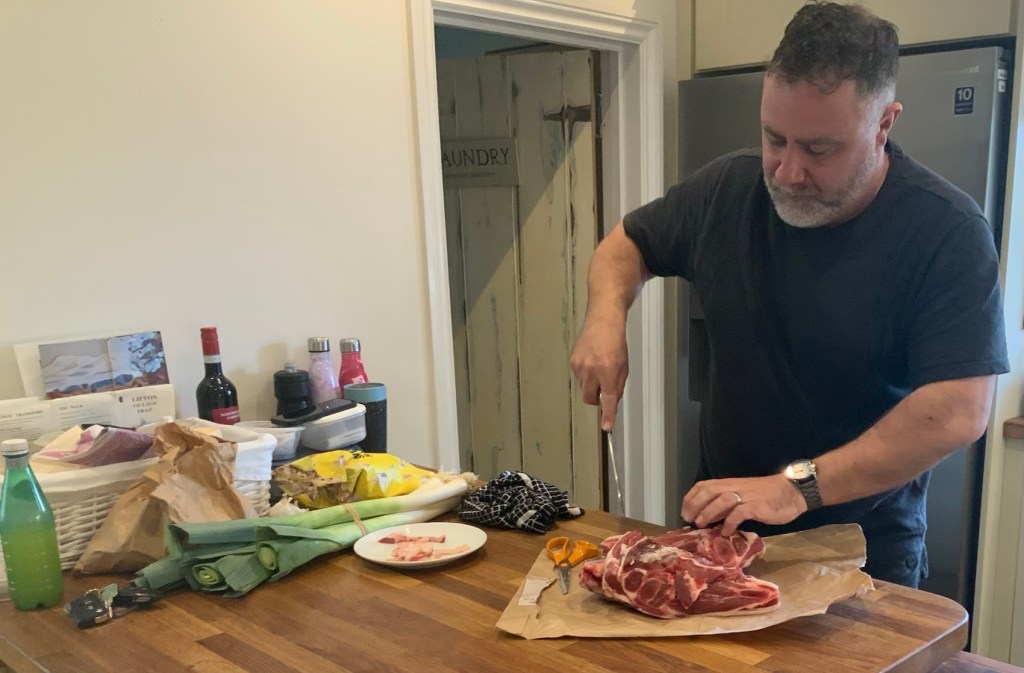
Blackrock beach in Widemouth Bay.A huge stretch of sand,rock pools and a kickabout.Lunch at the Widemouth beach cafe – pasties, loaded chips and sausage butties were favourites and Barbara enjoyed her all time favourite…A homemade cheese scone.The tide was coming in as we returned to the car park.A very bracing seascape and an enjoyable few hours.On return,Tom got to work on dinner – locally sourced.Jake in a great replica shirt – I WANT ONE!Tom’s homemade pizzas went down well for tea.Tom cooked up a really special Lamb dish for our evening meal,too.
Tuesday,31st March – some clearing up to do – all hands to the pump. Then homeward bound. It has been a memorable and really enjoyable three days.
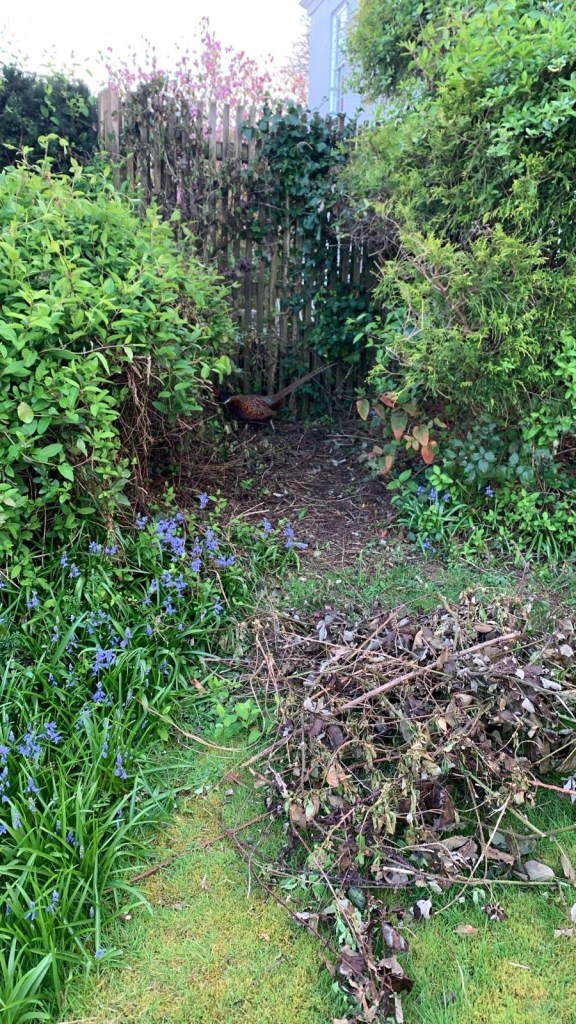
PS The children spotted a pheasant’s nest in the garden. That’s a first!PPS Sunny coffee stop at Gloucester Farm Shop service station on the M5 – it felt quite Continental.
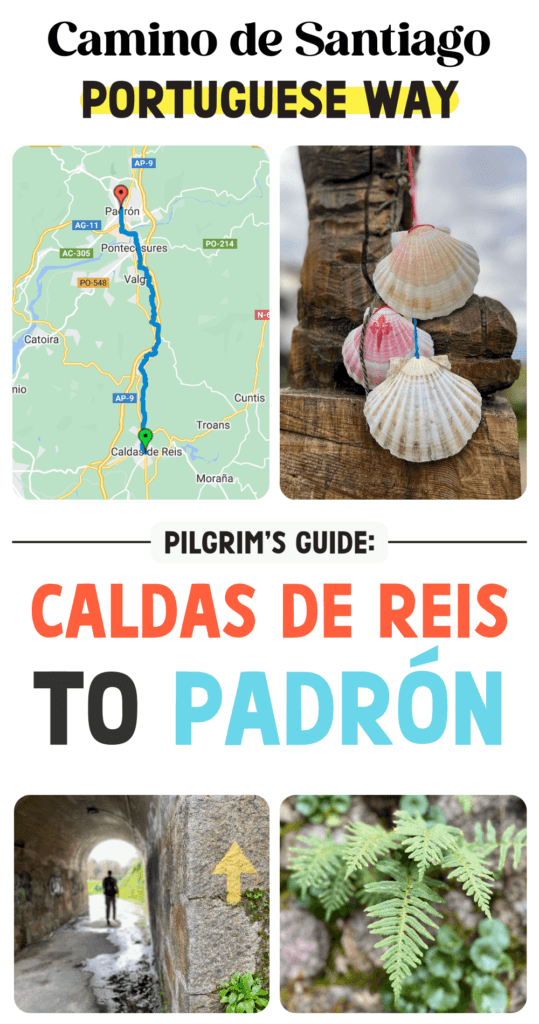
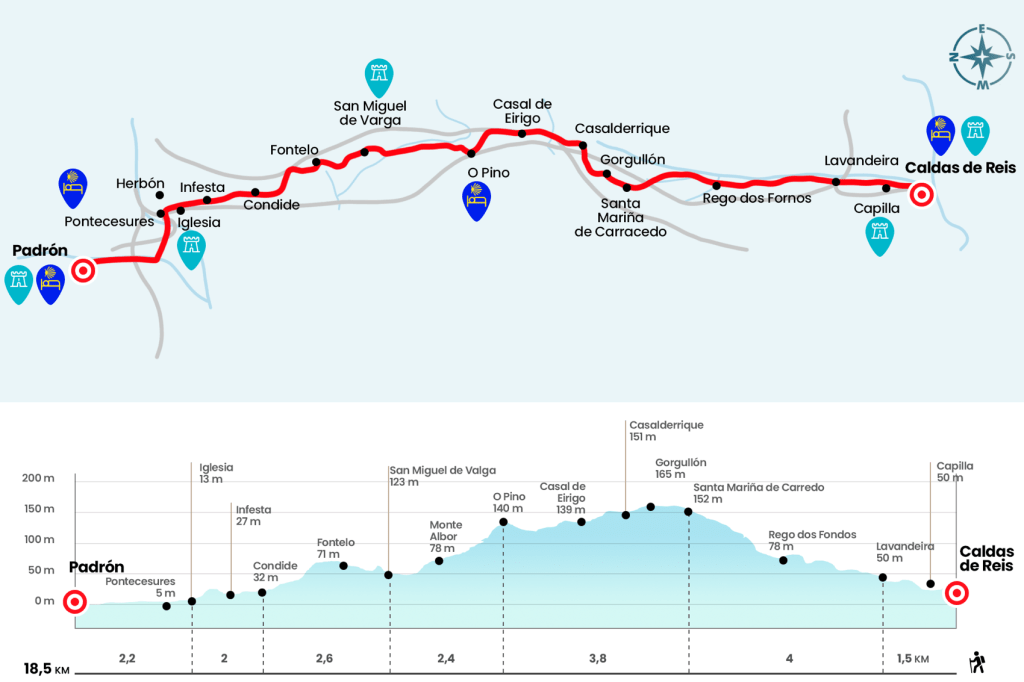
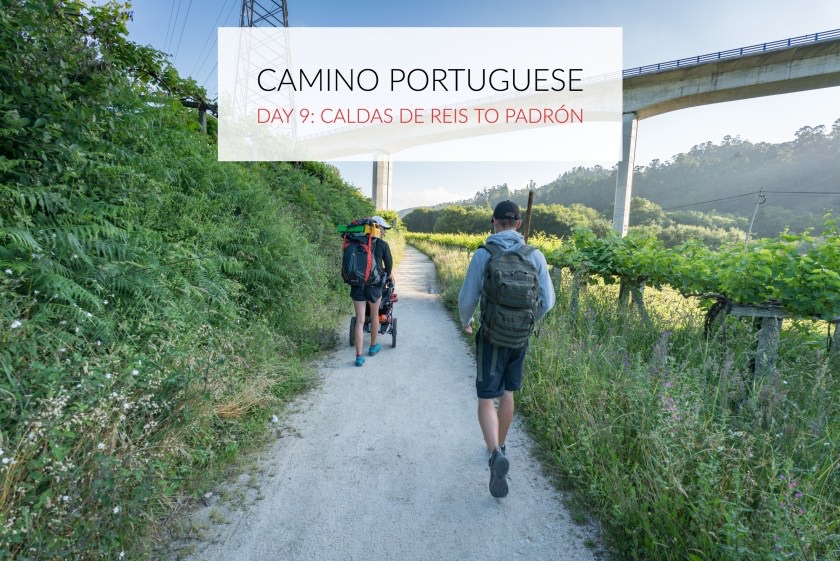
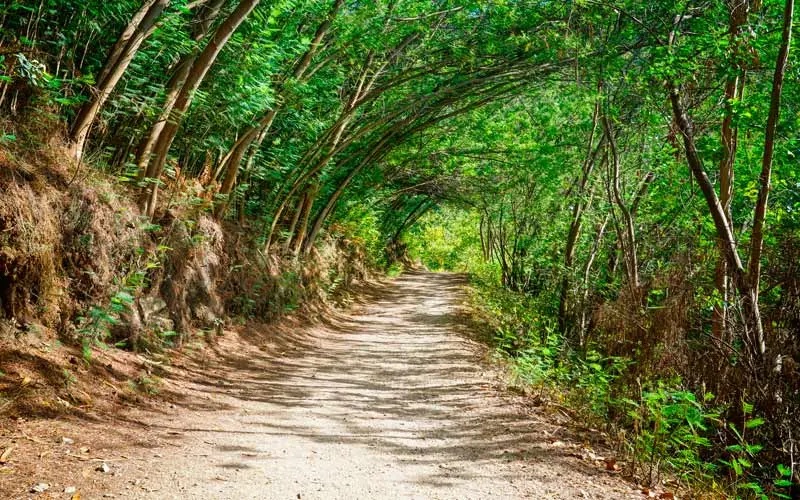
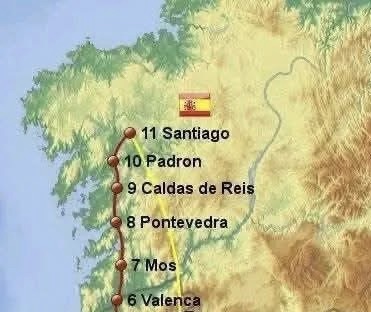
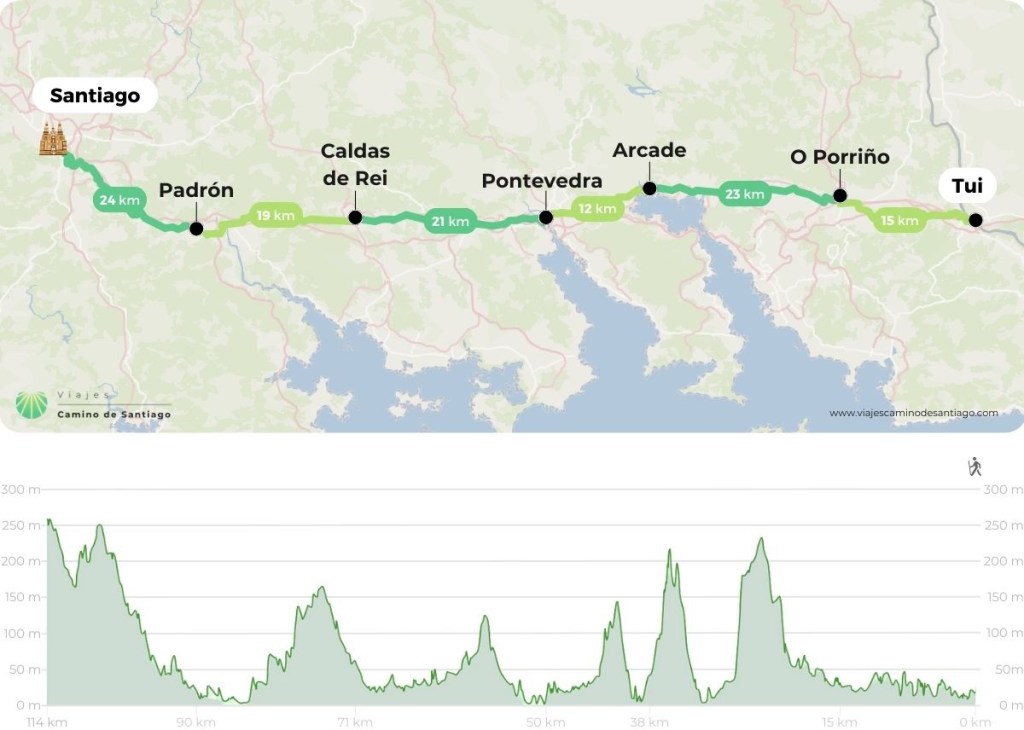
This is a pleasant stage along small roads and woodland paths through valleys,before following the River Sar into the historic town of Padron.
“ The stage between Caldas de Reis to Padron is what I call the Eve of the End; the final full day before reaching Santiago de Compostela.” – FROM “ THEN WE WALKED”.
Leaving Caldas, we follow the Calle Real, the Royal Road towards Padron.
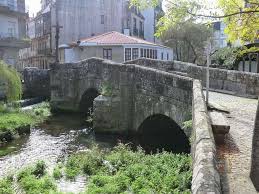
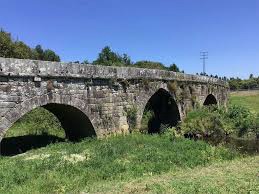
We take this road to the Puente Romano del Río Bermaña.
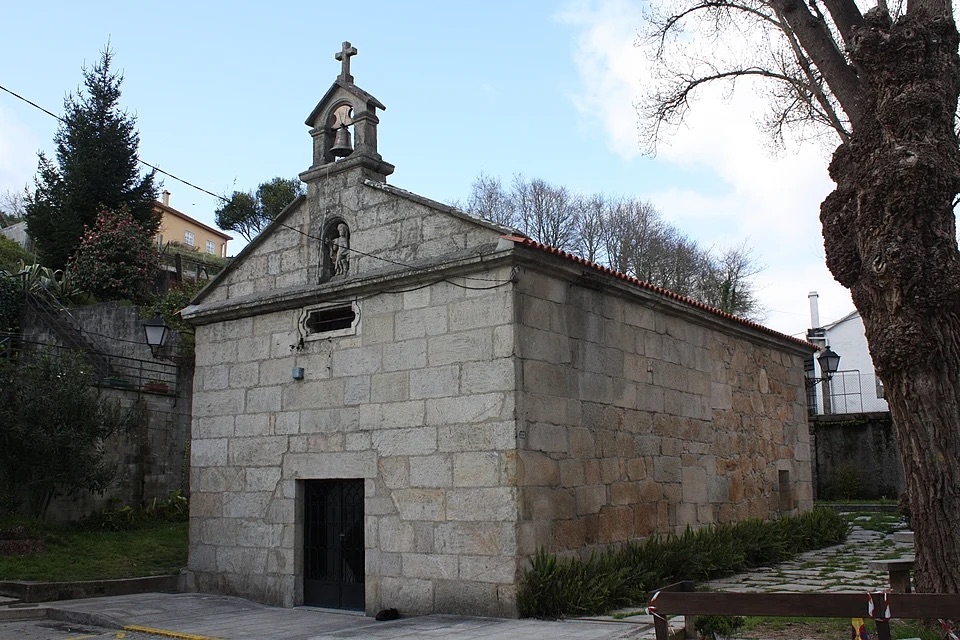
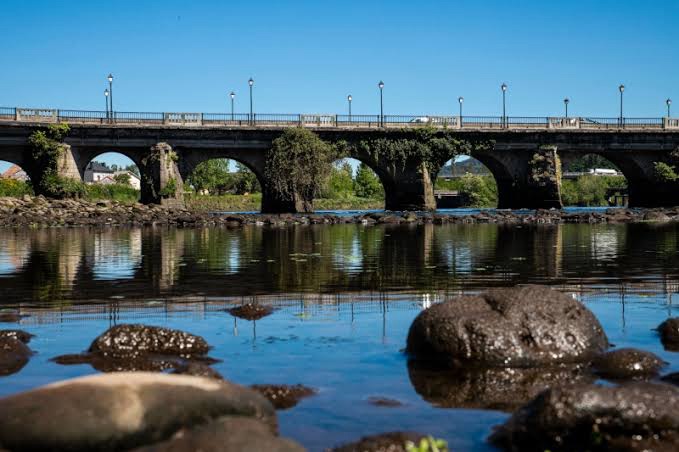
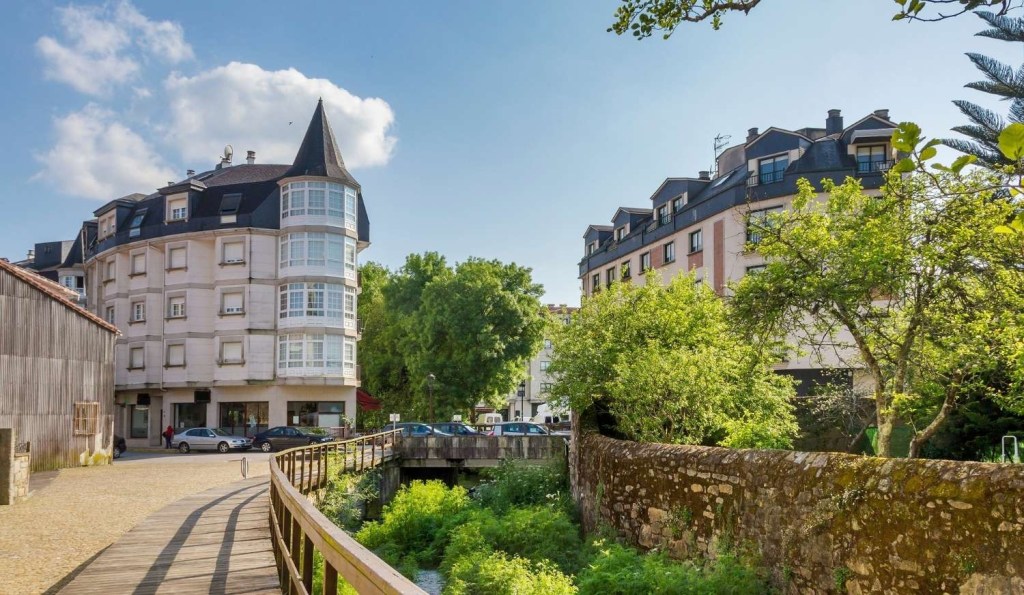
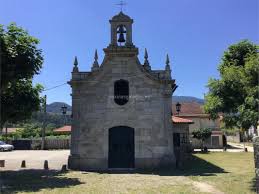
The Bermaña Bridge is a granite stonework bridge originated during the Roman era that dates back to the 1st century. It is formed by three semicircular arches and triangular starlings. It was a part of an old Roman military path that used to go through Aquis Celenis. It is one of the most beautiful areas of the village. Walking on, we shall pass the 16th-century Capela de San Roque, which is also thought to have been built on the site of an earlier religious structure. San Roque (Saint Roch) is considered a protector against plagues and illnesses.Quiet countryside then under the viaduct towards Carracedo and a possible coffee stop at Cafe Esperon
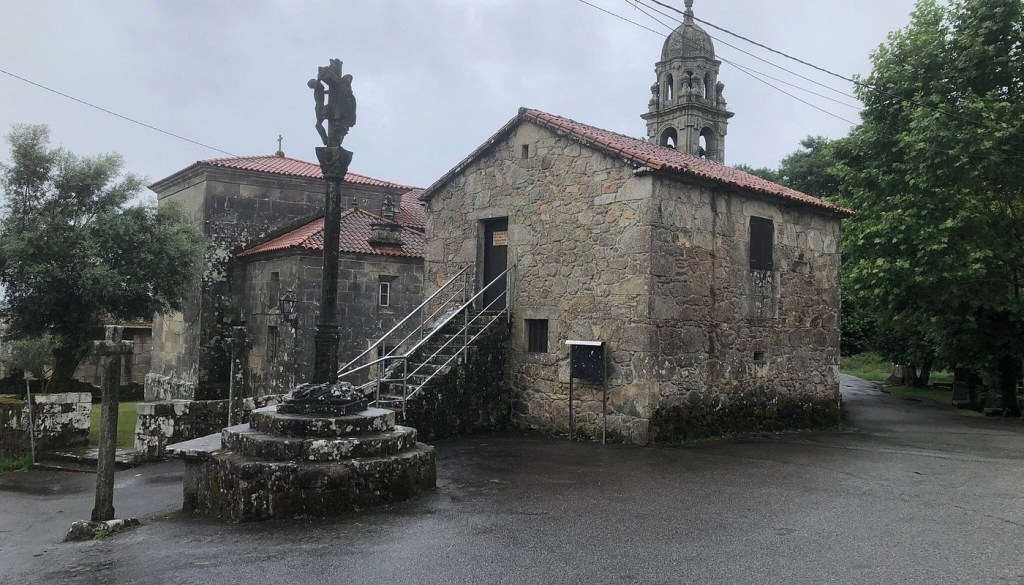
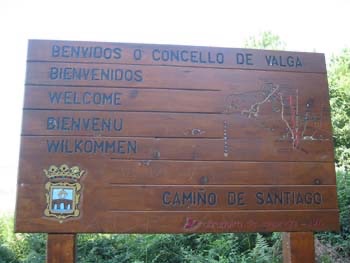
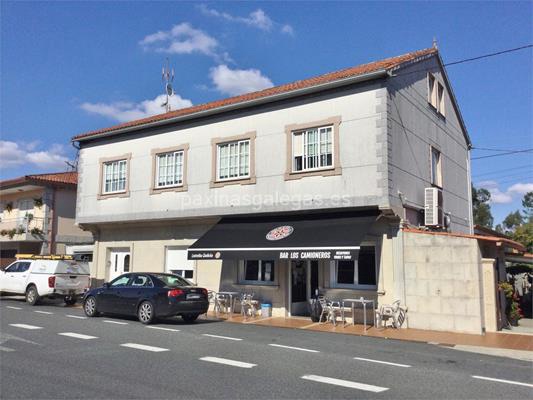
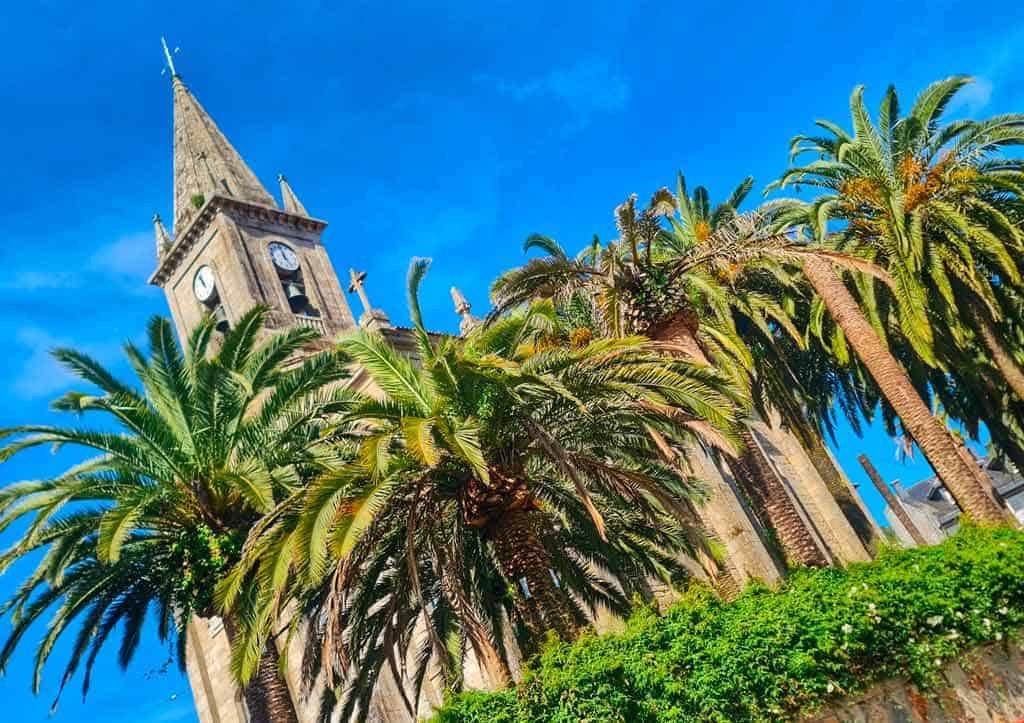
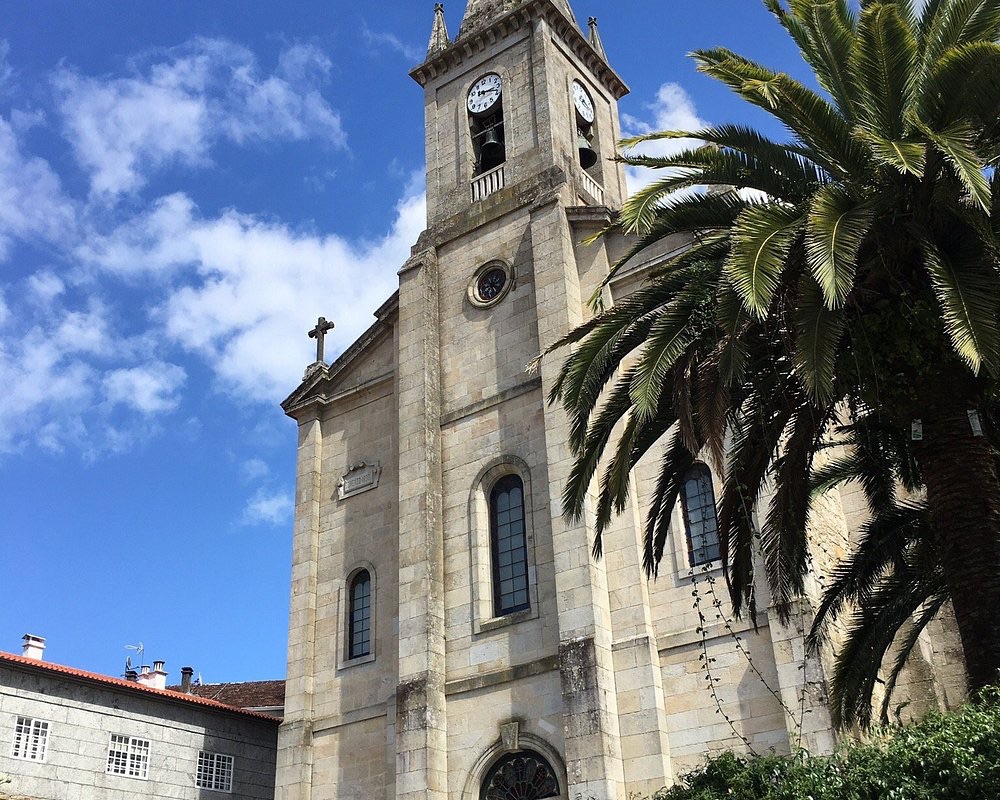
Iglesia Santa Marina de Carracedo Its origins aren’t entirely clear but the church is striking with large palm trees and some interesting wooden sculpture in the grounds. We cross the beloved N-550, past an automatic kiosk on a gravel path parallel to the Motorway AP-9 which we cross by a bridge eventually entering woodland upto Valga/ O Pino.Bar/Restaurant Los Camioneros - it sounds so much better than a “truckers’ bar.”Rather like Los Jubilados sounds better than “ the retired”!At 160 M, this is the high point of the stage from whence we descend along a woodlands path to the next village. San Miguel de Valga – San Miguel de Valga is part of the wider Valga municipality, in an area rich in history. The earliest evidence of human habitation dates back to the Bronze Age, with artifacts now preserved in San Miguel de Valga. The Celtic tribes thrived here between the 6th century BC and the 2nd century AD, leaving behind fortifications and settlements.
From here we pass through small hamlets of Fontelo,Confide and Infesta . The Camino is well sign posted .
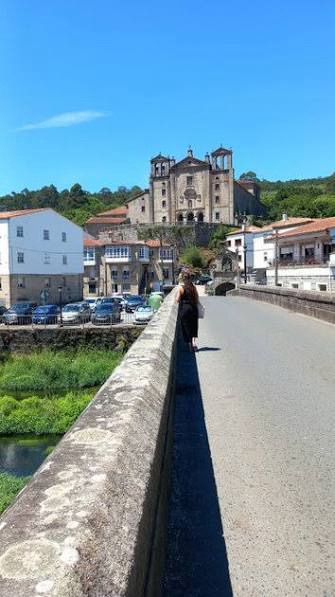
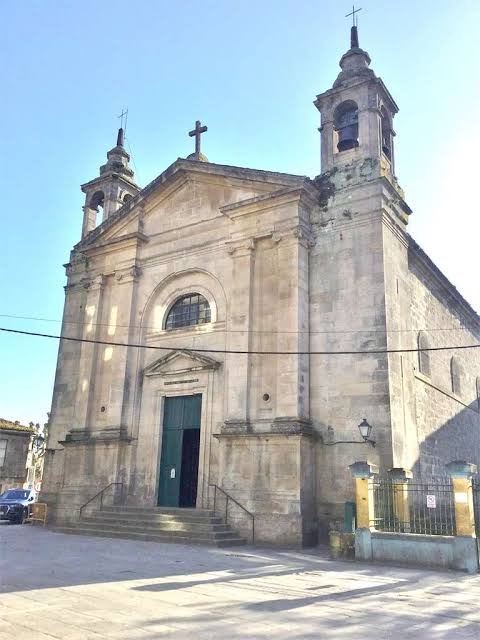
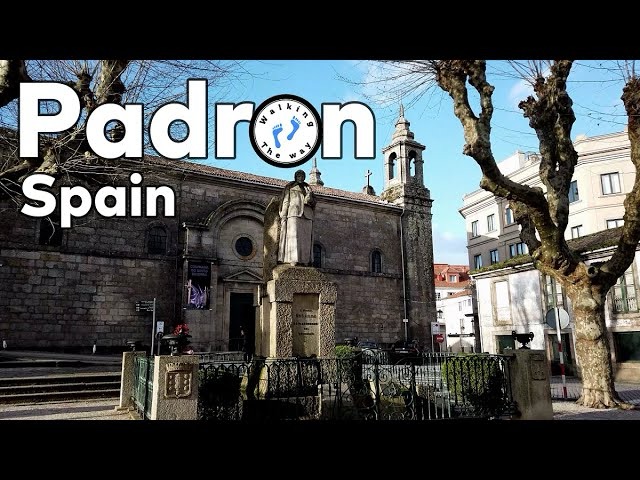
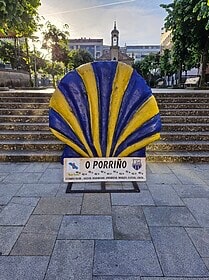
At Pontecesures we cross the River Ulla which separates the province of Pontevedra from A Coruna. We turn off the main road along a quiet lane along the banks of the River Sar.Paseo do Espelon PadronIgreja de Santiago,Padron where this stage officially ends and our accommodation for the evening is O Parrandeiro ,which is close by. “Perfect location right on the Camino. Very comfortable for our group of 7. Close to everything! The host was amazing” Recent review.PADRON Traditionally, this town’s history is linked to that of the apostle Santiago (St. James)
Situated just 22 kilometres from Santiago de Compostela, this town’s origins are linked to Iría Flavia. This was the Roman city to which the apostle Santiago’s remains were brought from Jerusalem. Its countryside, gastronomy and historic heritage are the main attractions for tourists, although the town is perhaps best known as the home of two important writers: poet Rosalía de Castro and Nobel literature prize winner, Camilo José Cela. In fact, in this town you will find the Rosalía de Castro House-Museum and the Camilo José Cela Foundation.
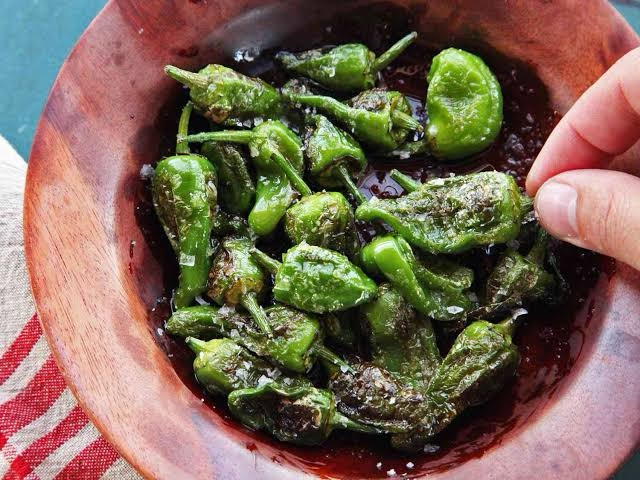
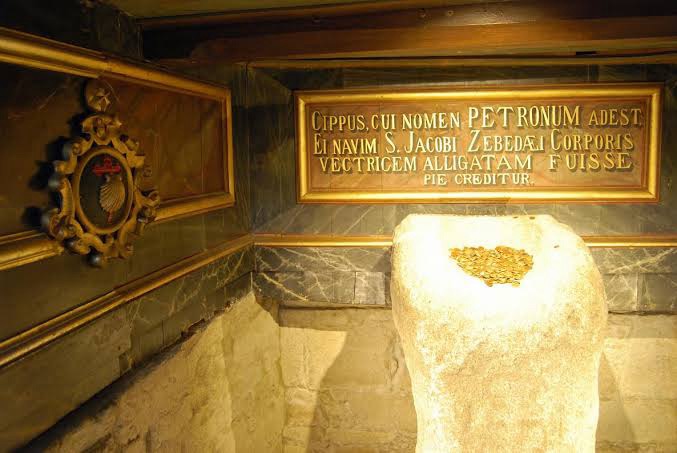
There’s a lot more to Padron than its famous peppers. Padrón is closely linked to the Way of St. James and the Apostle James. According to tradition, it was in this region that St. James the Greater preached the Good News. Due to this, after he died in Jaffa, Palestine, his body was brought here by two of his disciples, Theodore and Athanasius. After a long voyage accompanying the Apostle’s body, they came to the Port of Murgadán, Iria Flava, where they moored their boat to a Roman altar stone in the Sar River. The stone, which is called the “Pedrón,” is now located under the main altar of the Church of Santiago.
Padrón thereby became the “Cradle of the Way of St. James,” as demonstrated by the existence of several heritage sites in the municipal district.
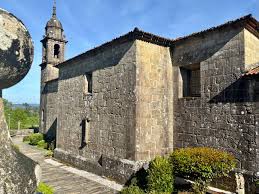
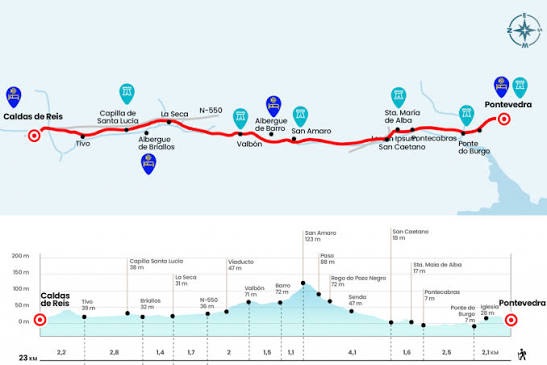
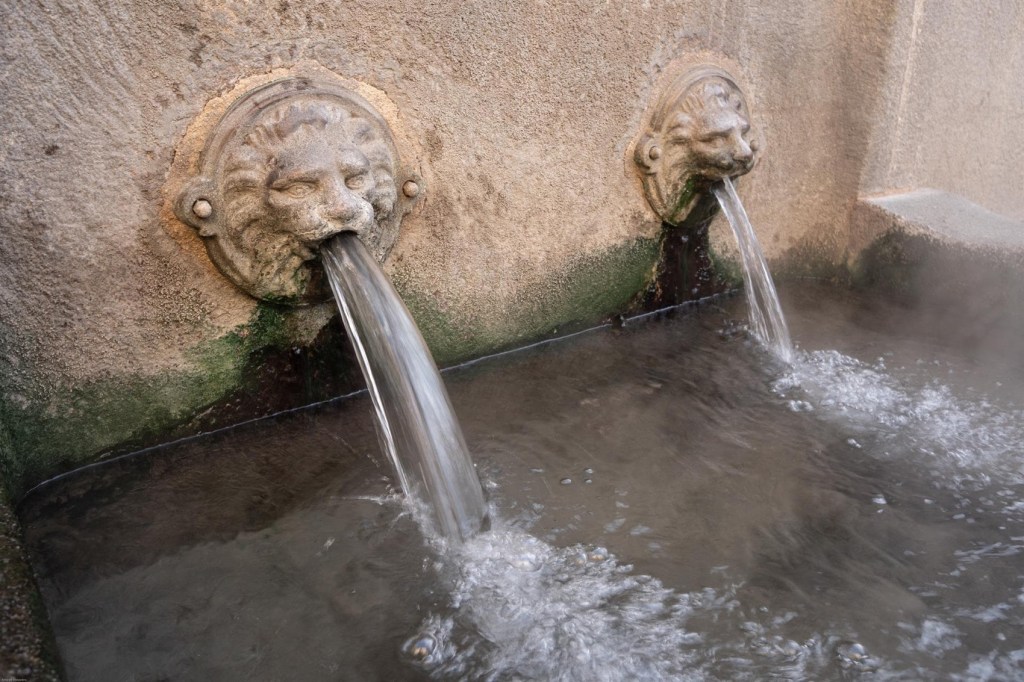
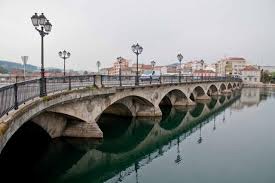
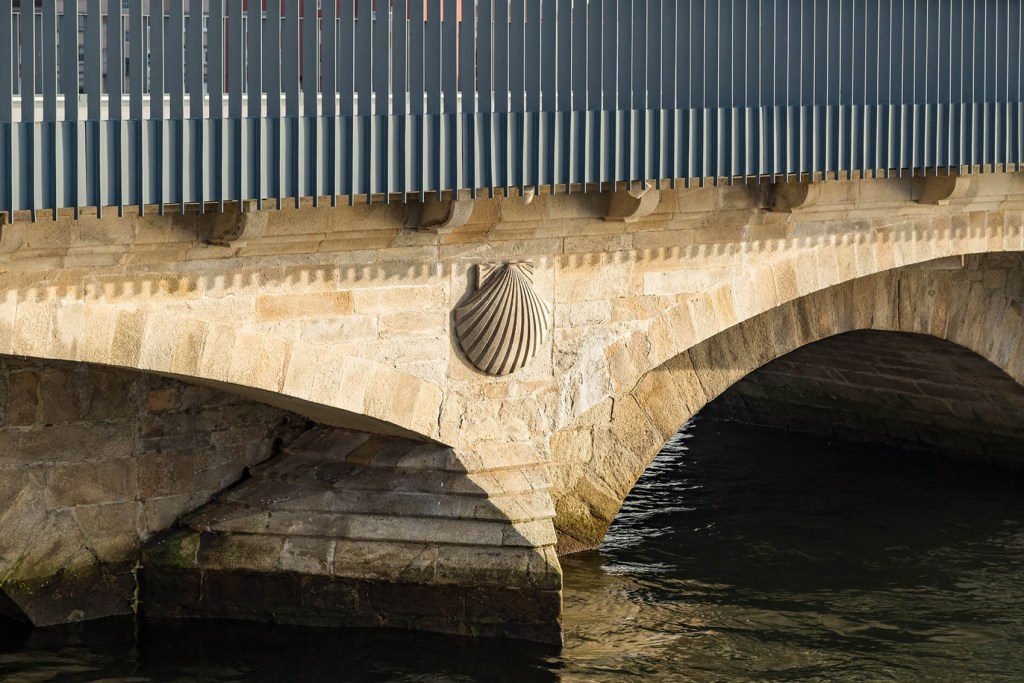
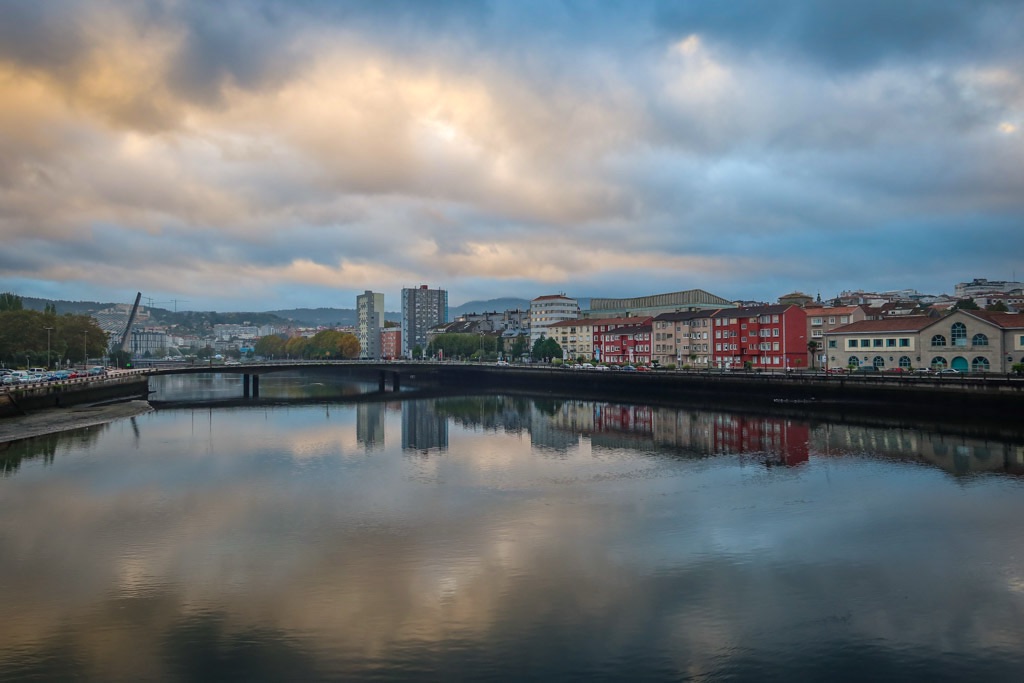
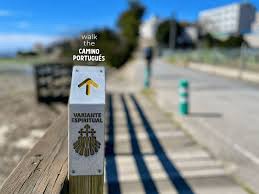
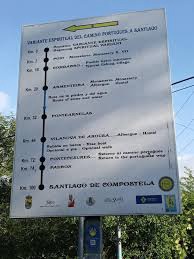
No inclines of any consequence. One third of this stage is along natural pathways through woodland and river valleys. There is plentiful shade, several drinking fonts and the cafe infrastructure is much improved. Some criss-crossing the N-550 on short well signed stretches and on reaching Caldas de Rei, the famous Fuente de las Burgas XIX,where the hot springs issue forth – H & S regulations now prohibit bathing tired feet – a change since I was there last.The way out from Pontevedra is way marked from the Praza Pelegrina, emerging eventually on the waterfront of the Rio Lerez.We cross over the Ponte de Burgo.Scallop shells adorn the bridge. A view of the bridge from where we head through the suburbs, eventually to a bird and wetland sanctuary – Marismas de Alba. Slightly further on we approach an increasingly popular “variant.” The Camino Spiritual Variant Signpost Located approximately 3 km (2 miles) north of Pontevedra, this signpost is a critical waypoint for pilgrims choosing to deviate from the main Central Route. Visual Appearance: The turn-off is marked by a large information board on the left-hand side of the path. Along the route itself, you will find specific wooden signposts topped with a silver arrow and a scallop shell with a St. James cross. What it Indicates: It marks the start of a three-day, ~74 km detour that follows the historical maritime path used to transport the remains of St. James to Santiago.The main route turns right under a railway bridge, through Pontecabras to a church.IGLESIA SANTA de MARIA de ALBA. C12th Portal. At first glance, it may seem like just another church along the Camino, but we may wish to take a little detour here and go treasure hunting While much of the current structure dates to the 18th century, its history stretches back to the Middle Ages. On the north side of the church, near the bell tower, you’ll find an epigraph carved into a single stone, which hints at a more ancient past. The inscription mentions Diego, Bishop of Compostela, and an abbot named Peter. Scholars debate its exact meaning, with some suggesting it could date as far back as the 10th century. Either way, it’s an intriguing find and worth a minute or two exploring. Just beyond the church you’ll also find the Cruceiro de Santa María de Alba, one of the many Galician stone crosses. These cruceiros are often found at crossroads, churchyards, or other prominent locations. They act as markers of faith, offering protection to travellers and serving as waypoints; perhaps the Middle Ages version of our yellow arrows.
Pilgrim Monument.
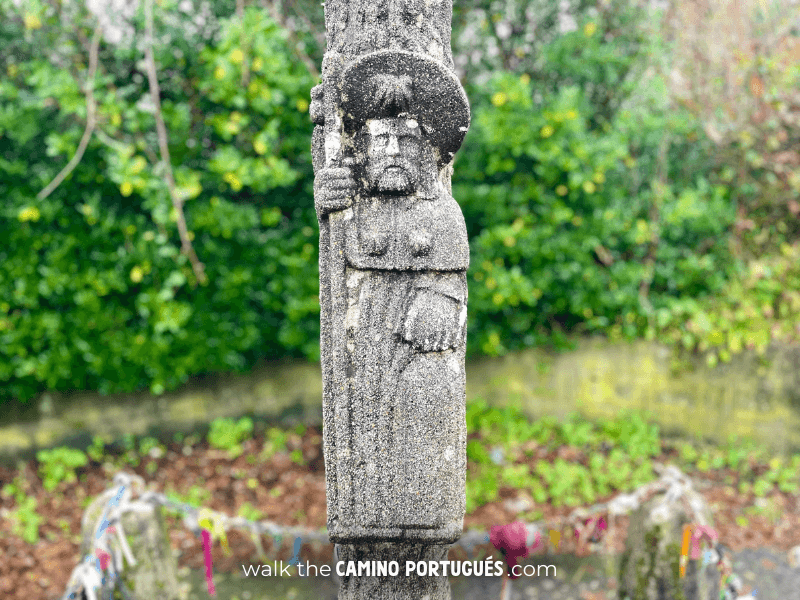
Saint James on a historic cross outside the Iglesia de Santa María de Alba
The route continues passing close by two cafes, Bubela and A Canota. Then a pleasant stretch that runs alongside the rail line through dense woodlands.
The next landmark is in the hamlet of San Amaro and turning left we go downhill walking eventually along a dirt track to Valbon.8
From here we reach the cross-cross part along the N-550; we follow the the yellow fleches, directing us on and off the highway ( onto safer roads ).
We then come to Briallos
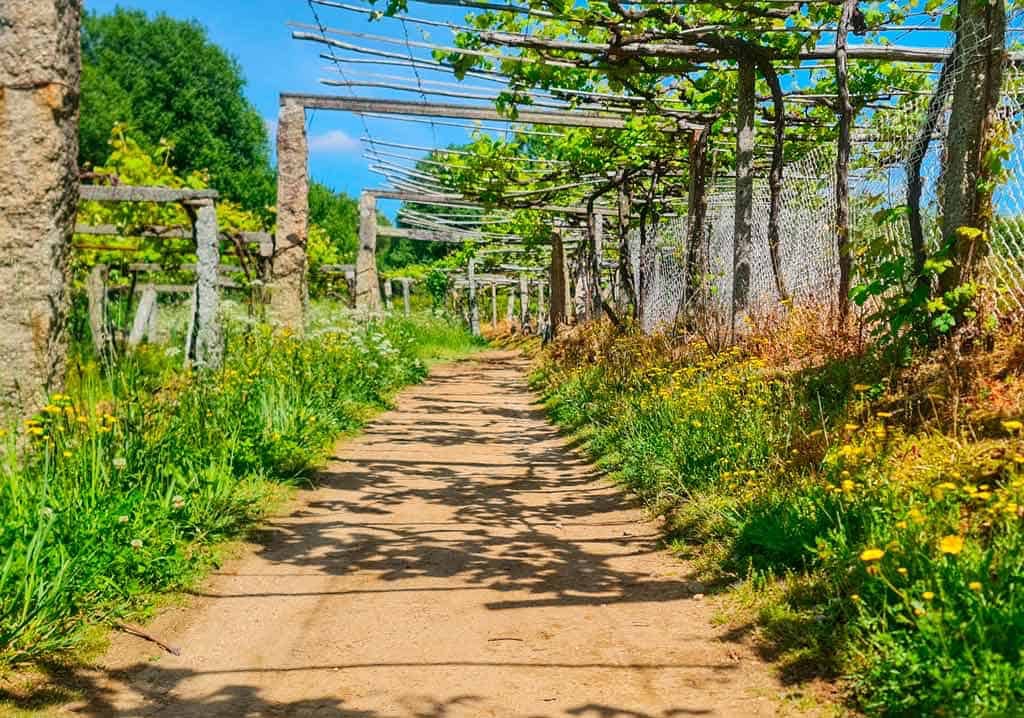
The parish of Briallos, officially known as San Cristovo de Briallos, is one of the smallest in the region, covering just a few square kilometres; the name itself is thought to have Celtic origins. The Church of San Cristovo de Briallos dates back to the 15th century and is notable for its baroque-style altarpiece and bell tower. As we walk today, we shall pass rows and rows of vines supported by sturdy granite poles. This traditional system, known as emparrado, is a distinctive feature of Galicia. The elevated trellises help vines thrive in the area’s rainy, humid climate. The height improves air circulation, reducing the risk of fungal diseases, while ensuring the grapes receive the sunlight needed to ripen. The granite poles, abundant in this rocky region, are also resistant to the elements; and they’ve supported Galicia’s famous Albariño vines for generations. This is unmistakably wine country, with rows of vines supported by the iconic granite poles. The region is part of the Rías Baixas Denomination of Origin (DO) and is particularly celebrated for its Albariño white wines.
After walking through the tiny hamlet of Tivo, passing a fountain and a Cruceiro, we are back on the N -550 and will soon cross over the river Umia into Caldas de Reis. There is a renowned Taberna here ,where I have had dinner twice over the years.
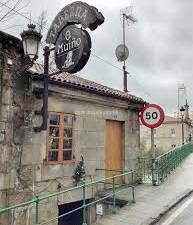
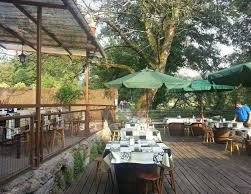
Taberna O Muinos.Right beside the river .Near to our accommodation- CASA da ALFONDEGA – apartment. Ratings about Casa Da Alfóndega 9.8 Excellent Based on 141 reviews
CALDAS de REISIn the evening,there may not be evensong in the parish church but there will certainly be birdsong.
Another famous church
The Church of St Thomas A Beckett. Rare to find a church dedicated to this famous English saint in Spain, but it is believed he made the pilgrimage to Santiago de Compostela Caldas de Reis is a small corner of Galicia famous for its thermal baths. The water, famous for its healing properties, offers relief for the body and spirit for those who come to visit. These waters are Caldas de Reis’ most precious resource and the driving force behind its development. The history of Caldas de Reis goes back to several centuries, being numerous cultures that have inhabited this corner of Galicia. People like the Cilenos, the Galaicos or the Celts already inhabited these lands before the arrival of the Romans. From this period is the famous Tesouro de Caldas de Reis found in 1940 and that according to studies is preserved from the Bronze Age. But it was not until the arrival of the Romans that this town experienced its true commercial and cultural explosion. Today the main attractions of the city date from this period.
Termalismo
The locality has waters with highly curative properties, which belong to the group of hyperthermal waters. They are very suitable for treating respiratory tract disorders, rheumatism, skin problems and gynecological and surgical conditions.
The public spring of Las Burgas is suitable for hydropinic, a treatment characterized by ingesting water orally, often for therapeutic purposes.
It should be noted that the thermal village is home to two spas, the Acuña Spa, which is located in a building typical of the Galician style of the twentieth century, and the Dávila Spa, which has a wonderful reedbed populated with bamboo canes very unique.
I’ve built a bridge All of my strength cannot cross over I stand at the edge The end of a road that I have followed Sinking from the weight of my own world Wanting the waves of Your ways to wash my feet
Healing waters Healing waters Solace flows through the river of forgiveness to my soul Oh, I need You Healing waters
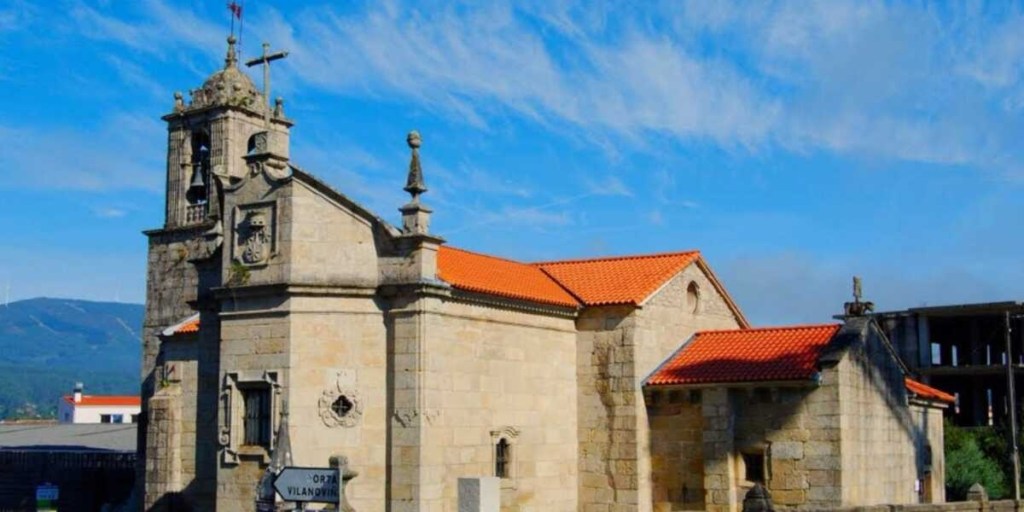
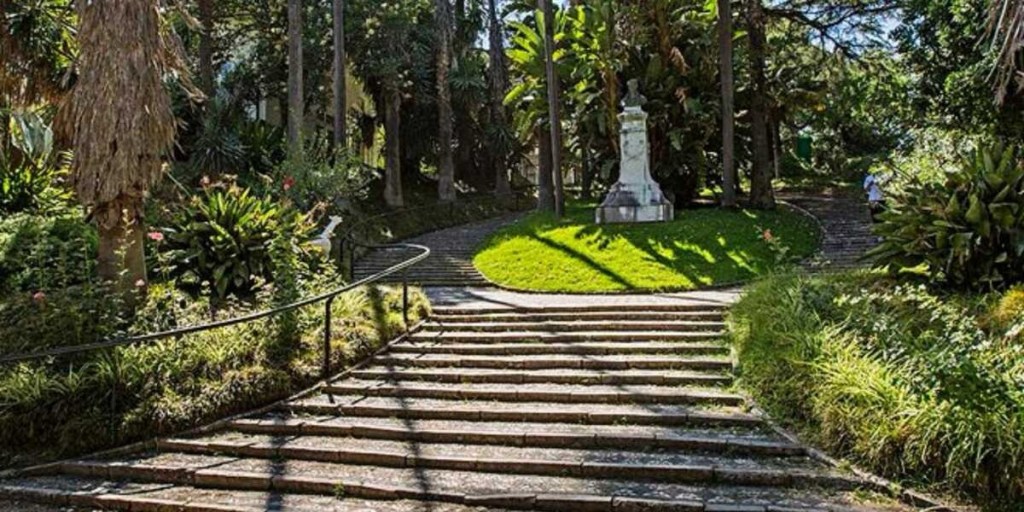
Church of Santa Maria Built after the original was destroyed in the period of Almanzor, throughout its history, this church has undergone several modifications. It features a beautiful cover of the twelfth century, and the chapels of San Diego and Del Carmen dating from the seventeenth and eighteenth centuries. Botanical Garden and “carballeira”. This beautiful place, dating back to the 14th century, is connected to the thermal culture of Caldas de Reis. It showcases different species of plants from the 5 continents. Besides, it highlights its collection of Camellias and its beautiful oak trees located parallel to the river. “It is your road, and yours alone. Others may walk with you, but no one can walk it for you”
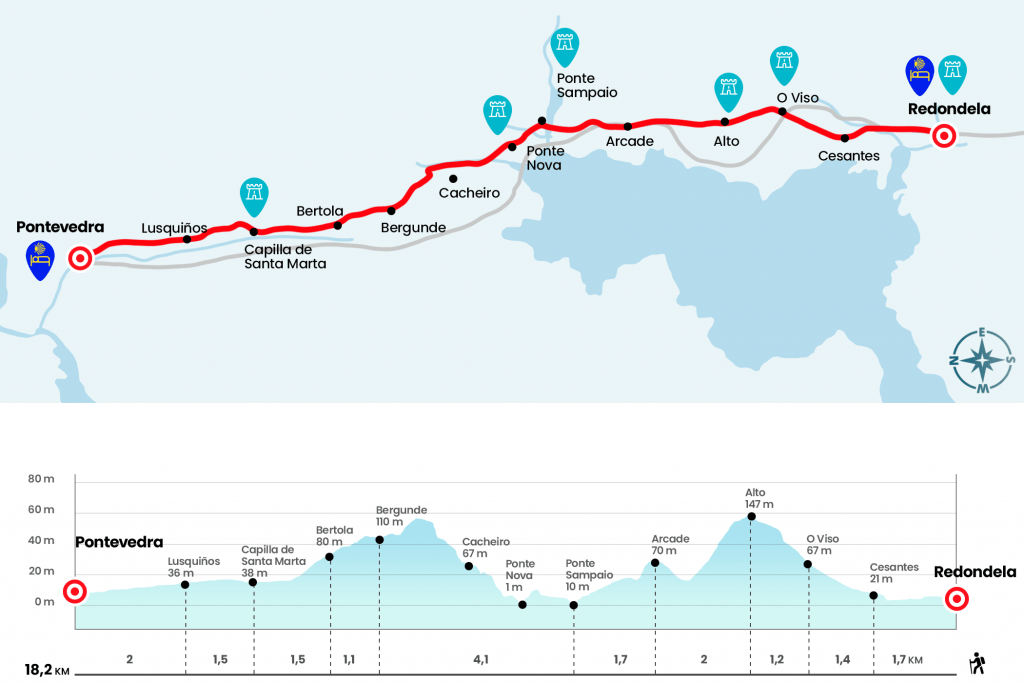
A couple of ups and downs. We shall probably notice an increase in the number of Pelegrinos as Redondela is where the Coastal Camino rejoins the central route.Ponte Sampaio en route later in the day.
Rather than walk from Casa Teresa ( our accommodation) along the busy N550 to Cesantes, we shall cut slightly inland to pick up the Camino coming northbound from Redondela, eventually on Rua Torre de Calle, going uphill across a bridge over railway tracks, then immediately left on to the cobbled Camino Real de Cesantes and downhill, passing ( or not ) Cafe/Pension Rustica Jumboli.
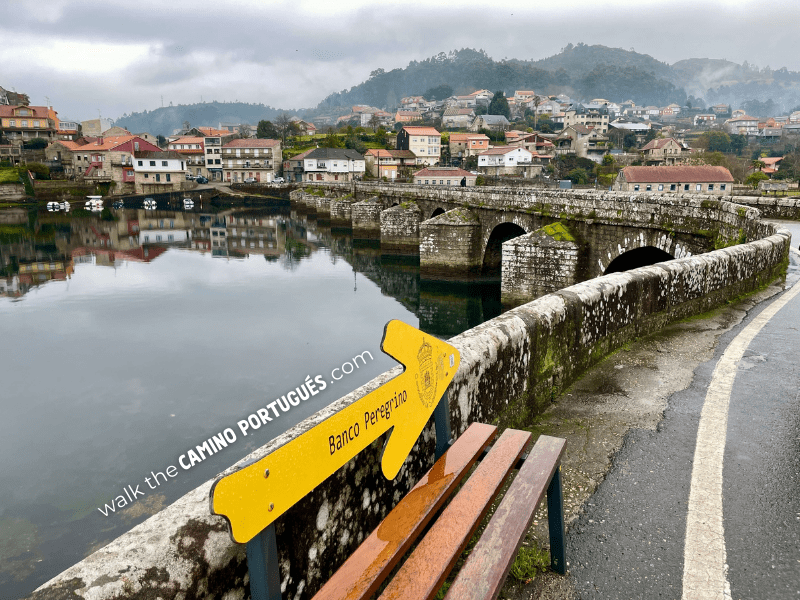
Iconic bridge over the Ria
We shall be climbing uphill now and will traverse around the O Viso peak. Along the way you pass an installation of shells.From here it is downhill again to the N550. We should take care crossing here. At the entrance to Arcade, the camino turns left rather unnecessarily. It will cross back over the N550 in a few hundred metres, taking us past the albergues and shops of Arcade.
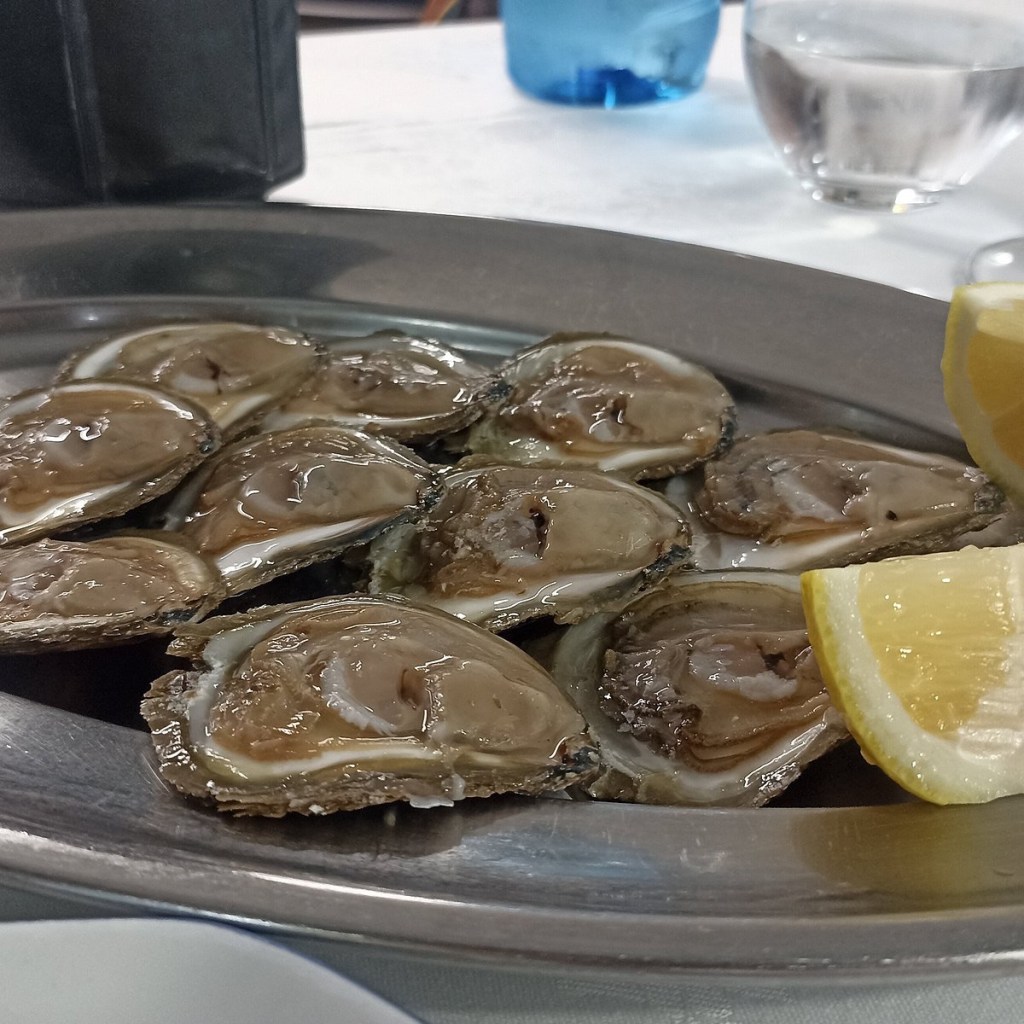
If Oysters are your thing then this the place; it’s famous for them.
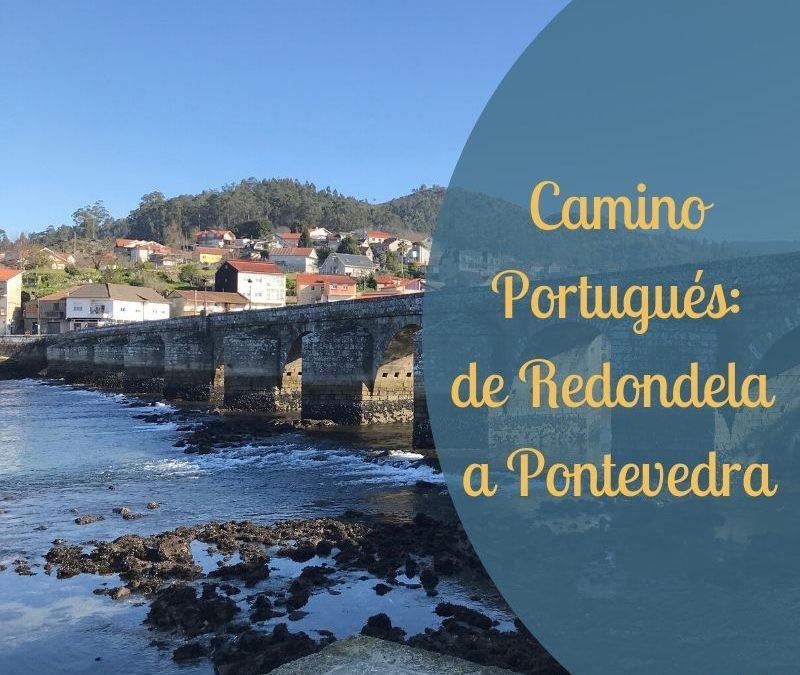
Fresh everyday.Puente de Pontesampaio – This remarkable ten-arch bridge that connects the municipalities of Pontevedra and Soutomaior was where the last battle against Napoleon’s army in Galicia was fought. It happened during the Independence War, on the 7th and 8th of June 1809, and it was then when the VI Corps of the Grande Armée under the command of Marshal Michel Ney, Duke of Elchingen, were permanently defeated, thus ending the French occupation in Galicia. The bridge, of medieval origin, gives its name to the Pontevedra parish of Ponte Sampaio, located in the Verdugo River estuary, in the Ría de Vigo. The battle fought here was preceded by the uprising in Vigo and the expulsion of the invading French troops led by General Chalot.
There is the pleasantly situated Cafe A Romana at the end of the bridge. I remember sheltering there from the rain!
Hopefully the weather will be as above. The way branches off steeply to the left,passing the Cruceiro de Ballota, winding along before crossing the main road.
Leaving Alto da Canicouva we turn right onto a forest track going downhill,passing logging areas, fields and grapevines
We have now reached the Pontevedra municipality of Vilaboa and shortly afterwards a choice of two ways into Pontevedra. There is the option to follow the traditional route into Pontevedra by the busy N550 or the Senda Fluvial Rio dos Gafos, turning left off the N550 at the sign for Ponte Rebon – basically following the river to the outskirts of Pontevedra – it is recommended except after heavy rainfall.Birdsong or traffic noise ?
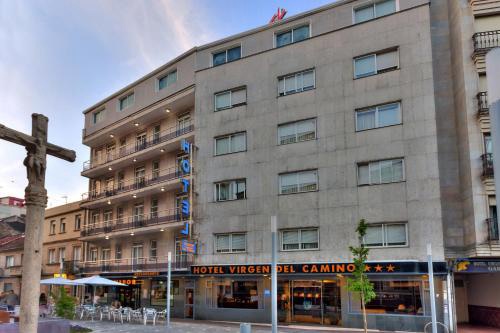
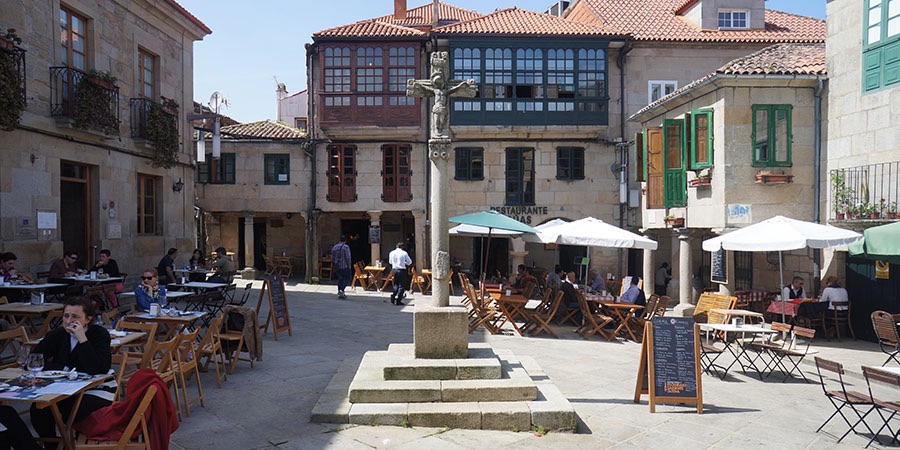
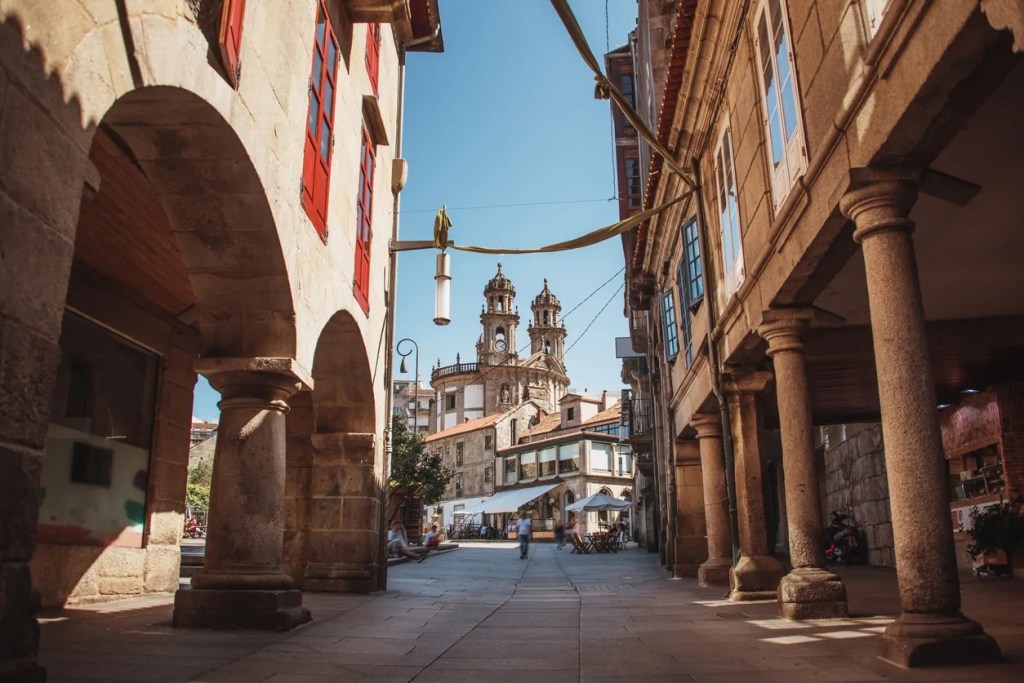
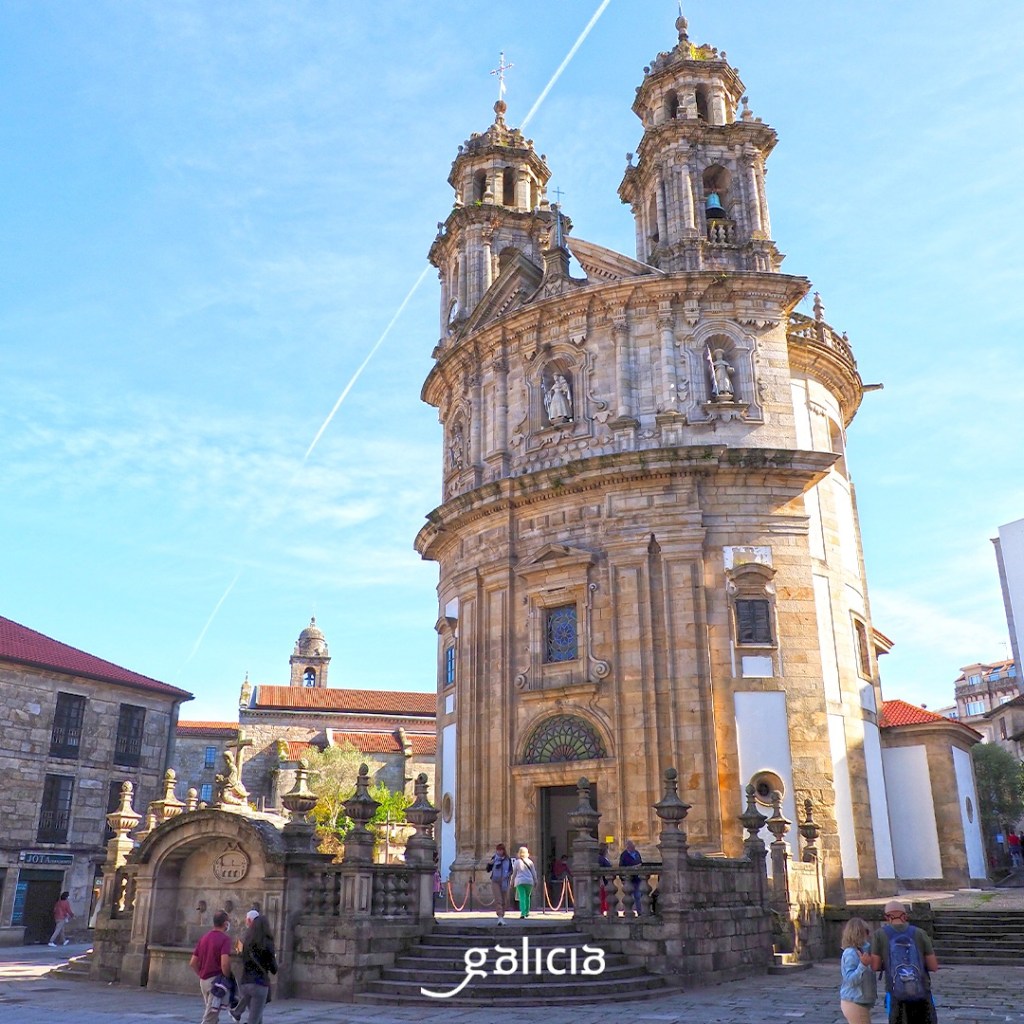
We walk into Pontevedra, passing a pilgrim’s Hostal , the bus and railway stations turning left up Rua Eduardo Pondial and at an island with” como en casa “ ( a take away ),on our left we branch right to our accommodation for the night, which is on a pedestrianised street, Rúa da Virxe do Camiño,HOTEL Virgen del Camino “We stayed here while doing the Camino and found it a good stop for the night. It was right on the way. The room was spacious.” REVIEW,November 2025 “The city of Pontevedra on the last section of the Portuguese Way is home to an elegant old town. Sitting pretty in the heart of the ‘ría’ of the same name, Pontevedra has been shaped by a rich maritime and trading past. “ The old town is mainly car-free and open to pedestrians only, it is easy to wander around its old granite streets and admire the elegant buildings. Many of the lively squares and streets in Pontevedra’s Old Town take their name after guilds or trades, a tradition dating back to the Middle Ages. This includes the lovely and quintessentially Galician ‘Praza da Leña’, the firewood square; the Praza da Verdura, the vegetables square; and the Praza da Ferrería, the blacksmith square. In the firewood square you will find a classic ‘cruceiro’, elegant houses with granite arches. The Old Town of Pontevedra (Zona Vella) is one of the most beautiful and best-preserved medieval centres in Spain, second in Galicia only to Santiago de Compostela. Declared a historic-artistic complex in 1951, it is world-renowned for its revolutionary car-free urban model, making the entire district a quiet, pedestrian-only haven of granite-paved streets and bustling squares.Regarded as a CAMINO MUST VISIT – A Peregrina Church, as its name suggests, has a lot to do with the Camino de Santiago. It is dedicated to the Pilgrim Virgin, who was the one who guided the walkers who came from Baiona to Santiago. She is the patron saint of Pontevedra and the Portuguese Way. It was built in the 18th century, halfway between the Baroque and the Neoclassical. The first thing that catches your attention is its half-rounded façade, why is it? As it turns out that the plant is inspired by a scallop shell, this church could not be more pilgrimage! All the details are related to the pilgrimage. Even the baptismal font is a giant shell donated by Méndez Núñez, who brought it back from one of his exotic trips.
FROM TODAY’S PORTUGUESE CAMINO FORUM
“I find it fascinating how the Camino allows opportunities to connect with strangers even when I’m not even ON the Camino. In a training walk for my first Camino in my beautiful city of Victoria, Canada, I see a man with a back pack with the infamous Camino shell symbol attached to it. From a simple greeting and Camino-connection, we walk the last 45 minutes of my 10 mile walk together. This man, I learn, is 80 years old. On our walk, he shares stories of his adventures on the different Pilgrim treks, his family and beloved wife who passed ten years ago. At 80 he is training for his 40 day, 1000k, Trek starting in France (I think). I don’t know if it is the sun shining along our oceanside walk, or the easy flow of conversation but he brings to life what I’ve only read about the Camino and that I hope to experience in my September pilgrimage. He reiterates the joy he has experienced from meeting the many pilgrims over his numerous treks, and how he feels his life’s journey is still unfolding at 80. I can hear his authenticity when he reflects how wonderful pilgrims are on their Camino, and in a world that feels upside down for many at this time, I am in awe how magical the Camino is – and I haven’t walked it. Yet.”
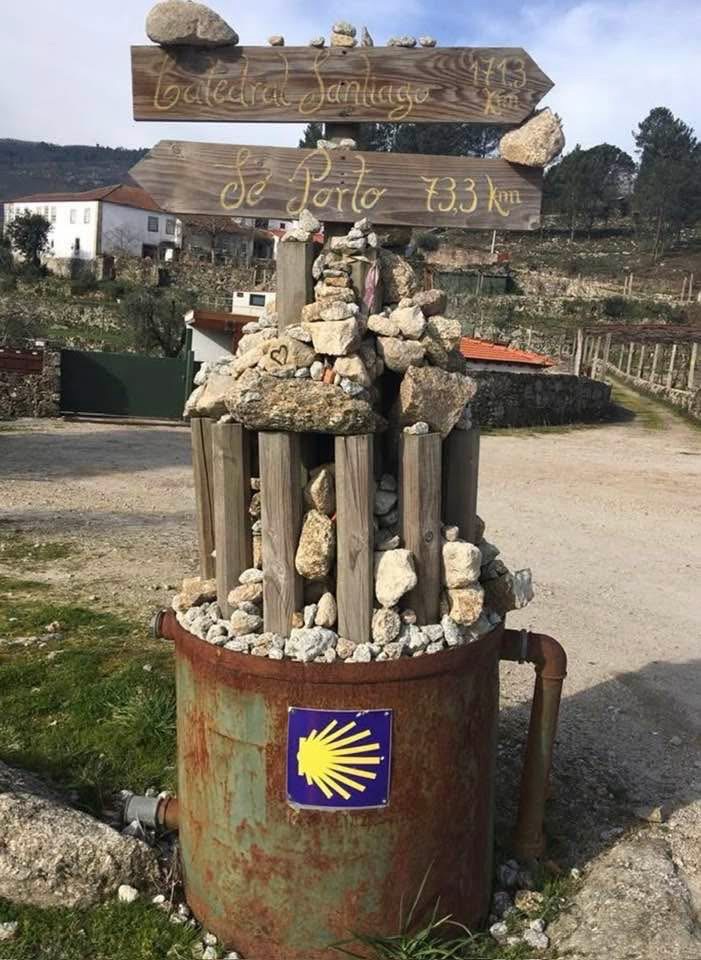
A 101 Km to Santiago from O Porrino.A couple of hills; the descents more strenuous than the climbs but we shall take it in our stride after so many days on the Camino.
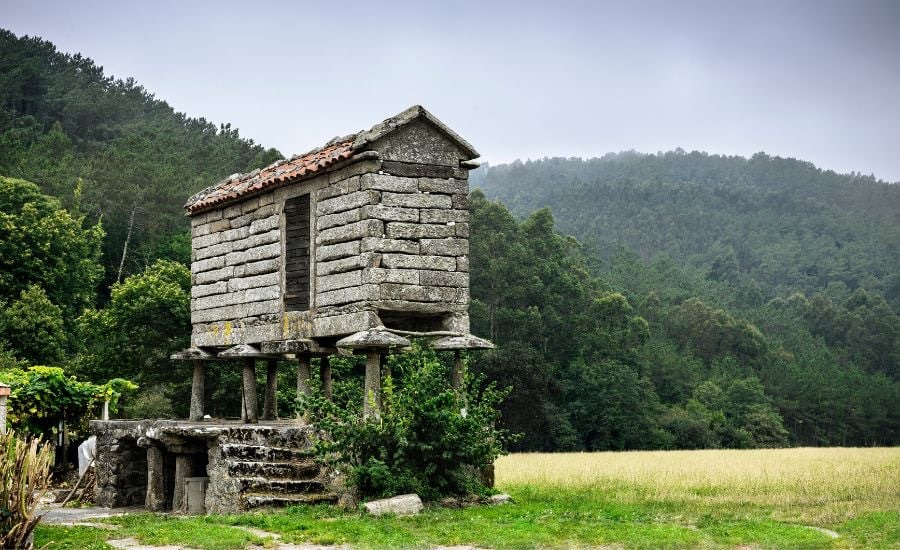
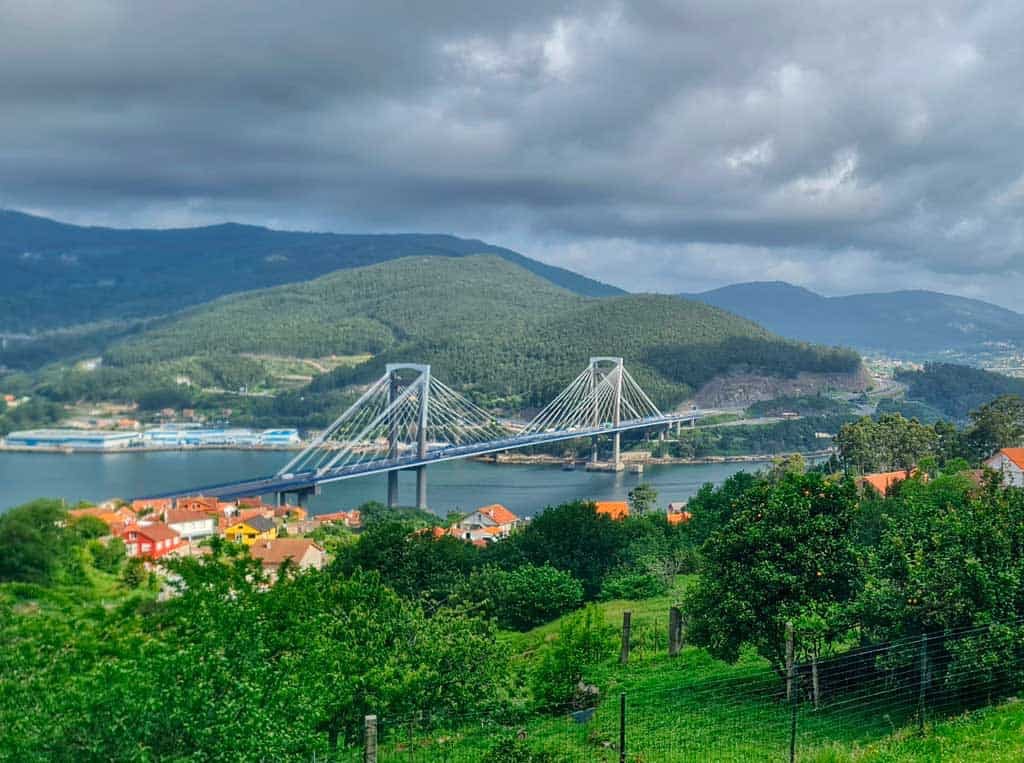
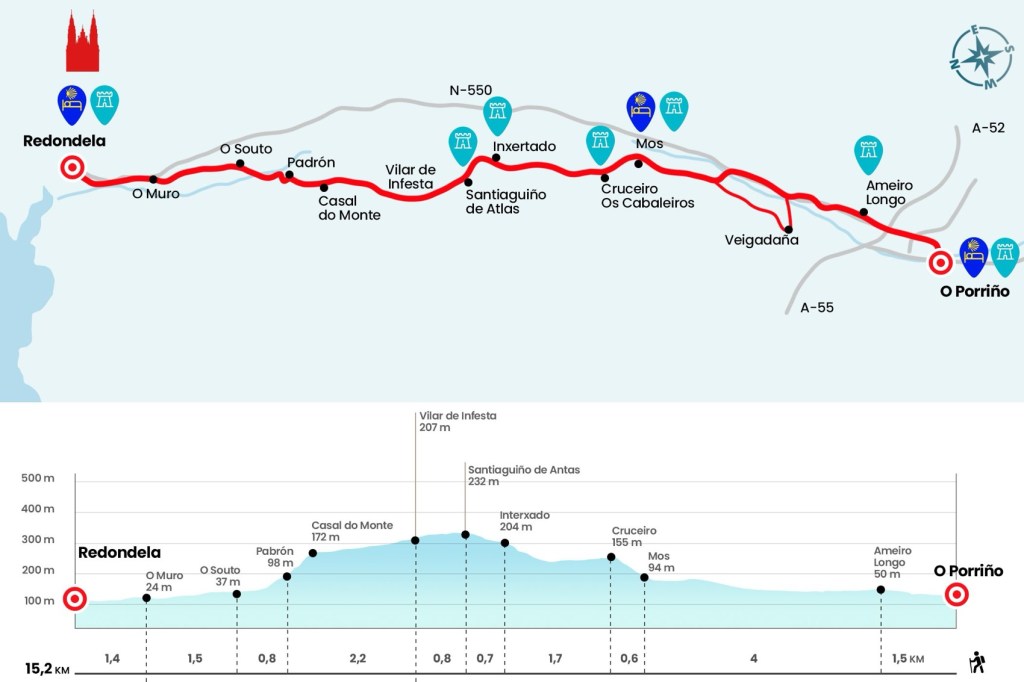
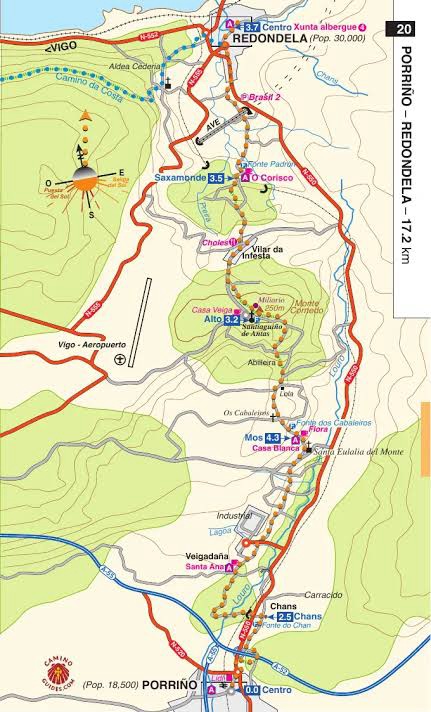
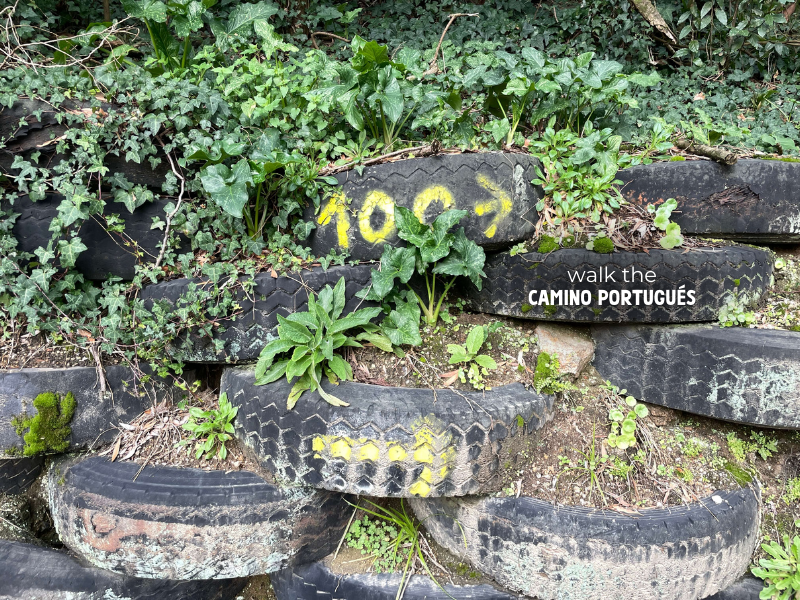
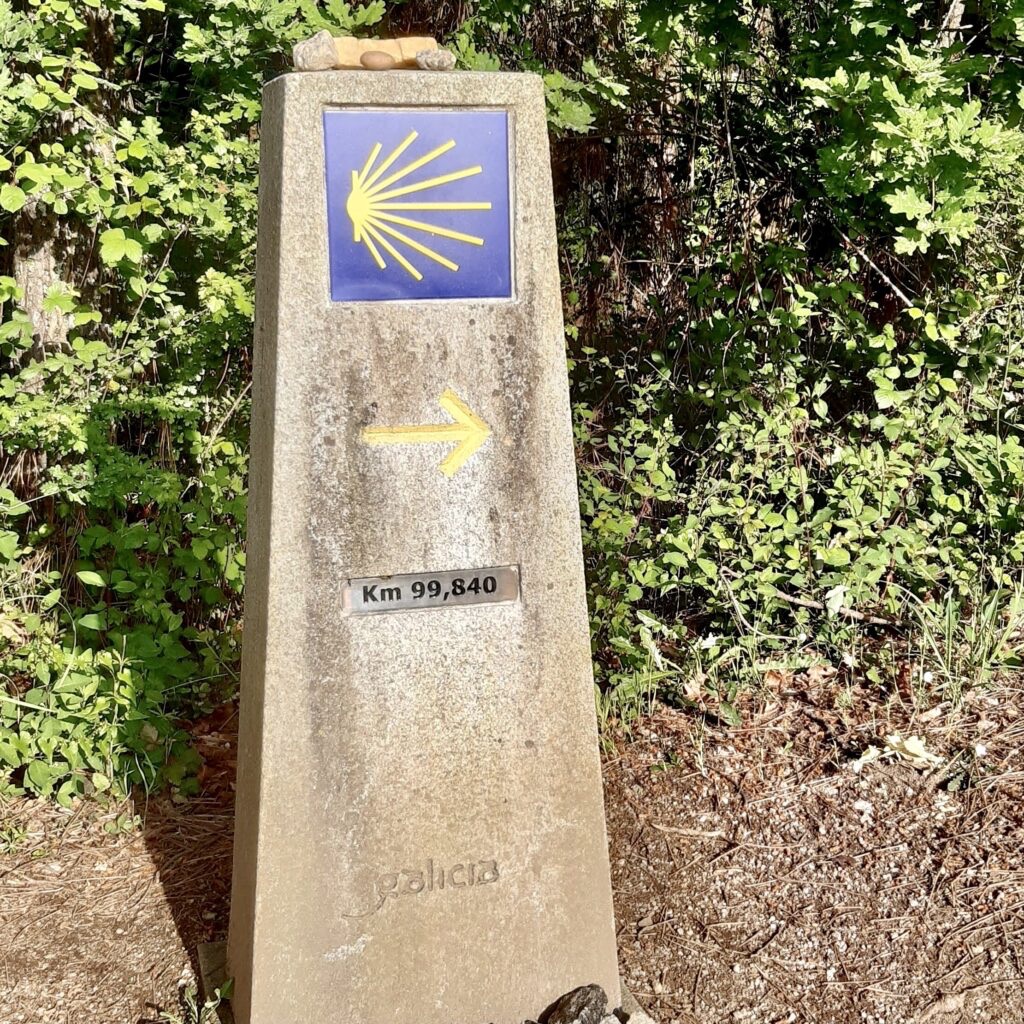
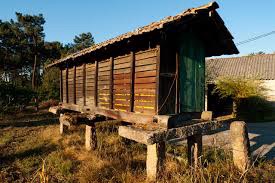
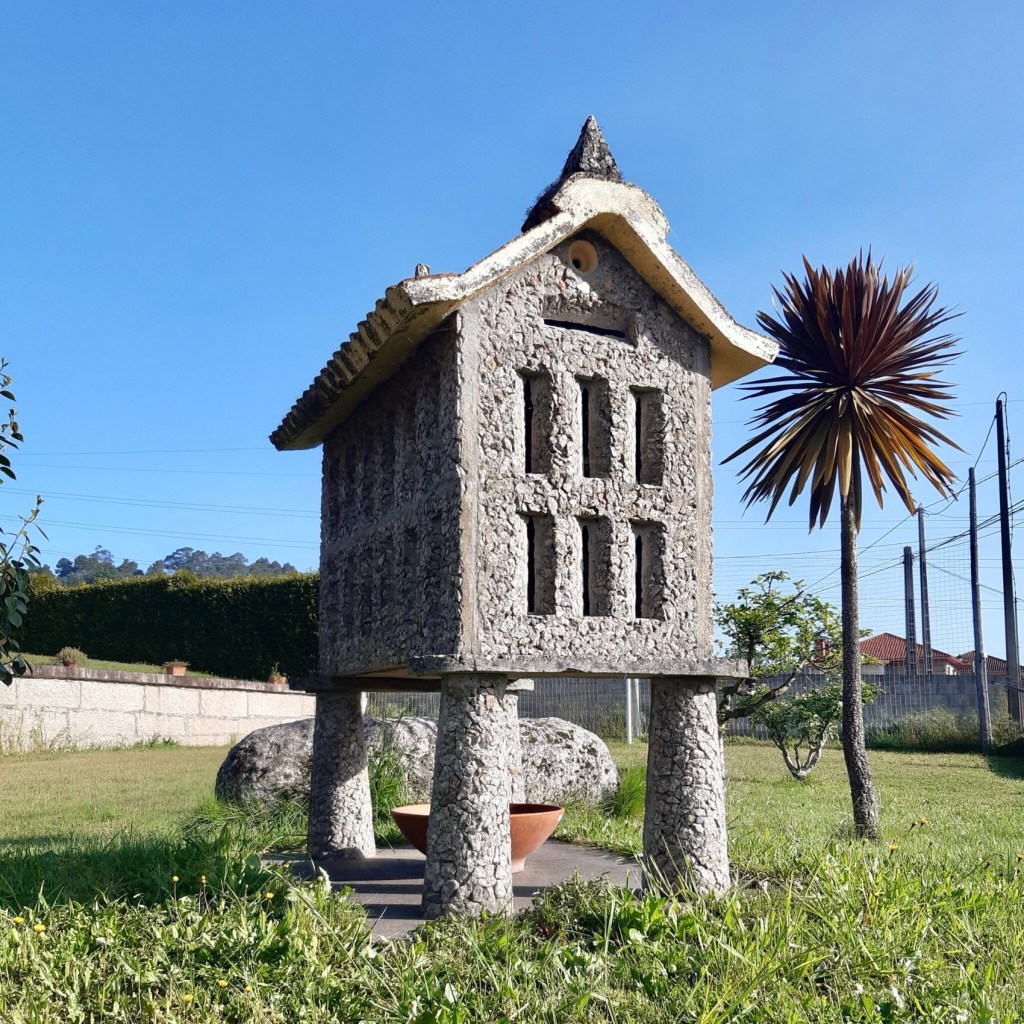
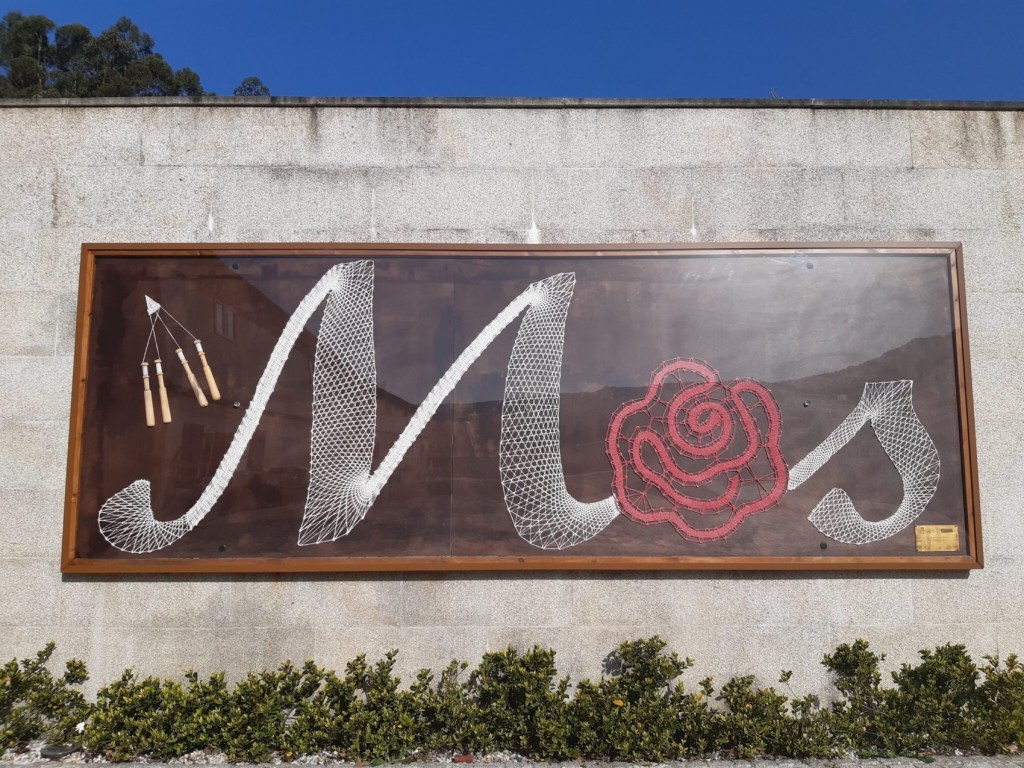
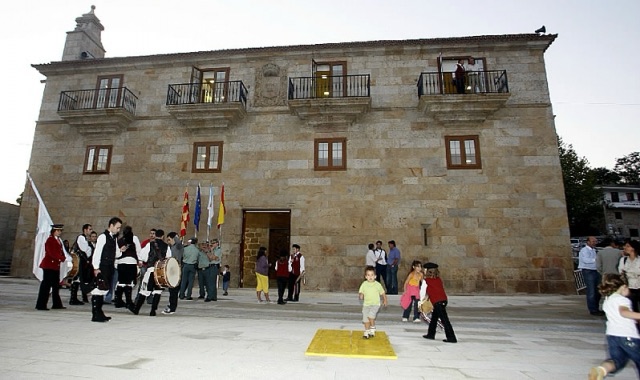
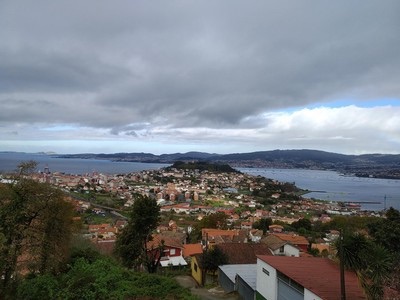
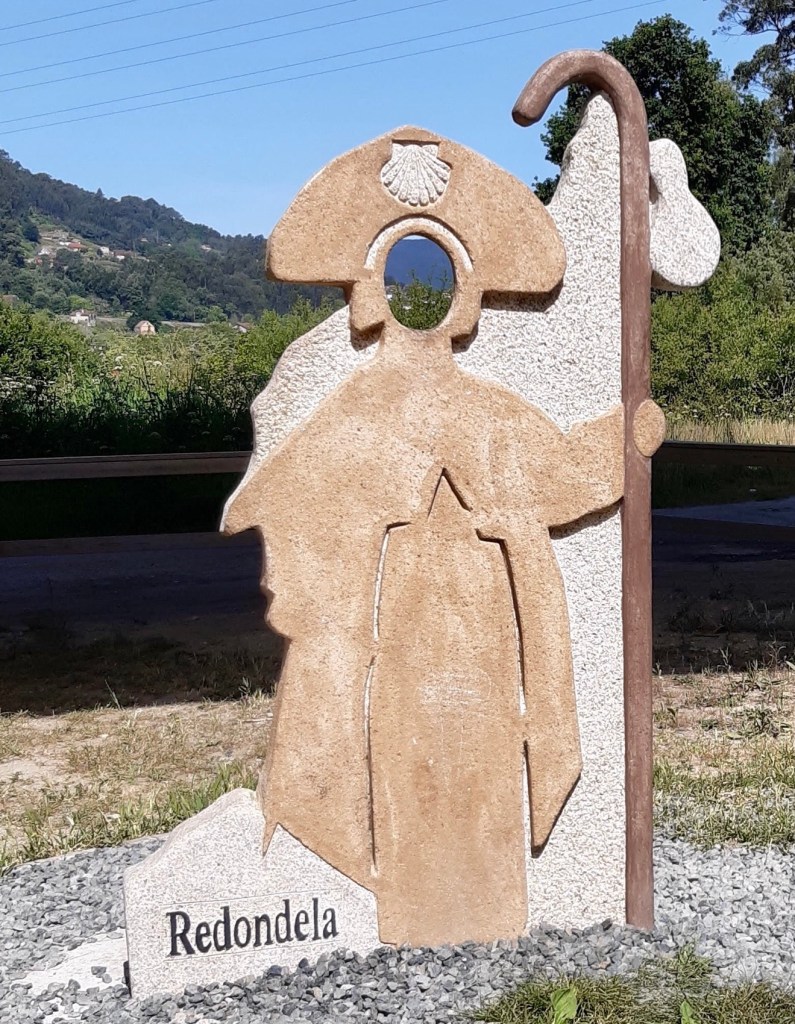
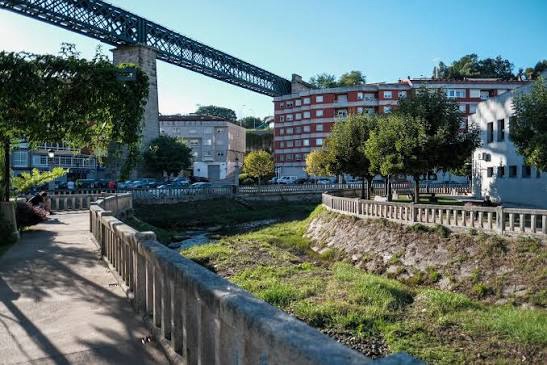
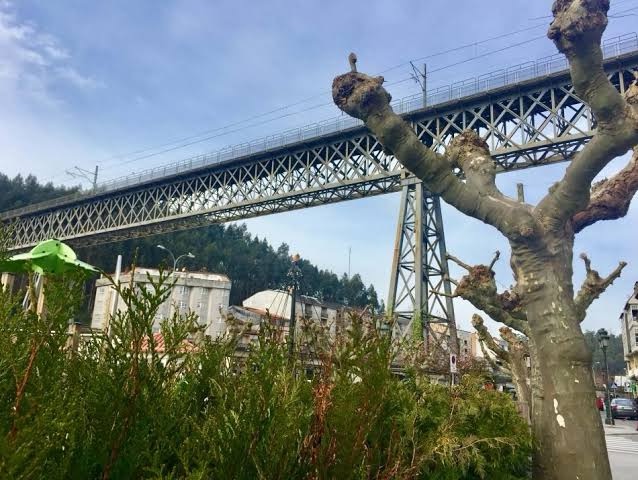
Fairly straightforward today.We pass this improbable wall of tyres shortly after leaving O Porrino signifying 100 KM to S de C.Galician marker stone close by. An hórreo is a traditional granary used for drying and storing crops, primarily corn and grain. They are iconic symbols of the rural landscape in North Western Spain.Some wealthy folks have them in their gardens.We soon reach MOS – the Pazo was originally the residence of the Marquis De Mos. At least two cafes to choose from,for Coffee and/or a second breakfast. Mos is situated directly at the crossroads of Caminos between Vigo and the industrial area of O Porriño. It has more than 15,000 inhabitants and consequently has a multitude of services to offer walkers.It is a pleasant walk through woodland to the highest point – Alto Cornedo 235 KM.Pine and eucalyptus woods are an important feature of this stretch of the route. This section ends at the legendary Chan das Pipas.Chan das Pipas is a well-known plateau and forested area located in the municipality of Redondela, Spain, specifically within the parish of Saxamonde. It is a significant landmark on the Portuguese Way. It marks the highest point of the stage between O Porriño and Redondela. It offers some of the first sweeping views over the Ría de Vigoestuary for pilgrims heading north. We follow small,country lanes,some with sharp descent. Then along camino Romano passing Cafe and Albergue Corisco It is a highly-rated hostel and cafe-bar located directly on the Camino Portugués near Redondela,. It is frequently praised by pilgrims as a “hidden gem” with an excellent menu.Face in for a photoThose boots aren’t made for walking…bur soon we shall arrive I Redondela. Redondela is the next major town after O’Porrino on the Portuguese Camino de Santiago. With its privileged position close to the Vigo estuary, the origins of Redondela date back to the Bronze Age, as attested by the numerous remains showing the town’s link to the celtic culture. Redondela has played a long role in the Portuguese Camino de Santiago as a place for pilgrims to stay as the town is at the end of a Camino stage. Redondela is known as the town of viaducts, as an extraordinary set of viaducts were built above the town in the 18th century which continue to loom over the town today as pictured above. Albergue de Peregrinos ‘ Casa da Torre’. I stayed here on my “ solo” Portuguese Camino some years ago. At that time there was little in the way of alternative accommodation-my experience only served to remind me why I avoided public albergues ever since! Nevertheless, I still have other more pleasant memories of this quaint, medieval town with many small squares filled with restaurants, cafes, and bars serving lunches and dinners for pilgrims on the Camino and being a railway ( steam era ) fan – two viaducts….Convento de Villavella
The Convento de Vilavella (Convent of Old Town), also known as Conxunto de Vilavella (Ensemble of Old Town), is the name of a complex of buildings and monuments dating from the 16th century when a convent, church, and acruceiro were built.
The buildings include a garden with fountains, a hórreo and an interior courtyard with a cloister.
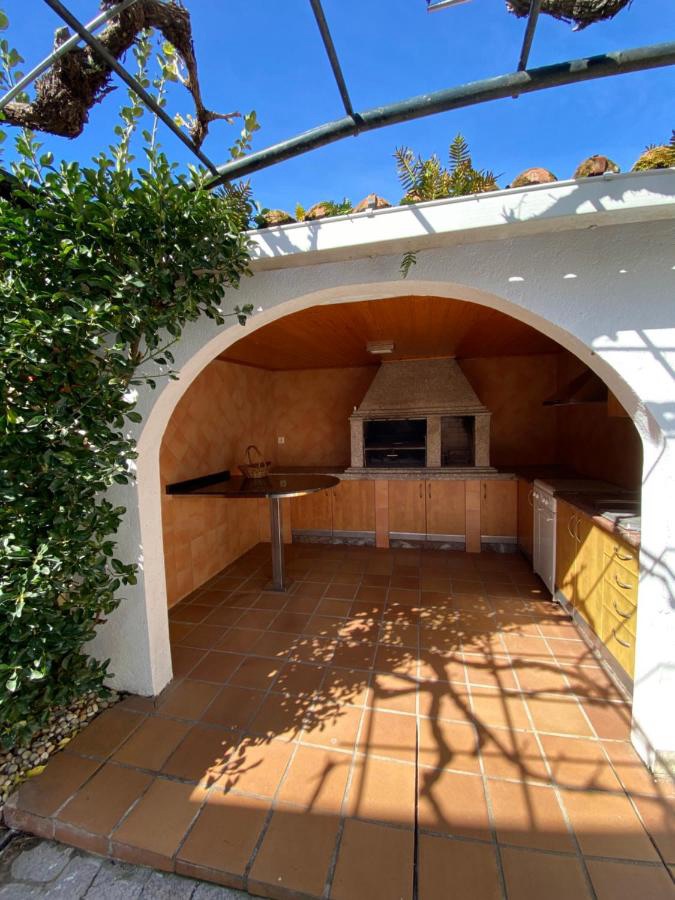
Iglesia de Santiago, the Church of Santiago Apostle which highlights Redondela’s strong links to the medieval Camino de Santiago. Archbishop Xelmirez (of Santiago) passed through Redondela while walking the Camino Portuguese. In 1114, he temporarily established his residence here and consecrated the Parish Church of Santiago Apostle.CASA TERESA – “Spacious house in a quiet location, 2 km from Cesantes beach and Redondela’s urban centre. Ideal accommodation for the Camino de Santiago pilgrimage route.”Review from Booking.com – “ Great stay with a group of 8 while doing the Camino. Plenty of space to spread out..” 9.5 from numerous reviews.Purpose built BBQ…
“Walker, your treads are/the path and nothing more;/walker, there is no path,/ the path is made when walking.
When walking the path is made/ and when looking back /you see the path that never / has to be walked again…
When the goldfinch cannot sing./When the poet is a pilgrim,/when praying has no use./’Walker, there is no path,/the path is made when walking…'”~Antonio Machado
Aretha Franklin singing Elton John’s “ Border Song” – we have now crossed the border and will be walking in Galicia.
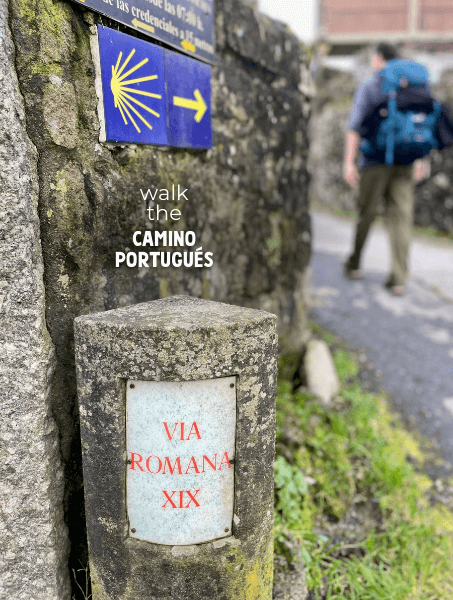
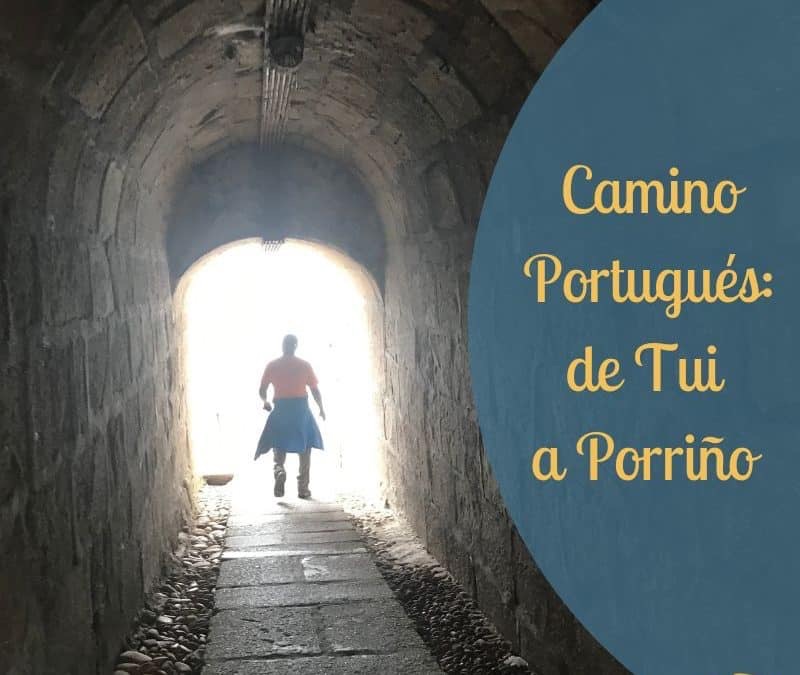
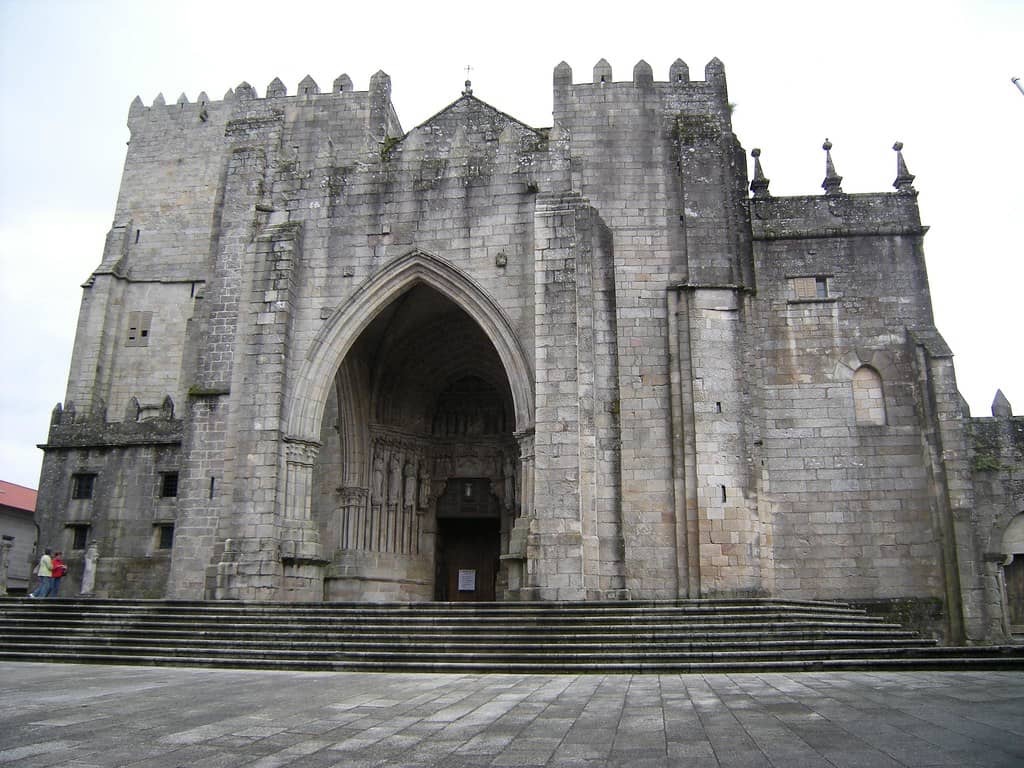
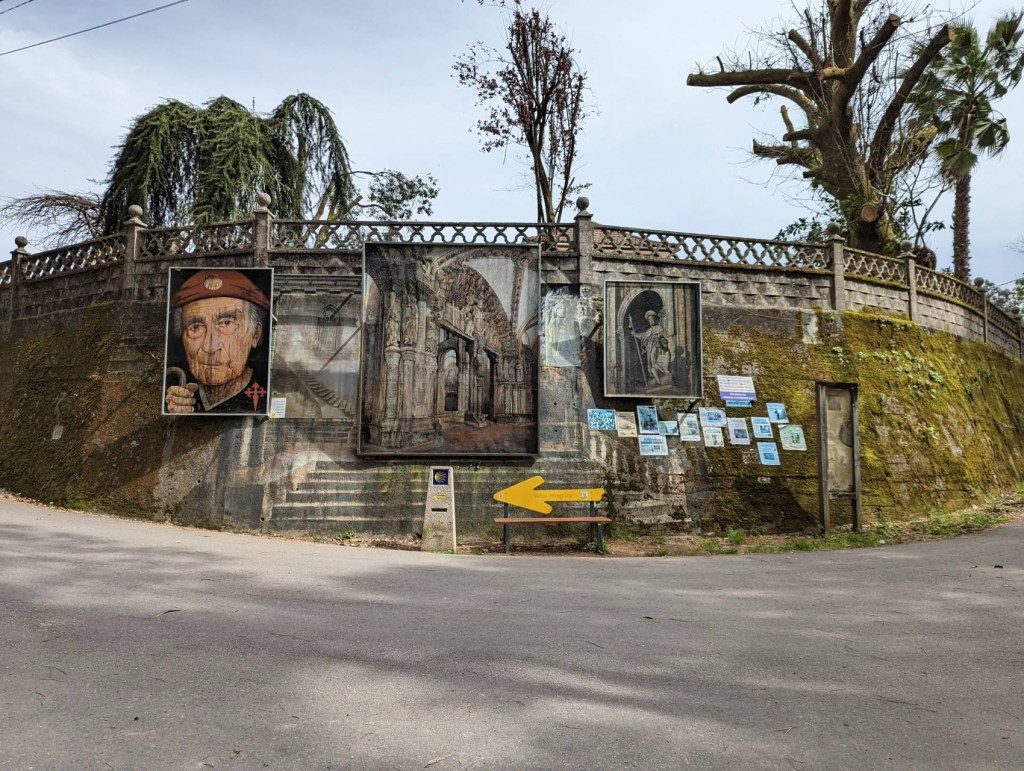
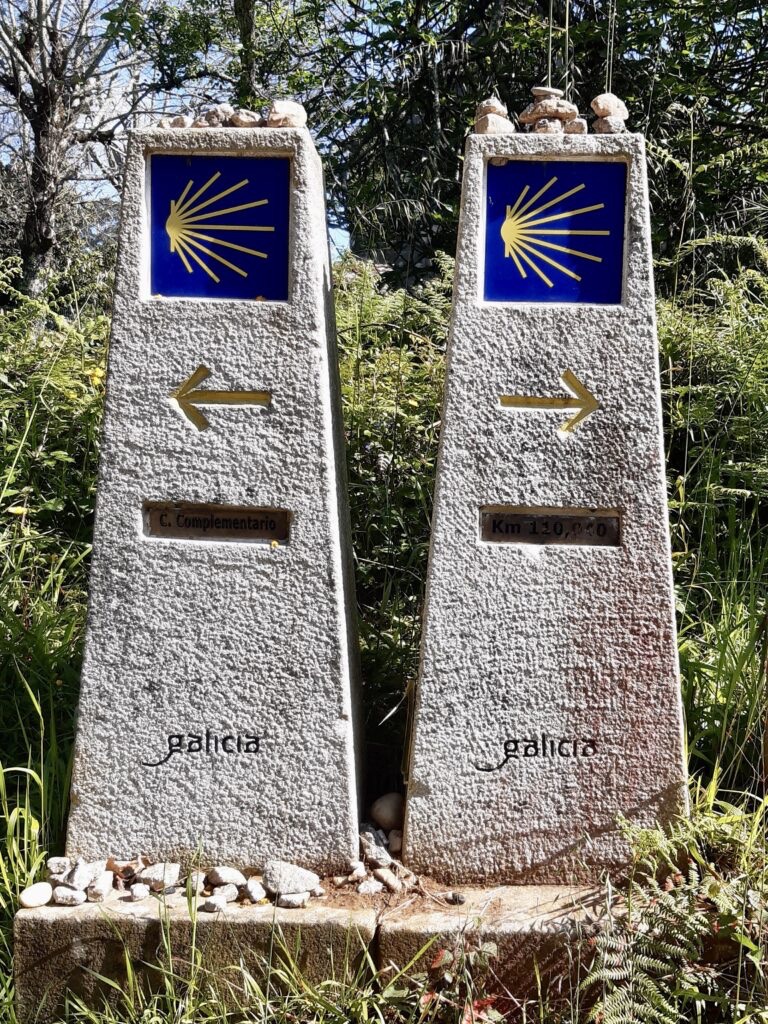
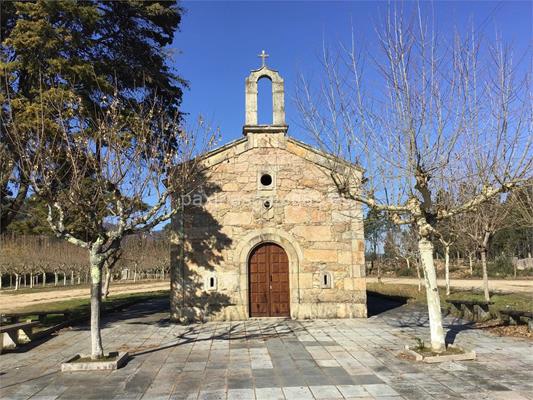
When I first walked the final section of this stage into O PORRINO,it was alongside a large industrial estate and if was quite malodorous. We renamed the town Oh No Porrino! However, a new route along the River Louro now makes this avoidable.Tui is a popular starting point for Pelegrinos as the distance to Santiago is long enough to qualify for a Compostela. it is worth remembering that if you wish to qualify for a Compostela,you need two stamps a day throughout Galicia.The nuns’ tunnel – Tunel das Monxas through which we pass on the way out of Tui. To avoid walking alongside the N550 we can take the paseo fluvial towards the Cathedral, which is the official starting point of this stage.Catedral de Santa Maria – Sello? The Convento de Santo Domingo (Convent of Saint Dominic) in Tui, Spain, is a 14th-century religious complex originally founded in 1330. Situated overlooking the Miño River, it is a primary example of mendicant Gothic architecture in Galicia. Praza San Bartolome – one of the oldest suburbs of Tui. we then leave the town behind and turn down on to a medieval bridge .We do not cross the bridge over the Rio Louro but turn left along the ancient Via Romana XIX.Who will be tempted to have their photo taken here?The Capella da Virxe do Camino. The Camino crosses the A55 motorway along a dedicated pilgrim track with a timber safety barrier,following this we go under the AP-9 and shortly afterwards turn back over the motorway to enter some woodland.Cruceiro San Telmo – also known as the Ponte das Febres. Here San Telmo fell sick and died of a fever in 1251 on his way back from a pilgrimage to Santiago de Compostela. I remember stopping here for a bag break on my solo Portuguese Camino ; I didn’t stay long it was damp day and a mournful place.Following the waymarks after crossing the bridge – the yellow arrows are important here as there are local walking routes in the area. Eventually to Ribadelouro where there is a Cafe Casa Cultura.We cross the Puente Orbenlle and continue upto the road.The mural is of the Portico de Gloria ( Santiago Cathedral) and the way mark directs to the “new” scenic route avoiding the industrial area referred to earlier. Signs here are often obliterated by local businesses on the original “ industrial’ route ! Arrows on the road painted out in black. We turn left,keeping a careful eye as further waymarks may have been removed.No confusion – we take the “ complementary “ route to the left.
150 metres along left from the artwork we turn left along a dirt road ( again the arrow may have been deleted), if so,look for the black paint. We go down the slope from here .
Cross the River on the Ponte de Baranco and then uphill, between grapevines.
We follow some country roads winding our way over the AP-9.
Passing Capella de San Campio we go back over the AP-9 and walking on past a sign to Taberna Tia Maria ( left 180 M ).
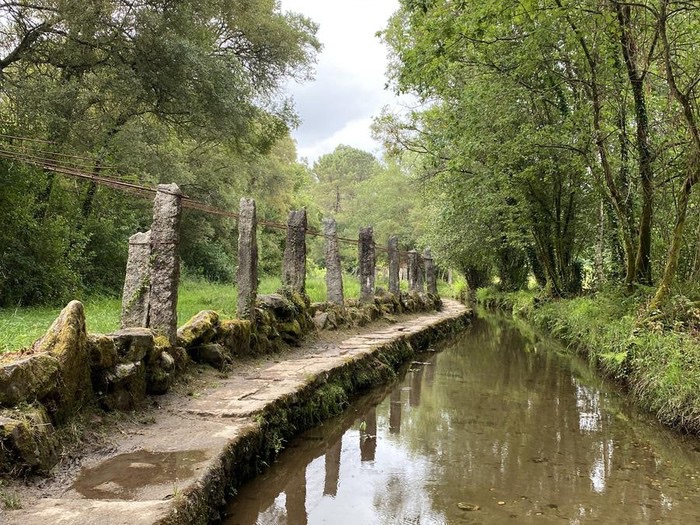
We then take a dirt path and fork right to walk alongside the river Louro ( RHS ) for 2 KM until we reach the outskirts of O PORRINO. We leave the river path close to the Albergue de Peregrinos,along the Av. Buenos Aires, cross the river, past a Froiz supermarket and over railway tracks,going right towards the old town.
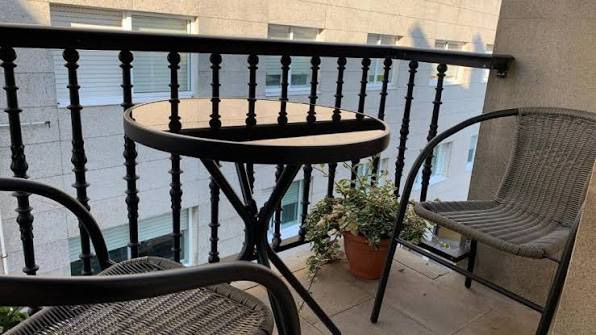
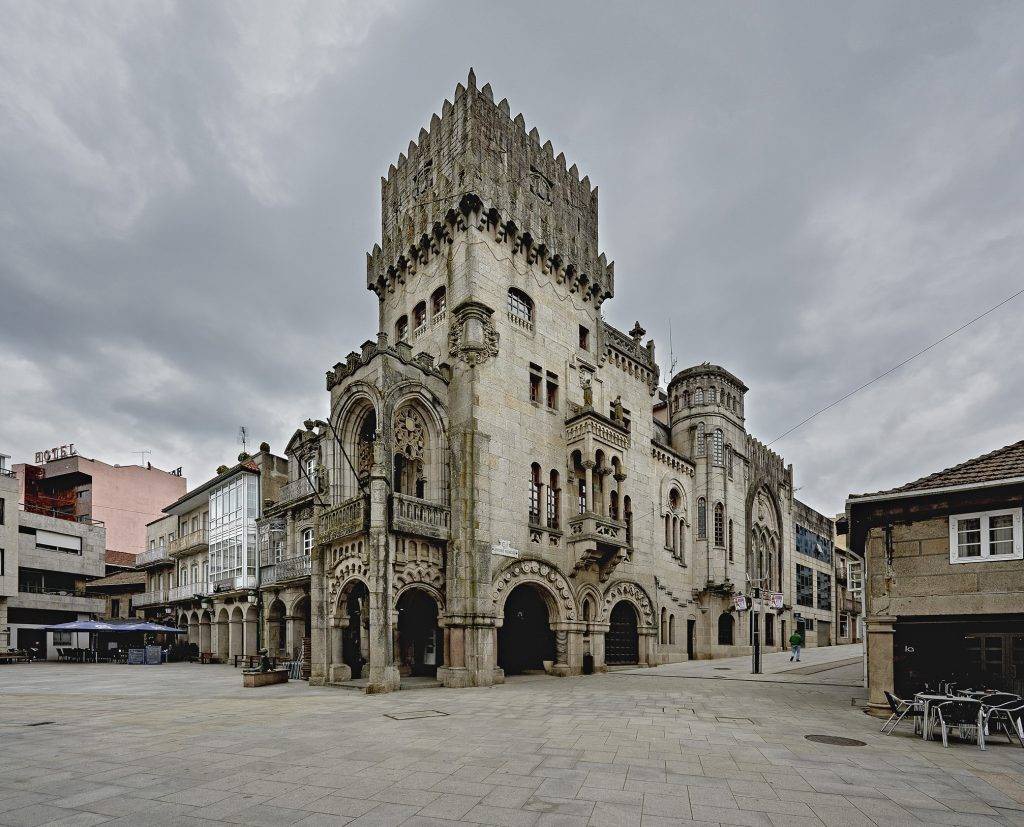
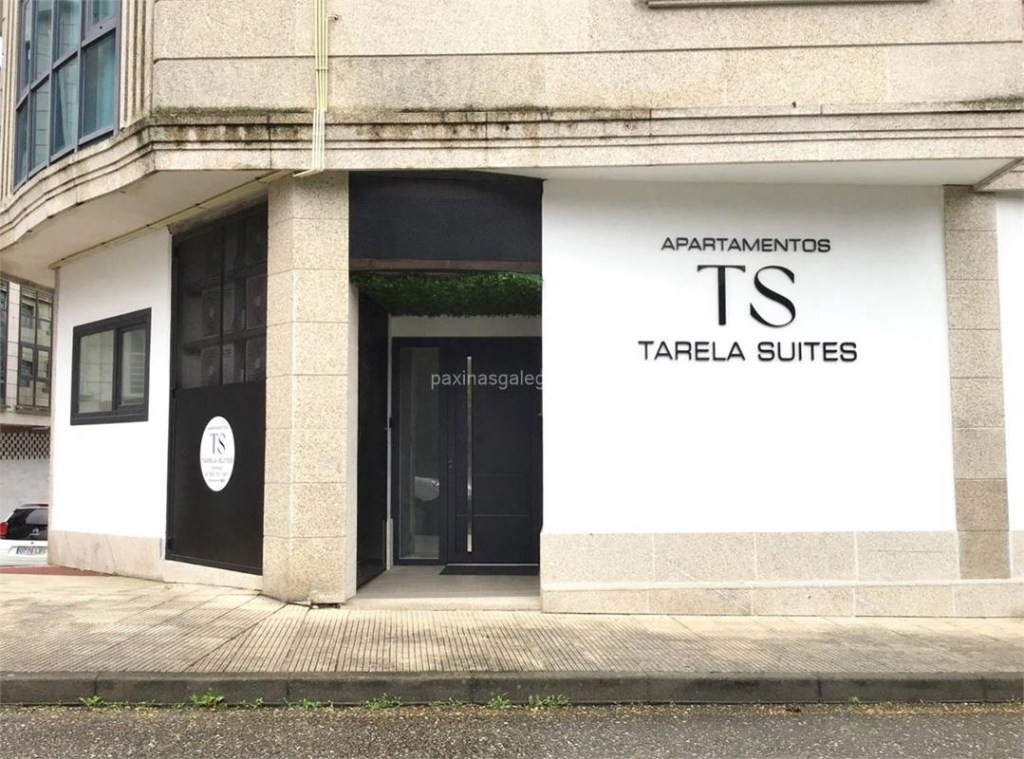
O PORRINO is an industrial and mining town,known for its pink granite ( exported mainly to USA and Japan ). There is not a great deal to see – the decorative fountain and the palatial town hall both designed by an O Porrino local,Antonio Palacios.The Town Hall.Apartamentos TARELA, calle Tarela,esquino calle Perez Leiros Bajo. “This evening’s accommodation. Stayed here while on the Camino Portuguese and this was the BEST accommodation by far. Large, modern, clean apartment with washing machine, refrigerator, microwave, air conditioning, iron and ironing board. Great view from the relaxing outdoor private terrace. The host was easy to deal with and helped ensure I had everything needed and arrived within a minute of my arrival. Highly recommended!” RECENT REVIEW.









 ensuitepilgrim's Blog