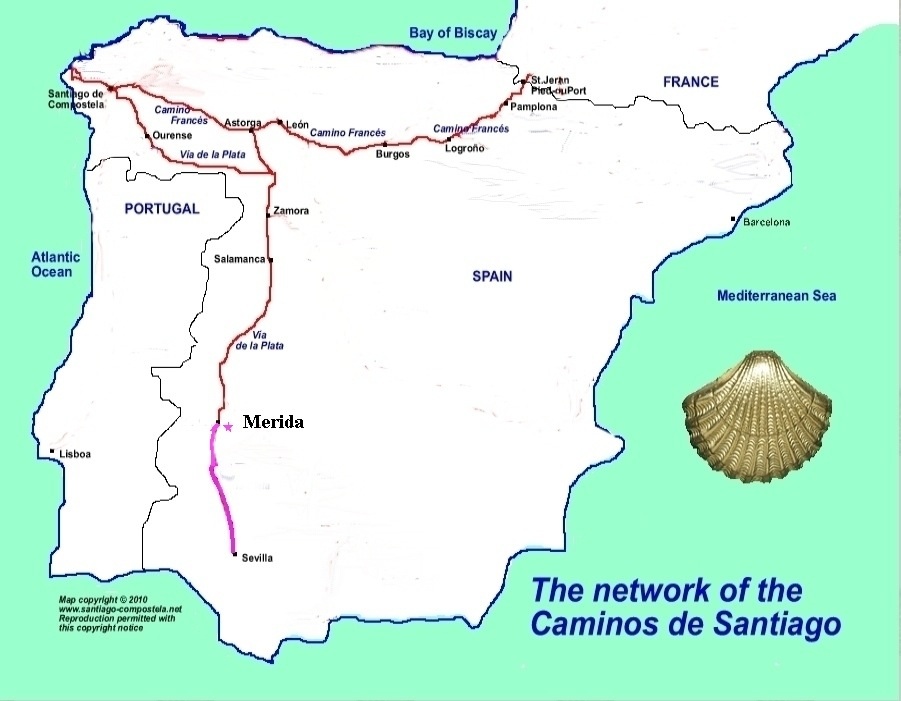
“…every morning we pull on our boots, hoist the pack onto our backs and set forth on another days adventure.” 20 KM
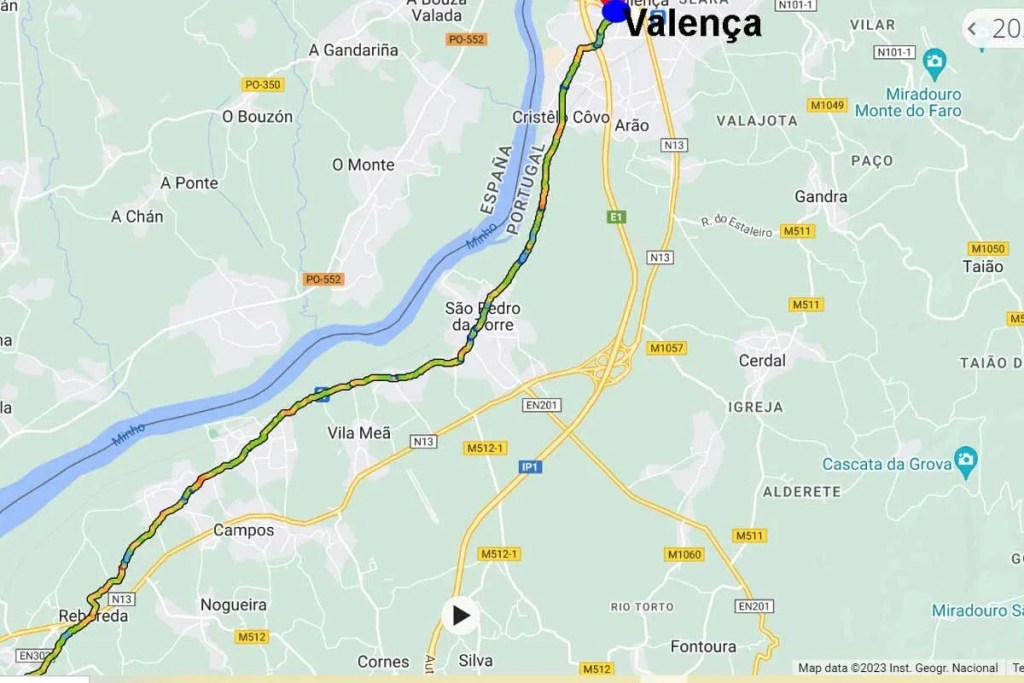
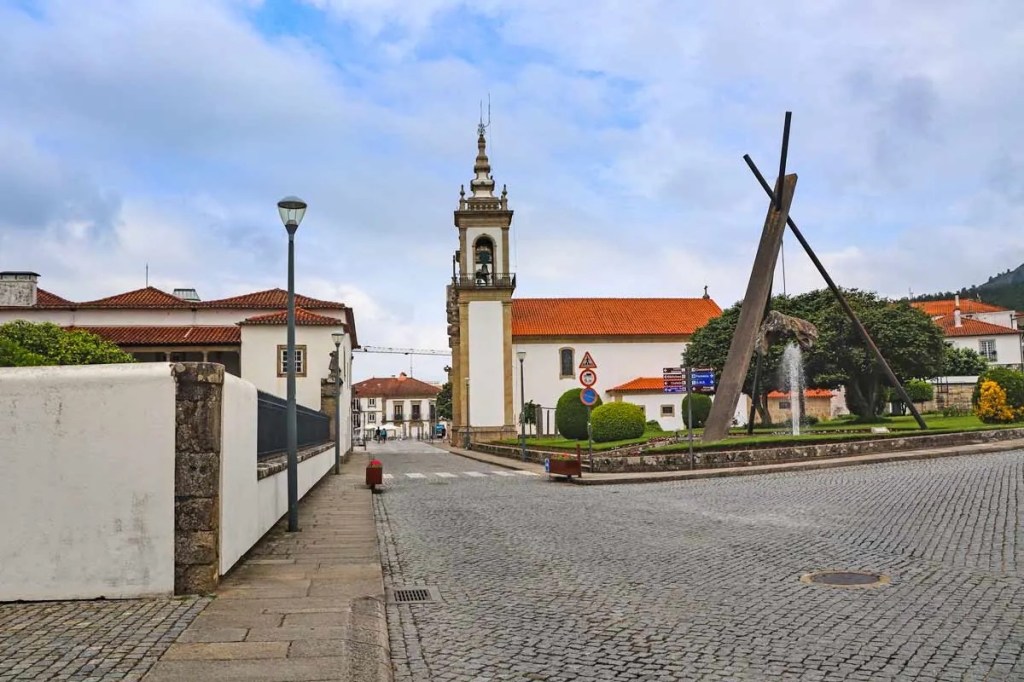
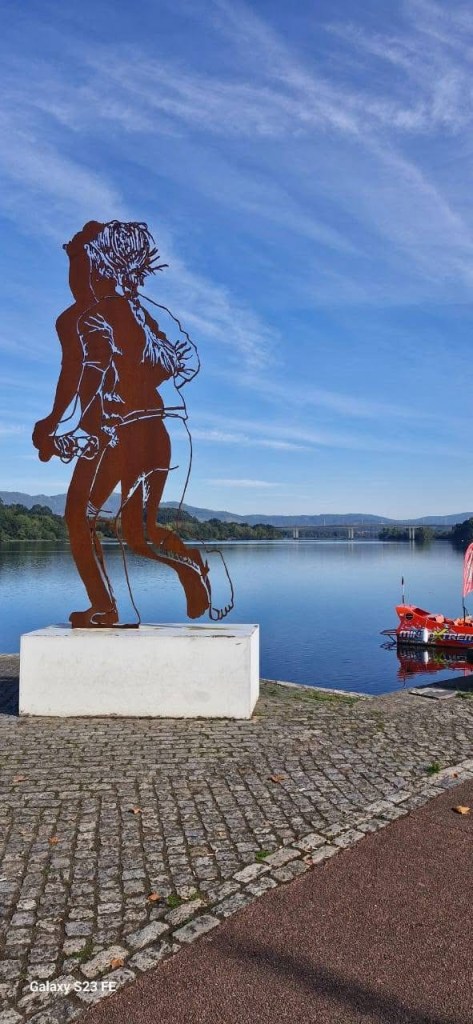
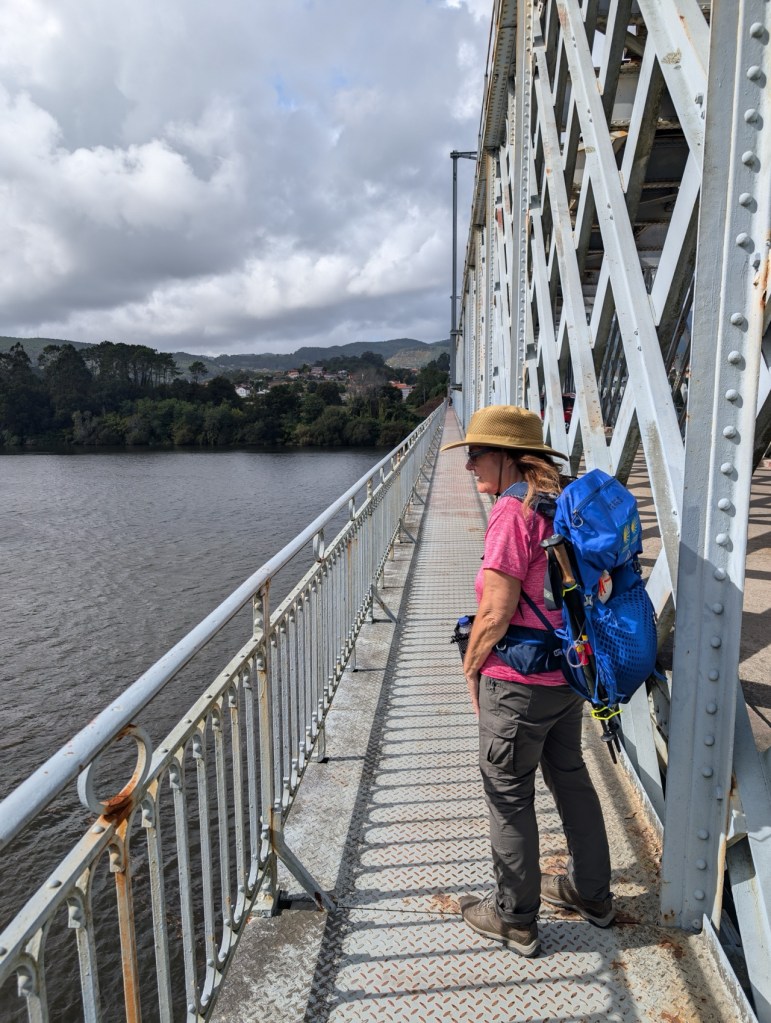
We start this day by leaving the old town of Cerveira and following the Minho River valley, passing the villages of Campos and São Pedro da Torre through fields and brushwoods reaching the fortified town of Valença and crossing the Minho to Tui.
The first opportunity for a coffee stop as far as I was able find is after about 1 1/2 hours’ walk along the way. There is not a lot of documentation, neither in my guide books nor Internet searches, until we actually reach the outskirts of Valenca. The general theme evokes a flat,peaceful walk for the most part .
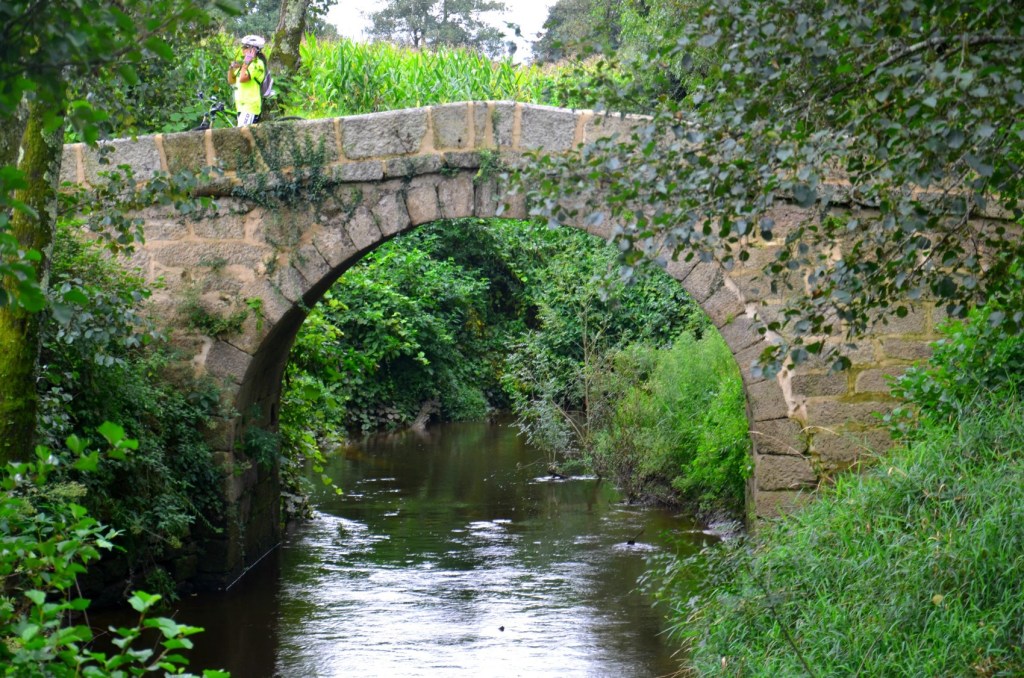
A Roman-medieval construction over the Mira stream, with a three-meter-wide trestle-style deck, it was part of the Roman “per loca marinha” road and the medieval road to Valença.
Until the mid-20th century, midnight baptisms were performed here, a fertility ritual with pre-Christian origins. We can take advantage of this rest stop and journey through the memories of pilgrims, merchants, and warriors who walked this path.
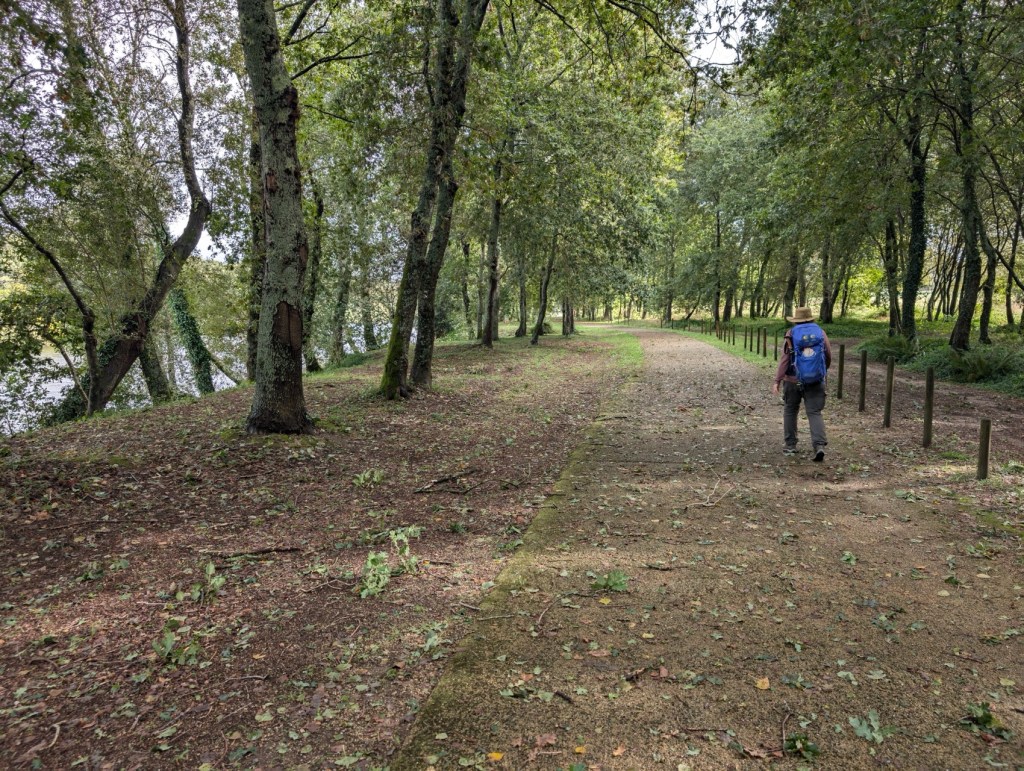
There are a number of direction markers here. Following the Camino,according to John Brierley alongside the railway . However,it might make more sense to stick to the riverside pathway.
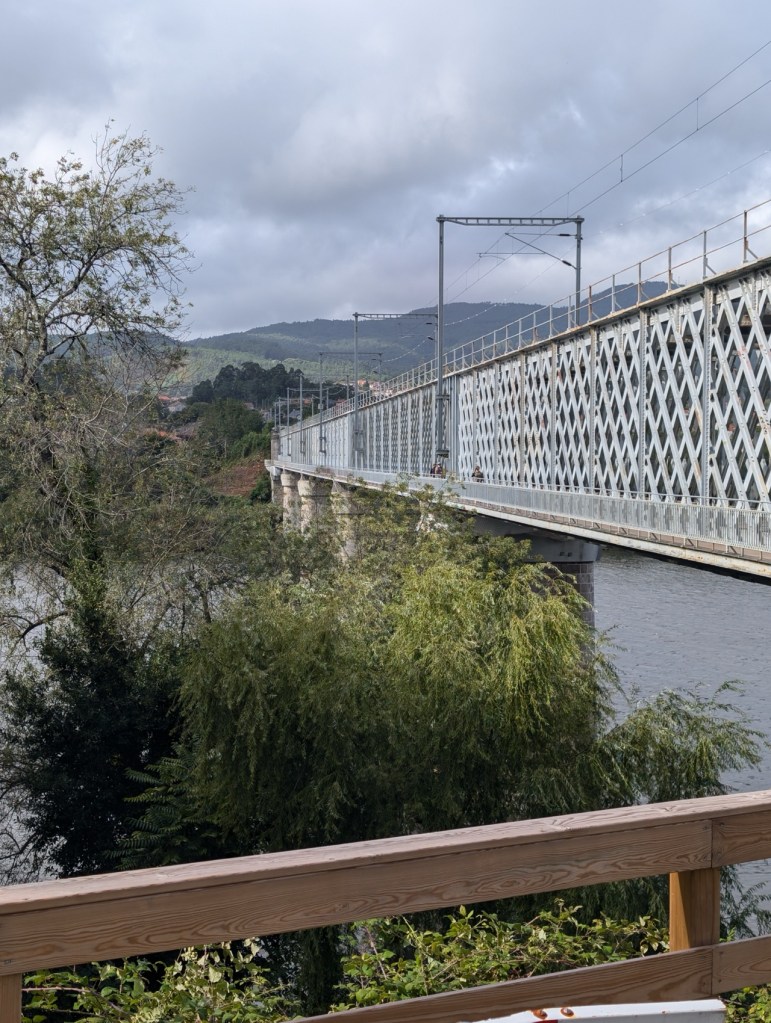
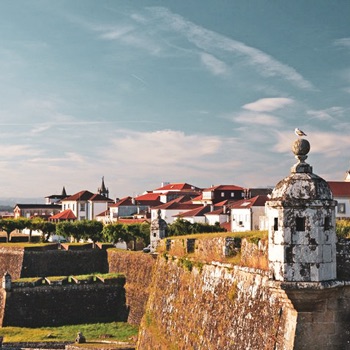
For more information on Valenca – see the link below.
https://www.portugaltravel.org/valenca-do-minho
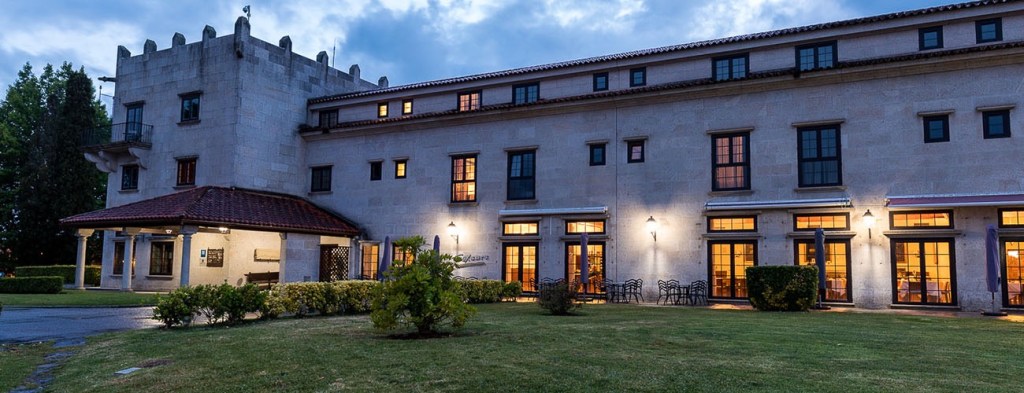
On the border between Galicia and Portugal, in the centre of the city of Tui and next to the banks of the Miño river, is the Parador de Tui. The building faithfully reproduces the architecture of a traditional Galician pazo.
A pazo is a traditional Galician stately home, once the residence of wealthy noble families. These constructions, heirs to medieval castles, stand out for their solid architecture and seamless integration into the rural landscape.
Paradors of Spain are a network of nearly 100 luxury hotels—mostly state-owned—housed in historically significant buildings like castles, palaces, and monasteries, often located in scenic, rural, or monument-rich, UNESCO-listed areas. They offer a unique, authentic, and upscale, cultural experience combining, rich history with modern comforts, and are renowned for their regional cuisine.
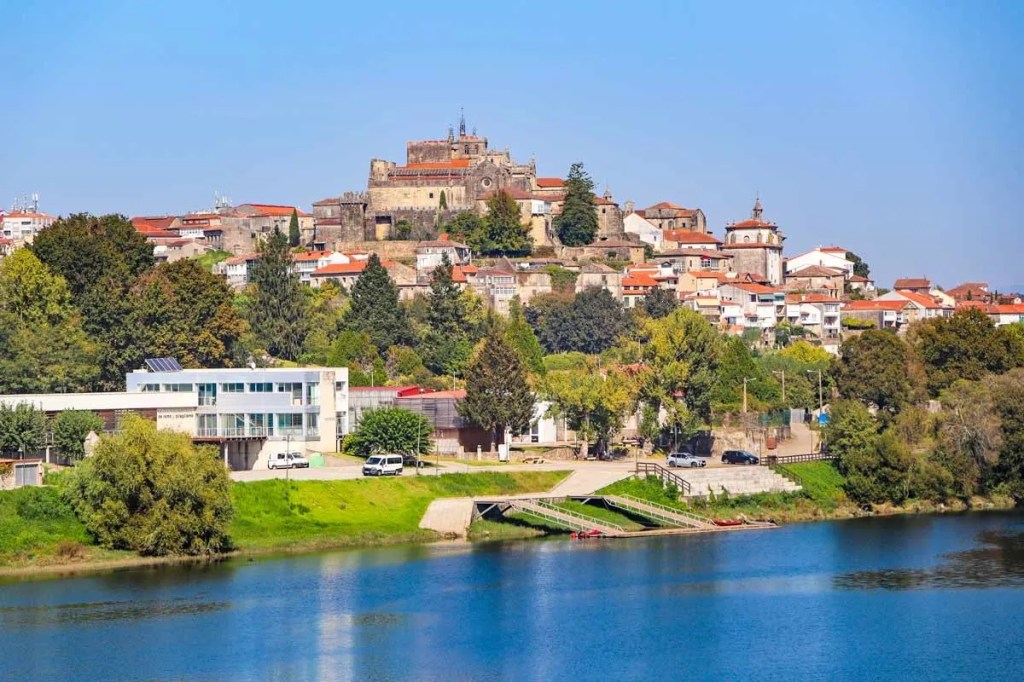
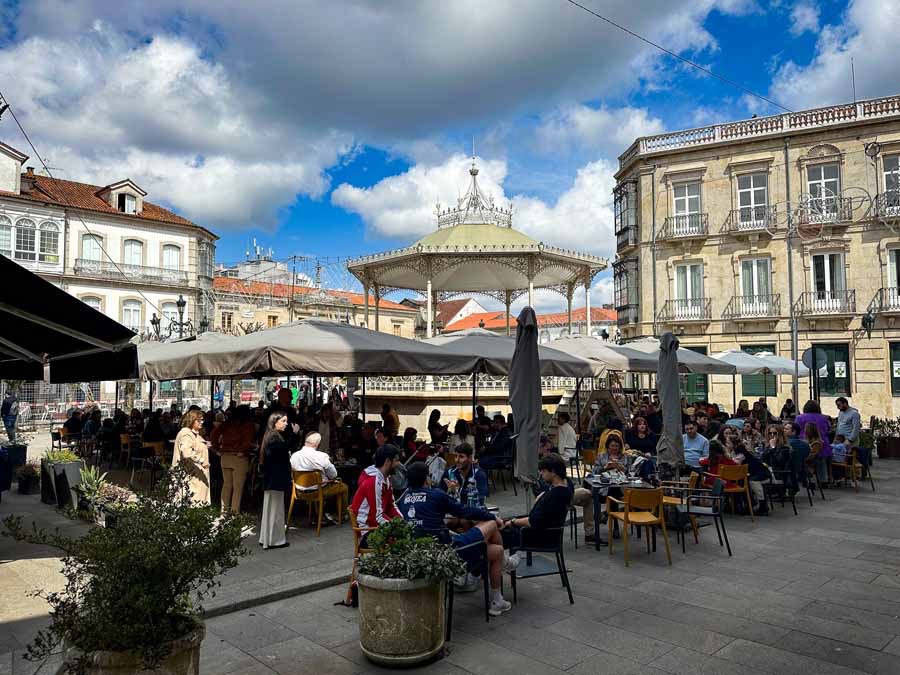
Tui is a historic border town in Pontevedra, Galicia, Spain, known as a key stop on the Portuguese Way to Santiago de Compostela. Located on the Miño River facing Valença, Portugal, it features a prominent 12th-century cathedral, medieval walls, and rich Galician culture. It acts as a gateway connecting Spain and Portugal.
https://music.youtube.com/watch?v=VMKTyKWjMJQ&si=8uH8DKioNRuxDS6y
“ Sittin’ in the Midday Sun” by The Kinks
https://www.spain.info/en/destination/tui/
Our Camino continues next day by walking through the city to O Porrino.
 ensuitepilgrim's Blog
Leave a comment