
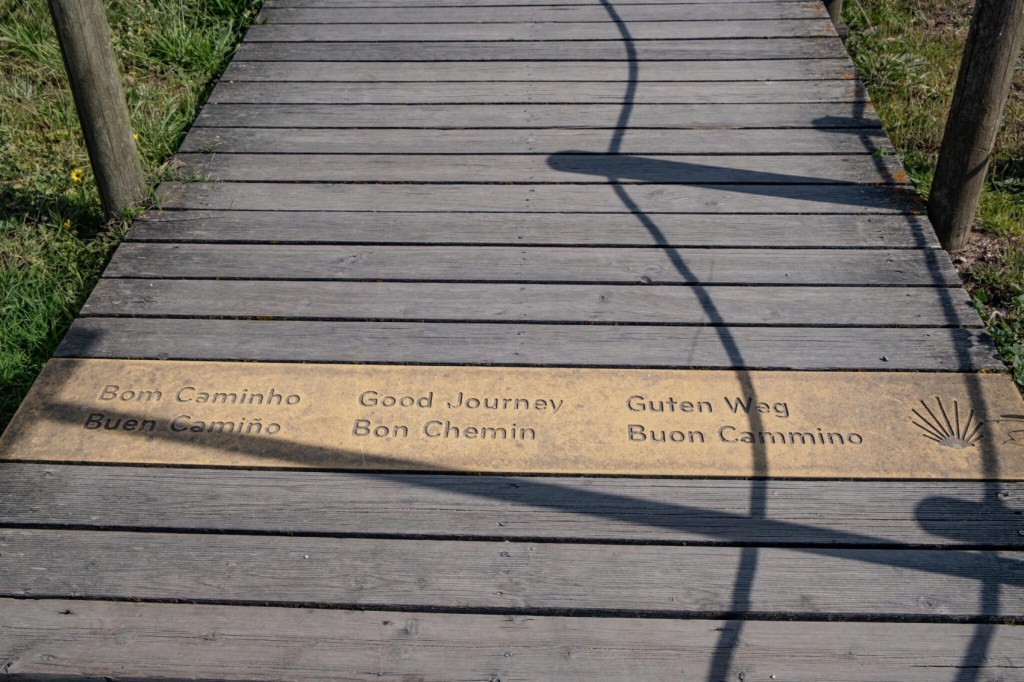
https://music.youtube.com/watch?v=HmR2IZjuMVc&si=v_vhfAmT6uYa3fk7 Katrina & The Waves
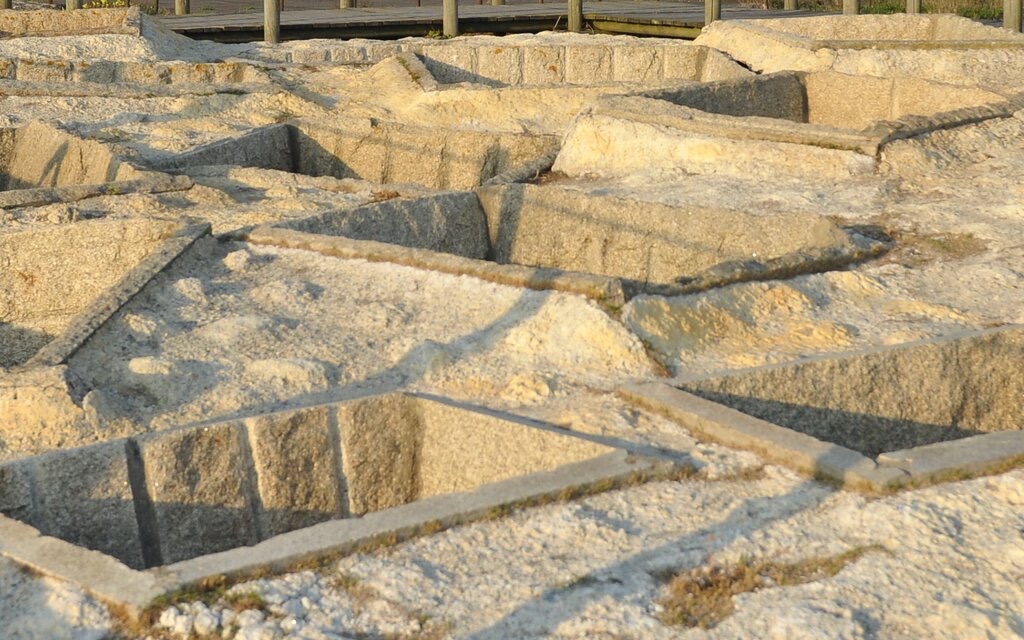
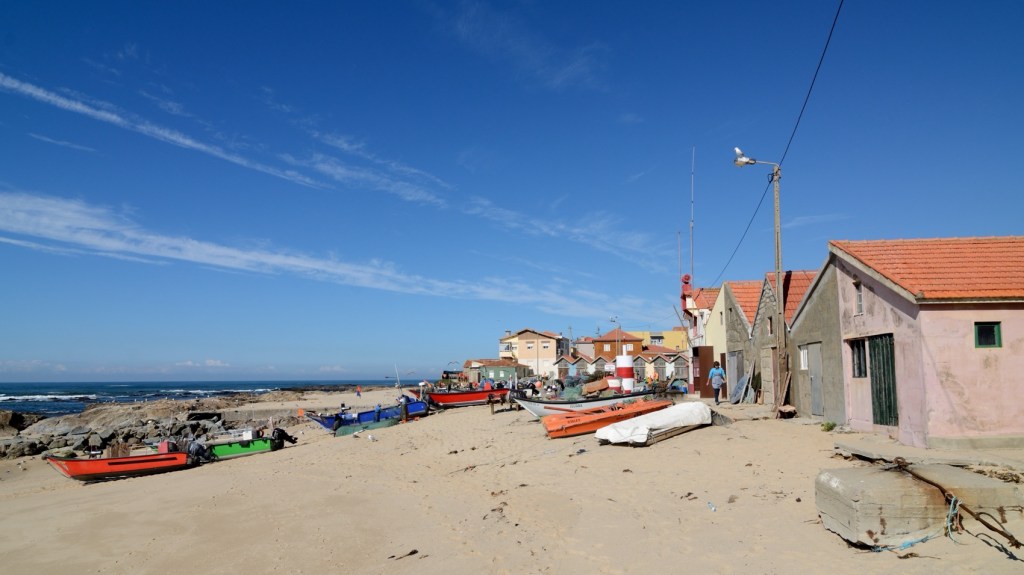
Spread along 600 meters along the Angeiras Beach, there are six clusters of tanks, amounting to 32 pieces, excavated in the rocks during the Roman period (3rd to 4th centuries AD). These rectangular cavities of different depths would be used for fish salting and the production of other types of canned fish, including the famous “garum”. Close to some tanks, several structures were also detected, formed by pebbles and clay floors and enclosed by small stone walls. The area is used to harvest seaweed – Sargaco – to fertilize the sterile sandy soil..

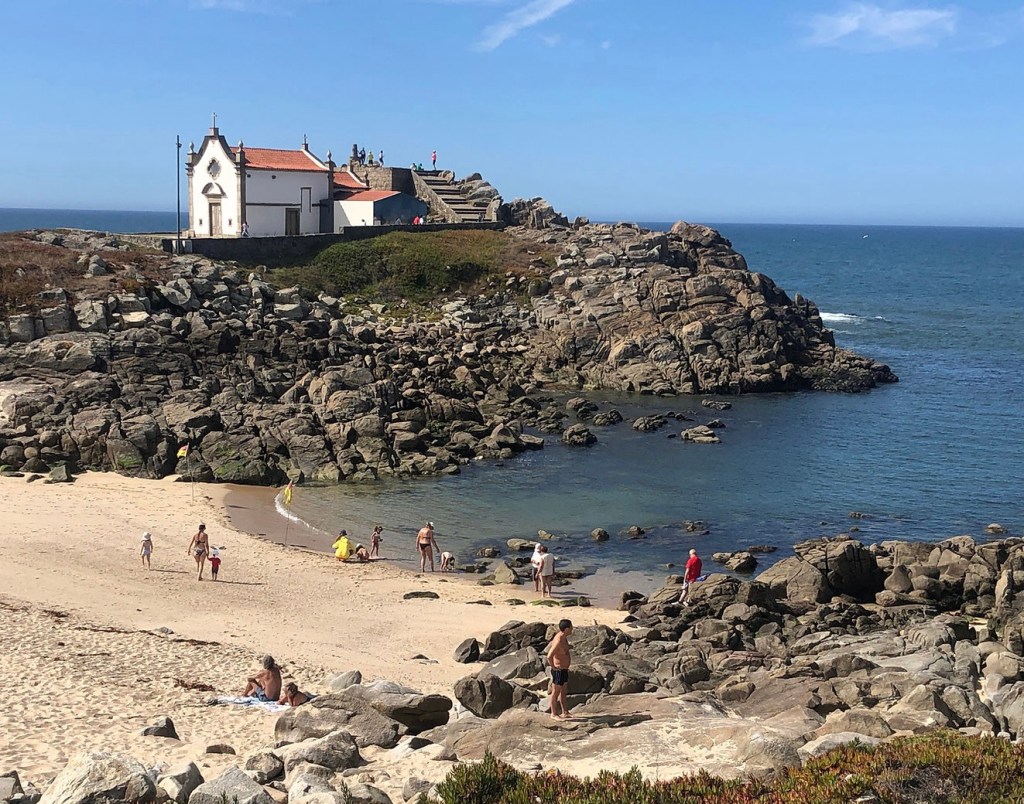
Erected probably in the Middle Ages to Christianize a site that had been sacred since antiquity, it takes the name of S. Paio from the young martyr S. Pelayo (Paio is an abbreviation of Pelayo). Pelayo was the nephew of the Bishop of Porto, Hermógio, and was taken prisoner with him at the battle of Vale de Junquera, Navarre, on July 26, 920, and taken to Córdoba by Caliph Abd-Al-Rahman III. There he was martyred three years later. Being a saint from Porto, his cult spread throughout the area of nascent Portugal, with a particular incidence in the coastal regions, where legend says that parts of his body washed ashore. His feast day is celebrated on the first Sunday of July.
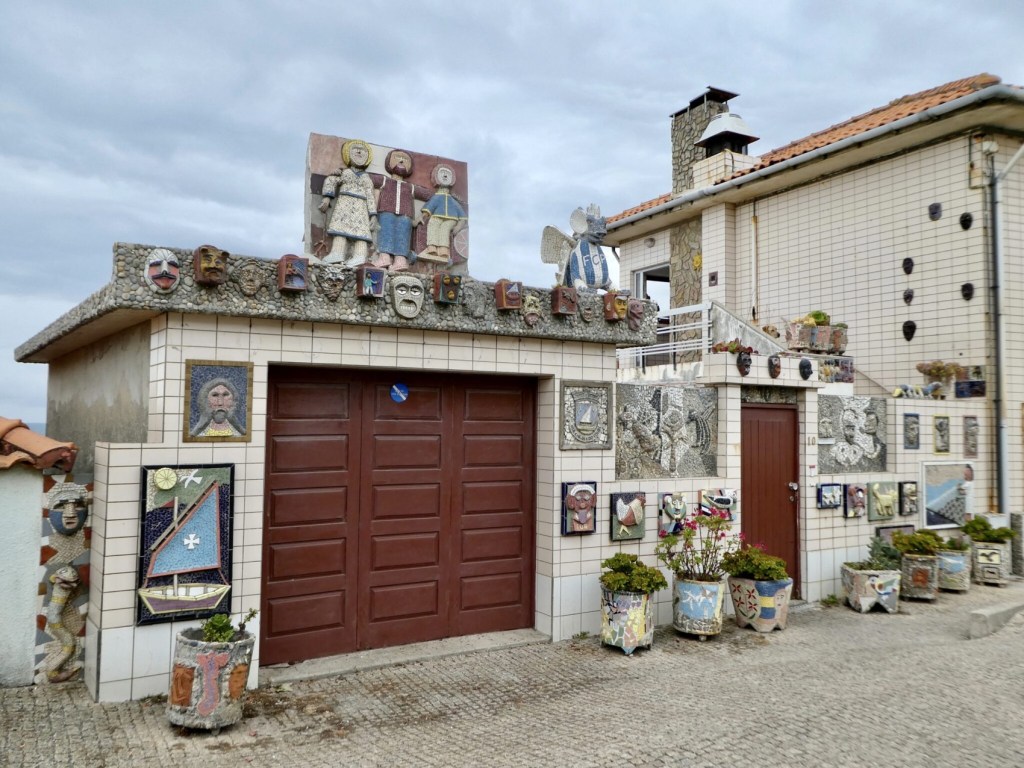
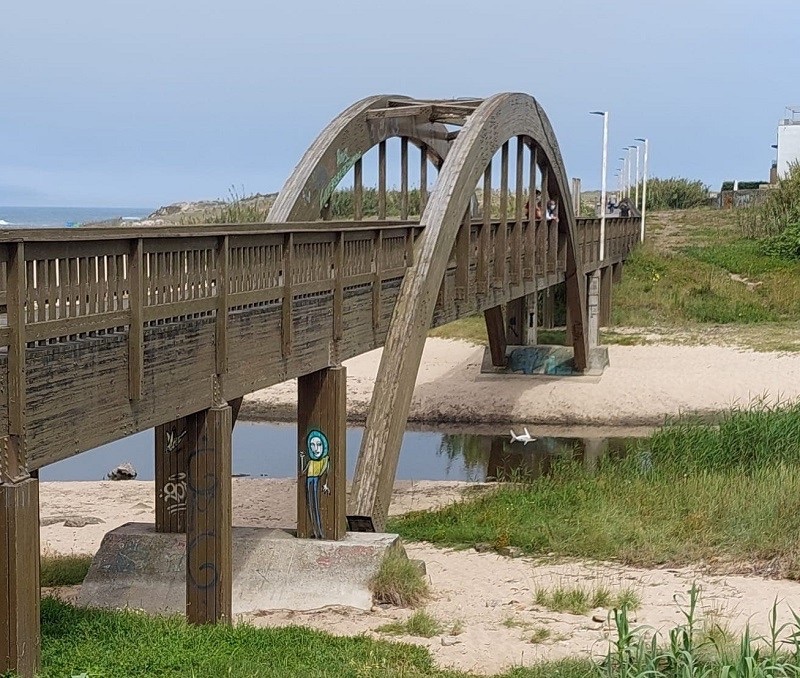
7 KMs to Vila do Conde, entering the town after crossing the Rio Ave.
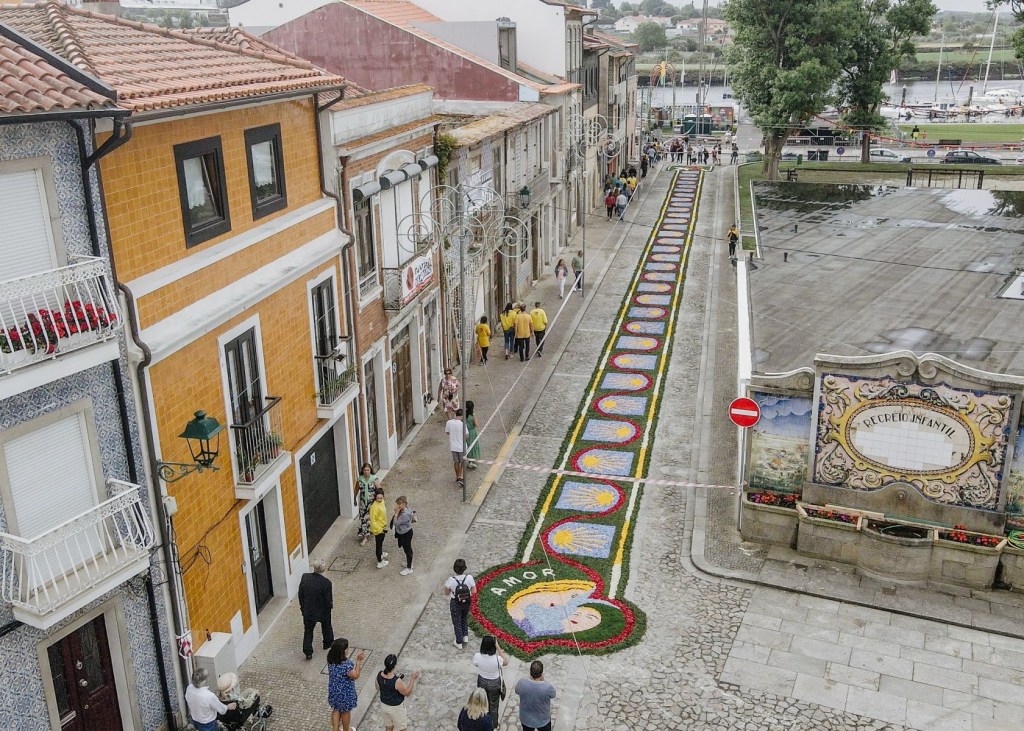
Vila do Conde is a charming coastal municipality and one of the oldest settlements in Northern Portugal, located on the Atlantic coast 20 km north of Porto. It is known for its rich maritime history, beautiful beaches, and historic landmarks.
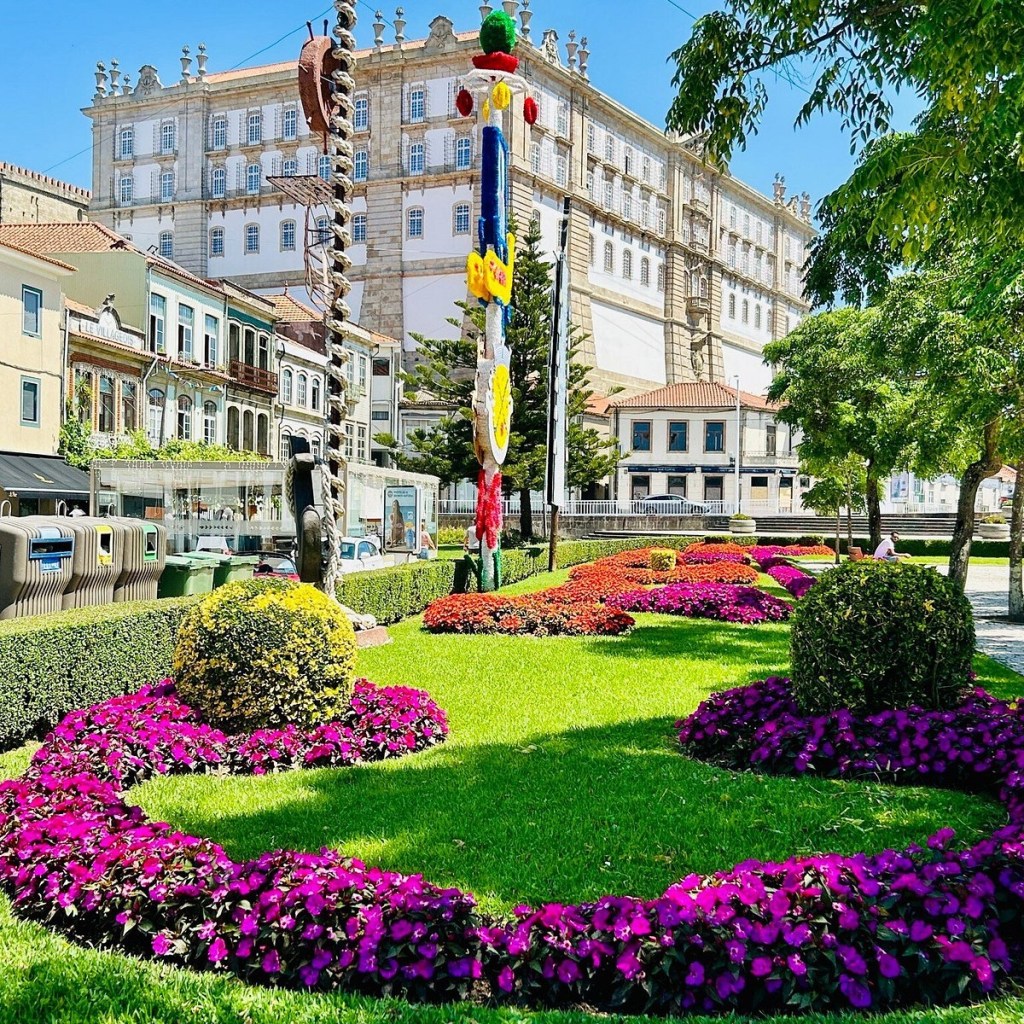
There are a lot of interesting places to see here :-

Mosteiro de Santa Clara: A striking 14th-century monastery complex that dominates the skyline and offers beautiful views of the Ave River.
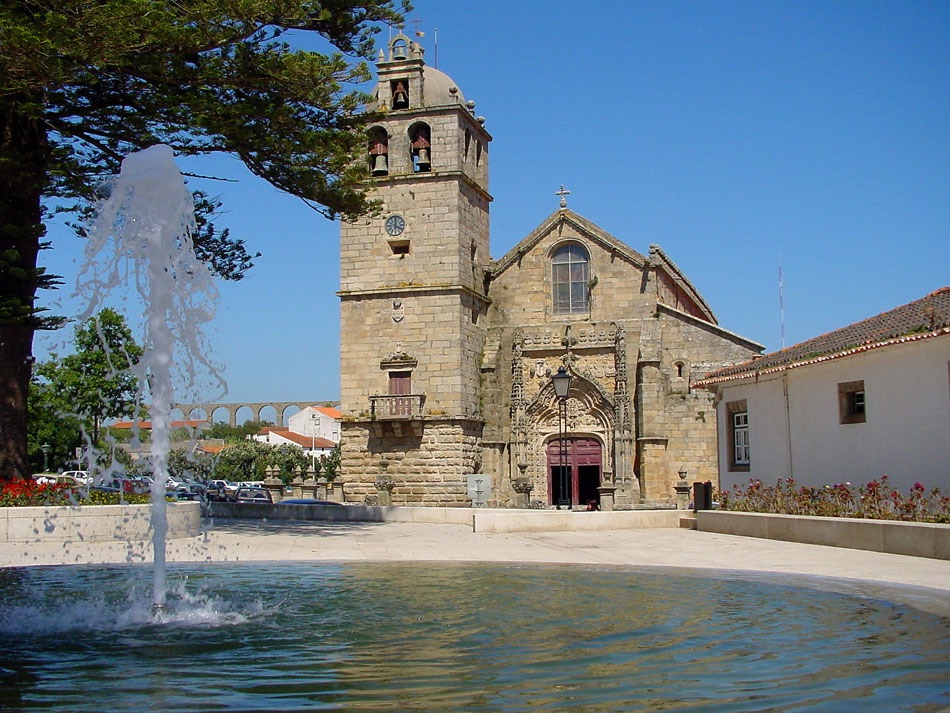
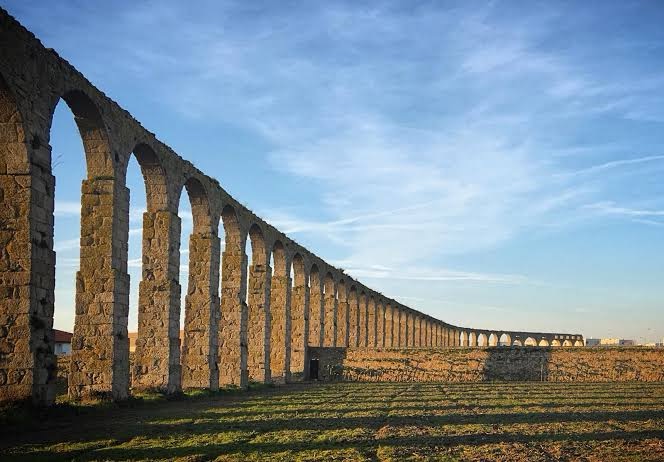
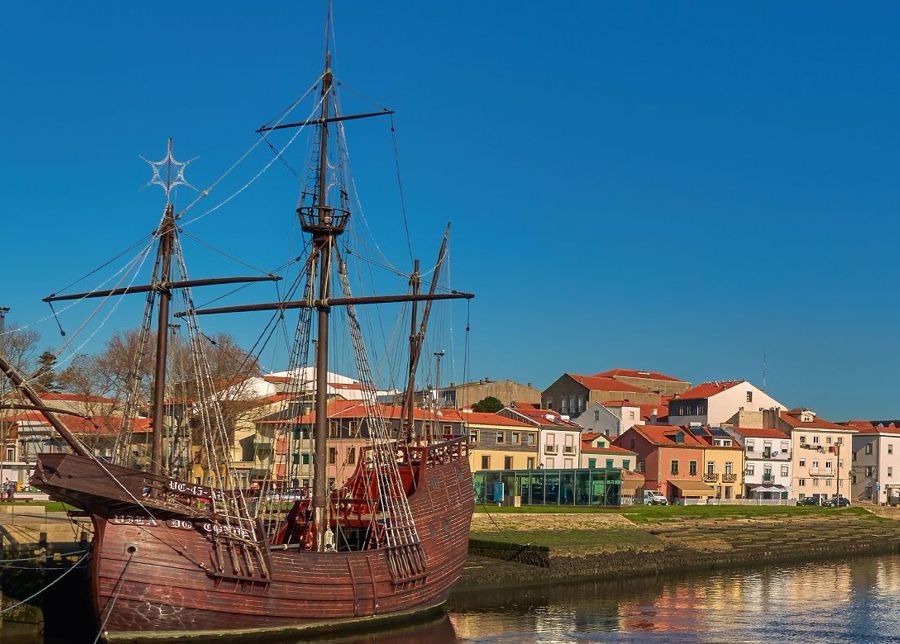
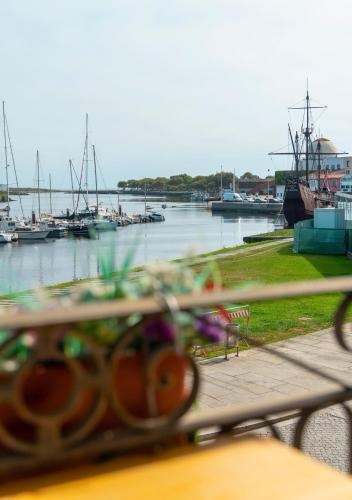
https://music.youtube.com/watch?v=AdiuqQ7xm30&si=4hExSfFp0q40tiOp “ Wooden Ships on the Water” by Crosby,Stills and Nash.
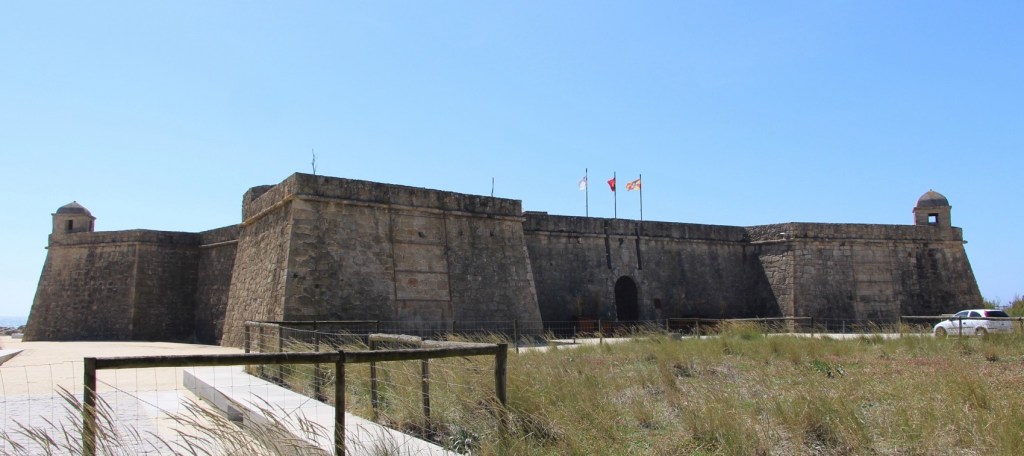
Forte de São João – A 15 minute walk from the town centre – (St. John the Baptist of Foz Fort): Explore the medieval fortress located at the river mouth with panoramic views.
When I began these previews, last year, for the Via Francigena, it was to help,with the familiarisation of the route for all of us. Same principles apply for the Portuguese.
Hopefully we’ll get sunshine en route.
 ensuitepilgrim's Blog
Leave a comment