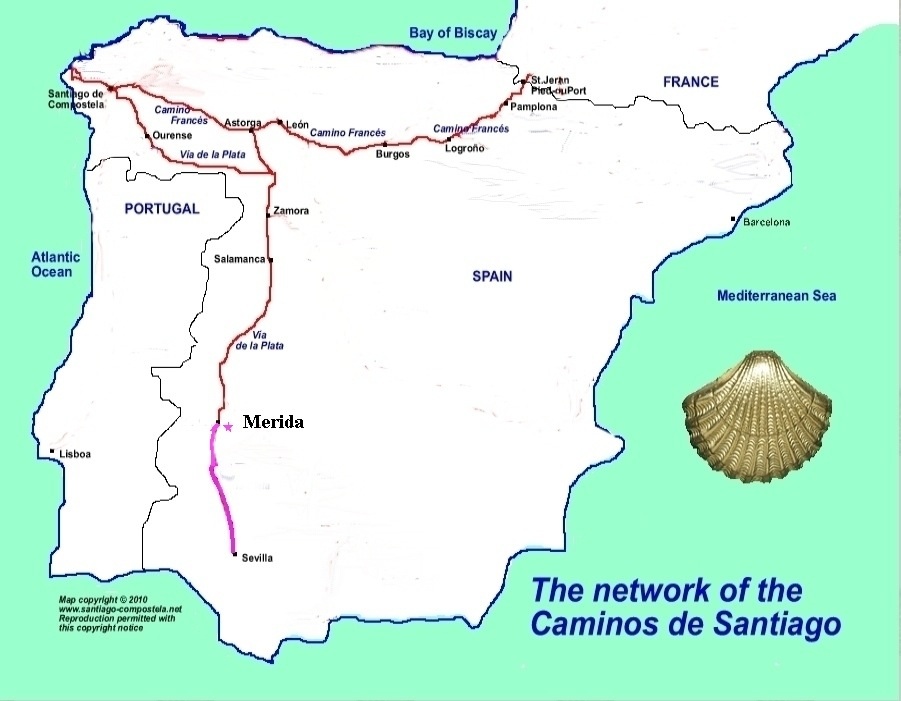
We travelled by bus, rather than walk the last leg – not the most uplifting part of the trail; monotonous and flat – also for more time in Caceres.
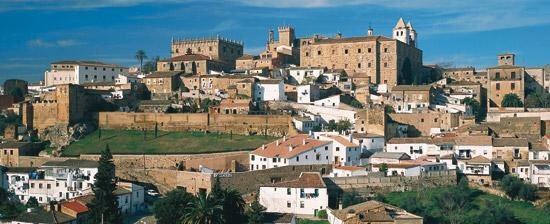
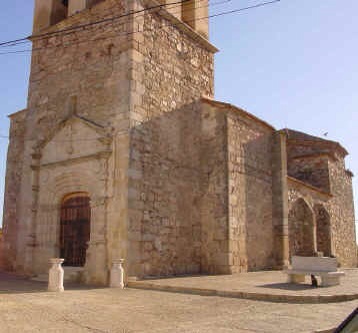
Visited Santiago ‘s Church, which was open to visitors and on the Camino, going Northwards.simple but impressive structure and a relief from the usual Baroque overstatement.

 Toured the old quarter and enjoyed some good Tapas for lunch.
The altar is decorated in honour of Our Lady of the Mountain

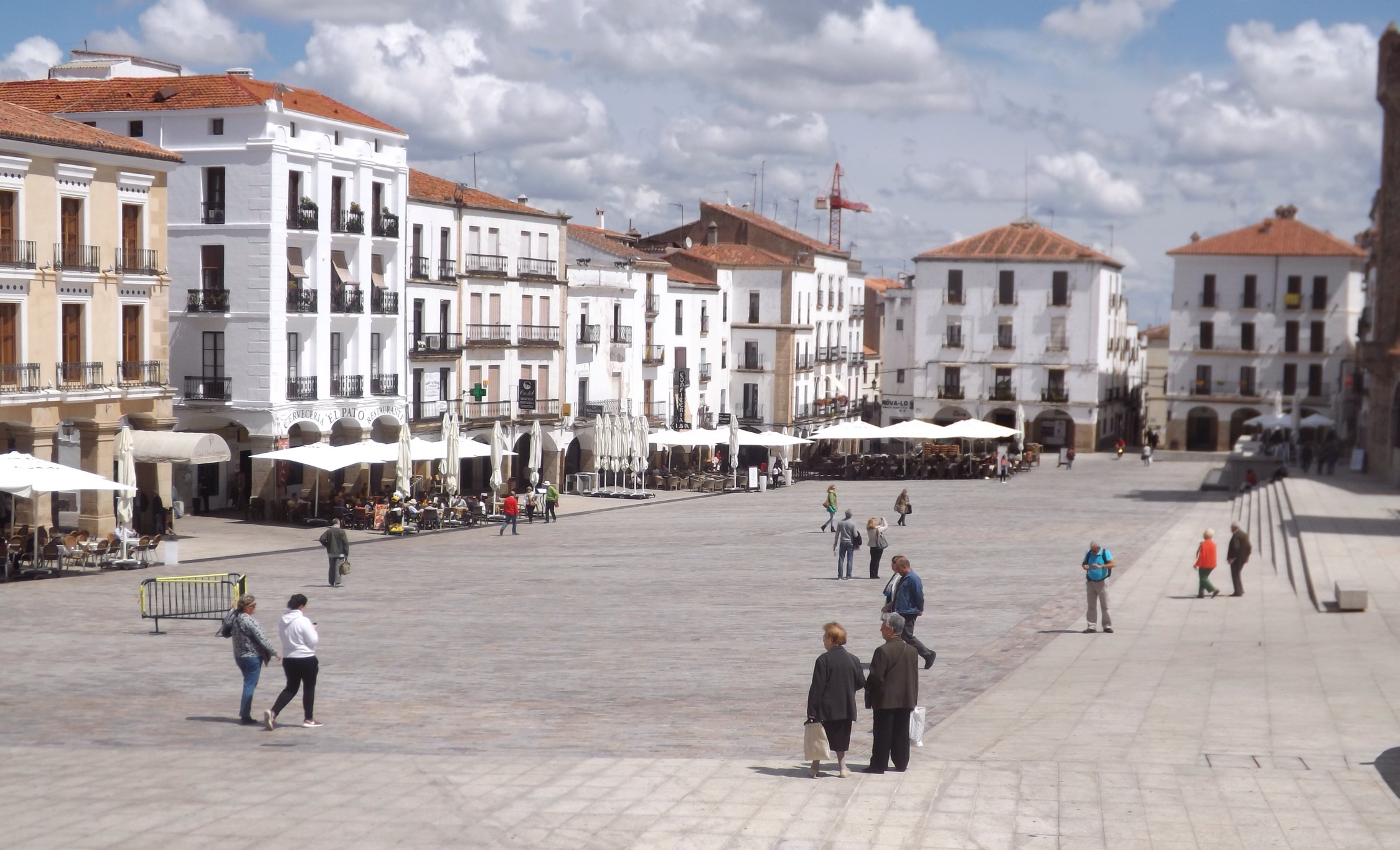
A blessing or a problem,depending on your point of view,that not being near any major airport, possibly limits the numbers of tourists to this city of monuments.The Plaza Mayor is one of my favourites of all the major cities I have visited.
 Finally
Despite a good guide, the density of old Palacios and Churches can be overwhelming.
 On Wednesday morning, the square was host hundreds of Spanish visitors, wearing white necker chiefs,white chef’s hats!Mainly elderly people.Our hotel receptionist was at a loss to explain the occasion.The people gathered in groups and went off to visit the Old City,whilst others took advantage of the shade in the cafés.Convivial atmosphere and live bands played on the steps of the Town Hall.

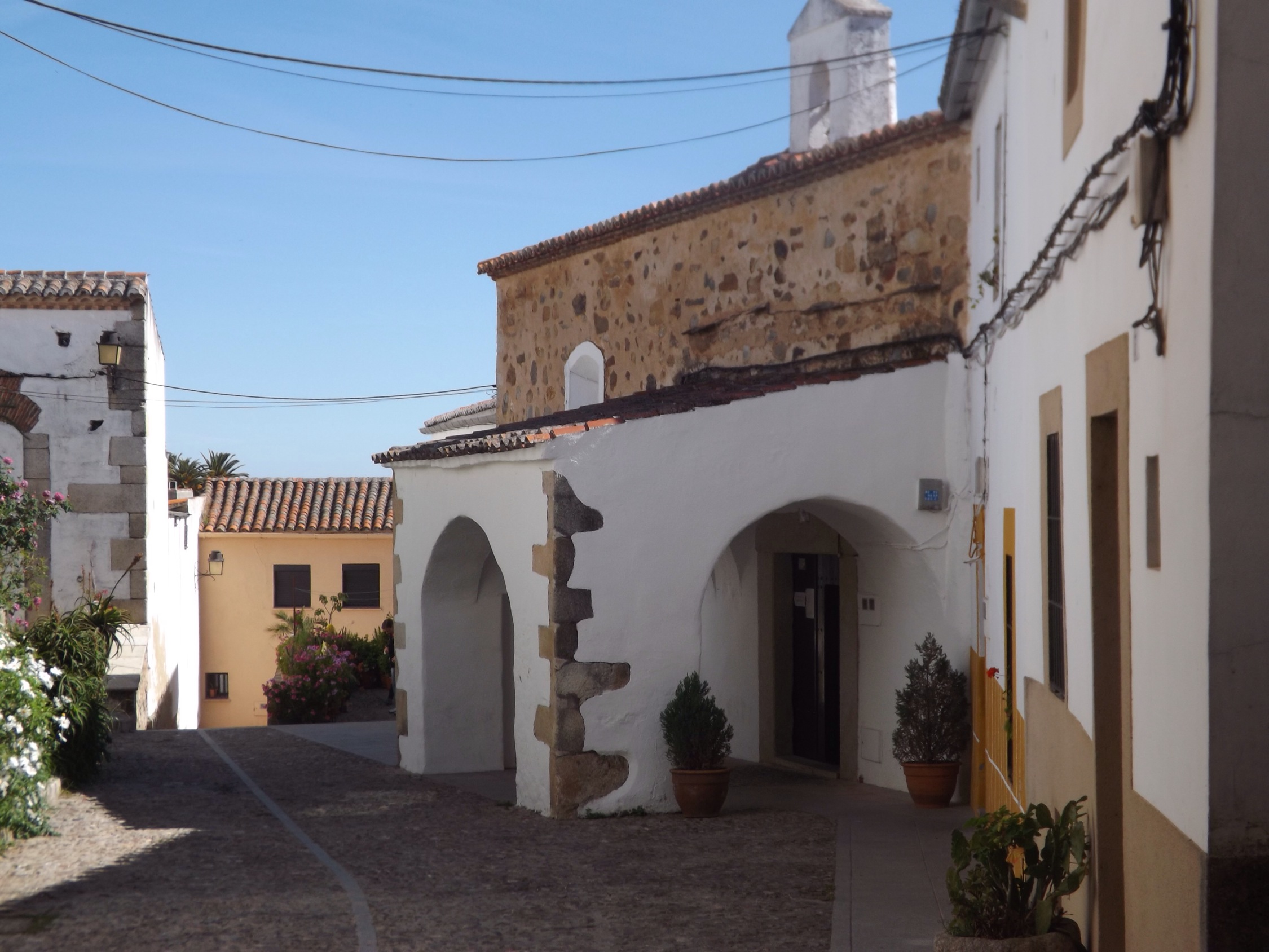
 Visited the old Jewish Quarter,Barrio St Antonio,within which was a fort that guarded an important water source for the city.

 We then visited the Caceres Municipal Museum, which housed the most uninteresting and sparse variety of objects you could imagine; the building itself was the only rewarding aspect.
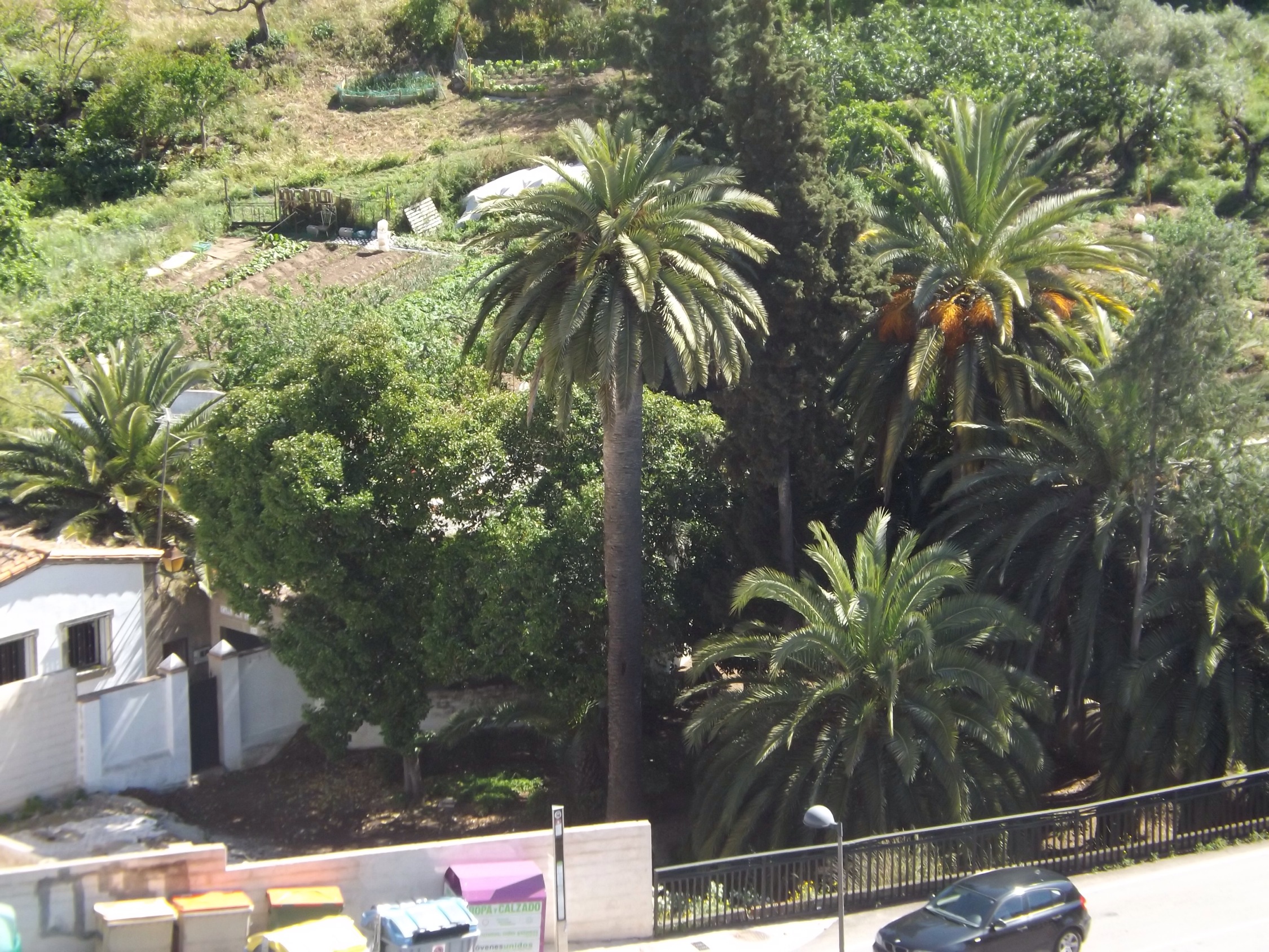 Above is view of the local Allotments bordering the Ribera stream; contrasts with mine!
It pays to keep looking upwards,

 Storks are one of the city’s emblems; precarious nesting sites on nearly every tower or chimney.

A third of this Camino completed, with the possibility of a third stage later this year.Hopefully, the final destination of that stage will be as arresting as Caceres.
Finally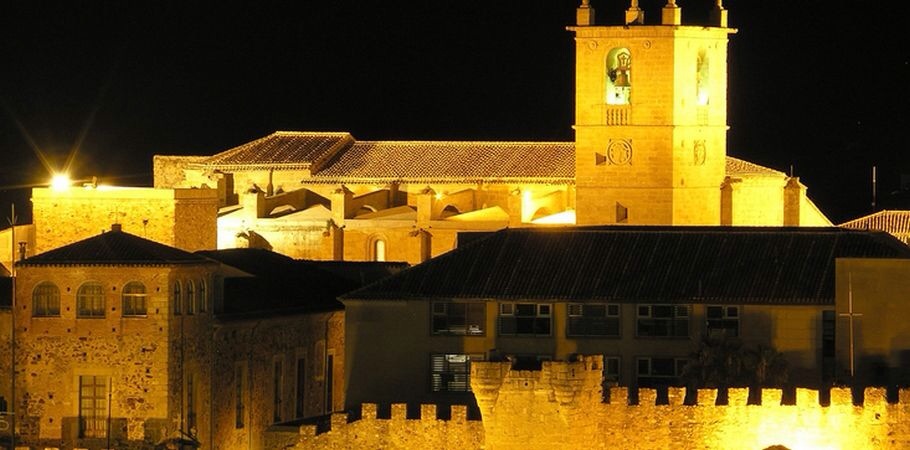
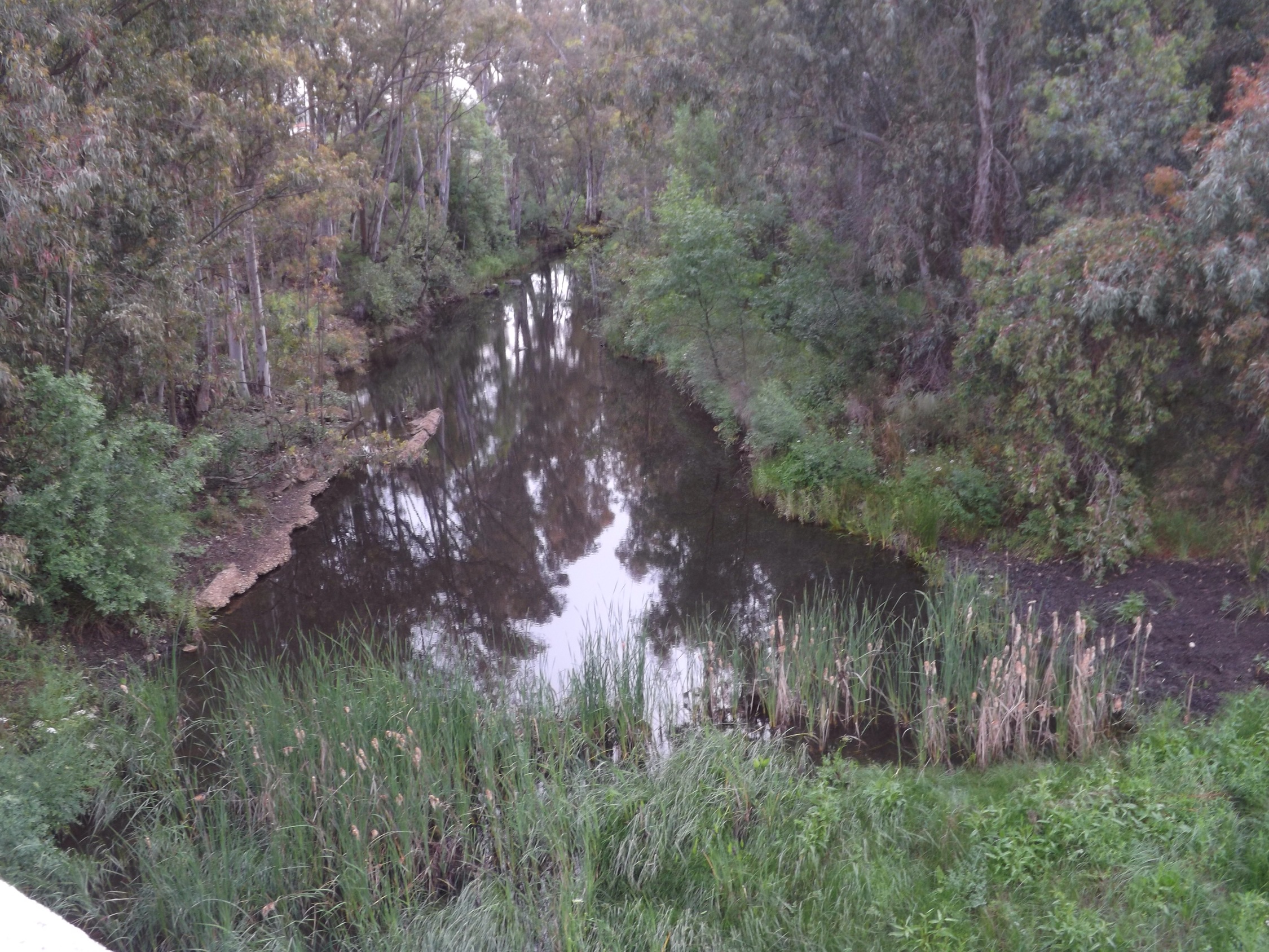
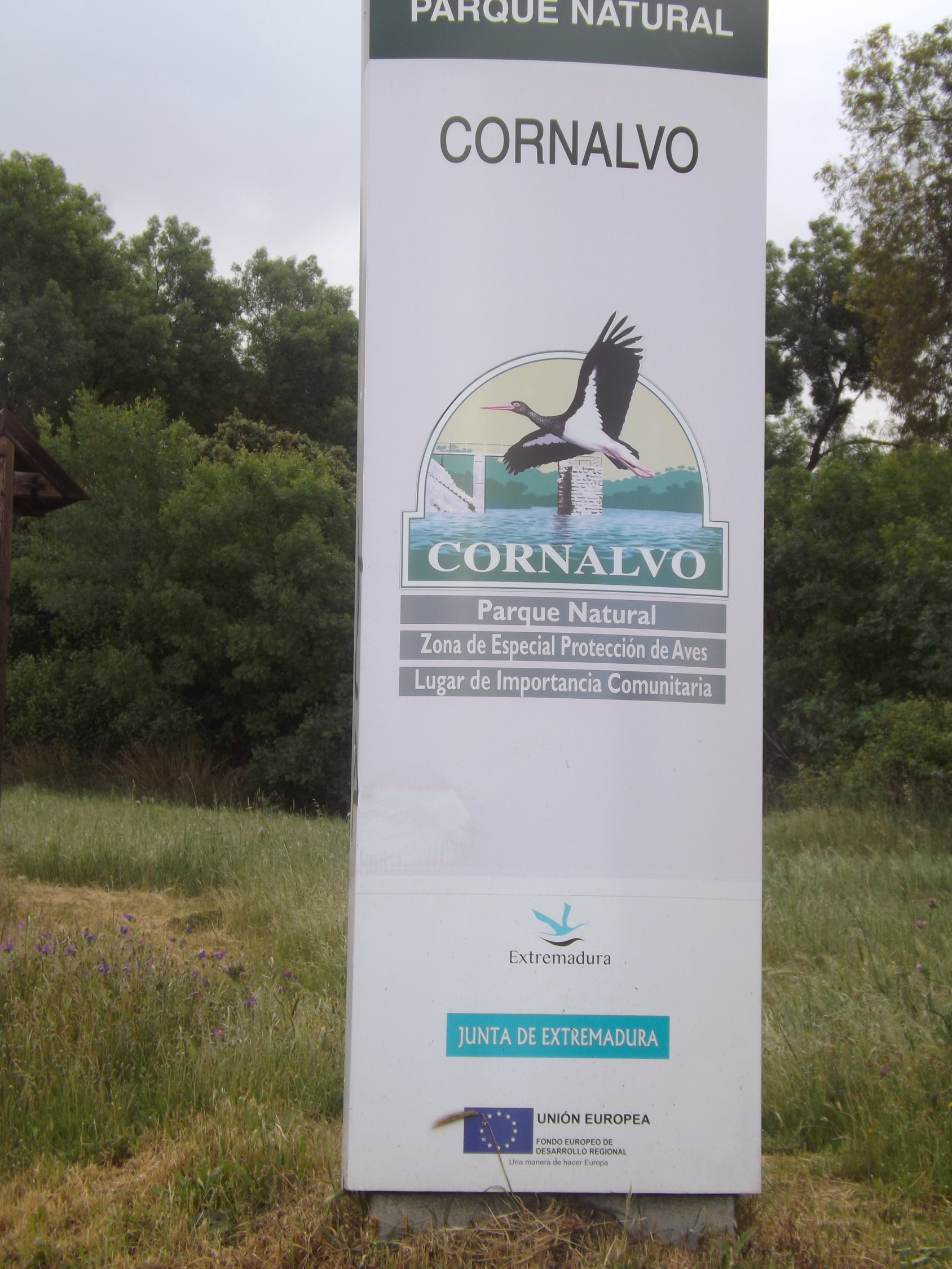













 We entered Monesterio, Ham Capital of the region, passing by the Museum of Ham , we found our Hotel Leo.
 The plains of Tetudia to the West and the Campina Sur to the East; rolling plains and more arable farming, with massive vistas on either side of our Roman route,which undulated and seemed to bisect them both.
 Our destination,Fuente De Cantos,loomed tantalisingly in the distance.We crossed another stream and took a bag break,by a mini cross”.
 We reached our Apartment, after 23 Km;very welcoming and spacious,with the biggest grasshopper I have ever seen !
 Tomorrow,Zafra a beautiful place apparently; after 27km, I hope we can appreciate it. Meanwhile…..
 If you think this was a plant; you are right.The smile was soon wiped of our faces when we climbed the “Calvary” Hill towards the end of the day’s walk.
 We were rewarded for our breathless 550 Metre ascent, with the spectacle of Iberian Black Pigs snuffling about.
 And the ancient mining village ( our next destination ),Almaden de la Plata; an unspoilt gem of a village,where we found El Romeral, our Casa Rural.Storks nesting on the church
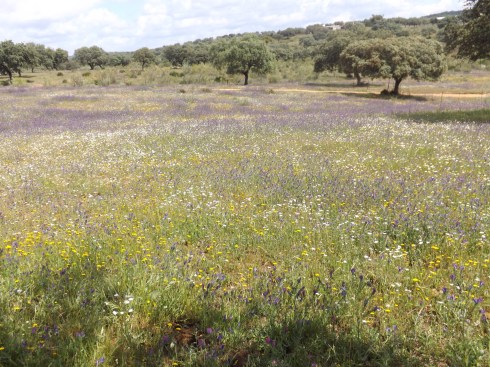
  Our next walk, took us through more Oak forest, punctuated by Cactus hedges and cared for countryside.
 The Camino took us past farms, with goats, pigs and sheep; we were moments behind this birthday.
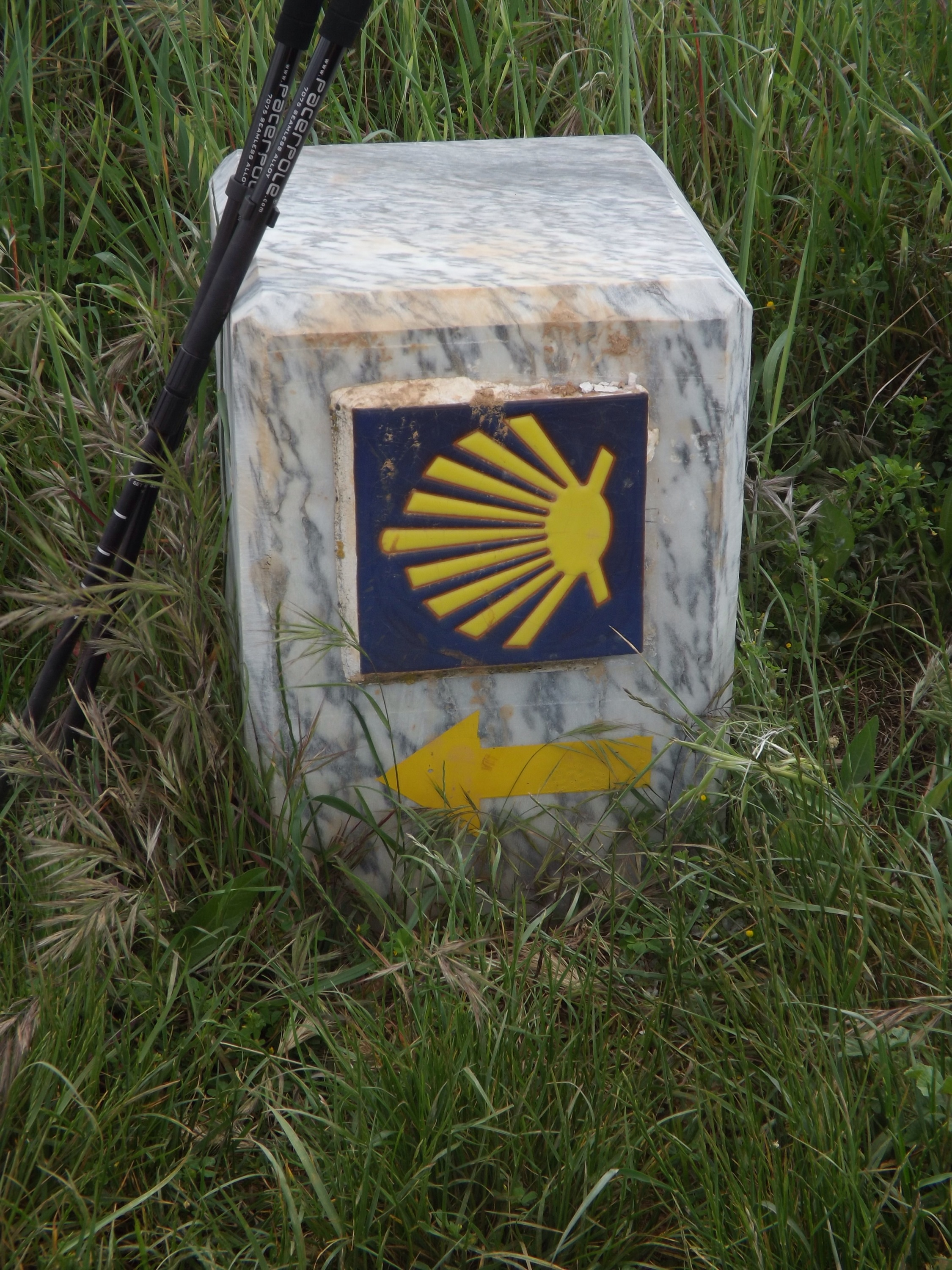
 The Camino contined through managed forest,and was well signposted by the Seville Confraternity.
 Two Kms from our destination was a poignant memorial to the man most responsible for resurrecting the Via de la Plata in Andalucia; his enthusiasm resulted in the office of volunteers referred to earlier in the Blog and their great way marking.
 We had climbed another,unanticipated Calvary on our way down; a fountain for Pelegrinos to refresh themselves!
 To La Encina Hostal, which was situated on the edge of a small, industrial estate; inconguous place !

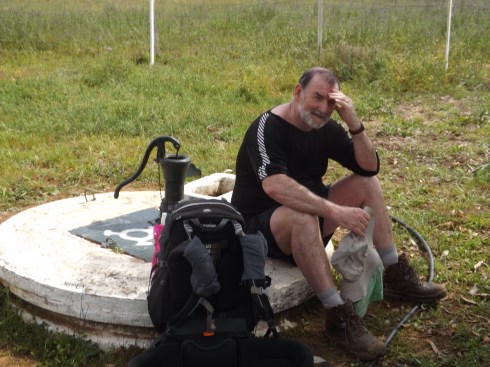
 Some cattle, rabbits.
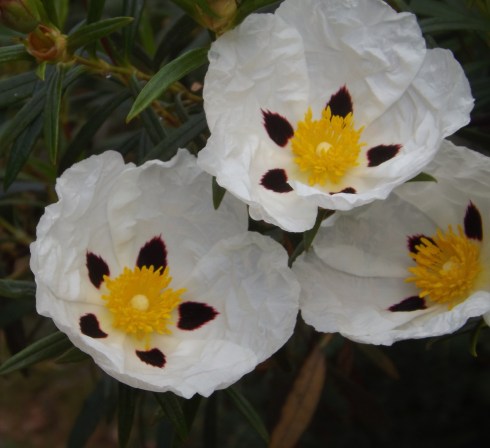
 Eventually, taking time to smell the flowers and avoid the boulders, we reached the Castillo de Blanco Hotel.
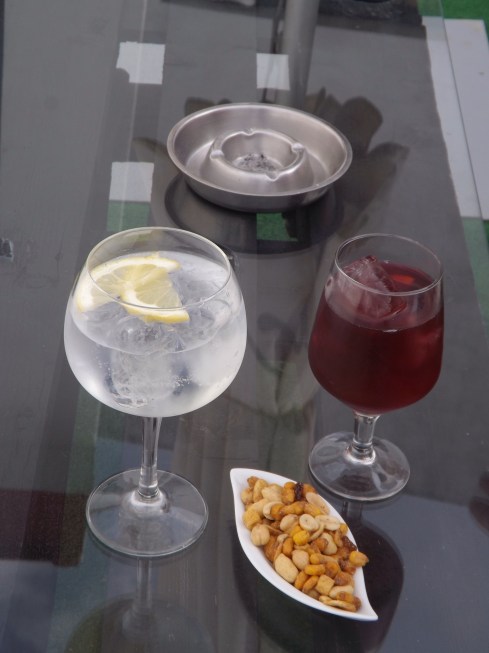
 Found local restaurant in the village for an€8.00 Menu:- Gazpacho, Deer Stew,Pud,Glass of wine – Muy Bien!
 ensuitepilgrim's Blog