“We are all just walking each other home.”
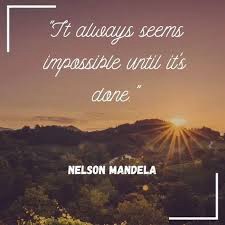
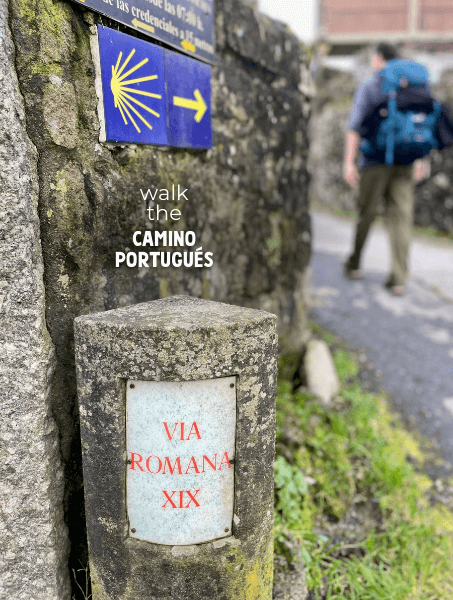
“ The stage between Caldas de Reis to Padron is what I call the Eve of the End; the final full day before reaching Santiago de Compostela.” – FROM “ THEN WE WALKED”.
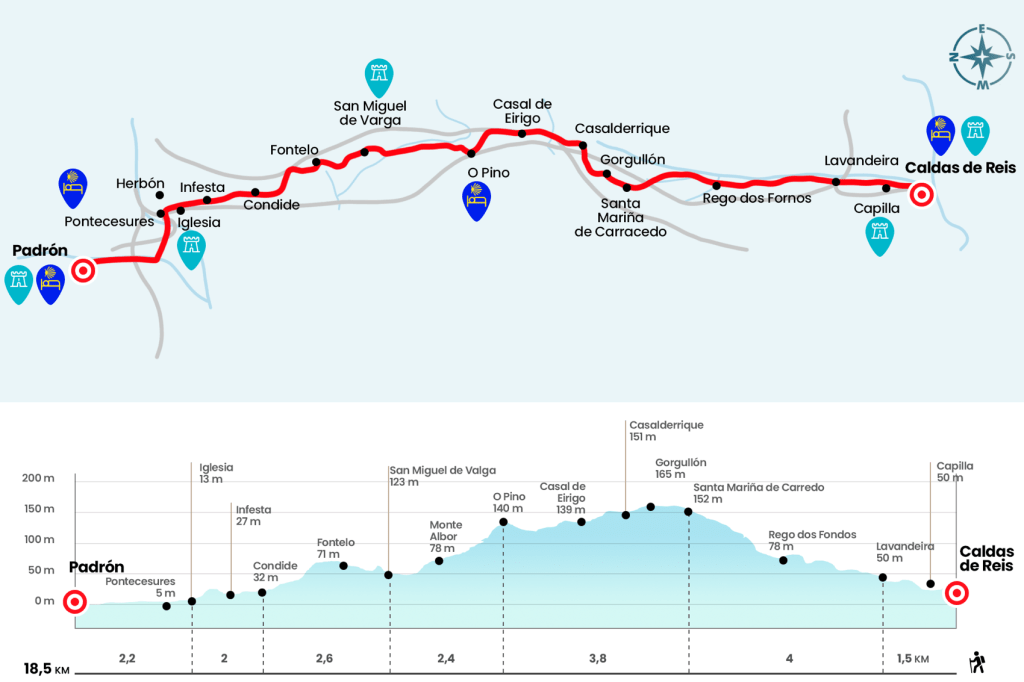
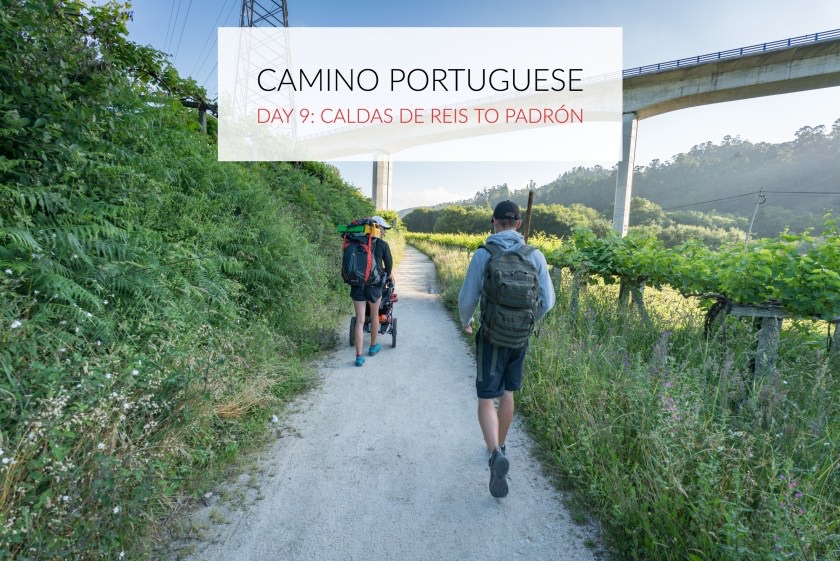
Leaving Caldas, we follow the Calle Real, the Royal Road towards Padron.
We take this road to the Puente Romano del Río Bermaña.
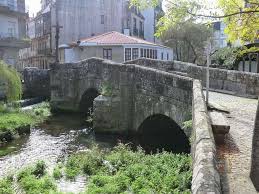
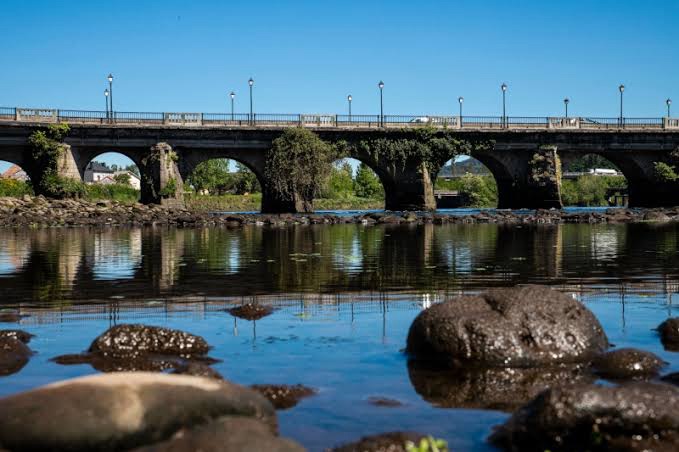
The Bermaña Bridge is a granite stonework bridge originated during the Roman era that dates back to the 1st century. It is formed by three semicircular arches and triangular starlings. It was a part of an old Roman military path that used to go through Aquis Celenis. It is one of the most beautiful areas of the village.
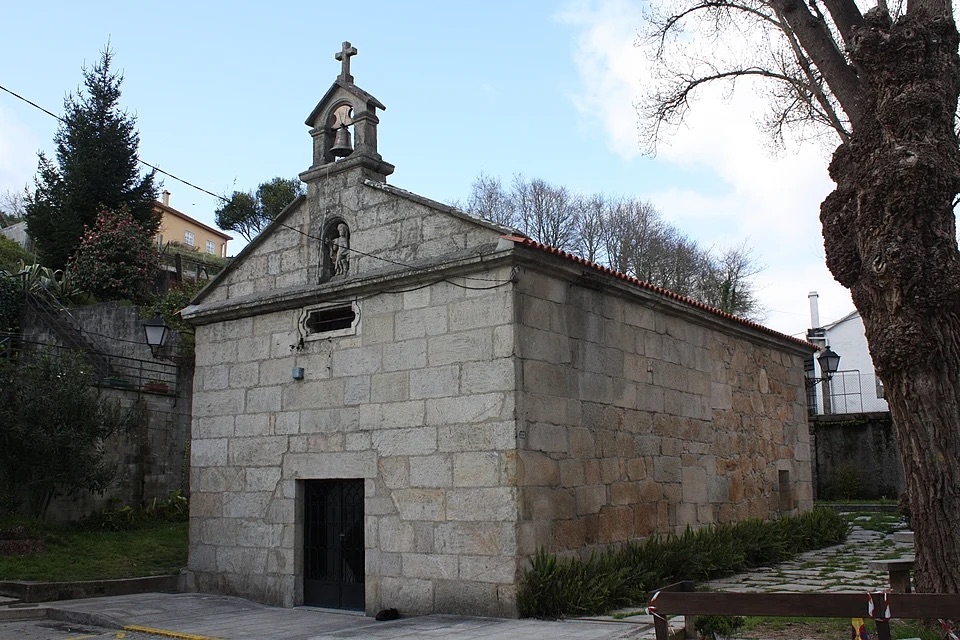
Walking on, we shall pass the 16th-century Capela de San Roque, which is also thought to have been built on the site of an earlier religious structure. San Roque (Saint Roch) is considered a protector against plagues and illnesses.
https://music.youtube.com/watch?v=ObYbVQ1SJtc&si=dtGDt1XRKaiKlxJJ “ High on the Skyline” by the New Mendicants.
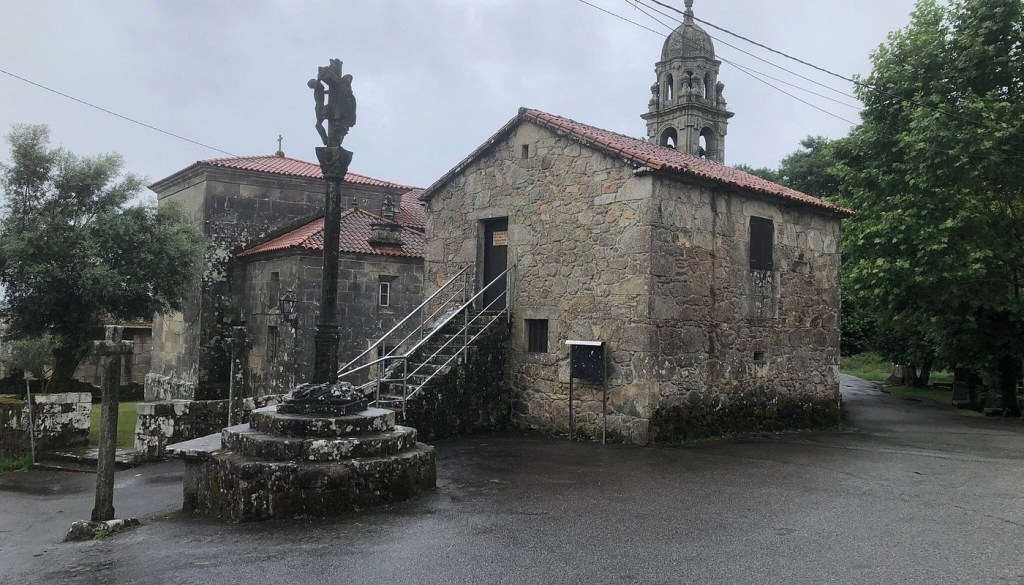
Its origins aren’t entirely clear but the church is striking with large palm trees and some interesting wooden sculpture in the grounds.
We cross the beloved N-550, past an automatic kiosk on a gravel path parallel to the Motorway AP-9 which we cross by a bridge eventually entering woodland upto Valga/ O Pino.
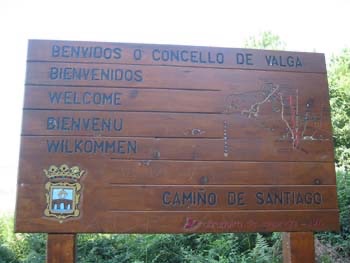
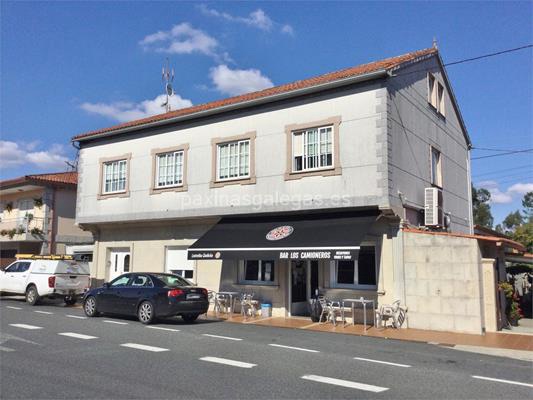
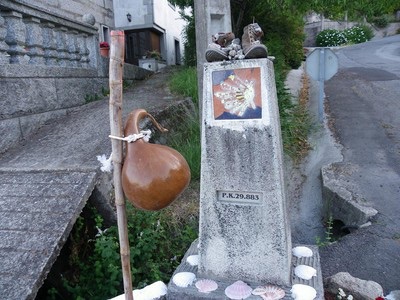
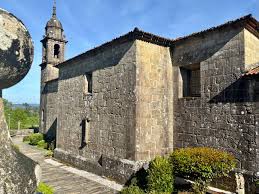
San Miguel de Valga is part of the wider Valga municipality, in an area rich in history. The earliest evidence of human habitation dates back to the Bronze Age, with artifacts now preserved in San Miguel de Valga.
The Celtic tribes thrived here between the 6th century BC and the 2nd century AD, leaving behind fortifications and settlements.
From here we pass through small hamlets of Fontelo,Confide and Infesta . The Camino is well sign posted .
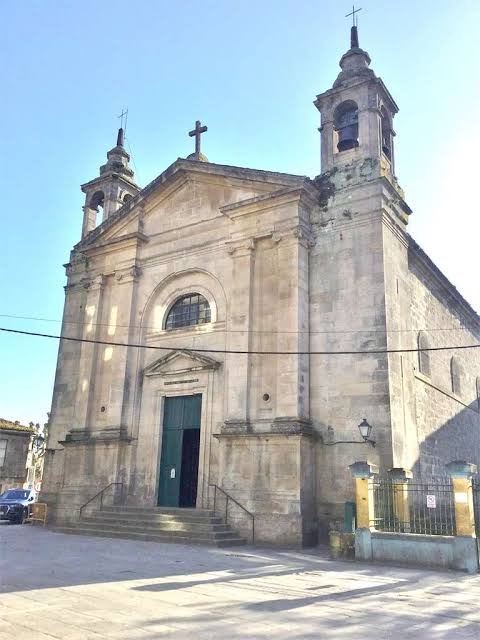
“Perfect location right on the Camino. Very comfortable for our group of 7. Close to everything! The host was amazing” Recent review.
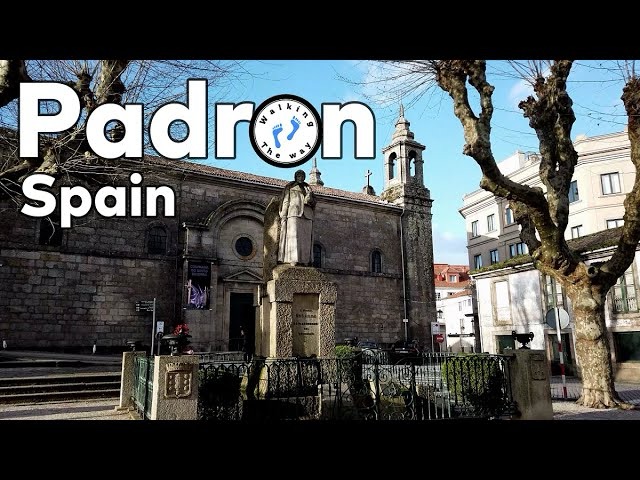
Traditionally, this town’s history is linked to that of the apostle Santiago (St. James)
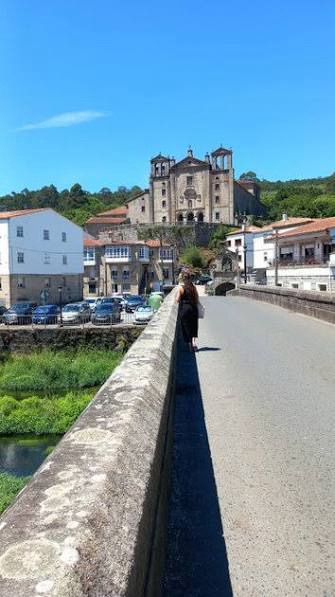
Situated just 22 kilometres from Santiago de Compostela, this town’s origins are linked to Iría Flavia. This was the Roman city to which the apostle Santiago’s remains were brought from Jerusalem. Its countryside, gastronomy and historic heritage are the main attractions for tourists, although the town is perhaps best known as the home of two important writers: poet Rosalía de Castro and Nobel literature prize winner, Camilo José Cela. In fact, in this town you will find the Rosalía de Castro House-Museum and the Camilo José Cela Foundation.
https://www.padronturismo.gal/en/for-discovering/ Some highlights.
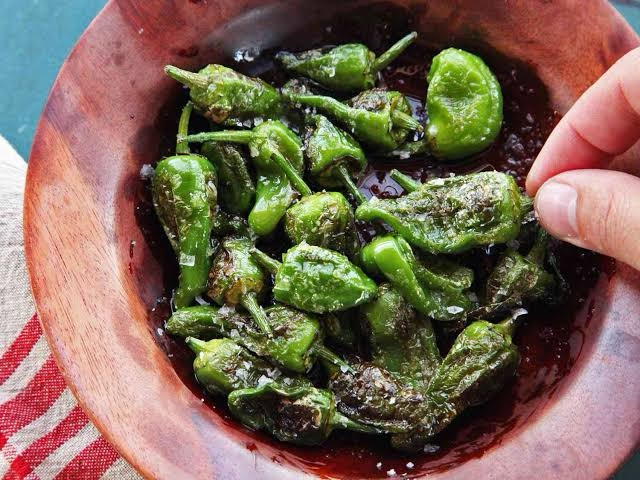
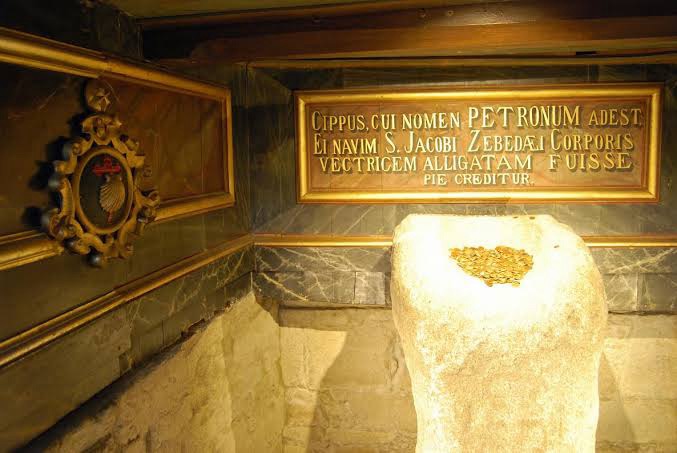
Padrón is closely linked to the Way of St. James and the Apostle James. According to tradition, it was in this region that St. James the Greater preached the Good News. Due to this, after he died in Jaffa, Palestine, his body was brought here by two of his disciples, Theodore and Athanasius. After a long voyage accompanying the Apostle’s body, they came to the Port of Murgadán, Iria Flava, where they moored their boat to a Roman altar stone in the Sar River. The stone, which is called the “Pedrón,” is now located under the main altar of the Church of Santiago.
Padrón thereby became the “Cradle of the Way of St. James,” as demonstrated by the existence of several heritage sites in the municipal district.
https://music.youtube.com/watch?v=DCPVSyFBfoE&si=j5W19YL_O1265UoI
 ensuitepilgrim's Blog
Leave a comment