
“Viana do Castelo is
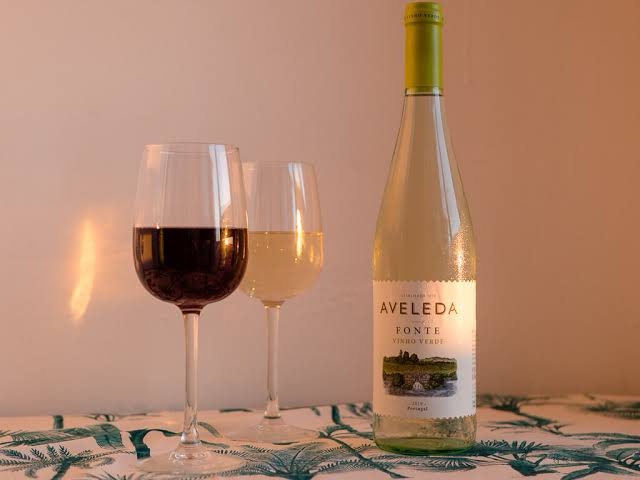
A historic,, maritime city in northern Portugal known as the cradle of vinho verde, featuring a blend of medieval, Manueline, and Art Deco architecture alongside Atlantic beaches. Situated on the Lima River, it is famous for the mountaintop Santa Luzia Sanctuary, the historic Gil Eannes hospital ship, and vibrant local gastronomy.
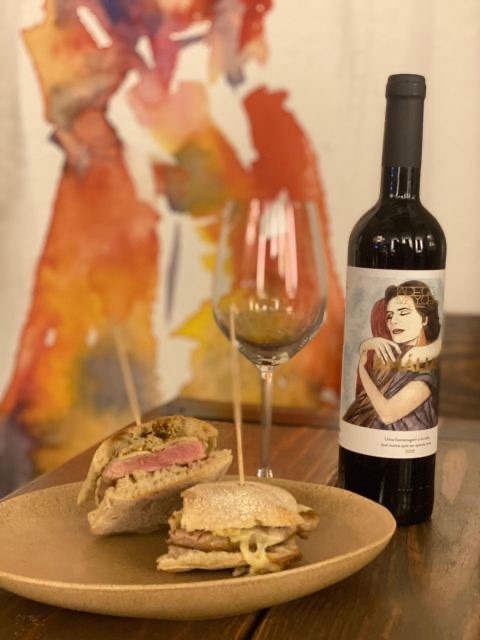
https://music.youtube.com/watch?v=rv3WgKFqvtc&si=lGcWE-CfOc-Qksmh AMALIA RODRIGUES
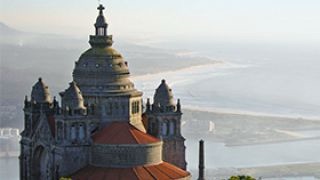
The special geographical situation of the city, next to the sea and to the mouth of the river Lima, can be seen from the Santa Luzia hill. This stunning view and the Basilica of the Sacred Heart of Jesus, a revivalist building by Ventura Terra, of 1898, could be your starting point for visiting the city. It is accessible on foot but this requires a steep climb of many steps.
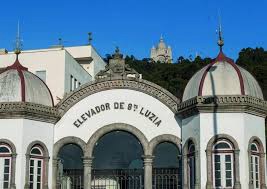
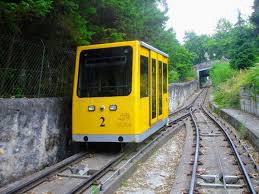
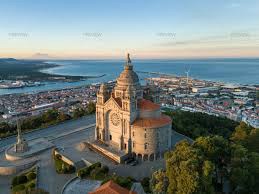
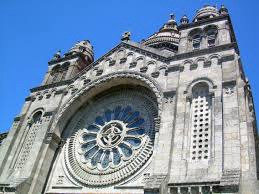
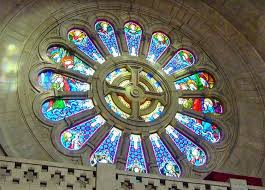
Architecturally, it is of Romanesque-Byzantine inspiration, fitting into the revivalist architecture that marked the turn of the century. Its imposing rose windows are the largest in the Iberian Peninsula and the second largest in Europe.
This place dominates an important part of the Lima river valley and a large stretch of the seashore to the north and south of the estuary, as well as the green mountain range. This panorama has been rated by the National Geographic Magazine as the third most beautiful in the World.
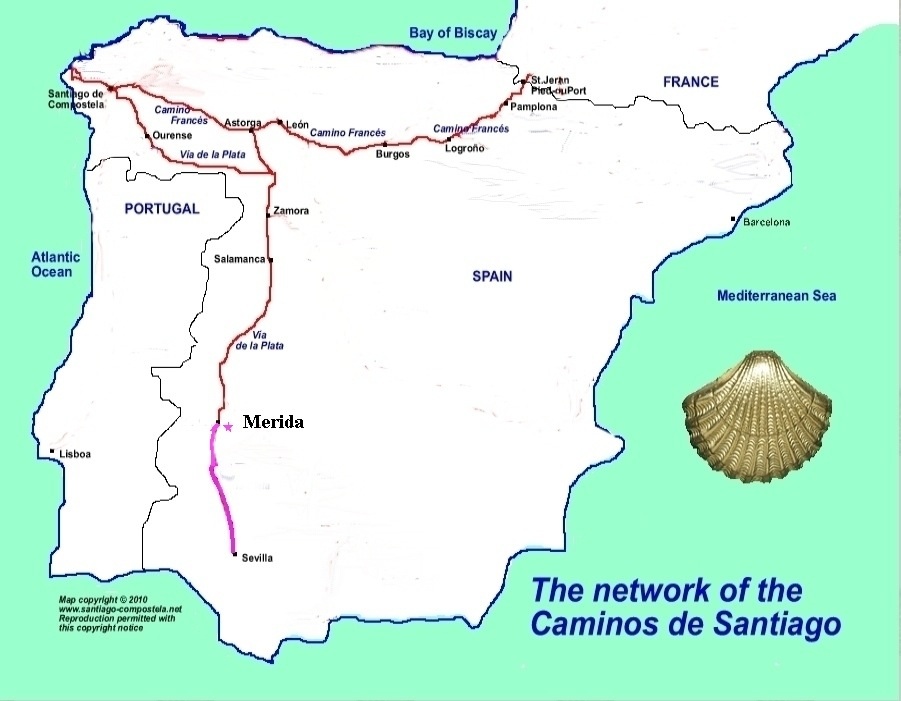
Viana was a popular Camino destination in medieval times.
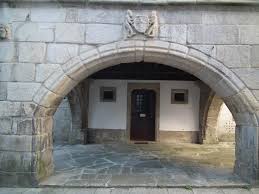
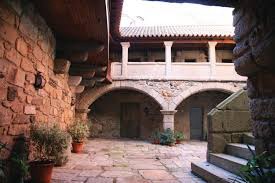
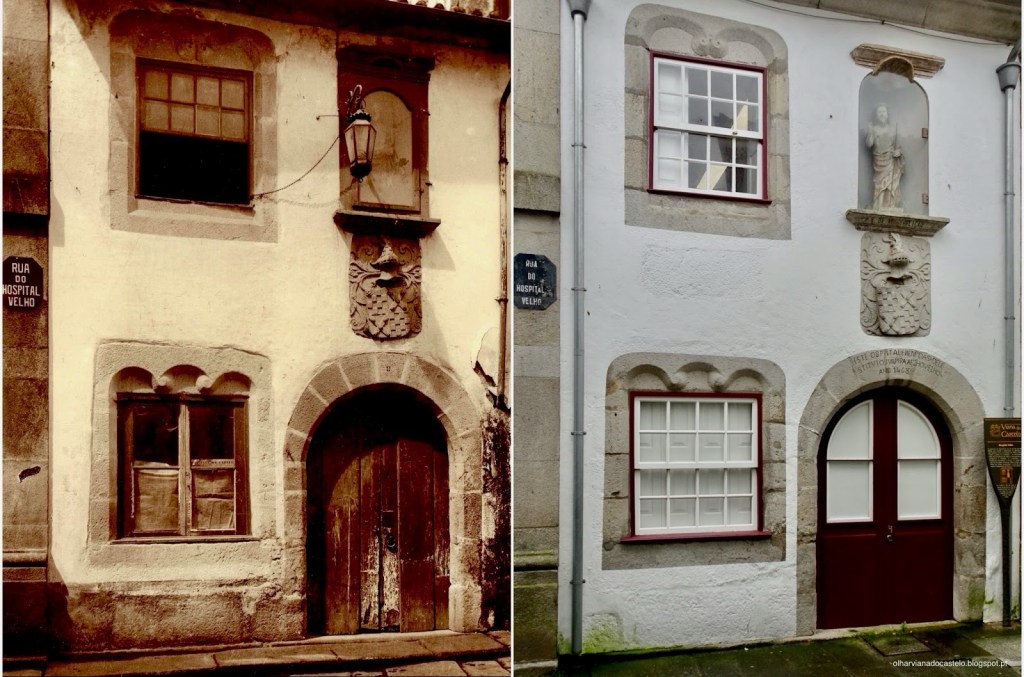
Hospital Velho – originally a pilgrim inn and recently a Turismo.
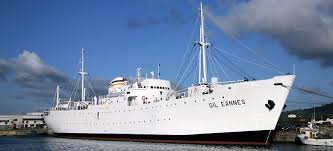
The Gil Eannes Hospital Ship, built in Viana do Castelo in 1955, for decades supported the Portuguese cod fishing fleet that operated on the banks of Newfoundland and Greenland.
It has been converted into a Museological Unit and Sea Centre, giving its visitors a truly remarkable experience. Today it is a focal visitor attraction in Viana do Castelo.
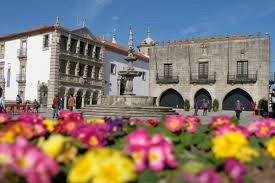
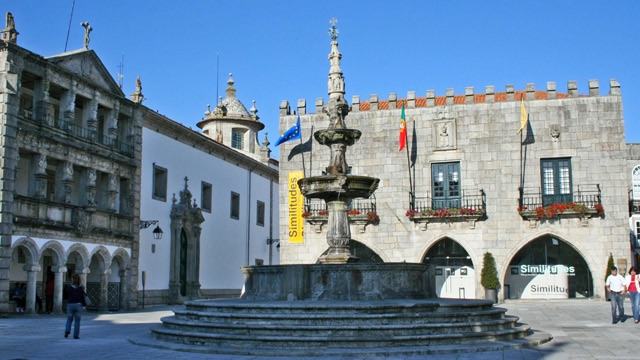
Praca da Republica is a prominent public square in Viana do Castelo, Portugal, known for its historical and cultural significance. The square is surrounded by notable architectural landmarks, including the 16th-century Misericórdia building and the old Town Hall. It serves as a central hub for local events and gatherings, offering a glimpse into the city’s rich heritage. The square is often bustling with activity, featuring cafes and shops that provide a lively atmosphere. Its central fountain and open space make it a popular spot for both locals and tourists to relax and enjoy the surroundings.
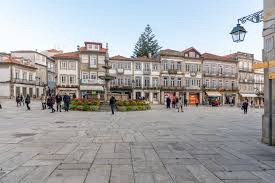
Viana is rich in palaces emblazoned with coats of arms, churches and monasteries, monumental fountains and water features that constitute a wealth of heritage worth visiting. At the Tourist Office, you can ask for a brochure and choose a route inspired by Manueline, Renaissance, Baroque, Art Deco or tile architecture. Whichever streets you stroll through in the historic centre, you will always come back to the Praça da República.
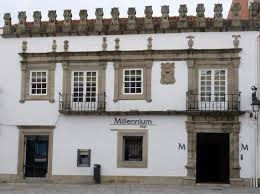
Many of the city’s big houses are named after prominent local families, such as Casa de Sá Soutomaior .
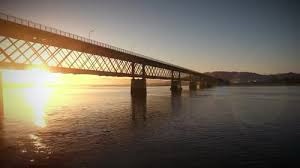
It’s a great example of 19th-century engineering and adds to Viana’s historical charm.
This road and railway bridge is 736 metres long and was launched in one piece. The bare mass was 1,600 tonnes and exceeded the weight of the largest bridge decks that were launched. The nine piers were air-founded at a depth of 25 metres below ground level.
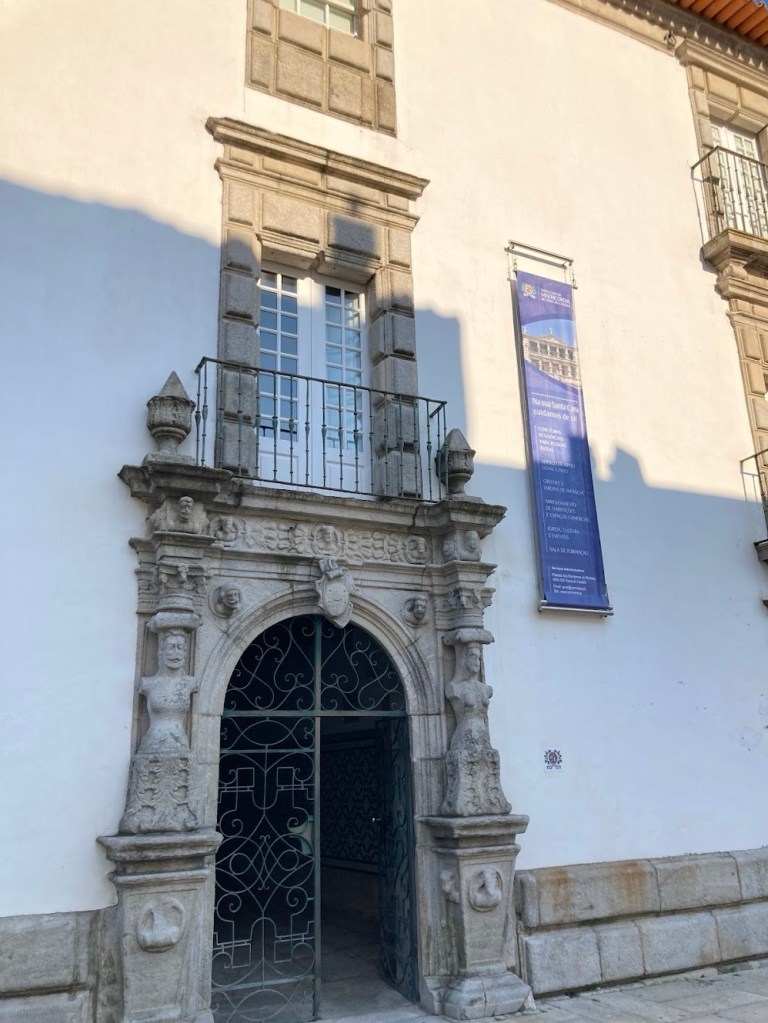
Igreja da Misericórdia de Viana do Castelo – a hidden gem.
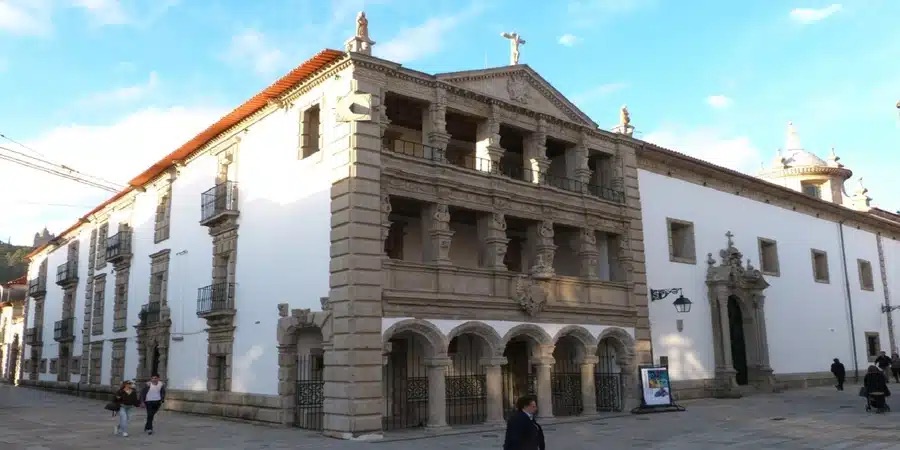
The Misericórdia (Mercy) building and the church date from the 16th century.
Created in 1520, the Misericórdia brotherhood developed to the extent that they decided to build the so-called “Casa das Varandas”, in the second quarter of the 16th century.
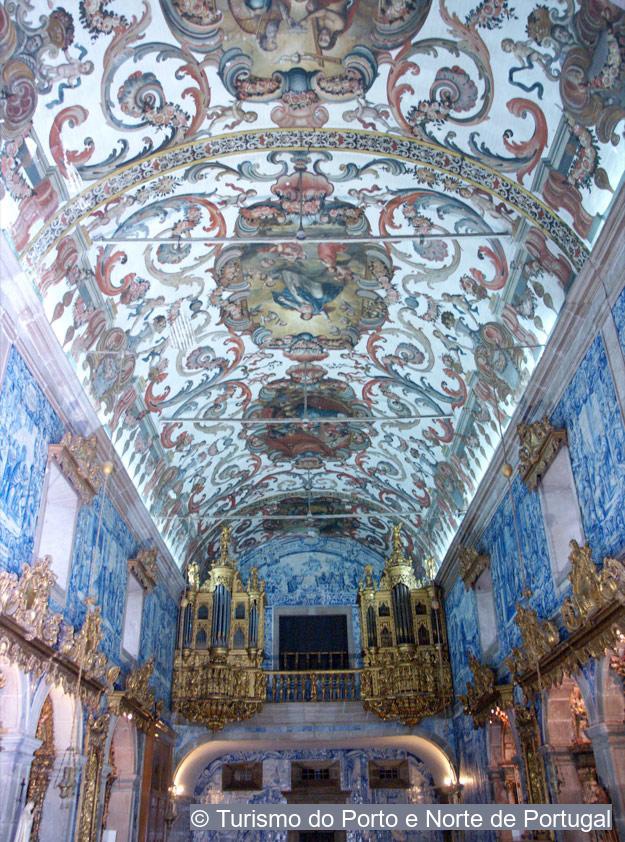
Renovation work on the church started in 1716 and were entrusted to Manuel Pinto de Vilalobos, a military engineer working in Viana. The decorative opulence displayed inside the church is in keeping with the tendency of the time.
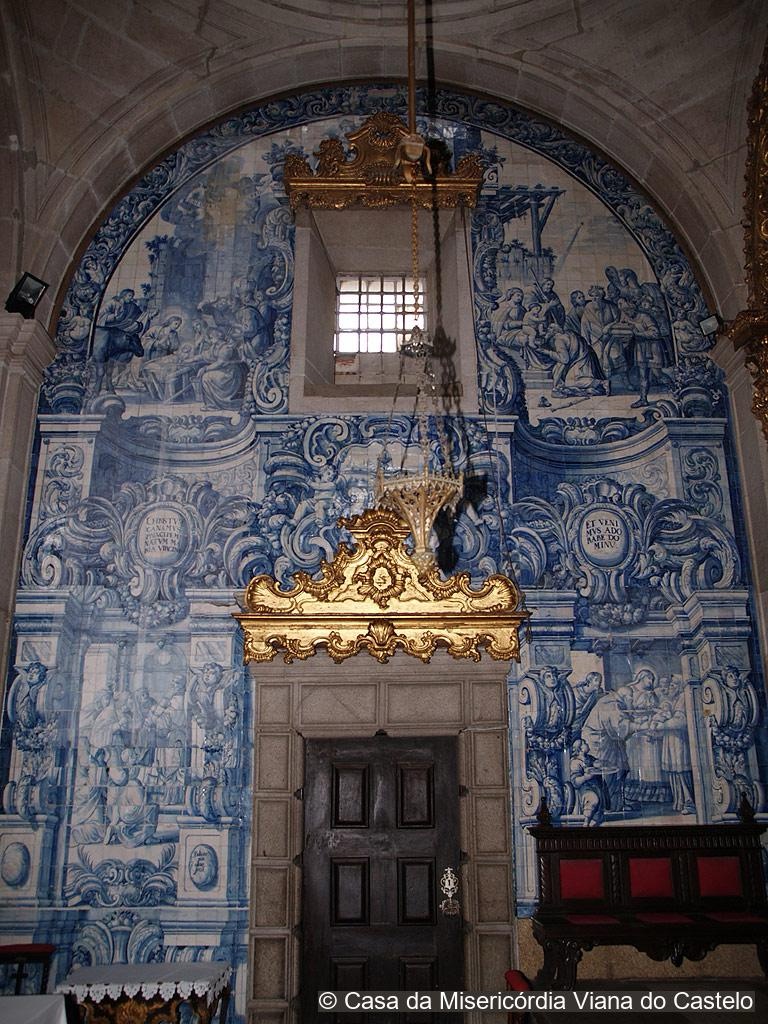
It is seen in Portuguese style gilded carving of the altarpieces, by Ambrósio Coelho, in the glazed tile coatings, the work of Policarpo de Oliveira Bernardes, in the frescoes on the ceiling, by Manuel Gomes. It is unquestionably one of the finest examples of the Baroque in the whole of Portugal.
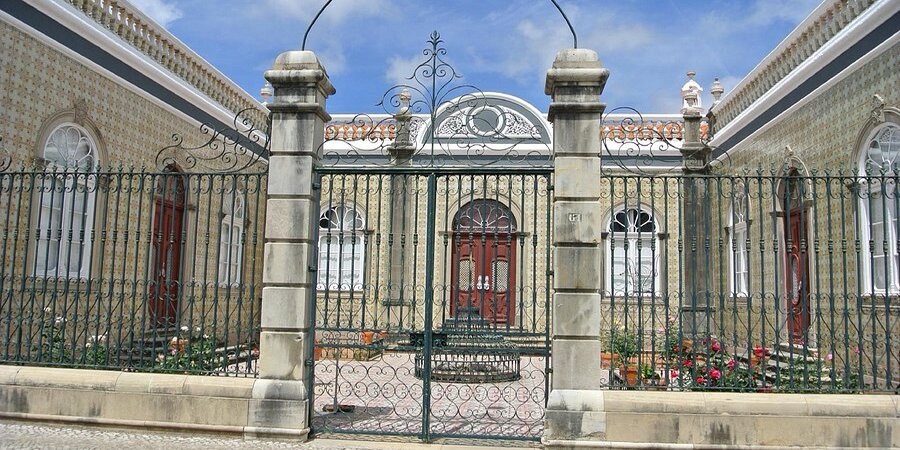
Museu do Traje (Museum of Attire) It
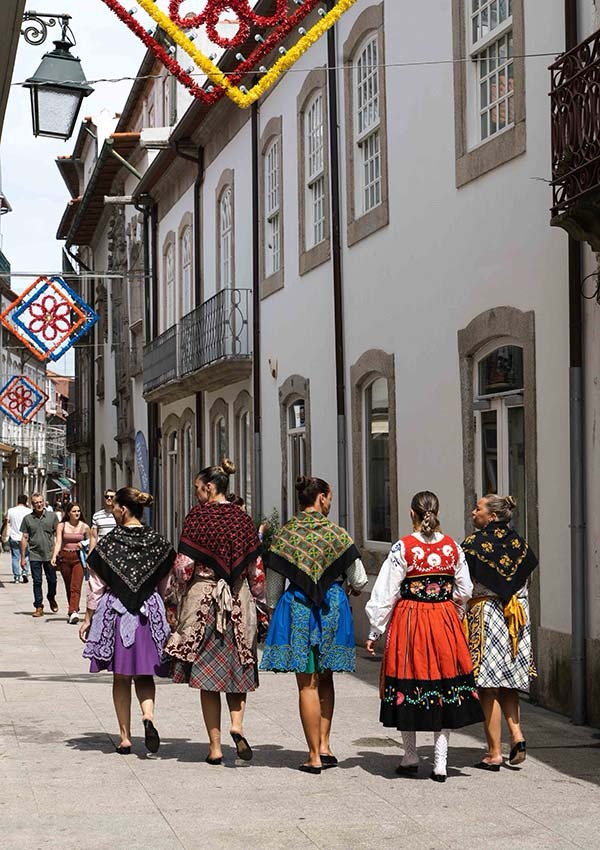
offers a deep dive into Viana’s rich folklore and traditional clothing. Housed in a former Bank of Portugal building, the museum showcases the beautiful Vianese costumes worn during festivals. These costumes play an important role in the city’s cultural identity.
The museum highlights the history of these costumes and the craftsmanship behind them. Traditional Vianese attire is intricate and colourful, often reflecting the region’s rural life and folk traditions. Visiting the museum is a great way to learn about Viana’s unique cultural heritage.
AN ALTERNATIVE TOUR
SAMPLE VIANA’S PLEASURES WITH A WALK AROUND THE OLD TOWN
“A leisurely paced walking tour will introduce the history, architecture and exceptional river views that can be found all over Viana. Start at the Sé (cathedral), a 15th-century construction with a Romanesque-style facade flanked by two imposing towers. Continue on to the Praça da República, the sociocultural and political center of Viana for more than 500 years. Three historic sites grace the square: the crenellated Antigos Paços do Concelho, Viana’s former city hall; the elaborate Igreja de Misericórdia church; and the elegant 16th-century chafariz (fountain).
Next, head toward the river, stopping by the Casa dos Nichos, a 15th-century building that houses an archaeological museum. On the banks of the Rio Lima, Praça da Liberdade is a huge square where the city has been investing in such contemporary buildings as the Centro Cultural de Viana do Castelo and the Biblioteca Municipal. Heading back toward town, stop at the Museu de Artes Decorativas, where a collection of antique Portuguese, European, Hispanic and Arabian furniture, azulejos and other decor awaits.
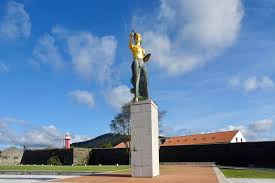
The former fortress Castelo de São Tiago da Barra marks where the river meets the sea; don’t miss the onsite Estátua à Mulher Vianesa (Statue of the Vianese Woman), a contemporary sculpture clad in shining gold.” LONELY PLANET
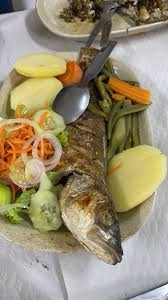
Only 35,000 people live in Viana do Castelo so it probably shouldn’t come as a surprise that vegetarian and vegan food can be a bit hard to come by. Many things you might expect to be vegetarian, like soup or salads are often topped with Chorizo (sausage) or Bacon.
However, there is one vegetarian restaurant called Terra that’s about a 15 minute walk outside of town. Good brunch items, sandwiches, snacks, and drinks in a chill atmosphere.
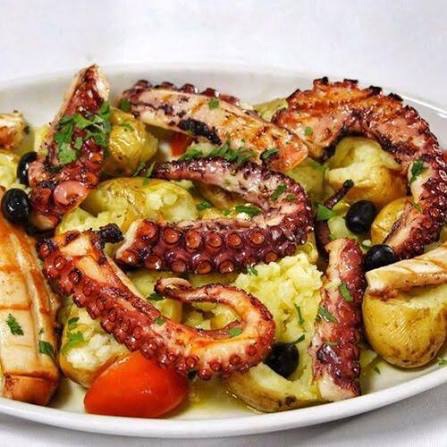
Other than that, the menus of Viana are populated with seafood (it’s on the ocean, after all) and meat dishes. In fact, a lot of menus will feature only two sections for main courses, Peixe (fish) and Carne (meat). However, most traditional restaurants will have a nice salad on the menu. Unlike some other parts of Portugal, the salads are interesting with lots of veggies, not just some lettuce, onion, tomato and a stray slice of cucumber. In addition, if you don’t see anything on the menu, ask your server, most chefs are happy to prepare something for you.
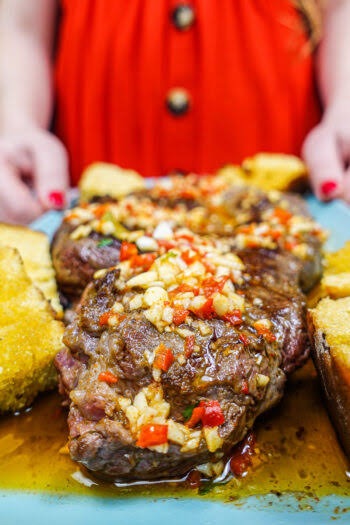
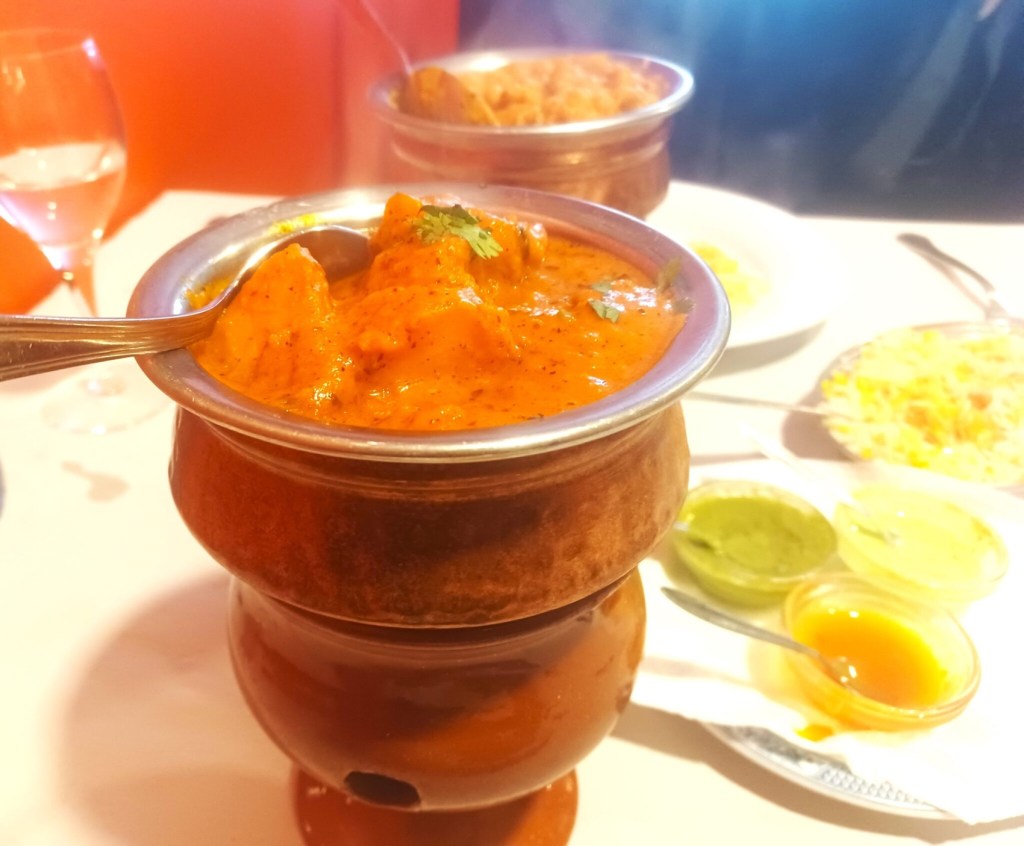
“Almost every city in Portugal has an Indian restaurant and many of them are very good. Portugal had a colony in Goa, India, so many immigrants have come to Portugal to live and work. In Viana, I like Indian Punjabi Restaurante. They have a dedicated vegetarian/vegan menu with lots of great dishes. Plus, the serving vessels are adorable!” (Local writer.)
boa saúde
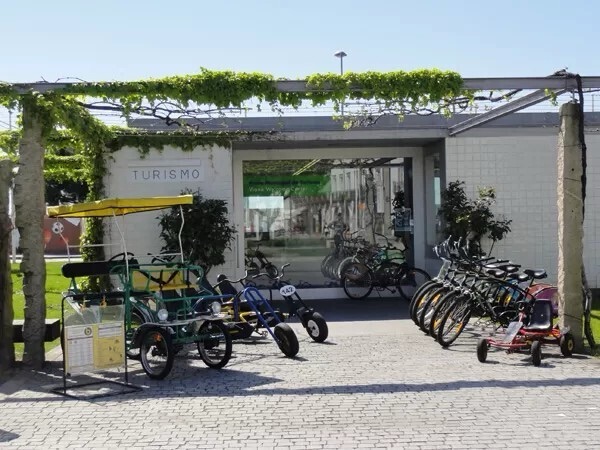
The Tourist office can be found in Praca do Eixo Atlantica.
 ensuitepilgrim's Blog
Leave a comment