Archive | February, 2026

PORTUGUESE COASTAL CAMINO May 2026 – VILANOVA de CERVEIRA to TUI

23 Feb

“…every morning we pull on our boots, hoist the pack onto our backs and set forth on another days adventure.” 20 KM
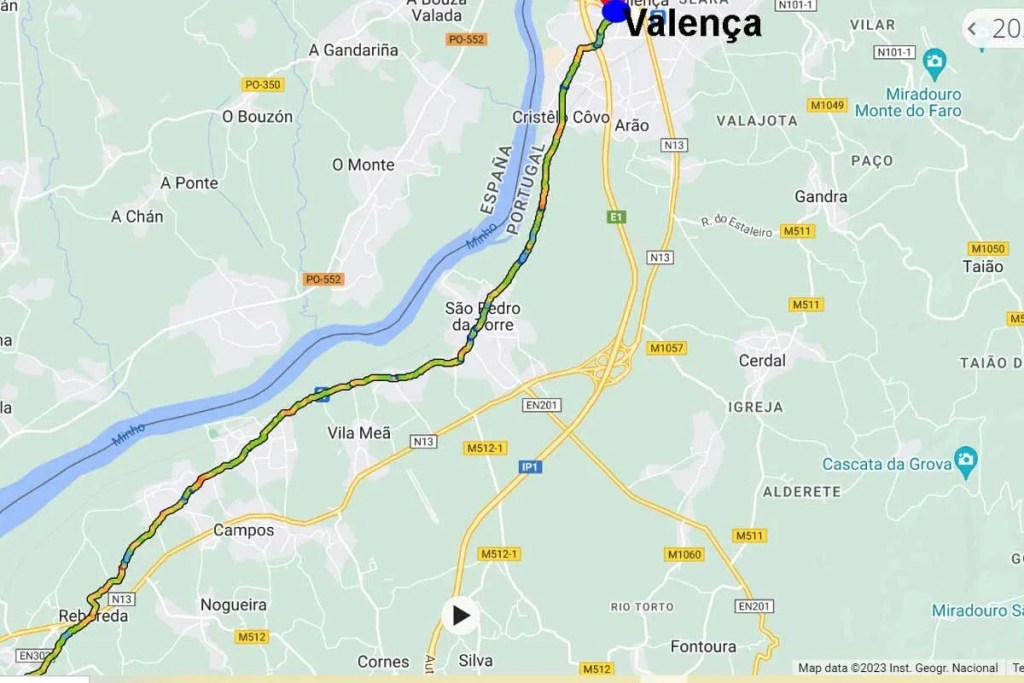
Tui is just across the bridge from Valenca and on entering Tui we shall be in Galicia,Spain.
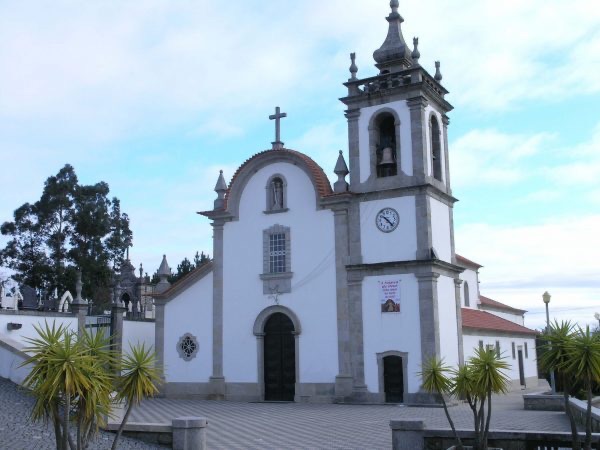
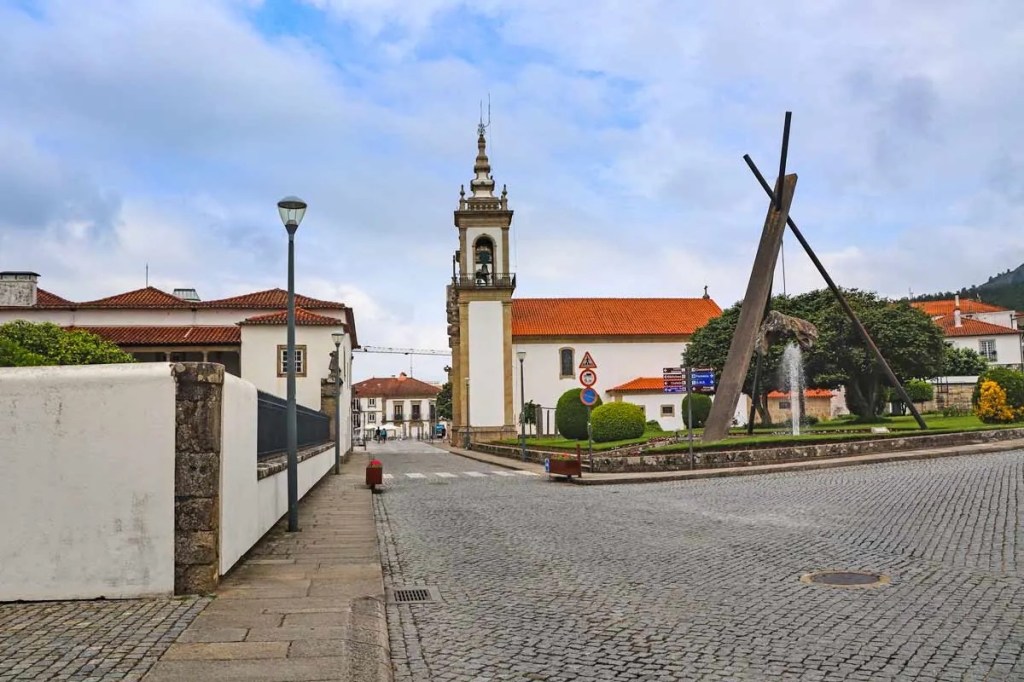
Igreja Matriz and Jardim do Auditorio Municipal in Vila Nova de Cerveira.
We start this day by leaving the old town of Cerveira and following the Minho River valley, passing the villages of Campos and São Pedro da Torre through fields and brushwoods reaching the fortified town of Valença and crossing the Minho to Tui.

The first opportunity for a coffee stop as far as I was able find is after about 1 1/2 hours’ walk along the way. There is not a lot of documentation, neither in my guide books nor Internet searches, until we actually reach the outskirts of Valenca. The general theme evokes a flat,peaceful walk for the most part .
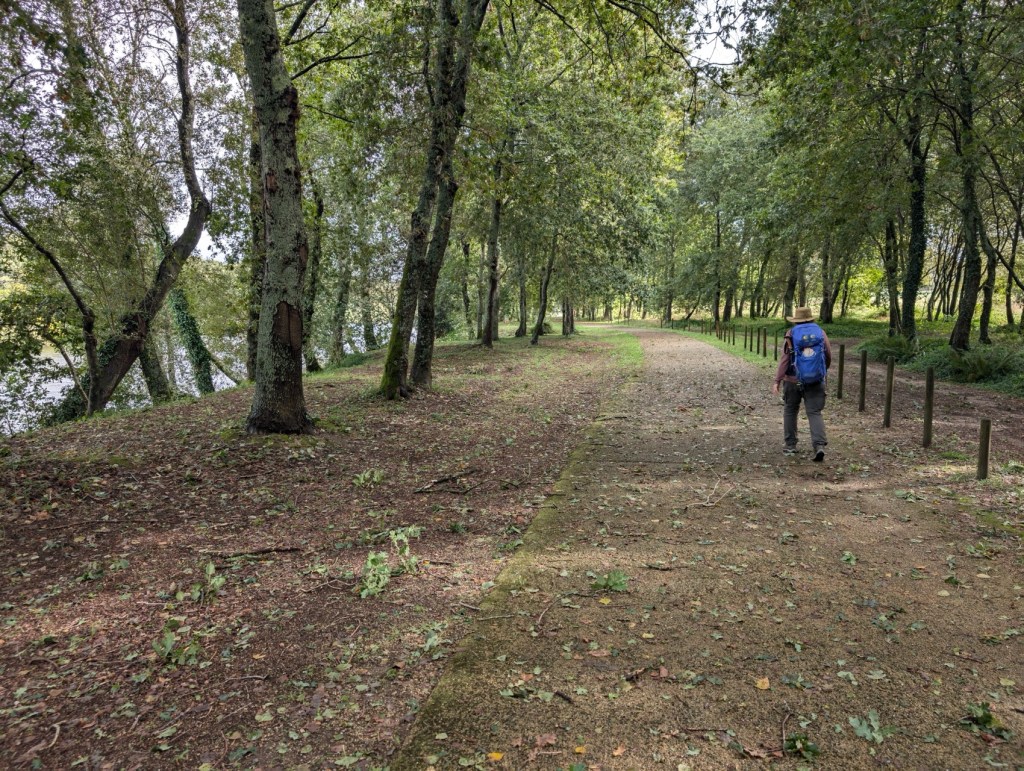
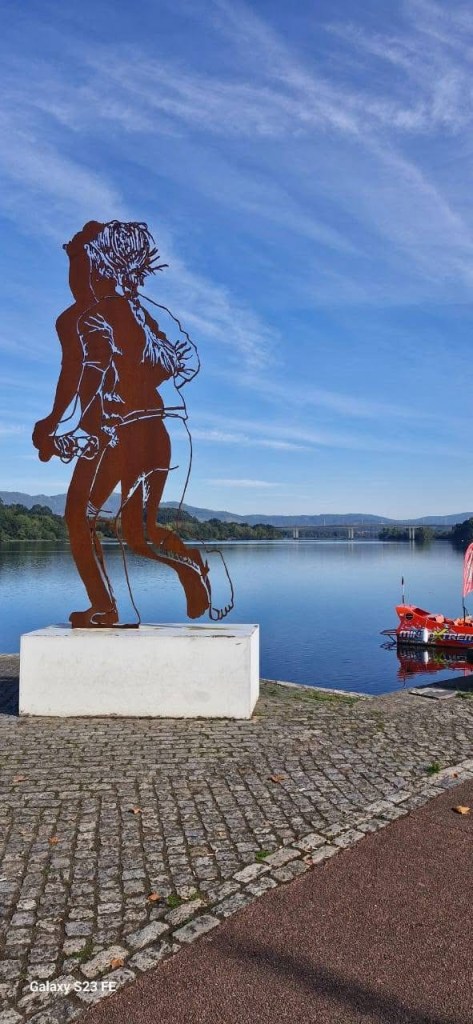
There are recreation areas along the way where it will be possible to enjoy a “ bagdrop” so bring drinks and snacks.
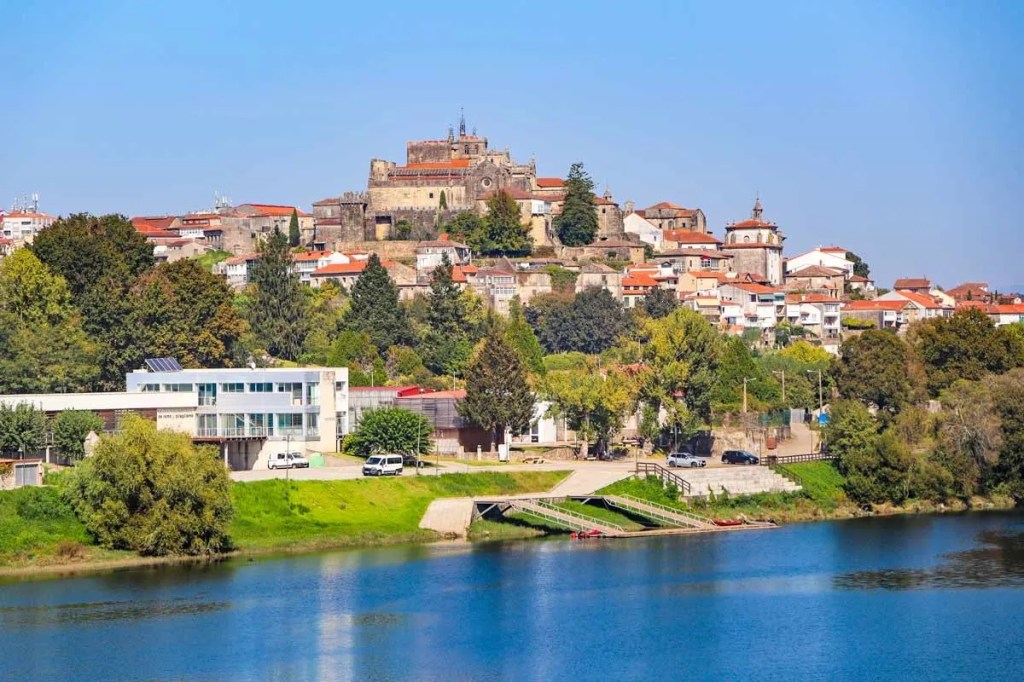
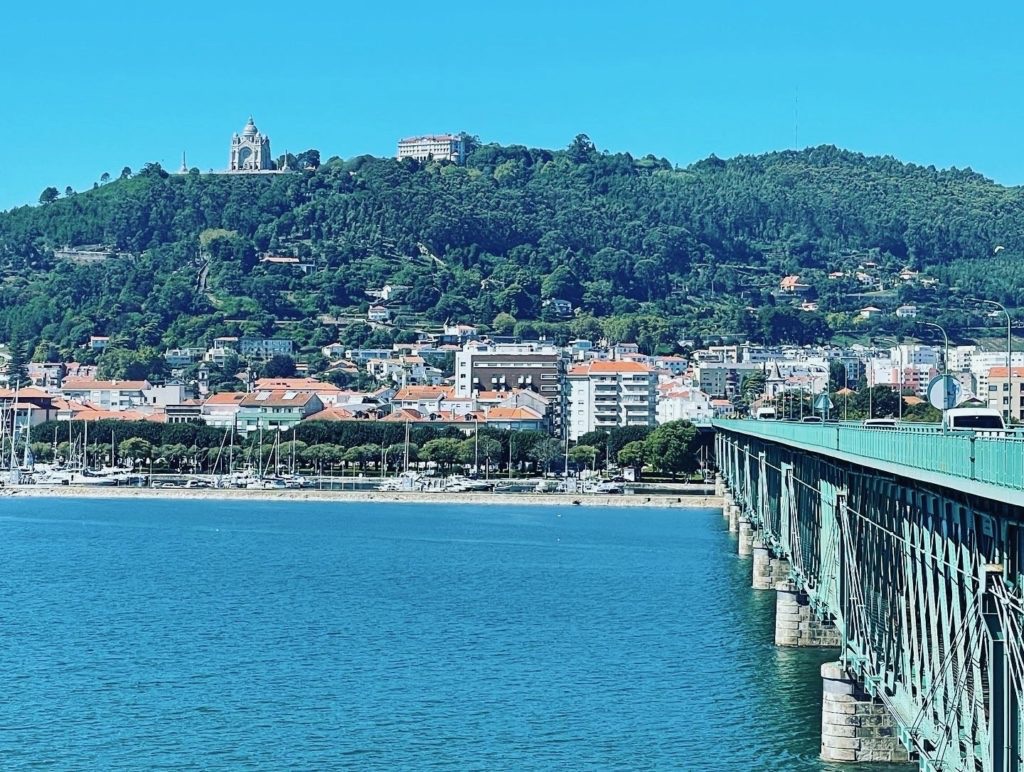
A view of the Tui fortress across the river.
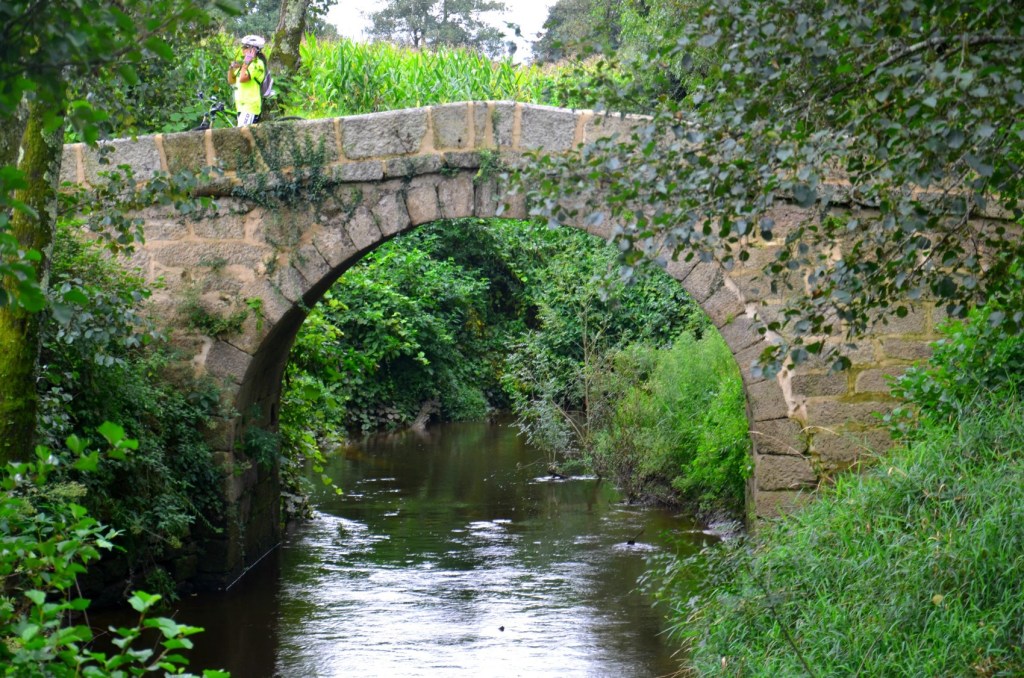
Roman-Medieval Bridge of Veiga da Mira –
A Roman-medieval construction over the Mira stream, with a three-meter-wide trestle-style deck, it was part of the Roman “per loca marinha” road and the medieval road to Valença. 

Until the mid-20th century, midnight baptisms were performed here, a fertility ritual with pre-Christian origins. We can take advantage of this rest stop and journey through the memories of pilgrims, merchants, and warriors who walked this path. 
There are a number of direction markers here. Following the Camino,according to John Brierley alongside the railway . However,it might make more sense to stick to the riverside pathway.
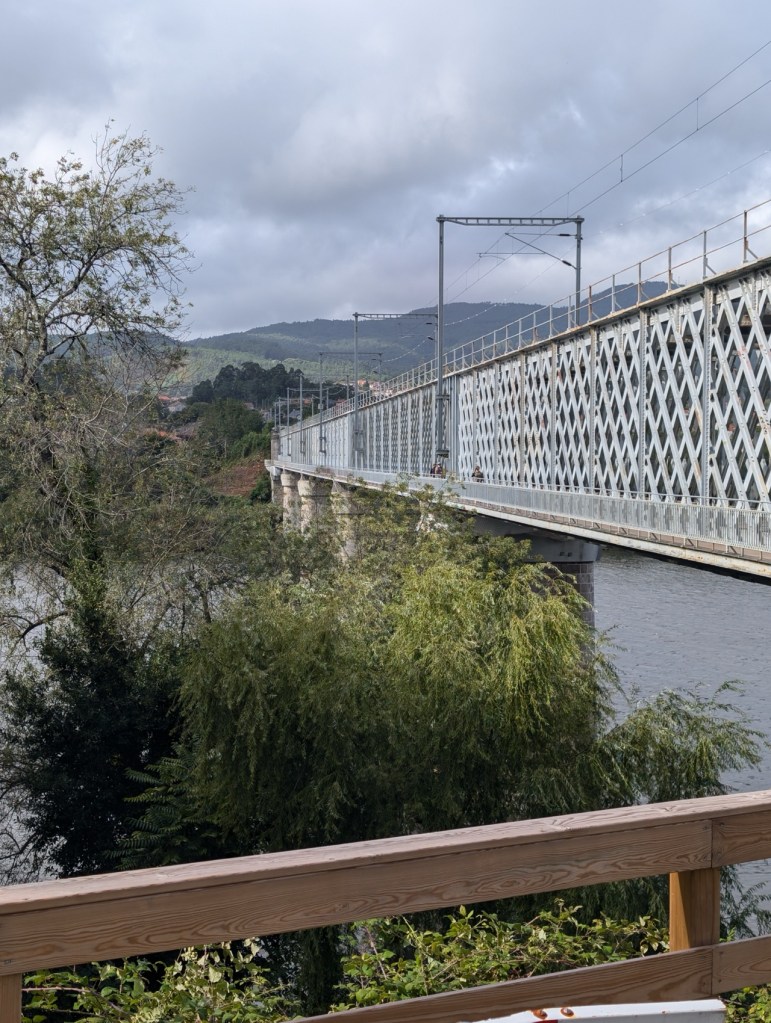
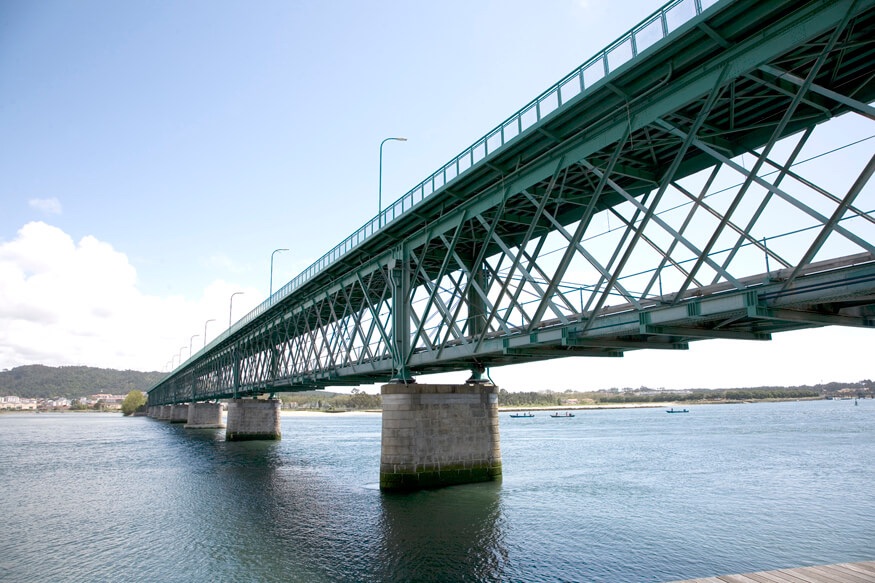
The International Bridge from Valenca to Tui.
Fortified Valenca.

For more information on Valenca – see the link below.

https://www.portugaltravel.org/valenca-do-minho
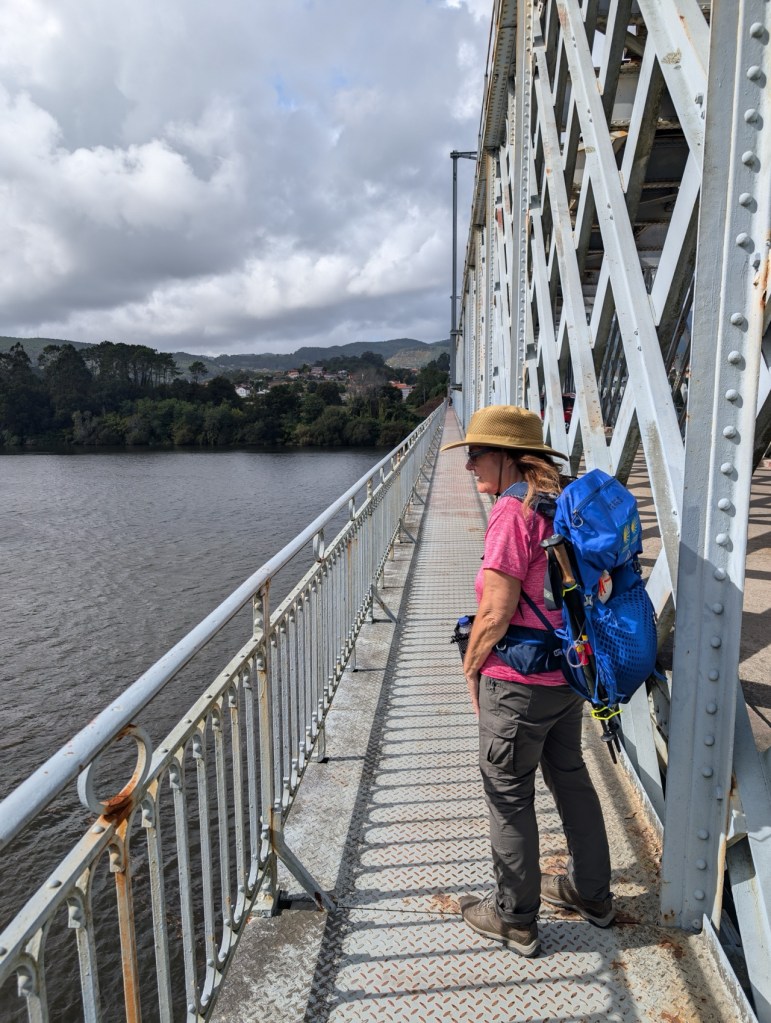
Crossing into Tui.
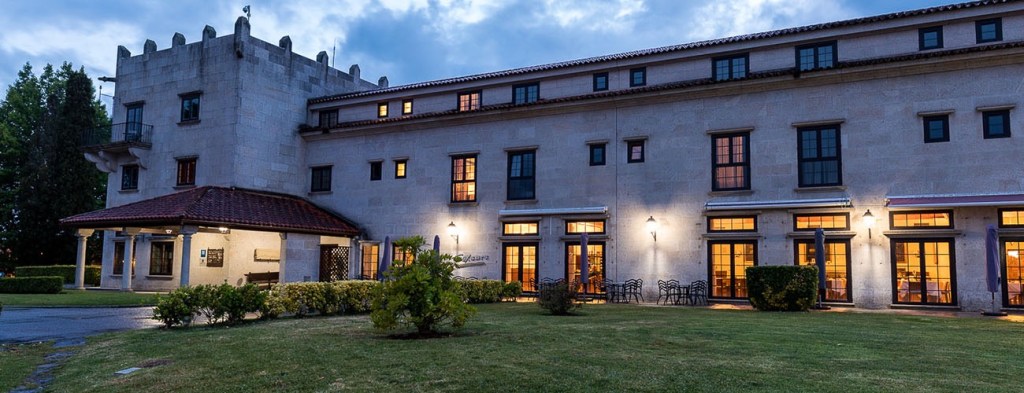
PARADOR DE TUI – About a nine minute walk from the bridge. Tonight’s accommodation – a luxury treat –
On the border between Galicia and Portugal, in the centre of the city of Tui and next to the banks of the Miño river, is the Parador de Tui. The building faithfully reproduces the architecture of a traditional Galician pazo.
pazo is a traditional Galician stately home, once the residence of wealthy noble families. These constructions, heirs to medieval castles, stand out for their solid architecture and seamless integration into the rural landscape.
Paradors of Spain are a network of nearly 100 luxury hotels—mostly state-owned—housed in historically significant buildings like castles, palaces, and monasteries, often located in scenic, rural, or monument-rich, UNESCO-listed areas. They offer a unique, authentic, and upscale, cultural experience combining, rich history with modern comforts, and are renowned for their regional cuisine.

Tui is a historic border town in Pontevedra, Galicia, Spain, known as a key stop on the Portuguese Way to Santiago de Compostela. Located on the Miño River facing Valença, Portugal, it features a prominent 12th-century cathedral, medieval walls, and rich Galician culture. It acts as a gateway connecting Spain and Portugal.
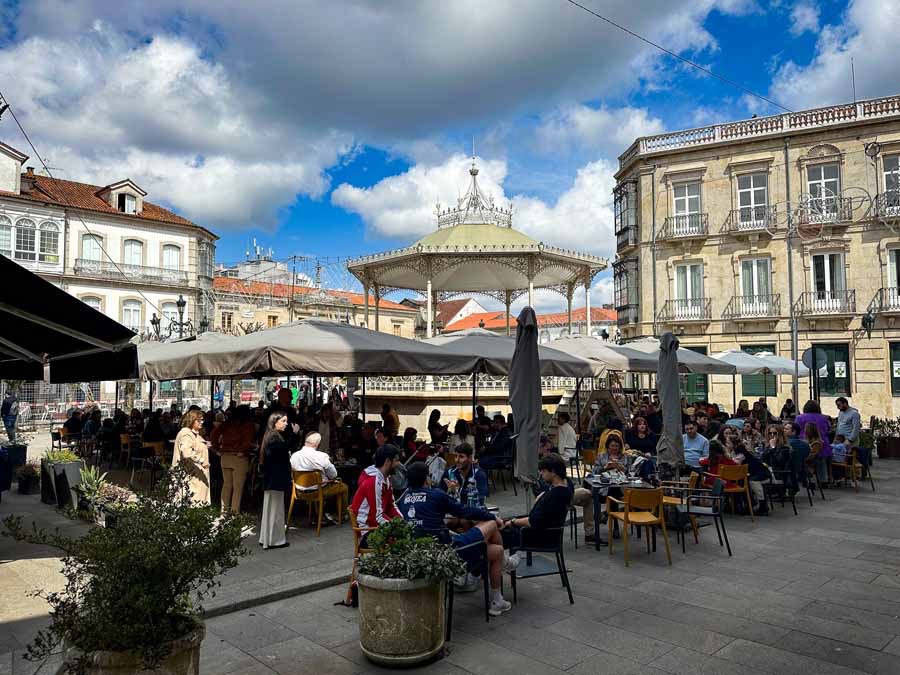
https://music.youtube.com/watch?v=VMKTyKWjMJQ&si=8uH8DKioNRuxDS6y

“ Sittin’ in the Midday Sun” by The Kinks

https://www.spain.info/en/destination/tui/

Our Camino continues next day by walking through the city to O Porrino.

Our Portuguese Coastal Camino,May 2026

16 Feb

A Preview of the section Viana do Castelo to Vilanova de Cerveira via Caminha


The Coastal Camino Português distance from Viana do Castelo to Vila Nova de Cerveira is approximately 
35–40 km (22–25 miles).

The route generally leads north through Ancora and Caminha, often passing through Seixas before reaching Cerveira, with options for beachside, boardwalk, or road paths. This is along,albeit flat walk, along the coast to Caminha,there – turning left to walk inland alongside the River Mino to Vilanova

https://music.youtube.com/watch?v=Cby46XsFm7Y&si=rGHZAtjV_i2x5gj8 WALK ON by Neil Young.

There are several ways to approach this walk. Train from Viana.
To walk the entire route -6/7 hours . Or, by bus to Caminha and walk to Vilanova – 15 km.
Direct bus services from Viana do Castelo to Caminha operate daily, taking approximately 30 minutes for the 20-24 km journey, usually departing from the Viana do Castelo Bus Terminal (near the train station) and arriving at Caminha – Praça de EspanhaRede Expressos and Citi Express are the primary operators, with around 5-11 connections per day. 
An alternative suggestion is to walk along the coast to Caminha and take the bus to Vilanova – services similar to those above. Taking a taxi,preferably shared,is another alternative for both sections.

For the purposes of this particular stage, I’ll present it in its entirety. Again there is a choice between the Senda litoral and the Coastal. The Litoral is almost entirely by beach paths and sand dunes. To take this route take any road to Praia Norte . The boardwalks begin 3.7 km further on at Aerosa. The main Coastal offers varied terrain with distant views of the coast and several sections of shady woodlands – it is 2.0 km shorter than the Litoral. Of course, it is possible to transfer between the two routes at several places along either way . Worth bearing in mind that certain sections of the Littoral before Vila Praia are not that well marked and in places it might be necessary to walk on the sand.

Leaving Viana – Igreja de Nossa Senhora da Agonia.
Itinerary
Km 0 ‧ Viana do Castelo
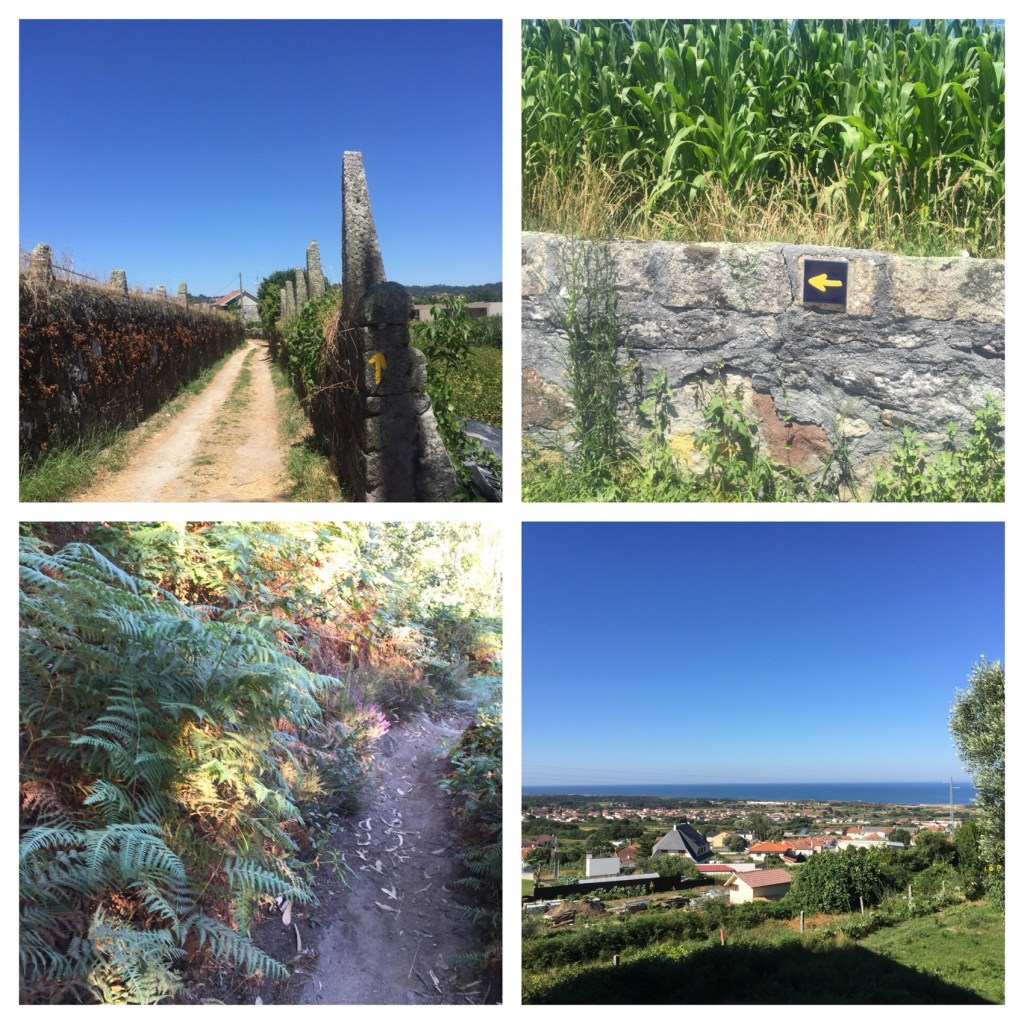
The route is well way marked for the most part.
This describes the official route: starting from Praça da República, take Passeio das Mordomas, turn left into Rua Cándido dos Reis and continue straight on along Rua General Luís do Rego; once in Largo 9 de Abril, look for Rua de São Tiago. After passing under the traintracks you see the Estação Viana Shopping centre; before arriving ,turn into Rua Portela da Cima, which is a steep climb. You cross over a subway under Av. 25 de Abril, which is the city’s ring road, and when you come out you turn left, still going uphill, along Rua D. Moisés Alves Pinho, arriving in front of the Santos Mártires church. You continue straight on along the same street and then along Rua dos Sobreiros, bordering the Santa Luzia hill. From Rua Pedreira da Areosa you turn left to follow several narrow streets between stone walls, which finally leave you at a roundabout. You continue along Rua Entre Quintas, Rua da Saudade and Travessa das Pereiras; after crossing a stone bridge over a stream you come to the entrance to the Quinta da Boa Viagem mansion. Photo below


Km 4,9 ‧ Areosa
You continue 100 metres along a paved path between two rows of olive trees, before turning right uphill and reaching a small housing estate. You continue on paved road through a pine forest and take a path that turns off to the right. You continue between houses, stone walls and narrow streets, sometimes with good views of the coastline. When you reach a bridge over the railway track you turn right to take Rua do Moreno and cross the tracks at a level crossing without barriers. You reach the cemetery and the church of Carreço. Photo of Carreco below.

Km 8.4 ‧ Carreço
You continue behind the church parallel to the railway line, to finally cross it again, this time over a bridge. You follow the cobbled Avenida de Paço.
Shortly afterwards the path enters a eucalyptus forest, a rough but very pleasant part of the route, after which you reach a crossroads. Now on paved roads you enter the neighbourhood of Armada, which belongs to the town of Afife.
After a stretch of cobbled path through the forest you reach the Quinta de Cabanas and the Convent of São João de Cabanas. After the bridge the path continues to the right along the river’s edge, taking some cobblestones and stairs. A slope and rocky path leads you to another path with cobblestones, now going downhill; then comes a new uphill stretch through the forest, with a dirt track and stone tiles. After 20 minutes you reach a first crossroads, and shortly afterwards another crossroads where you start a descent over stony ground. After 1 km, now on cobblestones, you reach the village of Barreiros.
After 800 metres the path takes you past another large stone cross in a grassy parterre, and you continue along a cobbled path. Just after crossing a stone platform over the river Âncora, you take a path to the left, along which you reach the N-305 road, which you cross. You take another shortcut to the left along Rua da Barrosa, through pine trees, and reach a school and the glazed building of the municipal swimming pool. You soon walk under the N-13 road through a subway and proceed towards Praça da Revolução, the centre of Vila Praia de Âncora. Photos below

Km 18,3 ‧ Vila Praia de Âncora
You cross the railway line at one of the level crossings and arrive at the coast, next to the Lagarteira fort. Photo below .You follow the entire coastline, parallel to the railway line and the sea, passing by the chapel of Santo Isidoro. After 1.8 km the path crosses a subway under the railway line and enters the town of Moledo. Photos below.

Km 23 ‧ Moledo
After crossing under the railway track you continue parallel along the pavements of Santana Avenue until you reach a large roundabout. Cross the roundabout at the pedestrian crossings and continue along a cycle path, always parallel to the railway tracks, for 3.2 km until you enter Caminha, arriving at the Town Hall square, with the beautiful Clock Tower and the gate that leads to the old town centre.

Km 26,8 ‧ Caminha
Quinta de Boa Viagem
Carreco
VILA PRAIA de ANCORA

Lagarteira Fort

Moledo Beach
Drinks break,Moledo
Caminha Town Hall Square.
Caminha is the last town in Portugal on the coast.
It is here that the Atlantic meets the Río Miño, making for the ideal natural boundary. The main square (Praça Conselheiro Silva Torres) makes for the perfect place to rest or explore. At its northern edge stands the Torre do Relogio, where a euro affords you access to the best view in town. Further north, and adjacent to the old defensive walls, is the Igreja Matriz de Caminha.

https://share.google/vLflNxjfJXyWmaTV9 YouTube tour of Caminha

Ancient street Caminha.

https://music.youtube.com/watch?v=fe1pB9KqHRg&si=pJBzDSe-eAwpwtOw THE SEA by Claude Debussy. It is here that we bid farewell to the ocean.


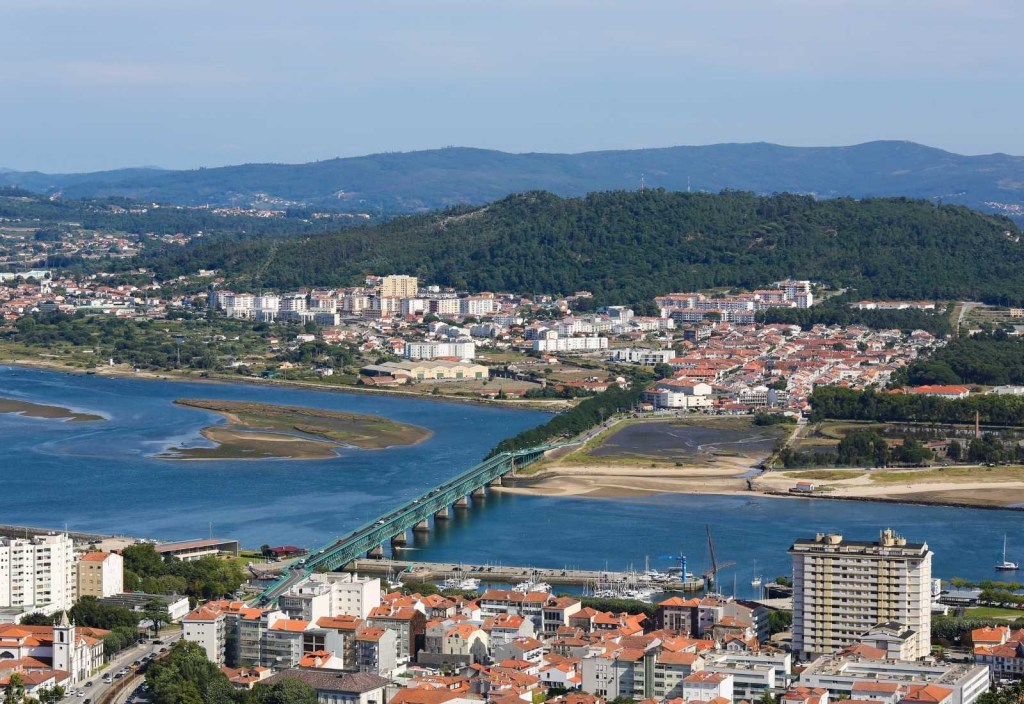
A view from the bridge over the Minho River .

ONWARDS TOWARDS VILA NOVA DE CERVEIRA.

The connecting route to Valença starts at the exit of Caminha past the roundabout. It goes straight over the bridge (Ponte Rodaviária de Caminha),The passeio fluvial .You’ll see a yellow arrow on the left side of the bridge from there on there will be arrows and signs marking the Camino route. The route somewhat follows the river course . ( This possibility did not exist on my last walk here a few years ago – in 2016 a new ecopista was opened alongside the river,traffic free .

Passing through Seixas (2.9km) you come to Lanhelas

A view from the other side of the Minho
“Lanhelas is a picturesque parish in the Viana do Castelo District of Portugal, known for its scenic beauty and proximity to the Minho River, which forms the natural border with Spain. The area is characterized by its rural charm, traditional Portuguese architecture, and a peaceful atmosphere. It is part of the Caminha municipality, which is renowned for its historical significance and natural landscapes. Lanhelas offers a glimpse into the tranquil lifestyle of northern Portugal, with opportunities for outdoor activities such as hiking and exploring the surrounding countryside.” AI
Vila Nova de Cerveira is a charming, art-filled town on the Camino Portugués Coastal Route, located about 15.5 km from Valença. Pilgrims often walk from Caminha to Cerveira (approx. 16 km) along the scenic Ecopista do Rio Minho, a flat, riverside path known for birdwatching in particular.
Billed as a delightful riverside town – King Dinis granted its charter in 1321.
INATEL – Tonight’s accommodation.
“This property is a 4-minute walk from the beach. Located in the heart of picturesque Vila Nova Cerveira and nestled on the banks of River Minho, INATEL Cerveira Hotel offers modern air-conditioned accommodation with river or mountain views. It features a restaurant,a bar, sun terrace and 2 pools.

The rooms and suites feature contemporary décor and come with a balcony or terrace. They have a seating area with a cable TV, desk and a wardrobe. Each has free Wi-Fi and a private bathroom with a hairdryer and free toiletries.

A buffet breakfast is served daily in the dining room and the chic designed restaurant serves national Portuguese and international cuisine.

Guests can sunbathe poolside or on the sun terrace, whilst enjoying a beverage and a snack from the bar. There are tennis courts, billiards and table tennis tables. Indoors, there is a lounge area and a library. “Beautiful and luxurious hotel right on the Camino way. The room was of a good size, very clean, and the restaurant was very nice. Breakfast was great.“ RECENT REVIEW

A DAY OFF THE PORTUGUESE COASTAL CAMINO – IN VIANA do CASTELO

8 Feb

“Viana do Castelo is 
A historic,, maritime city in northern Portugal known as the cradle of vinho verde, featuring a blend of medieval, Manueline, and Art Deco architecture alongside Atlantic beaches. Situated on the Lima River, it is famous for the mountaintop Santa Luzia Sanctuary, the historic Gil Eannes hospital ship, and vibrant local gastronomy. 
Havemos de ir a Viana” – “We shall go to Viana” – sings Amália Rodrigues, the renowned “queen of fado.” Viana do Castelo, a small city on Portugal’s beautiful Green Coast (Costa Verde) along the Camino Portugués, became famous through her music. Whether you’re a fado lover or not, following Amália’s advice and visiting Viana is highly recommended, especially for those walking the Camino de Santiago.

https://music.youtube.com/watch?v=rv3WgKFqvtc&si=lGcWE-CfOc-Qksmh AMALIA RODRIGUES

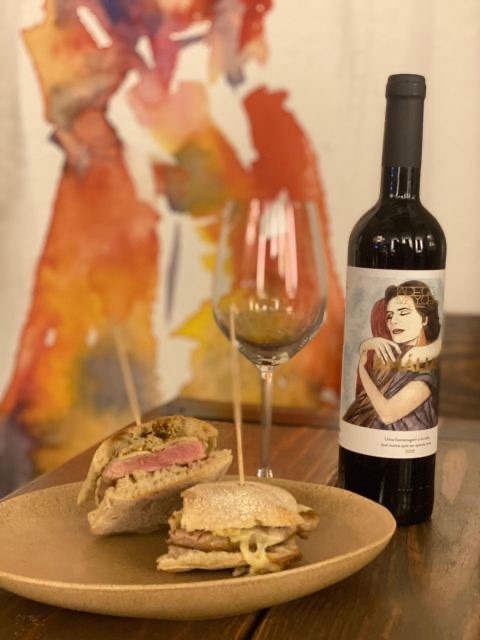
She comes bottled,too.

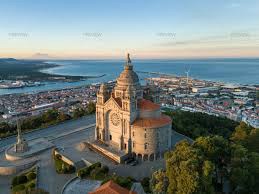
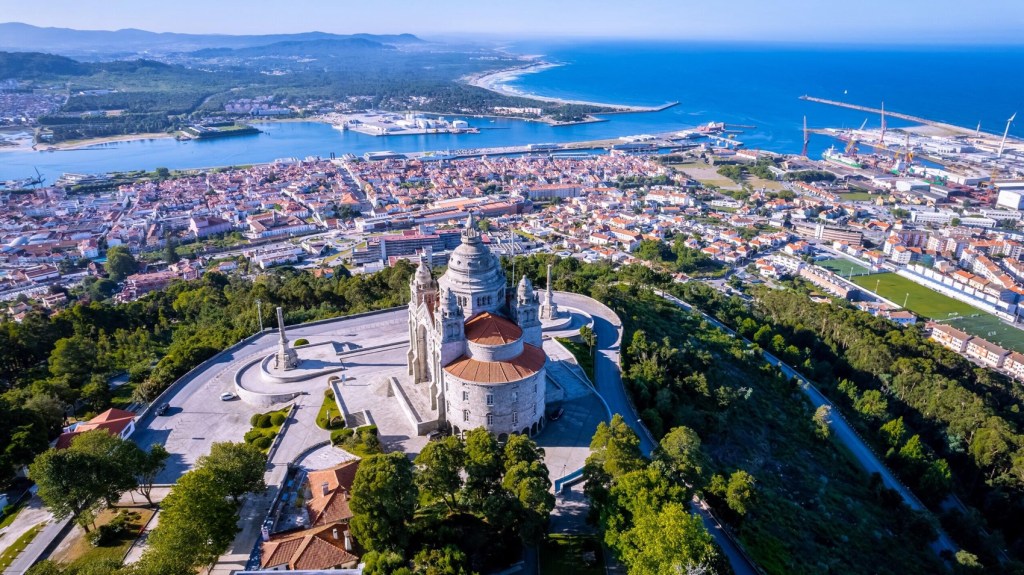
The special geographical situation of the city, next to the sea and to the mouth of the river Lima, can be seen from the Santa Luzia hill. This stunning view and the Basilica of the Sacred Heart of Jesus, a revivalist building by Ventura Terra, of 1898, could be your starting point for visiting the city. It is accessible on foot but this requires a steep climb of many steps.
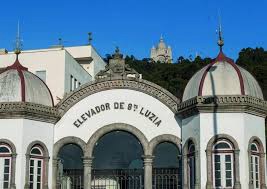
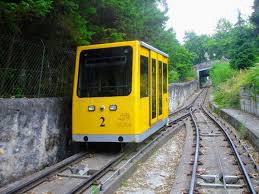
Take the funicular.
Going up…
O Santuario de Santa Luzia.Building work on this basilica dedicated to Santa Luzia and the Sacred Heart of Jesus started in 1904, and lasted until 1959. It is the work of architect Miguel Ventura Terra, who was succeeded by Miguel Nogueira, after the death of his master in 1919.

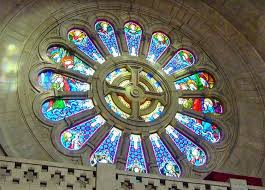
Architecturally, it is of Romanesque-Byzantine inspiration, fitting into the revivalist architecture that marked the turn of the century. Its imposing rose windows are the largest in the Iberian Peninsula and the second largest in Europe.
This place dominates an important part of the Lima river valley and a large stretch of the seashore to the north and south of the estuary, as well as the green mountain range. This panorama has been rated by the National Geographic Magazine as the third most beautiful in the World. 

Viana was a popular Camino destination in medieval times.

Porta de Santiago 1468


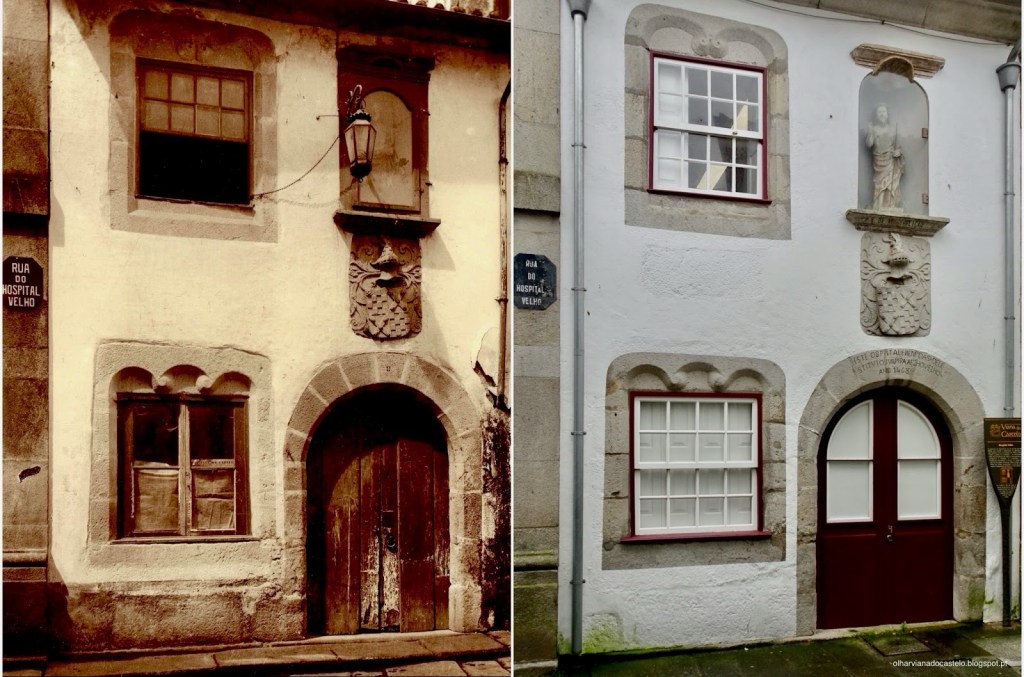
Hospital Velho – originally a pilgrim inn and recently a Turismo.
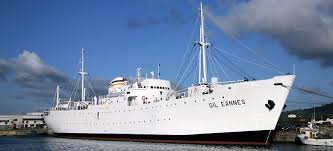
Navio Hospital Gil Eannes (Gil EannesHospital Ship)
The Gil Eannes Hospital Ship, built in Viana do Castelo in 1955, for decades supported the Portuguese cod fishing fleet that operated on the banks of Newfoundland and Greenland. 

It has been converted into a Museological Unit and Sea Centre, giving its visitors a truly remarkable experience. Today it is a focal visitor attraction in Viana do Castelo.
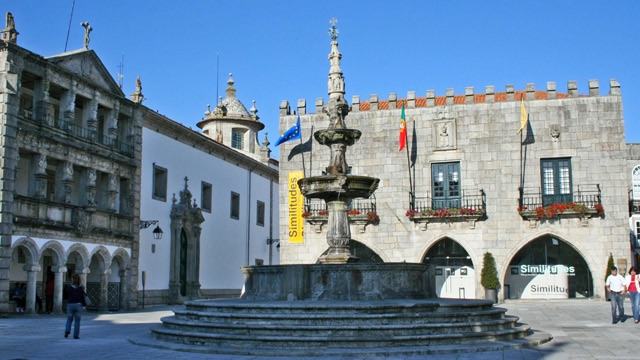
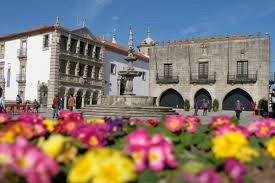
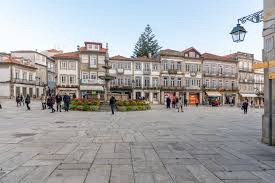
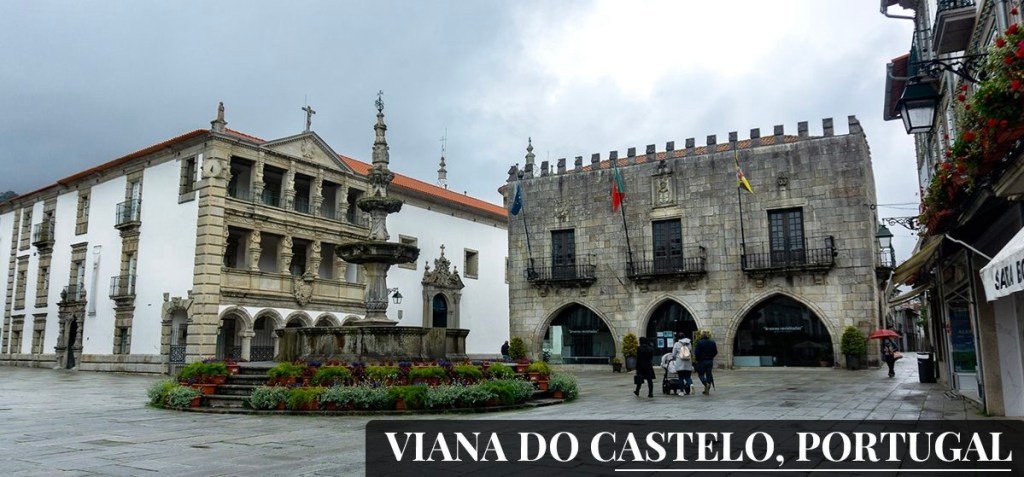
Praca da Republica
Praca da Republica is a prominent public square in Viana do Castelo, Portugal, known for its historical and cultural significance. The square is surrounded by notable architectural landmarks, including the 16th-century Misericórdia building and the old Town Hall. It serves as a central hub for local events and gatherings, offering a glimpse into the city’s rich heritage. The square is often bustling with activity, featuring cafes and shops that provide a lively atmosphere. Its central fountain and open space make it a popular spot for both locals and tourists to relax and enjoy the surroundings.

Viana is rich in palaces emblazoned with coats of arms, churches and monasteries, monumental fountains and water features that constitute a wealth of heritage worth visiting. At the Tourist Office, you can ask for a brochure and choose a route inspired by Manueline, Renaissance, Baroque, Art Deco or tile architecture. Whichever streets you stroll through in the historic centre, you will always come back to the Praça da República.

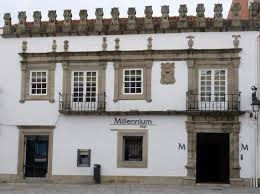
Many of the city’s big houses are named after prominent local families, such as Casa de Sá Soutomaior .
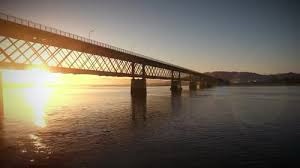
The Ponte Eiffel.
It’s a great example of 19th-century engineering and adds to Viana’s historical charm.
This road and railway bridge is 736 metres long and was launched in one piece. The bare mass was 1,600 tonnes and exceeded the weight of the largest bridge decks that were launched. The nine piers were air-founded at a depth of 25 metres below ground level.

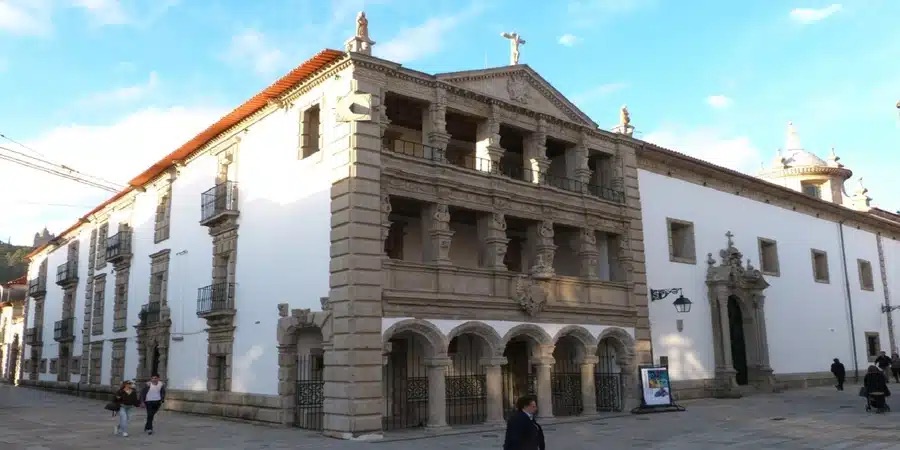
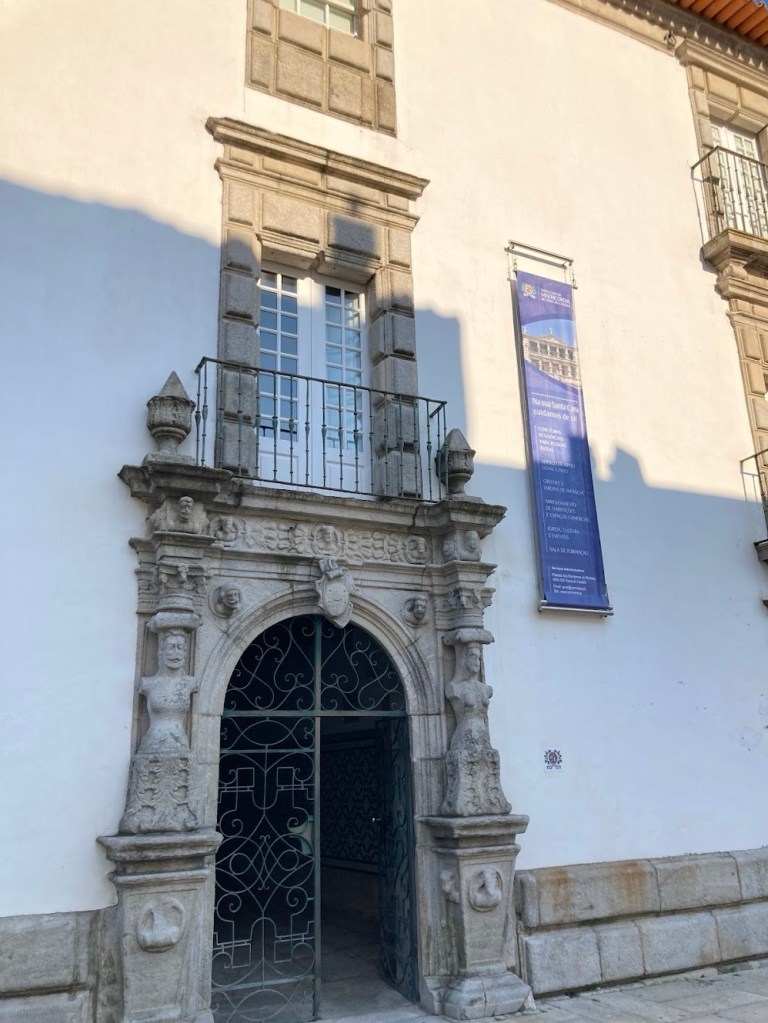
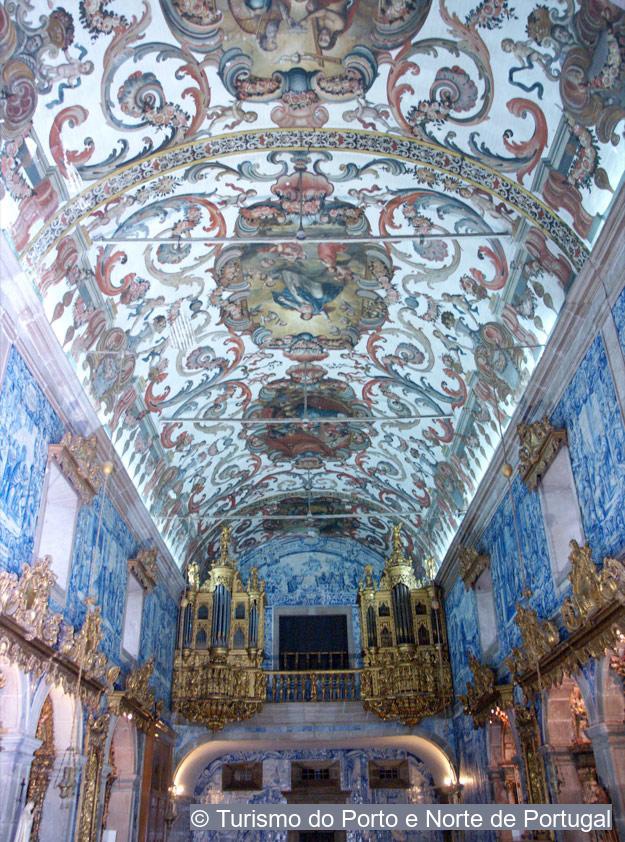
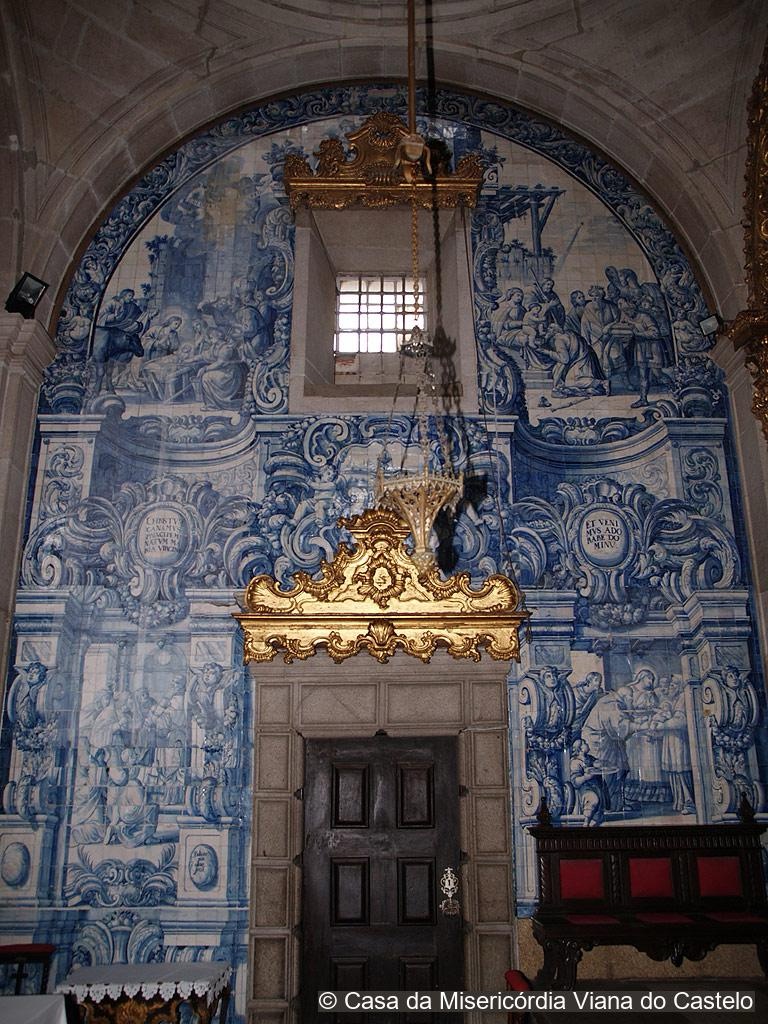
Igreja da Misericórdia de Viana do Castelo – a hidden gem.
The Misericórdia (Mercy) building and the church date from the 16th century. 
Created in 1520, the Misericórdia brotherhood developed to the extent that they decided to build the so-called “Casa das Varandas”, in the second quarter of the 16th century. 

Renovation work on the church started in 1716 and were entrusted to Manuel Pinto de Vilalobos, a military engineer working in Viana. The decorative opulence displayed inside the church is in keeping with the tendency of the time. 

It is seen in Portuguese style gilded carving of the altarpieces, by Ambrósio Coelho, in the glazed tile coatings, the work of Policarpo de Oliveira Bernardes, in the frescoes on the ceiling, by Manuel Gomes. It is unquestionably one of the finest examples of the Baroque in the whole of Portugal.


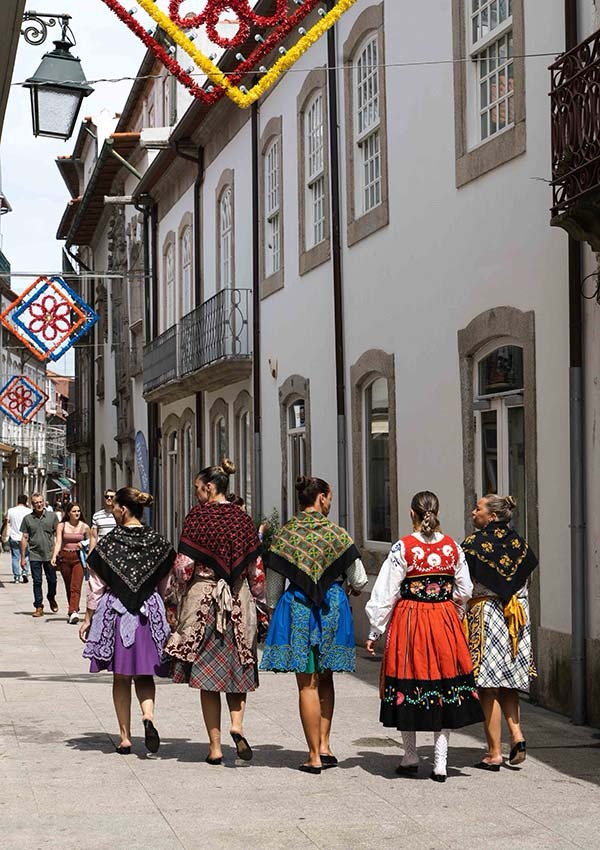
Museu do Traje (Museum of Attire) It
offers a deep dive into Viana’s rich folklore and traditional clothing. Housed in a former Bank of Portugal building, the museum showcases the beautiful Vianese costumes worn during festivals. These costumes play an important role in the city’s cultural identity.
The museum highlights the history of these costumes and the craftsmanship behind them. Traditional Vianese attire is intricate and colourful, often reflecting the region’s rural life and folk traditions. Visiting the museum is a great way to learn about Viana’s unique cultural heritage.

AN ALTERNATIVE TOUR

SAMPLE VIANA’S PLEASURES WITH A WALK AROUND THE OLD TOWN 

“A leisurely paced walking tour will introduce the history, architecture and exceptional river views that can be found all over Viana. Start at the Sé (cathedral), a 15th-century construction with a Romanesque-style facade flanked by two imposing towers. Continue on to the Praça da República, the sociocultural and political center of Viana for more than 500 years. Three historic sites grace the square: the crenellated Antigos Paços do Concelho, Viana’s former city hall; the elaborate Igreja de Misericórdia church; and the elegant 16th-century chafariz (fountain).

Next, head toward the river, stopping by the Casa dos Nichos, a 15th-century building that houses an archaeological museum. On the banks of the Rio Lima, Praça da Liberdade is a huge square where the city has been investing in such contemporary buildings as the Centro Cultural de Viana do Castelo and the Biblioteca Municipal. Heading back toward town, stop at the Museu de Artes Decorativas, where a collection of antique Portuguese, European, Hispanic and Arabian furniture, azulejos and other decor awaits.

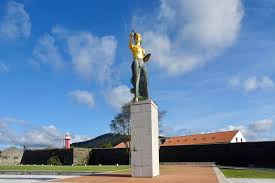
The former fortress Castelo de São Tiago da Barra marks where the river meets the sea; don’t miss the onsite Estátua à Mulher Vianesa (Statue of the Vianese Woman), a contemporary sculpture clad in shining gold.” LONELY PLANET

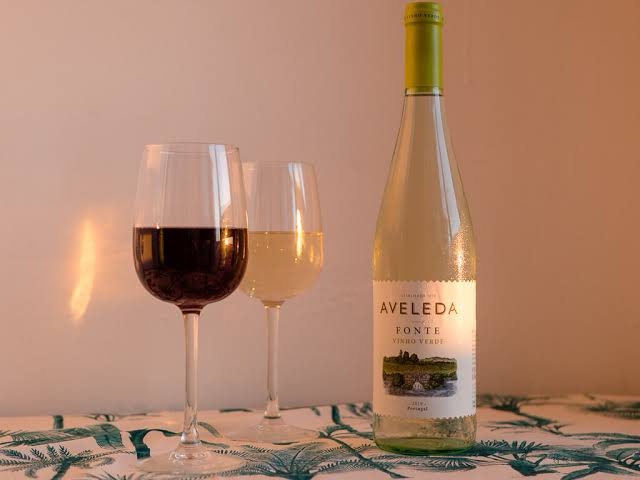
This iconic statue celebrates the spirit of the Vianese women who have contributed to the town’s history and identity. For a refreshing tipple after much sight seeing? VINHO VERDE – usually served white but yiu can try the red,too.
VINHO VERDE – The green wine ( or red if you fancy it ).
Foodie Viana do Castelo
Only 35,000 people live in Viana do Castelo so it probably shouldn’t come as a surprise that vegetarian and vegan food can be a bit hard to come by. Many things you might expect to be vegetarian, like soup or salads are often topped with Chorizo (sausage) or Bacon.
However, there is one vegetarian restaurant called Terra that’s about a 15 minute walk outside of town. Good brunch items, sandwiches,  snacks, and drinks in a chill atmosphere.

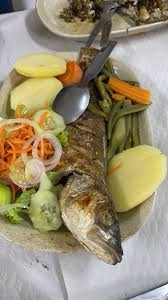
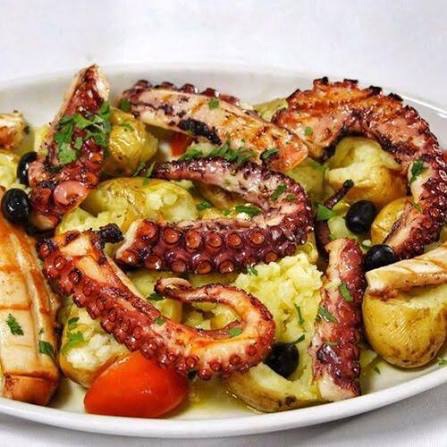
Other than that, the menus of Viana are populated with seafood (it’s on the ocean, after all) and meat dishes. In fact, a lot of menus will feature only two sections for main courses, Peixe (fish) and Carne (meat). However, most traditional restaurants will have a nice salad on the menu. Unlike some other parts of Portugal, the salads are interesting with lots of veggies, not just some lettuce, onion, tomato and a stray slice of cucumber. In addition, if you don’t see anything on the menu, ask your server, most chefs are happy to prepare something for you.
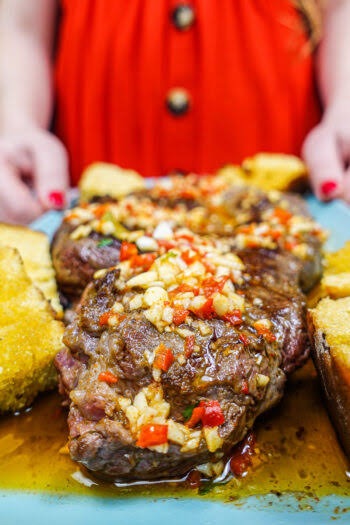
Beefsteak Viana style.

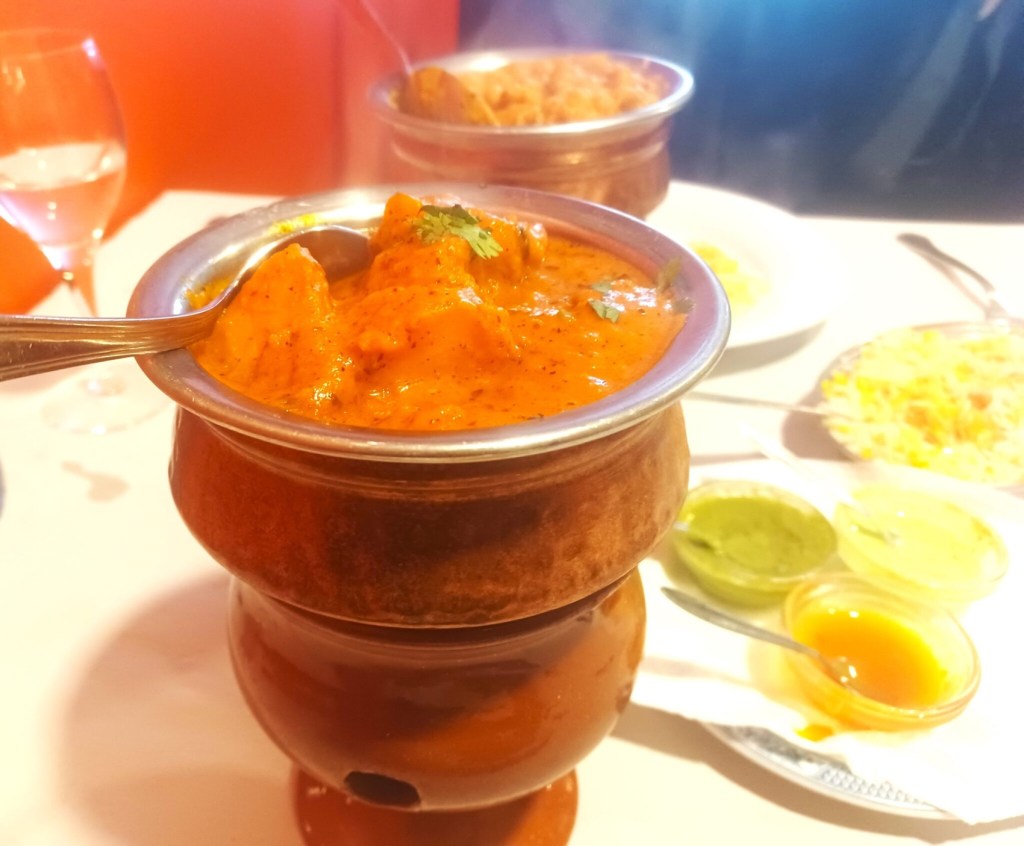
“Almost every city in Portugal has an Indian restaurant and many of them are very good. Portugal had a colony in Goa, India, so many immigrants have come to Portugal to live and work. In Viana, I like Indian Punjabi Restaurante. They have a dedicated vegetarian/vegan menu with lots of great dishes. Plus, the serving vessels are adorable!” (Local writer.)

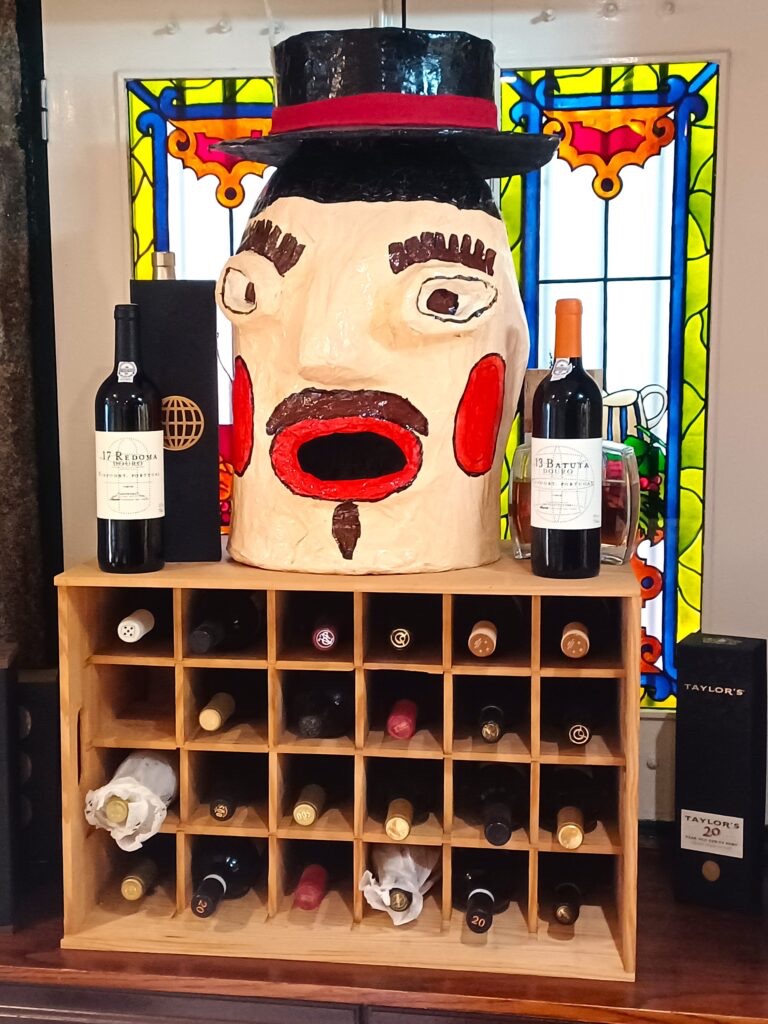
Porto Branco with tonic – Portuguese Spritzer! One of my favourites.
And for those with a “ sweet tooth “ – BOLAS DE BERLIM – custard filled doughnuts

boa saúde

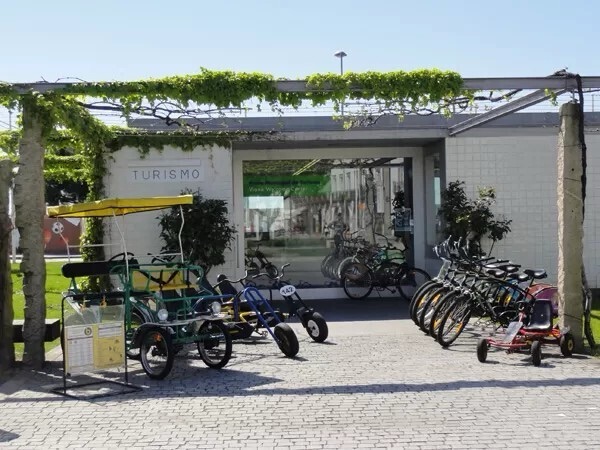
The Tourist office can be found in Praca do Eixo Atlantica.

TURISMO

PREVIEW – ESPOSENDE TO VIANA do CASTELO AND A REST DAY THEREIN

2 Feb

SUMMARY

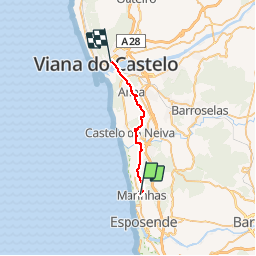
 Esposende to Viana do Castelo,

Distance – 24 km/15 mi

Time – 6 hours (moving time)

Ascent – 346 m

Descent – 361 m

Walking surface – 5.5 km/3.4 mi – footpath/gravel; 10.5 km/6.5 mi

– tar road; 8 km/5 mi – cobbled

Walking along the coast – 1 km/0.6 mi in Esposende

Highlights

A spectacular forest with a river between 9.5 km/5.9 mi and 11

km/6.8 mi. One of the most beautiful forest walks on the

Portuguese Camino.
Several beautiful churches where you can get stamps

A nice forest walk between 12.2 km/7.5 mi and 13.6 km/8.4 mi

The historical centre of Viana do Castelo

Challenges

Several ascents and descents along the route.

Walking on hard surfaces e.g. cobbled stones which can be tougher on your feet.

Walking on the sidewalk along a busy road for the last 2 km/1.2 to

Viana do Castelo,over the River Lima on pedestrian foot way.

In contrast to our saunters so far, we leave the littoral ( beachside walk ) and follow the coastal way which is inland. My memory of the littoral is that parts are literally just beach,with some stony stretches, quite difficult in places. But be assured of a lovely walk with some ups and downs and great views, in the interior.
We shall never be too far from the N.13 if transport is required at some stage

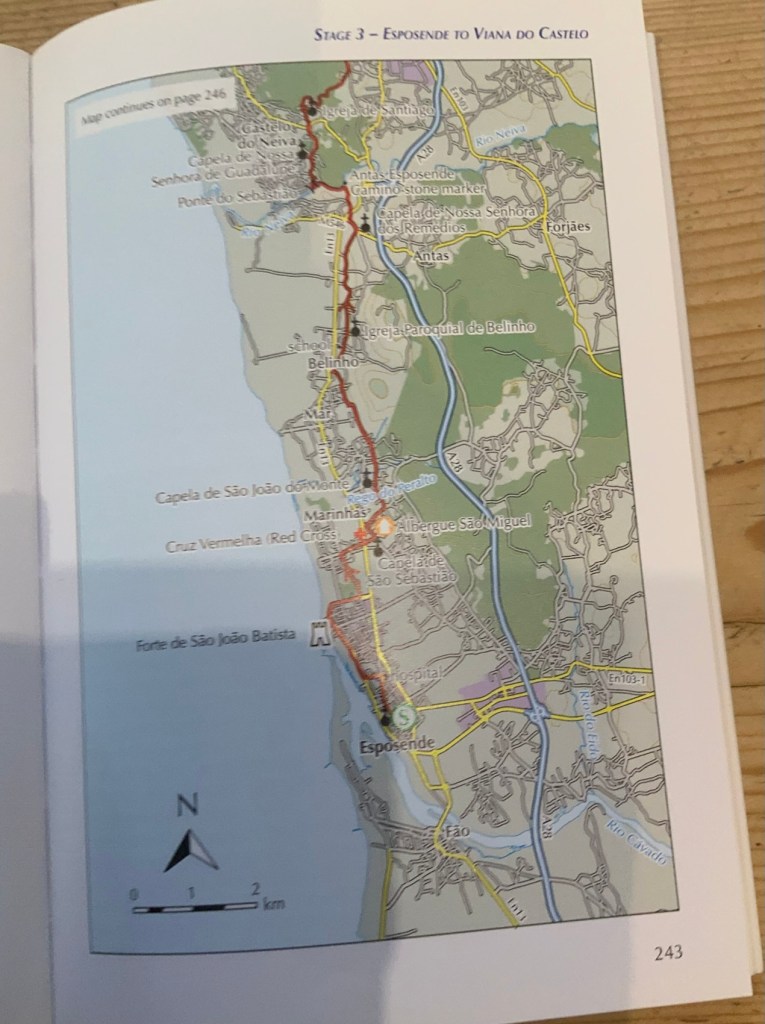
From the centre of Esposende, we take the Avenida Dr Henrique Barros Lima to the Valentim Ribeiro Hospital, installed in an elegant historical building. Here we turn left into Rocha Gonçalves Avenue to access the River Cádavo estuary.
800 metres later, we pass by the fort of São João Baptista and follow Avenida dos Banhos parallel to the ocean. In short, the pilgrim path deviates inwards. On Rua da Agrela, flanked by trees and fields, we arrive at the town of Marinhas (km. 4.3).
Turn right on Rua da Praia and cross the N-13 road. On the other side, we find the Chapel of São Sebastião and a Red Cross building. We follow the street to the end, where the São Miguel Church is located and turn right.
After the Environmental Education Centre, turn left on Rua de São João and shortly, we pass by the Chapel of São João do Monte. Following the Rua da Ponte Nova, the Rua da Estrada Velha and the Estrada Real we arrive at the building of the Civic Centre of Mar.
First half of today’s walk.

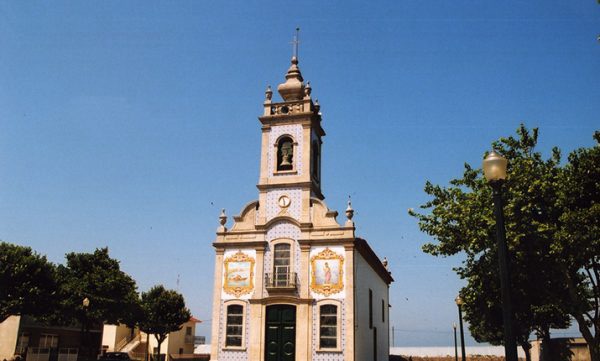
 Church of San Bartolomé de Mar.

We walk on towards Antas.The path that goes down to the River Neiva runs through one of the most beautiful landscapes of the Camino Portugues coastal route.

Then we reach the crossroads with the EN-13 road, which we cross with care. We continue straight along the narrow Rua da Carvalha, bordered by houses and stone walls. The street is transformed into a dirt track that runs down into the forest.

After a crossroads with a large Jacobean monolith in stone, on the left a narrow, but beautiful, the path starts that descends to the riverbed of the River Neiva, next to an old mill or Azenha of Guilheta, transformed today into a country house.

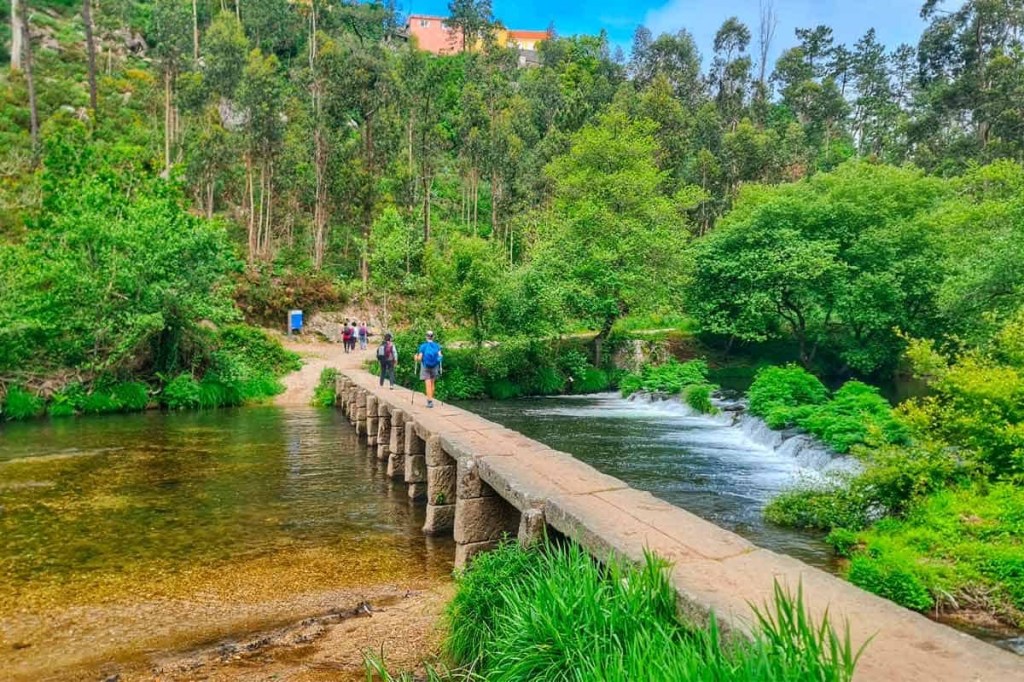
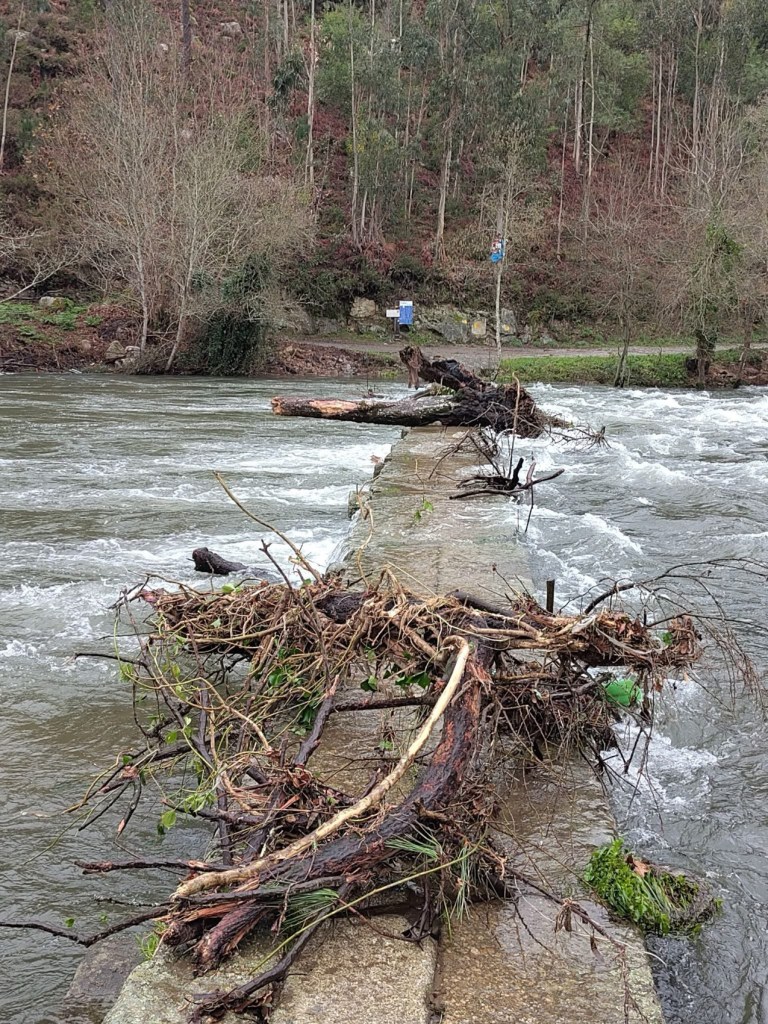
We cross the river by a platform of granite slabs without a handrail, as it was done in the Middle Ages.


Once we have crossed the river, the paths will be predominantly uphill. We will pass by the chapel of Our Lady of Guadalupe and the church of São Tiago. From here, we still have one more church to pass, the church of São Romão de Neiva, before arriving at the village of Chafé. Here we will have to take the detour to Vilanova de Anha.
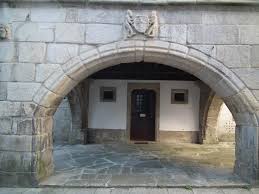
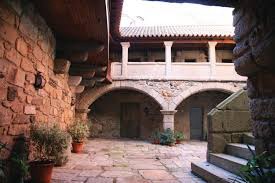
That’s what it looked like on 31st January!

https://music.youtube.com/watch?v=EdqttCJid-A&si=8O5MO5rmx9V_39lb “ The River is Wide, I Cannot Cross over”. By the amazing and ageless Joan Baez.


Iglesia de Santiago de Castelo do Neiva
The Church of Santiago de Castelo do Neiva dates from the 9th century; It may be the first church dedicated to the apostle throughout the Iberian Peninsula, after the primitive temple that was raised in Santiago de Compostela. Inside the church, we can find a carved tombstone, where the consecration of the temple to the saint is found, in 862.
Second section to Viana do Castelo

Leaving the town, we move onto a small paved road, surrounded by fields and forest, which leads us to an industrial estate. We continue along a sandy stretch down to Darque (km. 22.6).

We follow the route of the N-13 road, along the sidewalk, to a roundabout. 

We go straight on to the Eiffel Bridge, over the River Lima. On the other side, turn left to enter the historic centre of Viana do Castelo.


Puente Eiffel
The Eiffel Bridge is located on the River Lima, giving entrance to Viana do Castelo. The bridge was built in 1878, ten years before the Eiffel Tower, and is the work of the French engineer. The building is 560 metres in length and has two levels, one dedicated to pedestrians and cars, and another one for trains.
Then turning
left towards the old town and our accommodation.
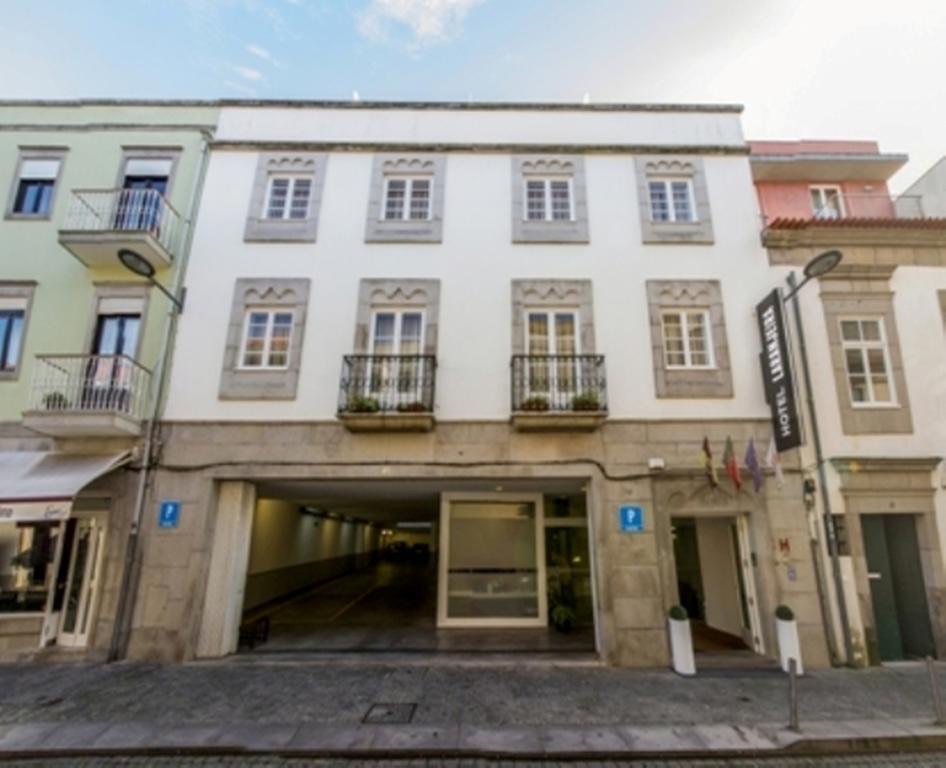
HOTEL LARANJEIRA Rua Candido Dos Reis (Antiga Rua General Luis do Rego), 45, 4900-082 Viana do Castelo.)
“In the wonderful city of Viana do Castelo, Hotel Laranjeira offers unparalleled views over the historic center. A home away from home, the hotel is ideal for those seeking tranquility while remaining close to the city’s restaurants and cultural life. Enjoy a comfortable stay in a peaceful environment, perfect for resting and recharging before continuing your journey to Santiago de Compostela.” (From the hotel’s website )
Suggestions for the rest day in Viana to follow.