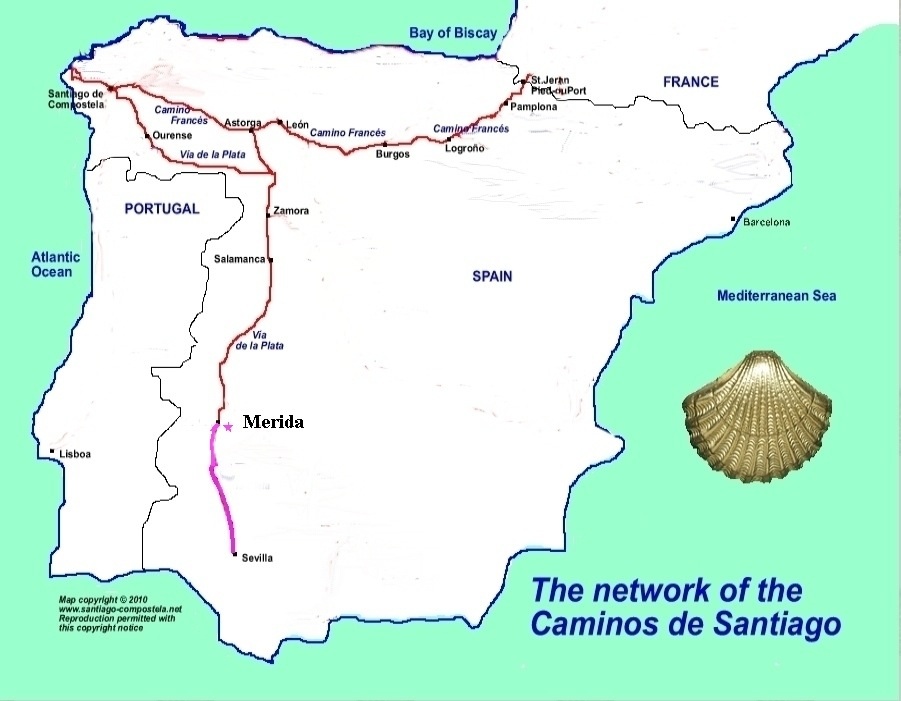
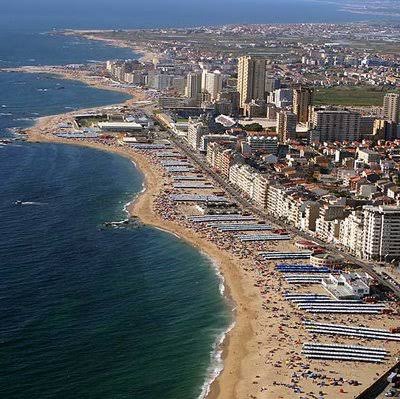
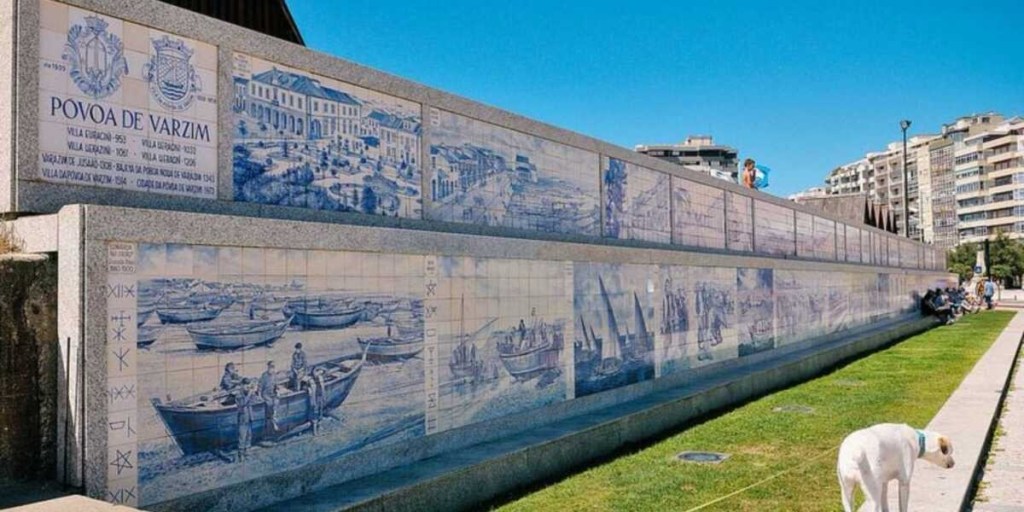
We have the option of returning to the litoral along the coast, keeping the River Ave on our left until the ocean,or follow the brown way markers along the narrow lanes of Vila do Conde, soon entering Povoa de Varzim – quite a contrast to Vila do Conde.
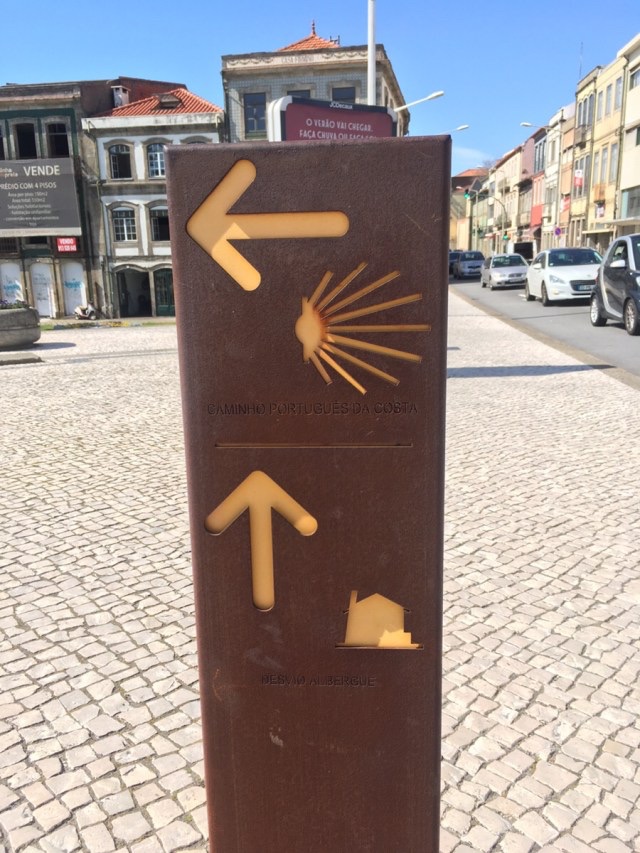
The preferred option is to head back to the coast.
https://music.youtube.com/watch?v=0ZryiRRdA_0&si=eVPDkhNOQkXL6duV “ THE SEA” by Fotheringay,featuring the distinctive voice of Sandy Denny.
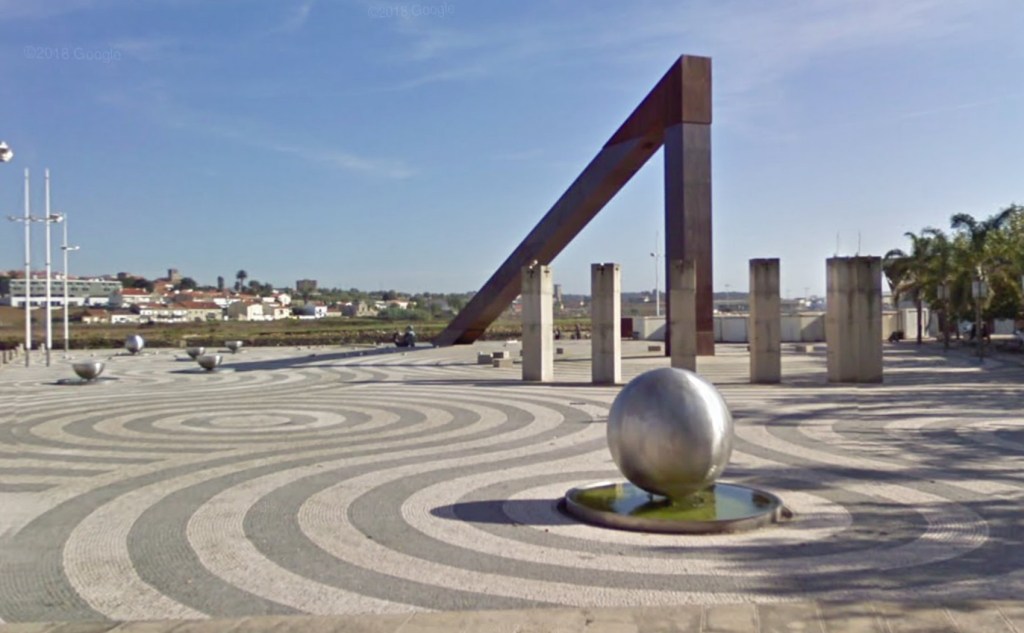
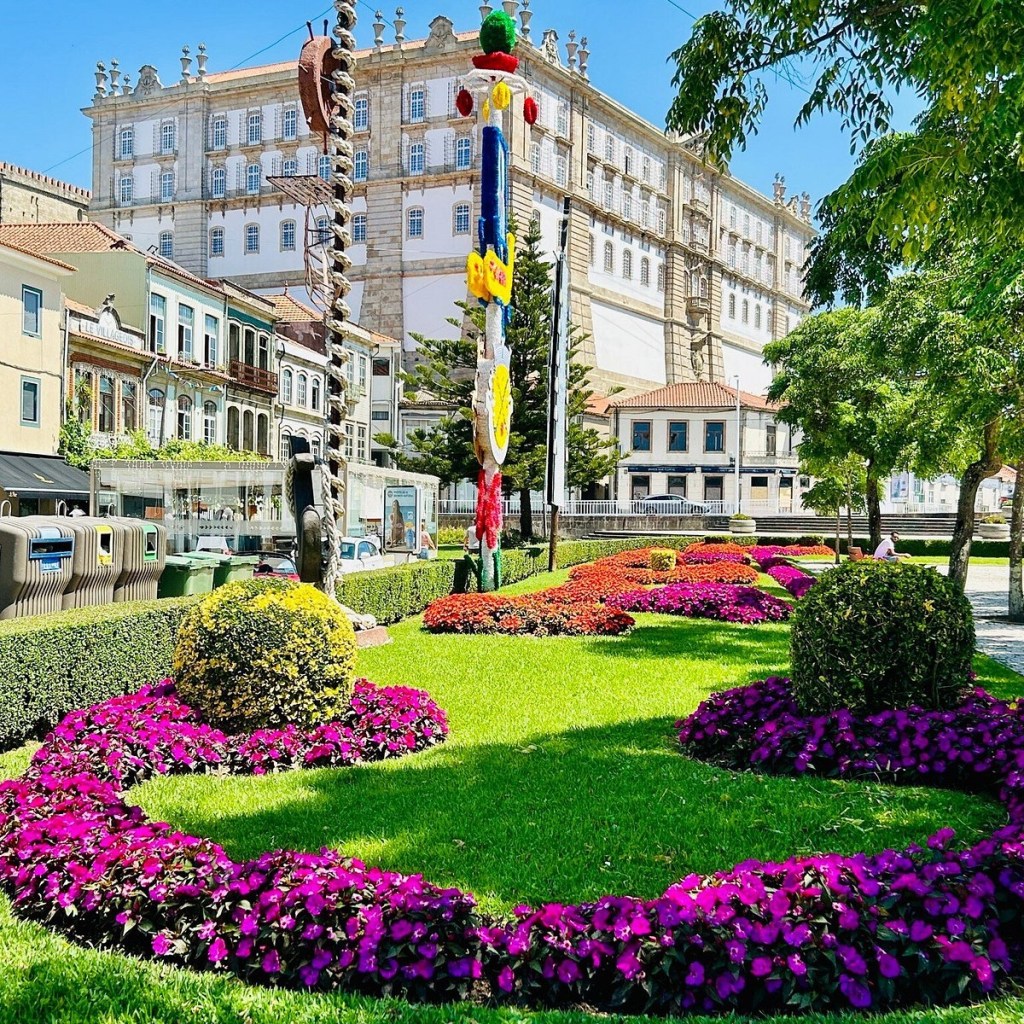
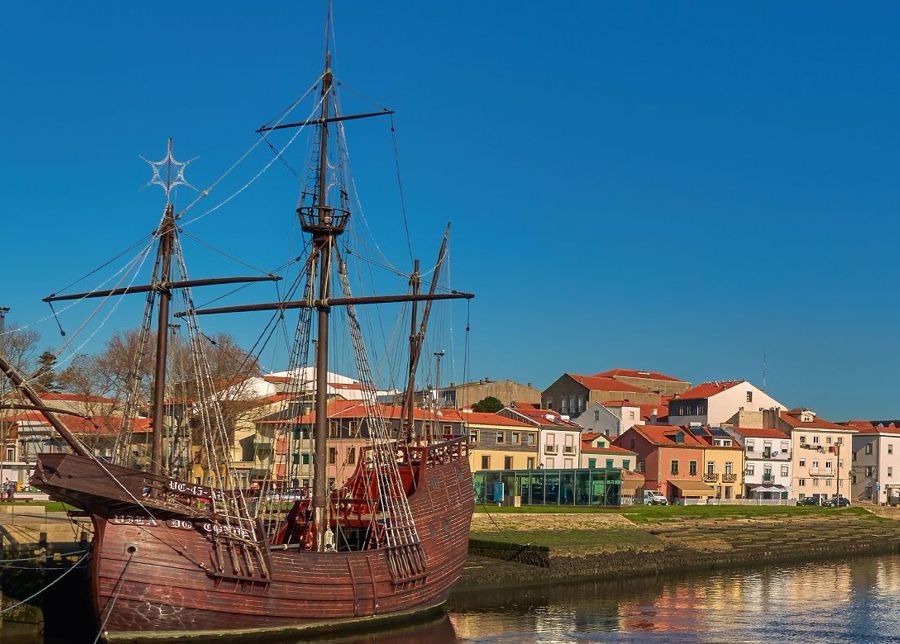
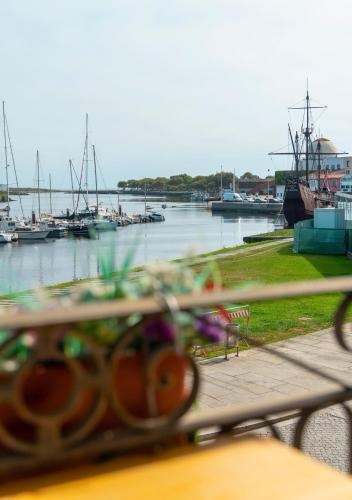
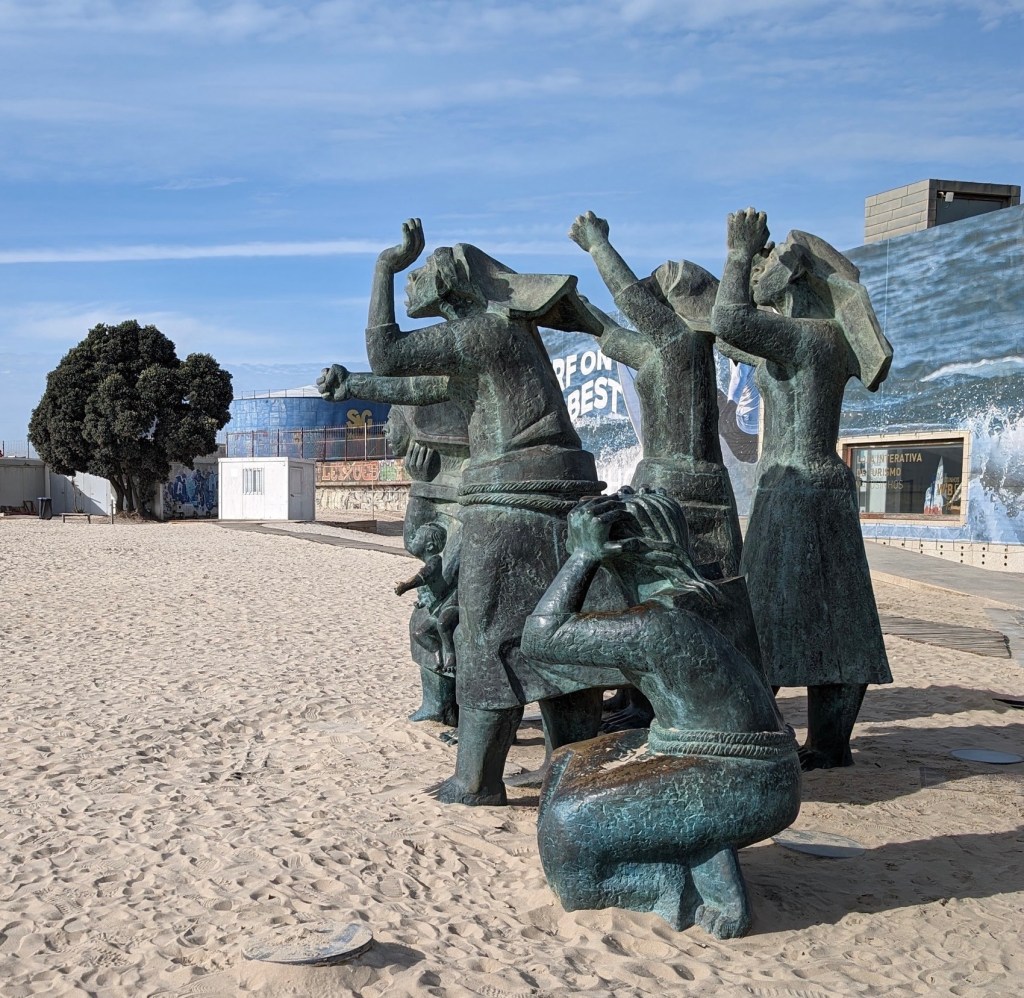
A memorial to the 500th anniversary of the Portuguese Discoveries and Vila do Conde’s participation in the Maritime Epic. A monument-square designed by the sculptor José Rodrigues, marked by the vertical assertion of a mast and the sails of a ship furrowing geometric waves, with a mermaid punctuating an enchanted sea where the firmament is reflected.
Routes of adventure. Navigation instruments and sundials. Spheres reminiscent of the sidereal universe. The strength of the Padrões (standards) reflecting the Portuguese presence on the five continents. Water, the source of life, like the blood of the sailors who take ships and caravels to sail “seas never before navigated”.
A poetic evocation and tribute from Vila do Conde to its sailors, caulkers, and naval carpenters who helped “give new worlds to the world,” inaugurated on June 14, 2001.
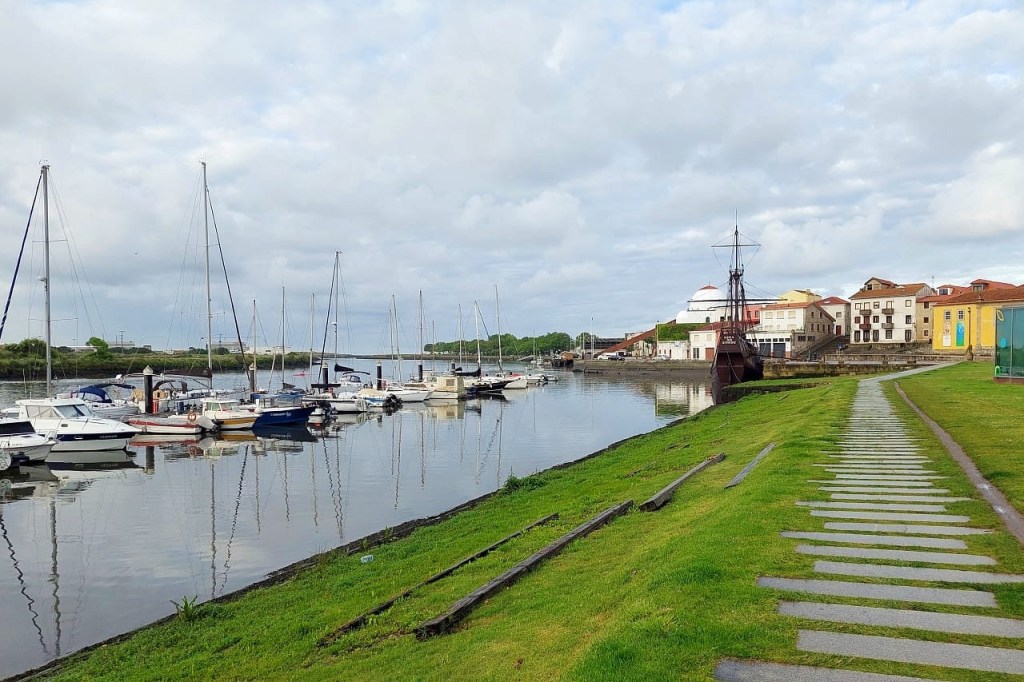
This is a virtually flat stage.
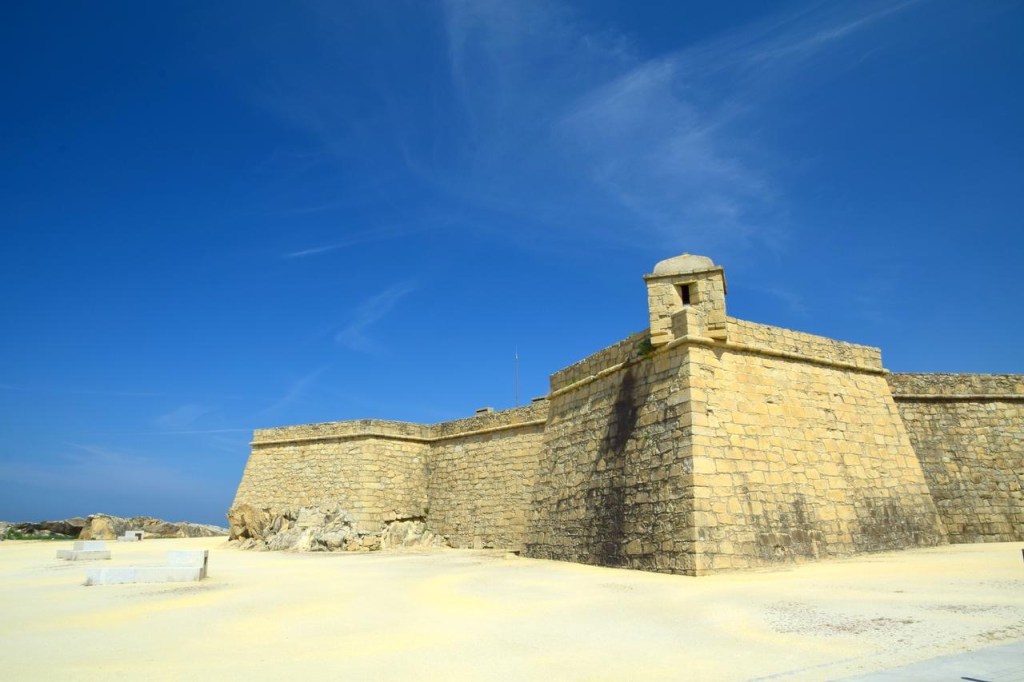
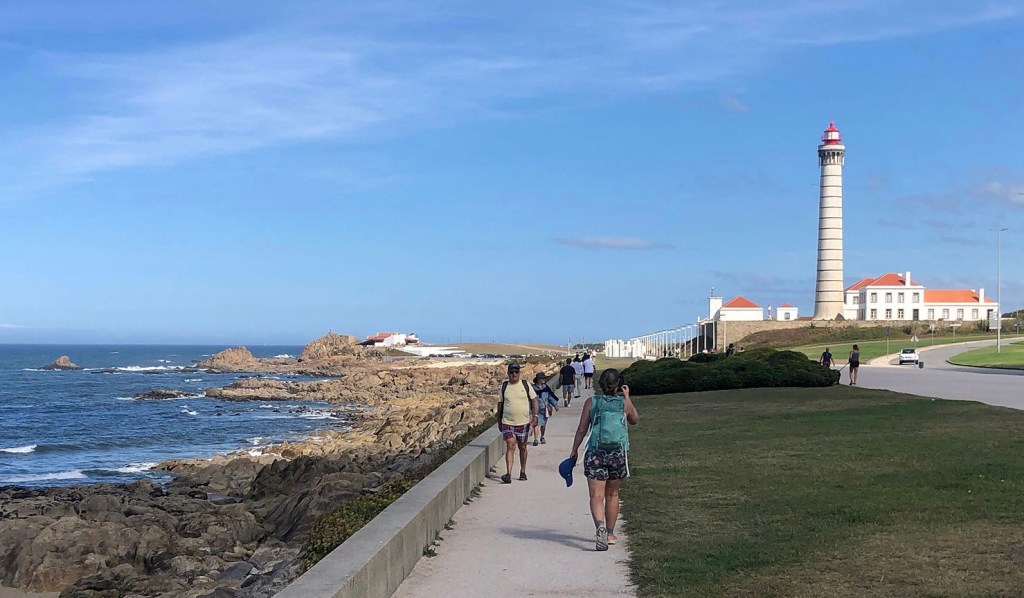
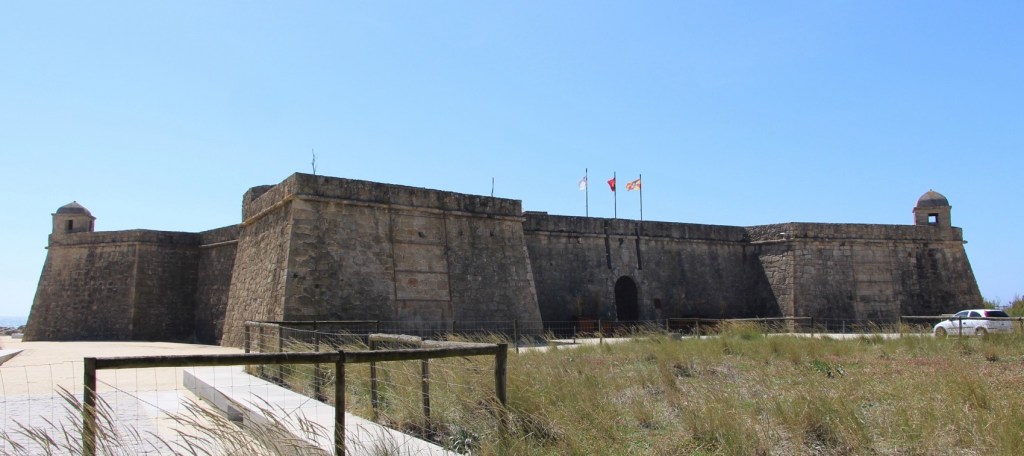
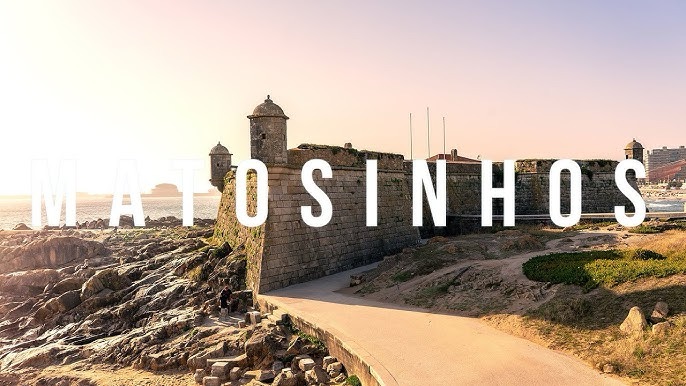
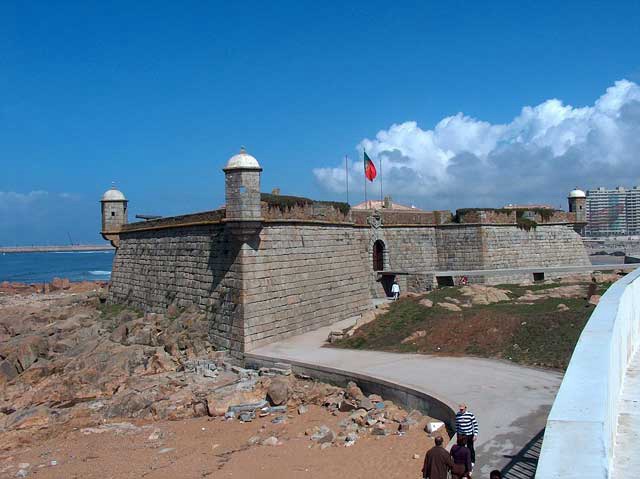
It is believed that this fortress (São João Baptista Fortress) was built as early as 1573; now it is a hotel.
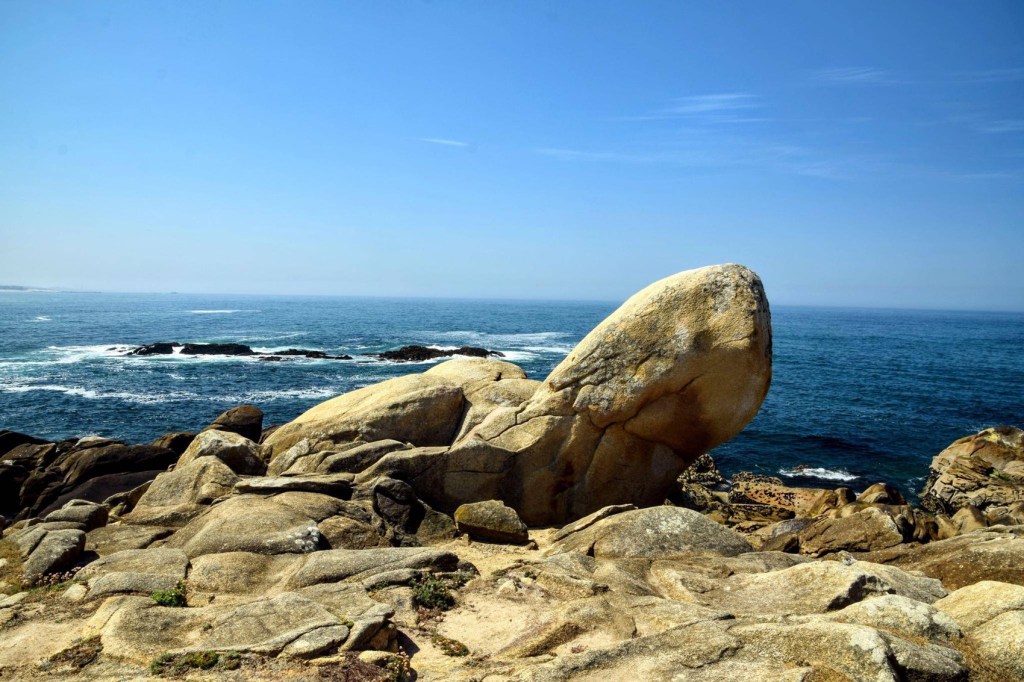
Highlight • Natural Monument
The Turtle Rock really does look like that.
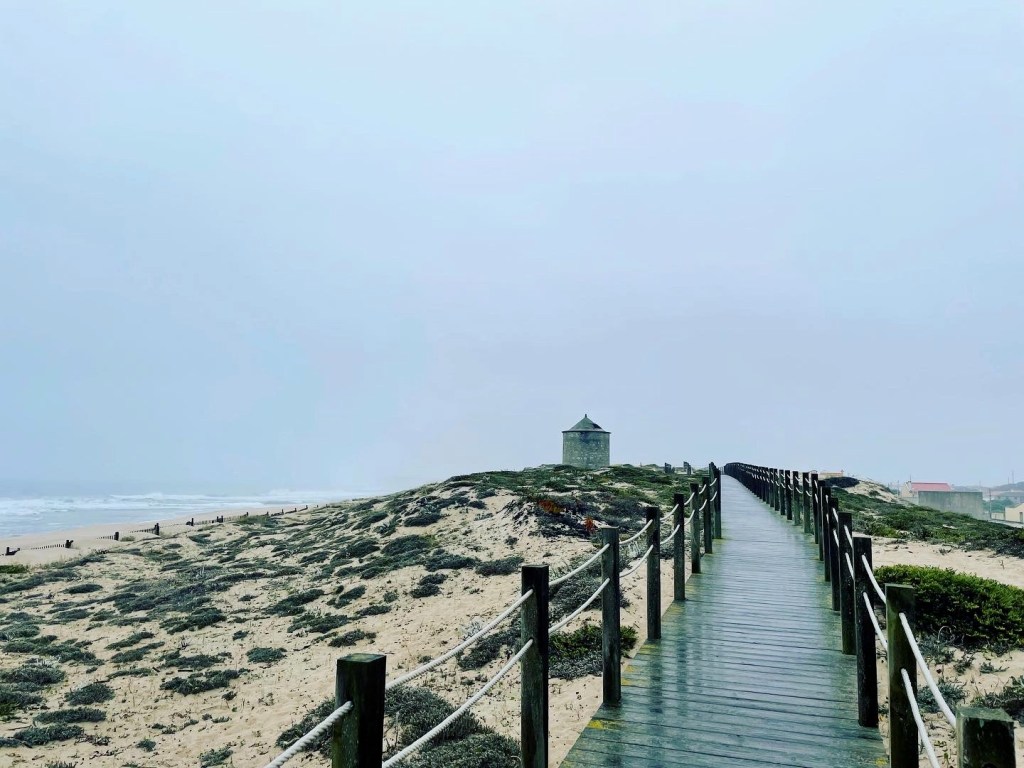
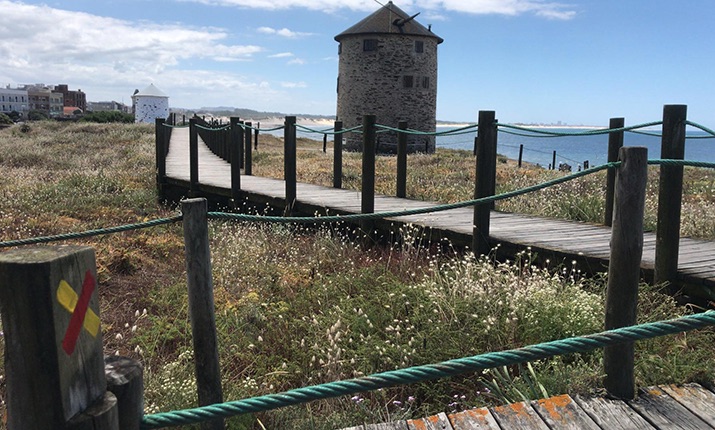
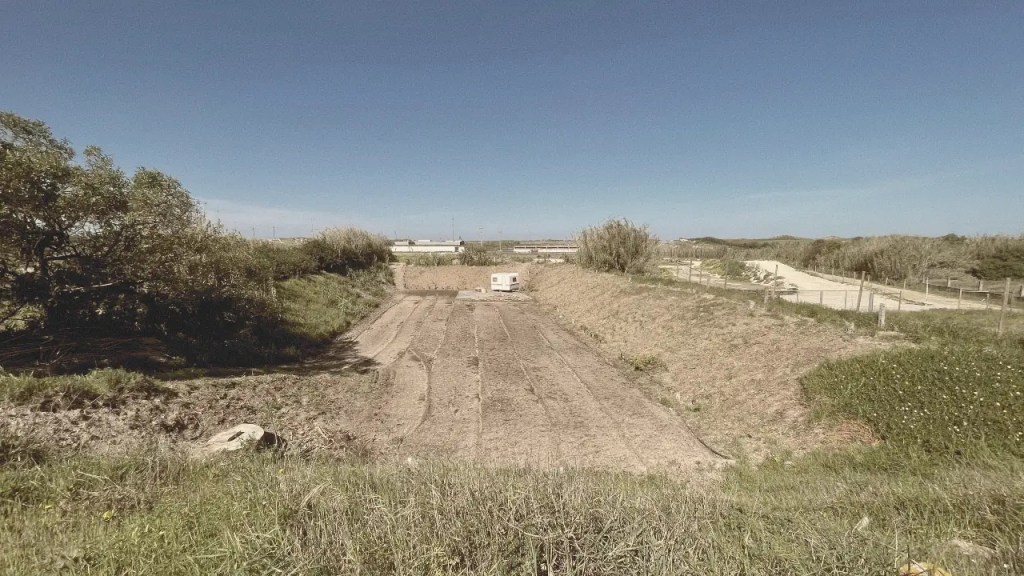
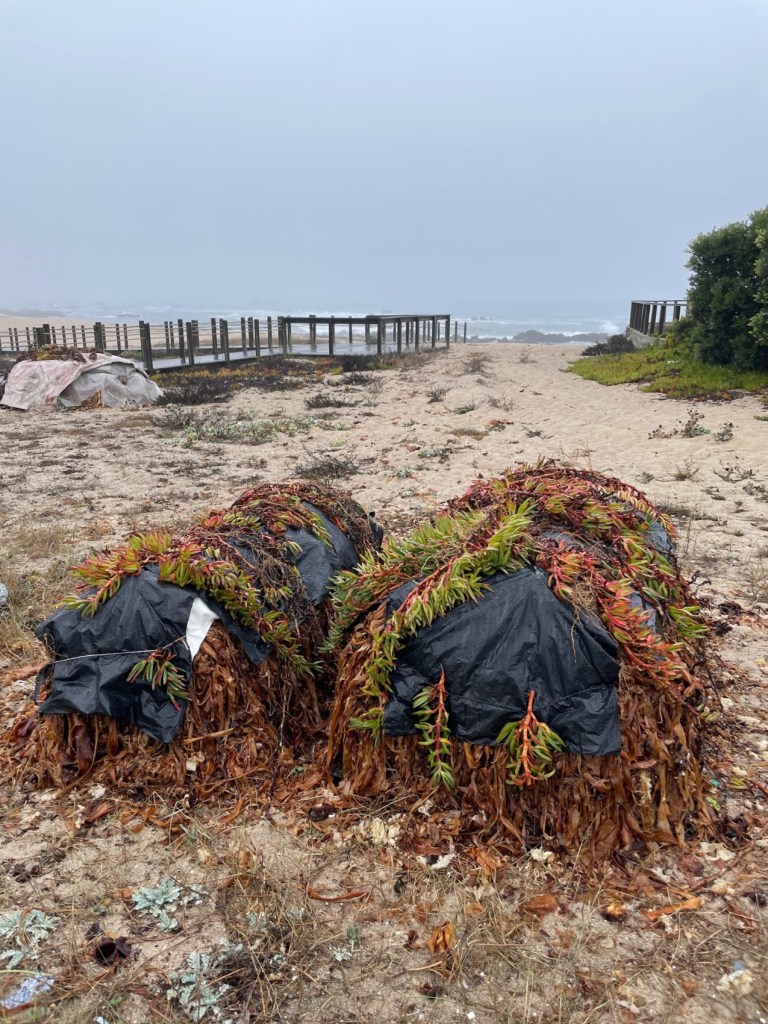
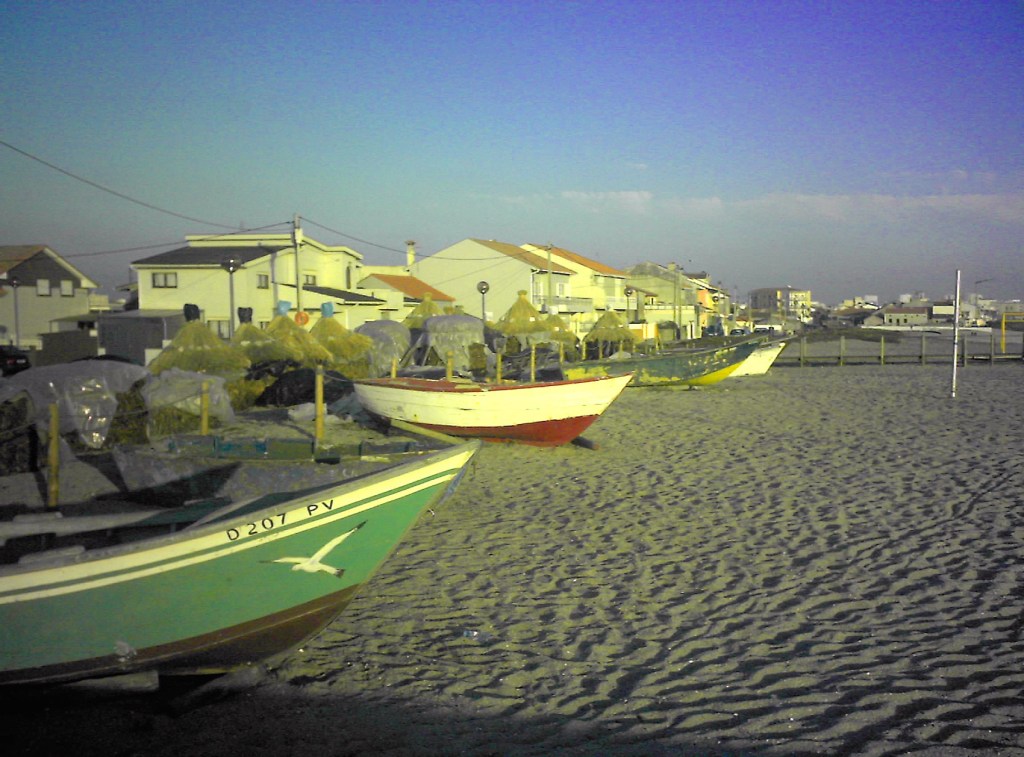
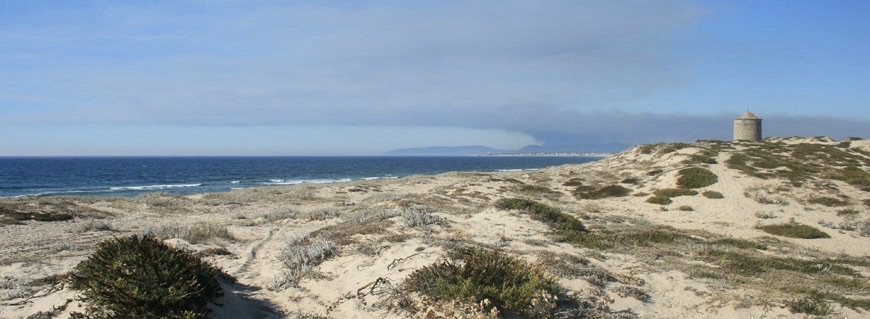
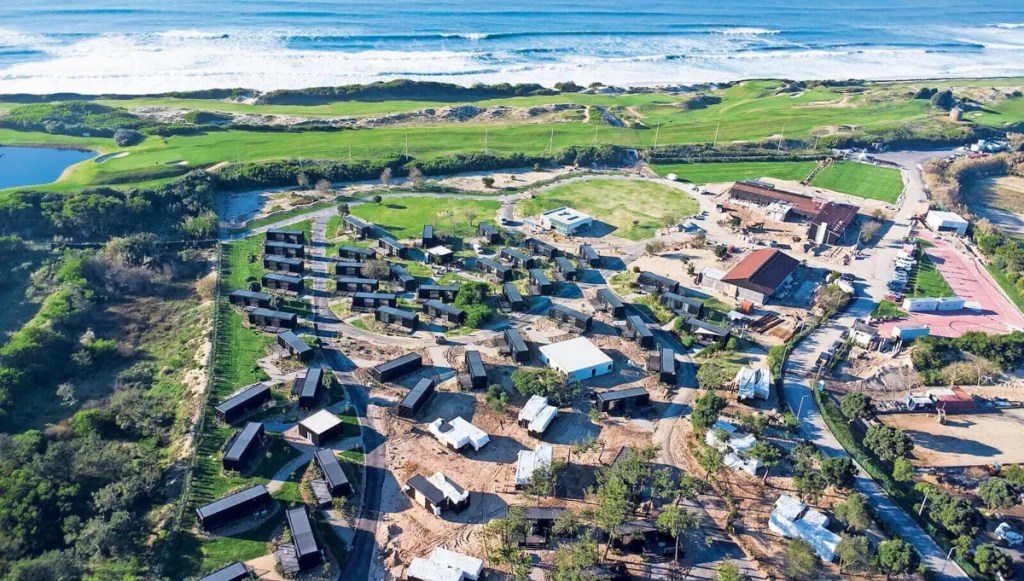
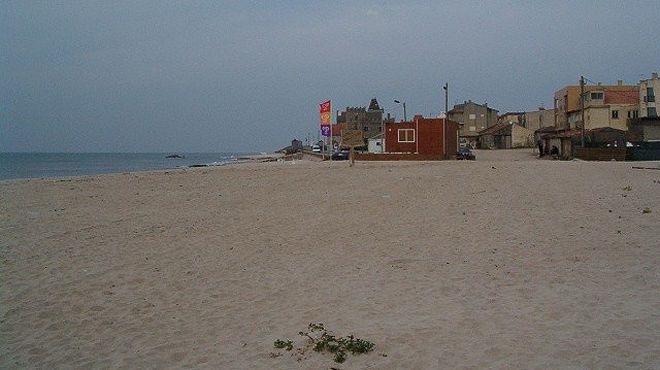
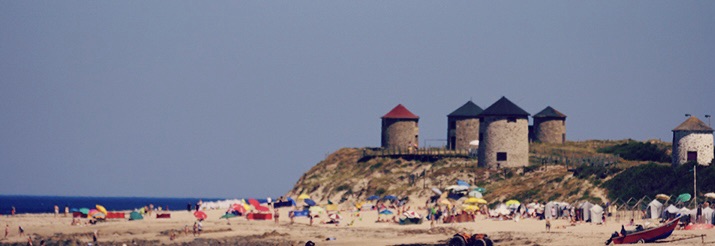
Part of the Litoral de Esposende Protected Landscape, Apúlia Beach covers a large expanse of sand surrounded by dunes that serve to protect the Beach from stronger winds. The dunes are also home to former windmills that have now been converted into holiday homes.
A popular summer destination, the beach has every kind of service and facility and even comes with a specialist health recommendation given its richness in iodine. The abundance of seaweed is one of its greatest characteristics and resulted in one of the defining landmarks of Portugal’s northern coastline – the “Sargaceiro da Apúlia”, known thus due its purpose of collecting sargaço (the local name for seaweed), which was then used as fertiliser on surrounding fields.
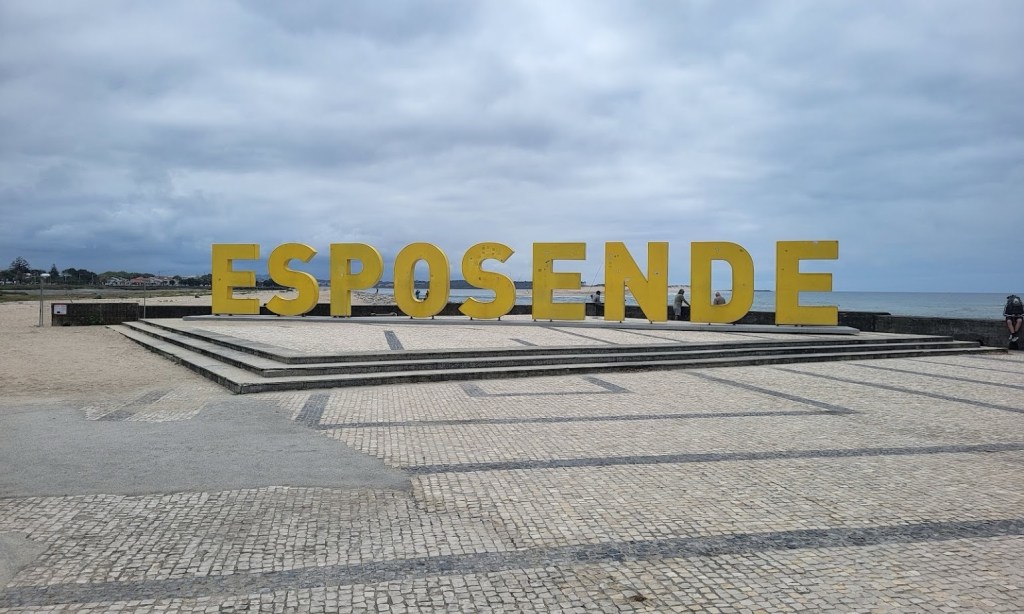
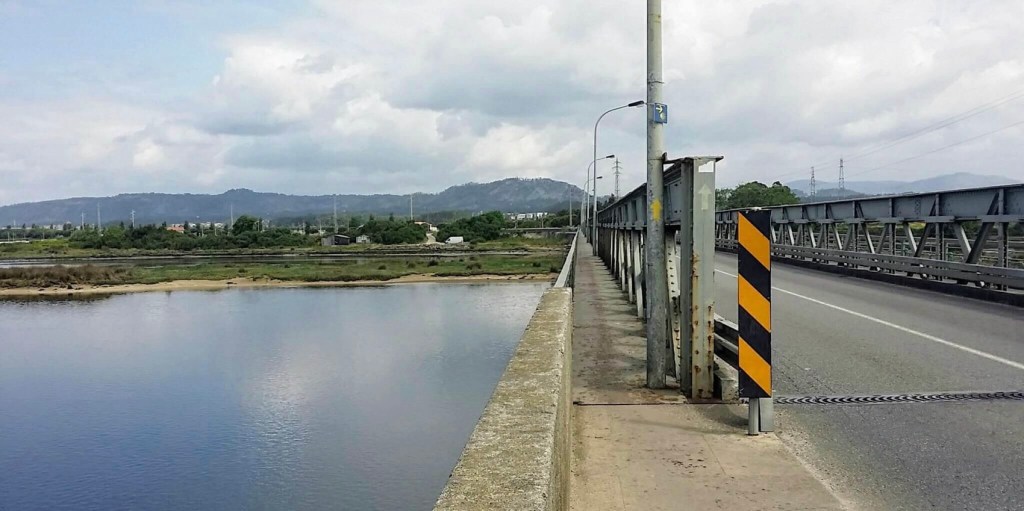
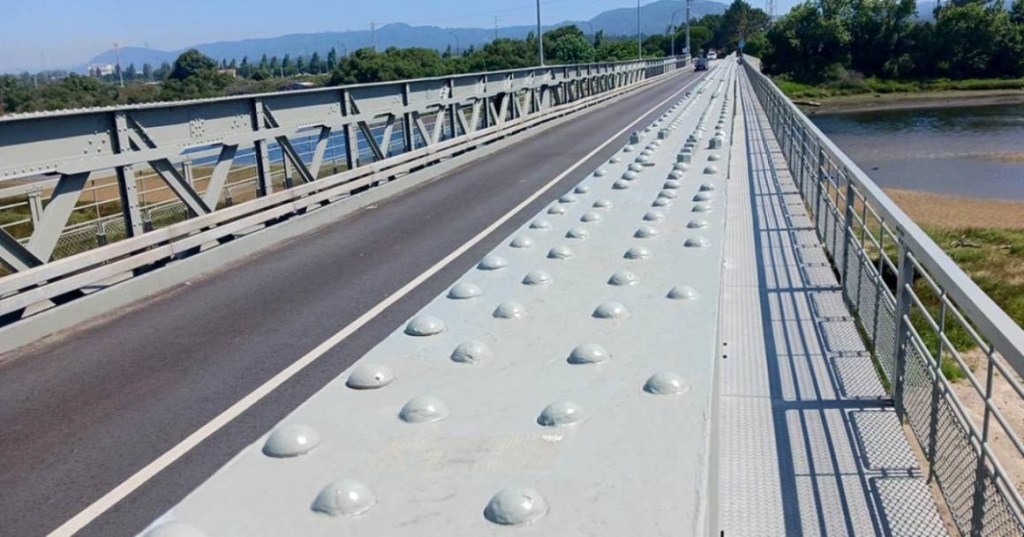
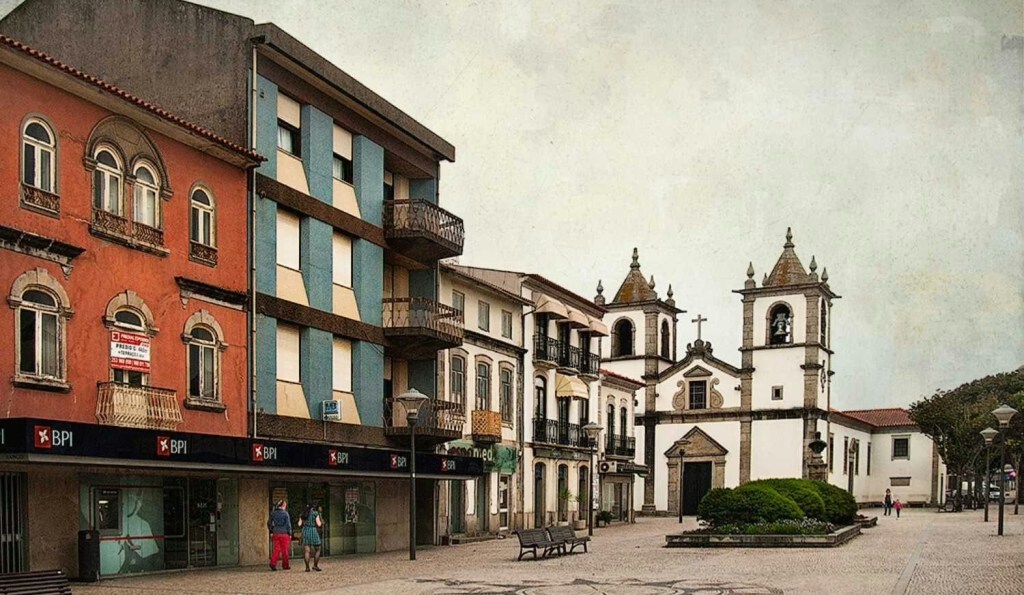
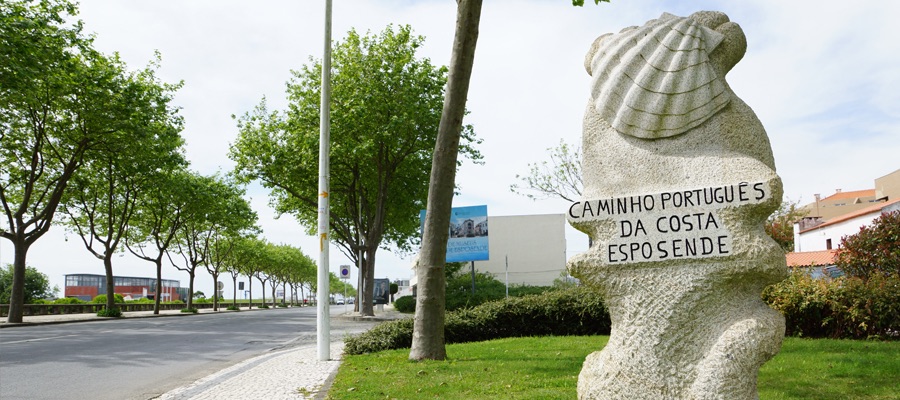
To reach Esposende we turn inland to Fao
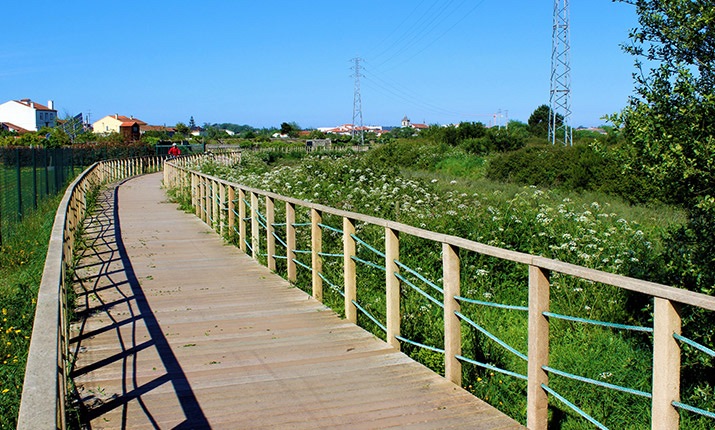
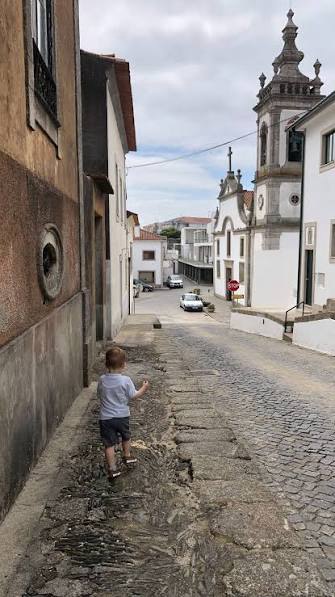
The above link gives an interesting commentary on Fao.
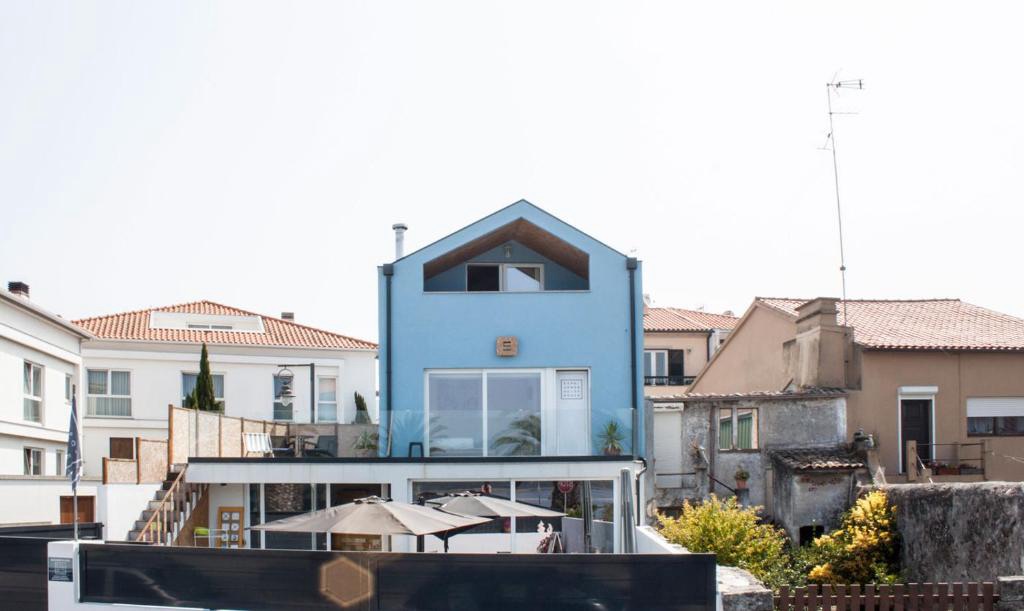
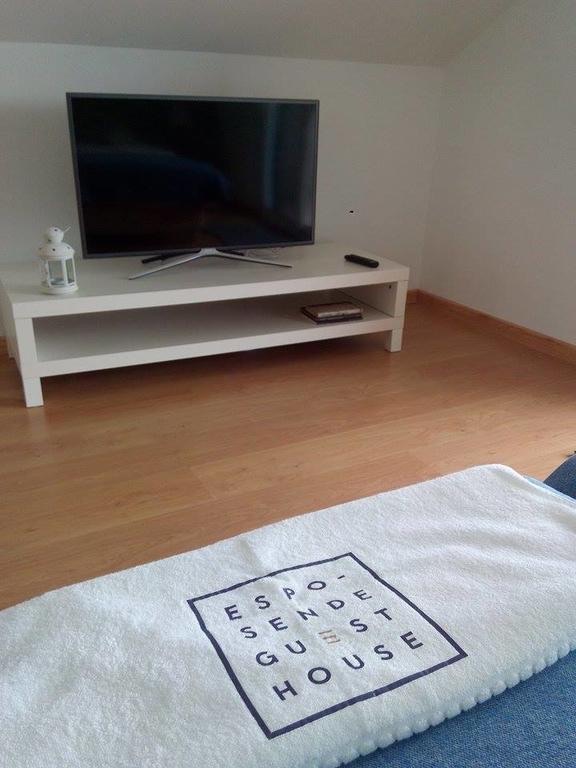
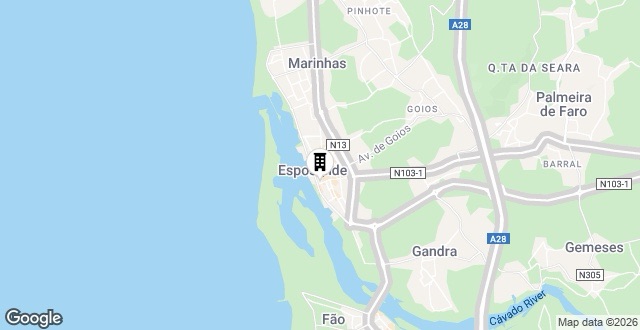
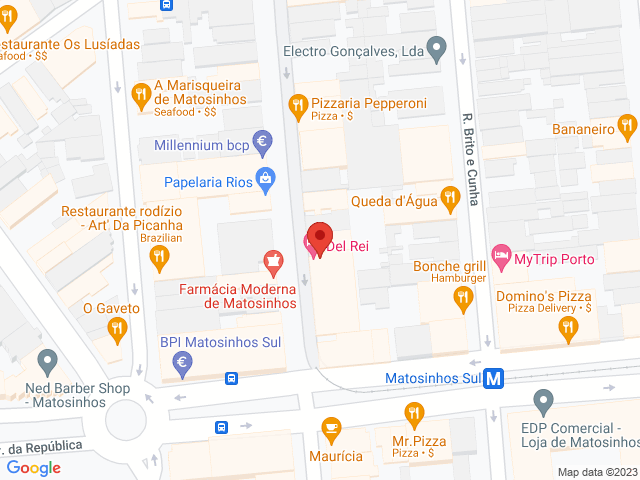
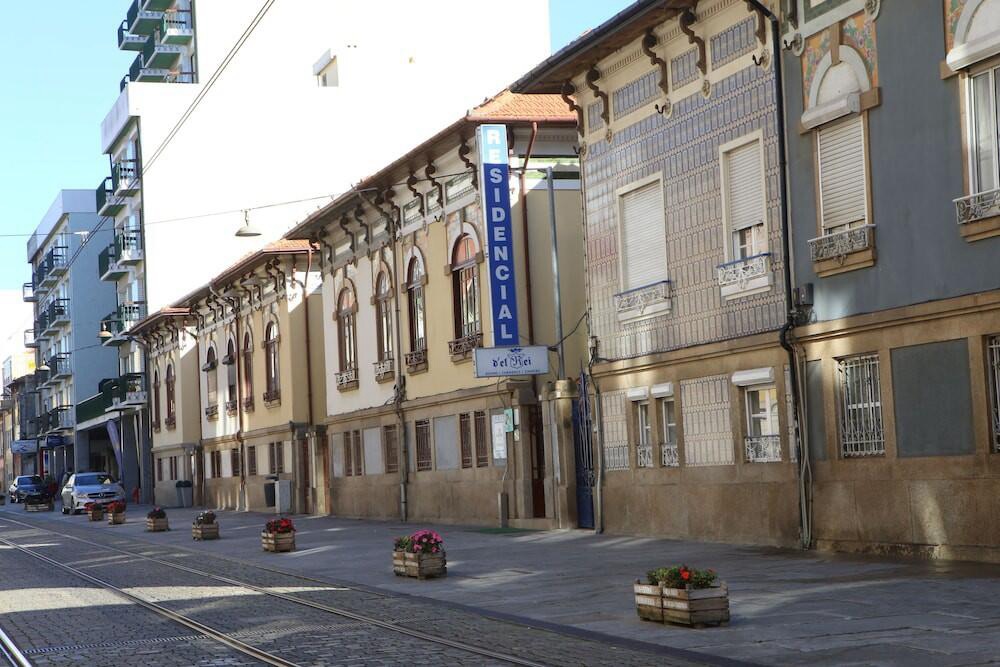
https://www.booking.com/Share-l59Th32
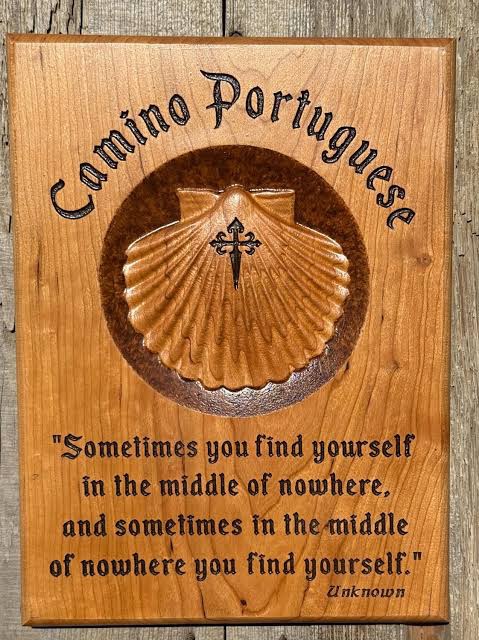
The above link should save you from the “middle of nowhere”.
A song by the late,great Dusty Springfield.
https://music.youtube.com/watch?v=sxlF12tuhbA&si=o-roTKMcDkAKoIMt








 ensuitepilgrim's Blog