

In the late 12th and early 13th centuries the castle was extended, and part of the grid pattern of streets immediately to the south was obscured by the enlarged outer bailey. From 1233 onwards the town walls were constructed; Ludlow Castle stood within the circuit of the walls.
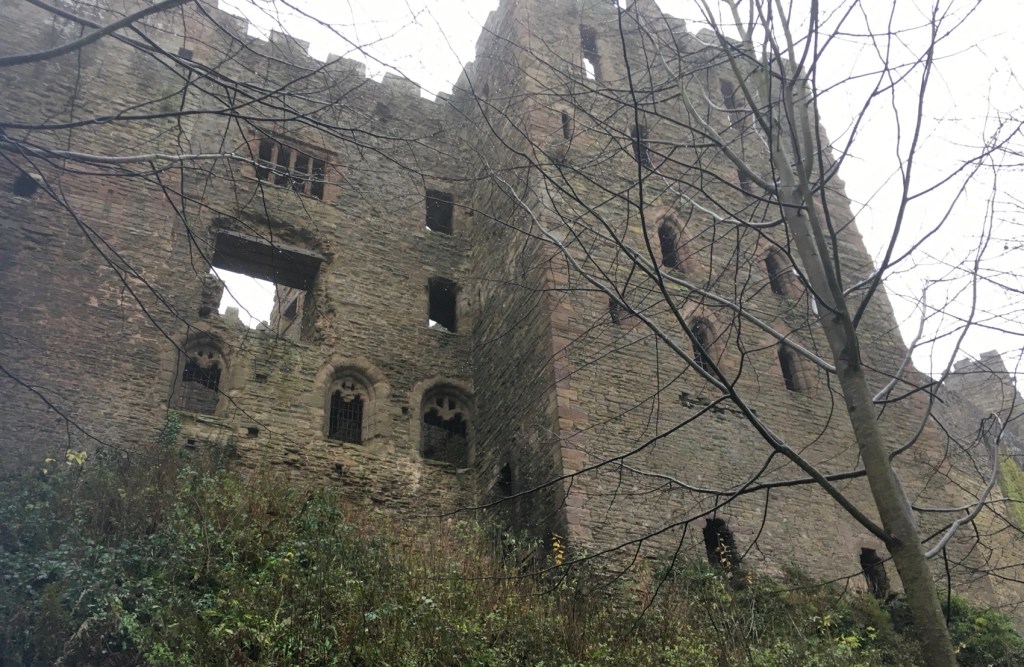
Ludlow Castle has played a key role in some turbulent events in English history. One of its 14th-century owners, Roger Mortimer, helped his mistress Queen Isabella, in the overthrow of her husband King Edward II. In 1473, the Prince of Wales and his brother were held here before their mysterious death in the Tower of London. In 1502 Prince Arthur, Henry VII’s son and heir to the throne, died at Ludlow.




Key Features:
History & Architecture: A well-preserved Norman street pattern with hundreds of historic buildings, dominated by the 11th-century Ludlow Castle on a hill above the River Teme.
Food & Drink: Known for its exceptional food scene, with Michelin-starred restaurants, delicious local produce, and the popular Ludlow Marches Food & Drink Festival.
Markets: A thriving market takes place in Castle Square several days a week, offering local goods, antiques, and crafts.
Culture: A lively town with numerous festivals, including music, Shakespeare, and food events, using the castle as a backdrop.
Scenery: Set within the picturesque South Shropshire countryside, ideal for walking, cycling, and exploring the Welsh Marches, with Mortimer Forest nearby.
Must-Sees:
Ludlow Castle: Explore the ruins of this formidable Norman fortress.
St Laurence’s Church: A magnificent, large parish church with stunning stained glass.
Whitcliffe Common: Wooded common with great views over the River Teme.
Broad Street: Wander past historic pubs, independent shops, and unique architecture.
Good to Know:
“Loud Waters Hill”: The name Ludlow comes from Old English, meaning “loud waters hill,” referring to the River Teme rapids.
Base for Exploration: A great hub for discovering Shropshire and the Marches.


“ Hidden away within an ancient courtyard, the Rose & Crown is Ludlow’s oldest pub, there are documents showing that there was an ale house on this site in 1102. It boasts a 13th century mullioned window with trefoil in the rear stone wall.
Following a careful restoration, we have created a more spacious pub but still with intimate areas to relax. A hidden fireplace has been exposed and beams have been revealed which had remained hidden since the 1960’s. The emphasis is on ancient and characterful wood, in all its styles – some old, some new – the flooring is oak, blended with old quarry tiling and reclaimed parquet. The original pub has been enhanced by a fantastic panelled ‘Mouse room’, sister to our brewers hall here at the Brewery in Market Drayton. Bar patrons are invited to search for all the wooden mice carved by Robert “Mouseman” Thompson.” Thanks to the Joules’ Brewery website.


Saint Laurence’s Church was established as a place of worship when the Normans founded Ludlow in the late 11th century. It is situated in the centre of Ludlow on the hill around which the medieval town developed.
The church is a member of the Greater Churches Group and is the largest parish church in Shropshire. It was one of only 18 churches given a five-star rating in England’s Thousand Greatest Churches by Simon Jenkins (1999) and is described as the “cathedral of the Marches”. The tower is 135 feet (41 metres) high and commands excellent views of the town and surrounding countryside. Notable features include an extensive set of misericords in the choir stalls as well as fine stained glass windows.

After its initial Norman construction in the 11th Century AD, the church was expanded and rebuilt in 1199 to accommodate Ludlow’s growing population. During the late Middle Ages Ludlow became a wealthy wool town, to befit this growing prosperity St Laurence’s underwent several further additions. The major works occurred between 1433 and 1471 with a virtual re-building of the nave, tower and chancel elements. The tower took on a Perpendicular style which was fashionable in England in the 15th century.


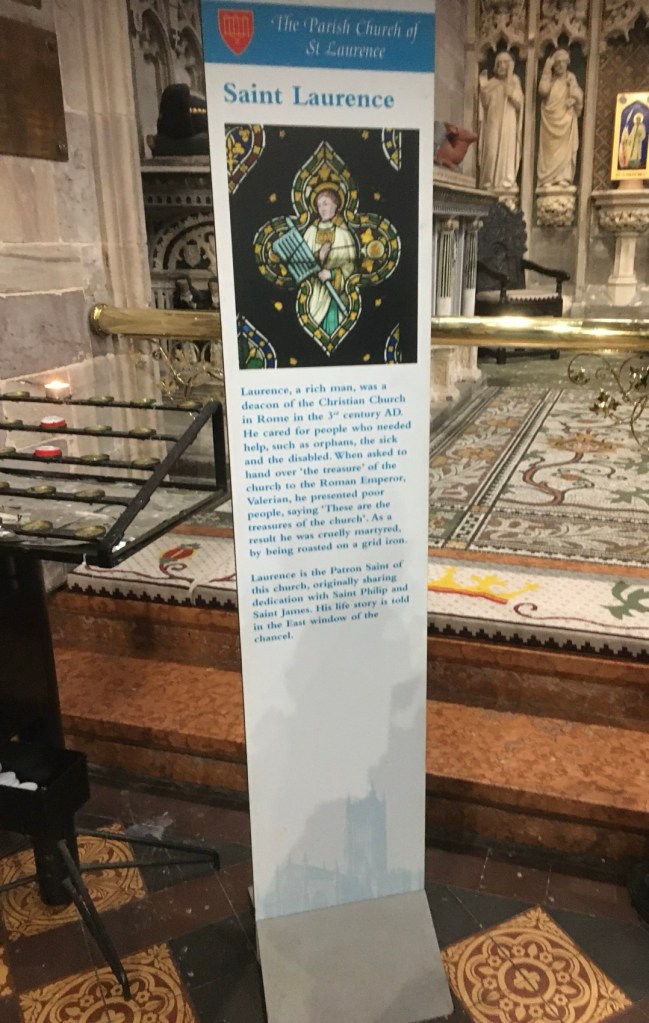
The church is a member of the Greater Churches Group and is the largest parish church in Shropshire. It was one of only 18 churches given a five-star rating in England’s Thousand Greatest Churches by Simon Jenkins (1999) and is described as the “cathedral of the Marches“.[2][3] It is the 13th most popular free visitor attraction in the West Midlands, with 70,000 visitors per year. Wikipedia….


The Shropshire Lad, III
A.E. Housman, the famous poet, had a deep connection to Ludlow, Shropshire, featuring it prominently in his collection A Shropshire Lad, with poems like “The Recruit” and “When smoke stood up from Ludlow” depicting its landscapes, towers, and local life, and his ashes are buried in St. Lawrence’s Church there, marked by a cherry tree.
            THE RECRUIT

Leave your home behind, lad,
    And reach your friends your hand,
And go, and luck go with you
    While Ludlow tower shall stand.

Oh, come you home of Sunday
    While Ludlow streets are still
And Ludlow bells are calling
    To farm and lane and mill,

Or come you home of Monday
    When Ludlow market hums
And Ludlow chimes are playing
    ‘The conquering hero comes’,
 ensuitepilgrim's Blog
Leave a comment