
Don’t worry, we’ll be taking our time on what should be a short,relaxing stroll. In fact,time could be spent exploring the town before departure,if wanted and also stocking up on snacks / water.
Lucignano d’Arbia is a beautiful fortified village, which has carefully kept much of its original medieval architecture. We were greeted at the Porta Senese, the gateway into town, by the old brick,water well, where residents drew their daily water for centuries.
The tall solid brick tower, the Torre del Cassero, dates to the 13th century, as does the beautiful church of San Francesco; the church has a Gothic portal and frescoes by Bartolo di Fredi. The Pieve di San Giovanni Battista is Romanesque, with stone vaults and paintings.

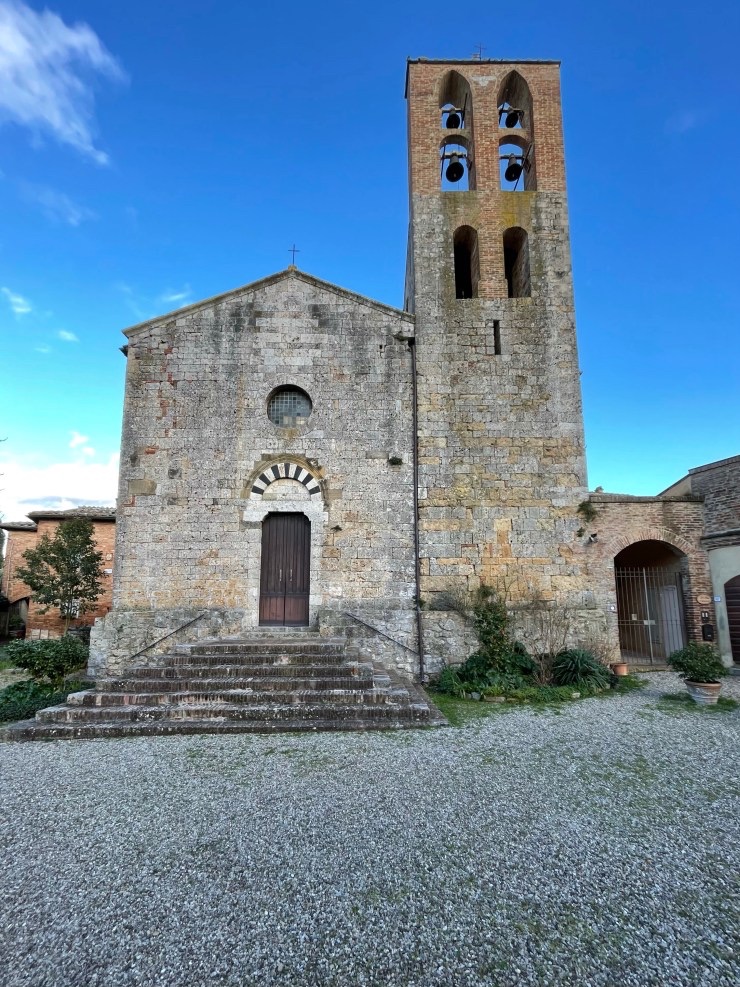
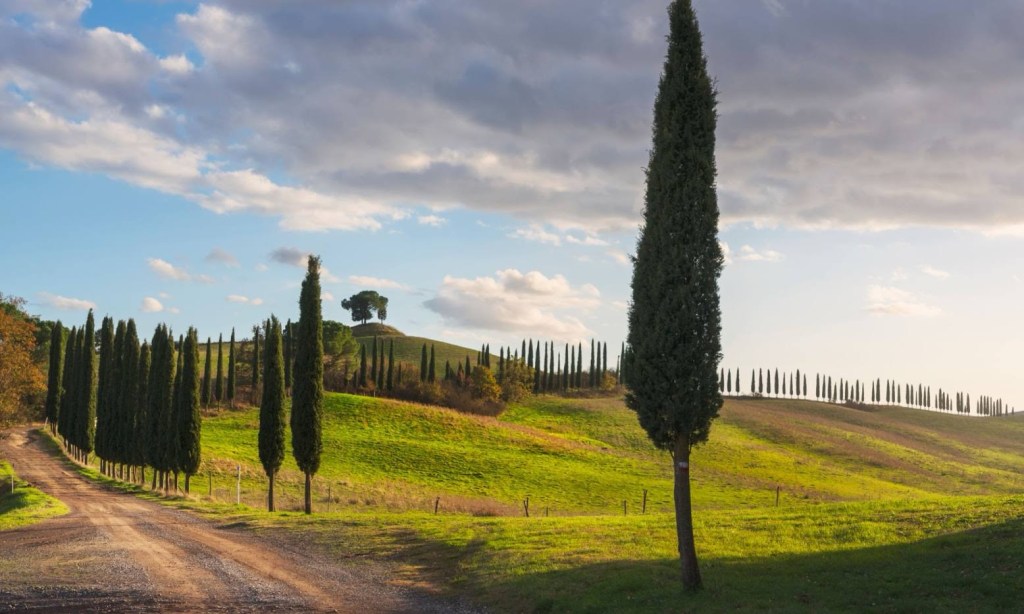
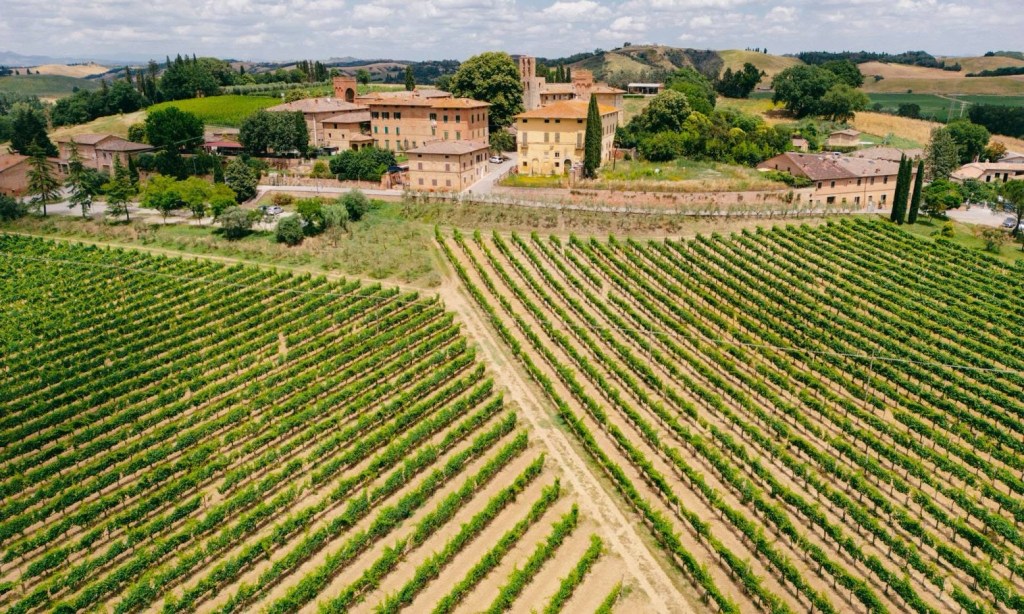
Lucignano d’Arbia is compact and a pretty village to wander. Surrounding it are the postcard-like images of the Tuscan countryside with grape vines, rolling hills and cypress trees.

This is an informative link to the history of Ponte d’Arbia.
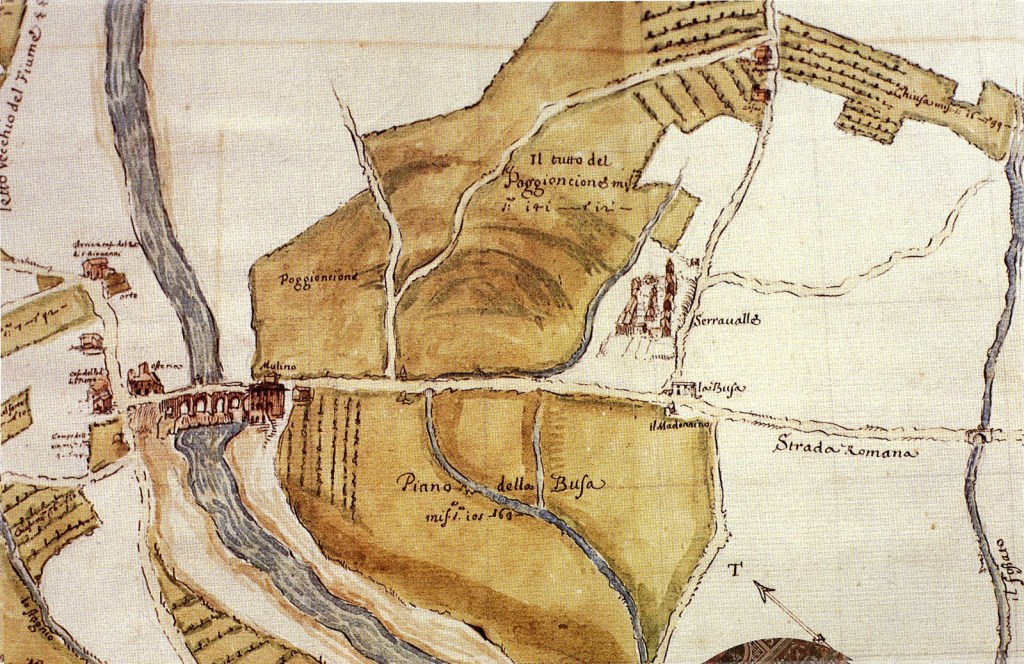

We walk uphill en route to Buonconvento, along a series of paths that keep us among fields and off the SR2. The climb is a little steeper towards the top – good views – and eventually pick up the SR2 Via Cassia just before the town, crossing the River Ombrone to enter Buonconvento via the Porto Sienes. About an hour’s walk from Ponte d’Arbia.
An excellent and beautifully illustrated guide to the town.
https://www.discovertuscany.com/crete-senesi/visit-buonconvento.html
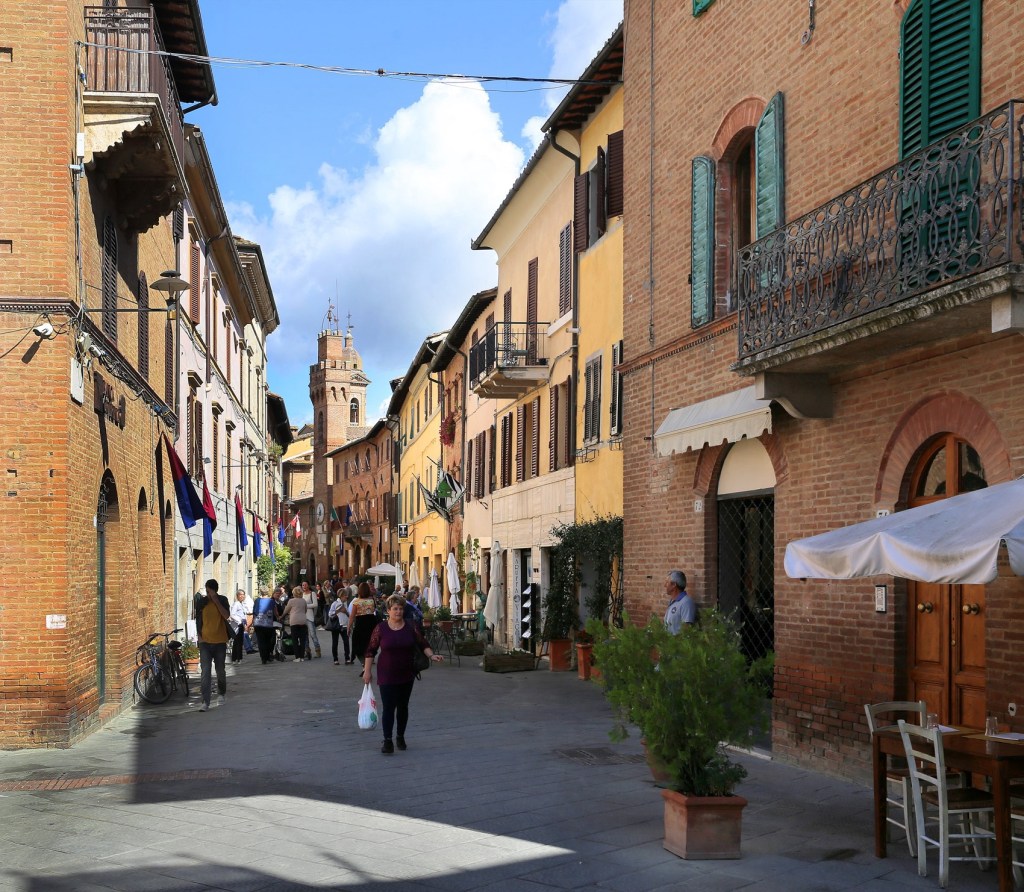
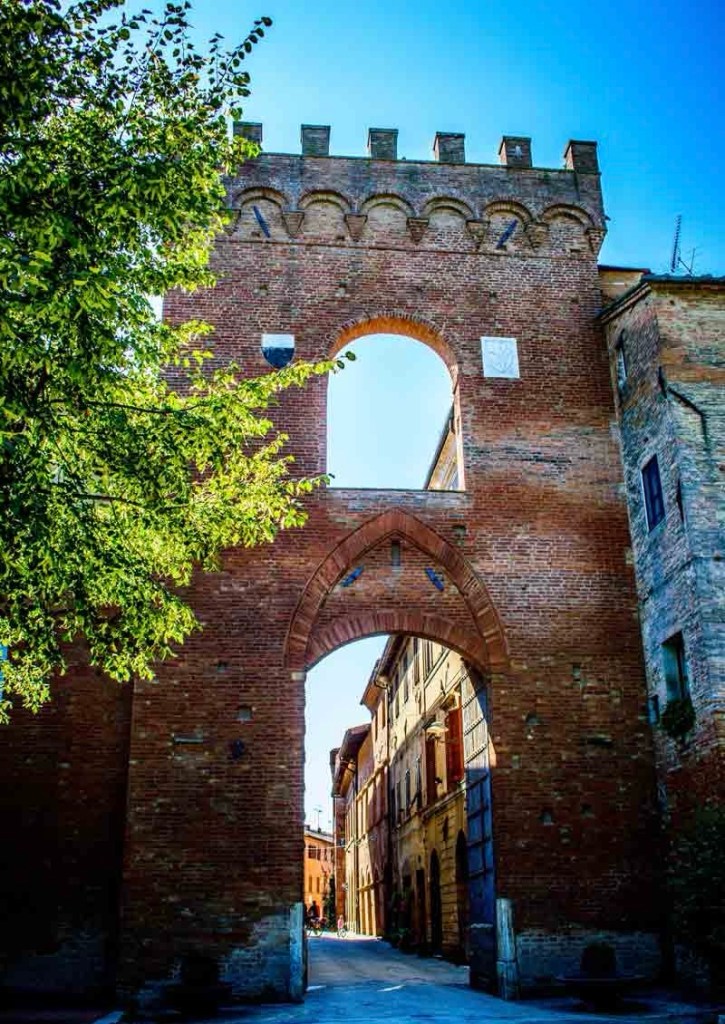
Unusually for this part of Tuscany. It’s a medieval walled town (with post-war expansions) which is situated on a plain (and not a hill) at the intersection of the Arbia and Ombrone rivers, surrounded by the grey clay-scarred hills of the Crete Senesi. Located approximately 16 miles to the south-east of Siena ,the town became an important trading centre in the thirteenth century and later a military town for the City State of Siena, which presumably triggered the need for the high town walls and gates which were constructed between 1371 and 1383.


“One of the best breakfasts along the Francigena that we walked. Centrally located, with restaurants and bars nearby. Great staff”,from a recent review.
On a practical note, supermarket Il Frutteto Di Tatania and Charlie’s Pub pizzeria are very close by and recommended.
 ensuitepilgrim's Blog
Leave a comment