

https://music.youtube.com/watch?v=SwUG5BcsRmk&si=dMbzyP-cXIp2AOWM WITCHWOOD by The Strawbs.

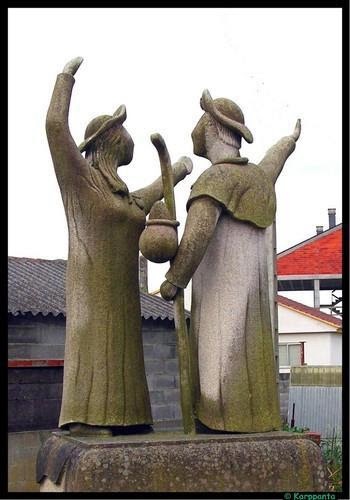
SAN XULIÁN HAS A SHOCKING STORY TO TELL
According to legend*, when Xulián was a young man, it was prophesied that he would one day kill his own parents. To keep the prophecy from coming true, Xulián left town in an effort to stay away from his parents and keep them safe from his own hand. He eventually built a new life for himself away from his parents (likely in Portugal) and married a young woman.
Soon after Xulián’s marriage, his parents set out to locate their lost son’s new home and found his wife there alone. She, unaware of the prophecy, was thrilled to finally meet her mother and father-in-law, welcoming them into the home and even offering hers and Xulián’s bed to the weary travelers while she attended church.
Unfortunately, Xulián soon returned home before his wife and unexpectedly found two people in his bed. Assuming that it was his wife and a secret lover, he murdered both of his sleeping parents in a blind rage.
Immediately realizing his mistake and that the prophecy had come true, Xulián and his wife began a pilgrimage to Rome to seek forgiveness for his sins from the pope. As his penance, Xulián was ordered to devote his life to caring for pilgrims. He did so, and he and his wife were both canonized as saints after their deaths. This story is entirely according to legend and is not officially verified by the Catholic church, but it makes for a good tale, anyway.
https://music.youtube.com/watch?v=Ea_GmMMVbUk&si=5uo-S2RCA-uEG043 “ Woman in the Wall” – The Beautiful South
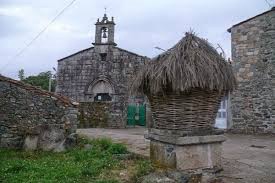
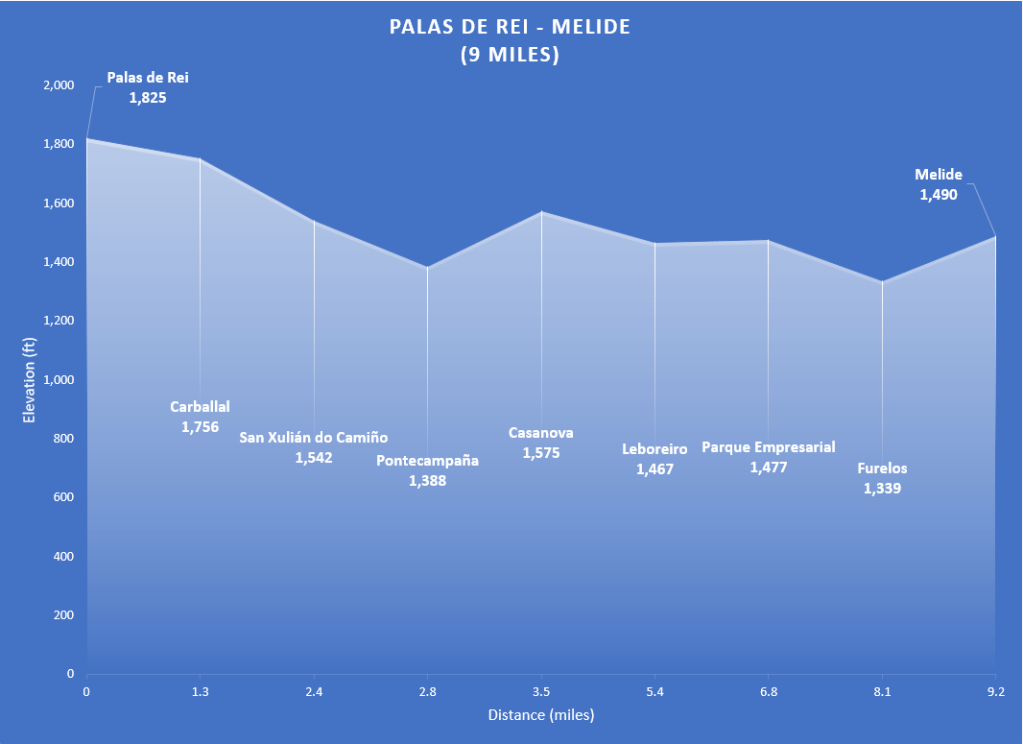
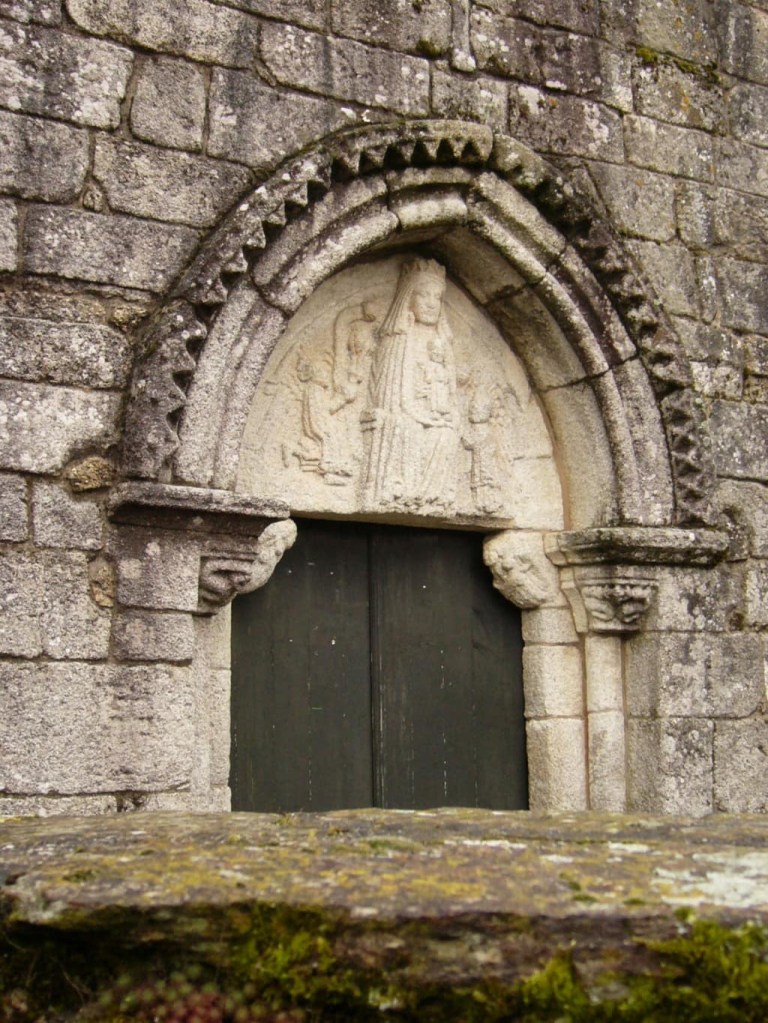
Rebuilt in the 18th century this church has an interesting legend attributed to its founding. It was said that a nearby fountain was emanting a “heavenly odor” and at night a “shining light”. Villagers, seeing this as a sign from above, proceeded to dig at the source of this divine intervention and found an image of the Virgin Mary there. They immediately placed it on the altar of the church. The one catch was that the image would not stay where it was placed and somehow returned to the fountain. This pattern repeated itself over several days until the villagers carved the tympanum we see here today and dedicated the church to the Virgin Mary. Satisfied, the image of the Virgin remained on the altar and has been in the church ever since. To add to the legend, it was believed by villagers in the 1960’s that the she returned to the fountain every night to comb her hair.
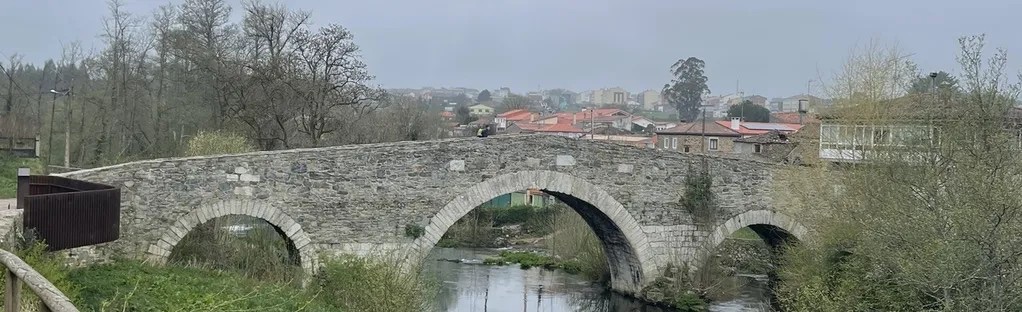
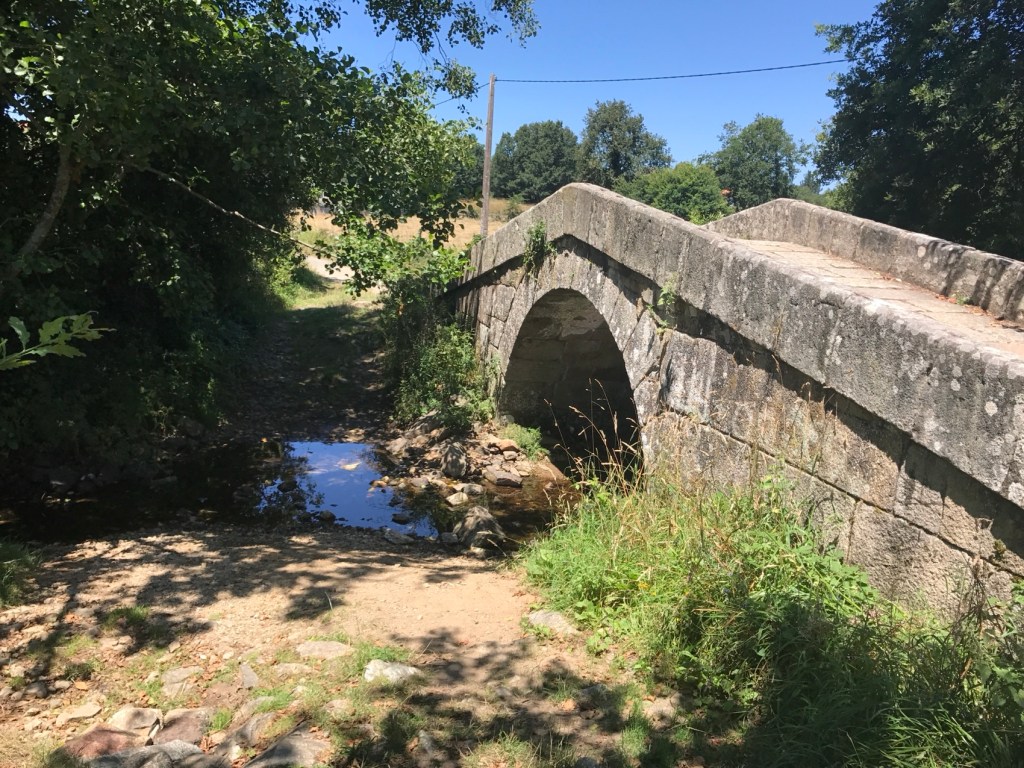
And another style of granary used for storing harvested foods. On leaving we cross a single arch bridge over the River Seco
https://music.youtube.com/watch?v=y7BUXRsTbvI&si=kbbpFG2rQI-8rE0z
Onwards to Furelos and a more memorable bridge .
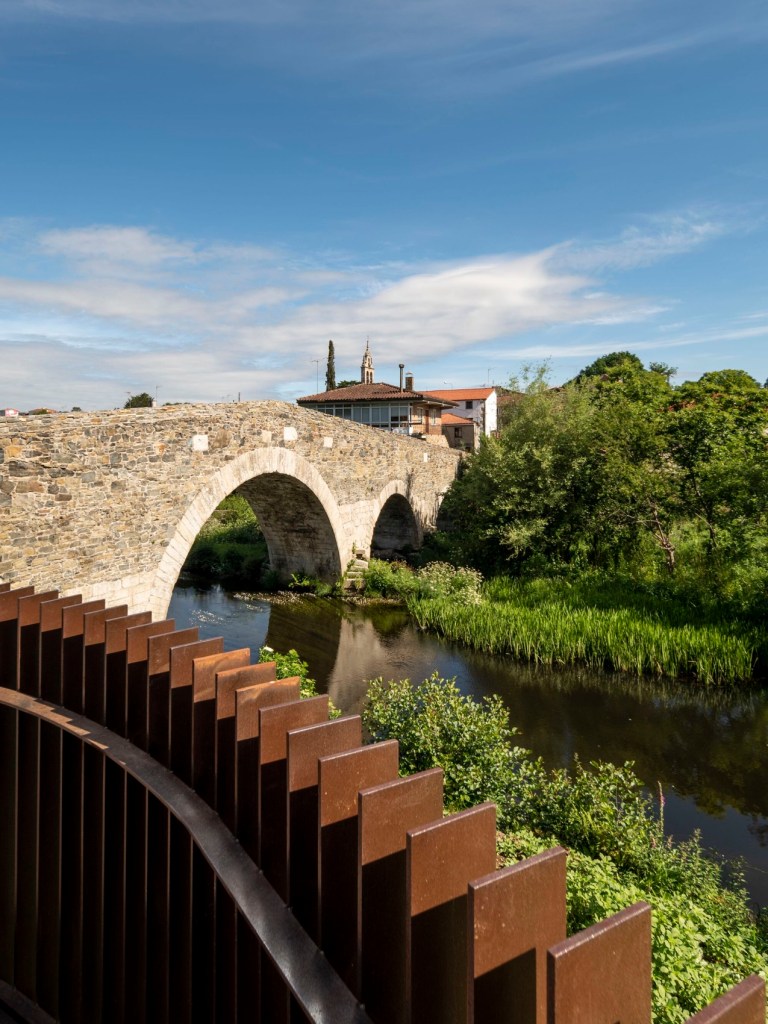
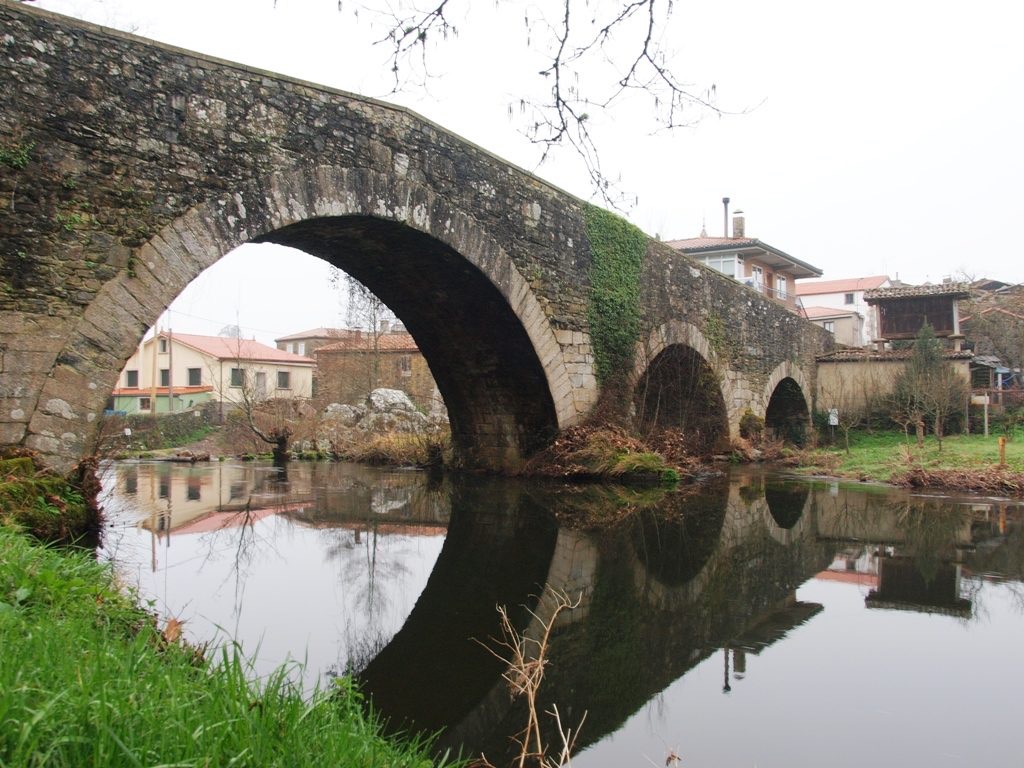

San Xoán de Furelos Church, just next to the French Way, preserves part of its Medieval Romanesque architecture, and more specifically, its southern wall. Inside, on the right side, we can find the impressive Neogothic altarpiece of the Santo Cristo, which was created by the sculptor born in Furelos, Manuel Cagide.
The Ethnographical Museum of Melide was recently opened, just next to the church and the bridge.

South of Furelos from the Camino,archaeologists have unearthed much older guardians of the land and people,such as 2000 year old burial grounds called mamoas.

And finally, Melide.
The northwest region of Spain has been inhabited since the Neolithic period. Melide itself began to grow and become important after the discovery of the tomb of Saint James.
From the 10th Century, Melide grew as the popularity of the Camino de Santiago did. With the increasing number of pilgrims on both the Primitivo and French routes, traders and innkeepers began to set up along these routes.
In the early 14th Century, the Archbishop of Santiago, Berenguel de Landoira stayed in Melide on his way to Santiago to take up his Bishopric. To thank the village for their hospitality, he granted them permission to build a fortress and charge taxes.
In the 15th Century, Melide played a central role in the Irmandiña Revolts against the power of the local barons. It was during these revolts that the walls of the town and the fortress were destroyed. The stone however was later used in the construction of the Convent of Sancti Spiritus.
In the 19th Century, Melide played its role in the fight against Napoleon’s troops during the War of Independence. Despite being outnumbered by the French the troops managed to push the French into a retreat. Less than half of the fighters had firearms, but they were assisted by villagers wielding rudimentary tools and sharpened sticks.
Despite many people leaving the town since the 1950’s Melide is still going strong. Today, tourism from the Camino plays a major role in the economy of the town, alongside more traditional agricultural activities.

Melide, located in the region of Galicia in northwest Spain, is the only town where two Camino routes meet. The Camino Primitivo(Original Way) stops in Melide and the Camino Frances (French Way) passes through.
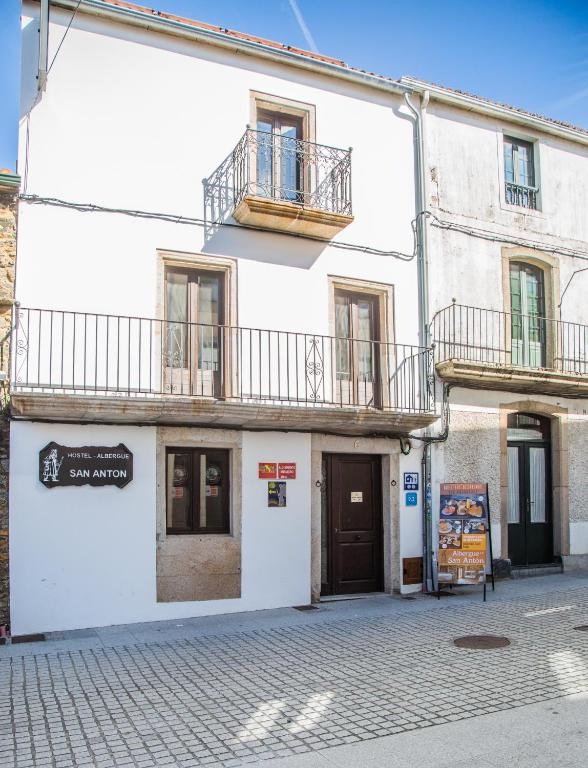
This town is well equipped and accustomed to helping pilgrims. After all, the Primitivo is the oldest route and the French is the busiest! I have stayed in Melide at least twice . Once 20 years ago on my first Camino and relatively recently , coming in on the Camino Primitivo.
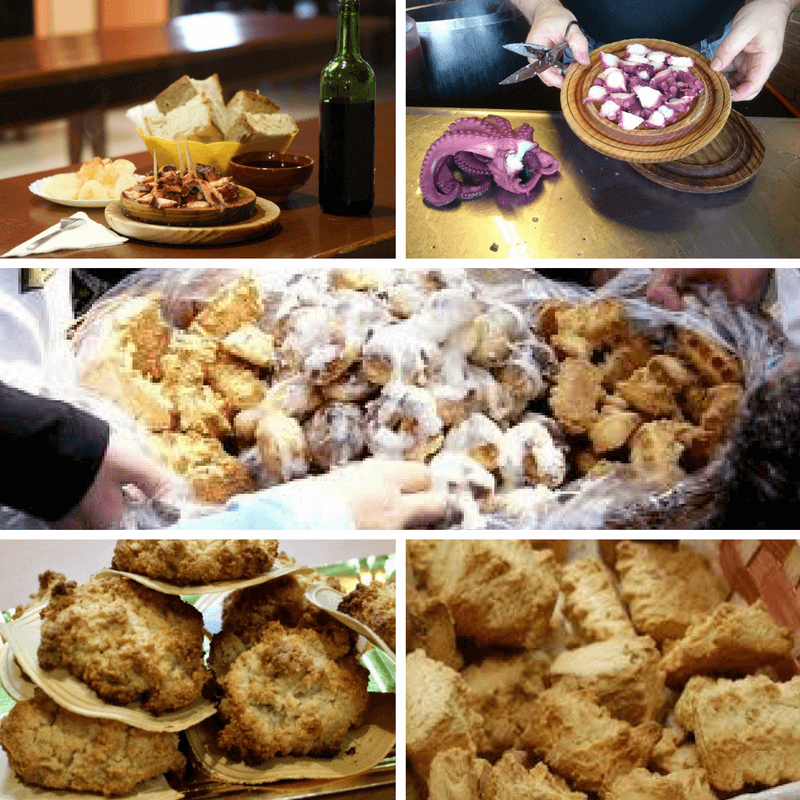
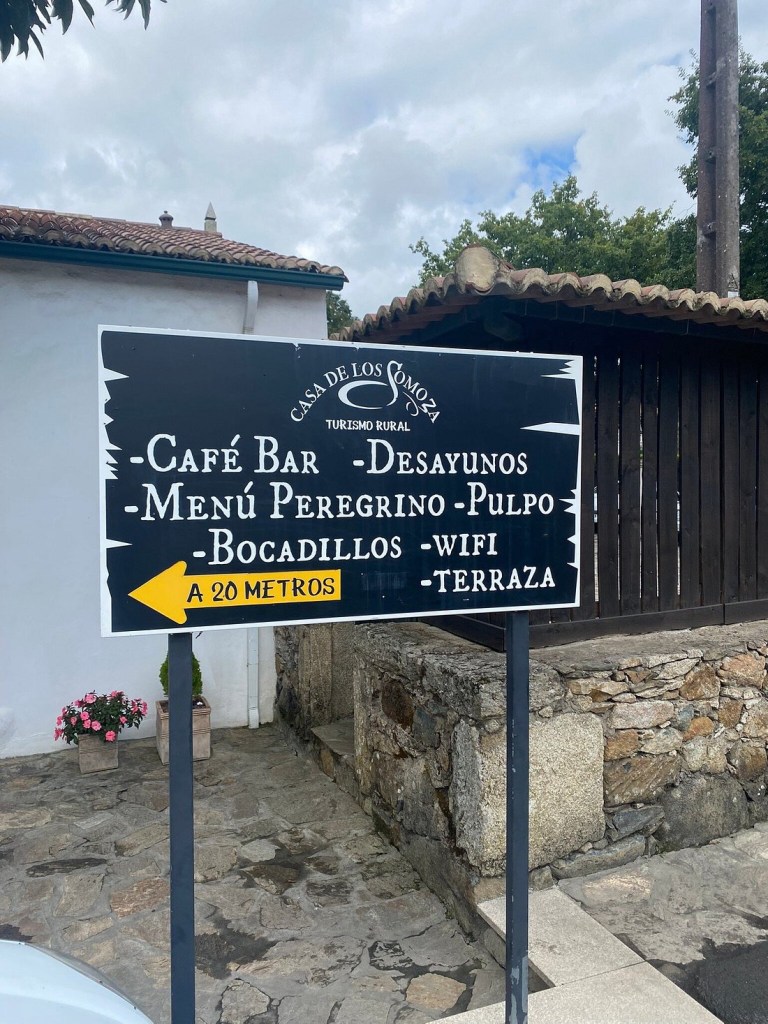
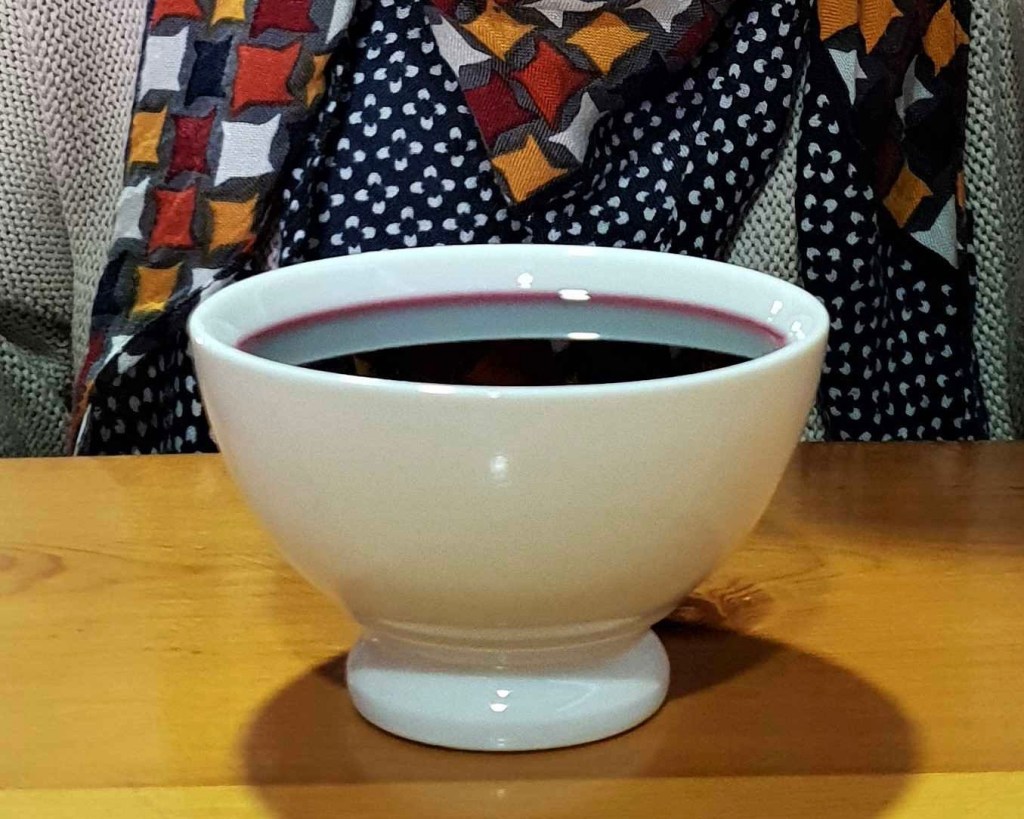
Despite being inland, Melide’s best dish and one you must try when here is ‘Pulpo á Feira’, boiled octopus. To enjoy this dish like a local it should be accompanied with bread, cachelos (boiled potatoes) and red wine.
https://poserontour.com/melide/ A chatty style guide to Melide
 ensuitepilgrim's Blog
Leave a comment