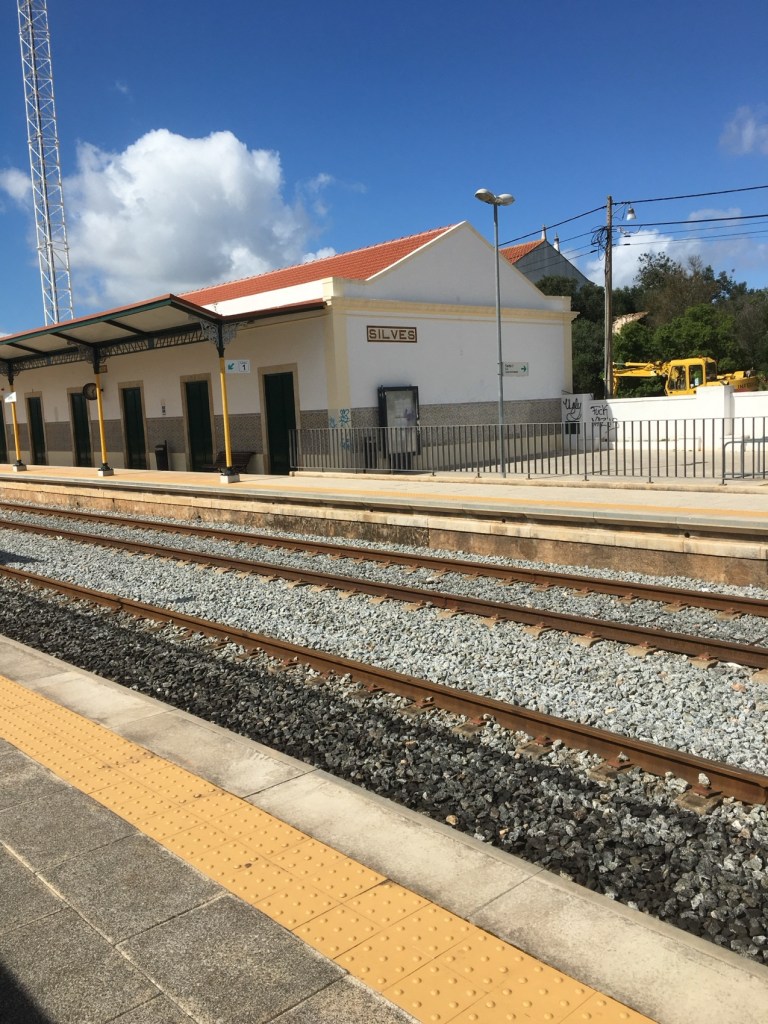
deserted and no signage and not just on Sundays by the look of it.
Fortunately, a fellow tourist assured us we were heading in the right direction. She was an interesting companion as we walked the 1.25 miles down to the city. She was a football fan, 51 years of age and still playing 7-a- side and had been to watch Spain play Holland( womens’ teams ) in Seville earlier in the week. She was from Breda, same town as Liverpool and Holland’s formidable captain,Virgil Van Dijk. That was the third conversation of interest we enjoyed on this short journey from Portimao. First, on the platform at Portimao, with a lady who recognised my scallop shell on the rucksack and we shared Camino experiences. She was Belgian with excellent English, fluent in the vernacular,too. “knackered “ was used quite precisely at least twice! A other Pelegrina chatted to us on the train, briefly and she,too, was an enthusiastic reminiscer.

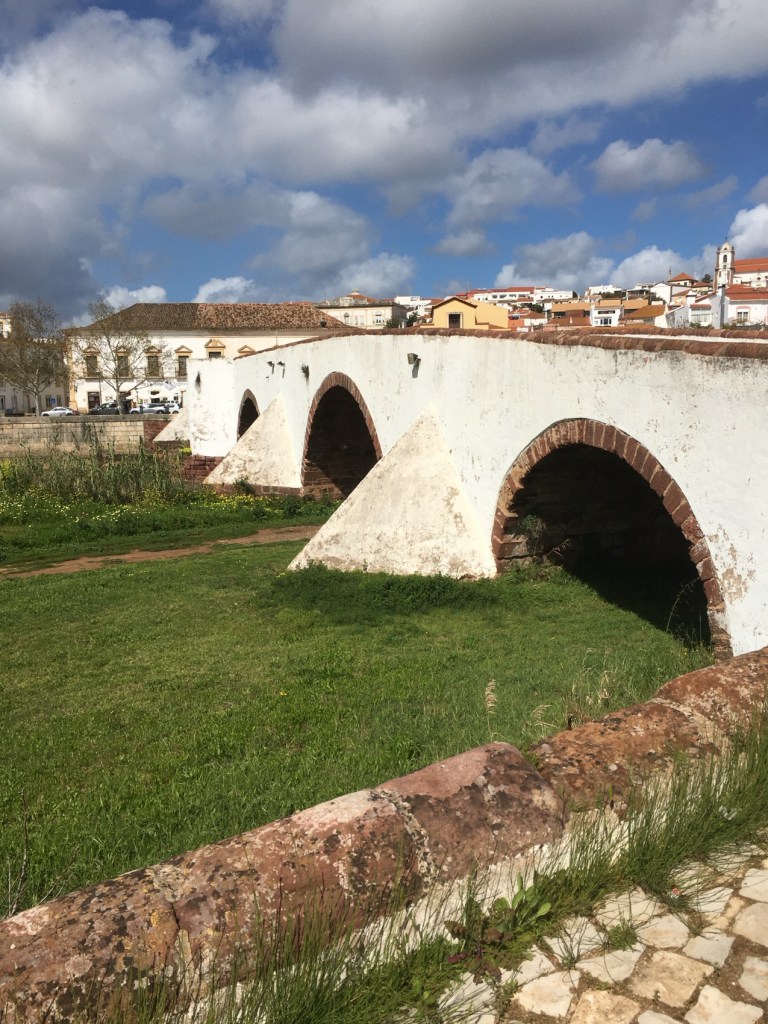
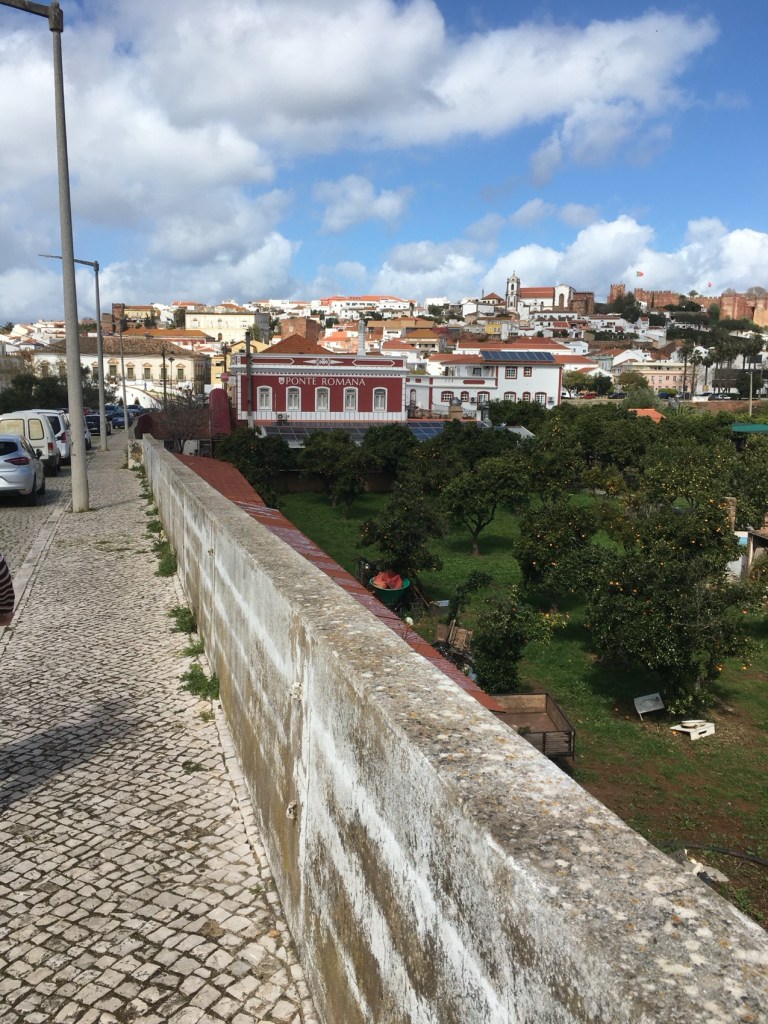
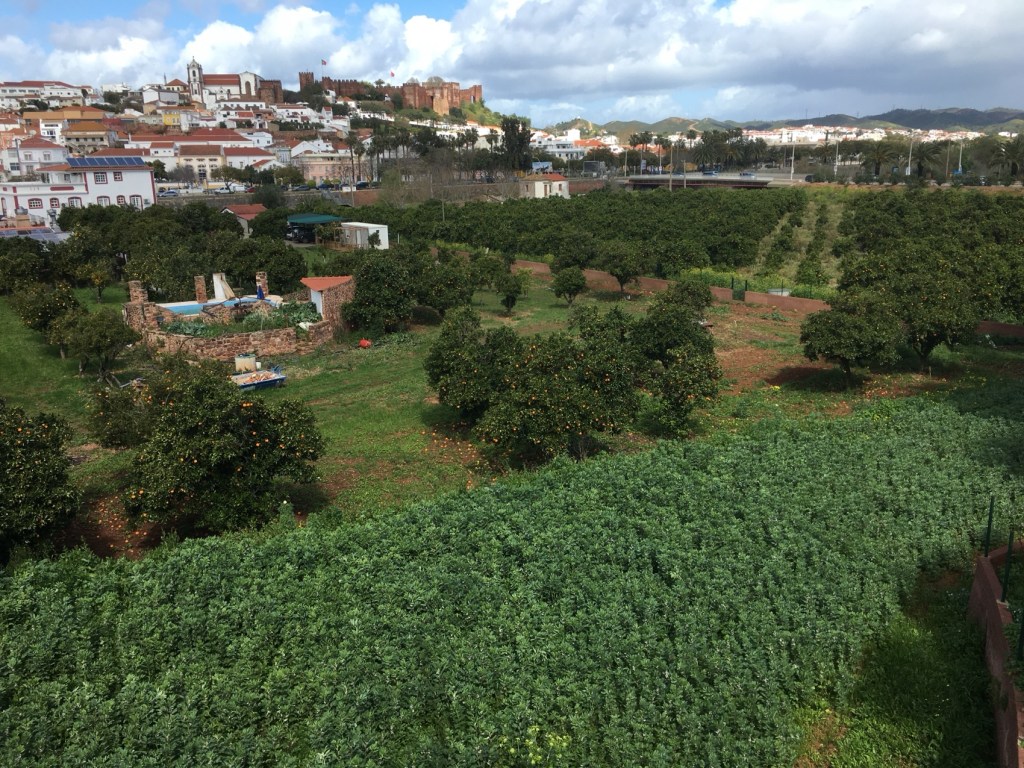
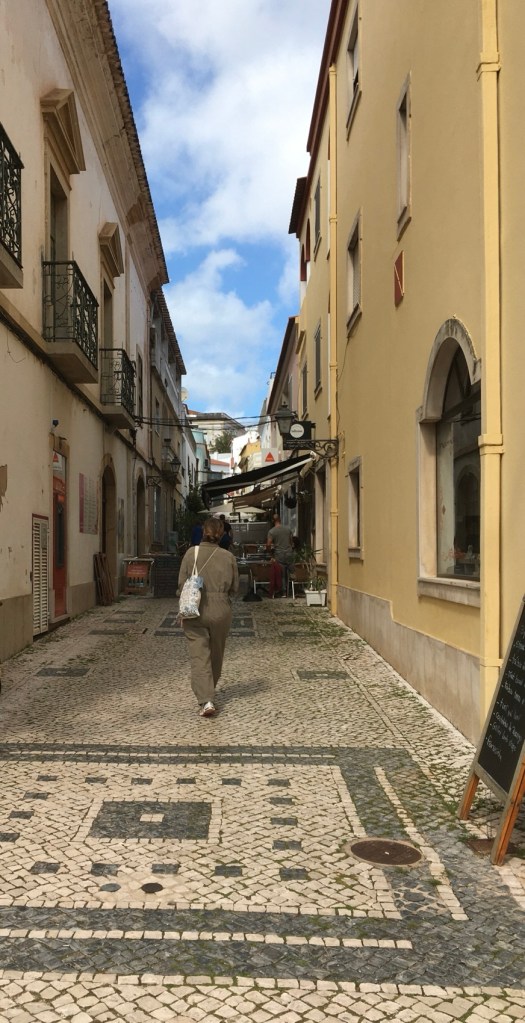


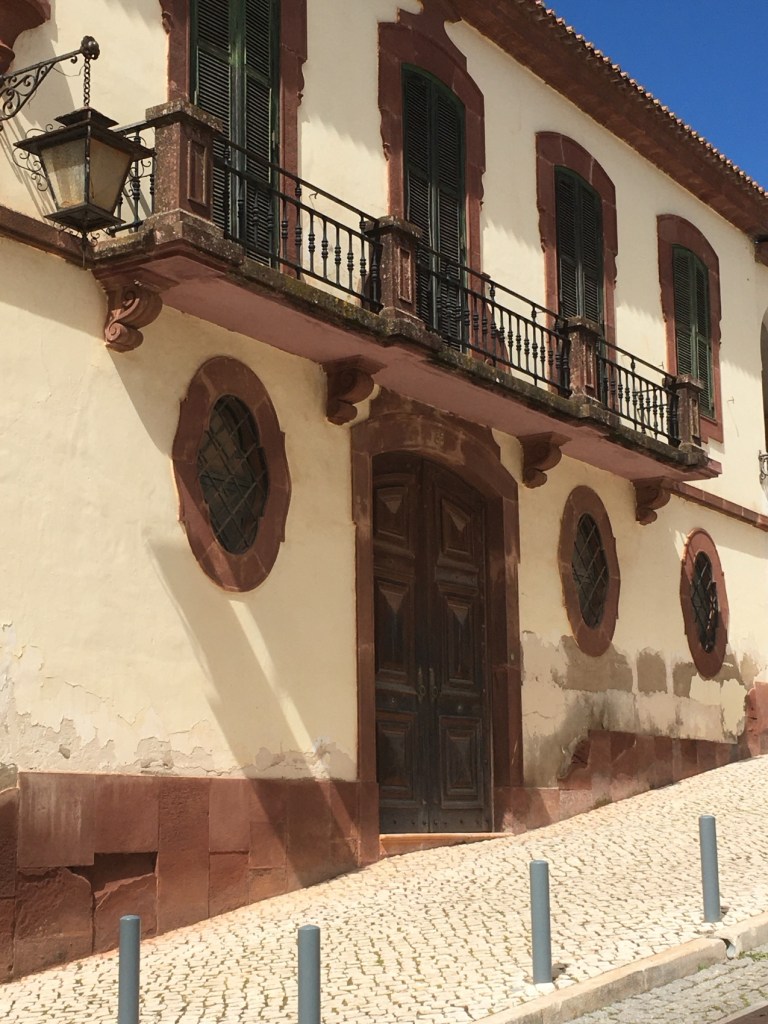

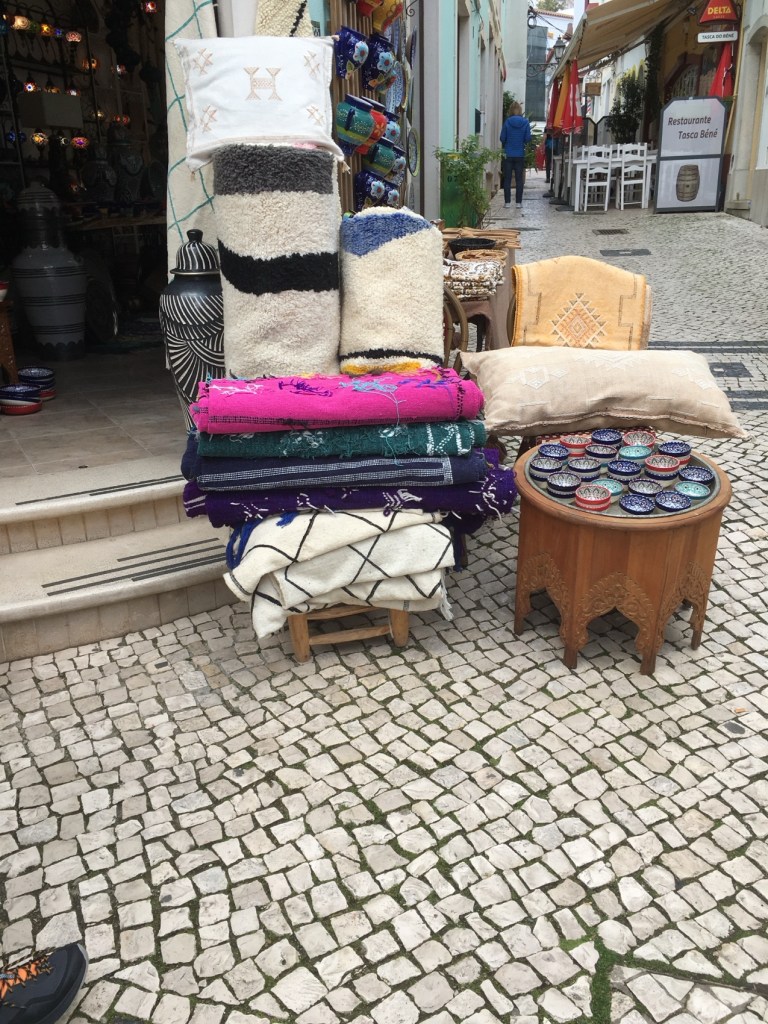
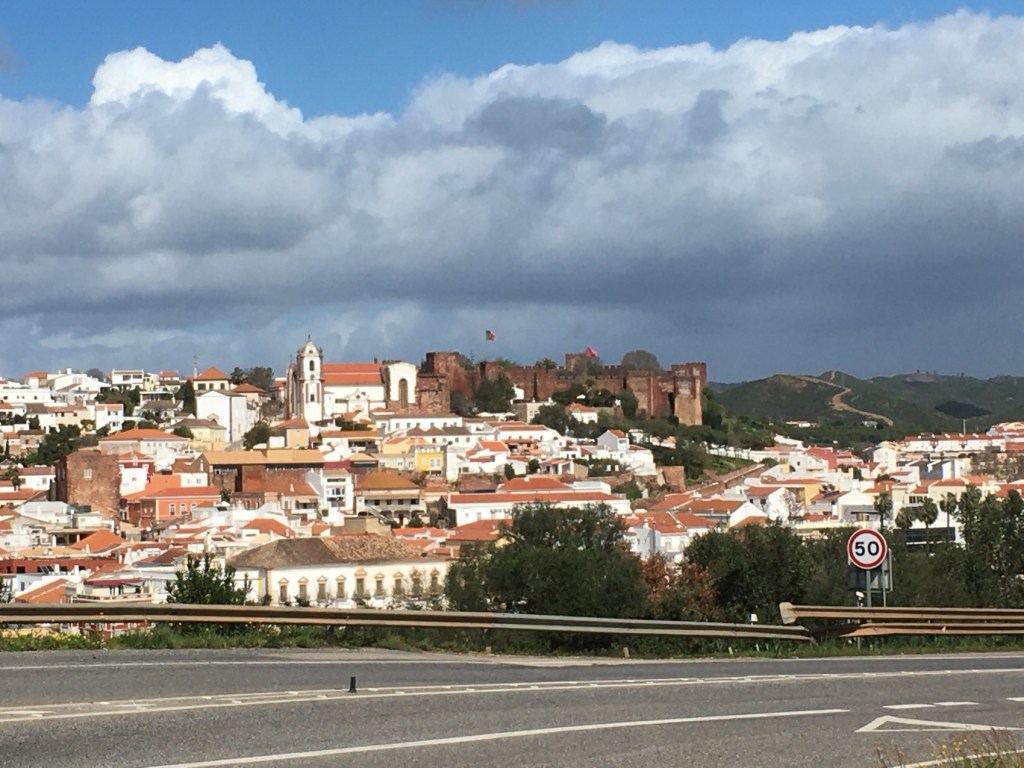
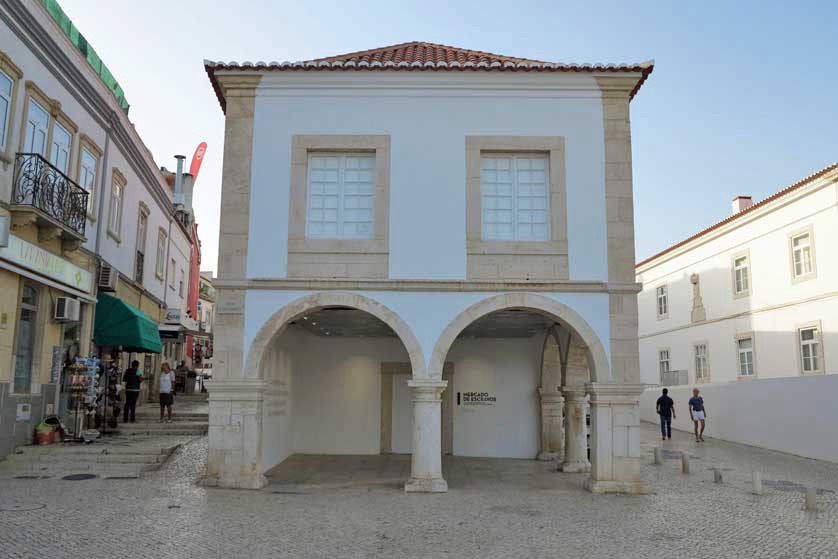
Silves is a historic town that was originally the ancient capital of the Algarve.
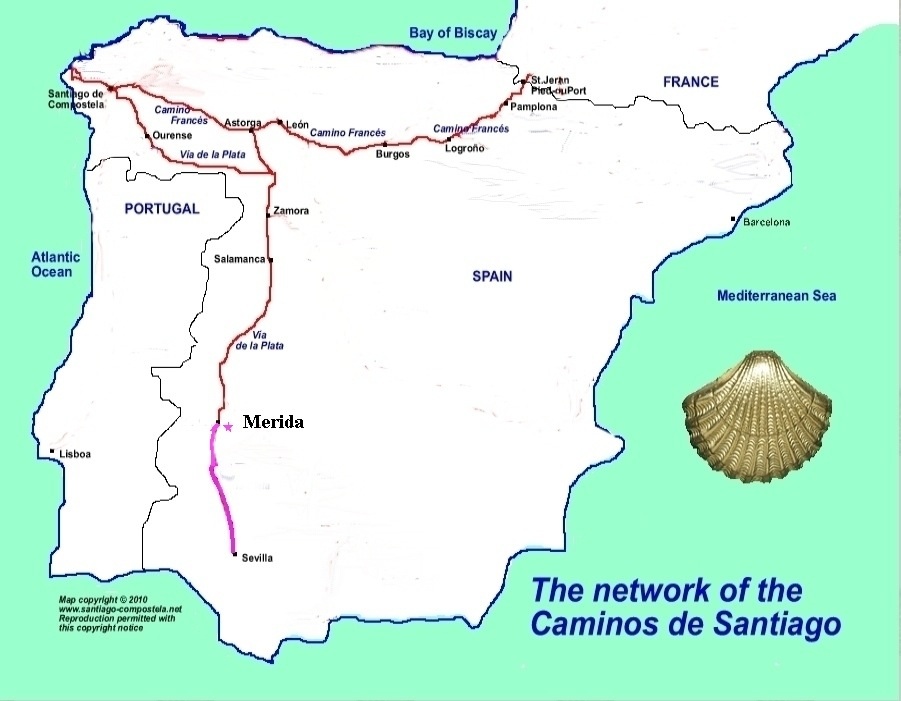
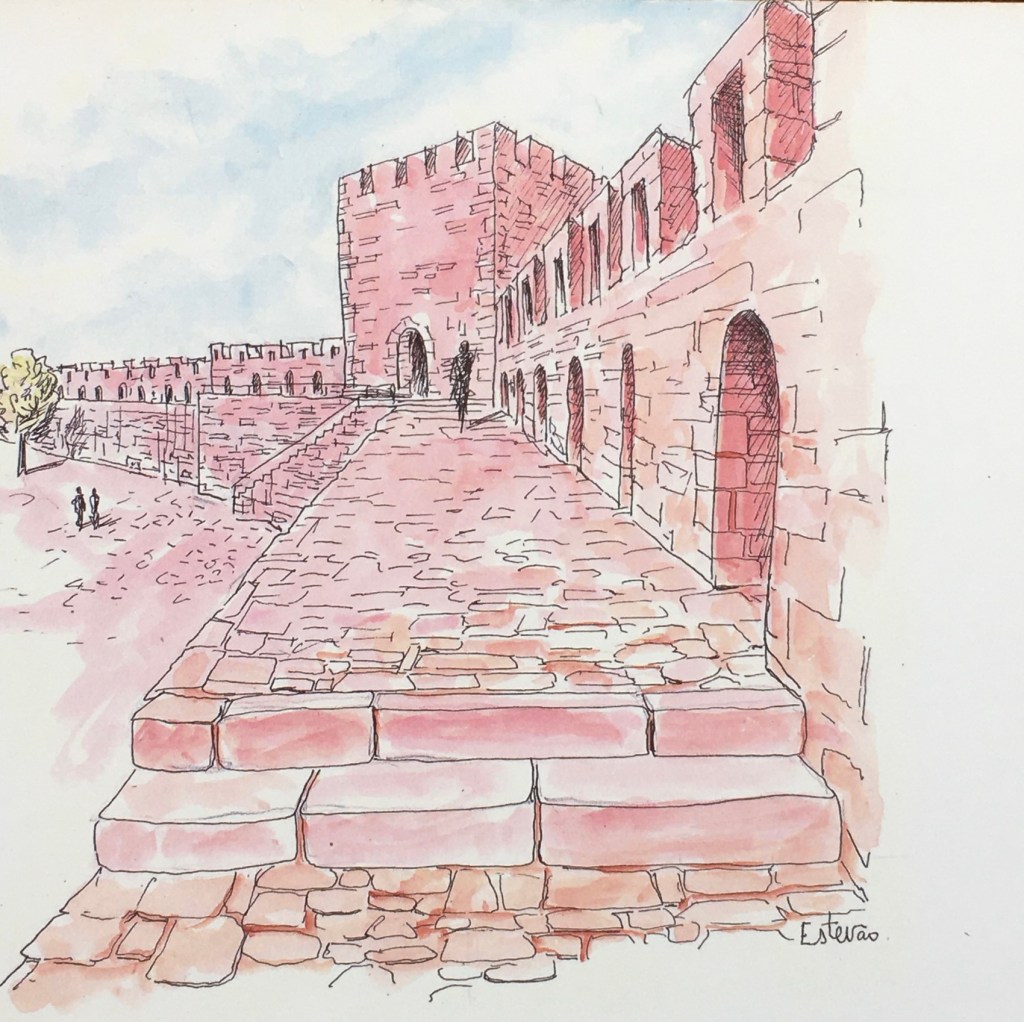
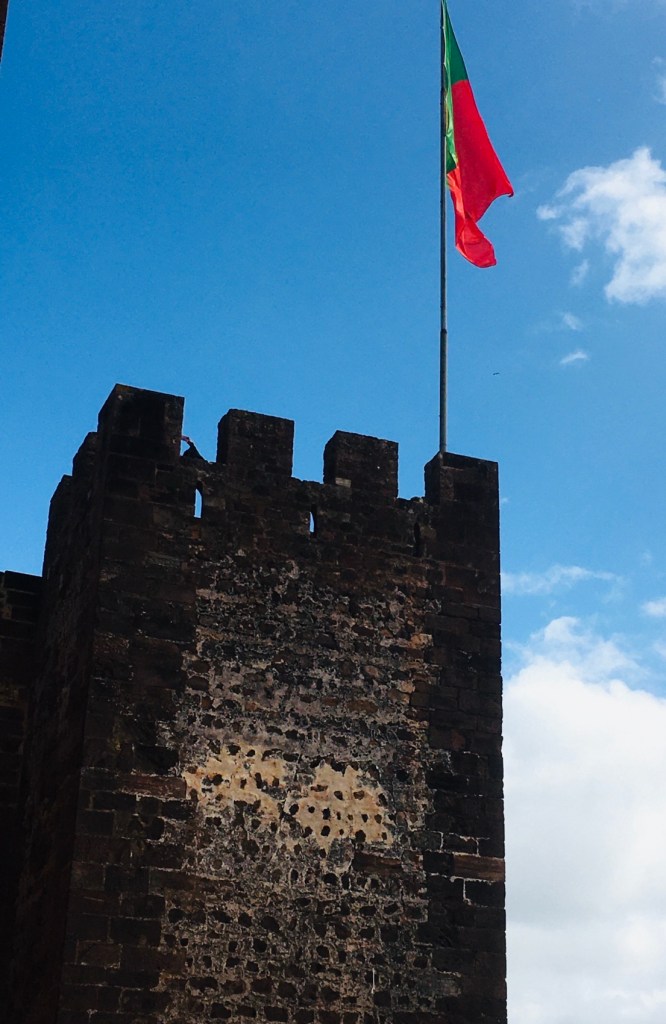
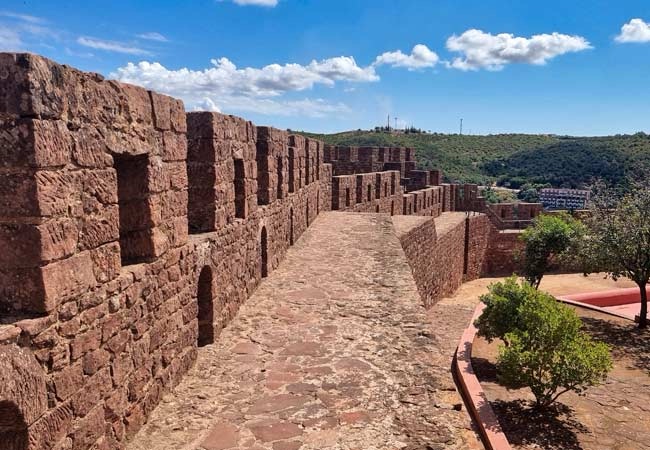
During the Moorish era (9-12th century), Silves was a major stronghold and important trading centre. From the solid red-brick castle, the Moors defended the entire region, while from the harbour, boats sailed down the Arade River to trade with North Africa.
Today, Silves is peaceful and unhurried, but remnants of this illustrious past can be seen scattered throughout the town. This includes the imposing Castelo de Silves, heavily fortified gateways and the Gothic Se cathedral.
We soon came to the Cathedral
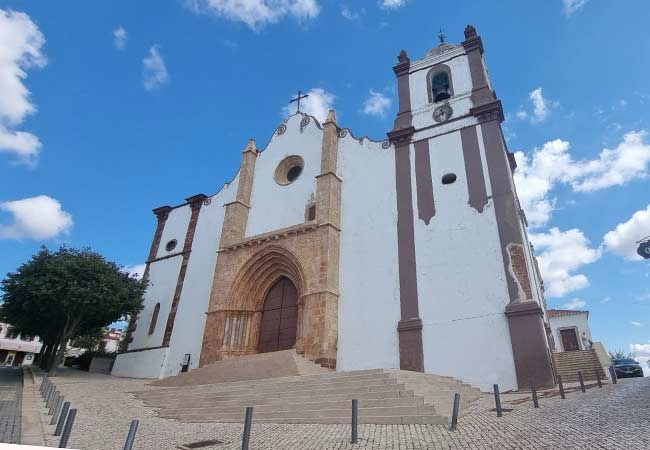
Silves was named the bishopric seat soon after the first conquest of the city from the Arabs in 1189, but the Cathedral was only built after 1268, after the city’s definitive conquest during the reign of King Afonso III. It retained the title of cathedral until the 16th century, when the diocese’s headquarters were transferred to Faro as the city was blossoming due to the silting of the Arade River and the growing importance of the Algarve coast. During this period, 26 bishops occupied the Episcopal seat. From the offset the church was dedicated to Saint Mary and, later, to Our Lady of the Conception, represented in the chancel with a Gothic image.
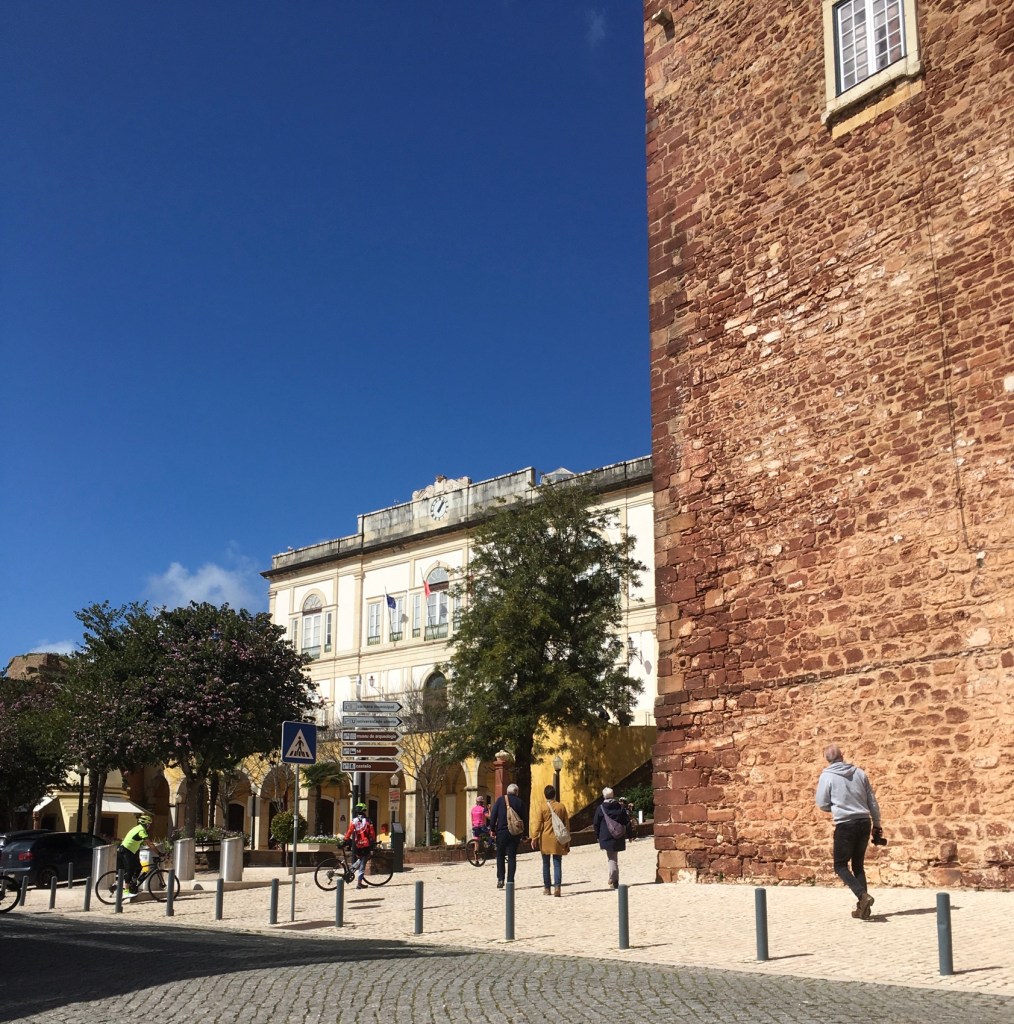
Like most of the buildings in Silves, the cathedral is built in red sandstone, ‘Grés de Silves’, which characterises the city with its tonality and predominance.

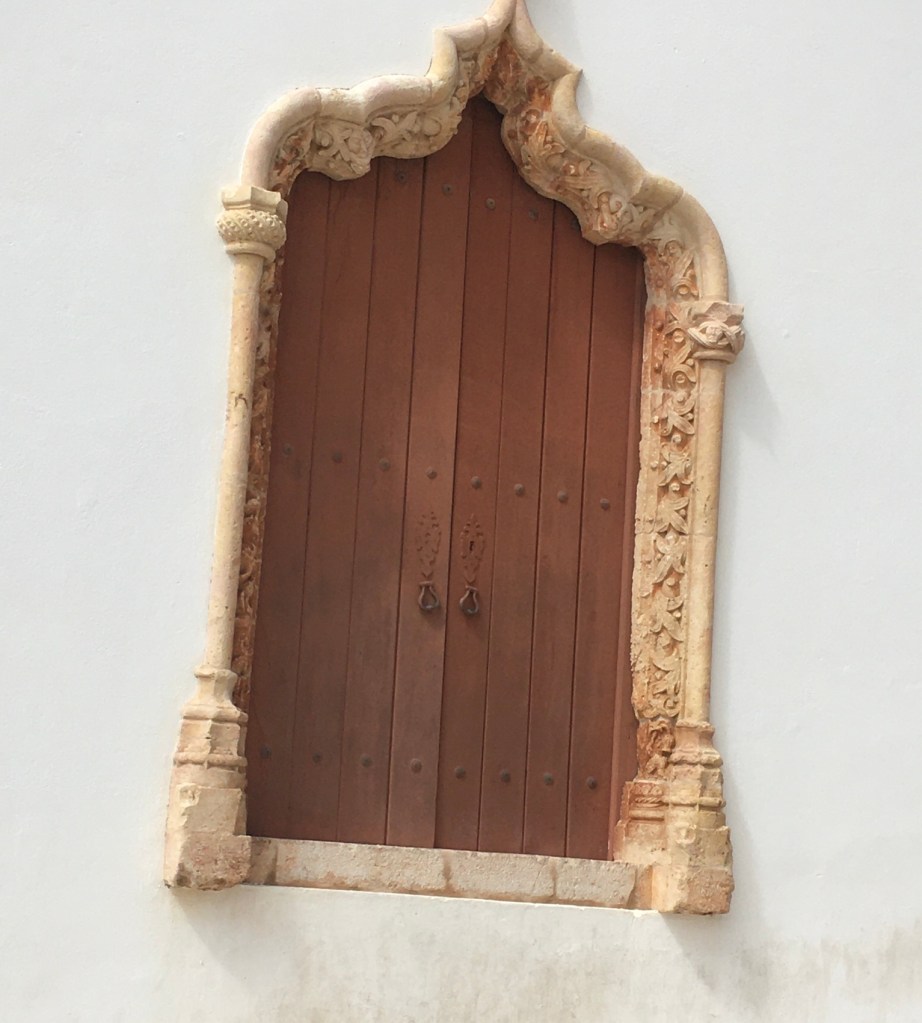





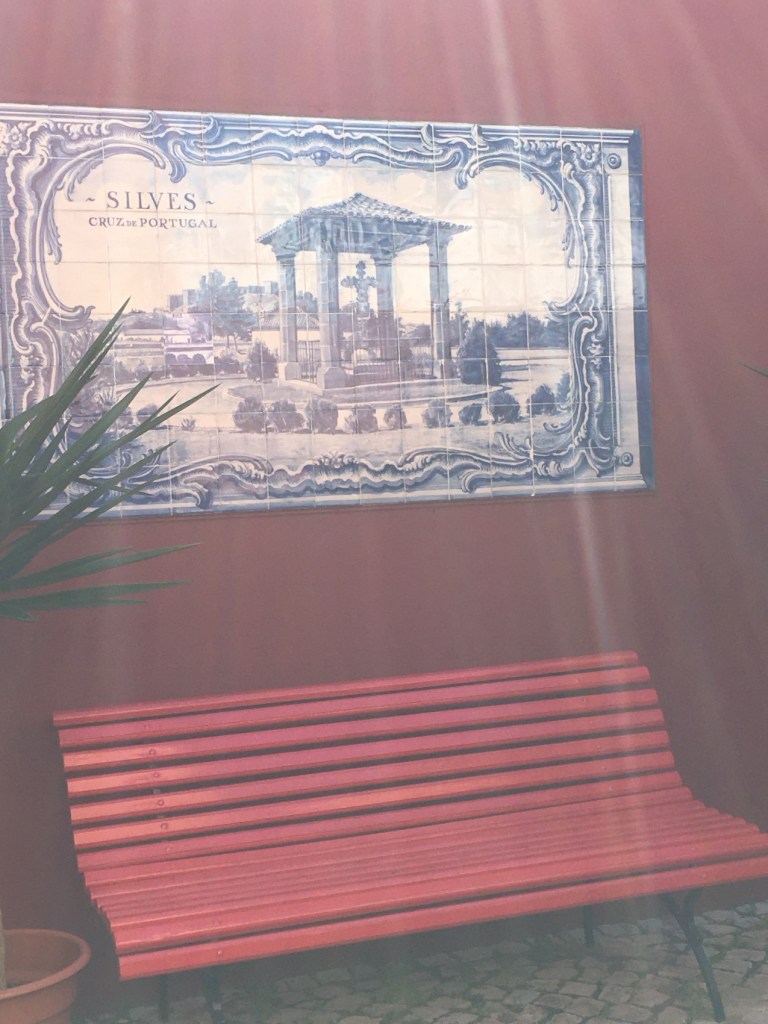

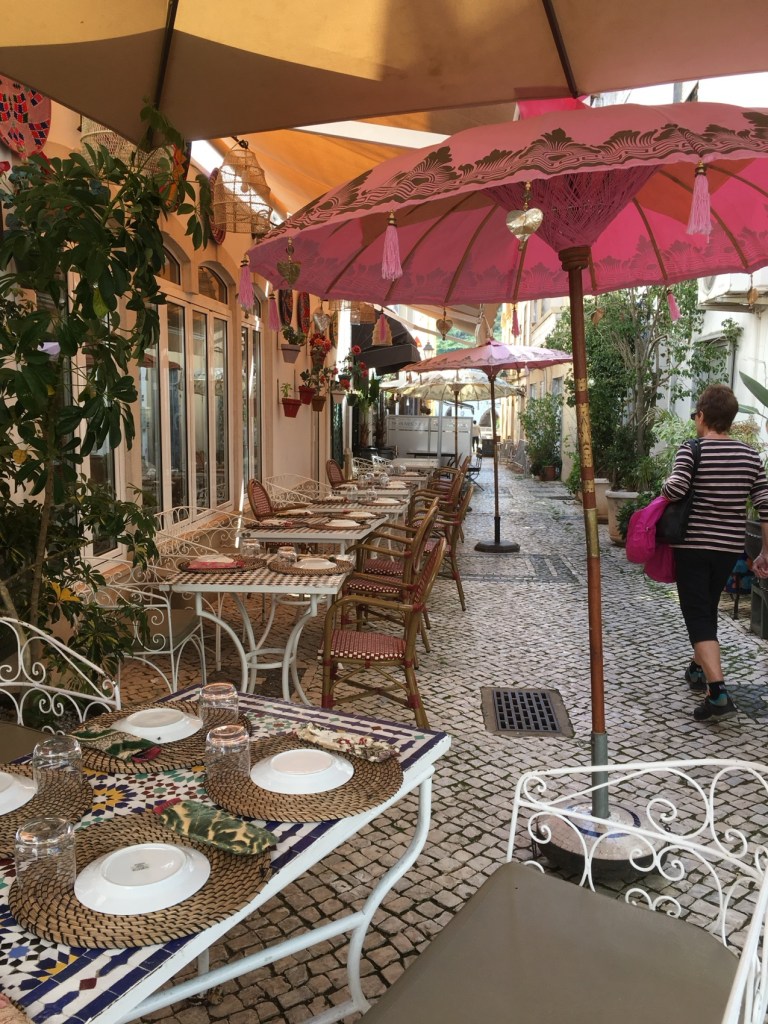
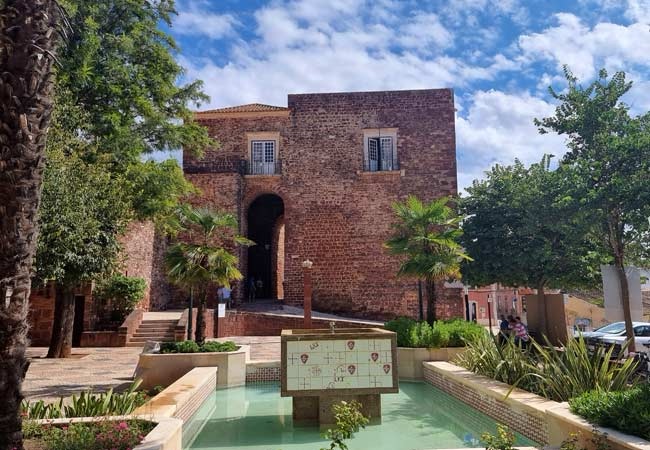
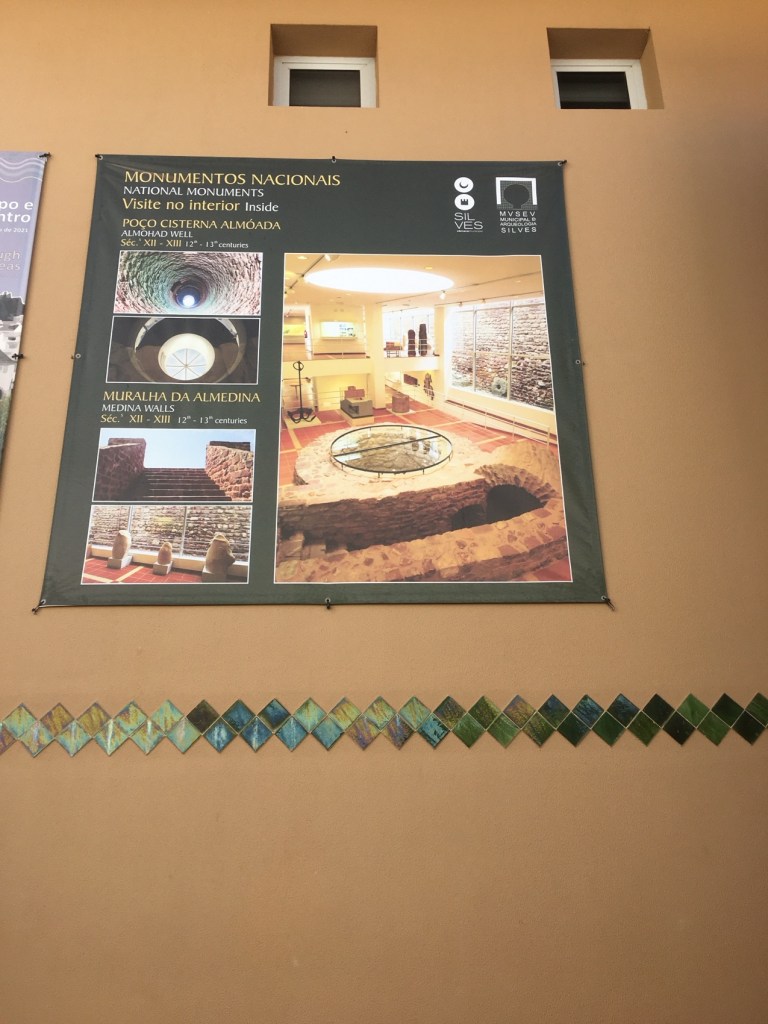
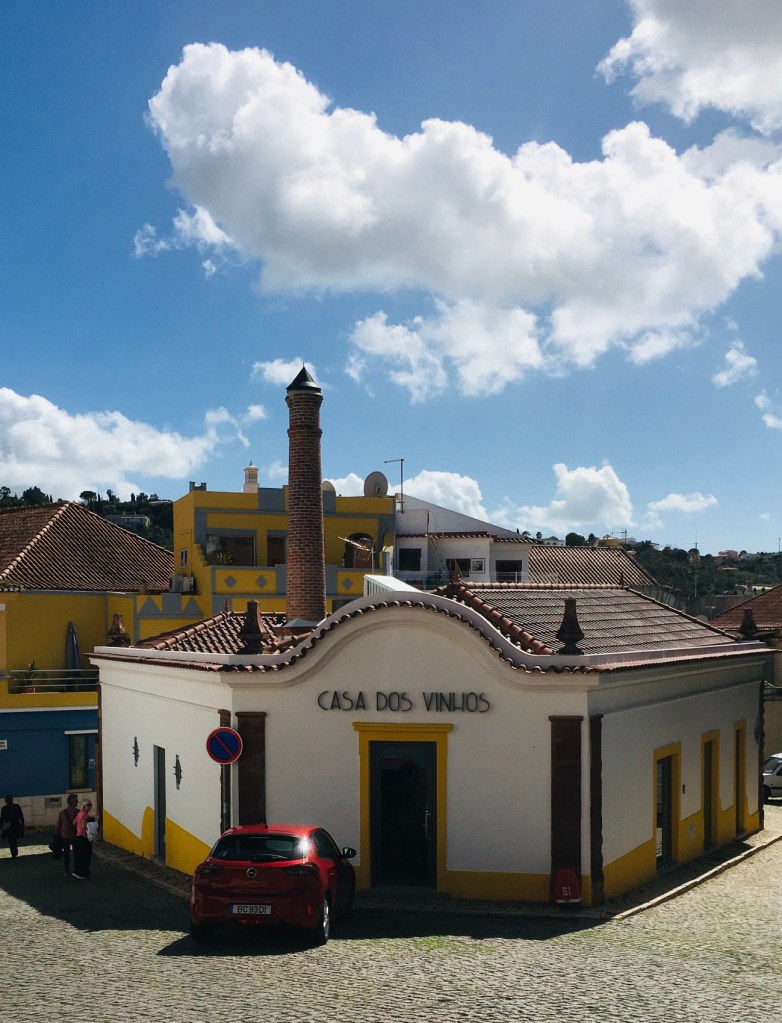
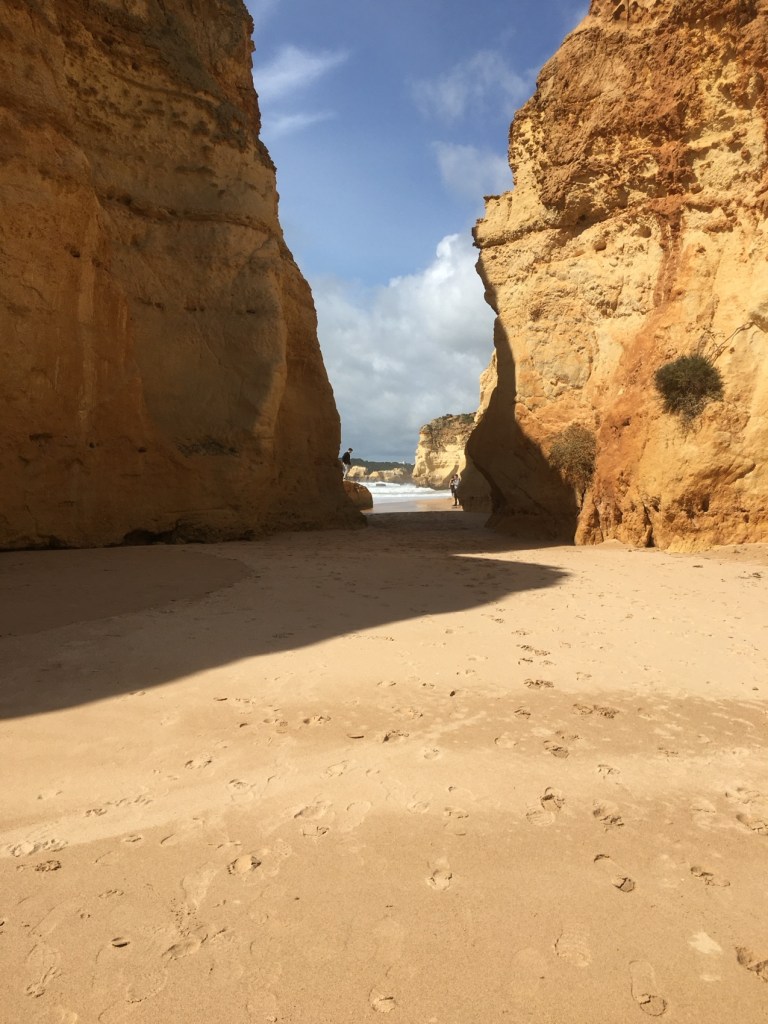
SILVES doesn’t have the flashy cliffs, caves, or even a beach at all, but it does have loads of charm and history.




























 ensuitepilgrim's Blog