Wednesday was a “ free” day with a short walk on offer if wanted. Most people planned to visit locally and so we decided on a morning at Dunster Castle and then over to Lynton and Lynmouth. From Somerset to Devon via Porlock Hill.
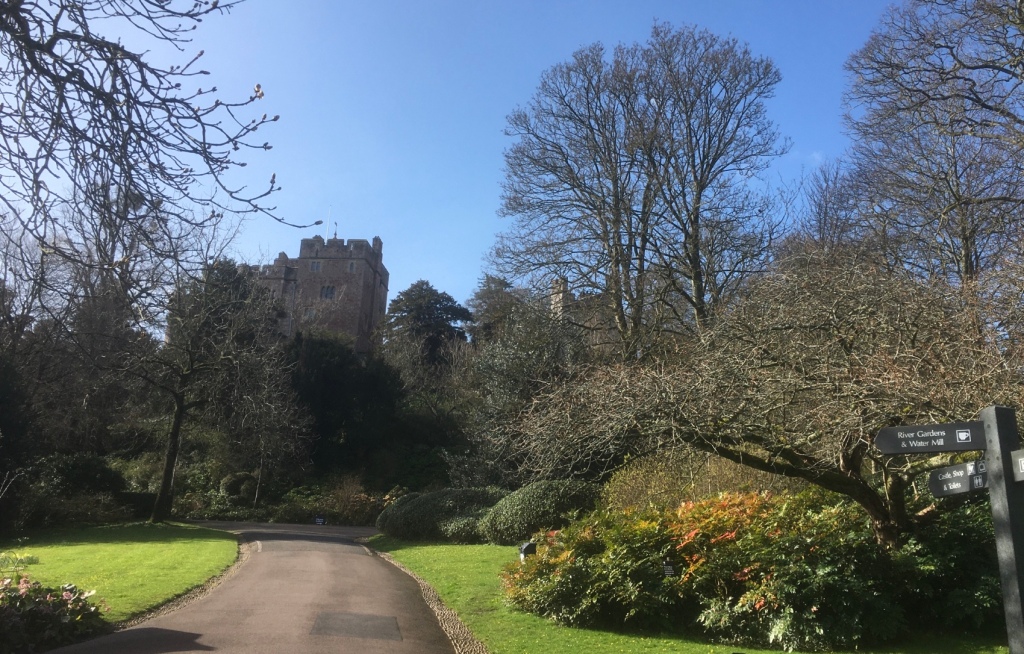
Dunster Castle: Dramatically sited on top of a tor, a castle has existed here since Norman times

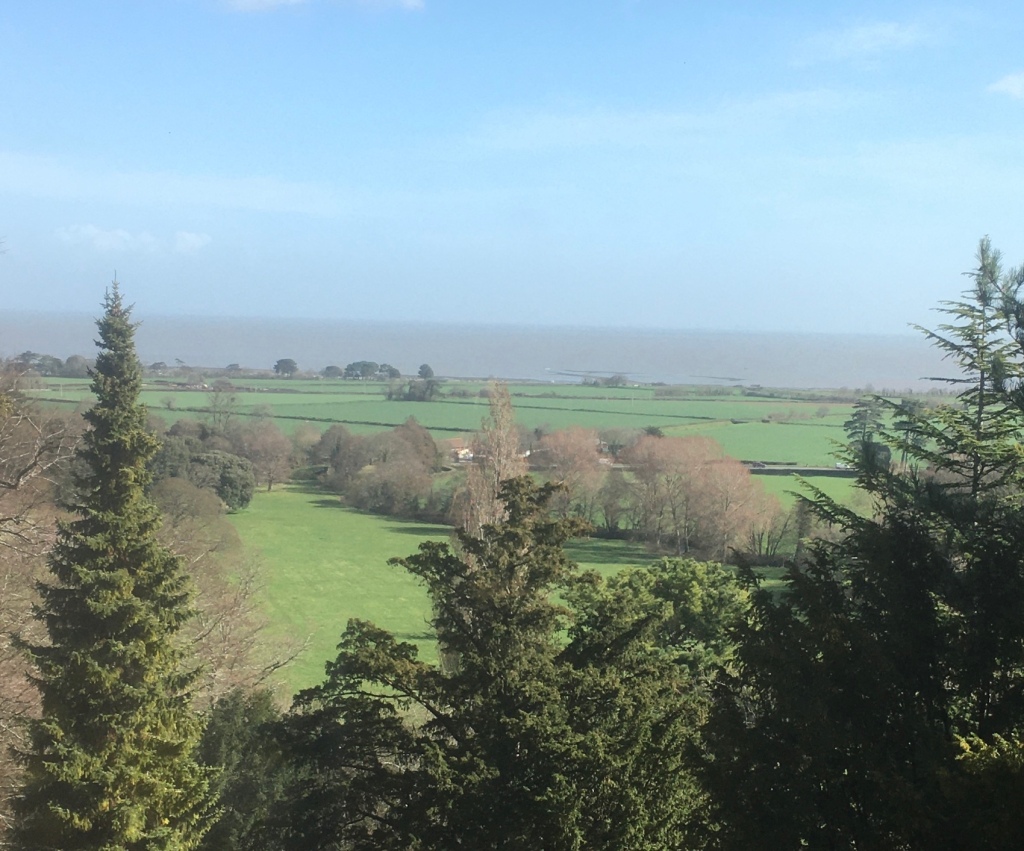
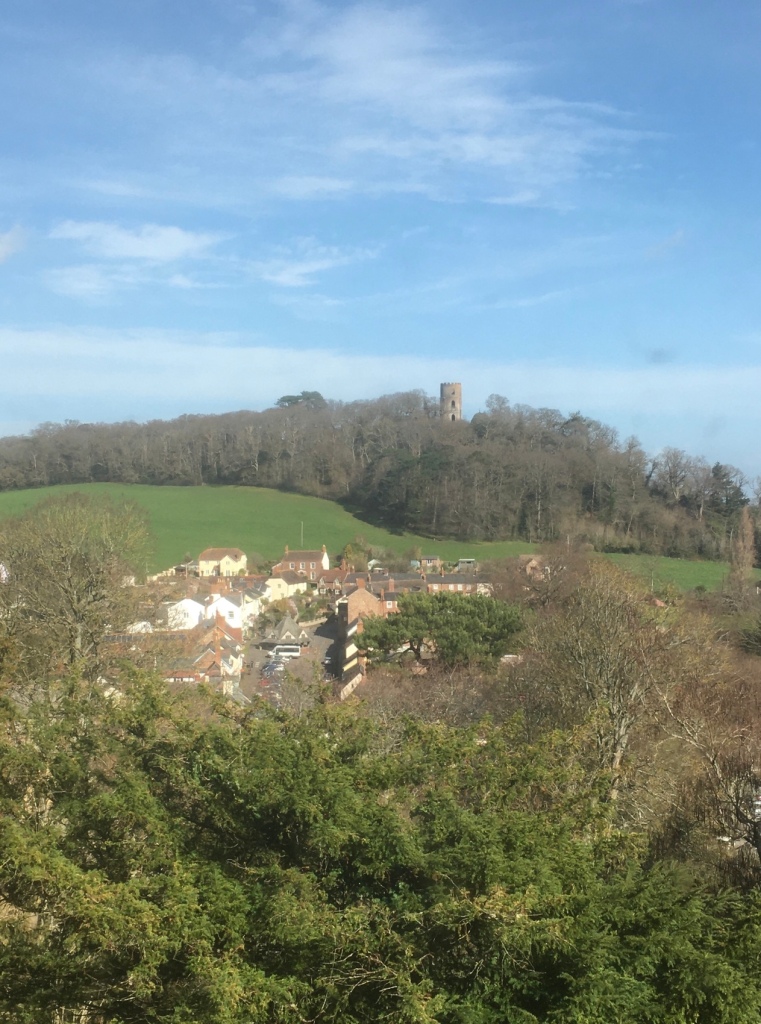

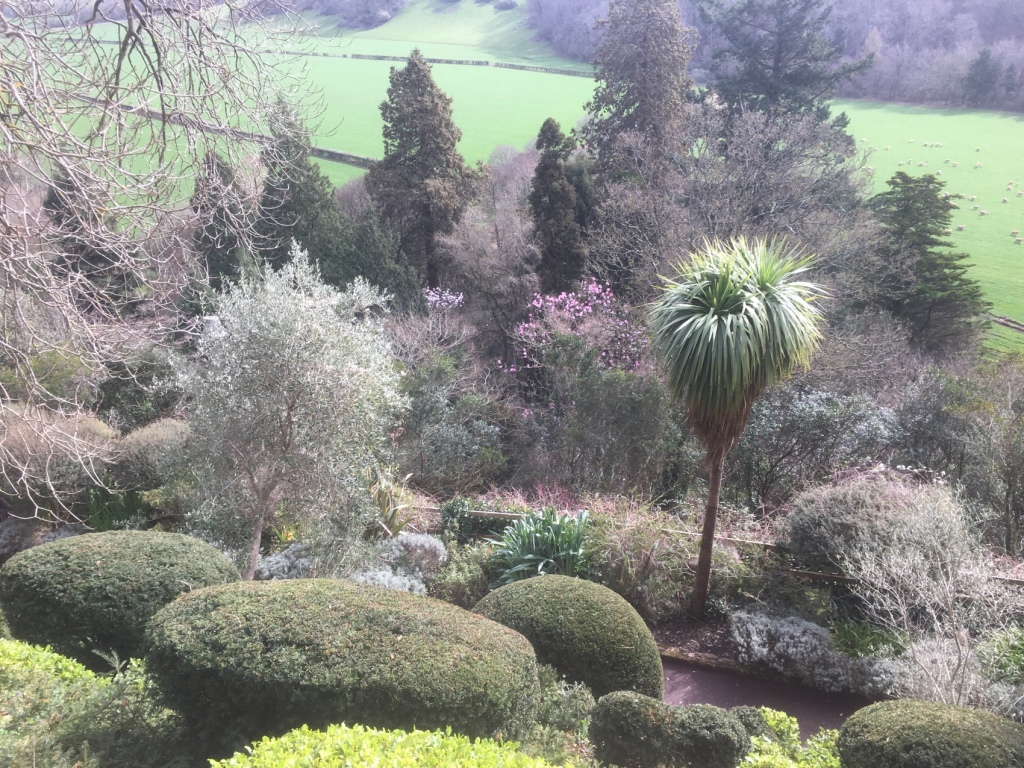


We then walked down to the Water Mill alongside the River Avill.
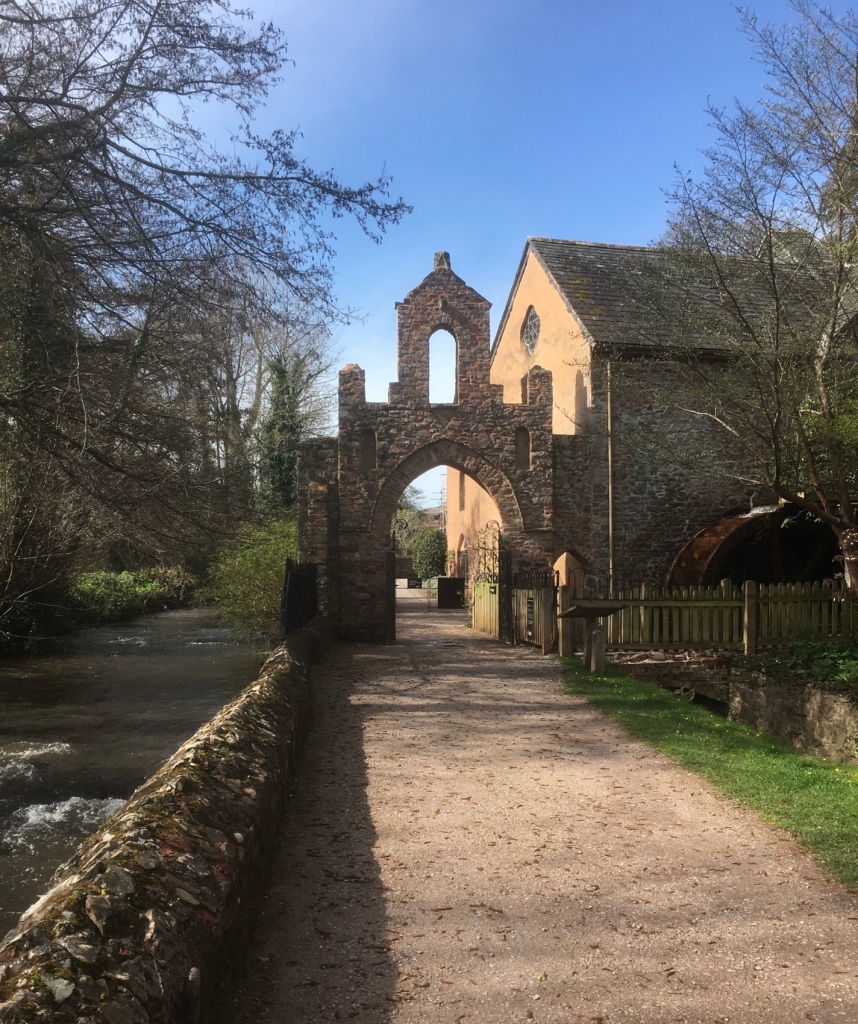
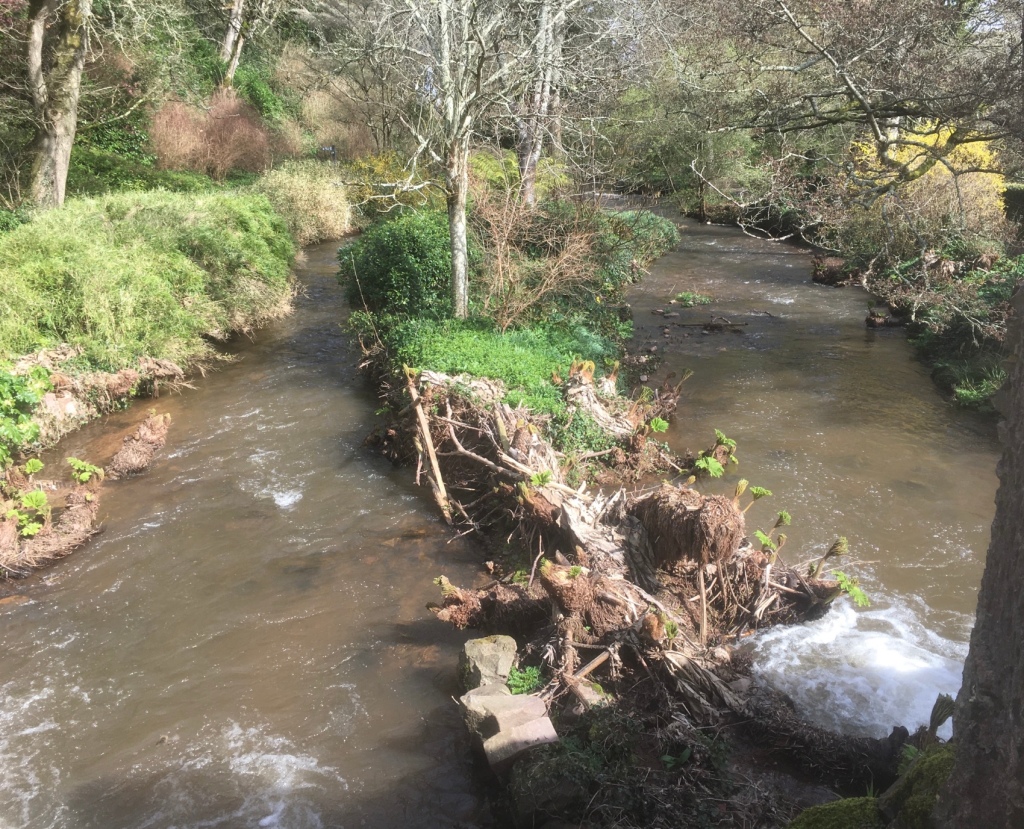

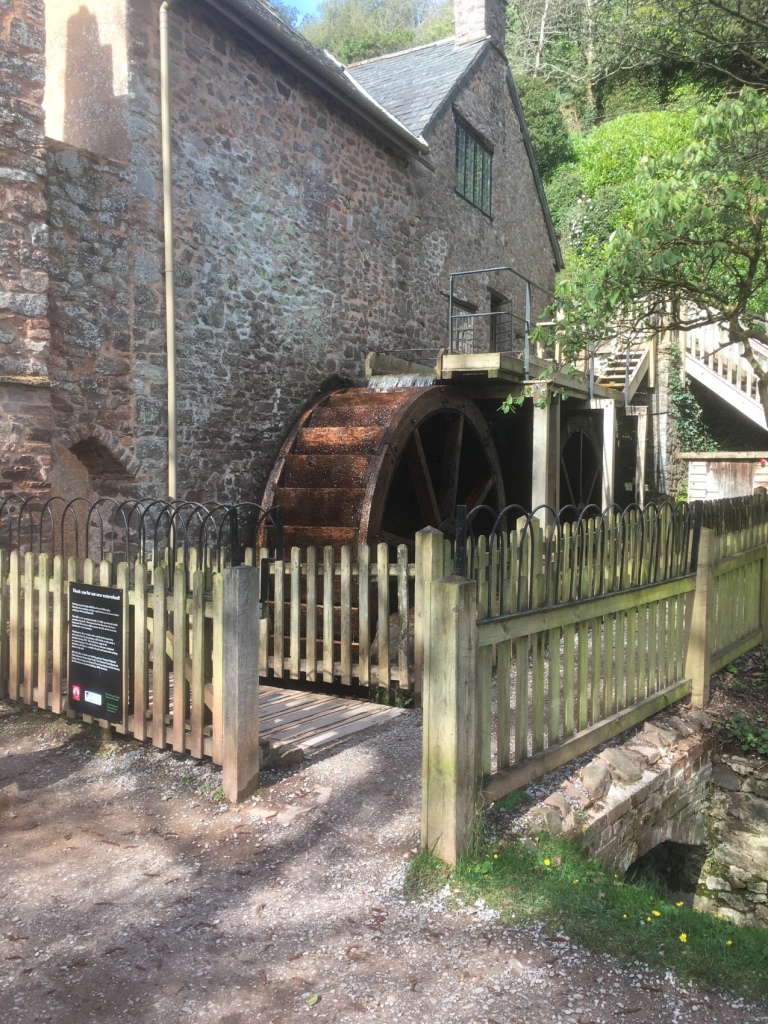
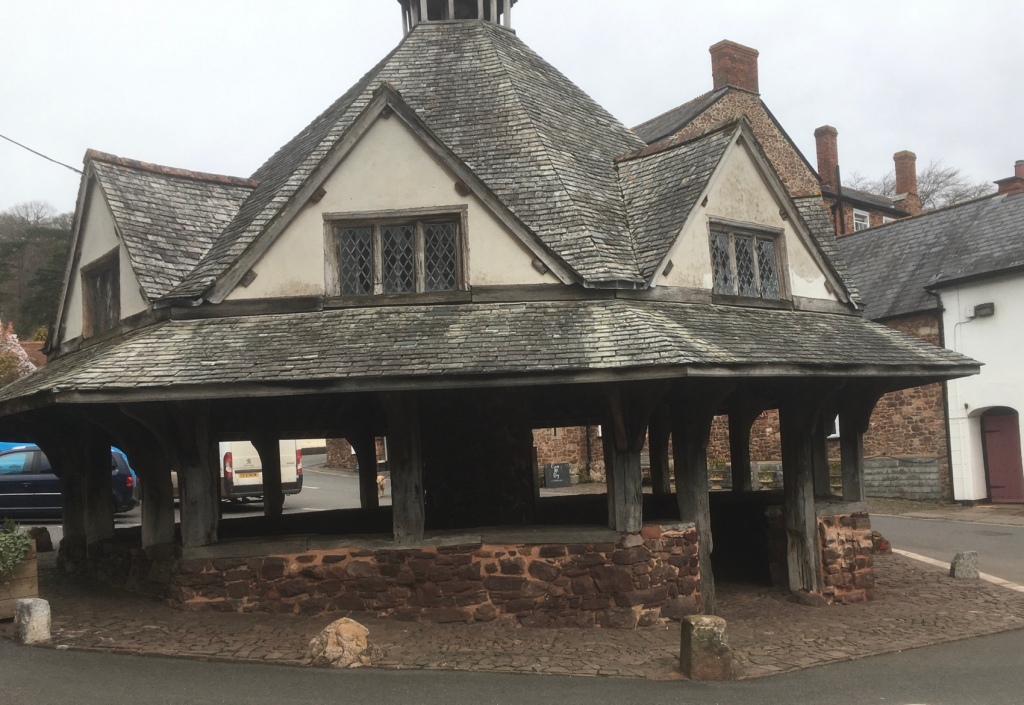
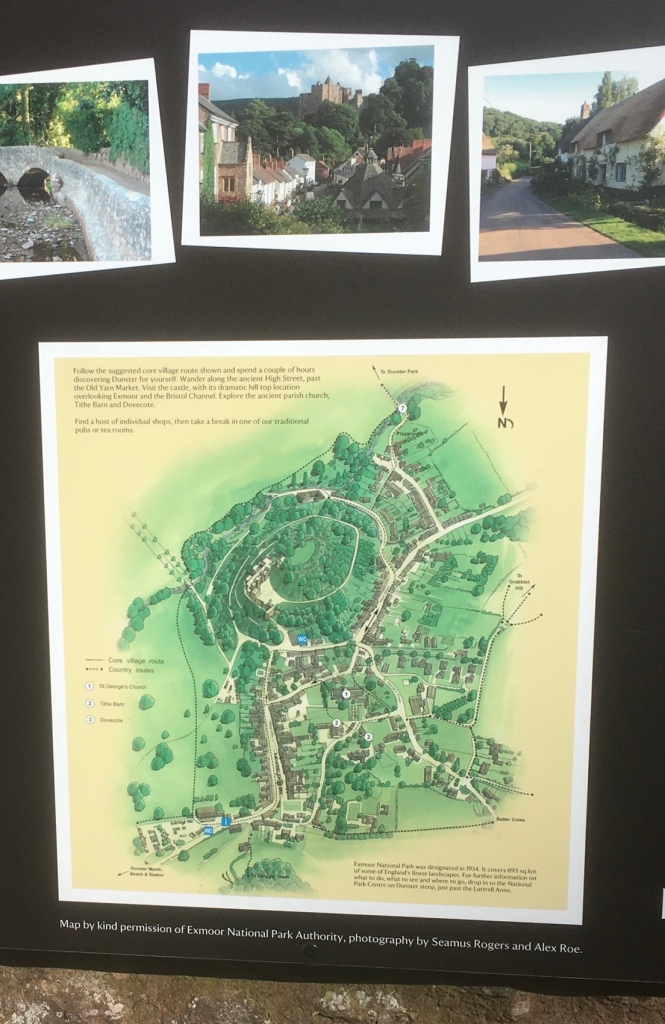
A very enjoyable and informative morning, followed by a coffee in the village – a bit on the twee side but pretty enough I suppose.
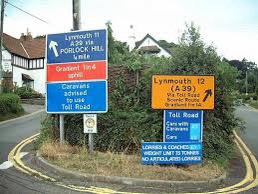
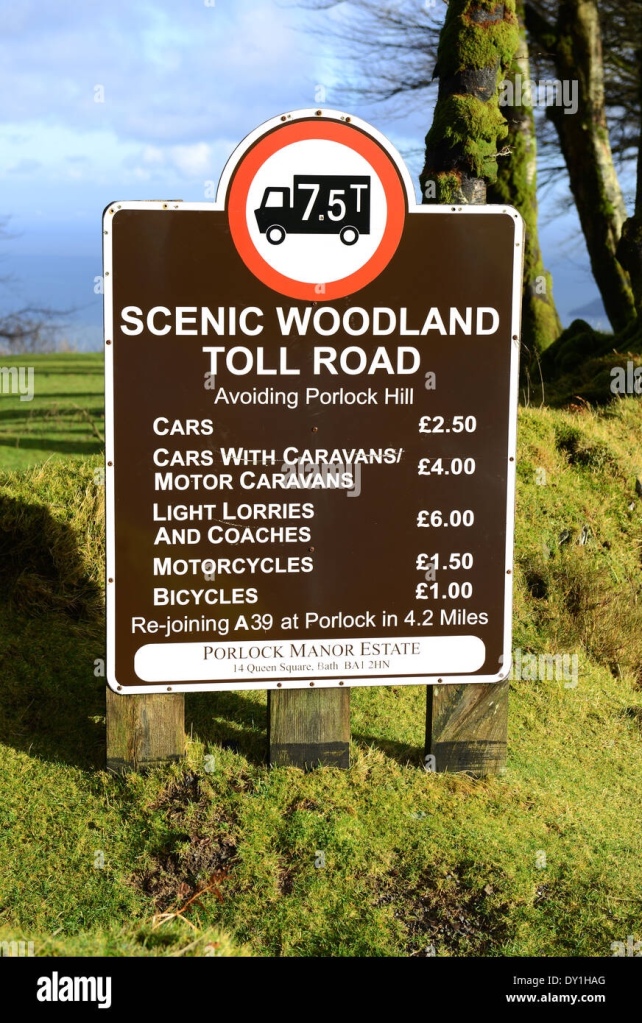
The afternoon was spent in Lynton and Lynmouth after a crawl up the infamous Porlock Hill behind a tractor towing a trailer full of sheep.

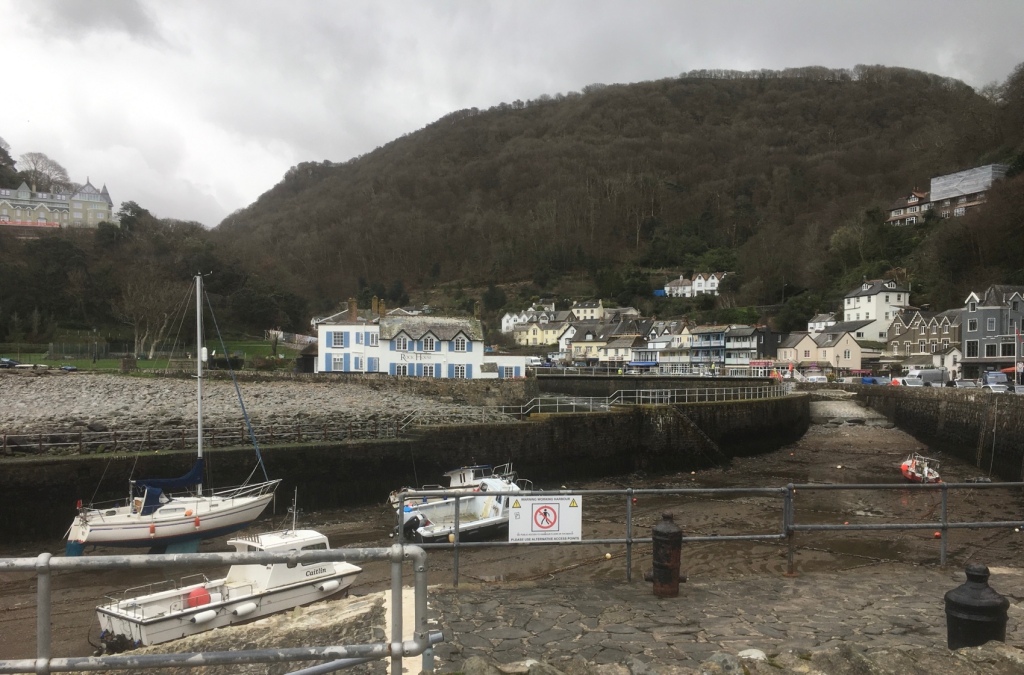
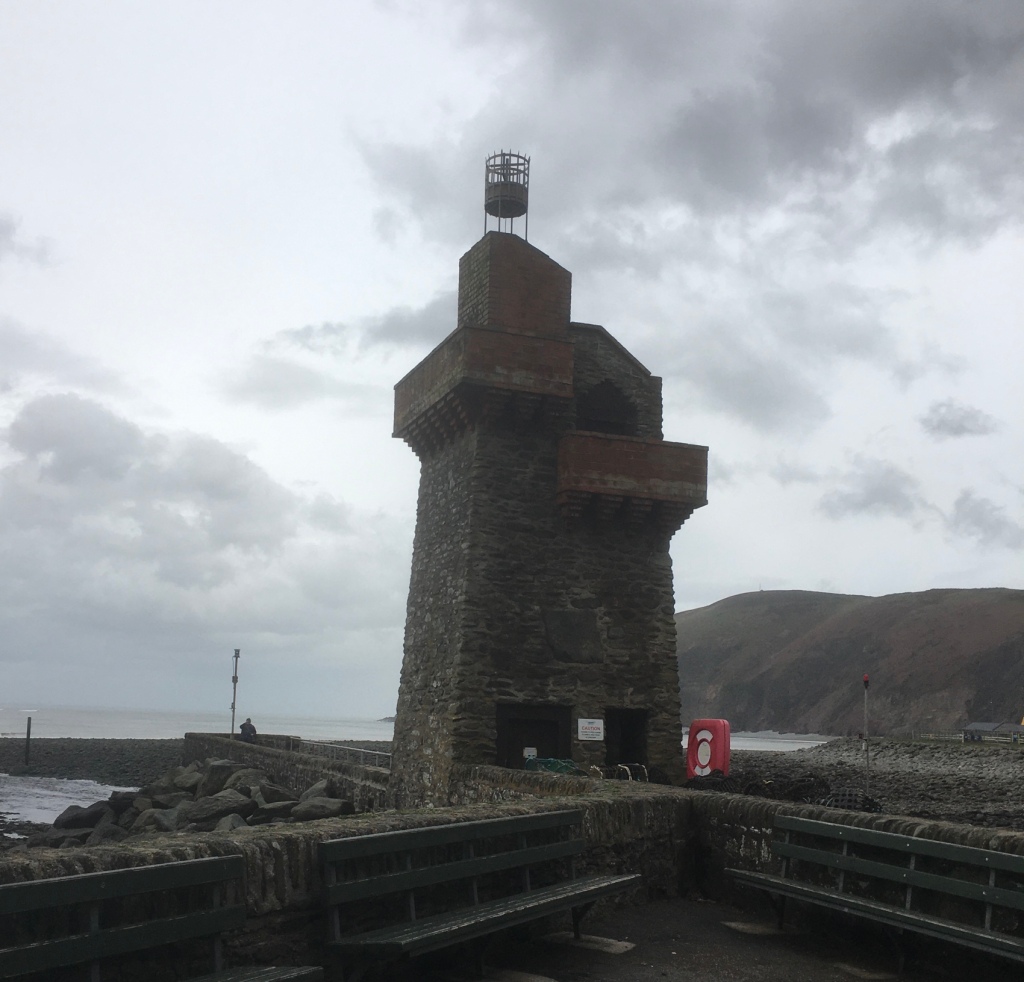
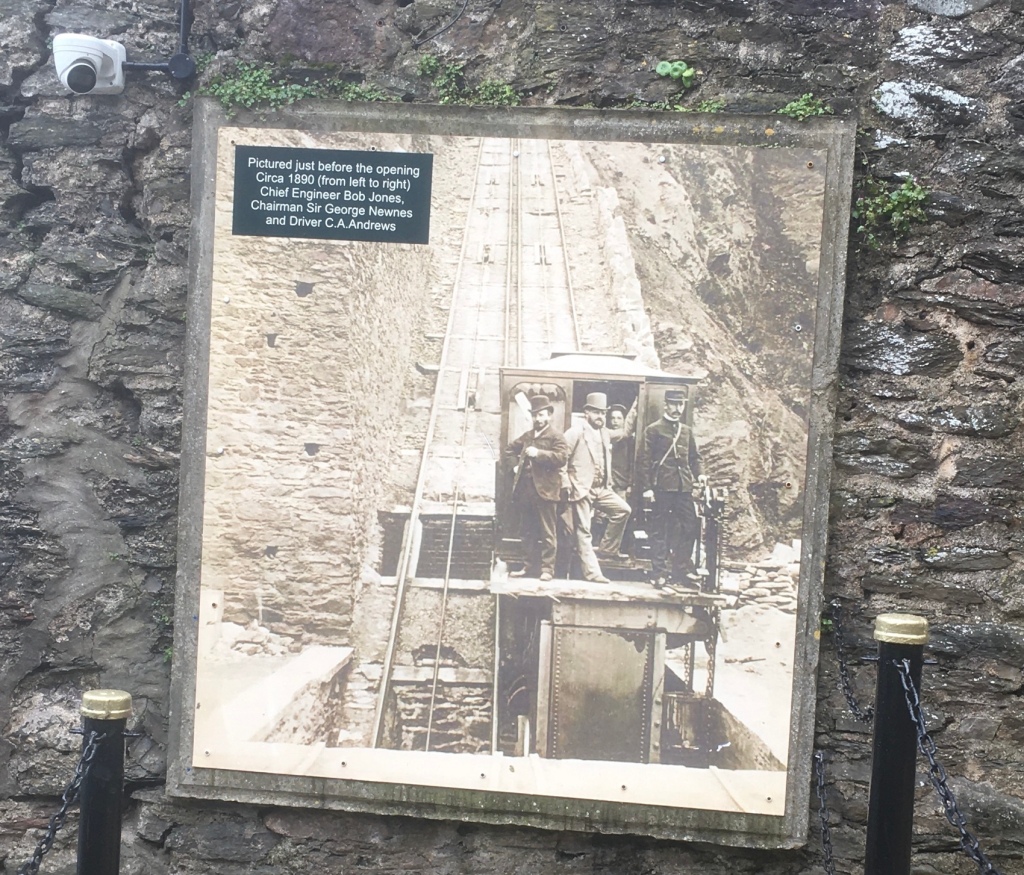
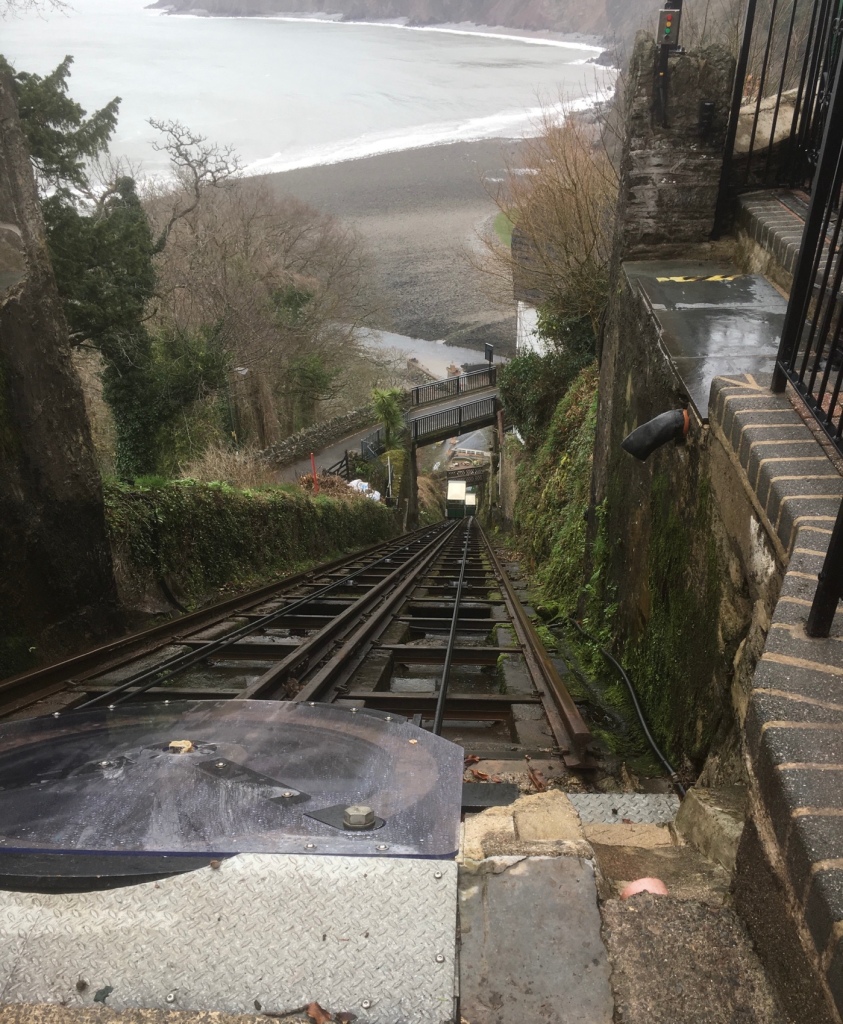
The highlight of the afternoon,albeit an expensive one,was the ride on the cliff railway – it has an interesting history. In the 19th century, the high cliffs separating Lynton from Lynmouth were a major obstacle to economic development. The twin villages mainly relied on sea transport because land travel was extremely difficult over Exmoor. Coal, lime, foodstuffs and other essentials arrived at Lynmouth in sailing vessels, but this freight had to be carried by packhorses or in horse drawn carts up the steep hill to Lynton. The cliffs also posed problems for the growing tourist industry. From the mid 1820’s holiday makers began to arrive at Lynmouth on paddle steamers from Bristol, Swansea and other Bristol Channel ports… but a daunting hill faced those who decided to walk up to Lynton. Ponies and donkeys could be hired at 6d a time, but the steep gradients severely tested the unfortunate animals. Other tourists travelled up Lynmouth hill in carriages, but the horses that pulled them had a very short working life.
The idea of a funicular was discussed for several years and eventually work commenced. Late in 1885, a major project was proposed which included the construction of a solid pier, an esplanade and ‘a lift from the said pier or promenade to Lynton’. The pier, to extend 112 yards into the sea, was intended to enable the resort to attract a bigger share of the growing steam-excursion traffic. Many of the paddle steamers had not been calling at Lynmouth where passengers had to be ferried ashore in small boats, instead visiting Ilfracombe where tourists could easily disembark at the deep-water pier. The construction of an esplanade, which survives today, was to start from a point near the Rhenish Tower and provide access to the pier. The proposed ‘lift’ would make it possible to carry up to Lynton the large numbers of people that would be landed from the steamers at the new pier.
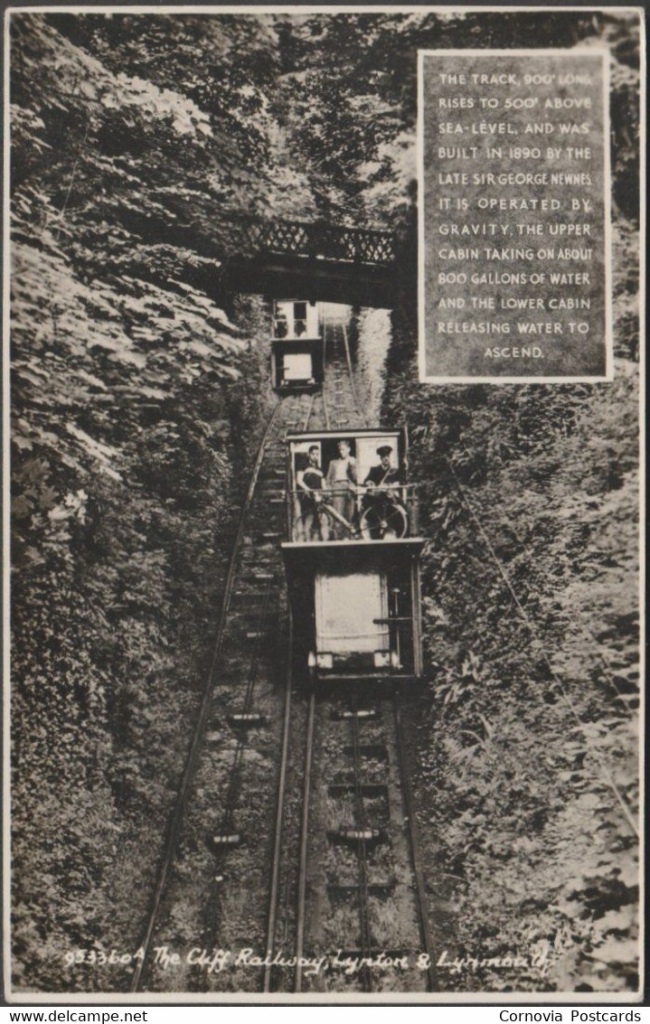
Blasting operations soon took place on the cliff. By December The North Devon Journal could report: “The excavations for the purpose of a hydraulic lift between Lynton and Lynmouth is steadily progressing. Many thousands of tons of material have been removed from the hillside”. The Cliff Railway was finally opened on Easter Monday (the 7th April) in 1890. A large crowd gathered at the Lynton station to see Mrs Jeune, Lady of the Manor of Lynton, perform the official ceremony. George Newnes conducted her to a raised dias under the wall of the reservoir from which the cistern of the car would be filled. After receiving a bouquet of flowers from Bob Jones’ little daughter, Mrs Jeune pulled a lever releasing the first car which glided forward on its first journey, while the second car simultaneously started on the upward track.


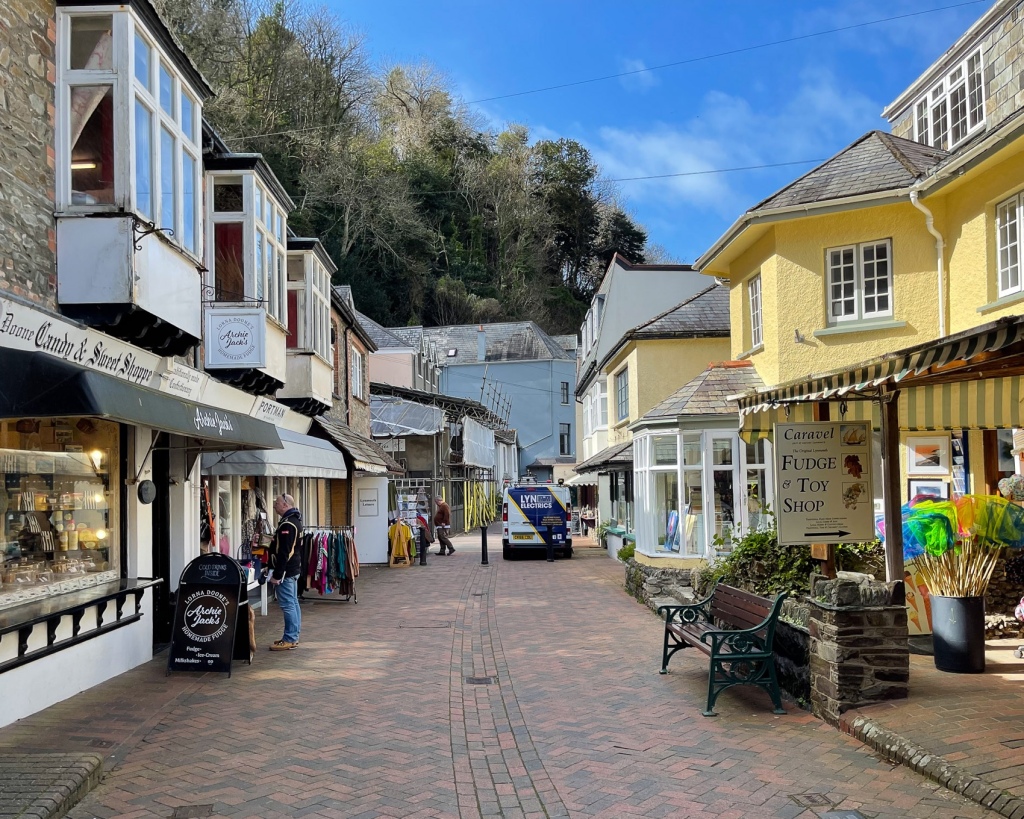
We then had a look round Lynton.


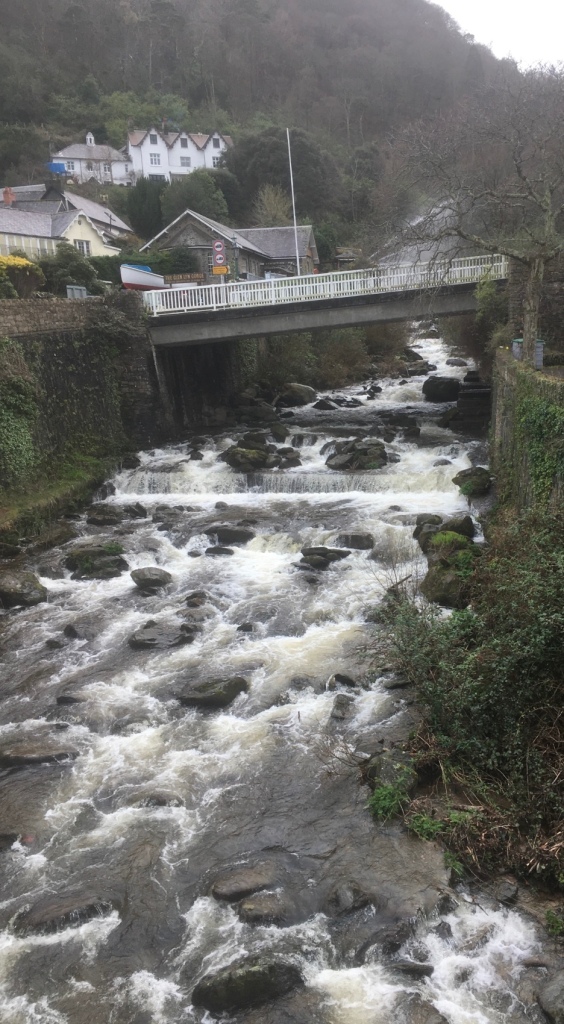
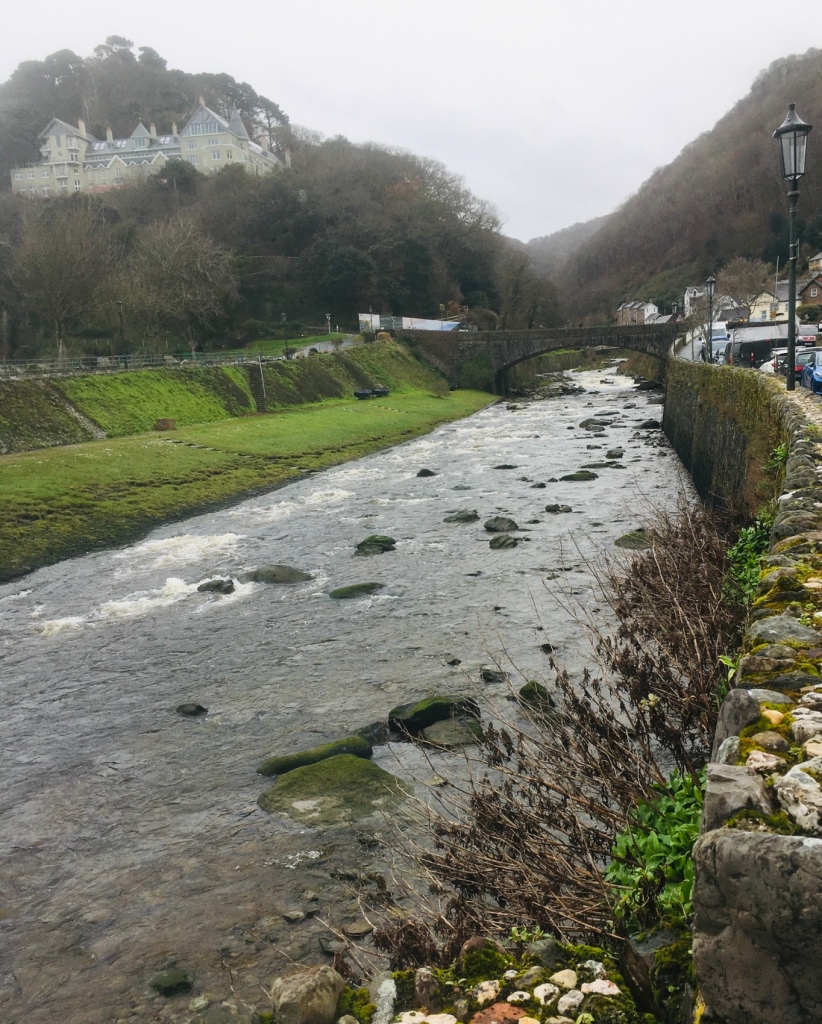
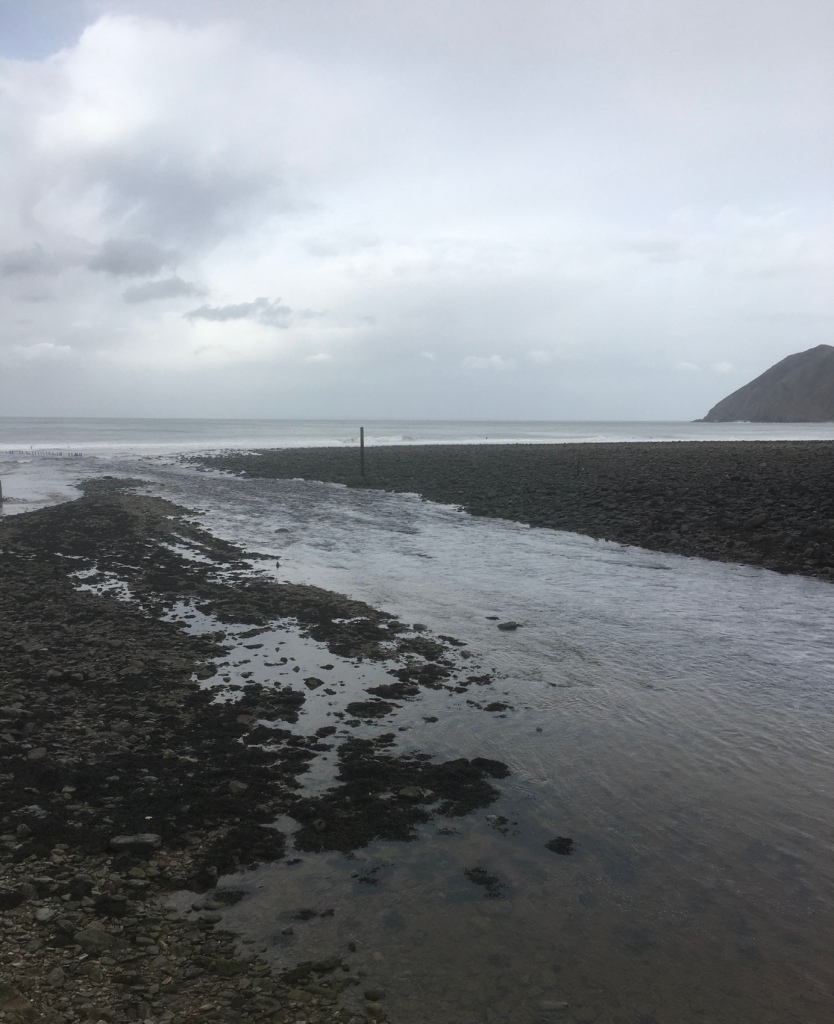
The weather was closing in as descended to Lynmouth. There had been severe flooding as described here :-
ON FRIDAY 15 AUGUST 1952, THE TINY VILLAGE OF LYNMOUTH SUFFERED WHAT COULD BE DESCRIBED AS THE WORST RIVER FLOOD IN ENGLISH HISTORY.
On the day itself, just over 9 inches (230mm) of rain fell, 6 inches (150mm) of which fell in a few short hours in the afternoon/early evening. Add in the 6 inches (150mm) of rain that had already fallen in the first two weeks of August, then it is no surprise that the top of Exmoor was unable to absorb the rainfall and was totally overwhelmed.

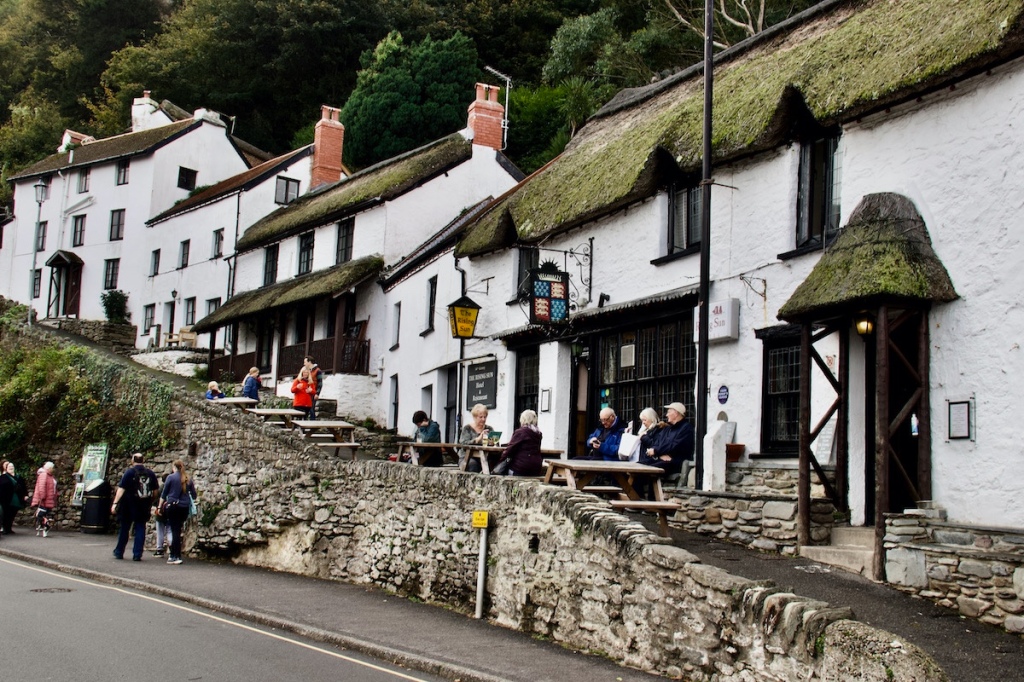
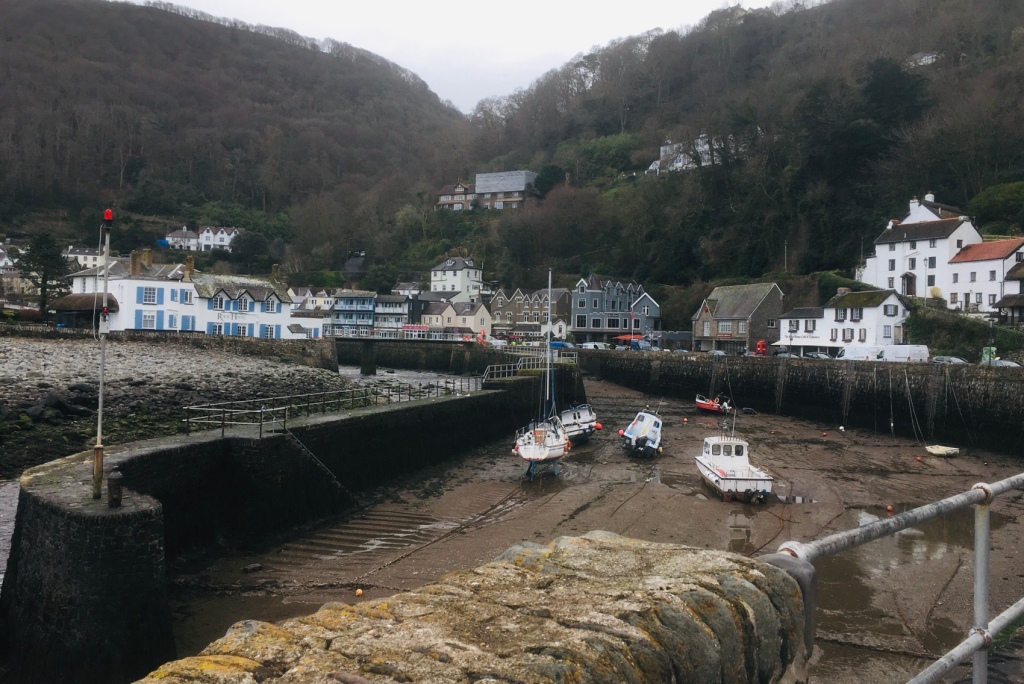
The town has recovered and there are some remaining cottages of note.
 ensuitepilgrim's Blog
Beautiful location