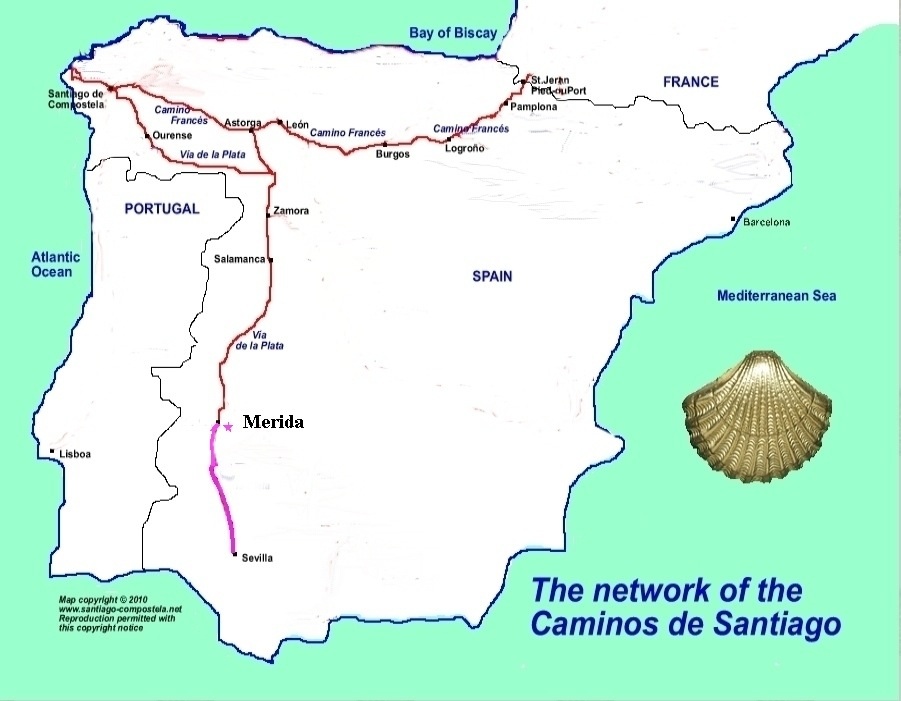
Hontanas is a town that has numerous fountains and hence the etymology of its name, “fountains”. In fact, the name of this small town comes from fountain (fontana) and possibly alludes to the small springs that were in the place and that could have become an authentic oasis on the route, after several kilometers of harsh Castilian plateau. The town had a hospital for pilgrims called San Juan, although it was popularly known as Mesón de los Franceses. It was located in a building on the main street that currently houses one of Hontanas’ shelters.
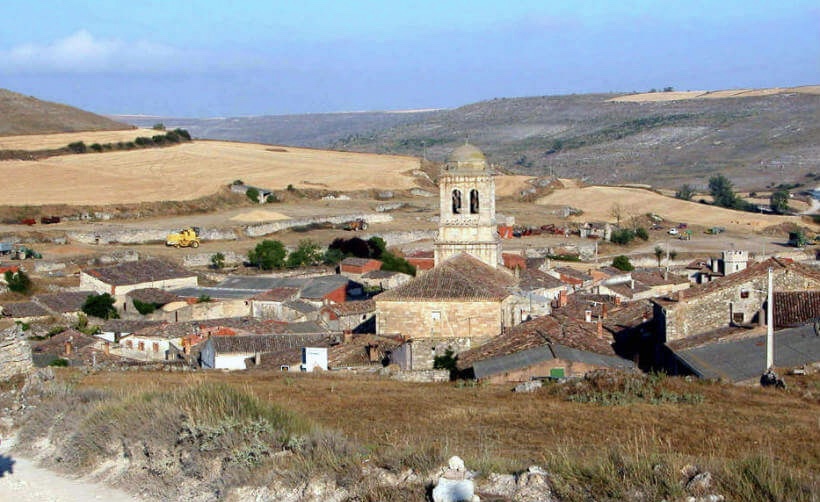
Trip to the West (Editorial Sildavia): “After, with the help of God, this totally deserted sandbank, we arrived at the village called Fontana and spent the afternoon there. It is hidden at the bottom of a stream that you can hardly see until you find yourself in it. Besides, it is small, unfortunate and poor. It only has ten or twelve houses, I mean huts covered with straw, to protect them from the snow, where only shepherds live.” The scenery has changed a lot, except that you don’t see Hontanas until you’re glued to it.
Now she is neither poor nor much less unfortunate.
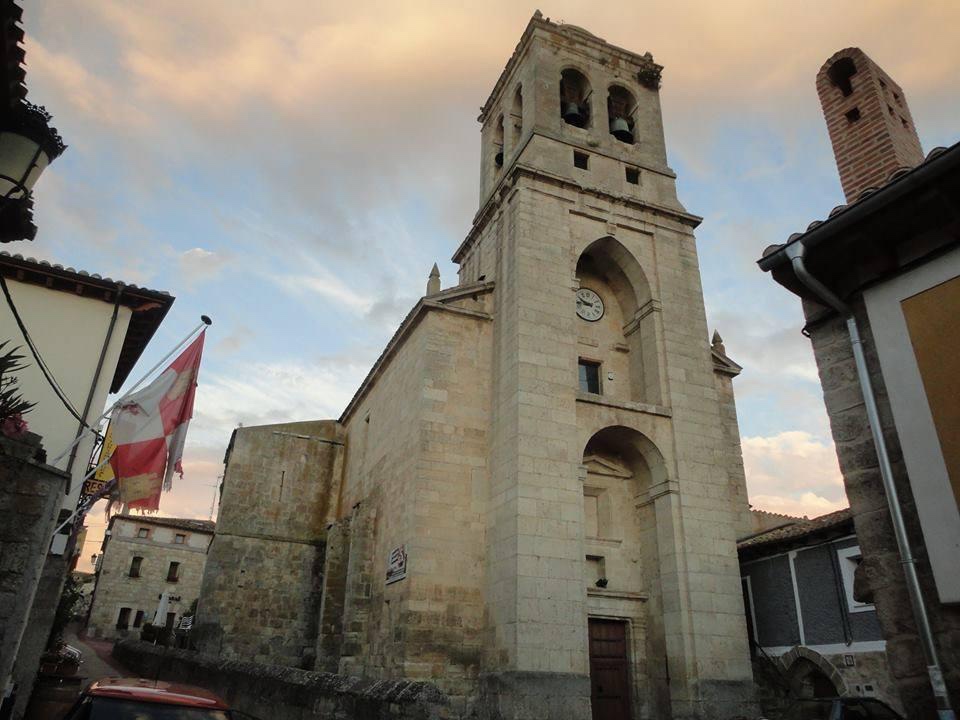
The parish church of Hontanas presided over by a tall and strong tower, is dedicated to the Immaculate Conception. It was originally built in the Gothic style, in the 14th century, although it was neoclassically reformed over time. It shelters a baroque altarpiece, the work of the mountaineer Fernando de la Peña. Inside there is a magnificent copper processional cross with enamels and figures typical of the 13th century. Its style suggests that it is made in Spain, in the late Romanesque style.
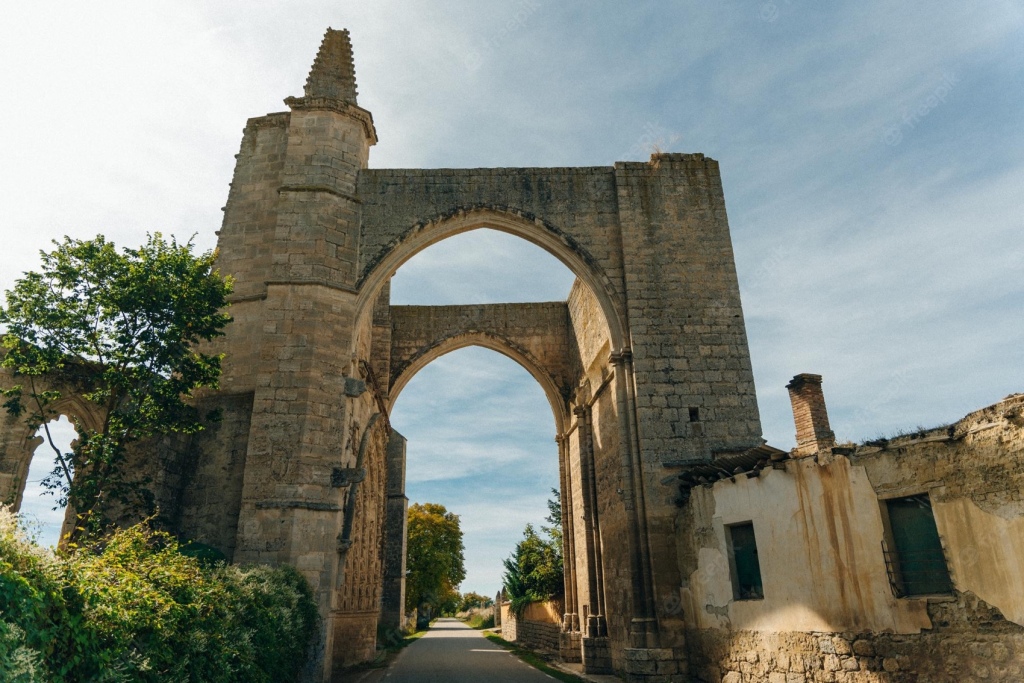
A very few KM or so,out of Hontanas and after a gentle descent, the Convento de San Anton is reached.
The ruins of the monastery and pilgrim hospital of San Antón is a delightful space that seems to embrace the camino, its archway spanning the road itself. Once a sprawling complex there is little that remains.
The albergue here has never seen better days, and the efforts of a dedicated team of volunteer hospitaleros keep the place as traditional as can be expected.
The niches in the archway, previously used by monks to deliver food to late arriving pilgrims, are now a popular spot to leave written messages.WP
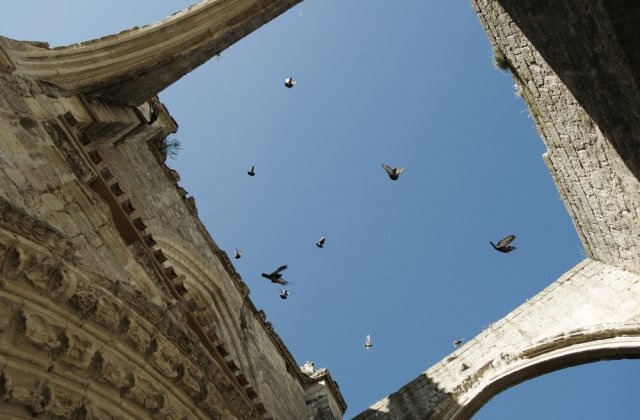
The Cross of Tau is a symbol also associate with the Knights Templar. According to a local source, The Arc of San Anton was also once one of five Knights Templar Commanderies associated with the town of Castrojeriz. The Cross of Tau – The tau cross is a T-shaped cross, sometimes with all three ends of the cross expanded. It is called a “tau cross” because it is shaped like the Greek letter tau.

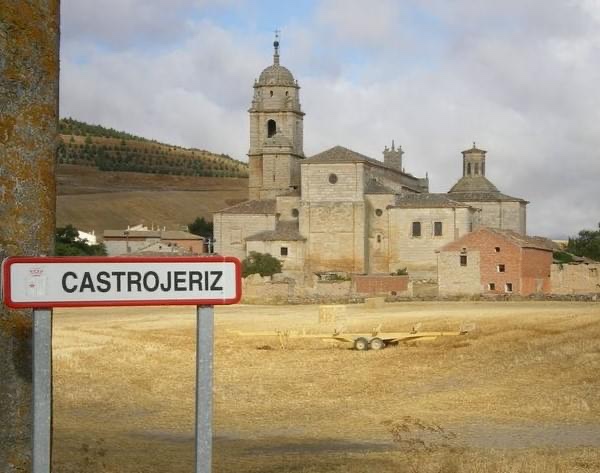
“ As we leave these splendid ruins behind, the Convento de Santa Clara opens up to our left (1/2 Mile ) where you can buy one of the wooden crosses made by the nuns. Castrojeriz now opens to view in front of us. The prominent castle ( ruins ) stands sentinel over the town and surrounding countryside. Note: the town straddles a long,winding road.JB
The Long and Winding Road – The Beatles.https://music.youtube.com/watch?v=fR4HjTH_fTM&feature=share
CASTROJERIZ – https://www.castrojeriz.es/camino-de-santiago-2/camino-de-santiago/ This is a brief link to the main sights in the town.
The layout of the Castrojeriz road-path is deceptively long and, unlike some of the smaller examples, it has been extended to encompass several parallel streets. Its three churches are worth a visit, and a hike to the castle ruins offers a view of the surrounding land only paralleled by the climb out of town. WP
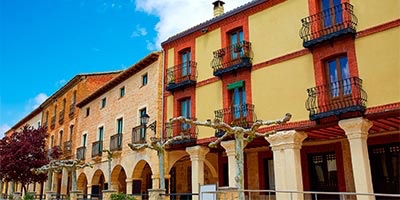
The houses along the road were built with an invisible secret, that of a tunnel that runs the length of the city and connects the cellars.
In addition to being private property of the owners, its exploration is hampered by the construction of dividing concrete walls;
a civil war era security measure to preserve welfare.
The city was, and still is, passionately divided.
That will not prevent you from enjoying the charm it offers pilgrims. WP
Most pilgrim-related services can be found along Calle Oriente , but the largest pharmacy and groceries are closer to the main road.
Also along the East is the Hospital del Alma ; part art gallery and part meditation space and exactly where you want to go if you’re looking for a bit of peace and quiet.
In the main square there is a small pilgrims shop, one of the last of its kind. The owner is quite the character and has managed to keep up with the times, trading the usual small-town items for the kind of high-tech gear modern-day pilgrims are looking for.
On the way out of town is Bar Lagar, named for the well-preserved grape press in the center. Check it out for a glimpse of how things were once made.WP
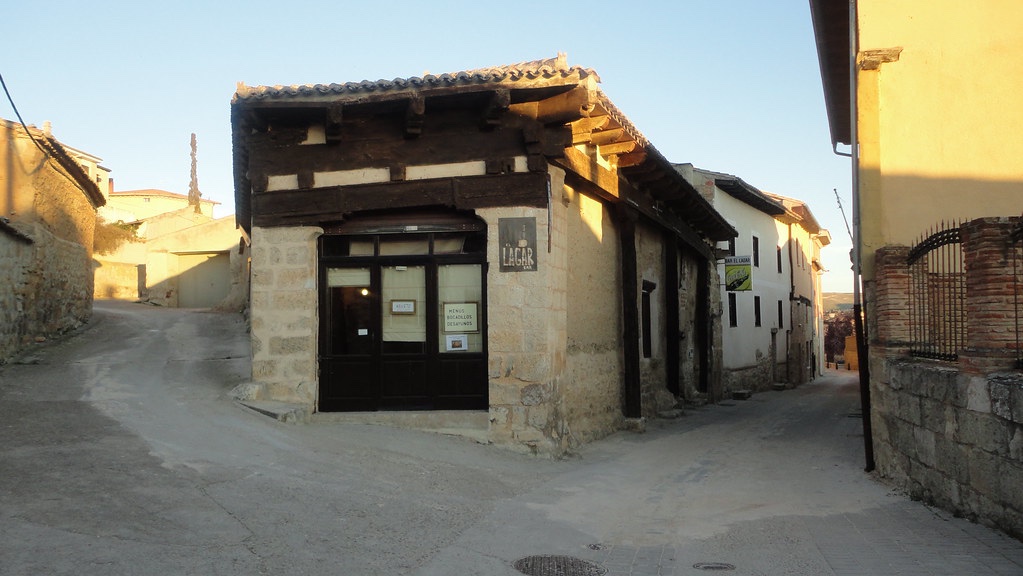
Let’s hope it’s open we pass by.
A fellow pilgrim asked “Are you nervous about the meseta?” “The what?” I naively responded, thinking it was some sort of tribe or gathering. After having it briefly explained to me I replied, “Why would I be nervous?”. And that’s exactly how people should respond. But it is very different from other stages of the Camino and an important part of the way. There are some amazing villages, beautiful ruins and other sights to see, the people are friendly, it’s very affordable day to day and the Spanish culture in this area is fantastic. It is also considered a time of inner reflection for many. I think pilgrims who skip this entire section of the Camino are really missing out on a unique experience. A quotation from a recent post.

Come to me and I’ll show you how
Well do it fast, well do it slow
Then you’ll know the walk everywhere you go
You can walk, and you walk, now you walk
You gonna walk, you gotta walk it,
Just a walk
Just a walk
Just a walk
Just a walk”.
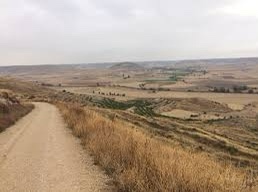
LEAVING CASTROJERIZ – “ One of the most beautiful vistas of the Meseta is 3.5 KM after leaving Castrojeriz. A steep climb leads up the slope of the high ridge, Alto de Mostelares . You will be rewarded for the hard effort to get here with limitless views of the yellow and green wheat fields of the Meseta looking like a patchwork quilt.” BB The Alto de Mostelares is the highest of the peaks you will encounter along the meseta, but it is not as difficult as it appears from Castrojeriz.WP

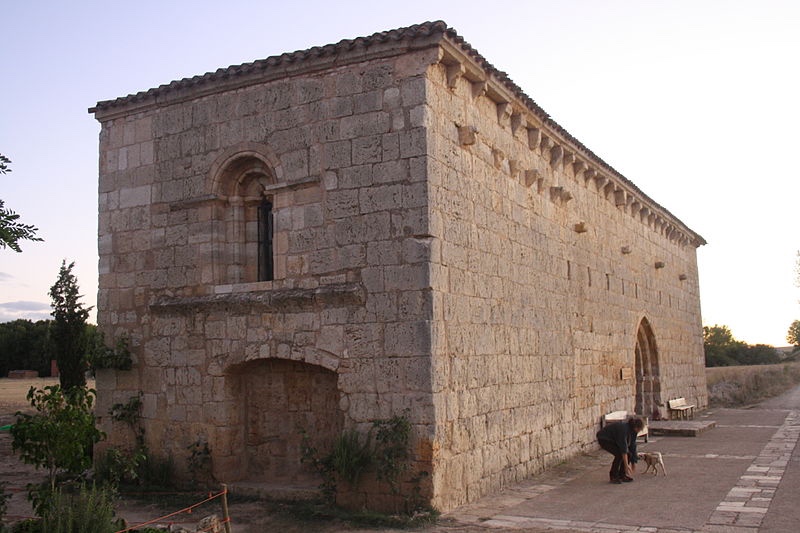
The Ermita de San Nicolás , like the ruins of San Antón before Castrojeriz , has a long history of caring for pilgrims. Both are on their own far from cities and as a result don’t necessarily get the amount of traffic they deserve. Perhaps that’s for the best, as pilgrims often claim they’re the most memorable lodges along the way.WP

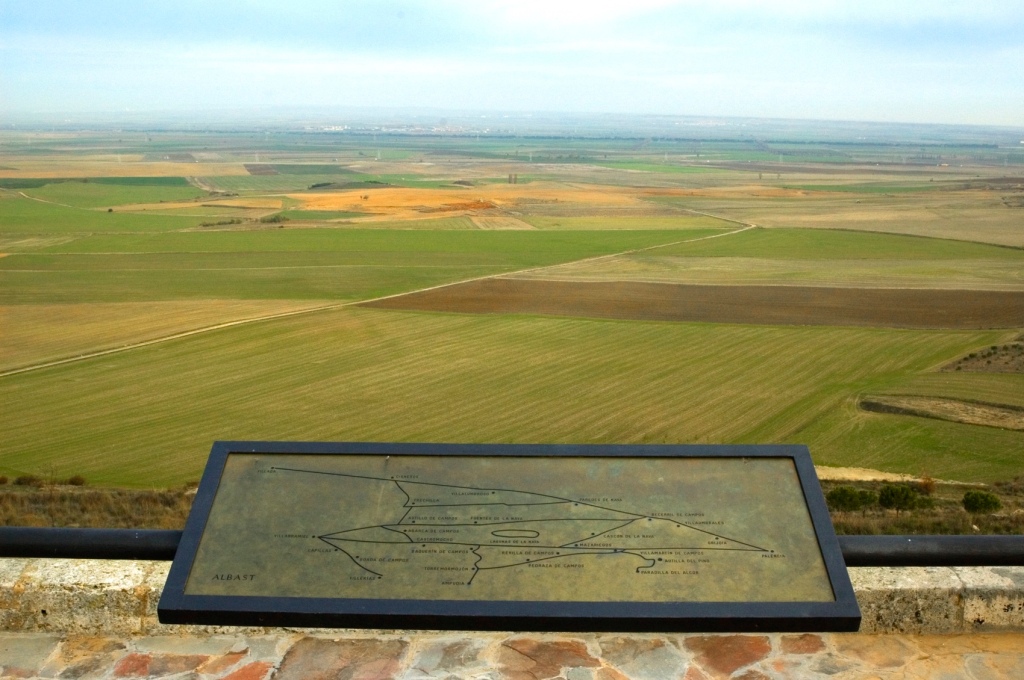
“ Between the village of Itero and and the point of entry to Boadilla you will see just one tree. However,before finishing the stage you come at least to a climb and a little pine wood . Today you have had your first taste of Tierra de Campos” SR “Tierra de Campos is a natural region located in the autonomous community of Castilla y León, which spans the provinces of Palencia, Valladolid, Zamora and León. The French Waypasses through this area, allowing you to enjoy an excellent natural environment during the journey. The gently sloping plains stand out in this area, generally treeless and with a clear steppe appearance. It is worth stopping to discover its charms.” From Viajes de Camino de Santiago.
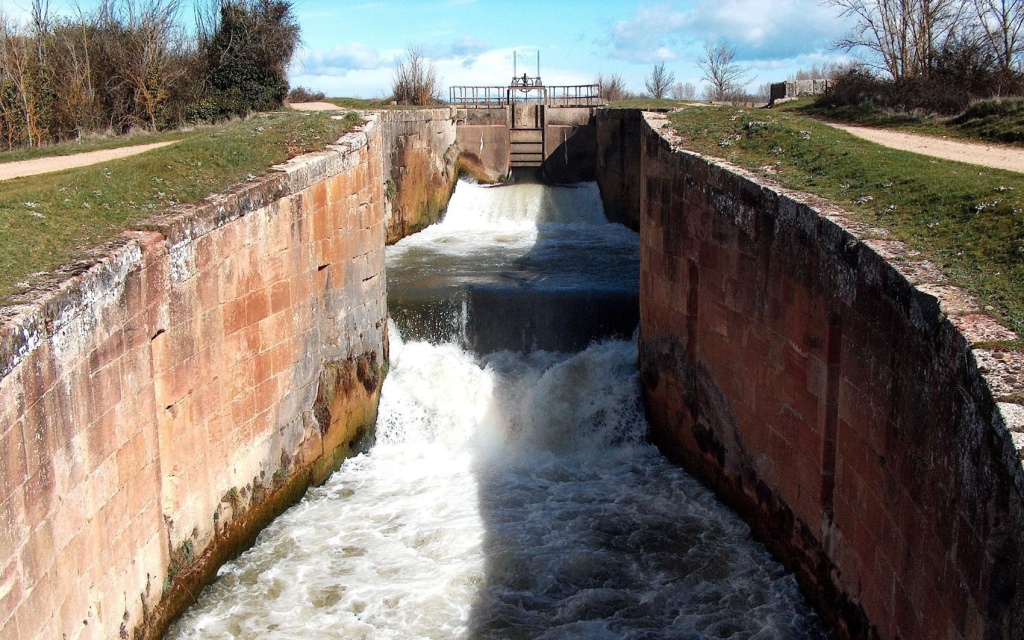
Castilla canal is one of the most important
hydraulic engineering works carried out between the mid-18th
century and the first third of the
19th century in
Spain .
It runs through part of the provinces of
Burgos ,
Palencia and
Valladolid in the
autonomous community of
Castilla y León (
Spain ) and was built to facilitate the transport of wheat from
Castilla to the northern ports and from there to other markets.
However, before the
arrival of the railway , it became obsolete. Wikipedia
On approaching Boadilla del Camino you will notice “ the fields…are dotted with Palomares – dovecotes – find your way towards one and explore the interior which holds thousands of niches”WP

“ The original population of over 2000 that once served several pilgrim hospitals here continues to decline – a characteristic of many rural communities along the way . But the reawakening of the Camino is beginning to turn the tide “ JB
Hotel Rural “EN EL CAMINO” is our base for tonight.
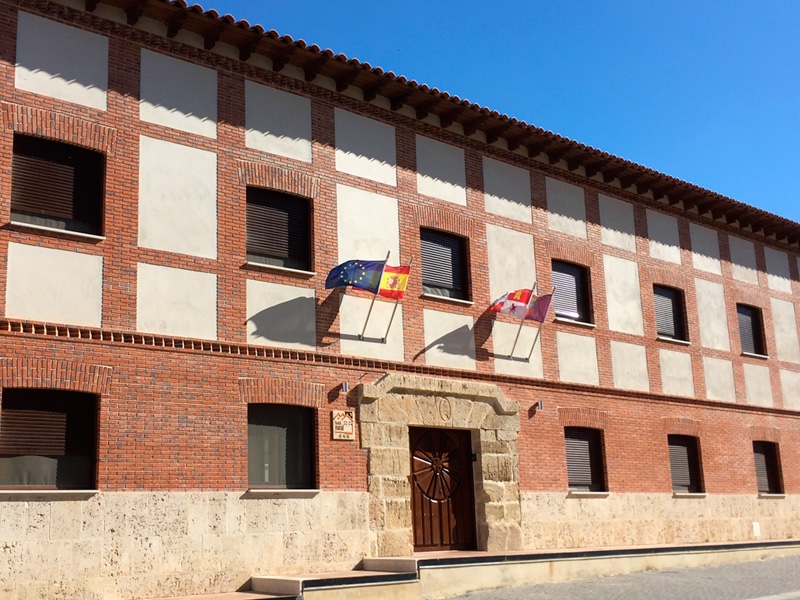
A recent review
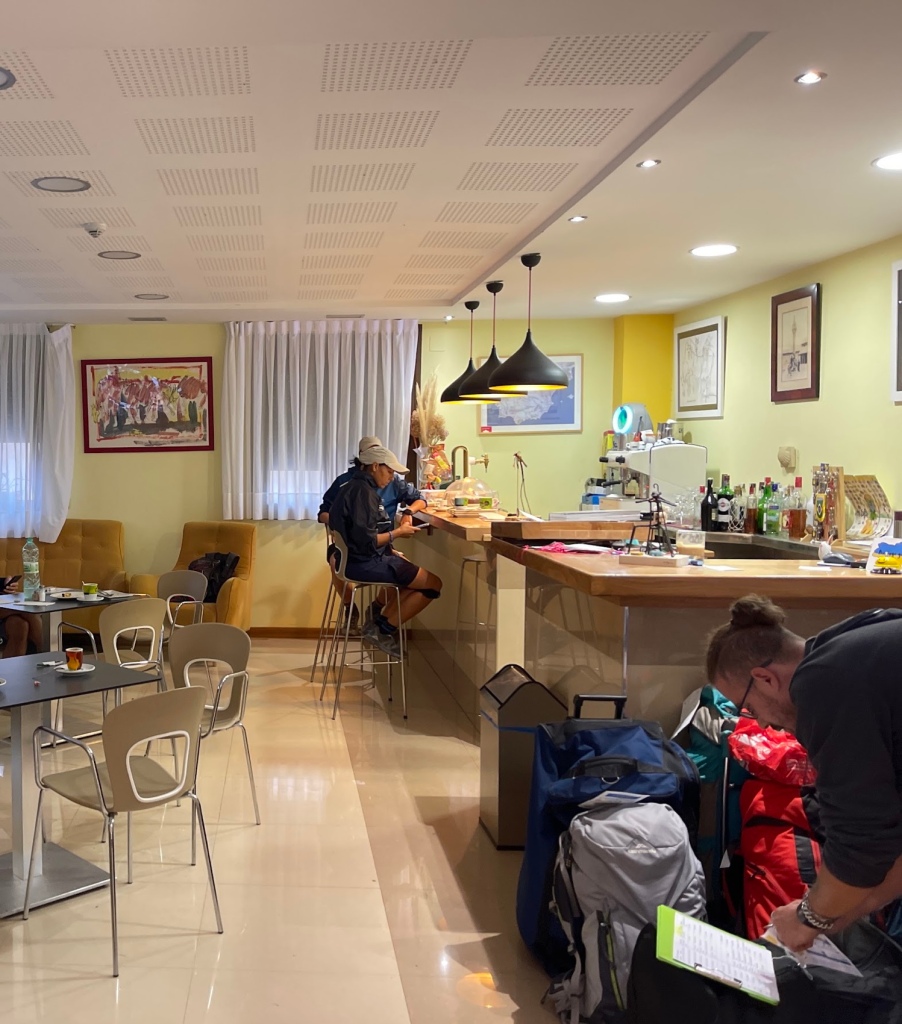
Tinto Verano por Favor…Grande!

 ensuitepilgrim's Blog
Leave a comment