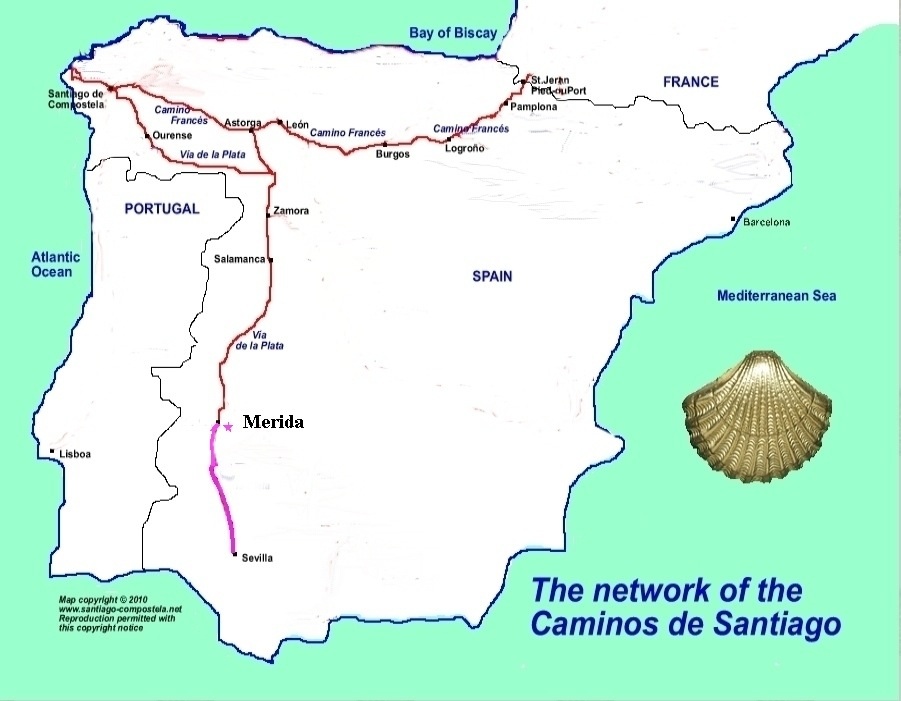
“To walk the Camino do I have to be: Catholic, Christian, holy, a believer in God?”
Before previewing this stage I should like to insert this message from JOHNNIE Walker, a friend of mine and Camino guide to thousands. As we are just beginning a new year I thought it was a really “ fresh” view.
“I’m often asked these and similar questions. Here is my answer:
The Camino is church
The Camino is the church where you just walk right in. Everyone is welcome, no questions asked.
The Camino is the church where it doesn’t matter whether you have faith, whether you are searching for answers or simply want to enjoy the experience.
The Camino is the church where apart from walking to Santiago, respecting the way, nothing else is compulsory.
The Camino is the church where everyone is equal. There are no bosses.
The Camino is the church where you can pray, think or meditate when you want. Or not!
The Camino is the church where every meal is a communion which includes everyone around the table.
The Camino is the church where the arrows will guide you, not tell you what to do.
The Camino is the church where to lighten the load you can forgive your own sins and those who have sinned against you.
The Camino is the church where the choir is the dawn chorus of birds in the trees and sheep bleating in the meadow.
The Camino is the church filled with people just like you where you can make life long friends.
The Camino is the church where the only peals are peals of laughter from pilgrims.”
Johnnie Walker
THE ROAD
Leaving Frómista is accomplished by retracing a few steps to the main intersection, do not blindly make your way through town and if you plan to leave before the sun rises do yourself the favor of scouting for arrows in advance. The trail here follows a gravel path punctuated by frequent “twin hitos” that are placed to discourage off-road vehicles from taking over the path. WP
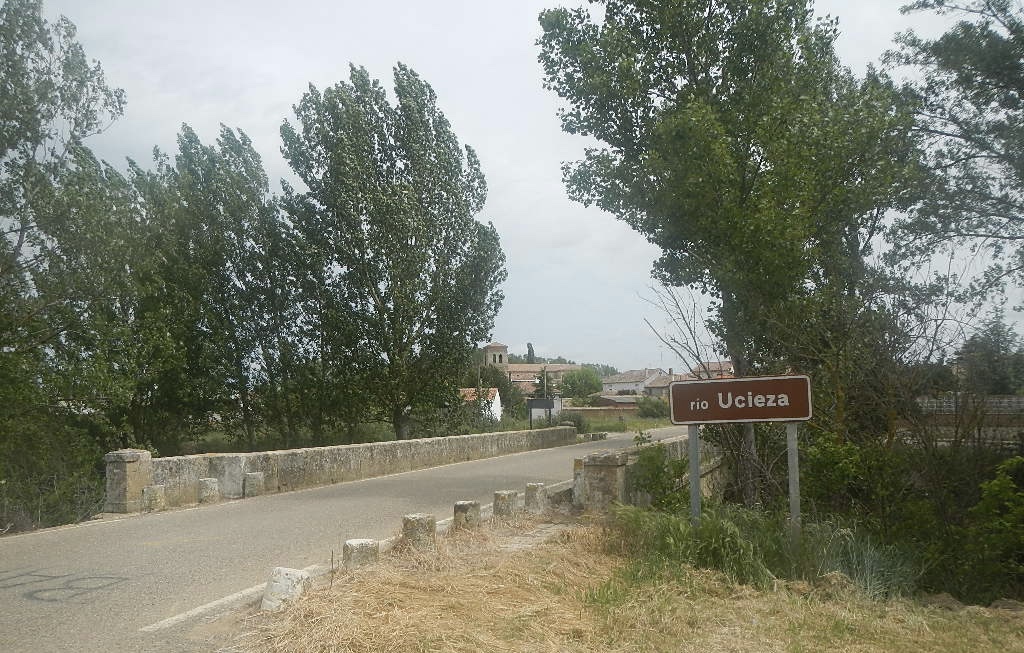
JB recommends an alternative and quieter route from Poblacion ( nice bar ) via Villovieco following a tree lined riverside path “offering both shade and silence“. According to BB “ The river path is more appealing…where you’ll see stands of Poplar trees and rich bird life,including European robins,,canary-like serine’s,green woodpeckers,owls,hawks and falcons”.

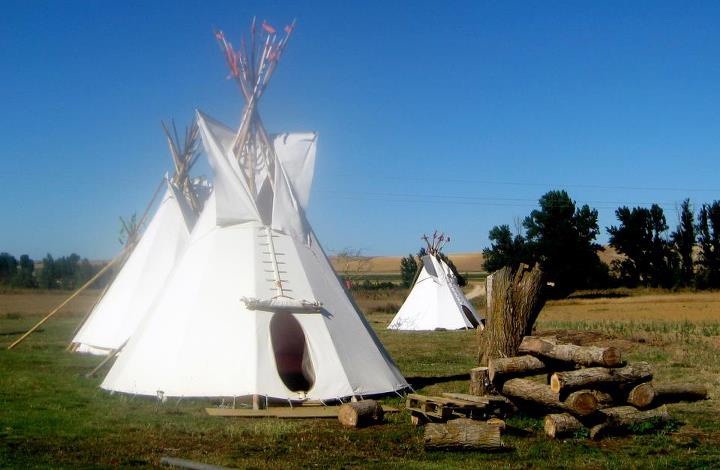
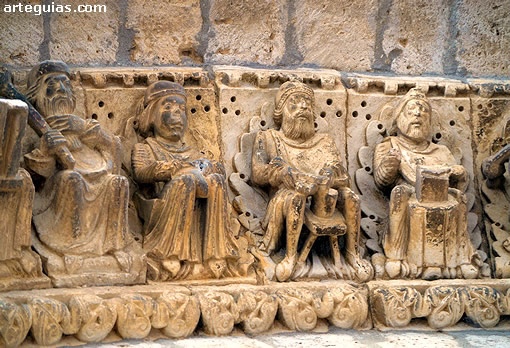
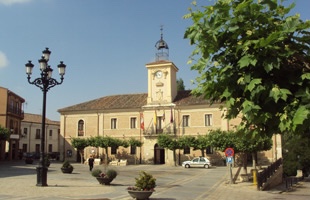
“Carrión de los Condes has a rich and prosperous, to say nothing of colorful, history. Located at the intersection of the Pilgrimage road and the río Carrión it attracted merchants and a sizable population. Charlemagne is reported to have used the fields along the river as an encampment on his quest to control the pilgrimage route. Over a dozen pilgrim hospices once called Carrión home, and to this day you will find that many of the albergues are under the care of one religious order or another, the nuns of Santa María are known to sing to pilgrims.” WP
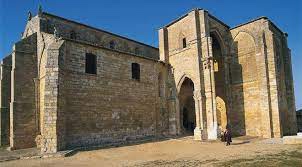
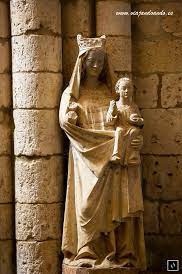
We continue on the riverside path towards Villalcazar de Sirga. It is “ well known for its hospitality having welcomed pilgrims since the XIIth century when it became a commandery of the Knights Templar. There is a popular Cafe- Bar opposite the church” JB
HISTORY
Carrión de los Condes has a rich and prosperous, to say nothing of colorful, history. Located at the intersection of the Pilgrimage road and the río Carrión it attracted merchants and a sizable population. Charlemagne is reported to have used the fields along the river as an encampment on his quest to control the pilgrimage route. Over a dozen pilgrim hospices once called Carrión home, and to this day you will find that many of the albergues are under the care of one religious order or another, the nuns of Santa María are known to sing to pilgrims. WP


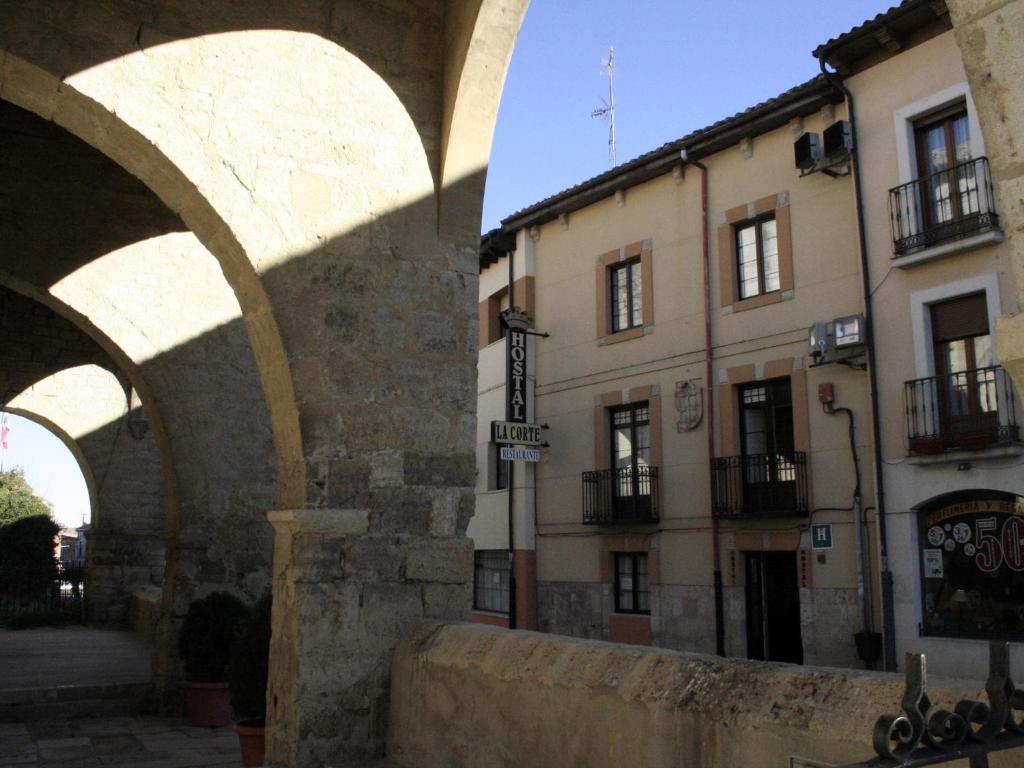
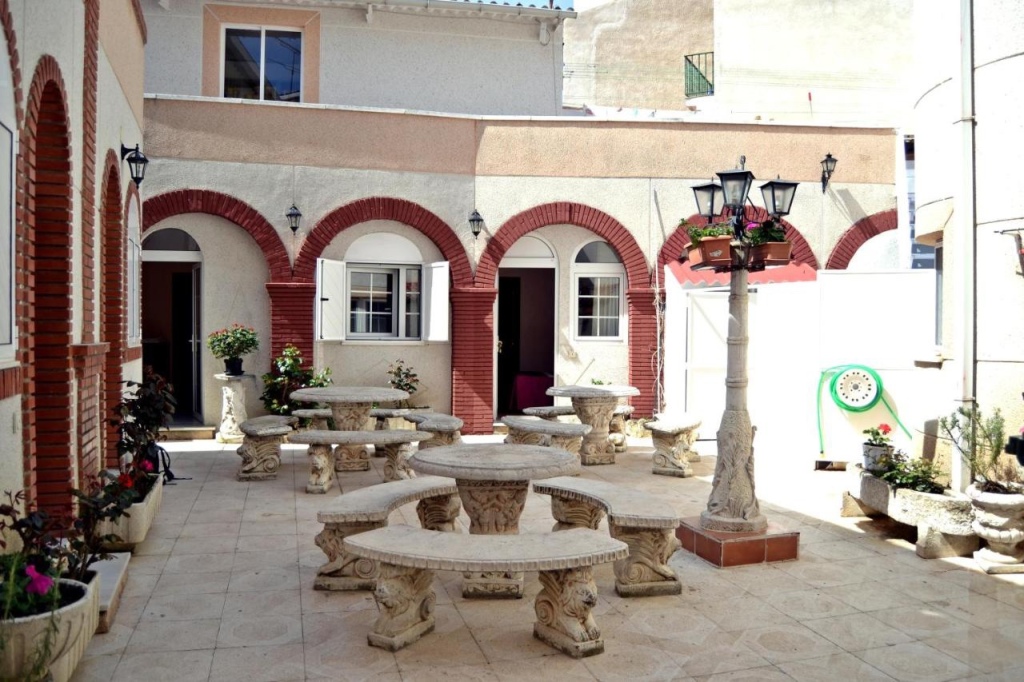
Accomodation is at Hostal La Corte. “My husband and I stayed here on the 4th May while doing the Camino De Santiago The hotel was very well situated for the Camino. We were in the courtyard, which was lovely. The food at the restaurant was really good. We had the set menu of the day (vegetarian) for dinner. Breakfast was good. We had a nice stay.” INDEPENDENT REVIEW

 ensuitepilgrim's Blog
Leave a comment