Last full day in ALVOR and here are some of the things that we’ll miss.


Coffee at the beach bar.


The Apartment which was full marks!


The bad news is that we’re coming home to this…

Last full day in ALVOR and here are some of the things that we’ll miss.
Coffee at the beach bar.
The Apartment which was full marks!
The bad news is that we’re coming home to this…
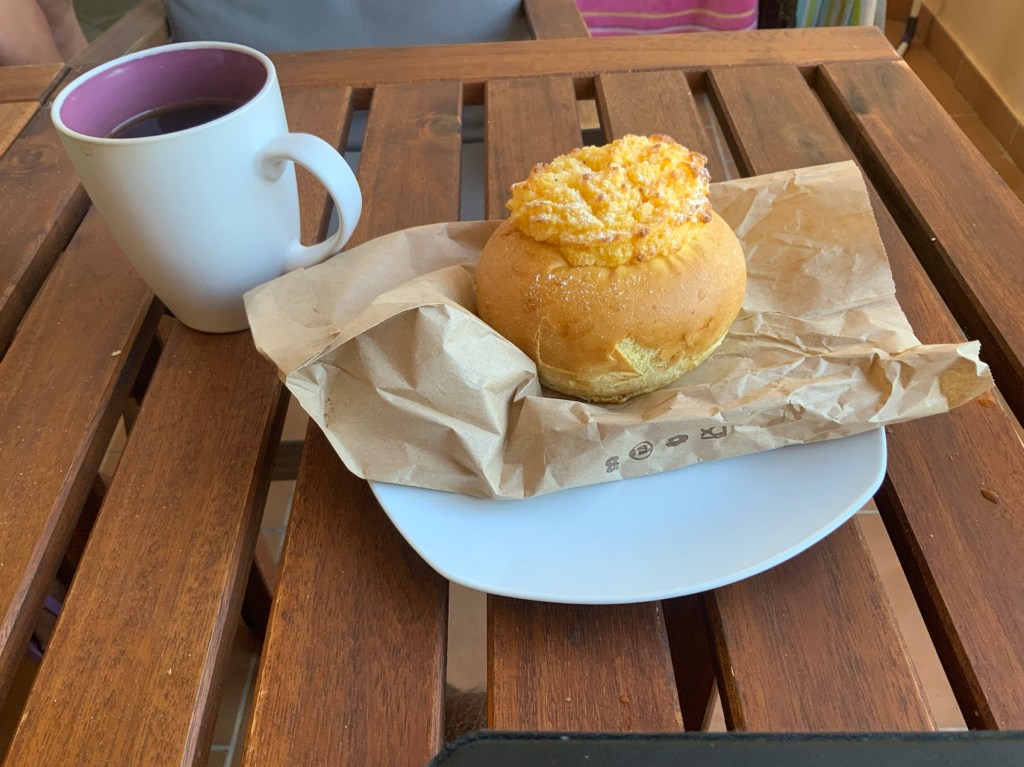

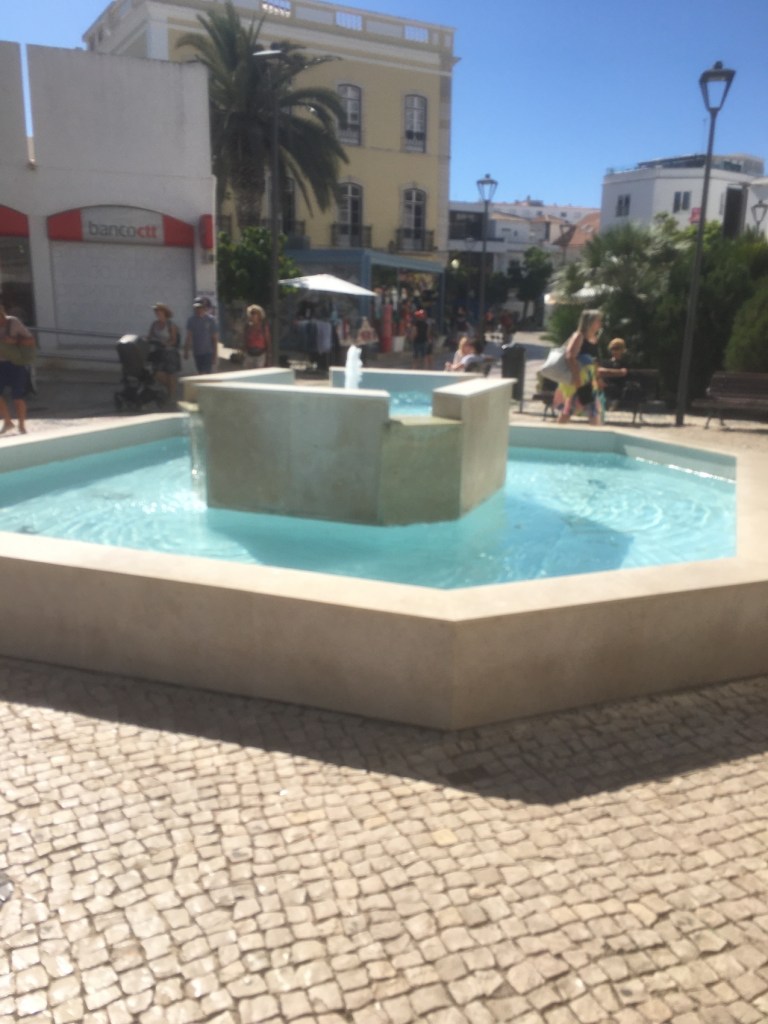
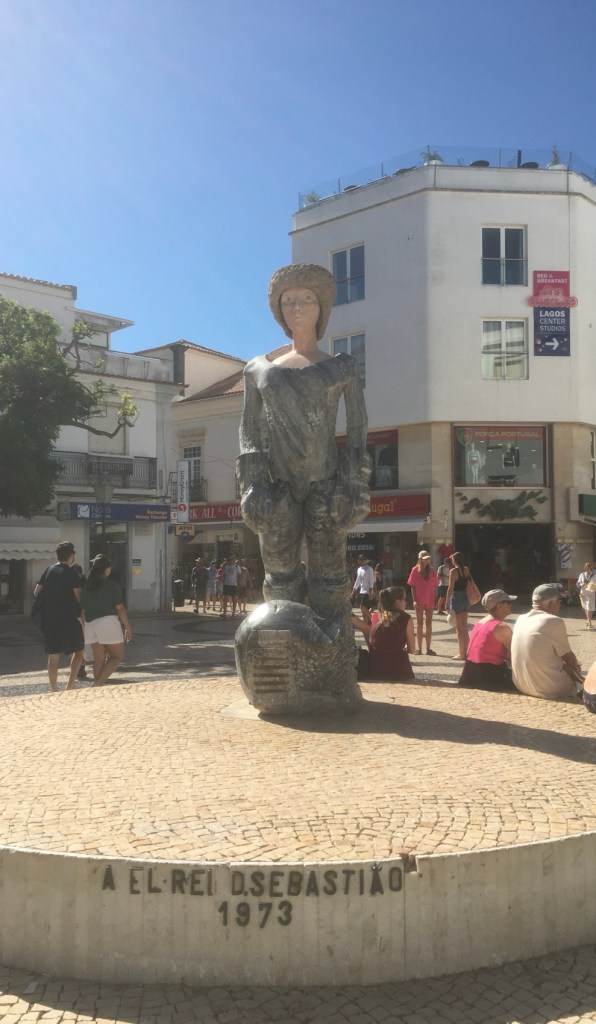
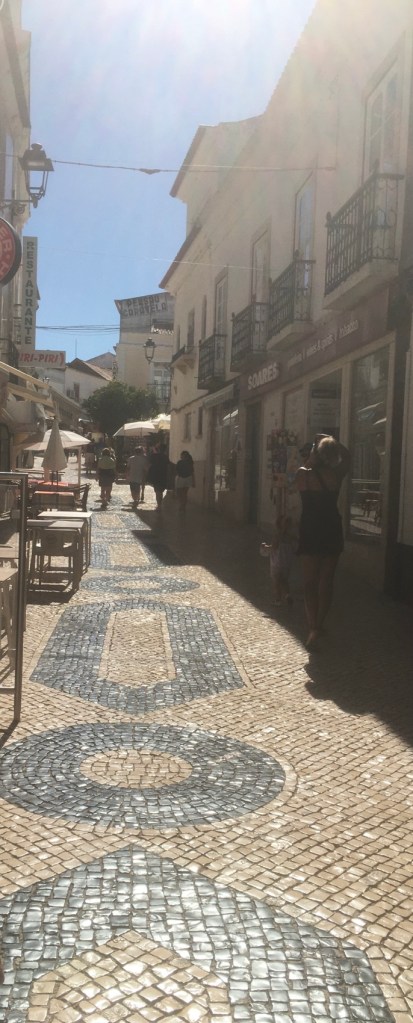


There was plenty to enjoy by way of alleyways and tiles.


It was the Romans who built the first town walls around Lagos and these were reinforced during the Arab and later Christian occupations of the town. The substantial city walls still form a protective ring around the old historic centre of Lagos date from 16th century, a time when raids by Barbary pirates were all too common and the threat from Spain turned out to be all too real.



The city is most visited for its beaches and nightlife which can be very boisterous in peak season – the beaches looked very inviting.


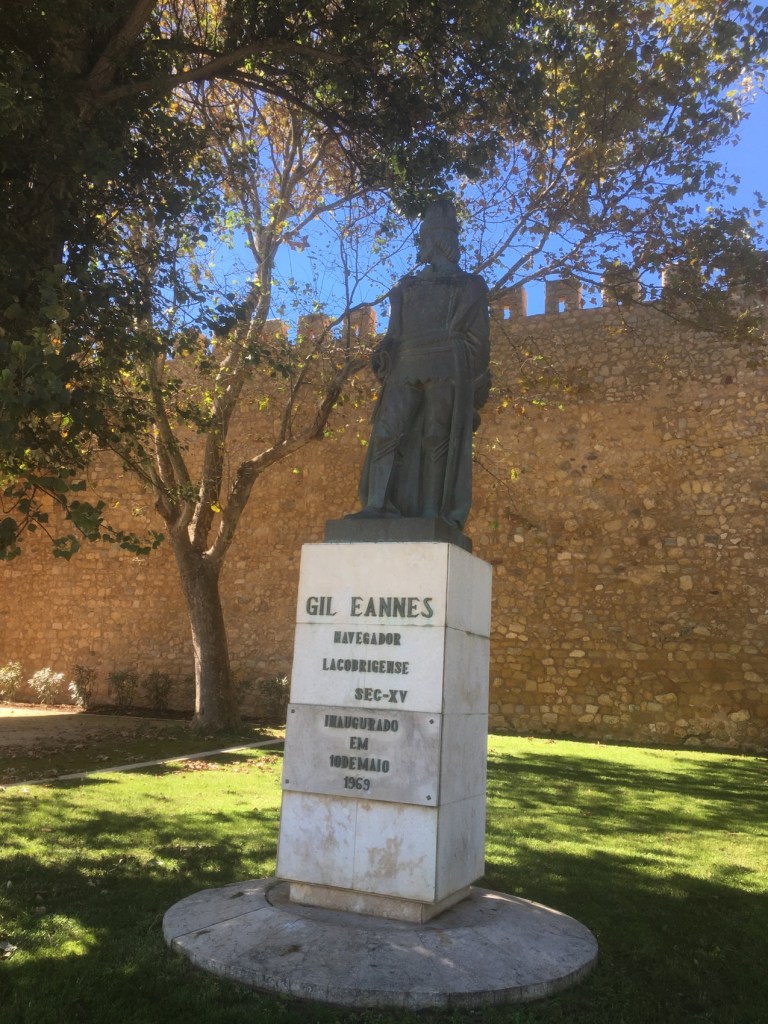
He was a 14 th century saint born in Lagos.
Another fortification right on the front and guarding the entrance to the city.


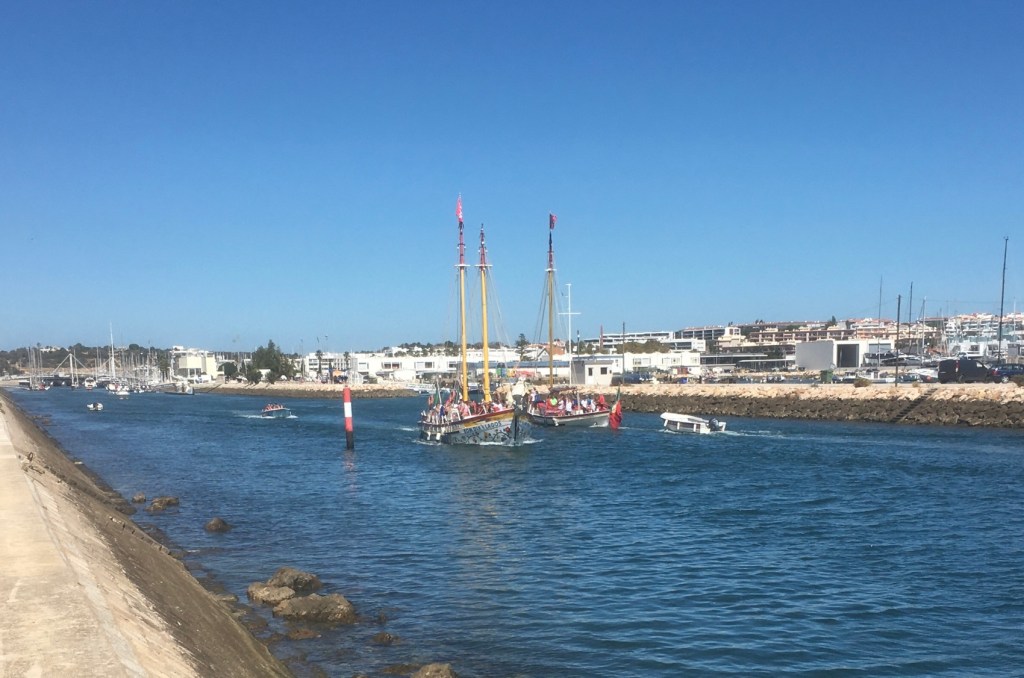
If I had to take to the waters I think this would be my preferred mode of sea faring – I loved the busy waterways.

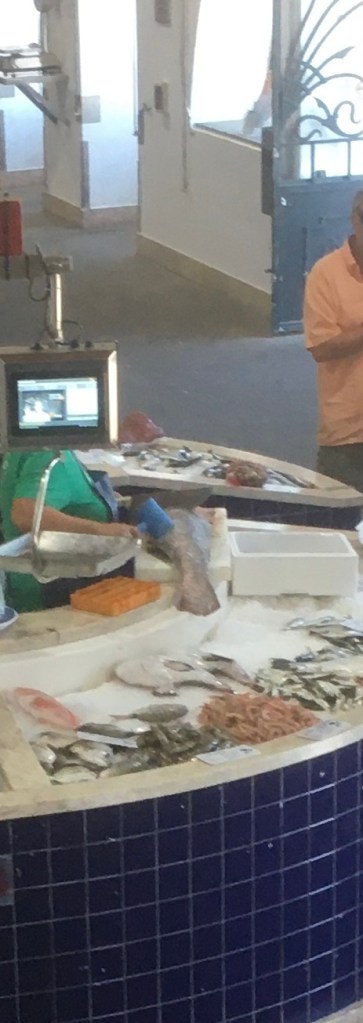
We visited the Mercado which is on three levels.
I bought this grater on the first floor – a handcrafted “ fair trade” product

Then it was back through the streets to the bus station for a comfortable ride back to Alvor by coach for all of €4.5.


These two enjoyable experiences were in ALVOR and a short riverside walk out.

The market consisted of small stalls with varying amounts and types of produce – mainly smallholdings I would guess. A homely feel to them.


Leaving this part of the waterfront we made our way through a small reconstruction of a shelter, along the Ria to the base of a small cliff.


We met an English couple who have a timeshare in ALVOR and they told us that once they did the walk on a Bank Holiday and were startled by gunfire – apparently on those days random hunting is allowed – fortunately they were able to attract the gun holders and got through unscathed.

Saturday and after waiting in vain for the number 13 bus – unluckily for us – no buses on Saturdays nor Sundays, we called a taxi and within three minutes we were on Portimao’s riverside.


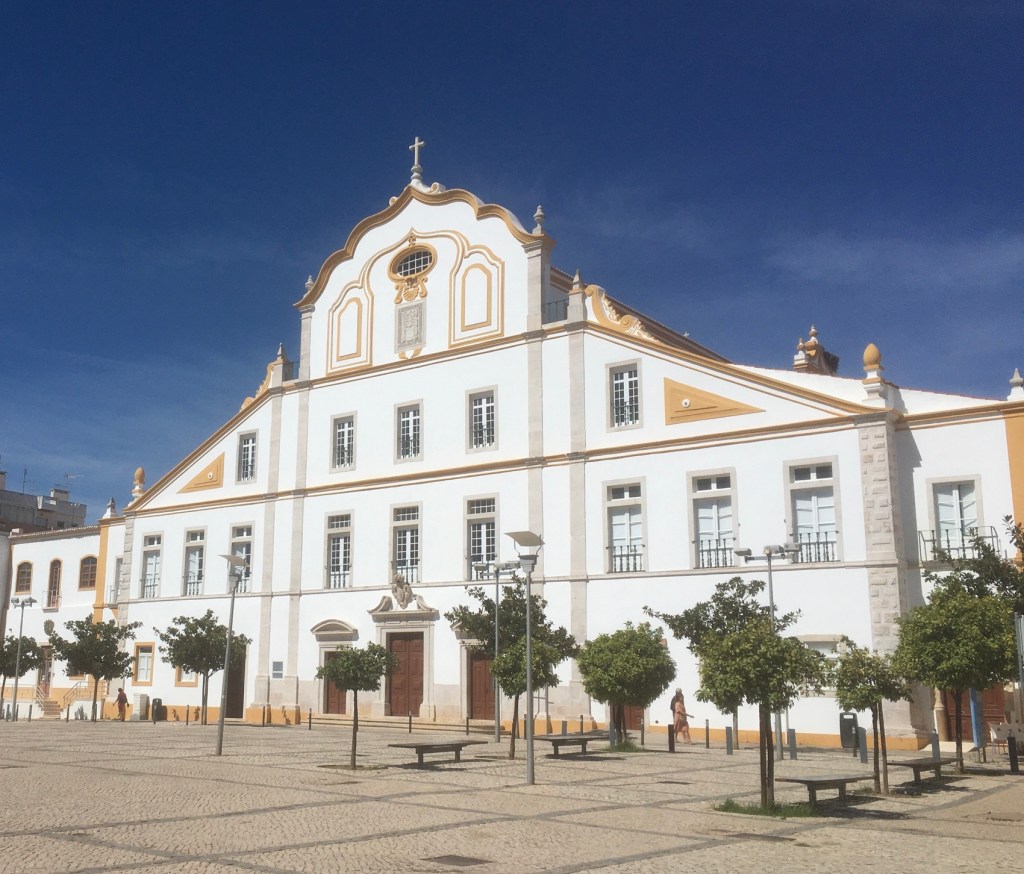
Following the signs for the Turismo, housed in a renovated Moorish building,further frustration as it was closed, yes you guessed it,at weekends when you would think they would be the days most likely to be busy with visitors. No buses,no Turismo,and later to discover no shops open after 1pm – I need to get my head round this Algarvian logic.


Walking alongside the River Arrade .

We stopped to examine this conveyor belt,just outside the museum.


It is housed in a renovated canning factory the Portimão Museum, invites you to discover the origins and evolution of its community, territory and the most striking aspects of its industrial and maritime history. In addition to the permanent exhibition “Portimão, Territorio e Identidade”, the museum presents a diversified cultural program in the temporary exhibition rooms and auditorium. More of that later.
If someone told you that you would be both well informed and fascinated by the sardine canning process,you might have been forgiven for a scornful riposte – well it was as much about the working lives of the mainly women here as it was about tins. The first thing to strike you was the amazing layout of the exhibits.


The actual workplace was well reproduced,too.


There was also a section devoted to the 19 th century King Carlos and his seagoing adventures.


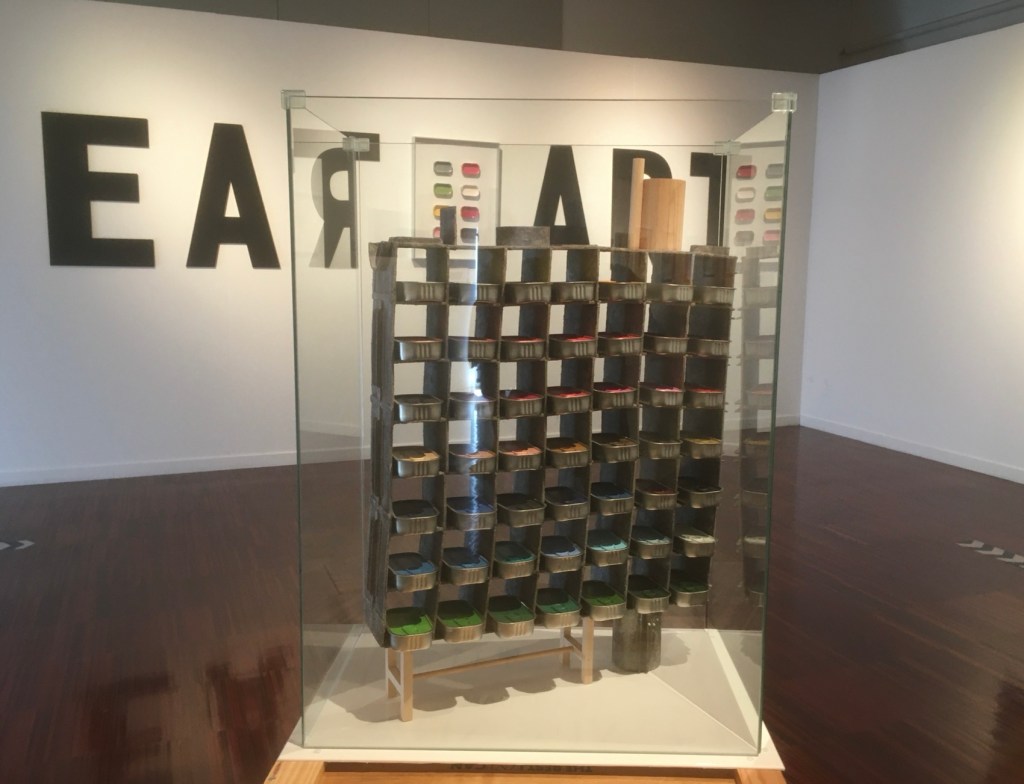
The temporary exhibition was about the relationship between food and art – it certainly gave us an appetite for lunch! Below are some of the images.



The canning factories had been heavily subsidised during Salazar’s dictatorship. When he died the subsidies mostly dried up,this,plus dwindling supplies of fish and competition from North Africa saw the canning industry die for the most part.
There followed a walkabout around a largely deserted town. Portimao as you might have gathered is not a “ tourist” town and its beaches are 3 Km away,including the famous Praia de Rocha and opposite in Ferrugudo,where we once camped in the mid seventies. But worth a day for the feel of a working Portuguese town.



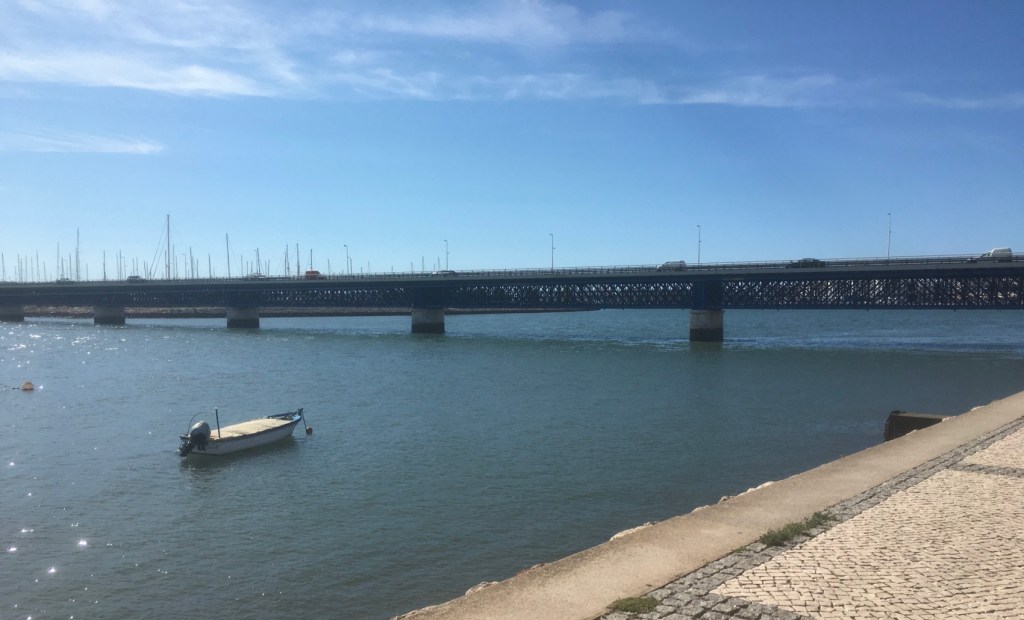
There are three bridges over the river.


There are various sculptures alongside the river.


Portimao was a worthwhile excursion. I wonder if we’ll have sardines for dinner?

Take a holiday so long, you forget all of your passwords!
Alvor was founded in 436 B.C. by the Carthaginian General Aníbal Barca as a commercial port, which he named Portus Hannibalis. The settlement grew around the sea, near the place called Vila Velha, where a Celtic castro dominated the river mouth during the Iron Age.

The history of Alvor is long, possibly dating back as far as the 4th century BC. During the Roman occupation of Iberia it was a prosperous port and later became the Moorish town of Al-bur. However, the village’s greatest claim to fame is as the place where King João II died in 1495. In more recent years still, it cemented its place in the history books as the venue for the negotiations which brought about the independence of the former Portuguese territory of Angola.

Five days in to this little holiday and I have lost track of time. How? Why? It’s only when you come away from your regular routines and haunts that you realise the rut you’re in. I’ve not missed the morning paper, the garden or the allotment,nor the never ending televised sporting events I am usually guilty of having on,even if only half watching. I have not missed walking because I have done plenty of that since being here.I have not missed the tedium of “royal” events either.


The Mercardo was very quiet,too.


In the mornings, nothing much opened before 10 am – not a single punter down this popular alleyway.

A walk back down towards the River ALVOR Estuary

Brummies will brag about their “ Floozie in the Jacuzzi”; here in Alvor they have their” Mermaid on the Esplanade”


It was time to take the Boardwalk trail.

It’s a wide network of boardwalks that connects Alvor Beach with the river banks. The total distance of the boardwalks is about 6 km. Following the boardwalk you can appreciate two different sides of Alvor; its wide sandy beach and the freshwater marshes that are home to dozens of species of birds.


On either side you can see the estuary, the dunes,marshes and all manner of boats.


Based a mile and a half or so up from ALVOR Town and not wanting the hassle of a hire car – bus trips €0.70 and taxis very reasonable – mastering the bus timetables are important. You can obtain a prepaid card to show on the bus – the amount is dependent on how often you anticipate using a bus. Tomorrow we envisage using it to get to Portimao for the day.
The VAI E VEM bus service .

I shall finish this Blog with some photos of the local flora,many of which are found around the pool and grounds of the apartment.


A vacation is what you take when you can no longer take what you’ve been taking.
 ensuitepilgrim's Blog