
The above title was filched from an article in The Independent that recalls the mining heritage of this now award winning coastline.
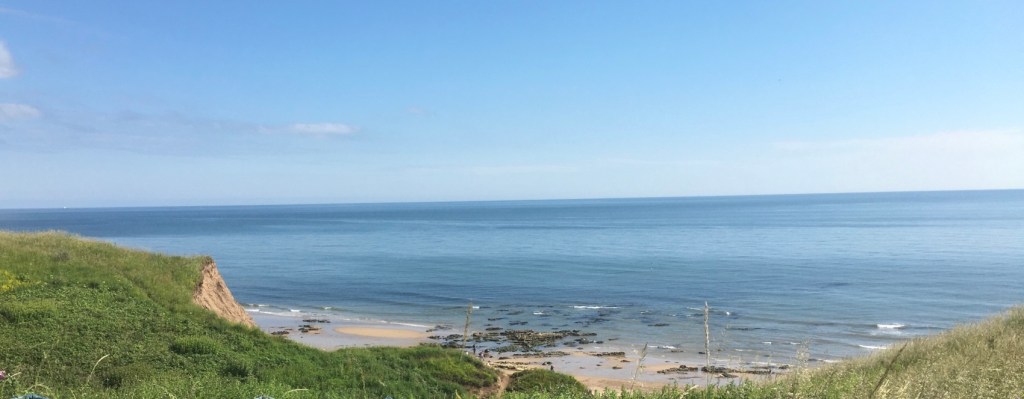
“You were working two, three mile out to sea. You were nearly an hour underground before you got started.” On a sunny day in June when the North Sea merely tickles the shoreline, it is hard to conceive that, just 18 years ago, men were walking – or crawling – along dark, damp galleries hewn beneath the water. “Hutton was the lowest – over 2,000 feet of rock above you, seven fathom of sea water above that.” The quotes are from an unknown miner. His words enlighten the casual traveller who sees little but cliffs ablaze with wildflowers and sands bleached and softened by the sea.


Eighteen years ago , the Vane Tempest Colliery closed. For more than a century, mining on the coast of County Durham had been a heroic enterprise that had sustained the most densely industrialised location in Europe. Around what became the colliery village of Seaham, plate tectonics had conspired to create a rich source of coal at the point where the North Sea crashes against north-east England. Three pits were created to extract the wealth beneath the surface of the earth – and, when that proved insufficient, the brave souls struck out beneath the surface of the sea.

A two mile stretch of coastline round Seaham has been enriched by the Time & Tide trail, which tells visitors of the courage of the miners and their families. Ten years on, Seaham has been transformed so comprehensively that you need all the help you can get to understand the harshness of life in the mining communities. Seaham Colliery itself experienced seven accidents, including one on 8 September 1880, that claimed 164 lives.

Seaham is generally regarded now as having the best beaches in C. Durham. The harbour/ marina area is worth a visit,too.


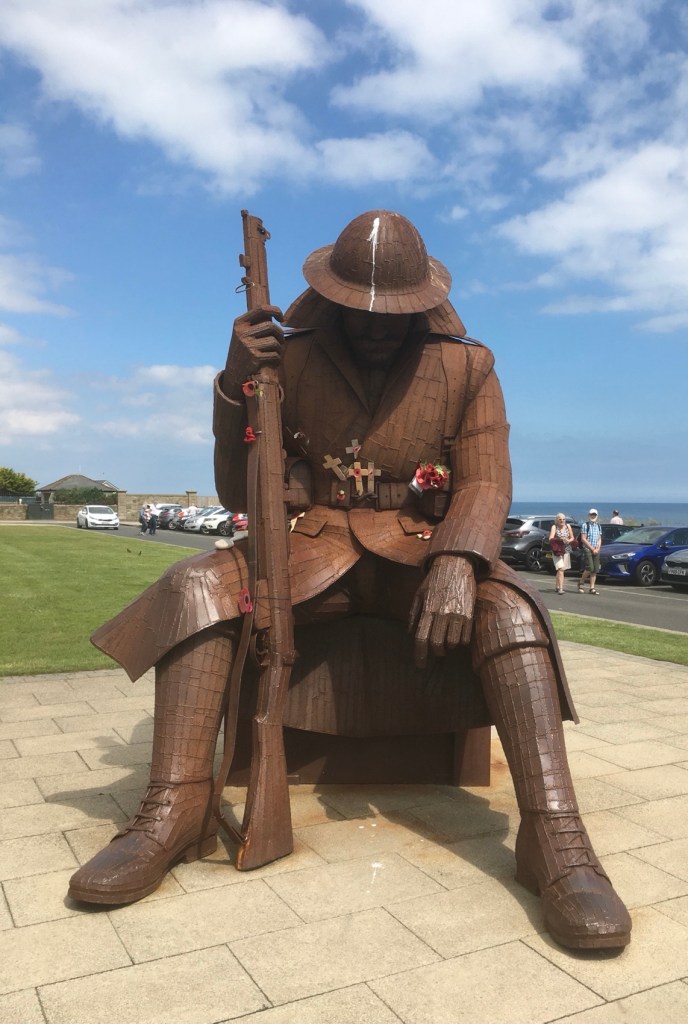
Seaham has military connections as this striking sculpture shows.
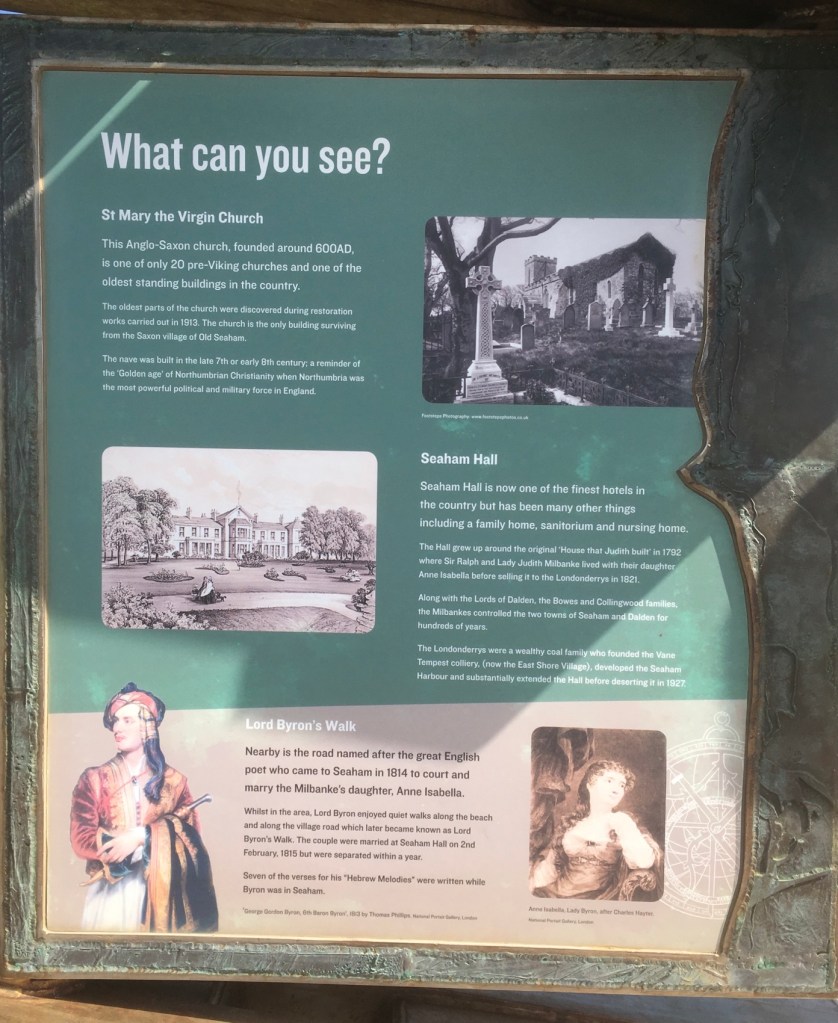
There are about twenty chapels/ churches in England ,from 7/8th centuries that are still in existence and the church of St Mary the Virgin is an example.


Some of the gravestones tell of the sad fates of some of the local people over the years – death in the mines, in railway collisions – I invariably find aspects of local history depicted on them.


A great day by the sea and an inspiring example of a community and coastline’s rebirth – Seaham is a super place to see.

 ensuitepilgrim's Blog
Thanks John!