Archive | July, 2019

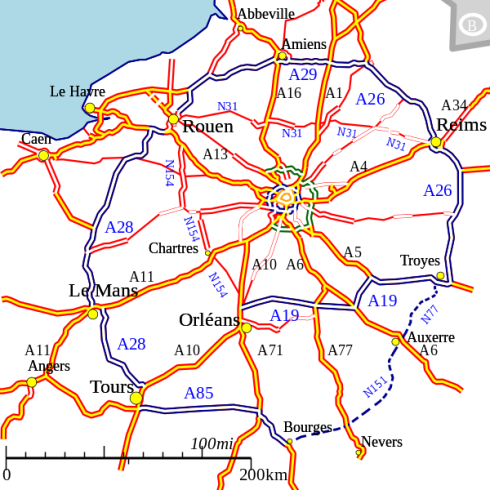
The Last Couple of Days – upwards via The Loire & Pas de Calais – longish drives in good conditions.

31 Jul

It’s difficult to shrug off that end of holiday feeling when you are driving home.

You resign yourselves to the long drives in the certainty of arriving at a good campsite for the night and, hopefully, a swim, drinks and a bbq in the evening sunshine.

Also,having driven all over Europe for fifty years now, you are assured of quality driving conditions, sometimes on Toll roads, but at least you are assured that the tolls are put back into the motorways’ maintenance and development. A lot of the driving on these last two days were toll free on the RN 10 and the RN154 – good dual carriageways, no hold ups, no queues.

That’s why driving in France,Spain and Portugal in particular is such a pleasurable experience, unlike the stressful road conditions in the UK.

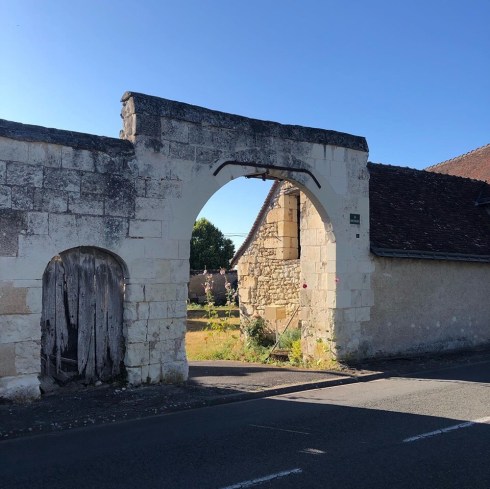
The penultimate day was spent in the Touraine,not far from Chinon, at chateau Allendres. This site in the grounds of a beautiful Chateau, has all the amenities in a rustic setting.On the second day we took a recommended ” randonee ” via the village of Trogues alongside the River Vienne. Over 11 KM through fields and tiny hamlets, pausing for a coffee in another campsite Les Allais.A last lengthy drive through Tours, crossing the Loire and eventually Camping St Louis,19 Miles inland from the car ferry at Calais. I booked the ferry the day beforehand and enjoyed a great Flemish meal at the campsite restaurant – even had a game of table tennis Pre- drinks! I am writing this on the P & O Ferry, quite a choppy crossing which we nearly didn’t make due to the incompetence of the UK Border Force at Calais. Only four lanes open out of twelve in the peak season.It took 90 minutes in total and only got on board our 09.50 crossing because it was late due to the weather .

Only 200 miles up the M20,M25 and M40 to look forward to!

Adieu, Adios Europe – it has been another great holiday.

Tordedillas,Valladolid, Spain and Eymet in South Western France,en route home.

29 Jul

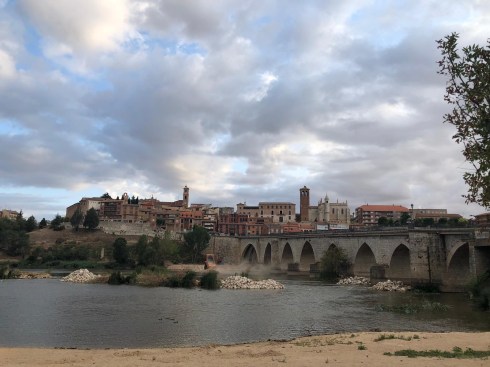
Tordesillas has been a stopping place over a good few years. Stays ranging from a week to a day – this time two days. Every time, the campsite seems to improve,though it’s best features, like the garden by the bar, remain the same. Not a big site and situated near the banks of the River Duero – Douro when it flows into Portugal – it has a good swimming pool, shop,restaurant and bar – that’s all you need for a good campsite,plus the weather of course.

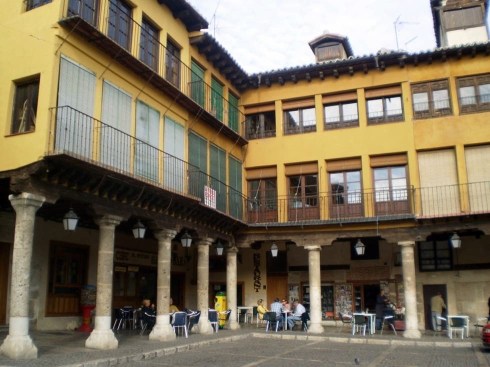
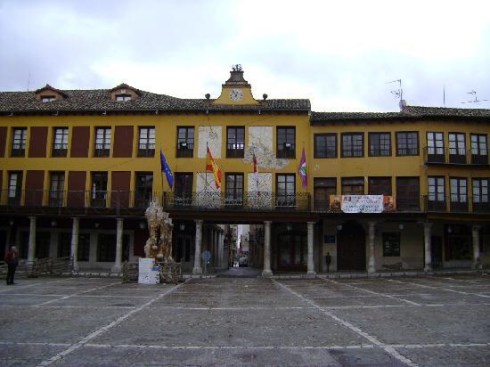
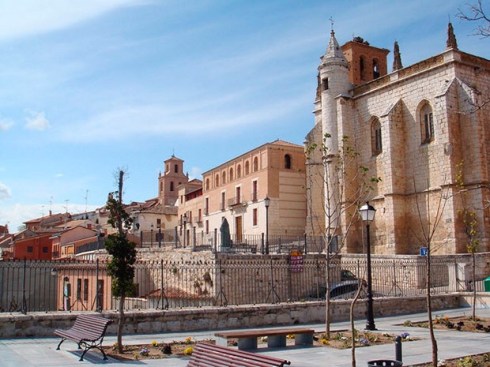
The town is compact and the central part is of most interest,with its colonnades and bars.

It has a long history and a tragic tale or two.

The Treaty of Tordesillas signed at Tordesillas in Spain on June 7, 1494, and authenticated at Setúbal, Portugal, divided the newly discovered lands outside Europe between the Portuguese Empire and the Spanish  …

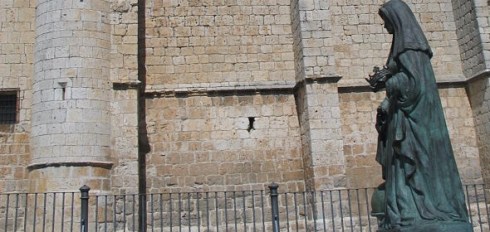
It was also the place where Queen Jane – Juana la Loca – who spent 46 years in a windowless cell here in the Monasterio. She had ruled Castile jointly with her husband,Felipe I,From 1504-06 But was devastated by his early death and for three years toured the monasteries of Spain,keeping the coffin permanently by her side,stopping from time to time to inspect the corpse. In 1509, she reached The Convent Santa Clara In Tordesillas, where first her father,Fernando and later her son,Carlos V declared her insane,imprisoning her for half a century and assuming the throne of Castile for themselves.

I’m sure we have experienced the time when we have revisited a place with good memories only to find it has changed – for any number of reasons – and felt disappointment and/or disillusionment. Hopefully that may never be the case with Tordesillas.

From there it was 700 km drive on semi deserted roads and Autovias across Spain and through the Landes region of South Western France, ending up in the South of the Dordogne,in one of the Bastide towns – fortified villages from the Middle Ages.

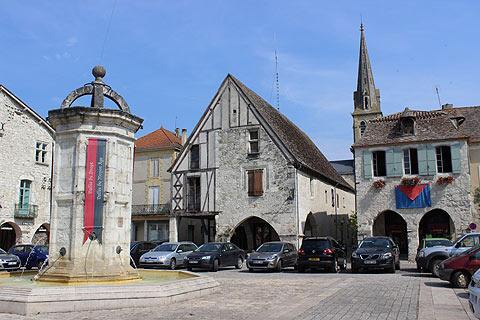
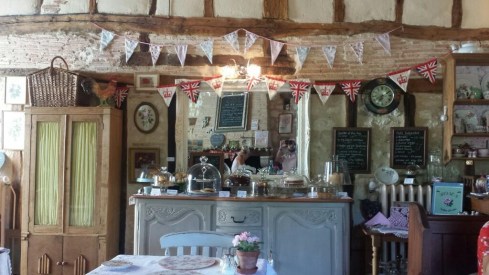
This particular town was Eymet, a chocolate box of a place, with its typical square,distinctive buildings and narrow streets. The only thing that ruined it was the loud,self assured English voices rasping out from every bar and restaurant – a third of the population are Ex-pats – such a shock after almost being totally without for nearly three weeks. Too pristine and too Anglicanism for my taste – a vintage,English tea room said it all.And so the next day,Sunday it was onwards and upwards towards Touraine in the Loire Valley.

CACERES – CIUDAD MONUMENTAL – Ciudad Patrimonio de la Humanidad,

26 Jul

Cáceres in western Spain’s Extremadura region. Founded by the ancient Romans, it retains widespread evidence of subsequent occupation by many different cultures. Its old town, Ciudad Monumental, has a mix of Gothic and Renaissance architecture, with cobbled medieval streets, fortified houses and palaces. Encircled by 12th-century Moorish walls, it also has around 30 towers, some occupied by nesting storks.

There are also reputedly,1300 coats of arms decorating the palaces and houses both inside and out of the city walls.

The main square, with its distinctive slope,remains my favourite in all of Spain.

For a small fee you can walk along a section of the walls and visit the Museo.

There are gardens and attractive corners,plus a town house I particularly liked.

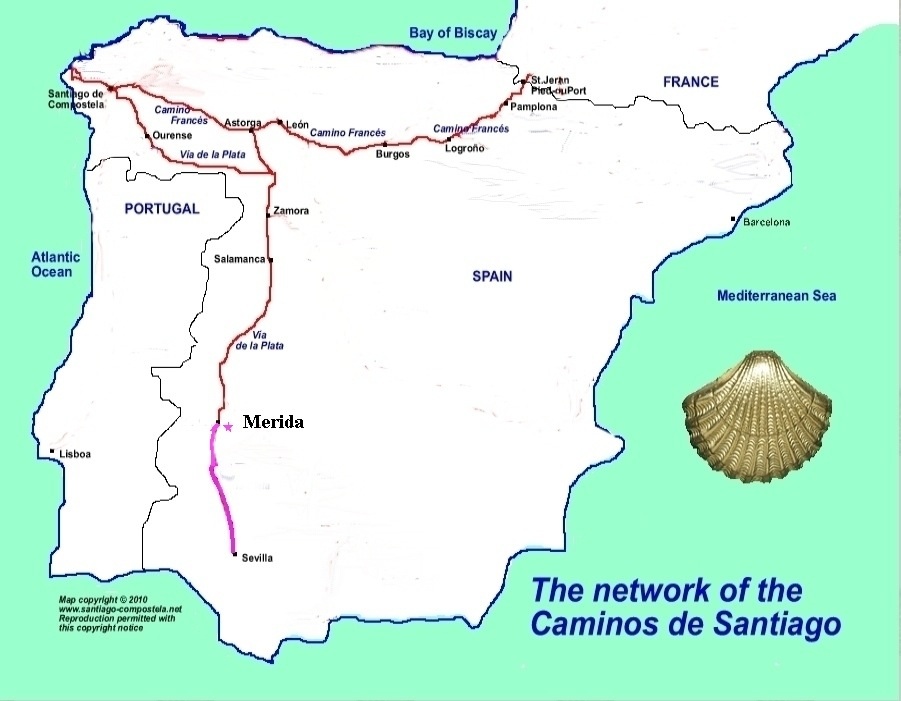
Four years or so ago,I stopped off here whilst walking the Camino Via de la Plata – there is a church dedicated to St James on the Camino,just off the main square.

Caceres campsite is another totally different attraction – a short bus ride out of the city. It’s the second time we have stayed here – it’s unique in that each pitch has its own shower/toilet block and there is a fabulous pool and bar area directly accessible on site.

Onwards then,up the Autovia Ruta de la Plata, to Tordesillas, for a two day stopover before. Making for France.

Two Days in Evora…And “Them Bones,Them Bones,Them Dry Bones”. “We, the bones that are here await yours.”

23 Jul

I thought I had visited Evora in the Seventies,but I was mistaken- I was either confusing it with Beja or Avila.

This museum-city, whose roots go back to Roman times, reached its golden age in the 15th century, when it became the residence of the Portuguese kings. Its unique quality stems from the whitewashed houses decorated with azulejos and wrought-iron balconies dating from the 16th to the 18th century. Its monuments had a profound influence on Portuguese architecture in Brazil.

There is a lot to see in Evora, as the compact city has the second largest number of national monuments of Portugal, being second only to Lisbon.

The Praça Do Giraldo is the centrepiece of the city, with its fountain,apparently where the still standing aqueduct used to bring water into the city.

Having toured the city and marvelled at its many fascinating churches,squares,courtyards and panoramas, it is not a city you forget. Just a short bus ride from the lovely Orbitur campsite,directly into the main square. Checked in to the Turismo for a helpful city map and decided to go with the trail in the guidebook.

Starting with the” See “- Portuguese term for Cathedral – and a rooftop tour to enjoy a panorama of the city – views across the Alentejo to the far horizon.

Guide books describe the mismatched,twin towers as creating a forbidding setting; wasn’t my impression.

This city has a good many churches,enticing alleyways, public gardens and monuments.

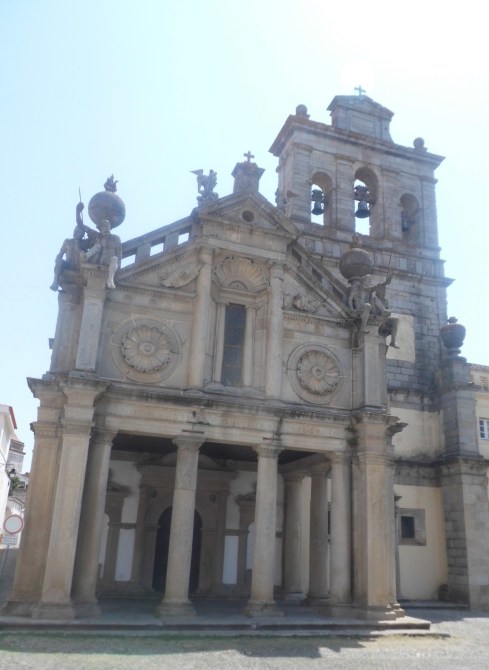
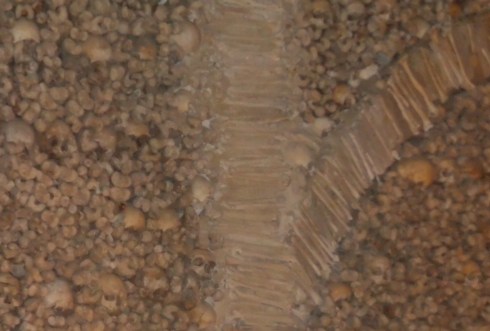
The church of San Francisco houses a chapel mainly constructed from the bones of Franciscan monks, whose remains had been disinterred from their graveyards. They were running out of graveyard space!

It is a fascinating if gruesome place – with spines,fibulas,skulls aligned geometrically – estimated at 5000! Unforgettable, macabre Capela dos Ossos.

The restaurants are renown for their Alentejan cooking – pity it wasn’t dinner time as I don’t like big lunches, so it was a “meal deal” in the park – tasty sandwich and a drink.

Doorways, sculptures and views. Something of interest at every corner.

It’s most famous monument is from Roman times. Long known as ” Diana’s Temple”- it was probably Jupiter’s or the Emperor’s preferred deity.

Just a couple of photos to finish with, the aqueduct and five gypsies in a horse and trap, traversing the car pork at the Continente Hypermarket in Evora, this morning.

Now for another great city – Caceres and if I remember rightly a great campsite and pool.

Alentejo – Five Day Break in Porto Covo – & a Music Festival.

21 Jul

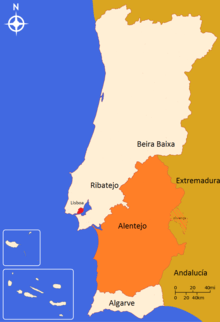
The Alentejo is the beautiful region of Portugal that lies between the Algarve and central Lisbon region. This vast and sparsely populated area – 10% of the population of Portugal – covers over 30% of Portugal and is characterised by its gentle rolling hills, historic fortified towns and intense summer heat,which is tempered by the Atlantic breeze on the coast,only.

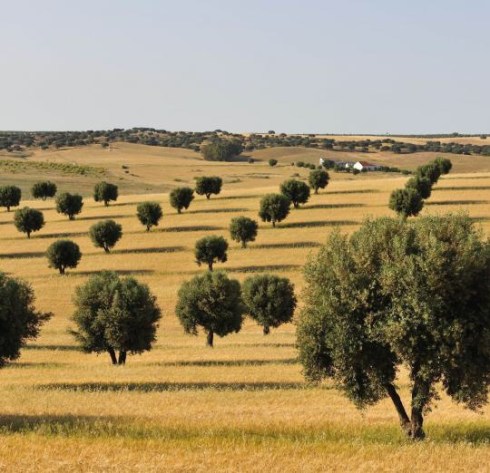
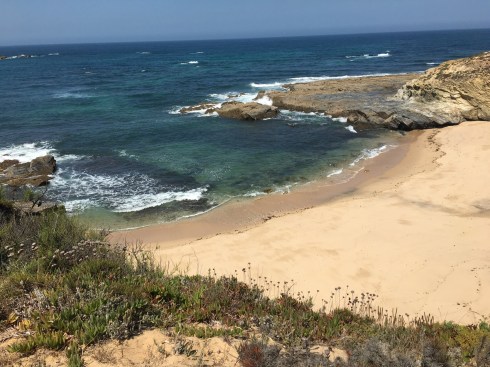
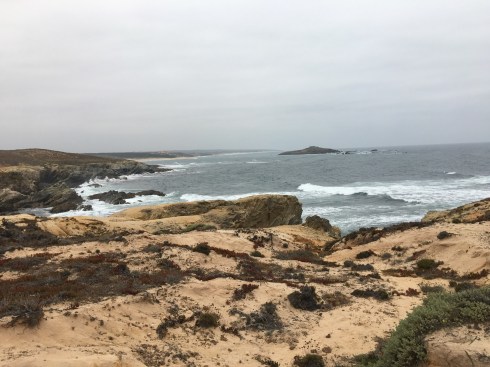
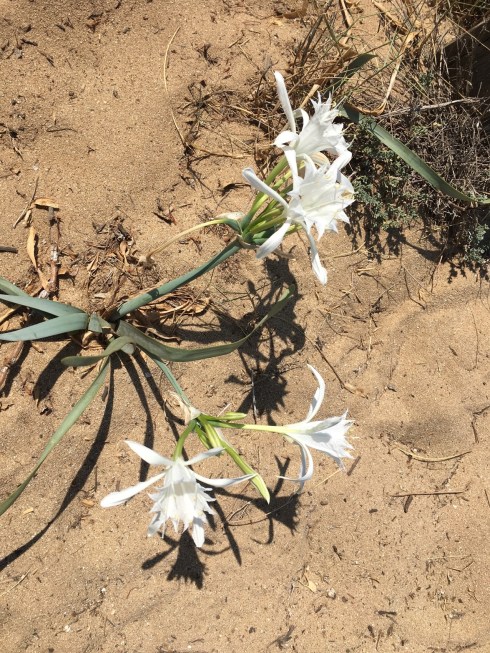
The North is quite flat,vast fields of wheat, a legacy from the Roman occupation and there are also great forests of Cork Oak. The coastline,however, is a dramatic succession of cliffs, wild seascapes and isolated beaches.

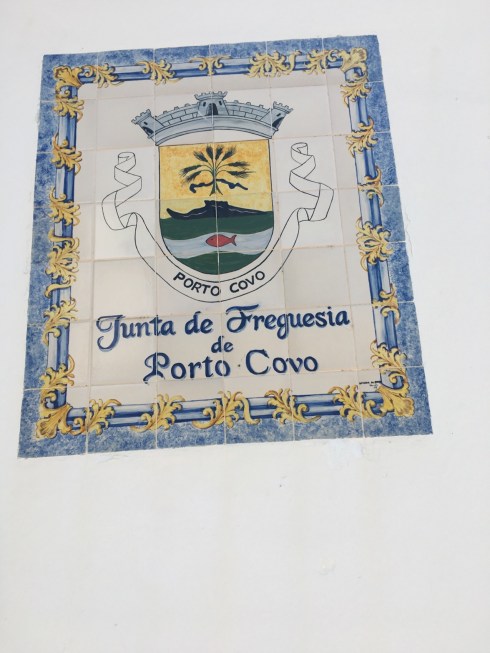
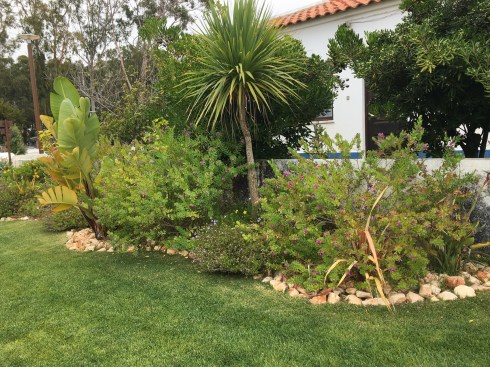
Porto Covo is the base chosen – and its reputedly best campsite – Costra Do Vizir. And it has proven to be a good choice with excellent facilities and spacious pitches for Motorhomes. The landscaping is thoughtfully done. And, for sunbathers there is the choice between a good sized pool or a 6 minute walk to the beaches.

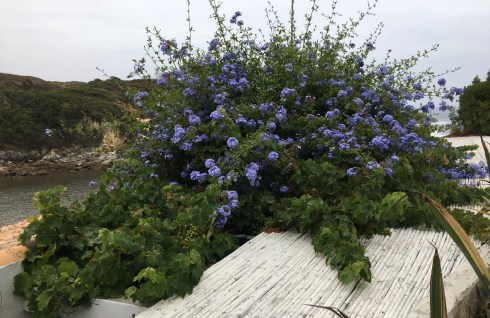
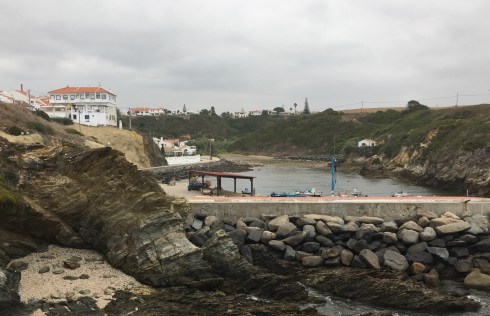
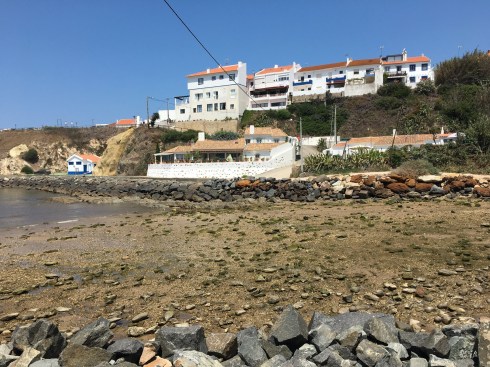
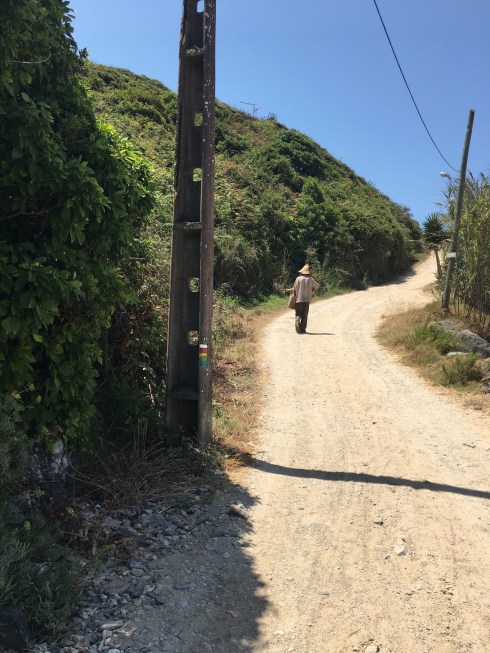
From Porto Covo it is possible to walk along the cliff tops,via its quaint little fishing port.

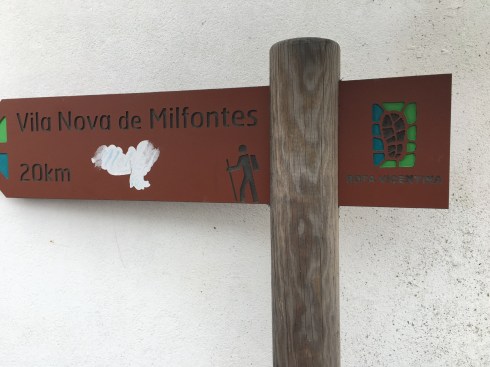
A choice of routes,but we followed part of a recently established “ Fishermans’ Trail”/“The Vincentena,” which can walked completely in four days,or so – I shall investigate that as a possibility for next year .

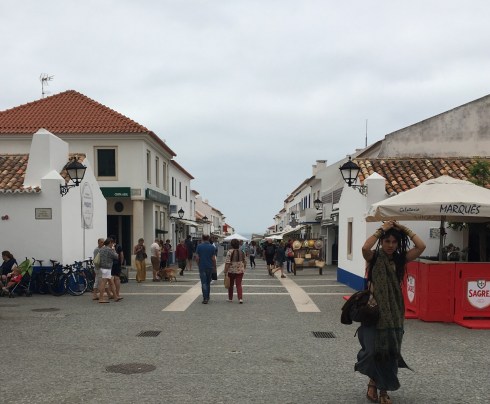
Porto Covo is surrounded by holiday villas, with more being developed, but that does not spoil the old part of the village, with its square and Main Street,pedestrianised and given over to shops and fish restaurants.

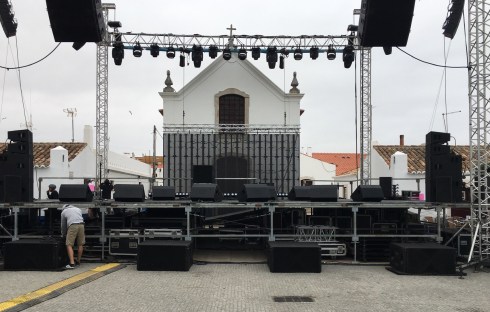
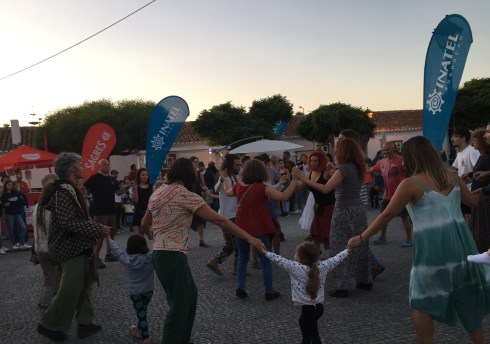
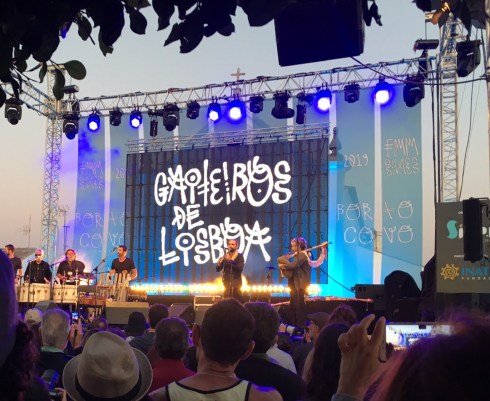
A weekend Music Festival is taking place ,sponsored by a local radio station and a brewery – the stage is set in front of the little parish church – I wonder if the musicians get to use the Vestry to get changed? The stage looks “state of the art” with lights and a huge range of speakers.

Craft stalls and portable food outlets have taken over adjacent streets – it all looks well organised. It has added to the variety of visitors over the last two days- younger people, with dreadlocks still very fashionable and some eye catching fashions.

The other day, descending to the cove, we passed an eccentric looking soul – a troubadour ? – picking early blackberries and strumming his guitar as he walked on.

Looking forward to the music – I hope we get some Portuguese folk music – though I hope it’s not Fado,so mournful in my experience.

As has been the case during all of this trip, mercifully few Brits, Portuguese families tend to dominate and that is both welcome and understandable. Hannah in particular has become very fond of Porto Covo and it has been an enjoyable stay – some walking, averaging 6-7 miles day, swimming, reading, BBQs and relaxing.

Sunday 21st, heading Northwards then East 120 miles to Evora, UNESCO Designated Heritage Site,for a couple of days – temperatures of 37-38* predicted, so it will be an early start for touring the city, first visited in the mid 70s. Local bus outside the Campsite which is a bonus.

Mosteiro de Alcobaca – From the late 12 th Century- in 1223 it was the largest church in Portugal – and a gruesome story.

17 Jul

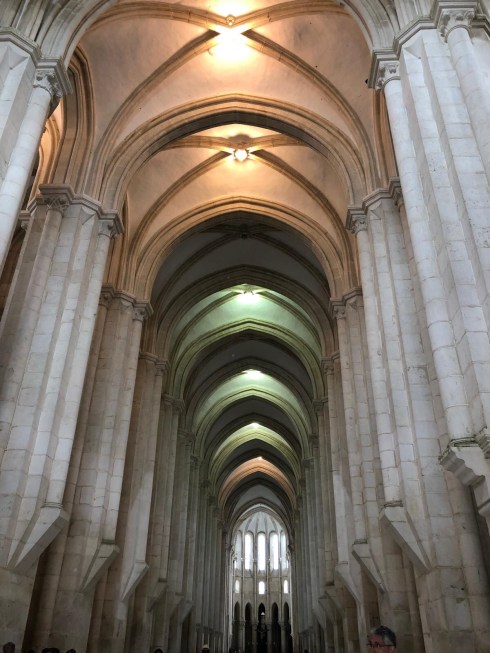
The Mosteiro de Alcobaça is an imposing and grand monastery complex, and is one of the finest examples of early Gothic architecture in Portugal. The mighty church was commissioned by King Afonso Henriques in 1153 to demonstrate the power of the new ruling dynasty, after the Christian Crusades drove the Moors from central Portugal.

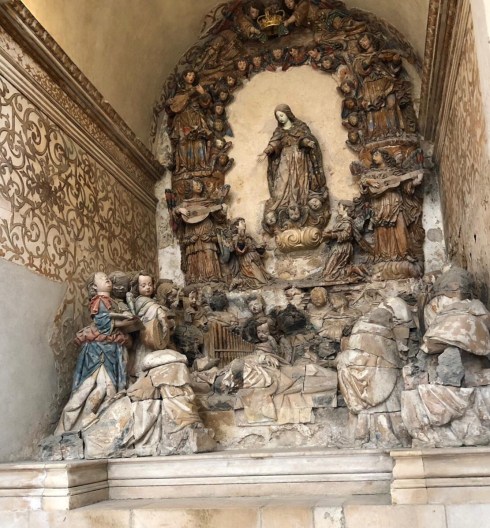
The monastery was constructed soon after the church, and date from an era when to be a monk was a harsh and difficult calling, and the monastery reflects this austere and severe life. The only true flashes of artistic beauty are the tombs of King Pedro and his wife Inês, a fateful story. As the monastery grew in importance and wealth, the lives of the monks improved greatly – their girths became so round that the door to the refectory was a fitness test – if the monk could not pass through,he had to fast.

The Monastery is positioned on the confluence of two rivers, the Rio Alcoa and the Rio Baça (hence the name of the town Alcobaça). 

King Afonso Henriques commanded Saint Bernard to construct the church after the victory at Santarém in 1147, against the Moors. Saint Bernard was the founder of the Order of Cistercians, and the construction of the monastery for the Cistercians brought favour for the fledging Portuguese dynasty from the pope. Bernard was a French abbot (Bernard of Clairvaux), and the Mosteiro de Alcobaça has many similarities to other French Gothic monasteries.

When king Pedro was coronated (1357), he had his murdered wife (Inês) exhumed, placed on the queen’s throne and forced all of his courtiers to kiss her hand. The tomb of Inês de Castro is supported by four gremlin statues, which represent her assassins. The tombs of King Pedro and Inês where badly damaged by French soldiers 1810, who were hoping find jewels and treasures within.

At its peak there were over 900 monks housed in the monastery and the fertile lands owned by the monastery ensured it prospered. The Mosteiro de Alcobaça was originally harsh and silent but by the 18th century had a reputation of overindulgences (especially with food). This is exemplified by the colossal chimney in the kitchen, which was designed to accommodate a whole ox over the fire pit.

The Nave is starkly simple, austere but imposing.

One of the cloisters looked as though it needed the monks to return, or at least the lay brethren who did all the manual work

It is a World Heritage Site and was worth worth our little detour to Alcacem do Sal to visit .

Just a little (h)armless fun to finish with.

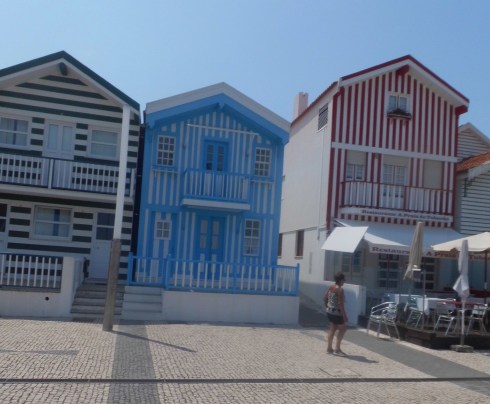
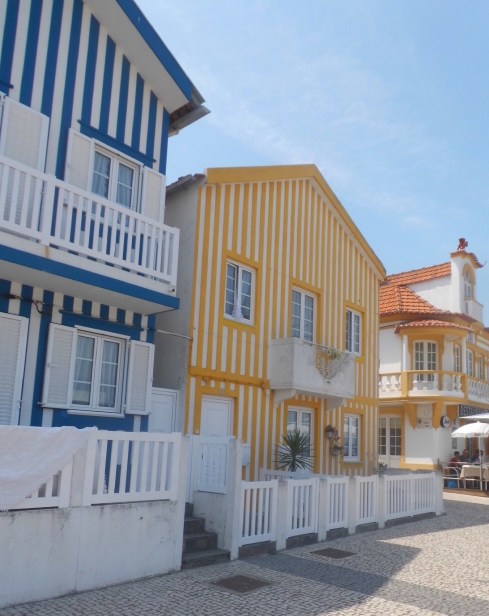
Costa Nova and Aveiro – Atlantic Ocean ,Rias,Lagoons & Canals – Houses to love,houses for TLC,but all unspoilt.

16 Jul

Costa Nova campsite is an unpretentious place – camping fields behind the sand dunes to our left and immediately outside the camp gates – the Aveiro Lagoon. Two good days here.

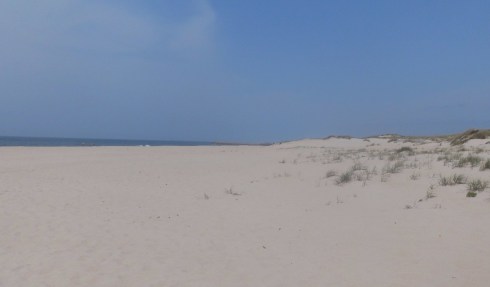
The beach was vast and deserted. Glorious sand.

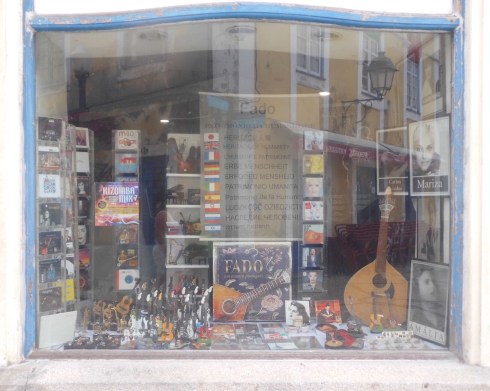
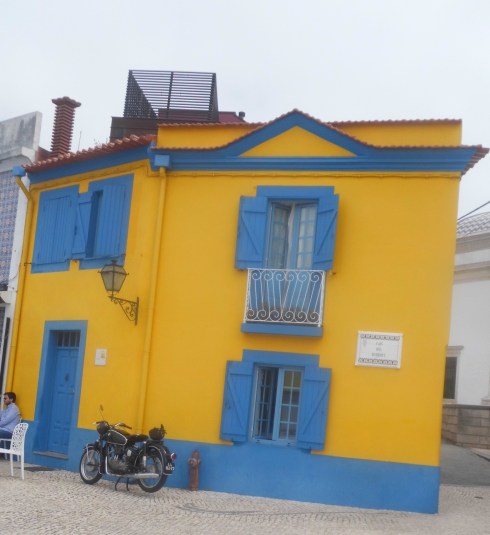
First day, exploring Costa Nova with its unique repertoire of stripe-painted houses in different vivid colours and the second day a local bus trip to amazing Aveiro, where there were also some des res. Costa Nova is a favourite excursion destination – pleasant sea front and of course,the houses.A couple of interesting shops featuring such disparate items as the Portuguese love of Fado music and sardine can collecting!

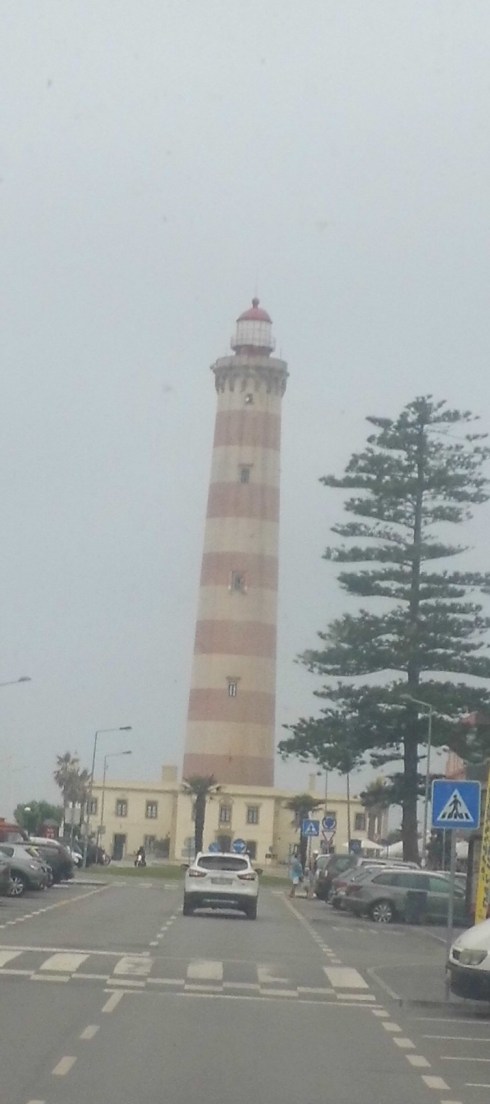
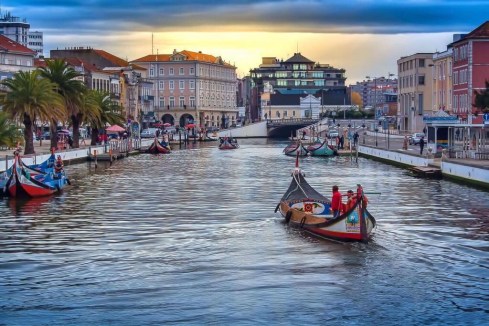
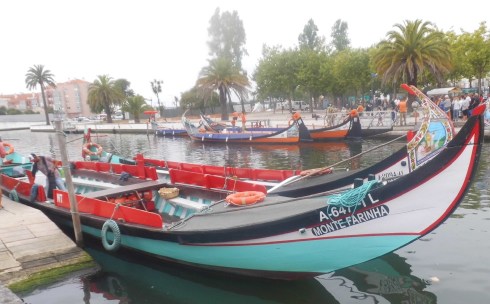
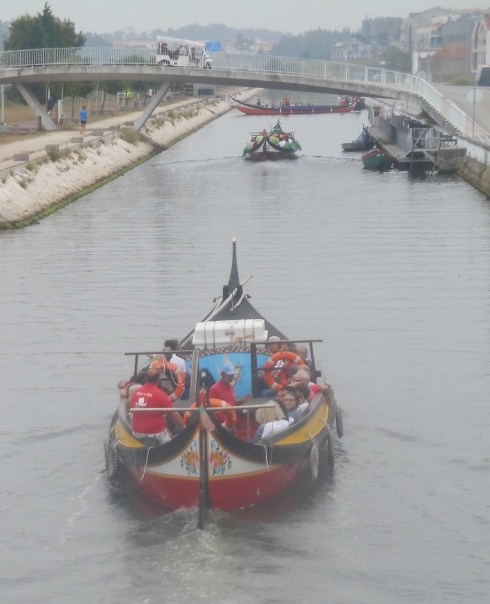
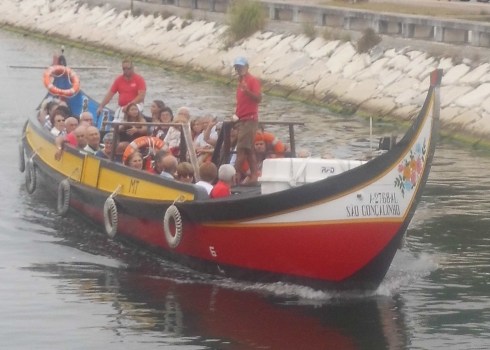
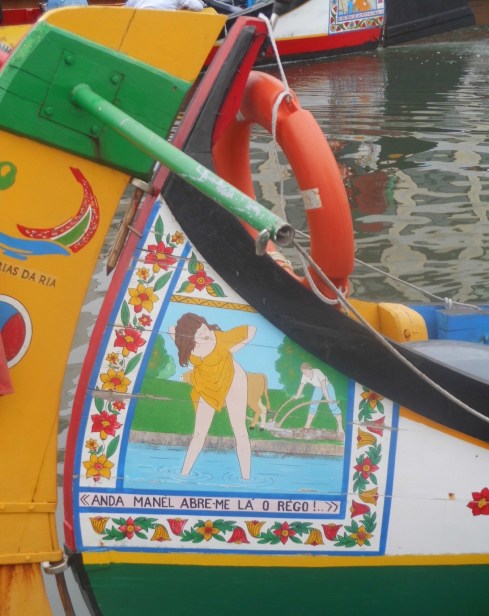
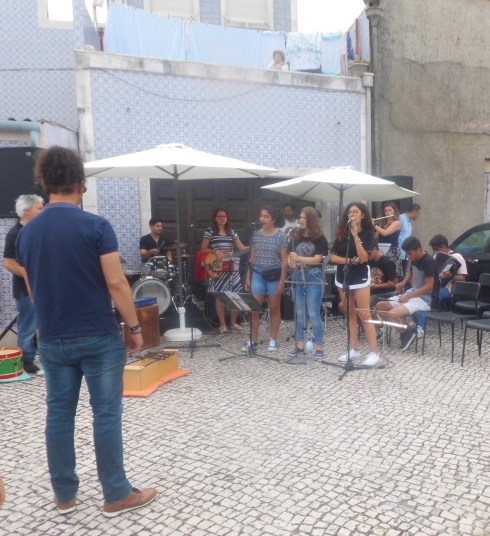
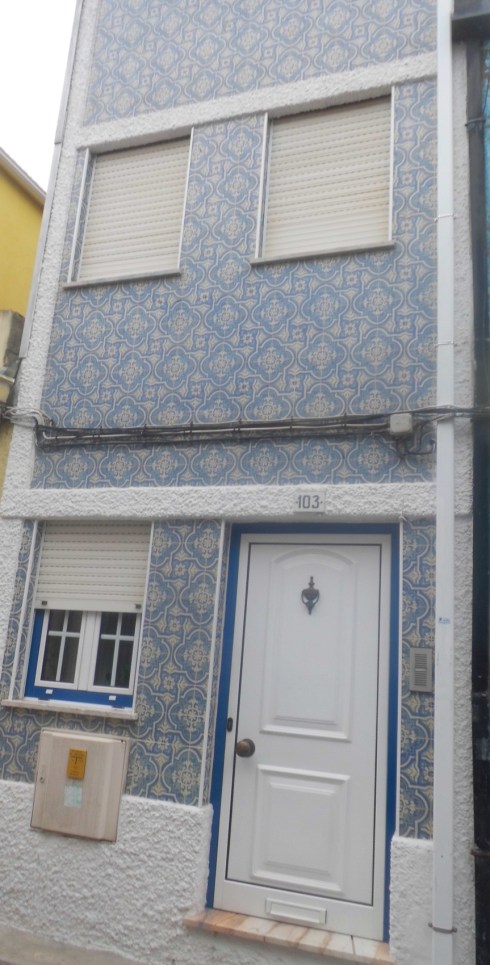
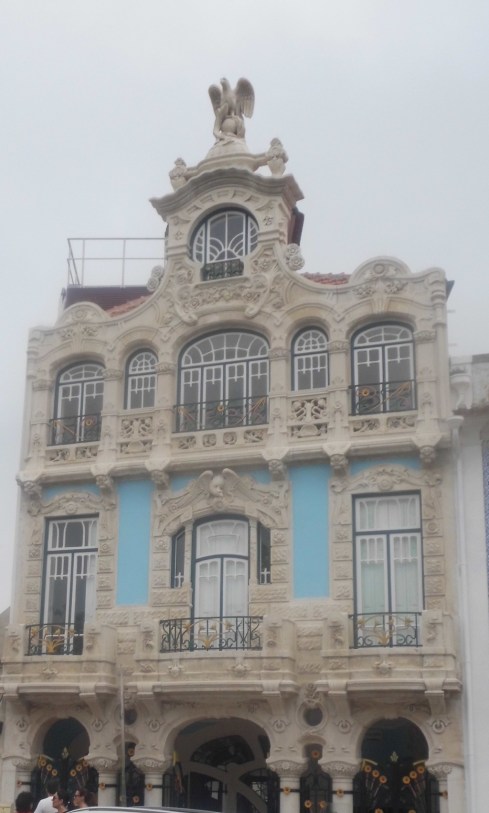
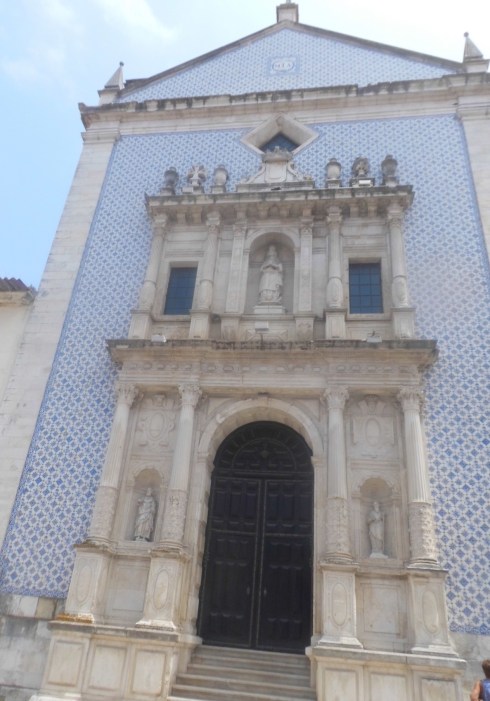
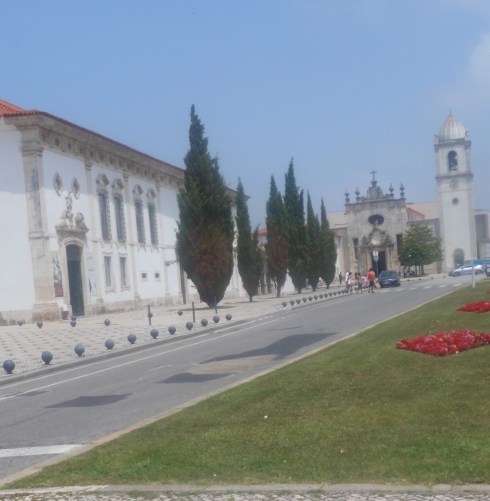
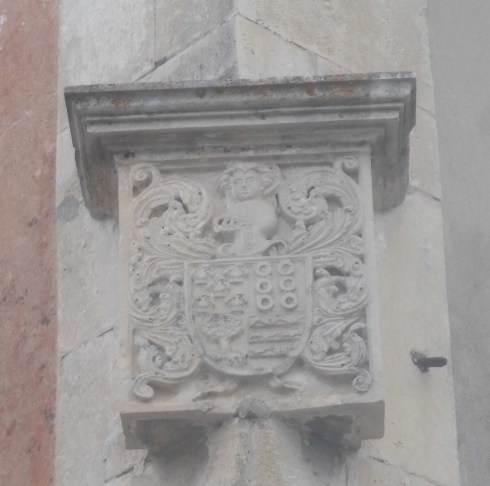
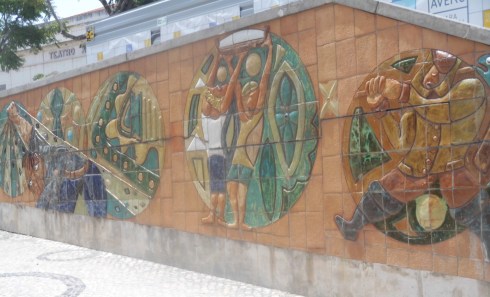
The bus trip to Aveiro on Sunday was a bargain as it included nearby Barra and its famous lighthouse, the docks and eventually Aveiro.The immediate impression of Aveiro is the canal network and the brightly painted boats,initially used for collecting seaweed to be made into fertiliser, but now working loads of trippers around the canal network.But you would not find such a saucy painting on an English narrowboat…As we walked alongside the canal we came across a concert by the Aveiro School of Music.Aveiro’s Old quarter has some eye catching residences, one or two to die for and one or two that looked as though they had given up the ghost.There are some fine civic buildings and venerable churches.Theworks of long forgotten stone masons and a more recent mural.I was completely taken by Aveiro – unpretentious, friendly and fascinating.

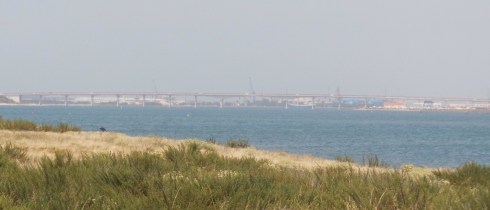
To finish – a bridge over untroubled waters.It’s down the Alentejo region next via a stopover at Alcacer Do Sal.

A Great Drive to a Fine, Little Portuguese Town.

12 Jul

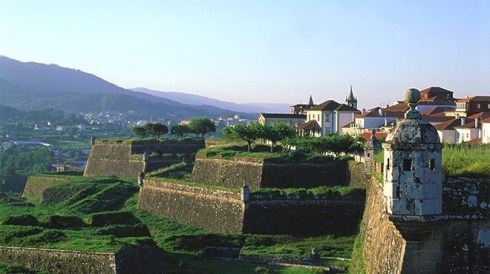
There are several ways of getting to Caminha,Portugal, from Puebla de Sanabria, but only one route avoids narrow, mountain roads. So ignoring the charms of Braganza and Chaves, both visited many years ago , the Autovia was the route of choice, passing close to A Gudina, Verin , Ourense and Vigo before dropping due South to enter Portugal by Valenca do Mino – a walled , fortress town on the River Mino. I have stayed in most of these places on various Caminos;memories came flooding back.

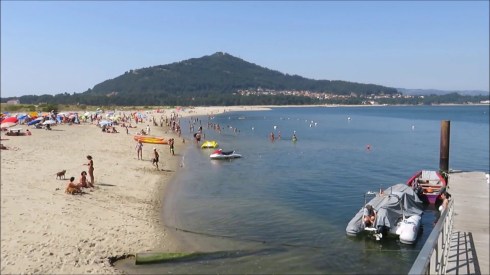
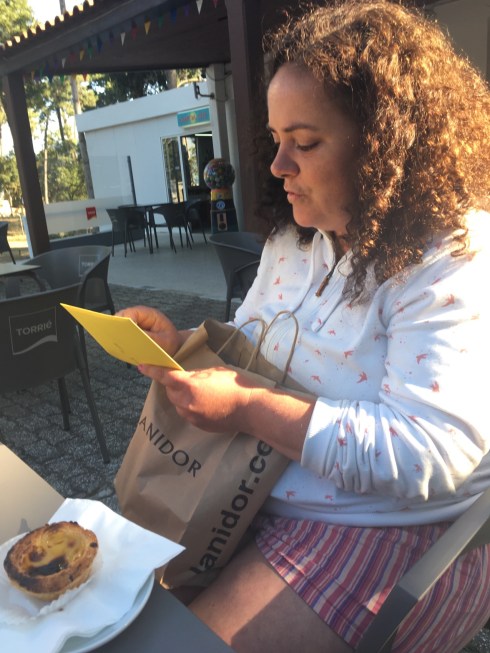
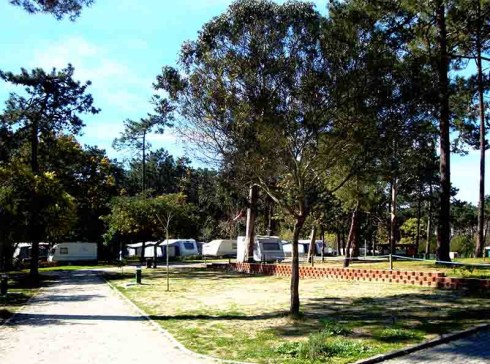
Both this day’s drive and that to Puebla have been really enjoyable as the Autovia A 52 makes for a scenic route, quiet and well facilitated with opportunities for coffee and refuelling. It was only a short run from Valenca to Caminha and the Orbitur campsite situated close to the Foz Do Mino beach.The campsite has good reviews and though small, has all the amenities.Hannah celebrated her birthday on the cafe terrace with breakfast, cards and presents brought from home and a lollipop presented to her by the waiter.

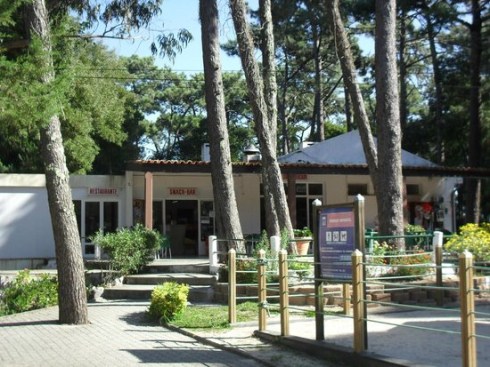
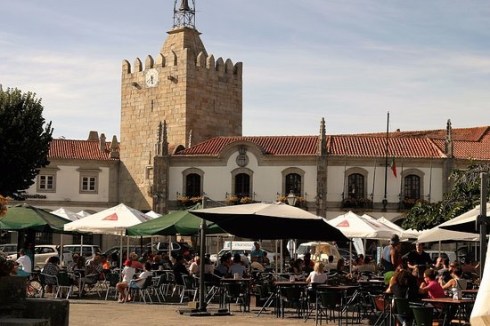
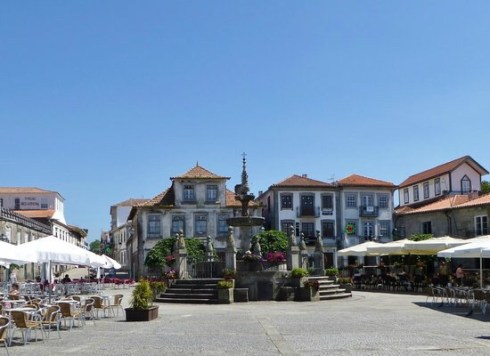
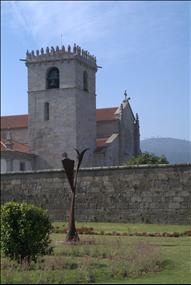
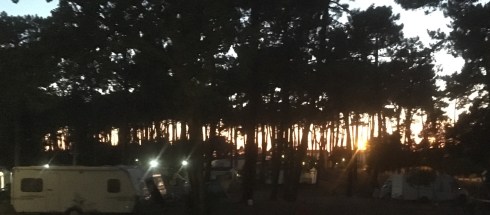
The hot sunshine for the four days here was tempered by breezes and made for a really relaxing time, exploring the town and for a walk through the adjacent pine forest. The town was once thriving fishing port, but most of its trade was overtaken by nearby Viano de Castelo, yet it remains a tranquil place with some fine architecture, especially around the main square.

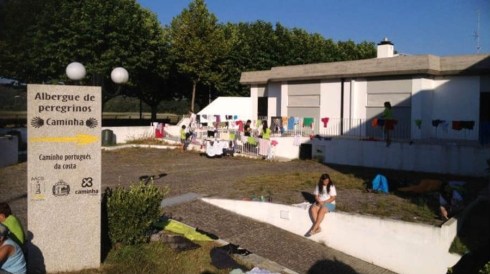
I have stayed here,twice,once on the interior Camino Portuguese and more recently on the Coastal Camino Portuguese – but being the ” ensuitepilgrim” not in the Albergue!- it’s a place I am very fond of.It’ a very pleasant walk along the Mino into town along boardwalks for part of the way.And after some sight seeing or shopping, the main square is a must for a beer or coffee.

Leaving here, tomorrow, Saturday and driving towards Aveiro, A place surrounded by water dating back to Roman times, a town I have always wanted to visit . A journey of 172 KM. It should take a couple of hours.

Goodnight and goodbye from Caminha.

The Journey – Birmingham to Puebla de Sanabria – Contrast.

10 Jul

1242 miles on the road ( and English Channel ), From Brum to Puebla de Sanabria . I am writing this up on what is technically the third day of this trip. We are now on the Isla de Puebla campsite,in the Zamora Province, not far from the Portuguese border.A thunderstorm, expected everywhere in the North of Spain, is passing overhead, small slices of ice are pinging on the roof of the motorhome, thankfully for only a short period. The temperature here @15.30 was 27* – it is now 14*. The weather will get back to normal overnight, according to forecasts and then tomorrow we make for 🇵🇹 Portugal.

But I’m getting ahead of myself. The journey began last Friday morning when Hannah and I drove down to Berkhamsted to my son Daniel’s house. Great to catch up with the three grandchildren, Nelly and Dan.

Super bbq as well. We left Dan’s place just before 1 am,giving ourselves plenty of time, we thought, to arrive at Dover for the 4.10 am ferry to Dunkirk.Not so – warning signs on the M25 warned of a closure on the M20, between junctions 9 – 11. Well, not to worry we said, there will be diversion signs. Leaving the motorway at Junction 8 as directed, we looked in vain for Diversion signs – not a chance. A lorry,registered Czech Republic, was just in front of us, so I reasoned he would be making his way to the port of Dover. Thankfully I was correct in my assumption as after 30 minutes on Kent country lanes, we reemerged on the M 20 South of the closure. Saved by a European driver – again long live the EU and borderless trade between our countries.

Instead of the usual hour’s dawdling on the quayside,we were directed straight on to the ferry and enjoyed a calm, restful crossing. The unlovely aspect of the port of Dunkirk.

Dawn had long broken over the Pas de Calais and in developing sunlight we cruised Southwards towards our planned breakfast stop – a superb Aire , Baie De Somme –Built to fit, ecologically in with the Somme Valley.

Traditionally, I avoid toll roads, seeeking to use France’s excellent Route Nationales, but experience has taught that an expedient use of the Peage network can be very time saving. In the past, like most drivers, you pull up at the toll booths, wait your turn and extract a ticket, then on leaving the motorway, queue again then insert your ticket and credit card to make payment . My attention had been jealously drawn to drivers who entered and exited via lanes reserved exclusively for “ telepeage”.

Thanks to a fellow rambler and friend of mine, Rob, I was given a link to a website,”emovis -tag.co.uk”from where you could obtain tags – two separate tags – one for France and one for Spain \ Portugal.

These you attach to your windscreen on the mottled shaded area behind the rear view mirror.The instructions said that as you approach the barrier, a device by the barrier will read your tag, securely extract your unique reference number and the automatically open the barrier.

It was with baited breath that we approached “liber-t” lane on our first Peage of the trip. What if it didn’t work? Would we be stuck and have to endure the impatient beeping of horns by those waiting behind us?….The tag beeped and the barrier lifted to great cheering and flag waving in the rear of the bus! As it has on every occasion since in both France and Spain. Not only is time saved – no queuing – but it saves the fellow passenger the great inconvenience of half emerging from the cab door to extract a ticket and/ or make payment at every toll. The bad news is that you get billed at the end of the month.

The first campsite was Bois de Chèvre at Bonnaval – a site with good memories of previous stopovers. Mon Dieu what a change – it looked unkept, piles of leaves,and an aura of almost desolation – the jolly lady we remembered was no longer there and it looked to be one chap in charge. It had been a long drive and so it would do for one night.

Even the bar/restaurant was closed and aperitifs had to be purchased from the one man band in Reception. Most unusual for France and I would imagine any reports on Camping/Caravanning websites would be quite damning, not withstanding the facts the that the shower- toilet block was spotless – though very 70s and tired looking.A great pity.

Sunday,7 th July en route for Spain. Taking the direct route. 75 miles or so to and around Tours. Went passably enough on the Route Nationale.

Needed to get around Bordeaux on its infamous “ rocade”. Driving wasn’t too hectic considering a lot of Parisians were en route South West. A good number eventually turned west to La Rochelle and Isles de Re. And as it turned out,Going around Bordeaux was no problem at all and it was not a problem to carry on towards the Spanish border.

The Pyrenees came into view passing by Bayonne.

Love the EU even more when you don’t realise you have crossed the “ frontier” between France and Spain – seamless. Bless.🇫🇲

Plan was to stay overnight at Camping Olividen just over the border, in the Basque Country…which we managed to find after a couple of reversals around roundabouts – Good job it was Sunday…Quirky little site, situated between a hyper market and a main road, but you were oblivious to them as everywhere was masked by trees.

We were ensconced and enjoying the space when a French lad opposite approached and asked if we had any “ jump leads”? He was with his wife and a little girl – an ancient Citroen Clio plus a tiny, neat caravan. D’ accord, long story cut short but eventually we got the car going by which time we had innumerable offers of help from fellow campers, including Dutch,French,Spanish and us. We drank to fellowship and the UK in the EU.

Treated ourselves to a meal in the camp restaurant- muy bien.

The weather forecast was for heavy cloud and some inevitable storms across the North.

Leaving San Sebastián was tricky but we made it out on to the autovia,many tunnels and occasional viaducts on the motorway-good driving conditions despite occasional “ Spits in The wind”. Great drive, so relaxing compared to the UK. Numerous places to relax, get fuel,etc. And diesel was so much cheaper than France – looking at €15 cheaper to fill up on a full tank.

Decision made to go on to Puebla de Sanabria, in Spain, which was the original route – storms would affect us whether in Spain or Nothern Portugal – got there in time for Han to have a swim before the aforesaid thunderstorm kicked in – just an average thunderstorm.

Shelved plan to walk in to this superb village – “The Rough Guide to Spain” hasn’t even included it – visit in the morning by which time the weather should have normalised.🌤

The campsite is on the river,just to the right,but masked by trees.

We had the village to ourselves and in bright sunshine enjoyed the tour – shops included.I have a photo with e next to the sentry, taken when passing through here on the Via de la Plata,four years or so ago.Shops and then a ” Camino style” breakfast of Tostada with tomato and olive oil.

What a contrast in the weather and even more so now as I am catching up withis Blog on the terrace of the campsite in Caminha,Portugal – 30* – and a glass of Vino Verde.

The Journey – Birmingham to Puebla de Sanabria – Contrast.

10 Jul

1242 miles on the road ( and English Channel ), From Brum to Puebla de Sanabria . I am writing this up on what is technically the third day of this trip. We are now on the Isla de Puebla campsite,in the Zamora Province, not far from the Portuguese border.A thunderstorm, expected everywhere in the North of Spain, is passing overhead, small slices of ice are pinging on the roof of the motorhome, thankfully for only a short period. The temperature here @15.30 was 27* – it is now 14*. The weather will get back to normal overnight, according to forecasts and then tomorrow we make for 🇵🇹 Portugal.

But I’m getting ahead of myself. The journey began last Friday morning when Hannah and I drove down to Berkhamsted to my son Daniel’s house. Great to catch up with the three grandchildren, Nelly and Dan.

Super bbq as well. We left Dan’s place just before 1 am,giving ourselves plenty of time, we thought, to arrive at Dover for the 4.10 am ferry to Dunkirk.Not so – warning signs on the M25 warned of a closure on the M20, between junctions 9 – 11. Well, not to worry we said, there will be diversion signs. Leaving the motorway at Junction 8 as directed, we looked in vain for Diversion signs – not a chance. A lorry,registered Czech Republic, was just in front of us, so I reasoned he would be making his way to the port of Dover. Thankfully I was correct in my assumption as after 30 minutes on Kent country lanes, we reemerged on the M 20 South of the closure. Saved by a European driver – again long live the EU and borderless trade between our countries.

Instead of the usual hour’s dawdling on the quayside,we were directed straight on to the ferry and enjoyed a calm, restful crossing. The unlovely aspect of the port of Dunkirk.

Dawn had long broken over the Pas de Calais and in developing sunlight we cruised Southwards towards our planned breakfast stop – a superb Aire , Baie De Somme –Built to fit, ecologically in with the Somme Valley.

Traditionally, I avoid toll roads, seeeking to use France’s excellent Route Nationales, but experience has taught that an expedient use of the Peage network can be very time saving. In the past, like most drivers, you pull up at the toll booths, wait your turn and extract a ticket, then on leaving the motorway, queue again then insert your ticket and credit card to make payment . My attention had been jealously drawn to drivers who entered and exited via lanes reserved exclusively for “ telepeage”.

Thanks to a fellow rambler and friend of mine, Rob, I was given a link to a website,”emovis -tag.co.uk”from where you could obtain tags – two separate tags – one for France and one for Spain \ Portugal.

These you attach to your windscreen on the mottled shaded area behind the rear view mirror.The instructions said that as you approach the barrier, a device by the barrier will read your tag, securely extract your unique reference number and the automatically open the barrier.

It was with baited breath that we approached “liber-t” lane on our first Peage of the trip. What if it didn’t work? Would we be stuck and have to endure the impatient beeping of horns by those waiting behind us?….The tag beeped and the barrier lifted to great cheering and flag waving in the rear of the bus! As it has on every occasion since in both France and Spain. Not only is time saved – no queuing – but it saves the fellow passenger the great inconvenience of half emerging from the cab door to extract a ticket and/ or make payment at every toll. The bad news is that you get billed at the end of the month.

The first campsite was Bois de Chèvre at Bonnaval – a site with good memories of previous stopovers. Mon Dieu what a change – it looked unkept, piles of leaves,and an aura of almost desolation – the jolly lady we remembered was no longer there and it looked to be one chap in charge. It had been a long drive and so it would do for one night.

Even the bar/restaurant was closed and aperitifs had to be purchased from the one man band in Reception. Most unusual for France and I would imagine any reports on Camping/Caravanning websites would be quite damning, not withstanding the facts the that the shower- toilet block was spotless – though very 70s and tired looking.A great pity.

Sunday,7 th July en route for Spain. Taking the direct route. 75 miles or so to and around Tours. Went passably enough on the Route Nationale.

Needed to get around Bordeaux on its infamous “ rocade”. Driving wasn’t too hectic considering a lot of Parisians were en route South West. A good number eventually turned west to La Rochelle and Isles de Re. And as it turned out,Going around Bordeaux was no problem at all and it was not a problem to carry on towards the Spanish border.

The Pyrenees came into view passing by Bayonne.

Love the EU even more when you don’t realise you have crossed the “ frontier” between France and Spain – seamless. Bless.🇫🇲

Plan was to stay overnight at Camping Olividen just over the border, in the Basque Country…which we managed to find after a couple of reversals around roundabouts – Good job it was Sunday…Quirky little site, situated between a hyper market and a main road, but you were oblivious to them as everywhere was masked by trees.

We were ensconced and enjoying the space when a French lad opposite approached and asked if we had any “ jump leads”? He was with his wife and a little girl – an ancient Citroen Clio plus a tiny, neat caravan. D’ accord, long story cut short but eventually we got the car going by which time we had innumerable offers of help from fellow campers, including Dutch,French,Spanish and us. We drank to fellowship and the UK in the EU.

Treated ourselves to a meal in the camp restaurant- muy bien.

The weather forecast was for heavy cloud and some inevitable storms across the North.

Leaving San Sebastián was tricky but we made it out on to the autovia,many tunnels and occasional viaducts on the motorway-good driving conditions despite occasional “ Spits in The wind”. Great drive, so relaxing compared to the UK. Numerous places to relax, get fuel,etc. And diesel was so much cheaper than France – looking at €15 cheaper to fill up on a full tank.

Decision made to go on to Puebla de Sanabria, in Spain, which was the original route – storms would affect us whether in Spain or Nothern Portugal – got there in time for Han to have a swim before the aforesaid thunderstorm kicked in – just an average thunderstorm.

Shelved plan to walk in to this superb village – “The Rough Guide to Spain” hasn’t even included it – visit in the morning by which time the weather should have normalised.🌤

The campsite is on the river,just to the right,but masked by trees.

We had the village to ourselves and in bright sunshine enjoyed the tour – shops included.I have a photo with e next to the sentry, taken when passing through here on the Via de la Plata,four years or so ago.Shops and then a ” Camino style” breakfast of Tostada with tomato and olive oil.

What a contrast in the weather and even more so now as I am catching up withis Blog on the terrace of the campsite in Caminha,Portugal – 30* – and a glass of Vino Verde.