TILE MUSEUMThe art of the azulejo
Tile Museum Despite its somewhat out-of-the-way location, this delightful museum is well worth a visit, presenting five centuries of decorative ceramic tiles or azulejos, tracing the history and production of the art form.
Its collection is the only of its kind in the world, and contains a splendid array of tiles from as early as the 15th century along with displays on how they’re made. It is housed in the monastic buildings of the Madre de Deus Convent, which after renovation following the Great Earthquake had its interior turned into one of the most magnificent in the city. The splendor and opulence of the chapel dedicated to St. Anthony and the chapter house is particularly impressive. Noteworthy amid the rich decoration are panels in the ceiling with gilt frames set with paintings, Madre de Deus Convent including portraits of King João III and his queen, Catherine of Austria. Several other glorious paintings in the church depict the life of saints, and filling the main vault are scenes from the Life of the Virgin.
The highlight of the museum is a blue and white composition of 1300 tiles, 23m (75ft) in length, of Lisbon’s cityscape made in 1738, prior to the Great Earthquake, and reputedly the country’s longest tile piece.
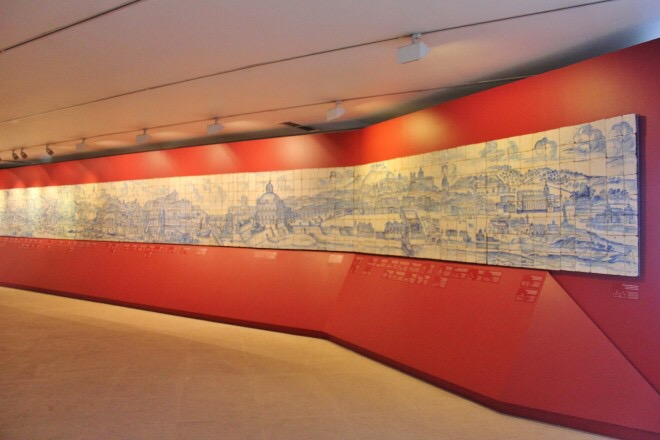
My preferences were the tiles from 15-16th century, patterns of Moorish origin. Hard to pick a favourite.


 Worth seeing in large scale!
Extremely informative audio-visual presentations – giving the climatic, cultural and economic context to the prevalence of tiles in Portuguese history and its empire. Being a poor country, the use of clay decoration was affordable, durable and available.
The church soon integrated tiles into church decoration and biblical themes abounded – I found these to be of less interest, notwithstanding the craftsmanship involved – it was realised , too, that tiles withstood extremes of climate unlike tapestries and portraits .

 I shall just include a couple more favourites.

 The church is ornately decorated and the Chapter, too, is beautifully preserved. This being a Sunday morning, meant that it was possible to have the rooms to yourself, at times. We first visited this museum 12 years ago and loved it,thedisplays have been enhanced since then. A Lisbon highlight.
Beautiful garden for coffee and…..

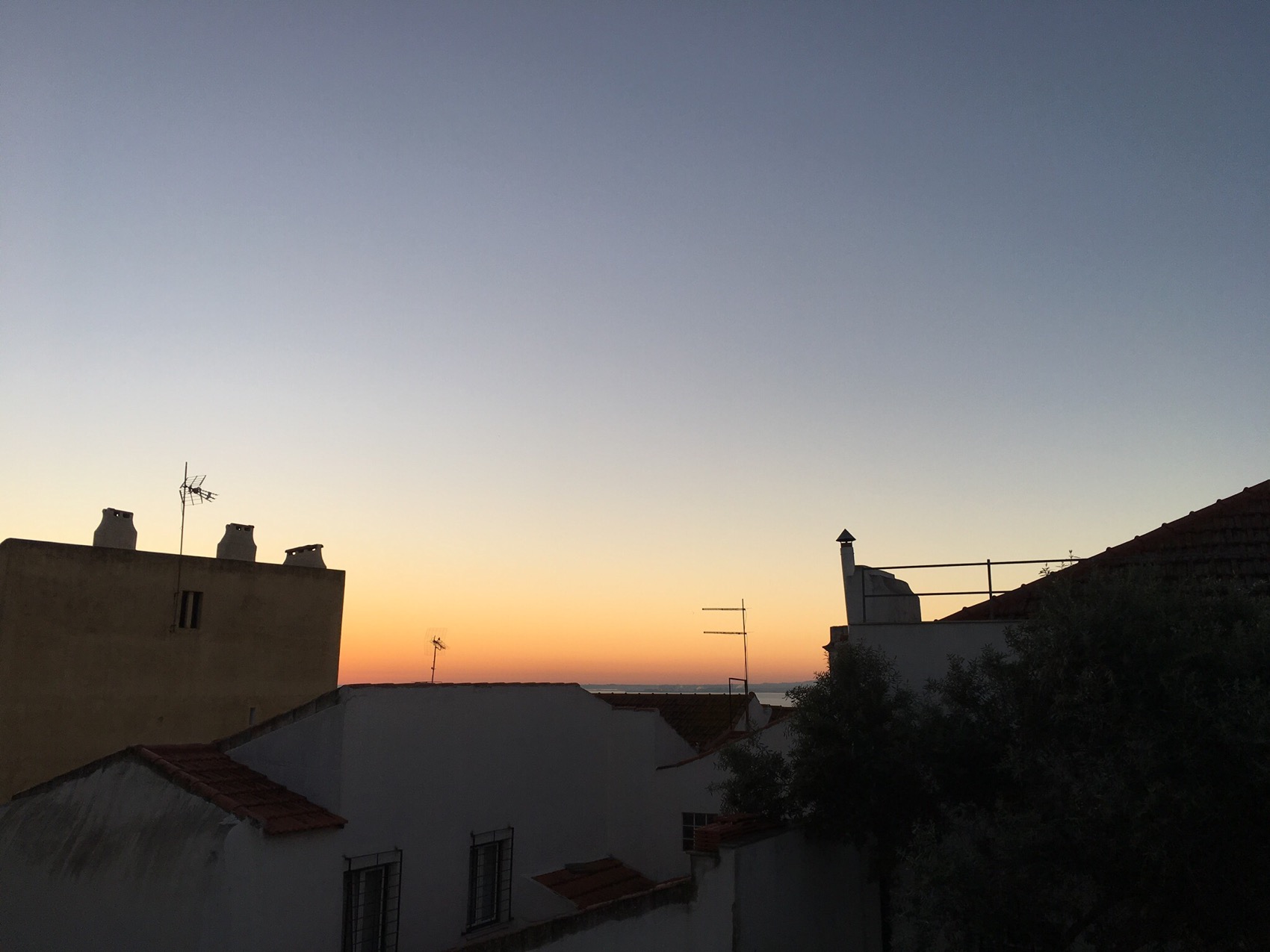
Should mention that we made our own travel arrangements and stayed in an Airbnb apartment in the old Alfama district.
Lisbon needs longer than four days , but we packed in a great deal; good transport systems, trams, buses, Metro and trains. Except for the waterfront, it is very hilly, but that is more than compensated for, by rewarding , great viewpoints. For a capital city, it is not expensive to enjoy great food and drink- which we did,particularly the seafood. We were blessed with sunny weather and benign temperatures, that helped as we walked 32 miles, over the four days , according to my daughter, Hannah and I must credit her, too, as the photographer in chief on this hugely enjoyable city break.










 ensuitepilgrim's Blog